
 oint your smartphone or a standard camera at a tall building, and you get an immediate visual confession: the structure is visibly leaning backward, an optical quirk known as converging verticals. For decades, architectural photographers have combated this distortion using heavy view cameras and specialized shift lenses. As Lachlan Fysh pointed out, if you want a factory-built Swiss camera that pulls off the same perspective tricks, you are looking at a body alone that starts north of $5,000. That is the price of a decent used car spent purely on a metal box, before you even purchase a single piece of glass.
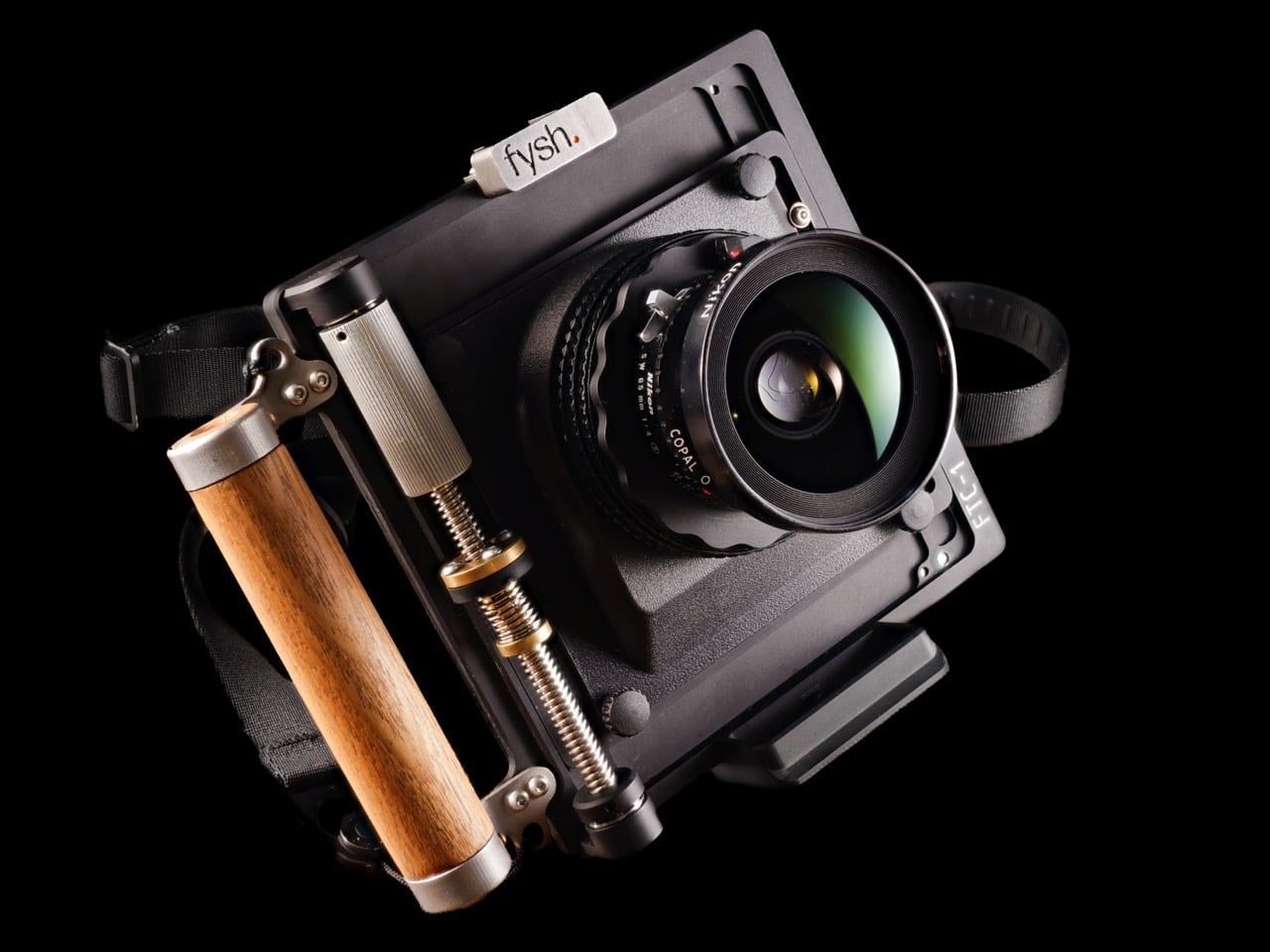
The FTC-1 camera changes the math for anyone who actually wants to shoot tall buildings without emptying their savings account. The camera shoots 120 film on Mamiya RB67 backs and borrows lenses from the large format world. Because large format lenses cast a massive image circle that covers way more space than a standard film frame, the camera body has room to slide the lens around. Turn a knob and the lens rises up to 30mm, keeping the camera perfectly level while the frame shifts upward to catch the top of a skyscraper. A second mechanism handles 15mm of sideways shift, and the back spins between portrait and landscape on magnetic detents.
The whole package weighs 2.4 pounds (1.1 kg) and sells for $1,200 AUD, roughly $850.
Fysh built the FTC-1 using a 3D printer, a CNC machine, and a wooden dowel. His first prototype was printed entirely in plastic, but it swayed on a tripod—a dealbreaker when you are focusing by squinting at ground glass. Following a suggestion from Oscar Oweson of Panomicron, Fysh integrated CNC-machined aluminum plates for the core and tripod base where stiffness matters, while keeping 3D-printed parts everywhere else to save weight and materials. The rise mechanism runs on a TR8 lead screw, an 8mm threaded rod borrowed straight from desktop 3D printers, paired with an anti-backlash nut that eliminates mechanical slop. Fixed tilt cones cost $50 AUD each, letting you lock in perspective without paying luxury brand margins.
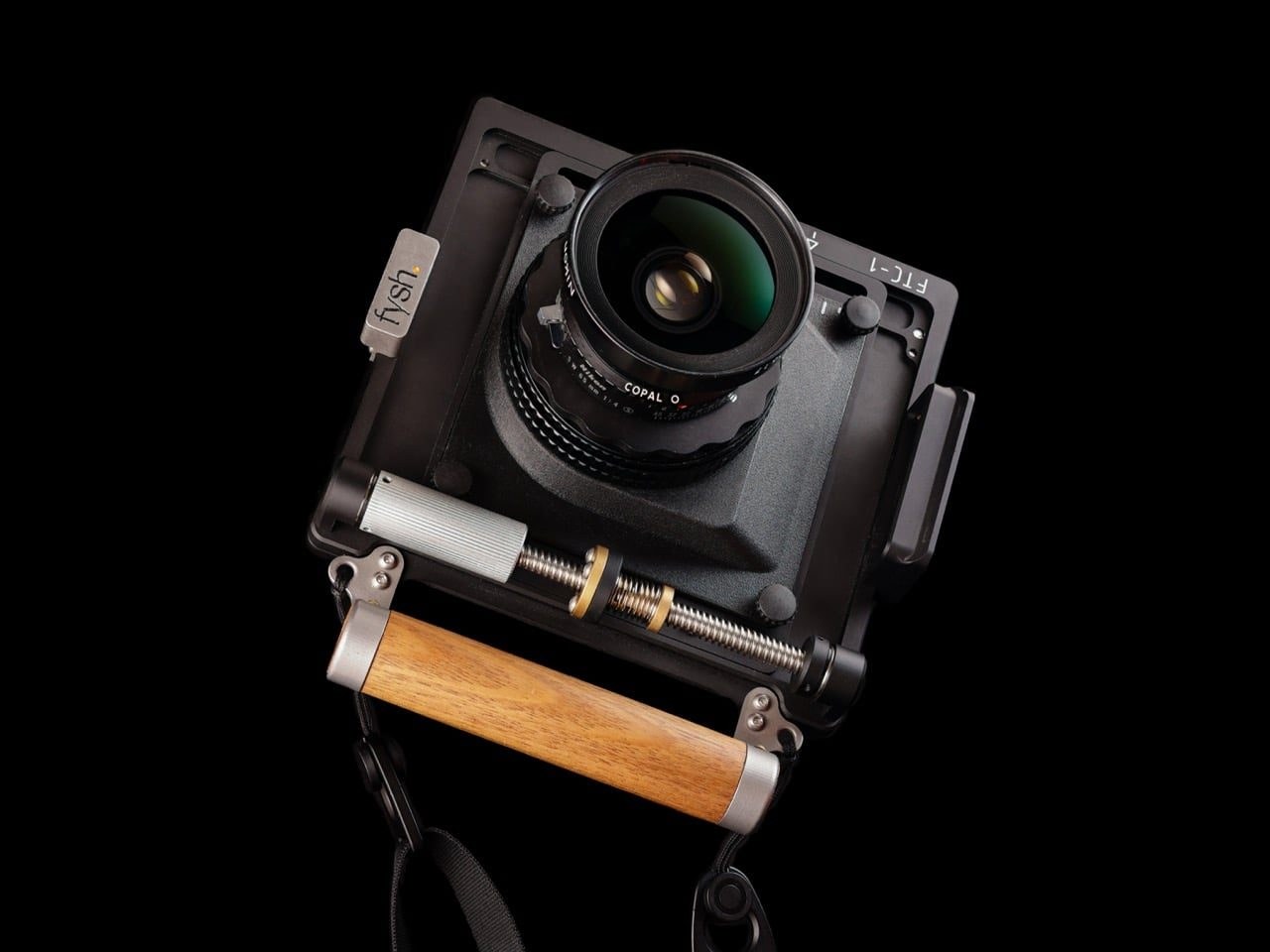
If you shoot architecture or landscapes on film, the FTC-1 is an unapologetic middle finger to high-end optical brands. Weighing in at 2.4 pounds, it is light enough to carry around while riding a bicycle, unlike traditional view cameras that require a heavy tripod and a dedicated backpack. The catch is that this is a niche, handmade tool built by a designer around a full-time job, meaning stock arrives in small batches. A 6x17 panoramic sibling called the FTC-W is already in development on the same cone system for those who want an even wider view. You are trading brand prestige and immediate availability from a massive retailer for garage-built ingenuity that costs a fraction of the traditional entry fee.