
22 stories · Full archive →
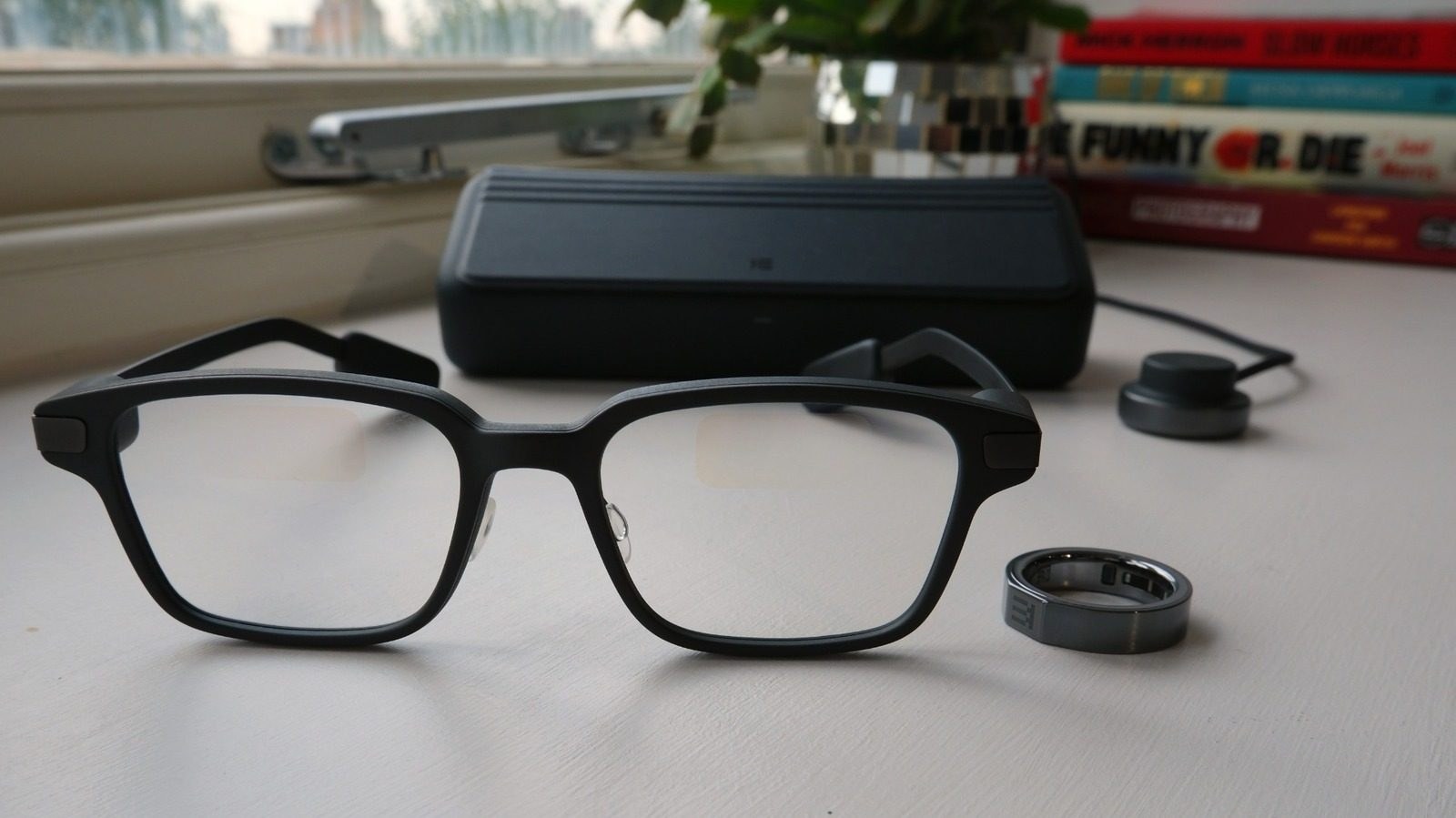
Even Realities upgraded its smart glasses with sharper displays and water resistance for $599, but forcing users to buy a separate $249 control ring creates unnecessary daily frustration.

The $69 FunnyPlaying GB Mini offers budget FPGA cartridge gaming, but severe plastic flexing and loose screens ruin the experience. Retro fans should skip this fragile console until manufacturing quality improves.
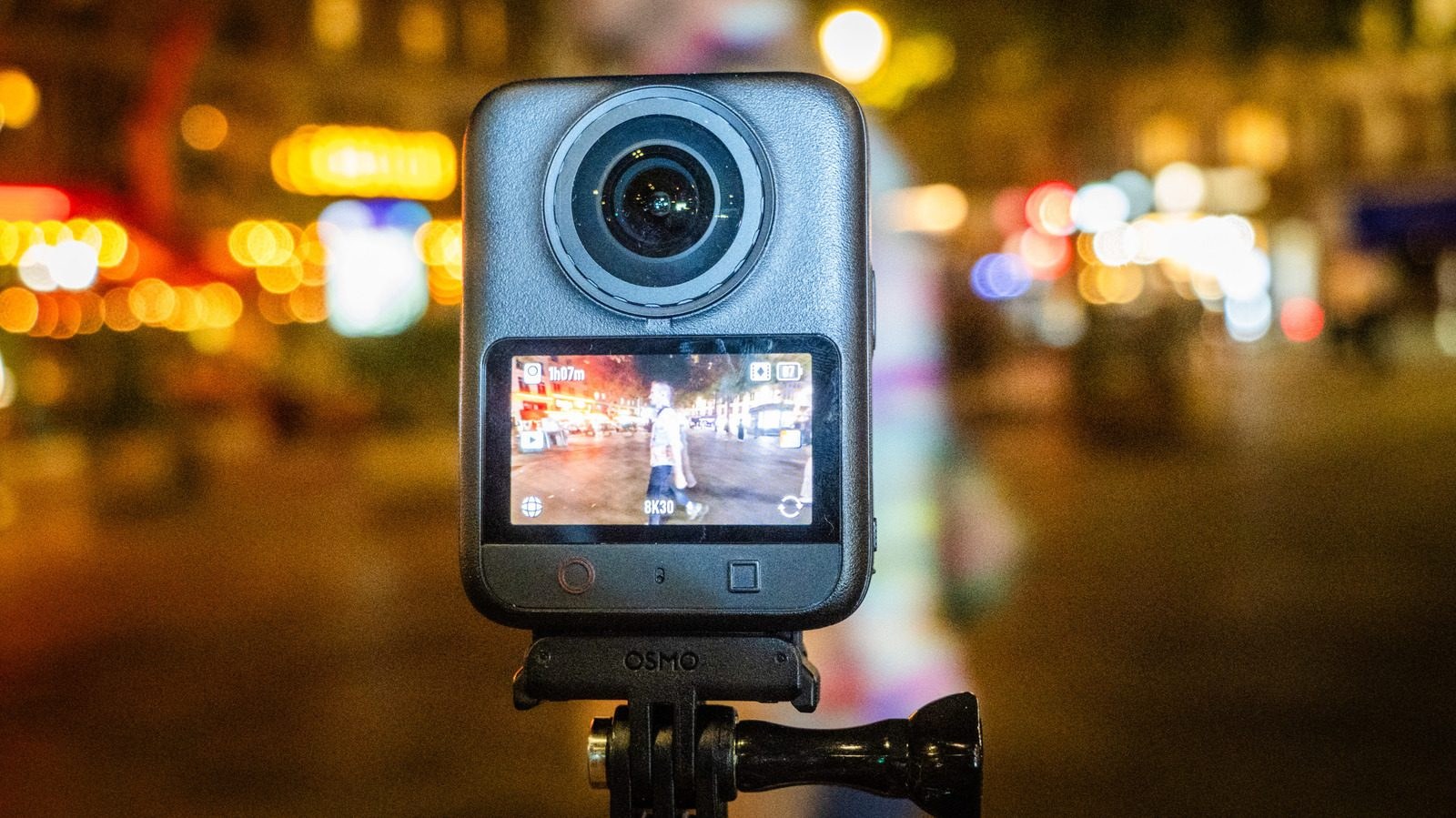
DJI's Osmo 360 II solves the perennial action camera nightmare of scratched lenses by letting you replace broken glass on your workbench in under five minutes. Alongside 8K recording and 105GB of built-in storage, it undercuts rival pricing at €589, though US creators are locked out of the launch.
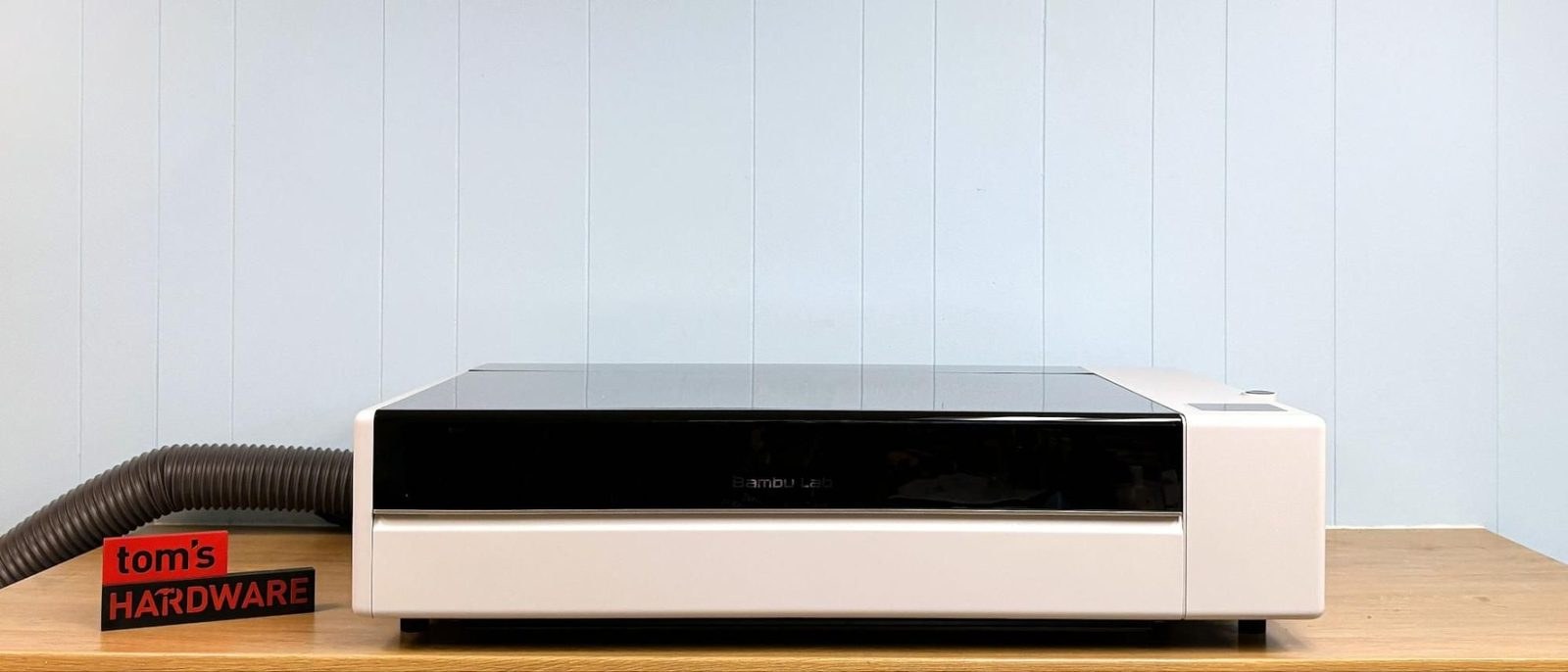
The $2,499 Bambu Lab R1 brings a 55W CO2 laser, overhead alignment camera, and 70-pound steel chassis to small-shop owners. While it slices cleanly through wood and acrylic, tedious lens swaps and loud cooling fans complicate daily work.
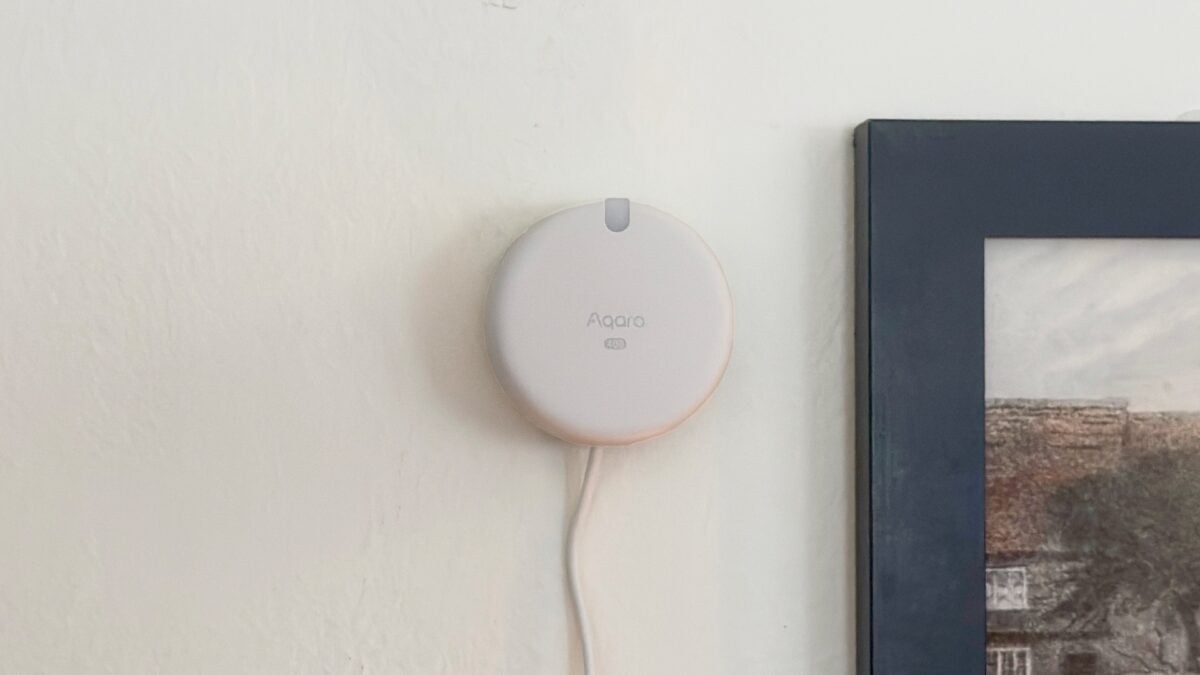
Aqara's new spatial sensor uses radio waves to map up to 10 people in a room locally without cloud lag. However, dropping battery support means you are tethered to a USB-C wall wire.
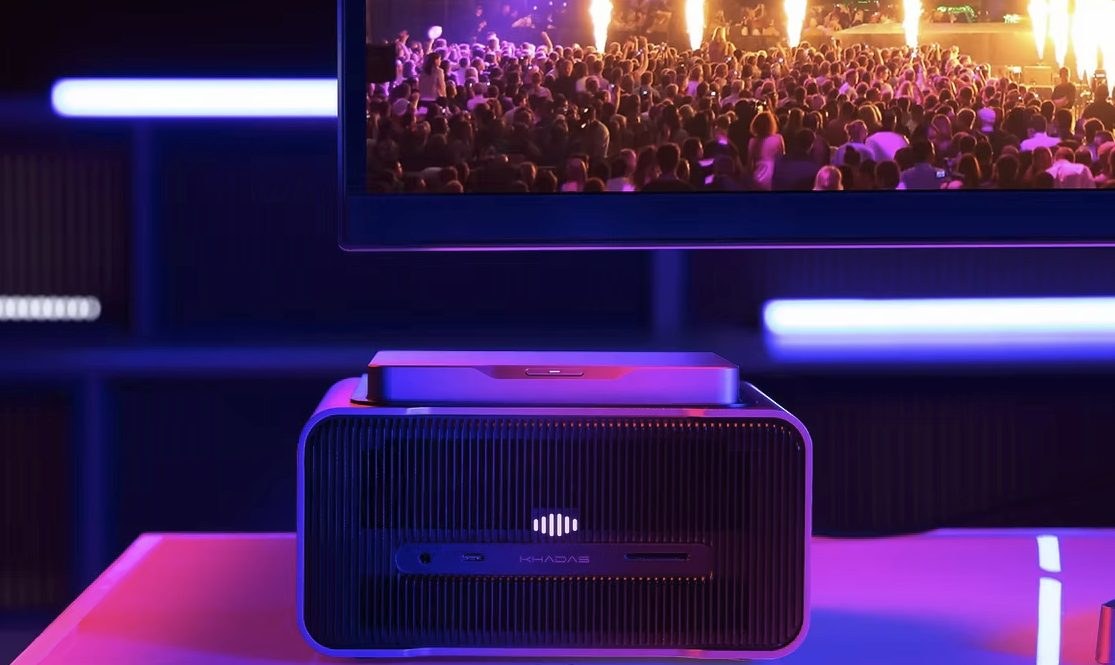
We tested the pocket-sized Khadas Mind 2 modular PC that transforms into a gaming station with an external dock. Here is whether the concept actually works in practice.
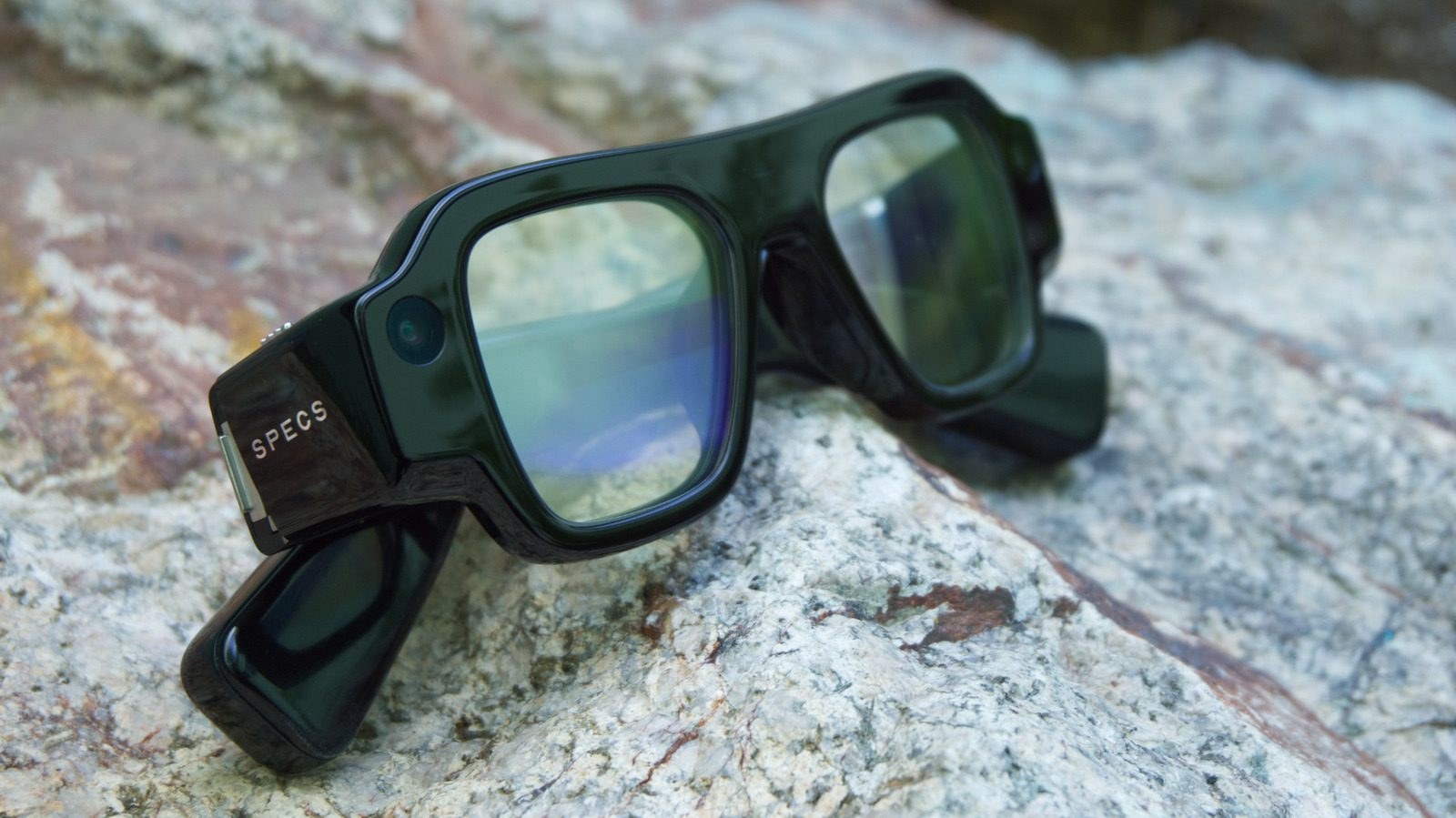
Snap introduces standalone augmented reality glasses with dual hand-tracking cameras and a 132-gram frame. The wire-free headset costs $2,195 and targets developers rather than everyday buyers.
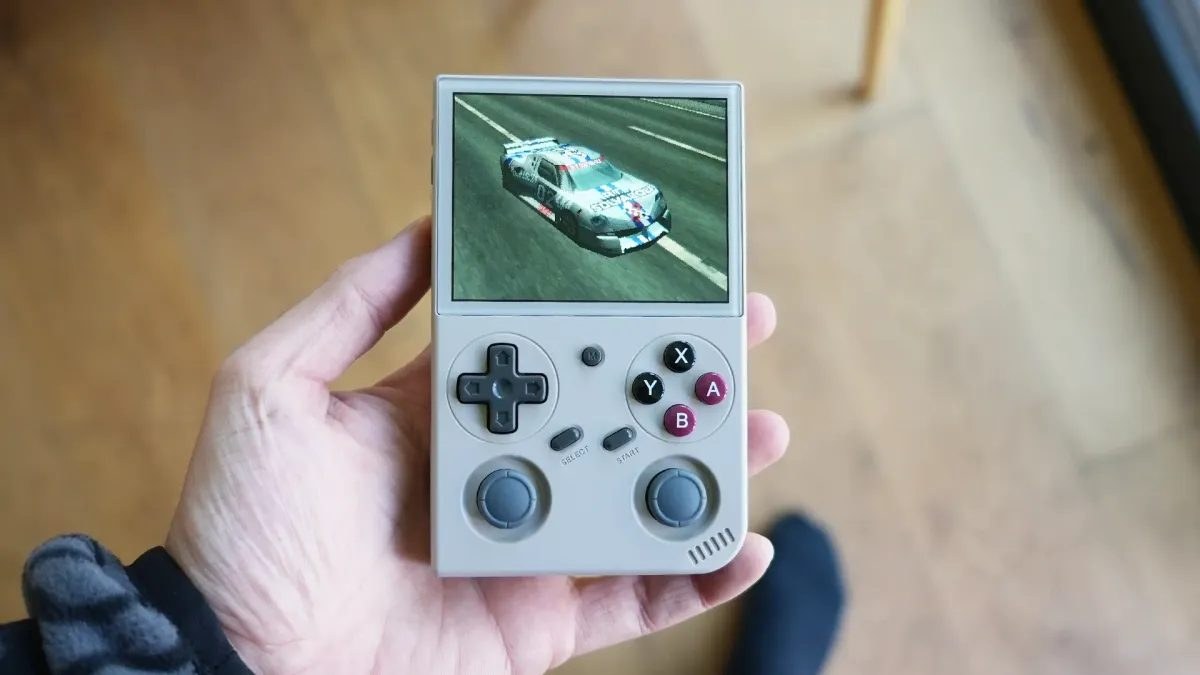
ANBERNIC is dropping a $37.99 retro handheld that beats the usual garbage flooding the budget market. It gives you a solid 3.5-inch screen and real buttons without asking you to remortgage your house.
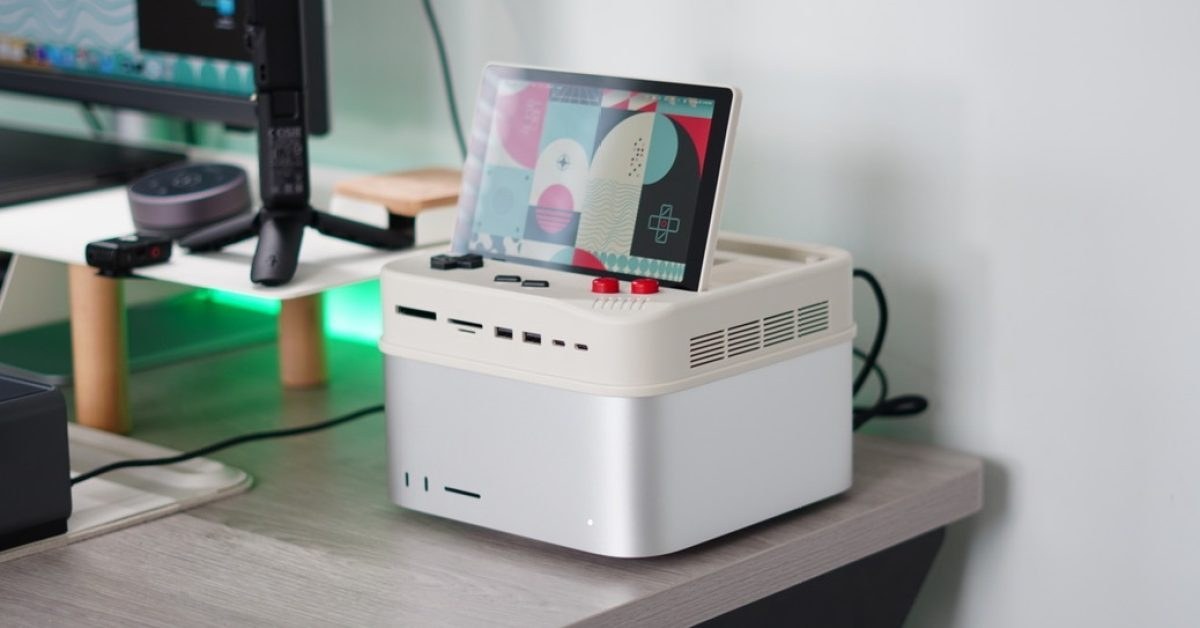
The Wokyis G7 dock adds a 7-inch display, physical shortcut buttons, and extra storage to a Mac Studio. We look at whether this nostalgic desktop upgrade is actually useful in daily work.
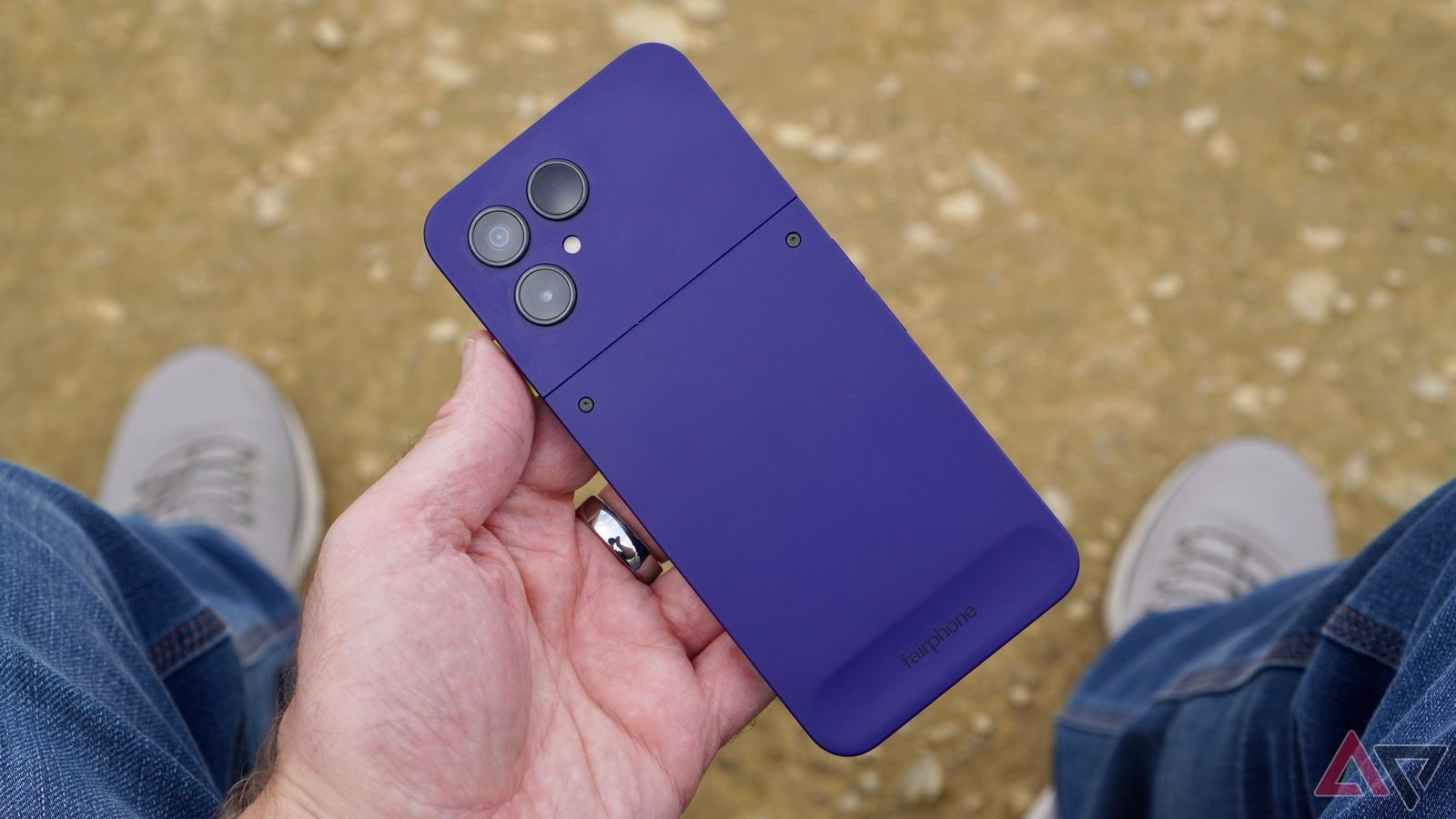
Fairphone's latest modular smartphone lets you swap parts with a screwdriver, but living with it means dealing with a thick plastic body, poor water resistance and a sluggish camera shutter. The $650 device promises seven years of life, yet demands immediate sacrifices in everyday handling.

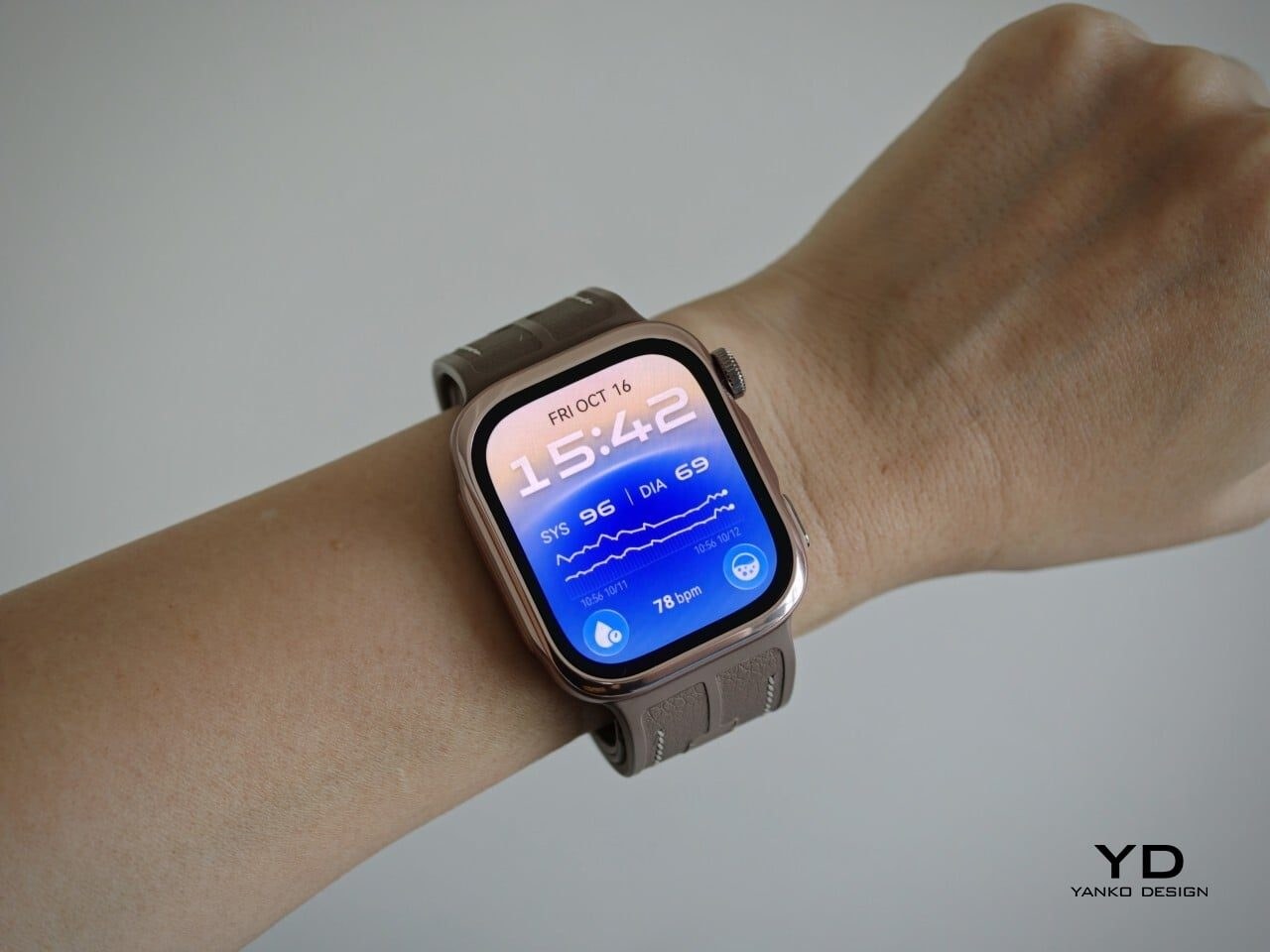
Apple launched the Watch Ultra 4 powered by the new S11 silicon. Real-world testing shows battery life and workout accuracy remain essentially identical to prior models, offering existing Ultra owners few reasons to upgrade.
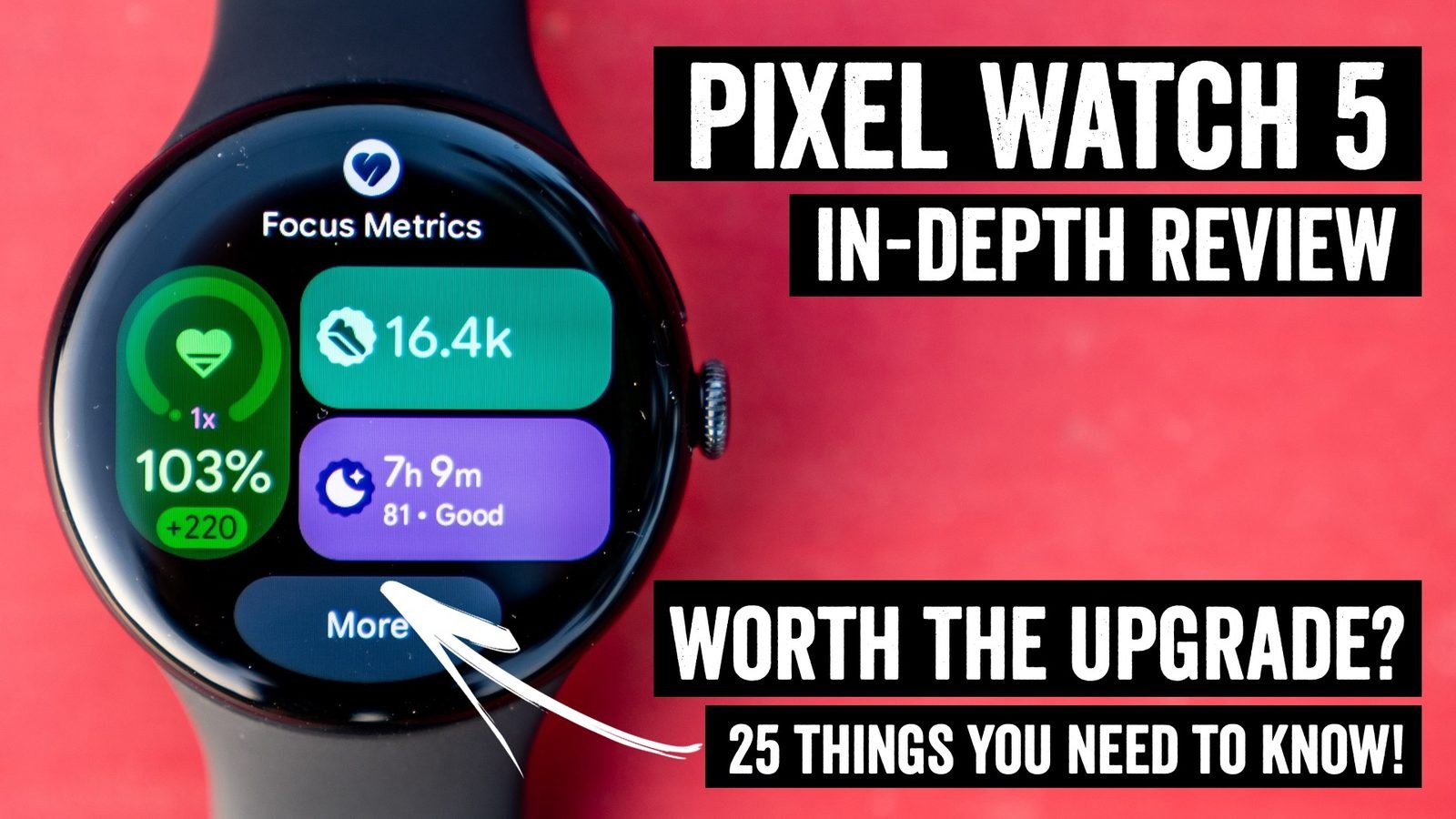
Three weeks of real-world testing reveal that Google's new smartwatch offers snappier daily apps and precise tracking. However, heavy GPS workouts still drain the battery before bedtime, making it a skippable upgrade for current owners.
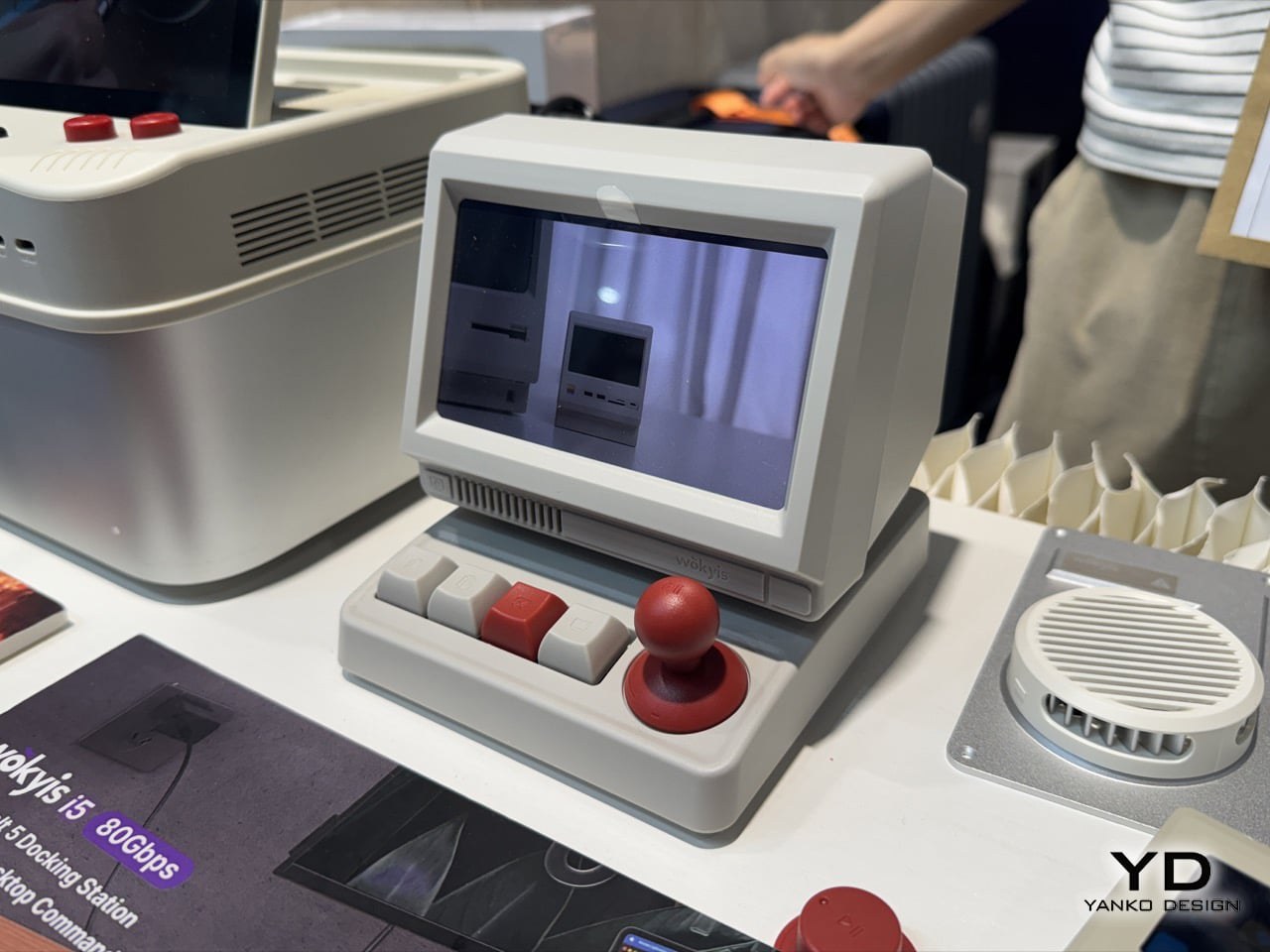
Wokyis has launched the i5, a desktop docking station styled after a classic vintage Macintosh. It integrates a 5-inch secondary monitor, mechanical shortcut buttons, and an internal SSD enclosure to replace sterile aluminum hubs with practical desk aesthetics.
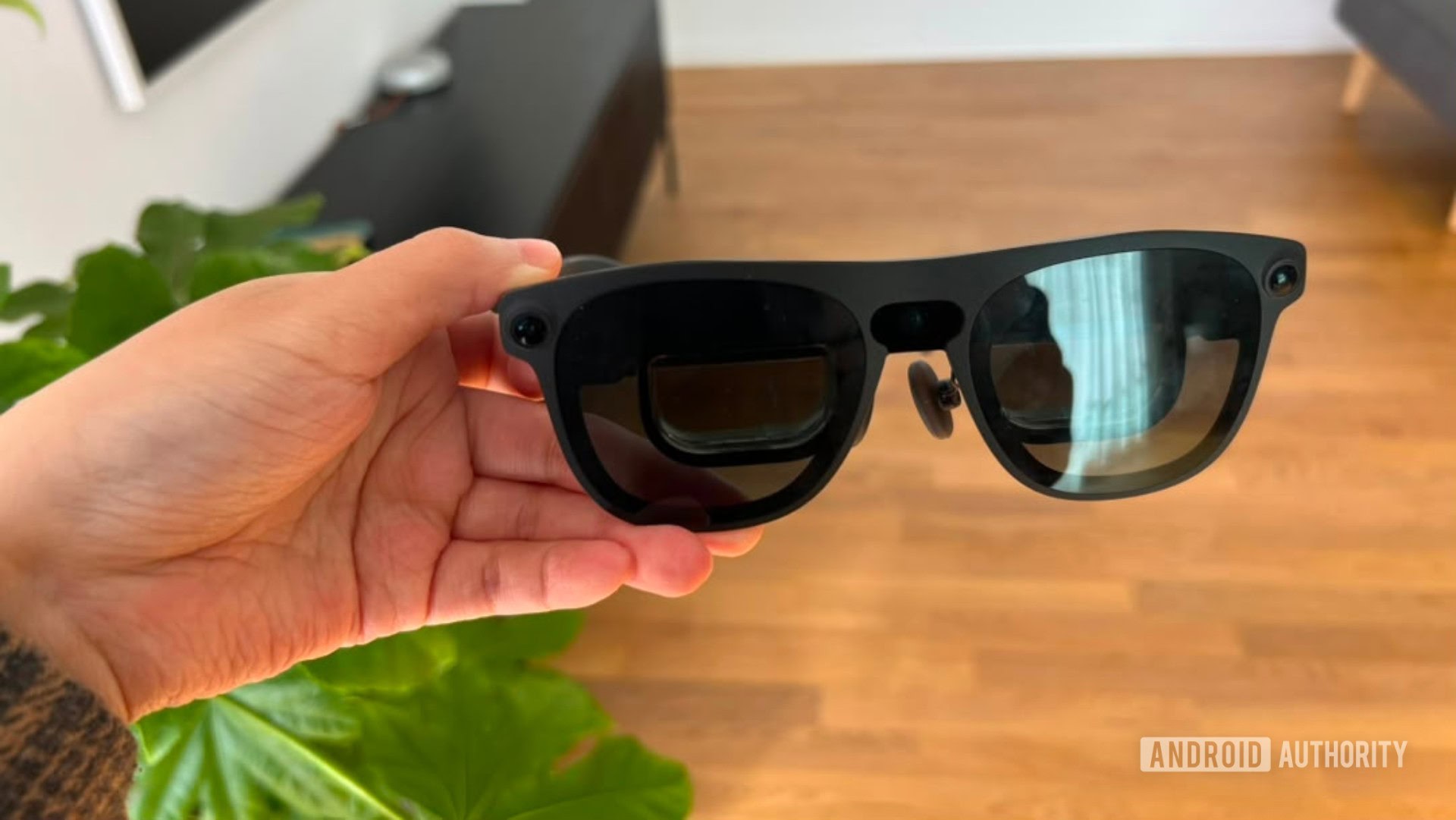
XREAL is preparing to launch the Aura, lightweight smart glasses running Google's Android XR. The headset trades heavy built-in batteries for a pocket-tethered design, giving frequent travelers a multi-window Android workstation under $1,500.
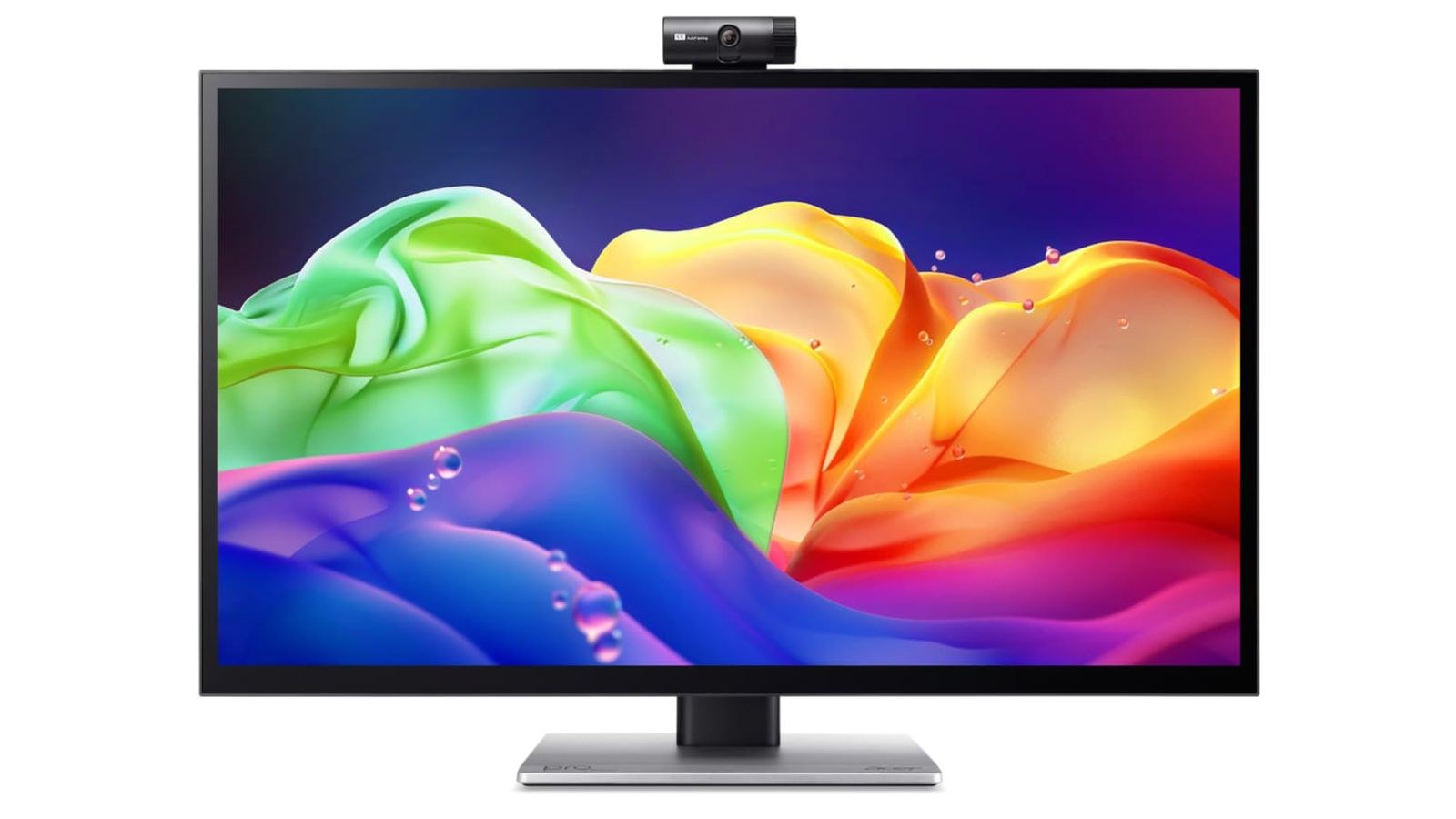
Acer built a 31.5-inch 6K touchscreen monitor meant for digital artists, but it comes wrapped in a bulky 2006-era chassis. Between dim 400-nit backlighting and clumsy macOS touch workarounds, everyday desk life with this giant display involves serious compromises.
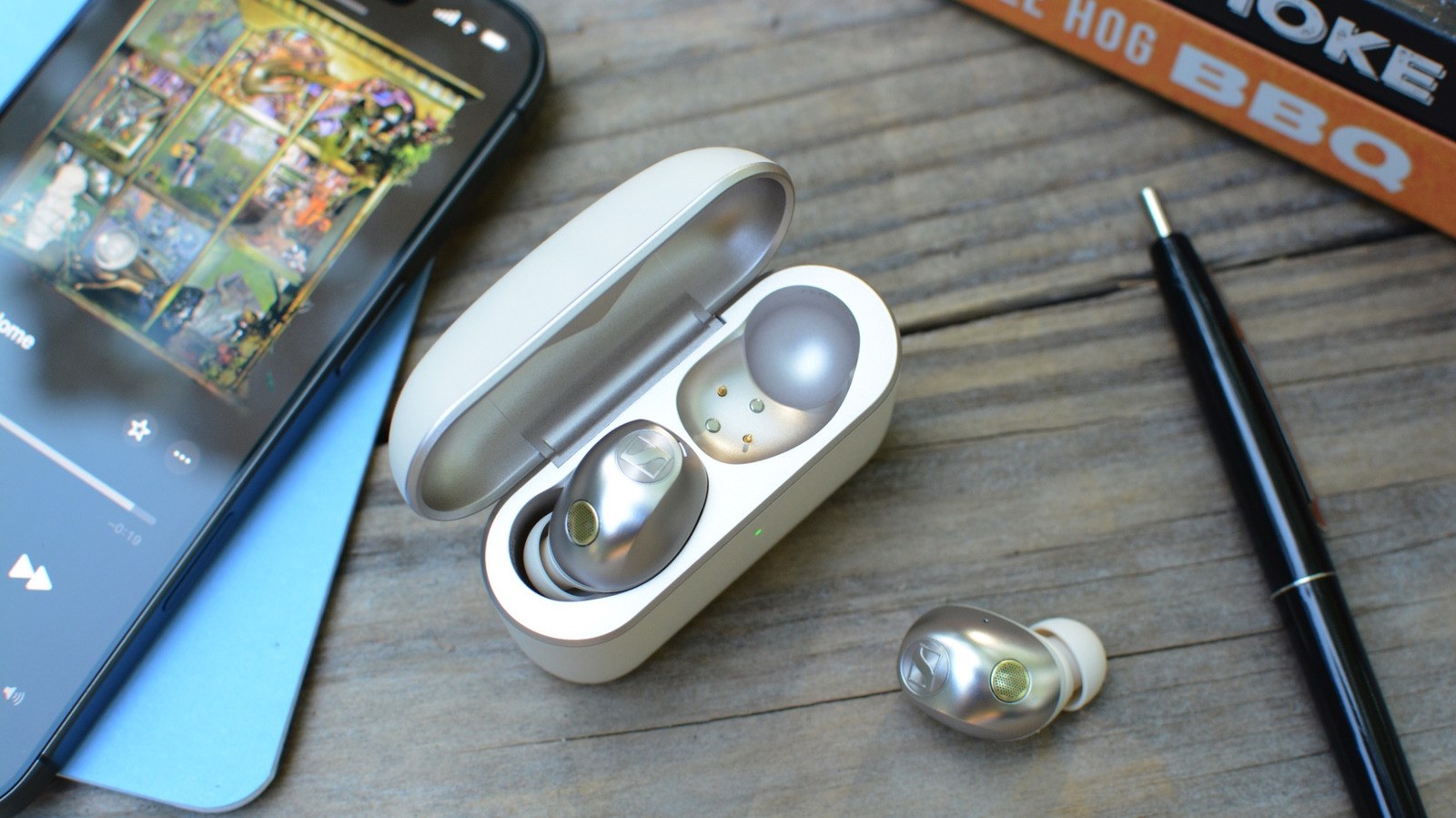
Sennheiser has unveiled the Momentum True Wireless 5, tackling disposable electronics with user-replaceable batteries in both the earbuds and the case. The $300 flagship offers up to 12 hours of ANC runtime and bundles a specialized opening tool for DIY repairs.
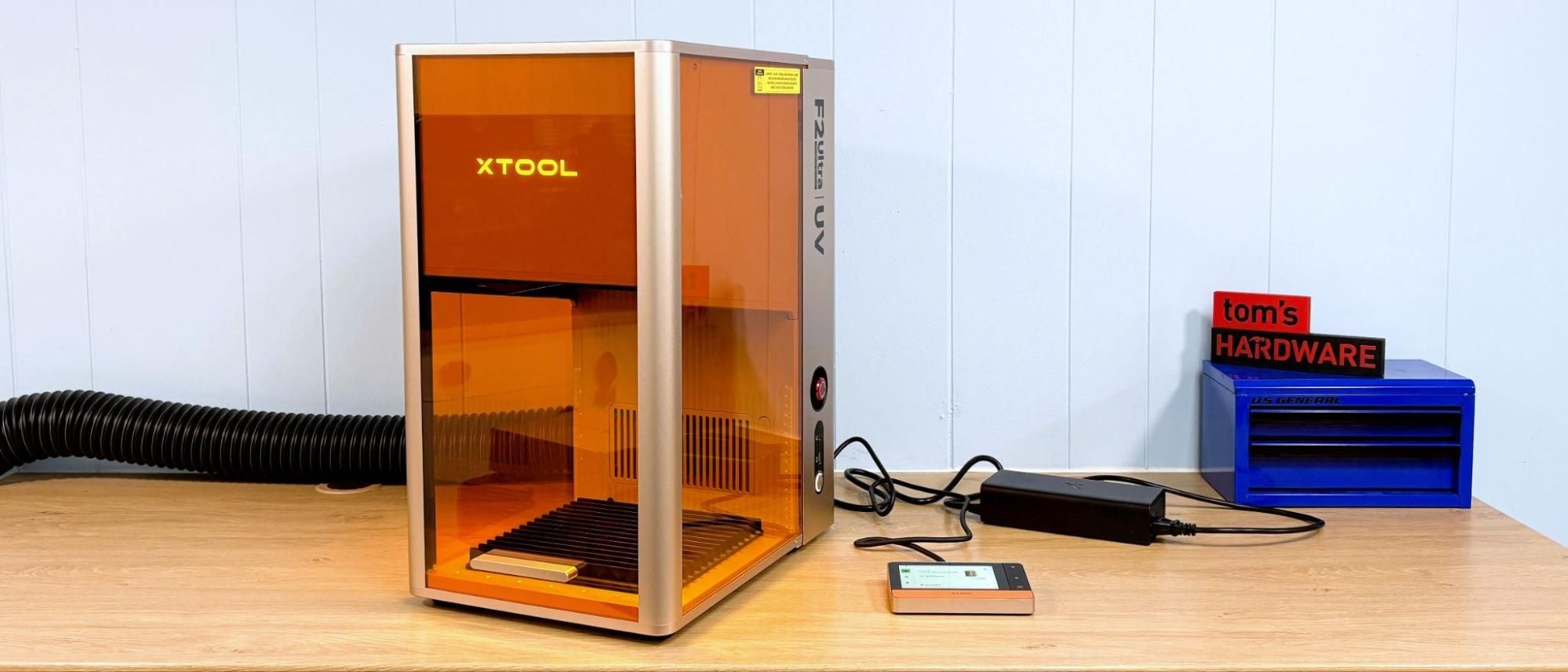
xTool has released the F2 Ultra UV, a galvanometer laser engraver that uses a 355 nm wavelength to cut materials through cold photochemical reactions instead of heat. Operating at speeds up to 15,000 mm/s, the machine eliminates soot and scorch marks on wood and glass. At $4,299, it offers commercial craft studios an industrial-grade alternative to traditional diode and CO2 lasers.
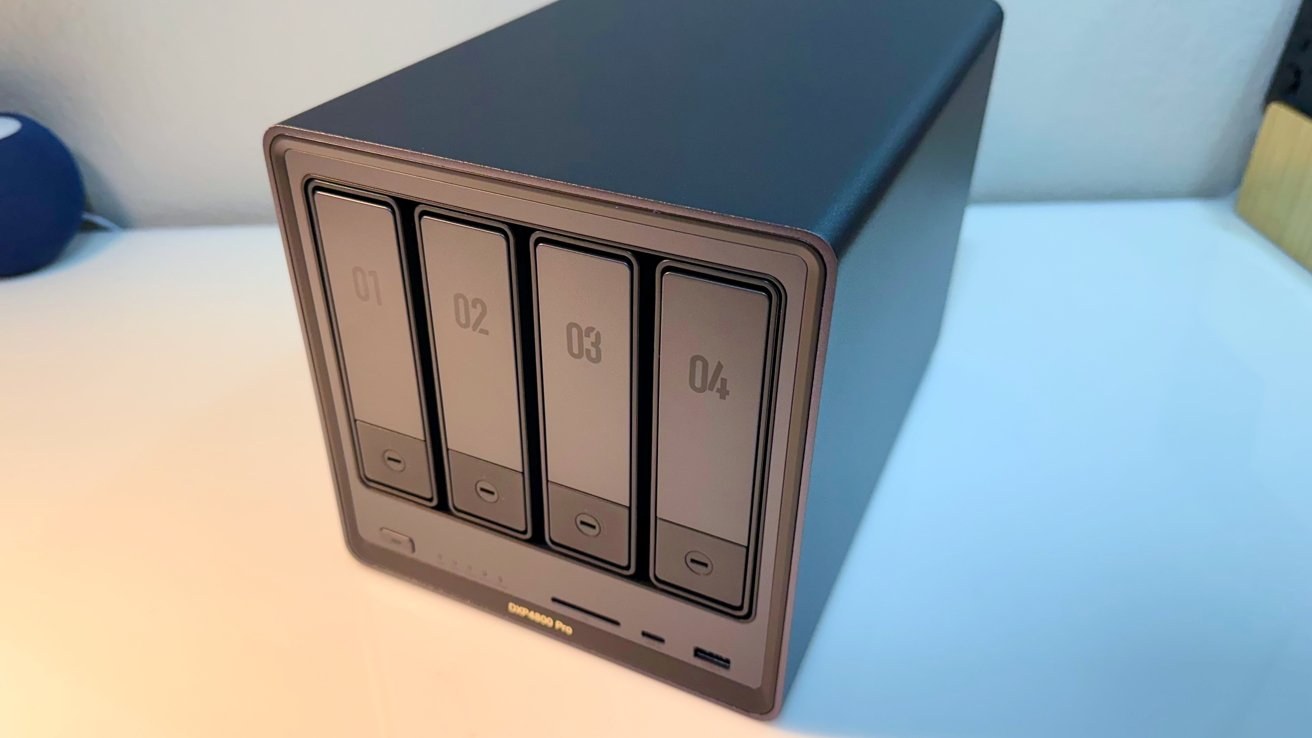
UGreen has released the NASync DXP4800 Pro, packing a six-core Intel processor and 10GbE networking into a $680 four-bay enclosure. It delivers an easy-to-manage private cloud alternative for creative pros and heavy data users, though drive costs can quickly multiply the final price tag.
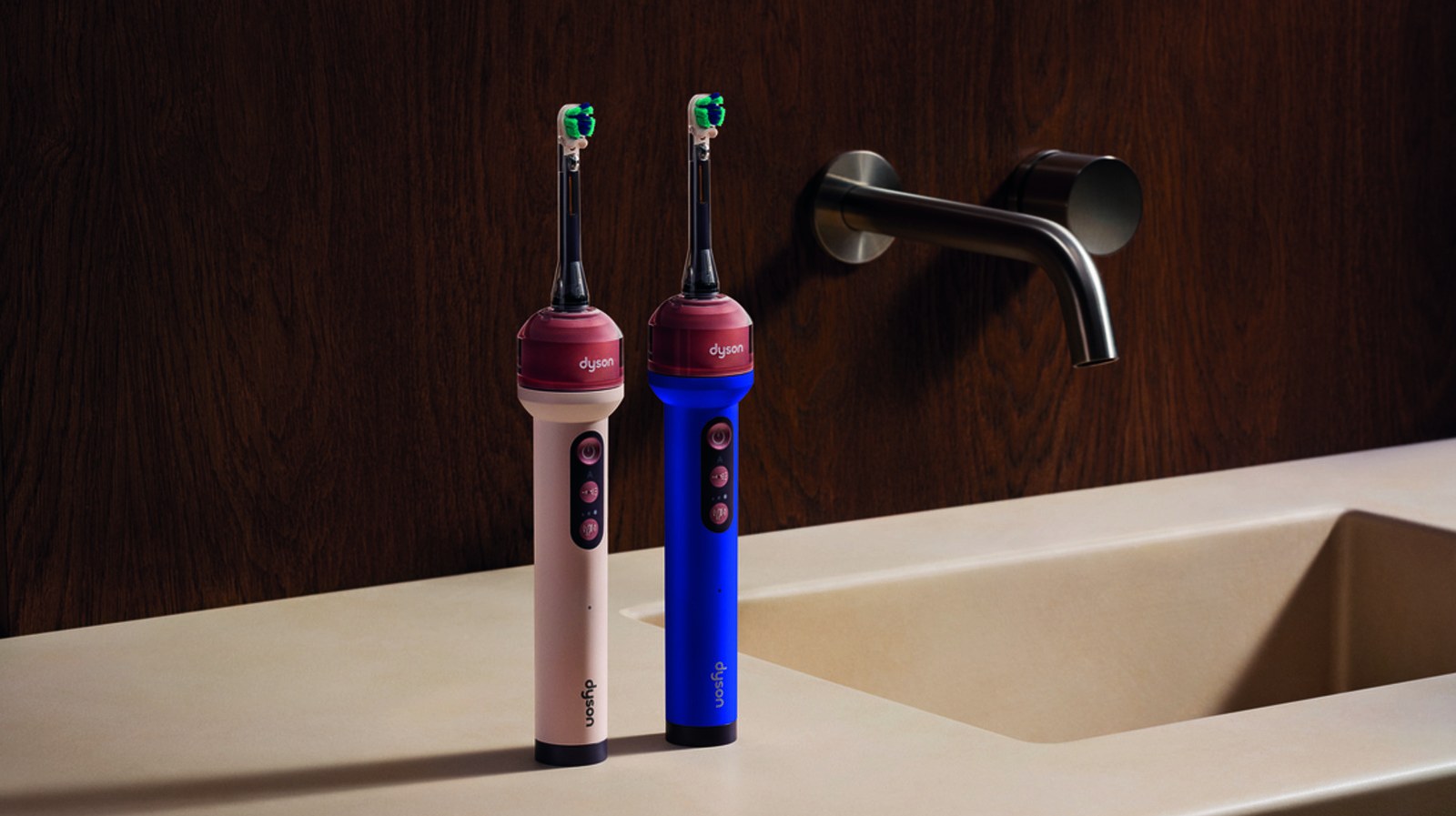
Dyson entered oral care with the CameraJet, packing an optical sensor and computer vision into an electric brush to blast tooth gaps automatically. The luxury wand streams live video to smartphones, but its tiny 12.5-milliliter water reservoir turns everyday flossing into a constant refill chore.
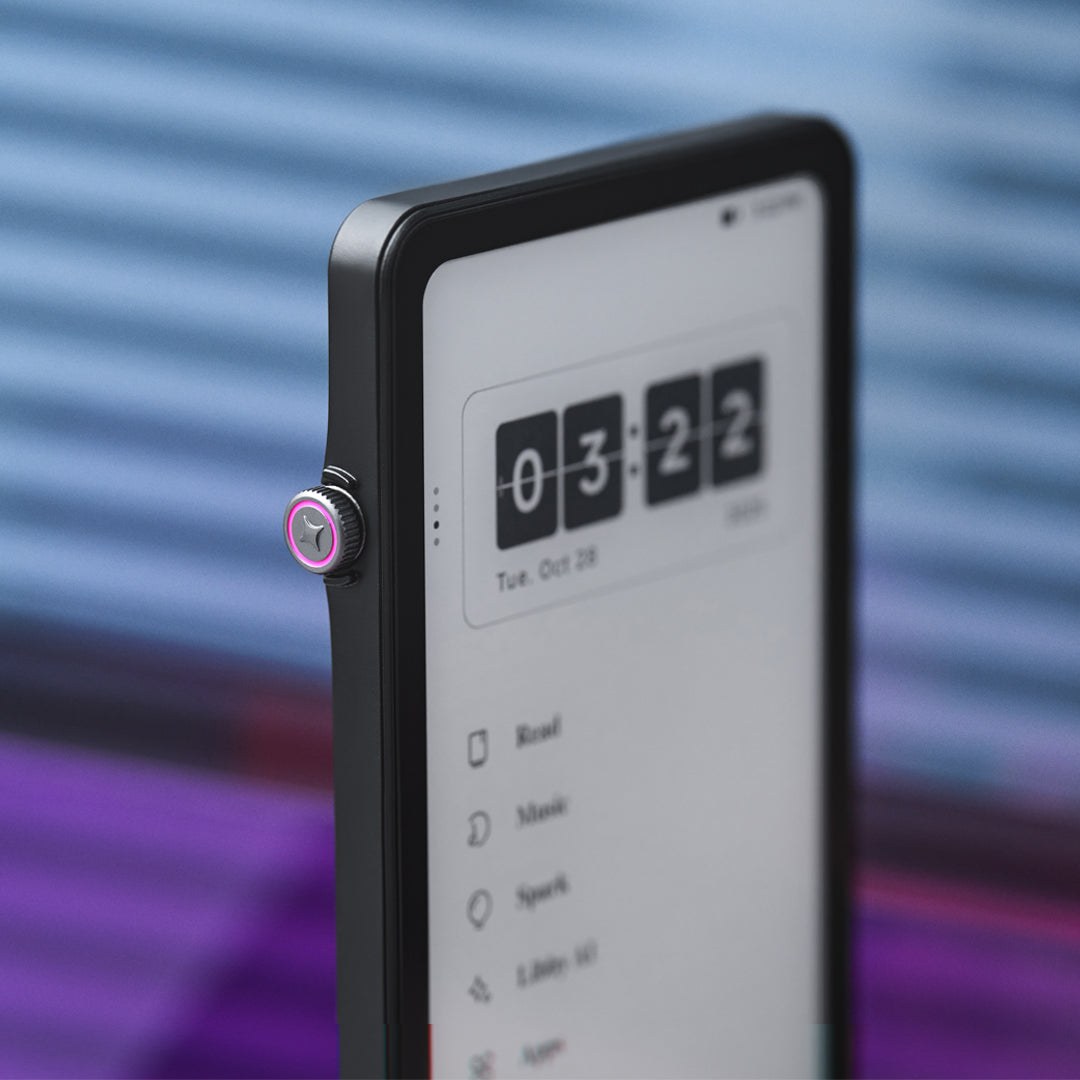
DuRoBo has launched the Krono, a phone-sized E Ink reader running full Android with a hardware scroll dial for $280. While the ultraportable form factor and battery life impress, sluggish screen refreshes and the lack of cellular support make it an expensive niche device.
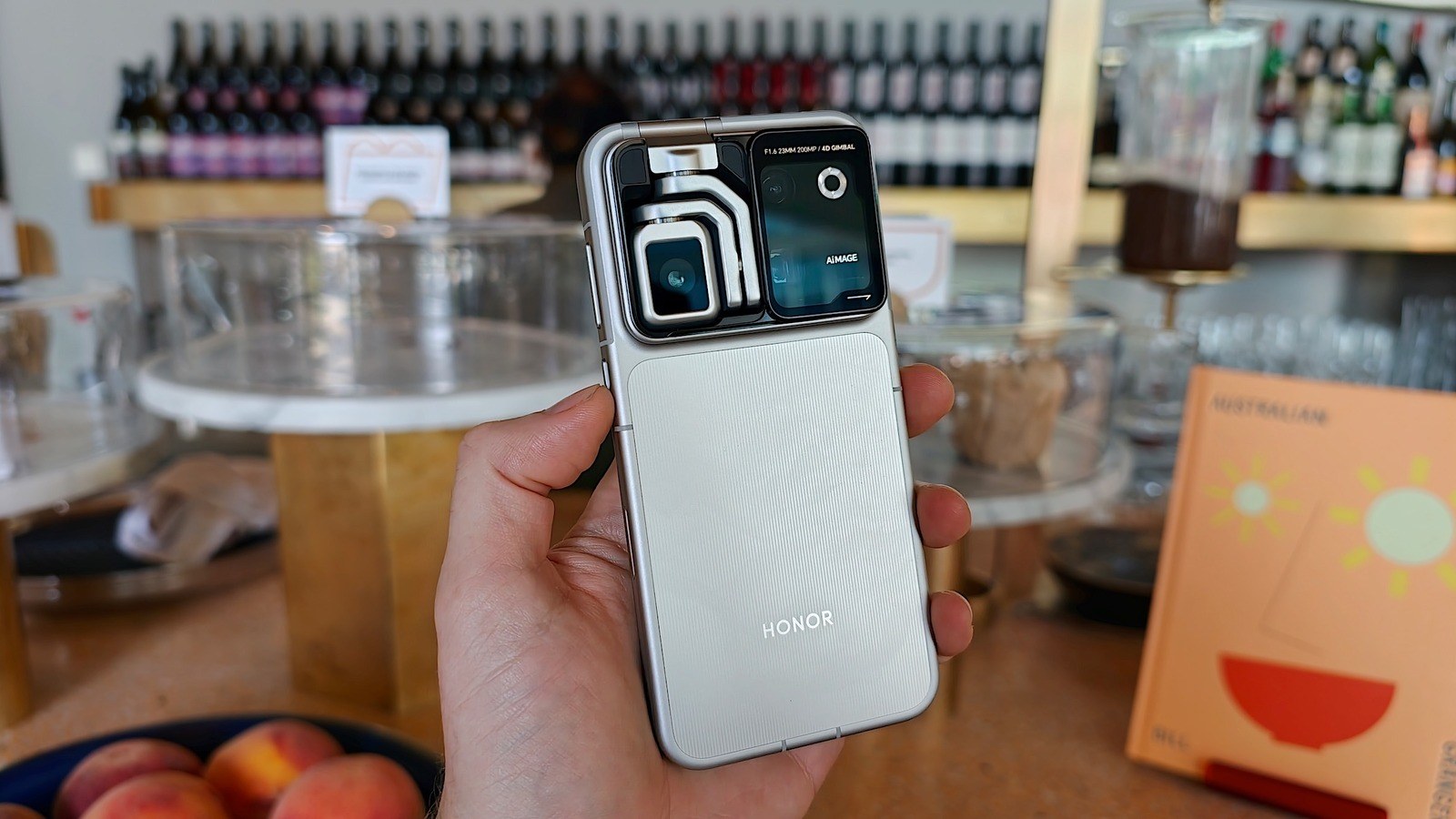
Honor engineered a functional three-axis motorized stabilizer directly into the rear chassis of its new experimental flagship. While mechanical horizon leveling delivers remarkably smooth footage, manual deployment and fragile moving parts limit its daily practicality.
22 stories · Full archive →
Consumer tech is clearly exhausted by safe, black rectangles and has pivoted to pure extremes. Engineers are either cramming data-center compute into unfeasible form factors or turning basic peripherals into quirky design experiments. The practical value is debatable, but the market has certainly become less boring. The centerpiece of this horsepower obsession is the OneXPlayer Super X Pro tablet. Stuffing 192GB of RAM and an AI-focused processor into a 12.5mm chassis directly collided with the laws of physics, requiring an external liquid cooling loop to function properly. It stands as a prime monument to excessive mobile engineering. At the opposite end, wearables are retreating into unabashed retro-escapism. The $80 My Play Watch proudly ditches smart notifications altogether, letting users brawl in Street Fighter II directly on their wrists while still quietly tracking steps. It is an intentional, playable antidote to perpetual pinging. Practical gadgets are attempting to stand out through distinctive aesthetics and modularity. CMF introduced $59 wireless speakers shaped like milk cartons, proving budget desktop audio can look playful without a hefty price tag. Meanwhile, mobile creators get the $99 Elgato Wave Go, a transformer wireless microphone aiming to juggle multiple field recording setups. Rounding out the week, modders continue solving problems purely because they can. Running Xbox Cloud Gaming on a jailbroken PlayStation 5 using AI-assisted code proved to be an impressive technical flex that ultimately delivers little more than an impractical headache for actual gaming. Hardware manufacturers are violently swinging between over-engineered brute force and nostalgic novelty. Consumers must now decide whether external water pumps and milk-carton plastics actually improve daily life or just clutter desks.
- Over-Engineered: OneXPlayer crammed 192GB of RAM into a 12.5mm tablet
- Nostalgia: The $80 Street Fighter II Watch Is Pure Arcade Madness