
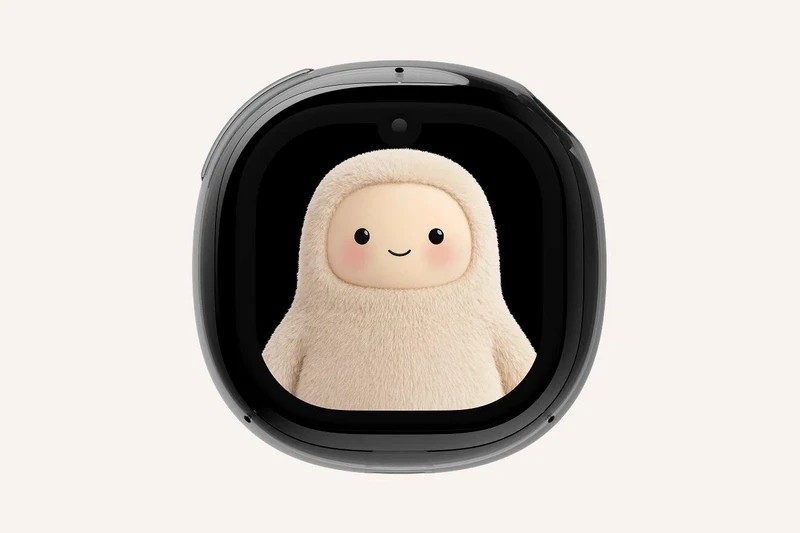
 quinting at a smartwatch screen under the glaring sun is a questionable pleasure we somehow keep paying for. For years, tech giants have shoved miniature smartphones onto our wrists, but the vector is now sharply shifting toward pocket-sized trinkets. To put it simply: instead of making you stare at yet another display on your arm or haul around heavy glasses with built-in screens, developers are offering to hang a virtual pet around your neck that talks to you with a voice and handles routine tasks. The concept looks like a blast from the nineties multiplied by modern language models, and it costs a fraction of bulky headsets.
Why a pendant beats glasses
Building smart glasses with full-fledged augmented reality runs straight into the laws of physics: they are heavy, drain their batteries fast, and cost as much as a used car. The average buyer has zero desire to lug a heavy gadget on the bridge of their nose just for a couple of notifications. Hanging a toy around your neck solves this problem head-on.
The device doesn't try to replace your smartphone or project a map right in front of your eyes—it acts as a voice companion that is always within reach. This form factor delivers vastly better battery life because it drops power-hungry screens, while manufacturing costs make it a mass-market accessory rather than an elitist toy for tech geeks.
Who actually needs this
If you strip away the marketing fluff about digital friendship, you are left with a practical attempt to find a comfortable physical housing for a voice assistant. A smartphone requires dragging it out of your pocket and unlocking it, watches demand awkward gestures, and a pendant on your neck or belt lets you bark out a command on the go without drawing unwanted attention.
The mechanics are dead simple: you press a button, state your task, and the AI agent executes it on your smartphone or replies out loud. The difference in your hand—or rather, on your body—is palpable: the device weighs next to nothing and demands zero constant visual supervision, dragging us right back to the concept of blind gadgets that only work when you actually need them.
A plush pet around your neck is certainly an attraction for nostalgia junkies, but it hides a pragmatic drive to purge excess screens from our daily lives. The idea is viable, and right now it demands far less cash than any standalone smartwatch trying to play independence.
Key takeaways
I wouldn't rush to buy a plush AI pet just yet, but this format is infinitely more honest than clumsy smart glasses. For reasonable money, you get a hands-free voice tool that doesn't blind you with notifications every three minutes.