
#Wearables
73 stories on this topic, newest first.
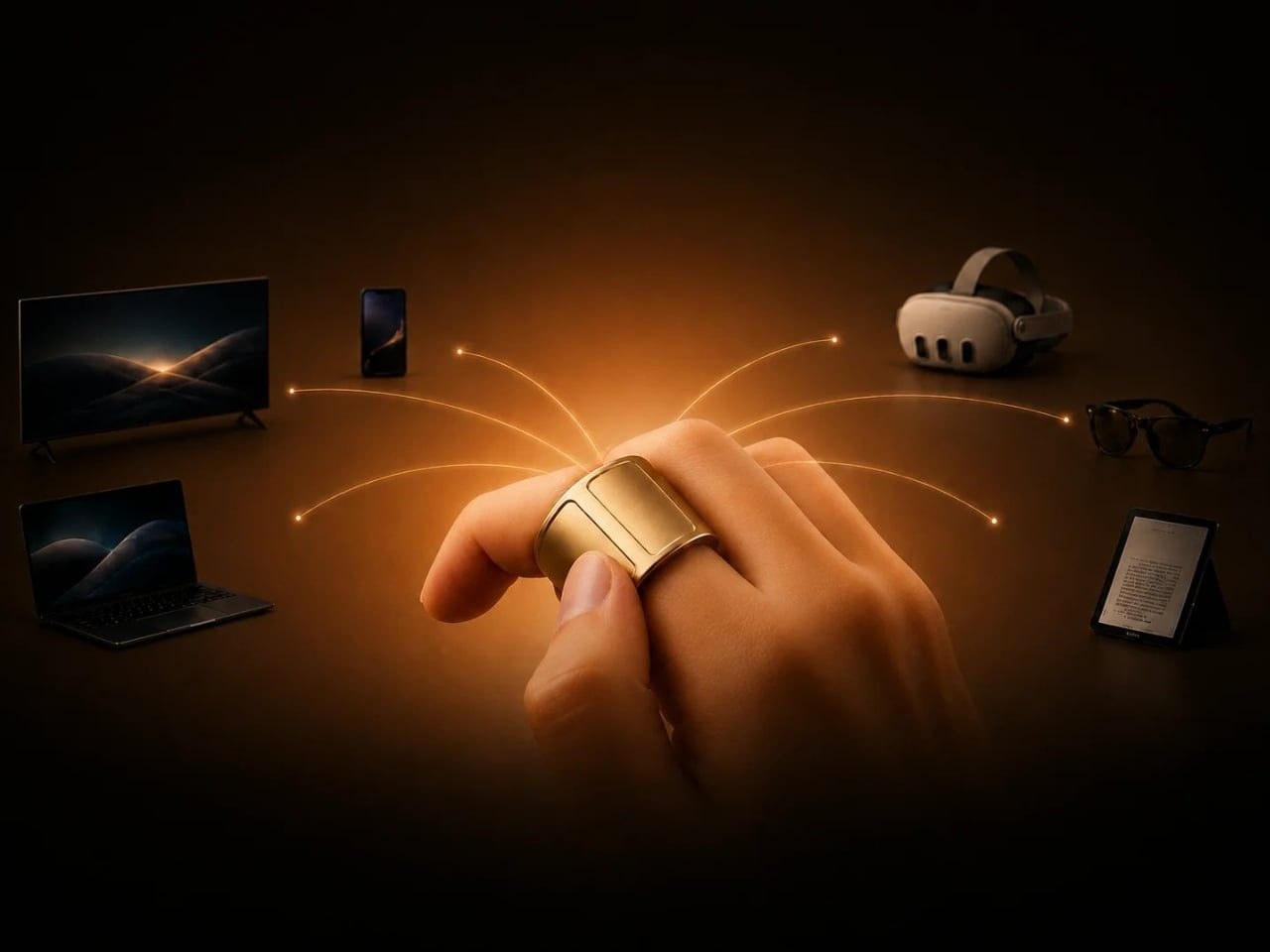
This 4-gram Bluetooth ring straps to your index finger to swap a standard mouse for touch pads and mid-air gestures. While it saves precious desk space across eight operating systems, waving your hand in the air introduces a steep learning curve and limits
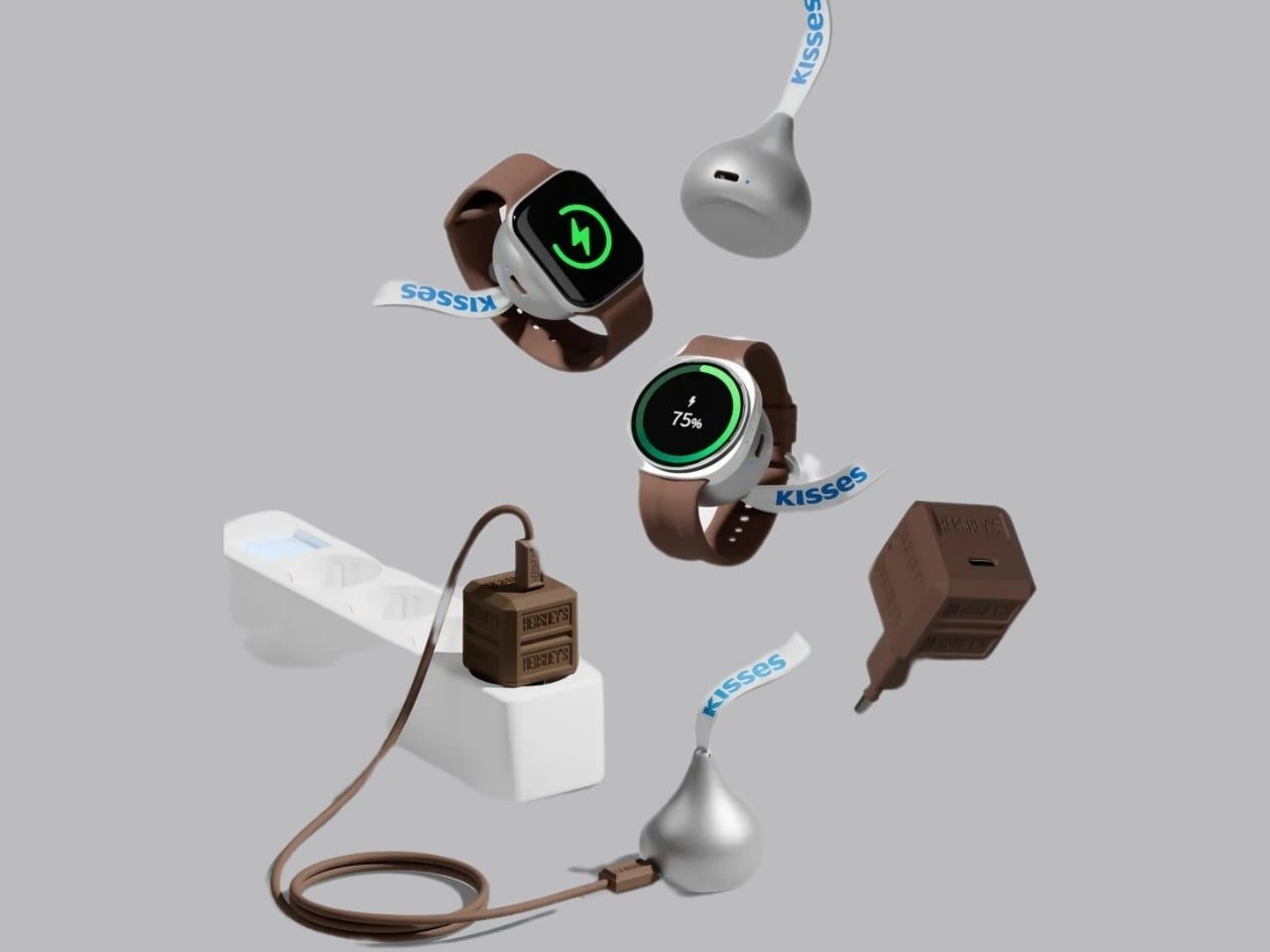
miniduct has turned a 40-gram emergency battery for Apple and Galaxy watches into a replica of a Hershey’s Kiss. Equipped with a 700mAh capacity and an auto-aligning magnetic mount, it serves as a desktop stand and a pocket-sized backup for dying wearables.

Engineer Sebastian Molano turned his master's thesis into the TAKTO ONE, a 10-motor hand exoskeleton designed to guide finger movements. While you cannot buy it at a store, all hardware and software files are available on GitHub for dedicated makers willing to
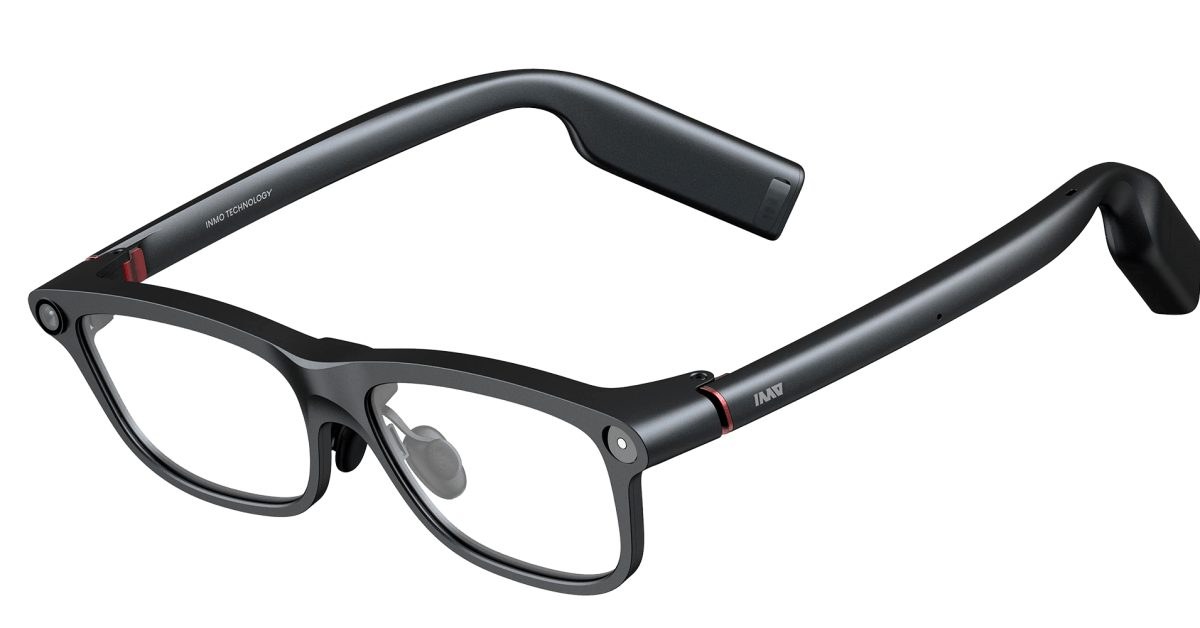
The $509 INMO GO3 smart glasses pack dual MicroLED displays and Gemini AI, but their most useful feature is a manual physical shutter covering the camera. An interchangeable battery system also lets you swap power packs on the fly without tethering your face
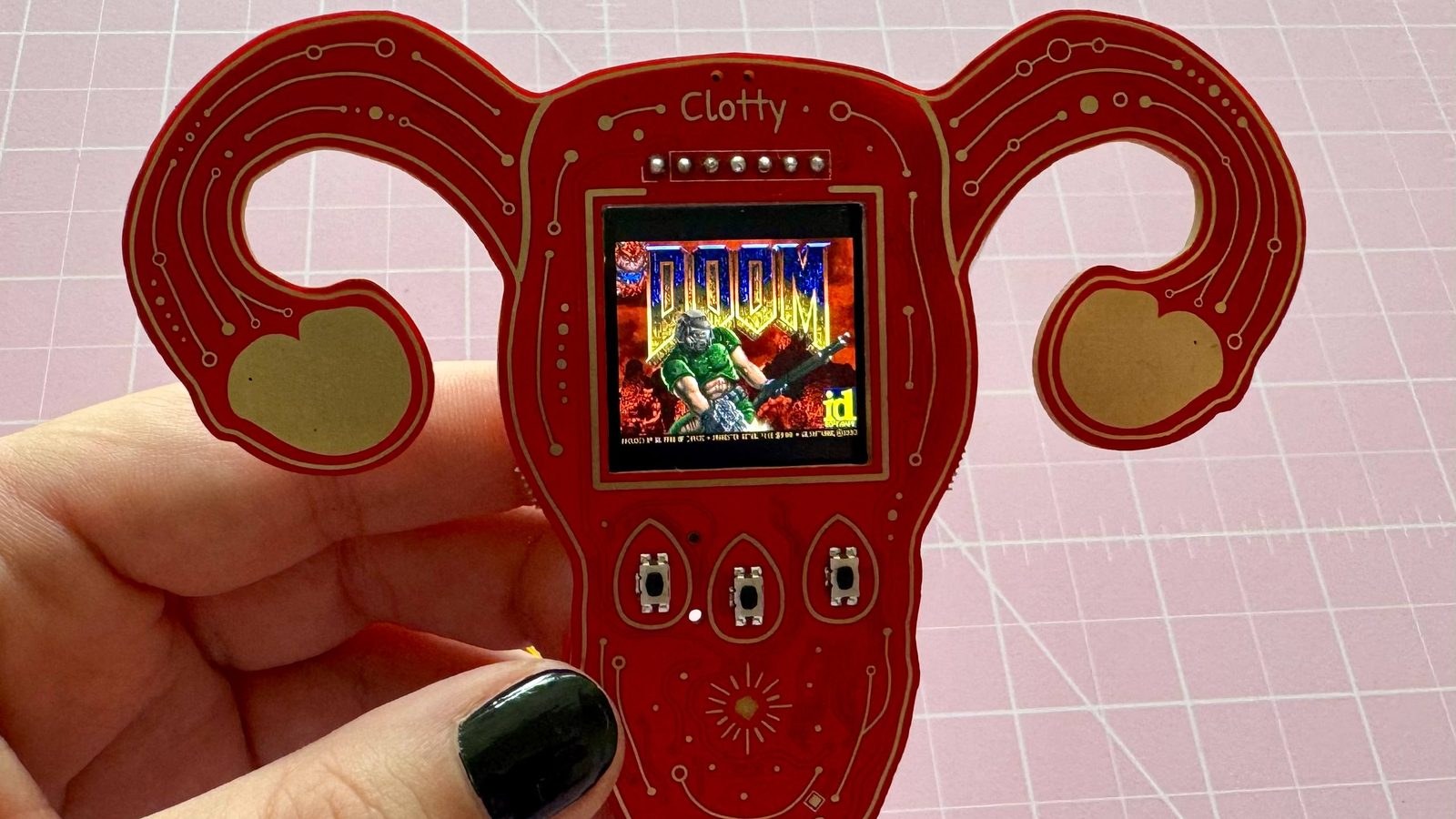
Designer kati created Clotty, a palm-sized physical period tracking device shaped like a uterus that keeps all health data completely offline and away from corporate servers. The open-source prototype even runs DOOM on its custom circuit board.
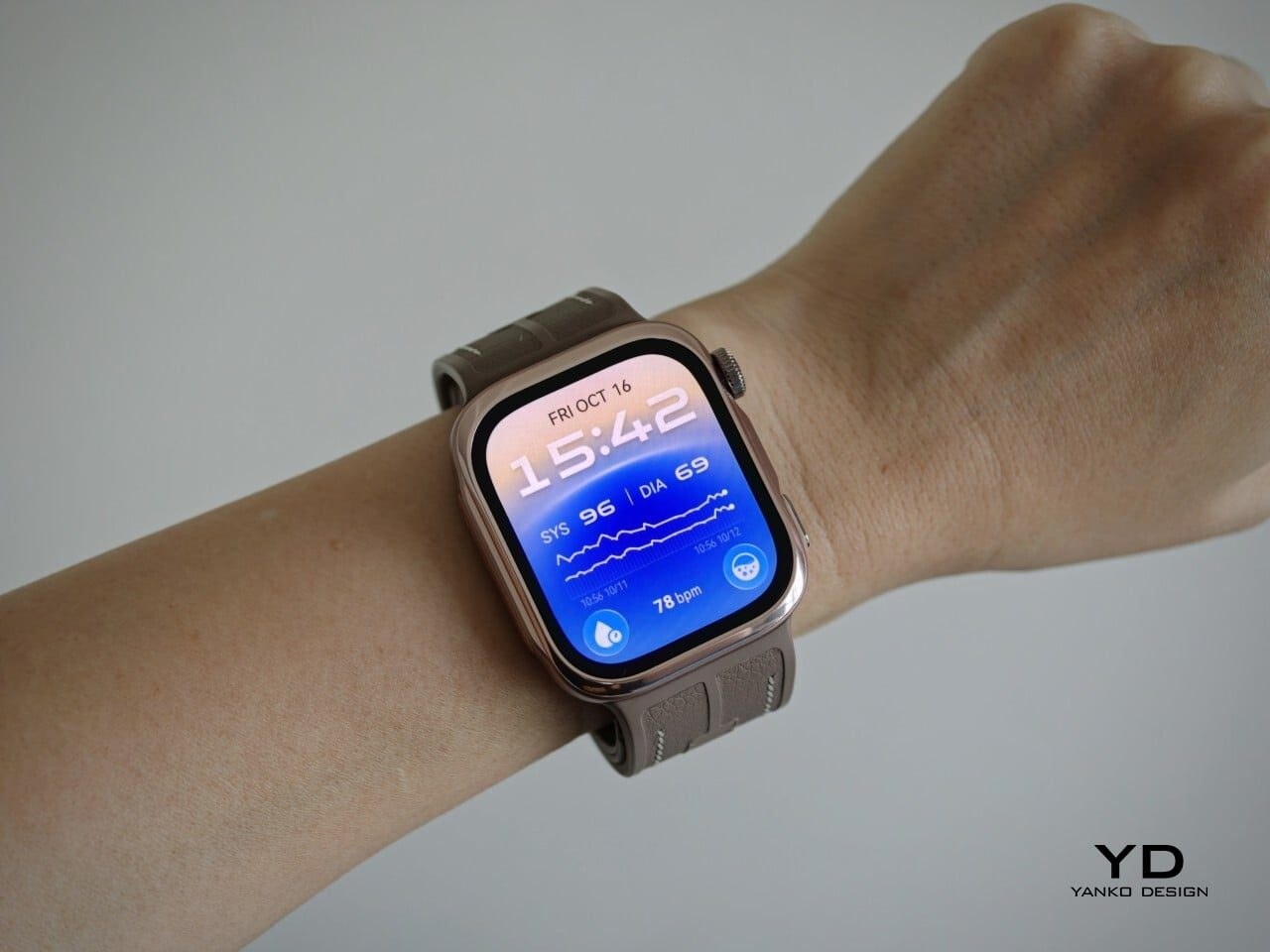
Huawei packs a genuine inflatable cuff inside the Watch D3 to deliver clinical blood pressure monitoring without the bulk. We tested how the slimmer design and 24-hour tracking handle daily life and doctor visits.
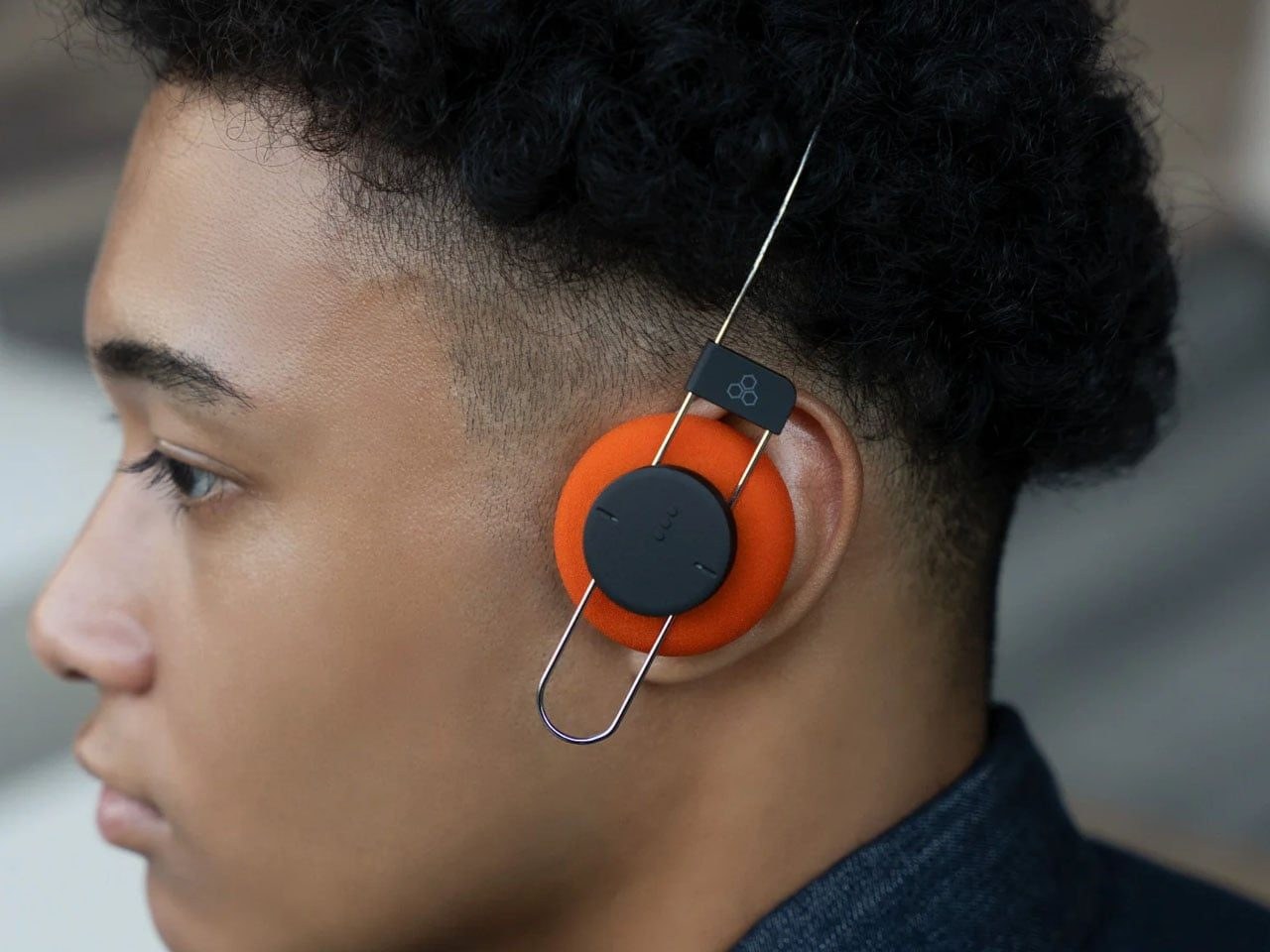
Japanese audio firm Final has introduced the Porta wireless headphones, dropping the traditional heavy headband for a minimalist 40-gram wire frame. The featherlight design eliminates skull pressure but skips active noise cancellation entirely, offering an
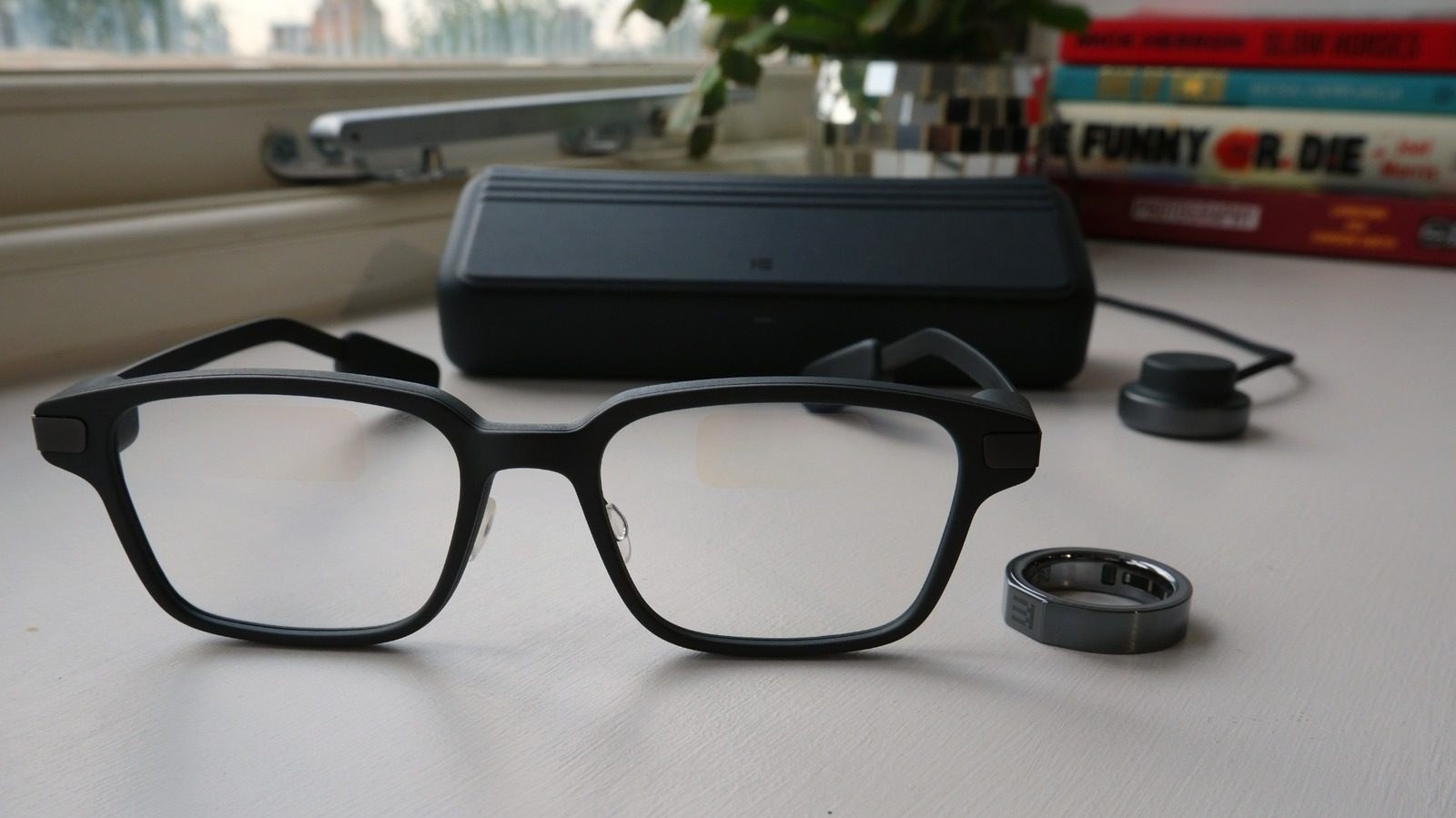
Even Realities upgraded its smart glasses with sharper displays and water resistance for $599, but forcing users to buy a separate $249 control ring creates unnecessary daily frustration.
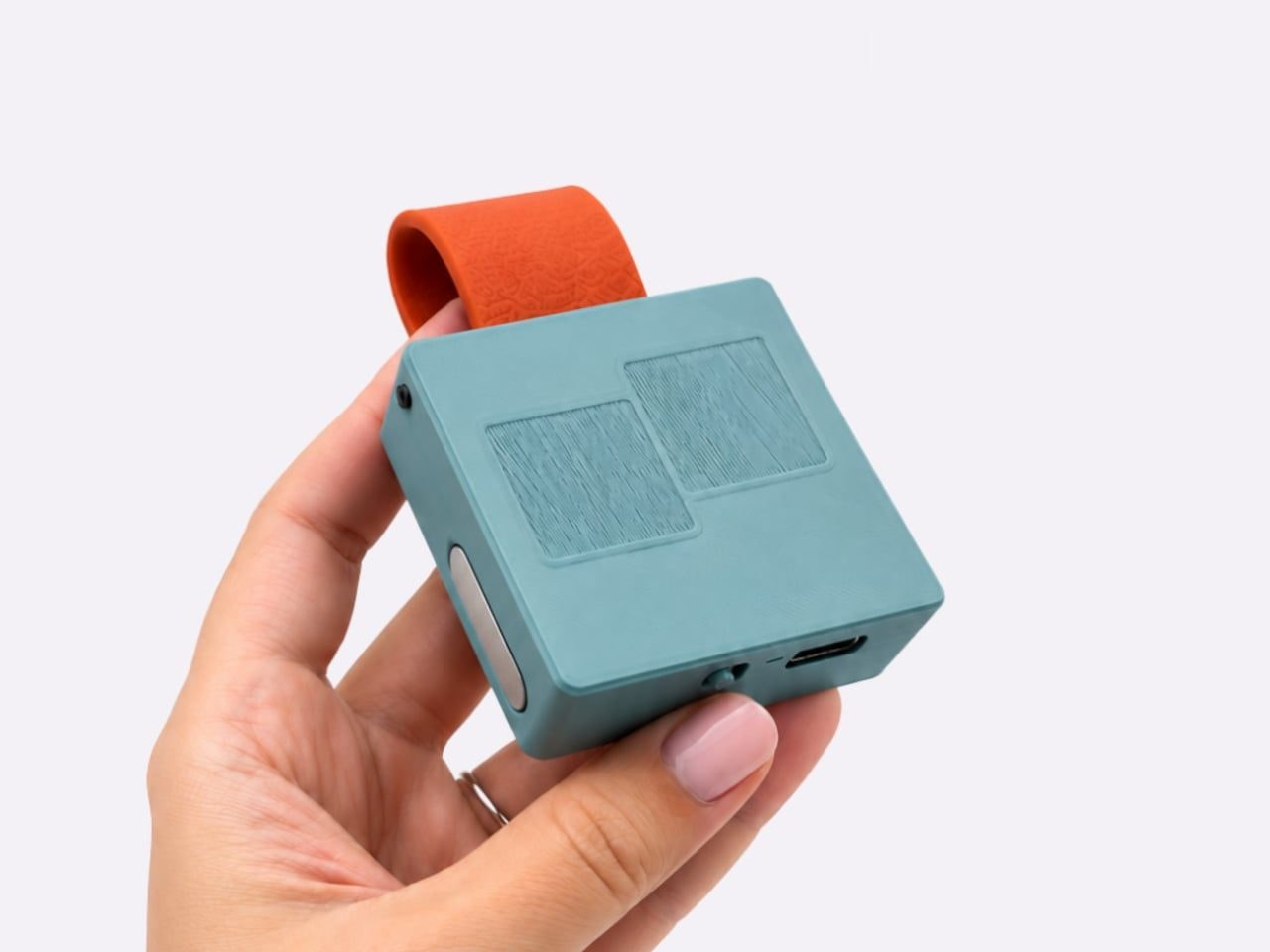
MindRove’s TypAir prototype straps a gesture-based Bluetooth keyboard to your hip so you can type silently while wearing AR glasses. It promises six hours of battery life and skips physical keys entirely, but you will have to memorize a brand-new finger
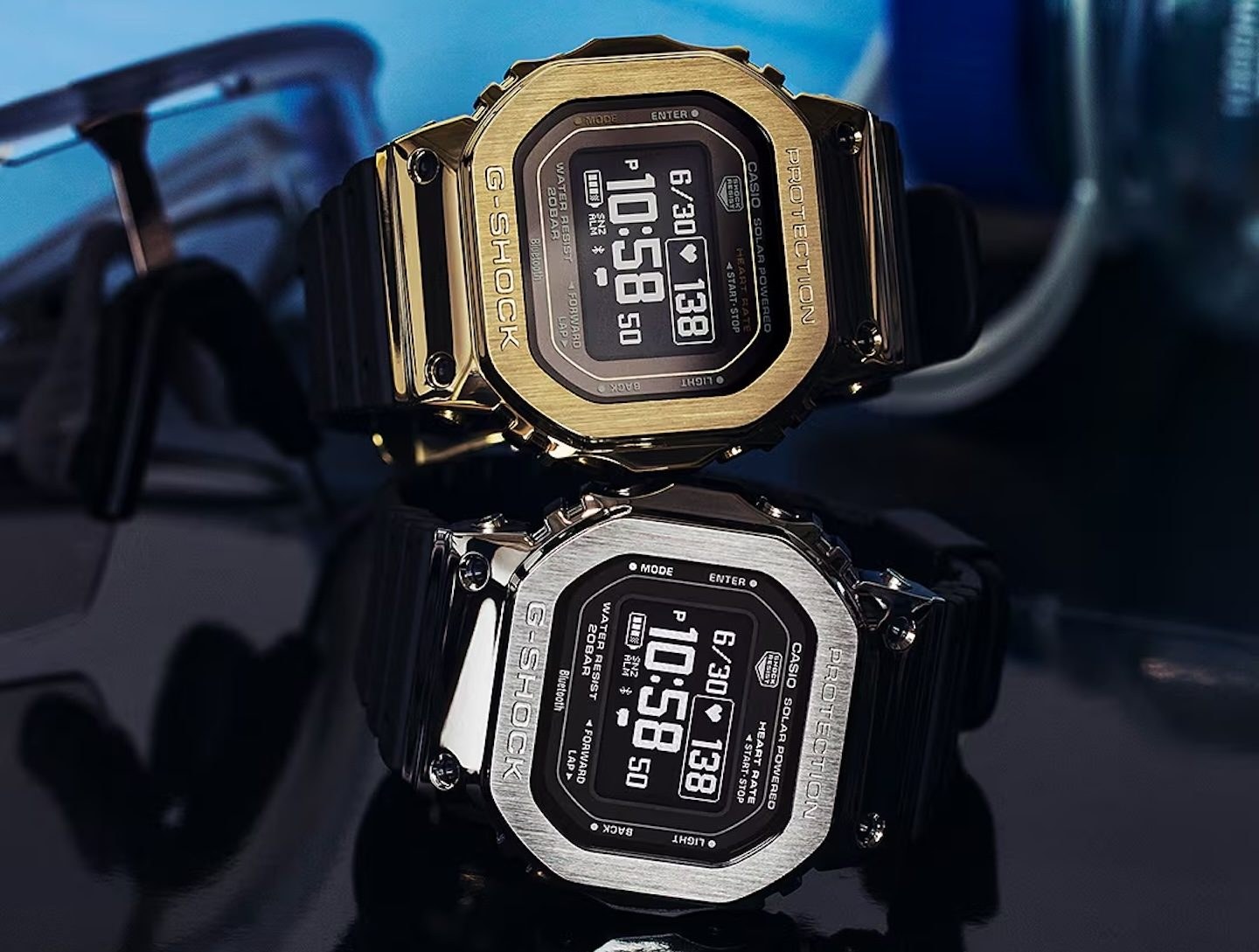
Casio straps an optical heart rate monitor and a gold-tone steel bezel onto its classic square shape for $385. The hybrid watch promises retro durability and fitness tracking, but skips built-in GPS and a touchscreen, leaving traditionalists and smartwatch
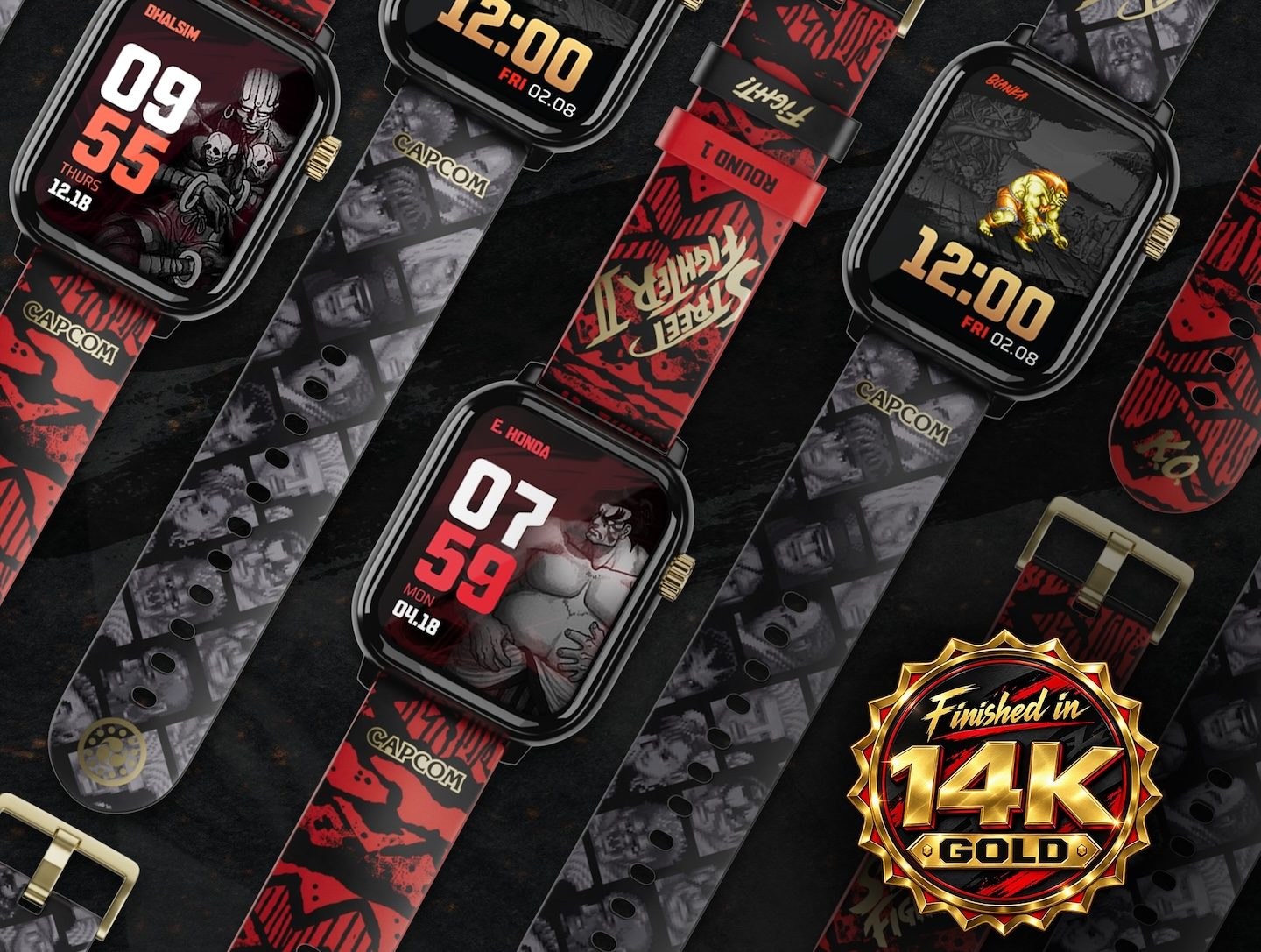
Capcom's officially licensed $79.99 wrist-bound arcade cabinet lets you play the 1991 classic without any smartphone notifications. While executing a piledriver on tiny buttons is frustrating, it offers a refreshing escape from standard fitness trackers.
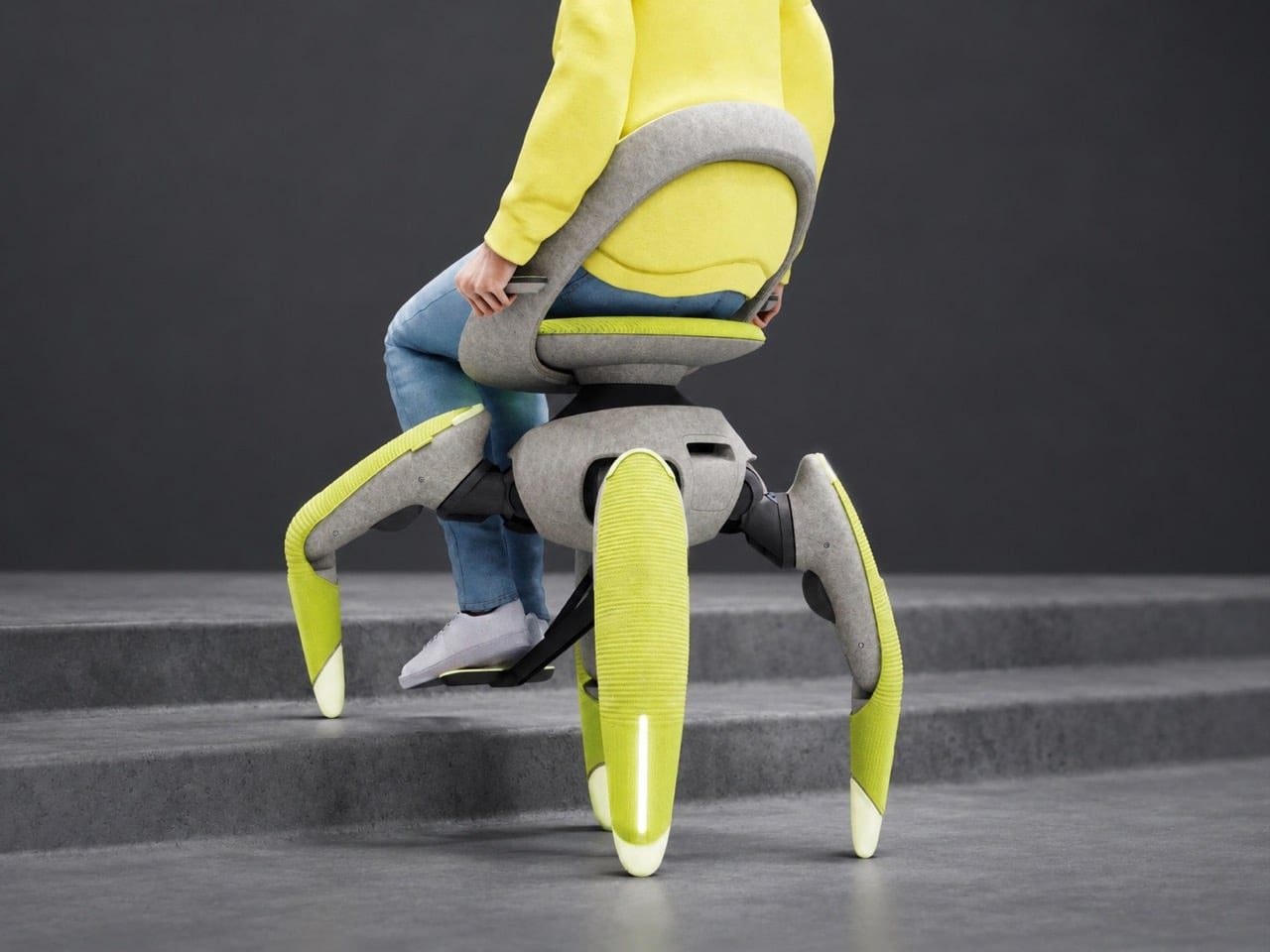
Toyota's 10-month prototype replaces traditional wheelchair wheels with four robotic legs designed to conquer staircases and cramped indoor spaces. The award-winning concept wraps its joints in 3D-knitted fabric, though buyers cannot purchase it yet.

A firmware bug caused Ray-Ban Meta smart glasses to record and transcribe private conversations without users saying the activation phrase. While Meta has pushed a silent patch, the glitch proves how easily face-worn cameras can bypass user consent.
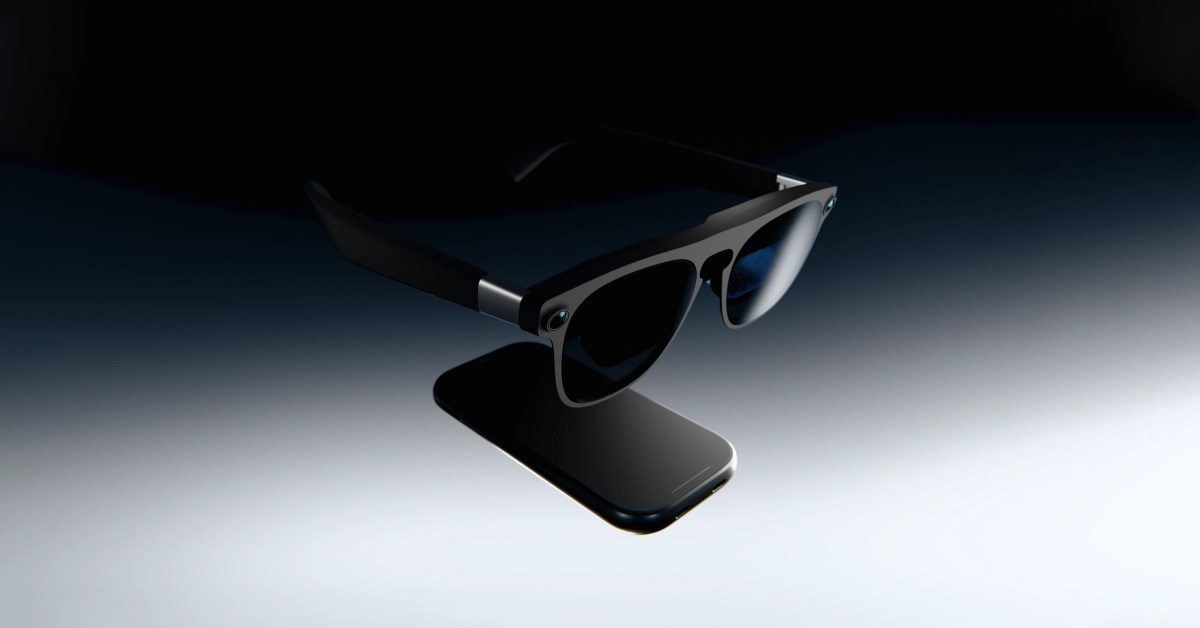
XREAL's first Android XR glasses ditch the direct phone cable for a separate computing puck and start at $1,279. Pre-orders require a $199 non-refundable-sounding deposit ahead of holiday deliveries.
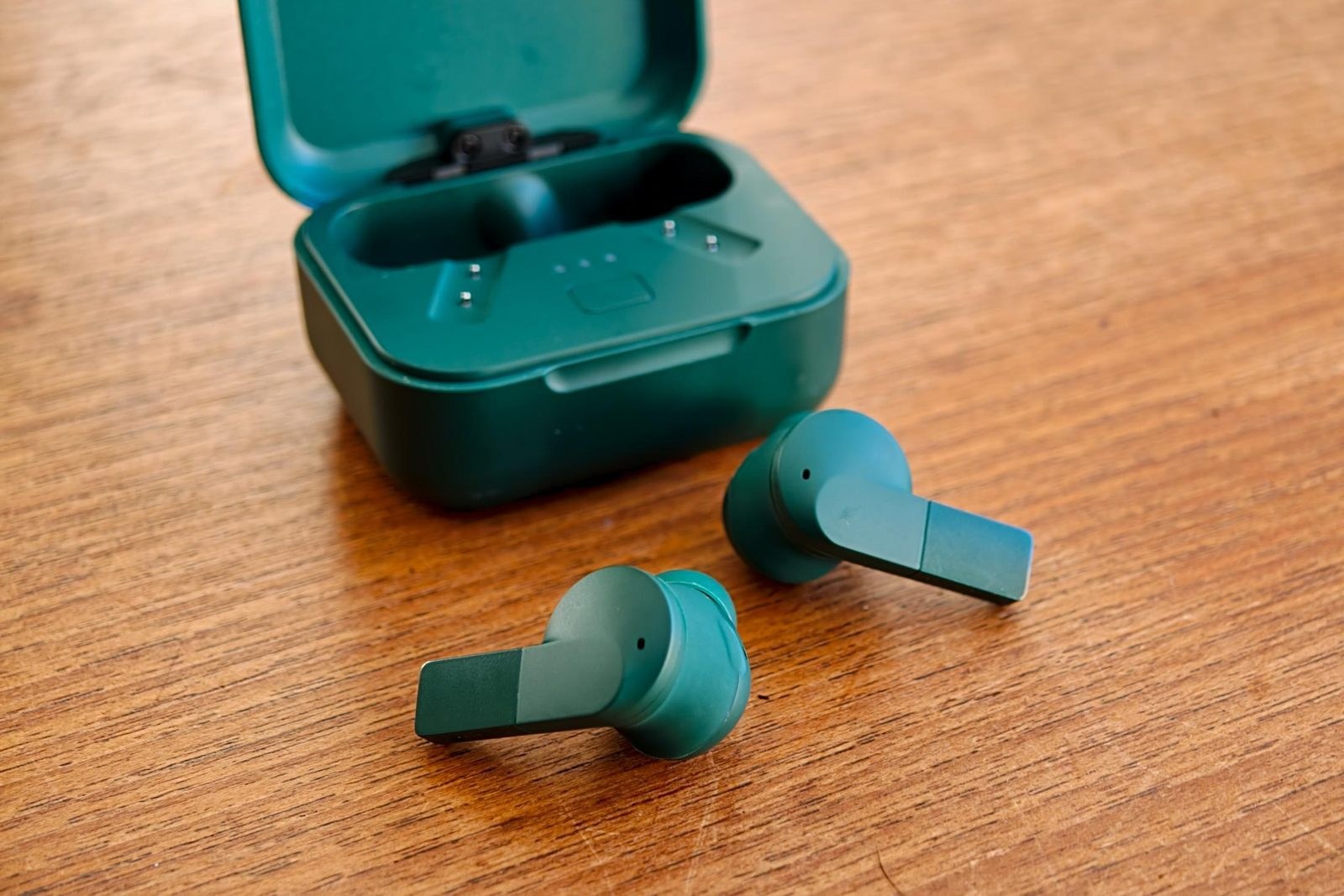
Fairphone’s €119 wireless earbuds feature user-replaceable batteries that can be swapped in under a minute without tools. The design tackles the industry's disposable gadget model by offering a repairable alternative with 40-hour total playback.
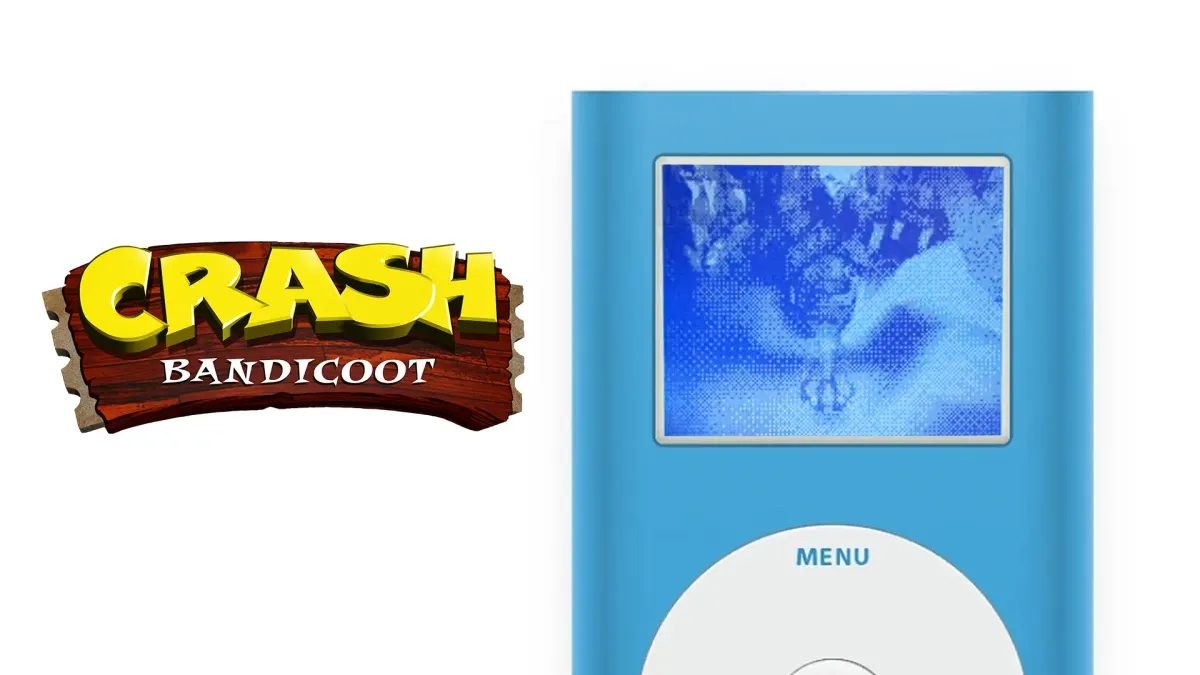
The Sprout project swaps classic iPod internals for a custom motherboard powered by Raspberry Pi hardware. It adds Bluetooth, a USB-C port, local storage up to 2TB, and enough processing power to handle modern streaming and PlayStation 1 games using the original click wheel.
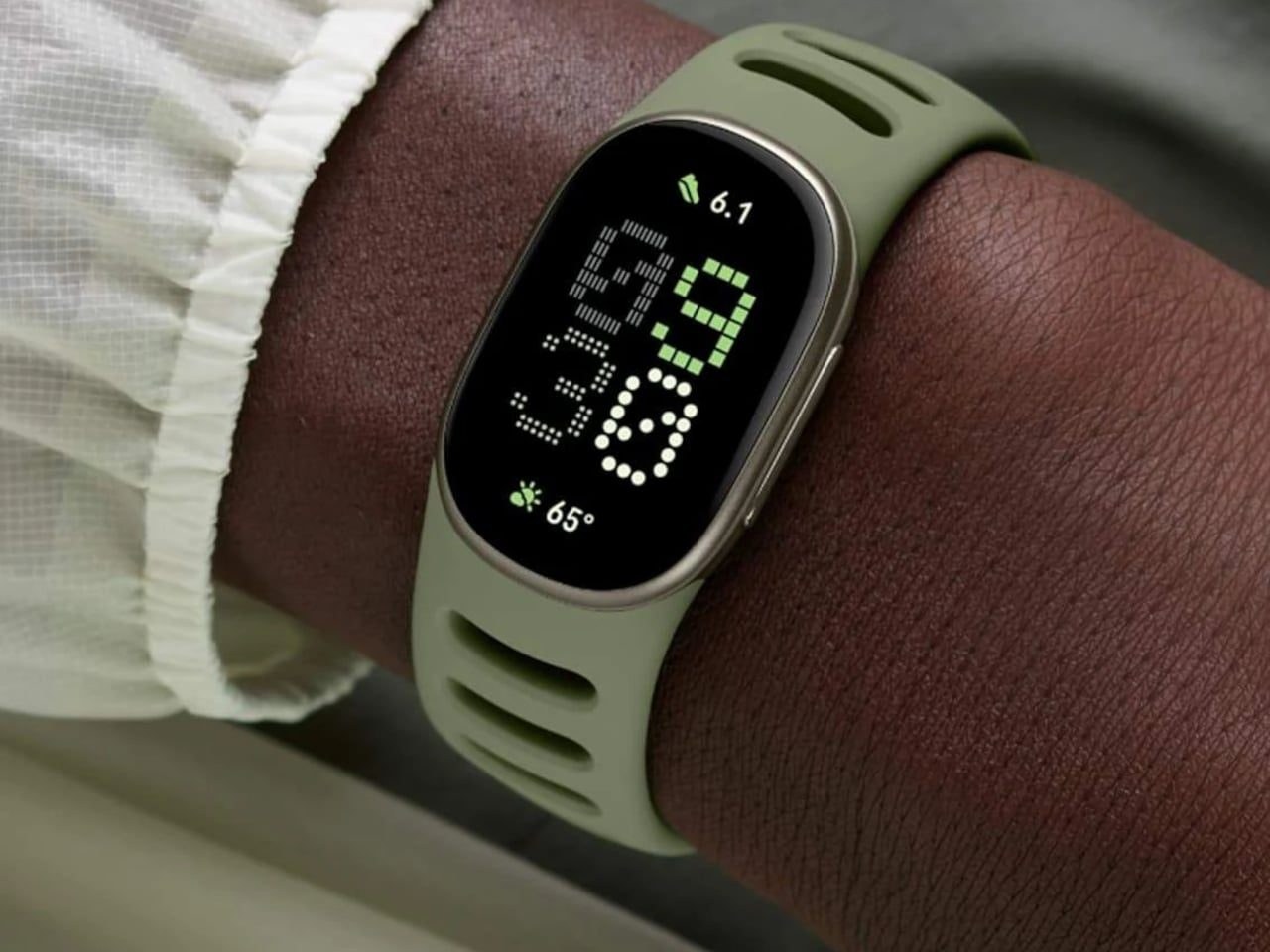
The new Google Fitbit Edge features a modular design built to let you replace a dead battery instead of tossing the entire device into the trash. However, swapping the power cell requires specific tools and regional repair support rather than a quick pop-open fix at home.
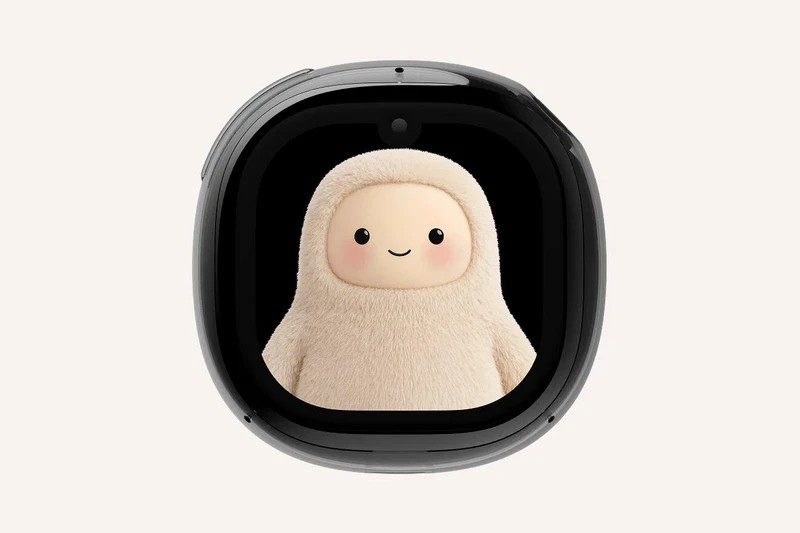
Tech developers are ditching power-hungry smartwatches and heavy AR glasses for screen-free AI pendants worn around the neck. This low-cost voice companion handles daily tasks without forcing you to stare at another display.

Meta is splitting its smart eyewear line by launching the $349 camera-free Ray-Ban Meta Audio on October 13, weighing just 43 grams to dodge public recording bans. Alongside them, the company previewed the Meta VR Glasses, a tethered $1,299 headset arriving in spring 2027.
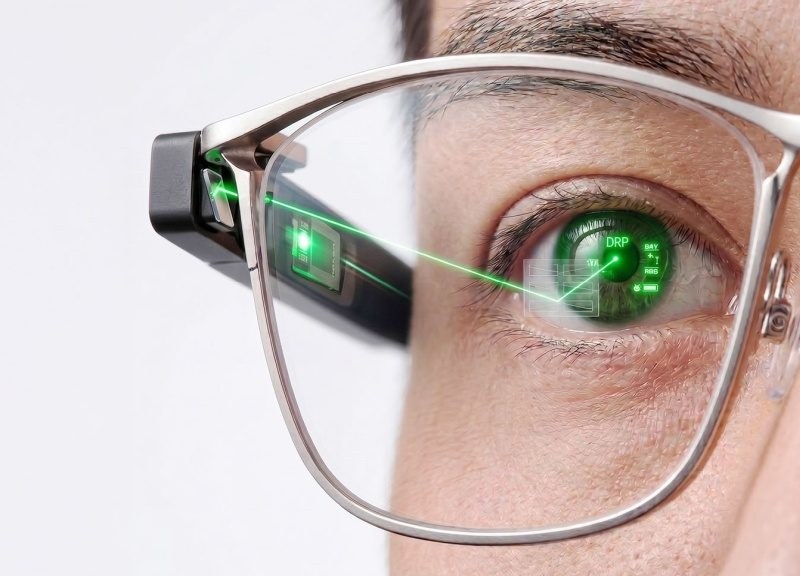
TDK has built a smart glasses prototype with a projector embedded straight into an 80% transparent lens. The technology bypasses bulky plastic frames and privacy issues, but right now it only outputs monochrome text and has no release date.
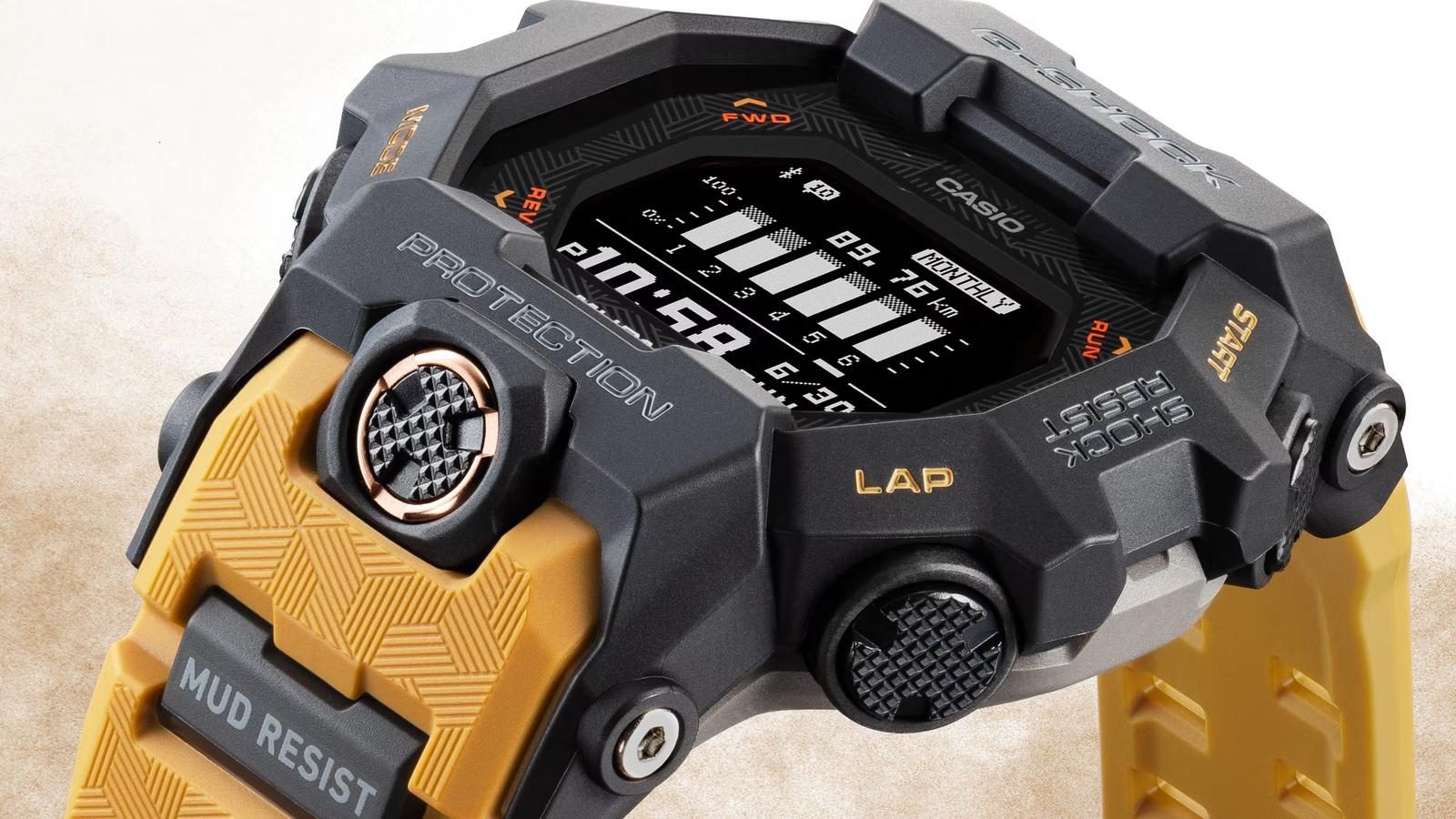
Casio released the new G-Shock Mudman GDG-B100 series in Japan for $245, with sales starting in October. This rugged watch prioritizes durability and battery life over complex smart features, lasting two years on a single CR2032 battery.
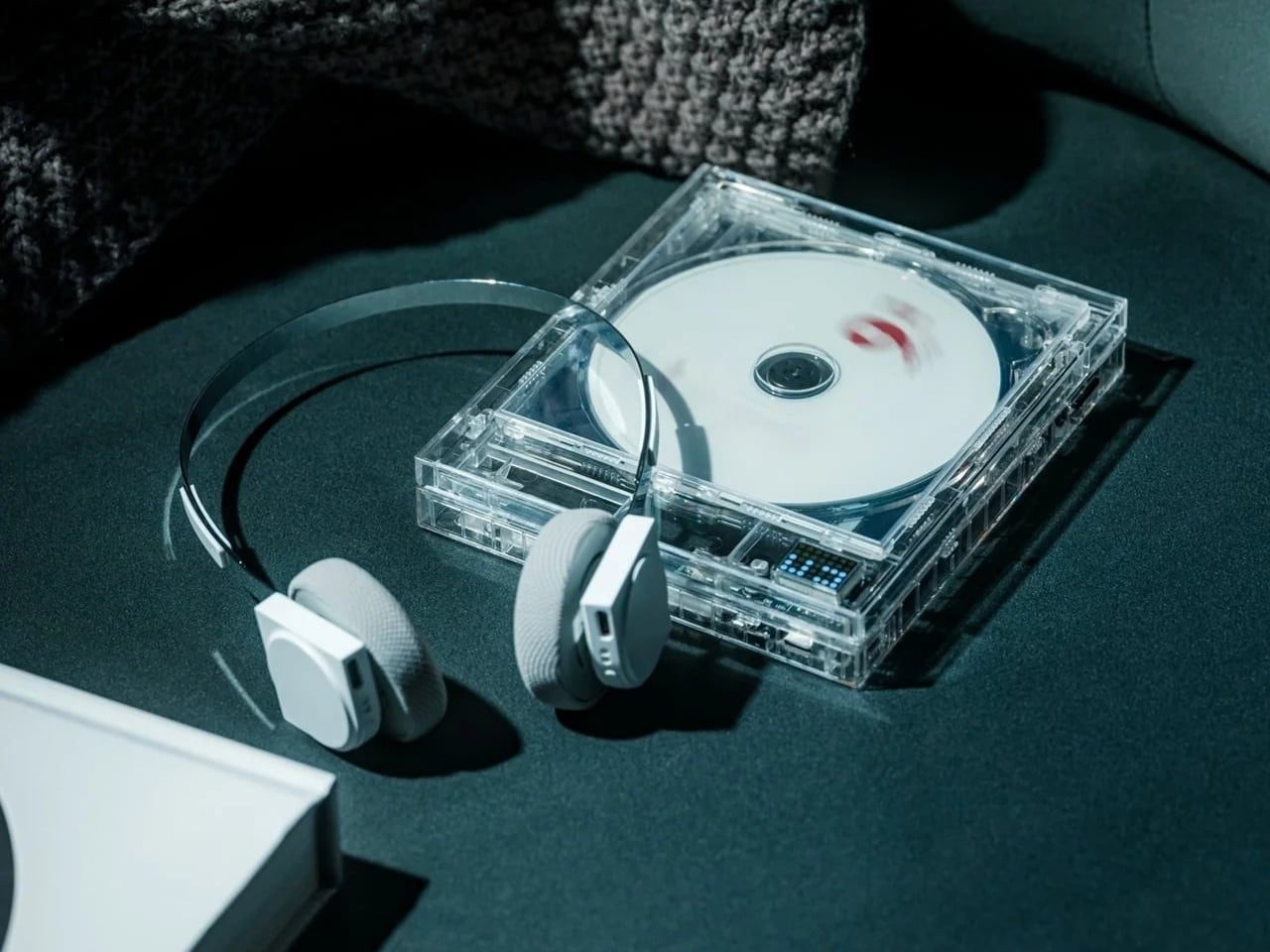
StillFrame headphones try to solve gear-rotation fatigue by packing active noise cancellation, transparency modes, and Bluetooth 5.4 into a single hybrid device. We look at whether this all-in-one approach beats carrying dedicated audio gear for your commute, desk, and home.
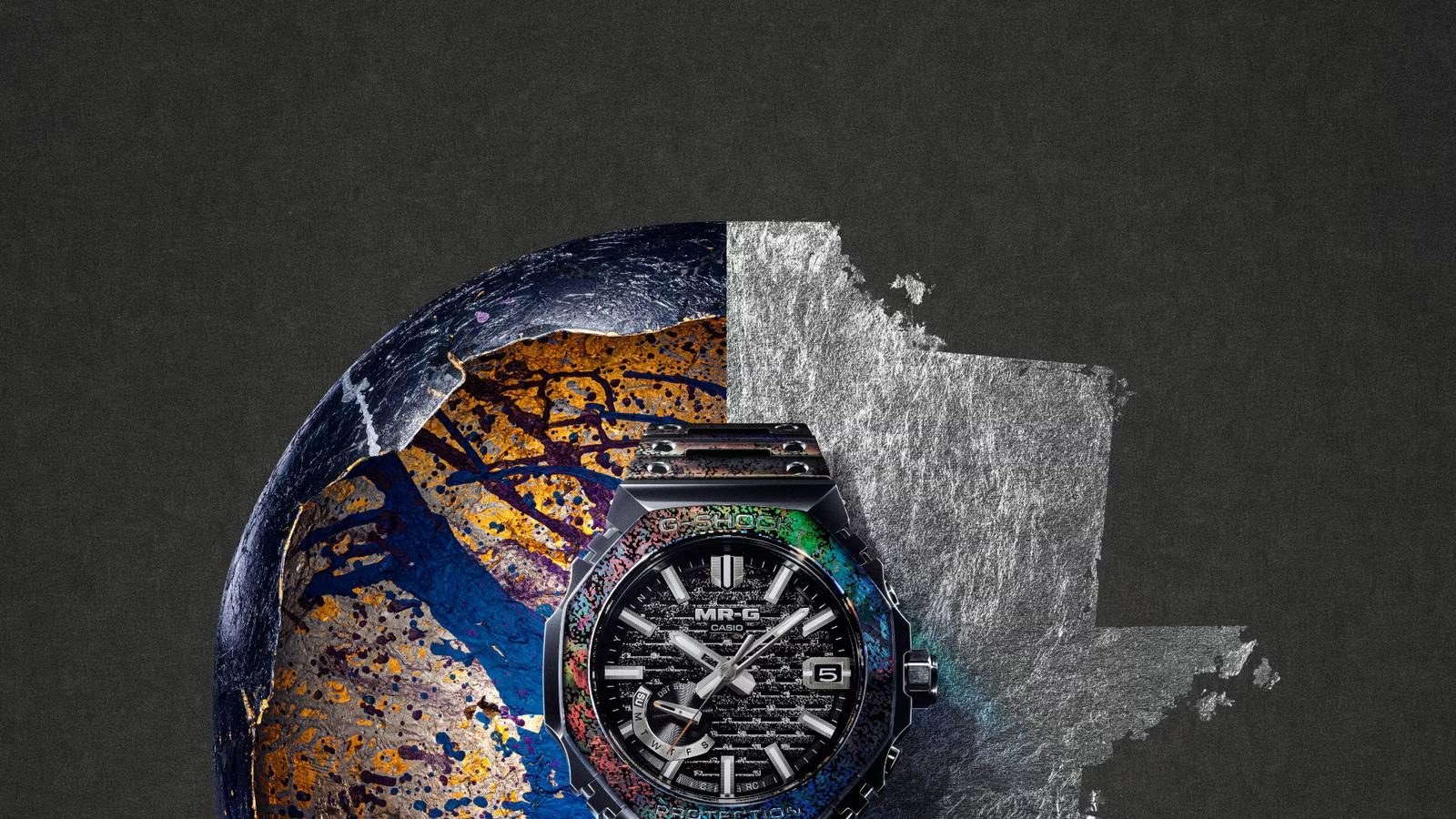
Casio is releasing a $7,000 quartz G-Shock with a platinum-treated dial and laser-carved titanium. We break down whether this 800-piece collector item makes any sense beyond flexing your bank account.

Neuralink trial participants have logged over 50,000 hours of implant use, hitting a cursor control speed record of 11.32 bits per second. The breakthrough points toward predictive algorithms that could eventually transform mainstream consumer device control.

Casio is shrinking its iconic A168 digital watch into a $135 ring arriving this November. It packs dual time zones, a stopwatch, and an LED backlight into a tiny metal band.
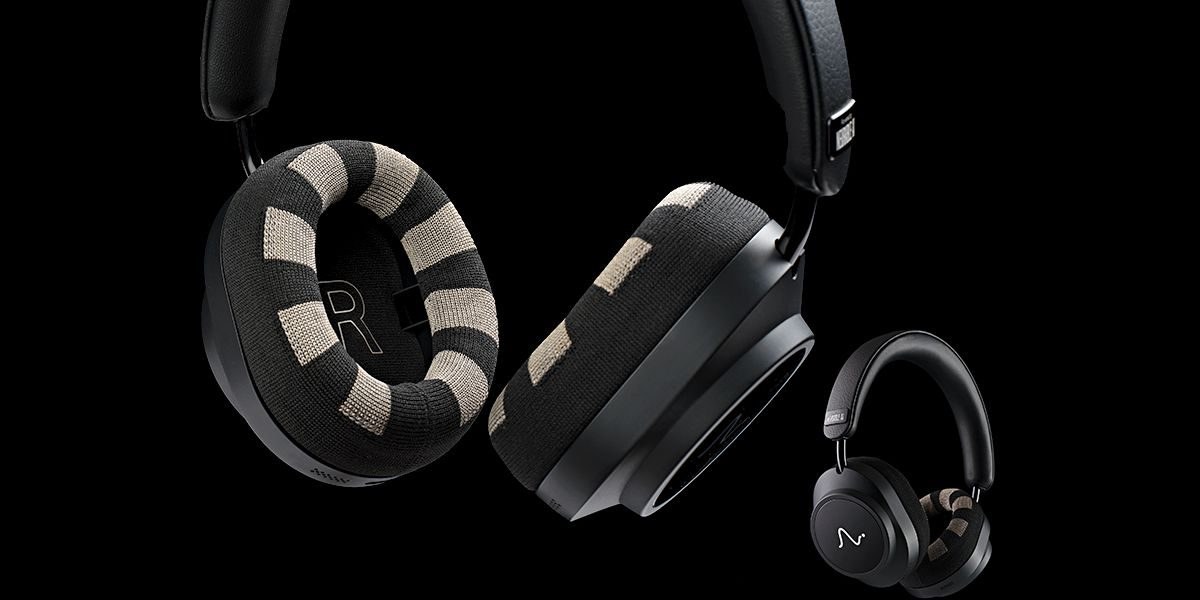
Boston-based startup Neurable built 12 brain-scanning fabric sensors directly into the ear cushions of its $499 active noise-canceling headphones. The device reads electrical signals from your scalp to track mental fatigue and provide live focus nudges while you work.

French robotics maker Wandercraft has received US approval to sell its Eve personal exoskeleton directly for home use. The 12-motor motorized frame lets adults with spinal cord injuries stand, cook, and move independently without crutches.
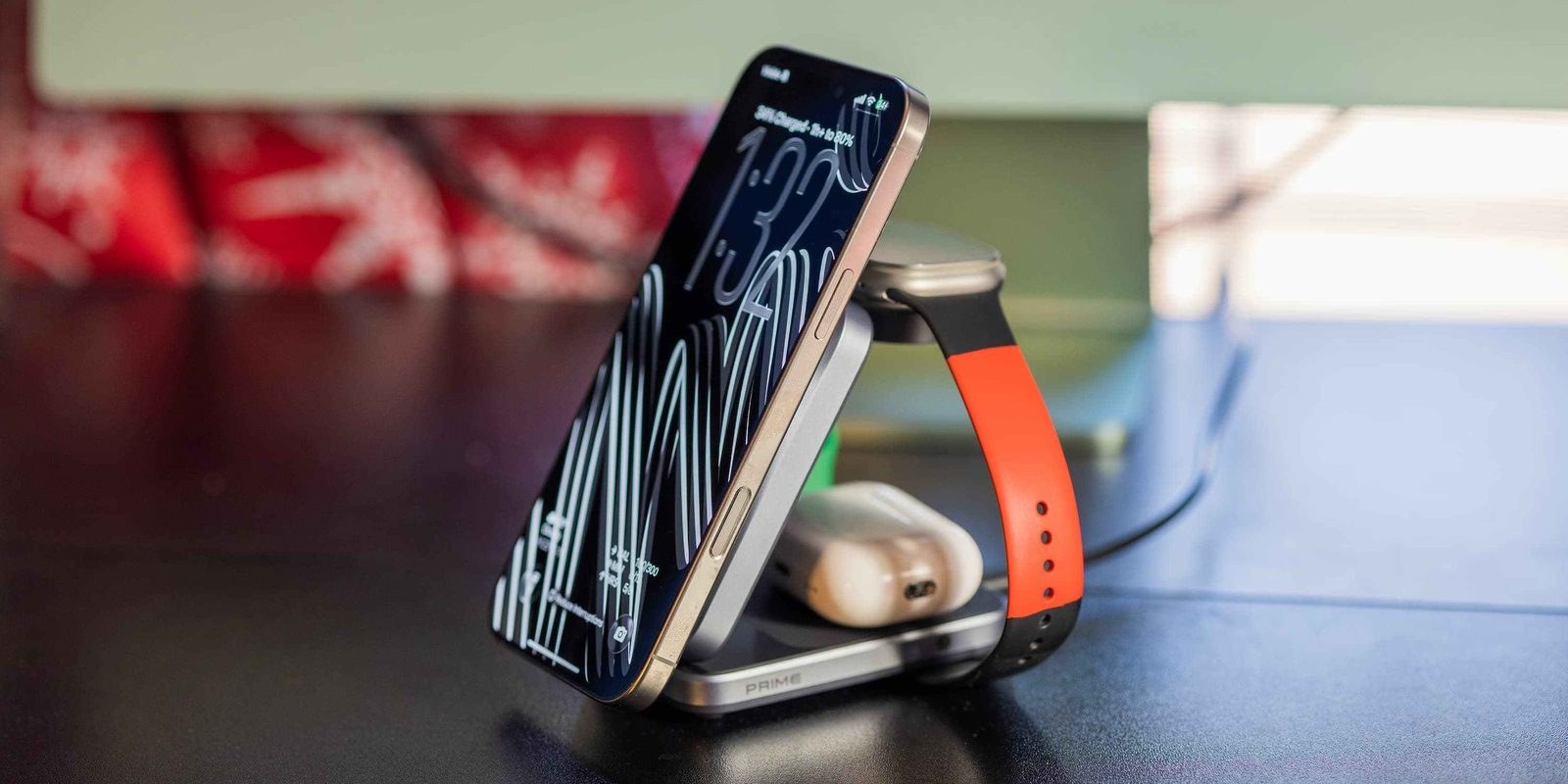
Anker's new $99 folding 3-in-1 dock includes a built-in fan to prevent fast 25W wireless charging from overheating your phone. The package bundles a wall brick and cable, powering an iPhone to 50% in 27 minutes.
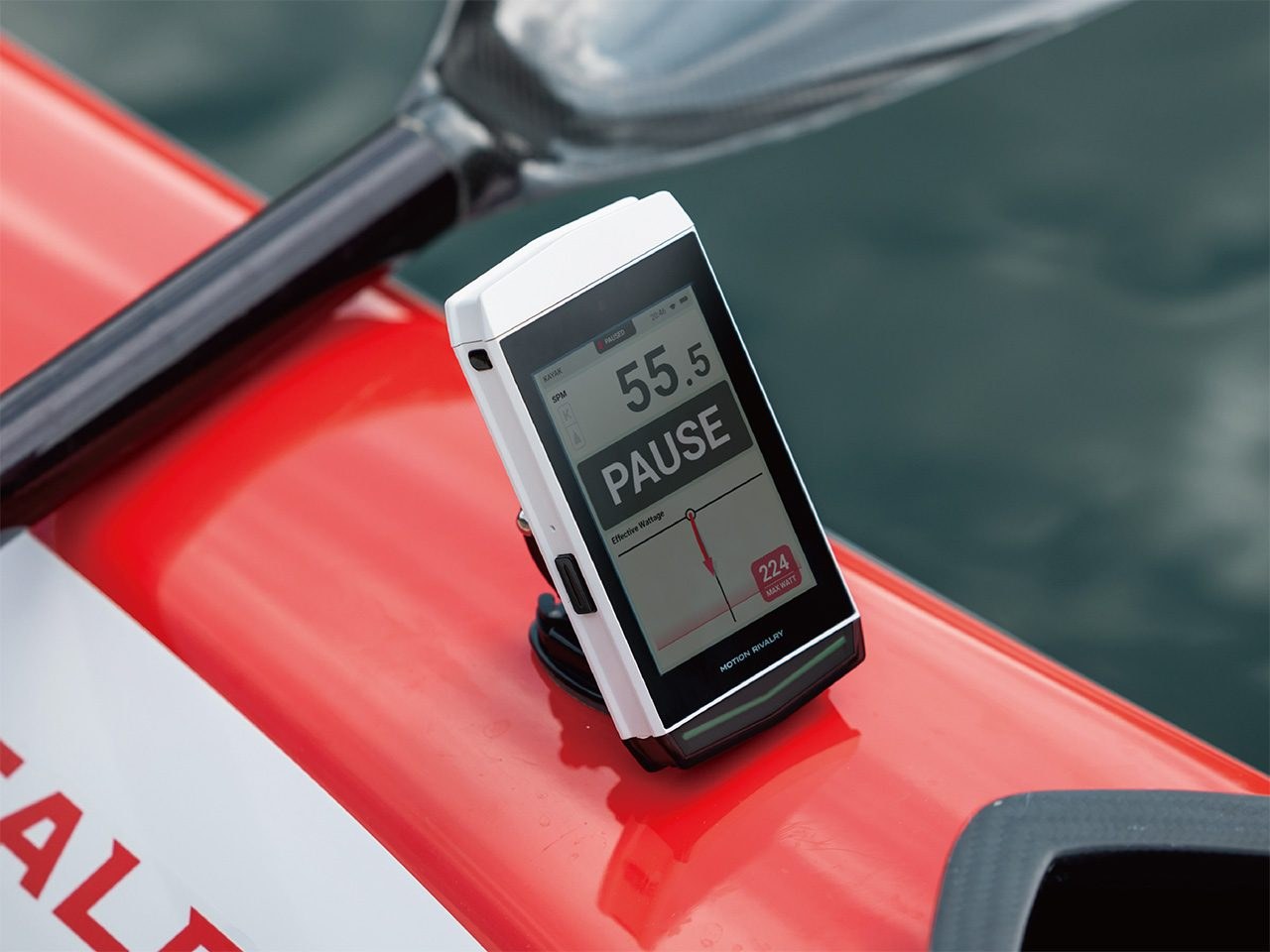
Motion Rivalry designed REACH to replace action cameras and walkie-talkies with interchangeable hardware modules on a single base unit. The crowdfunding campaign raised over $122,000, bringing the entry price to $359.
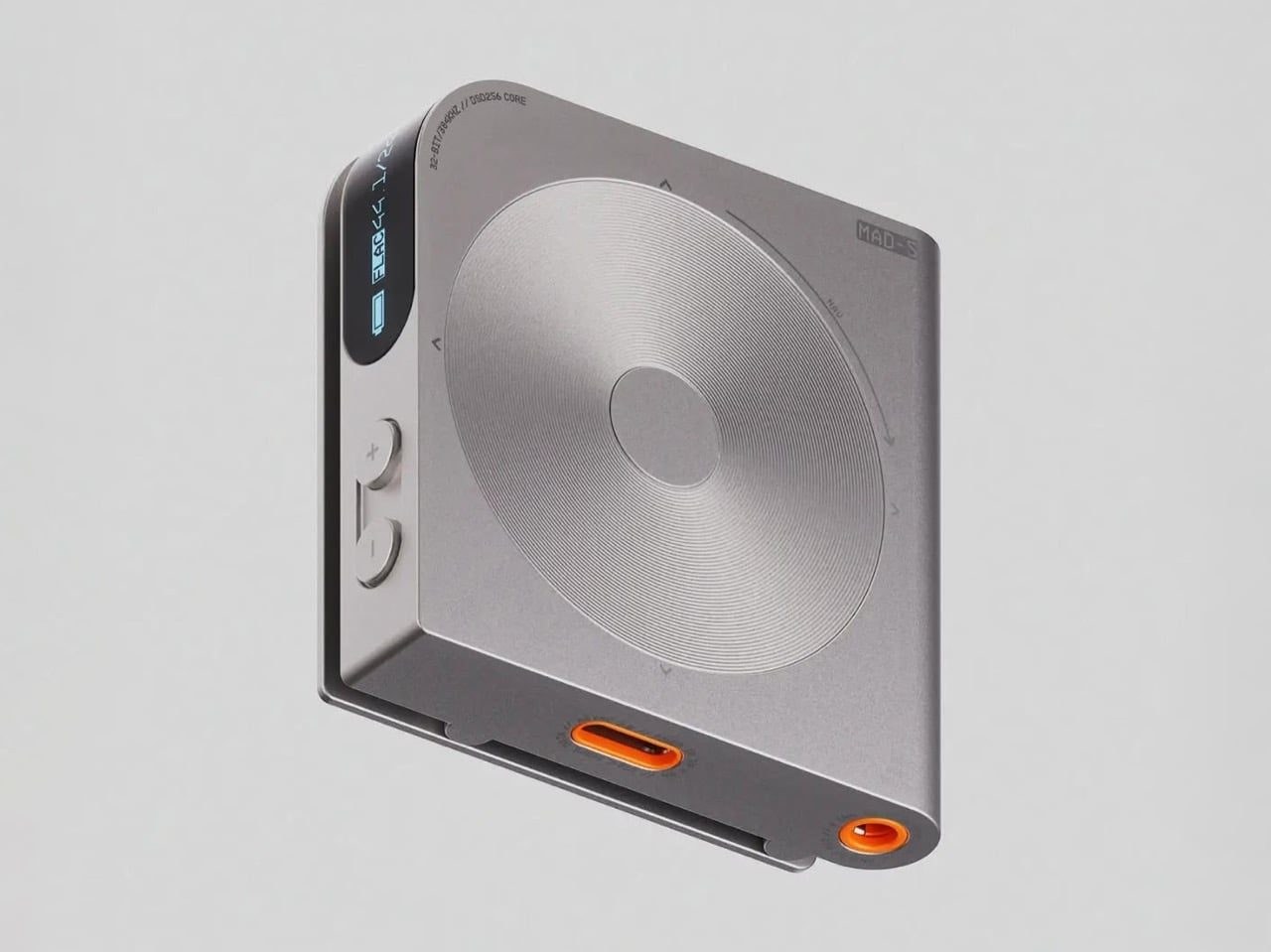
Designer Florent Porta has unveiled the MAD-5 concept, a square aluminum music player that moves track info to an edge-mounted ticker. It revives the ergonomic brilliance of clipped vintage audio gear while exposing the limits of purely conceptual hardware.
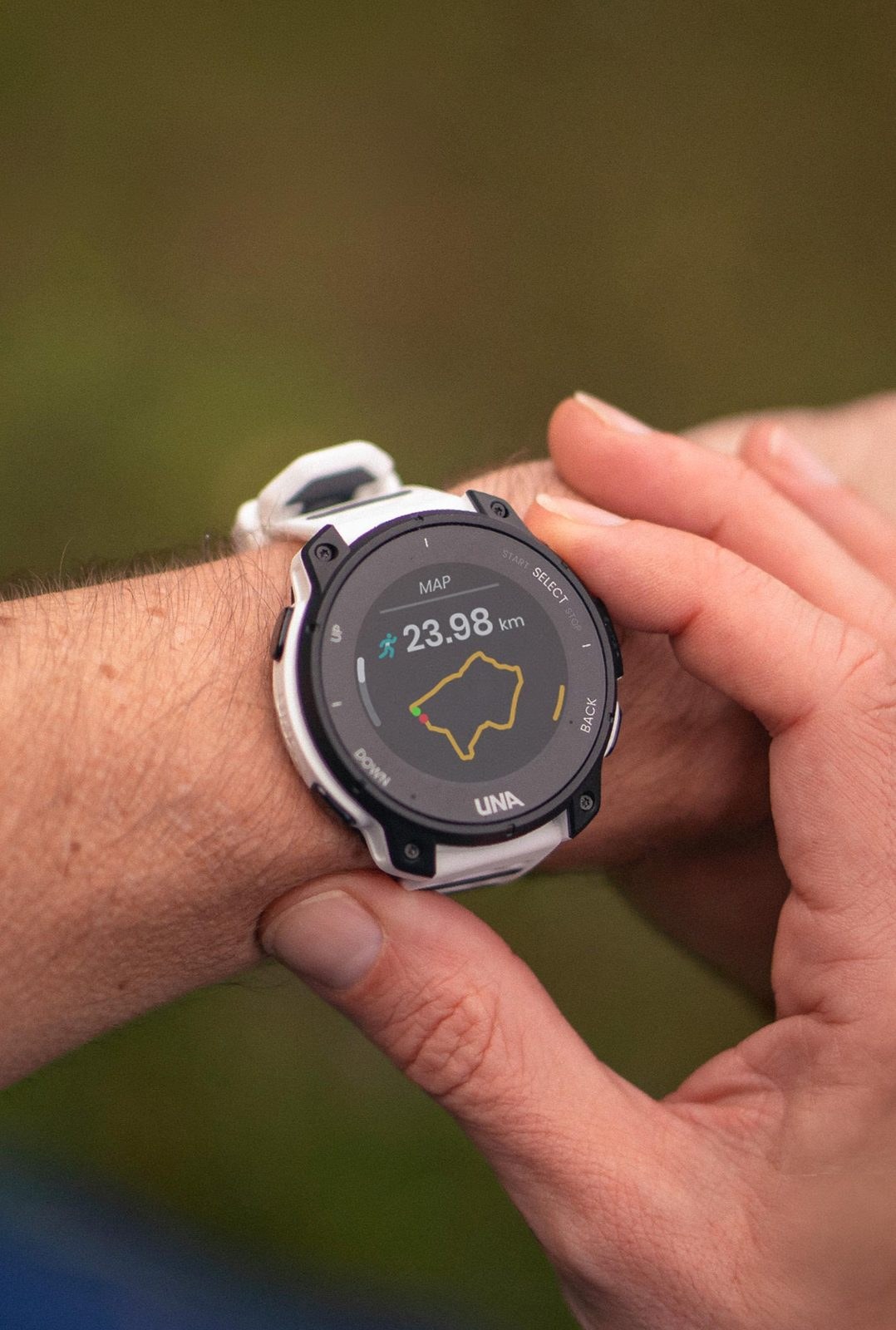
The Una Watch has dropped from its initial $350 Kickstarter price down to $199, offering a fully modular design that you can open and repair with standard tools. It packs a user-swappable 280mAh battery, dual-frequency GPS, and up to 10 days of battery life, though its modest IPX5 splash resistance rules out swimming.
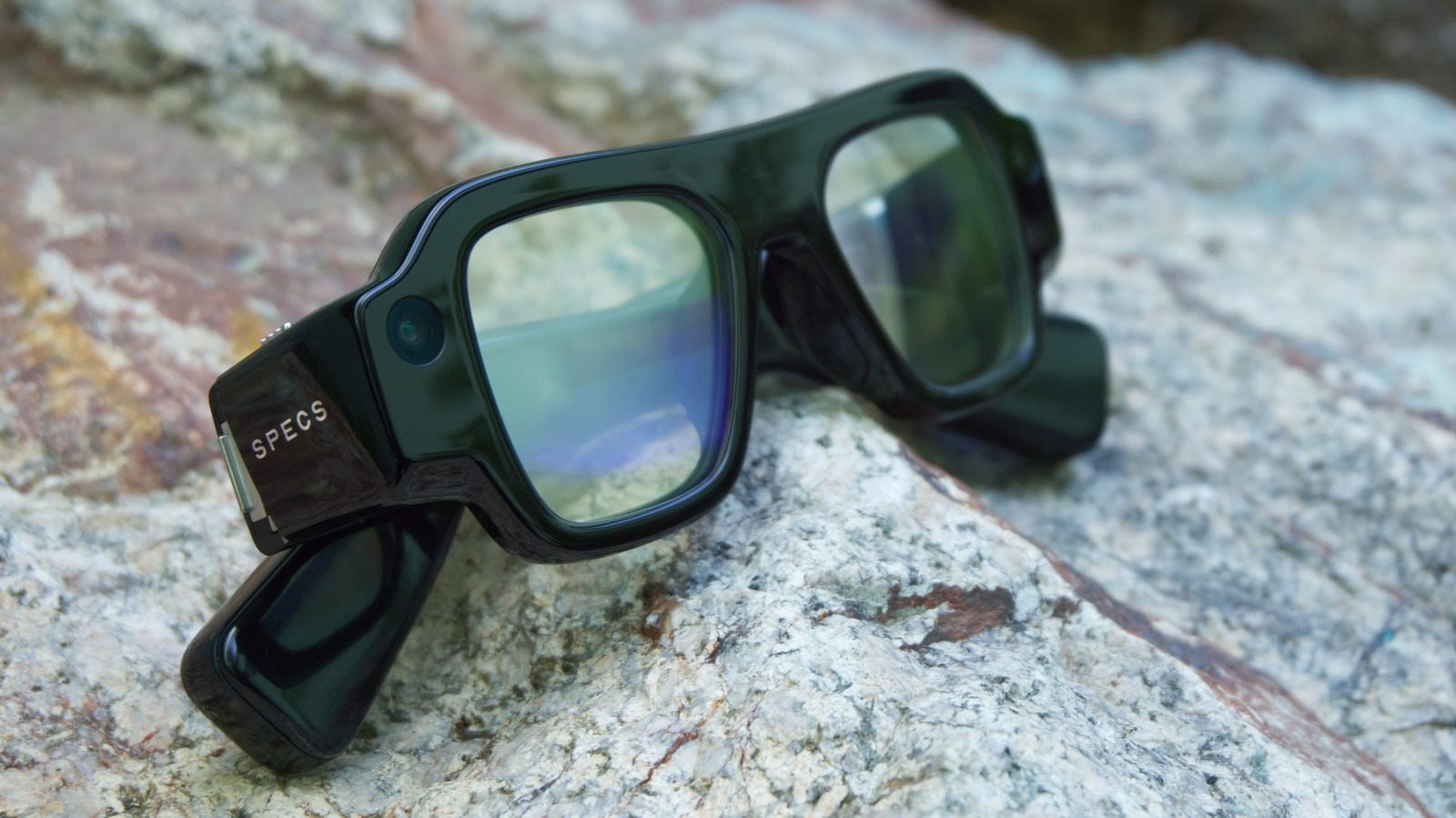
Snap introduces standalone augmented reality glasses with dual hand-tracking cameras and a 132-gram frame. The wire-free headset costs $2,195 and targets developers rather than everyday buyers.
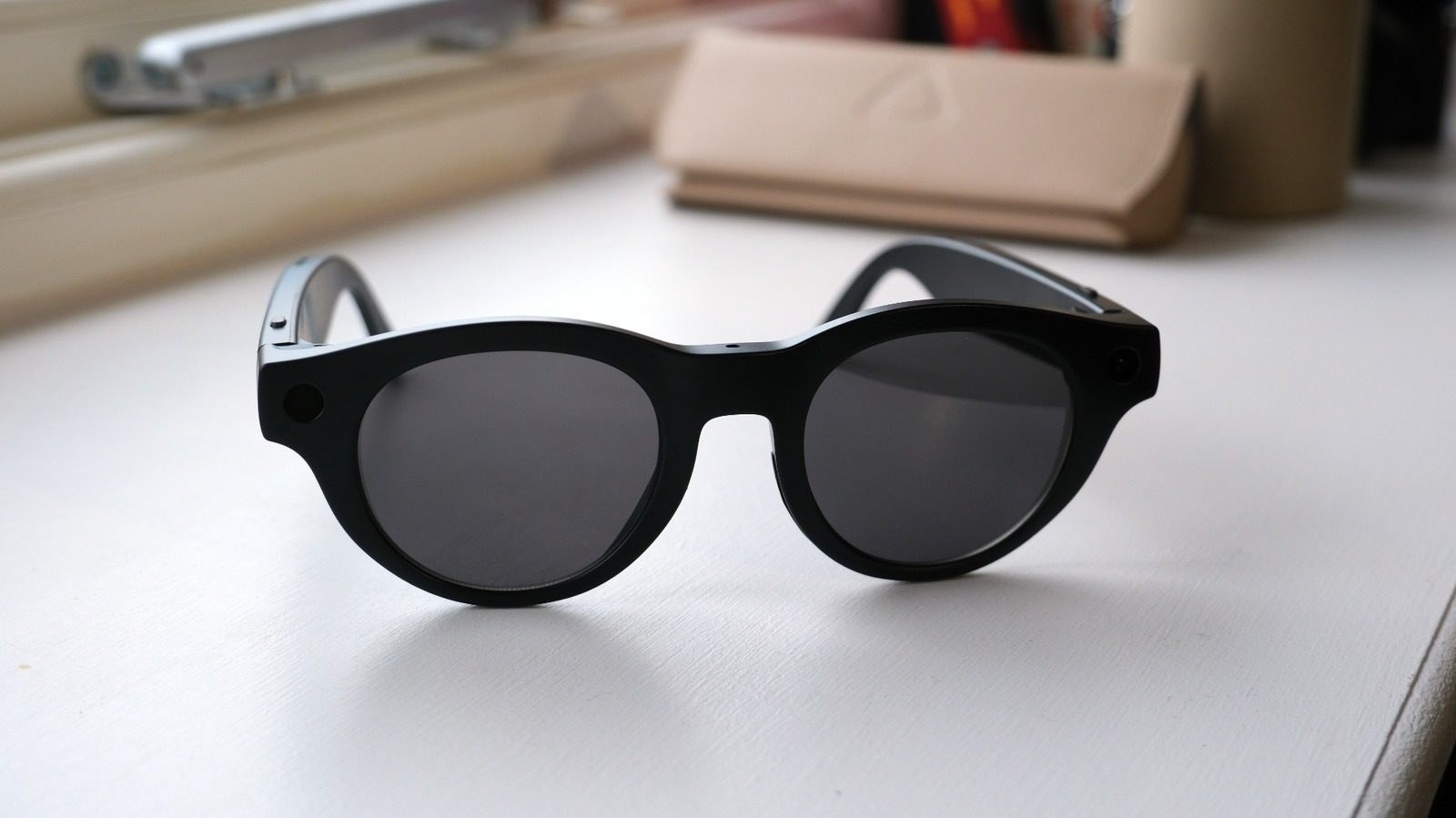
HTC has brought its Vive Eagle smart frames to Western markets for $499, packing open-ear audio, a 235mAh battery, and a Snapdragon processor into a 49-gram package. Despite physical controls and a lightweight build, the glasses struggle with tinny music playback and barely last three hours on phone calls, making them a hard sell against your smartphone.

Berlin trade show highlights include a toothbrush with a built-in macro lens, ultra-thin folding phones, and sleep tracking earbuds. We break down which of these gadgets are actually worth buying.
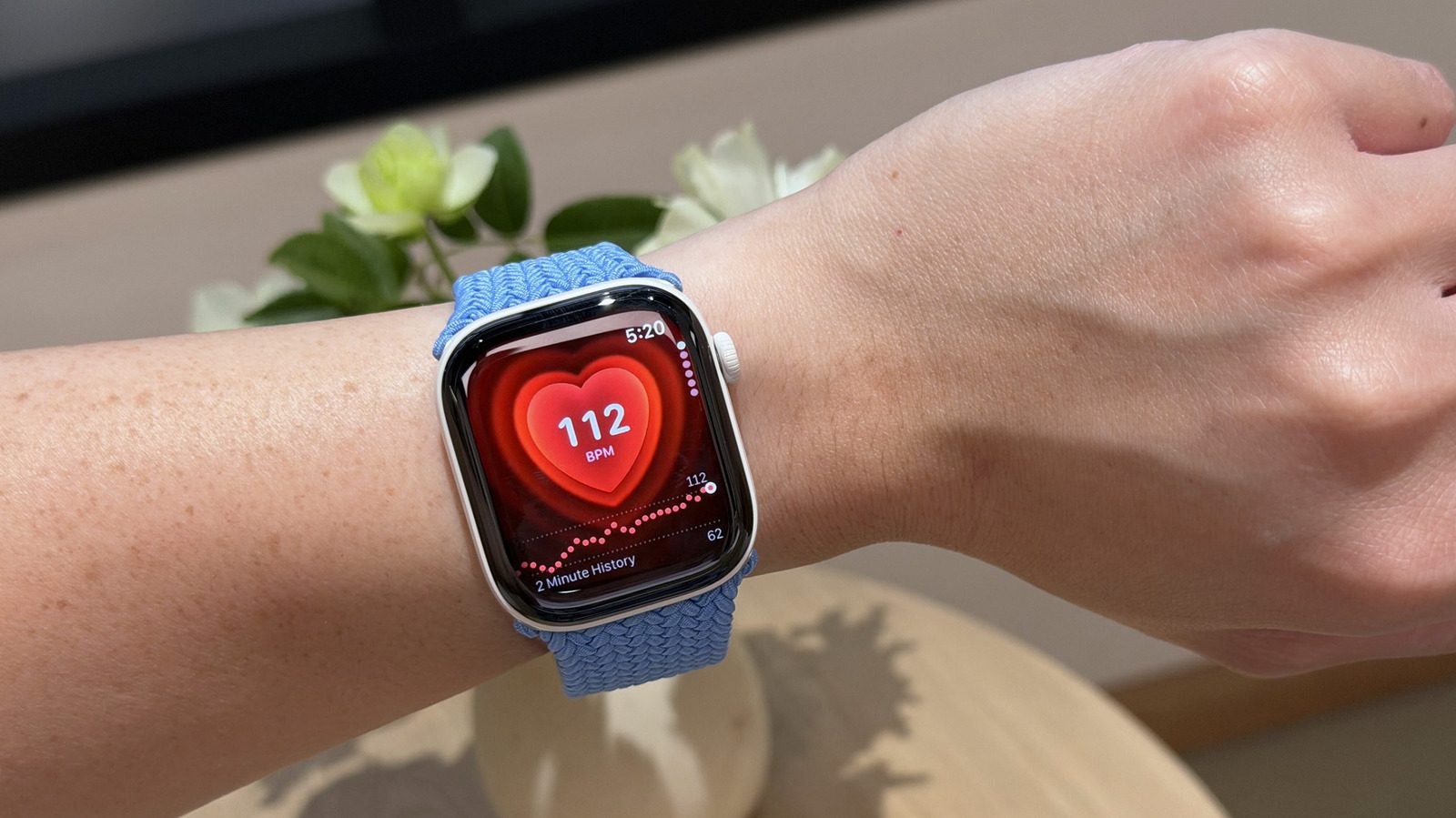
The Apple Watch Series 12 swaps out older LEDs for a 12-light sensor ring that checks your pulse every five minutes. While it adds a daily 0-to-10 recovery score and smart audio transcription, the battery life is still stuck at a single day.
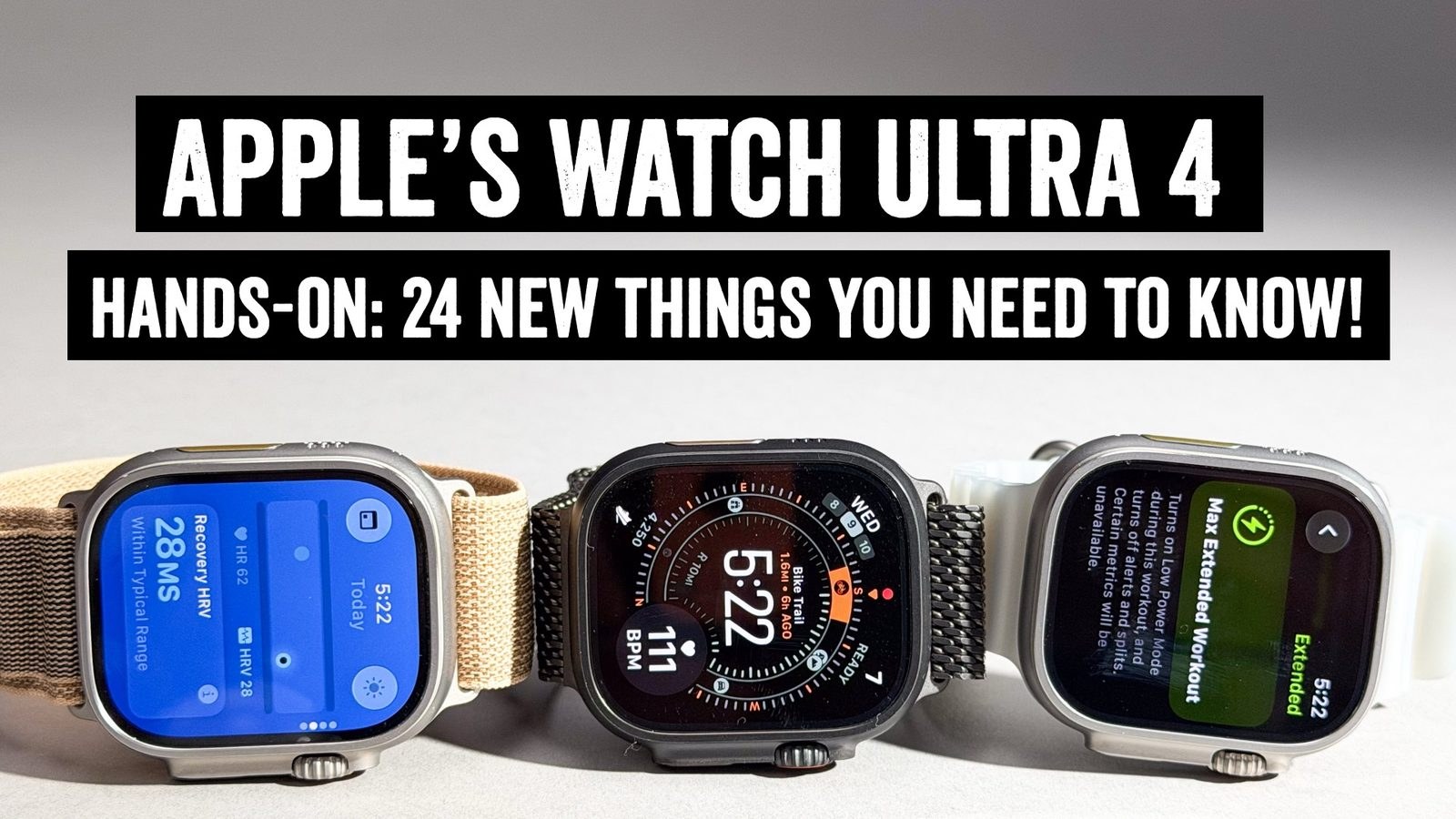
Apple launched the Watch Ultra 4 powered by the new S11 silicon. Real-world testing shows battery life and workout accuracy remain essentially identical to prior models, offering existing Ultra owners few reasons to upgrade.

OpenAI and former Apple designer Jony Ive are working on a dedicated, screenless AI hardware puck. However, standalone voice devices offer little that modern smartphones and everyday wireless earbuds cannot already handle locally.
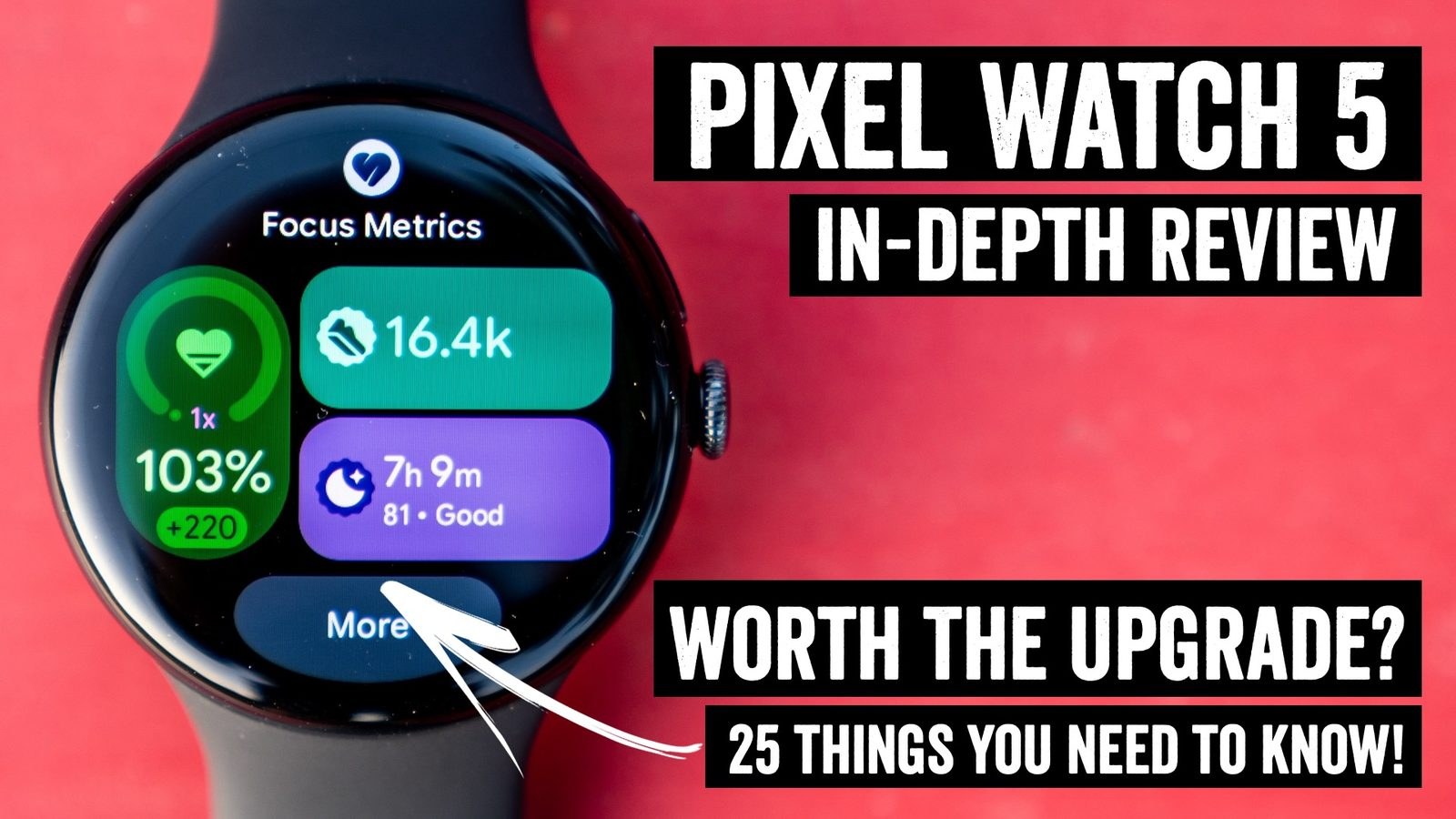
Three weeks of real-world testing reveal that Google's new smartwatch offers snappier daily apps and precise tracking. However, heavy GPS workouts still drain the battery before bedtime, making it a skippable upgrade for current owners.
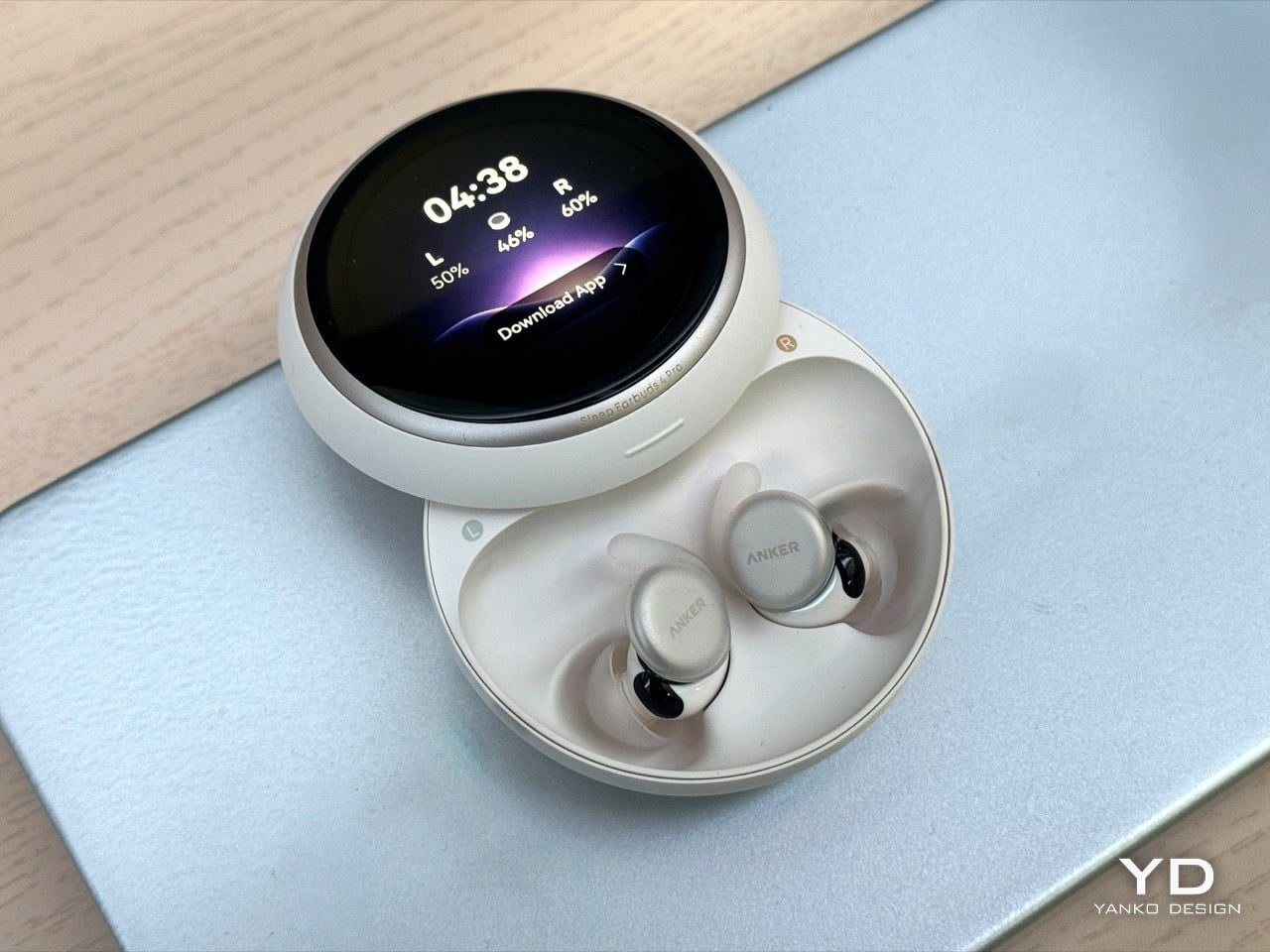
Anker's new $350 sleep earbuds move the computer into a touchscreen charging case to let side sleepers rest without ear pressure. The Pro model adds heart-rate tracking, though it strangely drops the emergency sound alerts found on the cheaper version.
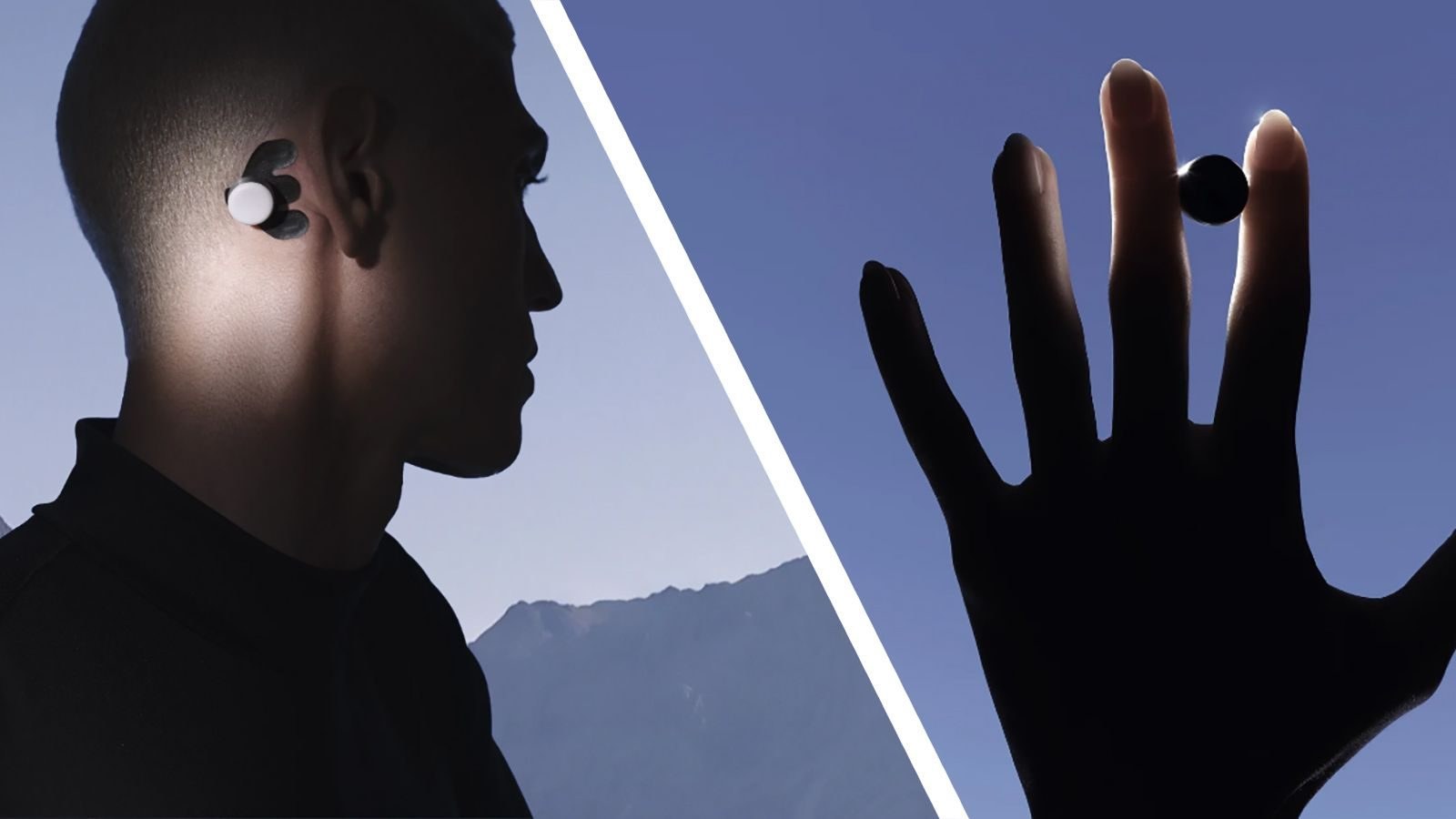
Neurotech startup Atlas launched the $499 Atlas 1.0 Pioneer Edition, a tiny sensor that hooks behind the ear to track mental fatigue and focus. Despite the high price, iPhone-only requirement, and mandatory $29.99 monthly subscription, initial pre-orders sold out in days.
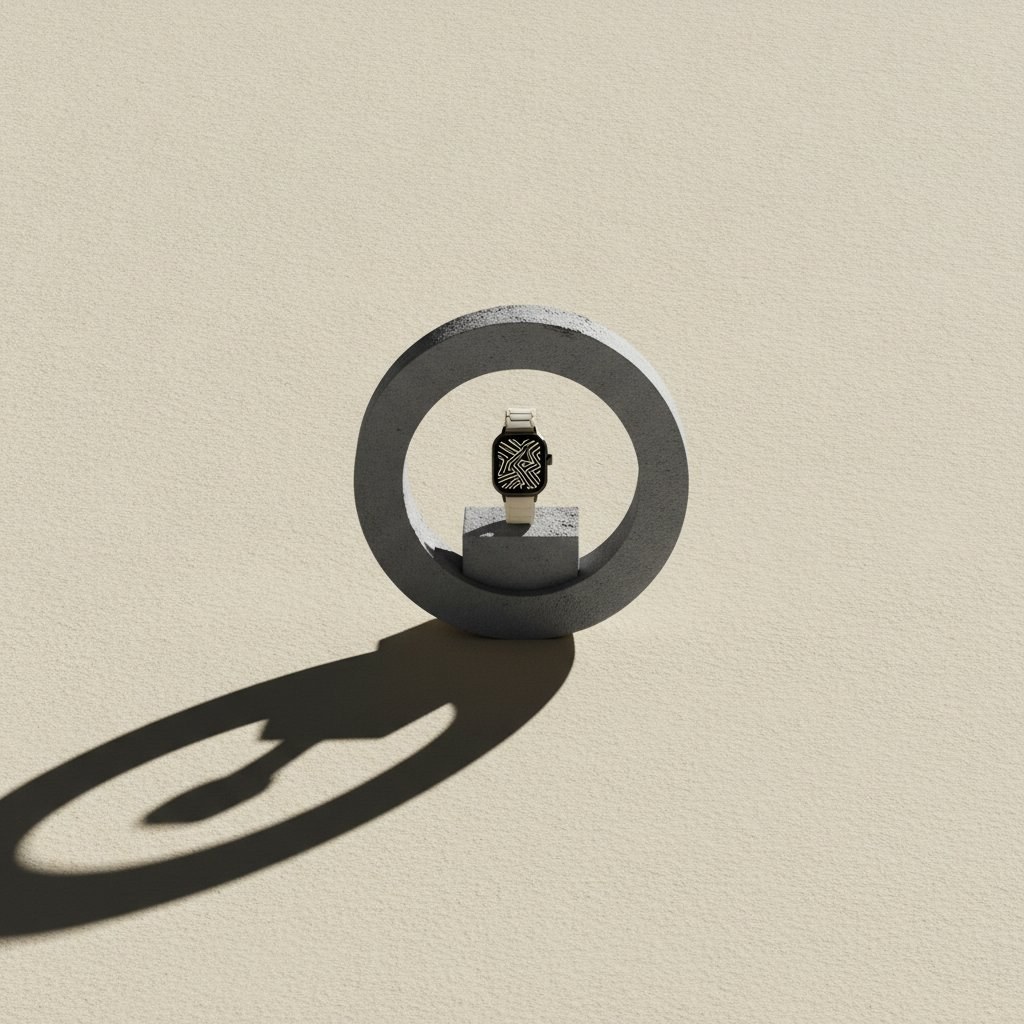
Huawei fitted the Watch GT 7 Pro with sapphire glass, a nanoceramic case, and offline ski maps to challenge dedicated sports gear. While the wrist navigation adds real convenience on the slopes, the hefty luxury build limits its appeal as a purely utilitarian mountaineering tool.
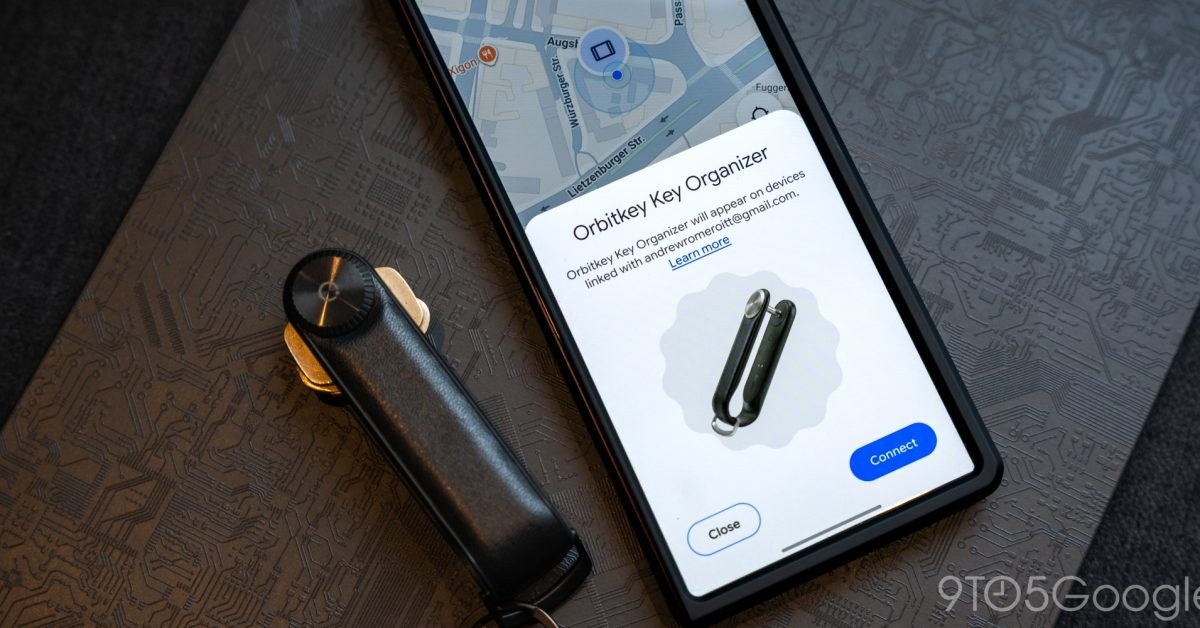
Orbitkey has solved pocket bulk by baking Google Find My Device and Apple tracking hardware straight into the leather side band of its key holder. Instead of dangling plastic fobs, users get a rechargeable module lasting up to five months that stops keys from rattling.
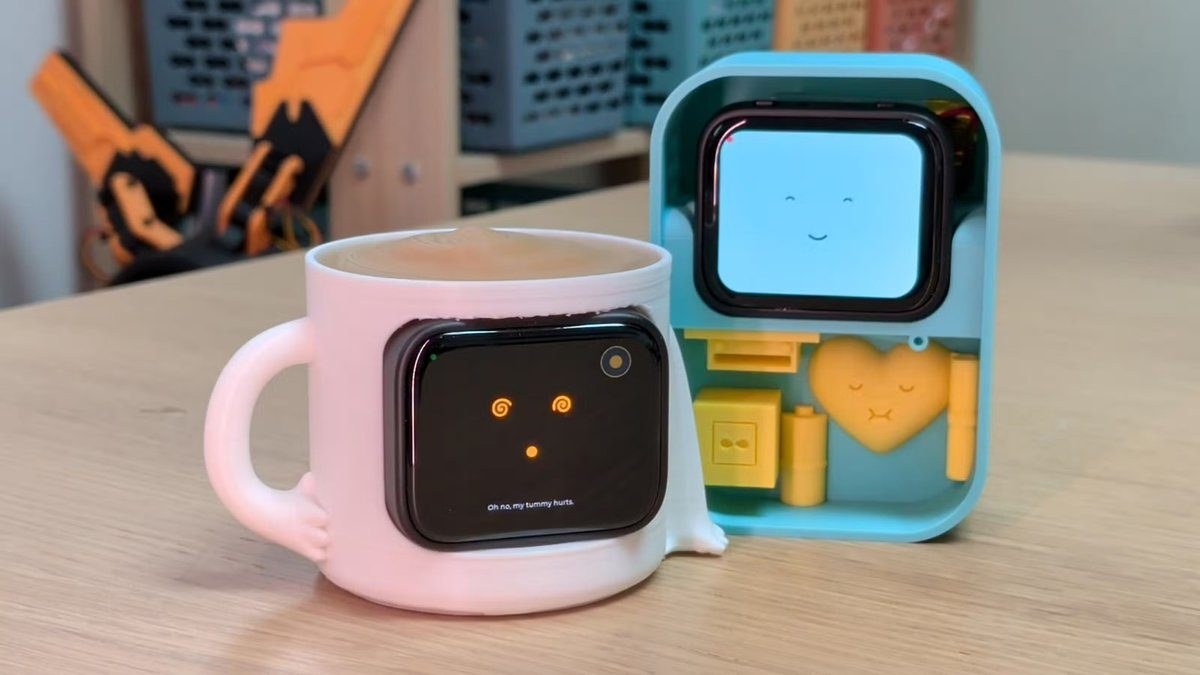
An open-source DIY keychain uses classic Tamagotchi mechanics to break doomscrolling habits by letting a virtual pet sicken whenever phone limits are exceeded. The offline gadget replaces easily ignored software prompts with emotional accountability at a fraction of the cost of commercial blockers.

Norwegian lawmakers are preparing a total ban on smart glasses and wearables equipped with cameras in public spaces. Device makers could soon deploy geofenced firmware updates to disable hardware features and avoid liability. Buyers risk seeing high-end tech turn into regular designer plastic overnight.
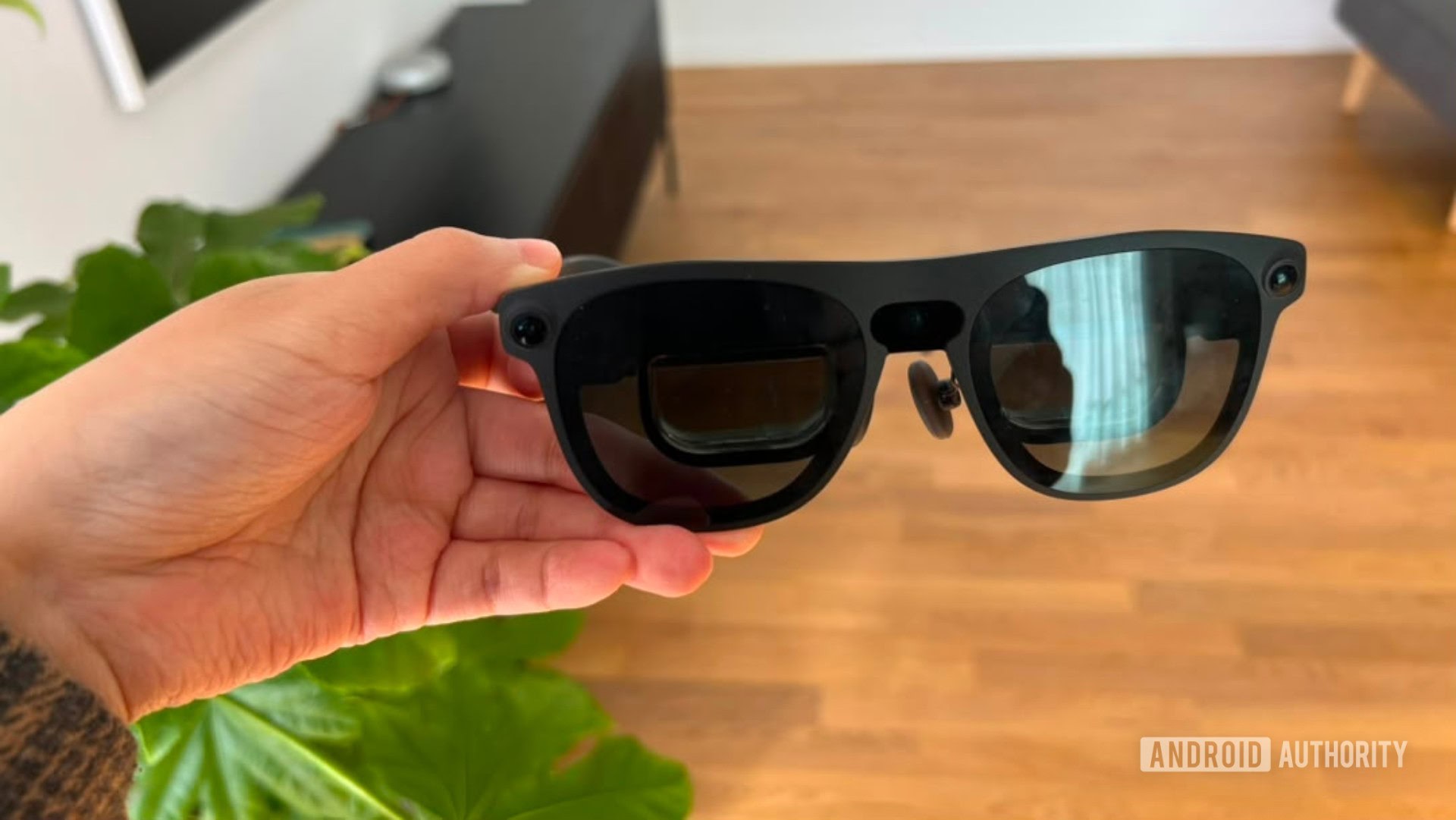
XREAL is preparing to launch the Aura, lightweight smart glasses running Google's Android XR. The headset trades heavy built-in batteries for a pocket-tethered design, giving frequent travelers a multi-window Android workstation under $1,500.

An experimental cooling jacket drops traditional electric fans and heavy batteries in favor of swappable liquid CO2 cartridges. Instead of recharging a power bank, users snap in compressed gas canisters using a magnetic lock for instant torso relief.
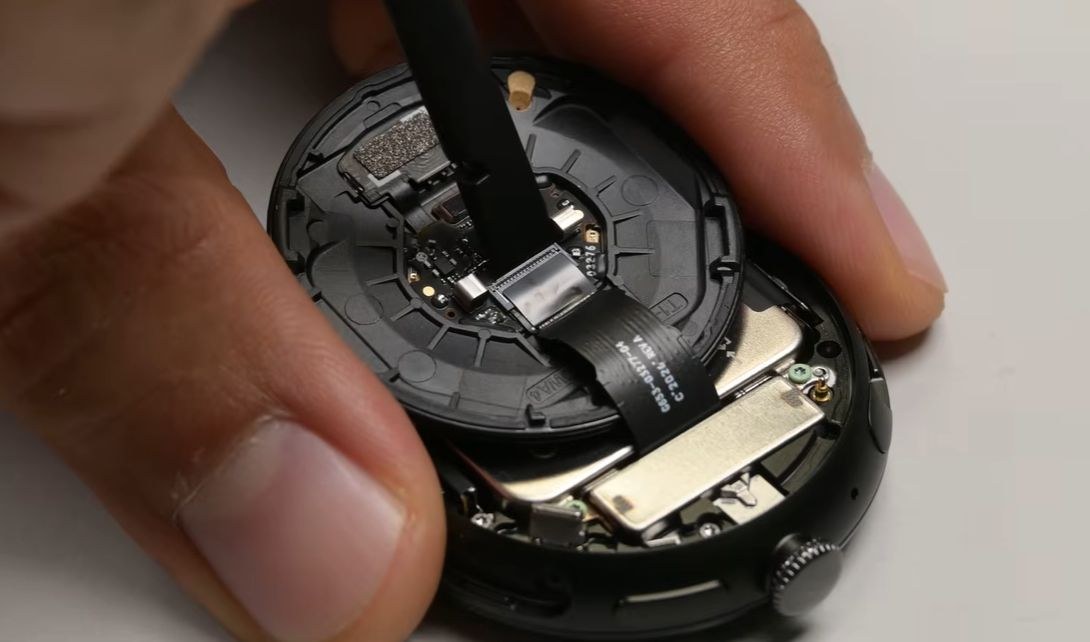
Google's newest wearable ditches industrial glue in favor of standard screws and a reusable rubber seal, earning a 9/10 repair score from teardown experts at iFixit. For buyers, this means a dead battery or cracked screen no longer automatically turns an expensive gadget into disposable trash.

SwitchBot's featherweight AI lapel pod automatically turns spoken meetings into organized task lists and transcripts. But offloading audio to the cloud brings hidden subscription fees and social friction in public spaces.

Passing a smartphone back and forth ruins a conversation, so Timekettle built AI translation earbuds with industry-specific vocabulary for face-to-face meetings. For tourists, free phone apps are still plenty, but cross-border professionals get low-latency audio processing directly in their ears.
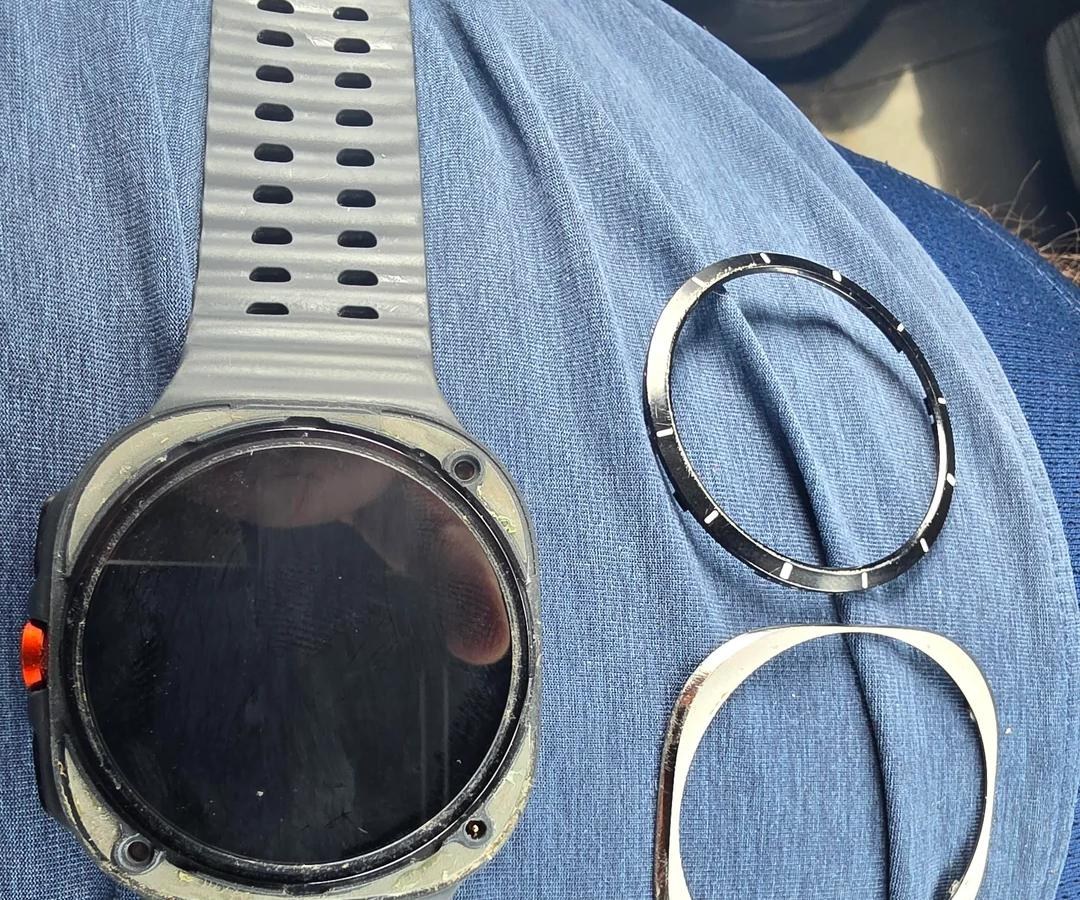
Owners of the premium Samsung Galaxy Watch Ultra report that the top bezel panel detaches during regular daily use due to adhesive failure. The defect destroys the watch's water resistance, and service centers are refusing free warranty repairs.
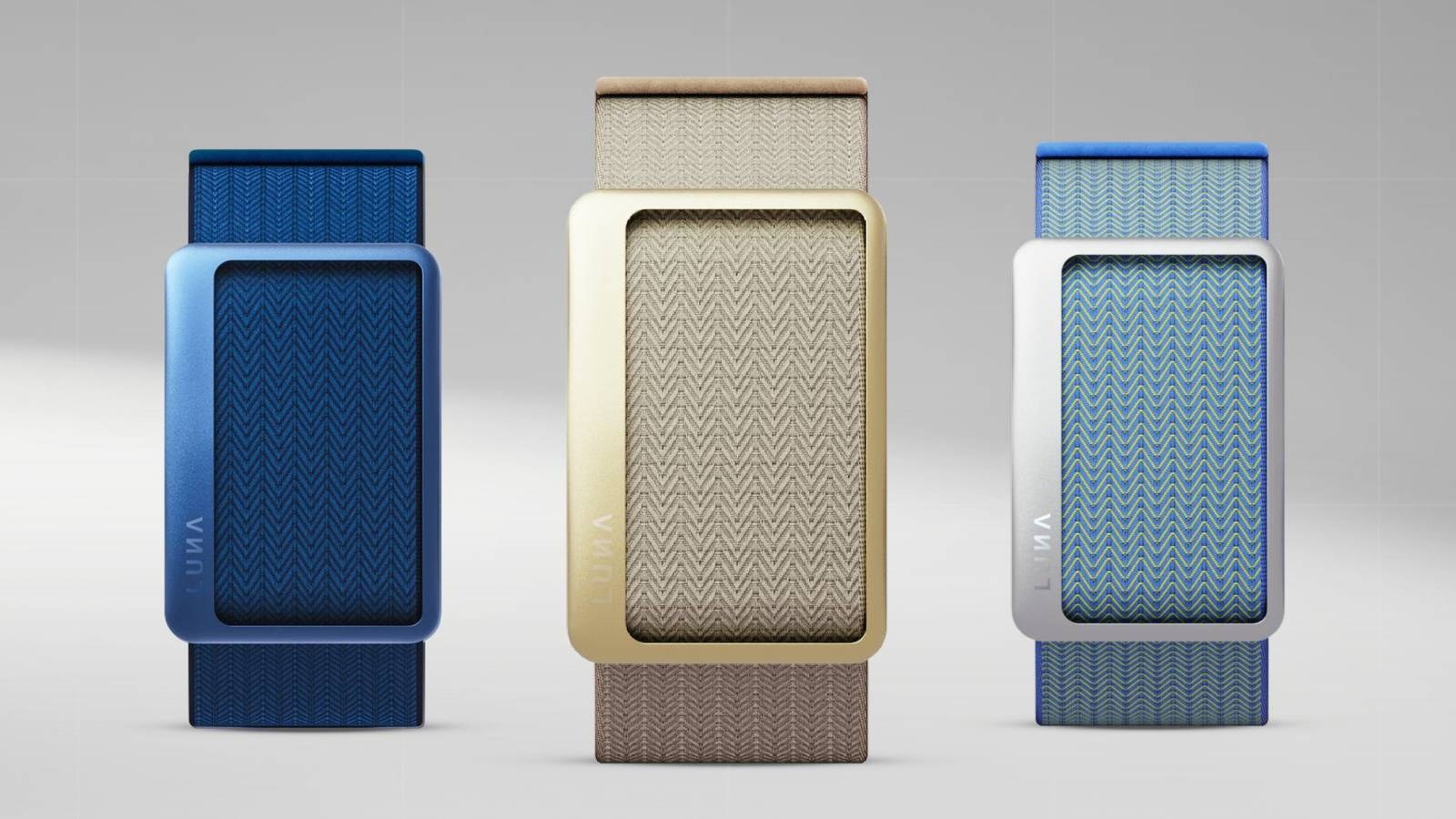
The screenless Noise Luna Band launches globally for $149, offering 24-gram fitness tracking and recovery metrics without locking your data behind a monthly rental fee. It directly challenges subscription-heavy models from Whoop and Fitbit.
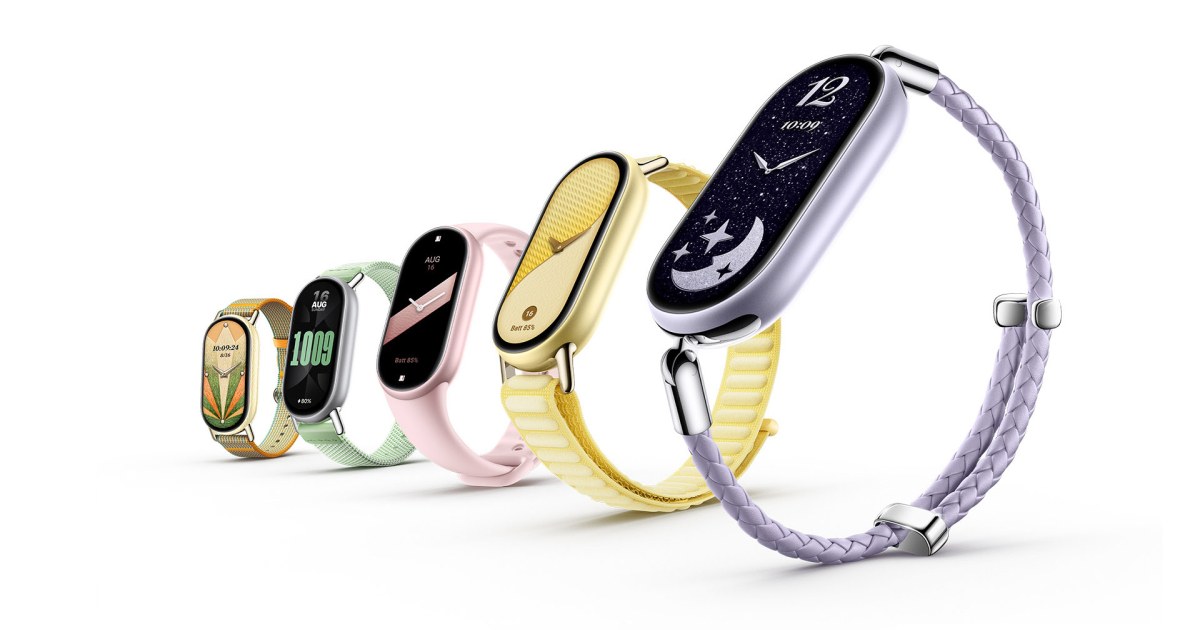
Xiaomi has unveiled the Smart Band 11 with a slimmer sub-10 mm chassis and a significantly brighter 2,000-nit display. It keeps the 21-day battery life and aggressive sub-$50 pricing intact. The wearable offers a solid upgrade for users replacing aging fitness trackers, even if recent owners can safely skip it.
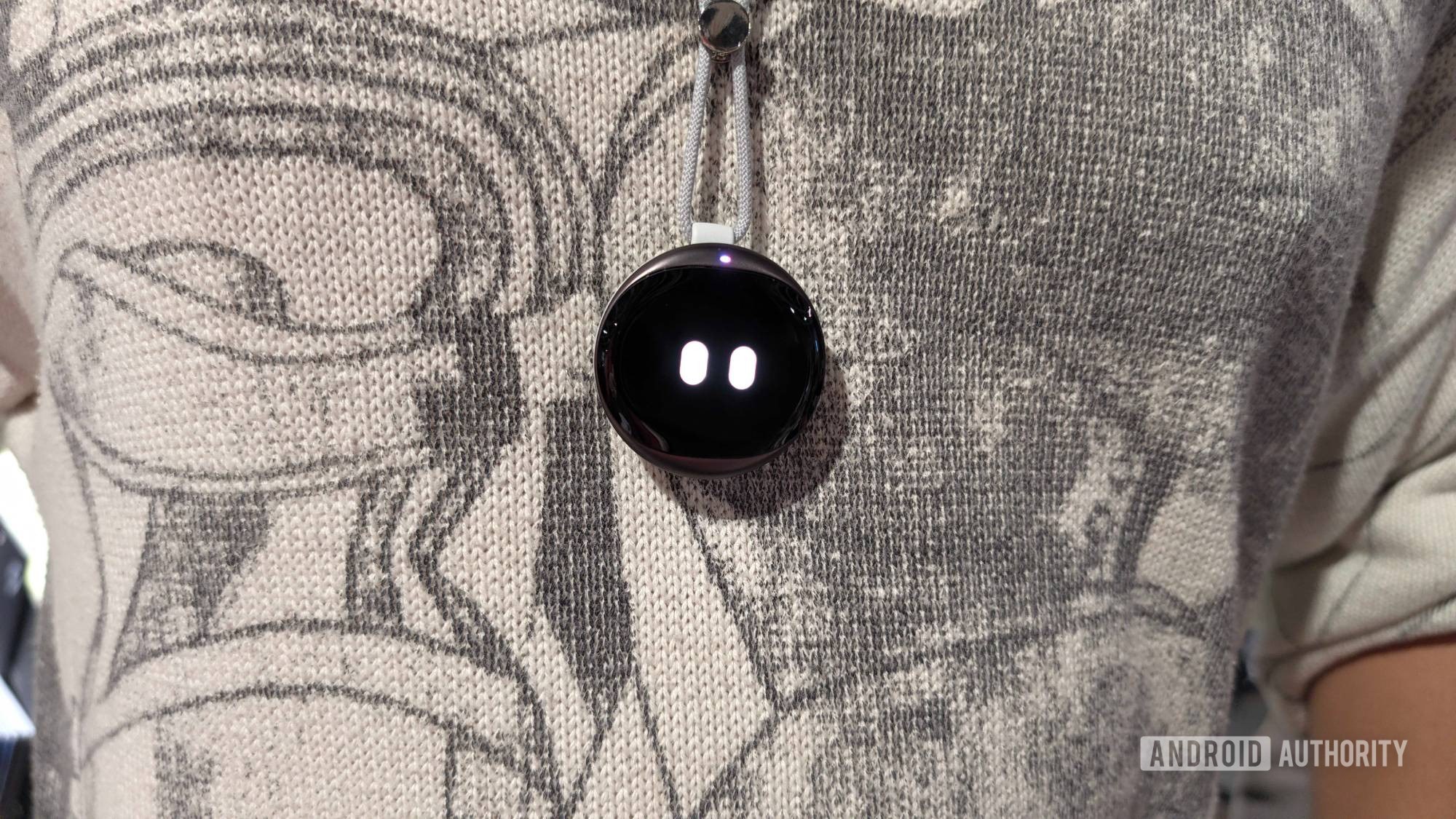
Singaporean startup Lingverse unveiled the iKairos at IFA 2026, a modular hybrid device that pops out of a desktop robot stand and hangs on a lanyard. While it attempts to track daily telemetry for proactive reminders, it lacks finalized pricing and launch dates.
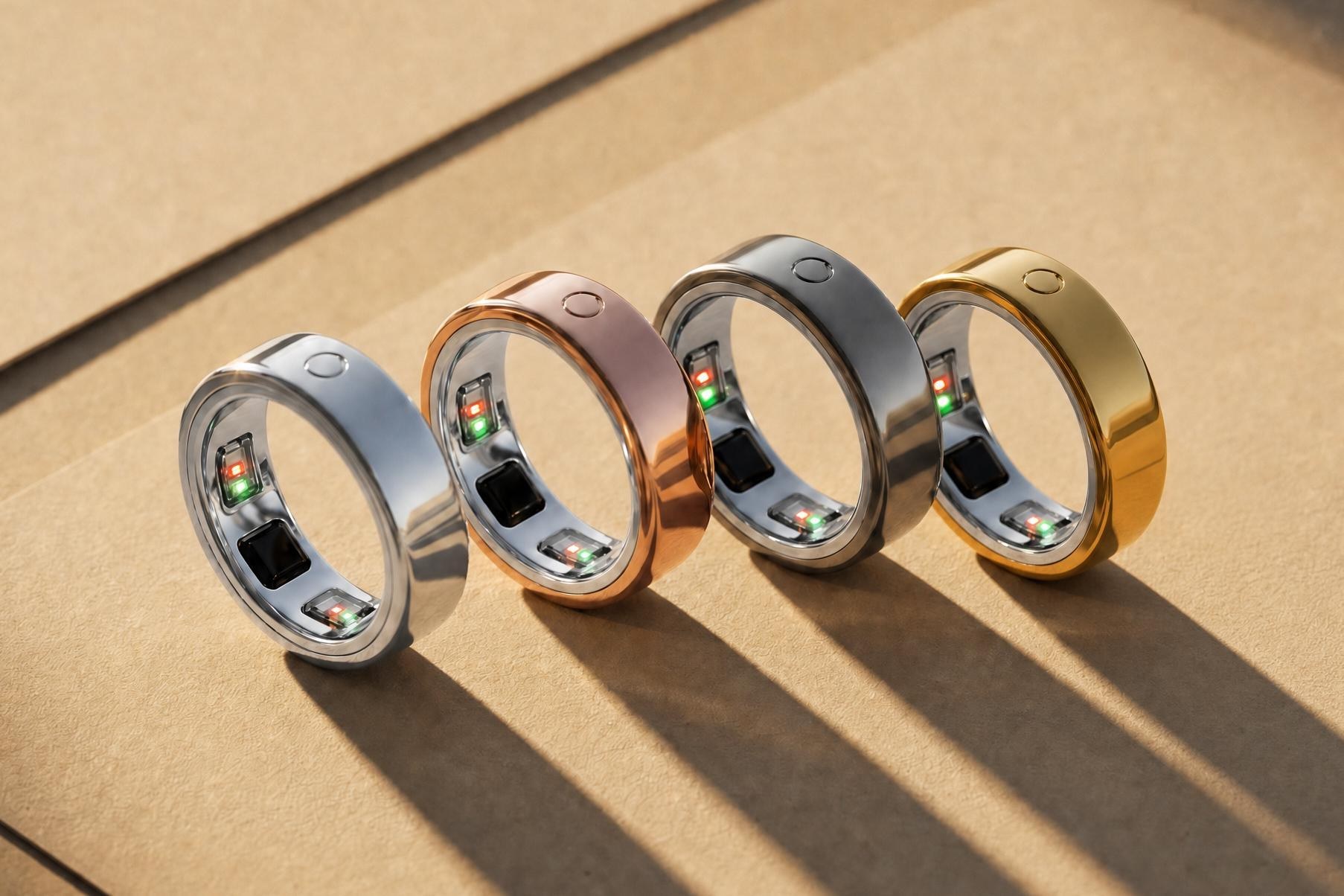
Circular announced its Ring 3 lineup at IFA 2026, adding contactless payments and silent vibration alarms to challenge Oura without forcing a monthly subscription. Buyers must wait until early 2027 for shipments, and choosing the thinner Slim model means losing the medical-grade ECG sensor.
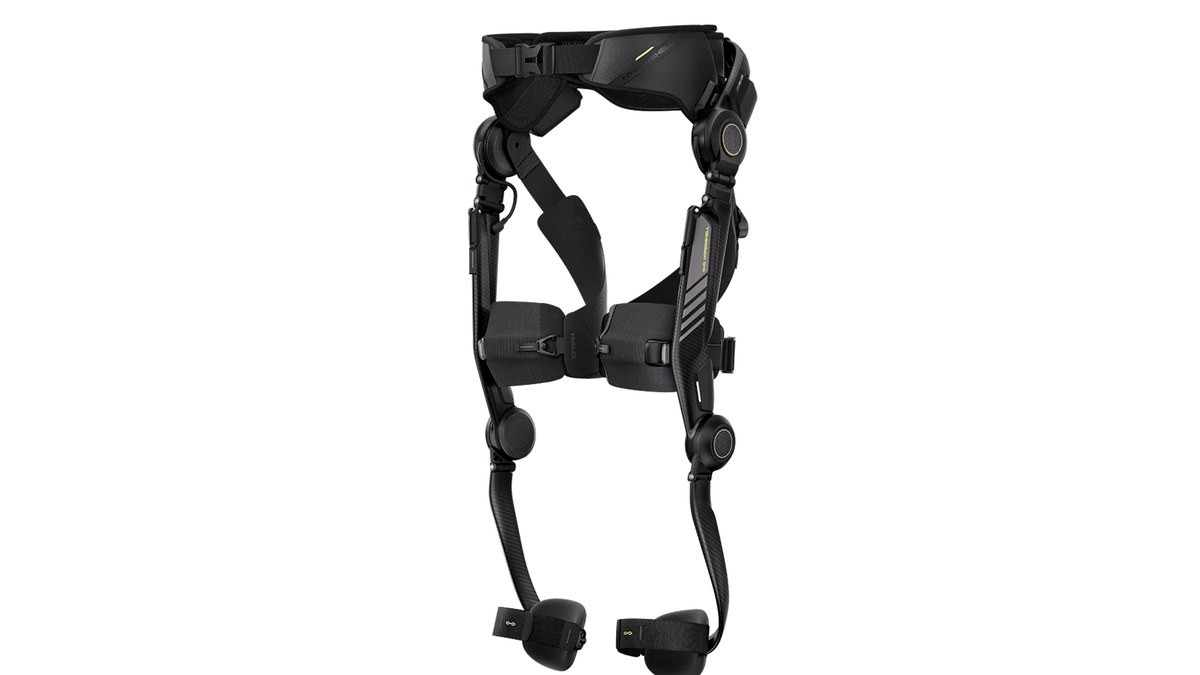
Hypershell unveiled the Halo, an active carbon-titanium exoskeleton that powers both hip and knee joints to cut muscle fatigue by up to 40%. It turns wearable robotics into practical field gear for hikers and heavy-load workers, provided the premium price tag fits the workload.
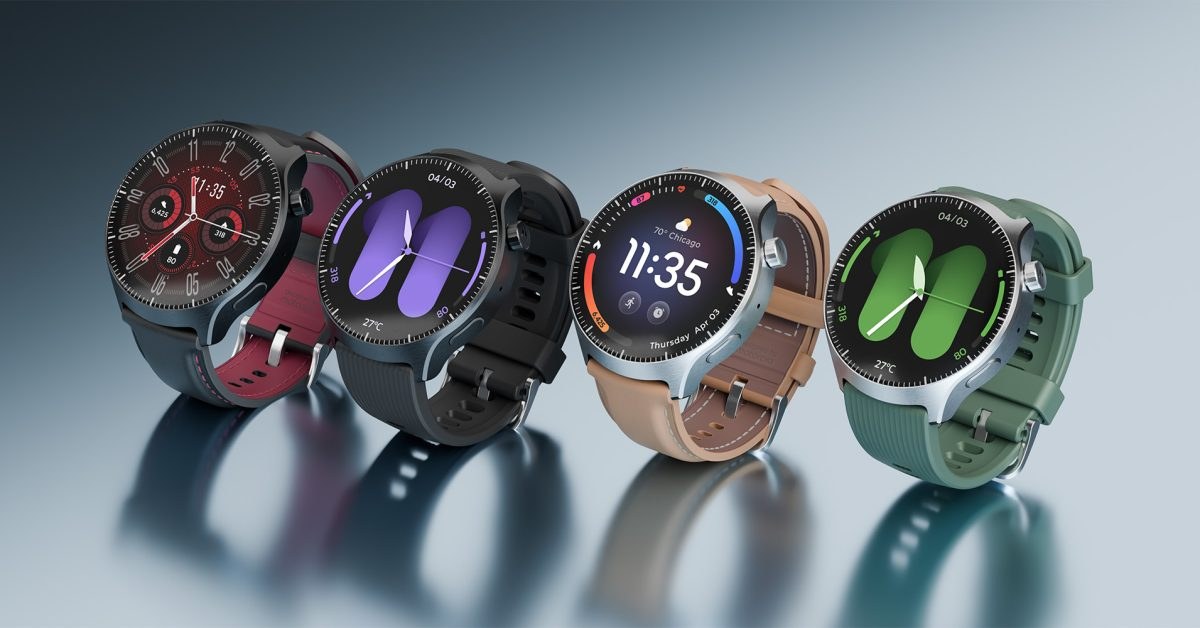
Motorola is ditching its basic fitness bands for the $349 Moto Watch Ultra, bringing full Google app support and contactless payments to Android wrists. The trade-off for real smartwatch features is a battery that lasts just two days before needing a dock.
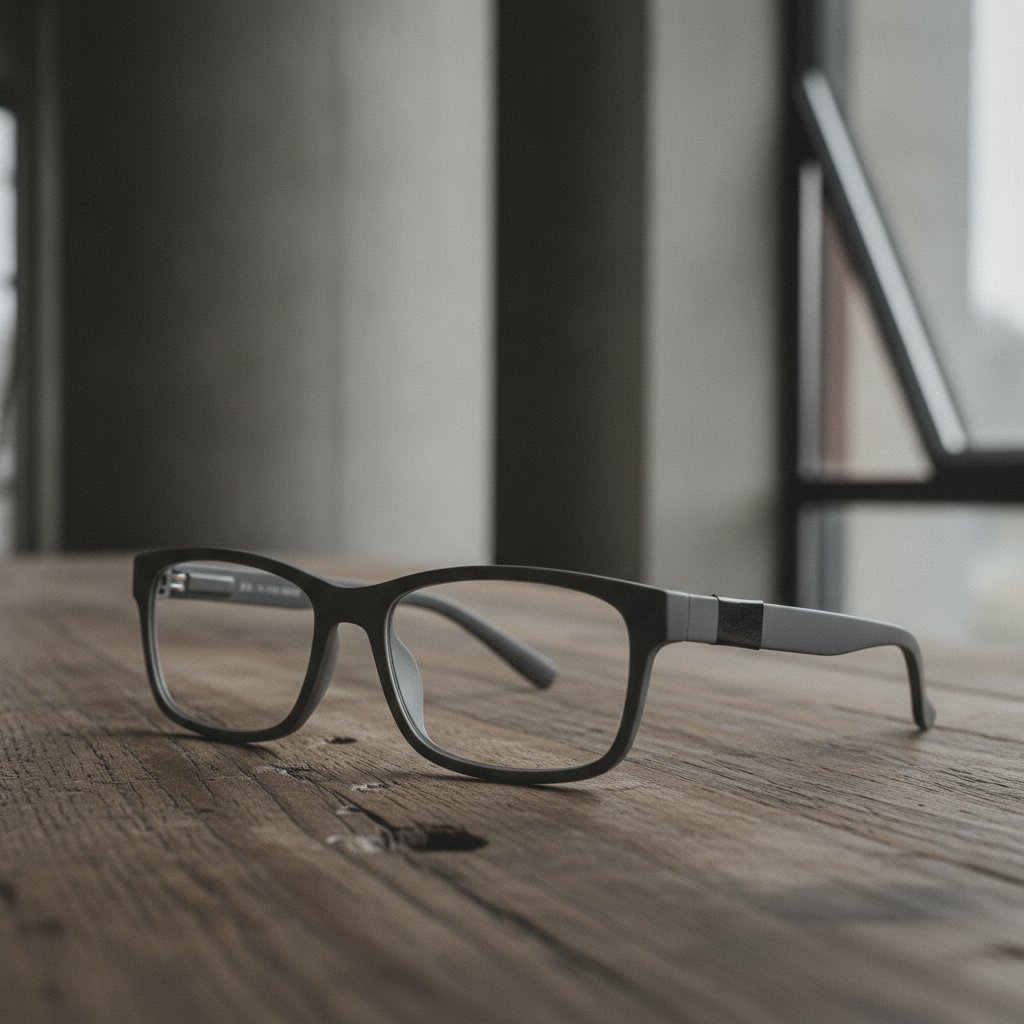
Meta is actively using remote software updates to disable cameras on thousands of Ray-Ban smart glasses whose owners taped over the recording indicator light. This server-side crackdown permanently turns a $300 camera into an ordinary pair of Bluetooth earbuds, raising major questions about device ownership.

Huawei introduced the Watch D3, equipping the smartwatch with a physical inflatable cuff for certified blood pressure monitoring. The design delivers genuine medical-grade data even at high heart rates, though the bulky strap sacrifices gym and sleep comfort.
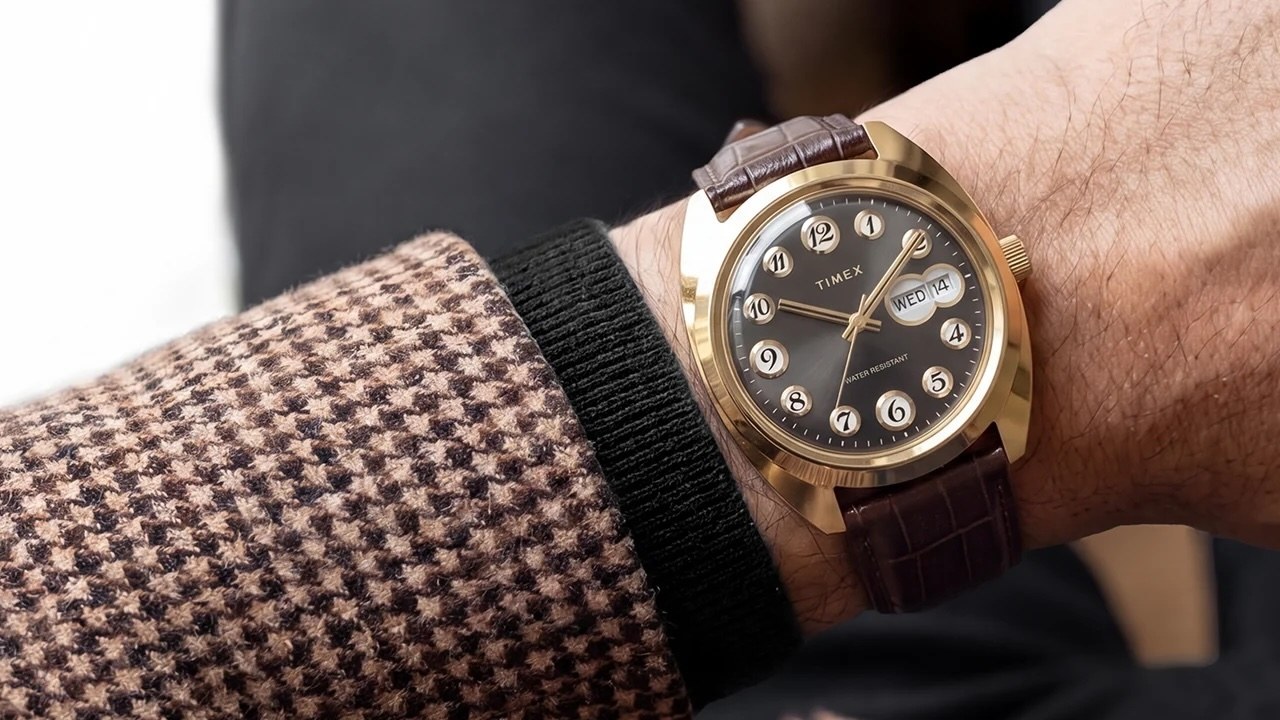
Timex revived an archive 1976 model featuring a complete rotary telephone face in a compact 37mm gold-tone case. Priced at $219, the quartz watch skips modern smart features entirely in favor of bold analog nostalgia. It trades scratch-resistant sapphire for period-accurate acrylic, prioritizing conversation-starting design over raw durability.

Engineers at UC San Diego built a smart ring prototype that reads glucose, lactate, and electrolytes directly from fingertip sweat pores without needles. The biochemical micro-sensors replace standard optical trackers with real metabolic data, though packaging the tech into retail jewelry remains years away.
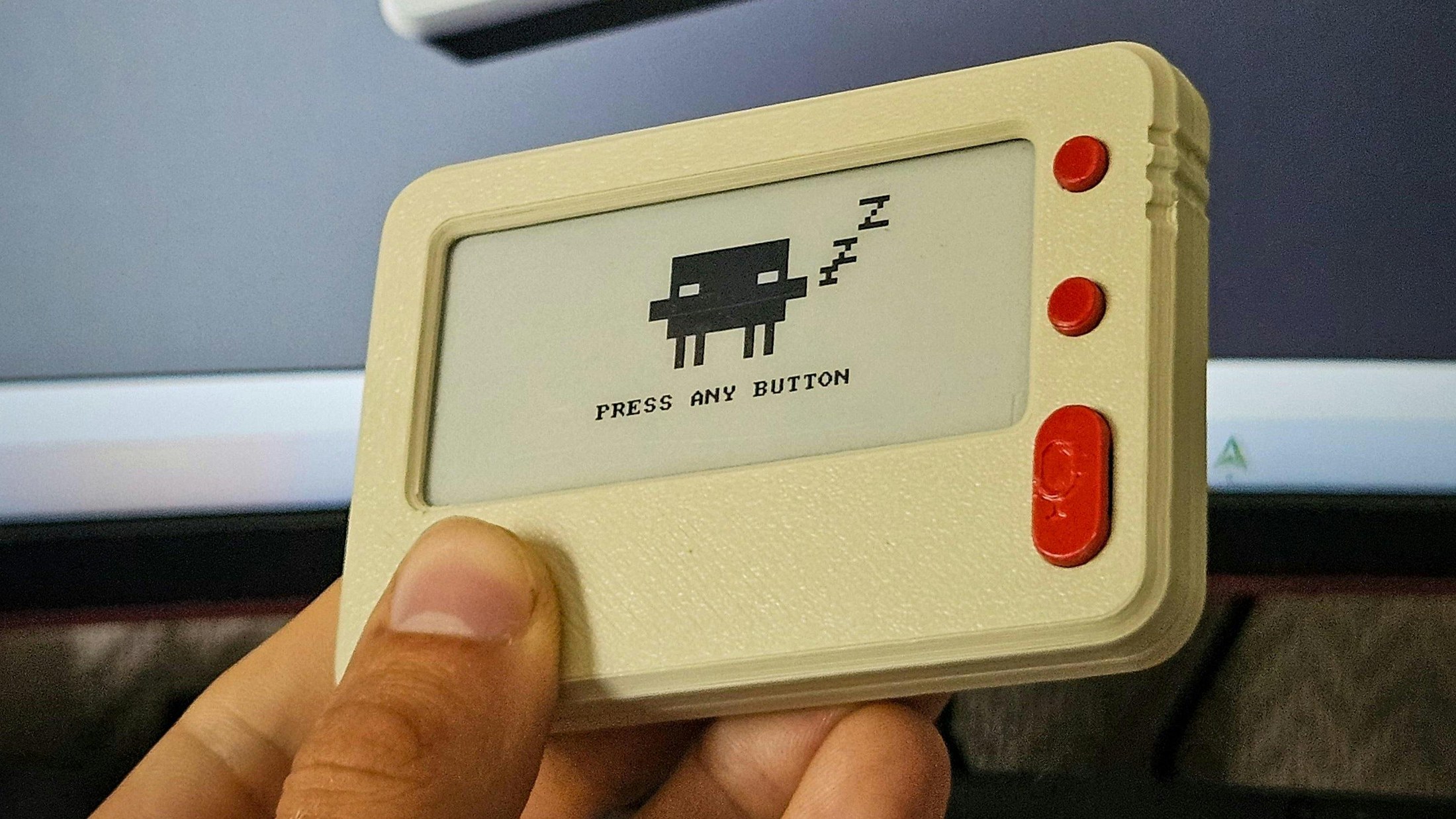
Makers are bypassing bloated AI pins and screen distractions by turning back to tactile hardware. JeanDeBaill built the Claude Pager, an ESP32-powered pocket device that converts spoken prompts into instant text on a 2.9-inch e-paper display. It delivers multi-day battery life and silent answers without phone notifications or rambling voice assistants.
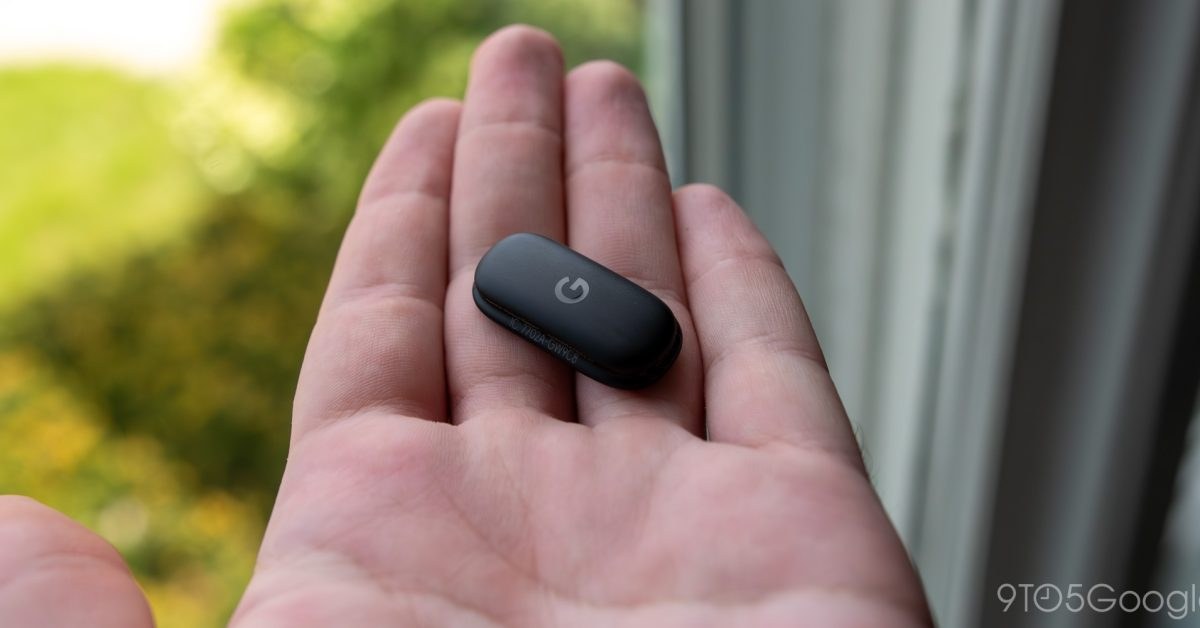
Wearers are stripping the straps off Google's screenless tracker and taping the sensor pod directly to their biceps or chest with athletic tape. The DIY setup frees wrist space for classic mechanical watches while capturing more accurate biometric data during intense workouts.
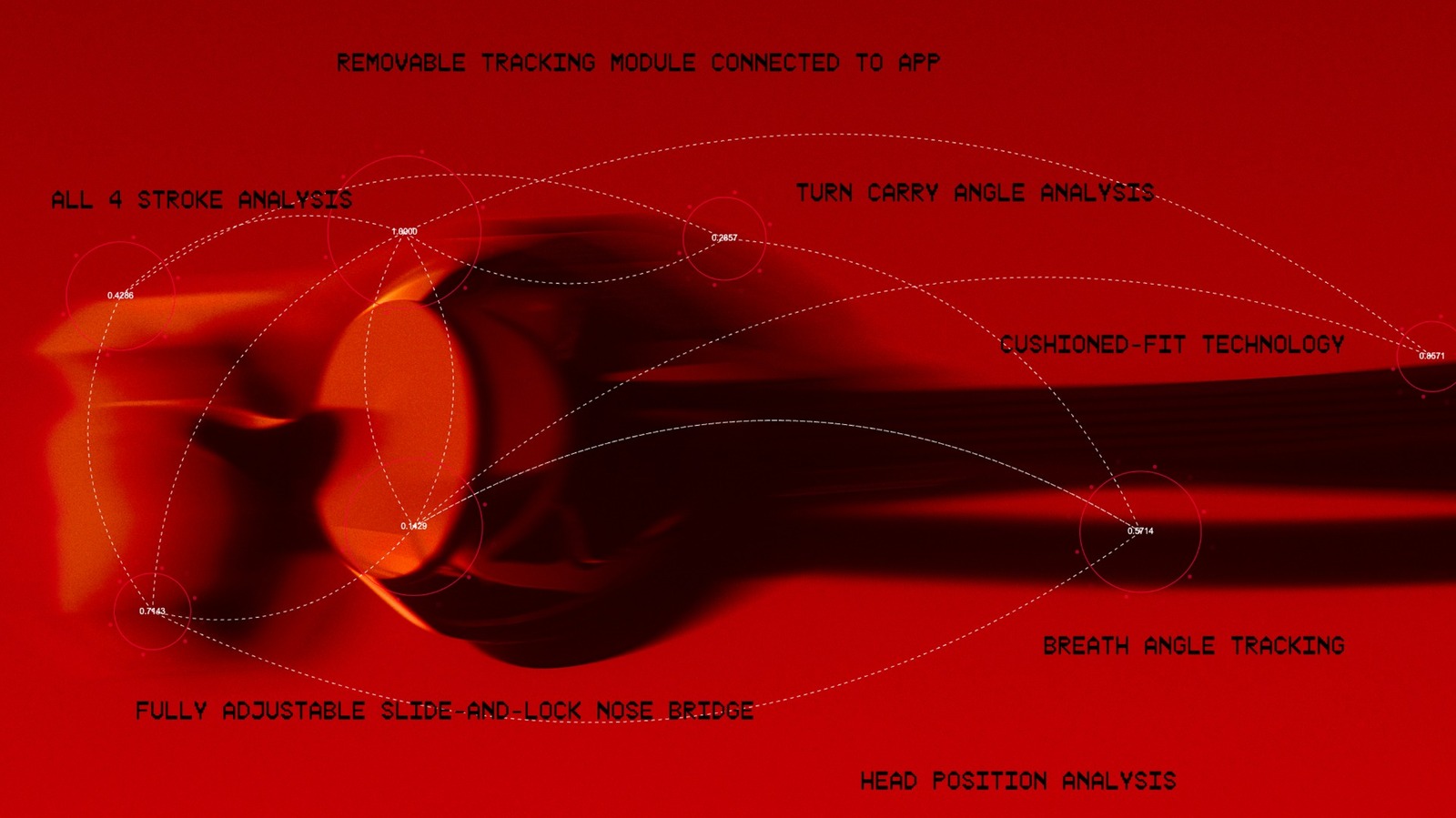
Speedo designed a modular telemetry pod that snaps into standard Vanquisher goggles without using a bulky heads-up display. The screen-free design earned World Aquatics approval for official competitions, offering competitive swimmers detailed stroke diagnostics without expensive integrated hardware.
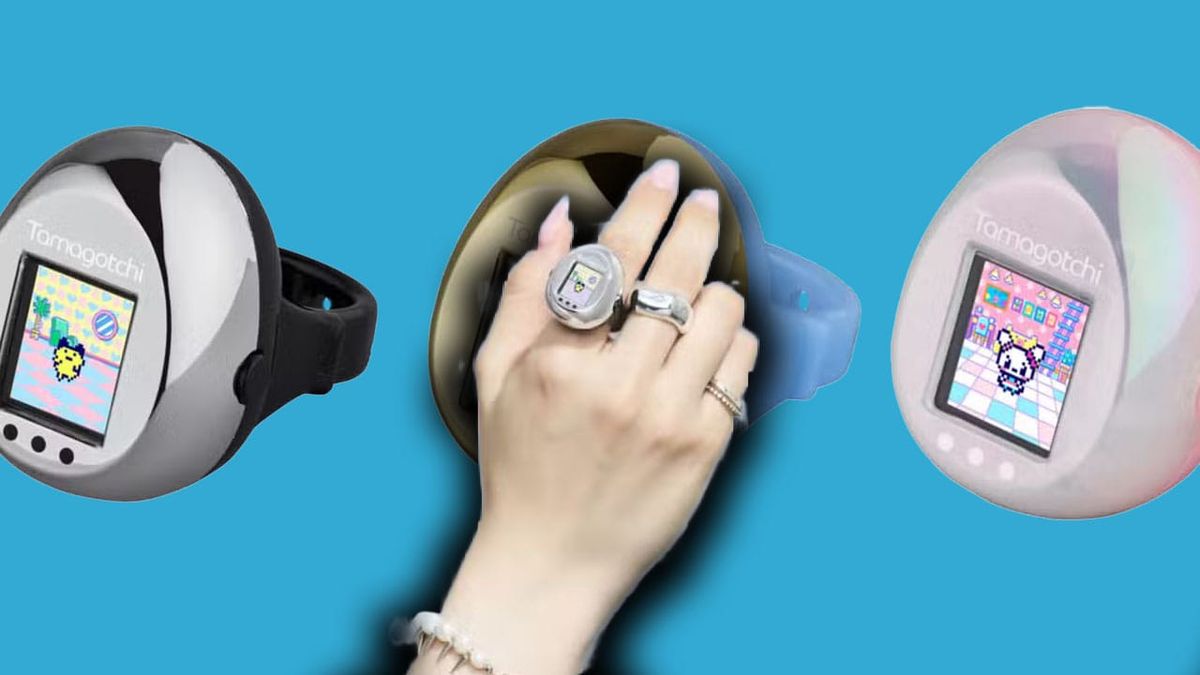
Bandai compressed its iconic virtual pet into a tiny 28-millimeter wearable featuring a functional LCD and physical buttons. The novelty device ignores fitness tracking entirely, offering 30 classic digital creatures for around $48.
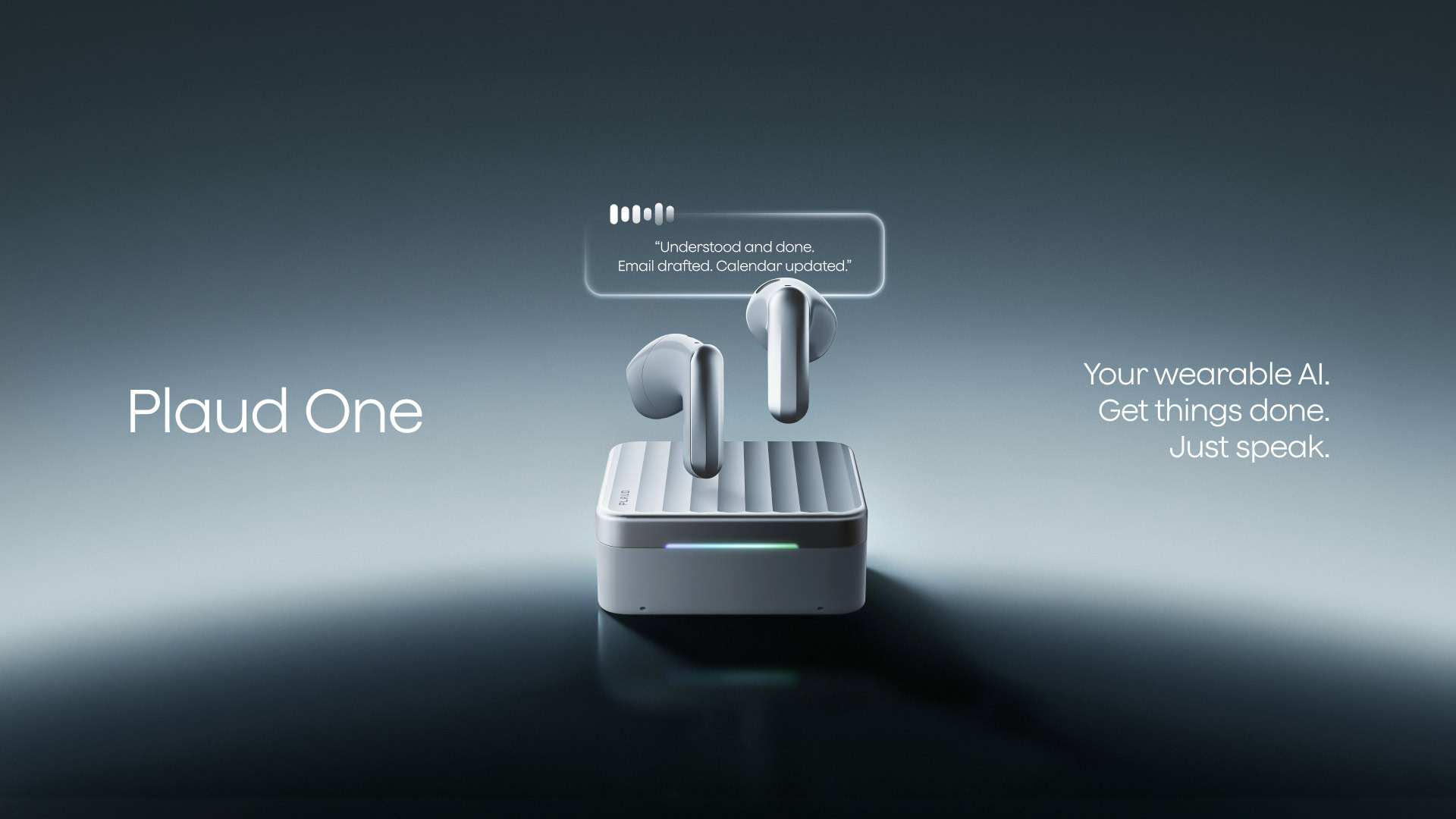
Plaud unveiled the $249.99 One Explorer Edition earbuds, trading acoustic performance for continuous AI transcription. Built-in 4G lets the device log conversations and generate tasks across Slack and Notion without a paired phone. Shipments begin in late September with $200 in bundled AI processing credits.
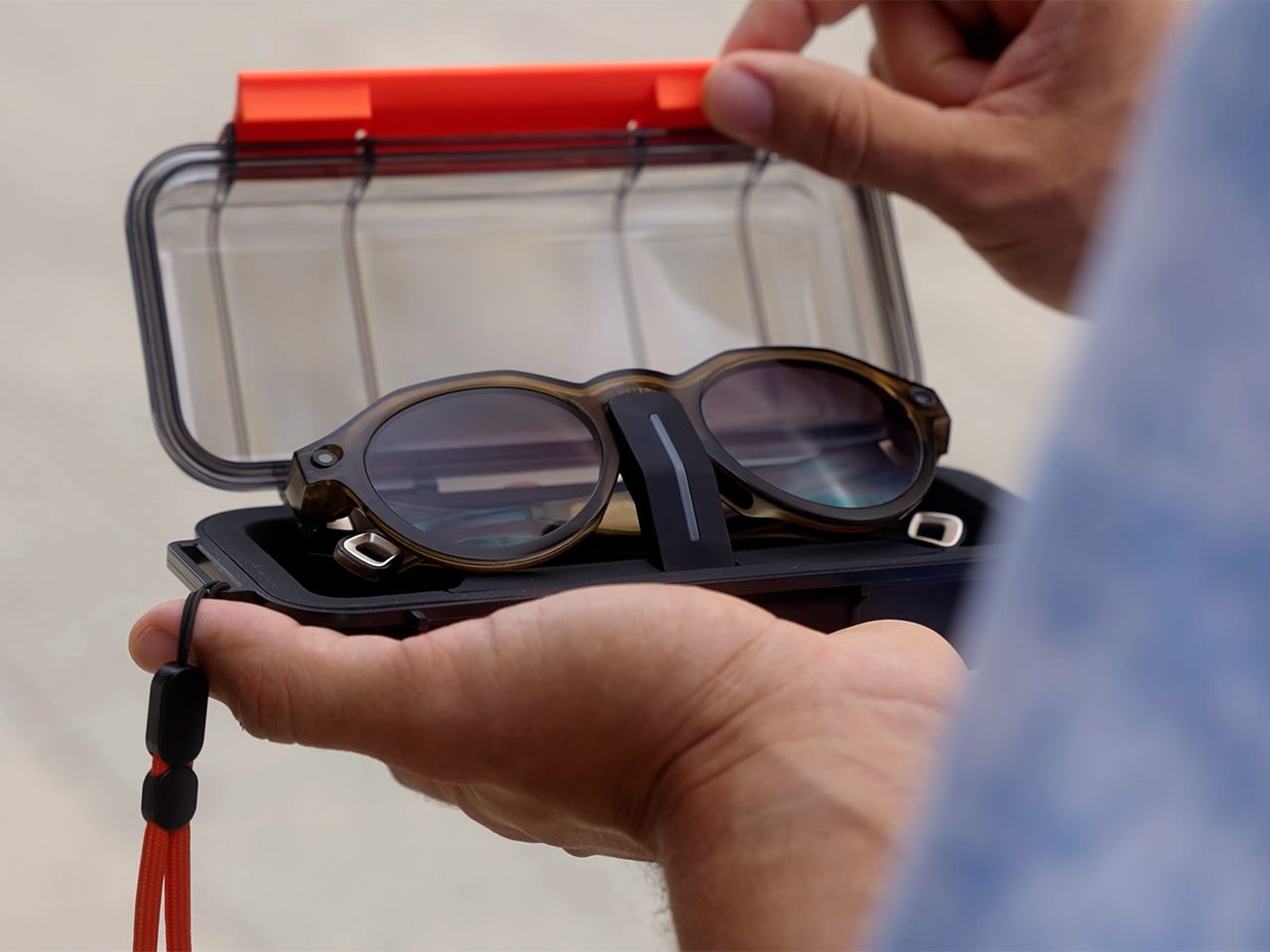
Berlin-based L’Atitude 52°N skipped HUD displays to build the 50-gram Milan frames, hiding a 12MP Sony sensor, open-ear speakers, and AI translation inside vintage panto eyewear. The $399 device ditches visible tech bulk in favor of everyday street style, though video caps at 1080p.
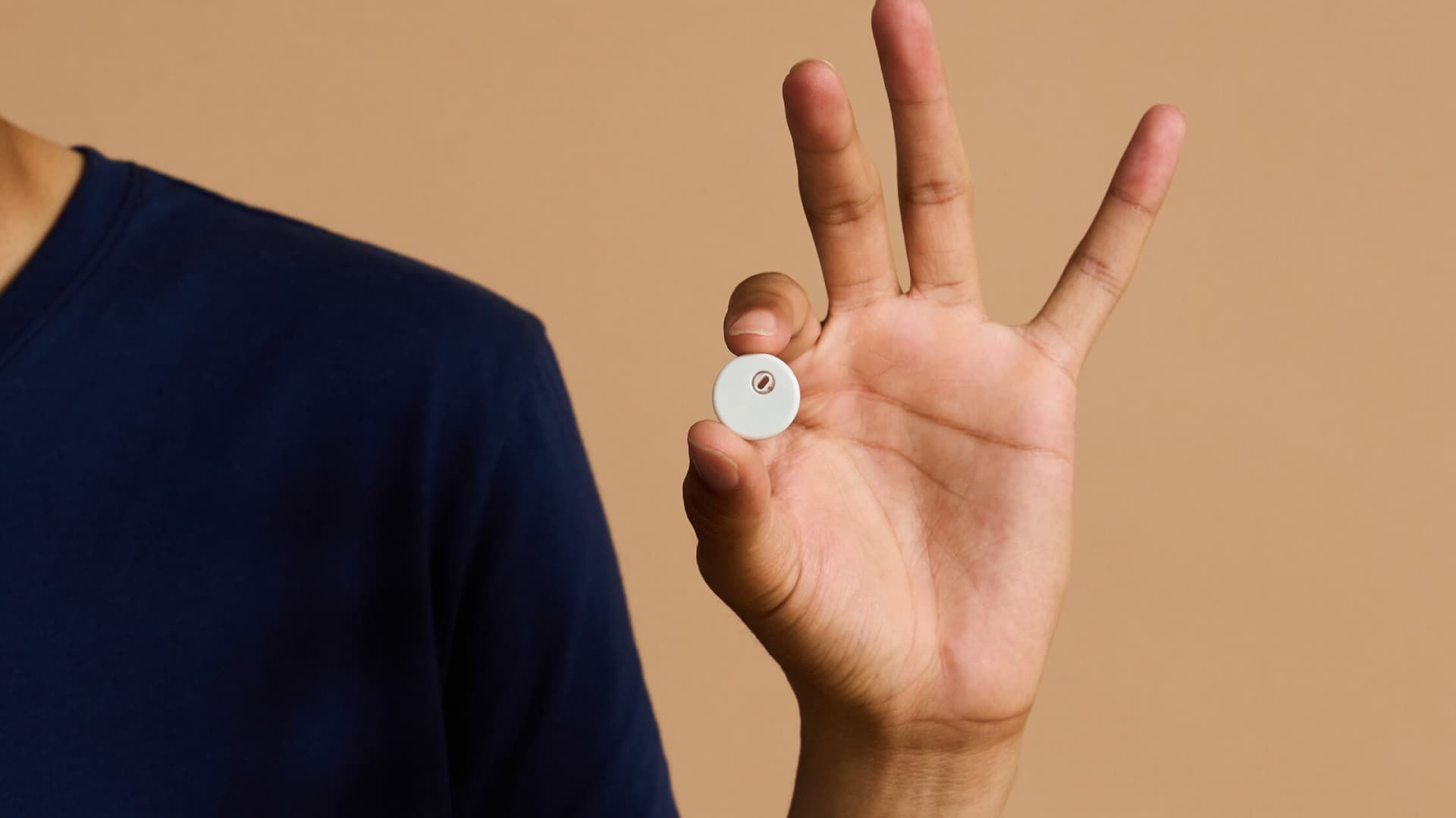
Abbott received FDA clearance for the Libre Duo, a single 10-day arm sensor that tracks both glucose and ketone levels simultaneously. The wearable streams real-time data to a smartphone, warning users of dangerous metabolic spikes before diabetic ketoacidosis can take hold.
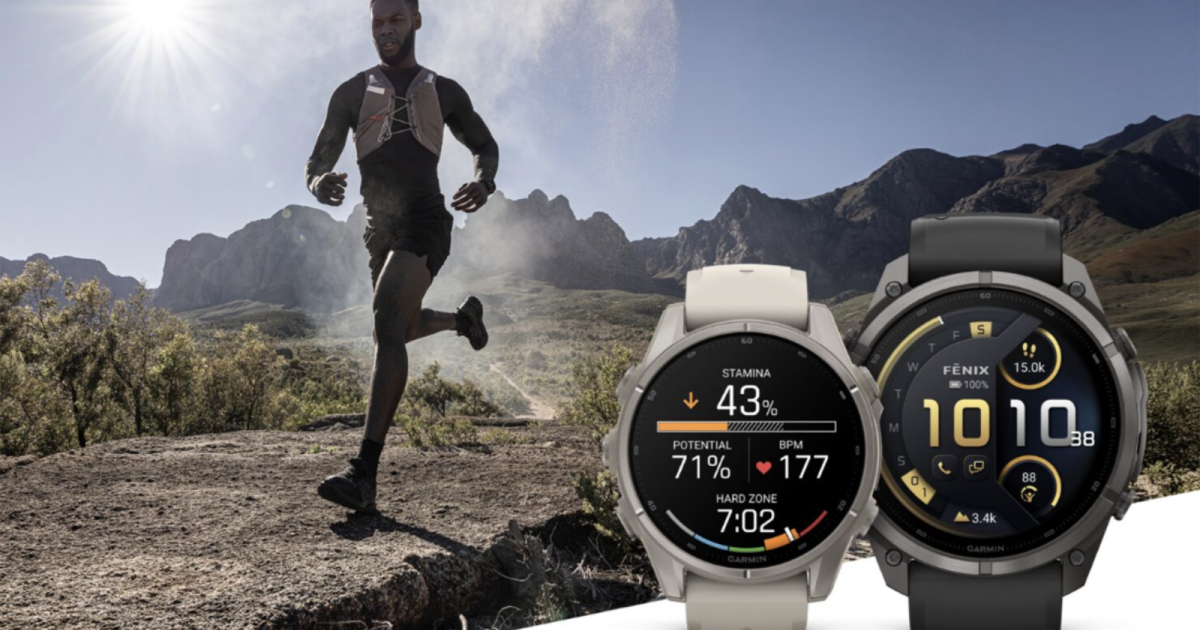
Garmin launched the Fenix 9 smartwatch with a 3,000-nit OLED display and up to 29 days of battery life. The hardware focuses on direct sunlight legibility and faster map navigation for outdoor athletes upgrading from older transflective screens.
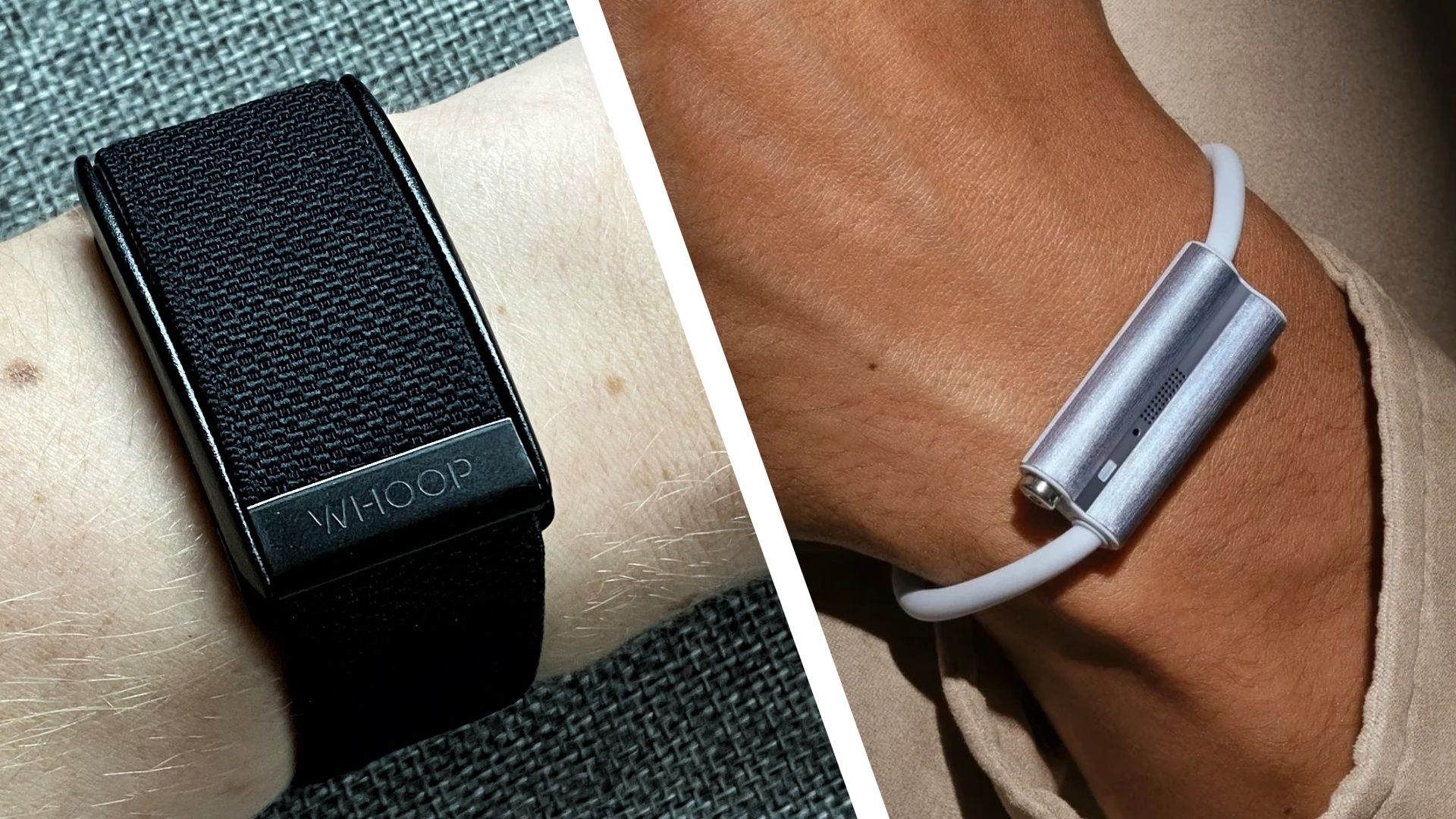
Fitbit co-founders James Park and Eric Friedman unveiled Luffu Link, a screenless health tracker designed specifically for family caregivers. The device adds standalone cellular connectivity and single-button voice alerts, skipping fragile touchscreens entirely.
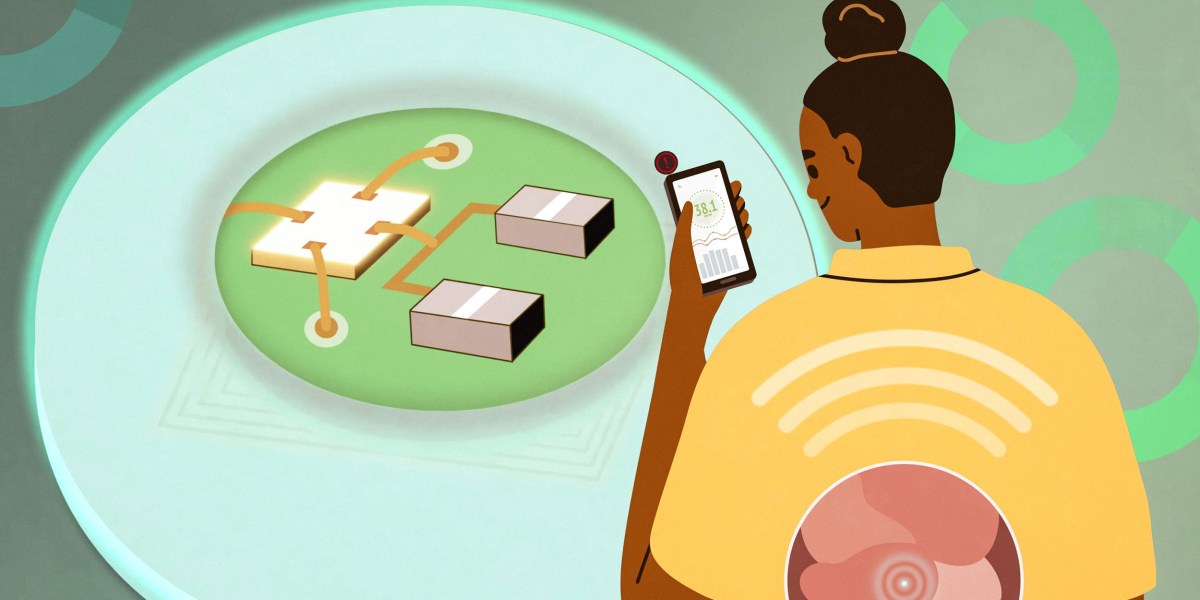
Researchers at MIT designed a 6 by 4 millimeter ingestible temperature capsule that safely tracks internal heat with 0.01 °C precision. The device turns parasitic electrical leakage on a silicon chip into a thermometer, ditching bulky batteries for external radio reflections. It offers parents and clinicians a safe way to spot infections early without gut blockage risks.
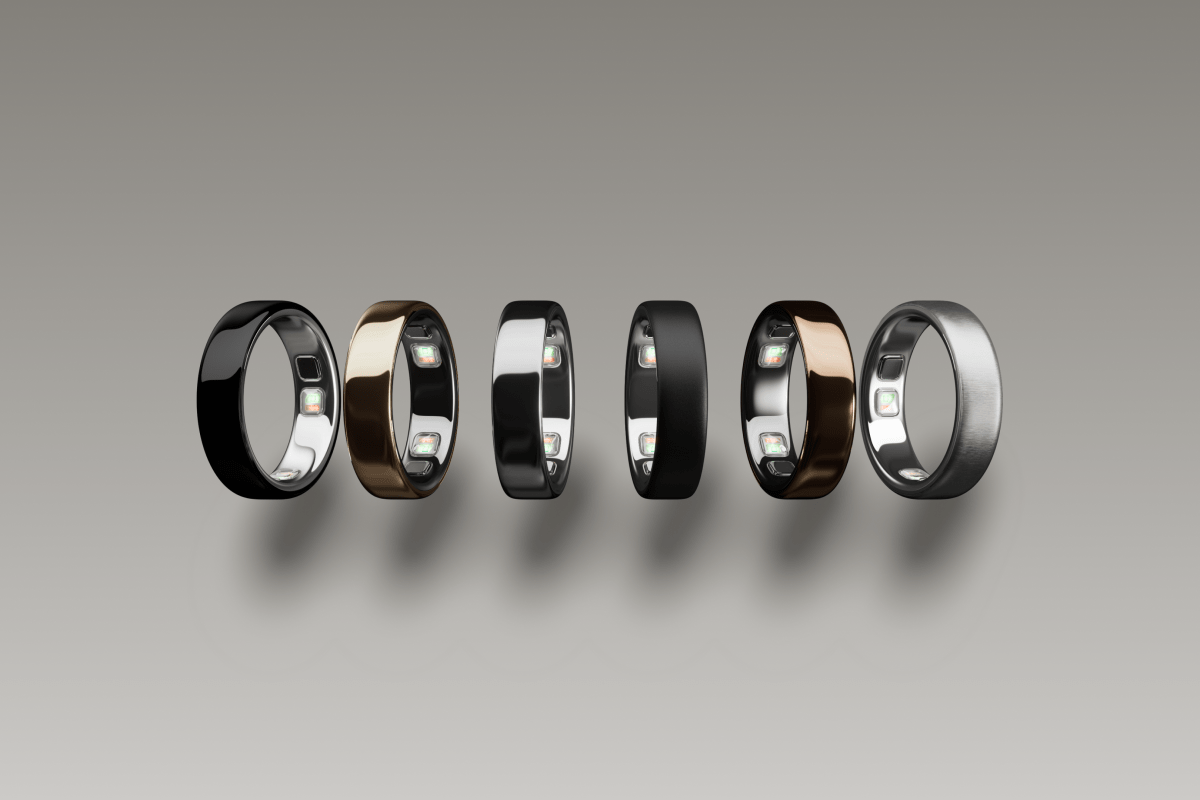
Smart ring maker Oura is targeting a $16 billion public listing backed by $1 billion in annual revenue and mandatory monthly subscriptions. The move comes as hardware competitors like Samsung offer alternative trackers without paywalls amid growing consumer scrutiny over sleep-tracking accuracy.
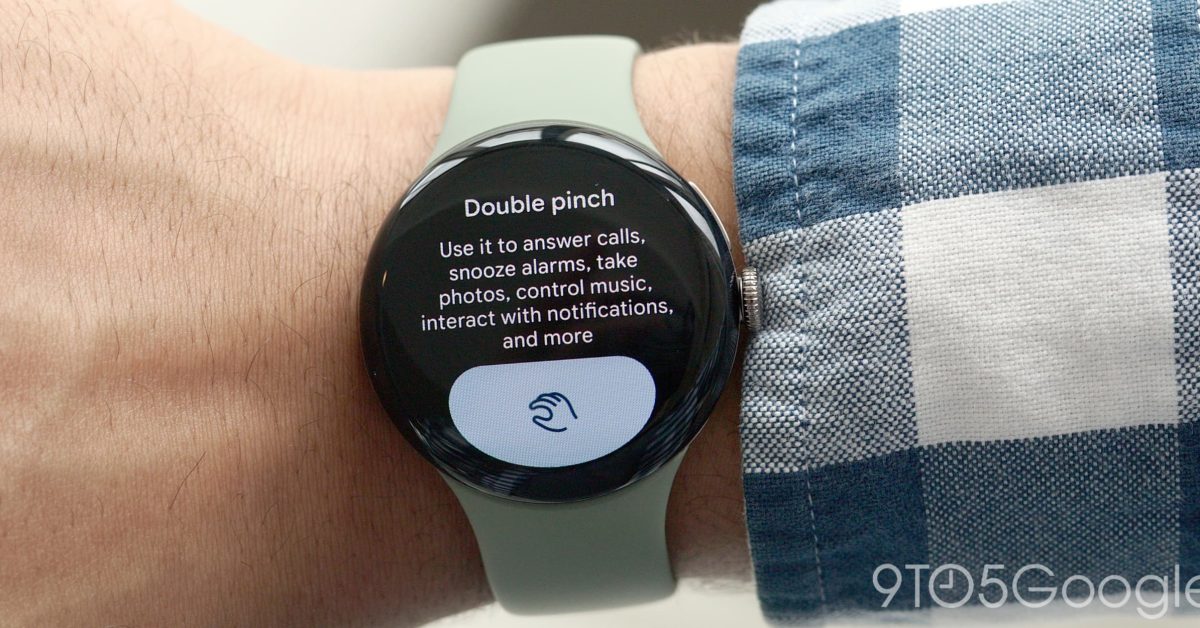
Google is adding granular gesture customization to the Pixel Watch 5, allowing users to reassign the double pinch motion beyond basic alarm snoozing. The update introduces one-handed shortcuts for skipping tracks, cycling notifications, and fully dismissing alarms. While the added flexibility catches up to rival wearables, accidental triggers remain a practical concern.

Researchers from Samsung and Amazon developed ToMoE, a framework that converts dense language models into sparse Mixture-of-Experts systems without costly retraining. The architecture cuts memory traffic and compute cycles on paper, though consumer mobile NPUs must still overcome memory bandwidth bottlenecks to deliver real battery savings.