
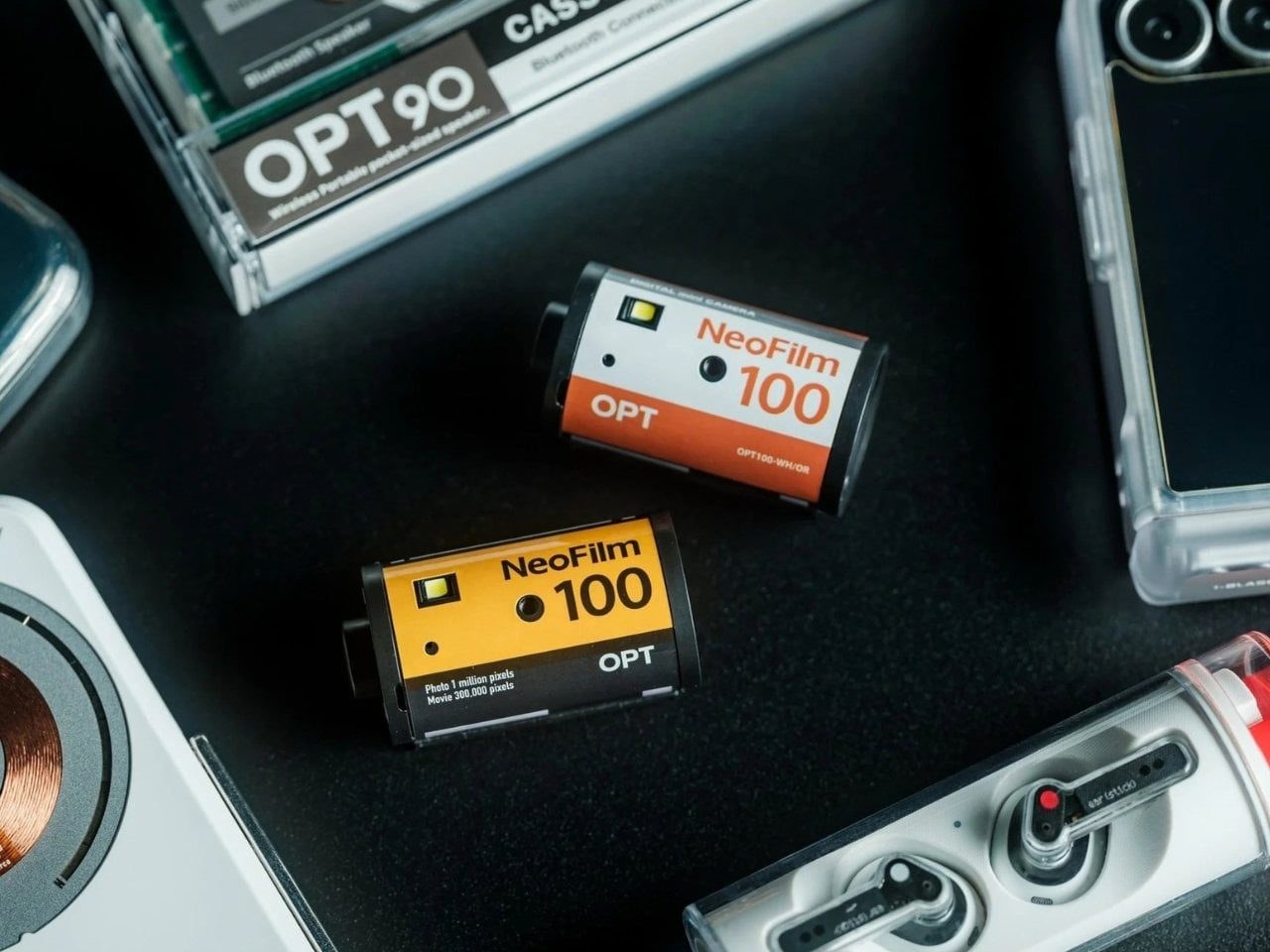
 atching Gen Z and Gen Alpha lose their minds over stuff from the eighties and nineties is honestly hilarious, but it has officially birthed a new hardware trend. We are all thoroughly exhausted by smartphone cameras that process every single shot until human skin looks like seamless plastic and night looks like glaring noon. As noted in industry observations, the market response to this sterile perfection is a deliberate step backward into grain, soft focus, and blown-out highlights. Enter the Analog Capsule Camera, which retails for a modest $55.
At first glance, it looks identical to an actual roll of 35mm film. Pick it up, however, and you realize it is a fully digital device wearing a clever analog disguise. This tiny object turns picture-taking into a small ritual again, minus the cost and waiting that used to come with old-school photography. You are paying for the exact flaws that modern mobile sensors spend millions of dollars trying to eliminate.
Technical Minimums for Real Character
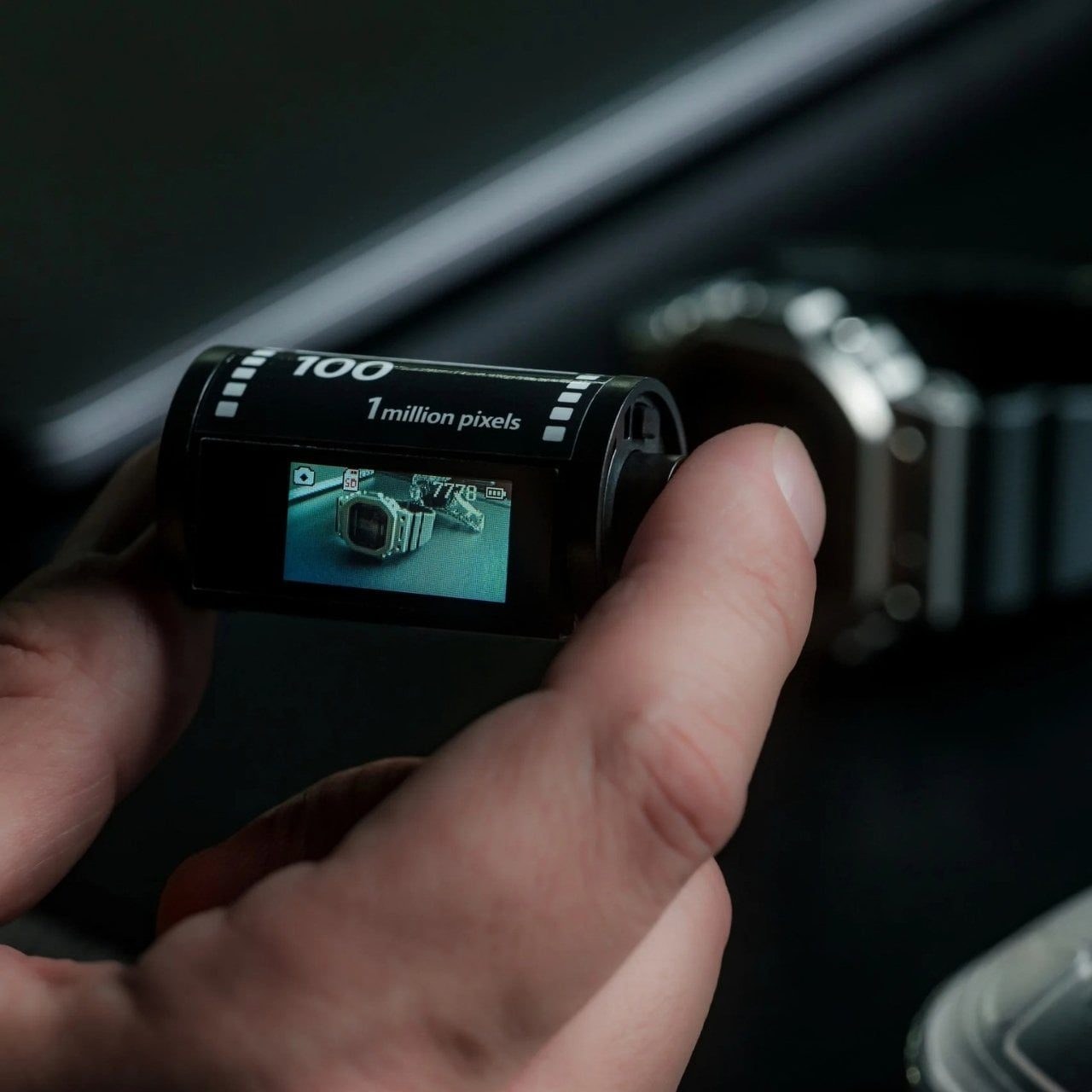
Inside the plastic film canister sits a deliberately low-resolution 1-megapixel CMOS sensor. That spec sheet would make any smartphone engineer weep, but that is the entire point of the device. The resulting photos feature a grainy, soft look that mimics vintage film without requiring actual chemical processing or waiting on a lab.
The 1-megapixel CMOS sensor is deliberately low-resolution, so you end up with grainy, soft photos with blown-out highlights.
Practicality meets nostalgia through a USB-C port that handles both charging and photo transfers. Photos save directly to a microSD card, meaning you skip fumbling with physical film rolls entirely. Weighing just 25 grams, the camera can easily clip to your keychain, bag, or belt loop so it stays within arm's reach for impromptu street shots.
Market Landscape and Real Value
When you start comparing options in this bizarre niche, the landscape gets crowded fast. Kodak offers the Charmera, a similarly priced keychain camera that also leans into lo-fi digital photos rather than real film. If you want a genuine analog experience for roughly the same price, Kodak also sells the EC35, though you will keep paying for film and developing packs on top of the hardware cost. Fujifilm's Instax line delivers physical prints immediately, but demands a higher upfront investment and ongoing spending on consumables.
Compared to all of them, the Analog Capsule Camera's main selling point is that it never asks you to buy another consumable again. It is a playful, lightweight object that bridges two very different relationships with photography for anyone who loves the aesthetic without the mechanical hassle.
At $55, this device is not trying to replace your primary smartphone or a serious vintage camera collection. It is a dedicated tool for embracing deliberate imperfection in a world obsessed with pixel count and algorithmic sharpness.