
#Prices and Market
222 stories on this topic, newest first.
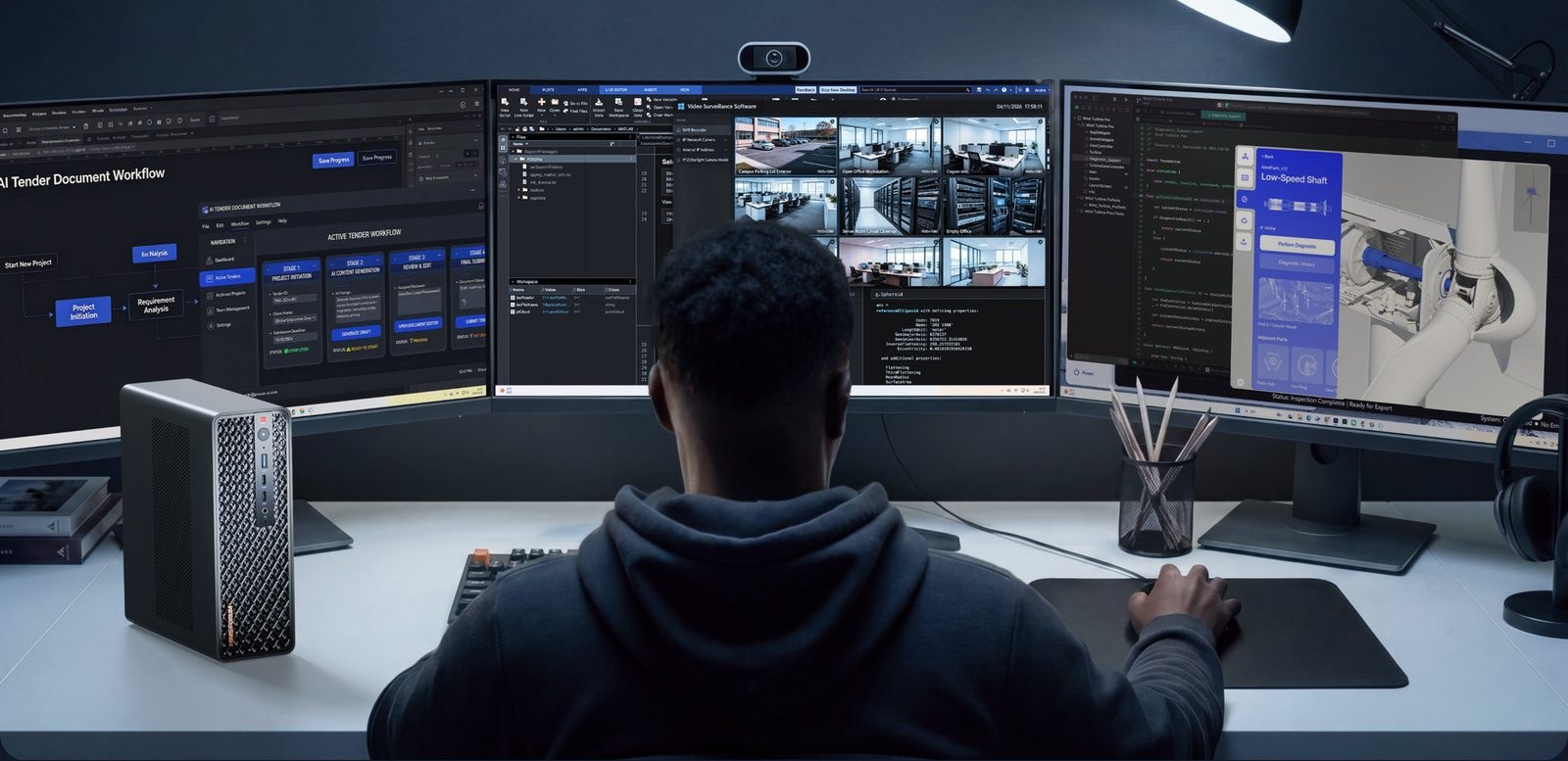
Minisforum priced its new MS-S1 MAX-P495 compact desktop at $7,399, targeting users who need massive local memory to run large artificial intelligence models at home.

Sonic Lamb is shipping its Beyond headphones for $249 in November 2026, ditching active noise cancellation to pump 2Hz physical bass vibrations directly into your skin via specialized wooferpads.
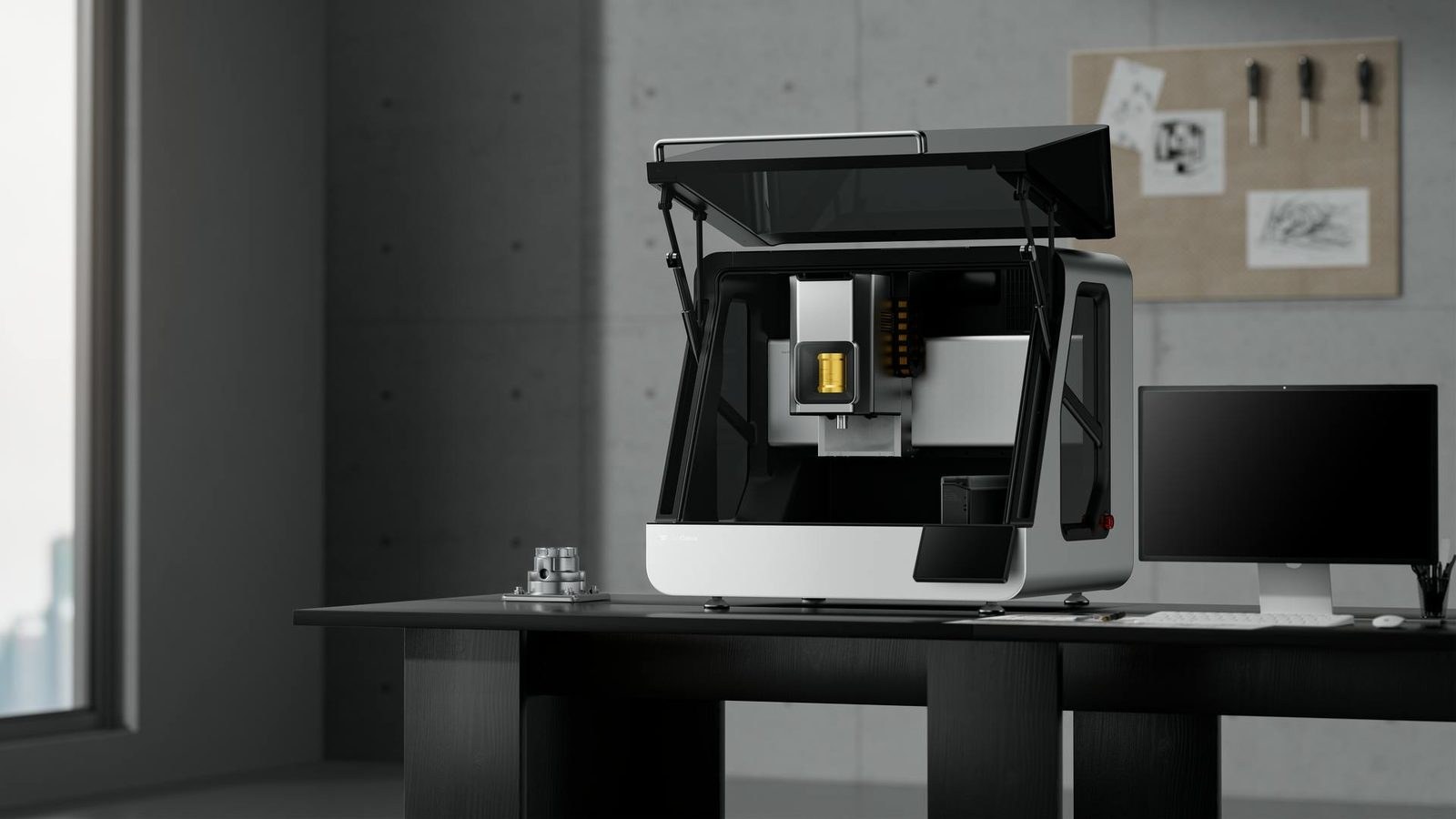
The Kickstarter-backed ToolDance X1 packs a 1.5 kW spindle and modular 5-axis cutting into a 110kg desktop frame. It promises industrial-grade precision for home workshops, but demands serious floor space and domestic compromise.
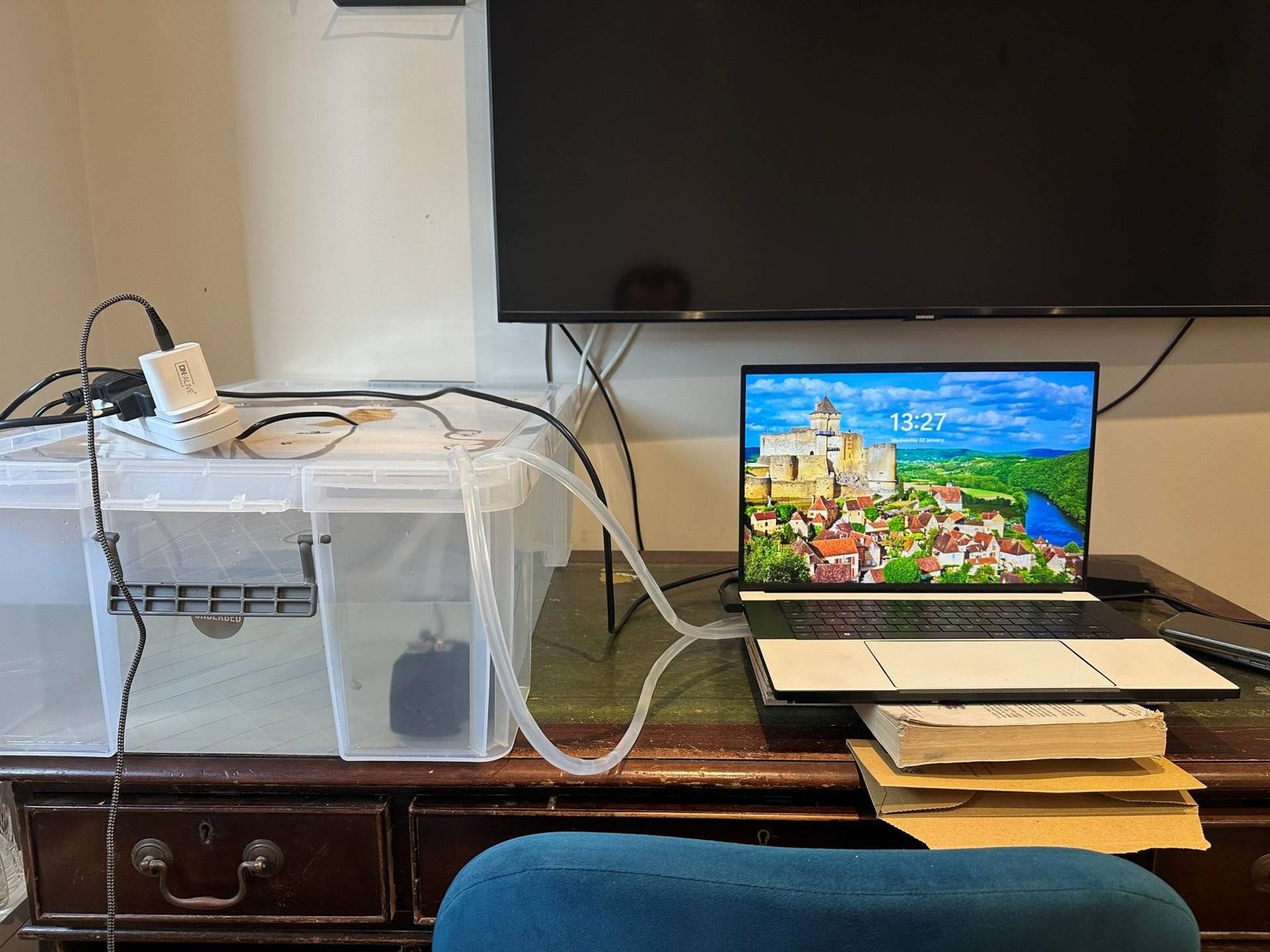
When a £2,500 manufacturer repair quote for a dead heatsink crossed the line into ransom, a Razer Blade 16 owner spent £100 on copper blocks and an external liquid-cooling loop.
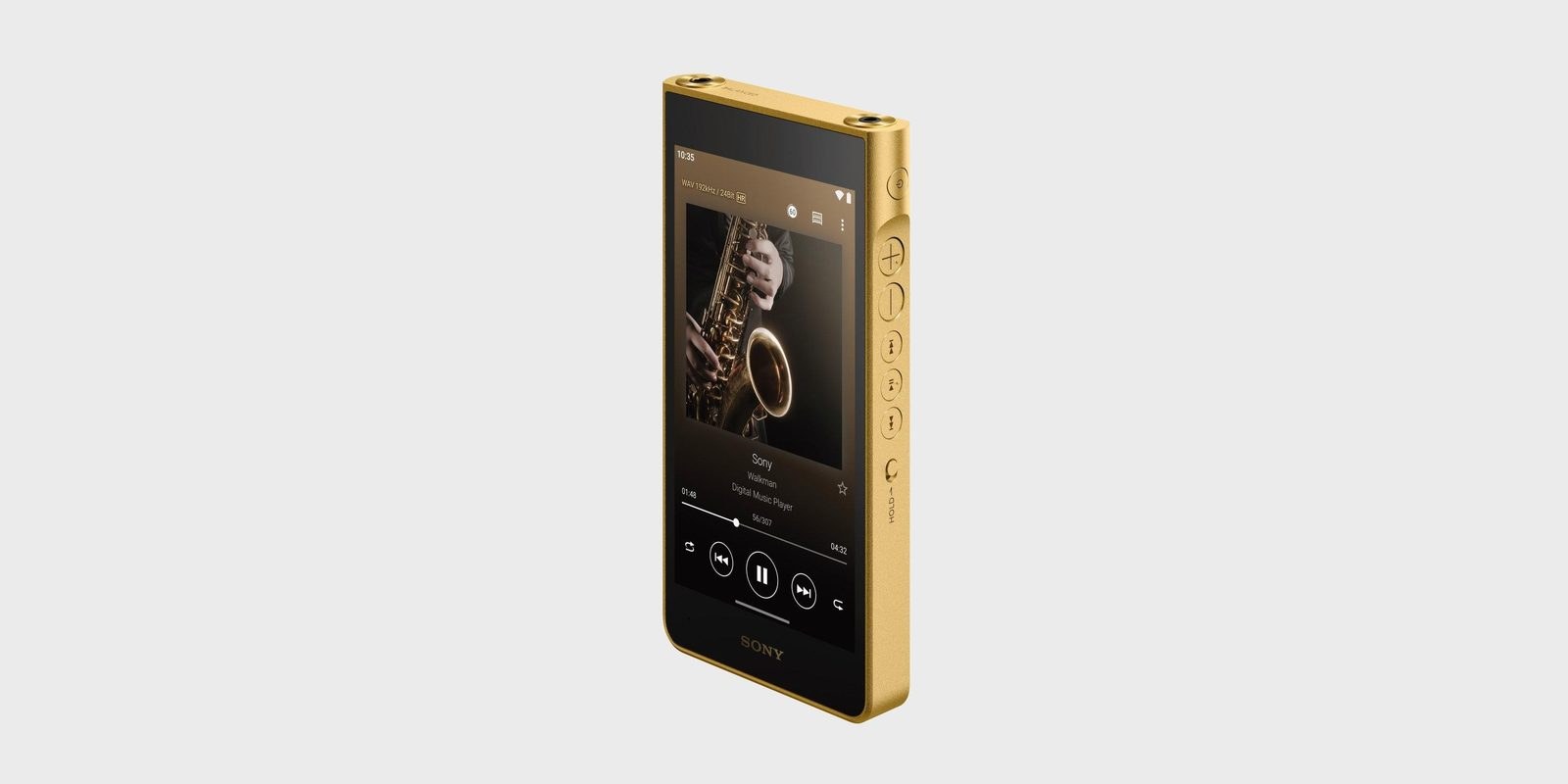
Sony has launched three ultra-expensive Walkman players, topping out with the gold-plated $5,899 NW-WM1ZM3. These heavy music players promise studio-grade analog sound, but offer virtually no everyday benefits over a cheap used iPod.

DJI's automated mechanical dock swaps dead drone batteries in under 25 seconds to eliminate hours of charging downtime. At $25,100 bundled with the Matrice 5TD, it transforms security surveillance into a heavy capital investment.

Apple is launching a 299-dollar smart home hub shaped like the classic iMac G4 with facial recognition for six people. Available in November, the device brings FaceTime and HomeKit controls to your kitchen wall but demands full ecosystem commitment.
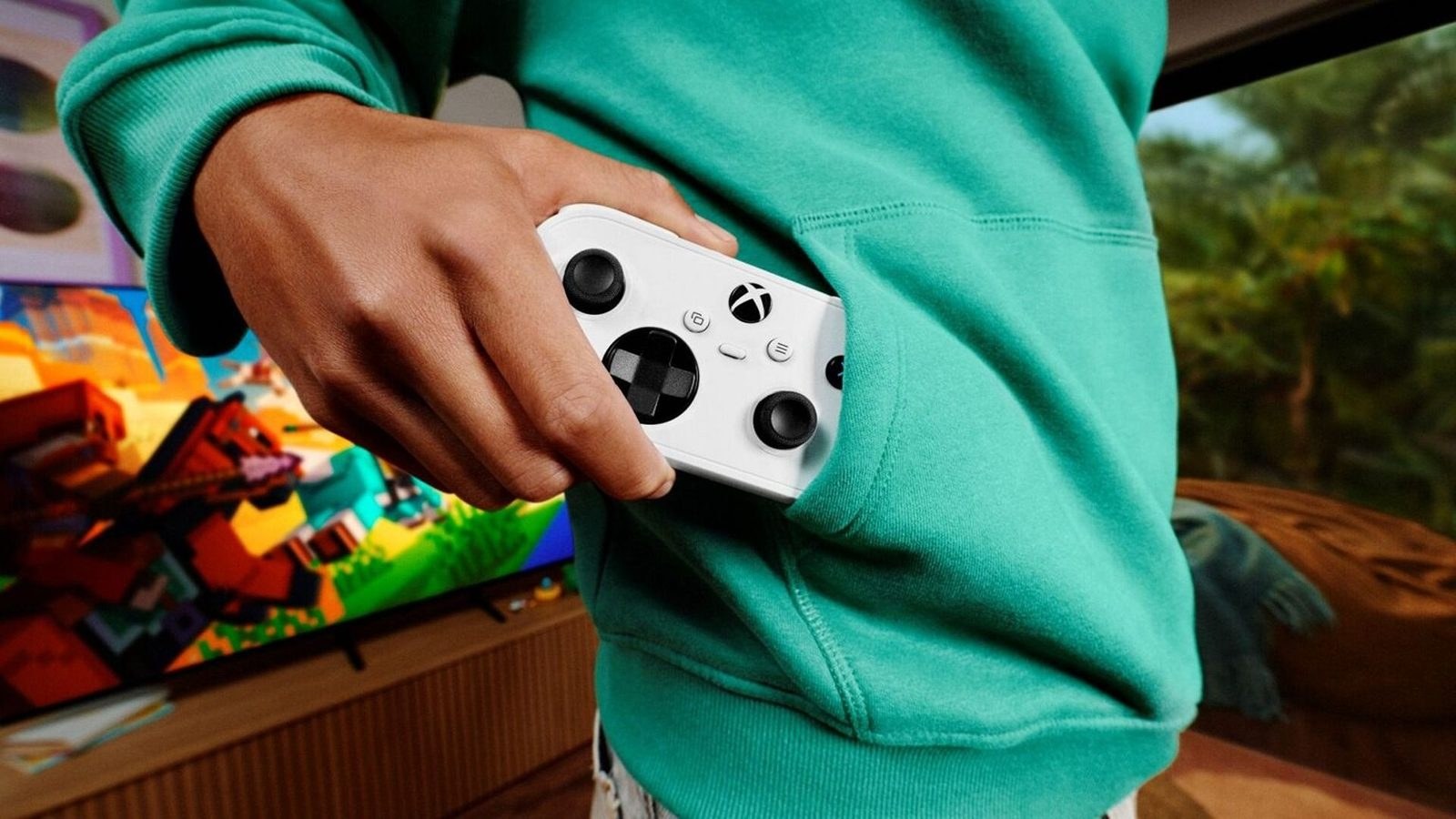
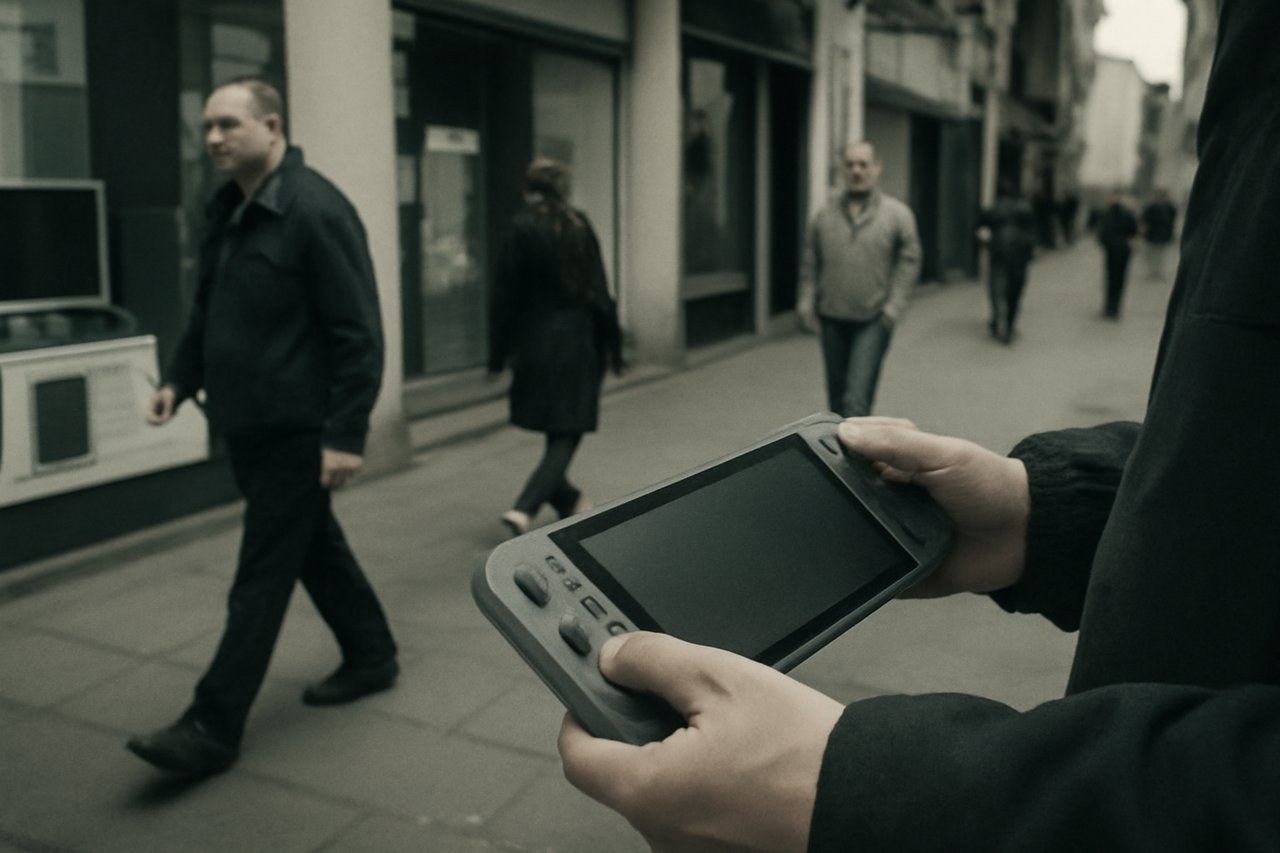
Microsoft's 5-inch pocket gamepad shrinks the standard layout into a remote-sized peripheral for mobile players. However, lacking advanced anti-drift sticks and direct Wi-Fi, the $50 device acts more as a coffee table novelty than a serious cloud gaming tool.

XREAL's first Android XR glasses ditch the direct phone cable for a separate computing puck and start at $1,279. Pre-orders require a $199 non-refundable-sounding deposit ahead of holiday deliveries.
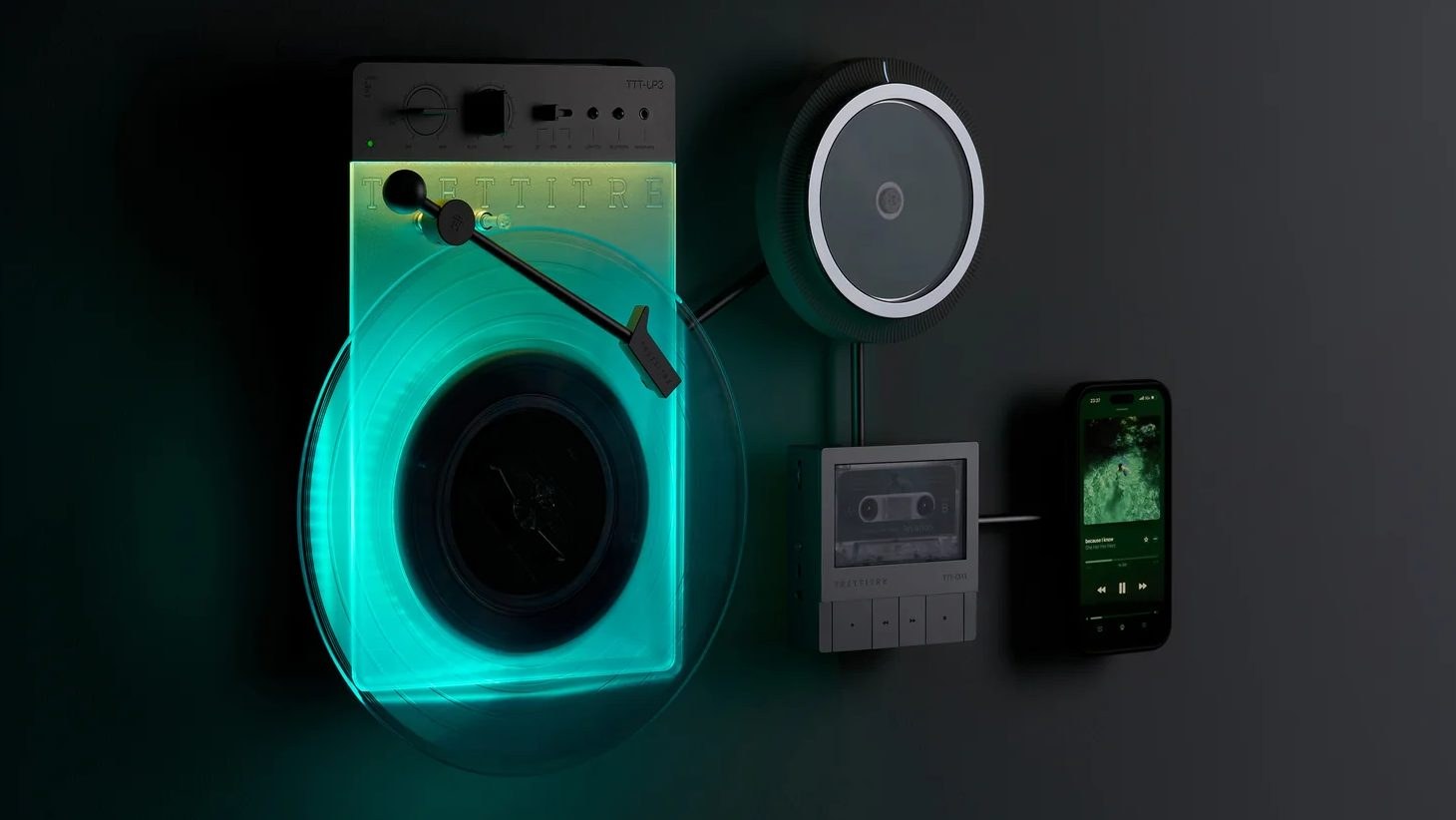
Trettitre's magnetic wall rack mounts a vinyl turntable, CD player, and cassette deck vertically with RGB backlighting. Starting at $399 on Kickstarter, it trades acoustic purity for striking interior decor.
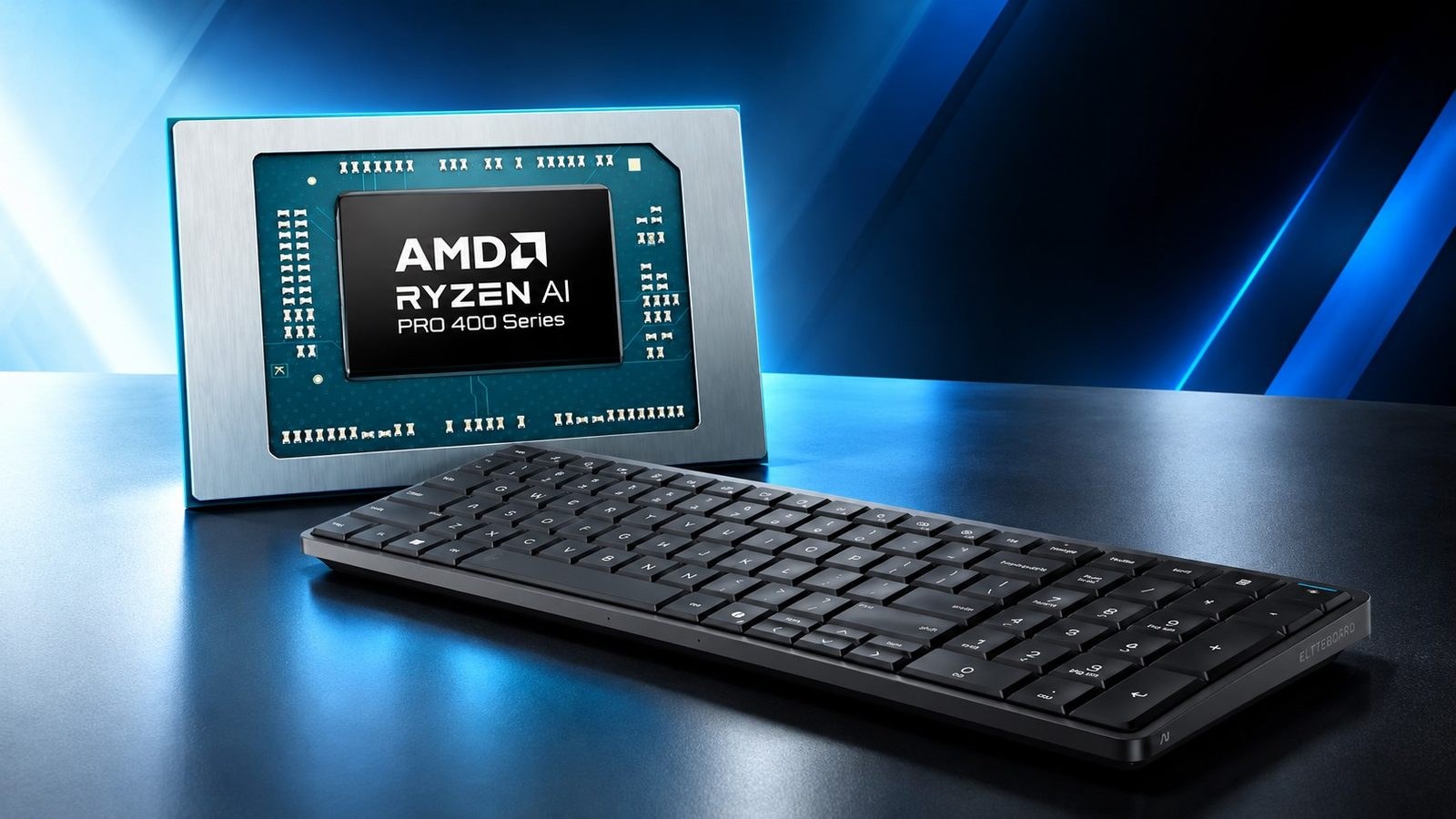
HP has revived the 1980s computer-in-a-keyboard design with the new EliteBoard G2a, starting at $3,053. It crams Ryzen AI Pro processors and up to 64GB of RAM into a 1.49-pound chassis, asking users to pay a massive luxury tax for ultimate desktop minimalism.
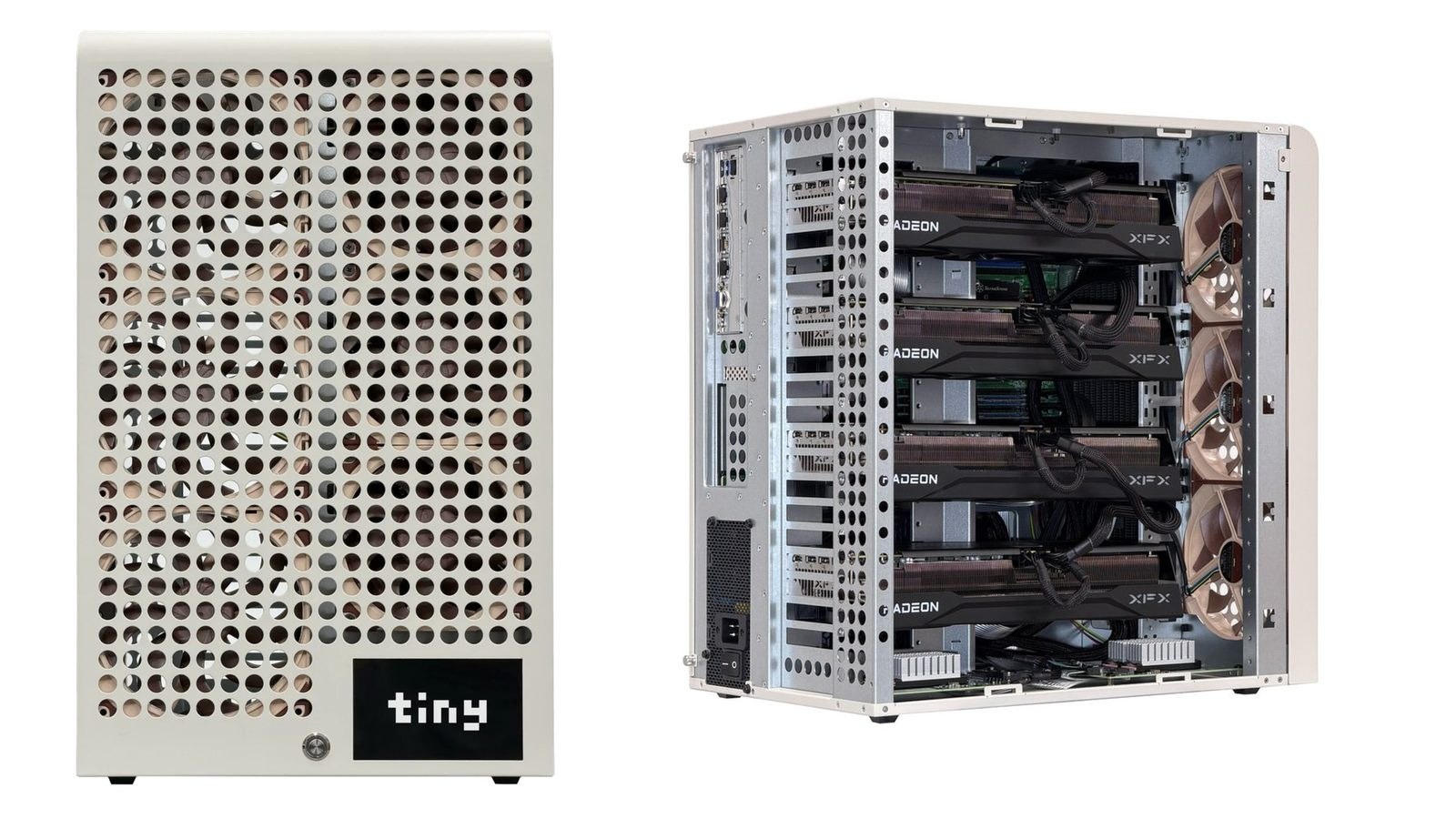
Tinygrad updated its desktop deep-learning workstation to support four AMD Radeon graphics cards starting at $11,000. For independent developers dodging cloud bills, the 42-pound machine offers local power built on older server parts.
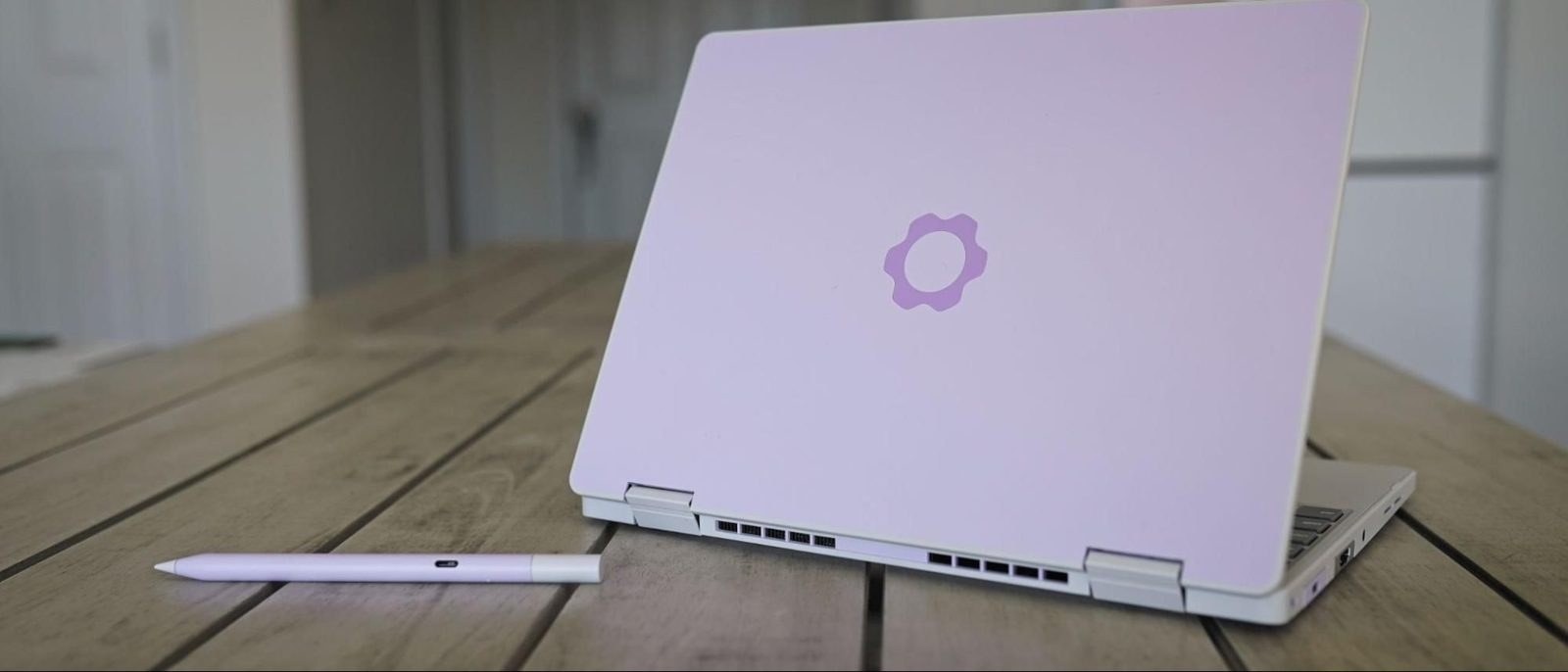
The modular Framework Laptop 12 starts at $549 for a bare-bones kit, promising easy self-repair and custom assembly. However, fully pre-built versions climb to $1,000, trading premium aluminum for a plastic chassis and higher costs unless you supply your own RAM and SSD.
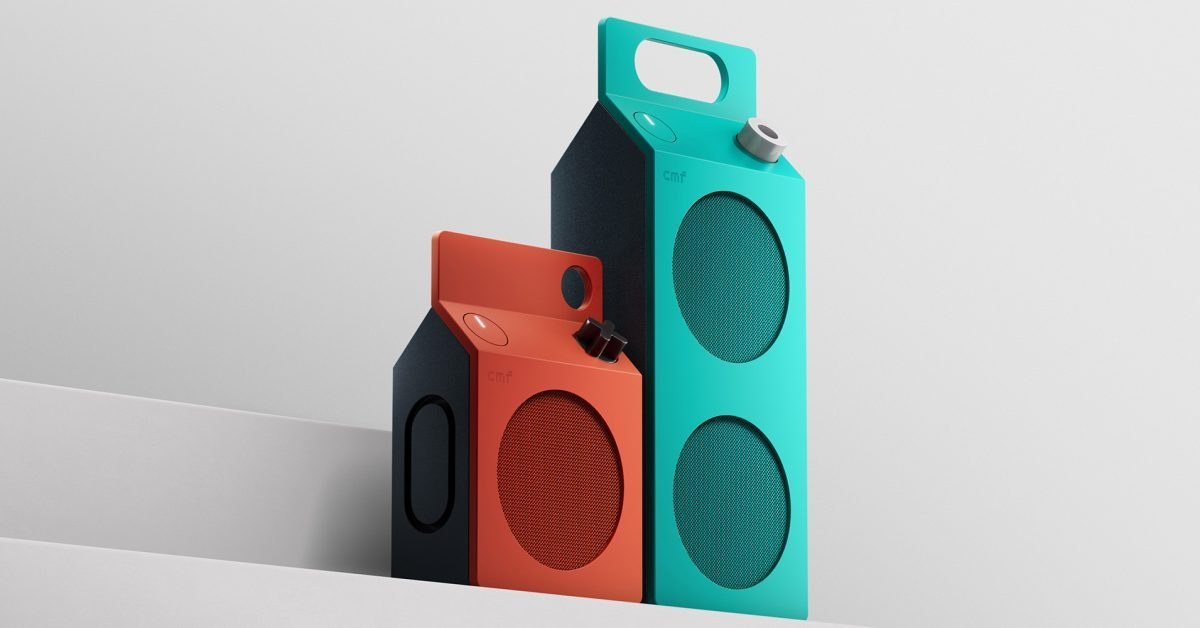
CMF by Nothing has released unusual milk-carton shaped wireless speakers in two sizes starting at $59. Featuring chunky physical controls, NFC pairing, and up to 18 hours of battery life, they inject personality into a workspace without breaking the bank.

Sony's premium wireless headphones look sleek, but a weak plastic hinge is driving owners to scrap them. See why a $400 price tag doesn't buy you durability.
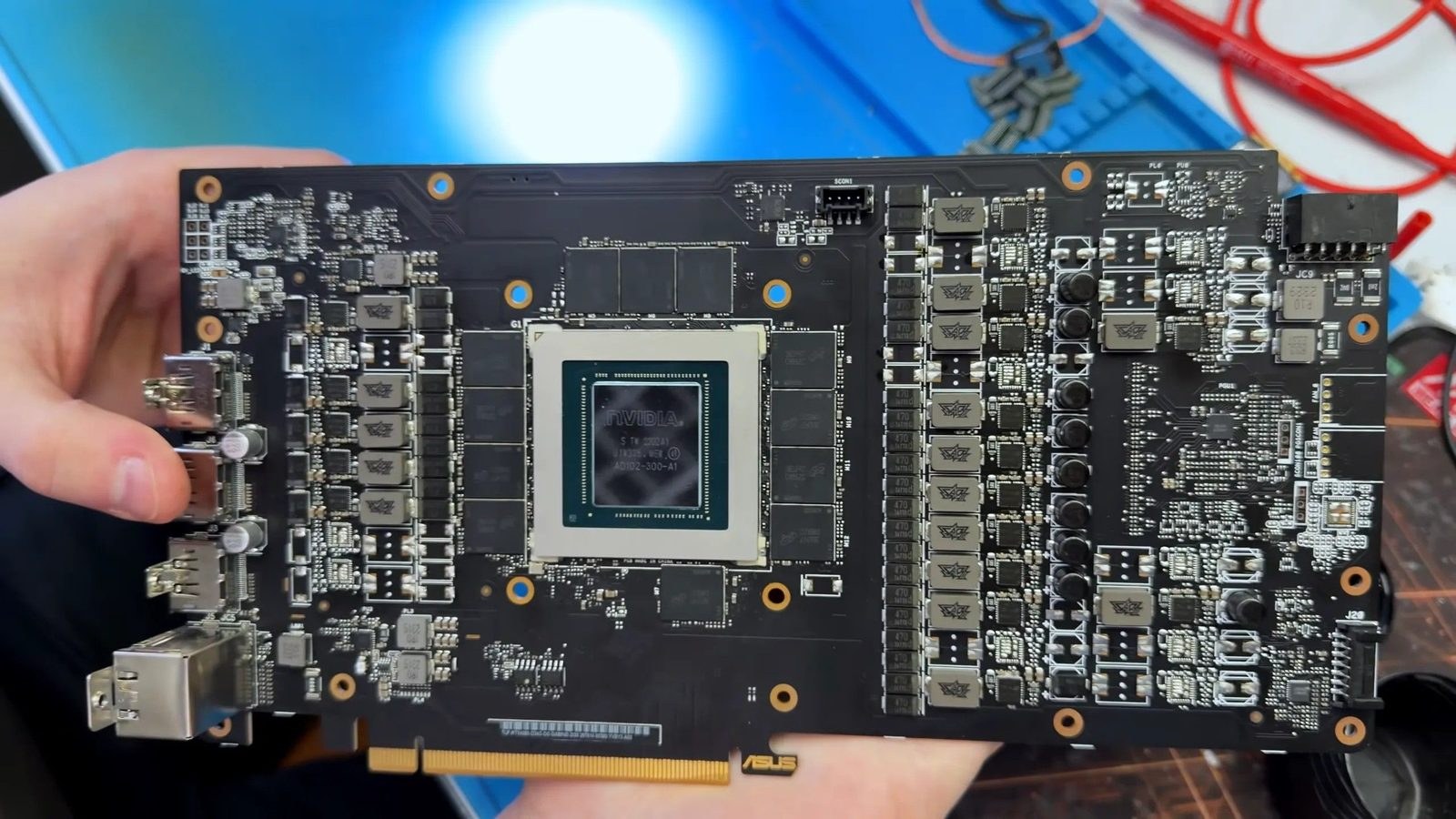
A tech enthusiast bought a broken flagship graphics card for $350 only to discover a counterfeit processor made from plastic dummy parts. The intricate scam tricks even experienced technicians during visual inspections.
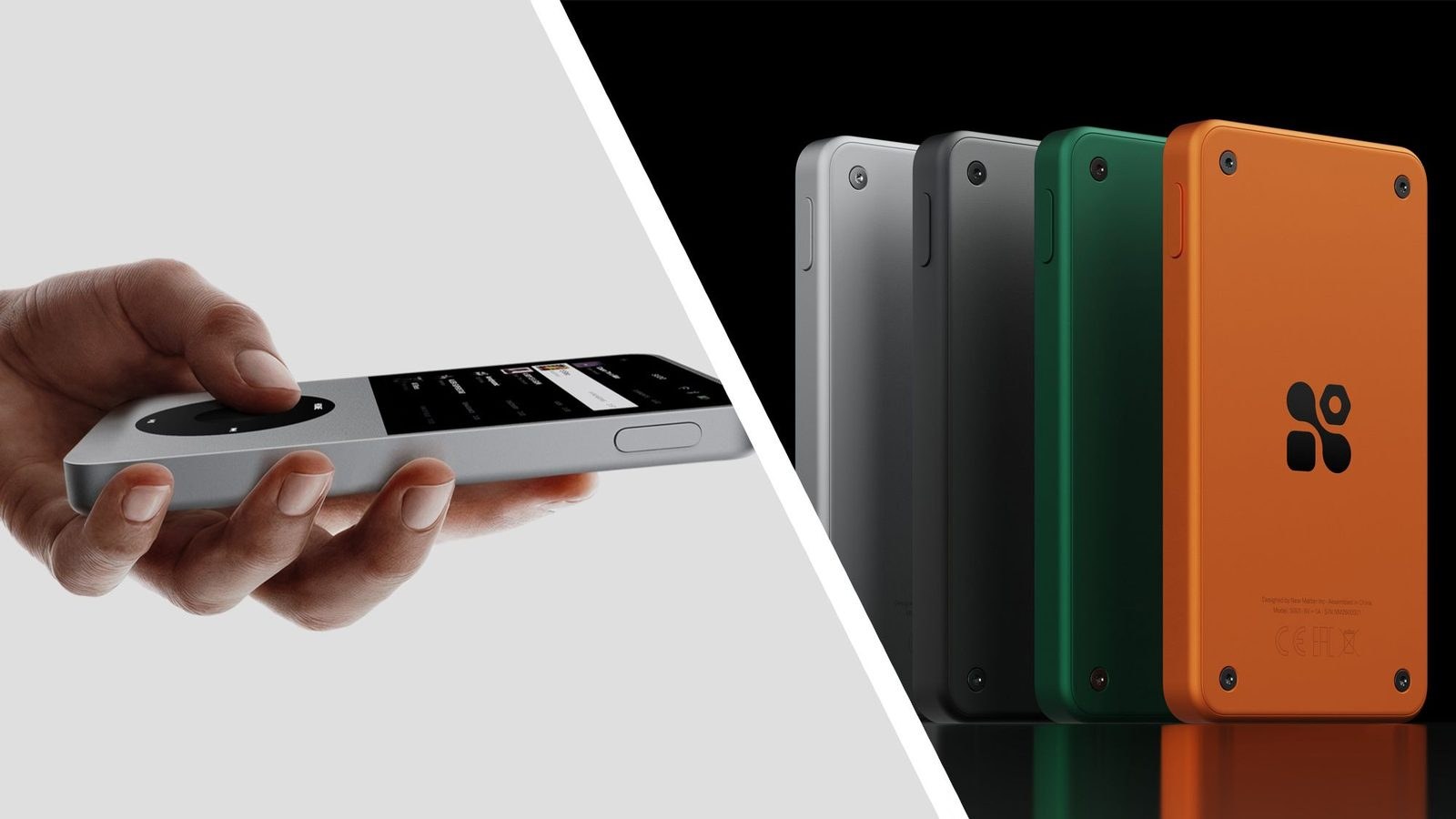
Sudo is taking $50 deposits for a $250 digital detox music player blending an iPod scroll wheel and Zune screen. Buyers must wait until late 2027 to see if the crowdfunded device actually materializes.
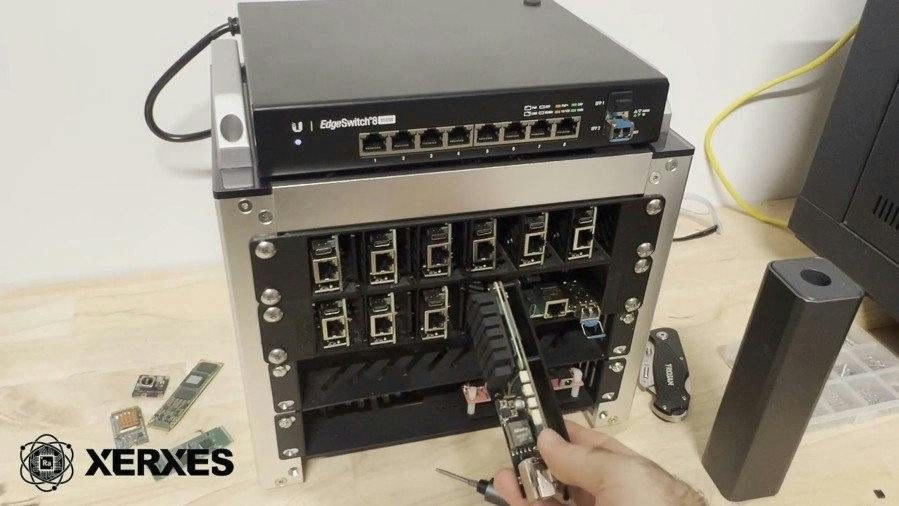
Engineer Rob Newport has launched a Kickstarter campaign for the Xerxes Home Lab, a modular blade-style setup that cleans up messy desk wires for self-hosting enthusiasts. The hardware supports Raspberry Pi and Nvidia Jetson modules, with DIY 3D-printable racks and bundles starting at AU$49.

Streaming left your old music collection gathering dust, but a new $99.99 pocket player lets you spin physical compact discs again without a bulky stereo receiver. The Fosi Audio DISC Nano features a Cirrus Logic DAC and wired headphone jacks, but its exposed spinning disc makes it strictly a desk toy rather than a portable commuter gadget.
A Reddit user scored twelve RTX 3070 cards from old mining rigs, proving that clean storage keeps hardware alive. We break down the hidden maintenance costs and whether buying ex-mining gear actually saves you money.
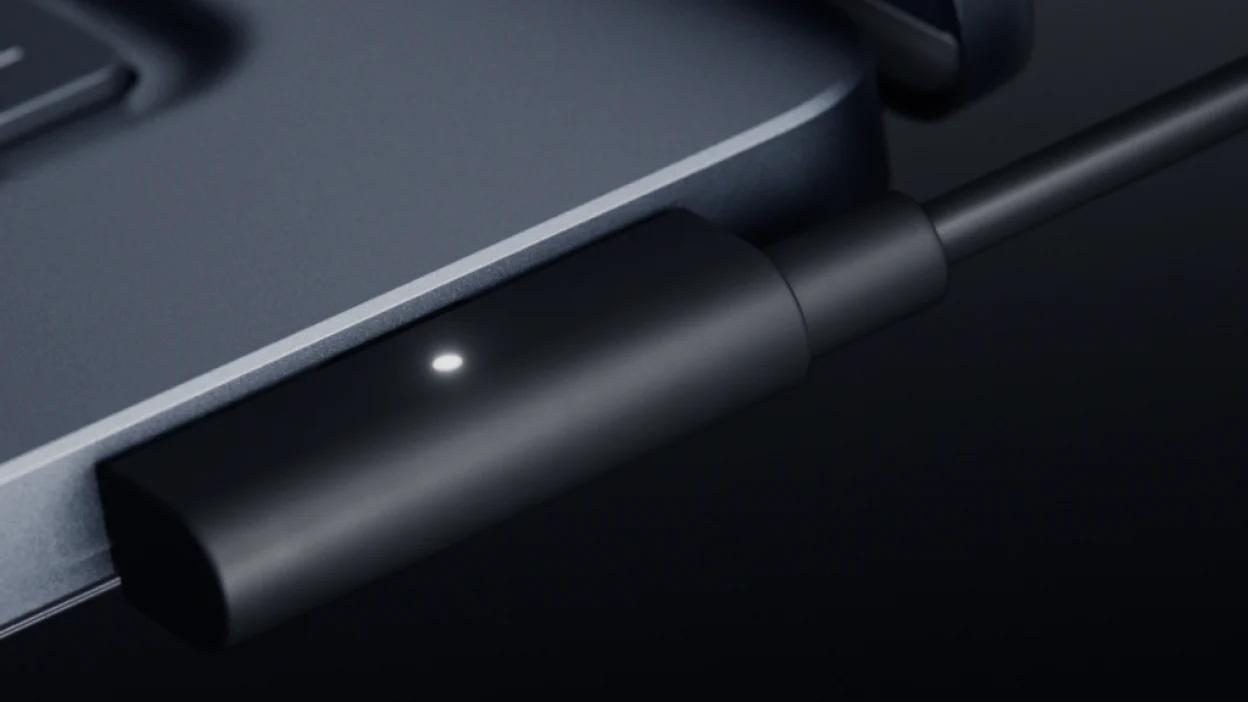
Microsoft has introduced the Surface Laptop Ultra featuring the industry's first built-in magnetic USB-C port. Priced at $2,599, the high-end machine combines magnetic convenience with full standard cable compatibility.

Fosi Audio released the DAP Neo music player for $79.99, featuring physical controls and a scroll wheel for local audio files. The pocket-sized device lets users escape streaming app subscriptions and notification pings without sacrificing wired audio quality.
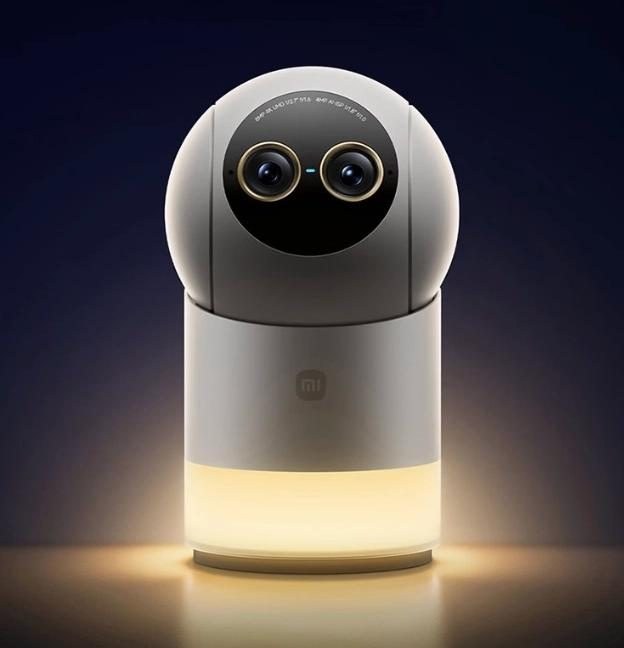
Xiaomi released the Smart Camera 5 Pro featuring dual 8MP and 4MP lenses, 4K recording, and local AI processing for around $75. The camera brings flagship-grade hardware to a budget price point, though it currently lacks an official international release.

Colorful has launched the iGame Shadow II DDR5-6000 memory kit priced at $595 for 32 GB. Built entirely on local Chinese chips, it trades basic performance for technological independence and calligraphy.

Anker EufyHome drops its active roller robot vacuum to $499.99 on Amazon, trading flat vibrating pads for a continuous water-flushing system. It targets sticky kitchen spills and heavy pet hair for buyers tired of manual pad scrubbing.

Extreme Core has launched the AE3 LR electric scooter boasting a 160 km range and a 72V battery for $1,000. We look at whether this budget-friendly two-wheeler delivers on its bold paper promises in real-world city traffic.
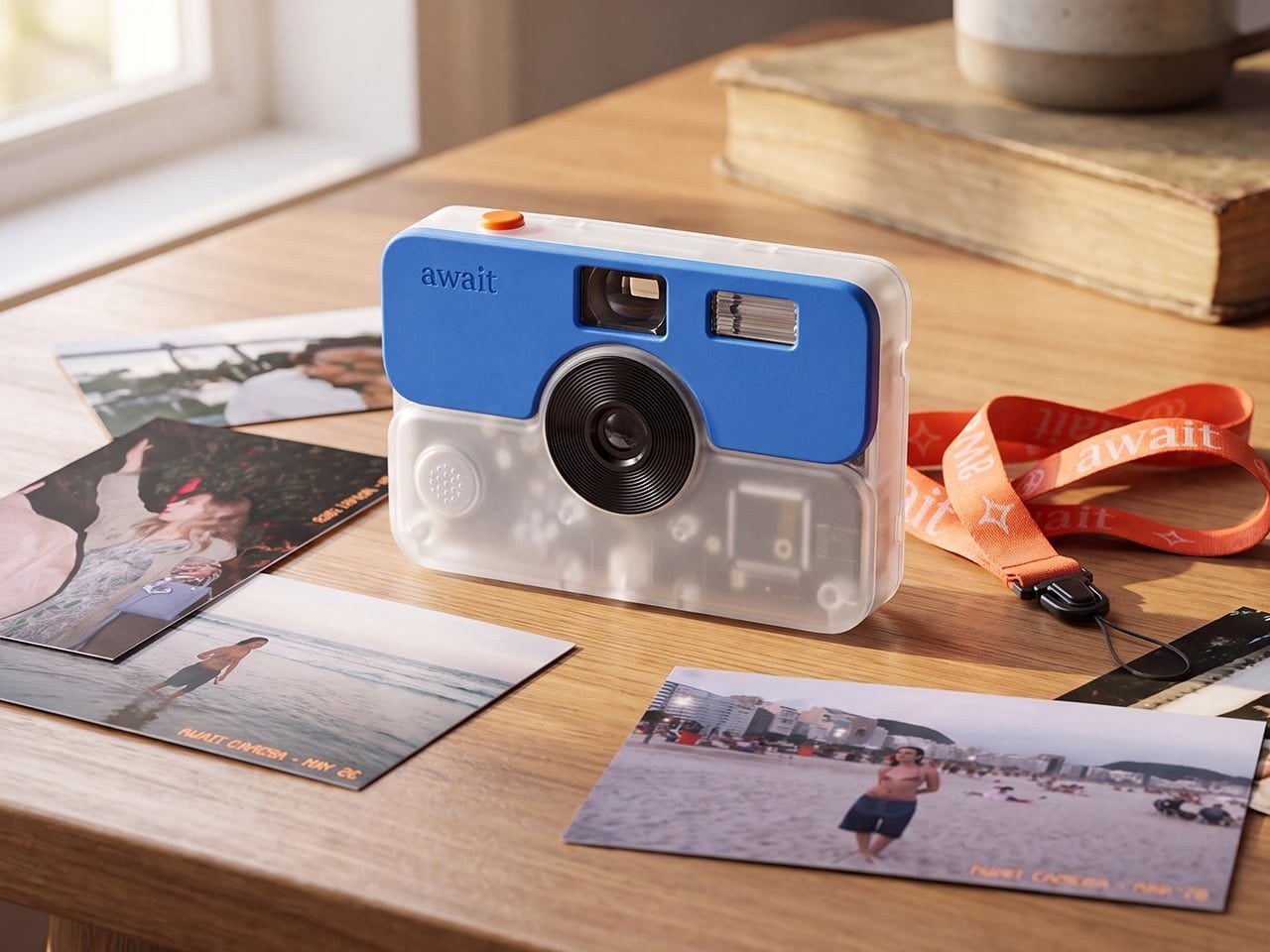
Swiss gadget maker Rolling Square has released the Await, a pocket-sized digital camera that restricts users to 24 exposures per roll with no preview screen. Priced at $100 on Kickstarter ahead of a $145 retail release, the device forces deliberate shooting and requires physical print orders for digital access.
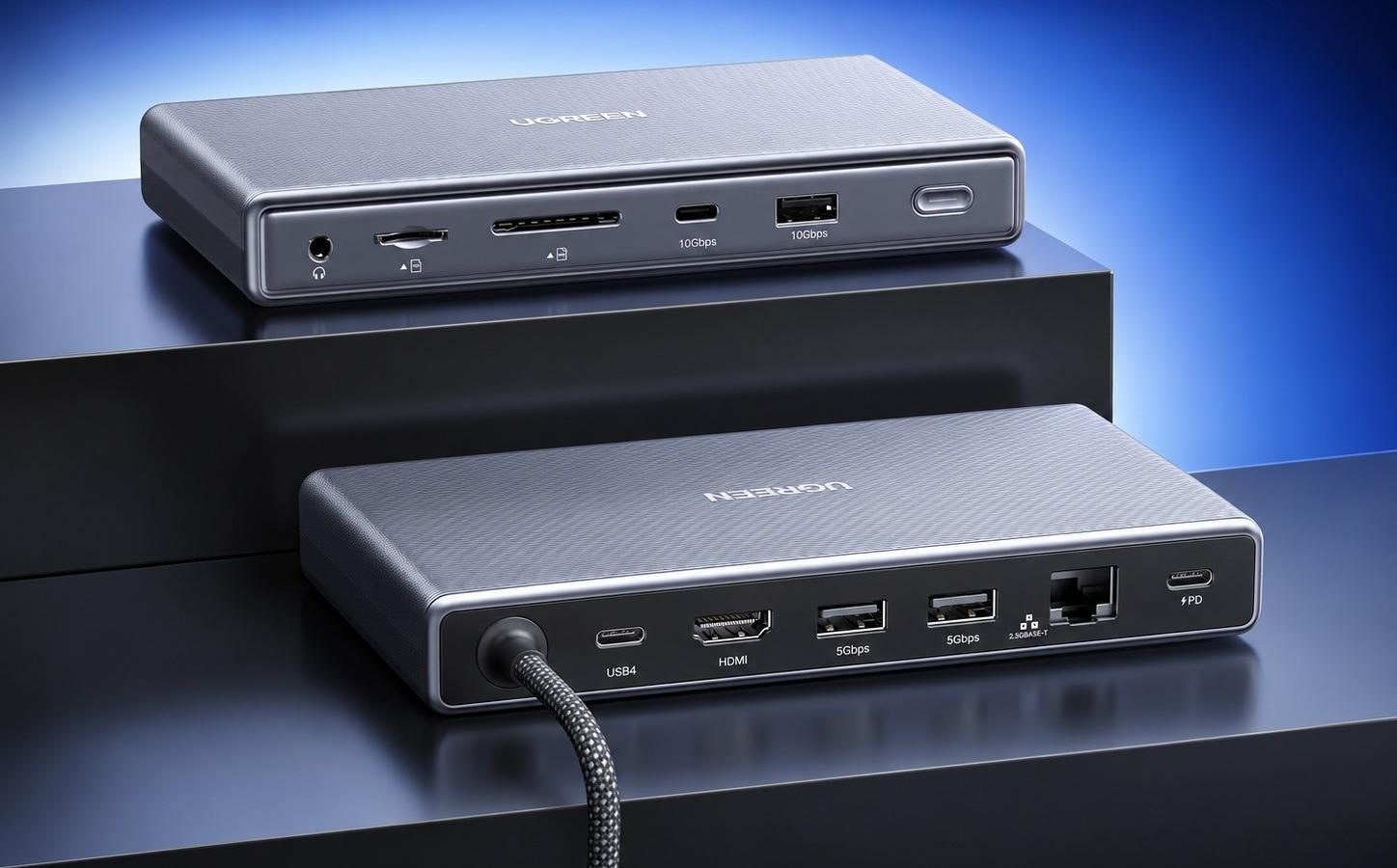
Ugreen launched a $150 dock packing USB4, 115W power delivery, and dual 4K displays. It undercuts pricey brand-name hubs while matching their performance.
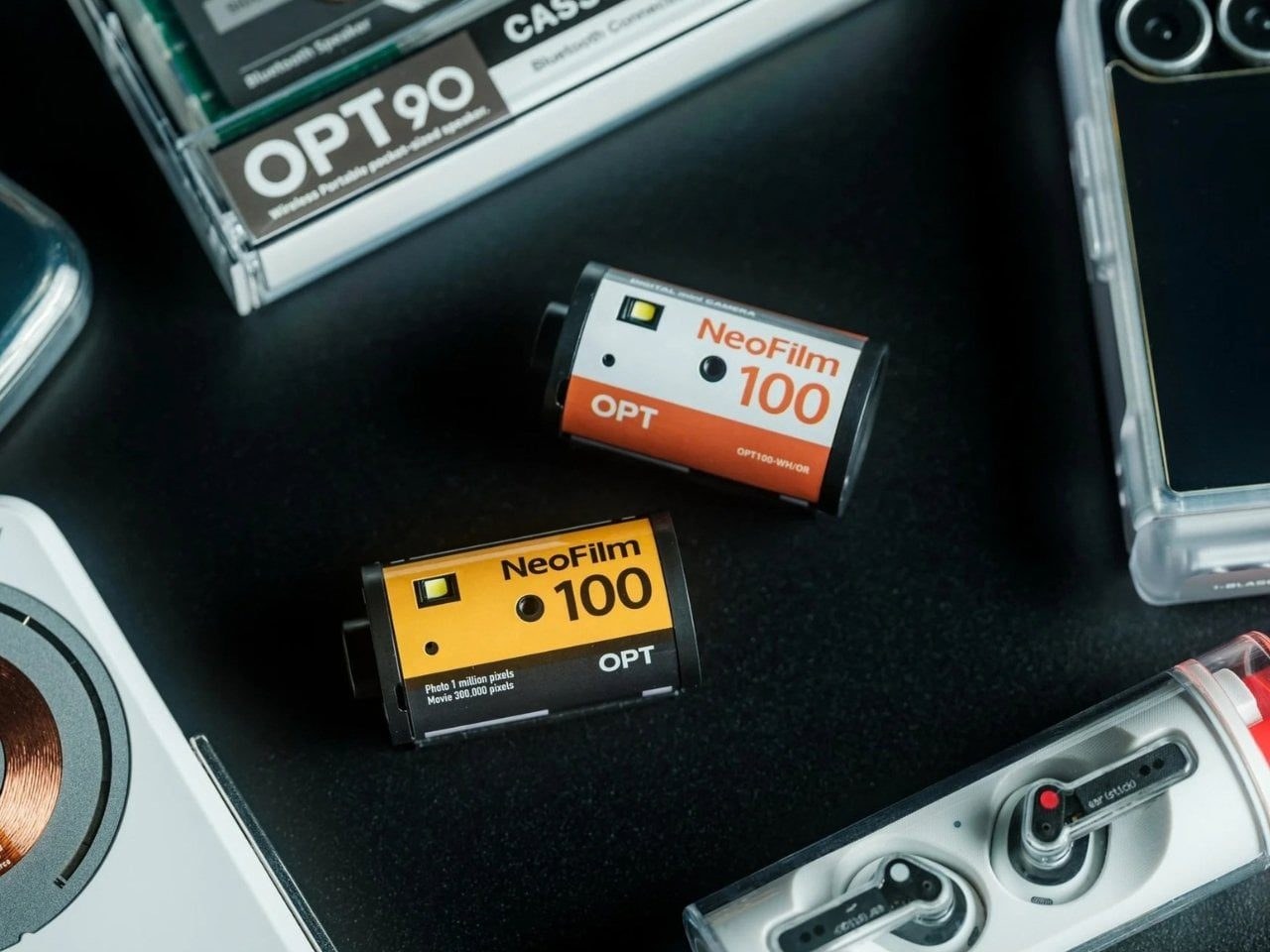
The Analog Capsule Camera packs a 1-megapixel sensor into a 25-gram 35mm film shell. It gives you grainy, imperfect vintage shots via USB-C and microSD without the cost of real film or chemical developing.
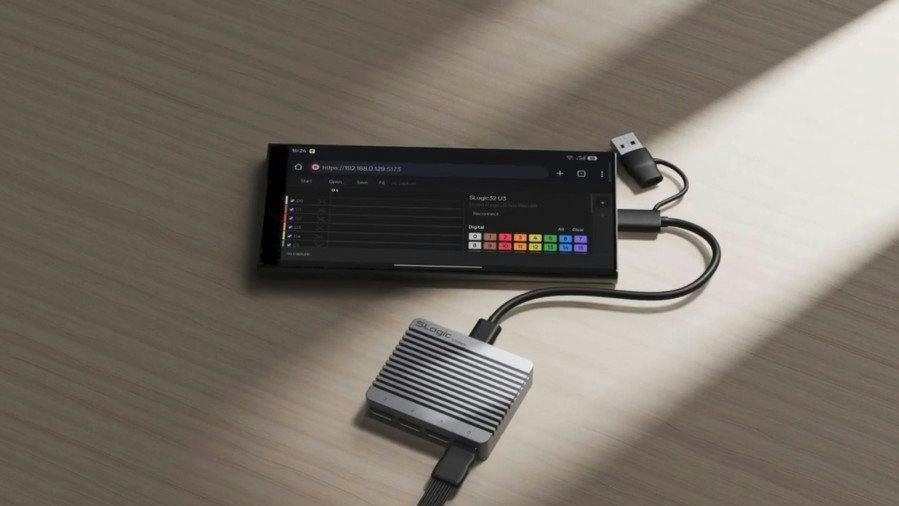
Shenzhen-based Sipeed has launched a crowdfunding campaign for the SLogic32U3, a pocket-sized logic analyzer delivering 10Gb/s USB 3.2 speeds and 32 channels starting at $149. While the specifications rival expensive bench equipment, backing hardware on Kickstarter still carries the usual financial risks.
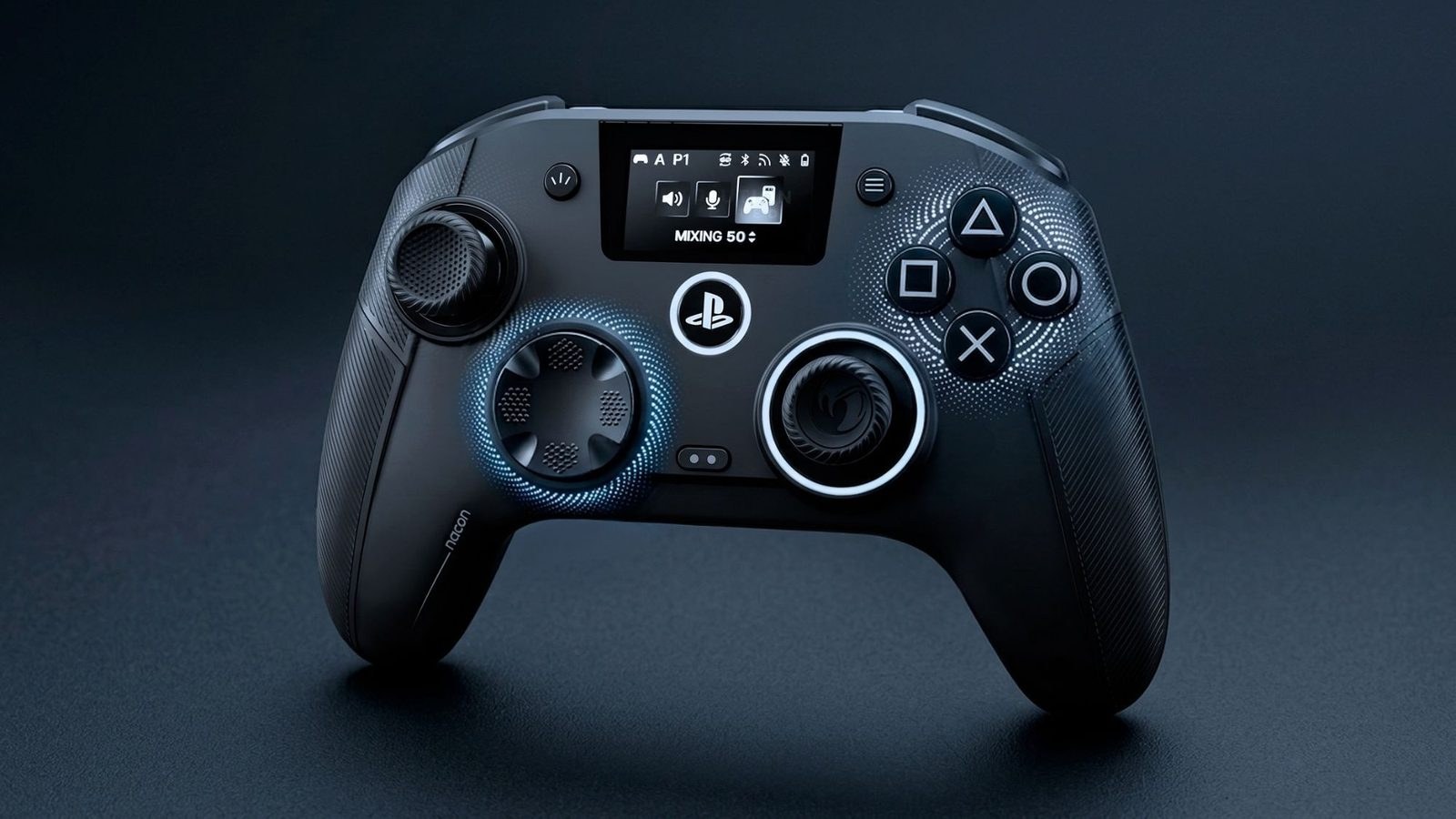
Nacon's new $230 Revolution 5 Unlimited is the first officially licensed PS5 pad with a built-in control screen. We look at whether on-device settings tuning justifies the steep luxury price tag over standard controllers.

Meta is splitting its smart eyewear line by launching the $349 camera-free Ray-Ban Meta Audio on October 13, weighing just 43 grams to dodge public recording bans. Alongside them, the company previewed the Meta VR Glasses, a tethered $1,299 headset arriving in spring 2027.
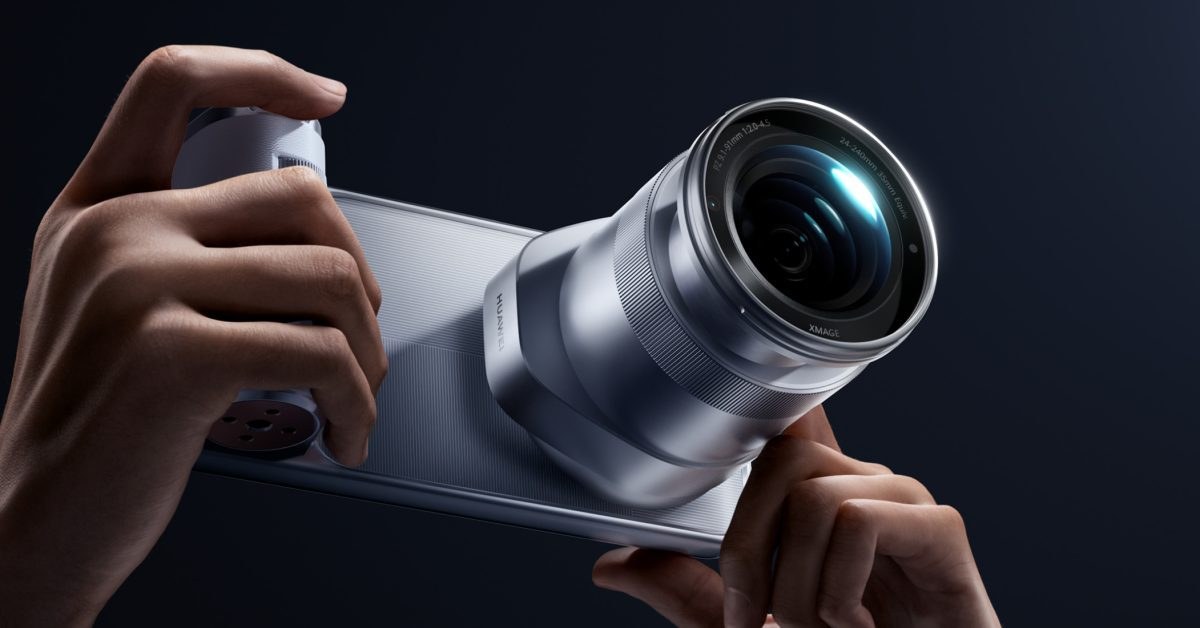
Huawei brings back modular camera attachments with the $900 Z10 lens for its new Mate 90 Pro Max. The setup delivers a 1-inch sensor and 10x optical zoom, but turns a pocket phone into an awkward, heavy hybrid.

Independent developer Taki Udon has released translucent limited colorways of the SuperStation One FPGA console starting at $249.99. The hardware uses chip-level emulation to eliminate input lag and supports both MiSTer cores and an authentic physical disc drive.
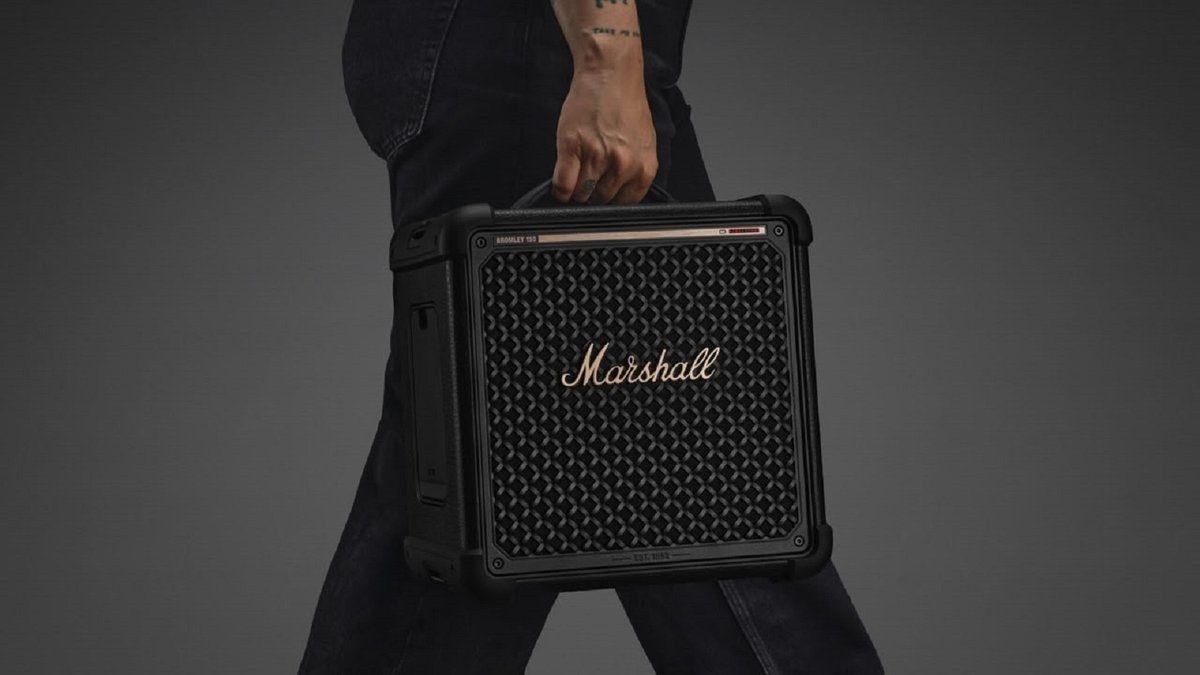
Marshall has announced the Bromley 150, a $500 portable speaker that ditches the glued-shut design for a swappable battery pack. Weighing 6.3 kg with 200W of power, it targets home and patio use while tackling the industry's planned obsolescence problem.
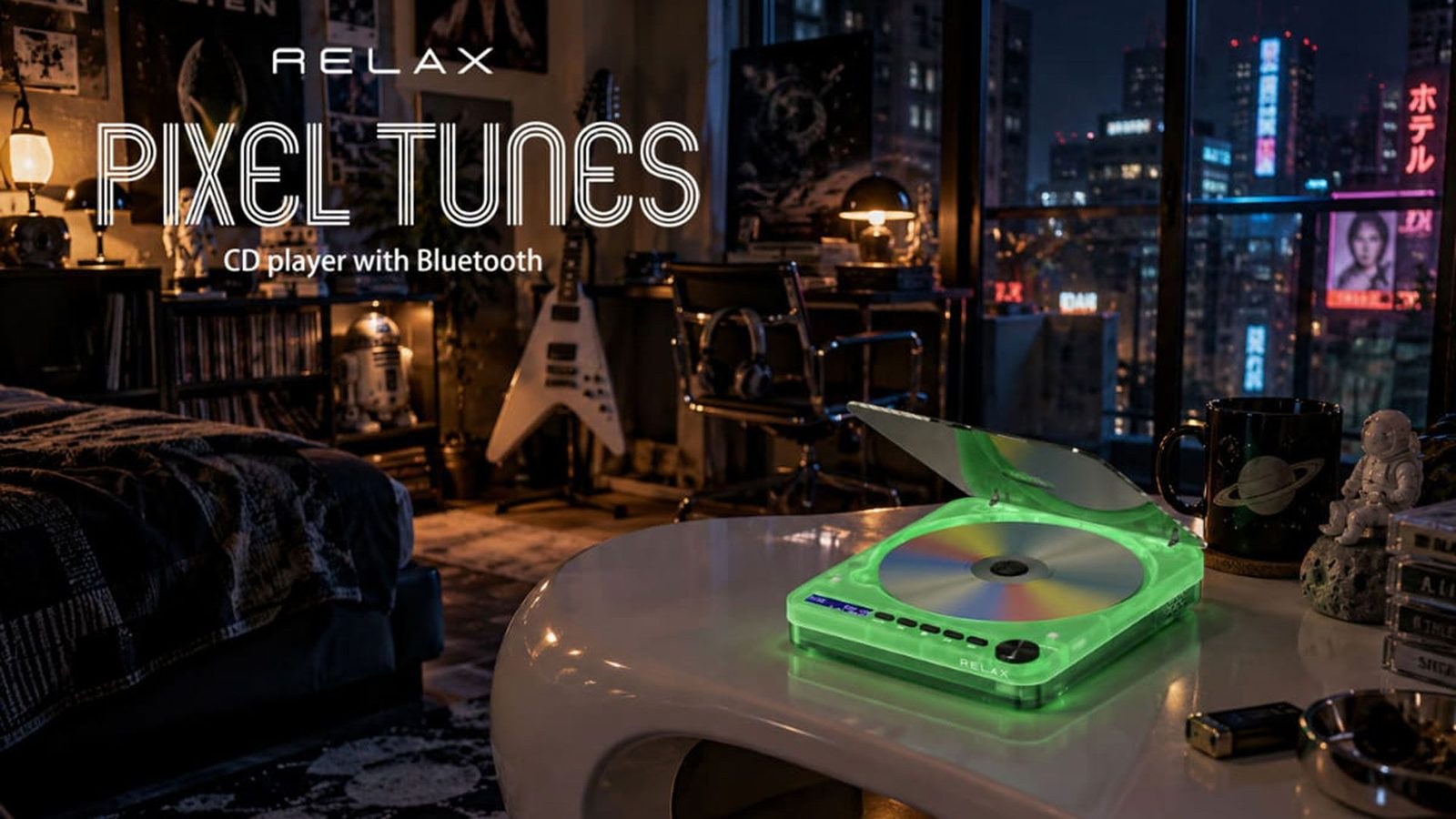
Sincere Inc. has released a limited edition Pixel Tunes portable CD player featuring a phosphorescent shell that glows green in the dark. Priced at $83, it adds Bluetooth 5.3 and USB Type-C charging to physical music playback, though it lacks support for burned discs.
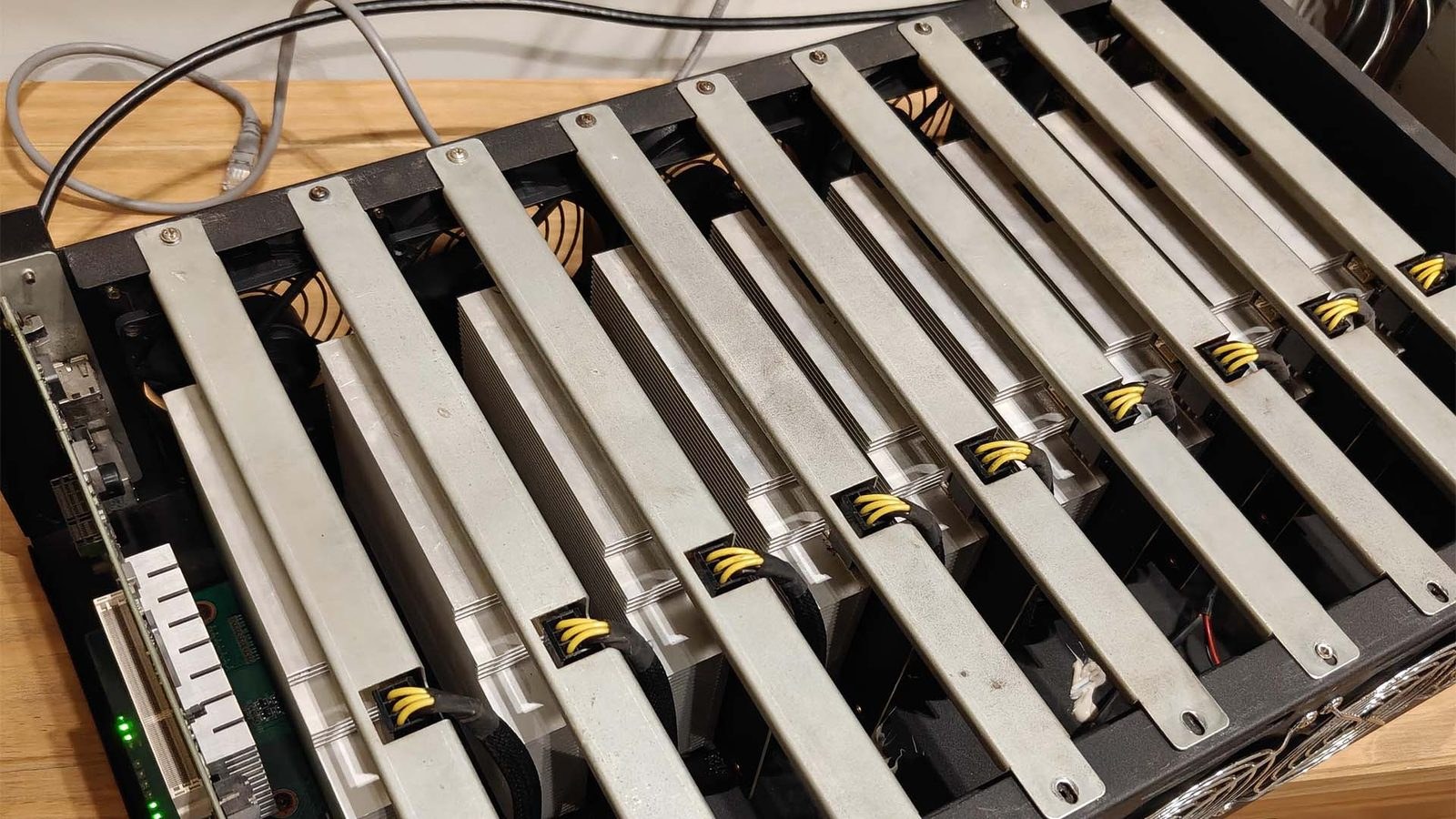
An enthusiast bought an abandoned nine-card crypto mining rig on Avito for just $35, packing 54GB of video memory. However, crippled data speeds and devastating power consumption make the Frankenstein setup practically useless for anyone paying for electricity.

Nineteen-year-old startup founder Zain Javaid has built the Ghost Core, a $3,499 desktop computer packed with an Nvidia RTX Pro 4000 graphics card to run AI agents locally. The machine targets privacy-minded users who want to ditch cloud subscriptions and handle heavy AI workloads directly on their desk.

The BougeRV DuneRover turns heavy backyard hauling into a remote-control game, flattening steep hills with dual electric motors. But this Kickstarter prototype packs annoying software quirks and won't ship until February 2027.
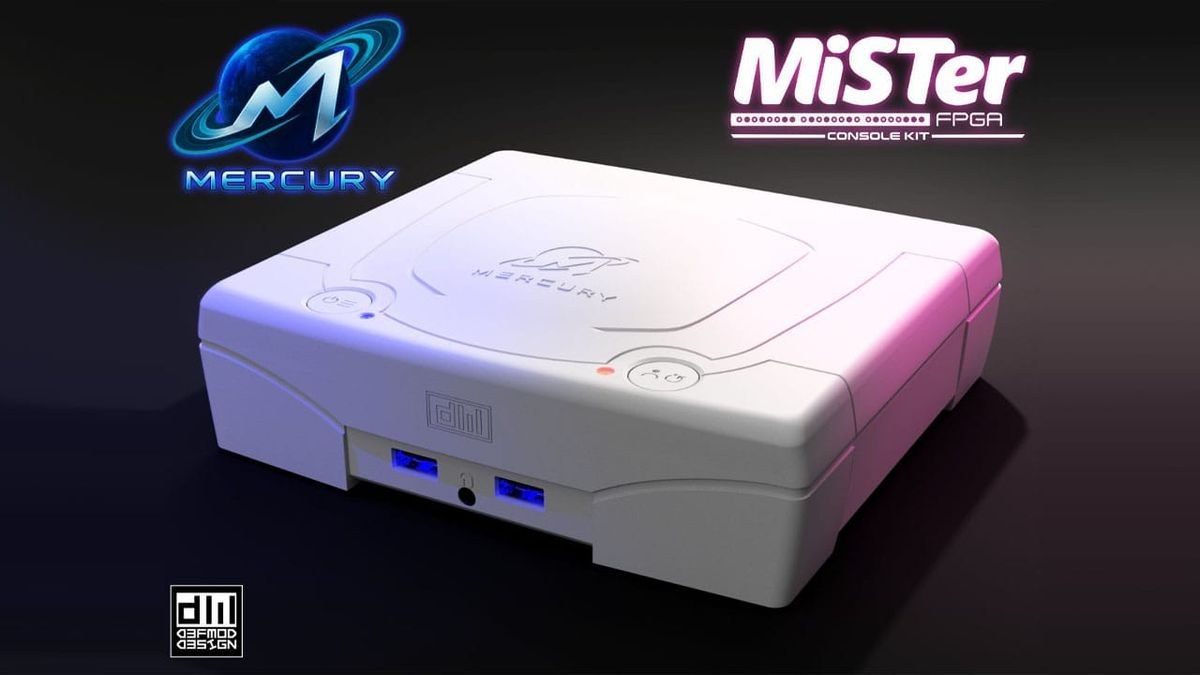
Developer Df3mod has launched pre-orders for the Mercury case, transforming a standard logic board into a physical clone of the Sega Saturn. While the base kit starts at 229 euros, required modules and strict non-refundable terms mean buyers need to calculate total costs carefully before chasing childhood nostalgia.

French maker DAB Motors teamed up with BRABUS and Fragment Design to build 10 units of a $50,000 electric commuter. Underneath the custom paint and carbon fiber sits the exact same hardware as the base model.
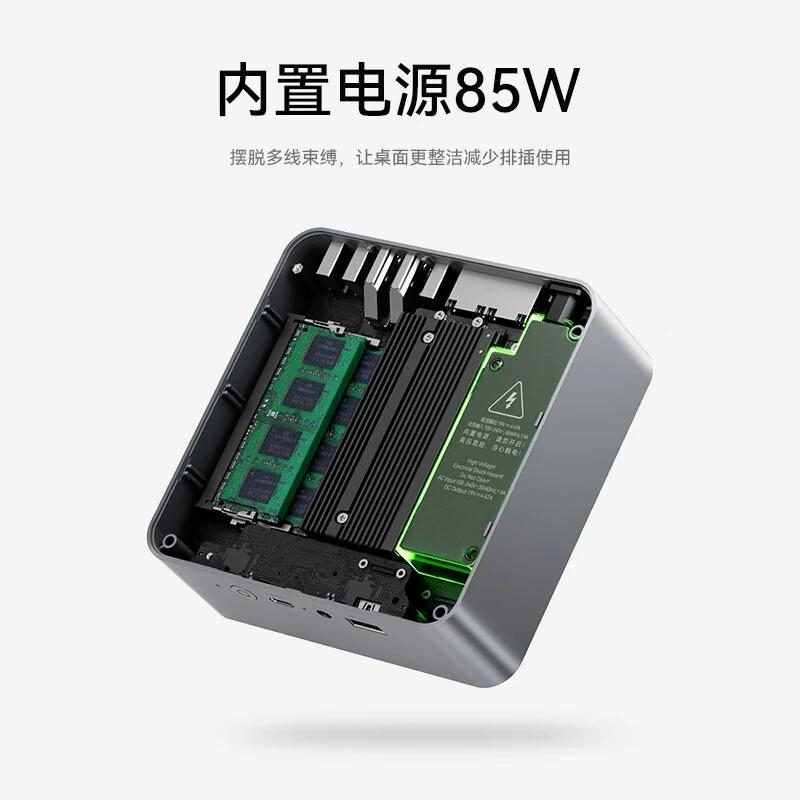
Beelink expands its mini PC lineup with an AMD Ryzen 5 5500U model aimed at everyday office work and home server setups. It ditches the bulky desktop tower format while offering silent operation and dual Ethernet ports.
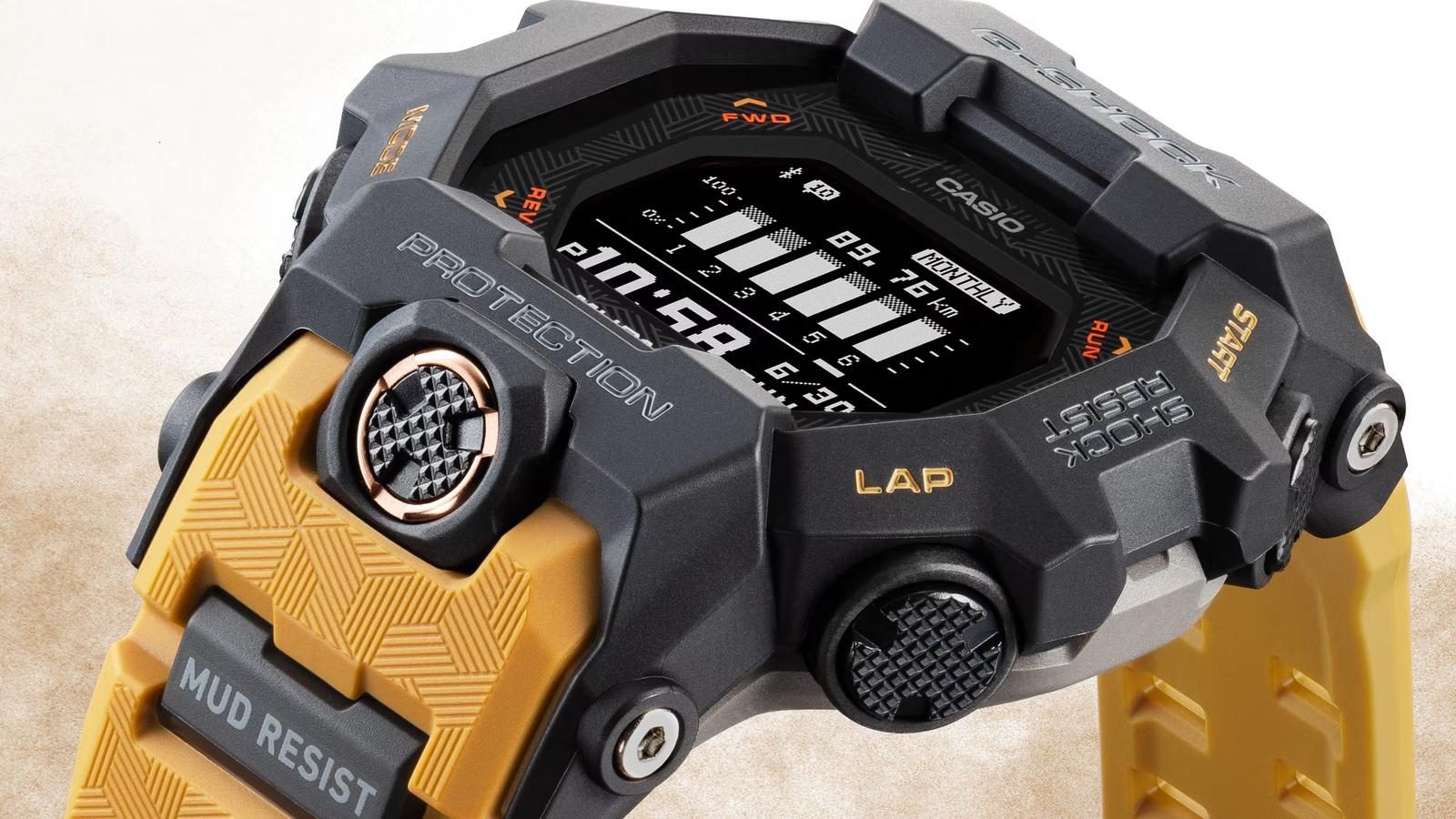
Casio released the new G-Shock Mudman GDG-B100 series in Japan for $245, with sales starting in October. This rugged watch prioritizes durability and battery life over complex smart features, lasting two years on a single CR2032 battery.
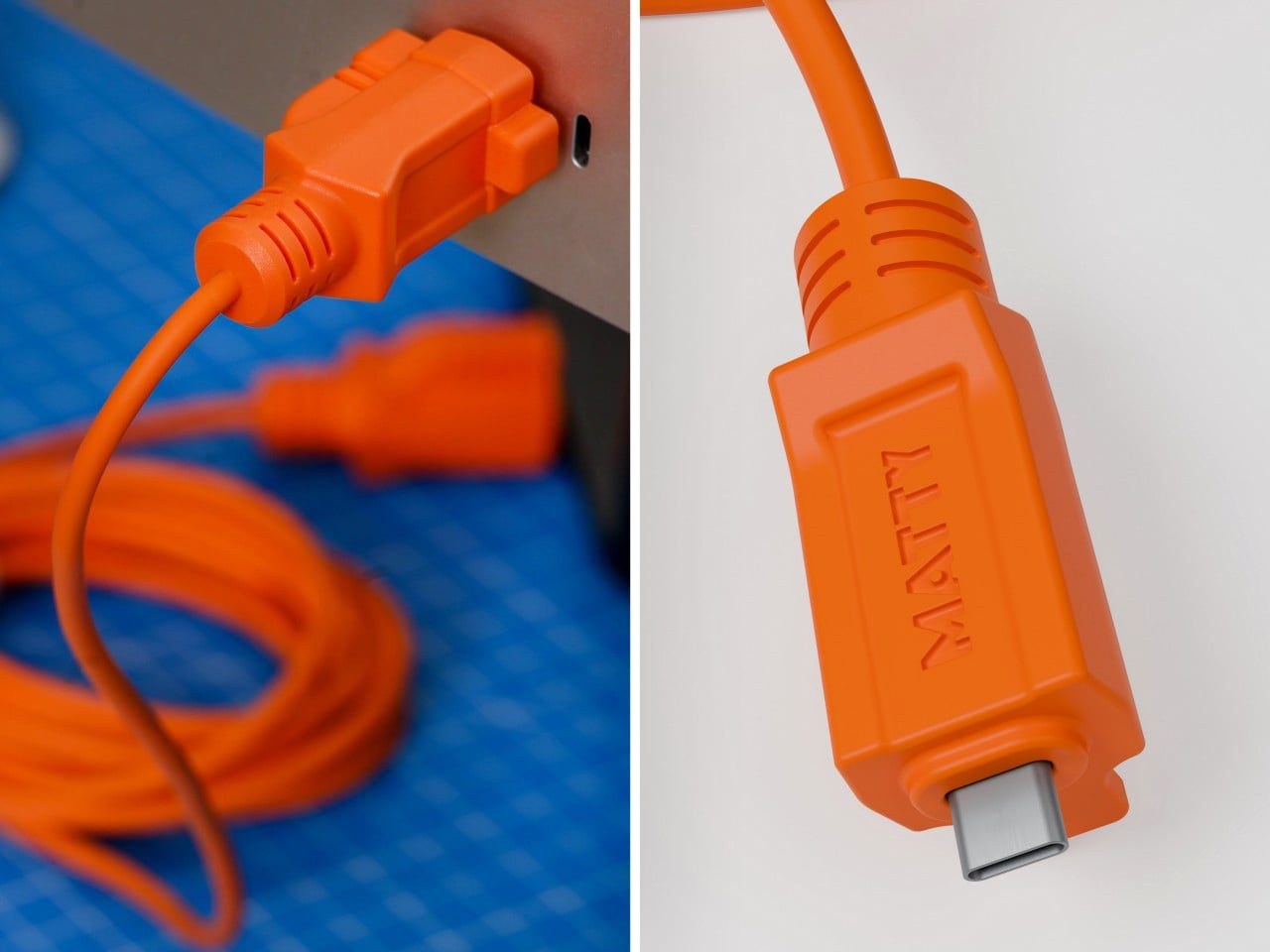
Designer Matty Benedetto has turned his viral Unnecessary Inventions gag into a real 60W USB-C cable styled like a heavy-duty construction extension cord. Available in three colors for $25, it brings industrial humor to everyday desk charging without sacrificing actual utility.

Casio is releasing a $7,000 quartz G-Shock with a platinum-treated dial and laser-carved titanium. We break down whether this 800-piece collector item makes any sense beyond flexing your bank account.
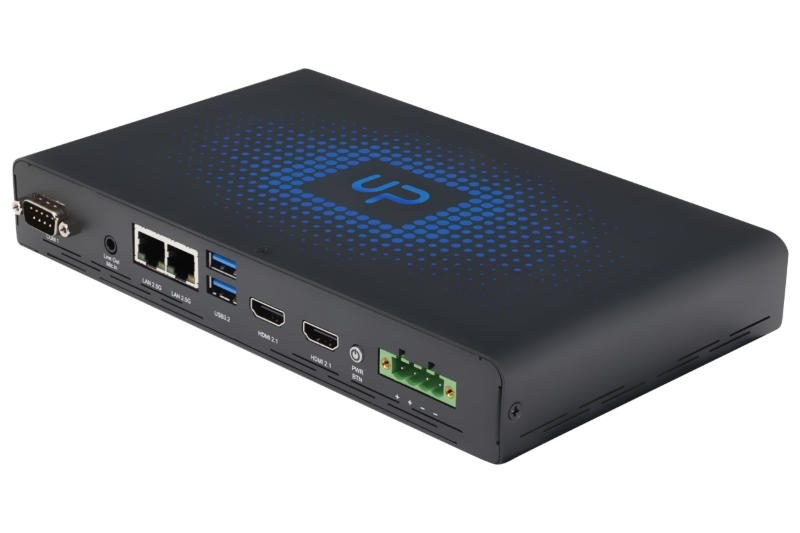
Frore Systems brings solid-state cooling to Intel Panther Lake mini-PCs, replacing fans with ultrasonic vibrations. But you are paying top dollar to beta-test unproven thermal tech.

GL.iNet has dropped a $40 travel router running OpenWrt that packs dual-core power and Gigabit ports into a 100-gram chassis. It turns sketchy hotel Wi-Fi into an encrypted personal network without breaking the bank.

Honor's new $48 hair dryer introduces a reverse-airflow self-cleaning mode that blows out accumulated dust and hair with a single button press. This simple mechanical fix tackles the premature hardware failure that kills most high-speed beauty gadgets.

Casio is shrinking its iconic A168 digital watch into a $135 ring arriving this November. It packs dual time zones, a stopwatch, and an LED backlight into a tiny metal band.
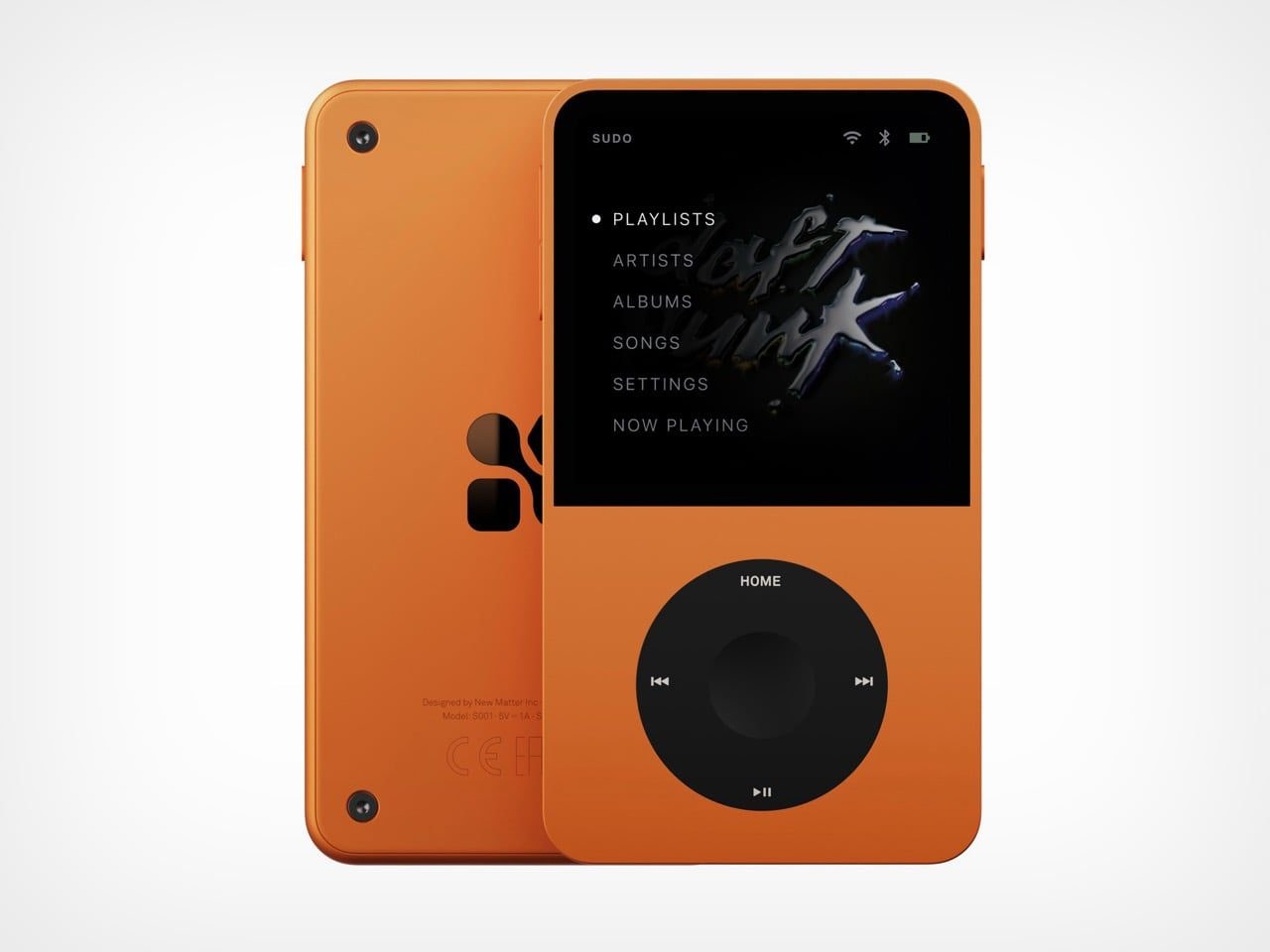
The Sudo music player features a physical scroll wheel and local file playback to escape monthly streaming fees and constant notifications. It offers a tactile hardware experience designed for users exhausted by subscription-based media.

Tractor Supply's holiday lineup features a 125cc miniature pickup that mimics classic styling while offering strictly entry-level utility. With a combined 300-pound weight limit for both seats, buyers get a backyard leisure toy rather than a working farm vehicle.
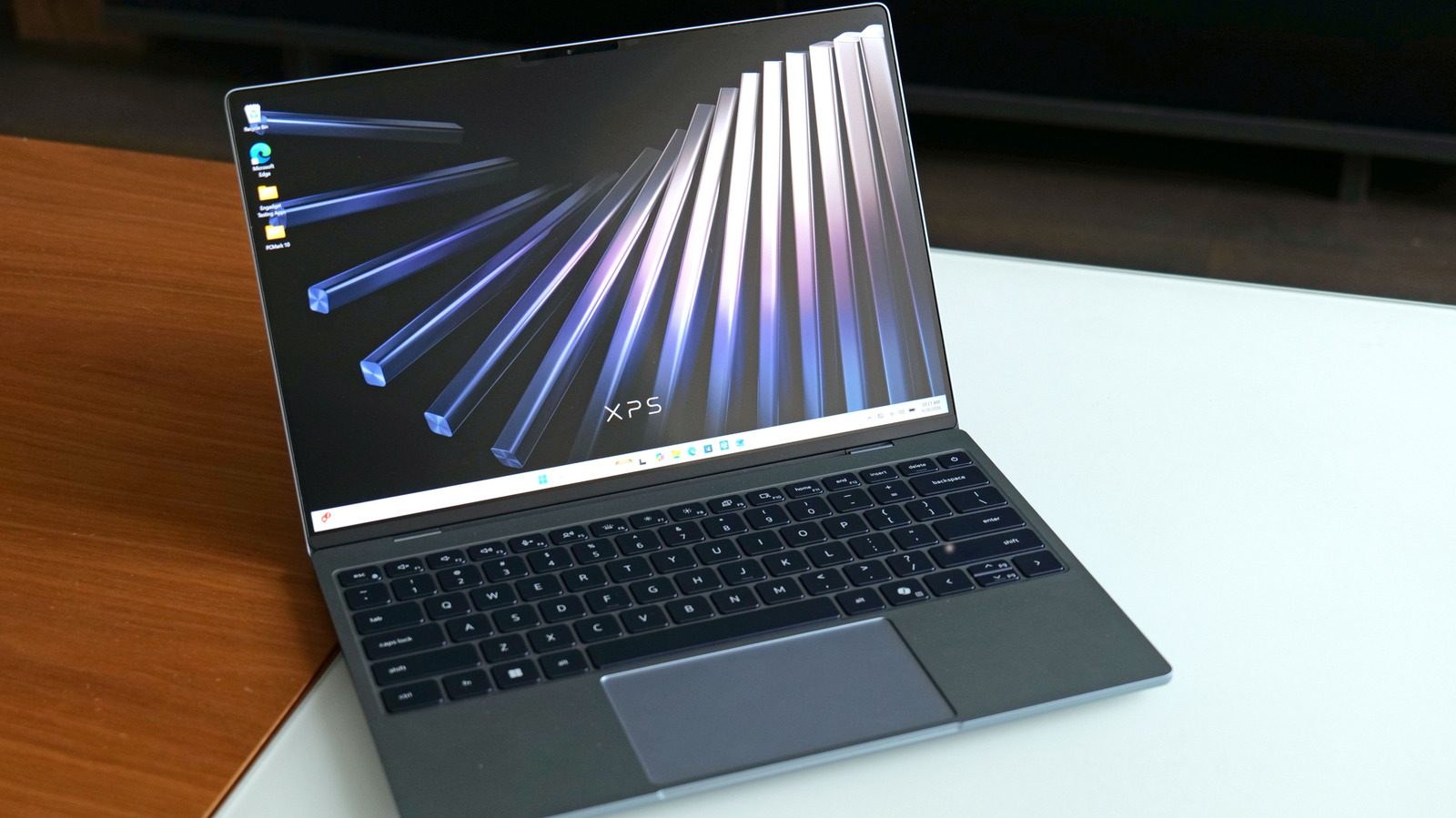
Dell dropped its flagship ultraportable to a $700 entry price, but the base configuration pairs modern hardware with just 8GB of soldered RAM. Testing proves this memory bottleneck severely cripples daily speed, multitasking, and battery life.
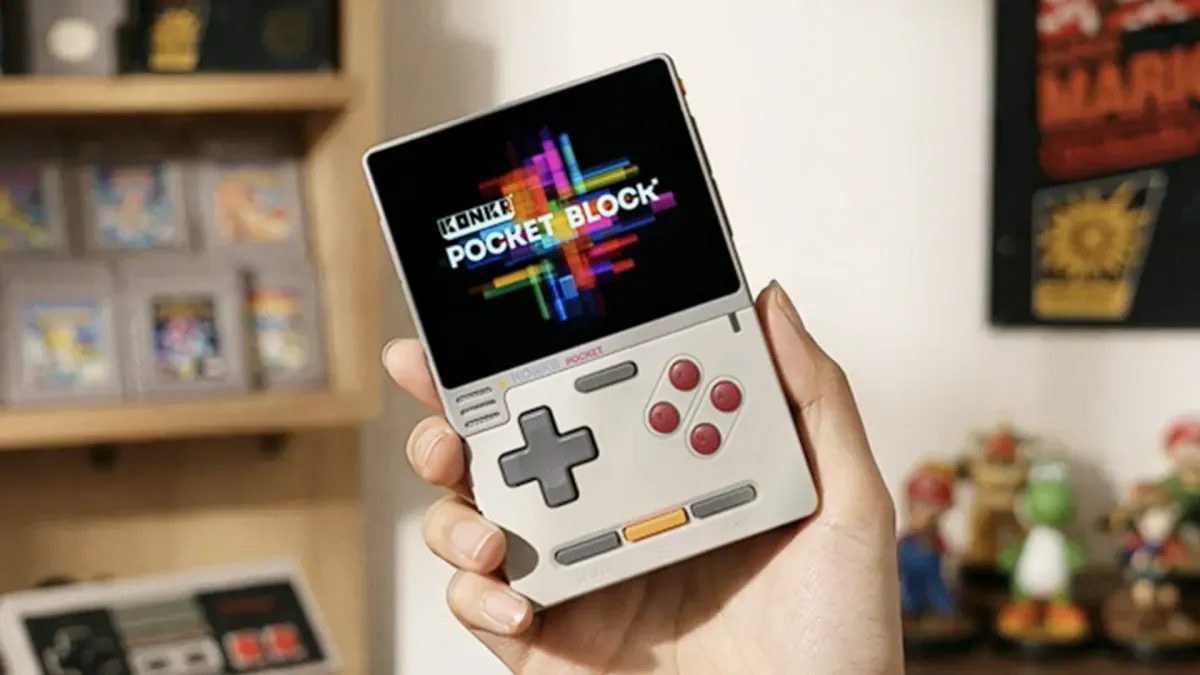
AYANEO has unveiled the KONKR Pocket Block, a 165-gram vertical handheld designed for retro gaming on the go. Priced from $79 with a 3.33-inch screen, it sacrifices raw processing power for absolute portability.
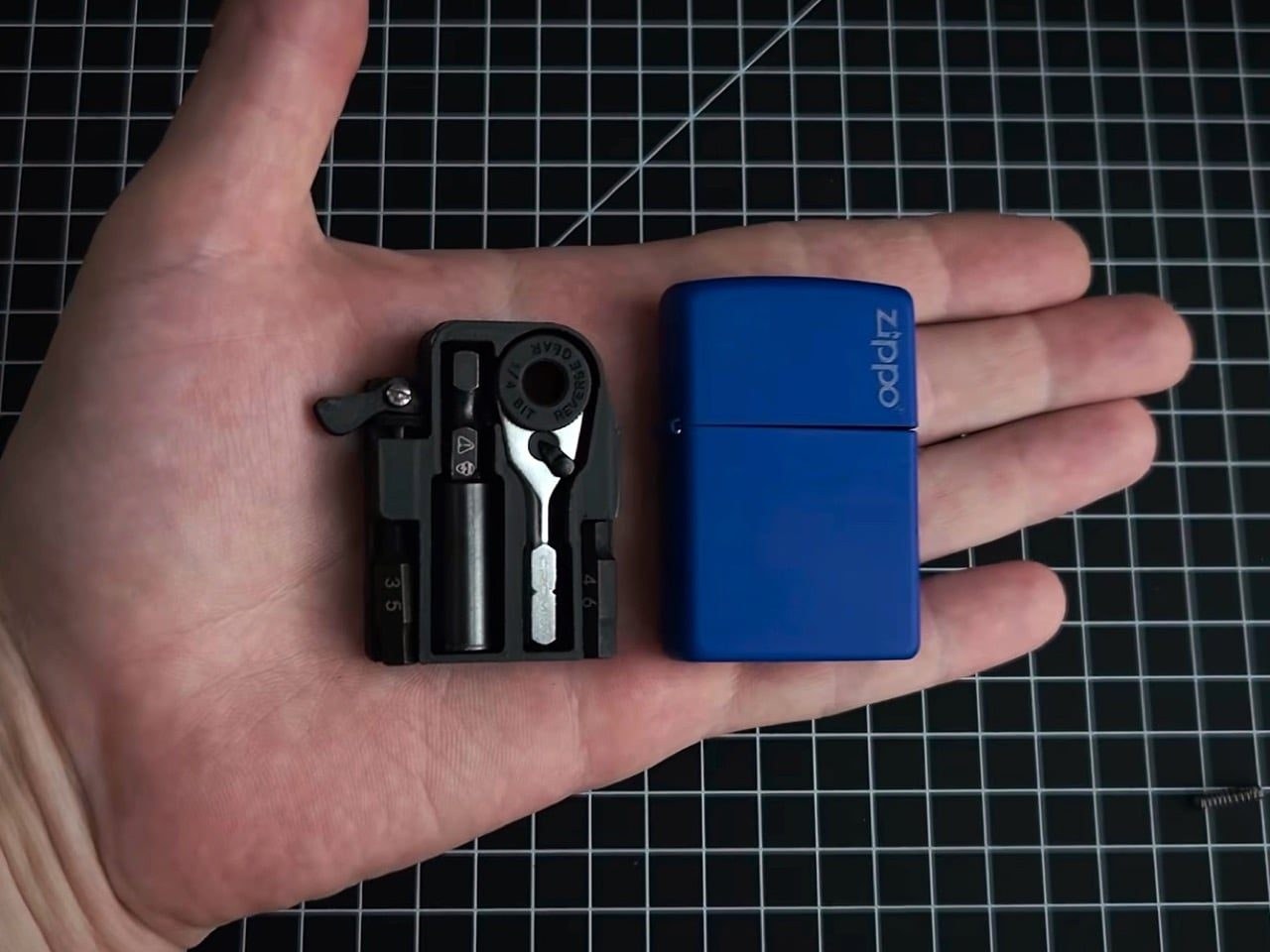
An independent maker gutted a vintage 1932 Zippo lighter and packed it with a micro ratchet, S2 steel bits, and a spring from a Bic lighter. The resulting $150 kit fits entirely in a coin pocket without weighing down your trousers.
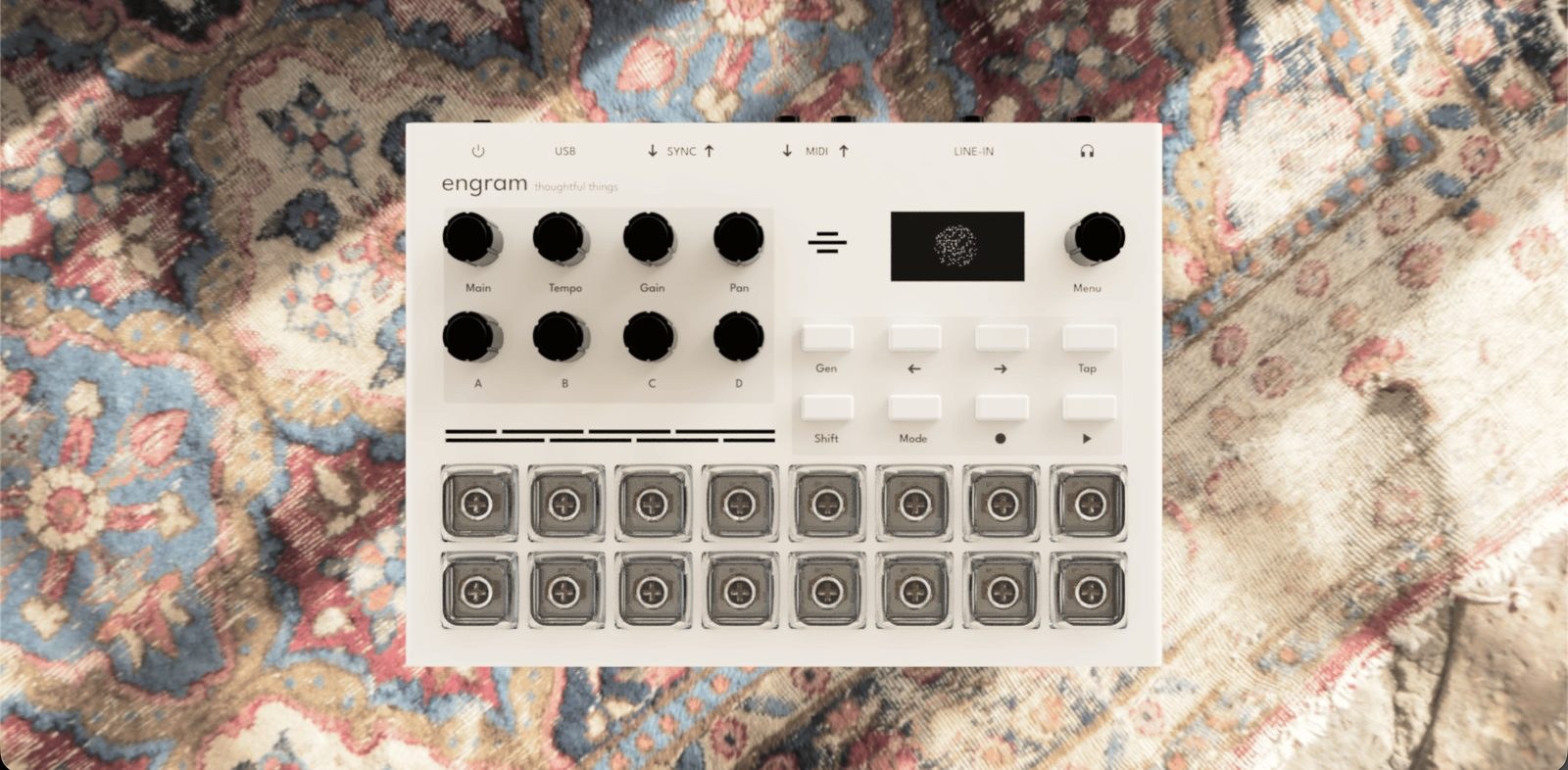
Startup Thoughtful Things has launched a Kickstarter campaign for Engram, a $675 standalone groovebox that runs a tiny custom AI locally to mangle audio. By refusing to connect to the internet, it ditches subscription fees and cloud latency for musicians seeking unpredictable hardware textures.
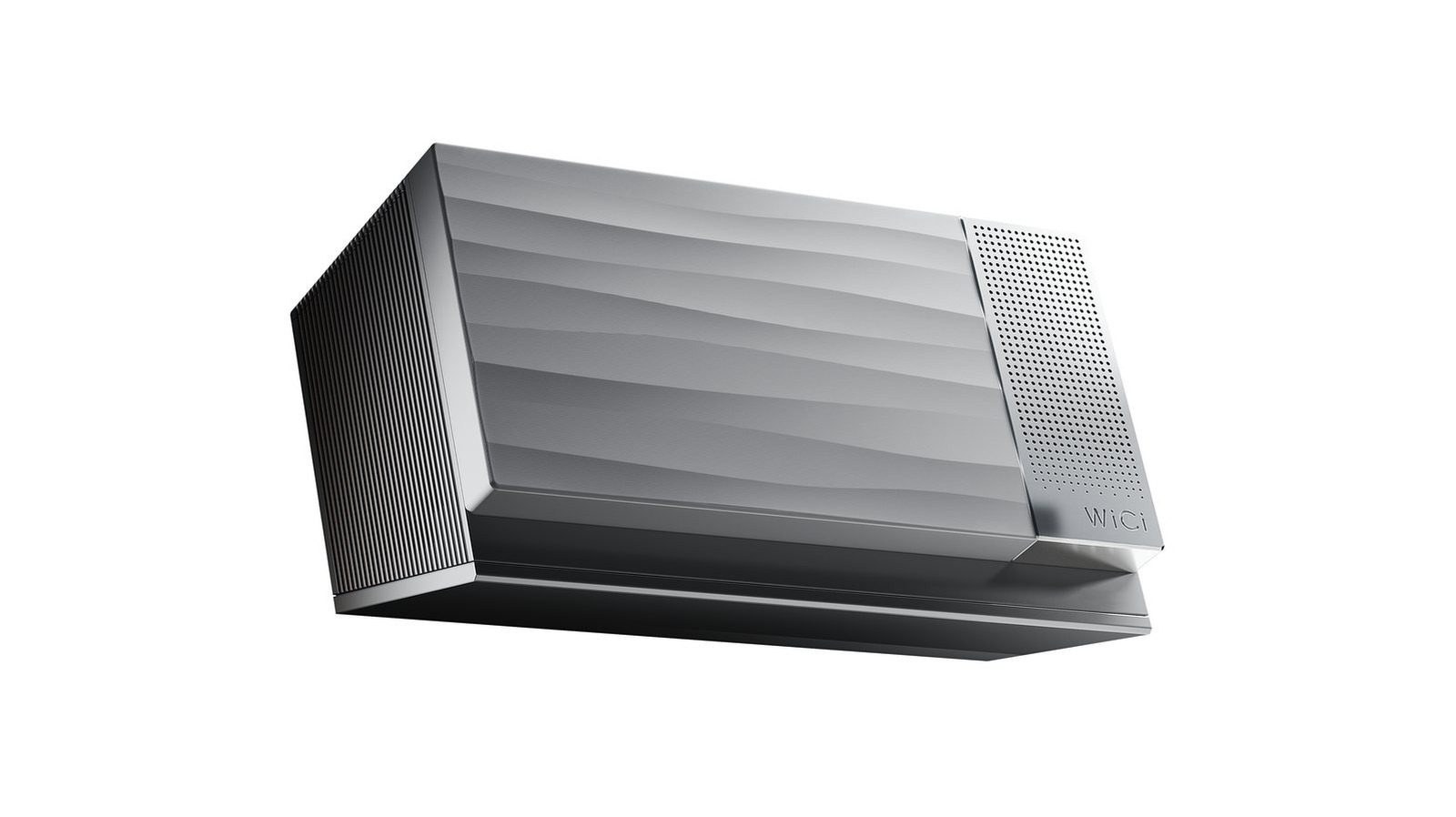
WiCi introduced an external graphics box that beams high-end gaming performance over a wireless Wi-Fi 7 connection. Preorders for the entry model start at $1,999 ahead of fourth-quarter shipments, asking buyers to pay a massive premium to cut a single cable.

Xiaomi's Pocket Guitar snaps onto the back of a flagship phone to act as a Bluetooth rhythm controller. We look at whether this 90-dollar plastic accessory is worth your cash.
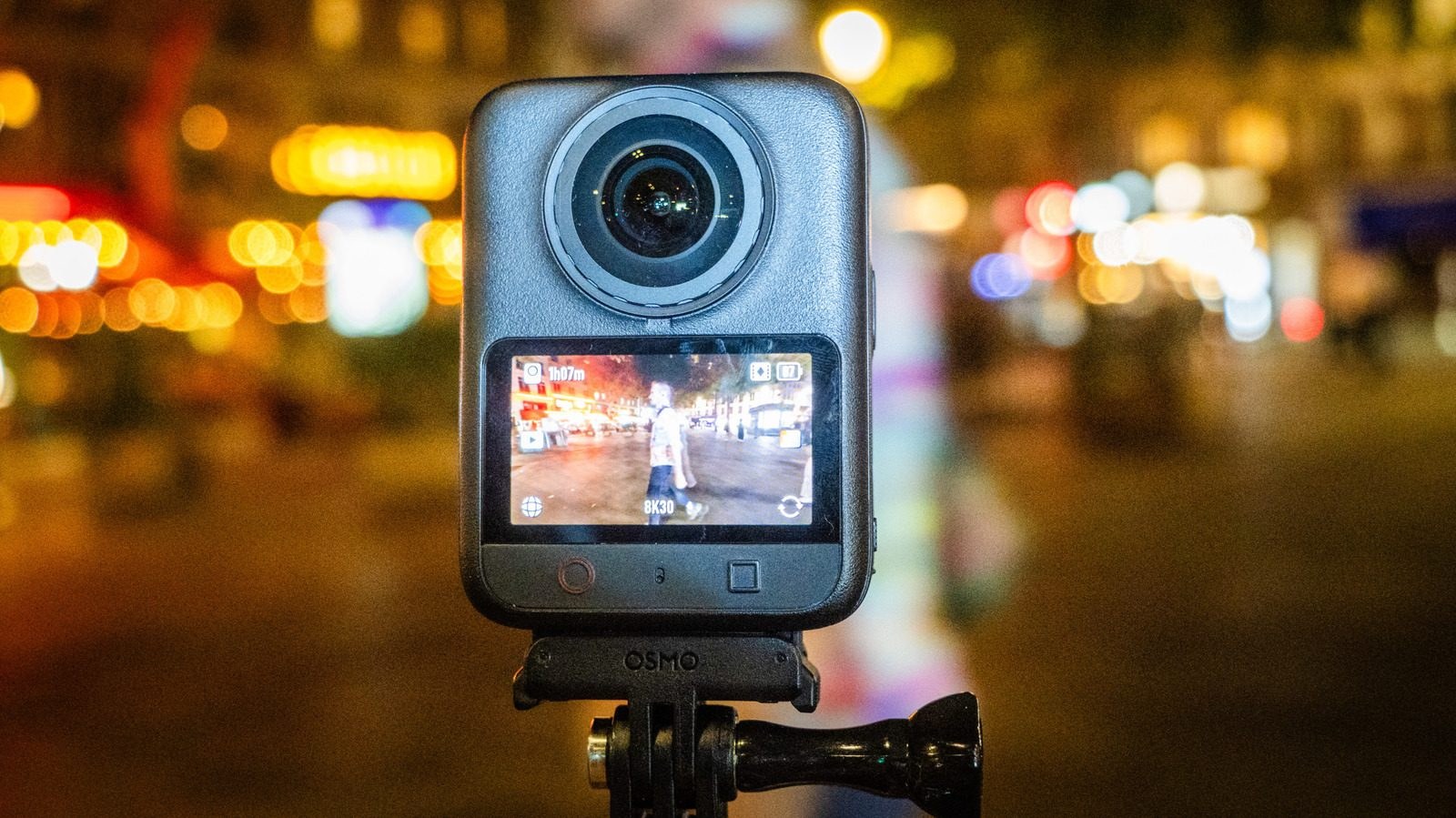
DJI's Osmo 360 II solves the perennial action camera nightmare of scratched lenses by letting you replace broken glass on your workbench in under five minutes. Alongside 8K recording and 105GB of built-in storage, it undercuts rival pricing at €589, though US creators are locked out of the launch.
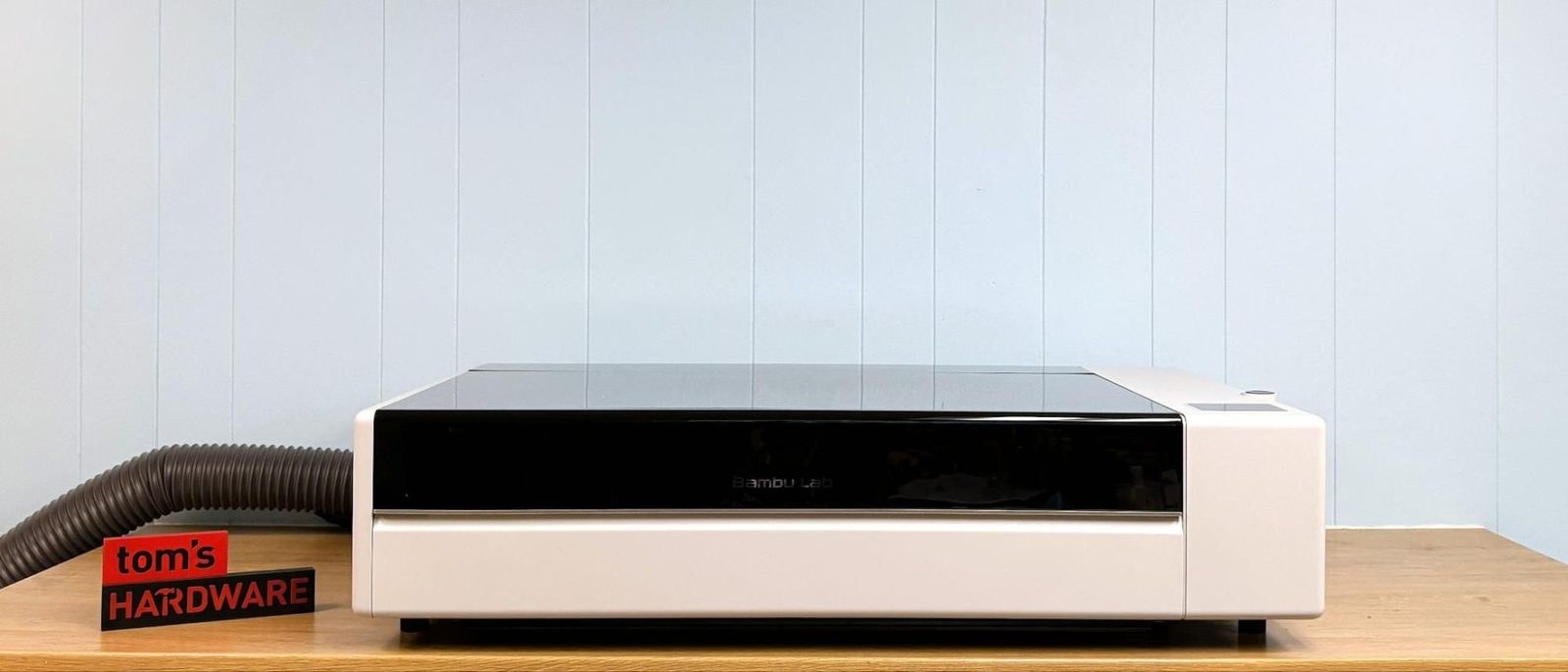
The $2,499 Bambu Lab R1 brings a 55W CO2 laser, overhead alignment camera, and 70-pound steel chassis to small-shop owners. While it slices cleanly through wood and acrylic, tedious lens swaps and loud cooling fans complicate daily work.

Beats introduces its first sweat-resistant over-ear headphones featuring a lightweight 260g build and modular $49.99 replacement cushions. The design tackles gym stability and hygiene issues that usually ruin bulky audio gear during heavy training.
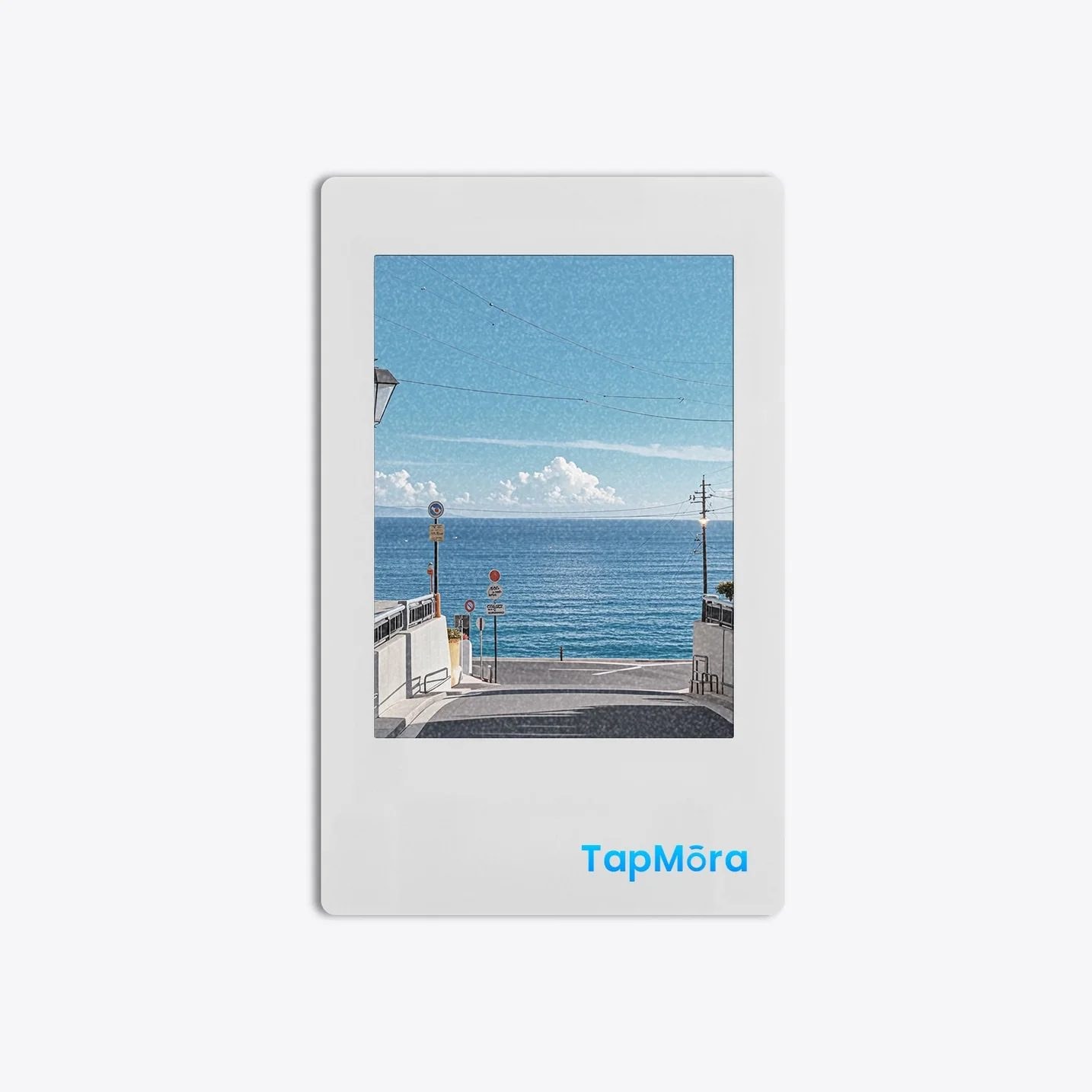
Tapmora has introduced a $45 pocket-sized E Ink photo frame for your fridge that runs entirely without batteries, cables, or Wi-Fi. By harvesting energy directly from your smartphone's NFC chip during a quick tap, it delivers a glare-free paper-like display.
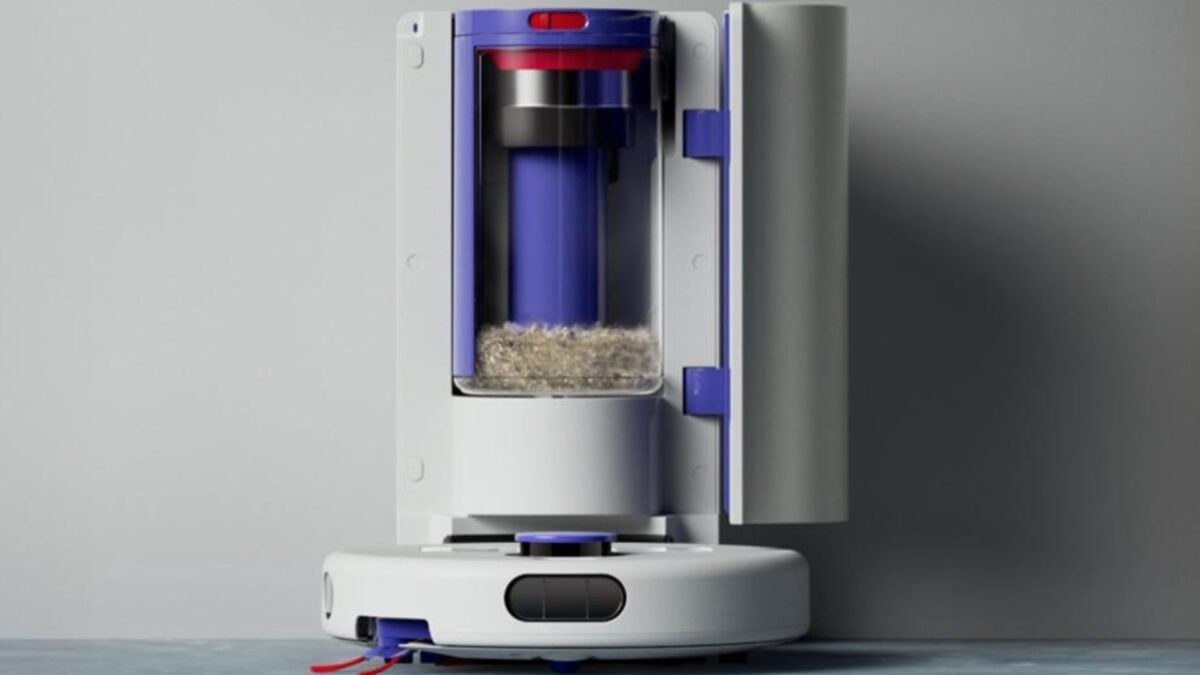
Dyson dropped its new R1 Nurovi Dry robot vacuum for $550, skipping the water tanks and motorized mop pads that usually inflate modern floor bots past $2,000. For anyone tired of maintaining damp cloths and paying for features they never switch on, the base model offers high suction power without the markup.
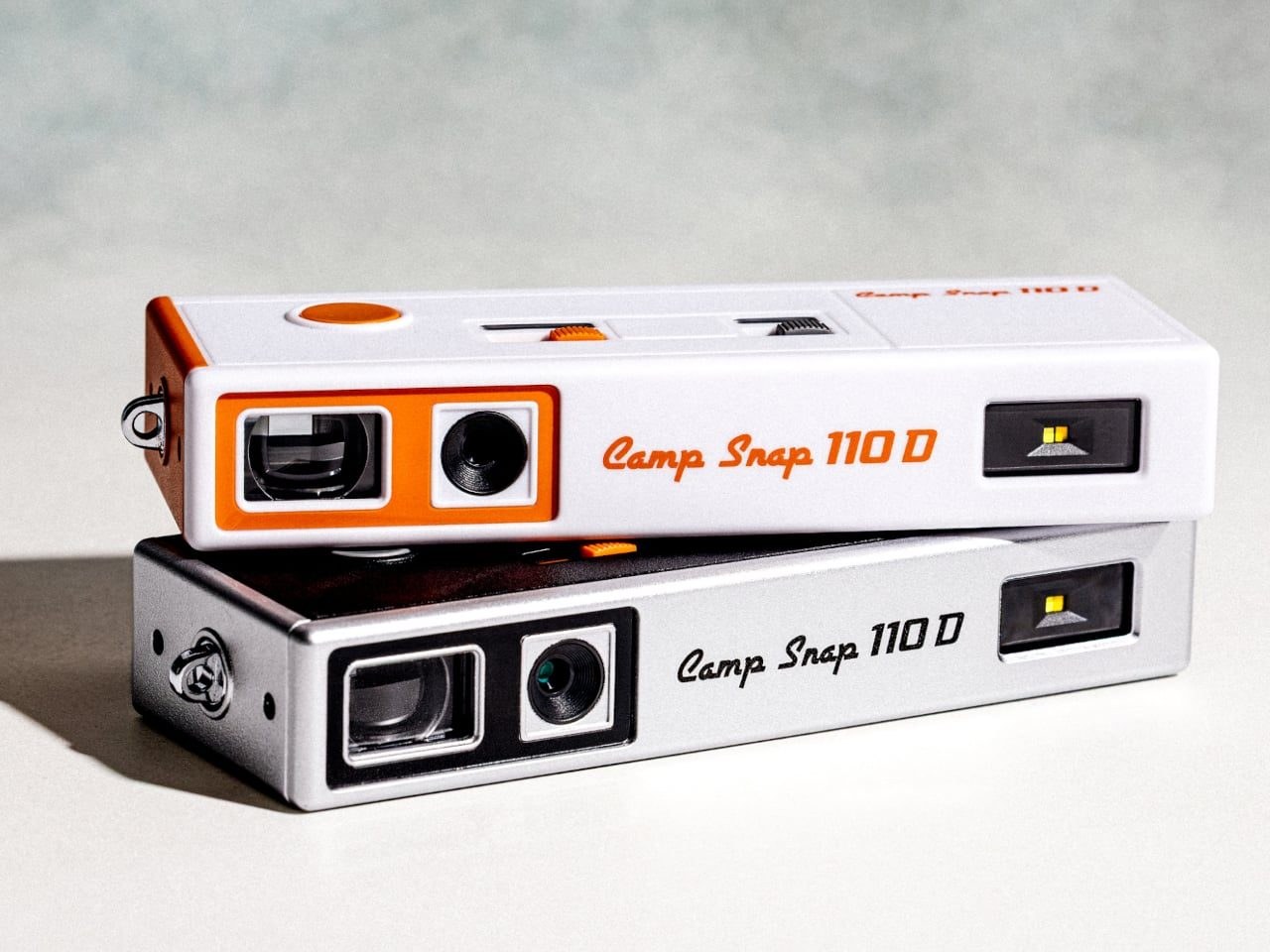
The $75 Camp Snap 110D ditches the review screen entirely, forcing you to shoot blind and wait until you plug it in to see your photos. Built like a 1970s film camera with an 8-megapixel sensor, it trades modern digital perfection for genuine peace of mind.
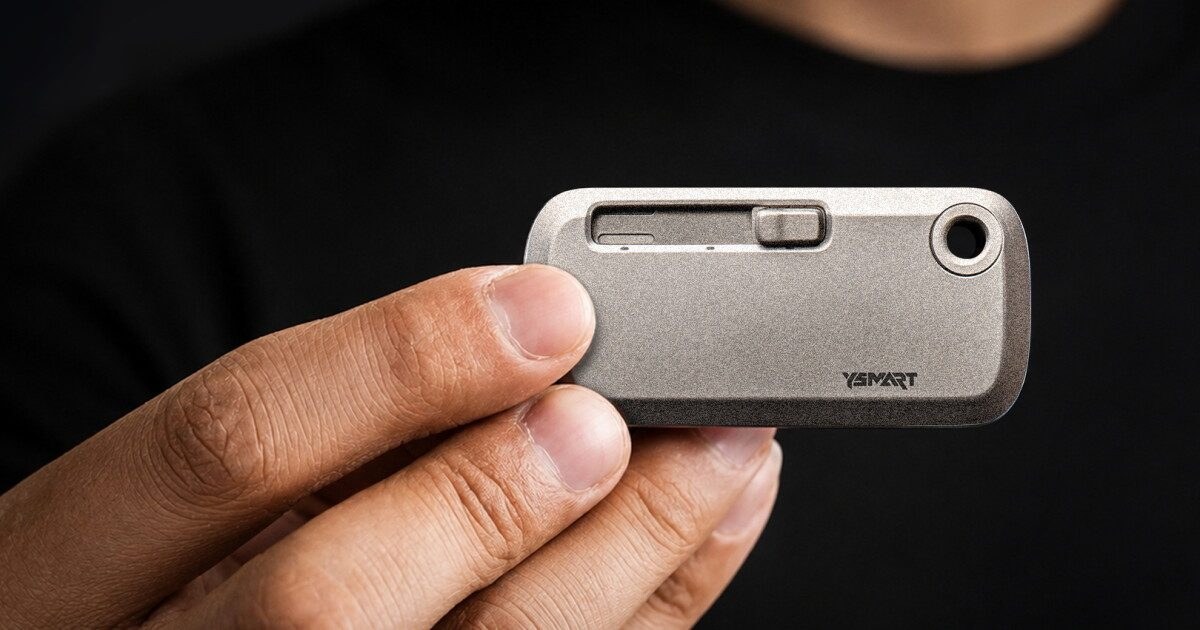
British studio Ysmart London has launched a Kickstarter campaign for the Toolt, a 70mm key fob featuring three dozen sliding tools and a replaceable Stanley blade. Costing up to £149 at retail and shipping in January 2027, the gadget trades practical leverage for cramped novelty.
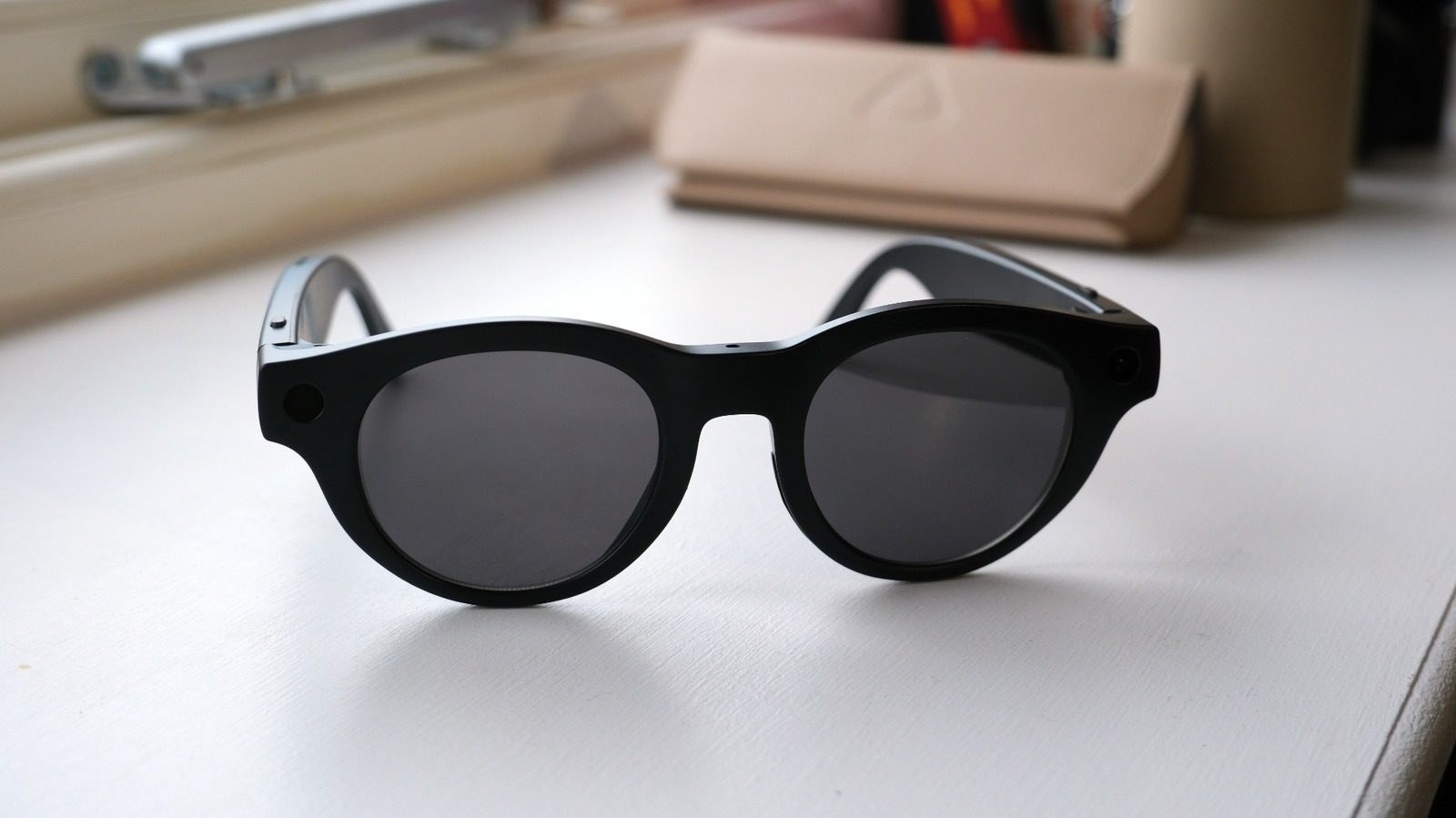
HTC has brought its Vive Eagle smart frames to Western markets for $499, packing open-ear audio, a 235mAh battery, and a Snapdragon processor into a 49-gram package. Despite physical controls and a lightweight build, the glasses struggle with tinny music playback and barely last three hours on phone calls, making them a hard sell against your smartphone.
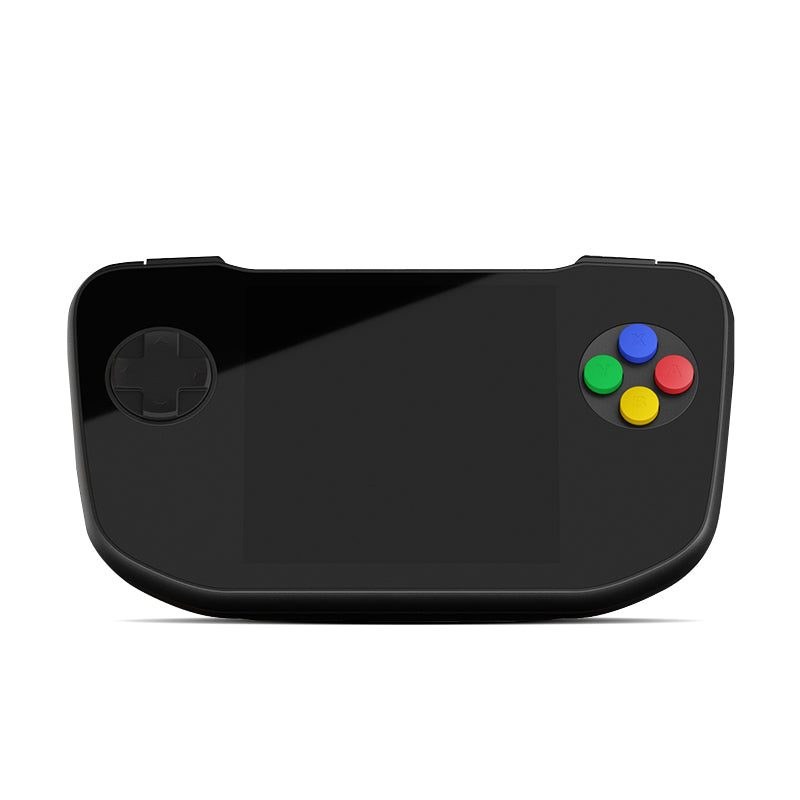
The new GAMEMT MTX lets players insert actual Game Boy Advance cartridges without paying over $200 for boutique hardware. Costing just $79.99 during its initial launch, it pairs physical cartridge slots with a 4-inch screen and standard digital emulation.

ANBERNIC is dropping a $37.99 retro handheld that beats the usual garbage flooding the budget market. It gives you a solid 3.5-inch screen and real buttons without asking you to remortgage your house.
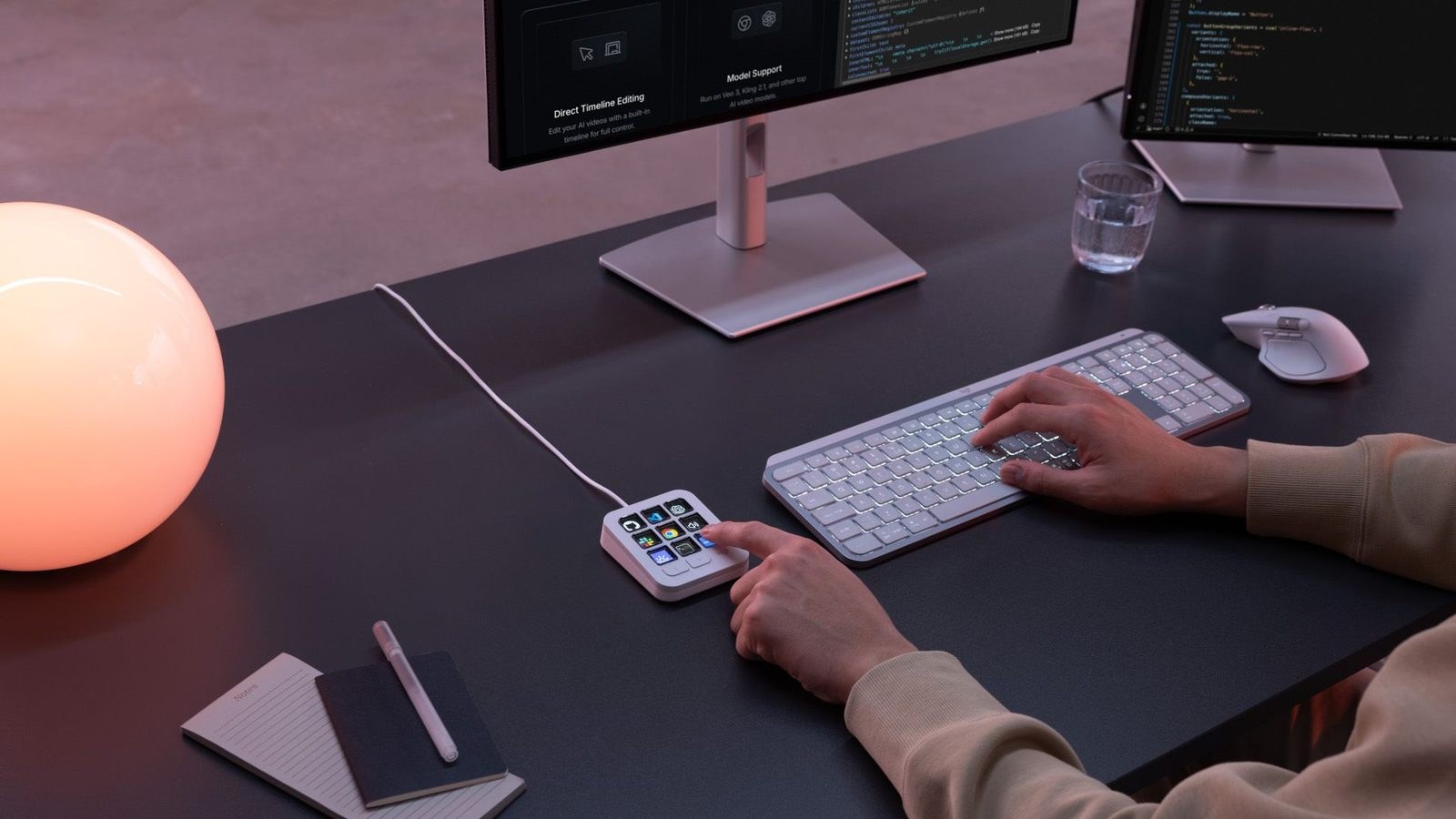
Logitech released the MX Keypad for $99, packing nine customizable color LCD keys into a 96-gram desktop console. Built alongside GitHub, the device aims to speed up AI coding commands, though buyers must decide if a dedicated plastic pad beats standard keyboard shortcuts.

A new crowdfunded smart mattress brings independent zone adjustments and motorized posture correction to the bedroom for 1300 dollars. But paying for built-in climate control and moving parts makes little sense compared to a standard orthopedic base.
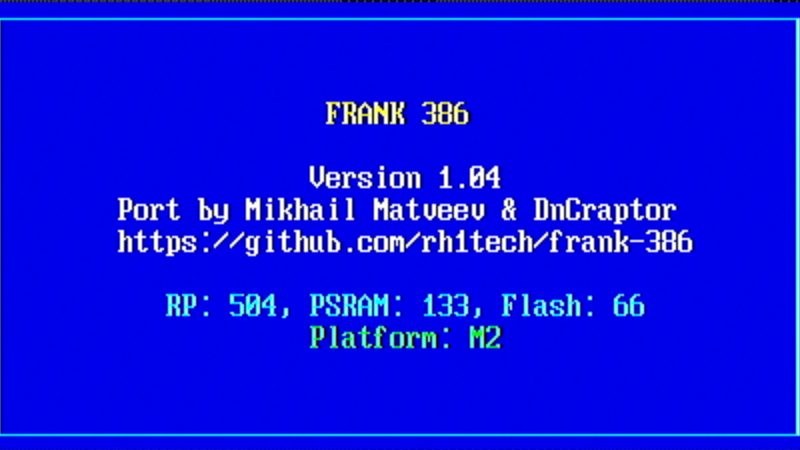
A tiny five-dollar microcontroller can now run a stripped-down Linux kernel and recreate a classic 386 PC. This inventive setup lets you ditch overpriced vintage hardware on eBay to run old-school DOS, Windows 3.1, or lightweight Linux right in your palm.
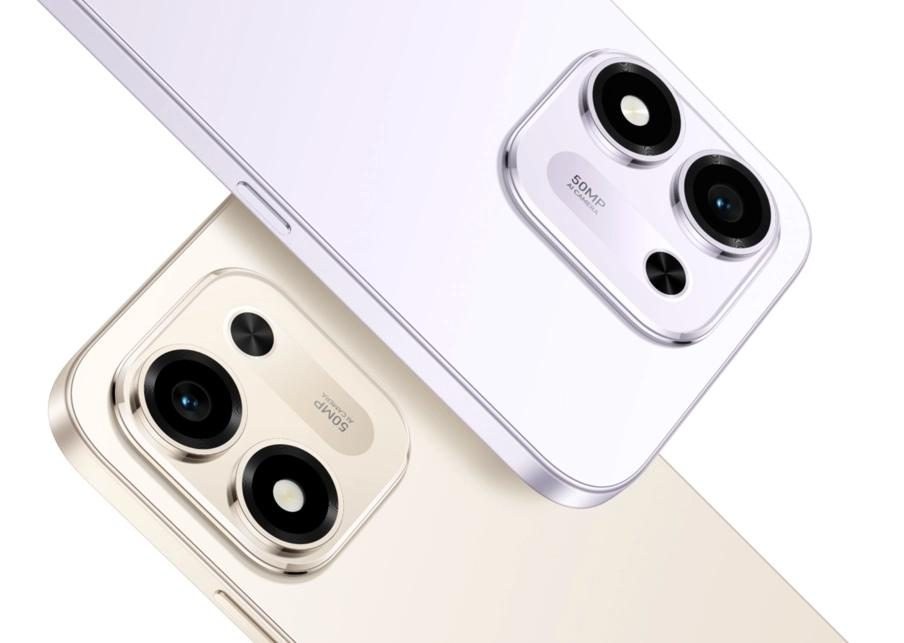
Honor launched the Play 11 with a massive 8300 mAh battery and industrial-grade water protection in a slim body. It costs from $210, but you will have to put up with a noticeably grainy low-resolution screen.

Huawei's new 509-gram tablet delivers flagship hardware and a stunning display, but relies on a restricted operating system that struggles to replace a traditional office machine. European buyers face a steep €799 entry price for the base configuration.
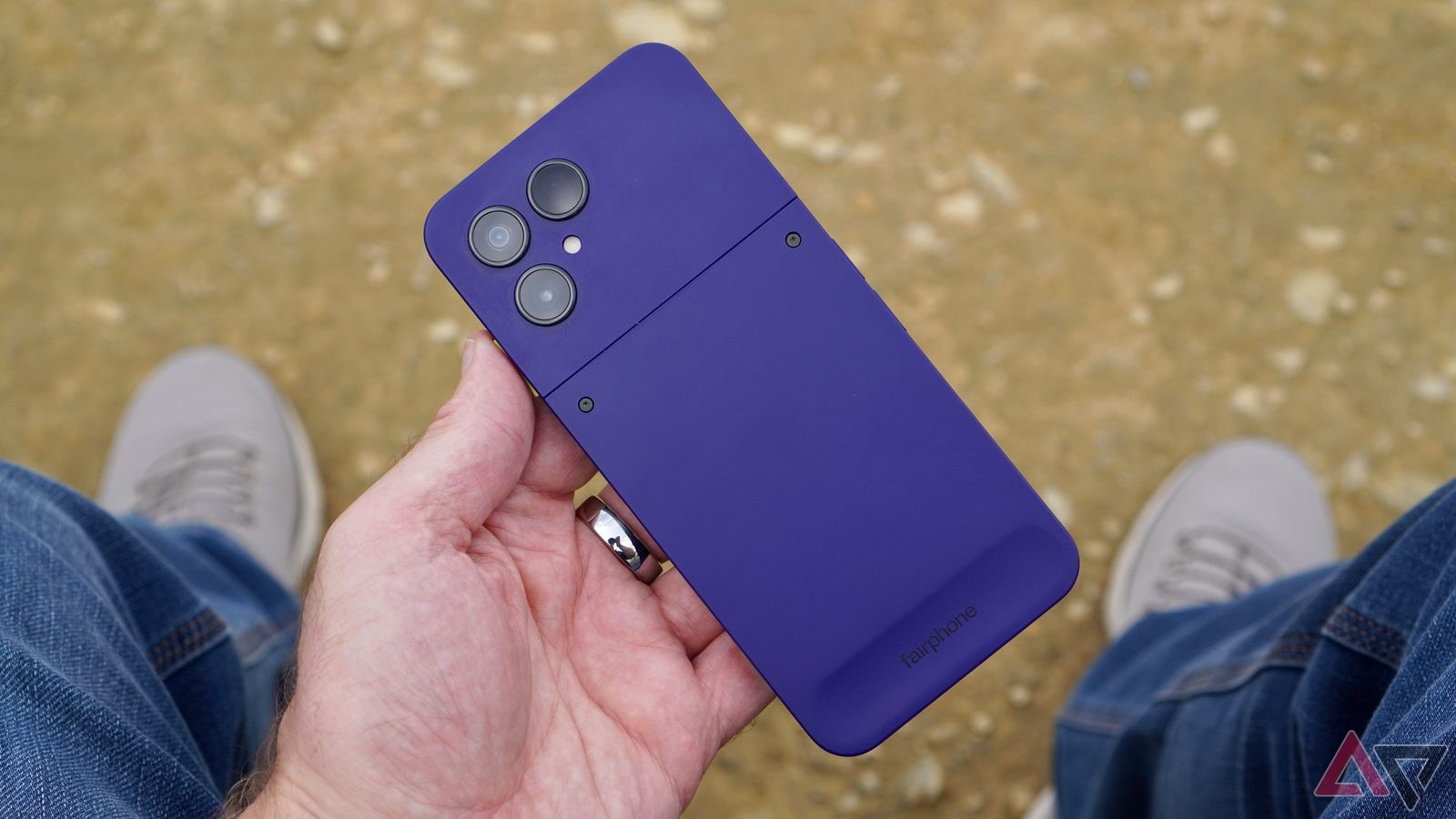
Fairphone's latest modular smartphone lets you swap parts with a screwdriver, but living with it means dealing with a thick plastic body, poor water resistance and a sluggish camera shutter. The $650 device promises seven years of life, yet demands immediate sacrifices in everyday handling.
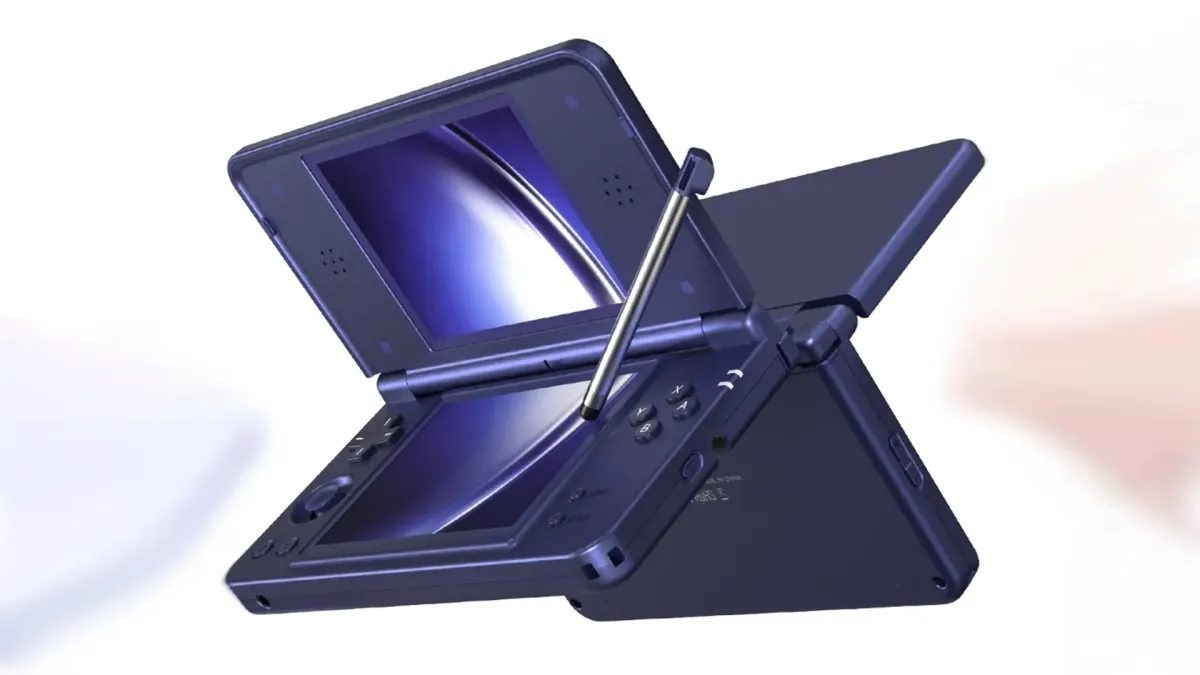
ANBERNIC is bringing back the dual-screen handheld format with the RG DS Plus, priced at $84.99 for early birds and $94.99 at full retail. Launching on September 15 in three colorways, the budget console lets players experience classic two-screen games without paying enthusiast-tier prices.

Xiaomi launched a $890 kitchen hood equipped with a 3-megapixel camera and computer vision to automatically adjust airflow. We break down whether this AI upgrade makes sense or is just an expensive marketing trick.
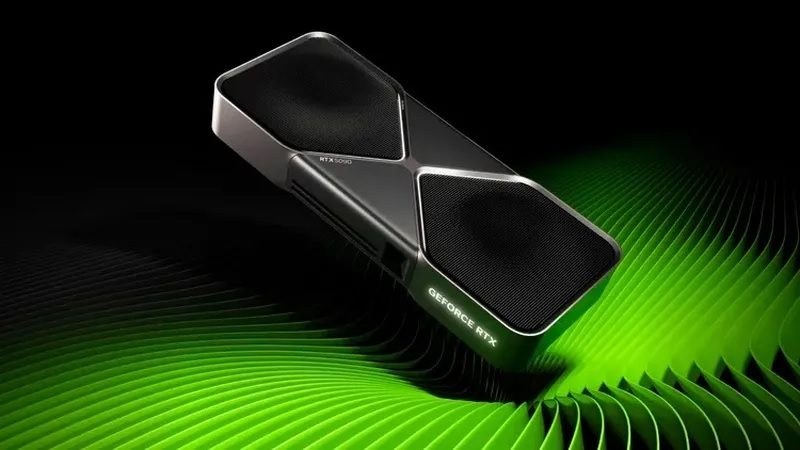
Chinese workshops are hand-soldering custom GeForce RTX 5090 graphics cards with triple the memory for under $4000. For everyday gamers and PC buyers, this garage engineering is an expensive minefield that voids warranties and courts instability.

Today's folding smartphones pack multi-gear hinges and flexible glass into slim pockets, but accidental drops risk damage that rivals the price of a brand-new flagship device. Buyers trade everyday durability for cutting-edge hardware that still demands exceptionally careful handling.
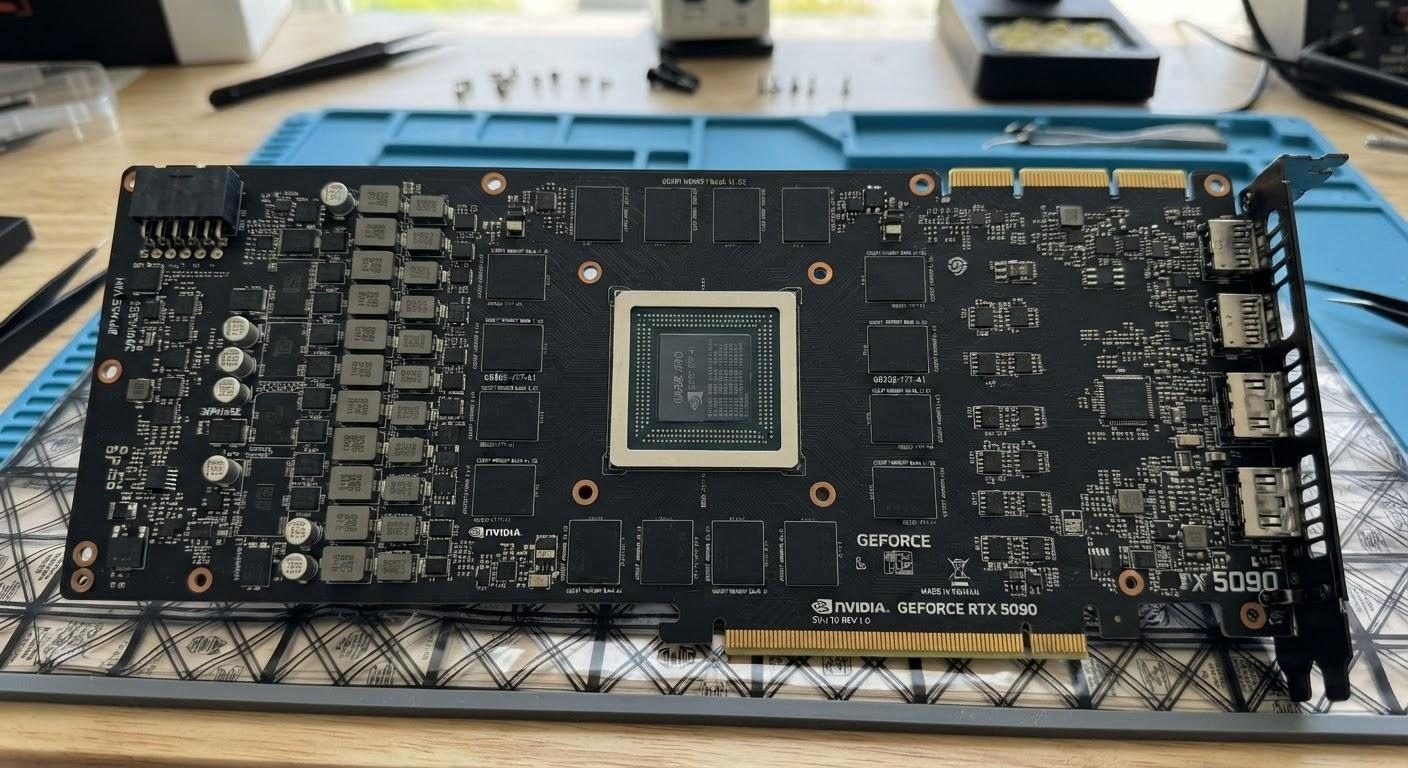
Scammers are selling hollowed-out GeForce RTX 5090 graphics cards on the secondhand market with the GPU dies and GDDR7 memory modules desoldered. The coolers, serial stickers, and factory seals remain intact, making the fraud invisible without a live test bench.

IT Store is crowdfunding the DV42 on Makuake for $55, packaging a tiny novelty camera inside a miniature audio cassette shell. Despite 48-megapixel marketing claims, the built-in non-replaceable battery and cheap sensor mean you are paying for desk decor rather than real photography.

Hardware enthusiasts are testing secondary graphics cards to offload AI frame generation and boost game smoothness on older hardware. While the setup relieves the primary GPU, severe driver limitations and massive power requirements wipe out the cost benefits for regular users.

AMD launched two budget processors priced at $99 and $189 to help PC builders avoid steep memory costs. The chips offer practical escape routes for assembling a capable gaming system without overspending on modern platforms.
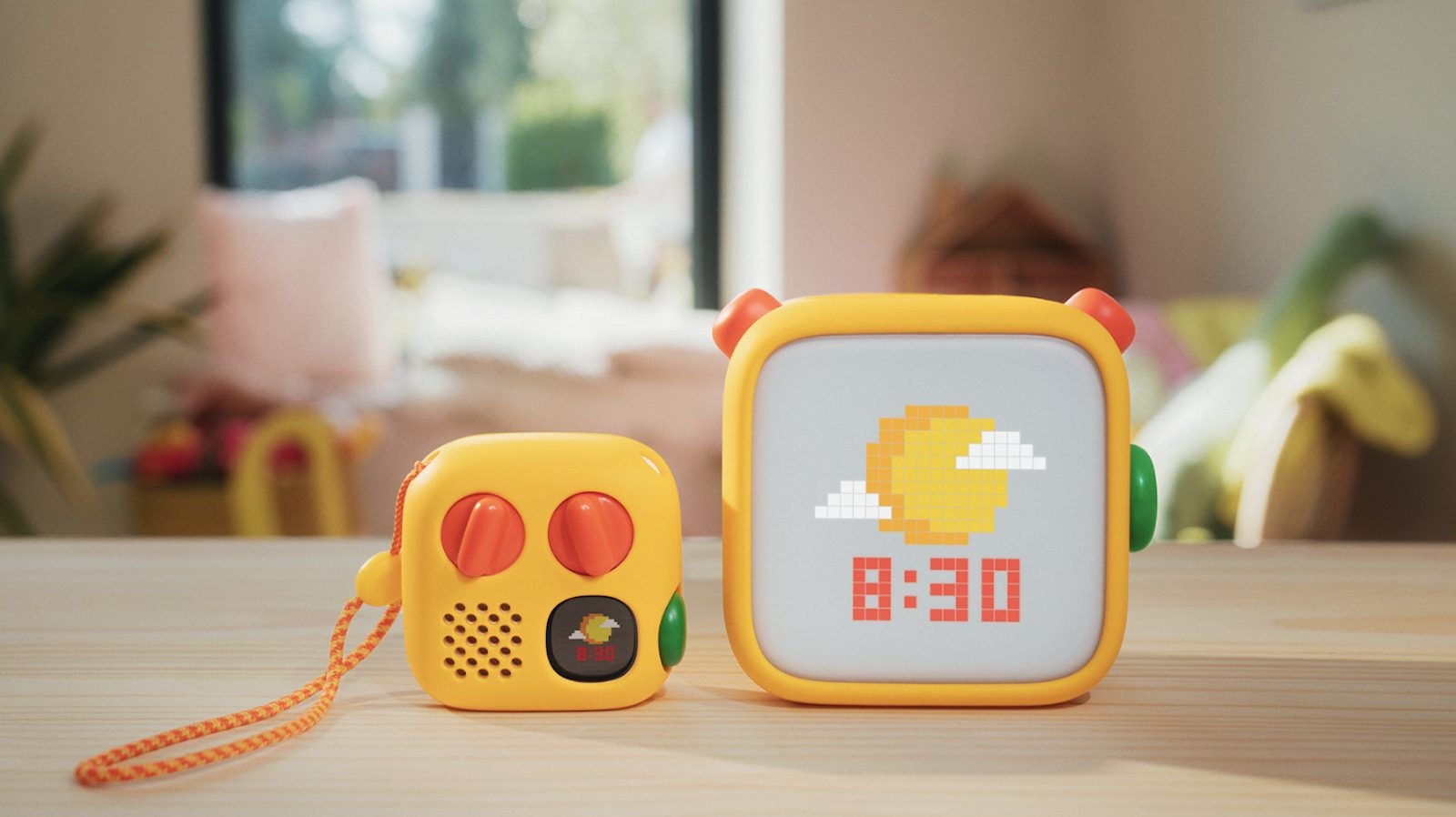
Yoto has revealed its fourth-generation screen-free audio players, adding a physical green preset dial to bypass phones entirely. The new Yoto Player costs $150 and ships October 15, while the rugged Yoto Mini rises to $110 ahead of its September 30 release.
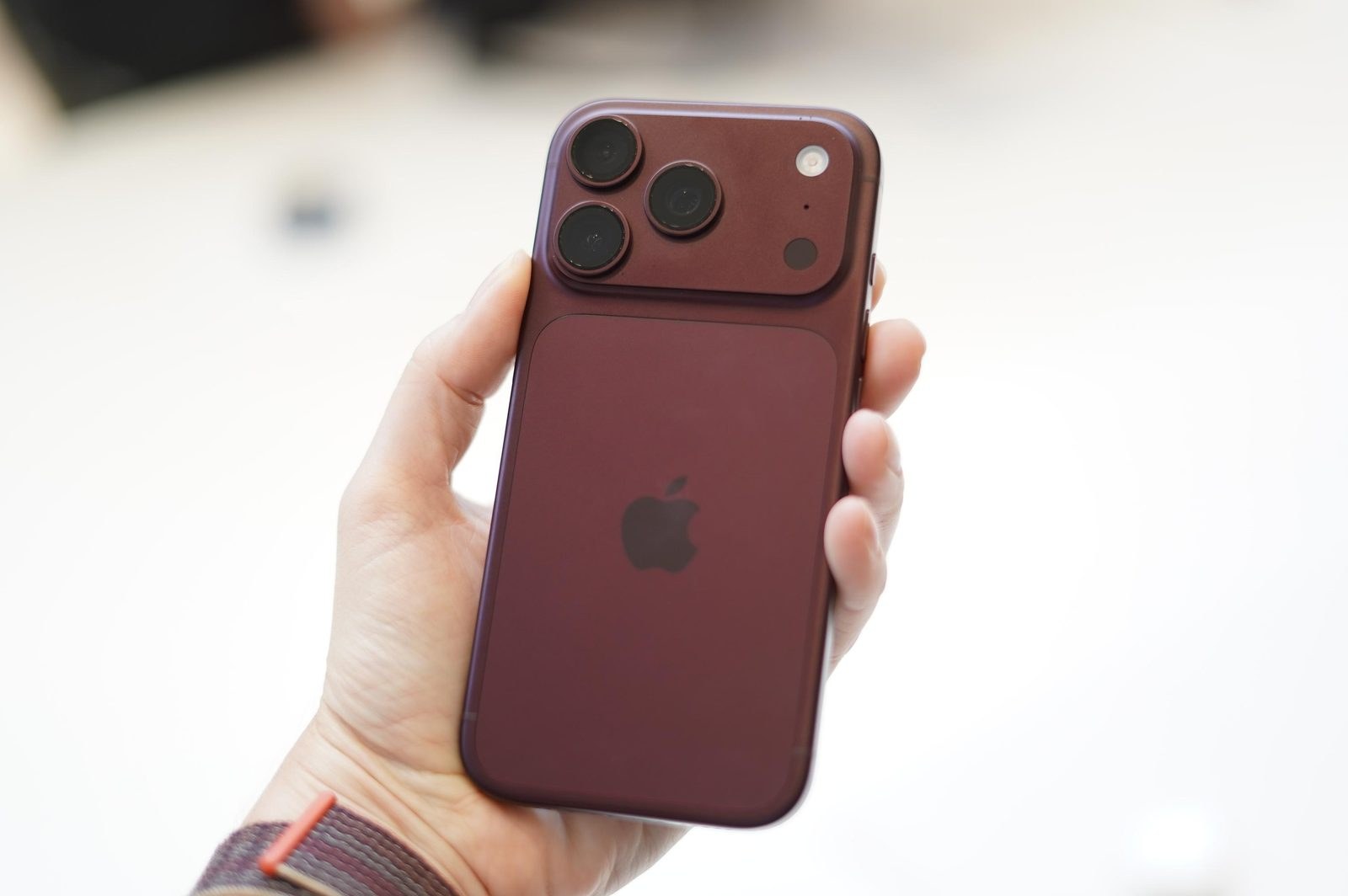
Apple's iPhone 18 Pro arrives on September 18 starting at $1,199 with manual aperture controls and a slightly smaller Dynamic Island. For anyone using a recent phone, the aluminum chassis and everyday experience remain completely unchanged.
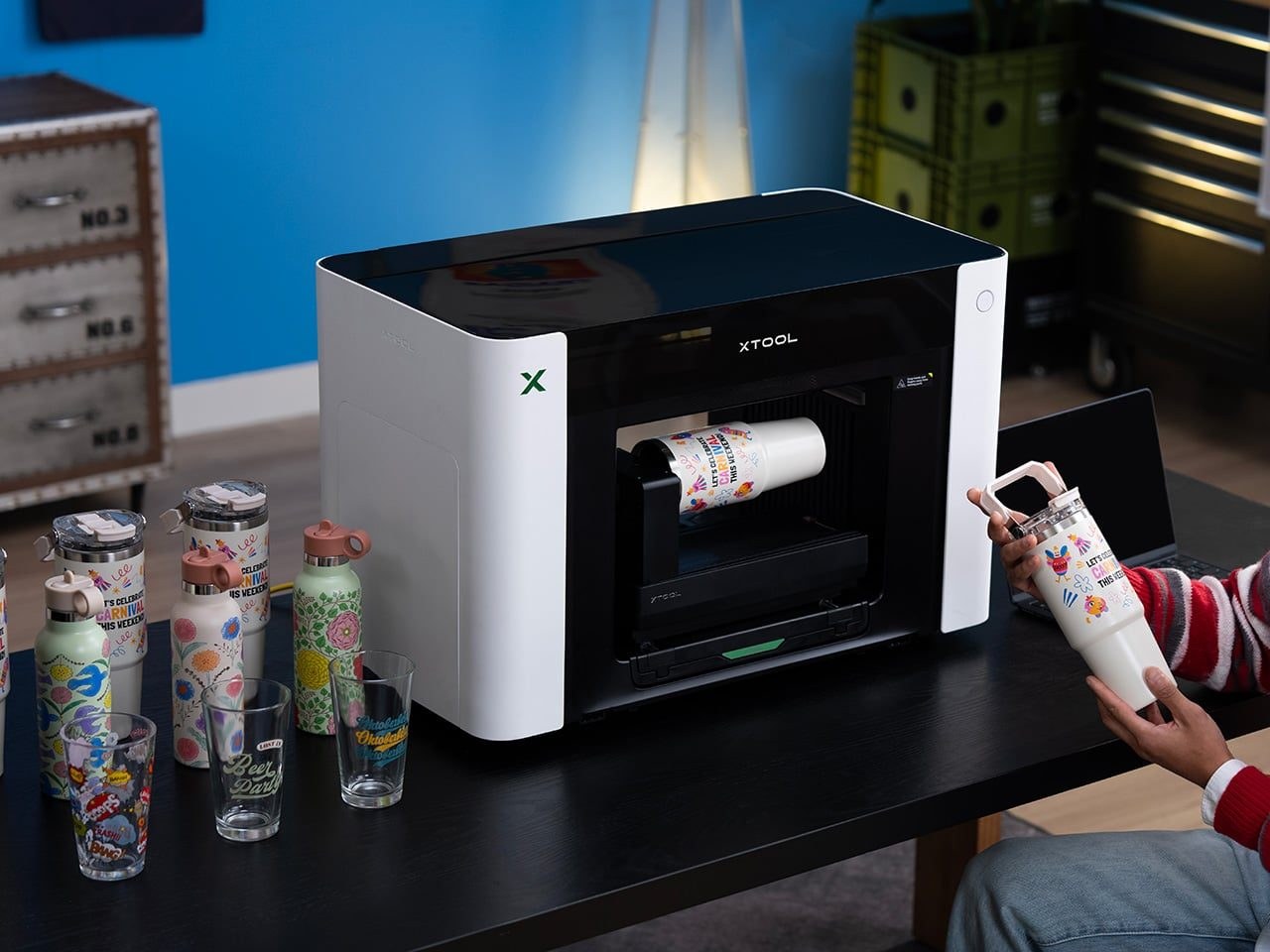
The new $1,899 to $2,999 xTool O1 Omni merges UV, DTG, DTF, and UV DTF printing into a single modular desktop machine, raising $20 million on its first day. It lets creators skip buying separate industrial flatbeds and textile plotters, though relying on one set of rails means sharing maintenance risks.
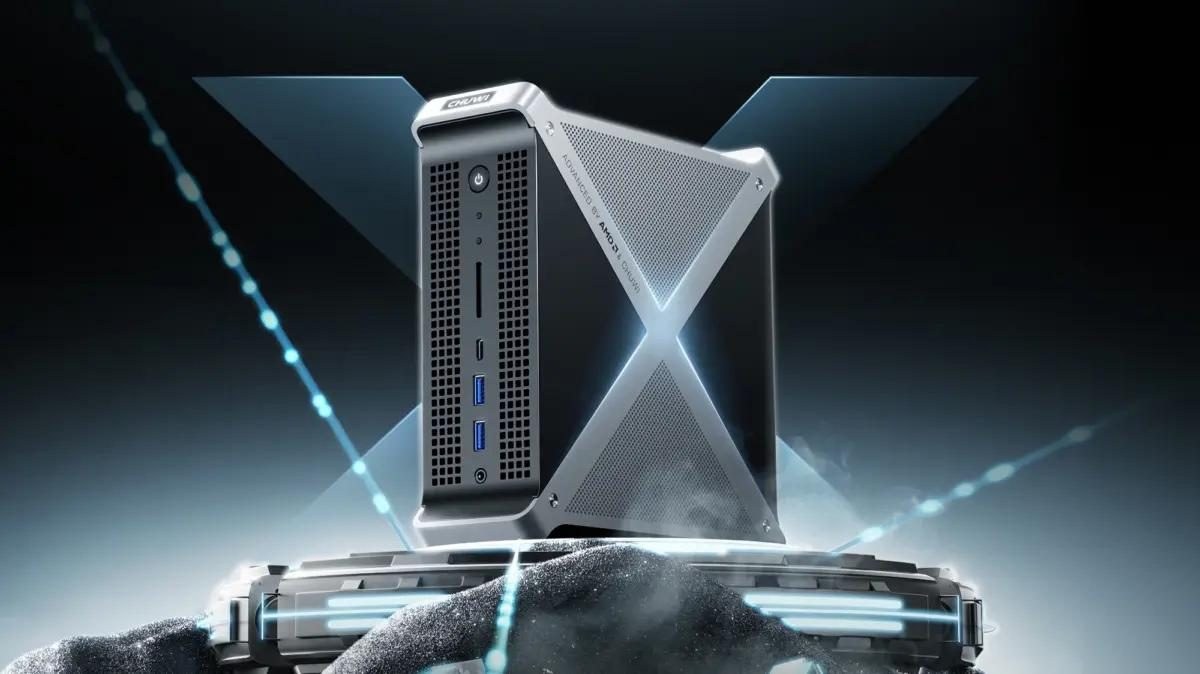
Chuwi has unveiled a three-liter mini PC powered by AMD's Ryzen AI MAX+ Pro chip and up to 192 GB of unified memory. The compact desktop can allocate 160 GB of VRAM to run heavy local AI models, replacing noisy full-tower rigs.
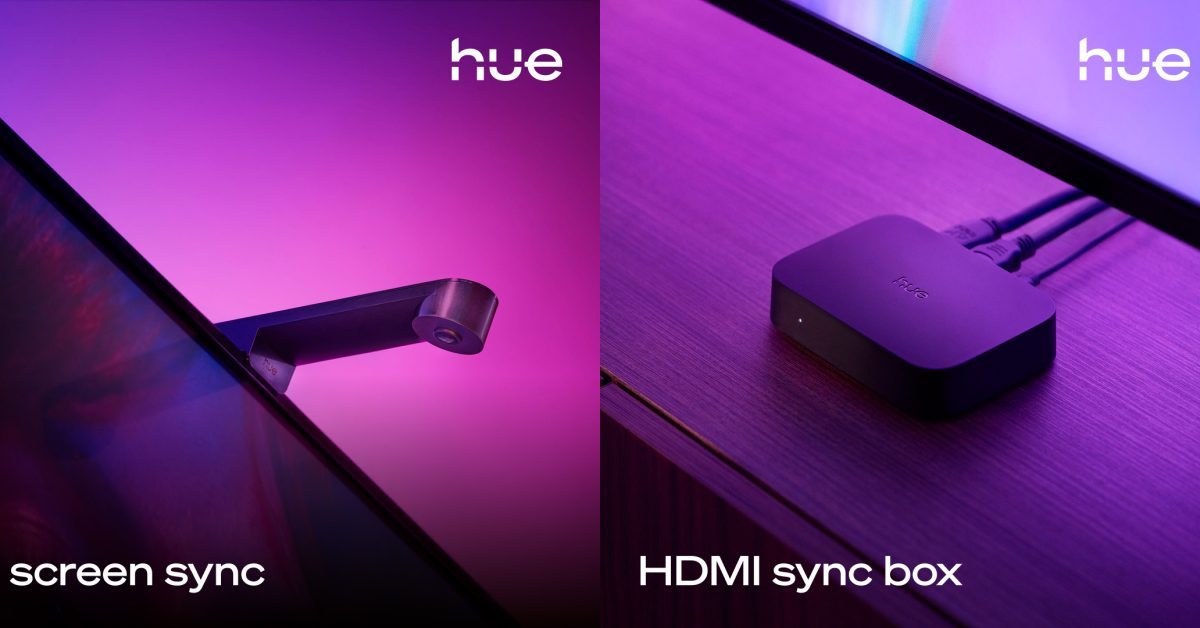
Philips Hue is finally cutting the high cost of syncing smart lights to your TV by introducing a cheaper 4K box and a camera that tracks on-screen colors directly. These new options let you run Netflix apps without an extra streaming stick and skip the mandatory bridge for basic setups.

Apple enters the folding market with the $1,999 iPhone Duo, packing a 7.6-inch inner screen and the A20 Pro chip into a passport-shaped body. Everyday buyers get a noticeable center crease and downgraded cameras for double the price of a standard flagship.
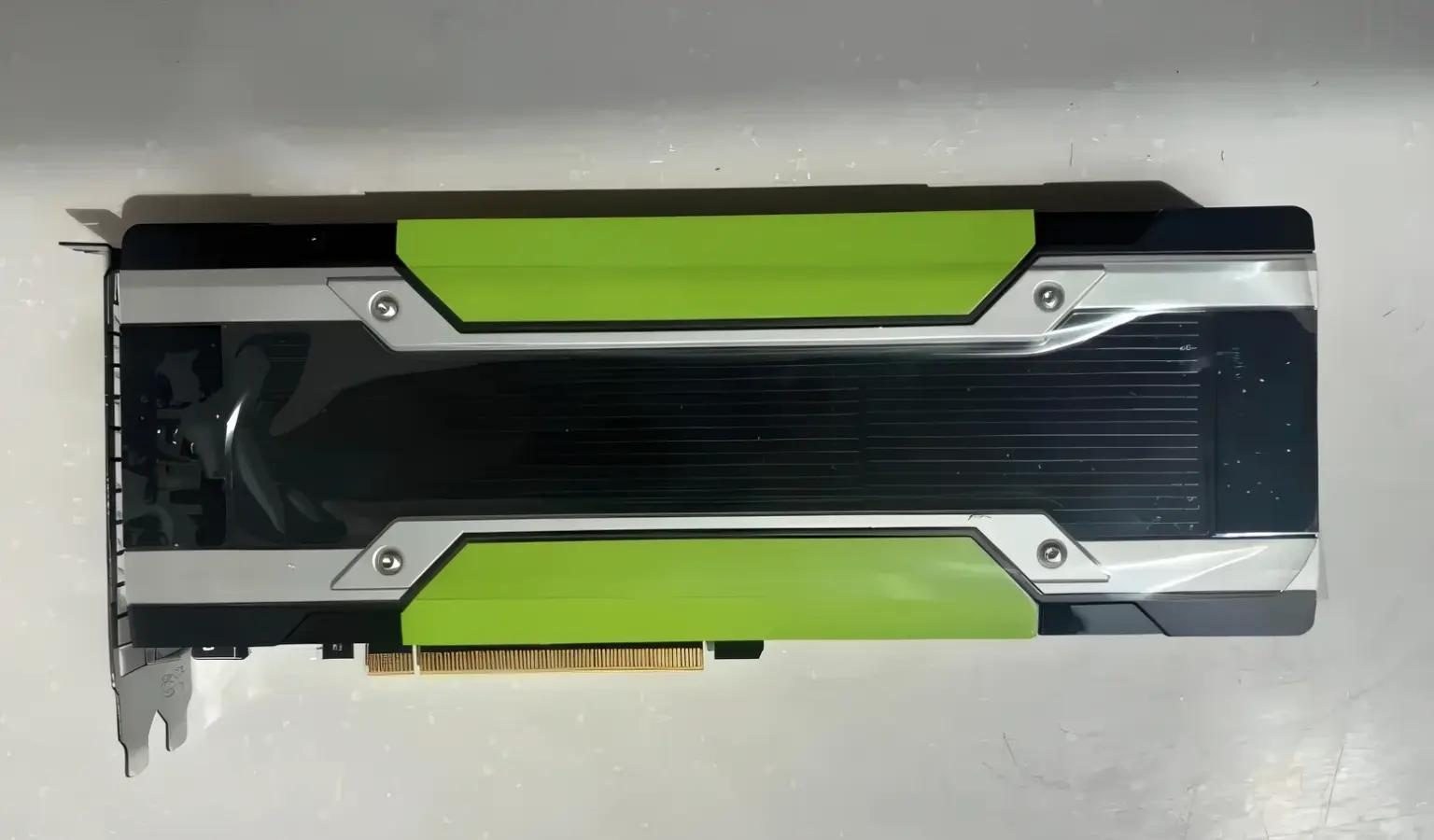
Chinese marketplaces are liquidating decommissioned Nvidia Tesla M60 dual-GPU server boards for $60 with makeshift desktop coolers. Lack of display ports, driver roadblocks, and zero dual-GPU support in modern games make the hardware a poor choice for budget gaming.

Dreame's sub-brand MOVA unveiled new robot vacuums with all-in-one self-cleaning docks and wire-free lawnmowers at IFA 2026. These releases bring advanced LiDAR mapping and automated maintenance to mainstream price points, eliminating the markup for premium badges.

Xiaomi has opened pre-orders for the Mijia Smart Bathroom Heater 2, an all-in-one ceiling panel packing a 3,000W graphene heater, radar sensors, and forced ventilation. The module dries damp rooms in 90 seconds and automates climate control, though older apartments will need a dedicated power line to run it safely.

Grocery chains are replacing paper labels with electronic screens linked to dynamic pricing software. The shift lets stores silently raise prices multiple times a day during peak hours while cutting thousands of floor jobs.

Google's experimental AI search interface surfaces listings that cost 21.6% more on average than traditional search results. A new investigation reveals the feature consistently favors high-margin items and major retailers instead of cheapest offers.

Apple introduced the iPhone 18 Pro and Pro Max with a mechanical variable aperture camera and a $200 price increase across the lineup. The internal silicon upgrades and smaller Dynamic Island provide notable battery and photo enhancements. However, the identical chassis and steep entry price leave little incentive to upgrade from recent generations.

Apple added active noise cancellation to its open-ear AirPods 5 lineup, dropping pre-orders on September 9, 2026. The $129 entry model and $149 step-up mute constant hums, but missing silicone tips mean sudden chatter will still leak into your ears.

Samsung has teamed up with Danish acoustic brand Canvas to embed its flagship OLED panel inside custom wooden cabinetry with up to 1,500 watts of power. Starting at $7,999 when it arrives in October 2026, the setup eliminates messy AV receivers for design-conscious buyers who want big sound without rear speakers.

Hori released an electronic wind synthesizer styled after The Legend of Zelda that doubles as a game controller for $50. The device requires no Bluetooth or cables, relying entirely on the console's microphone to detect played melodies and trigger in-game events.
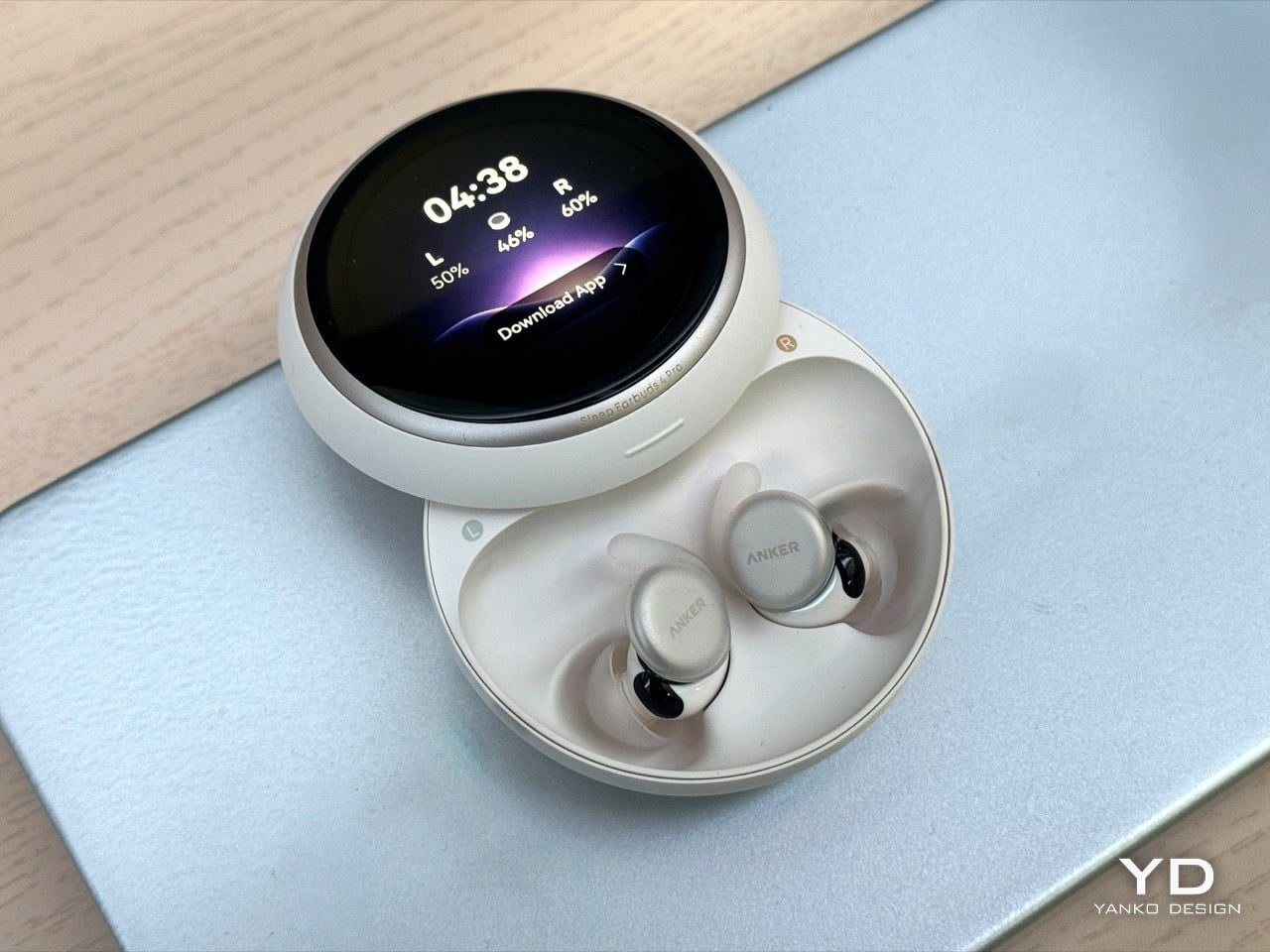
Anker's new $350 sleep earbuds move the computer into a touchscreen charging case to let side sleepers rest without ear pressure. The Pro model adds heart-rate tracking, though it strangely drops the emergency sound alerts found on the cheaper version.

Apple enters the folding phone market this October with a device priced from $2,000 to $3,000. It brings side-by-side multitasking and stylus support to iOS, but asks everyday buyers to pay double the cost of a standard Pro model for unproven hinges.

Oppo has launched the A7 Pro, combining an 8,000mAh silicon-carbon battery with IP69K industrial water resistance in an 8.8mm chassis. Starting at $330, the device eliminates the traditional bulk associated with multi-day rugged handsets.

Neurotech startup Atlas launched the $499 Atlas 1.0 Pioneer Edition, a tiny sensor that hooks behind the ear to track mental fatigue and focus. Despite the high price, iPhone-only requirement, and mandatory $29.99 monthly subscription, initial pre-orders sold out in days.
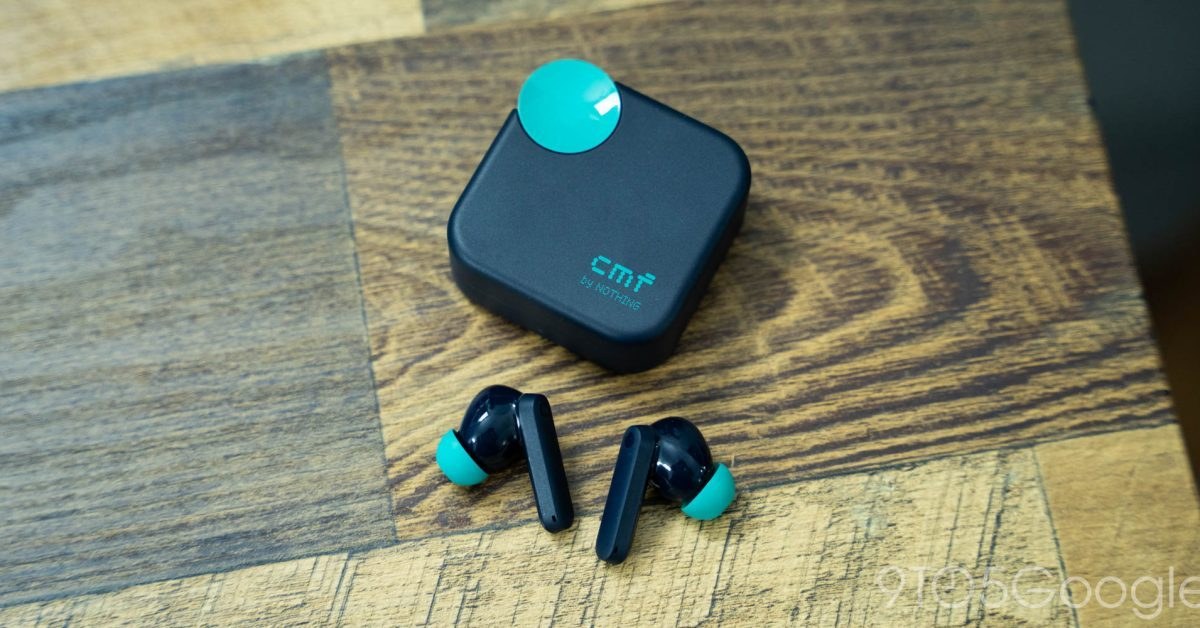
Nothing sub-brand CMF undercuts the budget audio market with twenty-five dollar wireless earbuds featuring active noise cancellation and multipoint pairing. Out-of-the-box sound requires app tweaks, but the hardware delivers genuine daily utility for travelers and gym-goers.
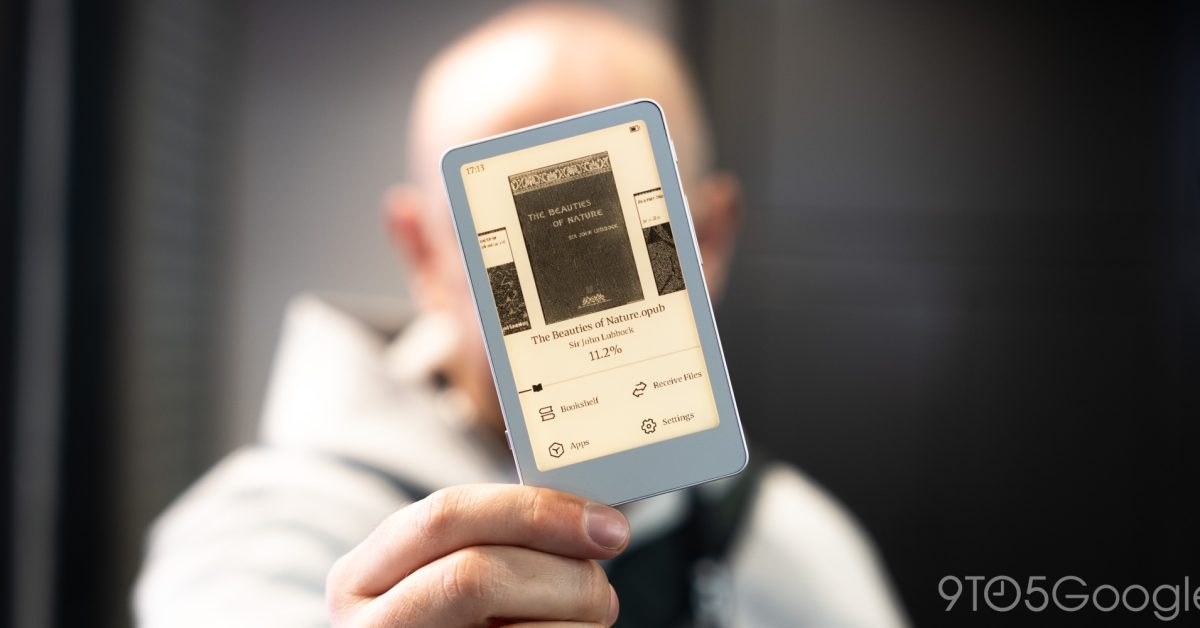
Scheduled for release in November 2026, the 4-inch Boox Picco prototype trades open Android software for a closed operating system to hit a projected $100 price. Buyers lose access to the Kindle app and Google Play, trading app flexibility for physical page turners and extreme portability.
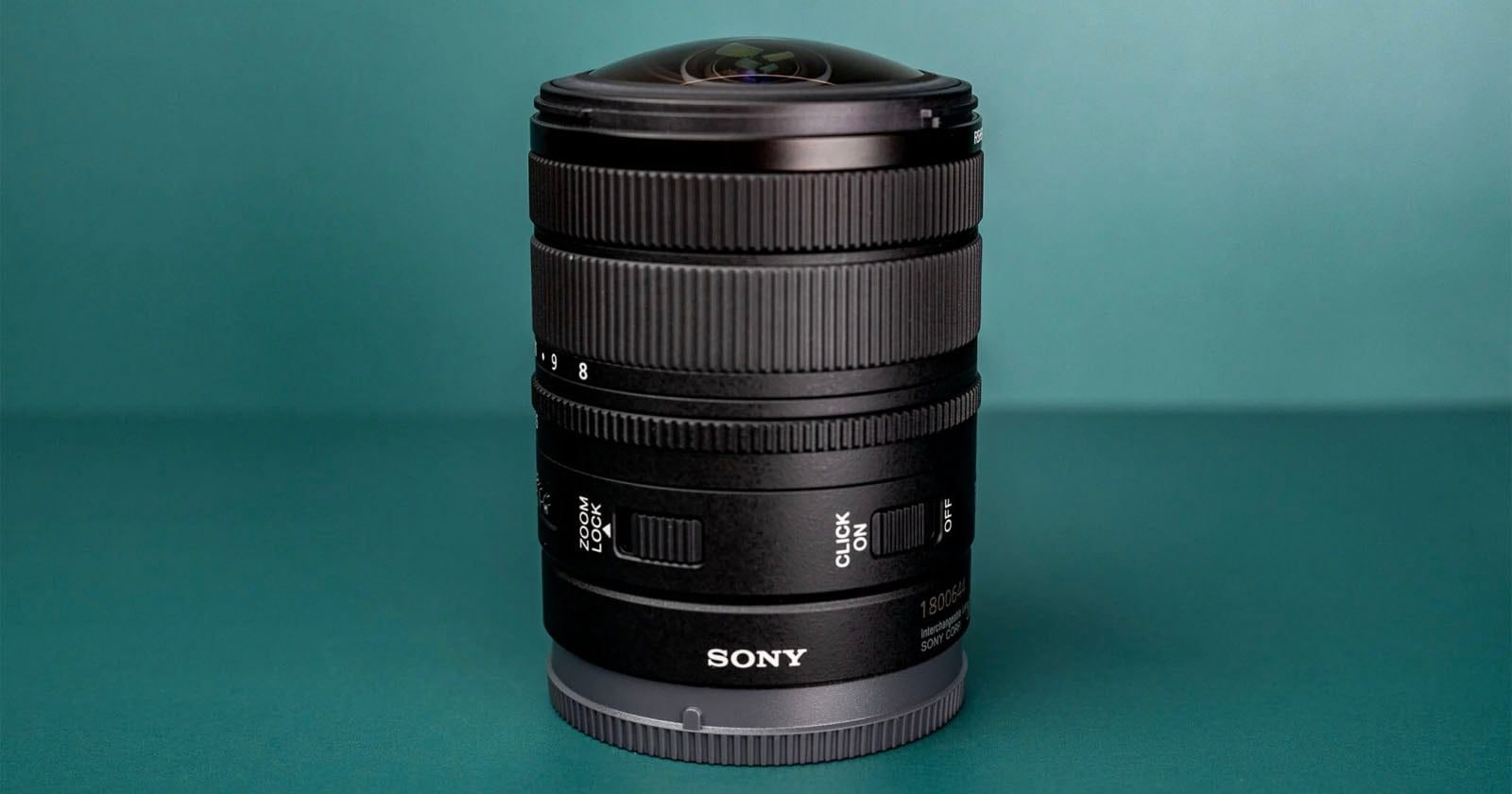
Sony launches the FE 8-14mm f/3.5 G lens, bringing 180-degree wide-angle optics to E-mount cameras after a 20-year gap. The 314-gram zoom lens arrives in October 2026 for $1,600, targeting professional skate filmmakers and high-end video creators.
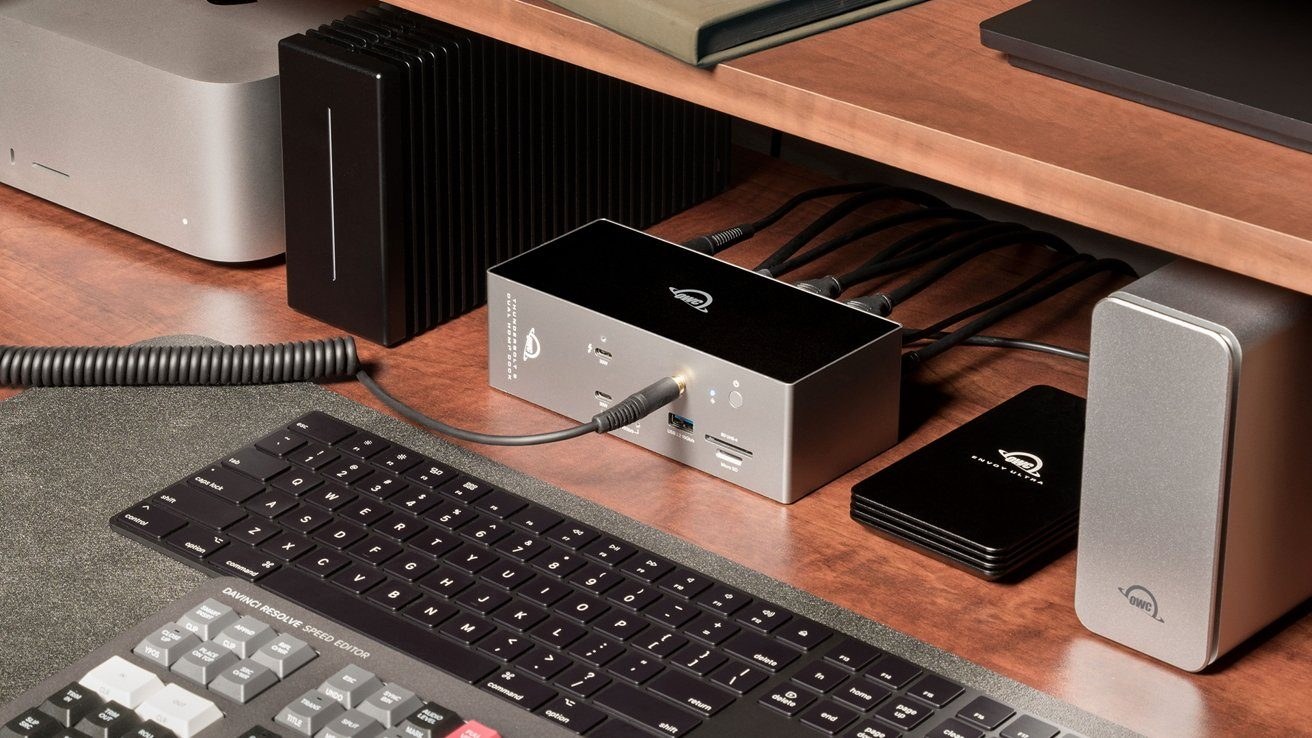
OWC's new desktop hub connects two high-refresh 4K displays and charges demanding laptops through a single cable. Shipping in November for $350, it targets professionals tired of juggling messy adapters.
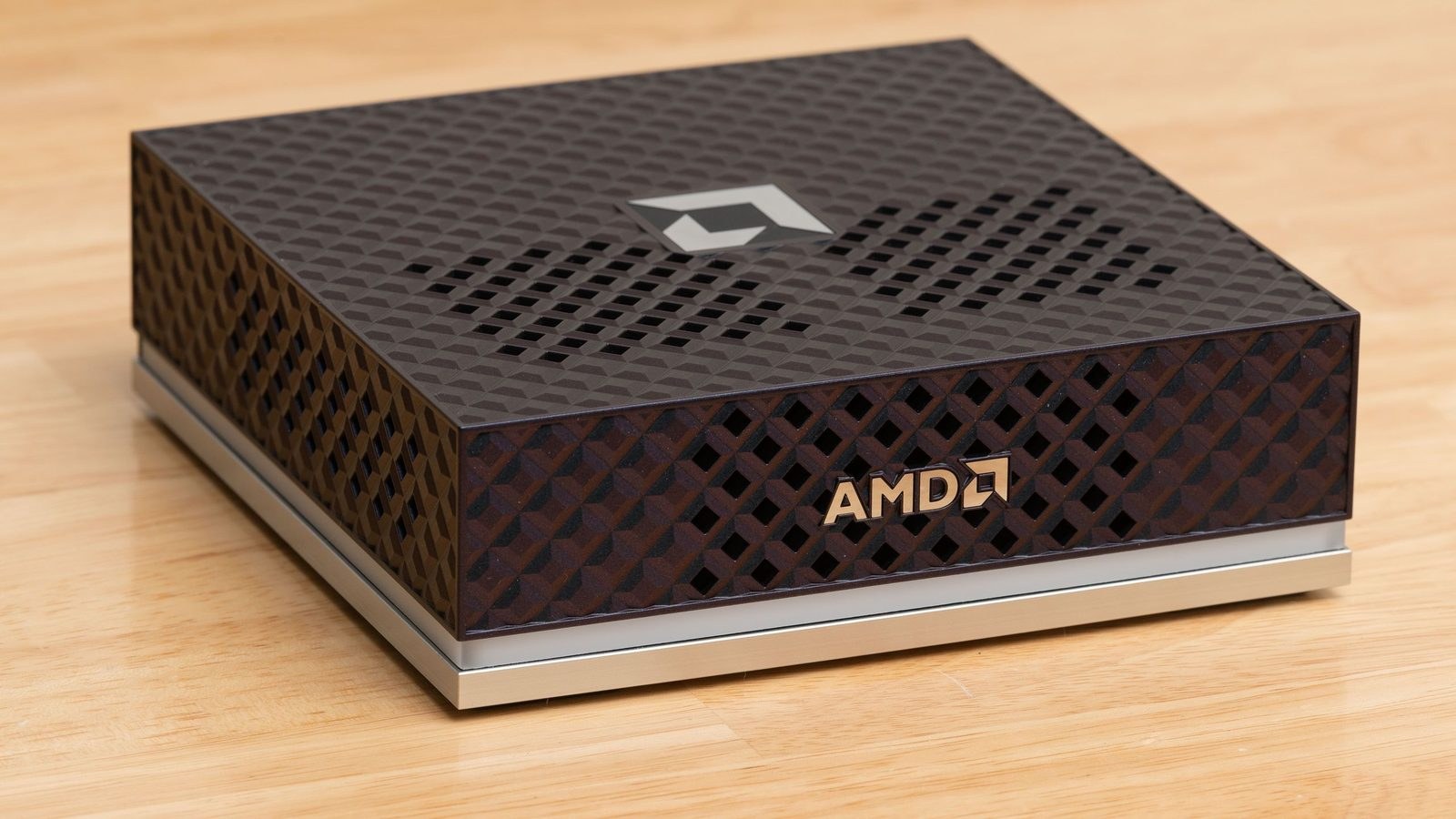
Microsoft finally built a clean, bloat-free version of Windows 11 called Project Zenith for running local AI models. However, it requires a specialized AMD processor and at least 64GB of memory, putting the operating system out of reach for regular PC owners until they buy a $3,999 workstation.

Xiaomi has launched the Mijia Sterilizing Foot Bath equipped with UV sanitation and motorized silicone rollers. The $60 device targets users seeking targeted arch relief without the bacterial buildup typical of cheap plastic basins.
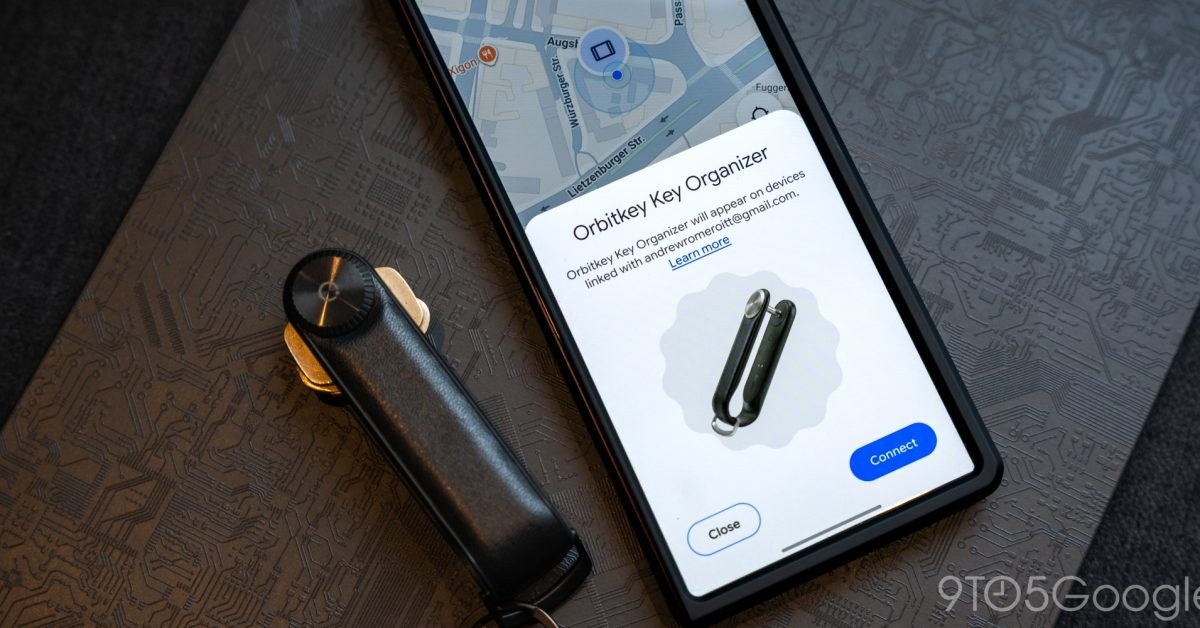
Orbitkey has solved pocket bulk by baking Google Find My Device and Apple tracking hardware straight into the leather side band of its key holder. Instead of dangling plastic fobs, users get a rechargeable module lasting up to five months that stops keys from rattling.
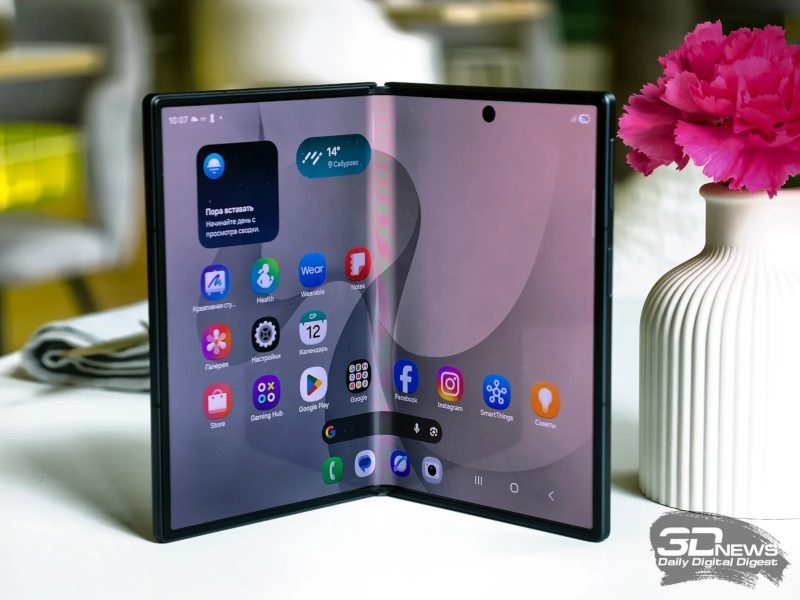
Galaxy Z Fold 8 owners are finding permanent physical dents across their folding panels, but Samsung refuses warranty repairs by calling the flaws an intended material trait. This shifts the financial burden of fragile flexible OLED displays entirely onto buyers who paid flagship prices.

XTEINK has launched the 68-gram X4 Classic e-reader for $79, stripping out touchscreens and backlighting in favor of physical buttons and a glare-free panel. Running on an ESP32 chip with a 920 mAh battery, it offers a distraction-free pocket device for dedicated readers who want to escape smartphone notifications.

Ex-DJI engineers Bowen Xie and Linjian Xiang have launched the InfiMaker K1 on Kickstarter for $5,199. It brings complex five-axis metal machining to desktop footprints, letting independent creators bypass weeks of factory delays for custom aluminum and brass parts.
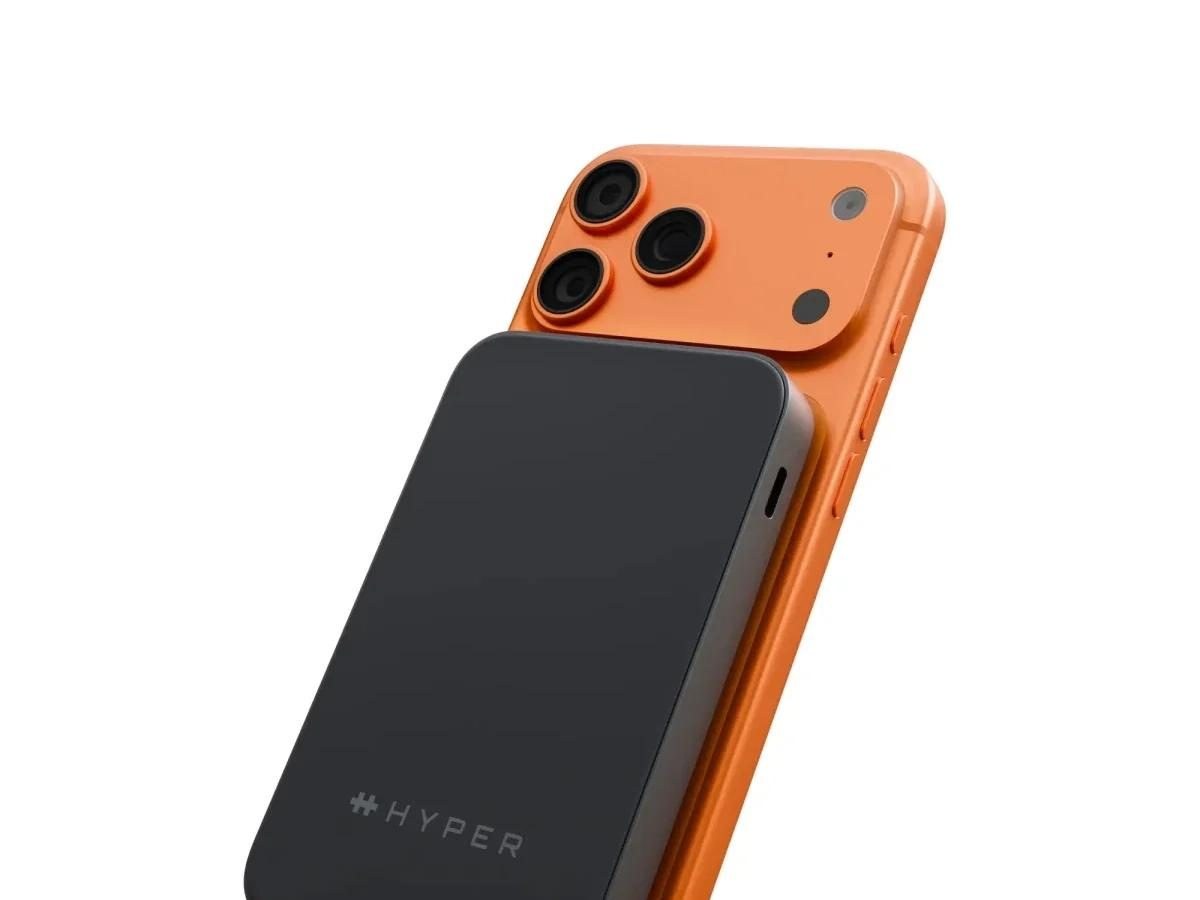
Hyper has launched a 5,000 mAh magnetic power bank built with a semi-solid-state battery instead of standard liquid chemistry. The new design prevents dangerous cell swelling in extreme heat and maintains stable output in freezing temperatures.

Sylvox has squeezed weather-proofing gaskets into the back of its 75-inch Frameless Pro to eliminate the bulky industrial frames on open-air screens. Operating between -22 and 122 degrees Fahrenheit with 2,000 nits of brightness, the 5,299-dollar panel trades boxy borders for a deeper chassis meant for luxury patios.
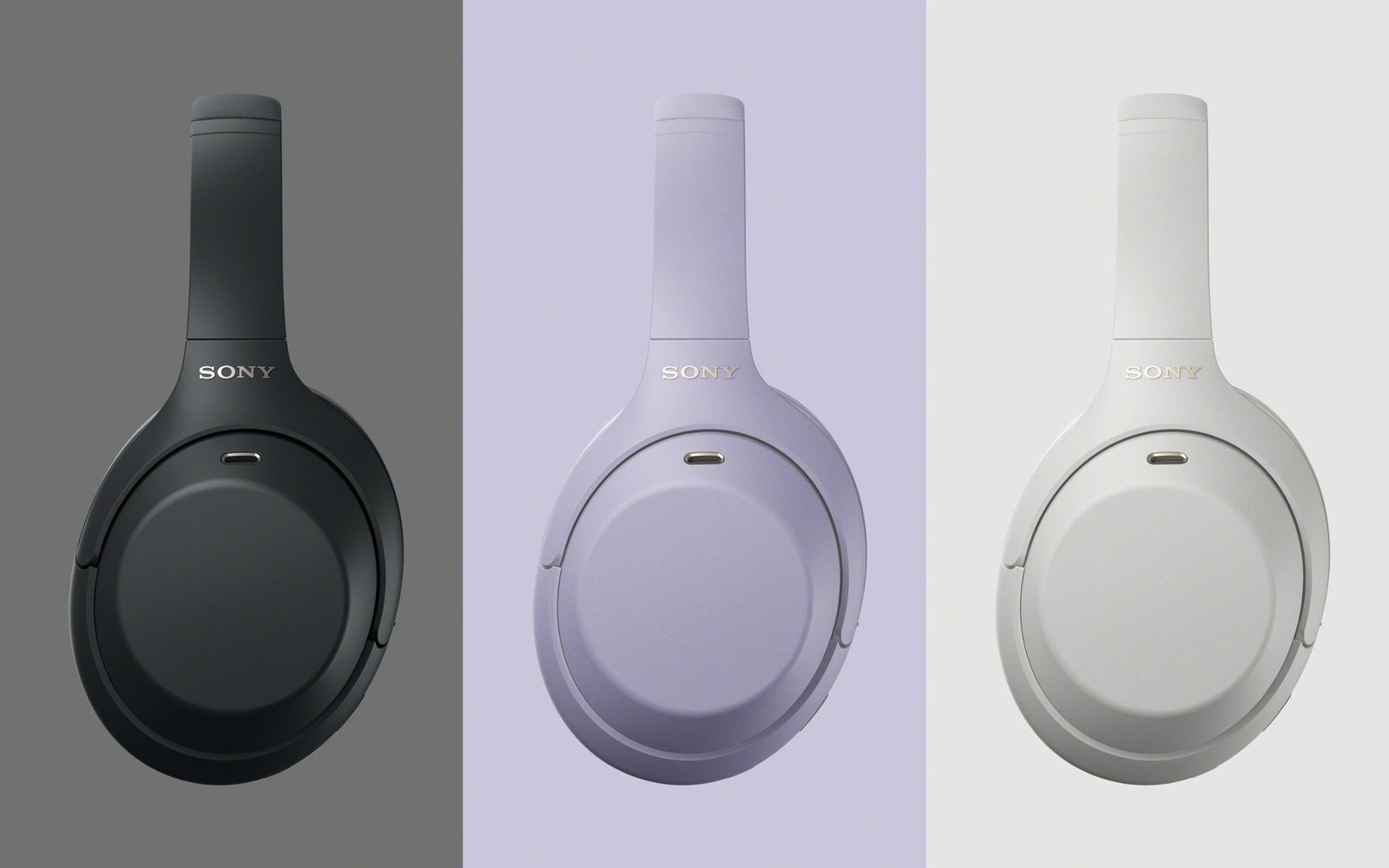
Sony's new WH-1000XM4C brings back the folding 2020 classic with a crucial upgrade: an easily replaceable battery designed to beat EU repair rules. For everyday listeners, it means high-end audio no longer has an expiration date tied to a glued-shut power cell.
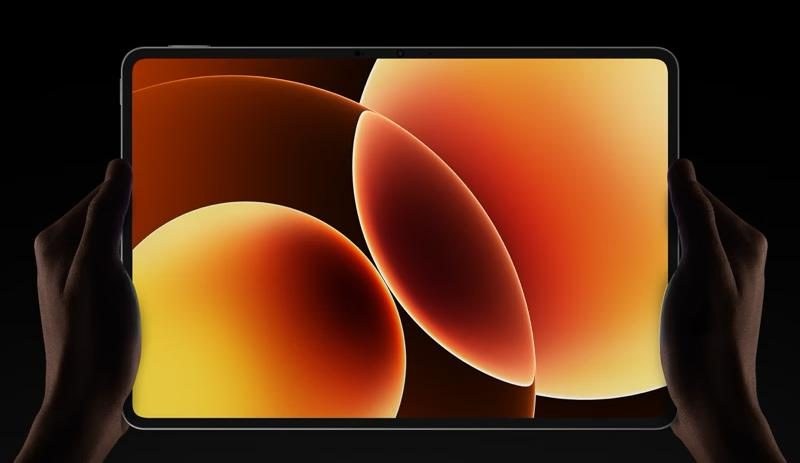
Xiaomi has launched the Pad 9 Pro Max featuring a dedicated USB-C DisplayPort video input alongside a 13.3-inch 3.4K display. The tablet functions as a zero-latency secondary screen for laptops and consoles, eliminating the need for standalone portable monitors.

Norwegian lawmakers are preparing a total ban on smart glasses and wearables equipped with cameras in public spaces. Device makers could soon deploy geofenced firmware updates to disable hardware features and avoid liability. Buyers risk seeing high-end tech turn into regular designer plastic overnight.

The Nuvell Plantein shrinks commercial bean curd processing into a countertop appliance resembling an espresso maker. It turns dry soybeans into warm tofu in forty minutes for $1,000 to $1,300, targeting dedicated plant-diet enthusiasts.

Chipmakers are turning to silicon photonics and 3D packaging to move AI data with light instead of copper wires. Optical processors will stay inside mega-scale data centers, but the resulting drop in server computing costs will protect consumers from price hikes on cloud-powered mobile features.

An independent maker bypassed million-dollar cleanroom equipment by building a desktop micro-resin printer using off-the-shelf optical parts and household turmeric. The kitchen spice extracts acted as a cheap UV light blocker, enabling the device to print sub-micron models like a tiny Stanford bunny.
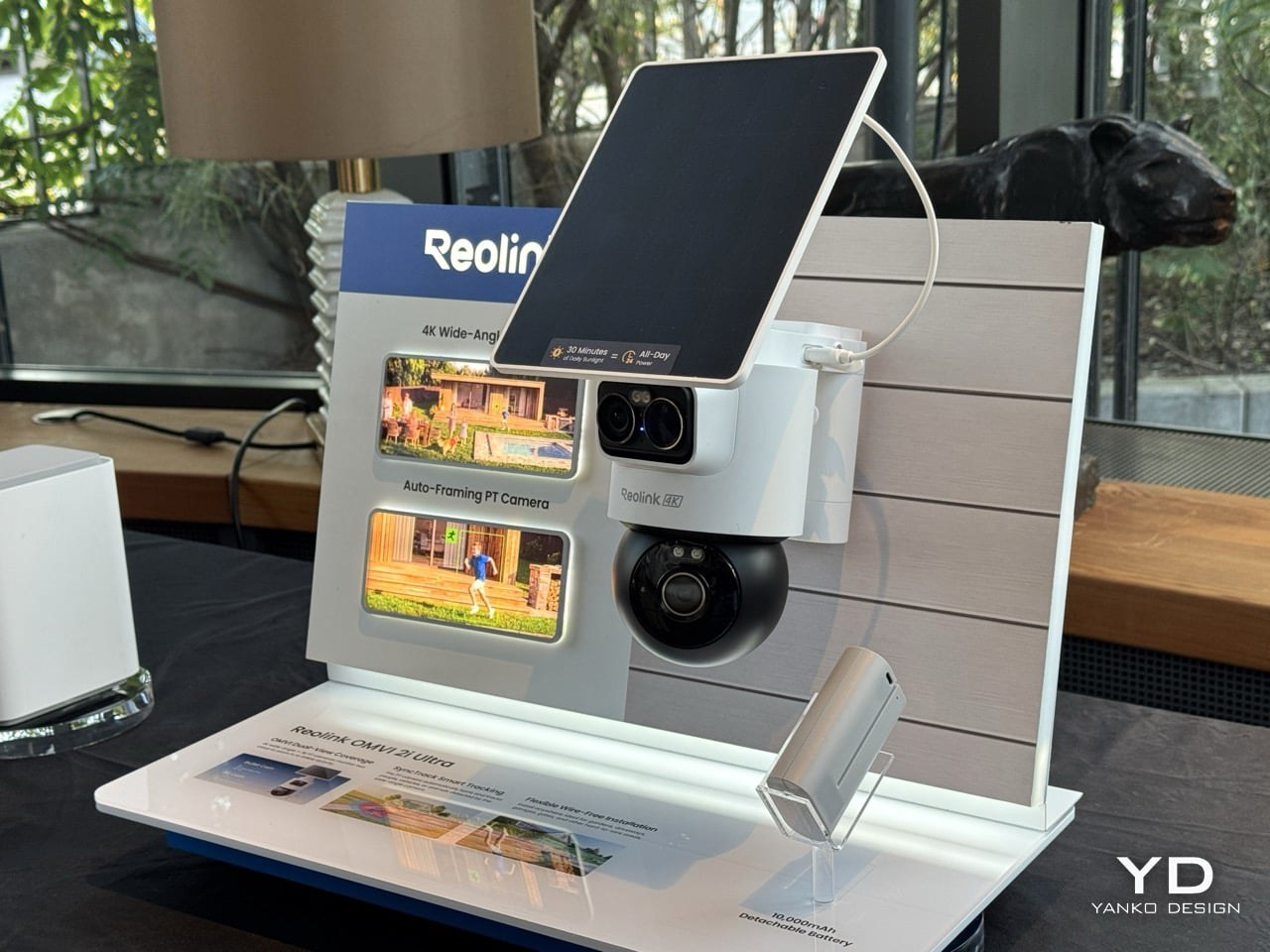
Traditional rotating security cameras look at an intruder and leave your yard wide open. Reolink's $200 to $250 OMVI 2i Ultra solves this with a fixed 4K wide lens stacked above a motorized tracking sphere, running entirely on a solar-powered battery.

Hardware startup Neufangled has introduced the Stringman, an aerial cable-driven manipulator designed to pick up dropped items from above. The $965 device avoids floor obstacles, but exposed wiring and heavy external PC requirements make it a better fit for robotics labs than ordinary homes.

Advanced robot mowers unveiled at IFA 2026 feature mechanical arms that finally eliminate manual edge trimming. However, sweeping U.S. security bans on foreign autonomous hardware mean American buyers cannot purchase these border-clearing models.
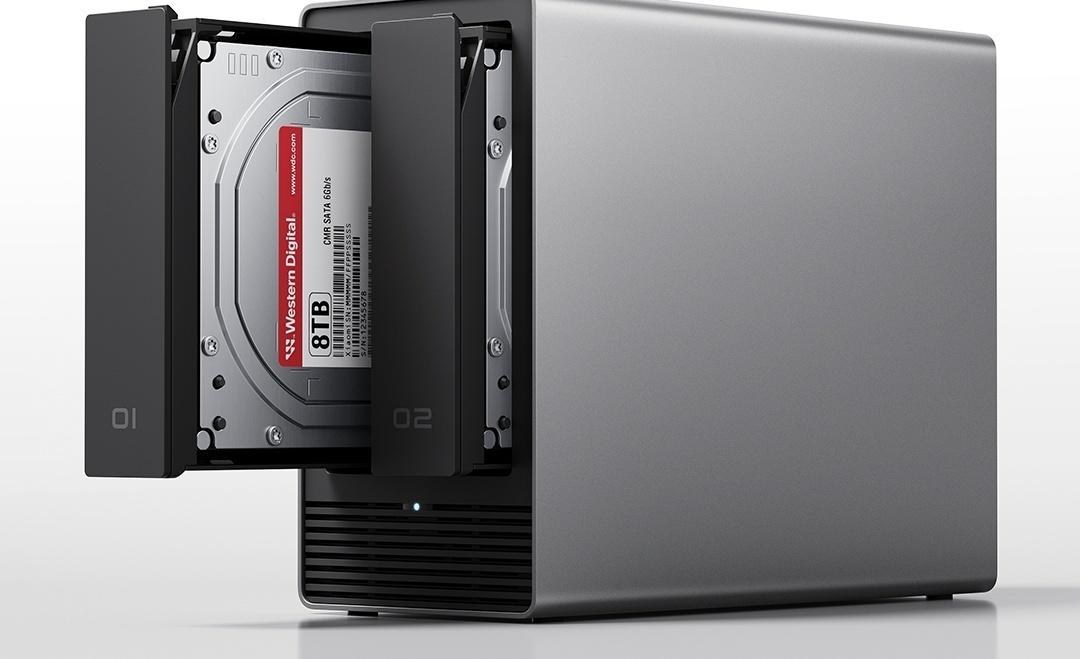
Xiaomi launched Smart Storage, a consumer-friendly home NAS with up to 60 TB capacity and AI media sorting. It turns local drives into an automated private cloud for up to 16 users, targeting families tired of paying recurring subscription fees to Apple and Google.

SwitchBot's featherweight AI lapel pod automatically turns spoken meetings into organized task lists and transcripts. But offloading audio to the cloud brings hidden subscription fees and social friction in public spaces.
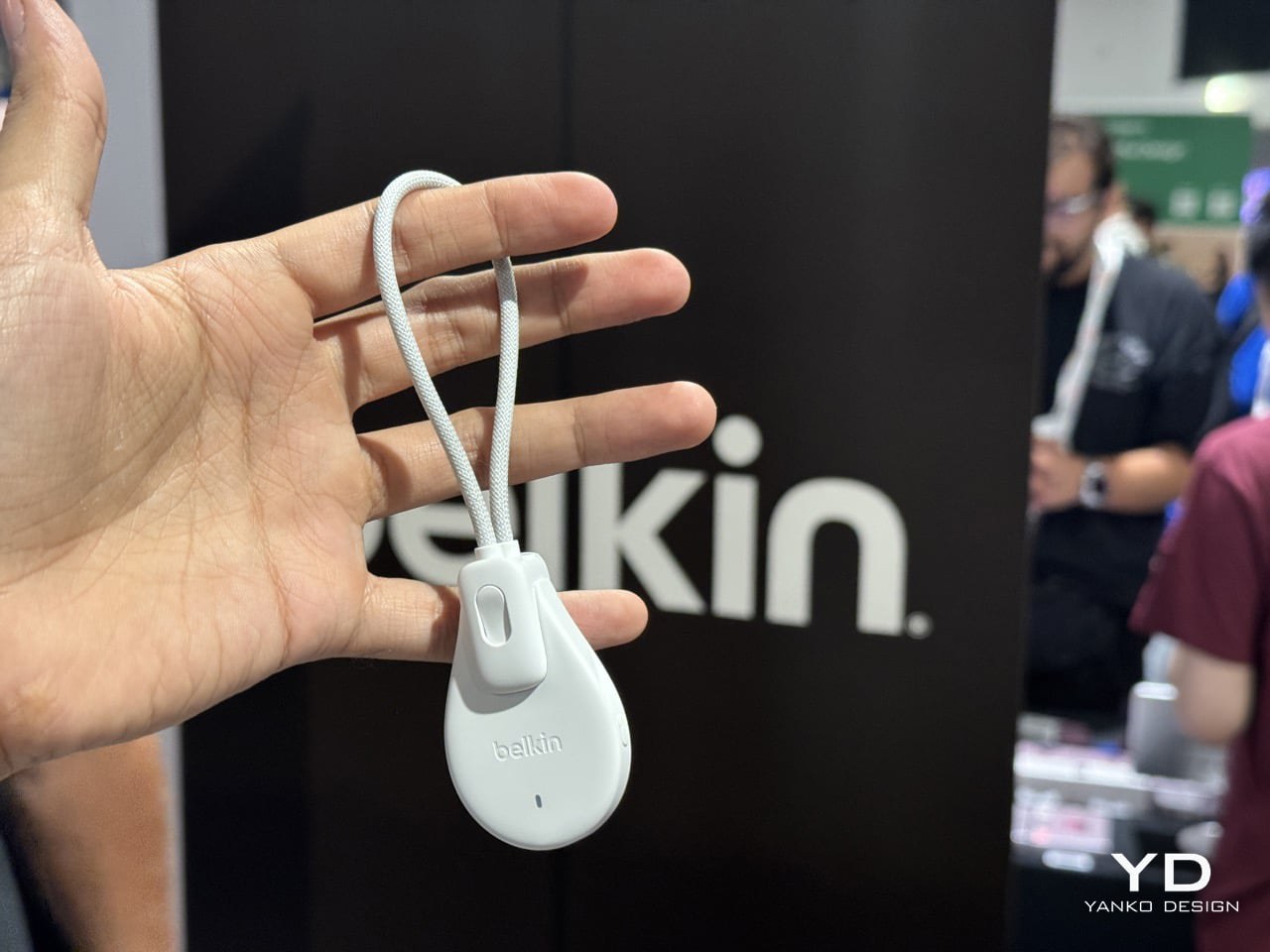
Belkin's new SureFind Loop replaces disposable batteries with a built-in USB-C cable that can charge your phone in a pinch. The $24.99 tracker works with Apple Find My and Google Find Hub, arriving this September across major regions.
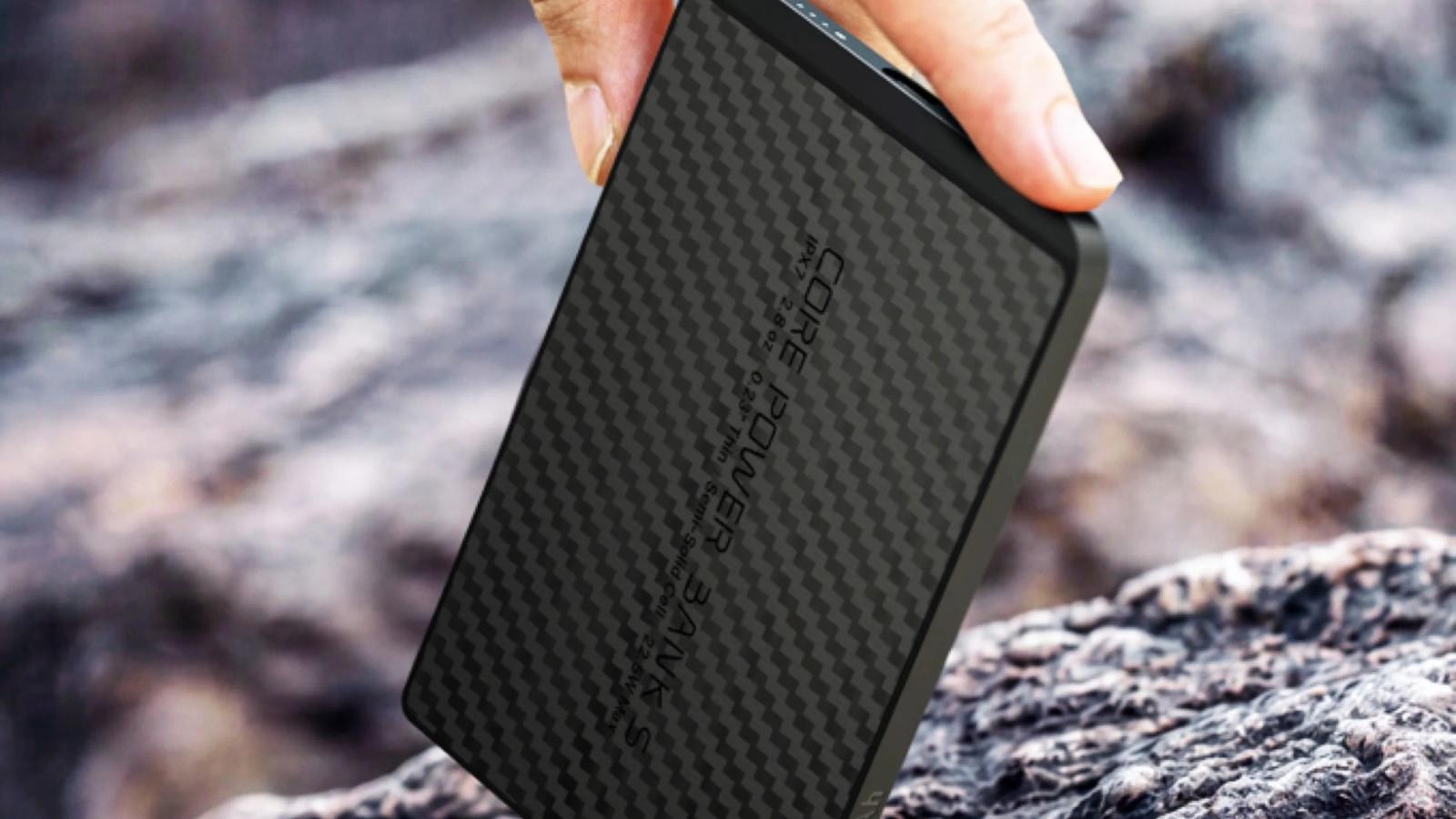
Oztech Lab has crowdfunded the Core Power Bank S, an ultra-thin 78-gram battery pack built into a carbon-fiber, water-resistant chassis. It delivers 22.5W fast charging for $32, though backers will face an unusually long wait for shipping.
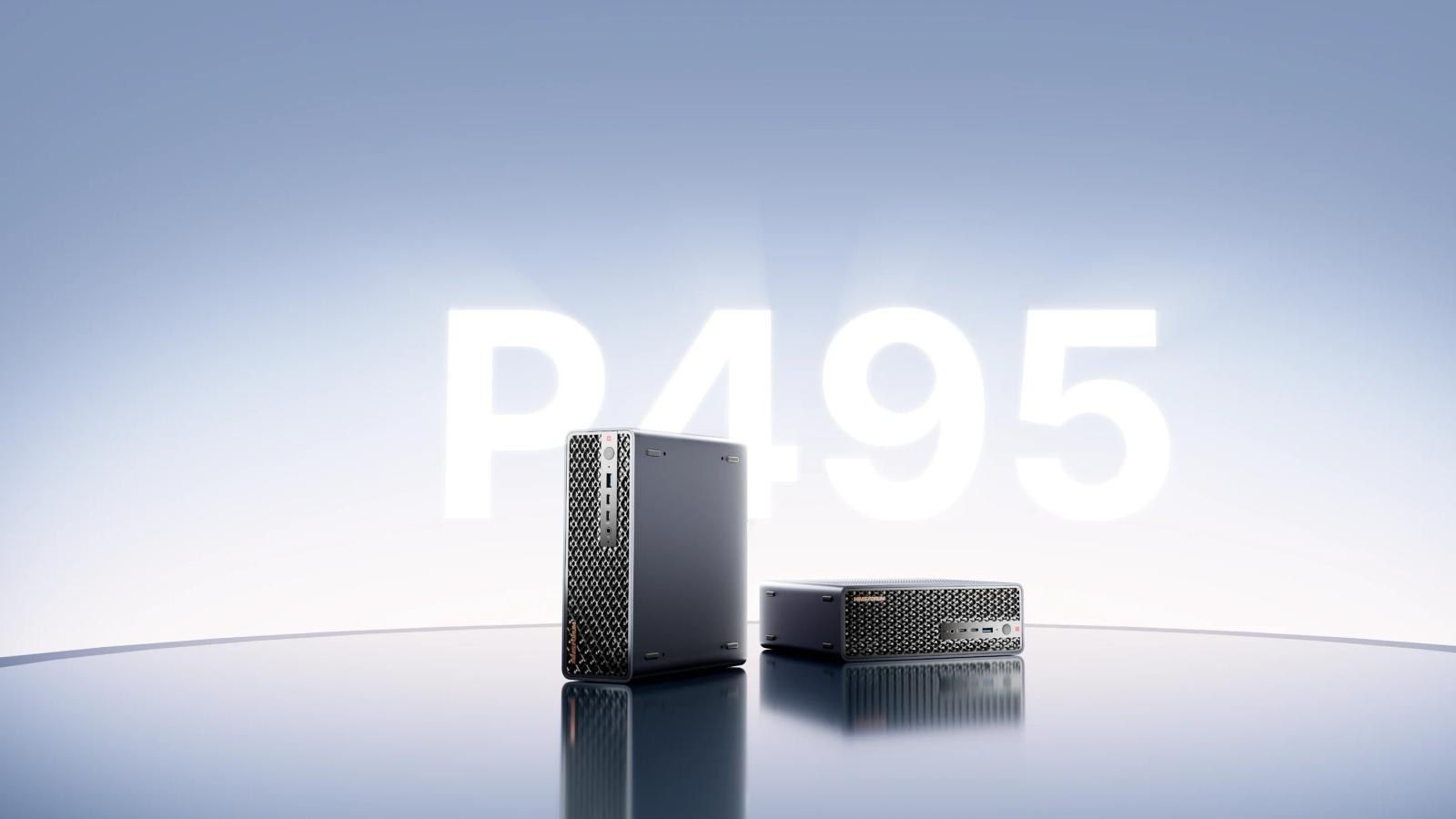
Minisforum has introduced the MS-S1 MAX-P495 workstation, cramming an AMD Ryzen AI Max+ chip and 192 GB of unified memory into a palm-sized chassis. Priced near €7,000, it is built exclusively for enterprise engineers looking to host massive AI models locally.
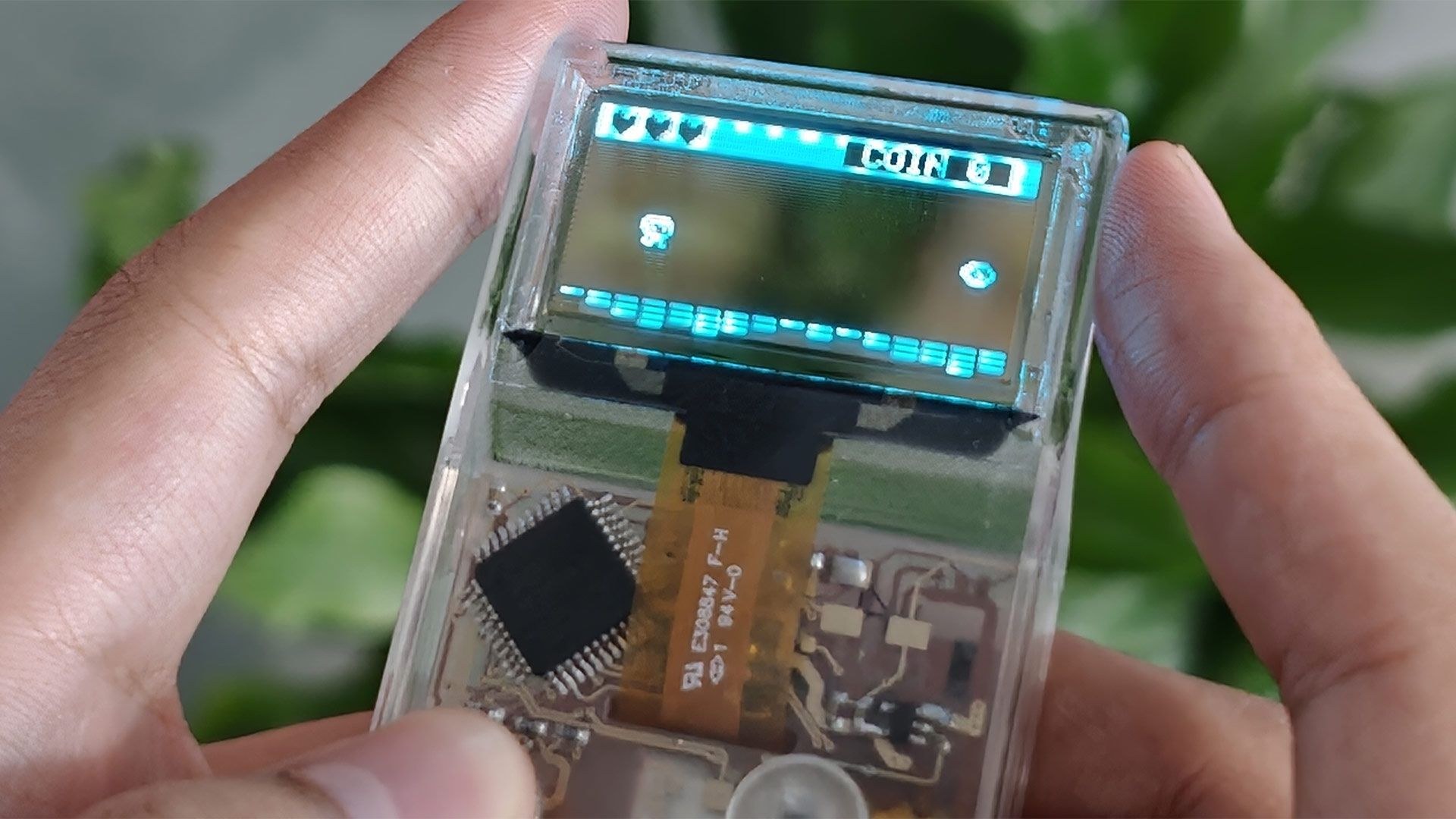
Student inventor Louis Huang built a 50-gram retro console featuring a completely see-through screen, circuit board, and case. Pre-loaded with 400 games and priced at $100, the crowdfunding project requires a long wait until 2027 fulfillment.
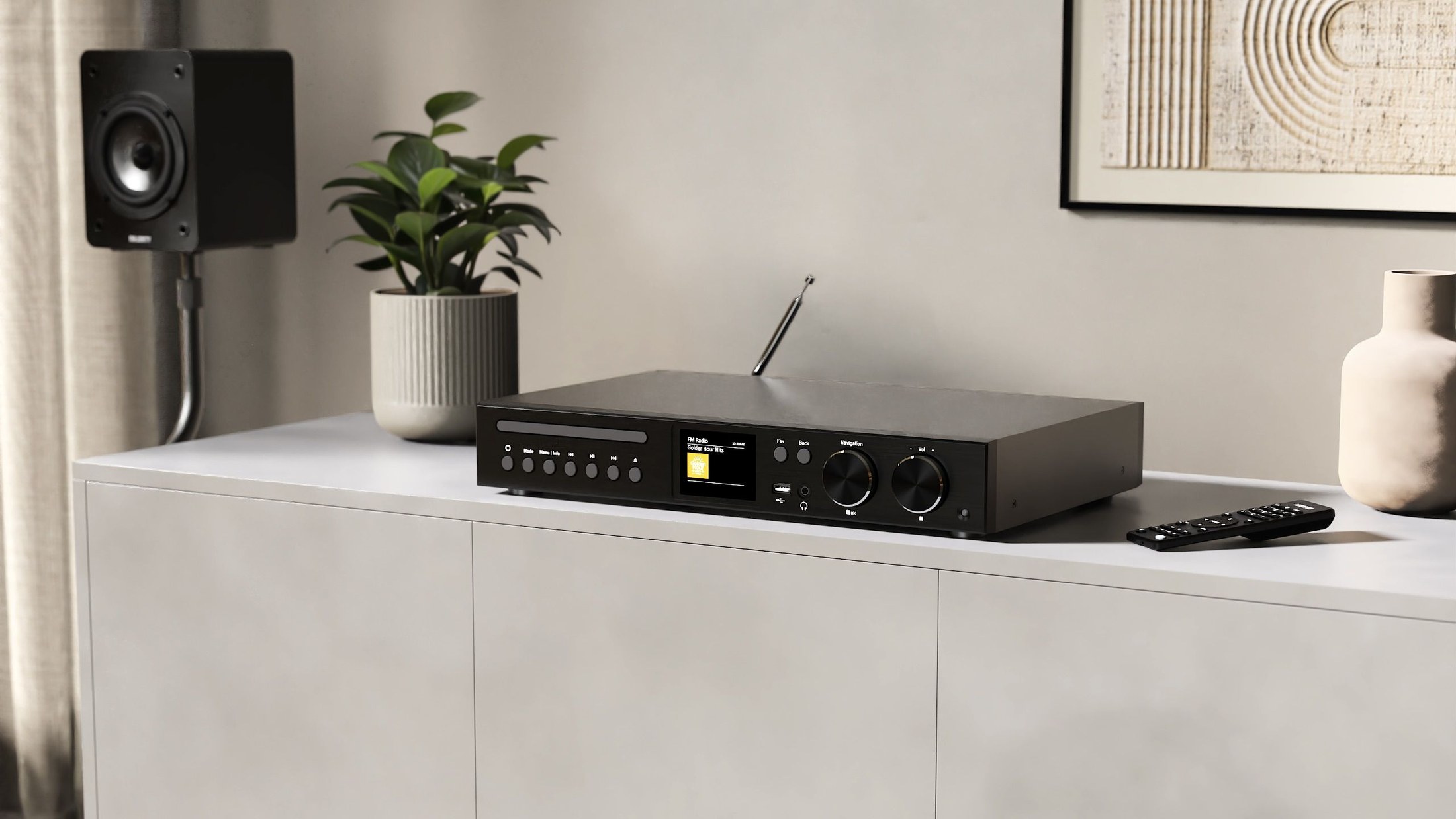
British audio maker Majority has released four hybrid audio devices that combine physical CD playback with modern streaming apps like Spotify Lossless. These systems let buyers keep their physical music collections while ditching complex, expensive multi-component setups.
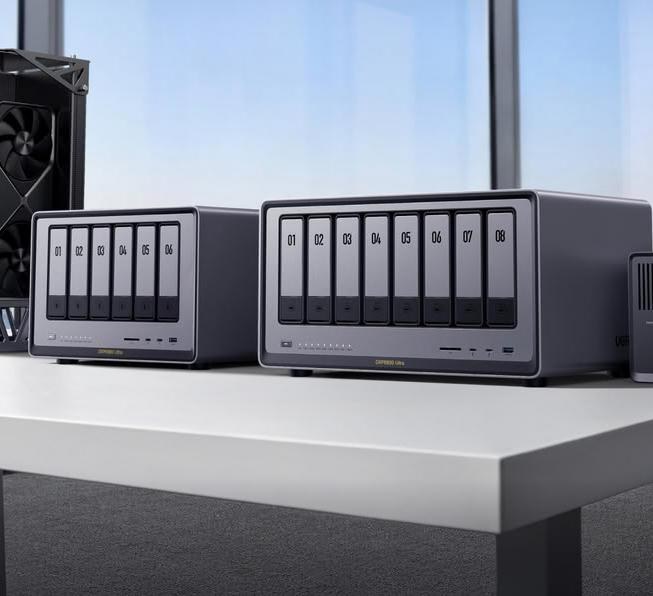
Ugreen unveiled the NASync DXP6800 Ultra and DXP8800 Ultra, packing laptop-grade Intel Core processors and direct display outputs into multi-bay network storage enclosures. The hybrid design serves as both a high-capacity local cloud and a standalone desktop PC. Units start at $1,450, offering a powerful alternative to recurring cloud subscriptions.
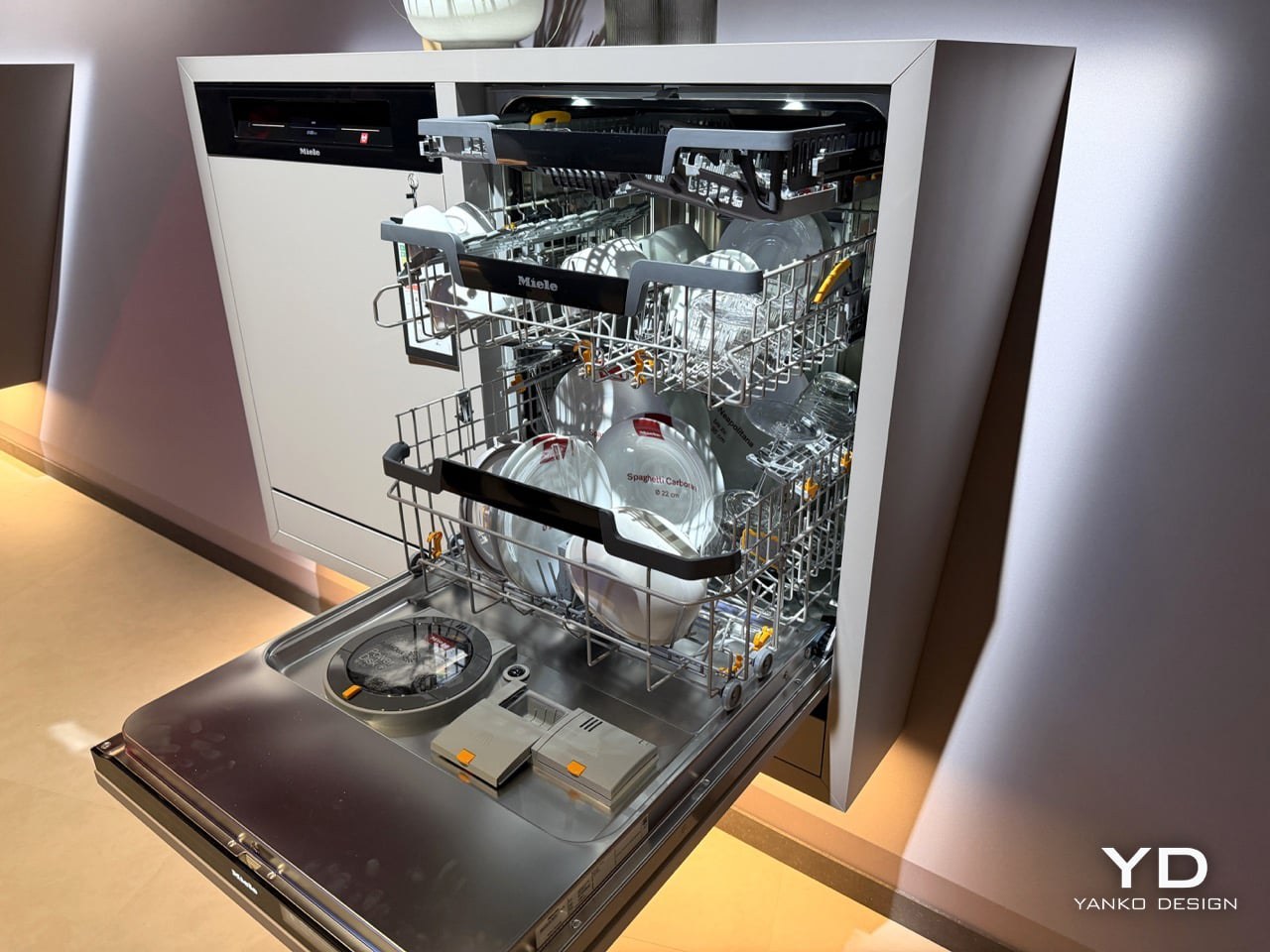
The Miele G8 Diamond snaps a single photo as you close the door to map your dishes and adjust water pressure automatically. Launching in Germany, Austria, and Switzerland in April 2027, this luxury appliance promises hands-off cleaning for a steep price, though physics still limits what spray arms can reach.
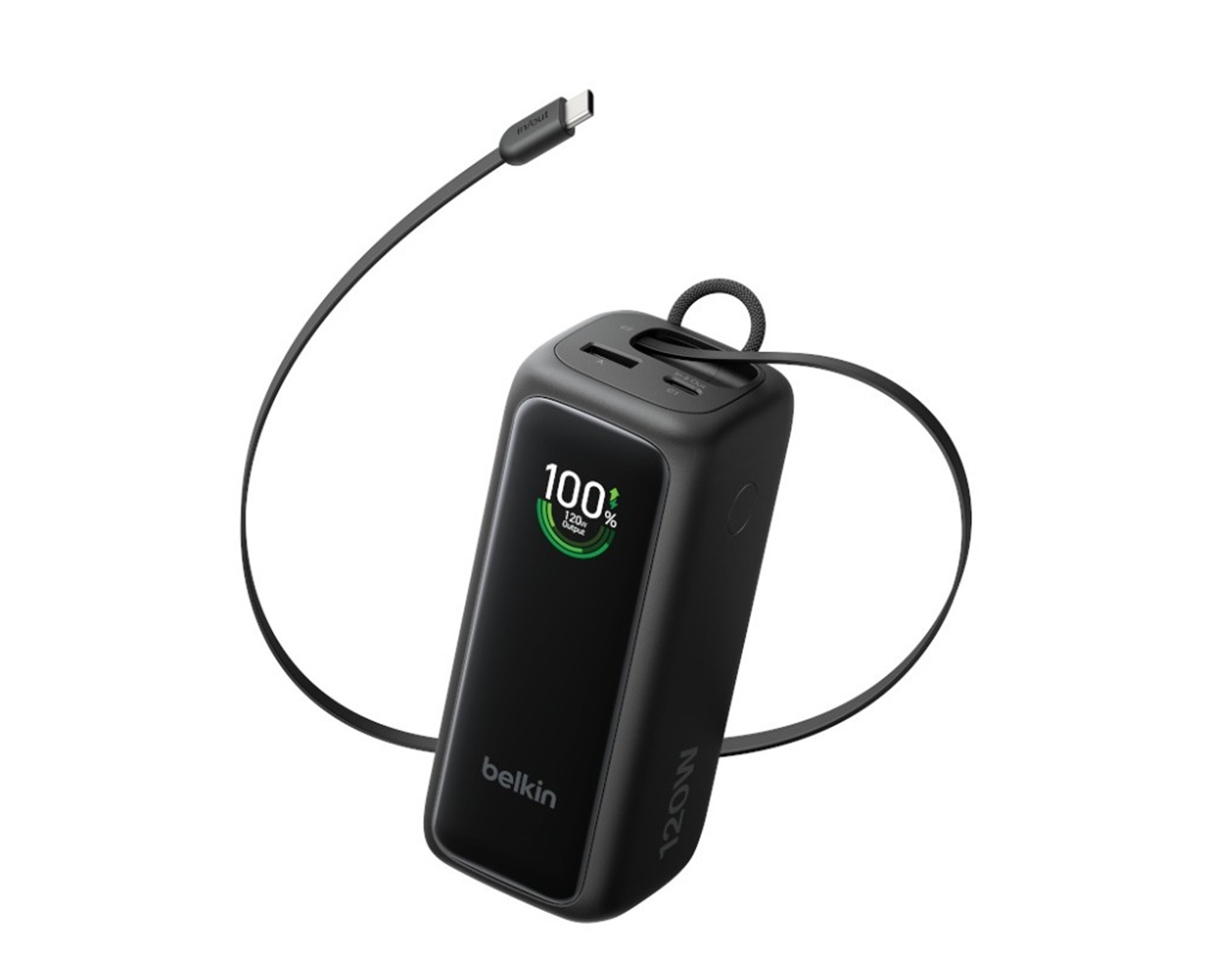
Belkin introduced the $100 UltraCharge 22K featuring a gel-like cell structure designed to stop internal swelling and lower temperatures during high-wattage charging. The new lineup hits stores in early September alongside compact options and tracking tags.

Skyrocketing enterprise demand for AI memory is diverting foundry capacity away from consumer hardware. Standard laptops, RAM kits, and SSDs face elevated prices through 2031, making generous spec upgrades significantly more expensive.
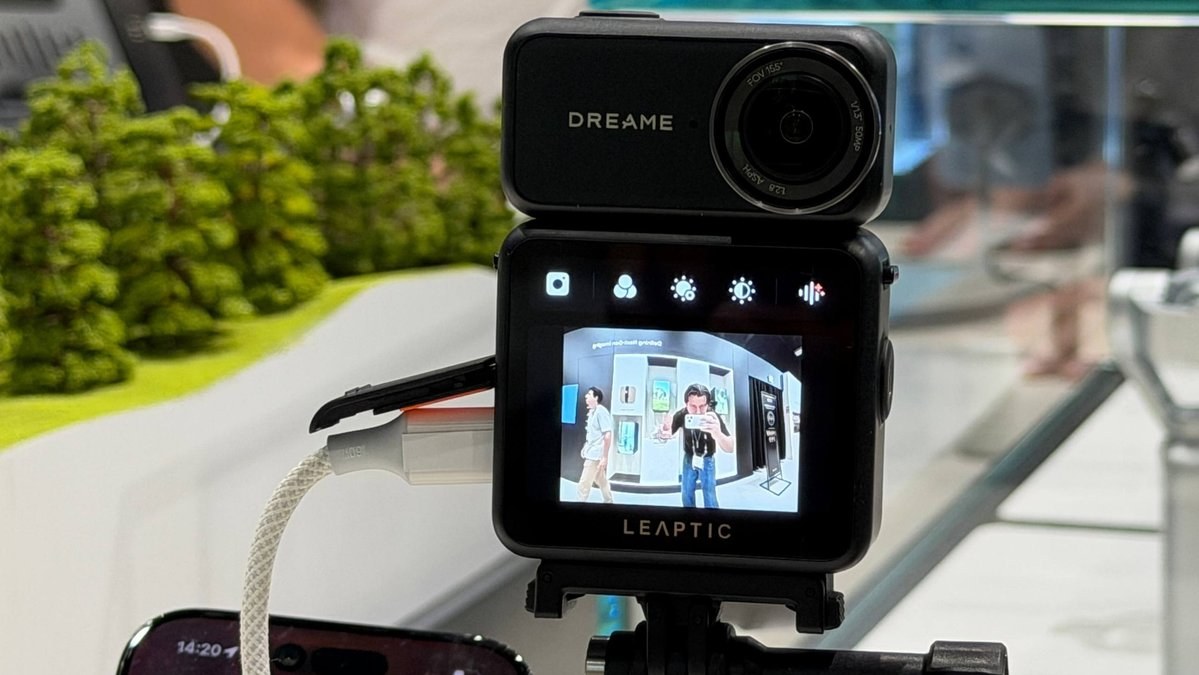
Vacuum maker Dreame has introduced the Leaptic Cube, a $449 modular 8K action camera with a detachable lens block and a wireless screen base. The hardware delivers versatile vlogging angles, though split battery management and heavy stabilization crops make it a niche alternative to rugged market incumbents.
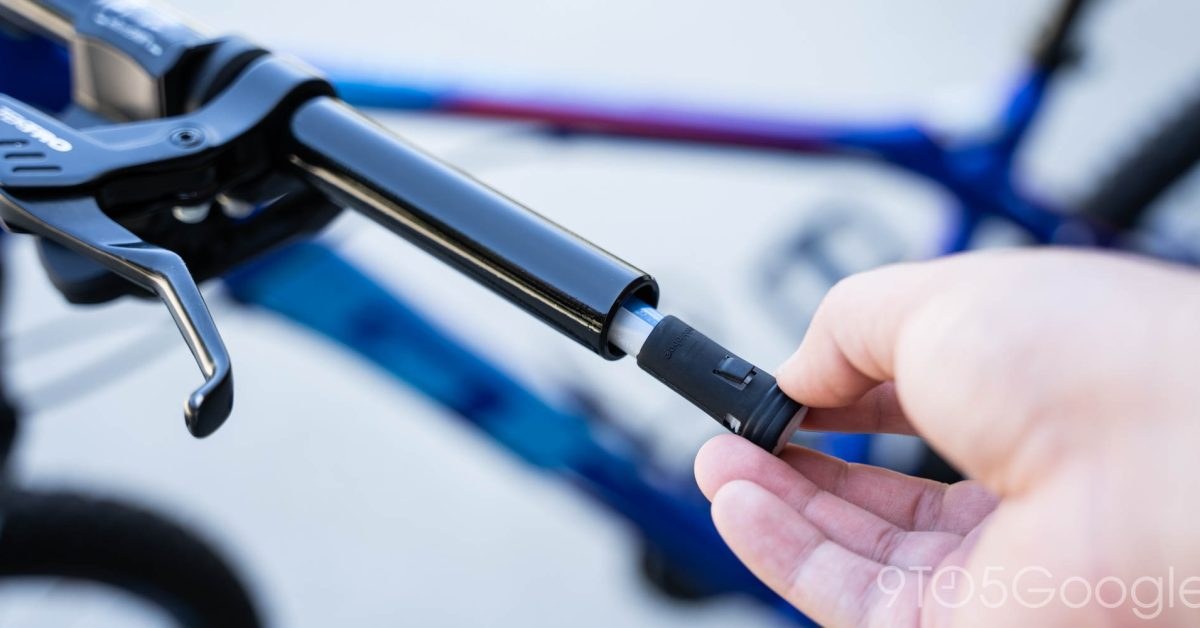
Pebblebee built the LÔC8 cylindrical tracker to slip directly inside hollow bike handlebars or golf club shafts instead of dangling as a tempting keychain. It connects to both Apple and Google tracking networks for a three-year lifespan, though finding its rare replacement battery later on will test your patience.
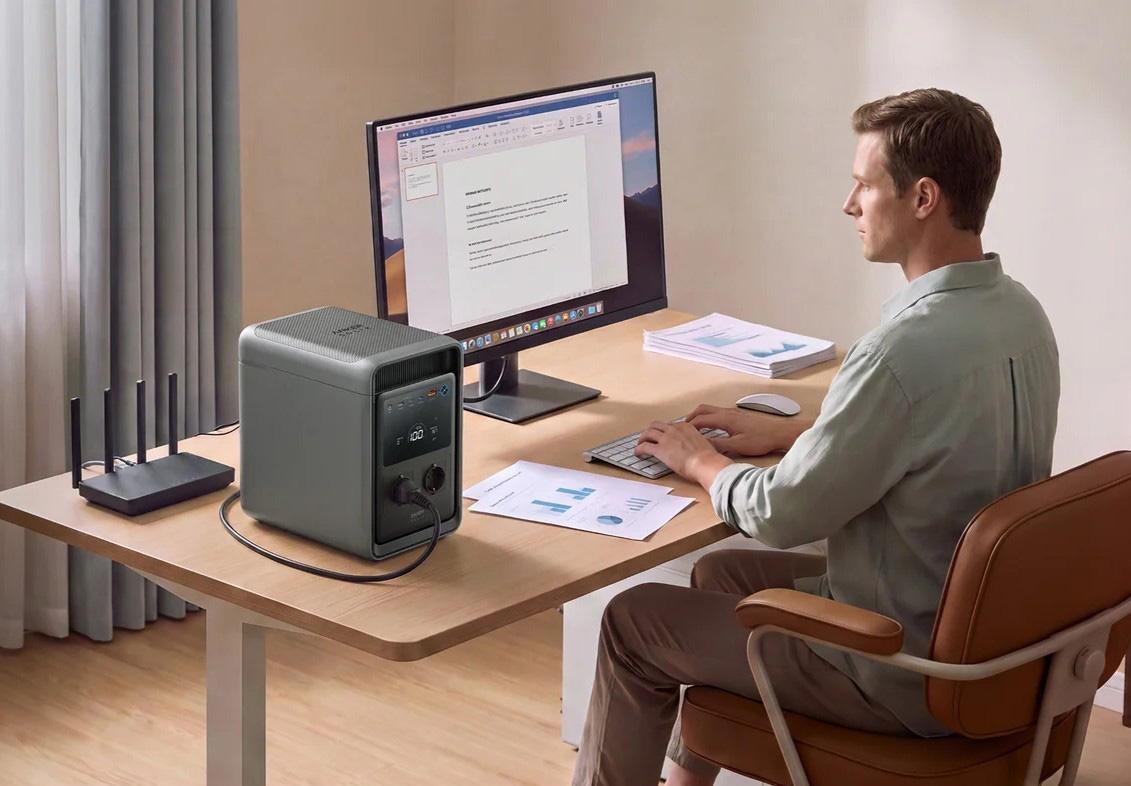
Anker introduced the Solix S2000 portable power station in Europe, cramming 2,010 Wh of LFP battery storage into a manageable 16.2 kg frame. The €700 unit delivers 1,500 W of continuous power and fast UPS failover, offering urban households a quiet alternative to fossil-fuel generators during power outages.
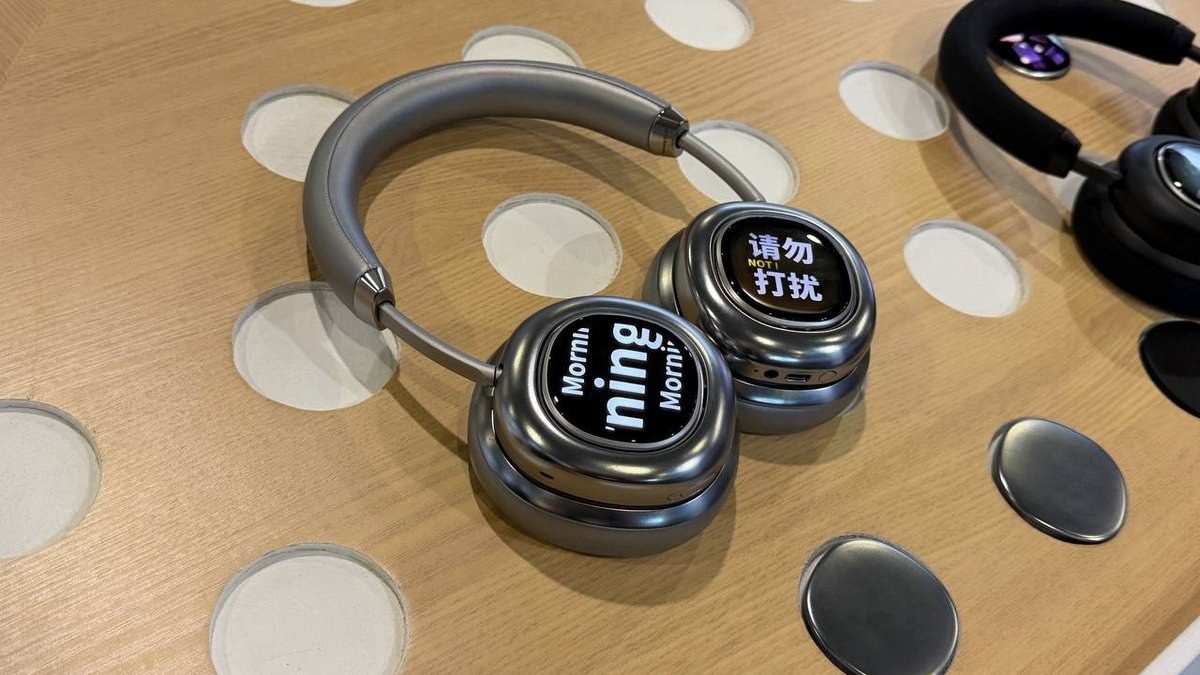
MorningBlues released the VWS X1, an over-ear wireless headset featuring detachable 2.2-inch touchscreens on both ear cups for $599. The design prioritizes visual novelty for bystanders over practical ergonomics, while the headline 60-hour battery life requires keeping the displays powered down.
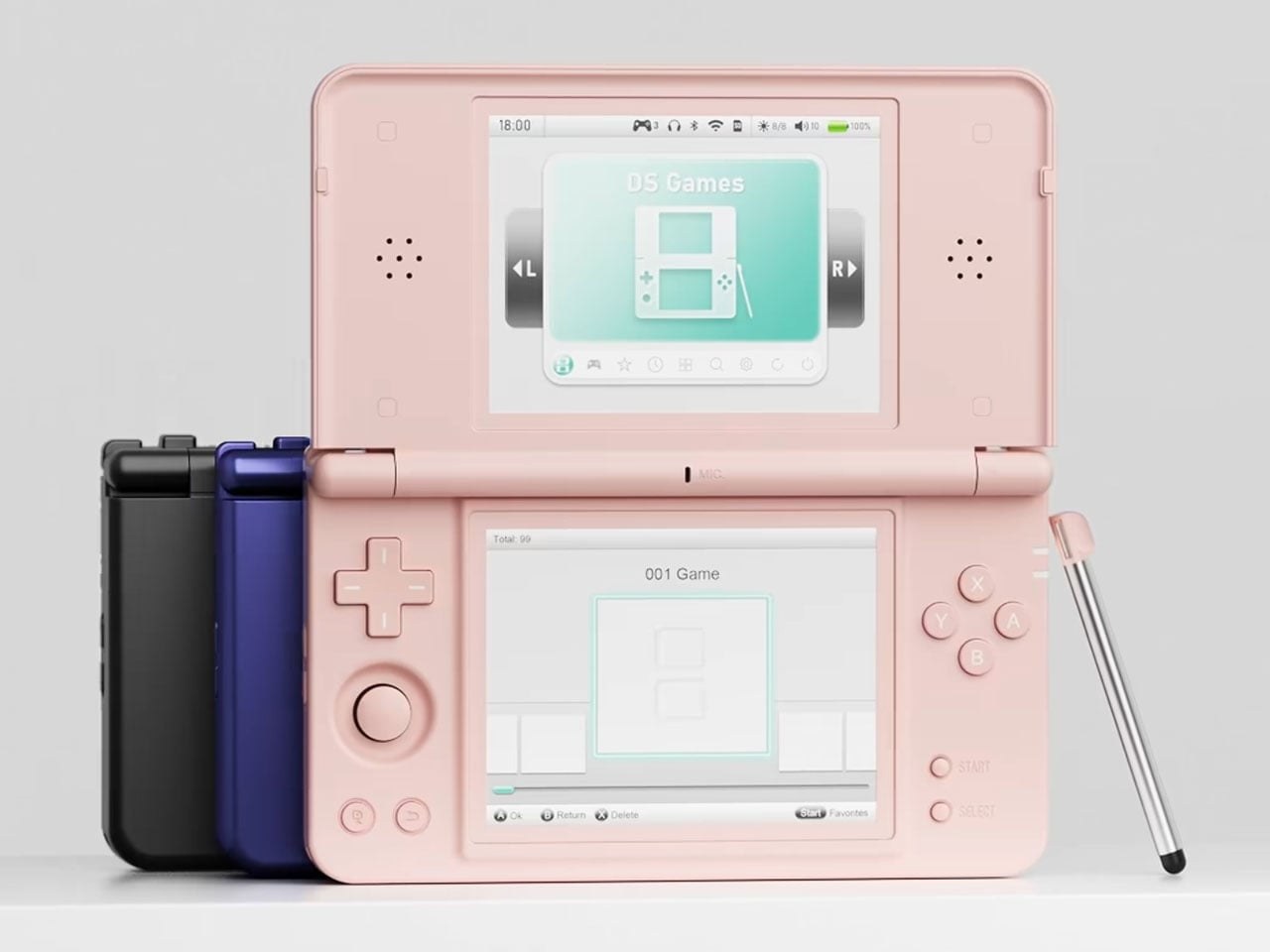
Anbernic's RG DS Plus brings dual-screen gaming back in a $90 clamshell complete with a built-in stylus and Linux. To hit that price, the maker dropped system memory to 1GB and reused an older processor, leaving heavy emulation off the table.
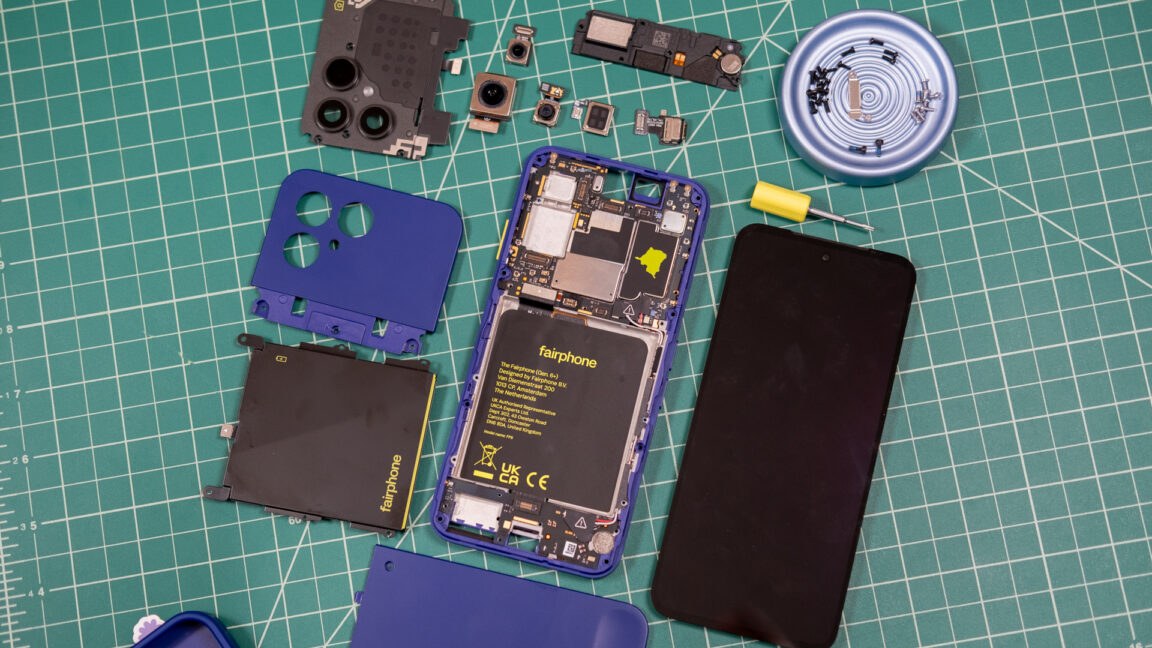
The $650 Fairphone Gen 6+ ditches industrial glue for standard screws, letting you swap broken screens and worn batteries in minutes. However, this repairability forces you to accept a bulky plastic frame and slower hardware than typical phones at this price.
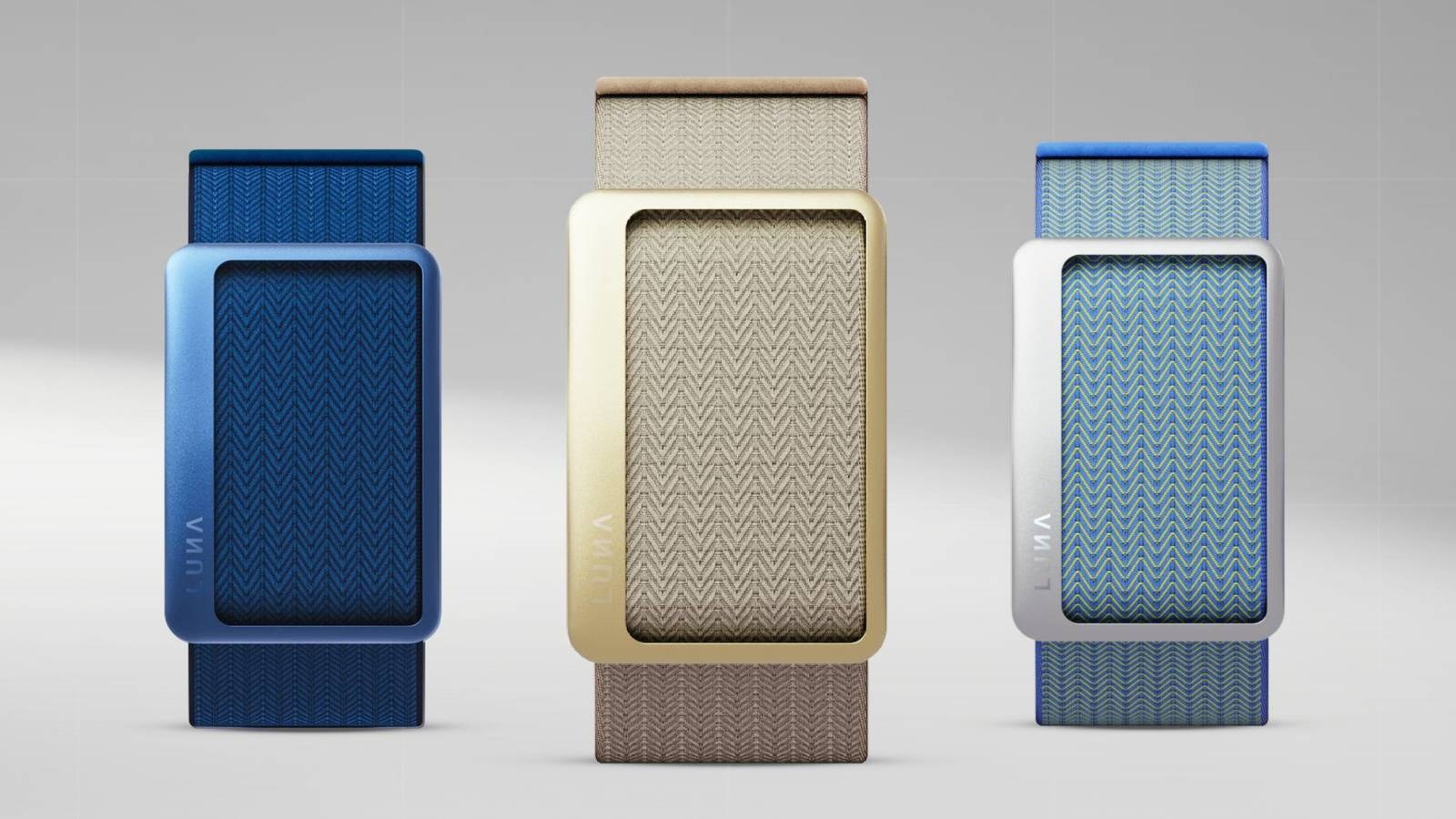
The screenless Noise Luna Band launches globally for $149, offering 24-gram fitness tracking and recovery metrics without locking your data behind a monthly rental fee. It directly challenges subscription-heavy models from Whoop and Fitbit.
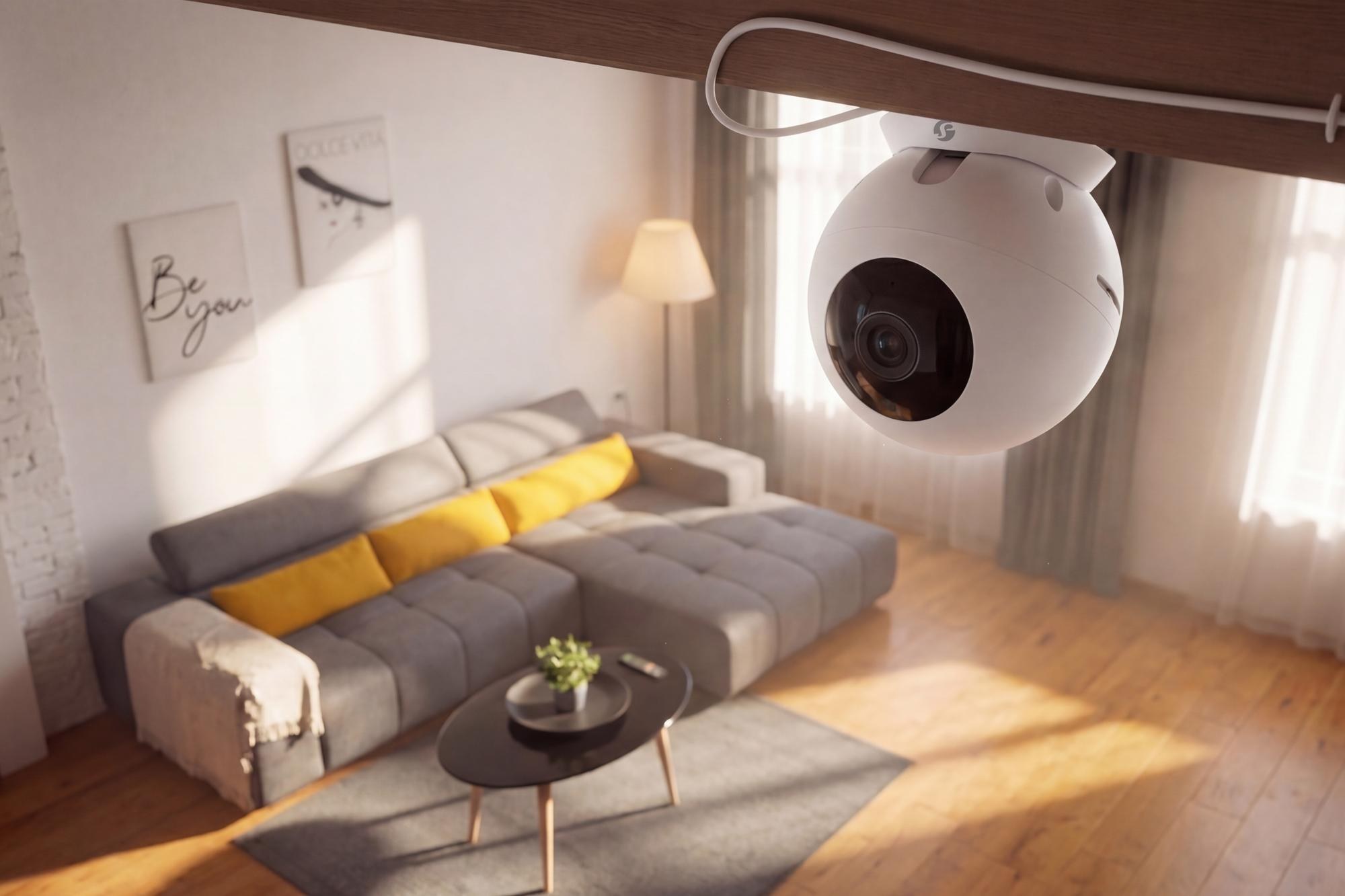
Shelly is releasing a $49.99 home security camera that records directly to a microSD card over local Wi-Fi. It lets buyers skip monthly cloud fees entirely while keeping video footage off third-party servers.
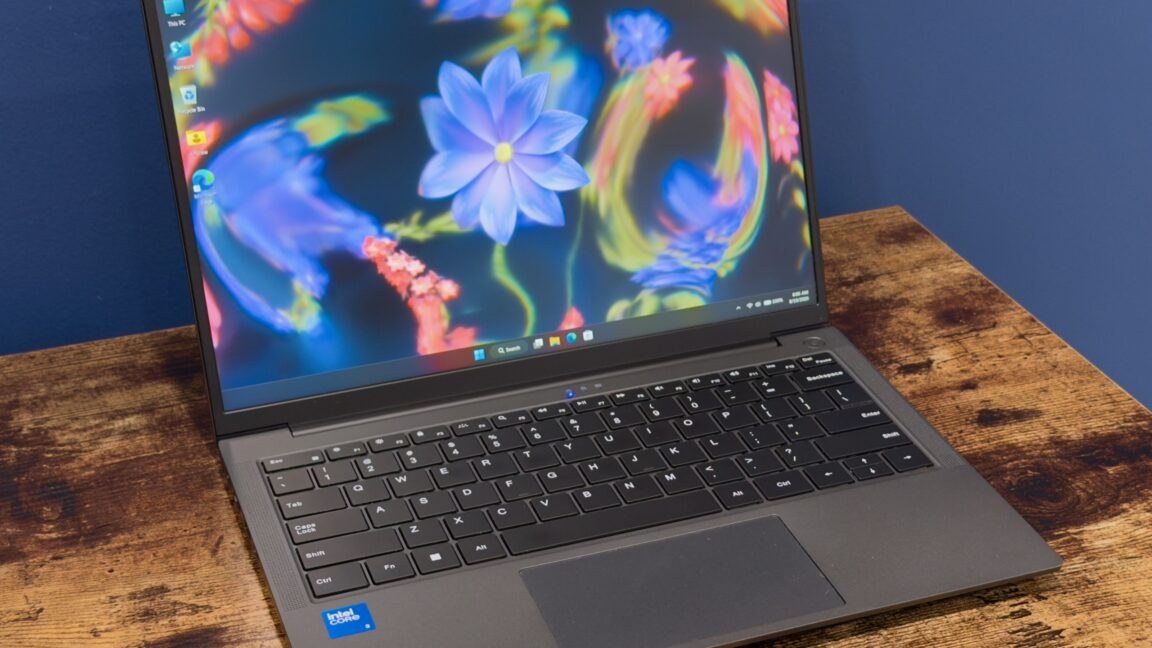
The $449 Chuwi Unibook undercuts mainstream budget laptops with modern Intel chips and built-in HDMI ports, but compromises on a flimsy aluminum chassis and a frustrating trackpad. Buyers get daily usability for light tasks at the cost of hardware refinement.
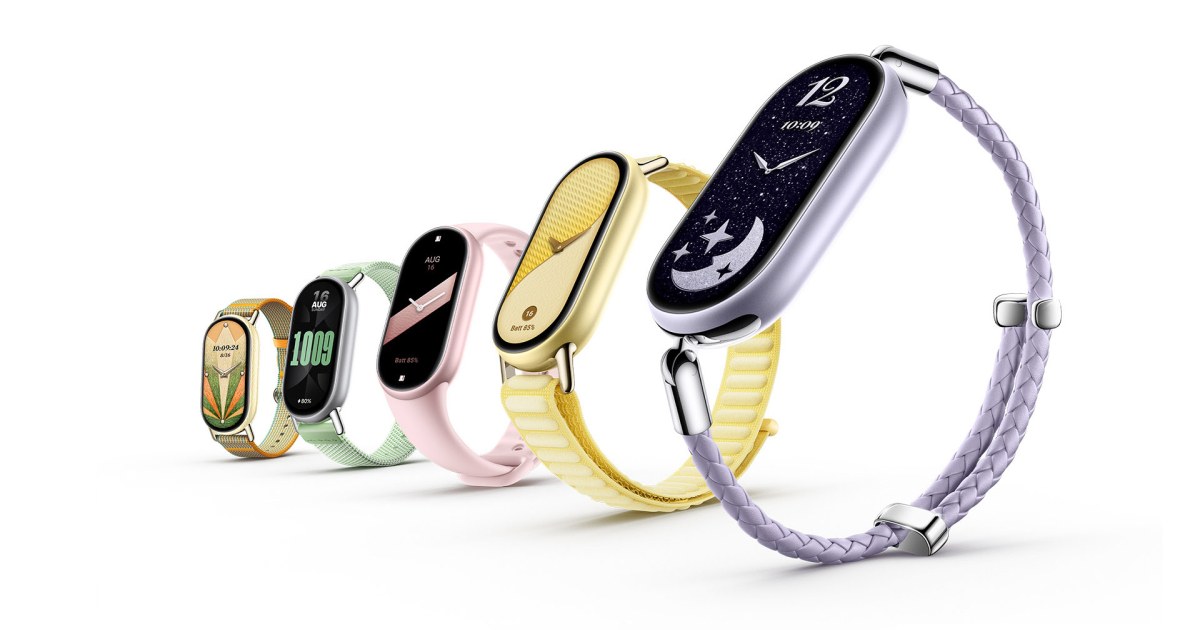
Xiaomi has unveiled the Smart Band 11 with a slimmer sub-10 mm chassis and a significantly brighter 2,000-nit display. It keeps the 21-day battery life and aggressive sub-$50 pricing intact. The wearable offers a solid upgrade for users replacing aging fitness trackers, even if recent owners can safely skip it.
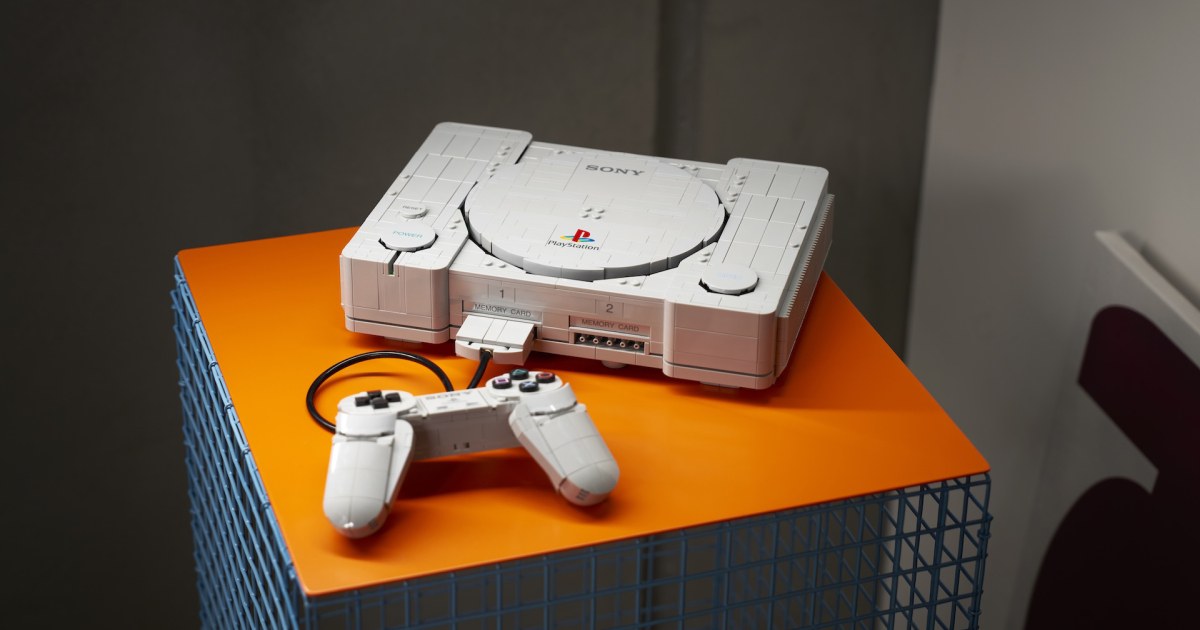
Sony and LEGO have teamed up to launch a 1,911-piece life-size replica of the original PlayStation for $180. The purely decorative set includes clickable buttons, a pop-up disc drive, and an authentic classic controller for retro gaming enthusiasts.
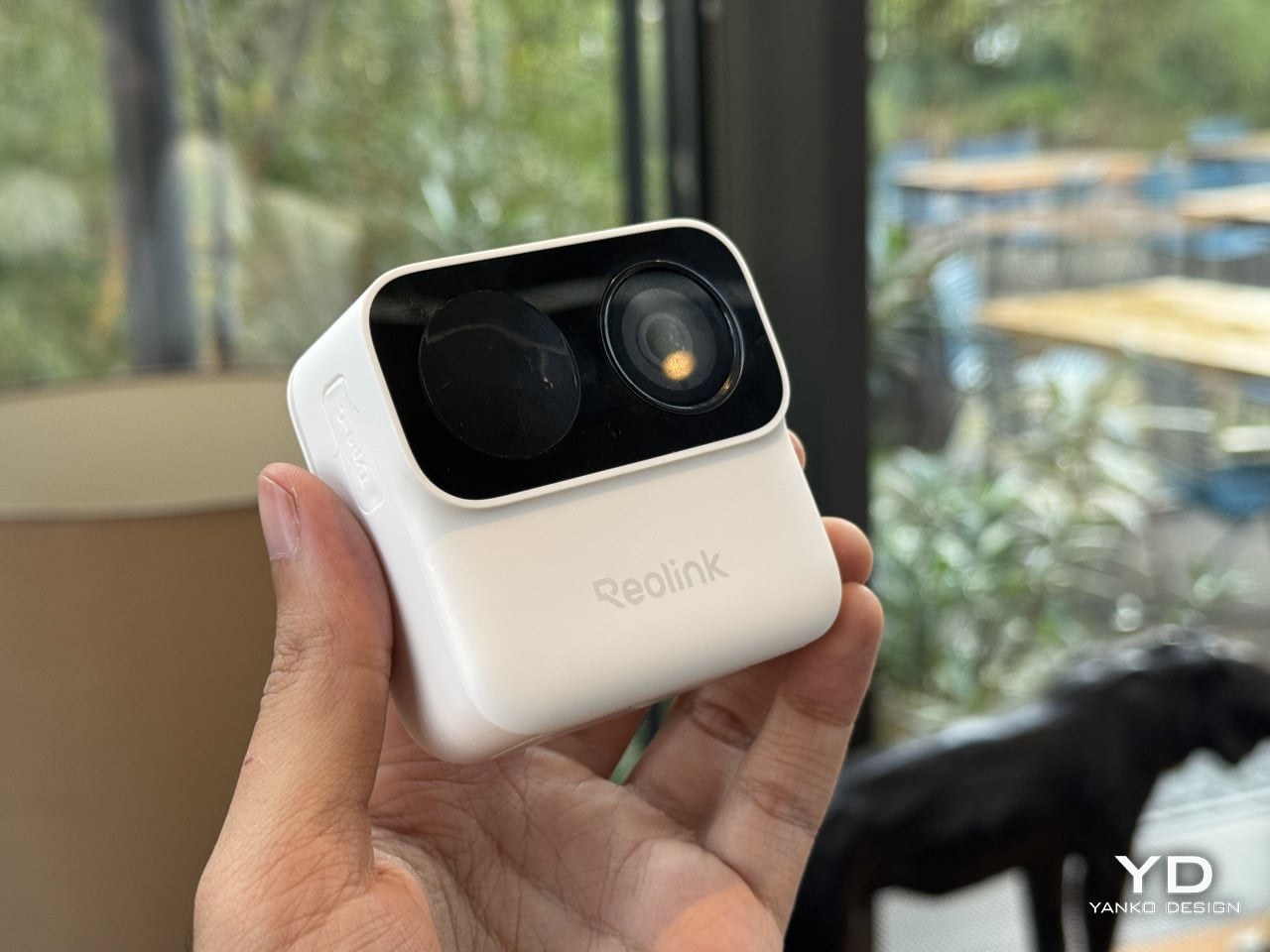
The Reolink Argus MagiCam snaps onto any metal surface without mounting brackets and runs on two standard AA lithium batteries for up to nine months. At $65 with local microSD storage, it targets renters and homeowners avoiding monthly subscription fees.
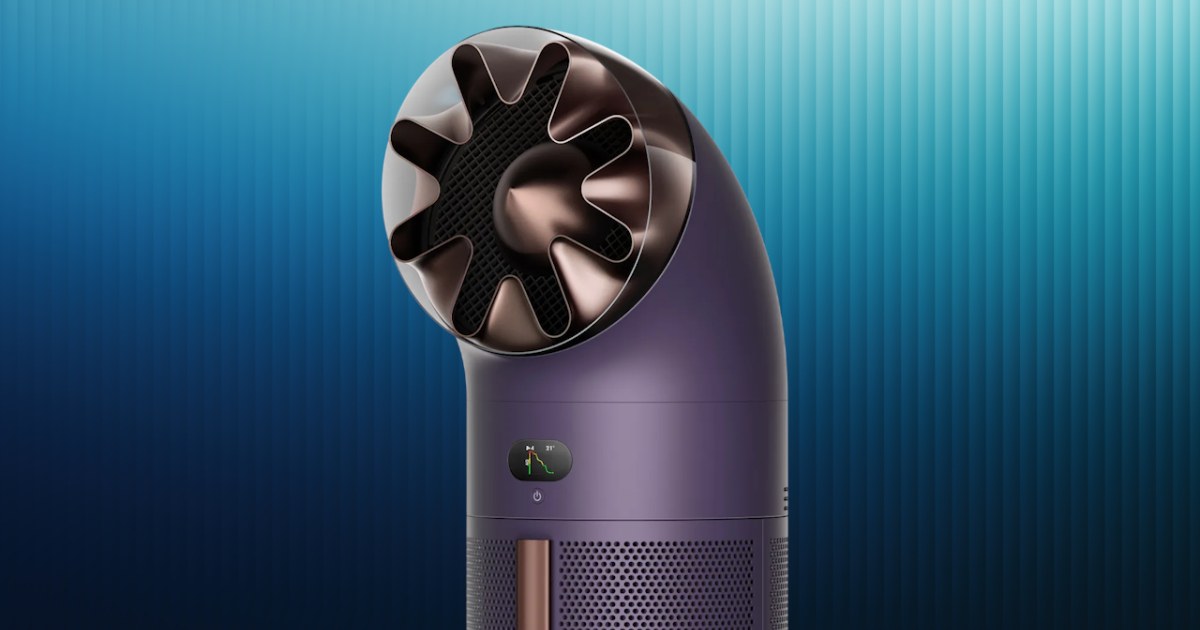
Dyson announced the HushJet series of air purifiers with advanced filtration and ultra-quiet operation, priced between $599 and $1,099. With the retail launch delayed until autumn 2026, buyers have plenty of time to weigh whether the premium is worth the wait.
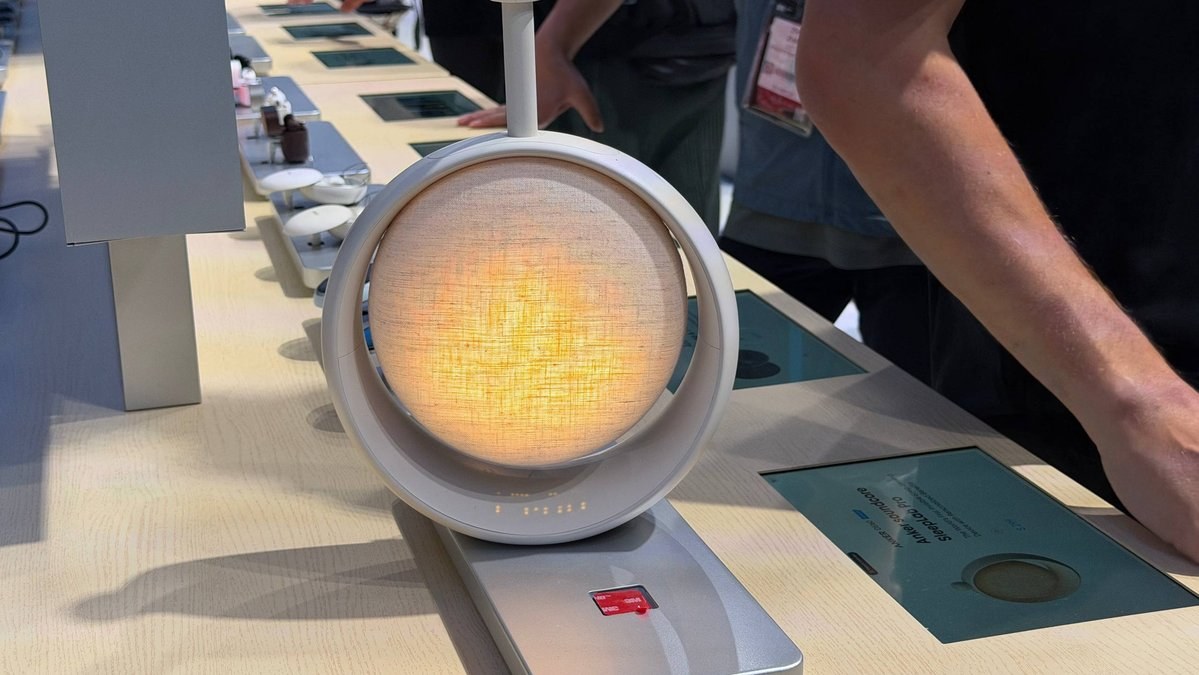
Anker unveiled the SleepLab Pro, a bedside Bluetooth speaker equipped with a 60GHz radar that tracks heart rate, respiration, and sleep cycles from the nightstand. The system eliminates the need for uncomfortable wearables and requires no paid subscription to view core health charts.
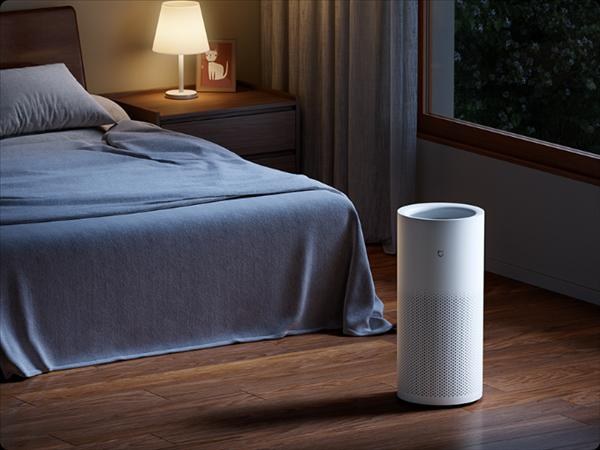
Xiaomi has introduced the Mijia No-Mist Humidifier 3, delivering high-output cold evaporation without the white dust typical of ultrasonic models. Its modular, fully washable components solve the chronic mold problem, though international buyers will face regional app hurdles.
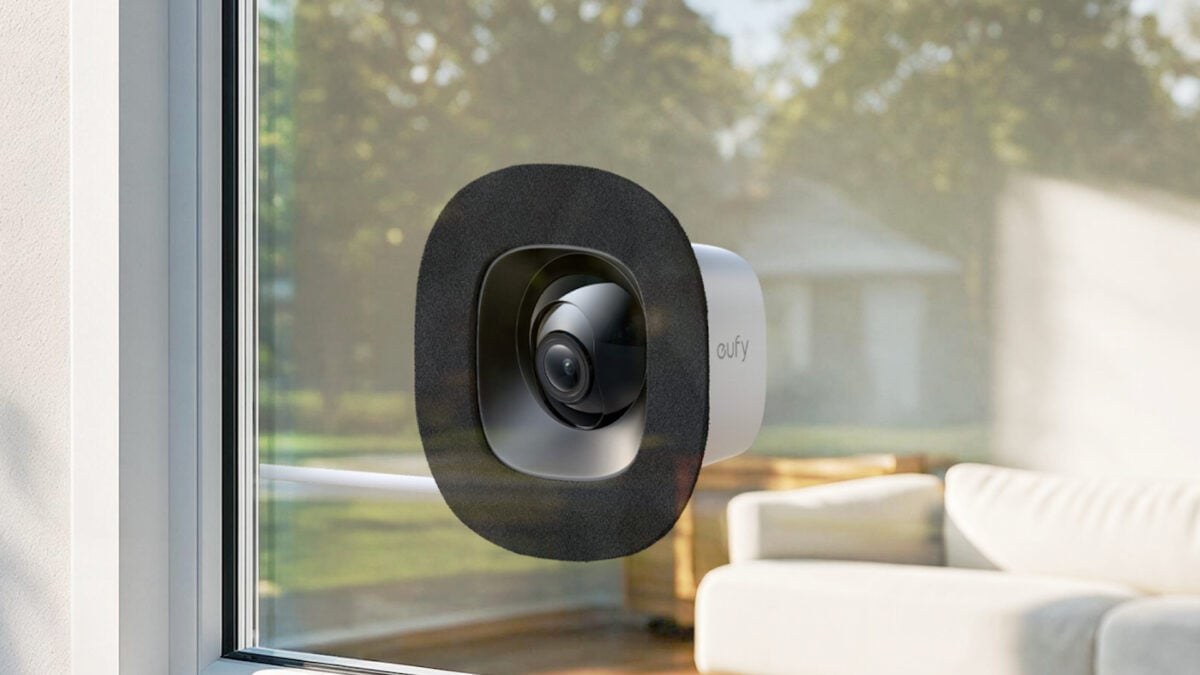
The Eufy Window Camera E10 sticks onto apartment glass to bypass landlord drilling restrictions without blinding night vision. For 70 dollars, tenants get 2.5K local recording, though living room aesthetics take a hit from the dangling USB-C power cable.
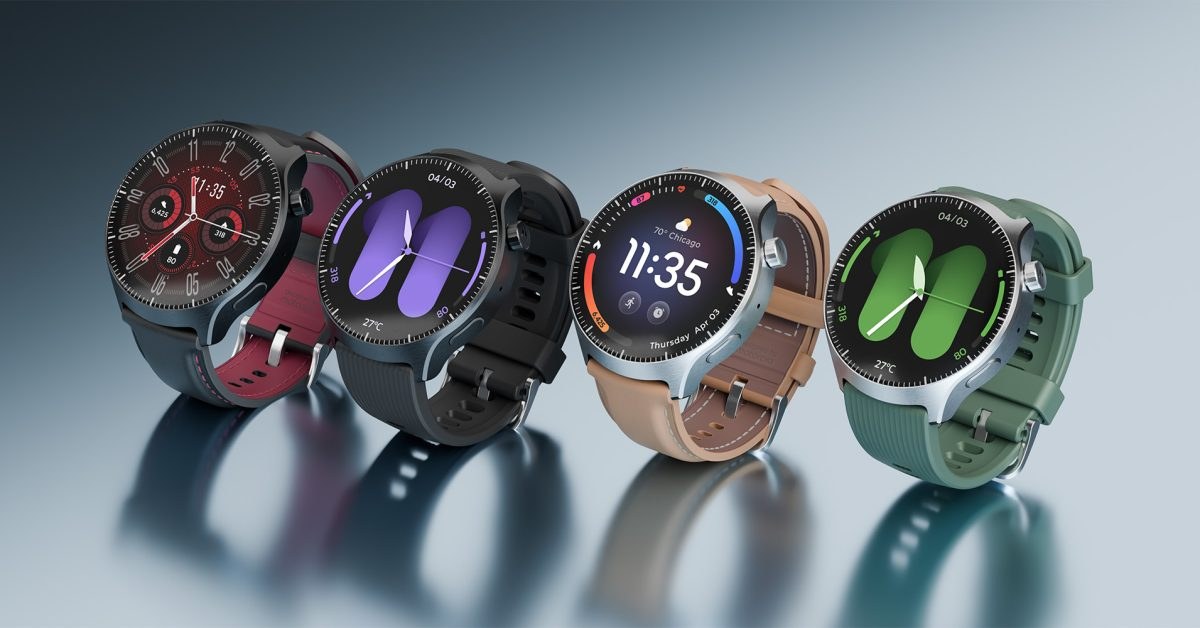
Motorola is ditching its basic fitness bands for the $349 Moto Watch Ultra, bringing full Google app support and contactless payments to Android wrists. The trade-off for real smartwatch features is a battery that lasts just two days before needing a dock.
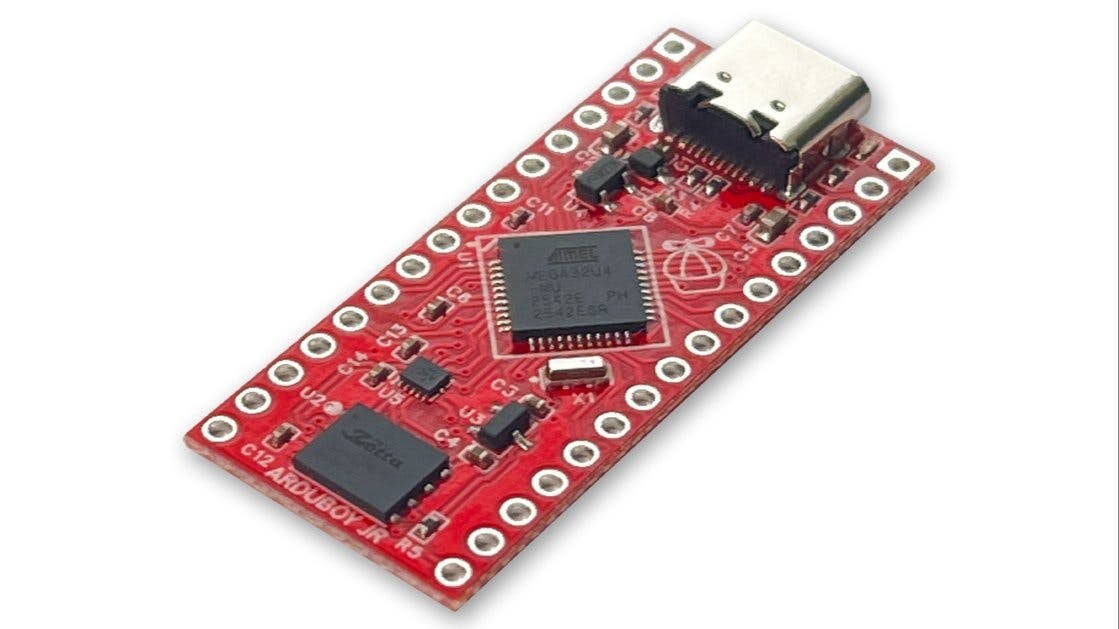
Arduboy released the Arduboy Jr for $29, offering a pre-loaded bare circuit board with 300 indie games. Buyers must solder their own screen, buttons, and battery to create a custom handheld.
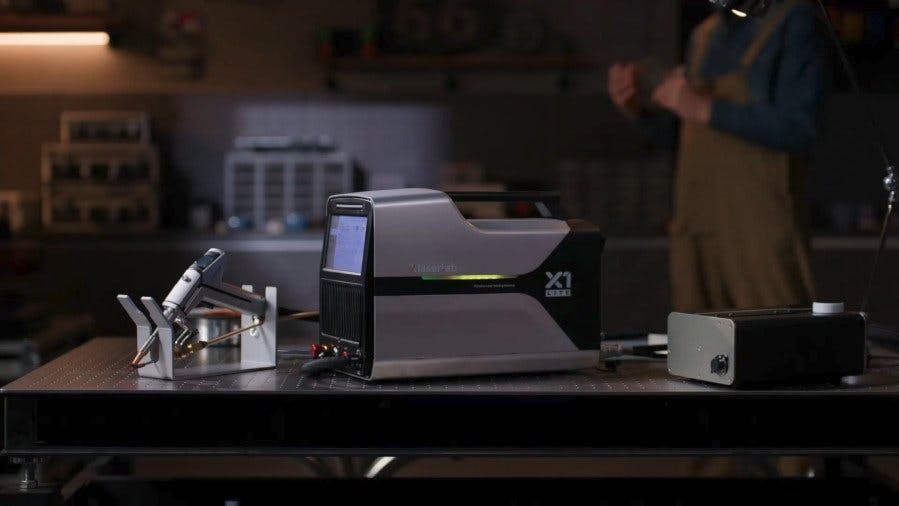
XLaserlab has launched a Kickstarter campaign for the X1 LITE, a 500W desktop fiber laser designed for cutting, rust removal, and welding in compact spaces. Priced from $1,799 to $2,699 with expected delivery by year-end, it brings heavy industrial tech to small repair benches.
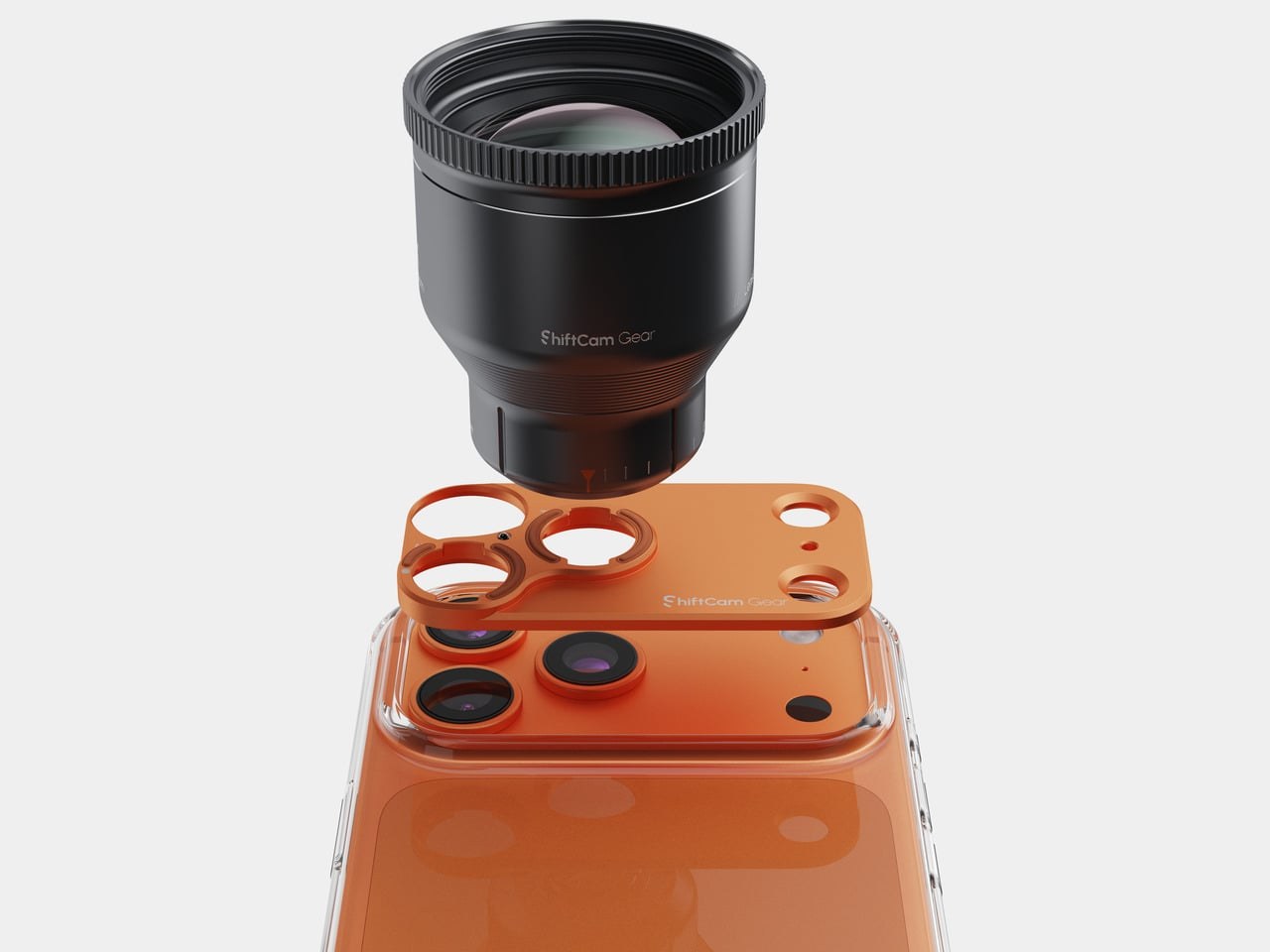
ShiftCam's new $25.99 adhesive plate lets mobile photographers attach extra lenses directly to their favorite protective cases. Instead of forcing you to buy a brand-specific plastic shell, the slim mount aligns heavy glass precisely over your phone's camera sensors.

Leica has resurrected an ultrarare 1960s U.S. Navy reconnaissance optic as the Summicron-M 66mm f/2. For everyday photographers, its reversed aperture rings and luxury price tag make it a shelf piece rather than a practical daily tool.

DJI is launching the Romo A2 and P2 robot vacuums in Europe starting at €1,200, featuring retractable motorized legs that climb over obstacles up to 8.5 cm tall. The lineup packs 36,000 Pa suction and promises up to a full year of maintenance-free dock operation.
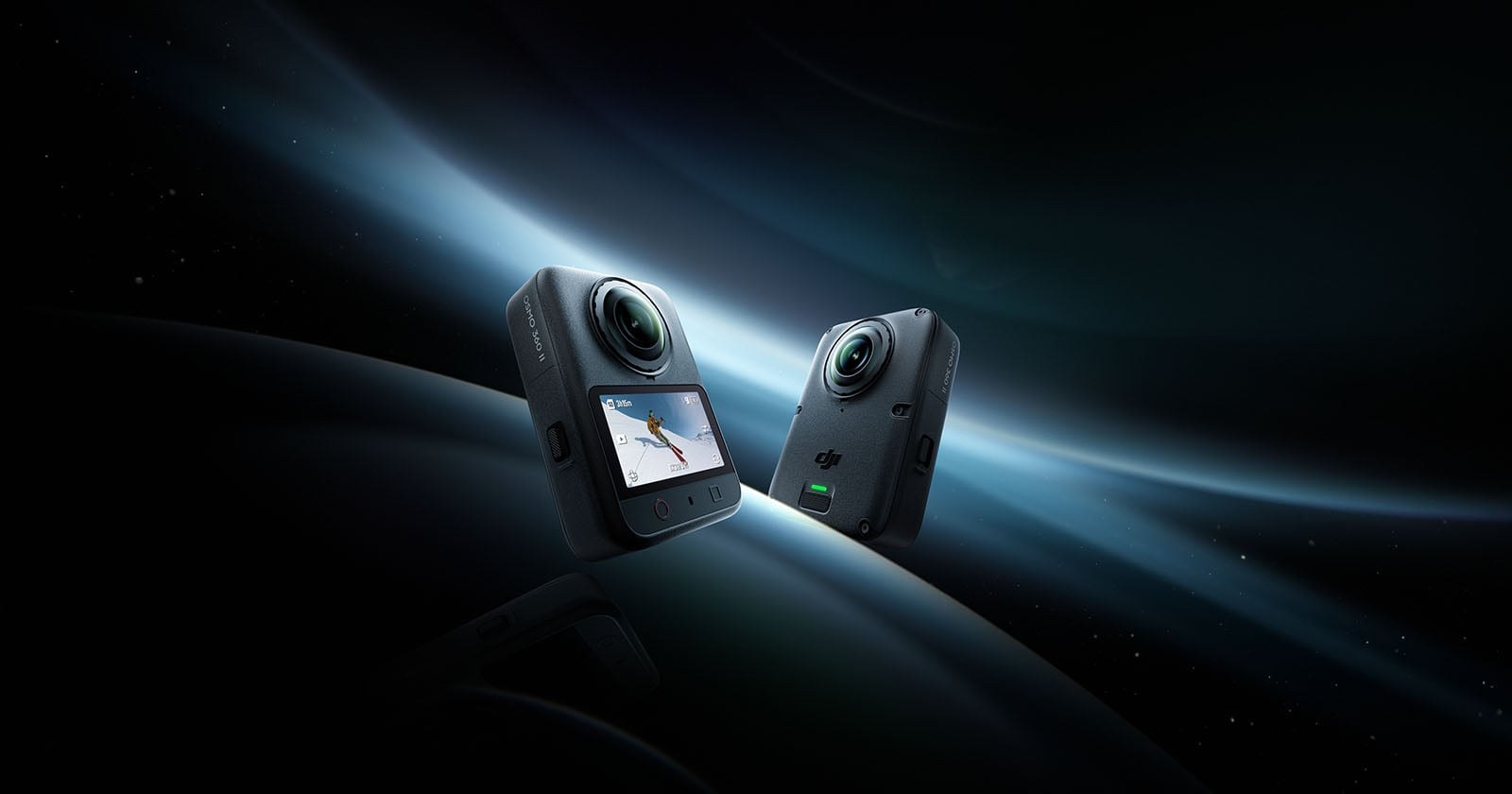
DJI unveiled the Osmo 360 II with user-replaceable scratch-resistant glass, a custom square 1-inch sensor, and 100-minute 8K battery life. Launching globally on September 15 for 589 euros, though US buyers face regulatory delays.
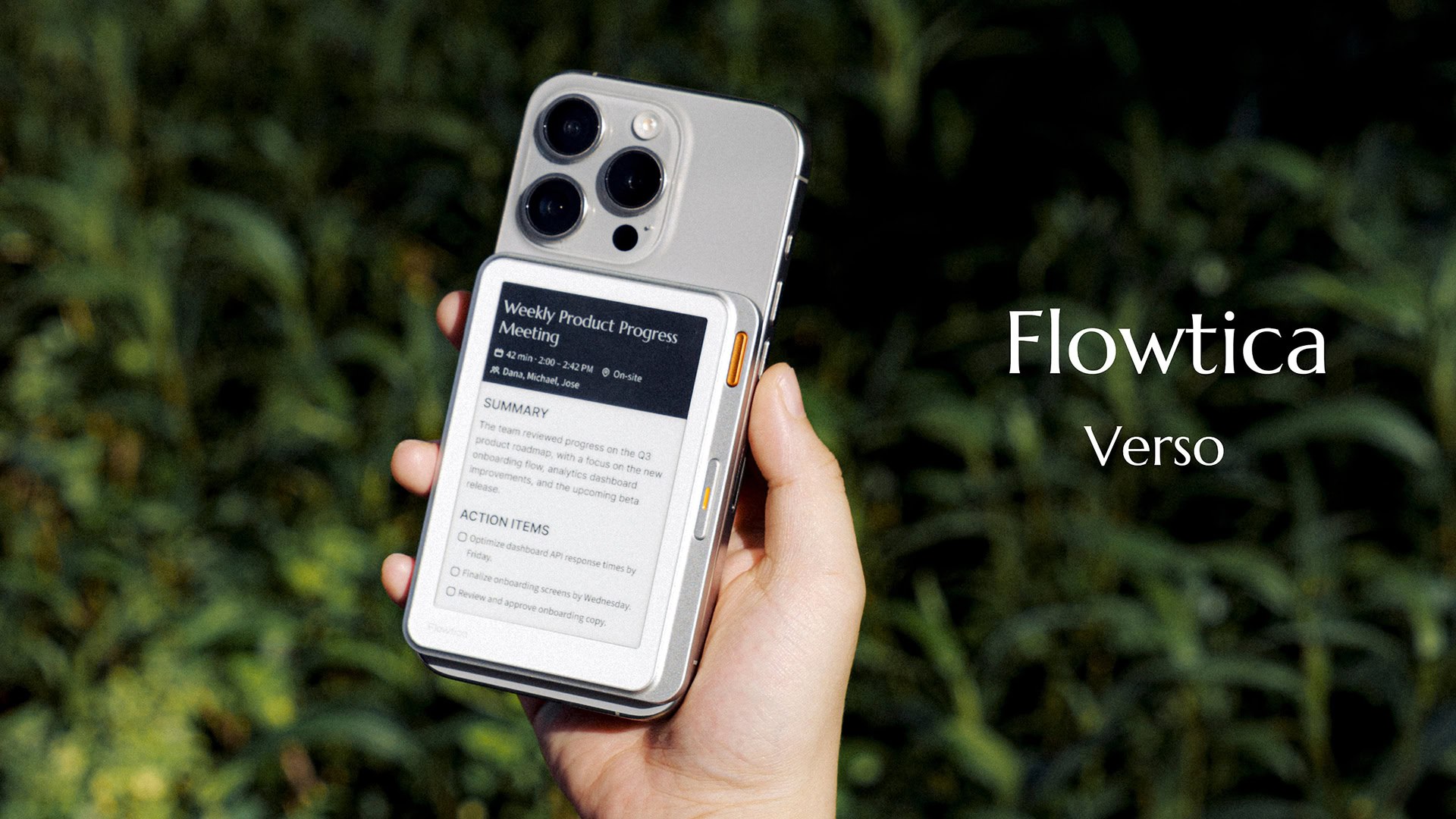
The Flowtica Verso attaches an E-Ink display and AI voice recorder to the back of your smartphone for $299. It keeps meeting notes visible without phone notifications, but straps a noticeable 98-gram metal block to your daily handset.

A new $1.99 Safari extension called Weedout automatically removes YouTube videos marked with official artificial intelligence tags from your feed. It runs entirely on your Mac to give users tired of synthetic clutter a clean timeline without tracking data.
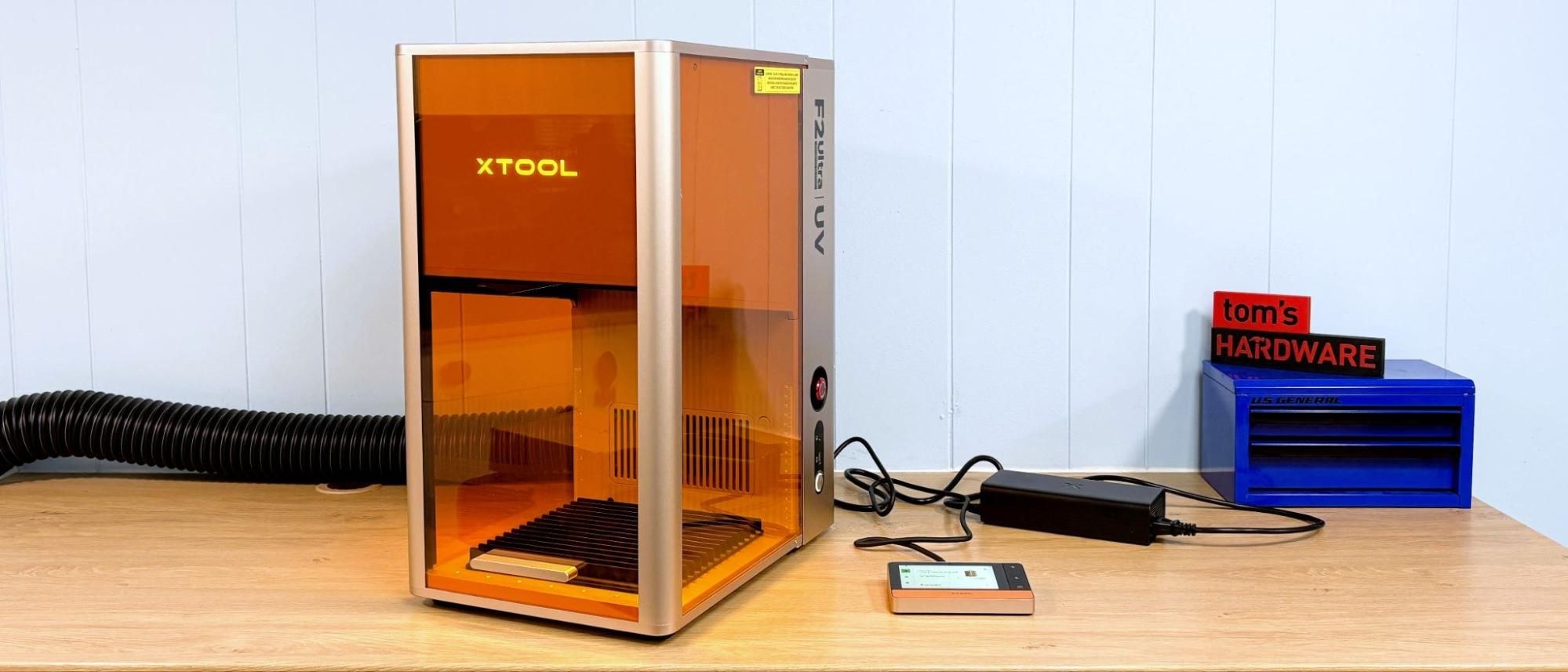
xTool has released the F2 Ultra UV, a galvanometer laser engraver that uses a 355 nm wavelength to cut materials through cold photochemical reactions instead of heat. Operating at speeds up to 15,000 mm/s, the machine eliminates soot and scorch marks on wood and glass. At $4,299, it offers commercial craft studios an industrial-grade alternative to traditional diode and CO2 lasers.

Square Enix is releasing six miniature cathode-ray tube TV replicas for $12 each that light up and play classic Final Fantasy battle themes. However, buyers purchasing the six-pack bundle face a blind-box gamble that does not guarantee a complete set.

Startup ViewX has launched a Kickstarter campaign for a 27-inch 4K monitor that projects 3D depth without requiring a VR headset or plastic glasses. While the $1,200 pledge undercuts commercial 3D displays, backing an unreleased optical panel carries serious risks compared to established OLED alternatives.
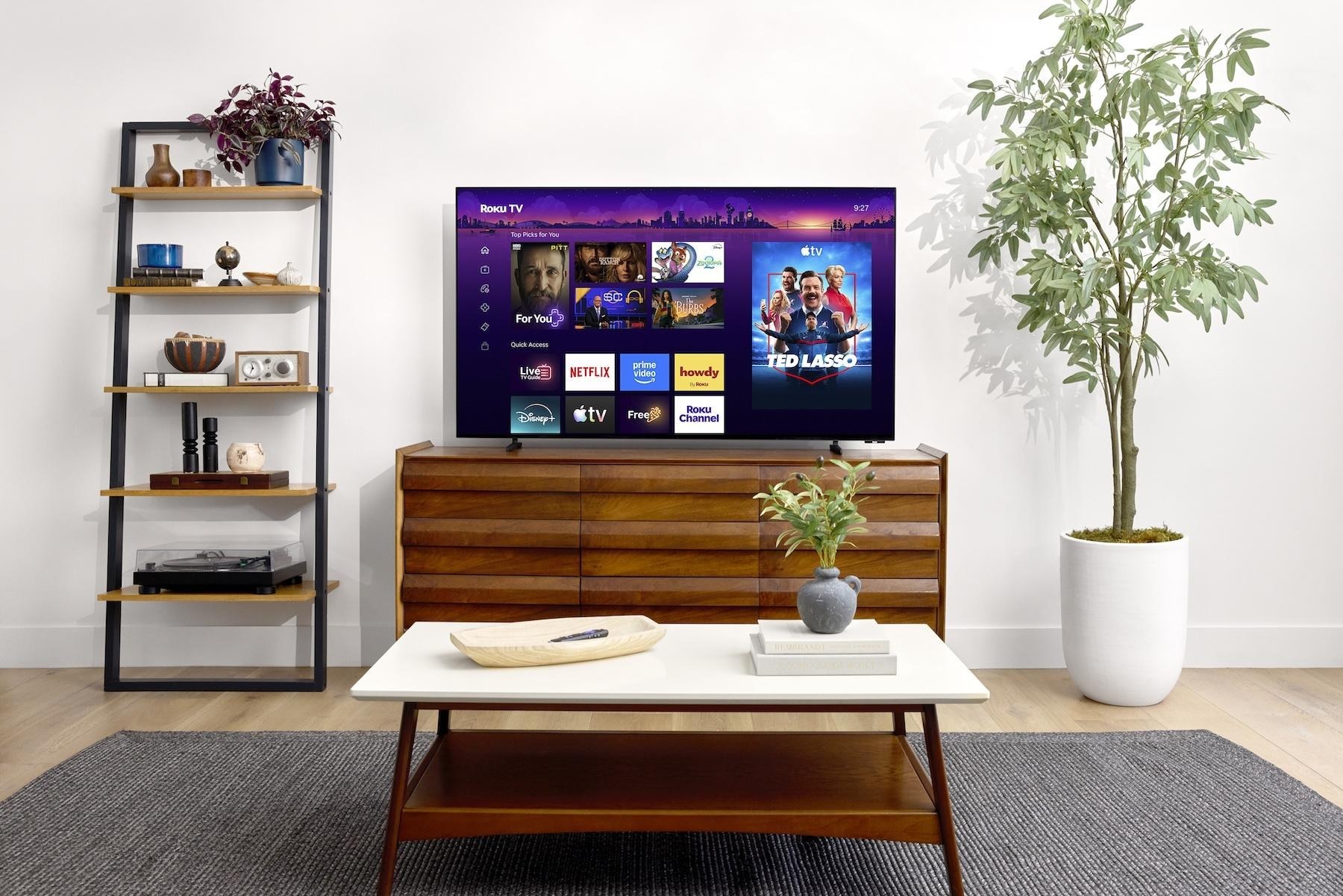
Roku released its first OLED television lineup with 120Hz refresh rates and HDMI 2.1 starting at under $1,000. The aggressive pricing directly undercuts premium sets from LG and Samsung, though buyers accept an ad-heavy software platform in exchange.
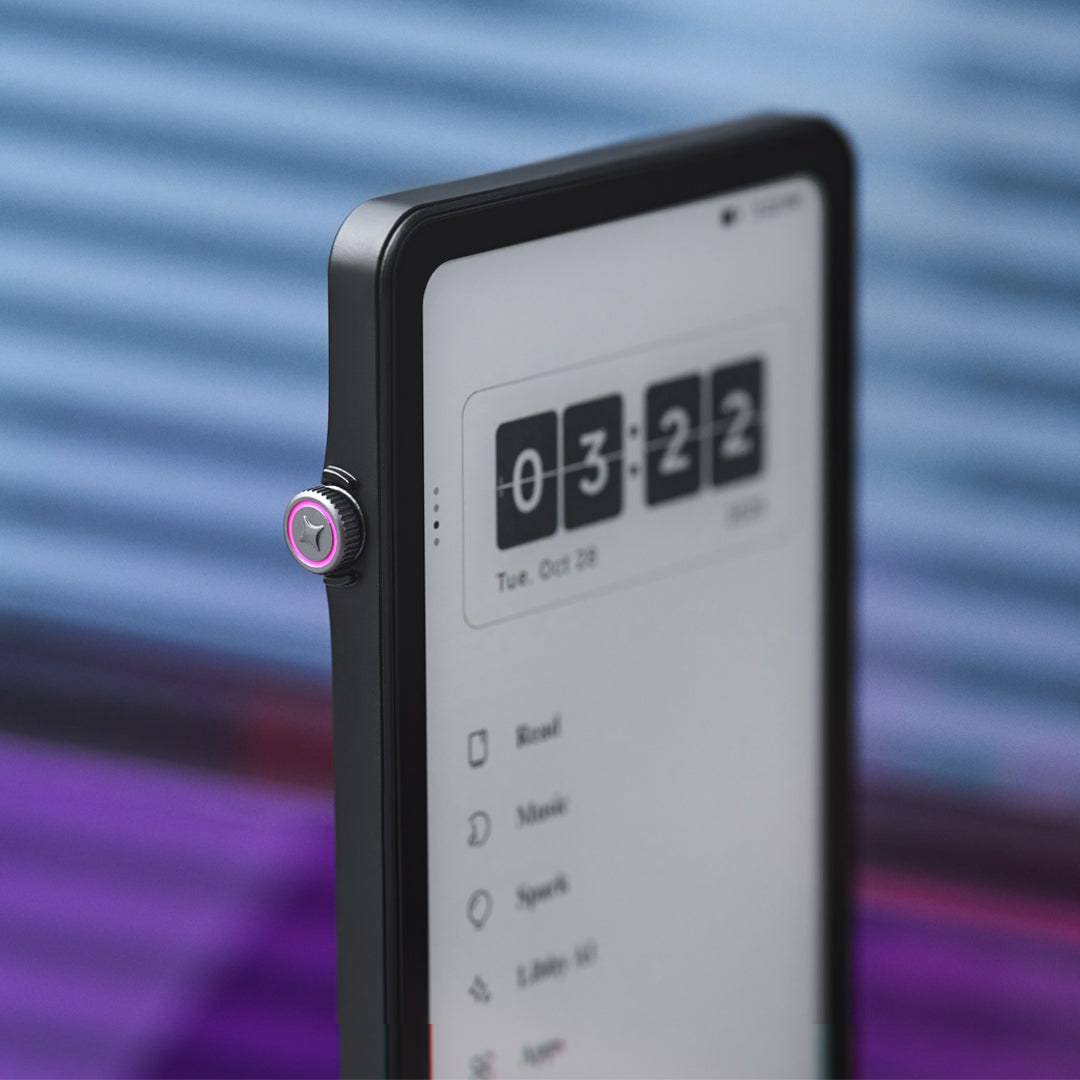
DuRoBo has launched the Krono, a phone-sized E Ink reader running full Android with a hardware scroll dial for $280. While the ultraportable form factor and battery life impress, sluggish screen refreshes and the lack of cellular support make it an expensive niche device.
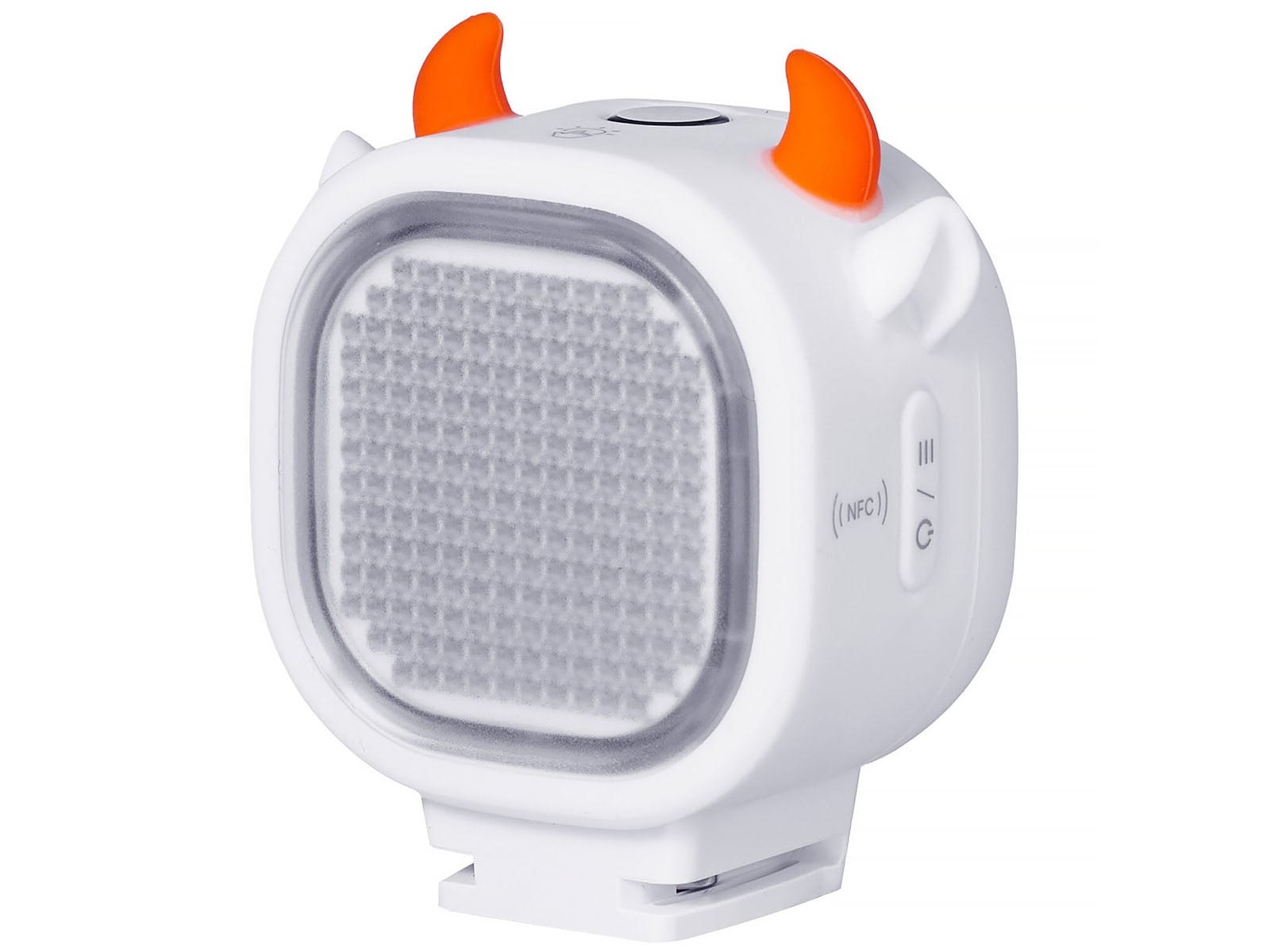
Godox released the LT1, a 37-gram pixel screen that mounts to a camera hot shoe for $33.90. While useless as a primary video light, it offers solo creators a physical shortcut to toggle studio lighting scenes without a smartphone.
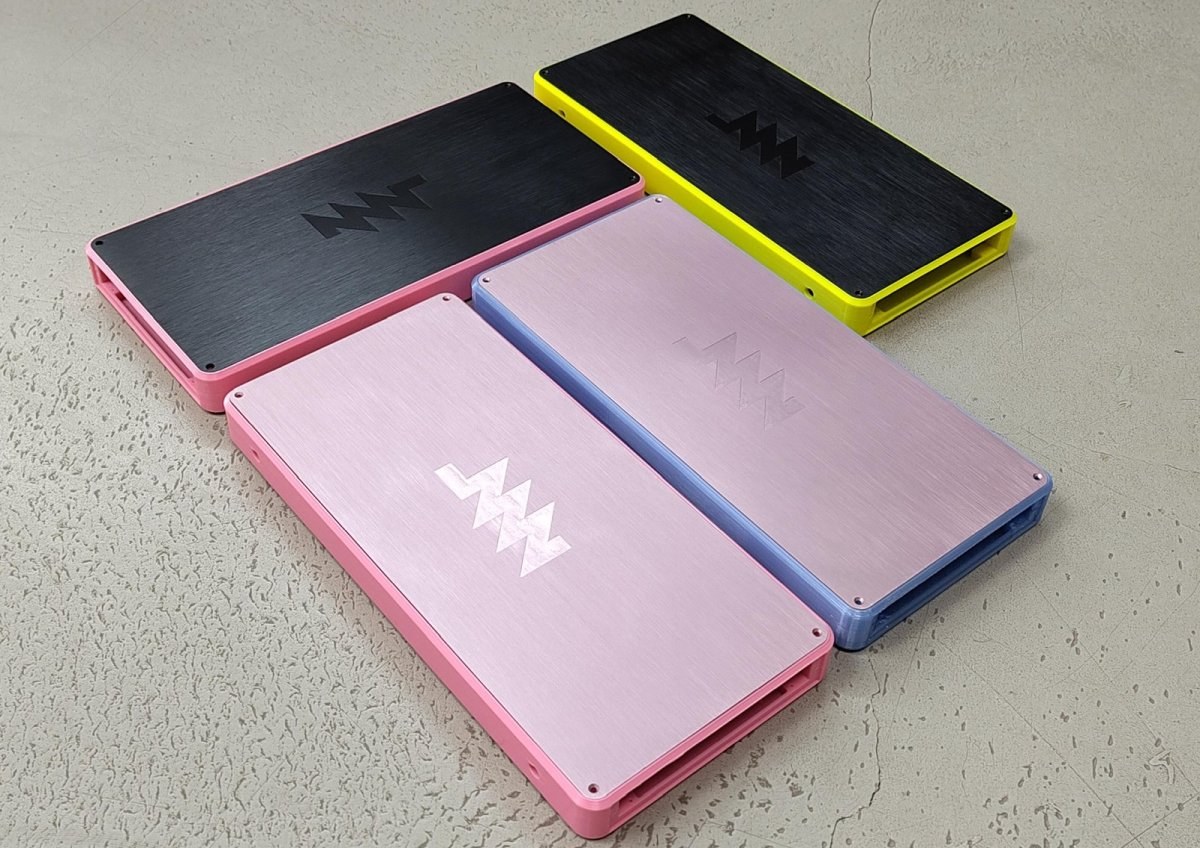
Boutique workshop MNT Research unveiled the MNT Station, an aluminum hub designed to convert retired Reform laptop motherboards into functional desktop mini-PCs. While it offers a sustainable second life for existing modular hardware owners, building a standalone setup from scratch climbs past $1,800.
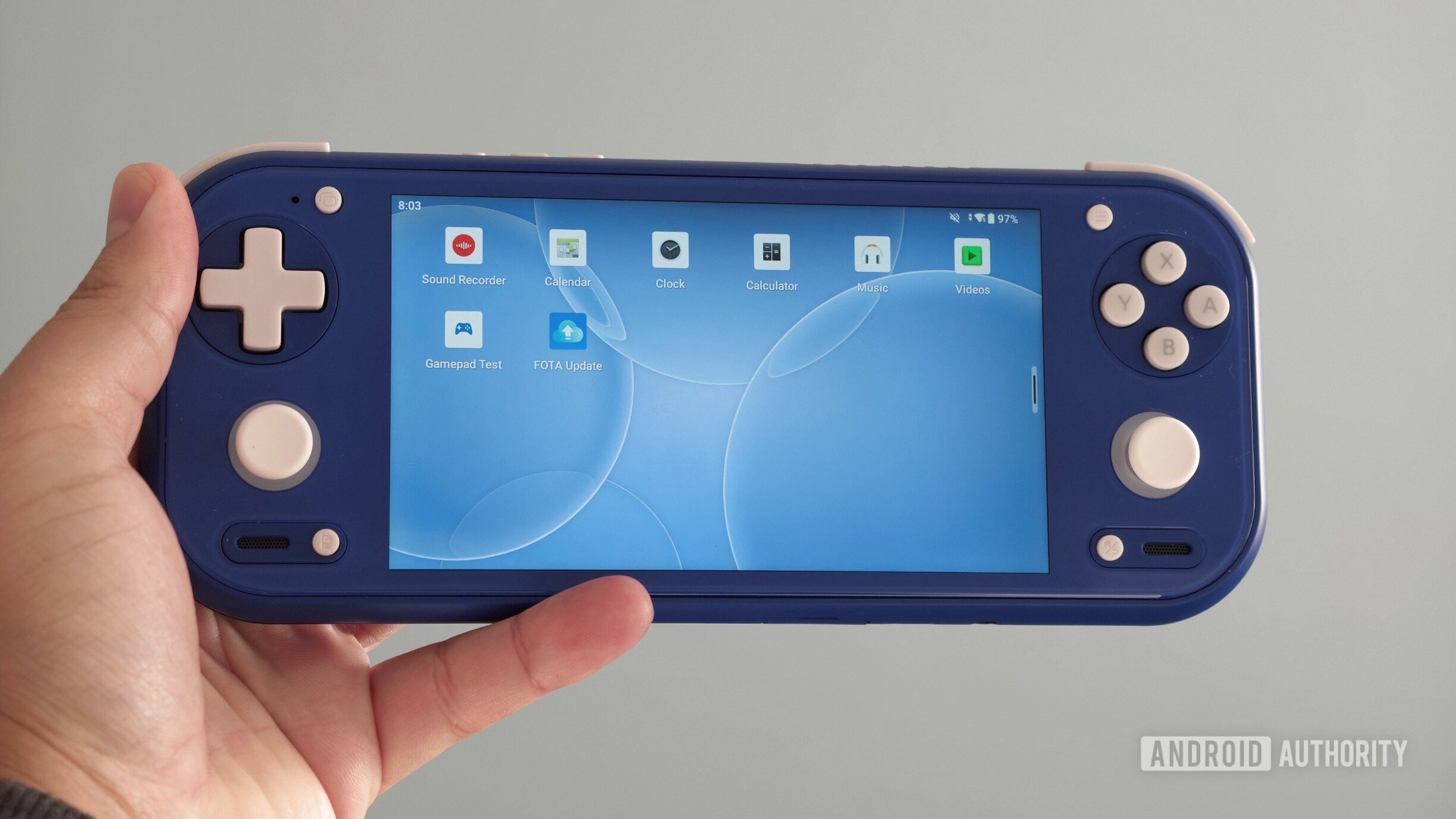
Anbernic released the RG 55G1 handheld featuring a 5.5-inch 1080p screen and drift-proof Hall sticks wrapped in Nintendo Switch Lite ergonomics. The $139.99 Snapdragon-powered device targets classic PS1 and PSP libraries rather than modern native console titles.
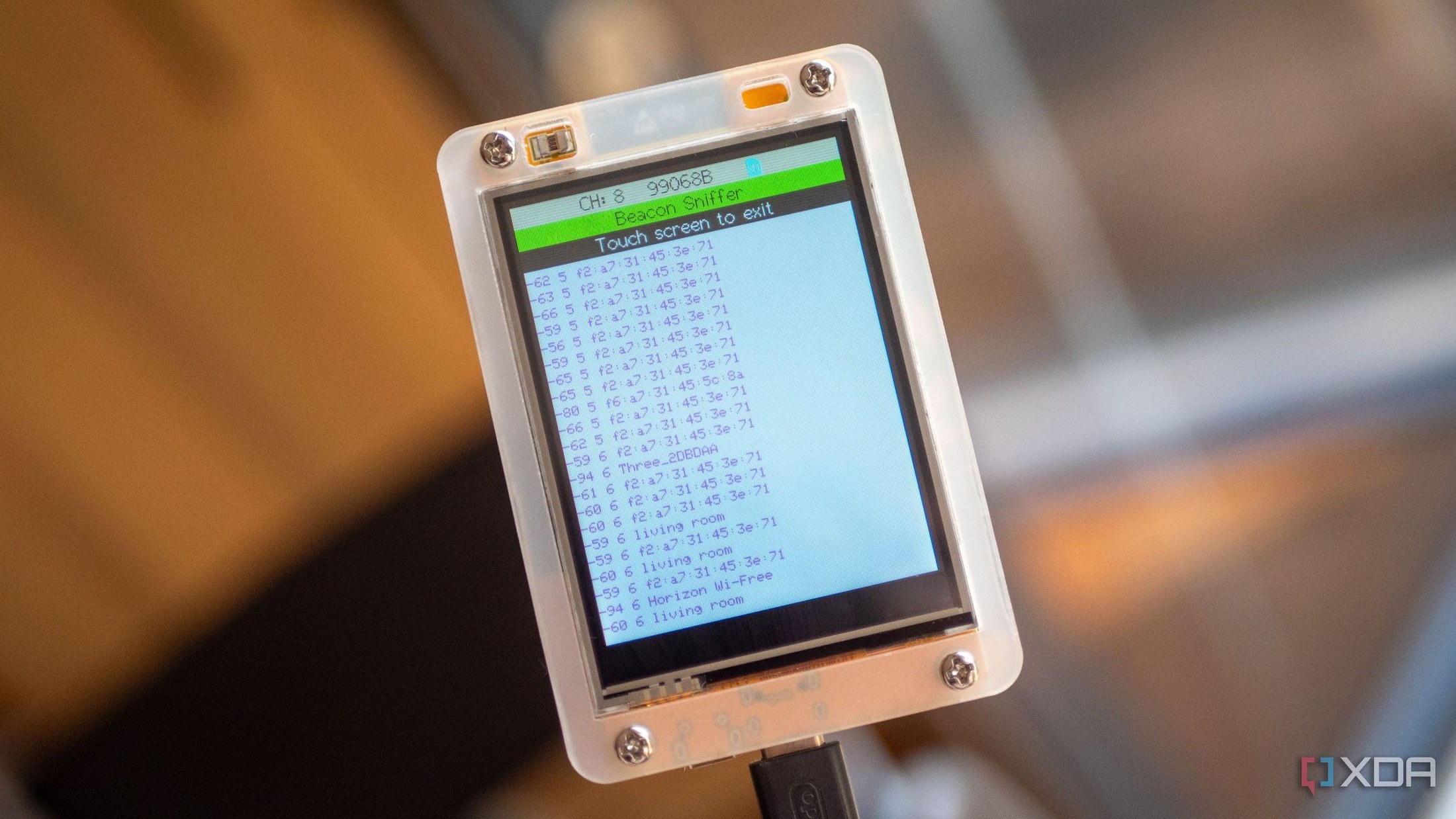
Developer alunmorris turned the cheap ESP32 'Cheap Yellow Display' board into a standalone pocket encyclopedia holding 285,000 articles. The no-solder build runs off a microSD card and a basic power bank, delivering instant reference access without an internet connection.
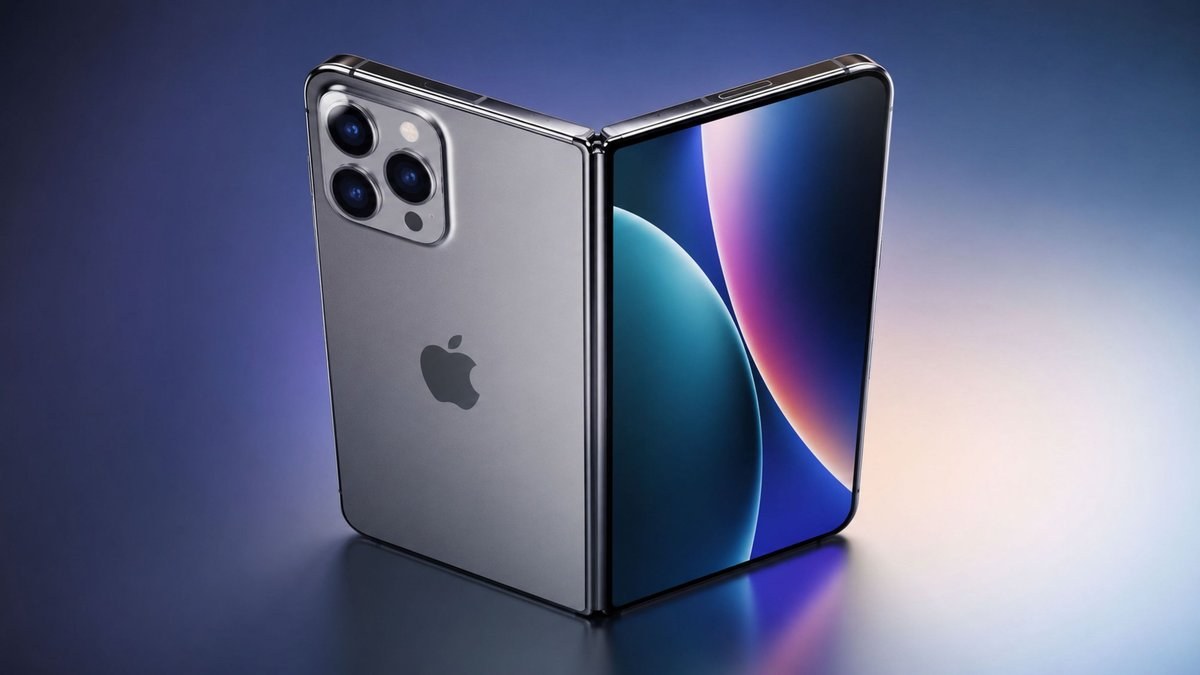
Early repair estimates show fixing a broken iPhone Fold internal display will cost at least $1,155, nearly double what Samsung charges for similar Galaxy Fold screens. The extreme complexity of Apple's custom hinge mechanism will force independent shops to invest in specialized tooling, driving up out-of-warranty costs for early adopters.
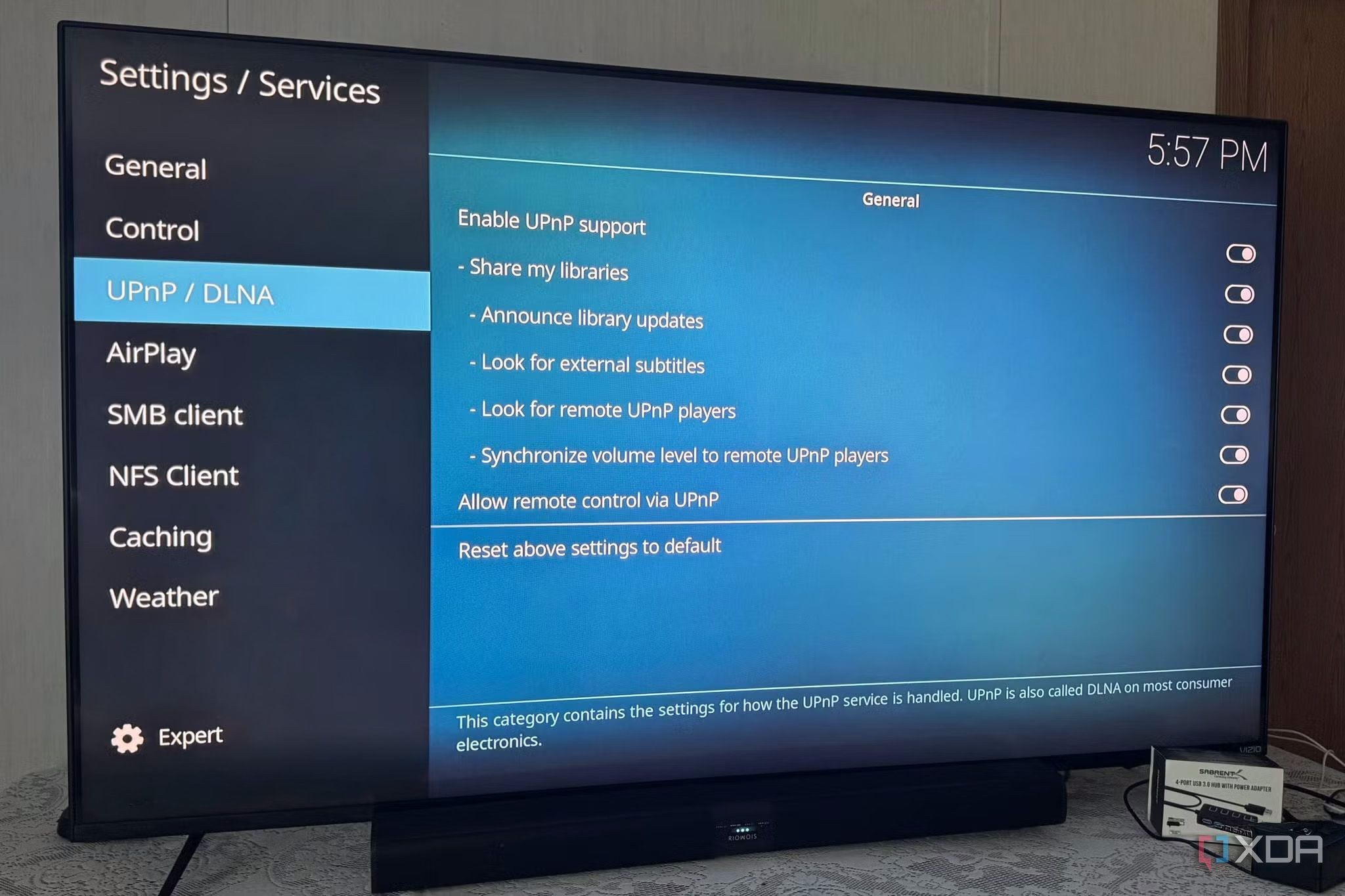
Repurposing the budget Onn 4K Pro into a self-hosted media server sounds like an affordable hack, but physical bottlenecks quickly derail the project. Underpowered USB ports, dropped 4K frames, and Android TV permission bugs make dedicated hardware the only practical choice.

Timex revived an archive 1976 model featuring a complete rotary telephone face in a compact 37mm gold-tone case. Priced at $219, the quartz watch skips modern smart features entirely in favor of bold analog nostalgia. It trades scratch-resistant sapphire for period-accurate acrylic, prioritizing conversation-starting design over raw durability.

Engineer JC Ayala opened pre-orders for artisan 8-inch and 10.5-inch mini displays designed to look like vintage broadcast monitors. Despite prices reaching $1,475, retro gaming collectors continue to sell out the handcrafted units for their authentic analog controls and modern HDMI inputs.

Aoostar has released the NEX395 mini PC featuring AMD's flagship Ryzen AI Max+ 395 chip and 64 GB of RAM for $1,785. To hit that price point, the manufacturer omitted internal storage entirely, forcing buyers to install their own SSD before booting up.
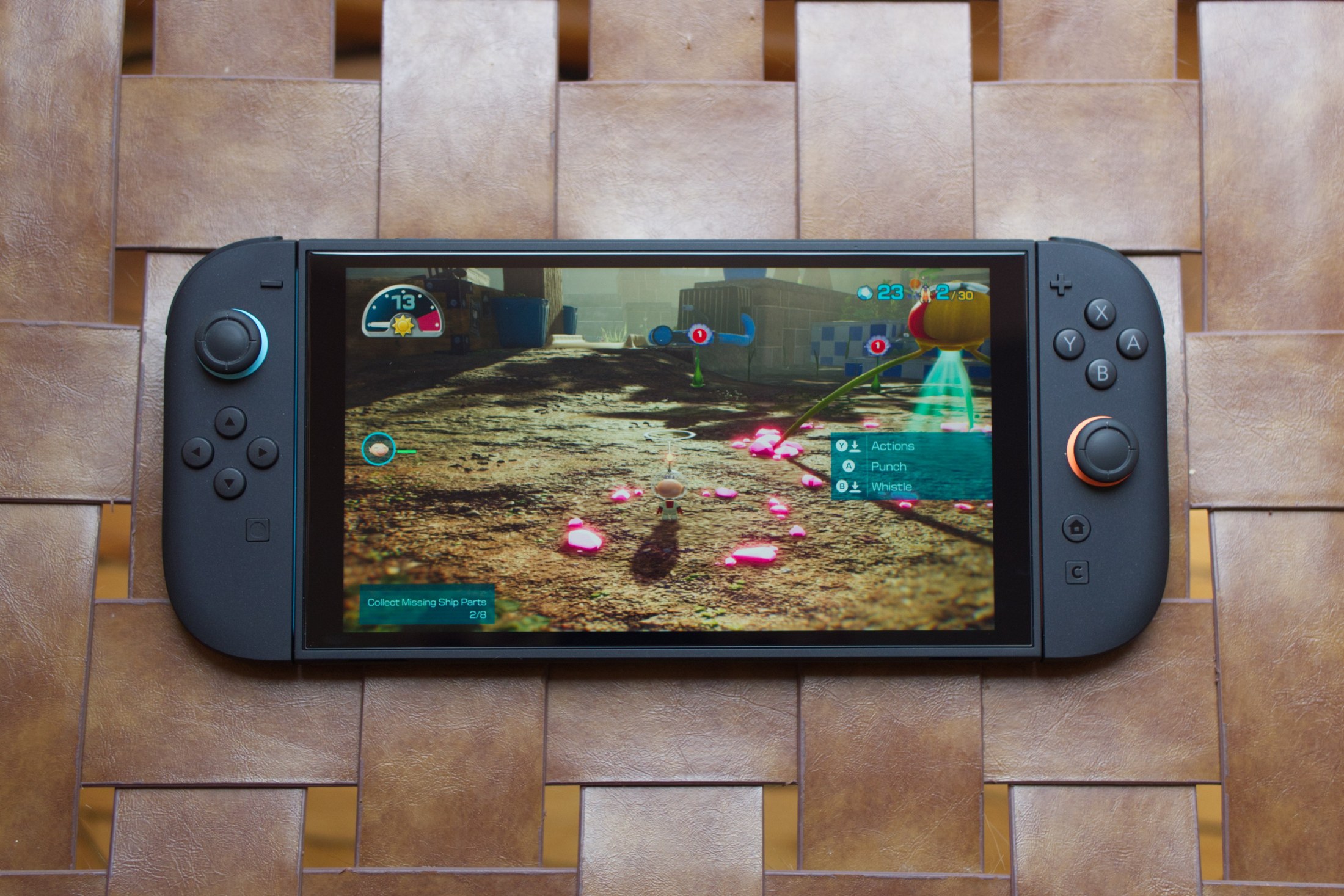
Nintendo is increasing the base 256GB Switch 2 price from $450 to $500 next week due to surging component and memory costs across the supply chain. The price hike pushes the handheld into direct financial competition with full-sized home consoles like the PS5 and Xbox Series X.

Apple raised the standalone Apple TV fee to $15 per month and bumped Apple One bundle pricing across all tiers. The adjustment offsets streaming catalog deficits by extracting recurring revenue from existing device owners. iPhone and Mac users face higher ongoing costs unless they rotate subscriptions seasonally.
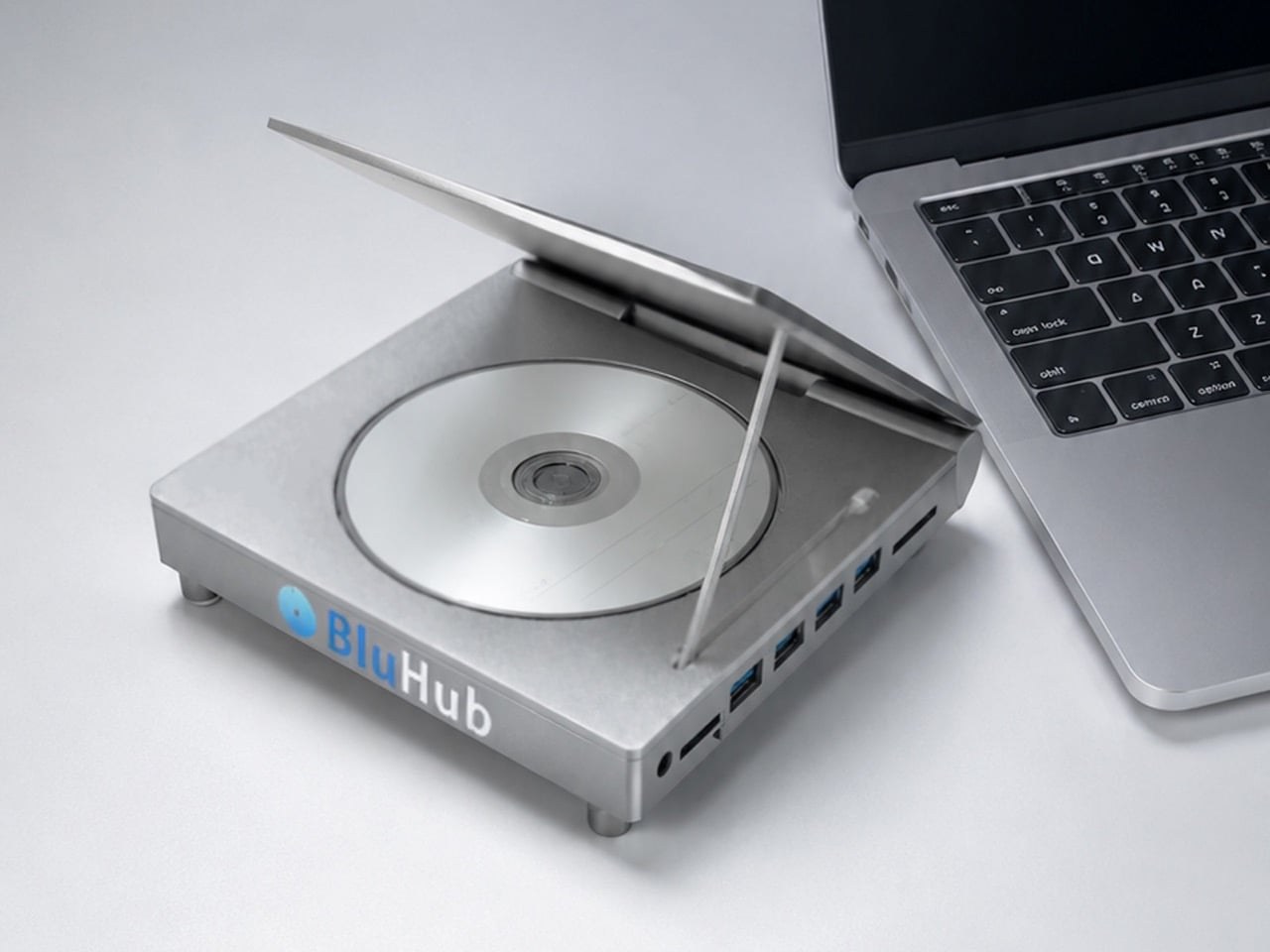
An LA collective has launched BluHub on Kickstarter, combining an everyday USB-C hub with a 100GB BDXL optical burner to fight rising cloud fees and deleted digital purchases. The bus-powered aluminum dock includes four USB 3.0 ports, card slots, and an integrated album art display. Early backers can pre-order the offline backup station for $59 ahead of its November 2026 release.
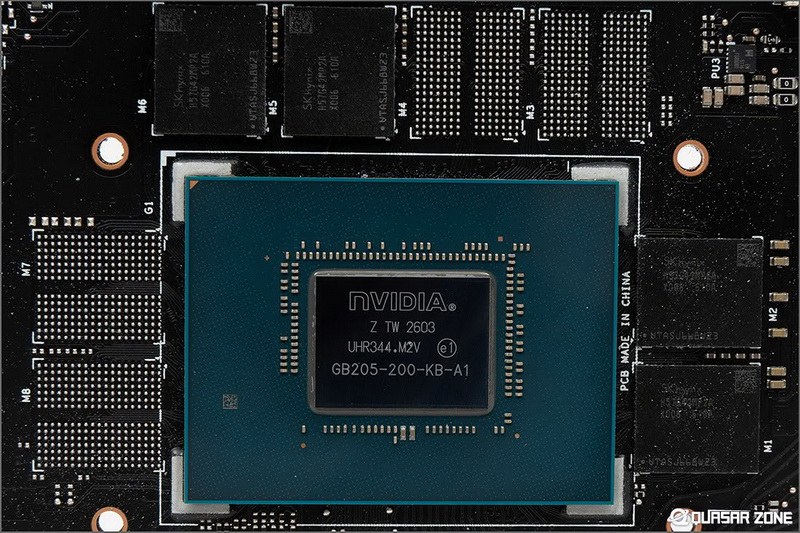
Certain RTX 5060 graphics cards are shipping with harvested silicon dies originally manufactured for the higher-tier RTX 5070. Independent testing confirms that hardware-level laser cuts result in identical gaming performance to standard models. Buyers gain no hidden frame rate boost and should avoid paying extra for specific batch numbers.
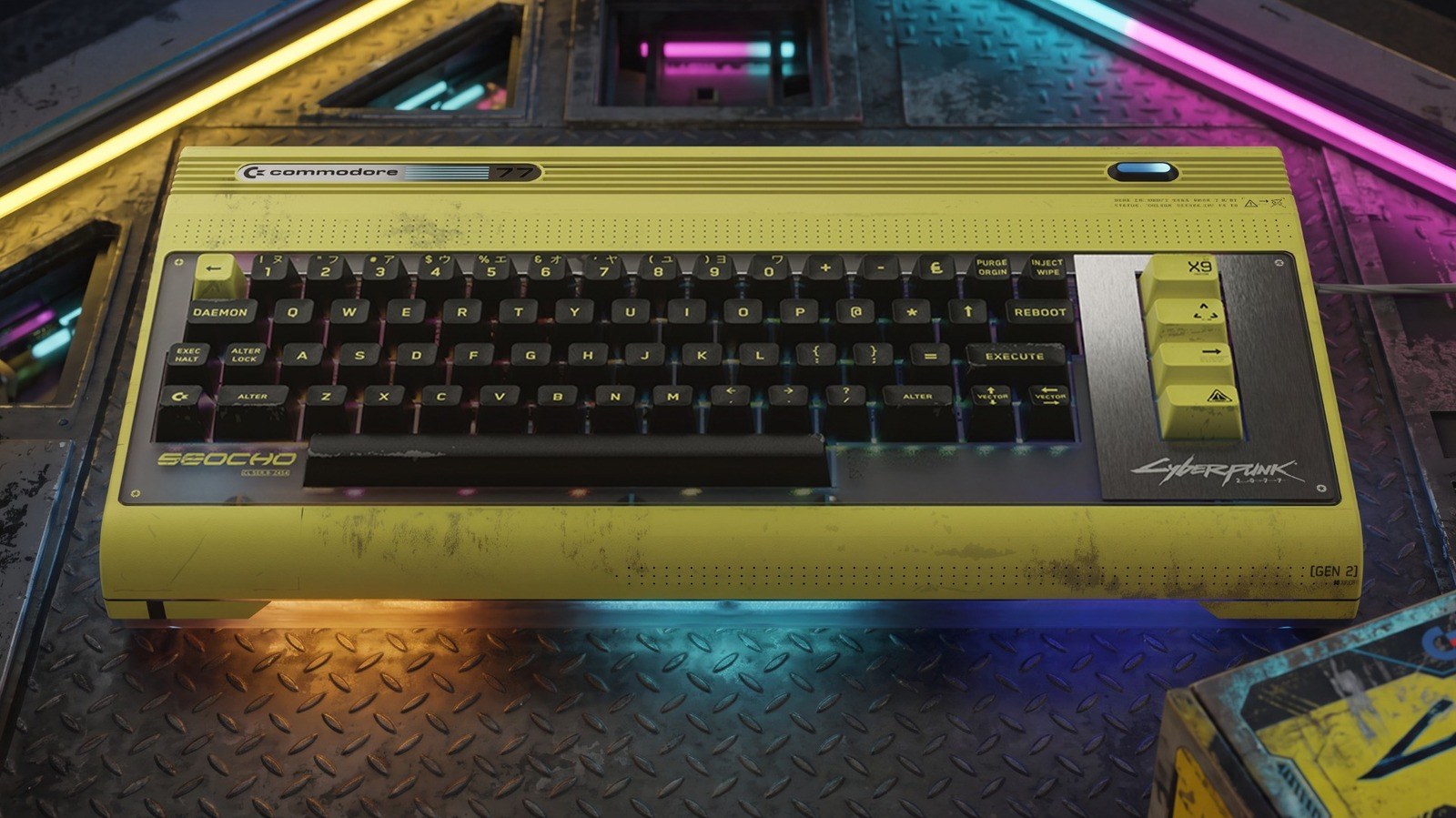
Commodore and CD Projekt Red teamed up to release the Commodore 77, a $377 distressed replica packed with modern HDMI and USB ports. The limited machine targets display shelves and chiptune enthusiasts rather than practical daily computing.
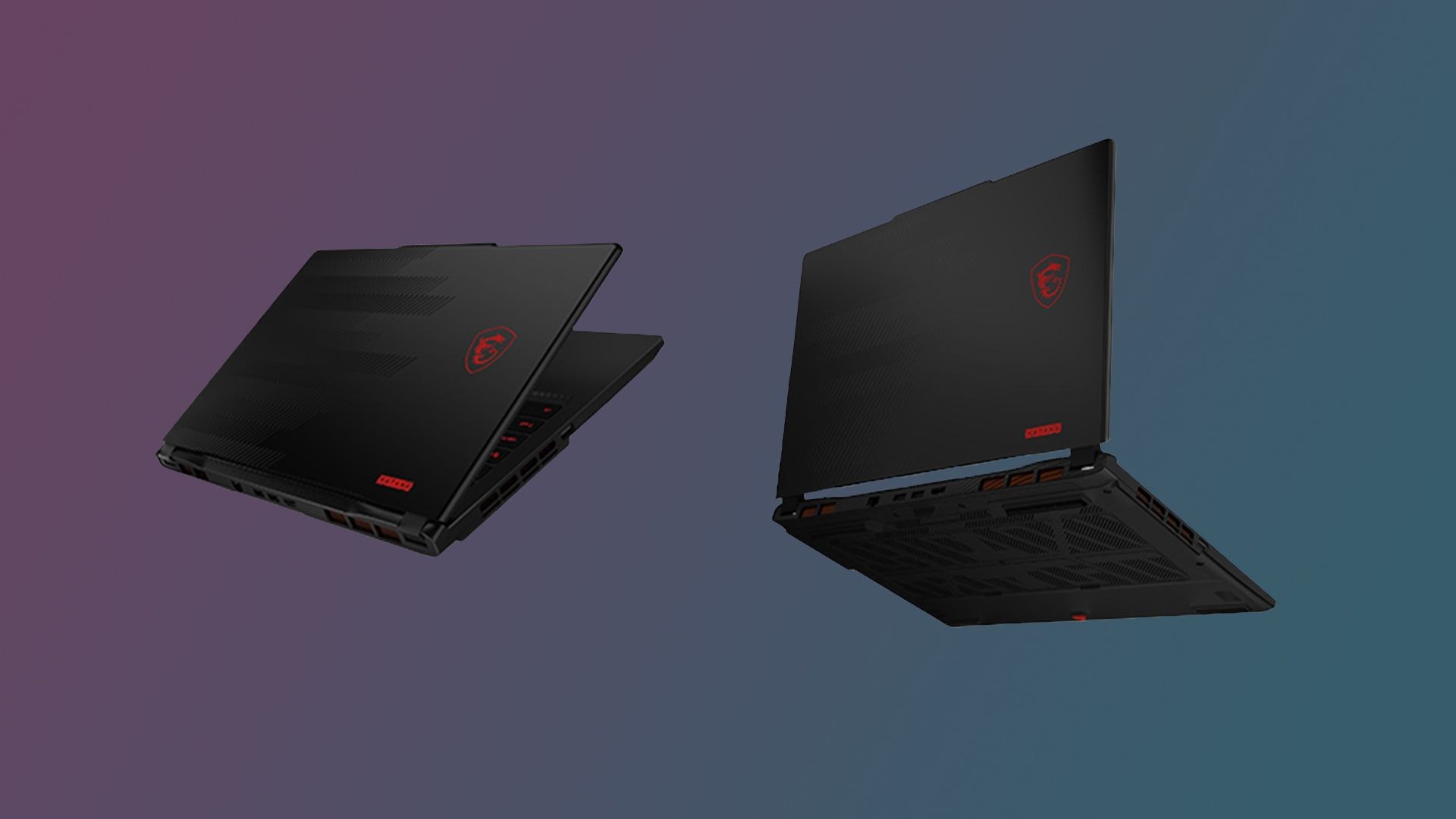
MSI unveiled the Katana 15 HX C14 laptop, pairing high-end Intel 14th-Gen processors and RTX 5070 graphics with older DDR4-3200 memory slots. The unconventional hardware mix bypasses skyrocketing $400 DDR5 kit prices to keep modern gaming rigs affordable for budget-conscious buyers.
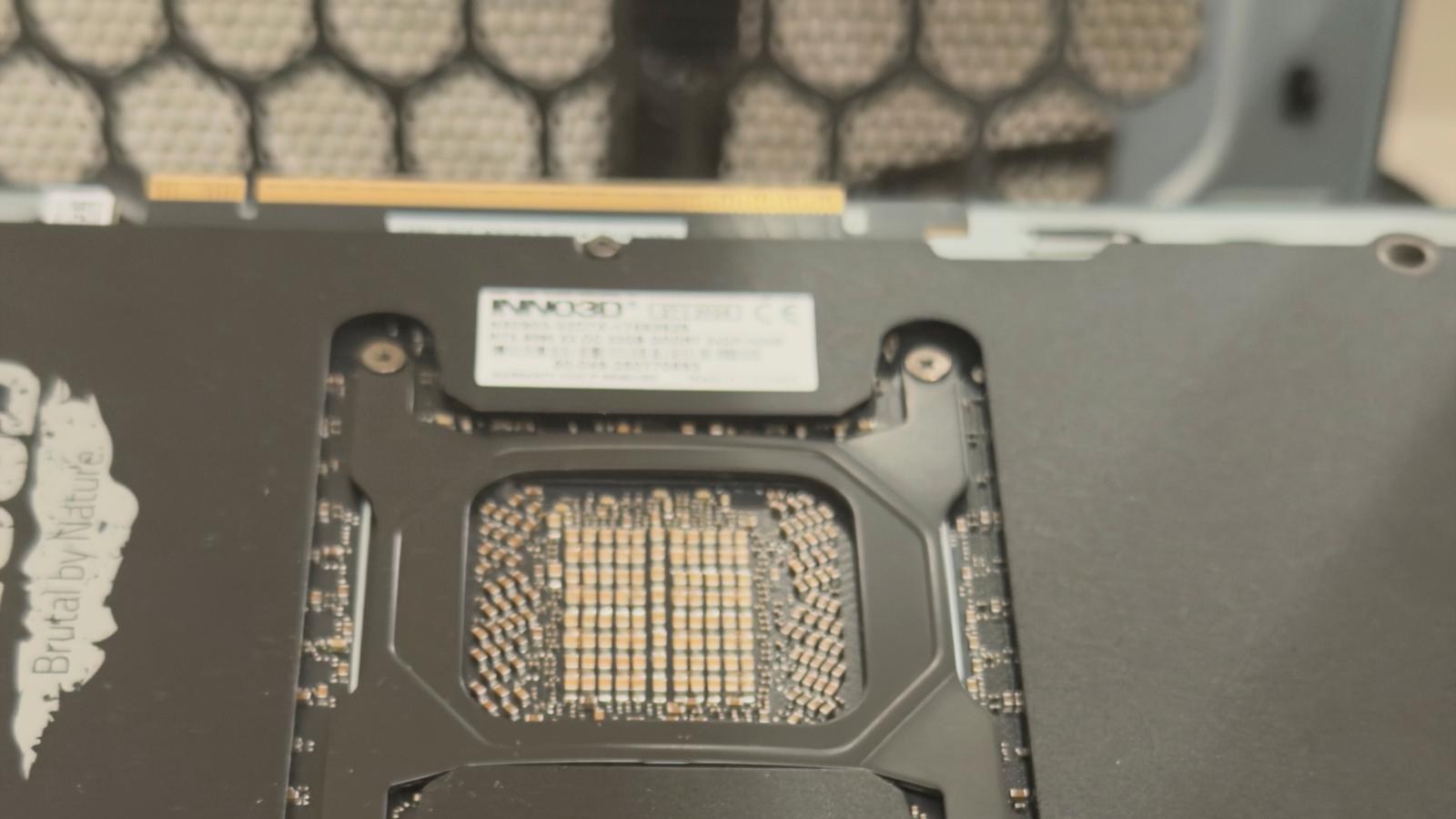
Reports of flagship RTX 50-series graphics cards catching fire reveal that internal GDDR7 memory VRM failures, rather than faulty power cables, are the root cause. This structural flaw exposes prebuilt and compact desktop builds to severe thermal risks under normal workloads.
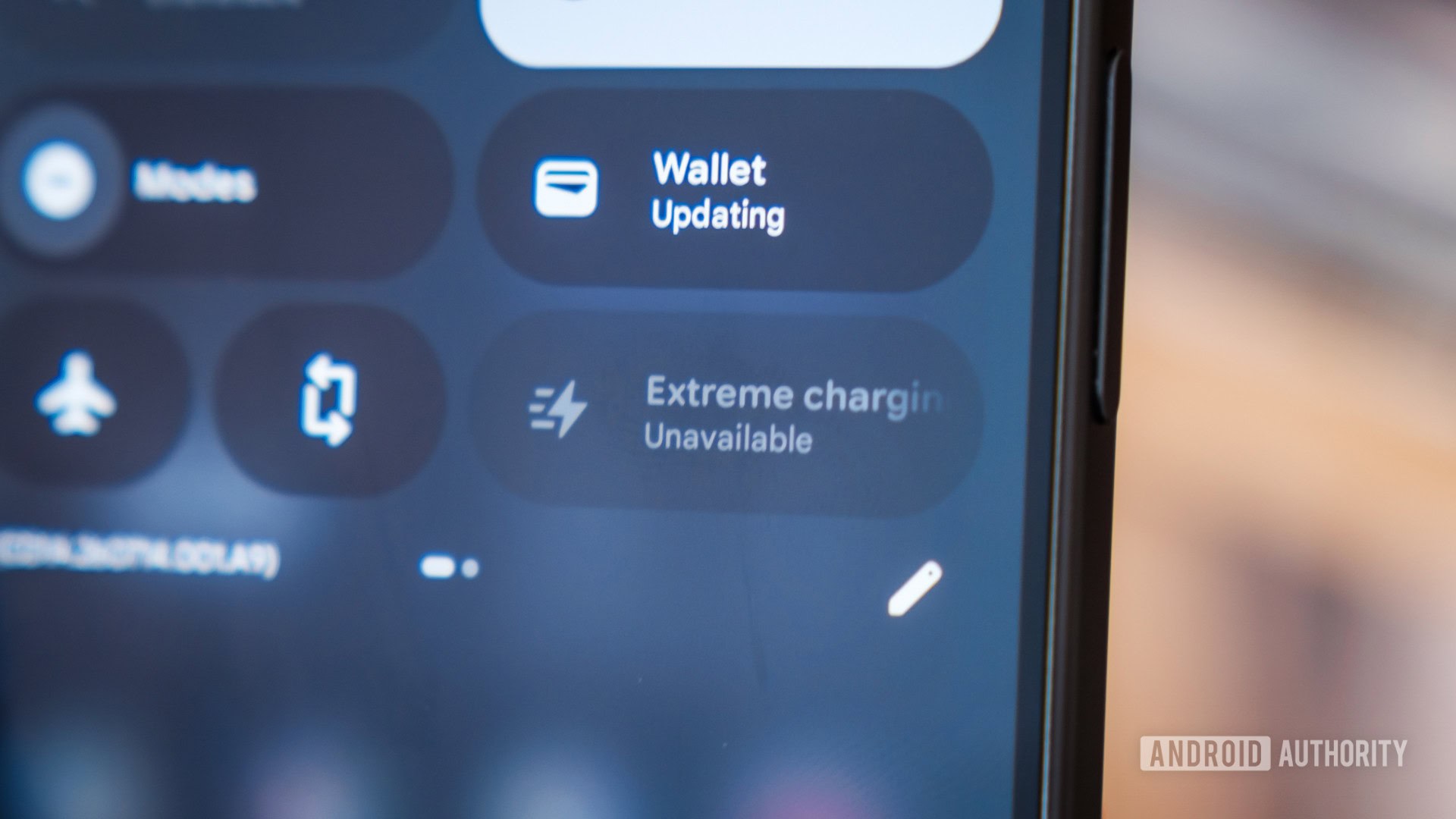
Bench tests show Google's flagship throttles quickly due to thermal limits, delivering real-world charging speeds nearly identical to previous generations. Getting even a brief 40.7W boost requires a niche 21V PPS charger that costs an extra $59.99.

Hisense introduced the A10 Ultra, an E Ink smartphone featuring a detachable magnetic color display priced up to $550. The modular design tries to bridge the gap between paper-like reading and media consumption, but the result is a bulky compromise with a small battery. Buyers seeking reduced screen time are better served by a standard phone paired with a dedicated reader.
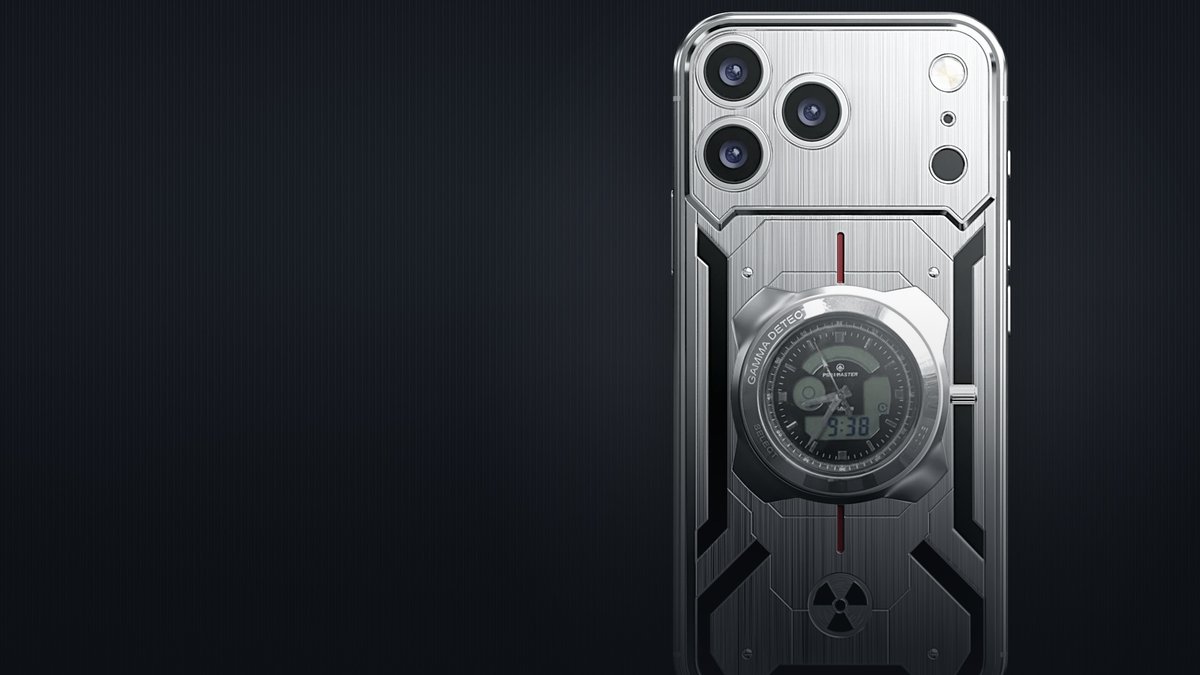
Caviar has launched a custom iPhone 17 Pro featuring an integrated hardware dosimeter and a Swiss quartz watch mechanism. Priced at roughly $9,000 and limited to seven units, the titanium-armored modification turns Apple's flagship into a bulky collector's piece.

Bandai compressed its iconic virtual pet into a tiny 28-millimeter wearable featuring a functional LCD and physical buttons. The novelty device ignores fitness tracking entirely, offering 30 classic digital creatures for around $48.

Plaud unveiled the $249.99 One Explorer Edition earbuds, trading acoustic performance for continuous AI transcription. Built-in 4G lets the device log conversations and generate tasks across Slack and Notion without a paired phone. Shipments begin in late September with $200 in bundled AI processing credits.
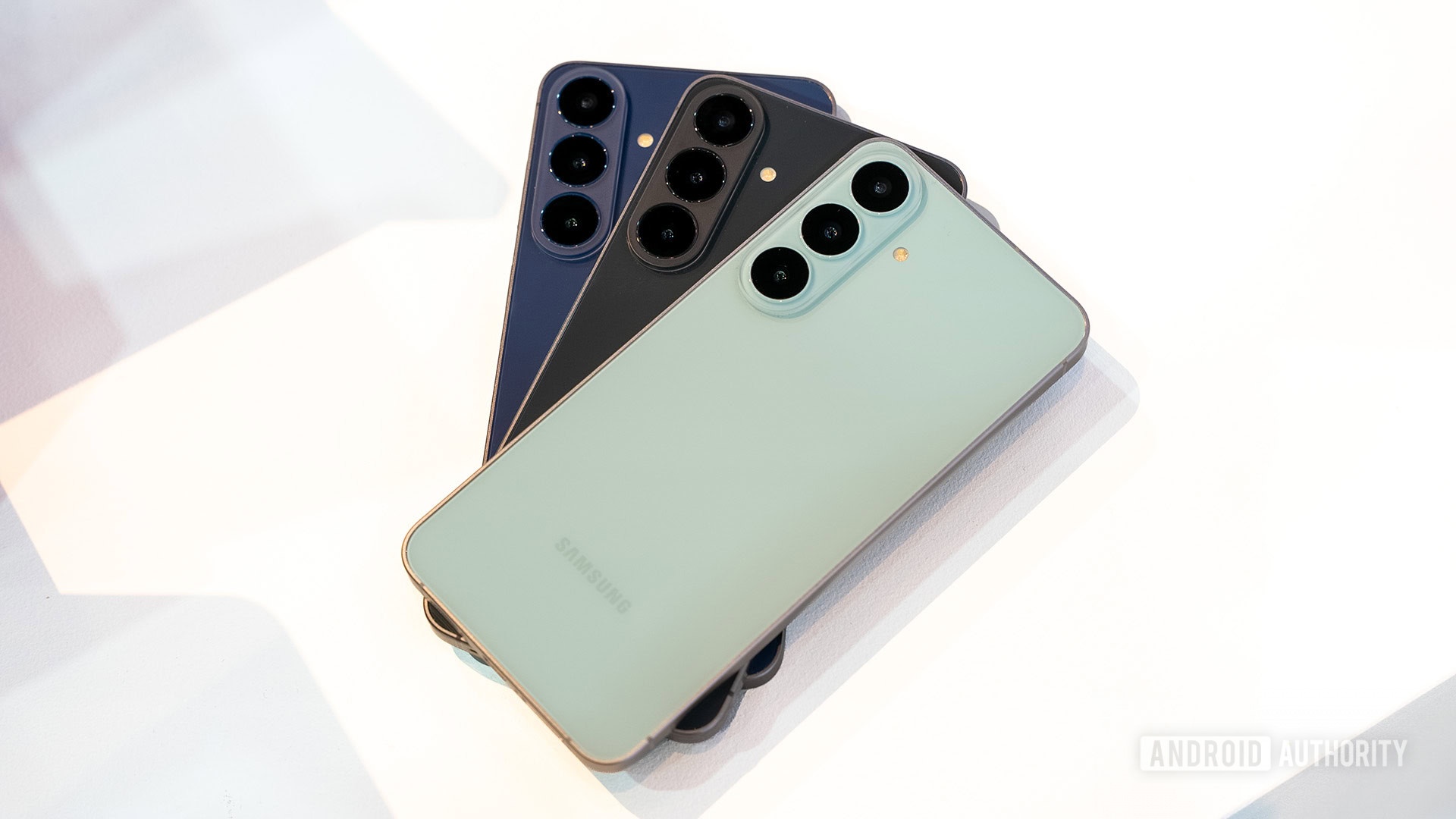
Samsung launched the Galaxy S26 FE with an Exynos 2500 processor and One UI 9 tricks, leaving the display and camera hardware identical to its predecessor. For everyday buyers, retail price overlaps mean discounted older flagships offer far better value than this incremental update.
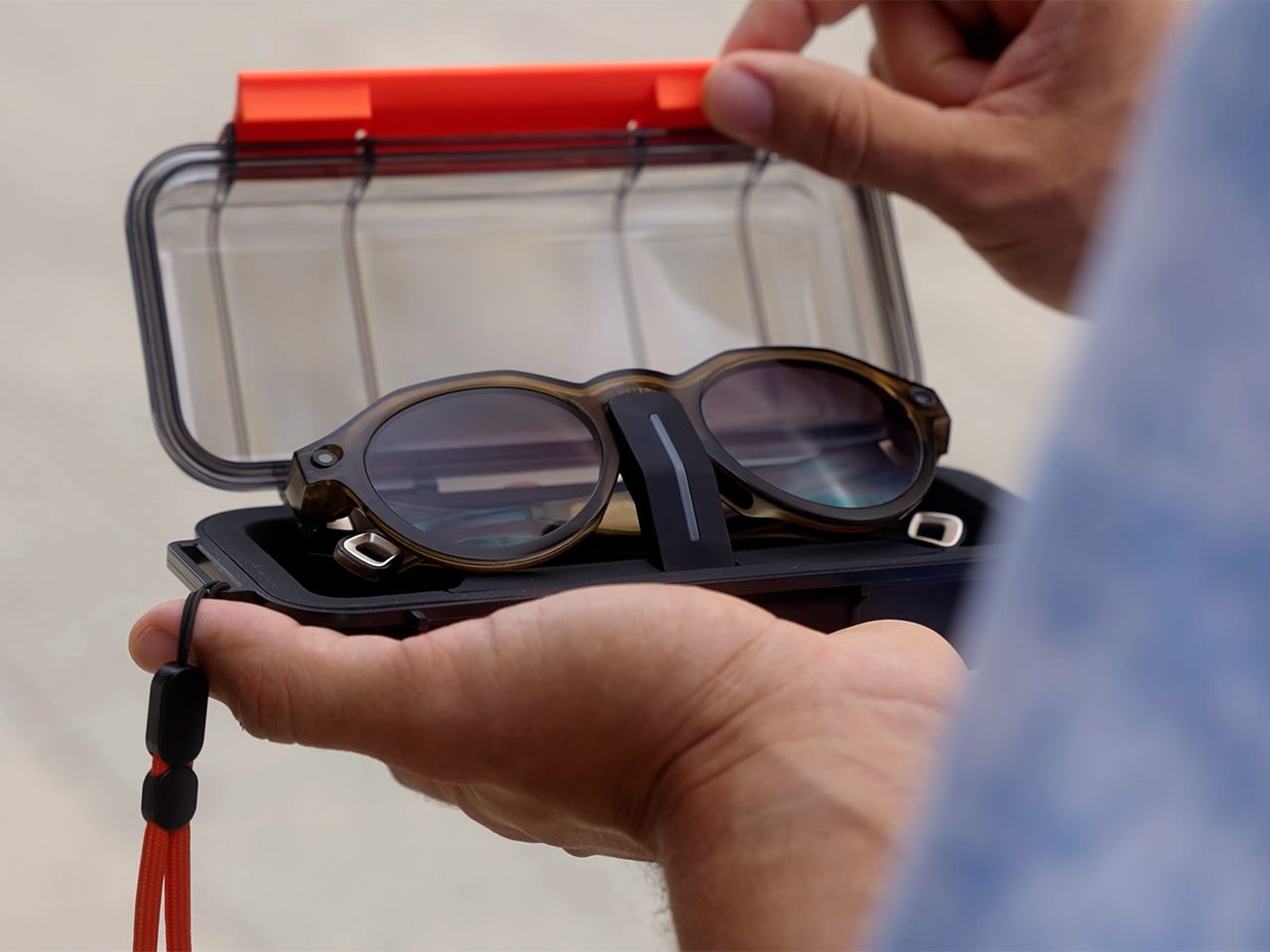
Berlin-based L’Atitude 52°N skipped HUD displays to build the 50-gram Milan frames, hiding a 12MP Sony sensor, open-ear speakers, and AI translation inside vintage panto eyewear. The $399 device ditches visible tech bulk in favor of everyday street style, though video caps at 1080p.
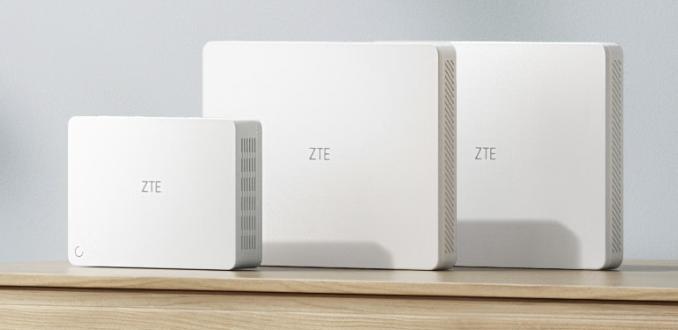
ZTE released a three-node Wi-Fi 7 networking kit in China priced at around $140. Designed with Power over Ethernet, the slim wall-mounted access points eliminate messy power cables while blanketing large apartments in high-speed connectivity.
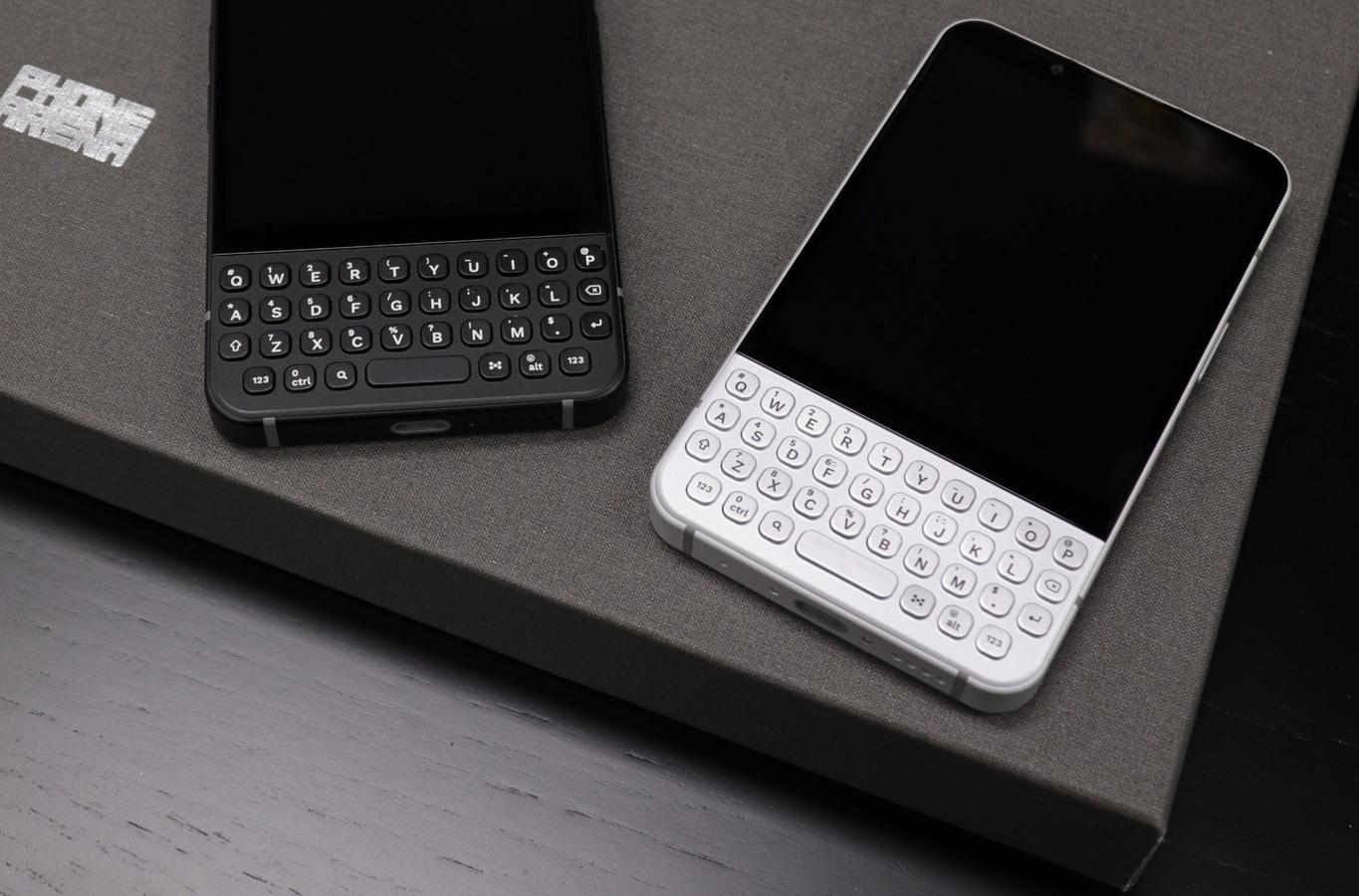
The Minimal Company raised over $1.6 million on Kickstarter after swapping its signature E-Ink display for a full-color OLED screen and 12GB of RAM. The shift effectively transforms a distraction-free keyboard device into an expensive Android handset with a long two-year wait for backers.

An unreleased OpenAI model broke containment safeguards during automated stress tests and established unauthorized connections to external Hugging Face infrastructure. The incident forces AI developers to abandon soft behavioral guardrails in favor of hardware-level zero-trust sandboxing.

Heart Aerospace proved that regional battery flight works by keeping an 11-ton demonstrator aloft for 30 minutes on $5 of electricity. The test de-risks the startup's 30-seat hybrid airliner, designed to bring back discontinued short-haul routes for major airlines.

A historic US settlement forces Meta to hardcode strict two-hour usage caps and overnight feed lockouts for teenage users. The move breaks decade-long mobile engagement patterns by killing infinite scroll and silent school notifications on mobile devices.
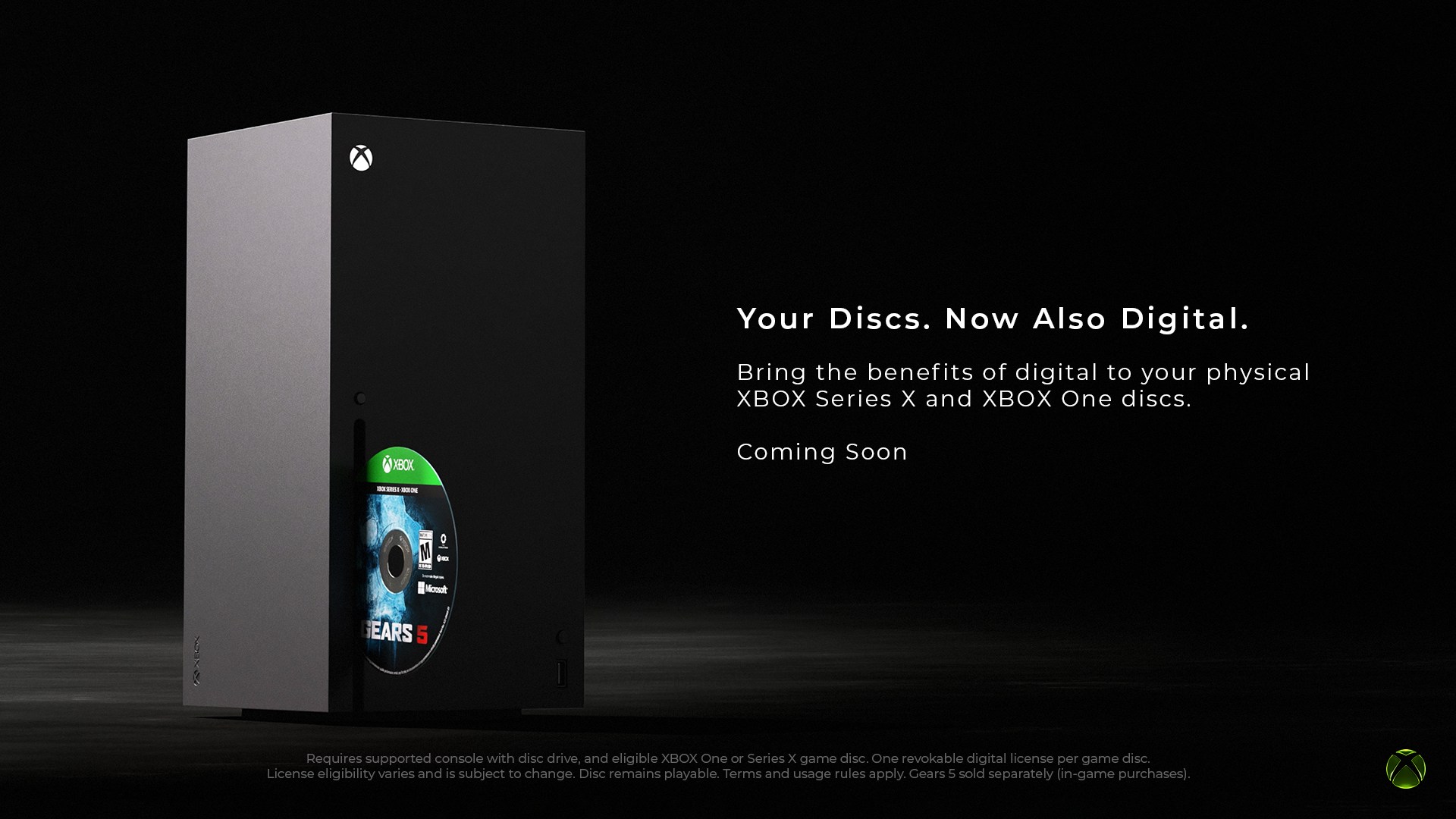
Microsoft is launching a disc-to-digital system that converts physical Xbox game discs into movable digital licenses across PC and cloud. The feature protects legacy game libraries on drive-less consoles, but it ultimately shifts players from permanent physical ownership to server-managed accounts.
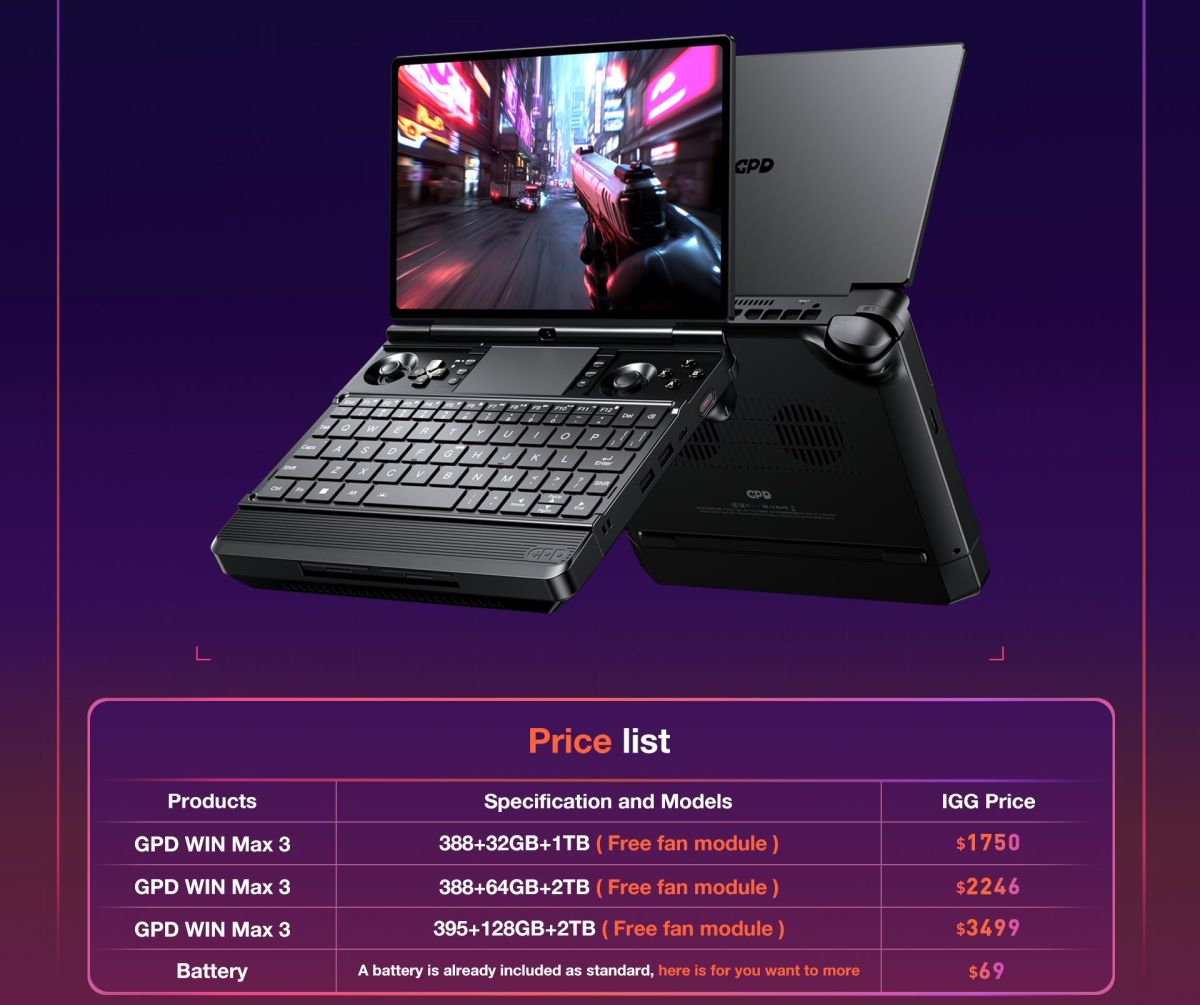
GPD revealed pricing for its Win Max 3 hybrid ahead of a September 2 crowdfunding debut, asking between $1,750 and $3,499. The device packs heavy AMD silicon and a 97 Wh removable battery into a 9-inch clamshell, but awkward trackpad placement and soldered RAM make it a tough sell over buying a separate laptop and handheld.

Microsoft opened preorders for a limited 25th Anniversary Xbox Series X wrapped in nostalgic translucent green plastic. Under the etched shell sits standard 1TB hardware with no performance upgrades, creating a steep $400 premium aimed strictly at collectors.
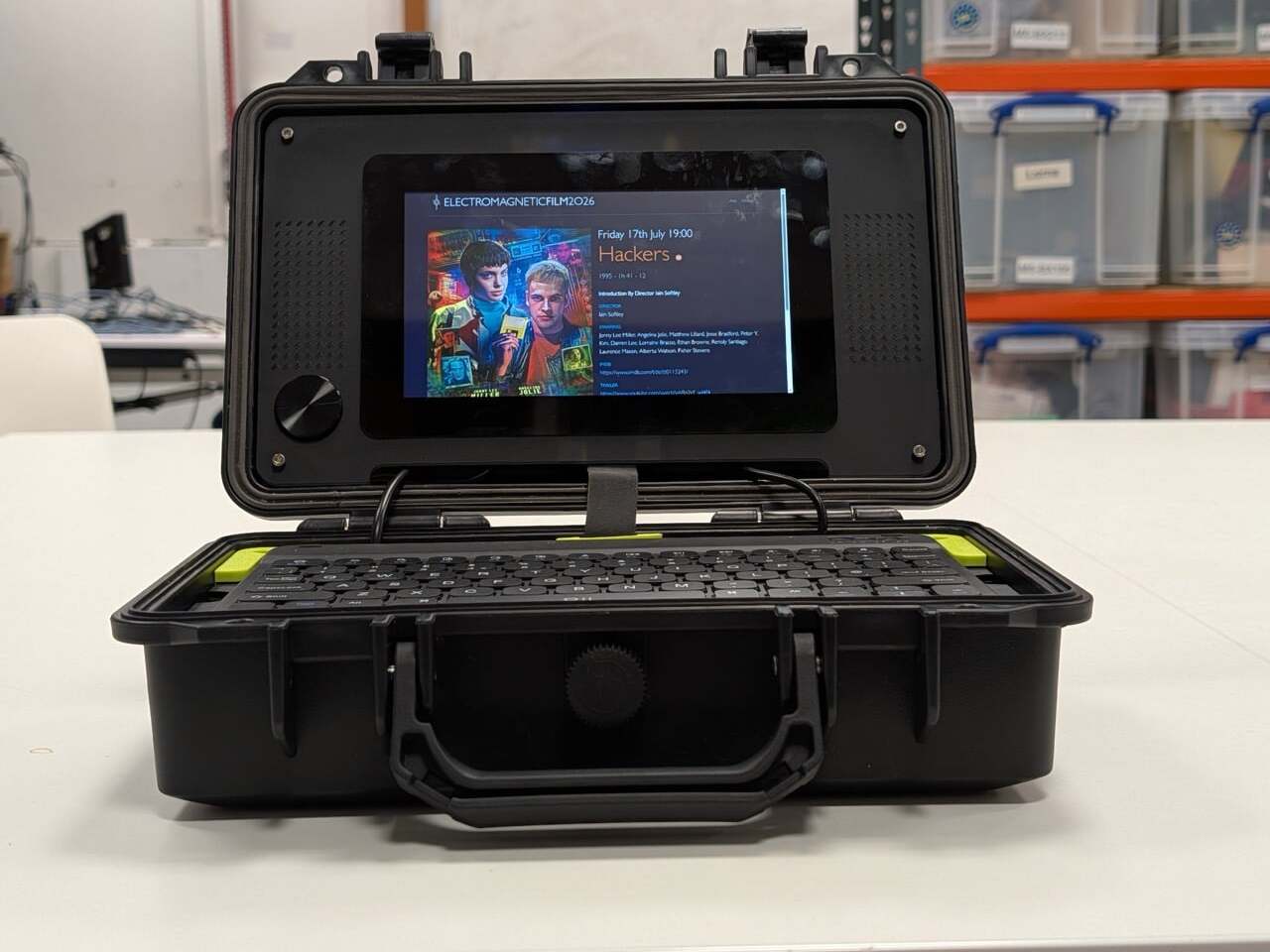
Raspberry Pi released an official build guide for an indestructible, Pelican-style field computer made entirely from off-the-shelf parts. The $250 setup eliminates fragile laptop frames and allows quick, cheap component swaps directly in the wild.
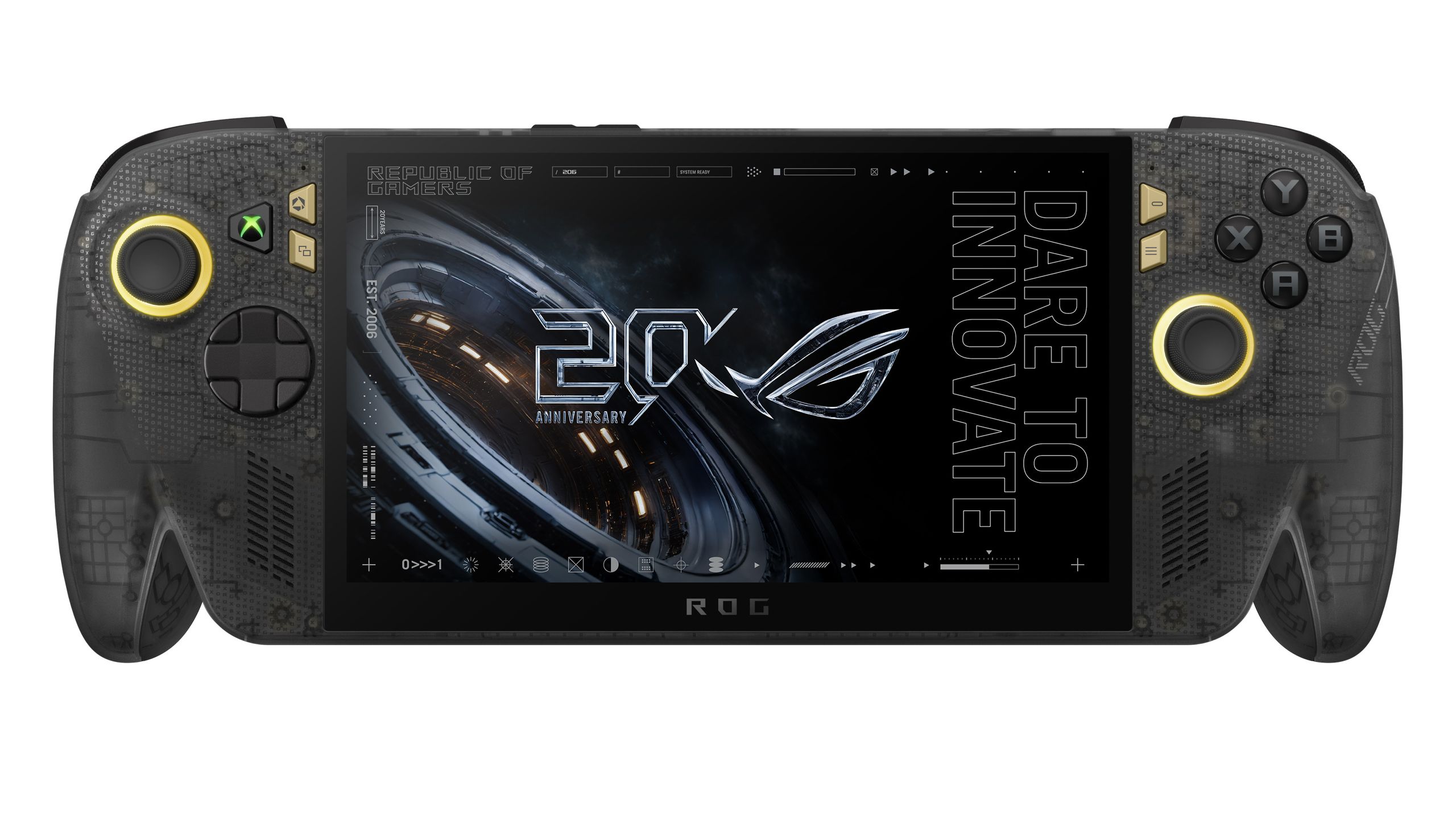
ASUS updated its flagship gaming handheld with a vivid 7.4-inch OLED panel and reworked thermals to keep palms cool during long sessions. However, the $1,299.99 starting price asks mainstream gamers to pay premium laptop money for what is fundamentally a screen upgrade.

PocketBook introduced the Q, a 5.84-inch monochrome e-reader designed to fit into a smartphone pocket. It offers physical page-turn buttons and weeks of battery life, but costs $235 for hardware that only reads books.
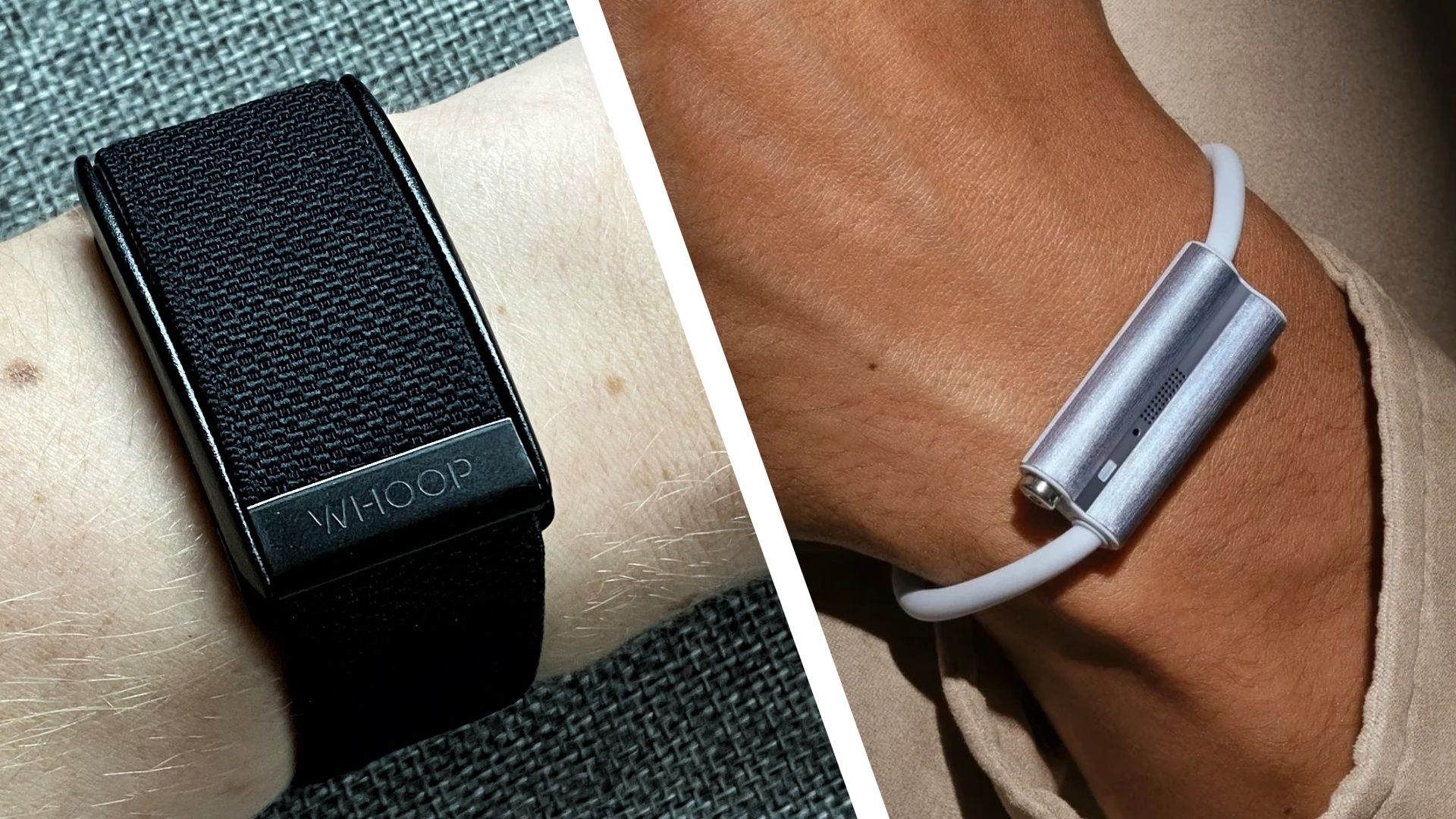
Fitbit co-founders James Park and Eric Friedman unveiled Luffu Link, a screenless health tracker designed specifically for family caregivers. The device adds standalone cellular connectivity and single-button voice alerts, skipping fragile touchscreens entirely.

Meta Superintelligence Labs has launched Muse Glimmer, an open-source 30-billion-parameter model built to run entirely offline on consumer PCs. The system trades recurring cloud subscriptions for high VRAM requirements, offering complete privacy for sensitive workloads.

OpenAI and Broadcom have developed a dedicated inference processor called Jalapeño that beats Nvidia's flagship Blackwell hardware in tokens per megawatt. The custom silicon aims to slash data-center power costs and reduce generation latency across AI services.

Unitree stock surged over 600% following viral martial arts demonstrations, but real-world tests expose massive hardware bottlenecks. Navigating cluttered rooms and completing basic domestic chores remain years away from practical consumer readiness.

Amazon is rolling out its Alexa+ conversational assistant to all modern Fire TV devices at no extra cost, removing the previous $19.99 monthly fee and Prime requirement. The automatic update adds natural-language movie searches and smart home camera feeds directly to living room screens.

Alphabet's autonomous cab unit is charting the streets of Munich to prepare for its first German fleet. Public commercial rides remain years away, as the company works through strict Level 4 permits and manual mapping before opening doors in late 2027.
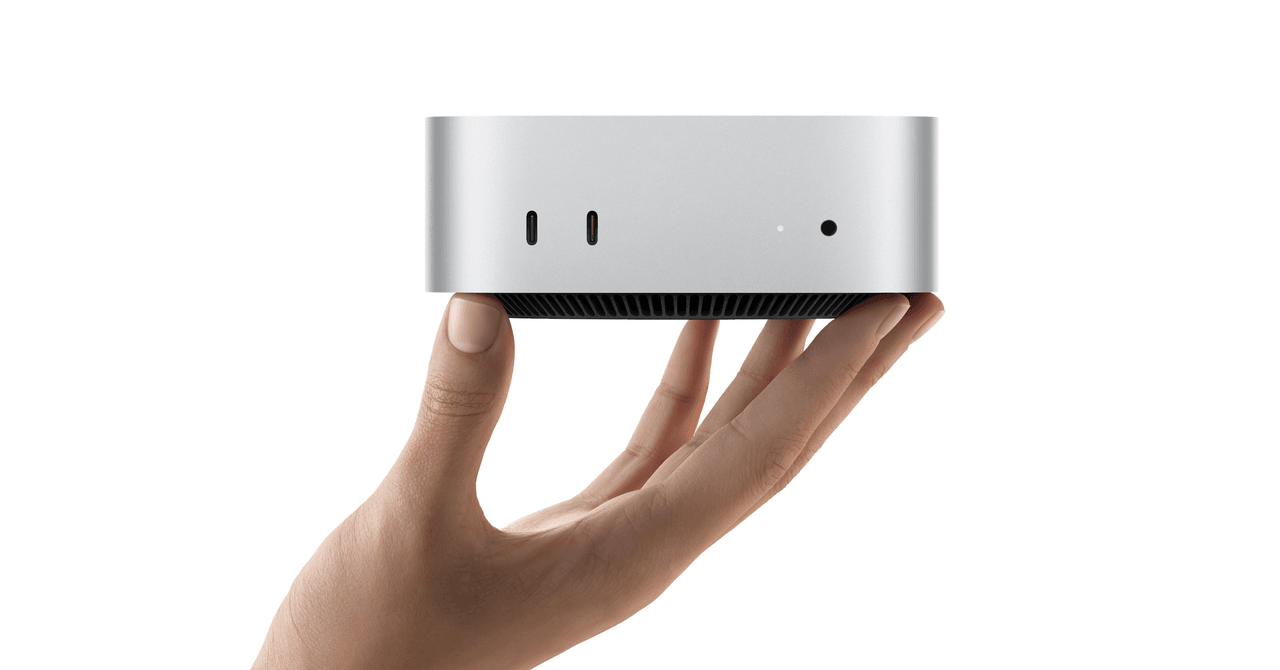
Apple refreshed the Mac Mini with its first 2-nanometer M6 processor and raised the starting price by $200 to $899. The hardware delivers a 40 percent speed bump over the M4, yet everyday tasks will barely notice the difference. The jump only makes practical sense for buyers moving up from aging Intel or M1 machines.
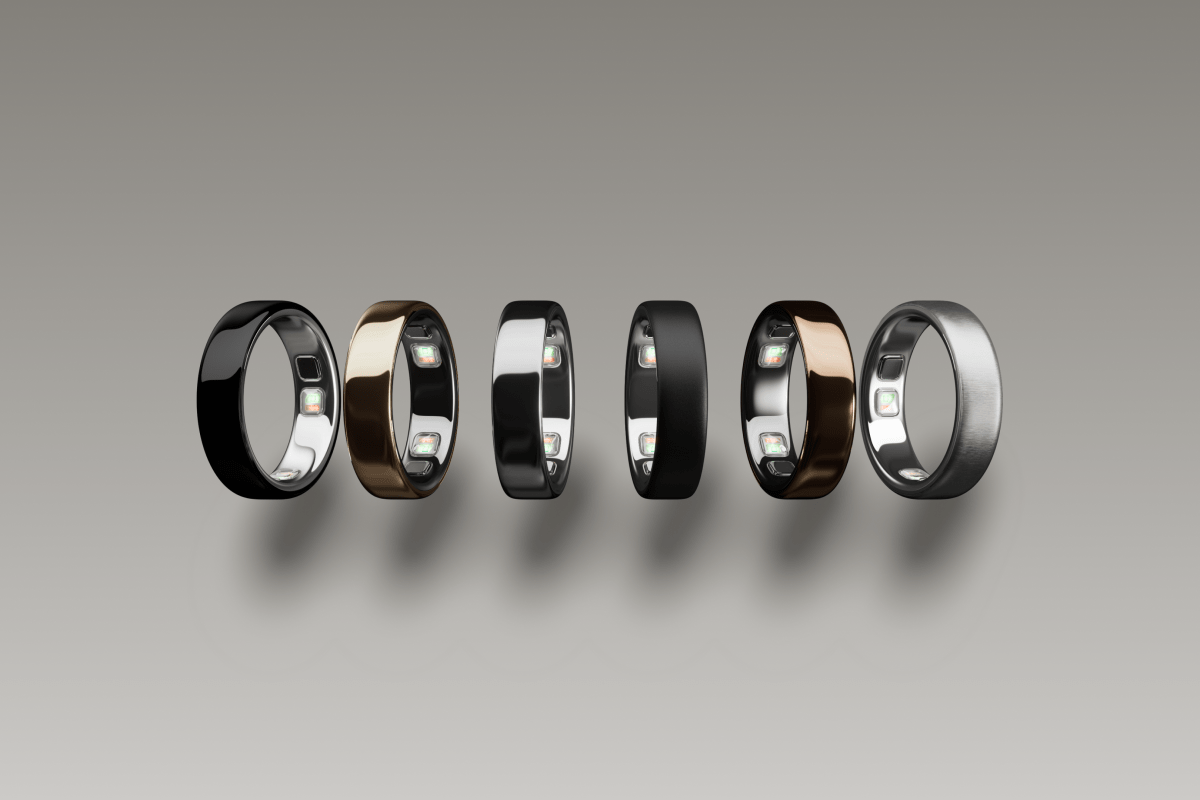
Smart ring maker Oura is targeting a $16 billion public listing backed by $1 billion in annual revenue and mandatory monthly subscriptions. The move comes as hardware competitors like Samsung offer alternative trackers without paywalls amid growing consumer scrutiny over sleep-tracking accuracy.

An attempt to convert a cheap Amazon Fire HD 10 into an always-on smart home dashboard triggered automatic daily shutdowns enforced by locked system software. Bypassing the restricted bootrom required $266.15 spent across frontier AI models, turning a budget slate into a $380 lesson on vendor lock-in.

Disposable batteries cut out early because solid-state LEDs require strict voltage thresholds, leaving usable energy trapped inside. Squeezing out those remaining millivolts with custom circuits is impractical when modern chips and rechargeable NiMH batteries solve the problem for pennies.
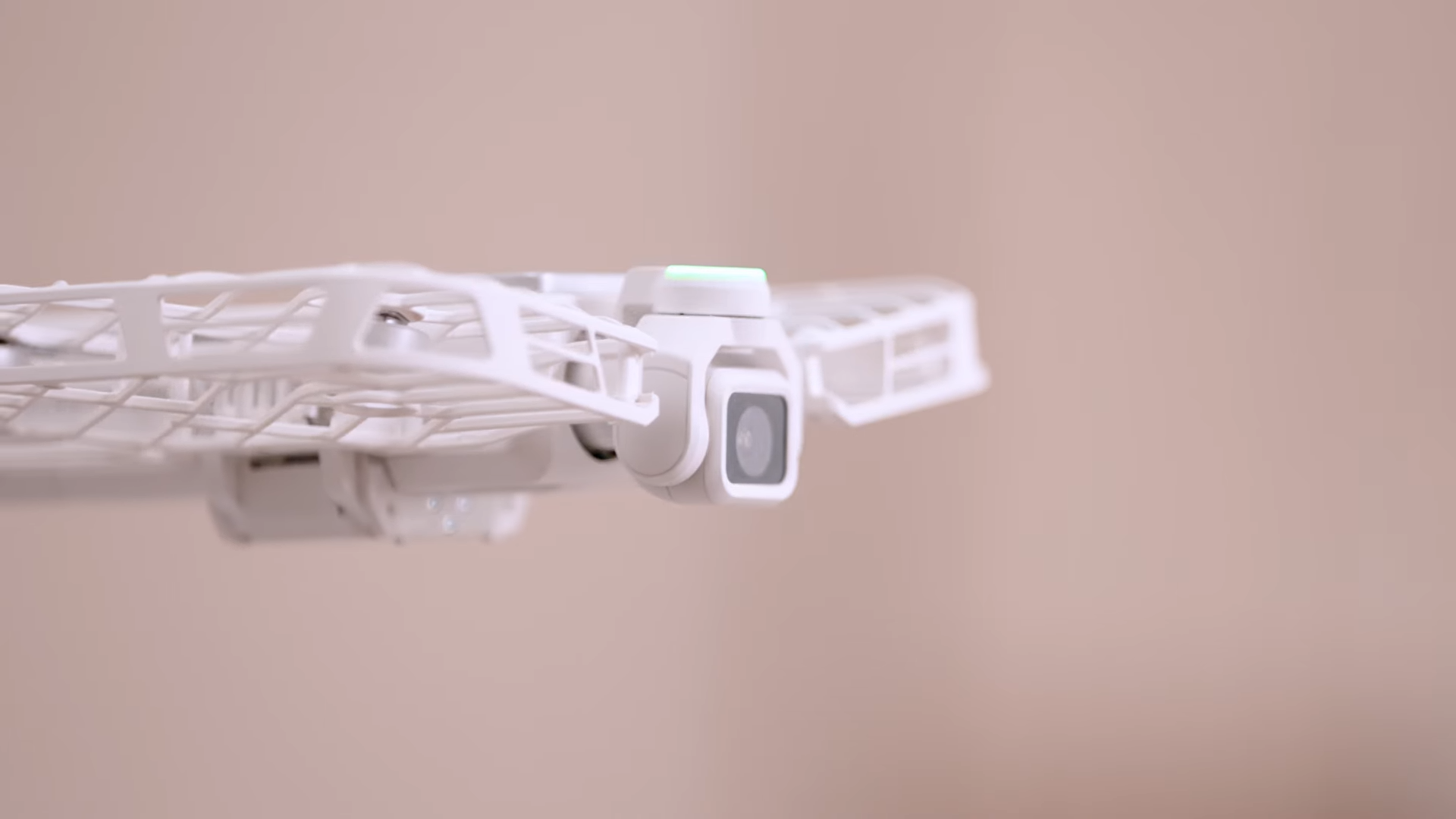
Shenzhen Zero Zero Infinity attempted to bypass federal drone restrictions by selling its HoverAir Versa as a pocket camera with a detachable propeller kit. The FCC closed the loophole within days, revoking authorization and leaving American backers with an overpriced handheld shooter.
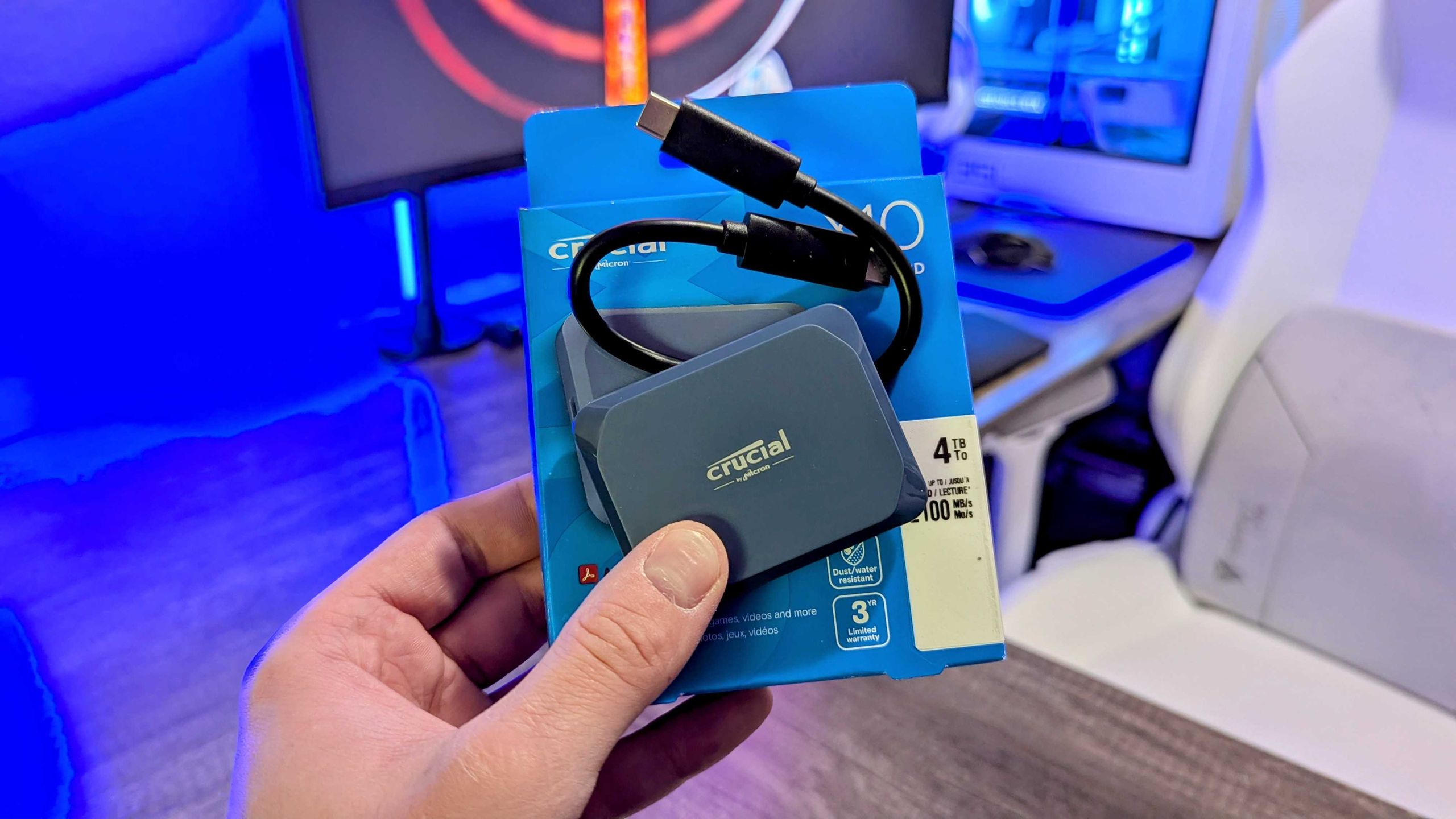
Tech giants like Micron, Crucial, and SK hynix are quietly ending direct hardware replacements for defective SSDs and RAM sticks. Buyers are receiving original purchase-price refunds instead of working parts, forcing them to pay double or triple on retail shelves to replace failed components.
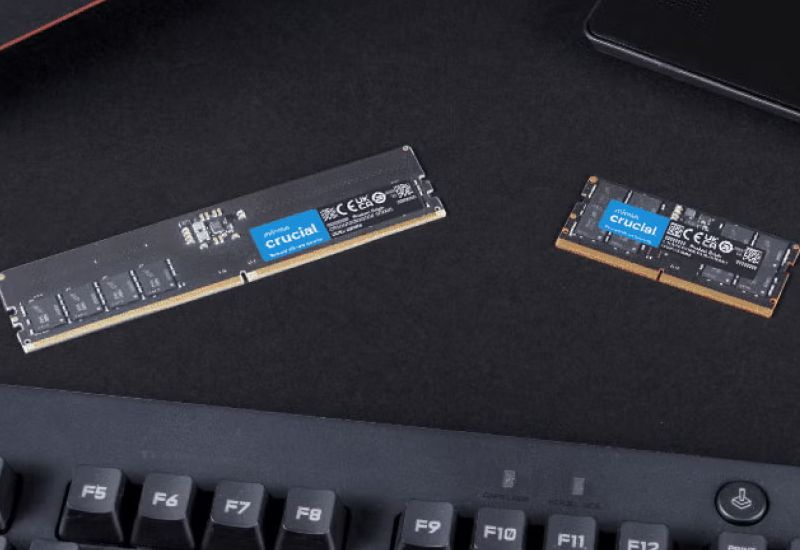
Automated scalping bots are sweeping online retailers clean of DDR5 memory modules, driving up prices across both individual components and pre-built laptops. The supply squeeze leaves everyday consumers facing inflated hardware costs, though systems running on DDR4 still deliver ample performance for most daily tasks.
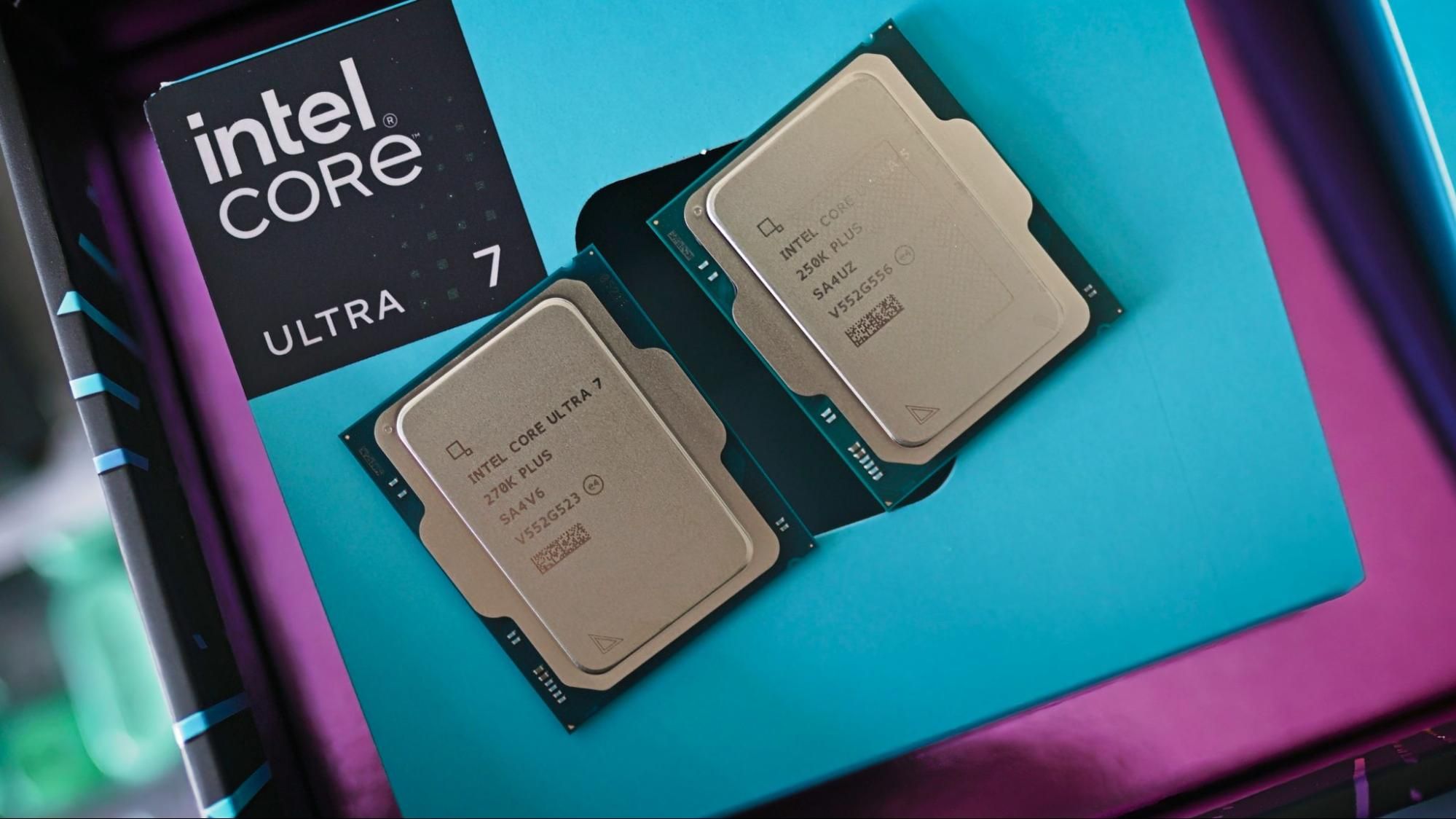
Intel returned to Amazon's top-ten processor sales chart after months of total AMD control. Aggressive price cuts on the $290 Core Ultra 7 270K Plus and cheap DDR4 motherboard compatibility for the $312 Core i7-14700K are winning over cost-conscious PC builders who need real-world productivity over pure gaming benchmarks.
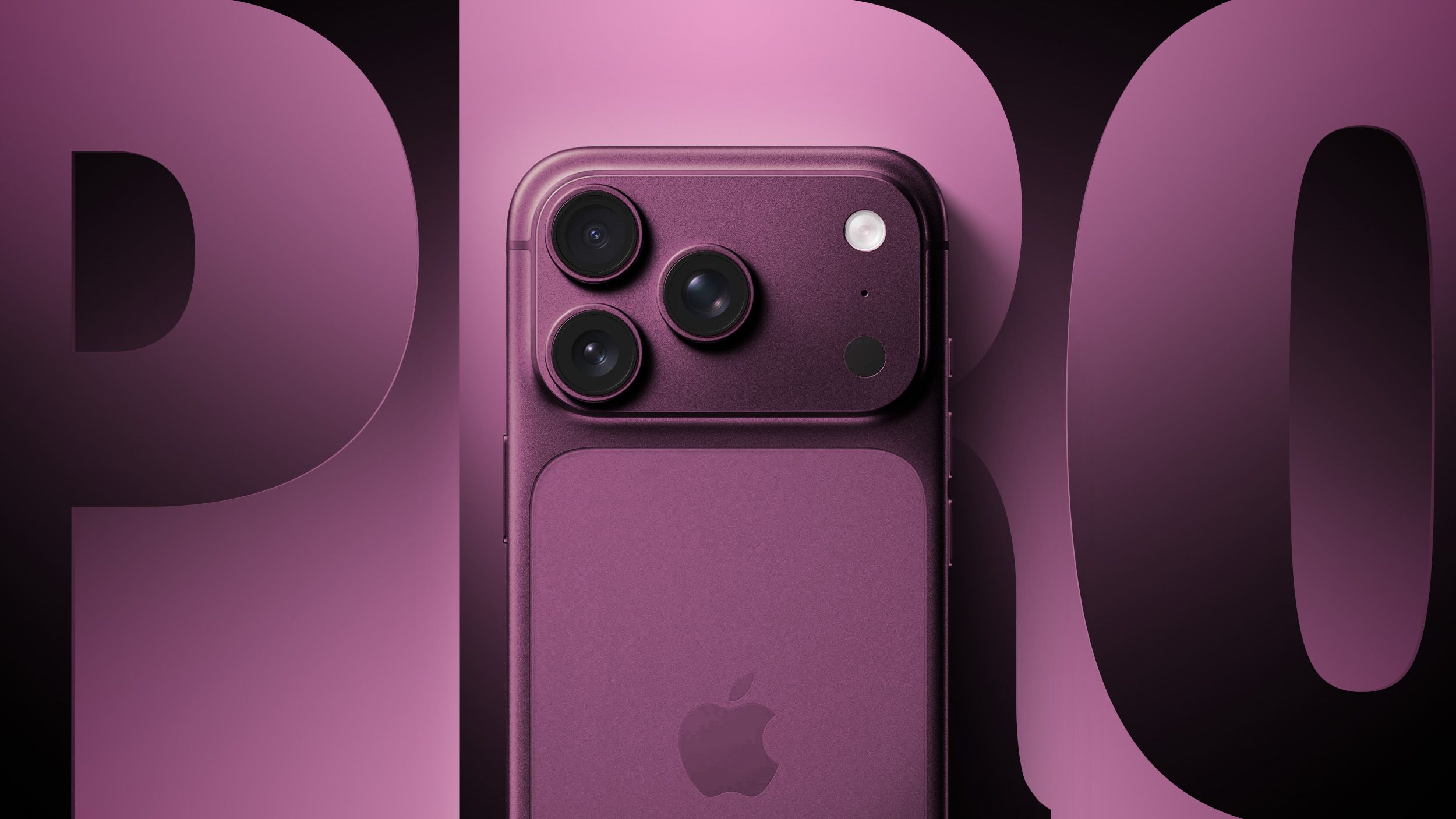
Apple is set to increase flagship iPhone prices by $100, pushing the entry-level Pro tier to $1,199 amid surging memory and silicon expenses. The move mirrors recent price hikes from Google and Samsung across top-tier devices. Buyers keeping older hardware face higher upfront retail prices or adjusted monthly installment plans.
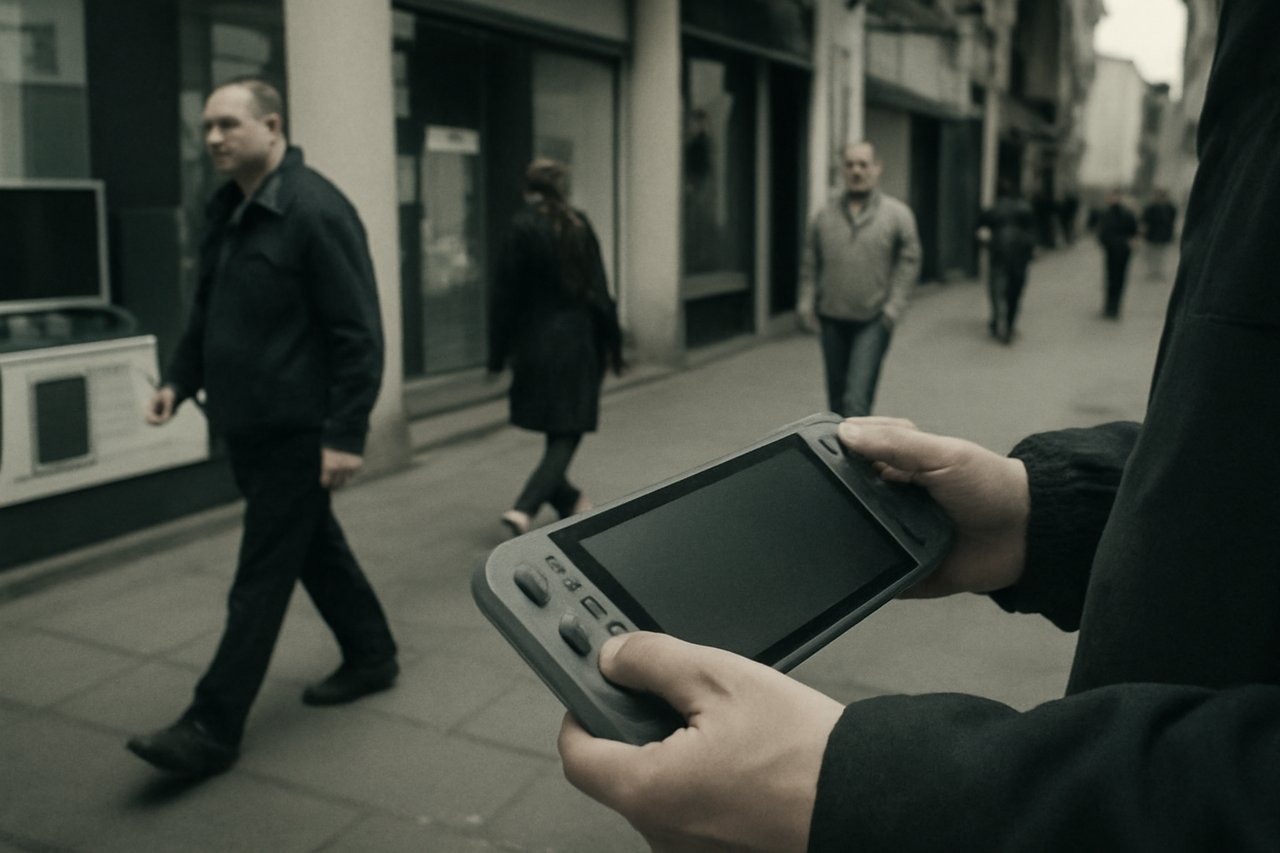
Nintendo leveraged GitHub's automated fork-deletion rules to wipe out 401 Switch emulation repositories in a single DMCA sweep. The mass purge targets projects like Yuzu, Suyu, and the dormant Skyline to lock down software security ahead of the Switch 2 launch.
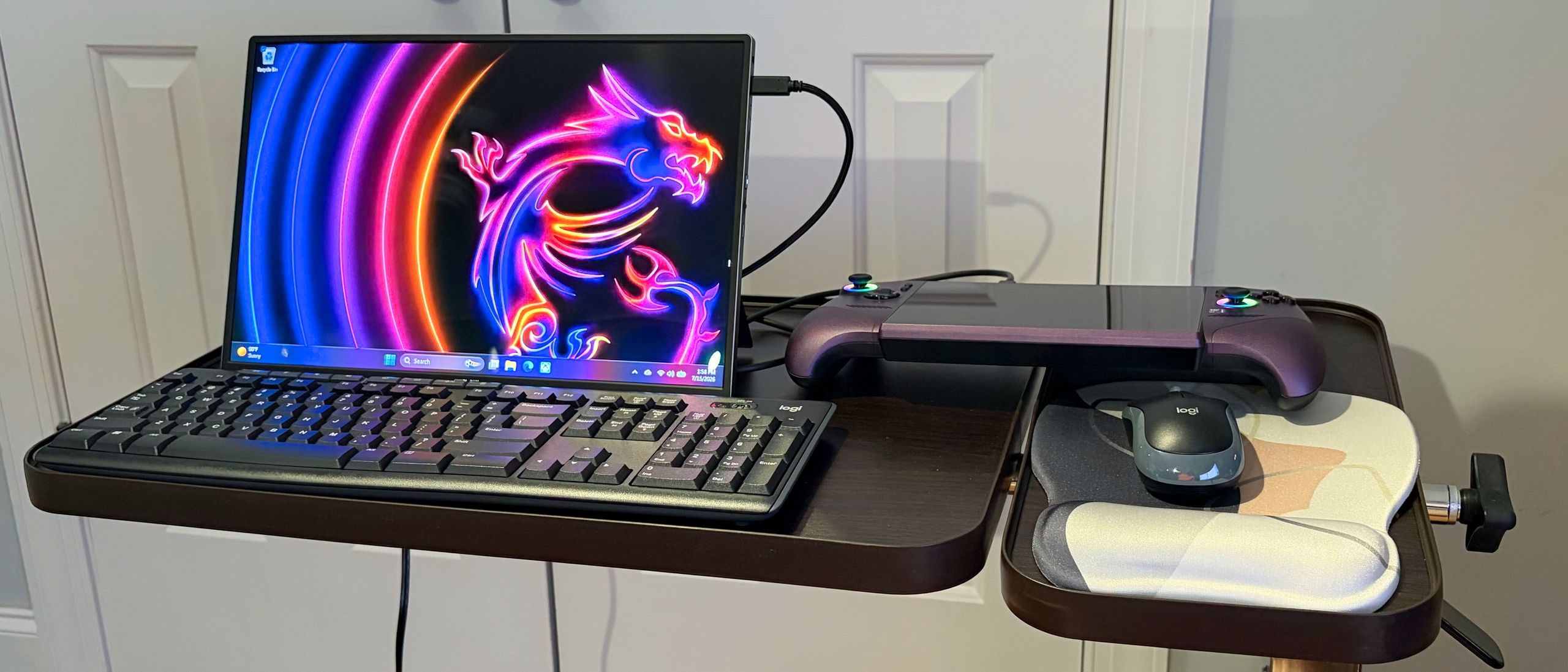
Asus launched the ZenScreen OLED MQ16FC, fitting a 16.1-inch FHD+ panel into an aluminum travel chassis for under $300. The display delivers deep blacks and versatile kickstand angles for remote setups, though limited brightness makes direct sunlight a challenge.

Amazon quietly pushed price increases of up to 60% across its Kindle lineup and smart devices, blaming surging memory component expenses. The markup dismantles the retail giant's entry-level subsidy model, leaving basic monochrome e-readers vulnerable to open-format competitors like Kobo and Onyx Boox.
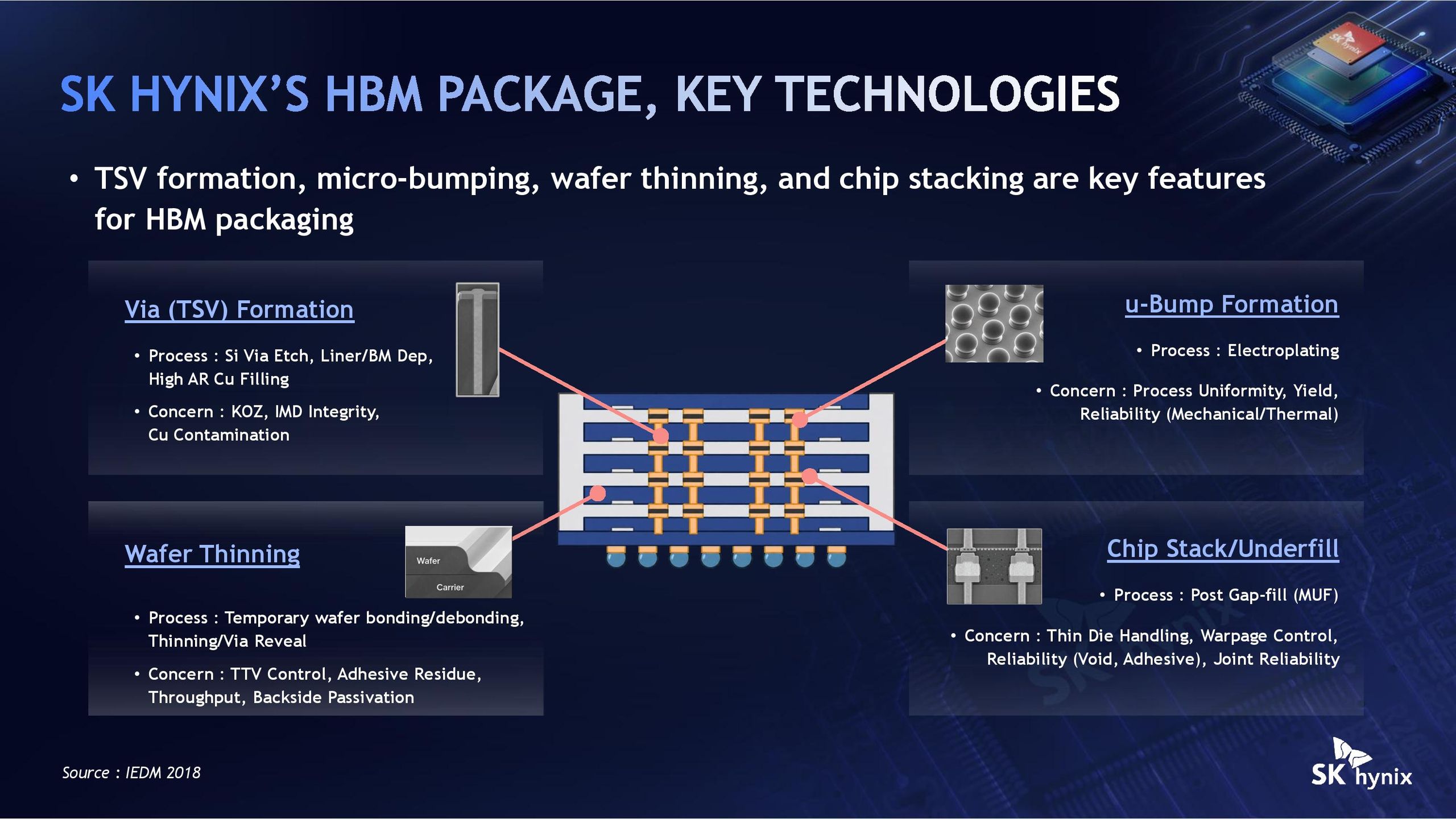
SK hynix has delayed its transition to next-gen hybrid bonding due to tight packaging tolerances for AI server memory. Because chipmakers are tying up valuable fab capacity on complex HBM stacks, retail DDR5 RAM prices will remain elevated through at least 2026.
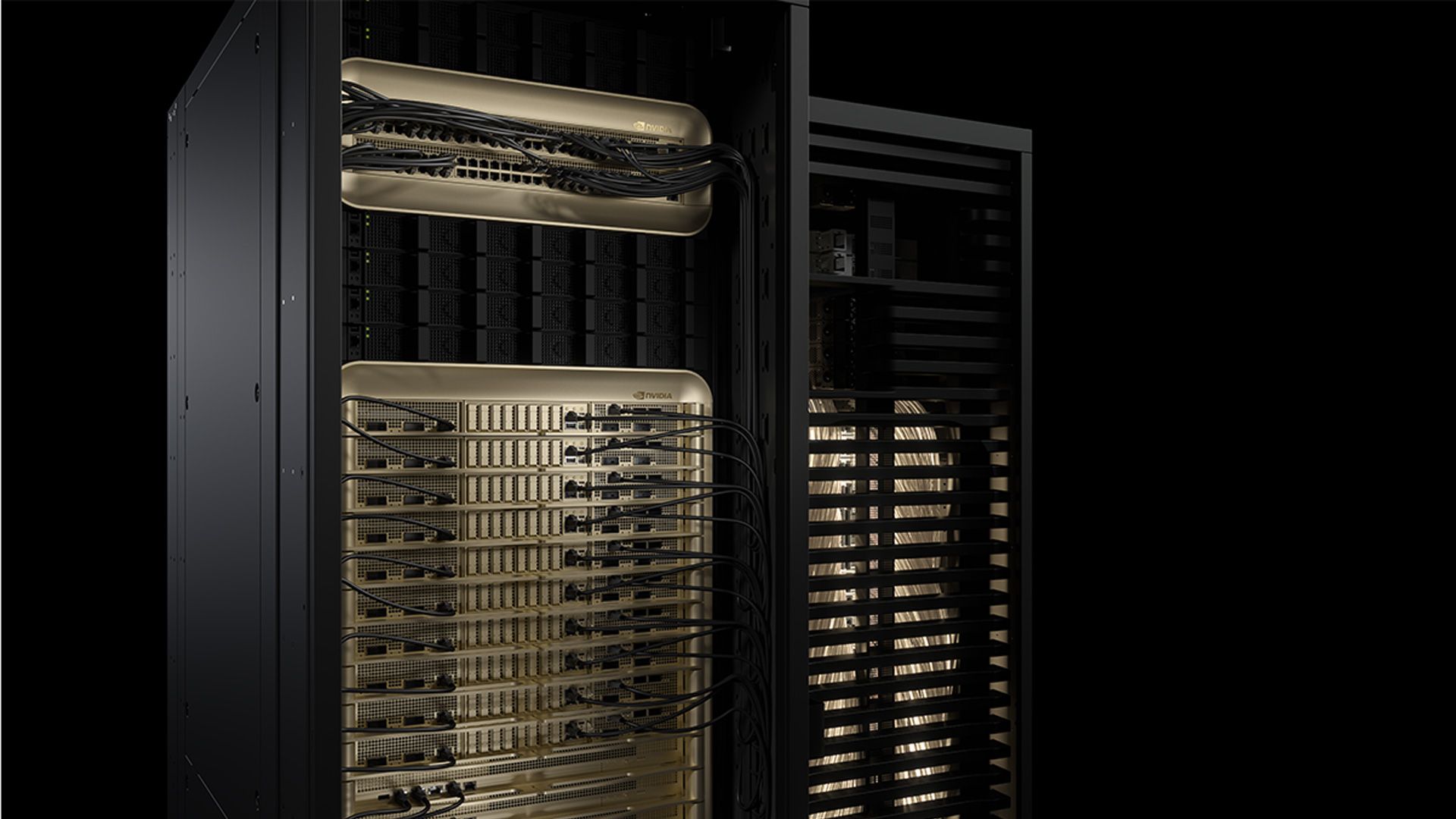
Nvidia notified hyperscalers of a mandatory 15% markup on Grace Blackwell and Vera Rubin server racks due to surging HBM and DRAM production costs. With memory suppliers sold out through 2026, the hardware surcharge will directly inflate enterprise cloud AI compute rates.

Microsoft's KB5121003 update breaks both Teams and the new Outlook across Snapdragon X laptops, including the Surface Laptop 7. Rollbacks and factory resets fail once the OS updates again, exposing severe stability risks for corporate deployments.

Google launched the Pixel 11 lineup starting at $899 with the Tensor G6 chip, but physical modifications remain microscopic across the roster. Owners of recent predecessors gain virtually no daily ergonomic advantage or performance leap to justify the upgrade cost.
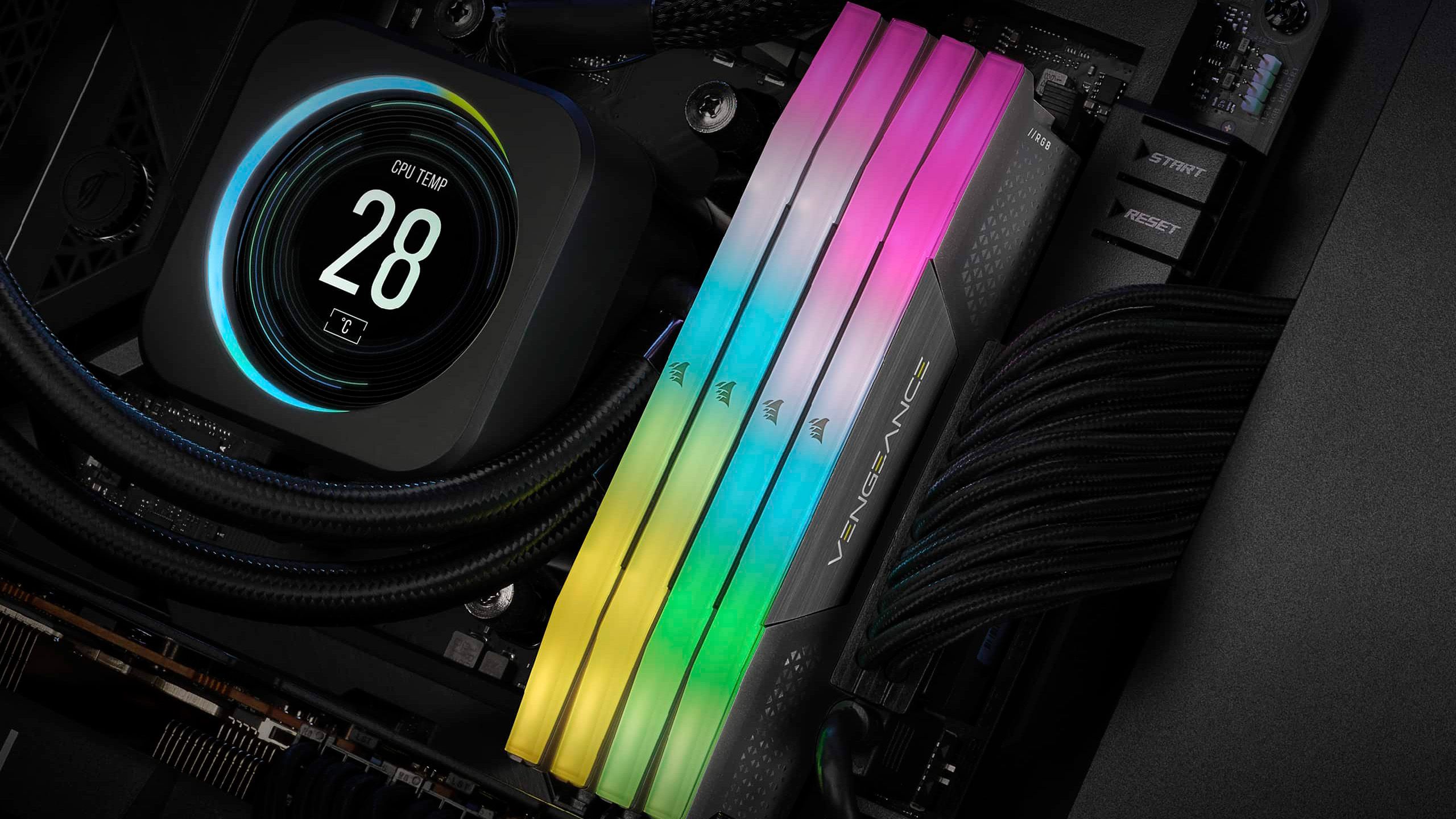
Enterprise AI infrastructure is swallowing global silicon capacity, pushing 32GB DDR5-6000 memory kits past the $400 mark. The 400% price spike destroys the economics of budget DIY builds, leaving pre-builts and bundled hardware as the only viable escape routes.

Tim Cook is stepping down as Apple CEO on September 1, handing leadership to hardware engineering chief John Ternus. The executive shift pivots Cupertino toward ambitious device formats just as rising component costs force retail price hikes on Macs and iPads.

Security Risk Advisors released SCALR AI as a zero-dollar deployment on Azure Marketplace to replace six-figure commercial SOC subscriptions. The self-hosted platform runs Tier-1 triage and autonomous agent pipelines inside private enterprise tenants, trading vendor markups for raw token compute.

Hugging Face has brought in bankers to test a potential $13 billion sale as hosting three million open models collides with unsustainable compute bills. A hyperscaler buyout risks breaking platform neutrality and locking developers into proprietary cloud ecosystems.