
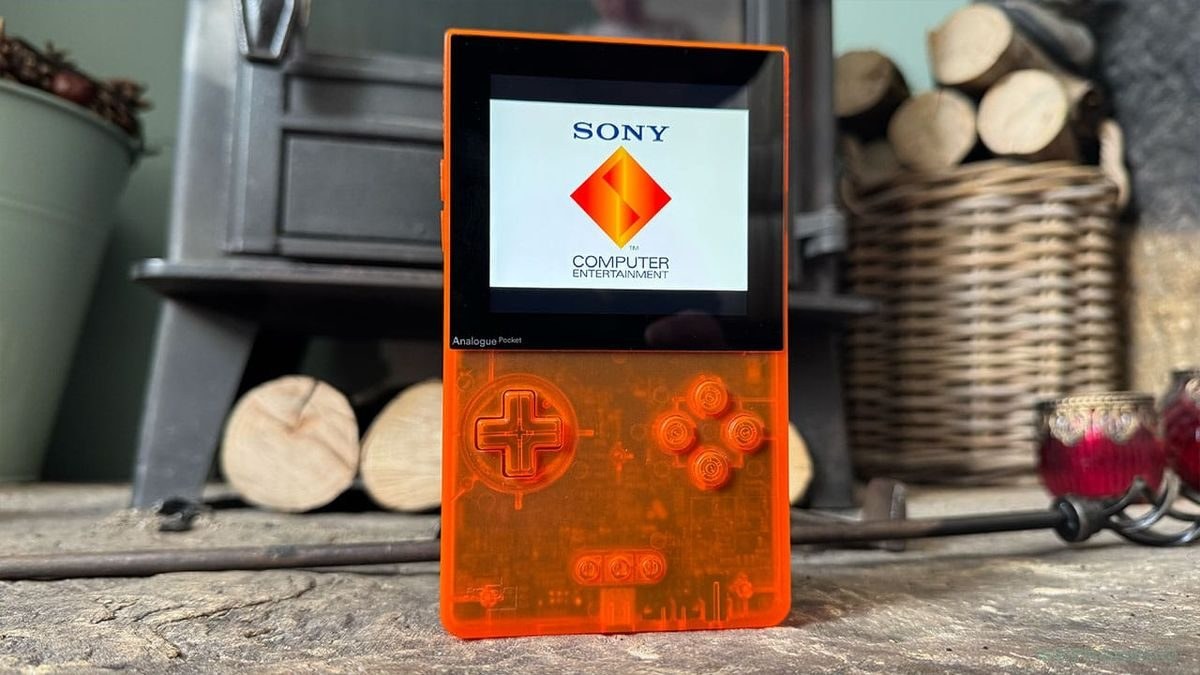
 f you own an Analogue Pocket, you already know the drill. You bought a gorgeous piece of hardware designed to play Game Boy cartridges with absolute hardware accuracy, and eventually, you started wondering why it couldn't handle every other system from your childhood. Up until now, demanding CD-based consoles were firmly off the table. That changes with the arrival of GuardianSoul, a working PlayStation core built specifically for the handheld.
As independent developer tests show, this is not a crude tech demo that crashes on the title screen. It is a functional way to run original PlayStation discs and files on a portable screen without waiting for an official release that was never going to happen.
What makes this release genuinely strange and experimental is how it came to life. Rather than spending five years in a basement while a lone engineer reverse-engineered Sony's silicon, the core was built using artificial intelligence tools. According to the project's documentation, it relies heavily on code adapted from the MiSTer PSX core and the PS-FPGA GTE, structured and translated by models like OpenAI Codex and Anthropic Claude.
To put it simply, the project was assembled through what developers call vibe-coding—letting algorithms do the heavy lifting of porting complex architectures, while a human supervisor steers the ship and fixes the inevitable logic loops. It is a messy, fascinating glimpse into how homebrew development is changing.
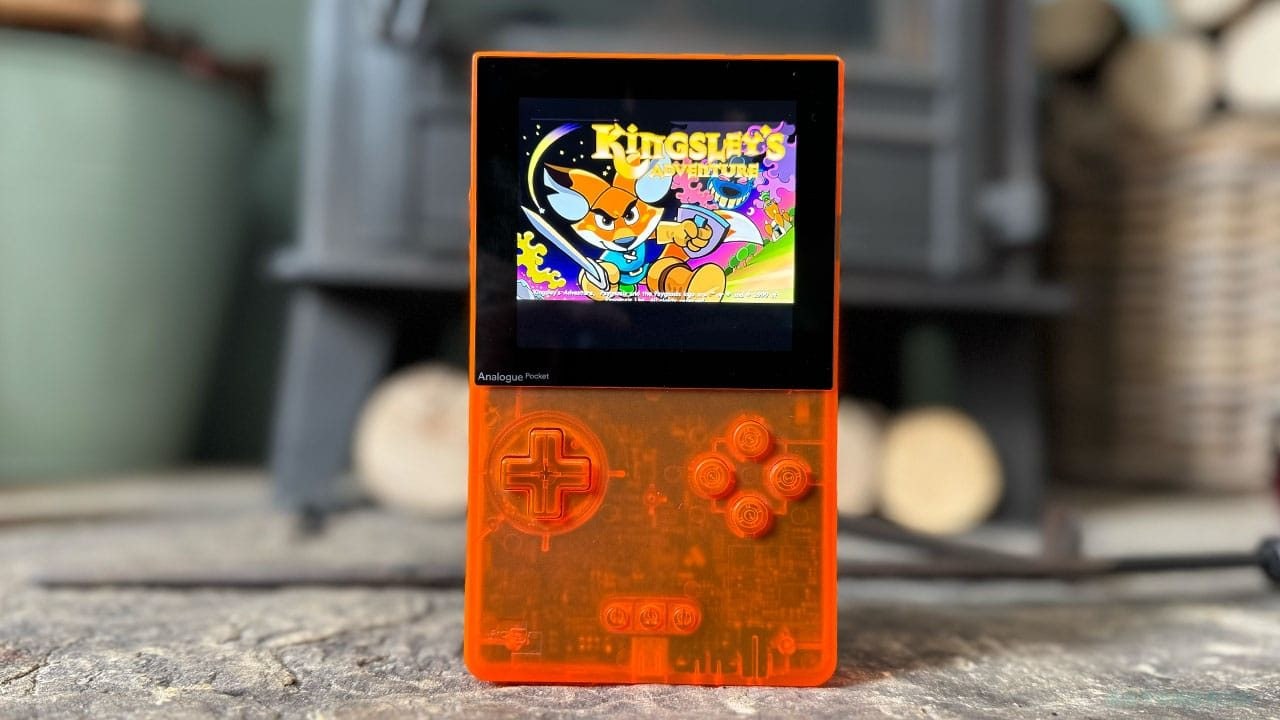
If you are worried that machine-translated code will turn your expensive portable into a glitchy paperweight, real-world tests point to a different reality. Installation happens through Pocket Sync, a utility that handles the tedious bios hunting for you. Once loaded, titles like Kingsley's Adventure and Resident Evil 2 boot up without throwing tantrums.
Even notoriously finicky games like Crash Bandicoot: Warped and Crash Team Racing run with surprisingly brisk load times. Better yet, driving the FPGA chip this hard does not instantly vaporize your battery life. The power draw remains stable, meaning you get roughly the same portable runtime as you would playing heavier 16-bit cartridges.
Of course, hardware emulation via FPGA is not a magic wand. You are still limited by the physical controls of the Analogue Pocket, which lacks the dual thumbsticks required for full, comfortable operation of many late-90s 3D titles. If your goal is to replay dual-analog classics without clawing your hands into a cramp, you will still need a proper controller setup.
Still, GuardianSoul proves that experimental coding methods can deliver real-world hardware results. If you already own an Analogue Pocket and want to stretch its capabilities beyond cartridges, this core turns an already great handheld into an entirely different class of device without costing you an extra dime in hardware upgrades.
Editorial analysis
How the story developed
Analogue previously introduced the $250 Analogue 3D as a precision upscaler for classic cartridges, while devices like the Retroid Pocket 5 already managed demanding retro platforms. Now, the Analogue Pocket handheld, originally designed for hardware-accurate Game Boy cartridge playback, expands beyond its initial limits to run PlayStation games using AI.
Our stories: 24.08.2026, 07.09.2026
Compiled by AI from our stories, other outlets and the primary source; each line shows its source