
#Gaming Hardware
146 stories on this topic, newest first.
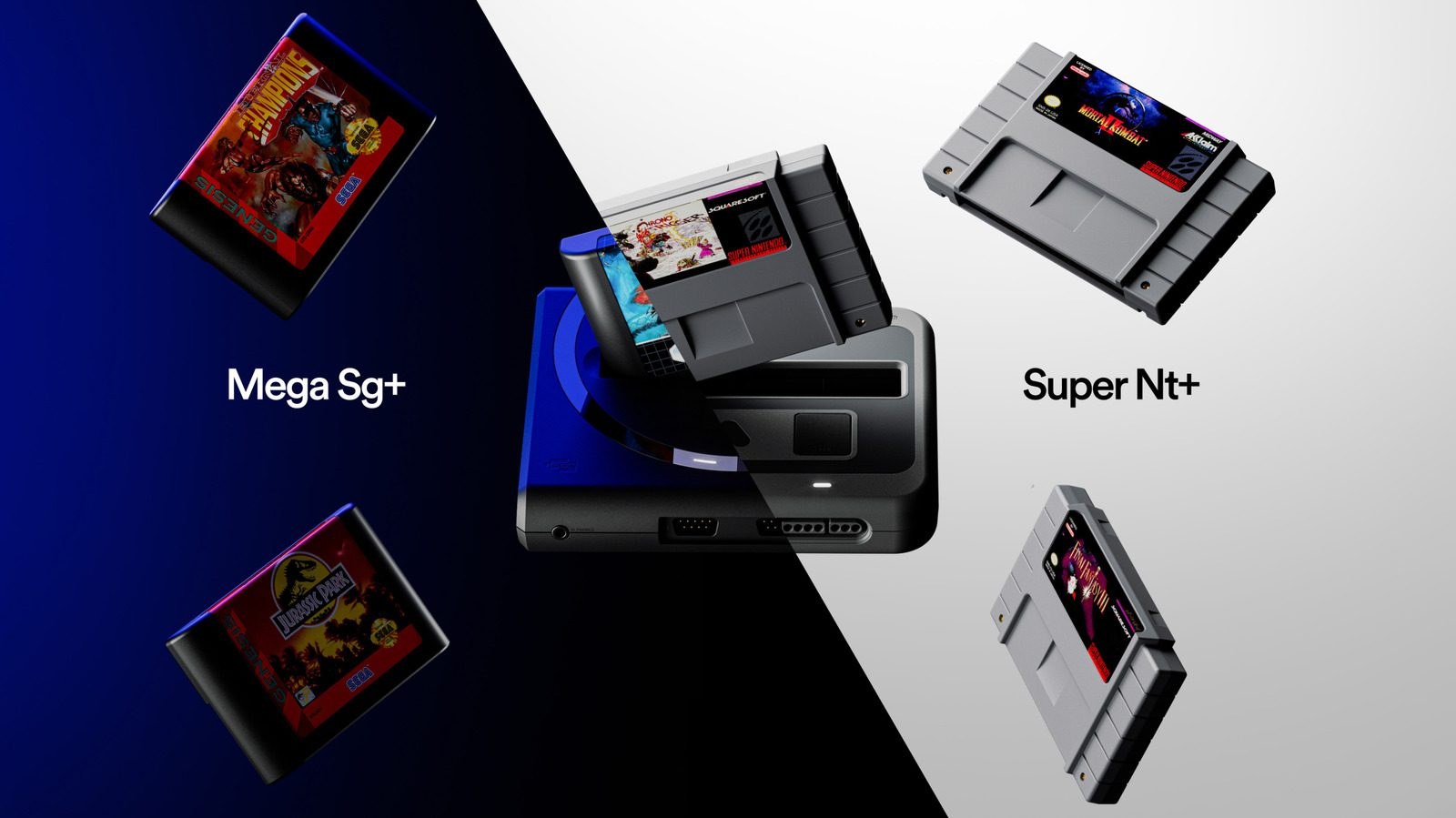
Analogue's $220 Super Nt+ and Mega Sg+ update classic 16-bit hardware for modern TVs using chip-level circuitry instead of software emulators. Pre-orders open October 19 ahead of December shipments, though you will need to supply your own controllers and

Valve's Steam Deck now costs $789, but Hong Kong-based abxylute offers an alternative with its M5 and M6 magnetic sliding controllers. For under $90, the accessories snap onto modern phones to handle console ports and streaming without the heavy price tag.

Twelve months of daily testing reveal whether the $249–$429 AYN Thor dual-screen handheld actually delivers on its ambitious hardware promises. While 3D emulation finally runs smoothly, bulky dimensions and idle secondary screens mean it remains strictly for
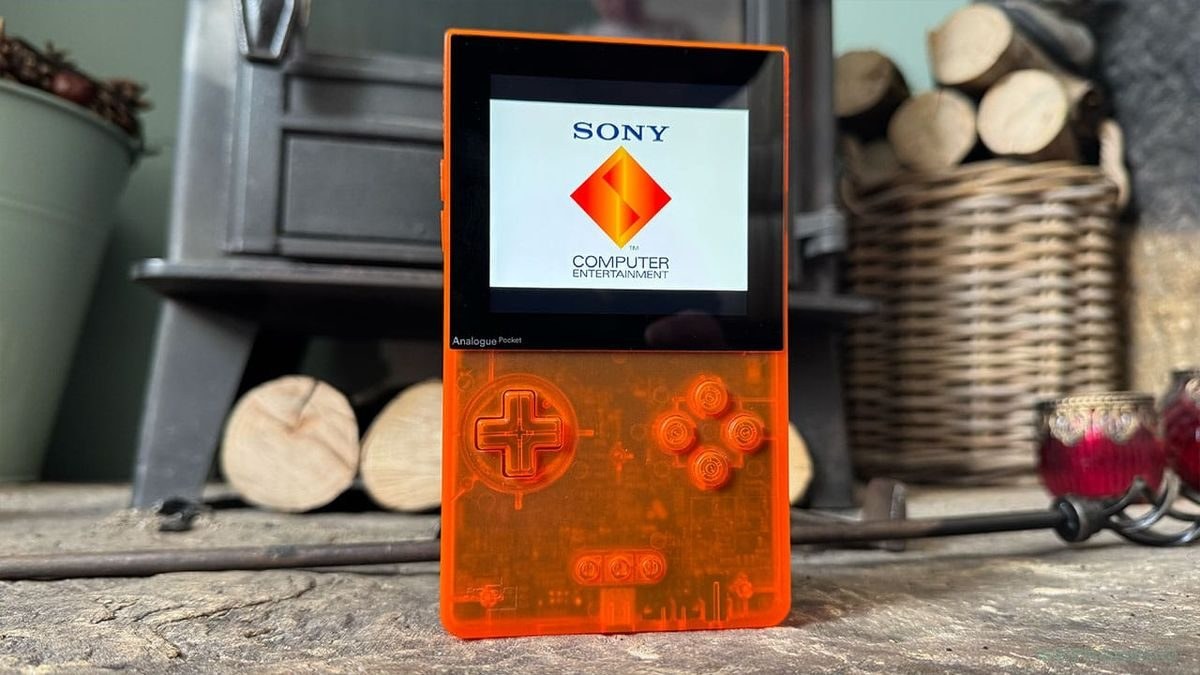
An independent developer has built a working PlayStation core for the Analogue Pocket using AI tools like Claude and Codex. It lets owners run original discs and files without buying new hardware, though the handheld's lack of dual thumbsticks remains a hurdle
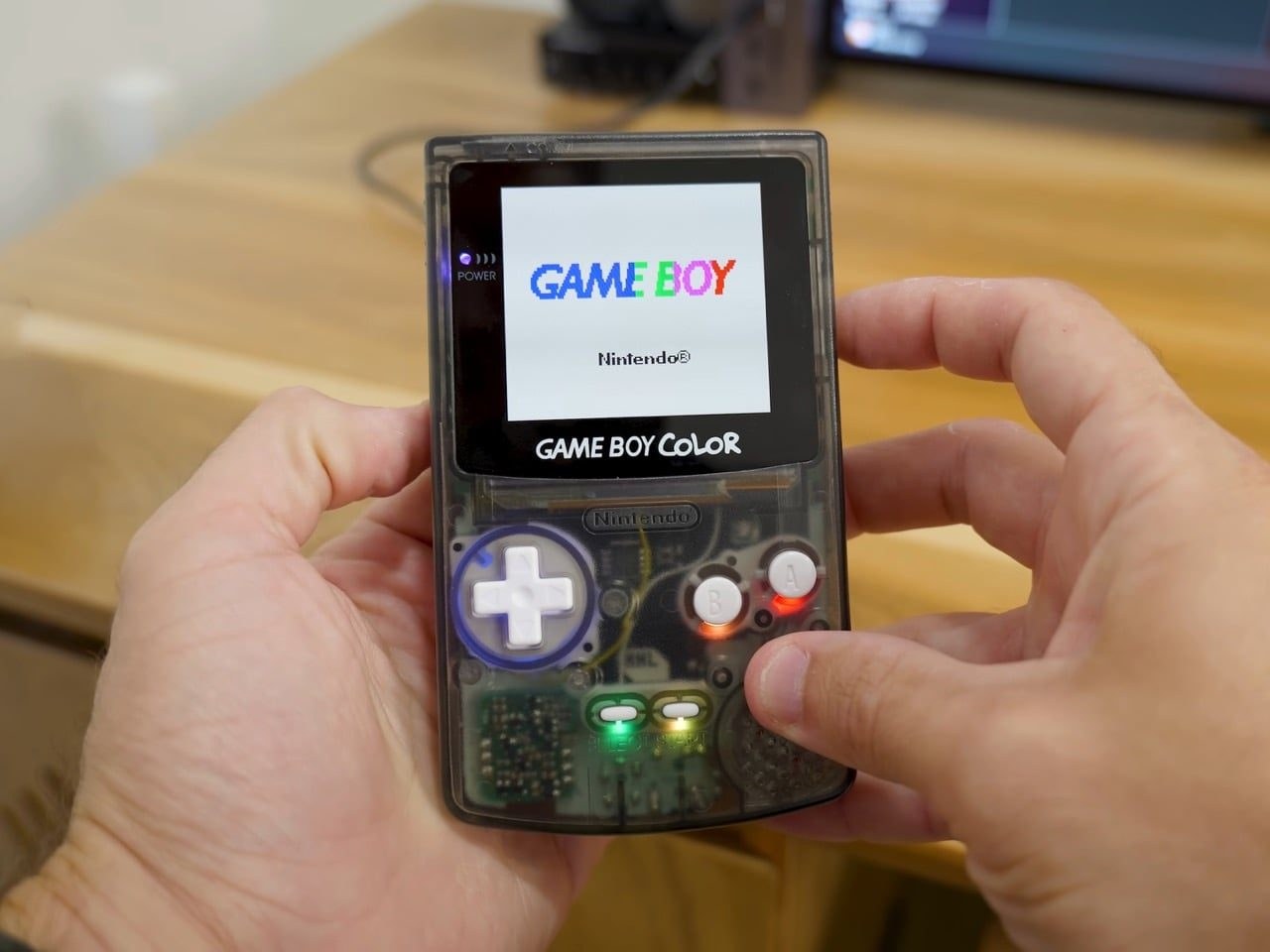
Canadian creator Zac Builds revives a 1998 Nintendo console by grafting a BlackBerry OLED display, wireless charging, and a custom voltage regulator into the original plastic shell.

The AYN Odin 3 Portal brings a 7-inch 120Hz OLED screen and Qualcomm's Dragonwing Q8 processor starting at $399. We look at whether this heavy, large-format handheld improves portable gaming or just creates a bulky burden in your bag.
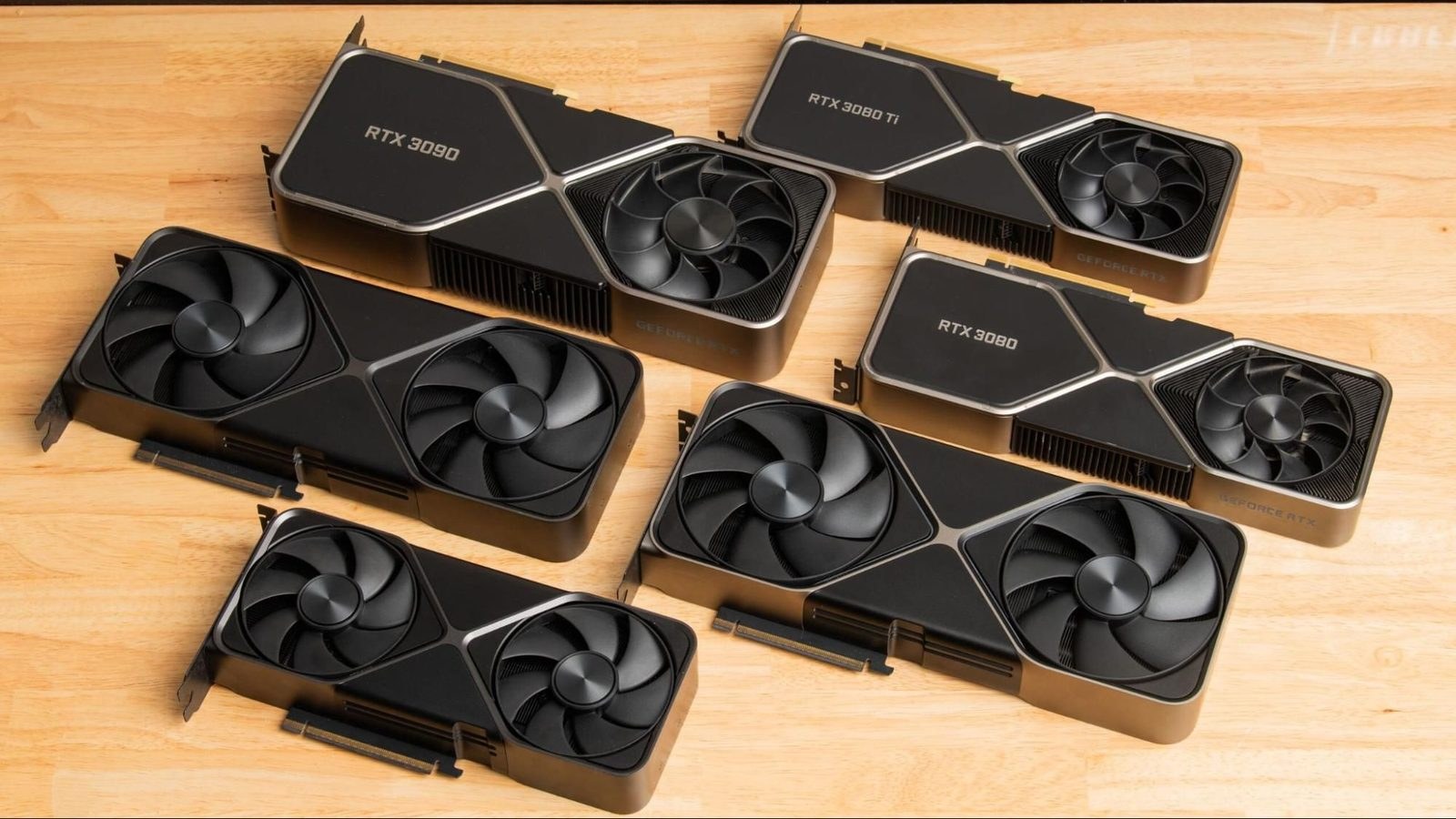
Developer Panchovix has released a GitHub utility for RTX 30, 40, and 50 series GPUs that stores modified firmware in registry keys. It lets you adjust voltage and power limits without risking a permanent brick, though it still requires caution with hardware

Capcom's officially licensed $79.99 wrist-bound arcade cabinet lets you play the 1991 classic without any smartphone notifications. While executing a piledriver on tiny buttons is frustrating, it offers a refreshing escape from standard fitness trackers.
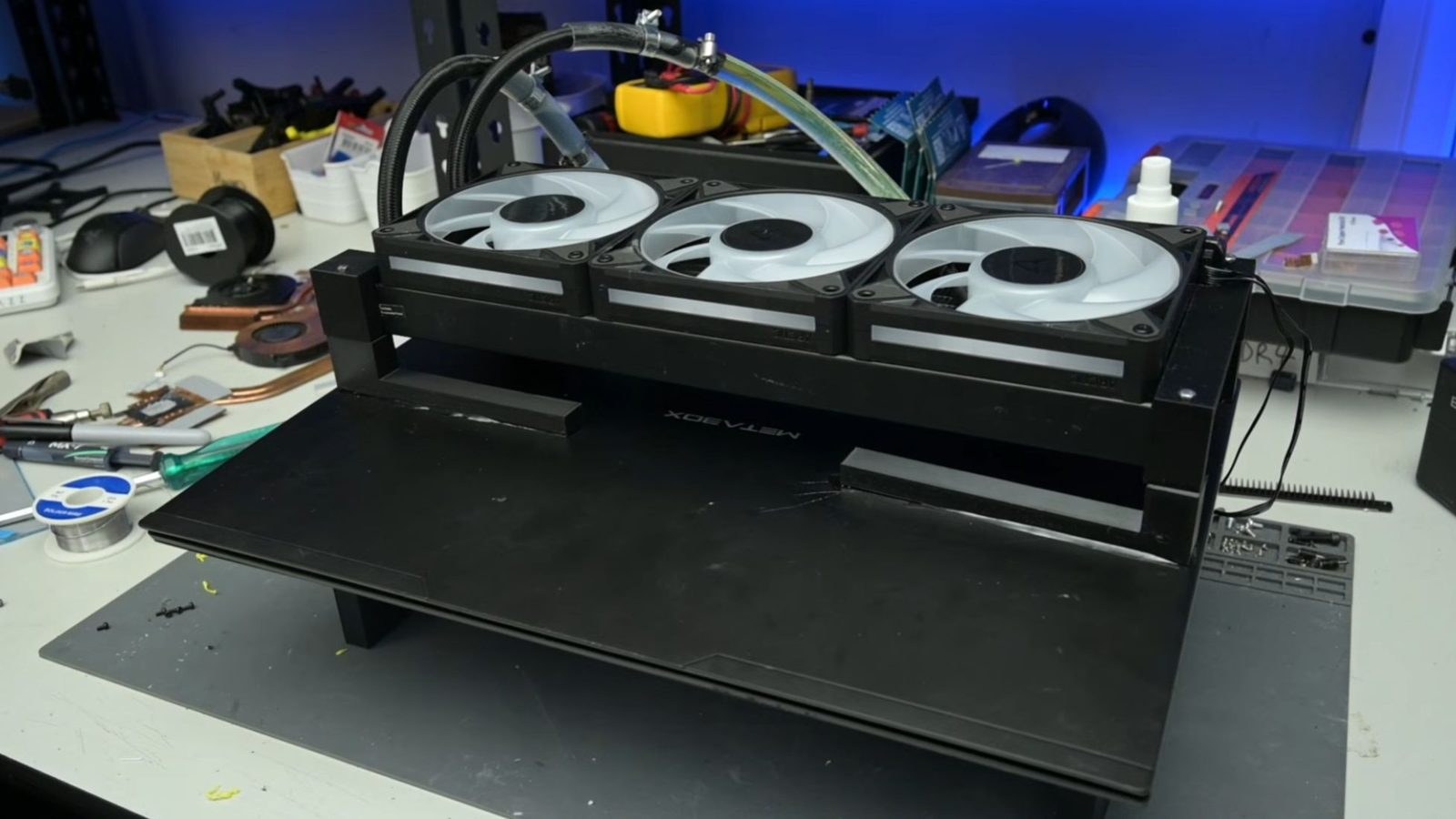
Modder TrashBench bolted a 360mm radiator and waterblocks to a Metabox laptop, slashing temperatures by 60℃ and boosting frame rates by 14%. But the drastic surgery permanently destroyed its portability, turning a mobile machine into a tethered desktop

Developer abhi245y transformed a hacked PlayStation 5 into a $300 AI accelerator running language models via Vulkan. However, the modification triggers permanent network bans and ruins online console functions.
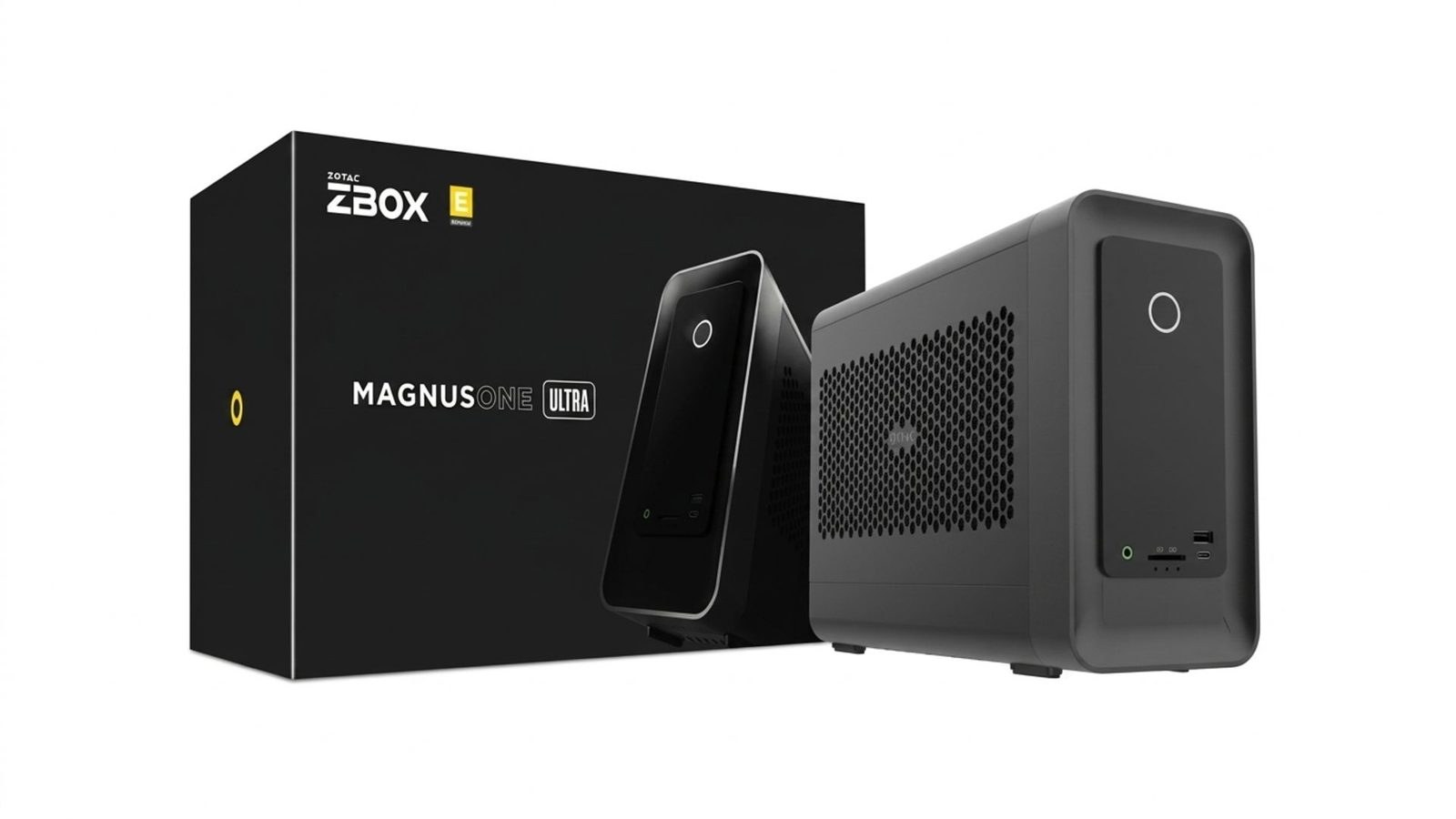
Zotac shoehorned a 360-watt Nvidia RTX 5080 and a 20-core Intel processor into an 11.4-liter case. The $2,647 base price leaves buyers to purchase RAM, storage, and an OS separately.
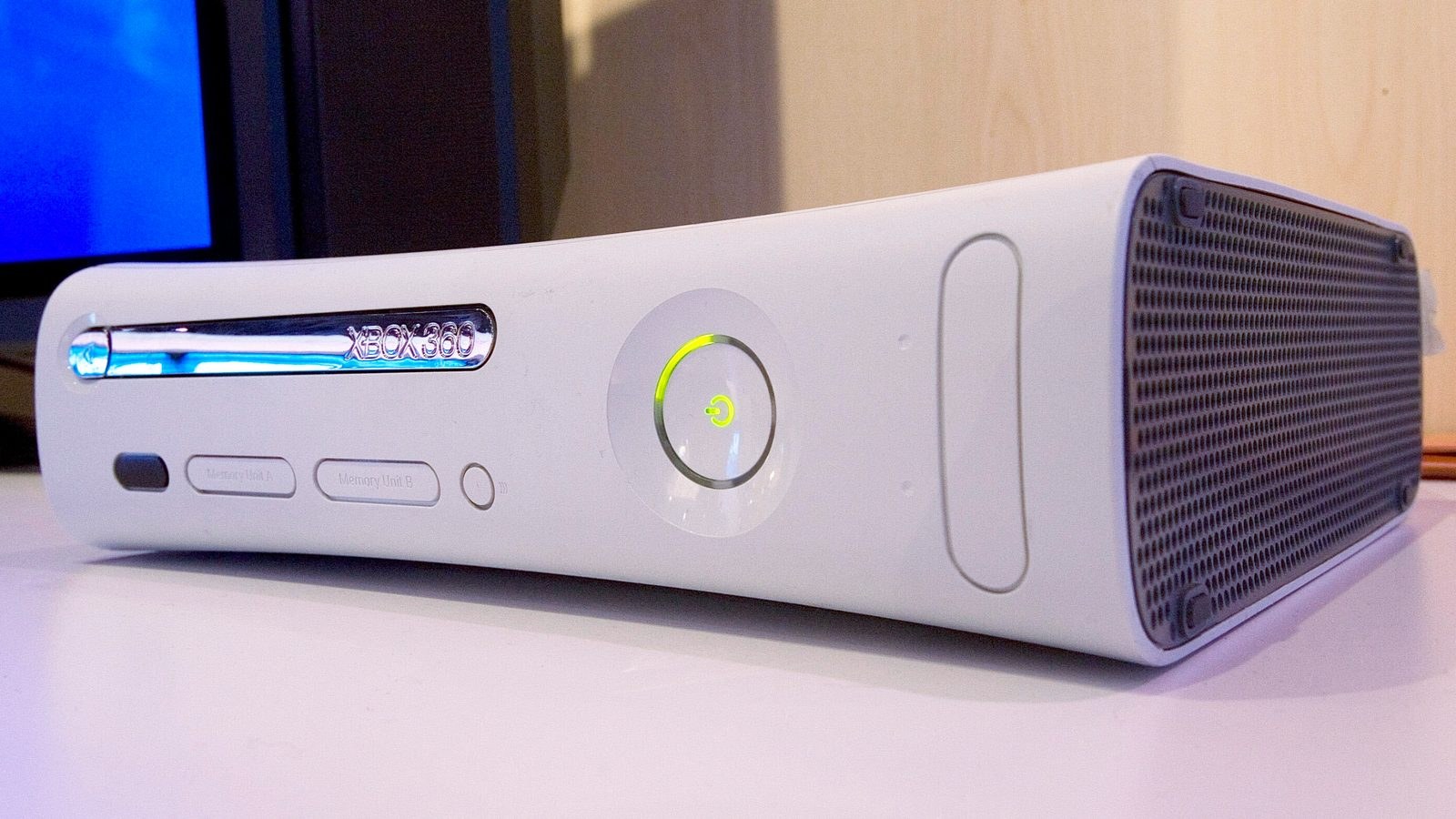
Hacker Joshua Kennedy finished a nine-year effort to crack Microsoft's aging console using a $4 Raspberry Pi Pico. The breakthrough bypasses hardware cryptography, though it still demands steady hands and basic soldering skills.
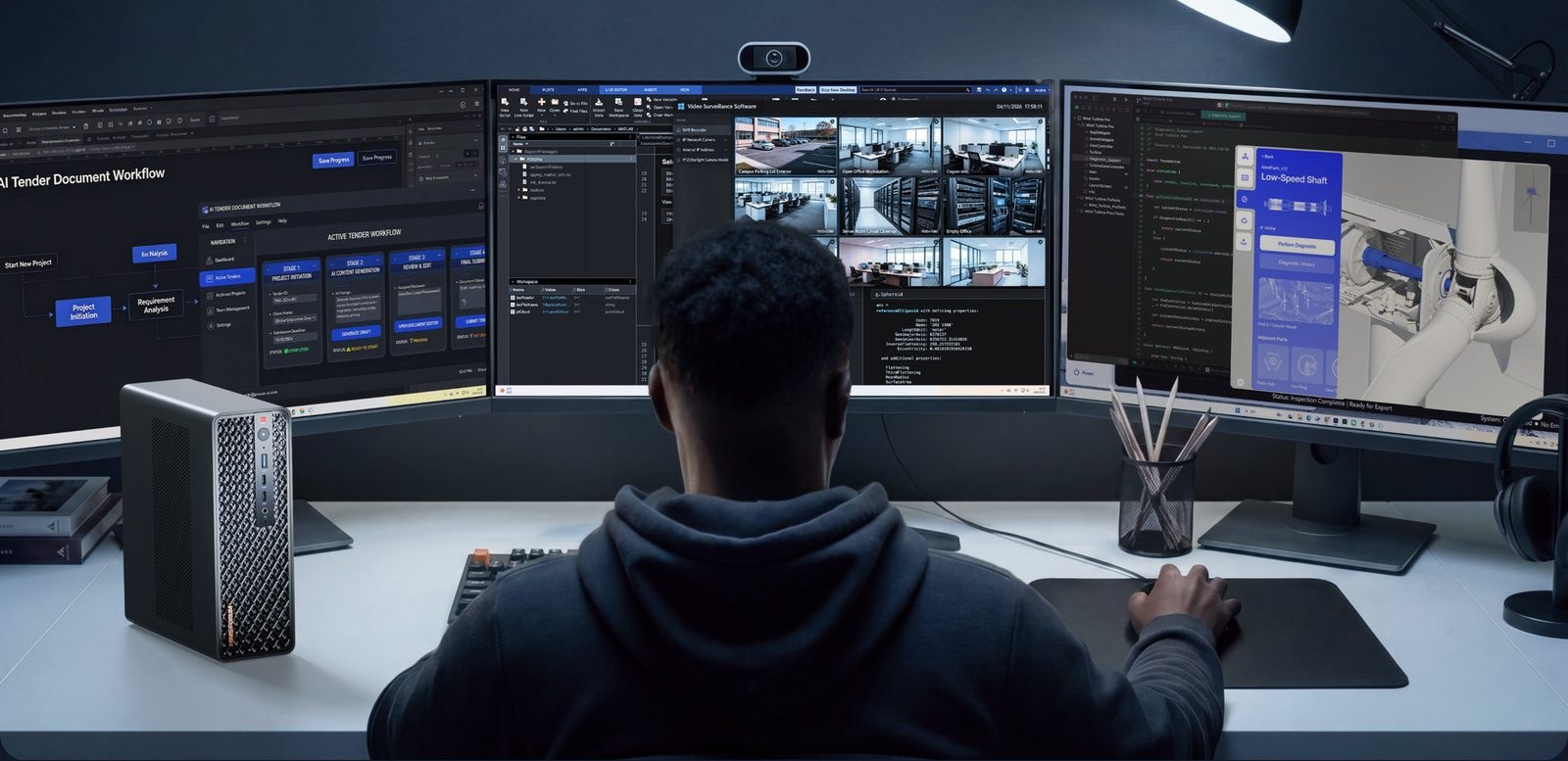
Minisforum priced its new MS-S1 MAX-P495 compact desktop at $7,399, targeting users who need massive local memory to run large artificial intelligence models at home.

Maker ItzSunBoi has built a pocket-sized gaming console that replaces a traditional display with an 11×15 grid of individual LEDs and physical buttons. It cannot be bought and changes nothing for daily tech, but proves strict hardware limits still spark clever
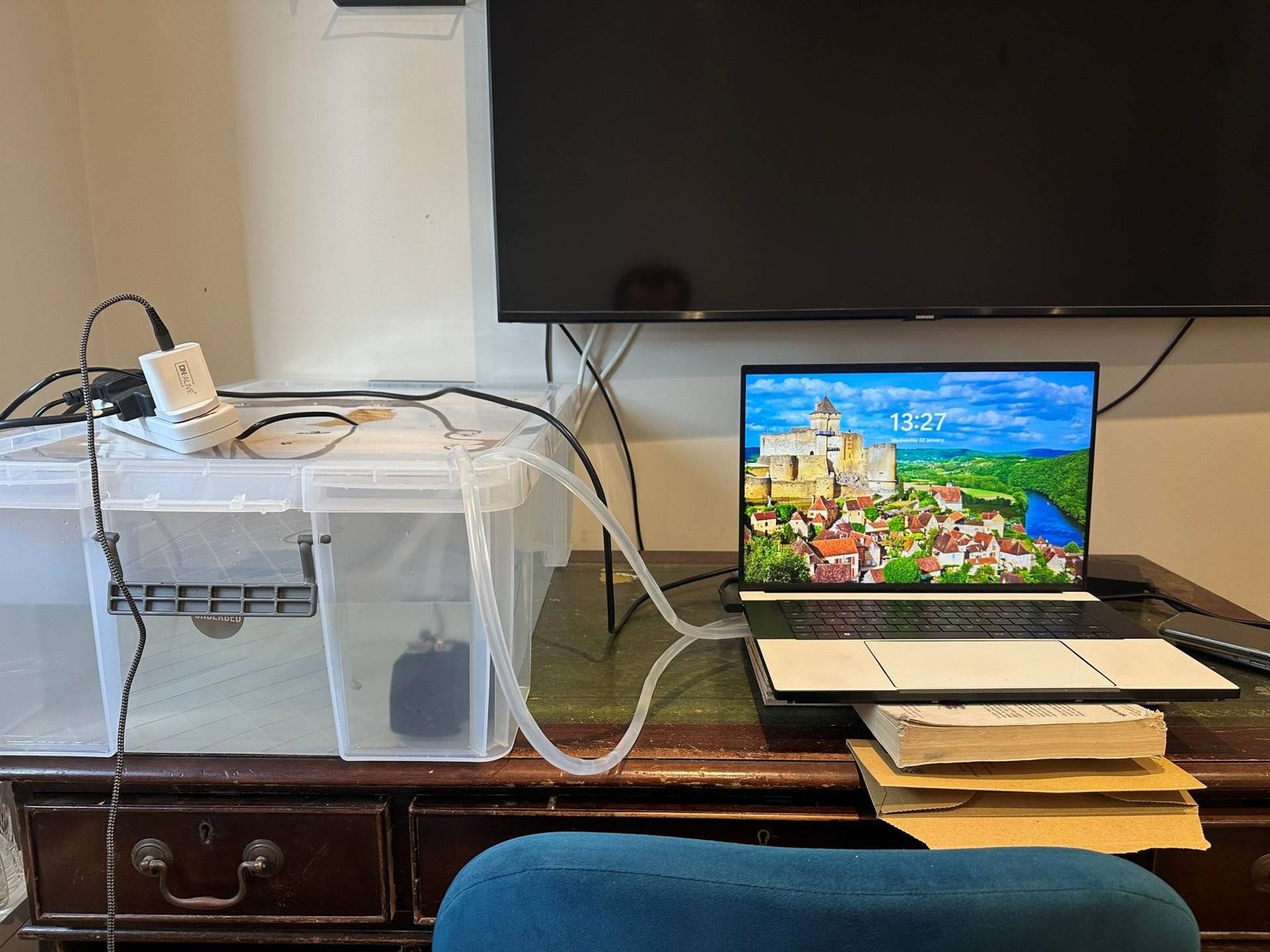
When a £2,500 manufacturer repair quote for a dead heatsink crossed the line into ransom, a Razer Blade 16 owner spent £100 on copper blocks and an external liquid-cooling loop.
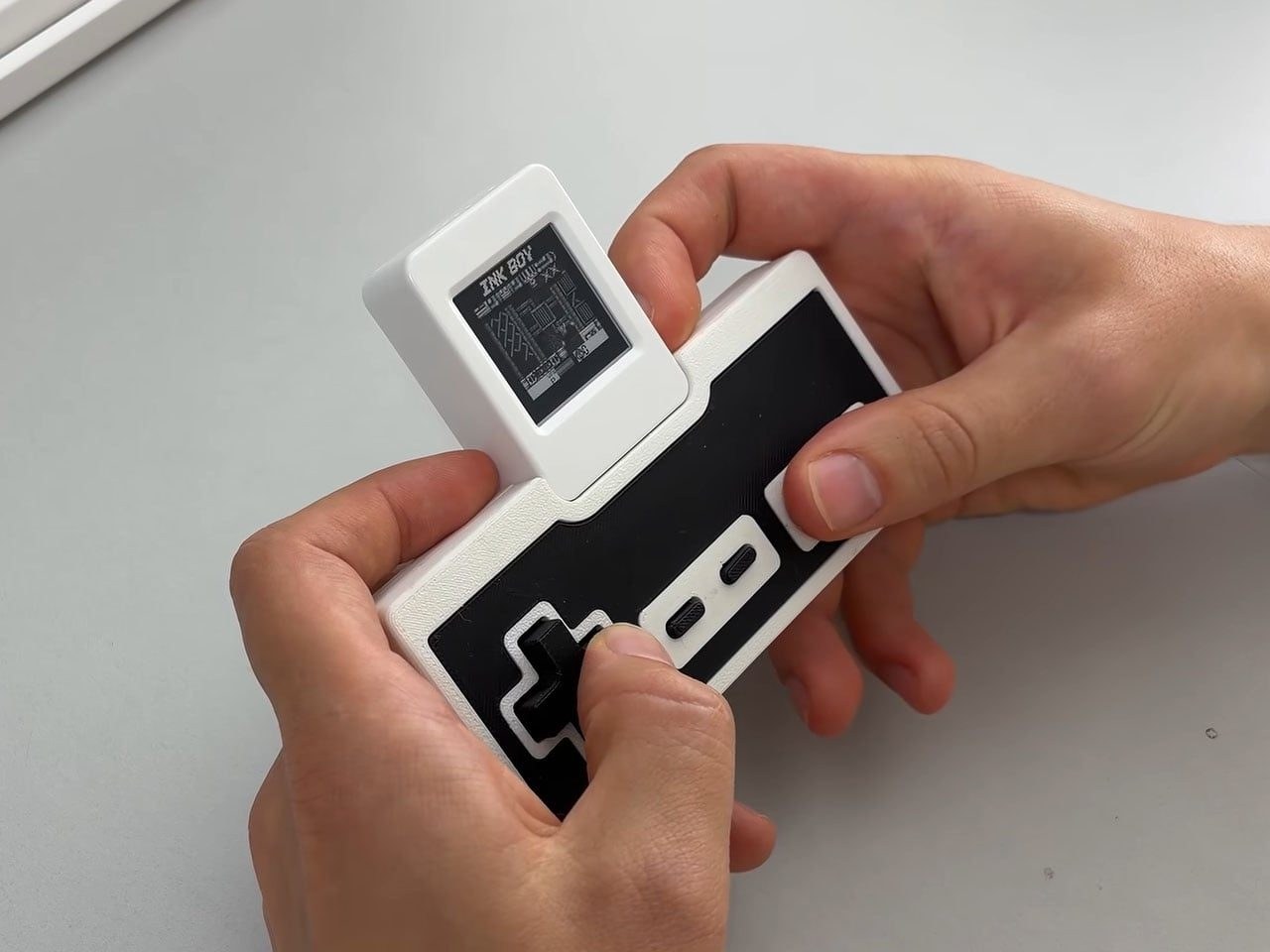
Independent developer Bo Made It built InkBoy, a tiny gadget that forces slow electronic paper screens to run retro games at 30 frames per second. Powered by an ESP32 chip and custom pixel-refresh software, it proves monochrome book displays can handle fast
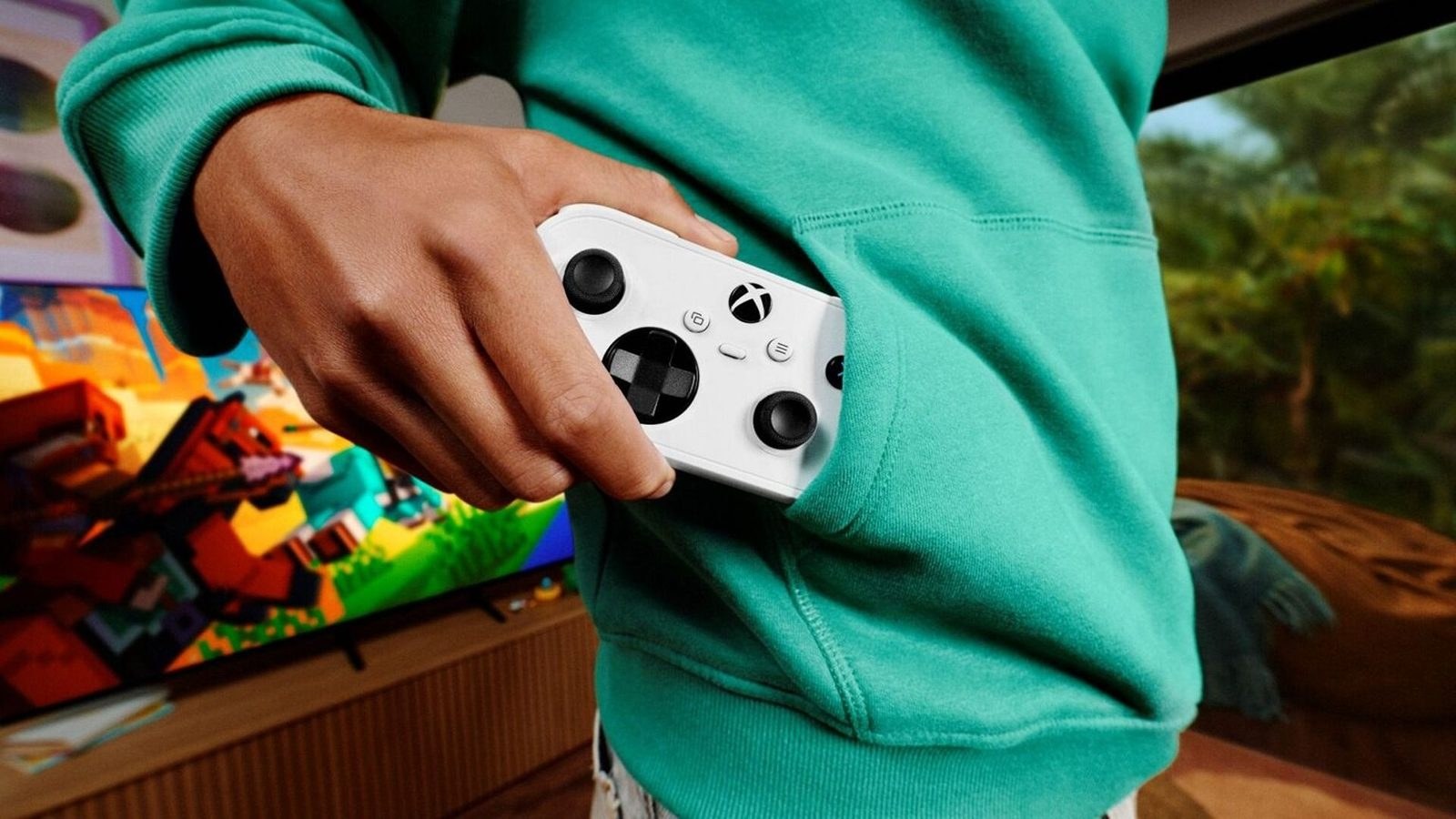
Microsoft's 5-inch pocket gamepad shrinks the standard layout into a remote-sized peripheral for mobile players. However, lacking advanced anti-drift sticks and direct Wi-Fi, the $50 device acts more as a coffee table novelty than a serious cloud gaming tool.
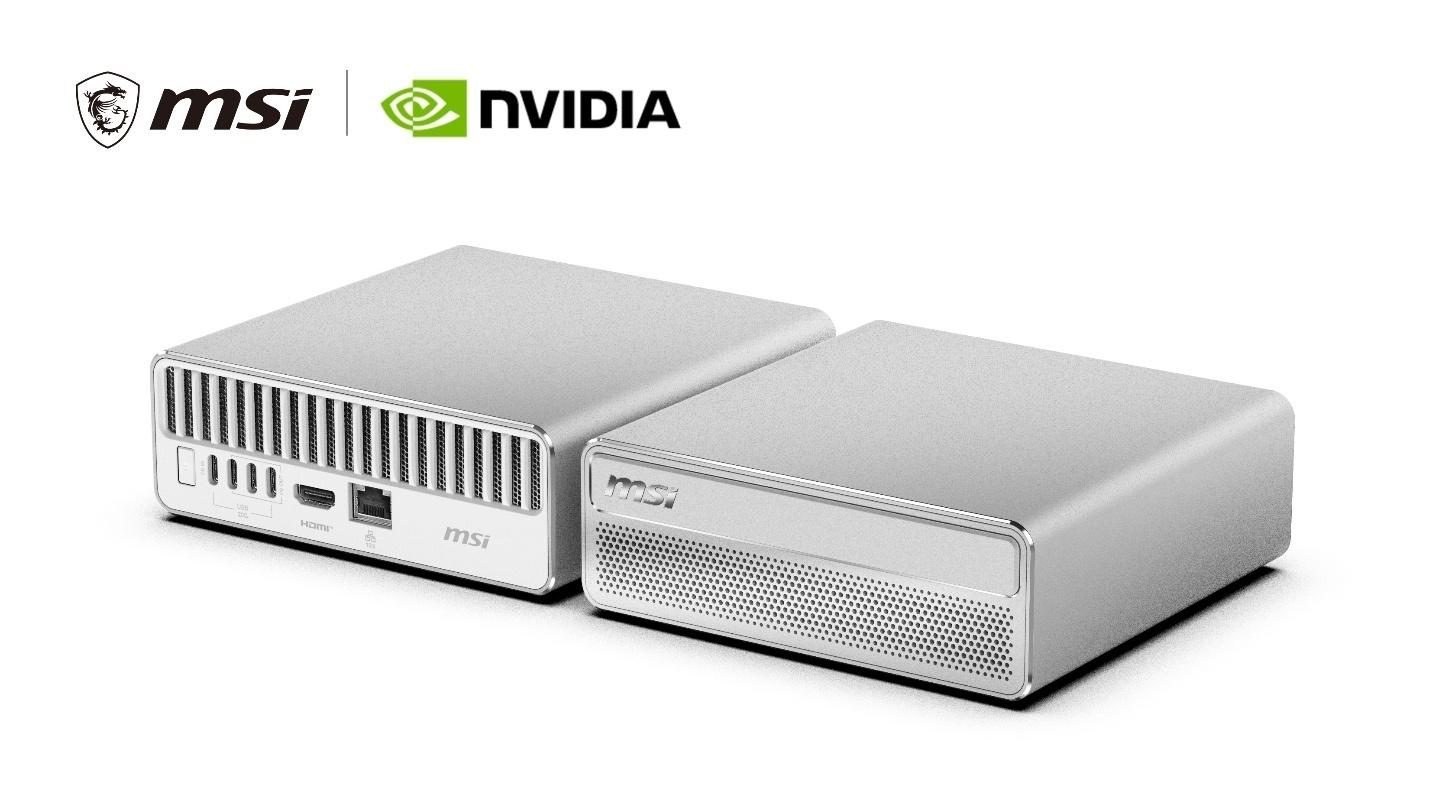
MSI squeezed a 1-petaflop AI server into a 1.3-liter desktop box with 128 GB of memory. We check if a home neural network workstation is worth its massive price tag.
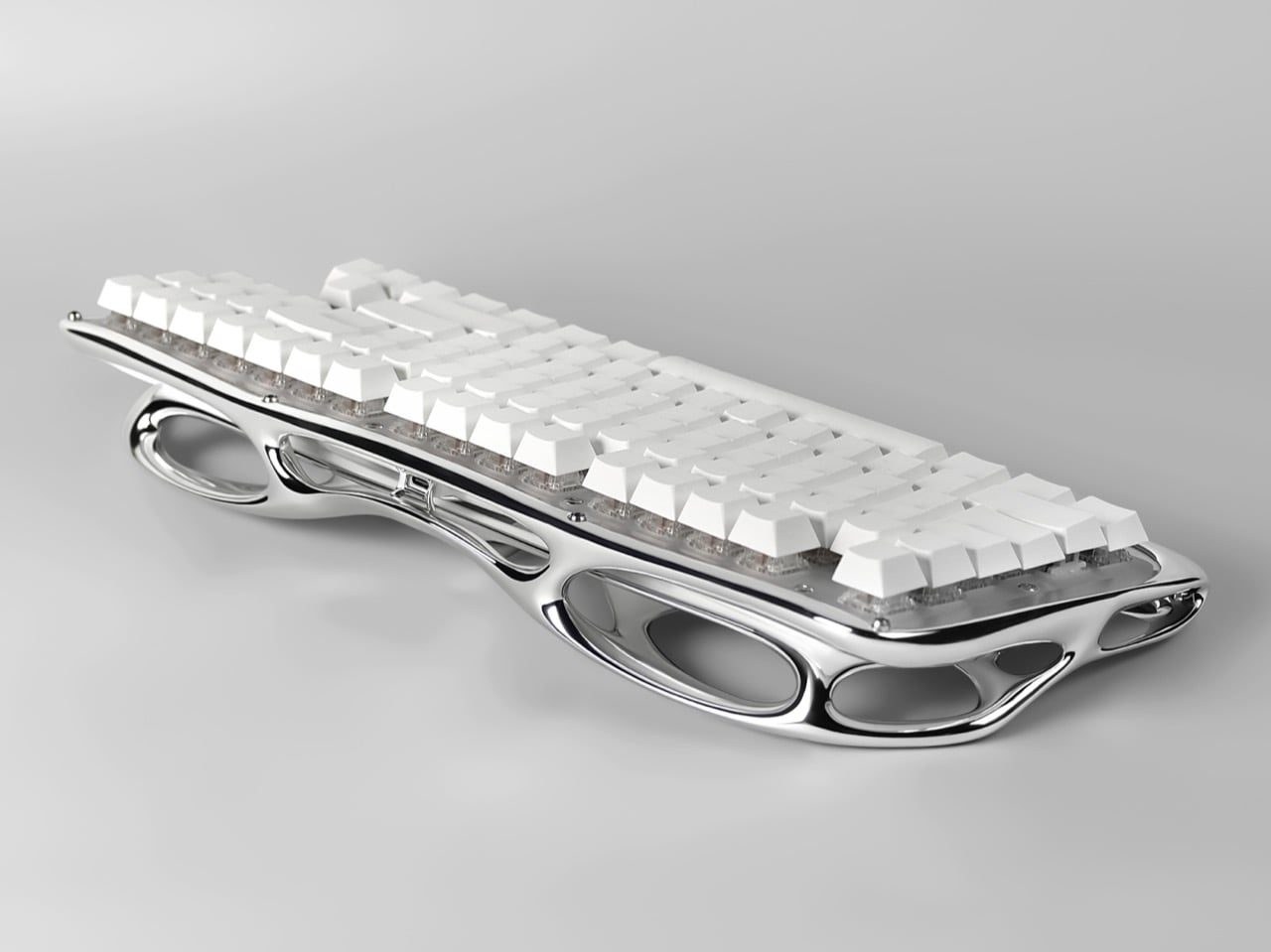
Designed by Haoyuan Lu and his team, the Pulse One replaces molded plastic with a 3D metal-printed shell shaped by generative algorithms. It merges the frame, bezel, and wrist rest into a single continuous form while remaining fully wireless and hot-swappable.

The Sprout project swaps classic iPod internals for a custom motherboard powered by Raspberry Pi hardware. It adds Bluetooth, a USB-C port, local storage up to 2TB, and enough processing power to handle modern streaming and PlayStation 1 games using the original click wheel.
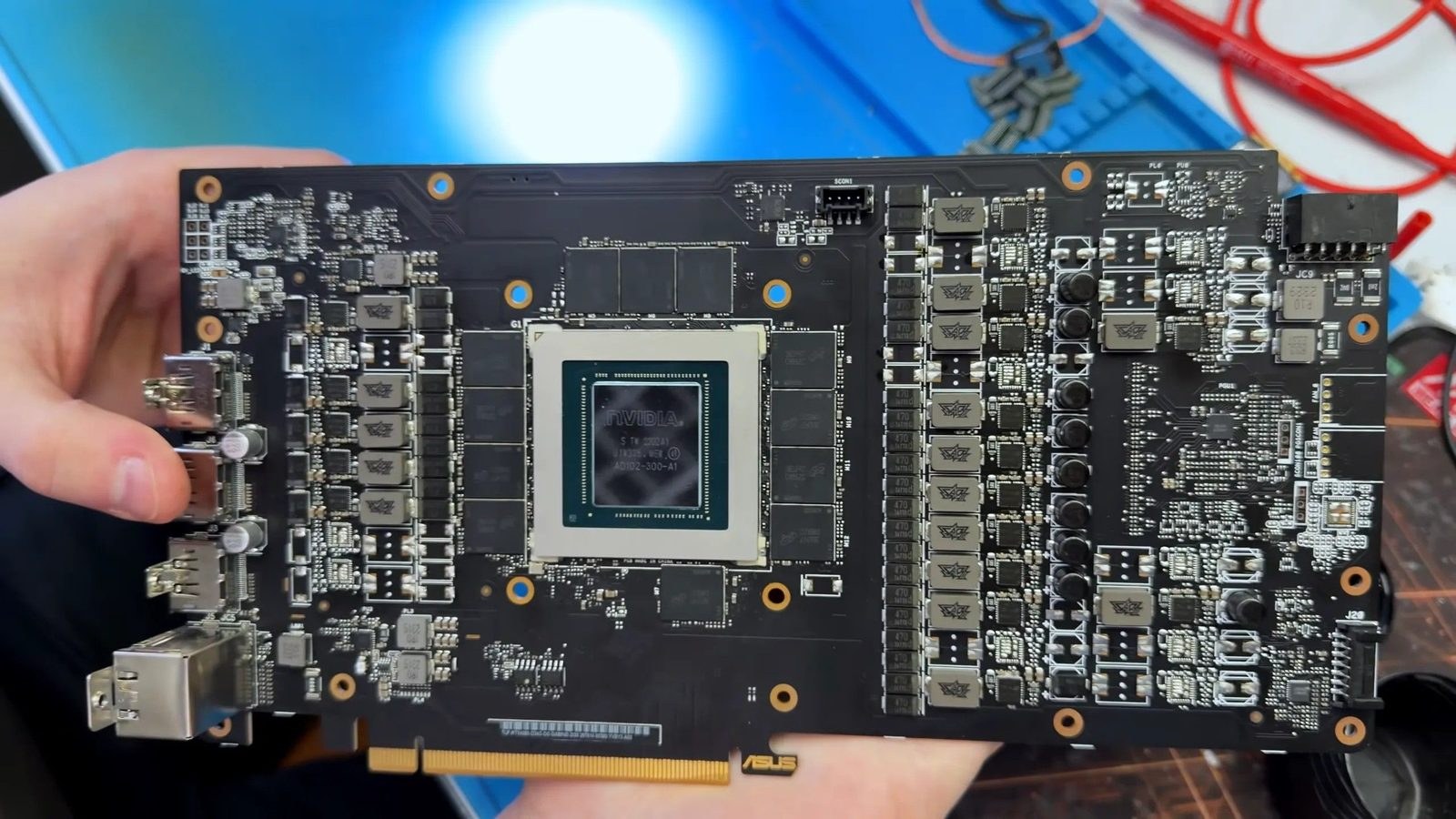
A tech enthusiast bought a broken flagship graphics card for $350 only to discover a counterfeit processor made from plastic dummy parts. The intricate scam tricks even experienced technicians during visual inspections.
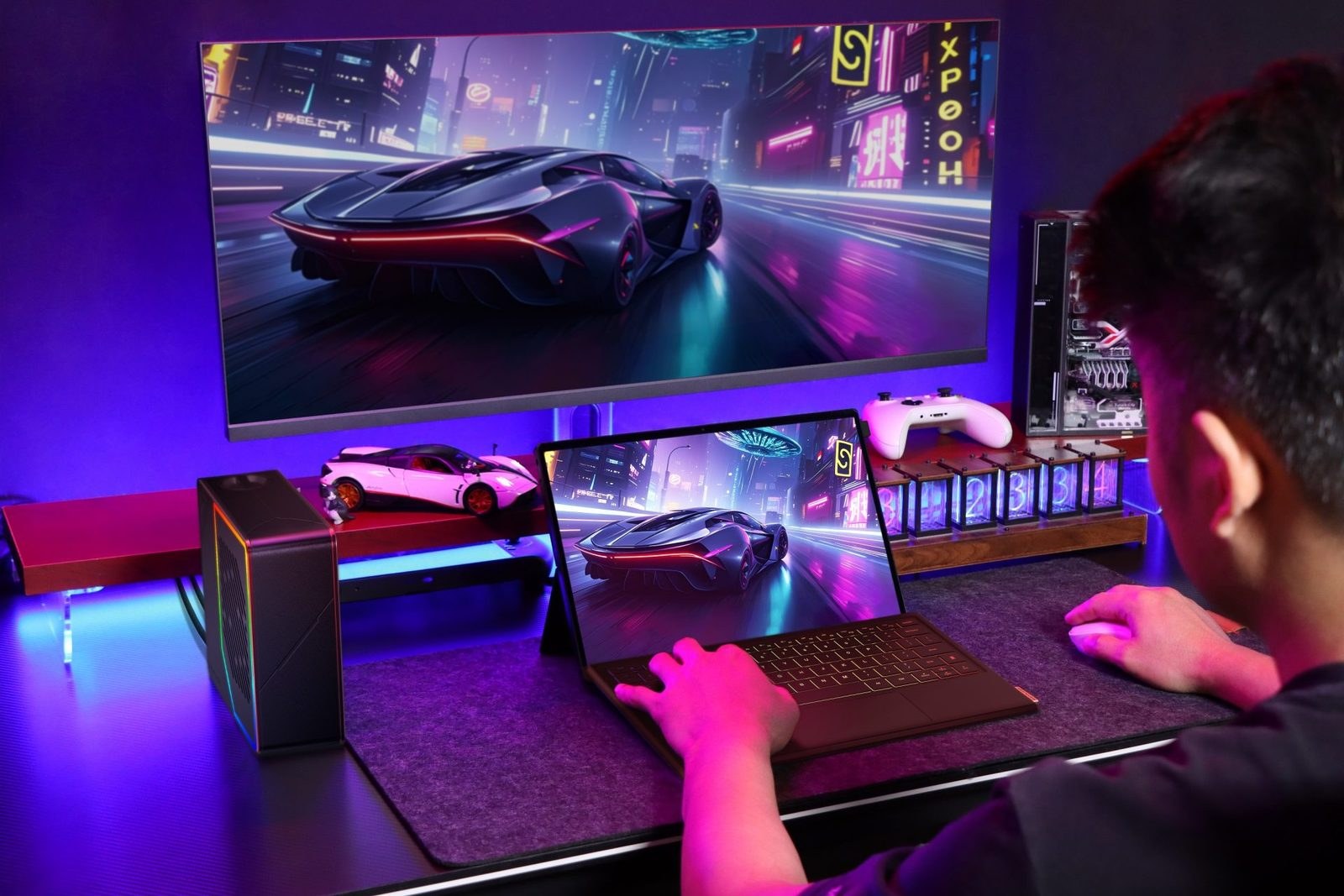
OneXPlayer has built the Super X Pro, a 2-in-1 tablet housing an AMD Ryzen AI MAX+ 495 processor and up to 192GB of unified memory. While it matches workstation performance, reaching its 120W peak requires an external liquid-cooling dock that is sold separately.
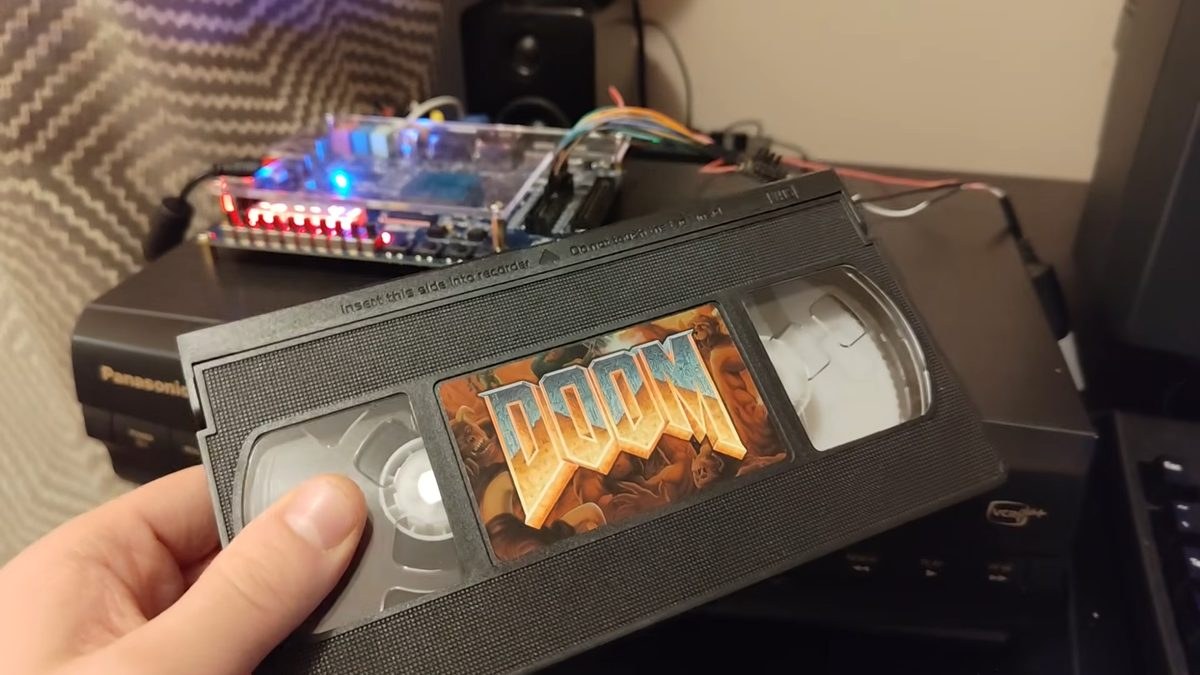
An indie enthusiast built a functioning gaming rig that loads classic titles like Doom and Super Mario Bros from a standard VHS cassette. The project exposes how bloated modern game code has become by comparison.

Brazilian developer RafaelNGP built a homebrew app using Claude AI to stream Xbox Cloud Gaming on PlayStation 5 hardware. The mod maps four controllers and adds 4K upscaling, but requires voiding your console warranty for a laggy, high-risk streaming setup.
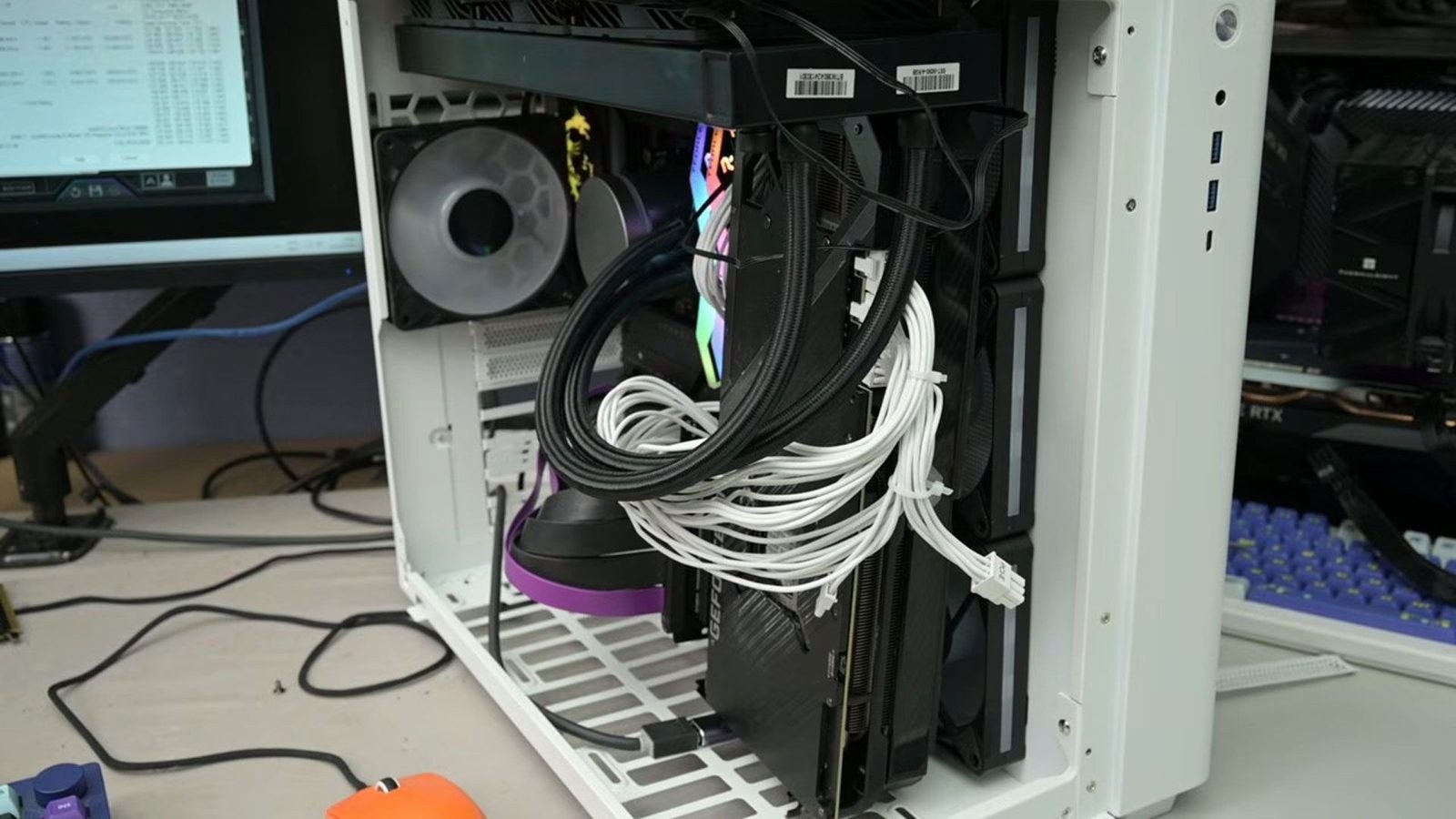
Hardware modder TrashBench tested a radical PC layout that shifts the graphics card away from its standard motherboard slot. The unorthodox configuration slashed GPU hotspot temperatures by 19°C, though it introduces new cooling hurdles for the processor.

Chinese manufacturer JGINYUE has built a $58 PCIe expansion card carrying an AMD B650 chipset to squeeze four M.2 NVMe drives and extra ports into older PCs. While it spares you a costly platform upgrade, it demands manual BIOS tuning and comes with a notoriously loud cooling fan.

A Reddit user scored twelve RTX 3070 cards from old mining rigs, proving that clean storage keeps hardware alive. We break down the hidden maintenance costs and whether buying ex-mining gear actually saves you money.

Anbernic announced the RG DDS clamshell handheld featuring dual IPS displays and a Qualcomm Snapdragon G2 Gen 2 chip. The device mimics the classic 3DS layout for retro gaming enthusiasts, though pricing and release dates remain unconfirmed.

A team from the University of Bath has built a 20-pound remote-controlled jet primarily out of everyday PETG plastic. The Kingchaser aims to shatter a nine-year-old world speed record by pushing toward Mach 0.8 using desktop-printed materials.

Enthusiasts resurrected a carrier-locked, pancake-flat Samsung Galaxy S23 for just $40 by hammering the frame straight and adding a 3D-printed cooling rig. Powered by Samsung DeX and a Snapdragon 8 Gen 2 chip, the frankengadget easily handles PS2 emulation and PC titles.
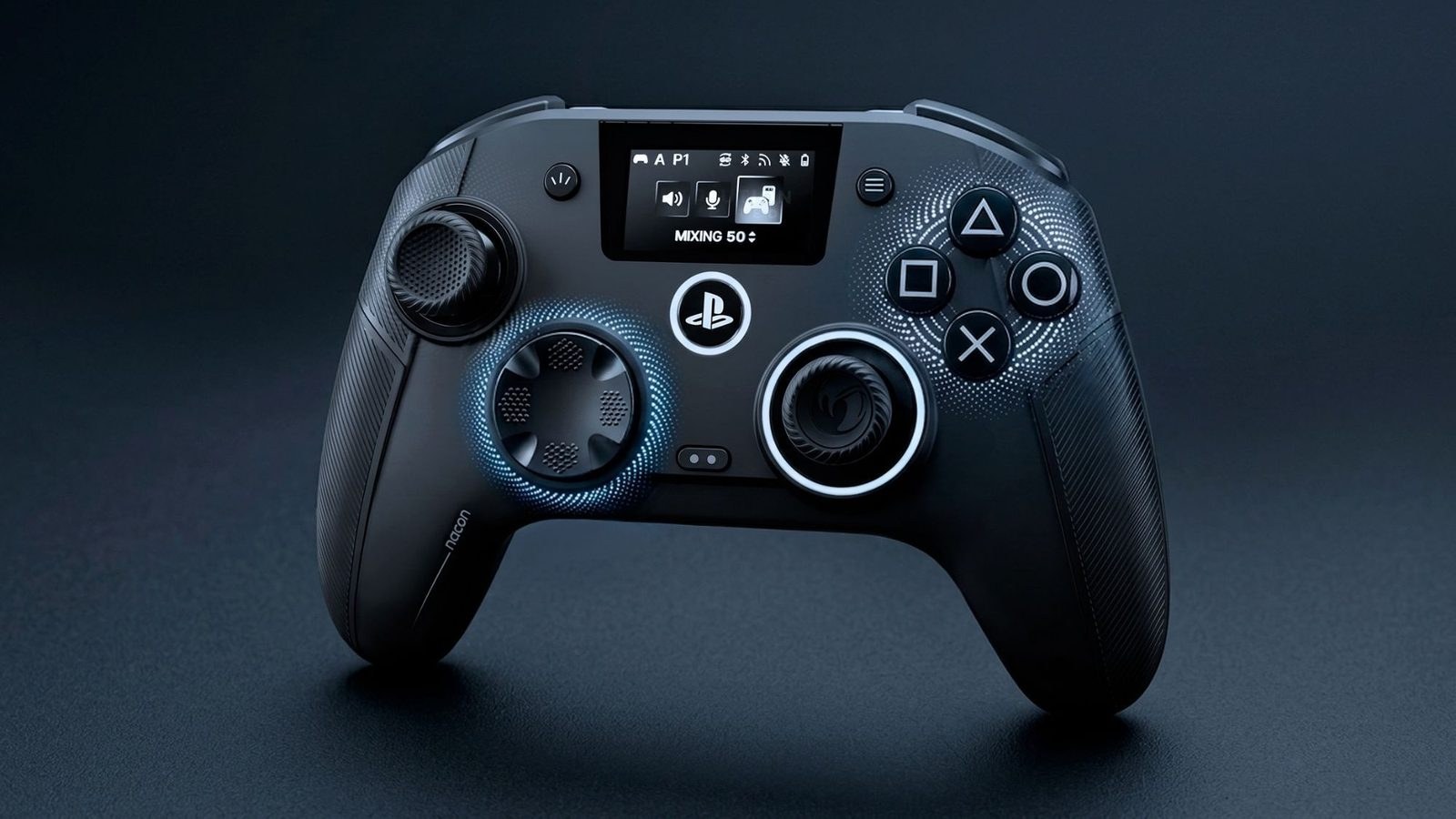
Nacon's new $230 Revolution 5 Unlimited is the first officially licensed PS5 pad with a built-in control screen. We look at whether on-device settings tuning justifies the steep luxury price tag over standard controllers.
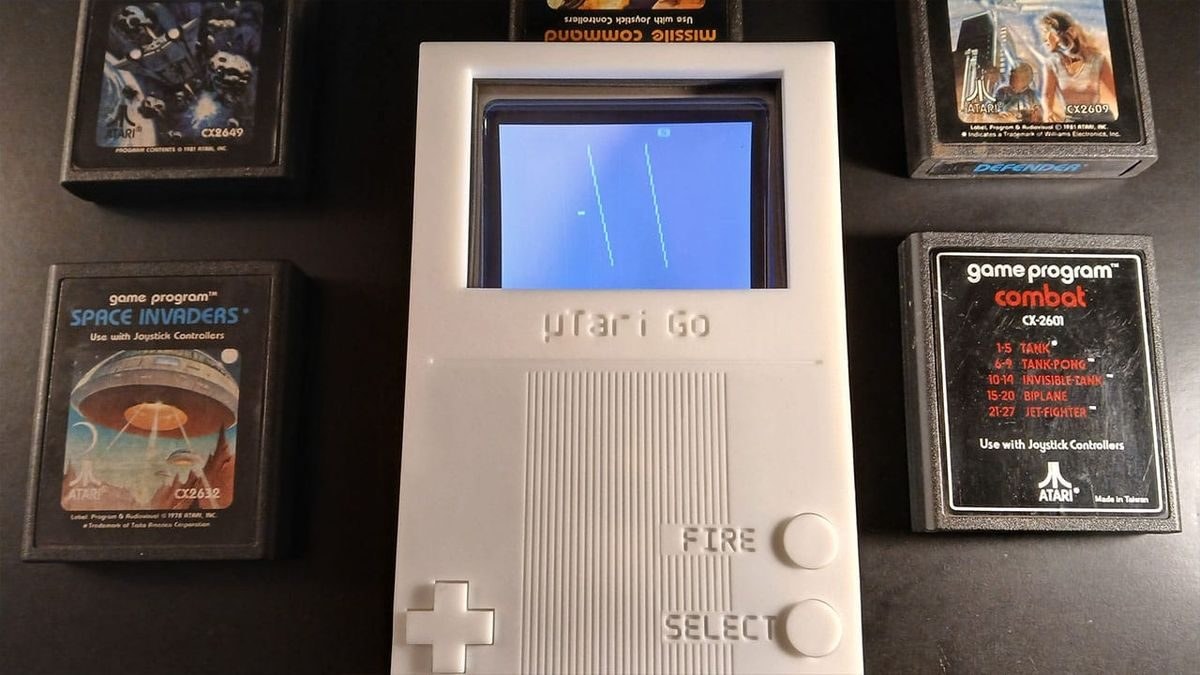
Nick Bild created the µTari Go, a portable console that ditches software emulation to run actual Atari 2600 cartridges on a tiny 4-inch cathode-ray tube. Powered by a 12V external supply, it brings zero-lag vintage hardware straight into a backpack.
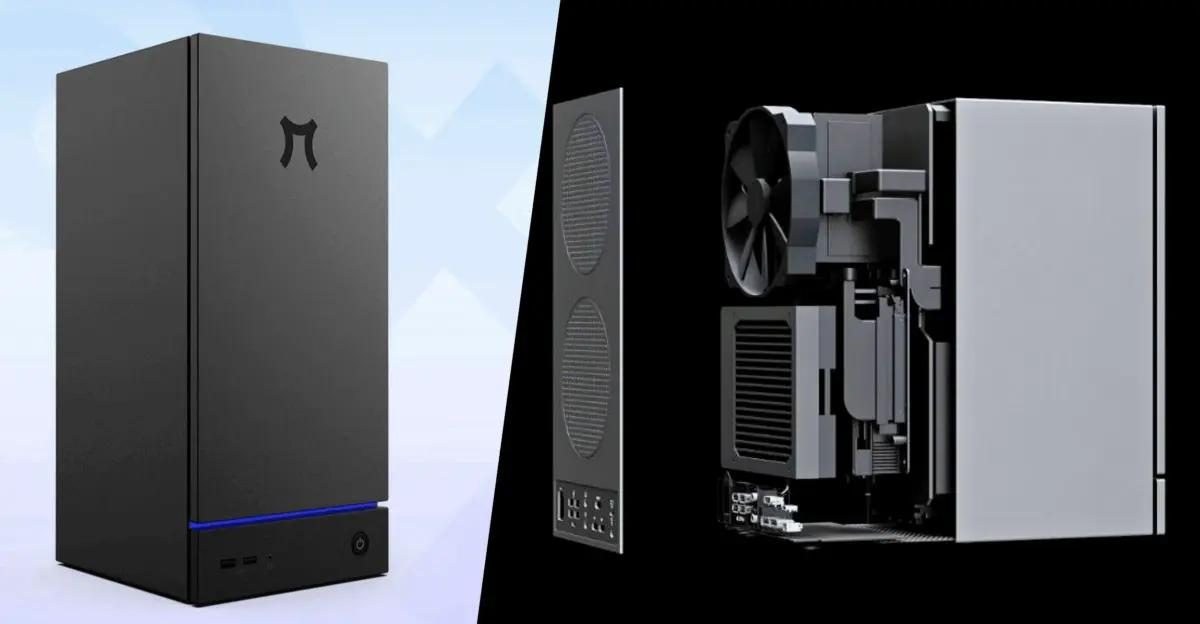
Primax is jumping into desktop PCs with the Spation, a compact rig featuring high-end parts like a Ryzen 7 processor and RTX 5070 Ti graphics. But with zero pricing details and hidden case dimensions, buying this mystery box is a massive gamble.
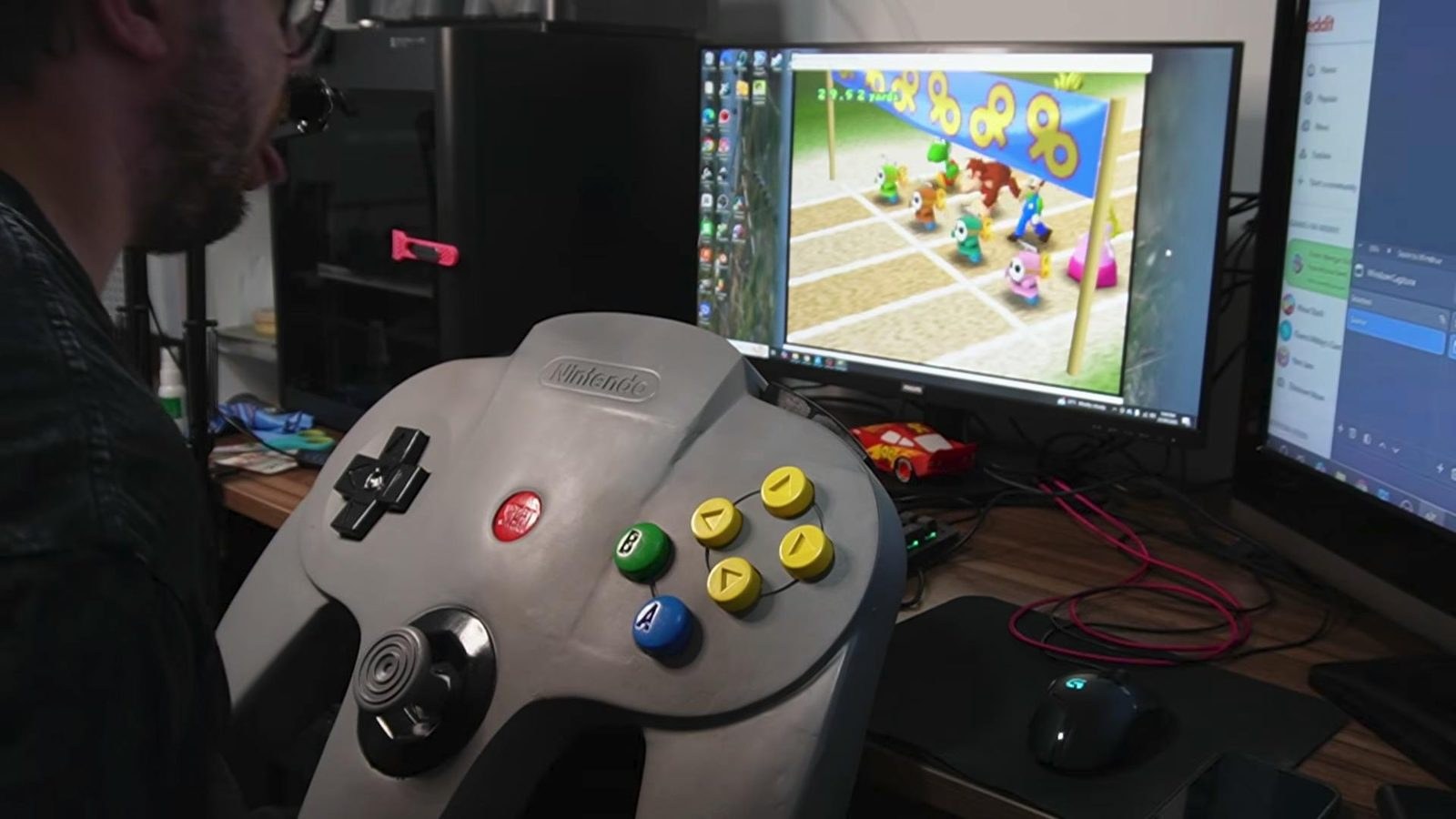
Maker ChaosBench built a fully functional, oversized Nintendo 64 gamepad using 3D printing, automotive filler, and heavy-duty springs. While it connects to modern PCs via a USB encoder, pressing its giant buttons requires a surprising amount of physical force.

Independent developer Taki Udon has released translucent limited colorways of the SuperStation One FPGA console starting at $249.99. The hardware uses chip-level emulation to eliminate input lag and supports both MiSTer cores and an authentic physical disc drive.
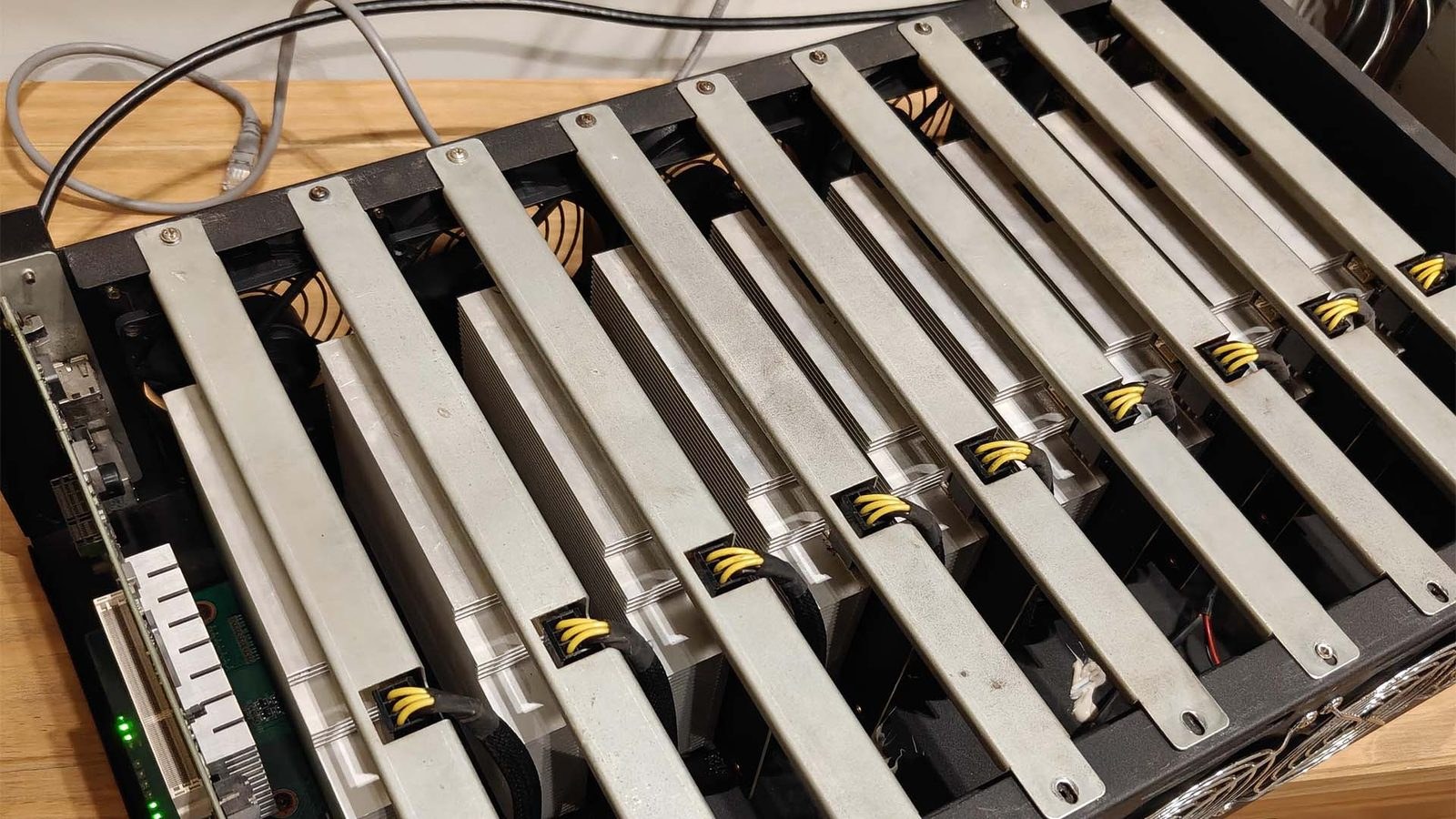
An enthusiast bought an abandoned nine-card crypto mining rig on Avito for just $35, packing 54GB of video memory. However, crippled data speeds and devastating power consumption make the Frankenstein setup practically useless for anyone paying for electricity.

Nineteen-year-old startup founder Zain Javaid has built the Ghost Core, a $3,499 desktop computer packed with an Nvidia RTX Pro 4000 graphics card to run AI agents locally. The machine targets privacy-minded users who want to ditch cloud subscriptions and handle heavy AI workloads directly on their desk.

ModRetro is rolling out purple, green, red, and smoke transparent shells for its Chromatic handheld console on October 8. The device still demands physical game cartridges instead of ROM files, making it an expensive choice for anyone without a vintage collection.

Abxylute launched a Kickstarter campaign for the M5 and M6 controllers, reviving the sliding Xperia Play form factor with magnetic mounts and Hall-effect sticks. The flagship M6 packs a 500mAh battery and a gyro, while the slim M5 relies on wired pass-through charging.
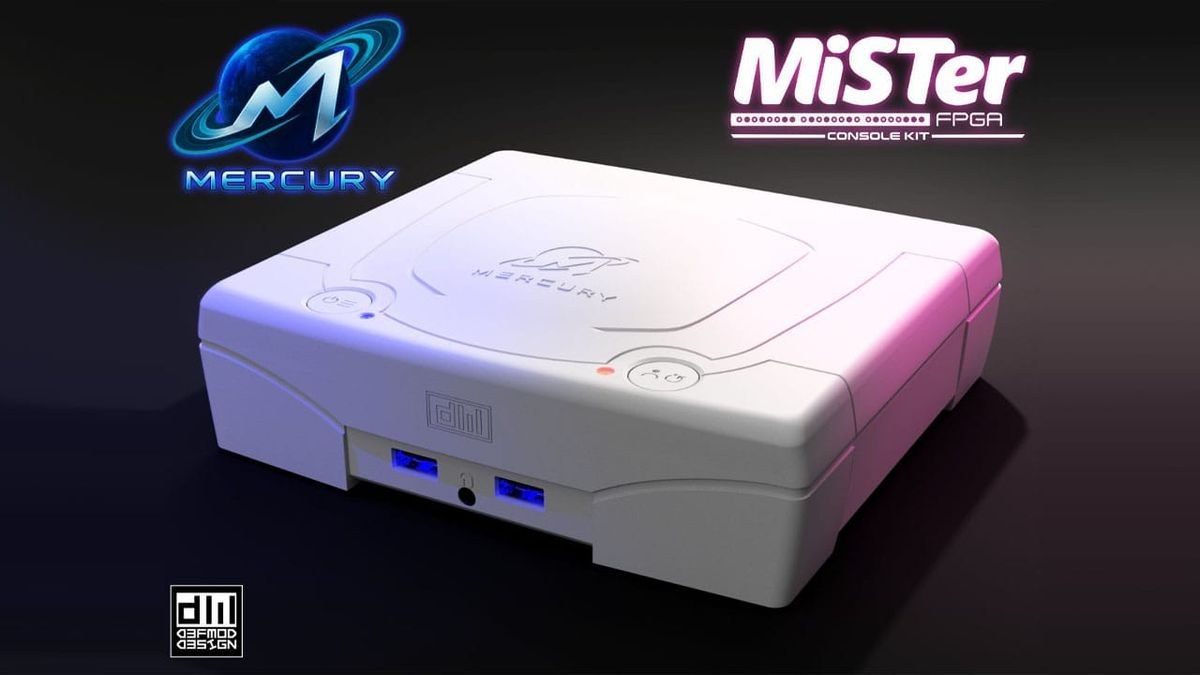
Developer Df3mod has launched pre-orders for the Mercury case, transforming a standard logic board into a physical clone of the Sega Saturn. While the base kit starts at 229 euros, required modules and strict non-refundable terms mean buyers need to calculate total costs carefully before chasing childhood nostalgia.

Sony has quietly updated the PS5 Slim hardware with an accessible CMOS battery and a revised cooling system. This silent redesign solves major long-term repair headaches that plagued early units.
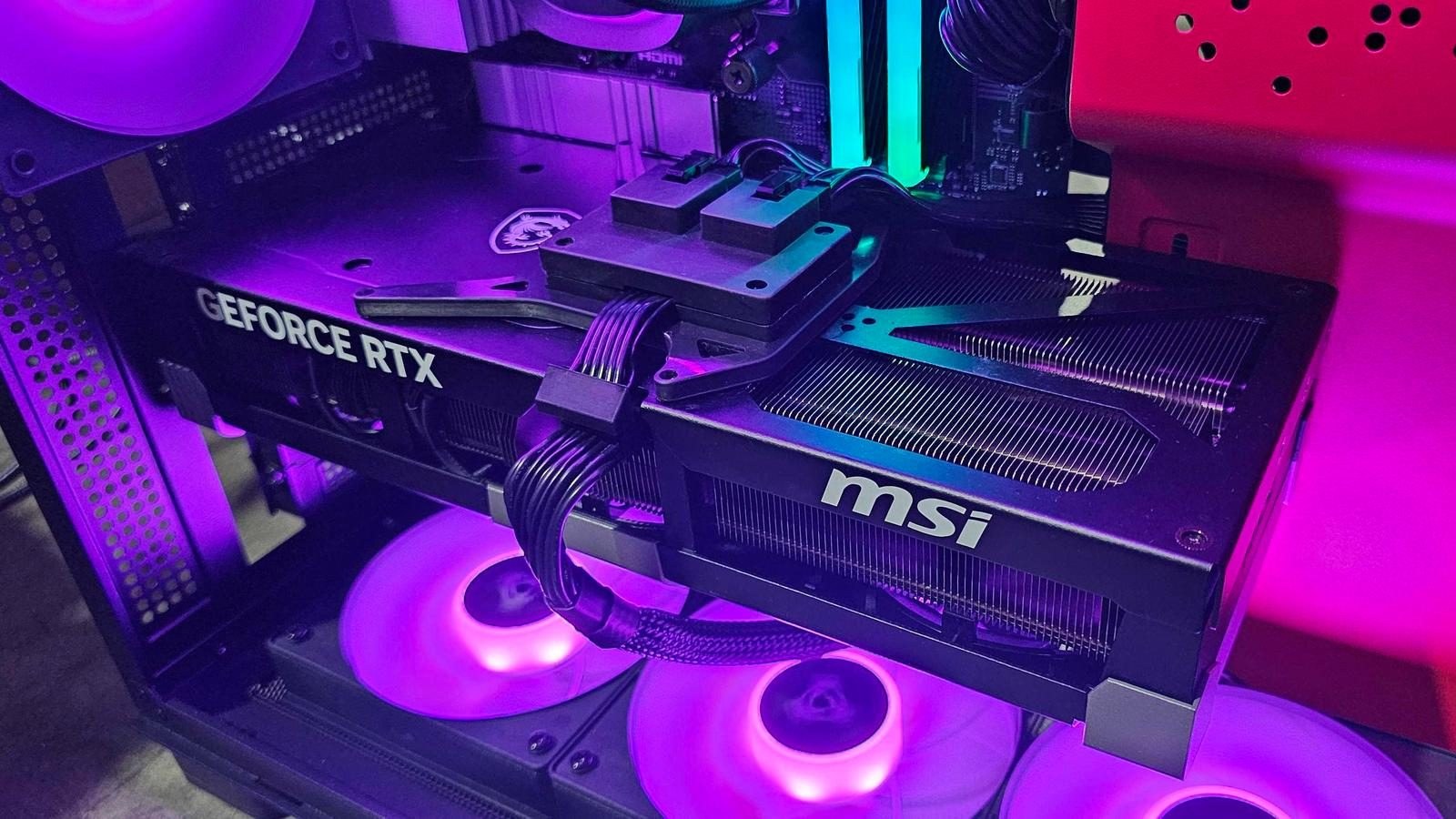
A Reddit user modded a GeForce RTX 5090 with two extra 8-pin power connectors to prevent melting cables under a 550-watt load. The DIY fix spreads out the electrical current but offers zero performance gains and voids your warranty instantly.
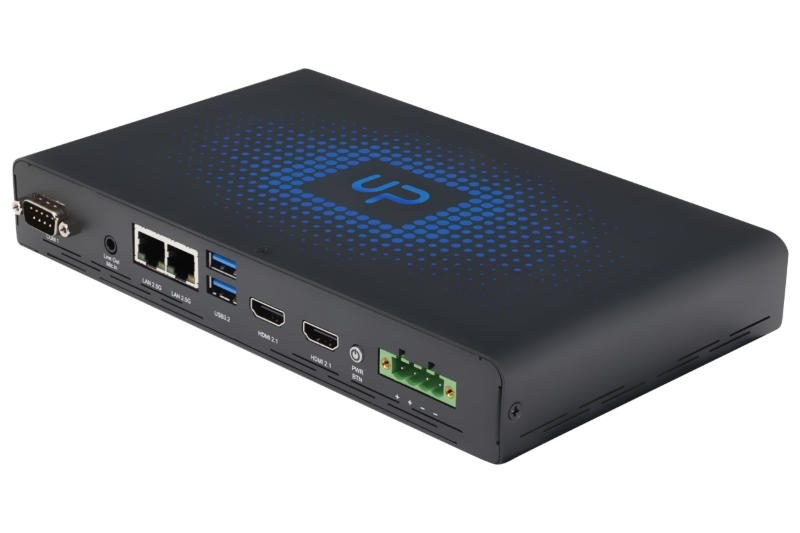
Frore Systems brings solid-state cooling to Intel Panther Lake mini-PCs, replacing fans with ultrasonic vibrations. But you are paying top dollar to beta-test unproven thermal tech.

An independent developer named Mañolo has built a custom 6-DoF VR headset using 3D-printed parts and custom Fresnel lenses. The project proves that high-end virtual reality components are now cheap enough to bypass corporate monopolies entirely.

Google Japan built a working mechanical keyboard featuring a vertical conveyor belt instead of standard rows. Powered by an M5Stack microcontroller, it brings the keys directly to your stationary fingers for maximum absurdity.
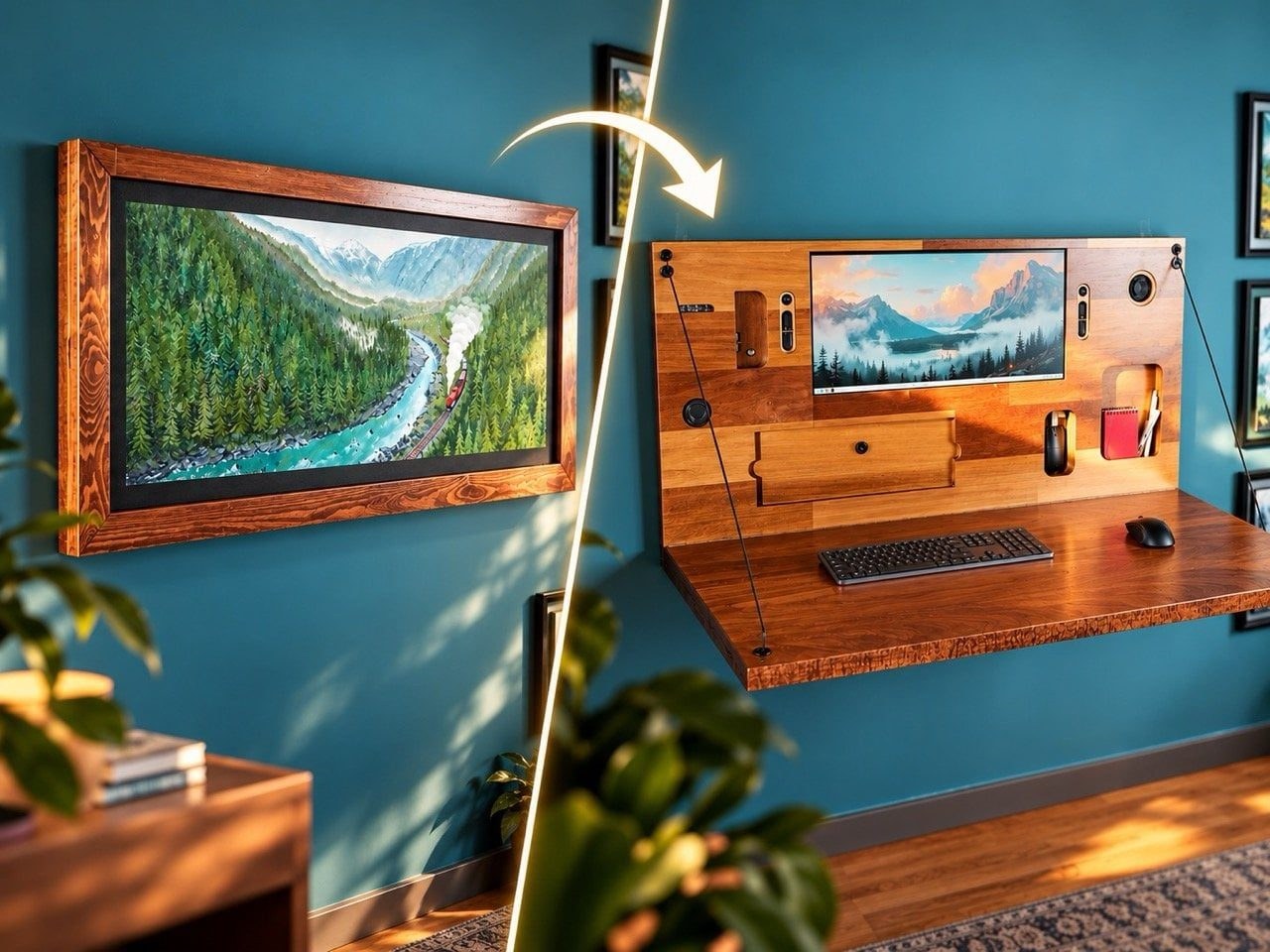
DIY Perks creator Matt built a wall-mounted landscape painting that folds down into a full Linux PC workstation. The clever setup uses recycled laptop parts, copper tape power hidden under paint, and a server heatsink to eliminate desktop clutter.
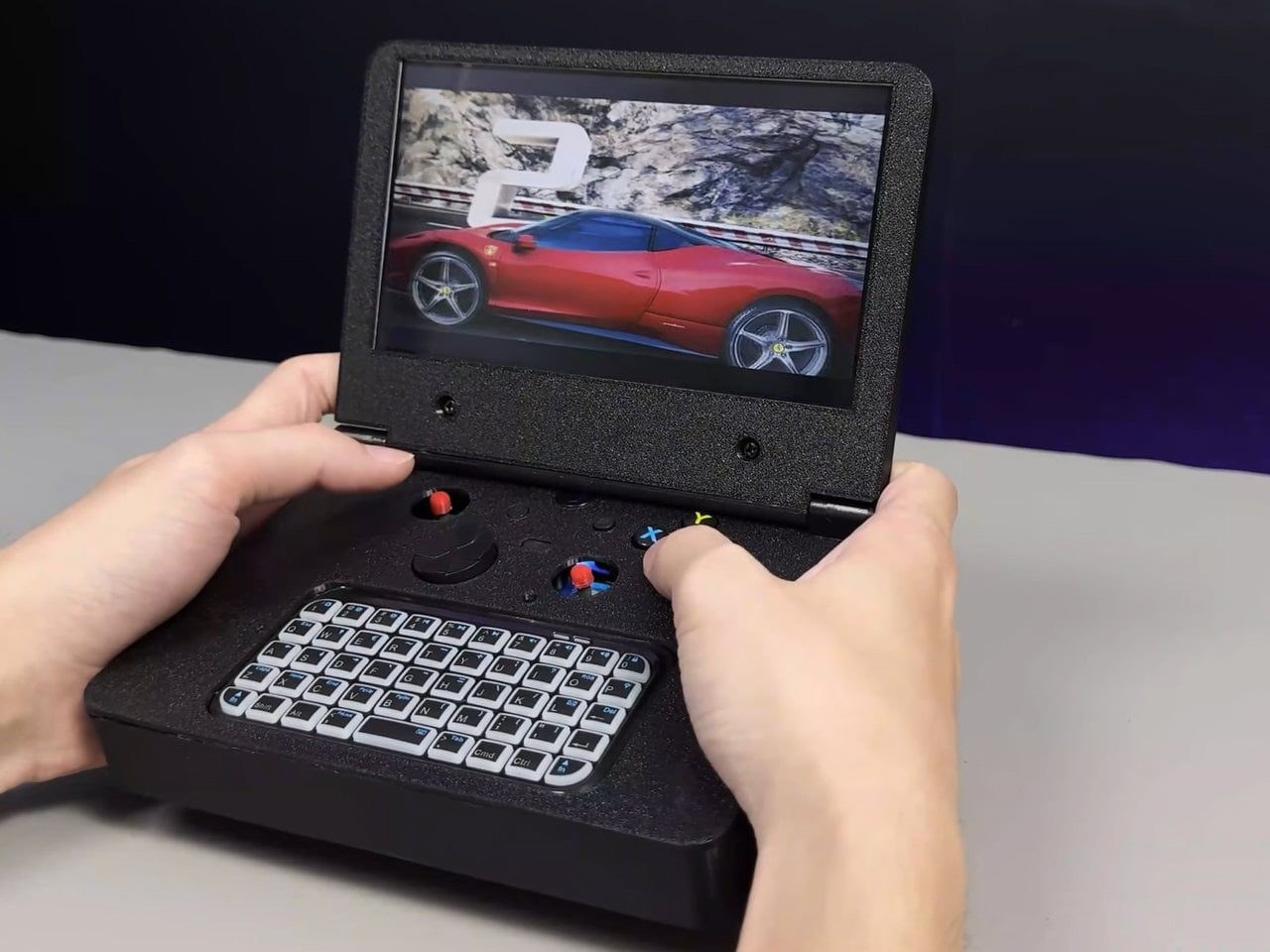
Tired of overpriced handheld consoles from major brands, an enthusiast turned a smashed $30 eBay phone into a working pocket gaming rig. The project strips down a flagship device and pairs it with custom 3D-printed parts to prove how much markup you actually pay for retail hardware.

AYANEO has unveiled the KONKR Pocket Block, a 165-gram vertical handheld designed for retro gaming on the go. Priced from $79 with a 3.33-inch screen, it sacrifices raw processing power for absolute portability.
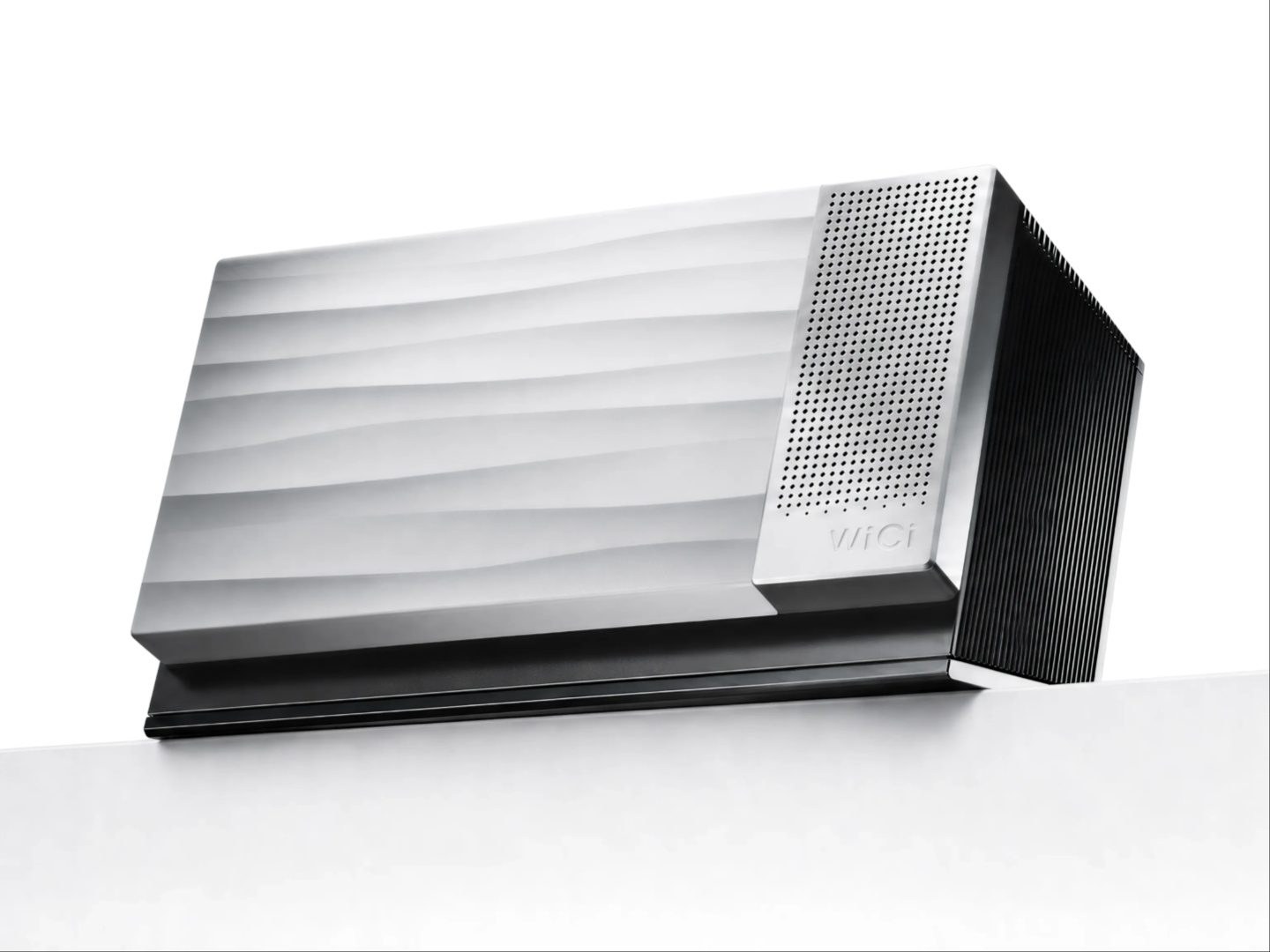
Startup WiCi has introduced the WiCi One, an external graphics box containing a complete PC and an RTX 5060 Ti that streams desktop compute over a Wi-Fi 7 link. While it promises total freedom from cables for thin laptops, physical bandwidth limits and hefty pricing raise serious questions about real-world performance.
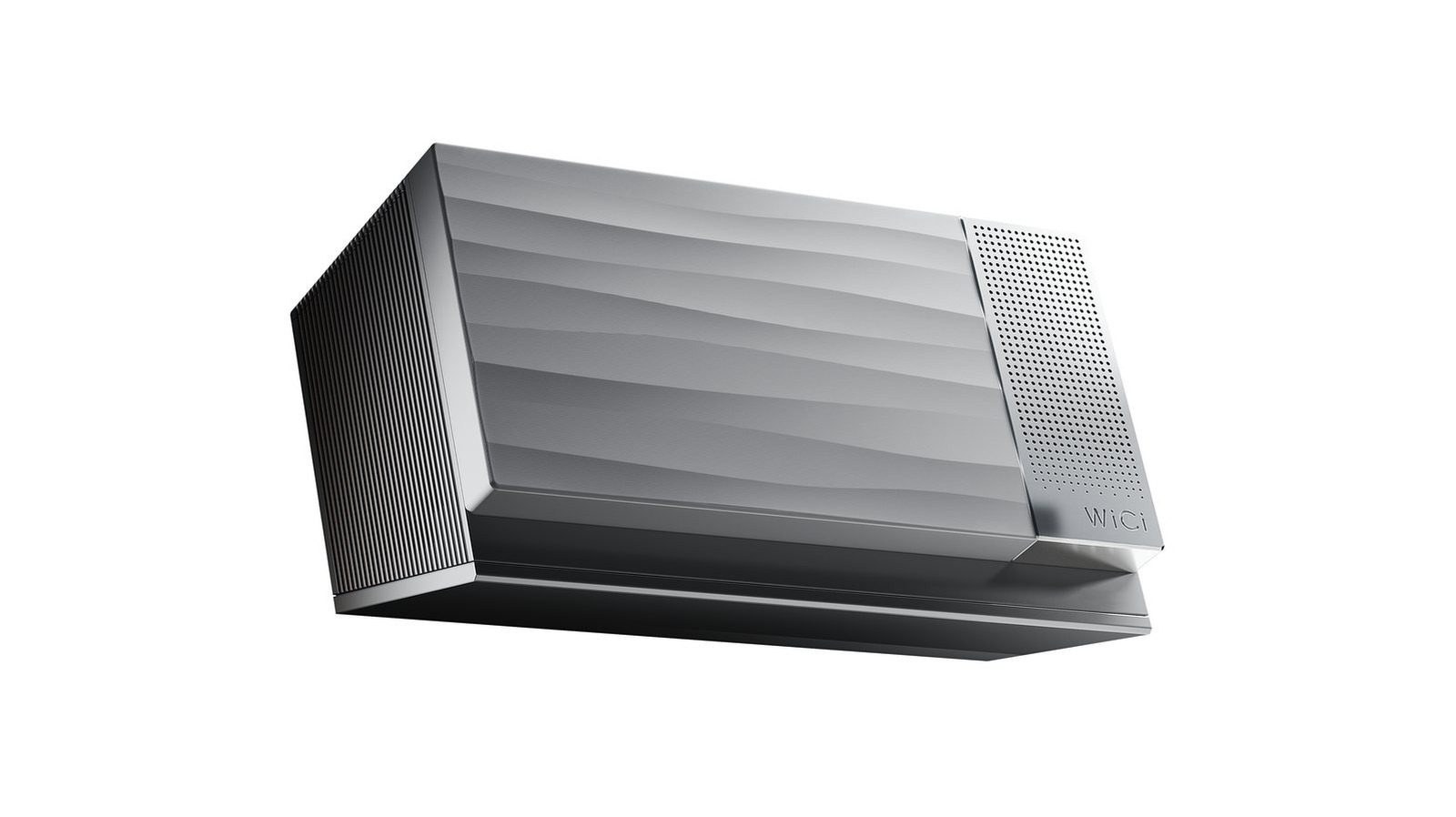
WiCi introduced an external graphics box that beams high-end gaming performance over a wireless Wi-Fi 7 connection. Preorders for the entry model start at $1,999 ahead of fourth-quarter shipments, asking buyers to pay a massive premium to cut a single cable.

The $69 FunnyPlaying GB Mini offers budget FPGA cartridge gaming, but severe plastic flexing and loose screens ruin the experience. Retro fans should skip this fragile console until manufacturing quality improves.

FunnyPlaying packed authentic hardware-level Game Boy emulation into a 135g device measuring just 113mm across. It plays original cartridges on a 2.98-inch IPS screen, offering true vintage accuracy for collectors who do not mind a tiny grip.
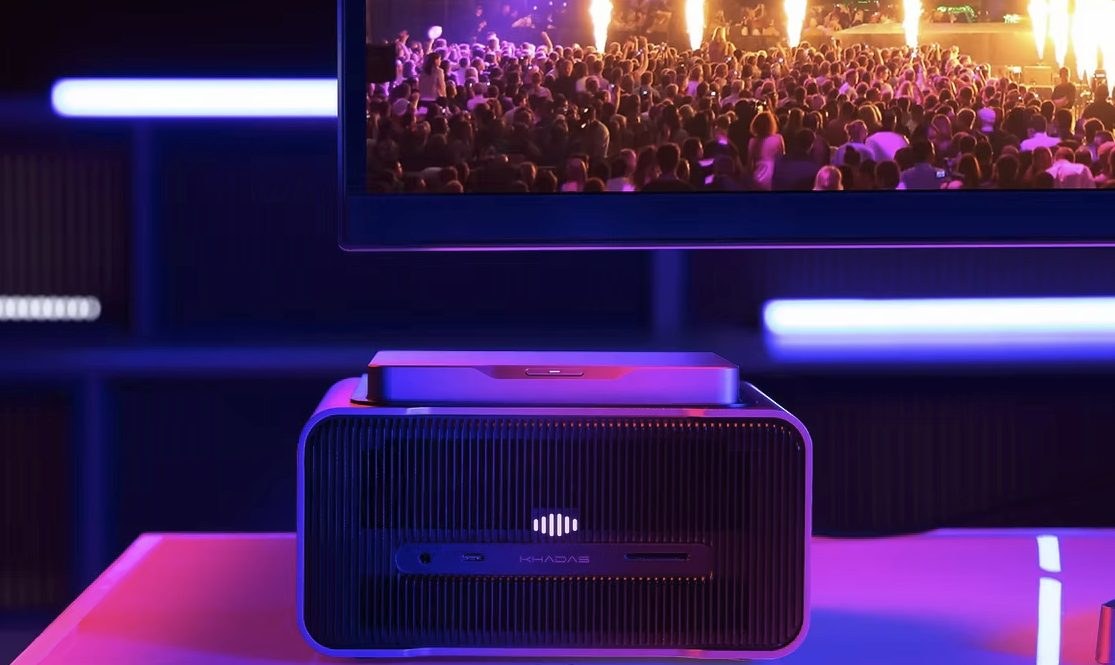
We tested the pocket-sized Khadas Mind 2 modular PC that transforms into a gaming station with an external dock. Here is whether the concept actually works in practice.
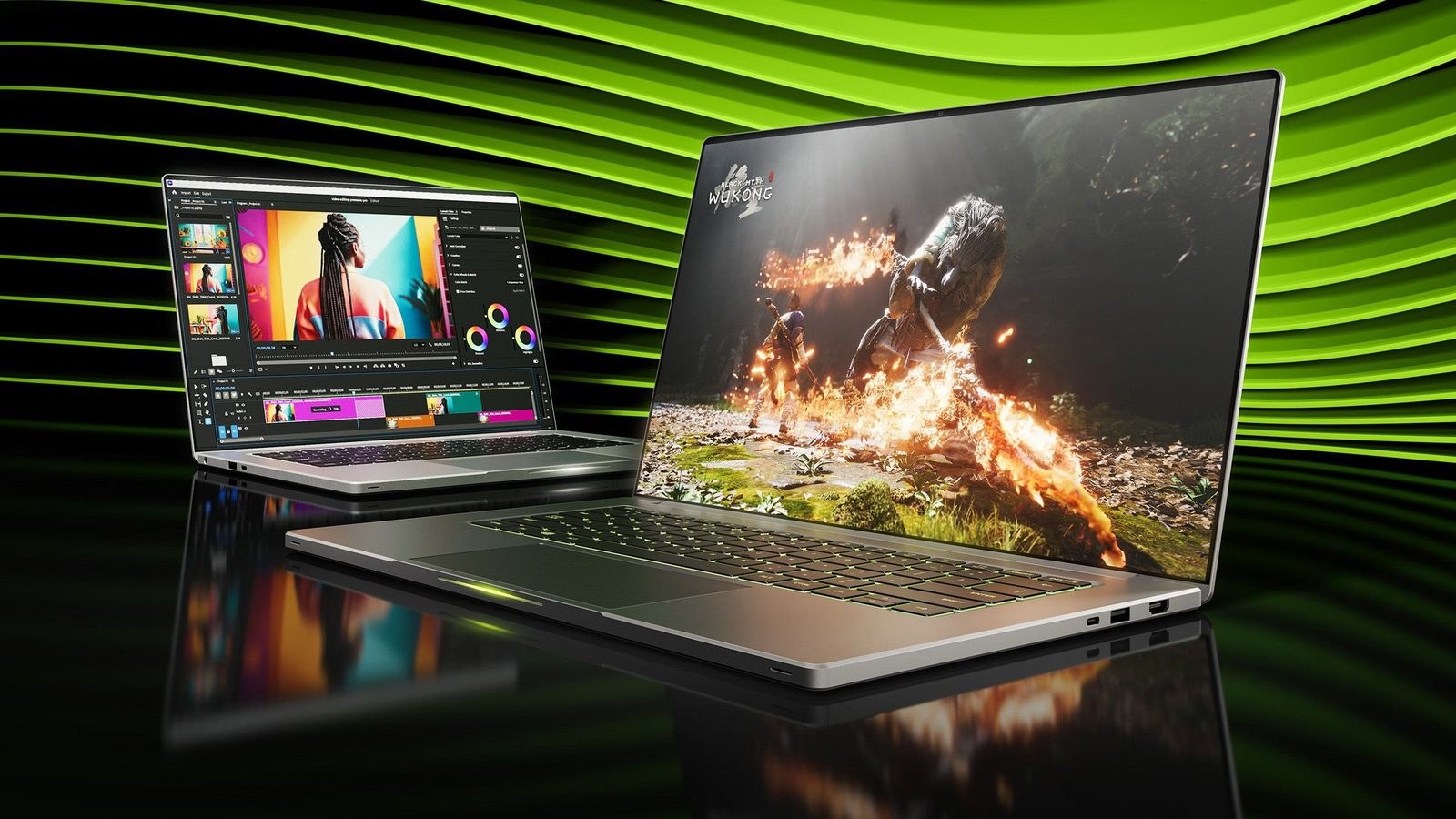
An experimental developer tool named NvpwrControl allows owners of Nvidia-powered gaming laptops to push an extra 40 watts of power into their graphics cards. While early tests show performance gains in benchmarks, running the utility requires disabling basic Windows security and risks destroying expensive hardware.

The new GAMEMT MTX lets players insert actual Game Boy Advance cartridges without paying over $200 for boutique hardware. Costing just $79.99 during its initial launch, it pairs physical cartridge slots with a 4-inch screen and standard digital emulation.

ANBERNIC is dropping a $37.99 retro handheld that beats the usual garbage flooding the budget market. It gives you a solid 3.5-inch screen and real buttons without asking you to remortgage your house.
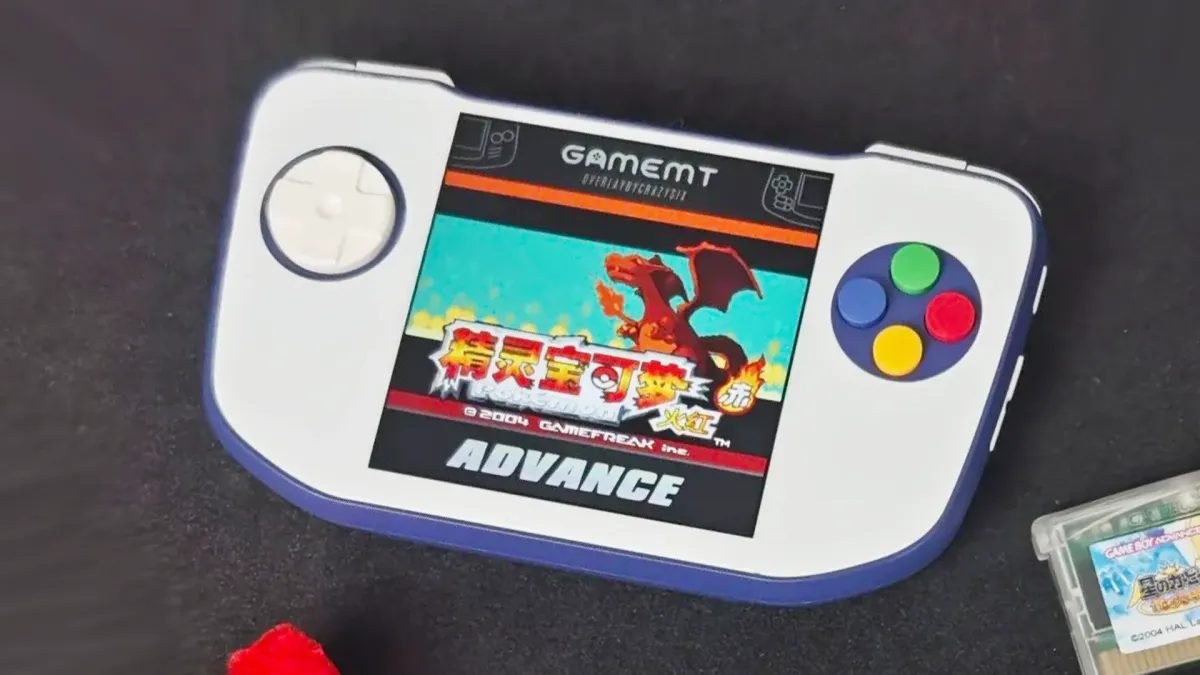
The new GAMEMT MTX handheld combines physical cartridge slots with an unusual square display. Early leaks reveal this design choice forces massive black bars on classic widescreen games, compromising the experience for retro collectors.
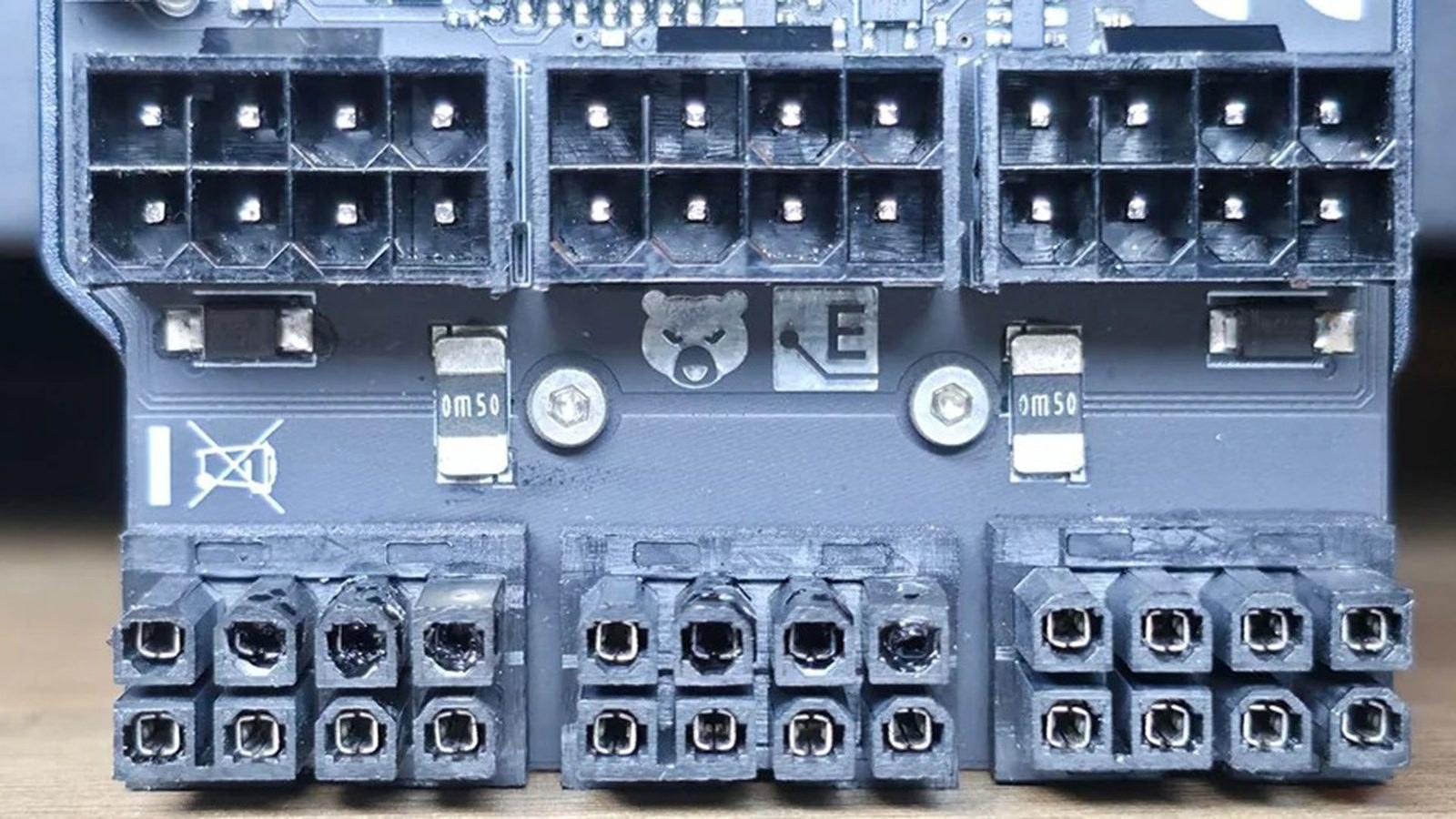
A Reddit user discovered severe melting on a Thermal Grizzly WireView monitoring device attached to a Radeon RX 7900 XTX. The incident proves that adding intermediate gadgets between a power supply and a graphics card creates dangerous new points of failure, even with traditional 8-pin plugs.
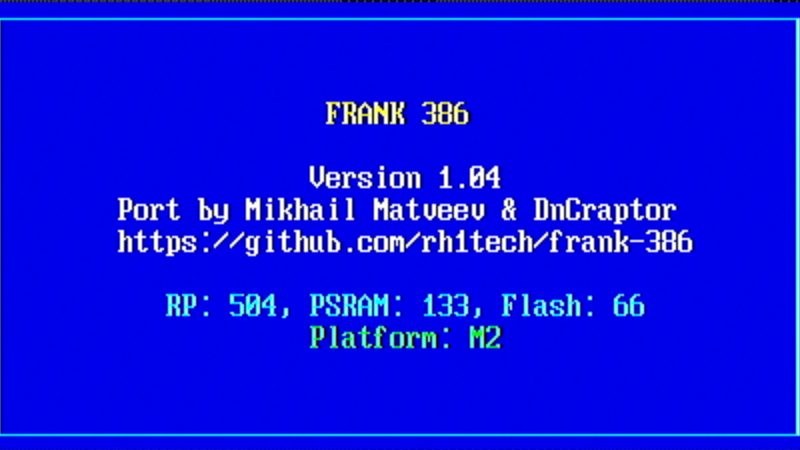
A tiny five-dollar microcontroller can now run a stripped-down Linux kernel and recreate a classic 386 PC. This inventive setup lets you ditch overpriced vintage hardware on eBay to run old-school DOS, Windows 3.1, or lightweight Linux right in your palm.
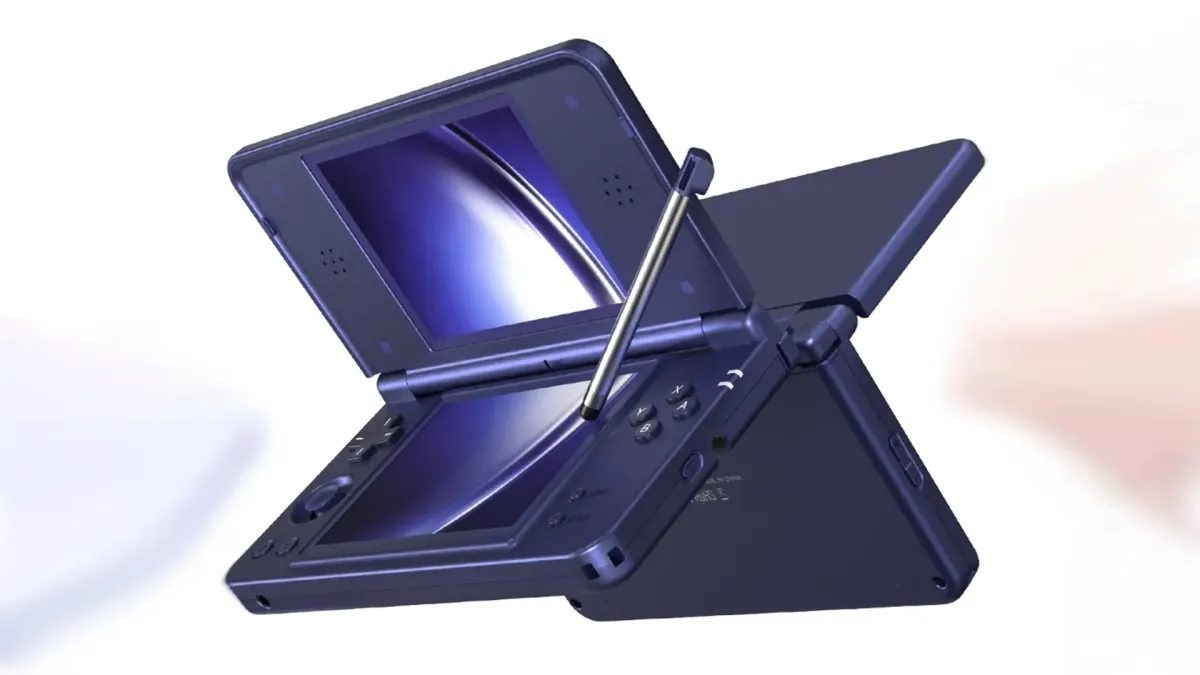
ANBERNIC is bringing back the dual-screen handheld format with the RG DS Plus, priced at $84.99 for early birds and $94.99 at full retail. Launching on September 15 in three colorways, the budget console lets players experience classic two-screen games without paying enthusiast-tier prices.
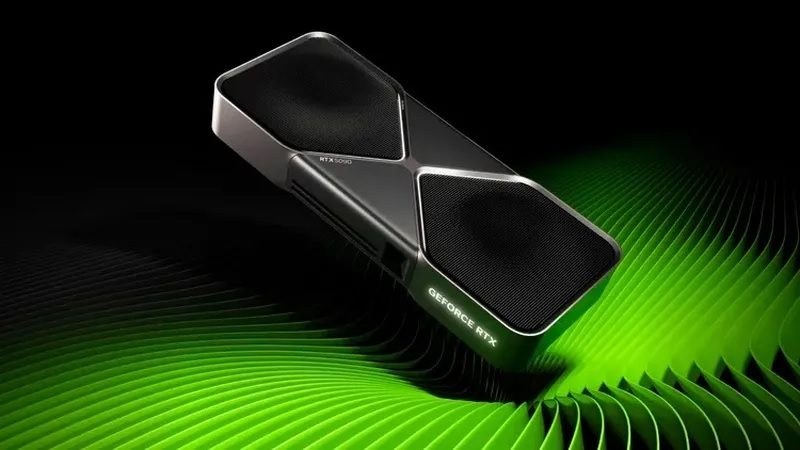
Chinese workshops are hand-soldering custom GeForce RTX 5090 graphics cards with triple the memory for under $4000. For everyday gamers and PC buyers, this garage engineering is an expensive minefield that voids warranties and courts instability.

Poco has rolled out its new F9 flagship lineup, headlined by the specs-heavy Ultra model. The phone delivers an 8,050 mAh battery and a 185Hz display, but its bulky footprint makes it a tough sell for anyone outside the hardcore mobile gaming crowd.

A hobbyist has run the open-source Tomb Raider engine natively on a $5 Espressif ESP32-P4 chip. The setup calculates 3D polygons in real time at 320x240 resolution, proving pocket-change silicon can handle mid-90s gaming.
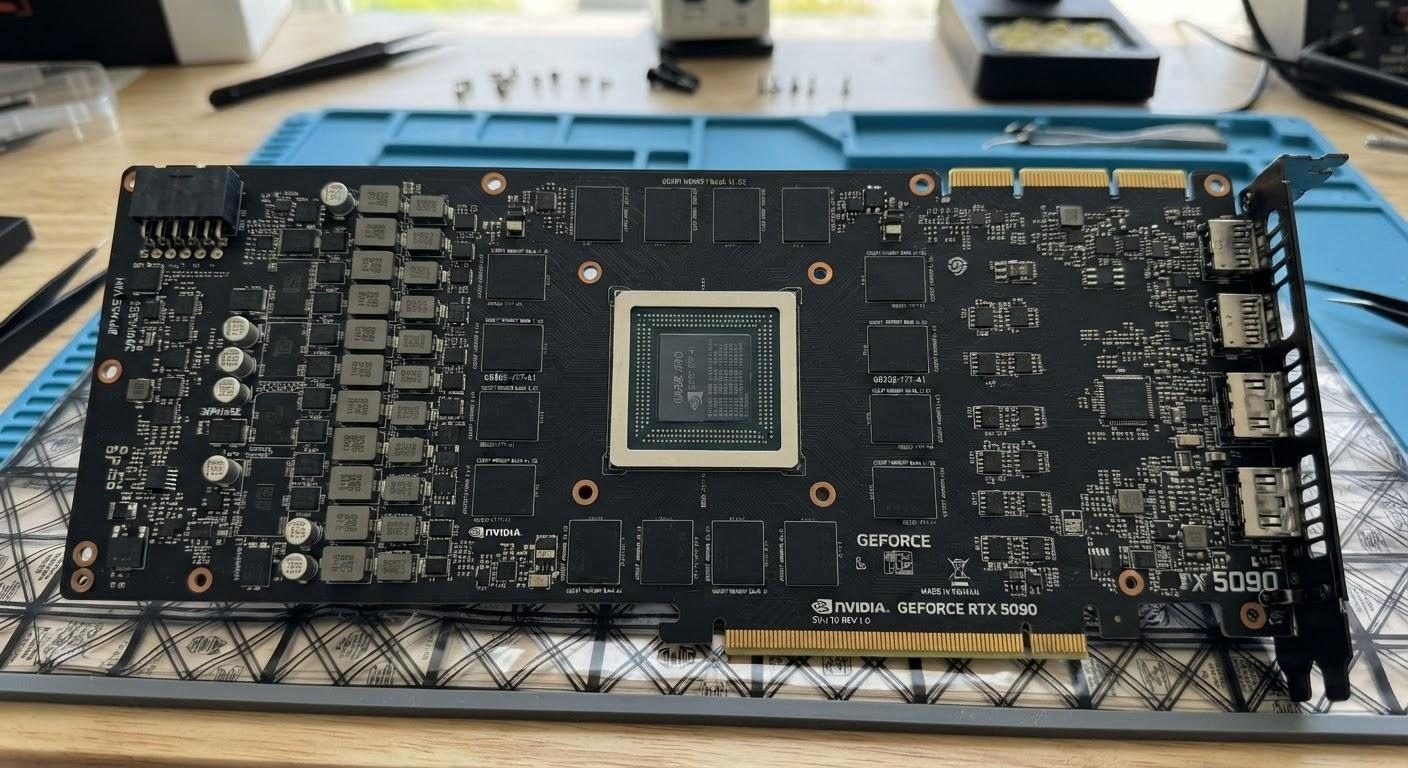
Scammers are selling hollowed-out GeForce RTX 5090 graphics cards on the secondhand market with the GPU dies and GDDR7 memory modules desoldered. The coolers, serial stickers, and factory seals remain intact, making the fraud invisible without a live test bench.
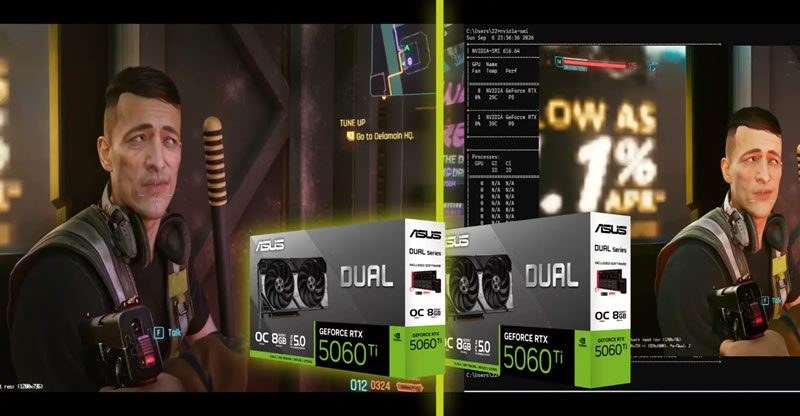
Hardware enthusiasts are testing secondary graphics cards to offload AI frame generation and boost game smoothness on older hardware. While the setup relieves the primary GPU, severe driver limitations and massive power requirements wipe out the cost benefits for regular users.
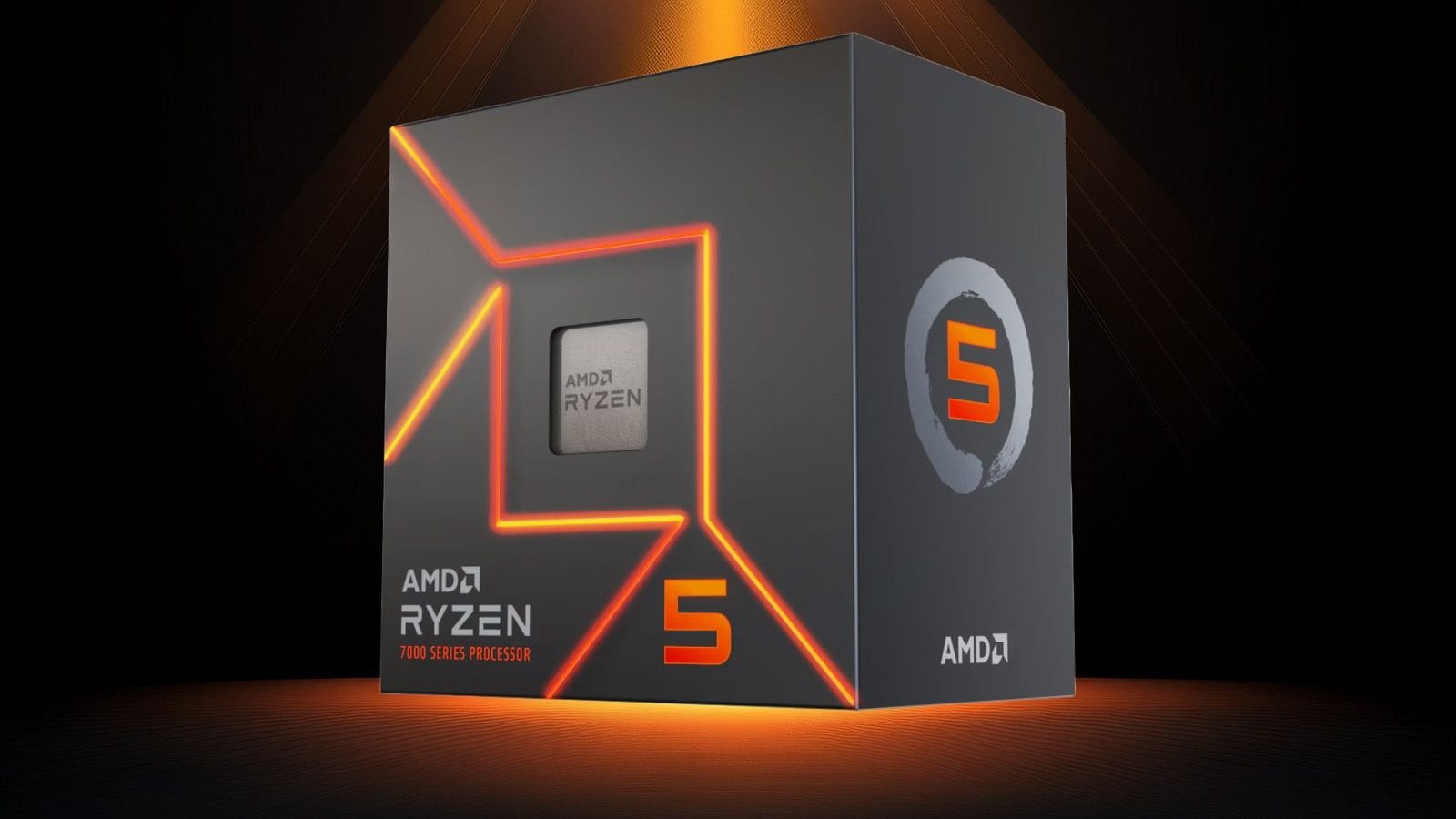
AMD launched two budget processors priced at $99 and $189 to help PC builders avoid steep memory costs. The chips offer practical escape routes for assembling a capable gaming system without overspending on modern platforms.
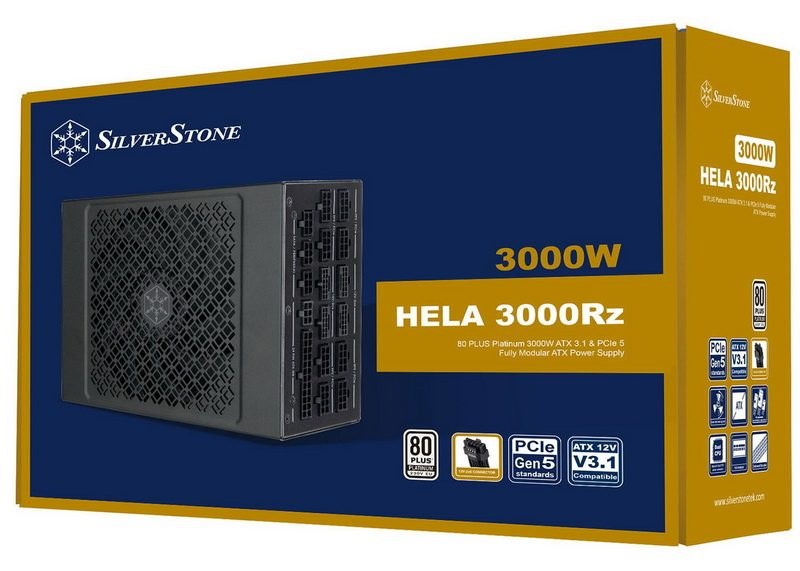
SilverStone has introduced the HELA 3000Rz, a 3000-watt power supply engineered to handle up to four top-tier graphics cards at once. It turns desktop computers into industrial-grade rigs, but standard gaming setups will never need this level of extreme wattage.
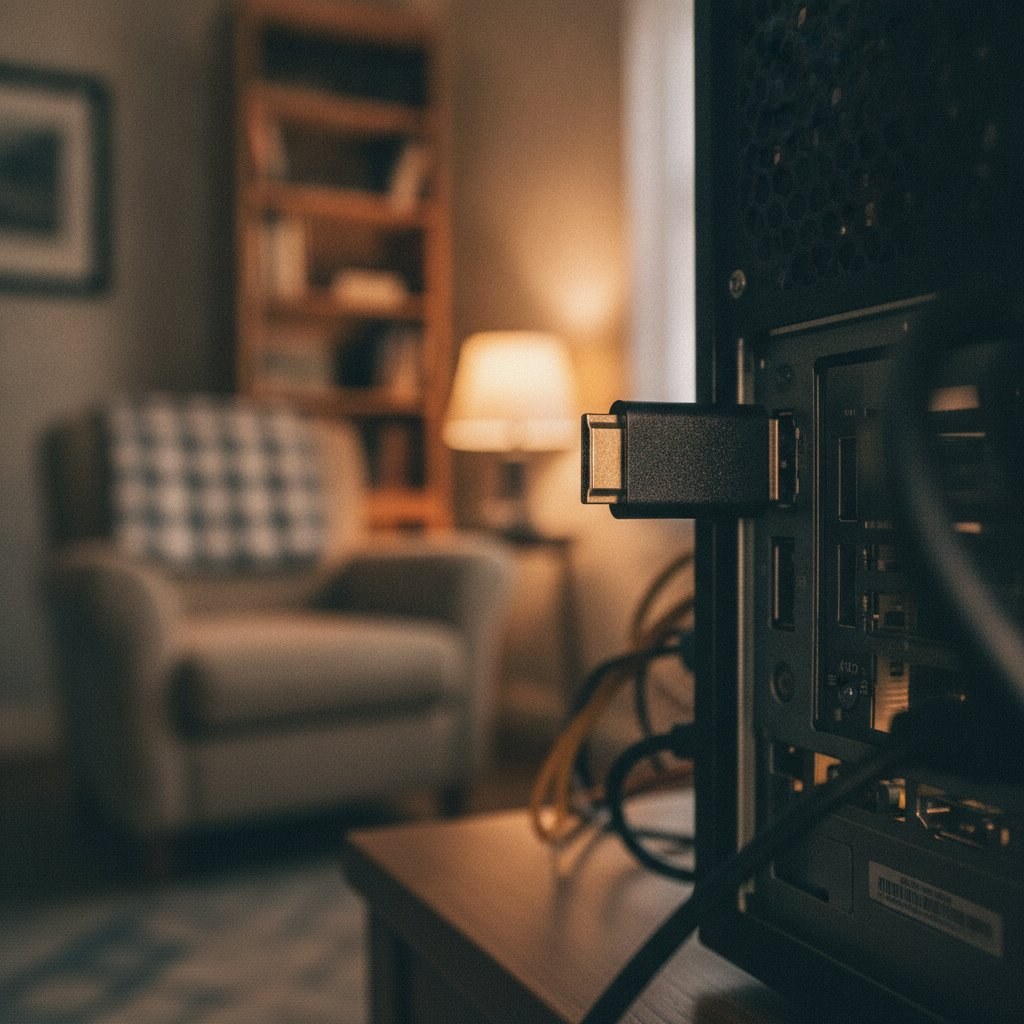
Streaming PC games to a living room TV often fails because graphics cards refuse to render without an active monitor. A thumbnail-sized four-dollar hardware dongle tricks the system into broadcasting a permanent 4K signal, replacing buggy virtual display drivers for good.
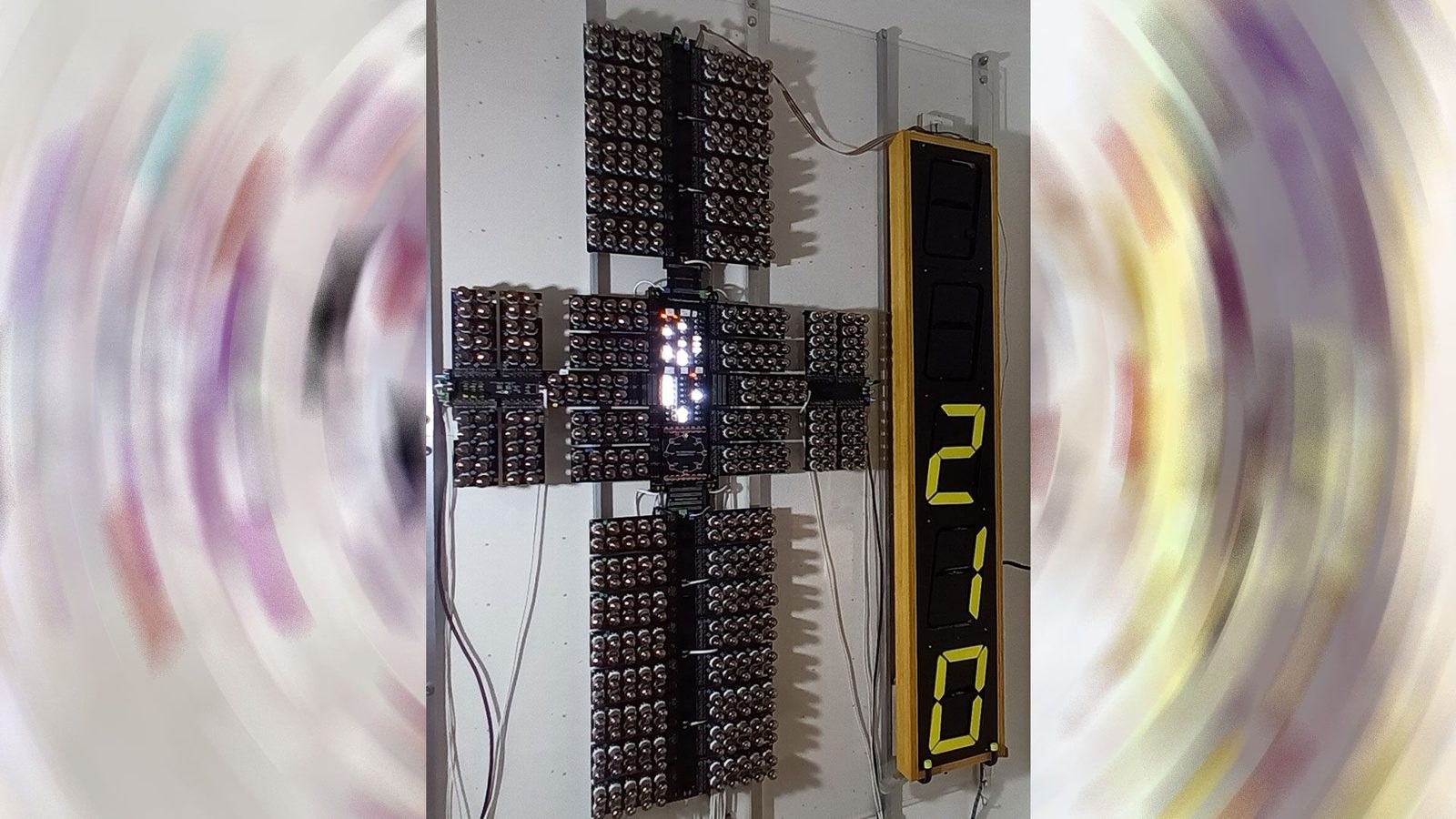
Self-taught maker Mike built a massive, wall-mounted 8-bit computer using vintage Soviet vacuum tubes and germanium diodes instead of microchips. Operating the machine requires a 15-minute warmup cycle, constant dusting, and a fire extinguisher nearby to handle burning components.
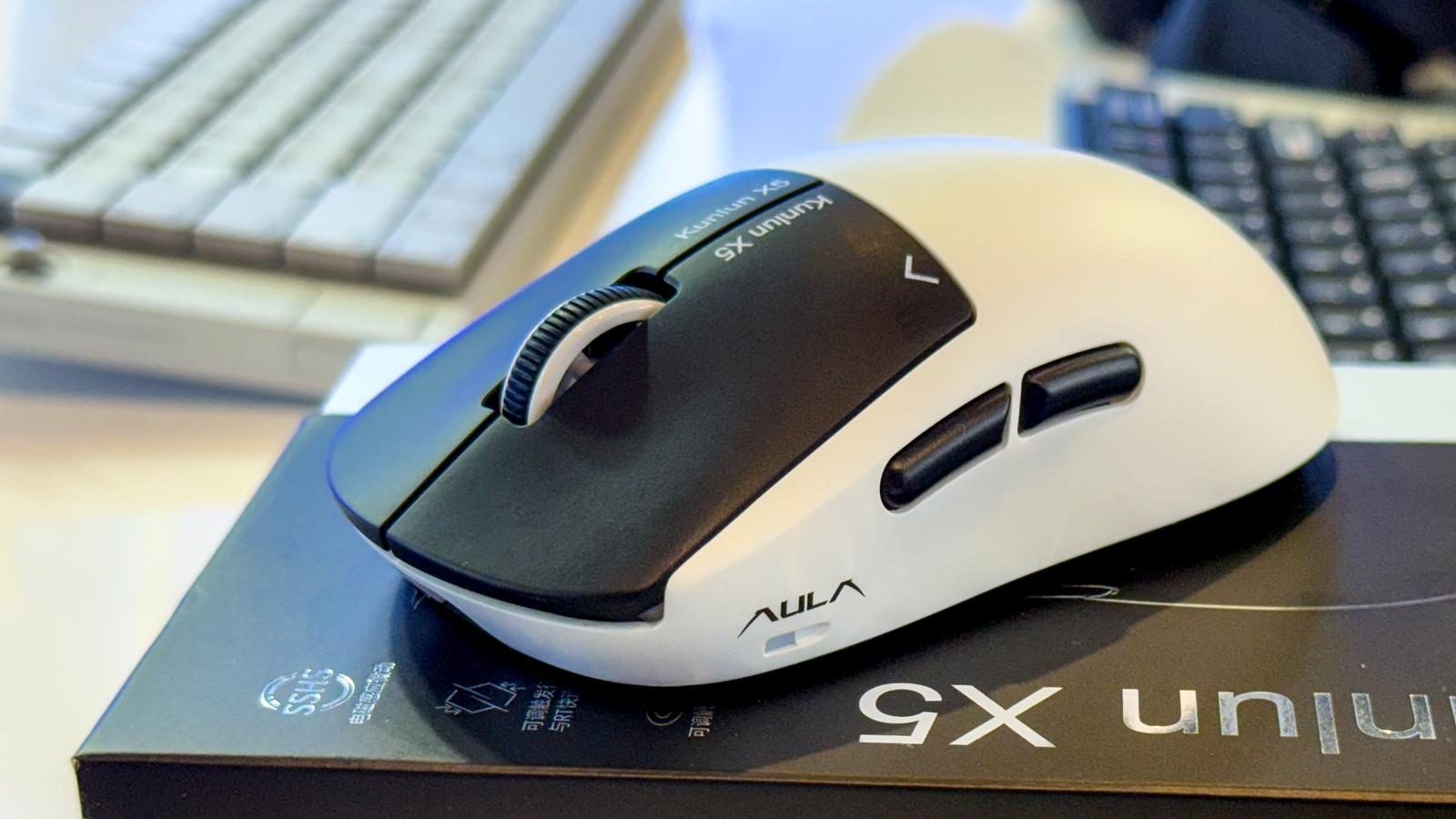
Aula has introduced the Kunlun X5 wireless mouse featuring proprietary electromagnetic switches that replace mechanical contacts with inductive sensors. The hardware change eliminates double-clicking issues and lets users adjust tactile resistance or switch to a completely silent click mode.
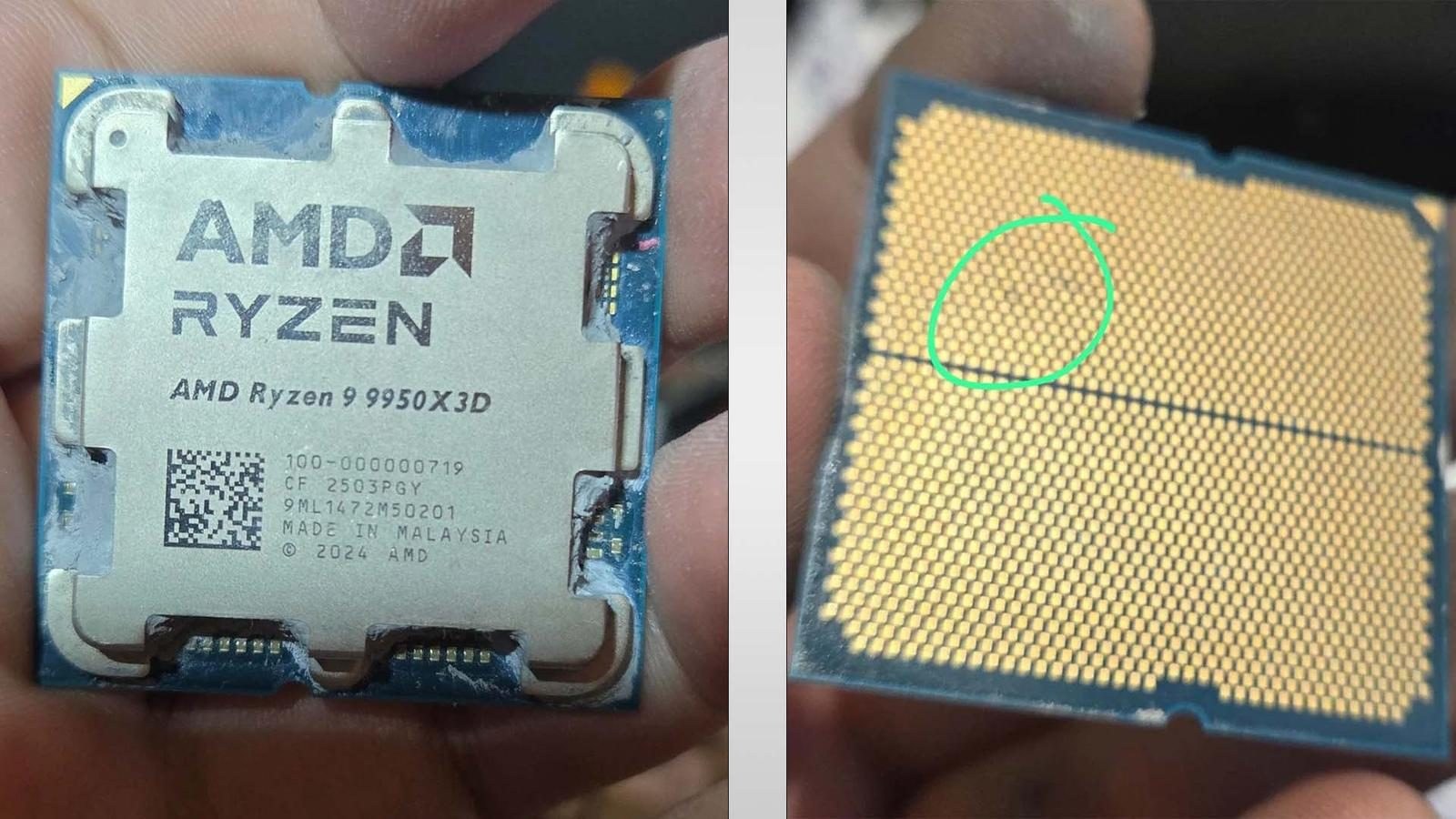
An AMD Ryzen 9 9950X3D flagship processor suffered fatal burn marks after applying a standard Asus DDR5 profile without any manual overclocking. The incident highlights ongoing voltage stability issues on high-end AM5 motherboards. PC builders should double-check automated voltage delivery to avoid costly hardware failures.
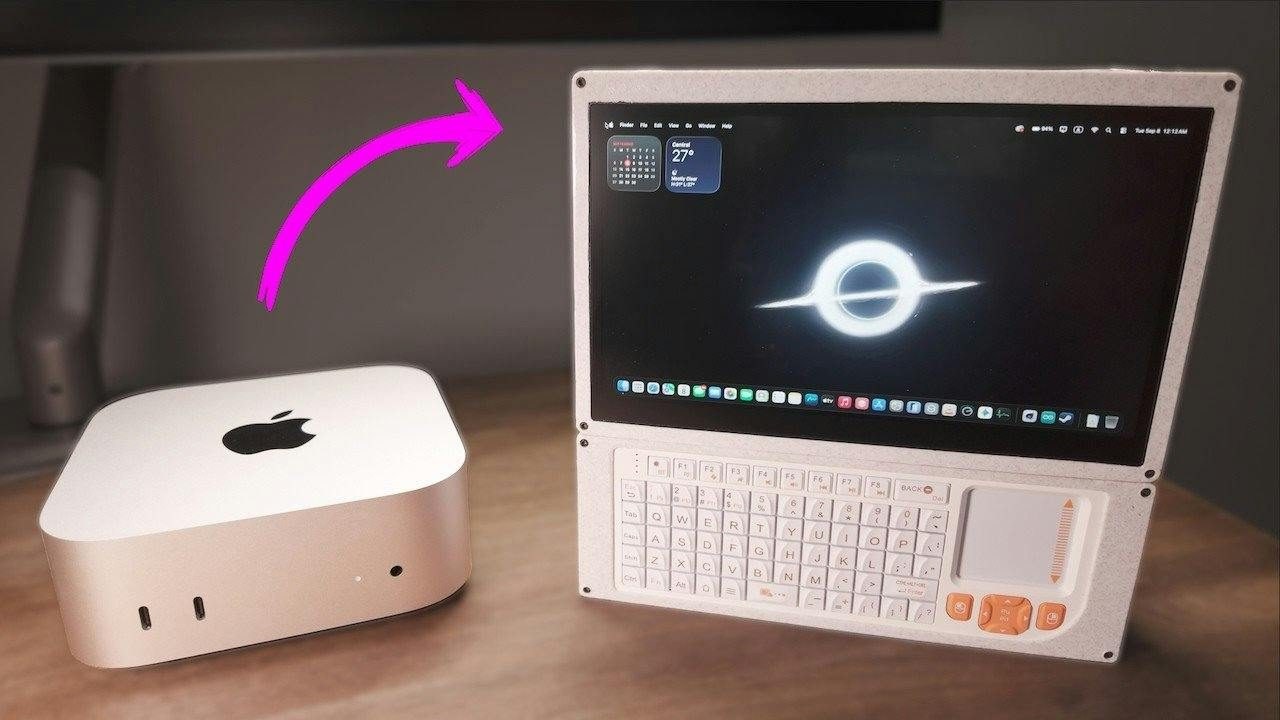
Hardware modder Shing Solutions stripped an Apple M4 Mac mini down to its core circuit board and built a 7-inch portable cyberdeck. The machine runs on four high-drain batteries for six hours, proving desktop silicon can fit entirely in your palms.
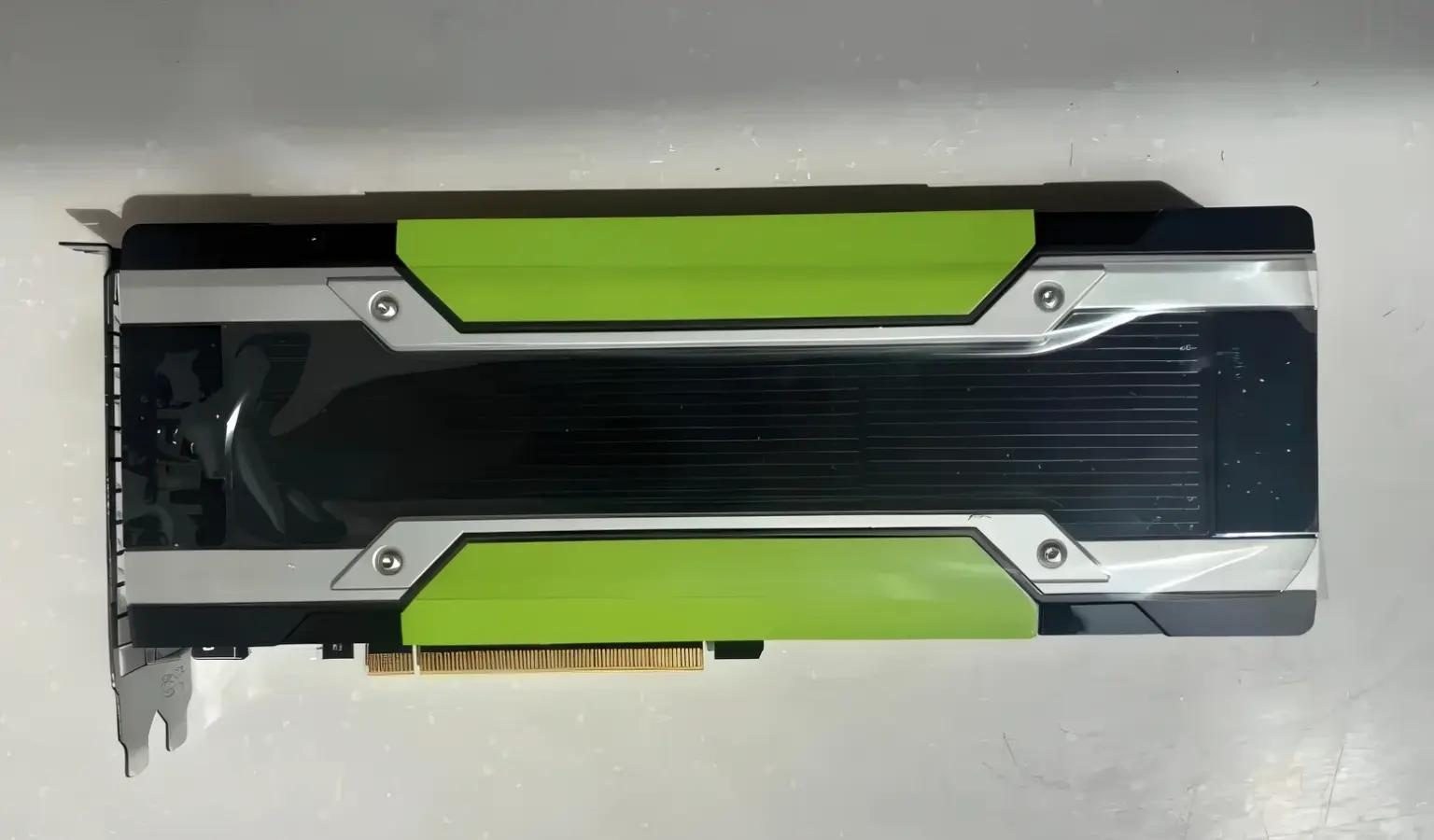
Chinese marketplaces are liquidating decommissioned Nvidia Tesla M60 dual-GPU server boards for $60 with makeshift desktop coolers. Lack of display ports, driver roadblocks, and zero dual-GPU support in modern games make the hardware a poor choice for budget gaming.
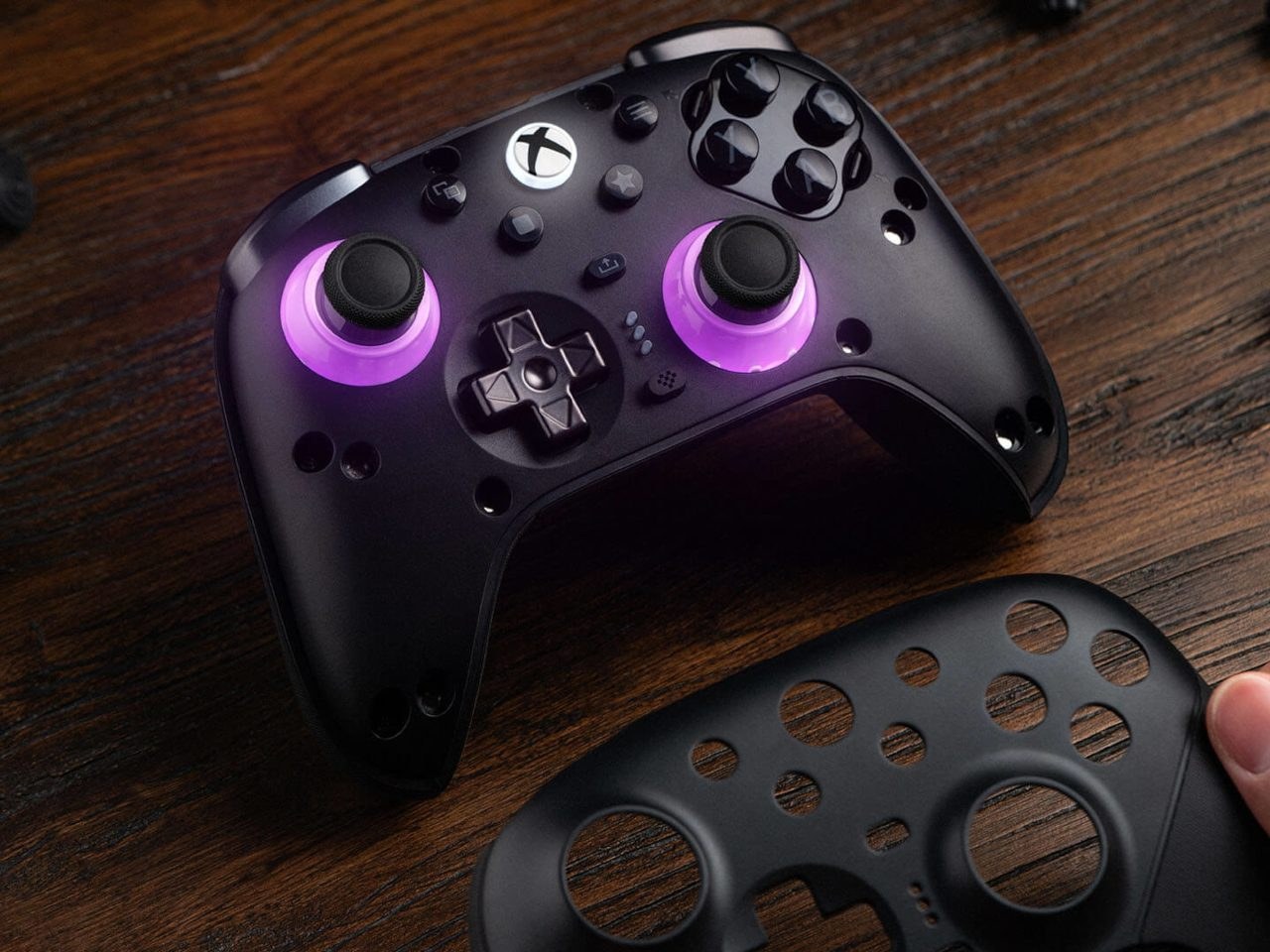
The 8BitDo Ultimate 3E replaces soldered controller parts with magnetic sticks and swappable modules that you can change by hand in seconds. Bundled with a charging dock and Apple certification, it tackles the two-year lifespan of standard gamepads.
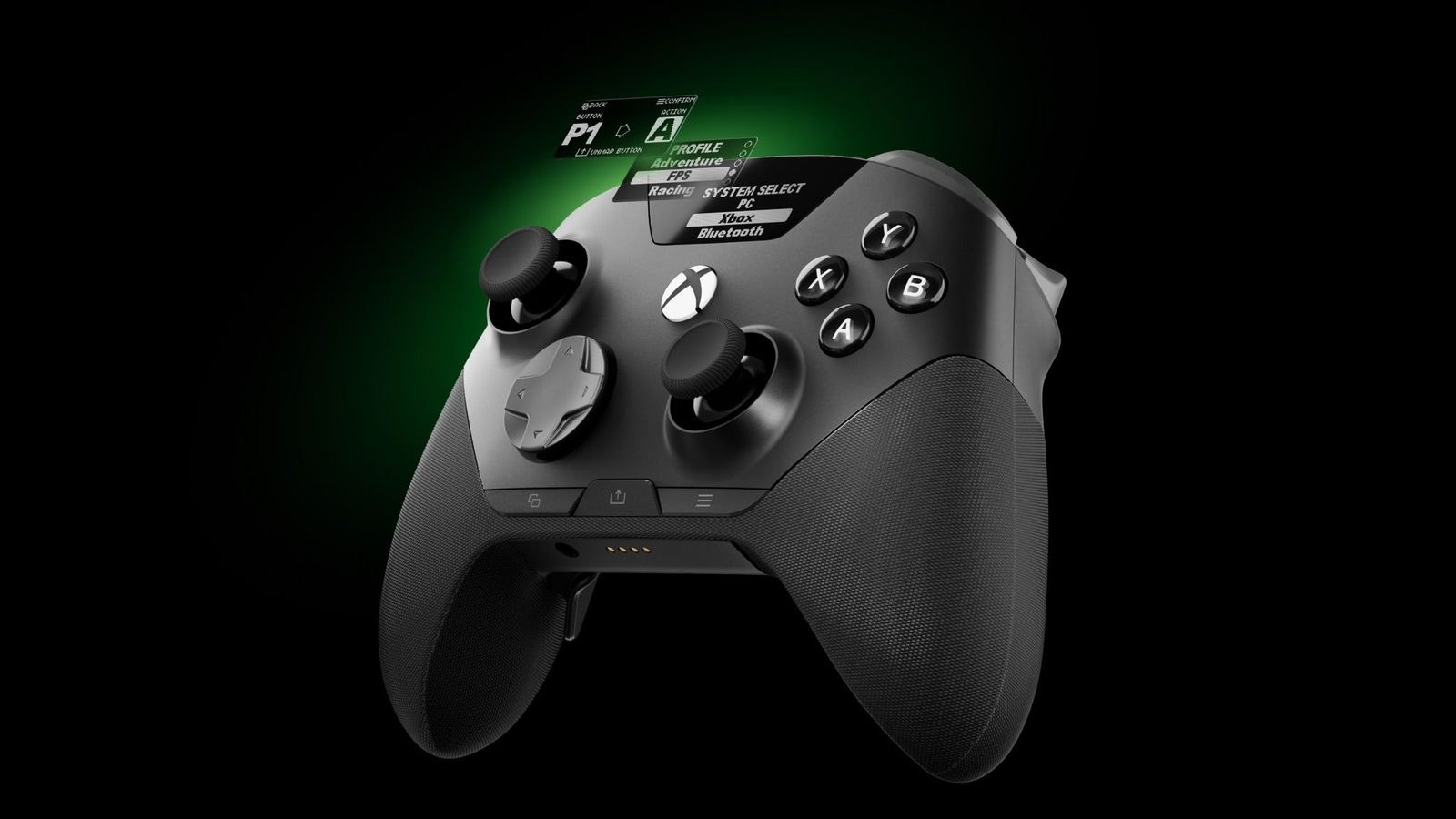
The $260 SteelSeries Aeon Pro controller eliminates constant re-pairing between your PC and console using a quick-switch dock and hot-swappable batteries. It solves messy multi-device setups for players who regularly jump screens, but the high cost limits its appeal.

The $99 Razer Prio mobile gamepad collapses to credit-card size so you can slip it into a jeans pocket without carrying a bulky case. While its flat low-profile sticks sacrifice couch-gaming comfort, contactless magnetic sensors prevent stick drift for commuters on the go.

Hori released an electronic wind synthesizer styled after The Legend of Zelda that doubles as a game controller for $50. The device requires no Bluetooth or cables, relying entirely on the console's microphone to detect played melodies and trigger in-game events.

The Berkeley Humanoid Lite drops the cost of bipedal robotics to $5,000 using 3D-printed actuators and off-the-shelf parts. Independent builders can now download the complete CAD files and firmware directly from GitHub.

A maker on Habr built the Kollektive Deck, a custom handheld gaming console powered by a salvaged POCO F5 motherboard and halved GameSir controllers. The project features active Peltier cooling, physical trackpads, and dual-boot Android/Linux for a fraction of mainstream hardware prices.

Bandai Spirits has launched the Mobile Stationery Automatic Transforming Business Card Case, a spring-loaded mechanical gadget that flips cards 180 degrees. Measuring an inch thick, this chunky collector's item turns a standard greeting into an anime launch sequence, though it destroys the silhouette of a tailored suit.
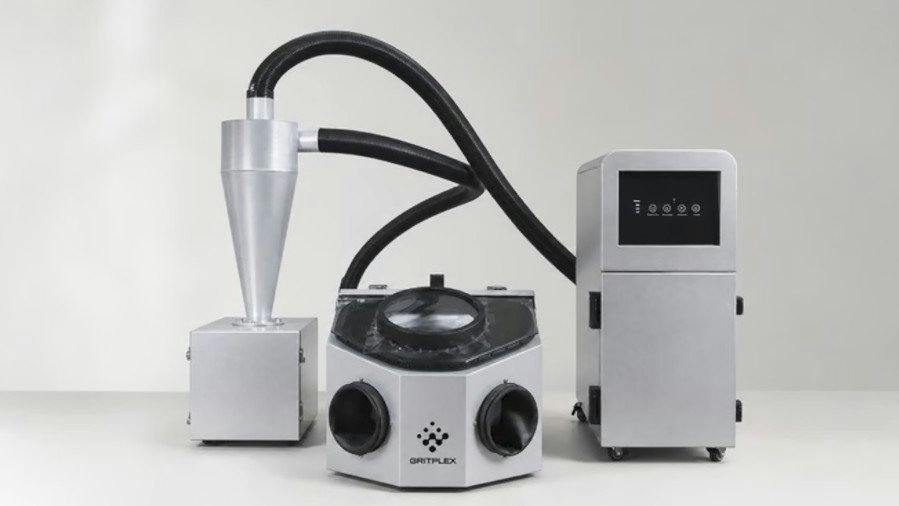
GritPlex built an enclosed desktop sandblaster designed to remove 3D printer layer lines indoors without spraying toxic plastic dust. The complete sealed setup costs $899 on Kickstarter and ships in October.
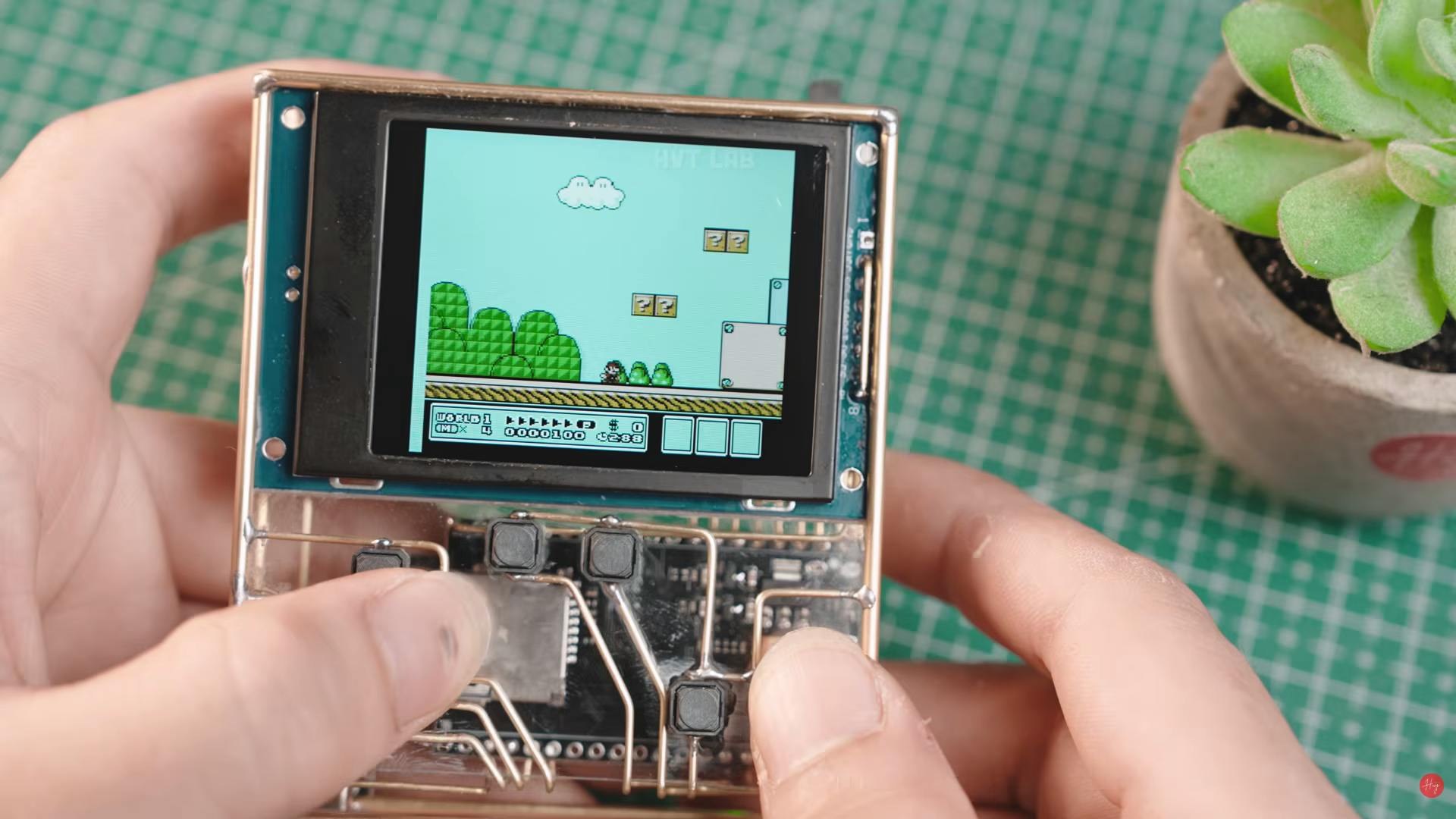
Vietnamese maker Huy Vector replaced cheap plastic with a rigid 2mm brass skeleton to build an open-frame retro handheld running classic games. Powered by an ESP32-S3 chip and rechargeable AAA cells, it offers a fully repairable, tactile alternative to mass-market consoles.

The RPCS3 emulator now lets you play physical PlayStation 3 discs directly on your PC without copying massive files to your SSD. You will need a compatible Blu-ray drive, making this a smart fix only for those with existing physical libraries.

Retroid has confirmed development of the Pocket Duo, its first integrated clamshell handheld designed specifically for dual-screen retro gaming. The device ditches fragile external attachments for a unified folding body, aiming to finally make multi-screen emulation comfortable on the go.

Acer revealed the DualPlay Mini concept at IFA, transforming the laptop trackpad into a detachable wireless gamepad. While the engineering looks clever on stage, moving parts under your palm rest compromise chassis durability and everyday ergonomics. A standard controller in a backpack remains the smarter, cheaper choice.
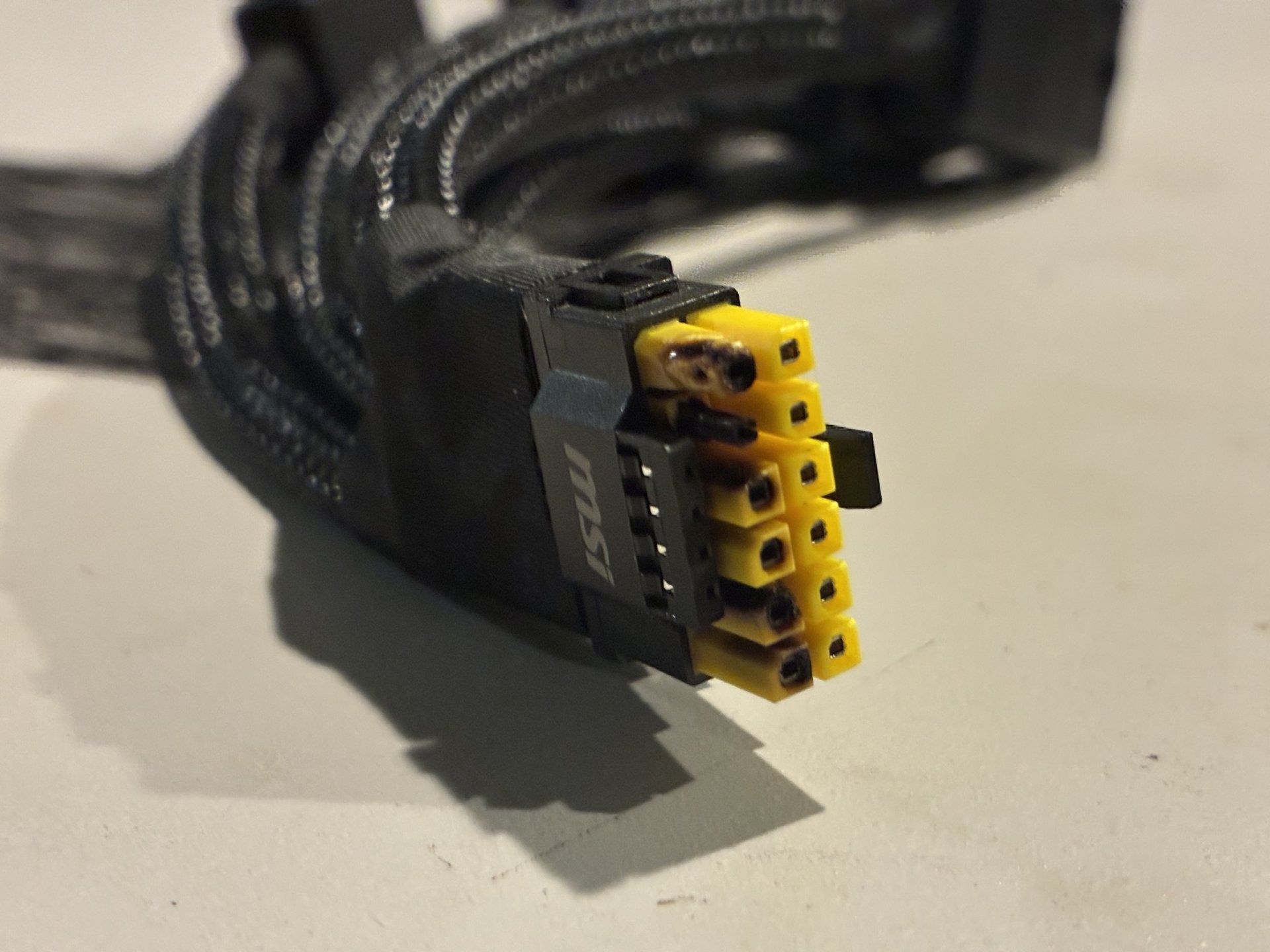
An enthusiast's MSI RTX 5090 melted its 16-pin power connector after DLSS 5 pushed power consumption past 610W during extended gaming. Lab tests confirm that aggressive neural upscaling causes power surges of up to 50% across flagship graphics cards, forcing owners to reconsider cooling and cable safety.
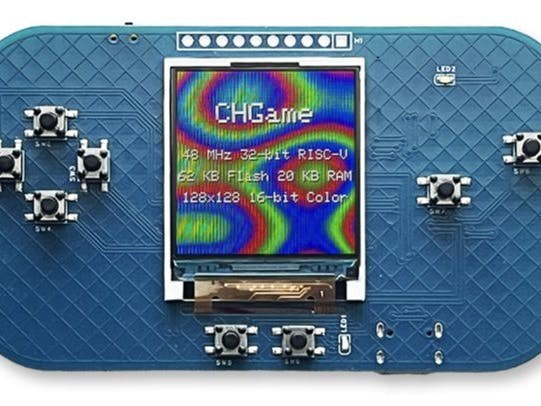
Arduboy released the CHGame Rev0, a $39 open-source developer kit featuring a 1.44-inch color screen and physical buttons. It delivers an affordable sandbox for learning hardware-level programming without forcing beginners to buy expensive gear.
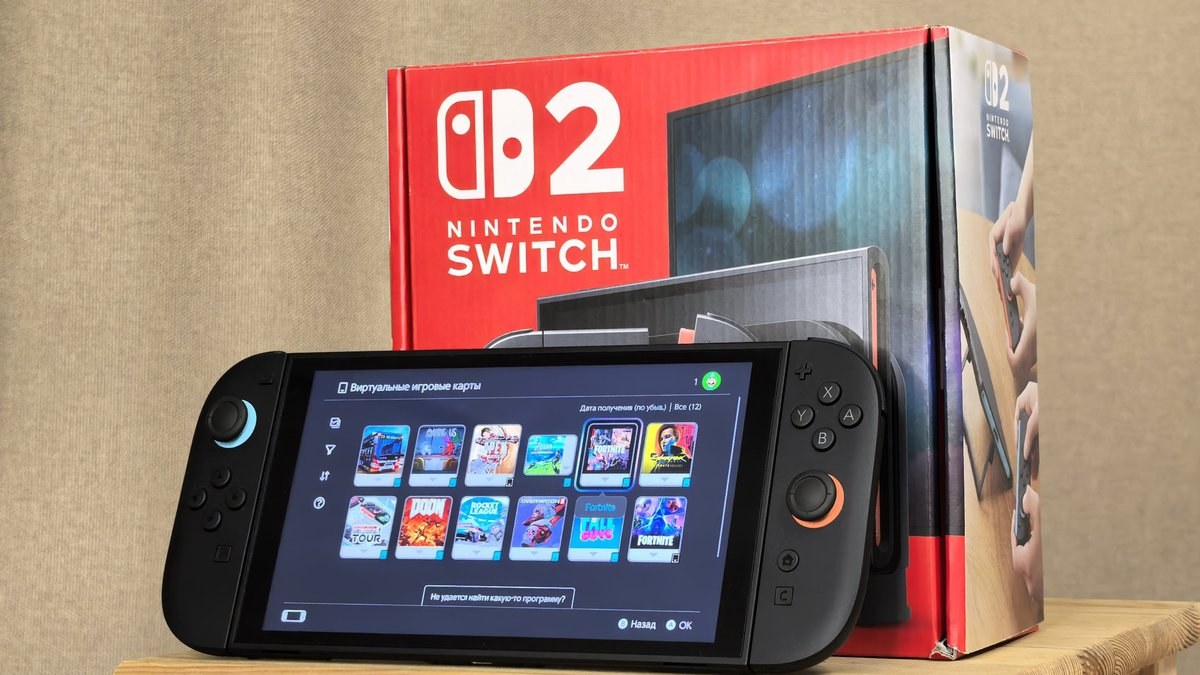
Nintendo quietly rolled out a revised Switch 2 hardware revision ditching glued-down batteries for a modular design to comply with upcoming EU mandates. The change allows owners to swap degraded battery packs at home using standard screws in just a few minutes.

Meta's open-source 30B model runs locally on a standard 32GB desktop card, handling multi-step code fixes and tool execution without sending data to the cloud. Quantized builds fit comfortably inside 20GB of VRAM to eliminate monthly API fees and keep private logs secure.

An independent maker bypassed million-dollar cleanroom equipment by building a desktop micro-resin printer using off-the-shelf optical parts and household turmeric. The kitchen spice extracts acted as a cheap UV light blocker, enabling the device to print sub-micron models like a tiny Stanford bunny.
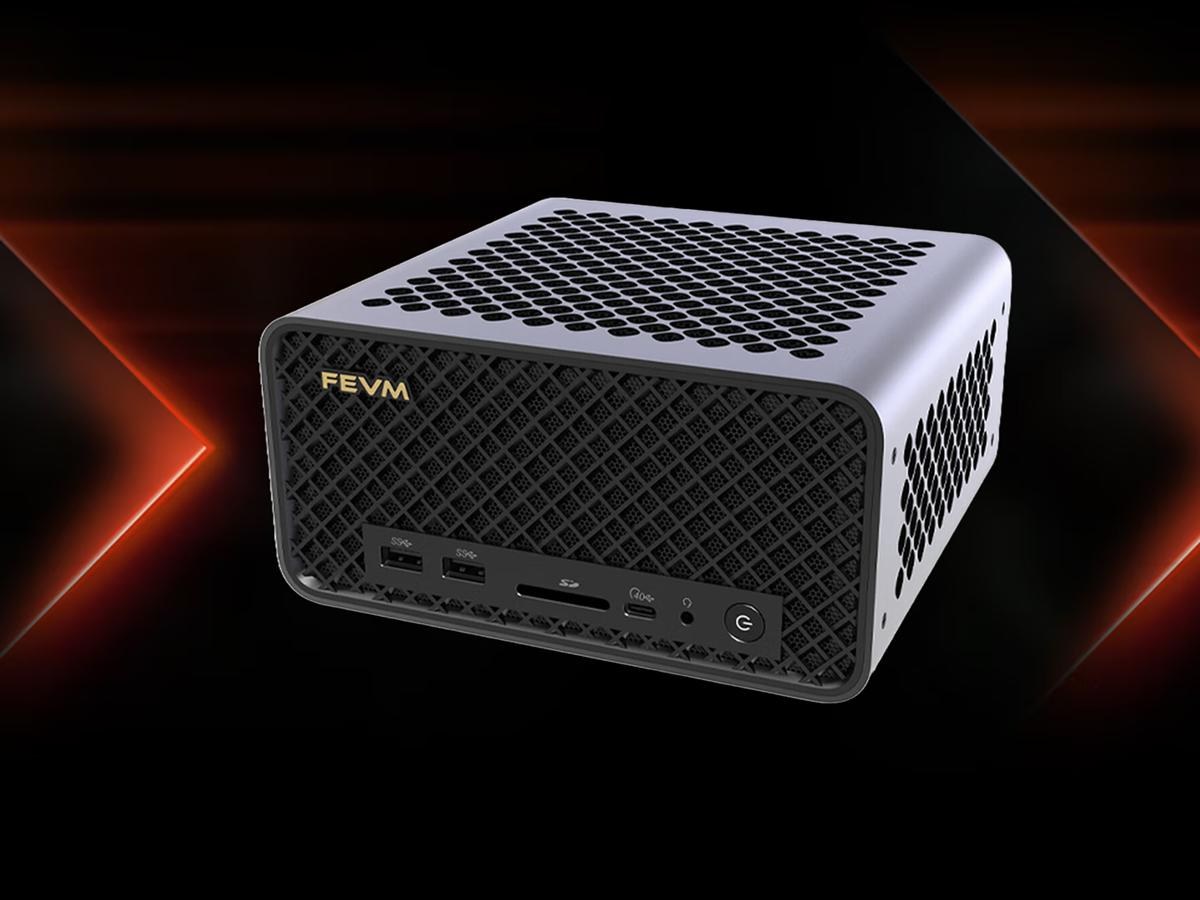
Chinese brand FEVM has revealed the FA80G, combining an AMD Ryzen 9 desktop chip and a mobile RTX 5090 in a 2.6-liter case. The ultra-compact system eliminates bulky desk towers for gamers and creators, though soldered graphics rule out future hardware upgrades.
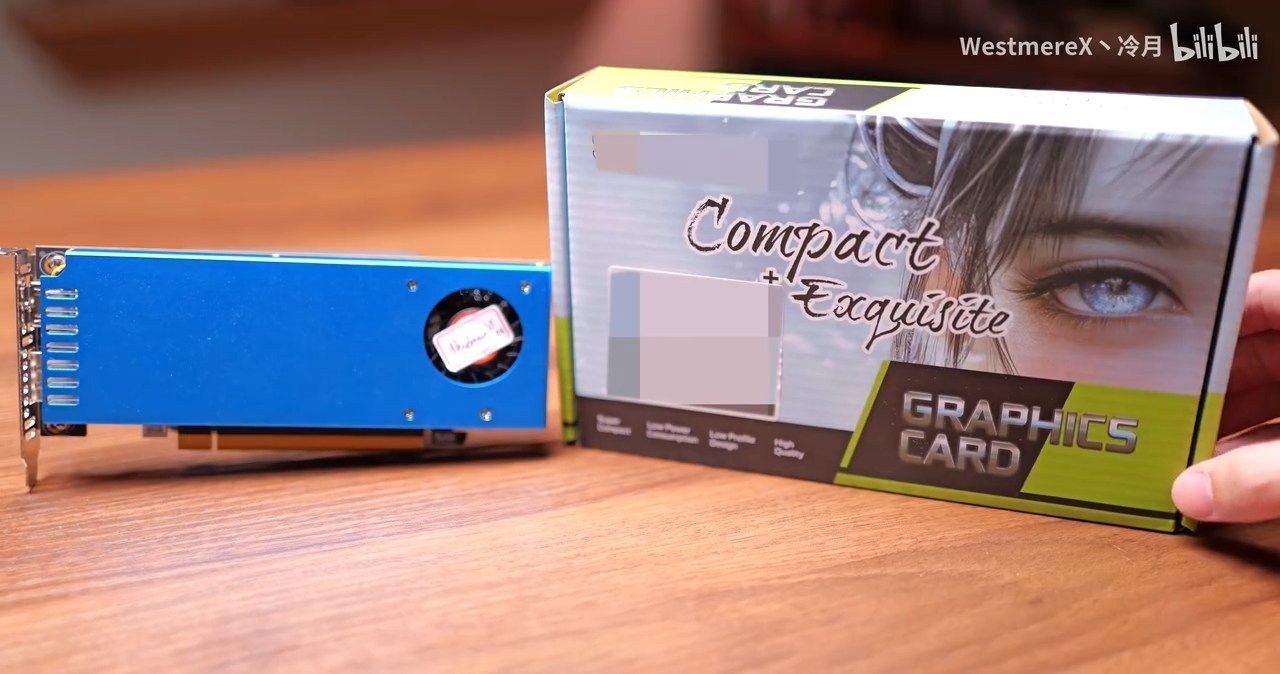
A Chinese modder turned an Nvidia RTX 3060 into a phone-sized, single-slot card pulling just 75W without external power cables. Tests reveal that severe thermal throttling and missing VRAM cooling pads drop its performance below older budget cards like the GTX 1060.

Maker Michael Klements has built an autonomous offline server running inside a rugged 3D-printed case, complete with Wikipedia mirrors, local maps, and running AI models. It projects a private Wi-Fi bubble to keep your essential data alive when the local broadband grid goes down.
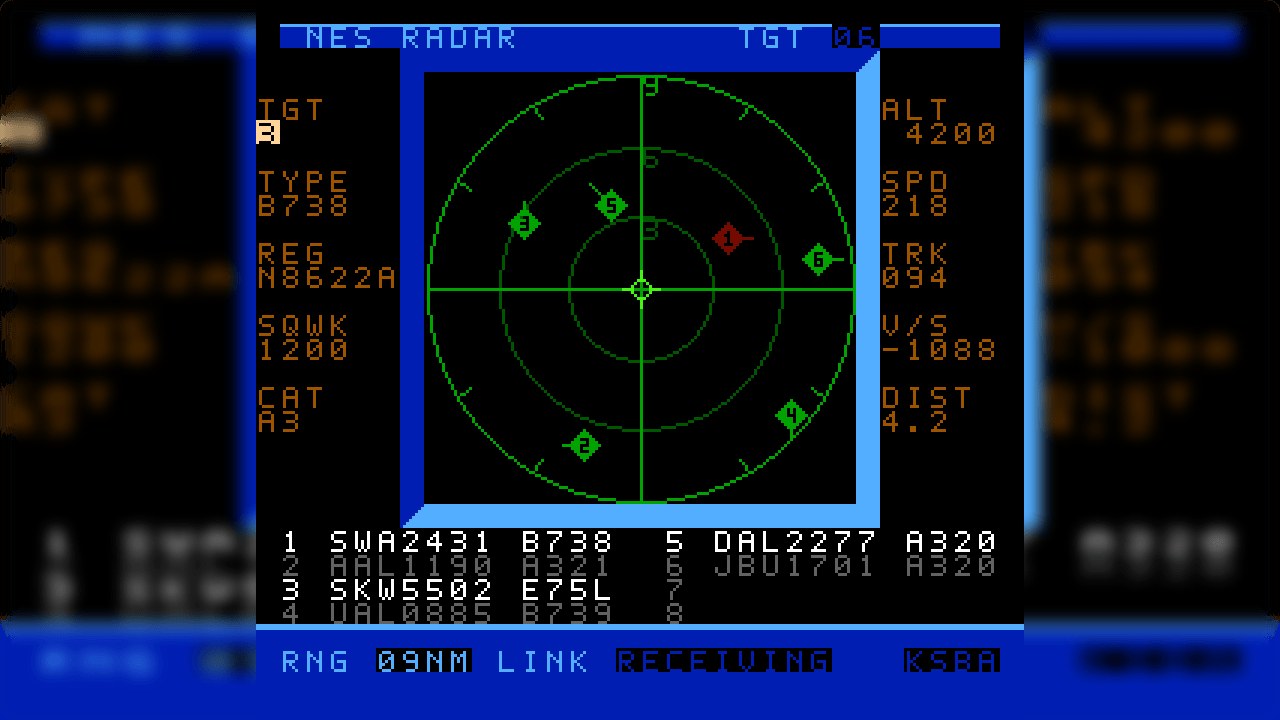
Maker Levi Maaia has turned an unmodified 1985 Nintendo Entertainment System into a live desktop airspace monitor using a simple USB cable and an open-source script. It tracks up to eight planes simultaneously within nine nautical miles, transforming retro hardware into functional desk art.

Nubia launched the Magnetic Phone Cooler Neo, promising sub-zero plate temps for $15. While the Peltier module delivers impressive cooling on paper, thick phone chassis and tethered cables limit its real-world benefits for gamers.
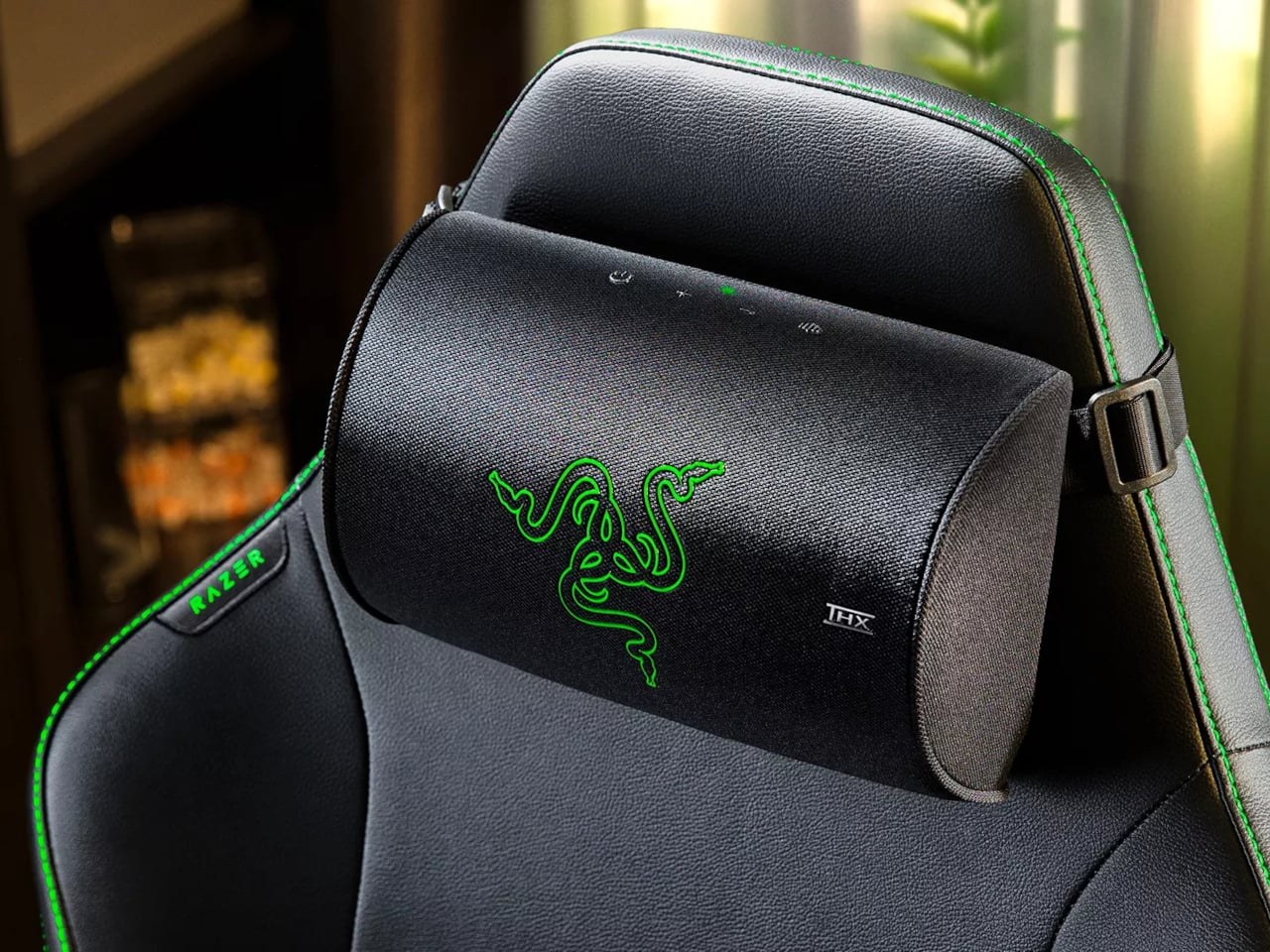
The Razer Clio X mounts a spatial audio speaker system straight into a chair headrest, letting players escape heavy headsets. It connects via low-latency wireless, though you will need to run a USB-C power cable to your seat.

Maker zomb23 has built a mechanical step sequencer that replaces digital menus and touchscreens with ordinary LEGO bricks mounted on a revolving cylinder. Using a smartphone camera and computer vision, the setup translates physical plastic placement into real-time audio loops.
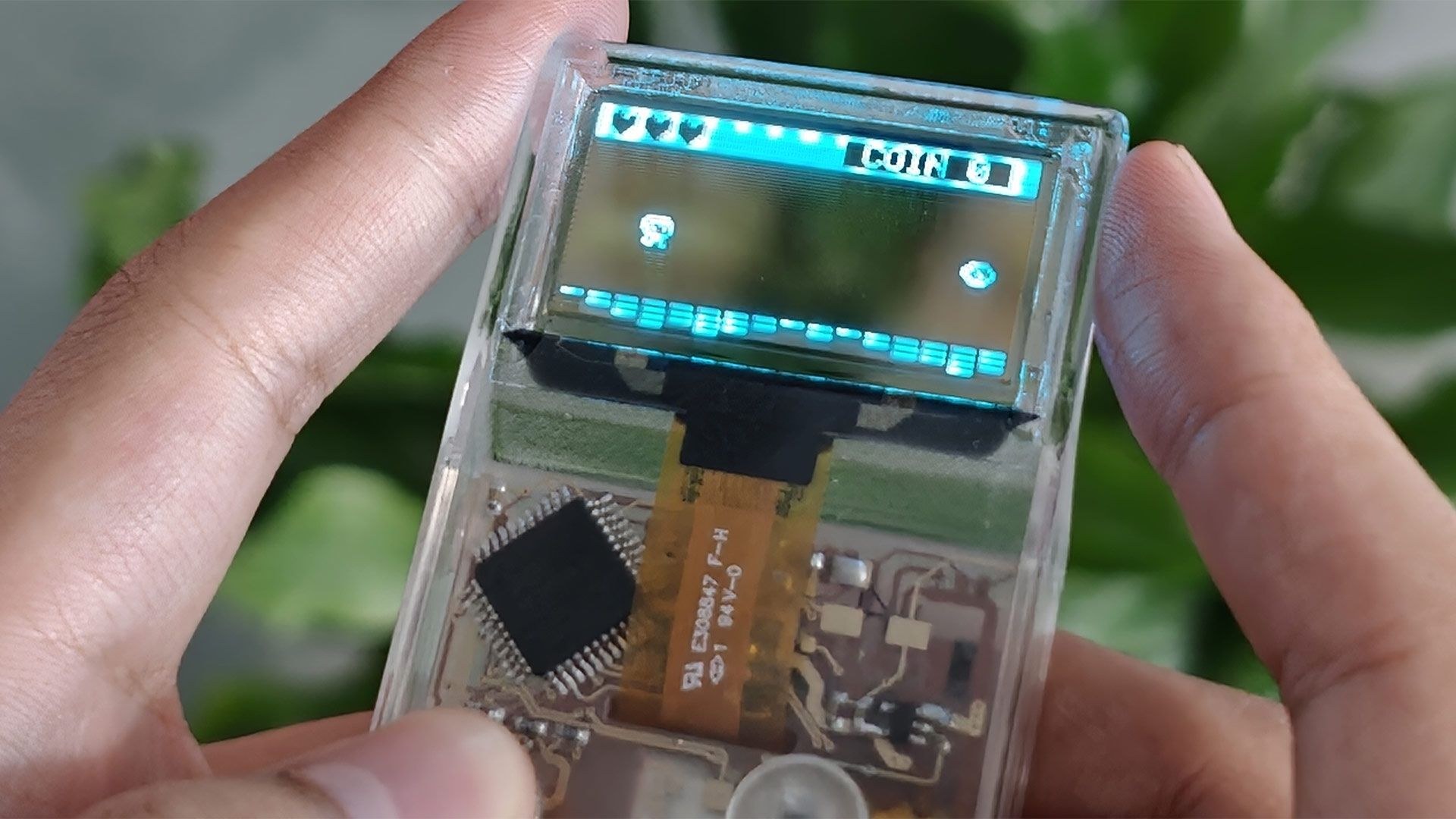
Student inventor Louis Huang built a 50-gram retro console featuring a completely see-through screen, circuit board, and case. Pre-loaded with 400 games and priced at $100, the crowdfunding project requires a long wait until 2027 fulfillment.
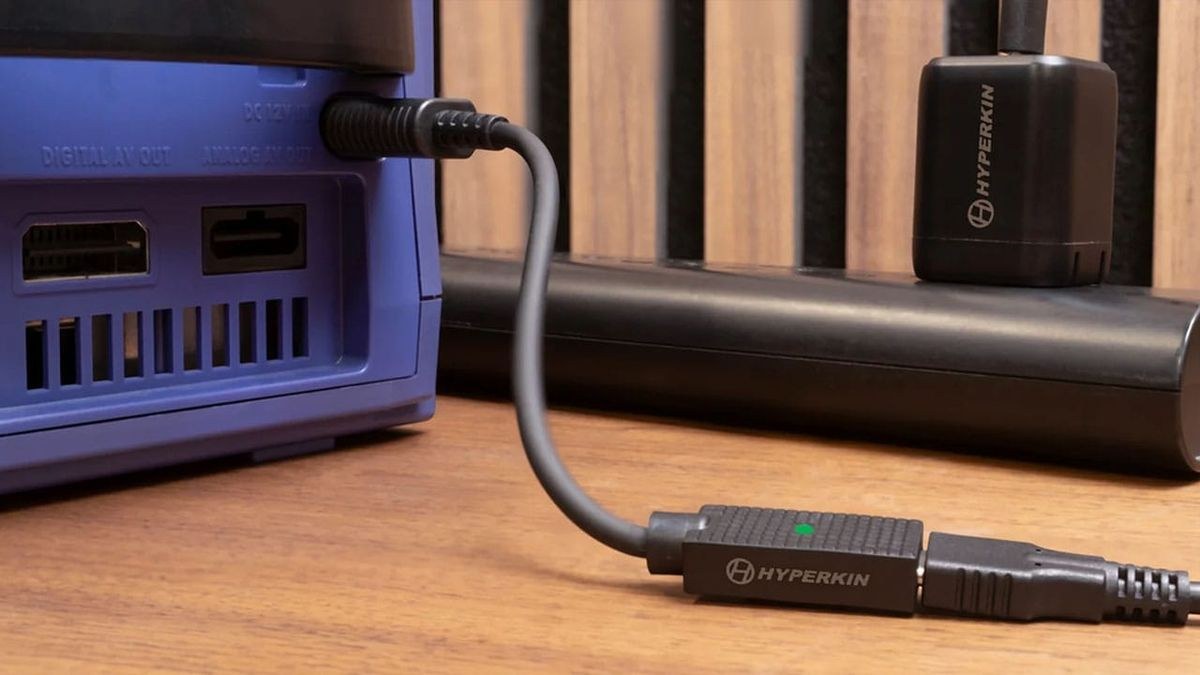
Hyperkin's new ShockLine lineup swaps giant proprietary AC transformers for standardized USB-C power delivery. For $19.99, retro gamers can power classic consoles and handhelds using modern multi-port GaN chargers without risking power surges.
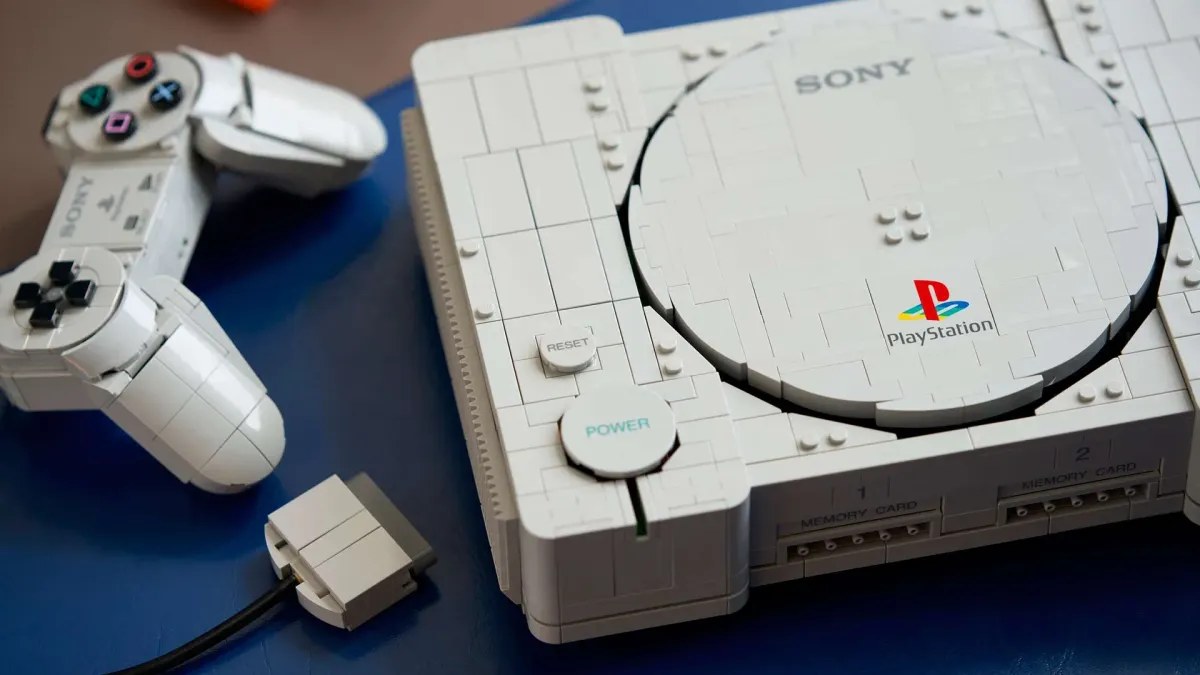
Thomas Bertani’s BrickBoy team is designing a custom Raspberry Pi module that slides into LEGO's upcoming PlayStation set. For over $250 total, collectors get a working emulation machine operated by the model's actual power button.
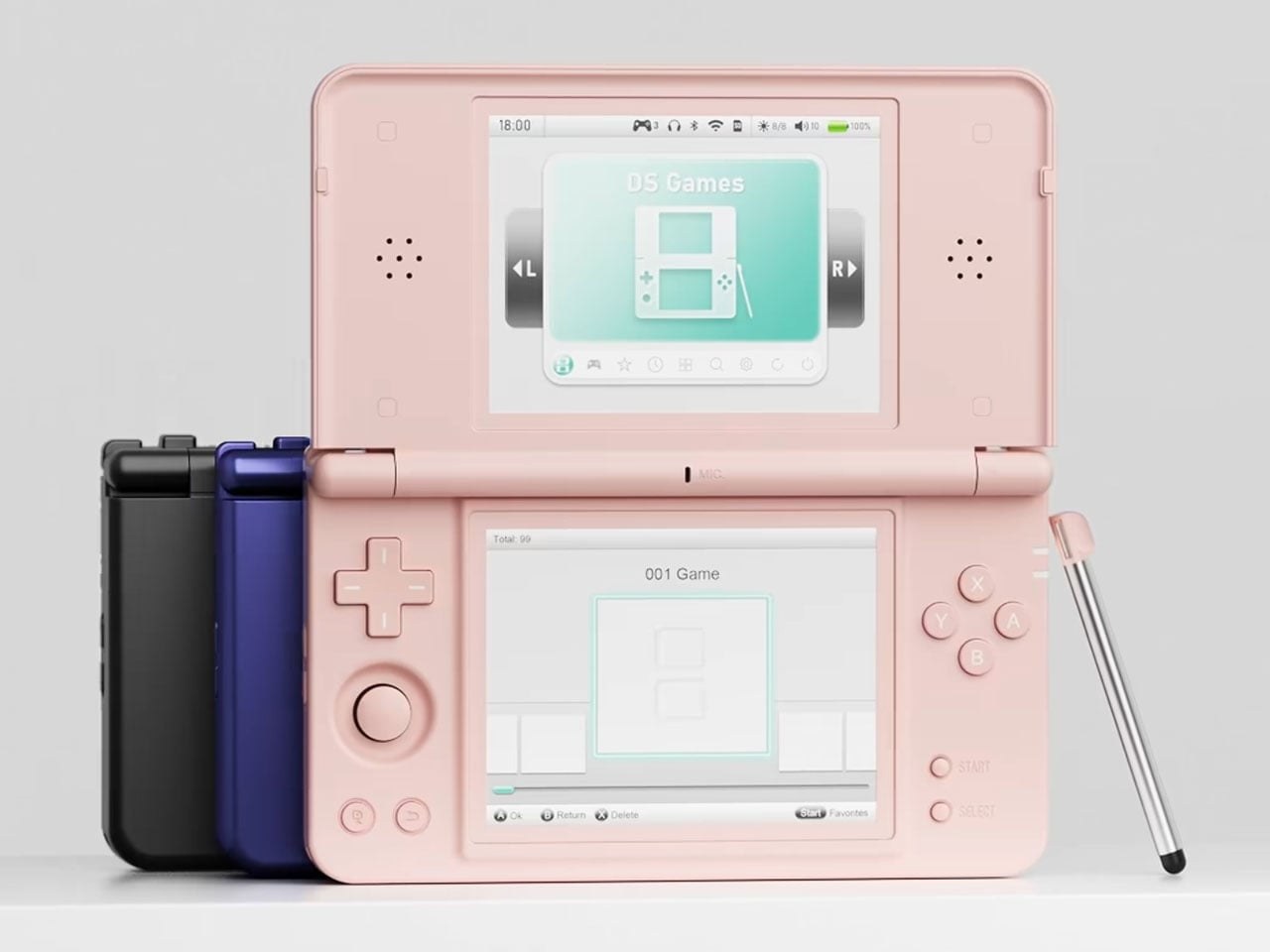
Anbernic's RG DS Plus brings dual-screen gaming back in a $90 clamshell complete with a built-in stylus and Linux. To hit that price, the maker dropped system memory to 1GB and reused an older processor, leaving heavy emulation off the table.

Ultra-compact folding controllers solve the problem of bulky mobile gaming gear by easily slipping into a pocket. However, shallow thumbstick travel, flat triggers, and fragile hinges create major hurdles for competitive shooter players.
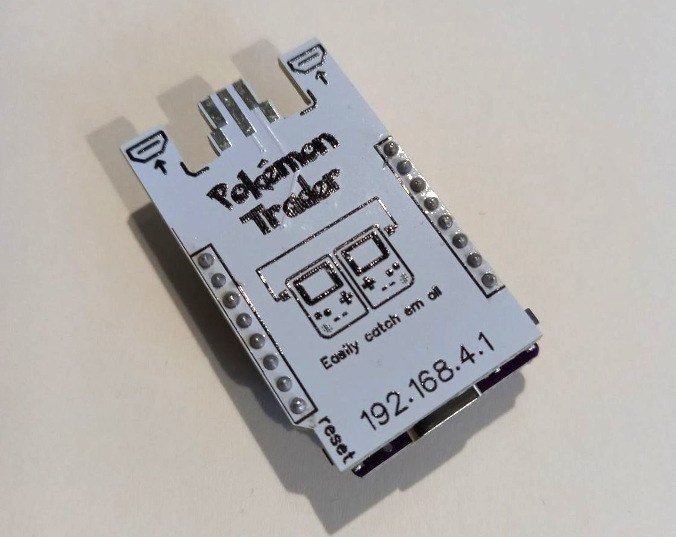
A compact microcontroller board plugs directly into original hardware to act as an automated trading partner over Wi-Fi. It eliminates the need to buy a second vintage console just to complete a classic monster collection.
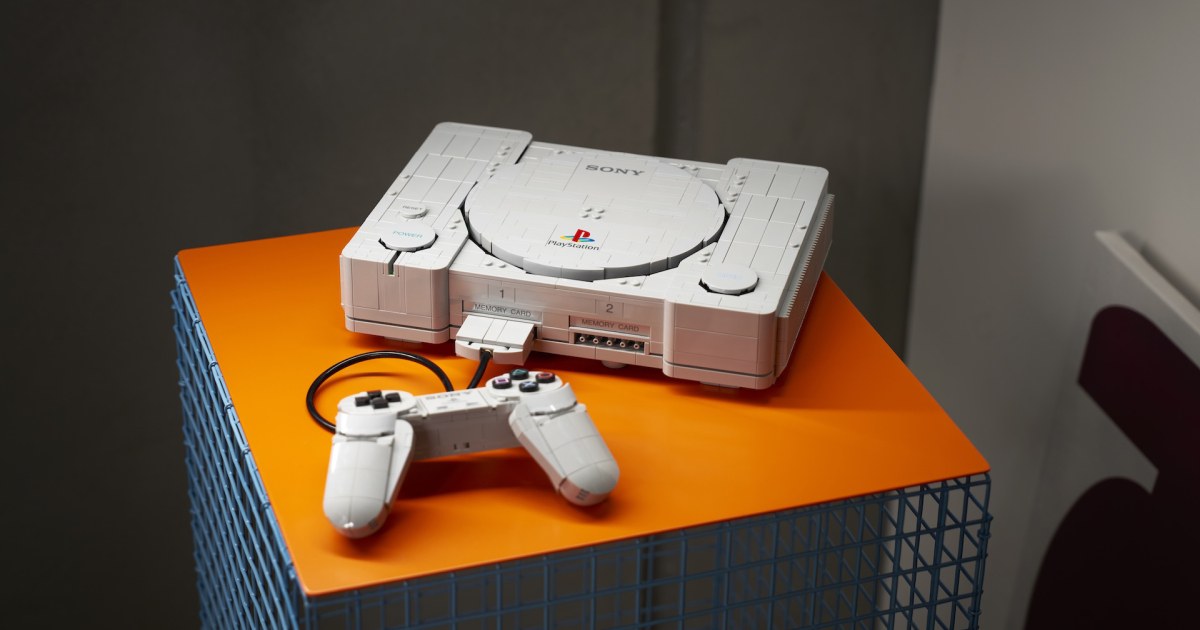
Sony and LEGO have teamed up to launch a 1,911-piece life-size replica of the original PlayStation for $180. The purely decorative set includes clickable buttons, a pop-up disc drive, and an authentic classic controller for retro gaming enthusiasts.
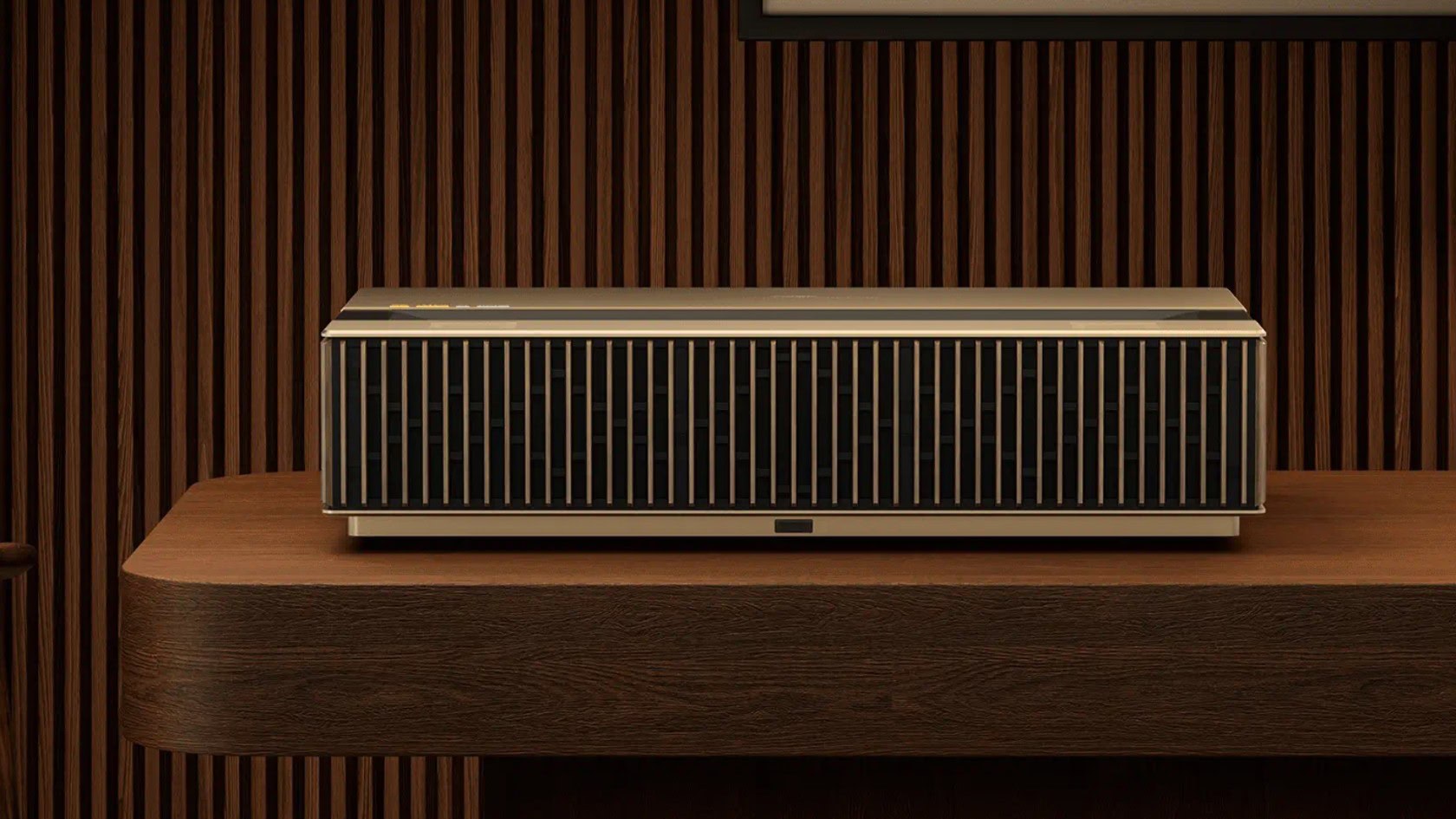
AWOL Vision brings its LuxVision ultra-short-throw projector to market this October, offering a 120-inch home theater image from just inches away from the wall. The $6,500 unit uses mechanical lens shift and a high-brightness laser to replace massive living-room televisions.
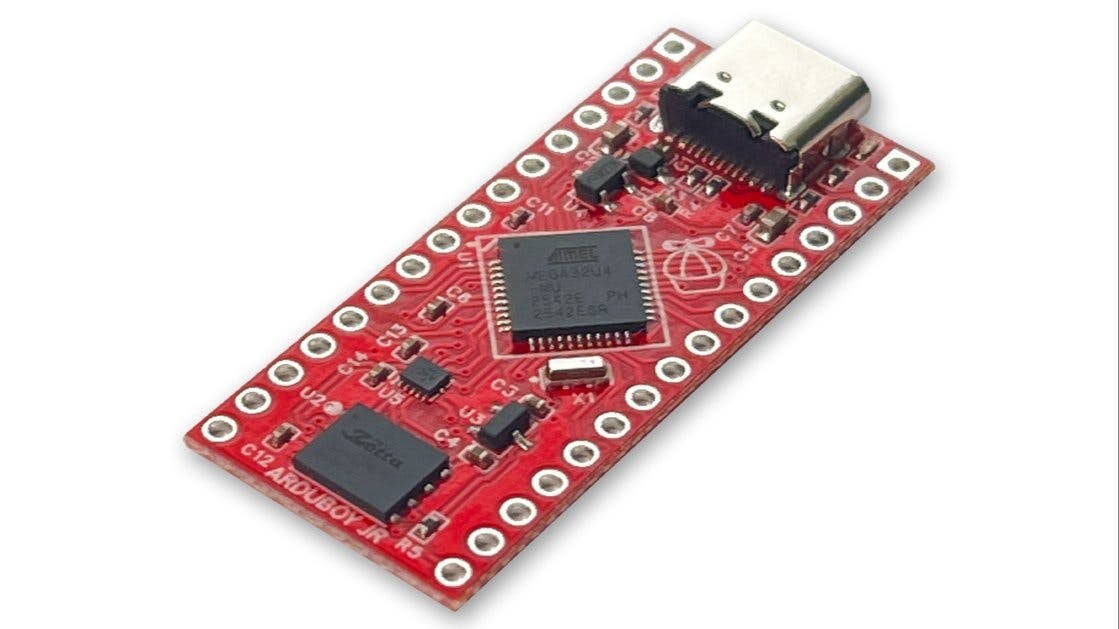
Arduboy released the Arduboy Jr for $29, offering a pre-loaded bare circuit board with 300 indie games. Buyers must solder their own screen, buttons, and battery to create a custom handheld.
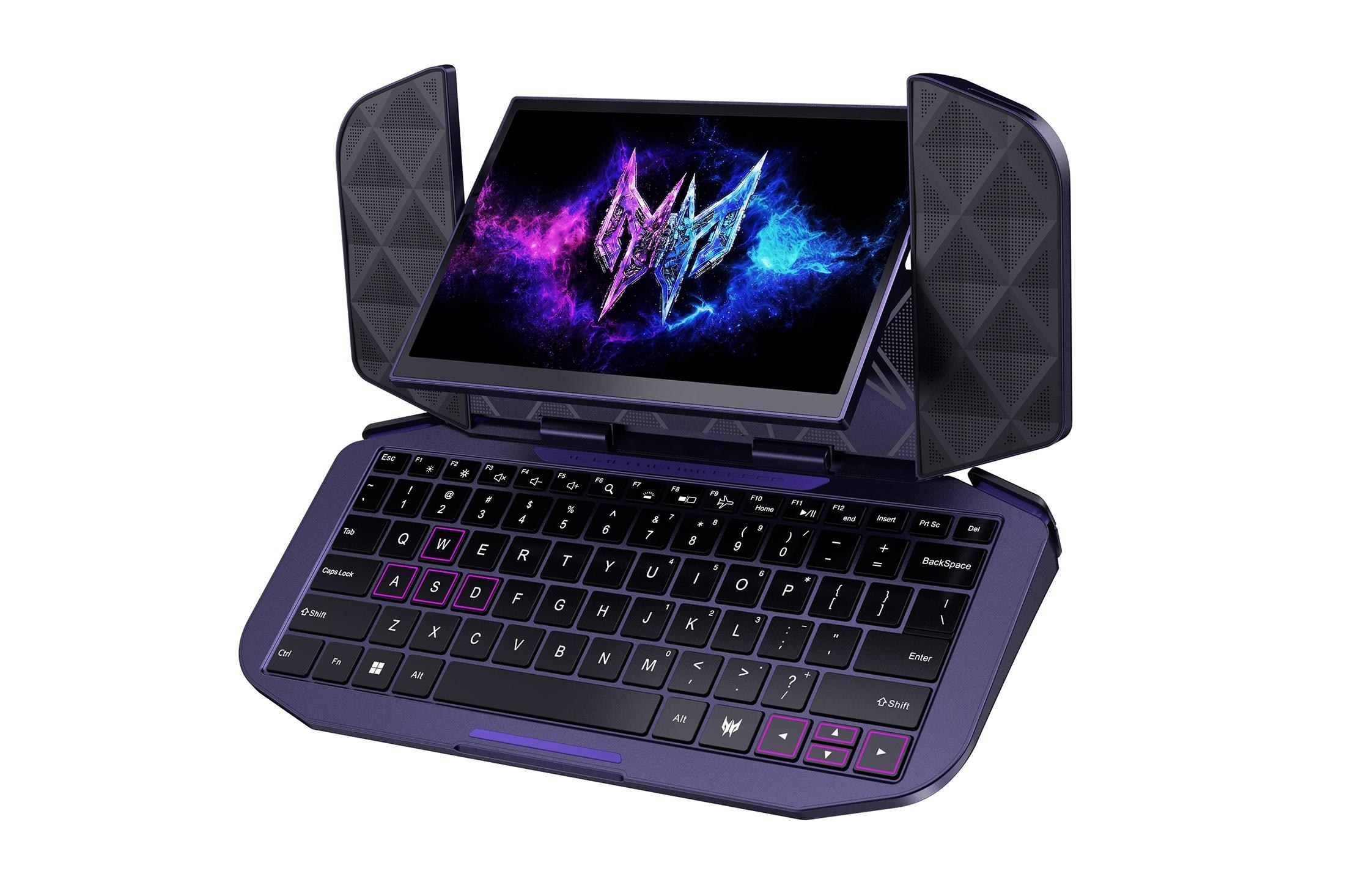
Acer's Project DualPlay Mini concept packs an eight-inch screen that flips open like a giant Nintendo DS to reveal a hidden physical keyboard. While it tries to fix Windows typing on the go, the moving hinge adds heavy mechanical wear and top-heavy awkwardness.

Oukitel brought wildly eccentric rugged phones to IFA, featuring a built-in electric firestarter, physical cooling fans, and thermal cameras. These heavy, multi-pound devices double as survival tools and power banks for extreme outdoor work, trading pocket comfort for niche utility.

Square Enix is releasing six miniature cathode-ray tube TV replicas for $12 each that light up and play classic Final Fantasy battle themes. However, buyers purchasing the six-pack bundle face a blind-box gamble that does not guarantee a complete set.

Bangalore engineer Mithil Vakde built a reasoning AI from scratch in 90 minutes on an RTX 5090 for pocket change. The open-source experiment proves independent developers can bypass costly server clusters right from their desks.
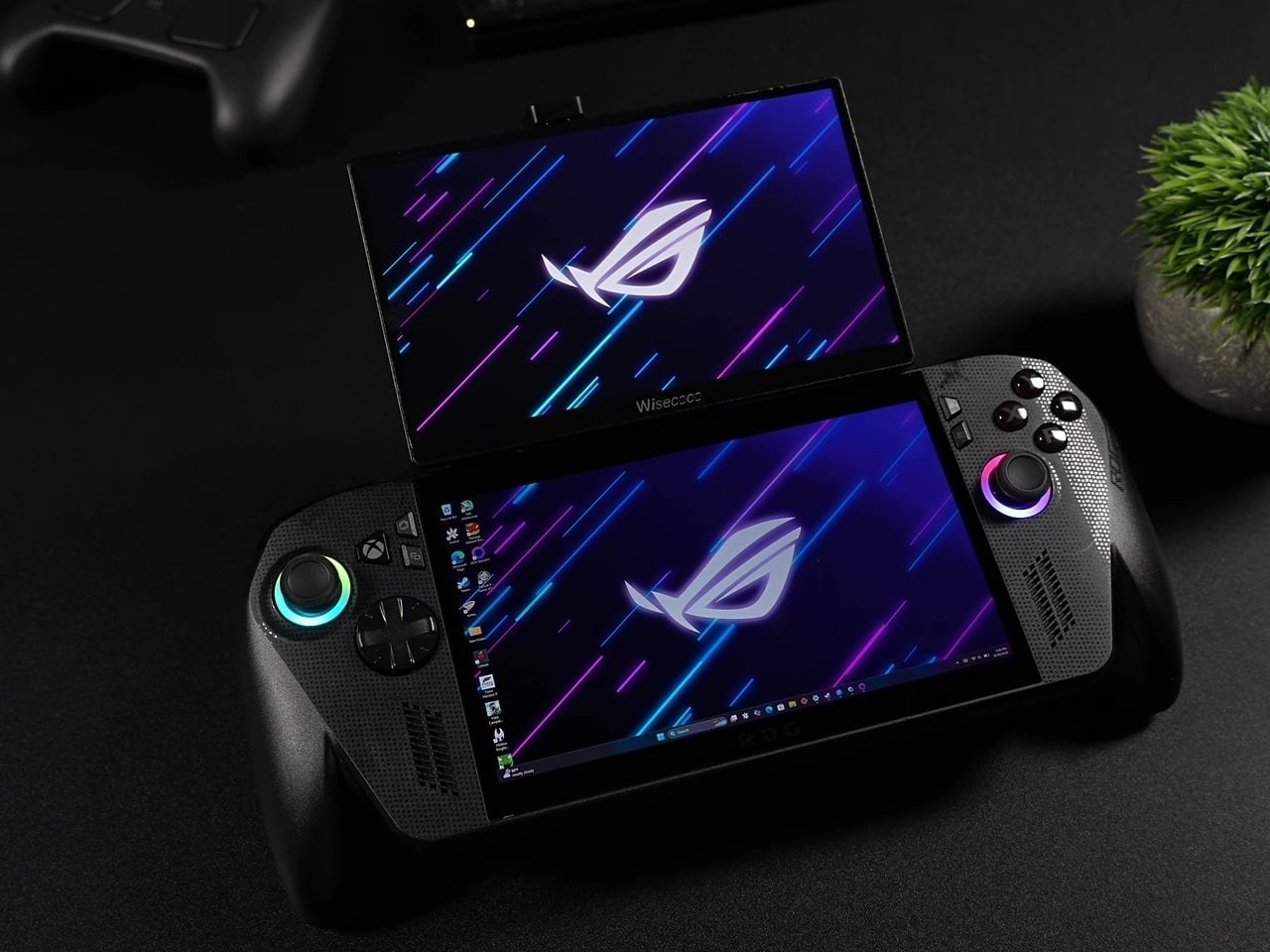
A modular magnetic setup adds a secondary 120Hz display to the ASUS ROG Ally X using off-the-shelf parts instead of a dedicated dual-screen console. The add-on unlocks DS emulation and live telemetry panels while detaching instantly for everyday travel.

Startup ViewX has launched a Kickstarter campaign for a 27-inch 4K monitor that projects 3D depth without requiring a VR headset or plastic glasses. While the $1,200 pledge undercuts commercial 3D displays, backing an unreleased optical panel carries serious risks compared to established OLED alternatives.

Unico USA packaged a 4:3 display into a retro-style chassis to end widescreen distortion on vintage consoles. The portable ULQ10 Traveller features HDMI, VGA, and RGBs inputs, though classic composite video was dropped to keep the case compact.
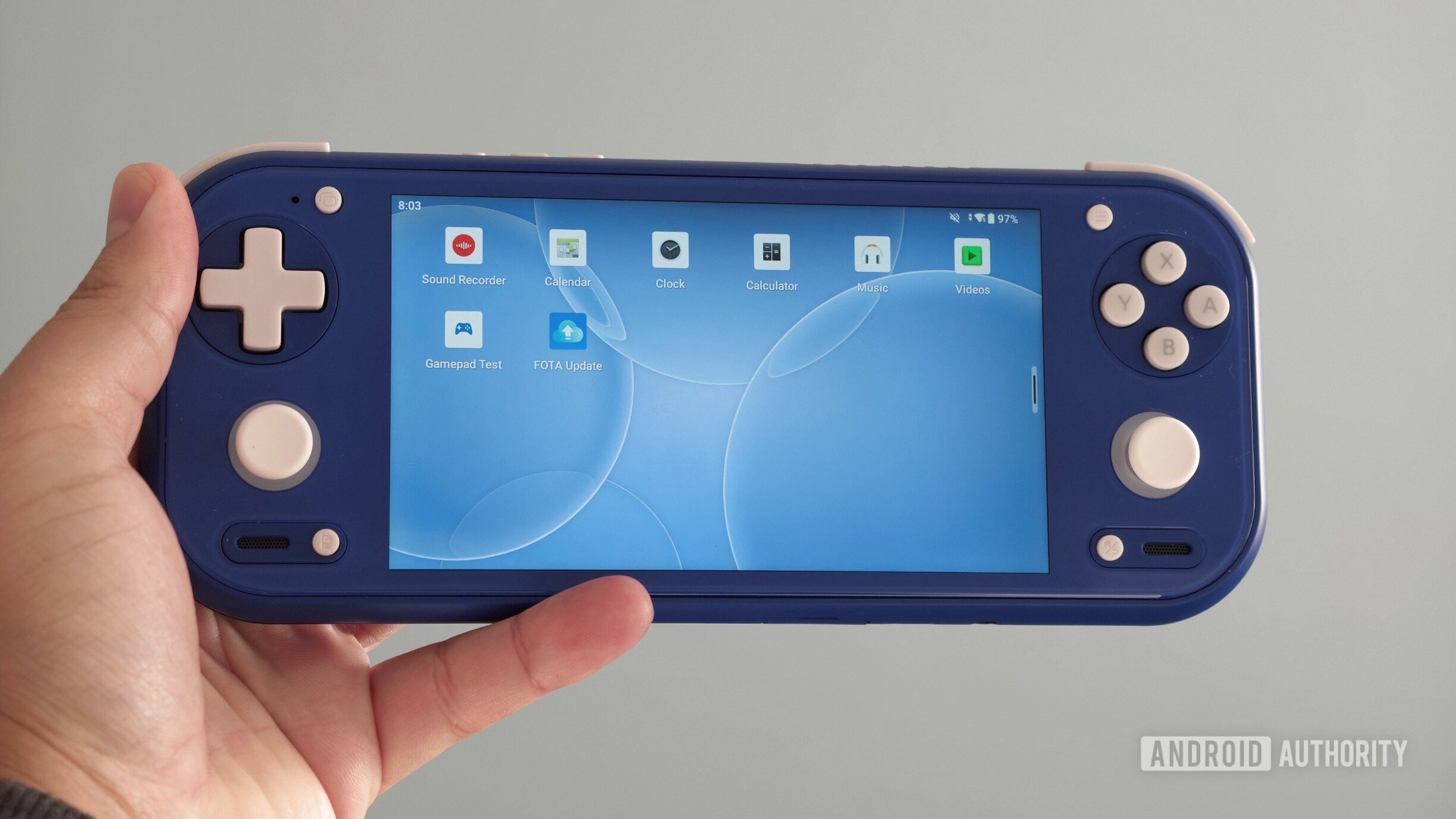
Anbernic released the RG 55G1 handheld featuring a 5.5-inch 1080p screen and drift-proof Hall sticks wrapped in Nintendo Switch Lite ergonomics. The $139.99 Snapdragon-powered device targets classic PS1 and PSP libraries rather than modern native console titles.
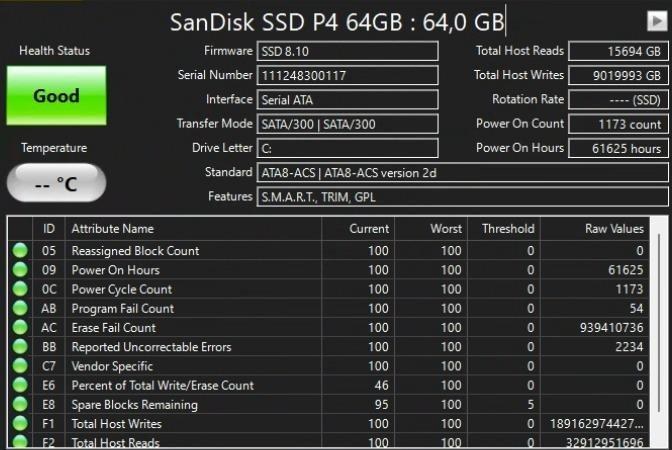
A 16-year-old 64 GB SSD survived over 140,000 full overwrite cycles before showing sector errors. The real-world torture test confirms that factory endurance ratings are legal safeguards rather than hard operational limits for everyday computer users.
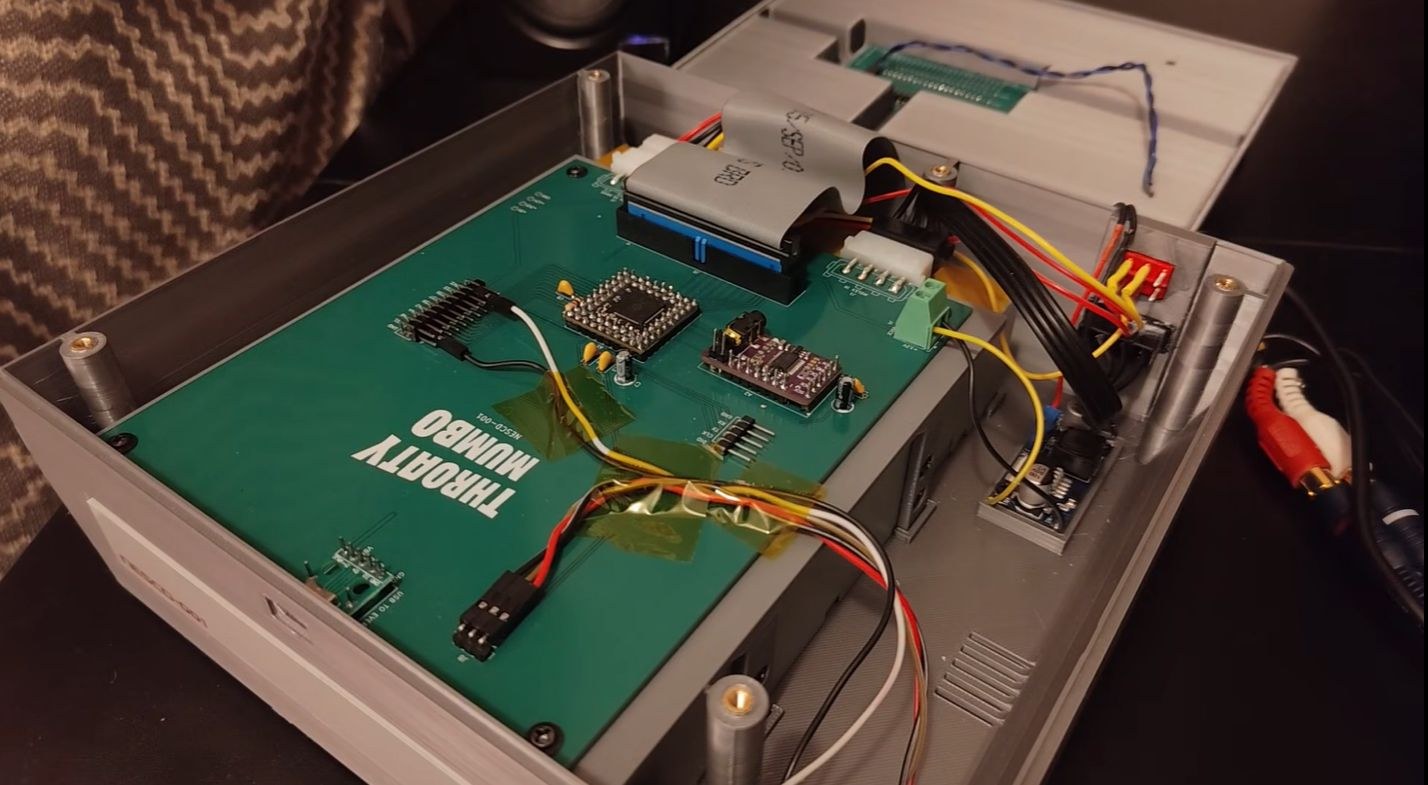
Hardware hacker Throaty Mumbo created a custom expansion board that connects a full-size optical CD drive to an unmodified 1985 Nintendo Entertainment System. The setup streams CD-quality audio and loads massive games directly through vintage hardware ports without soldering the console board. It showcases how 8-bit retro consoles can break past cartridge storage limits while preserving original silicon.
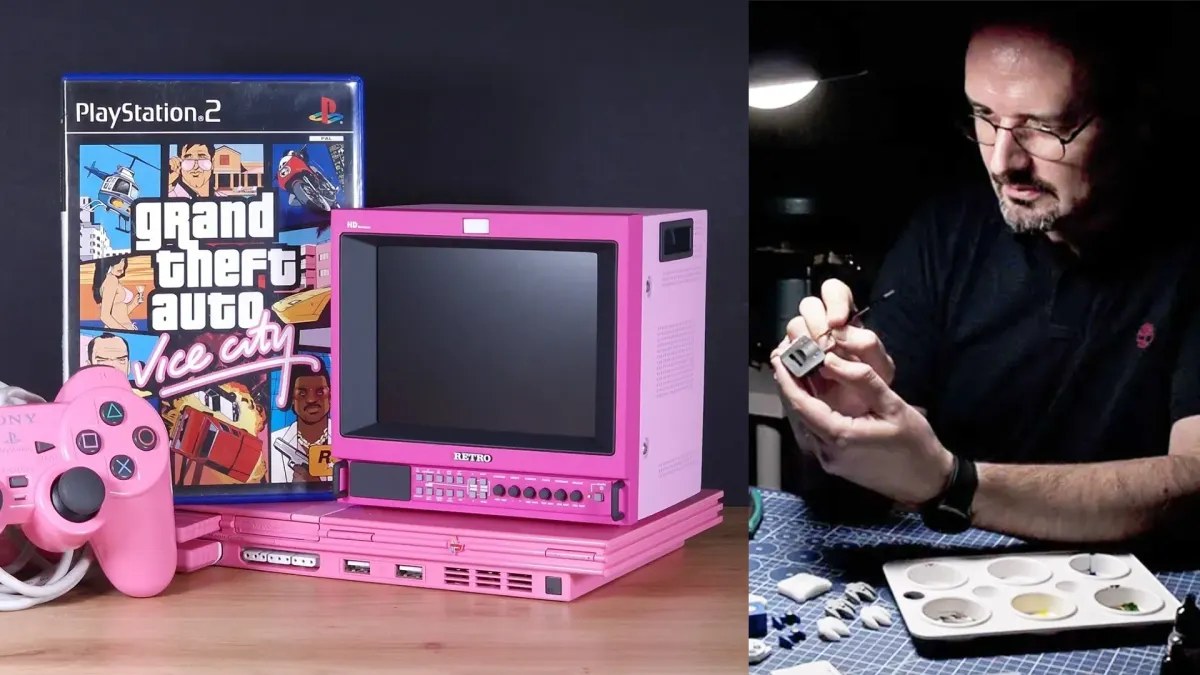
Engineer JC Ayala opened pre-orders for artisan 8-inch and 10.5-inch mini displays designed to look like vintage broadcast monitors. Despite prices reaching $1,475, retro gaming collectors continue to sell out the handcrafted units for their authentic analog controls and modern HDMI inputs.
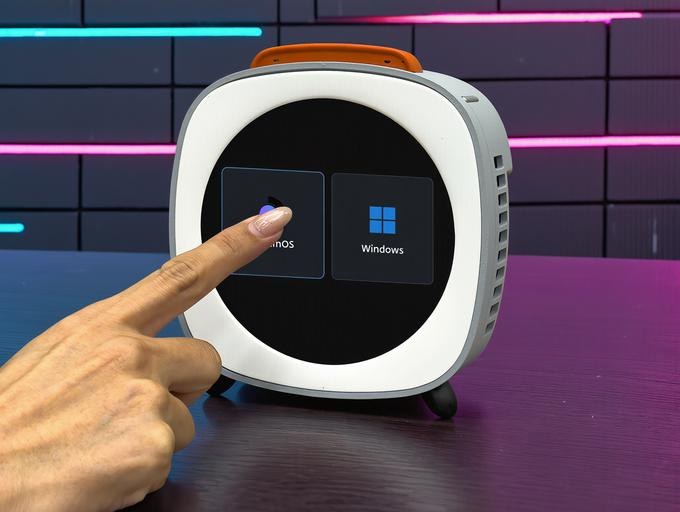
The Piston V mini-PC has raised hundreds of thousands on Kickstarter by wrapping modern AMD silicon in a vintage CRT television chassis. Equipped with an integrated touchscreen for dual-booting and an OCuLink port for external GPUs, it trades raw price-to-performance for bold desktop aesthetics.
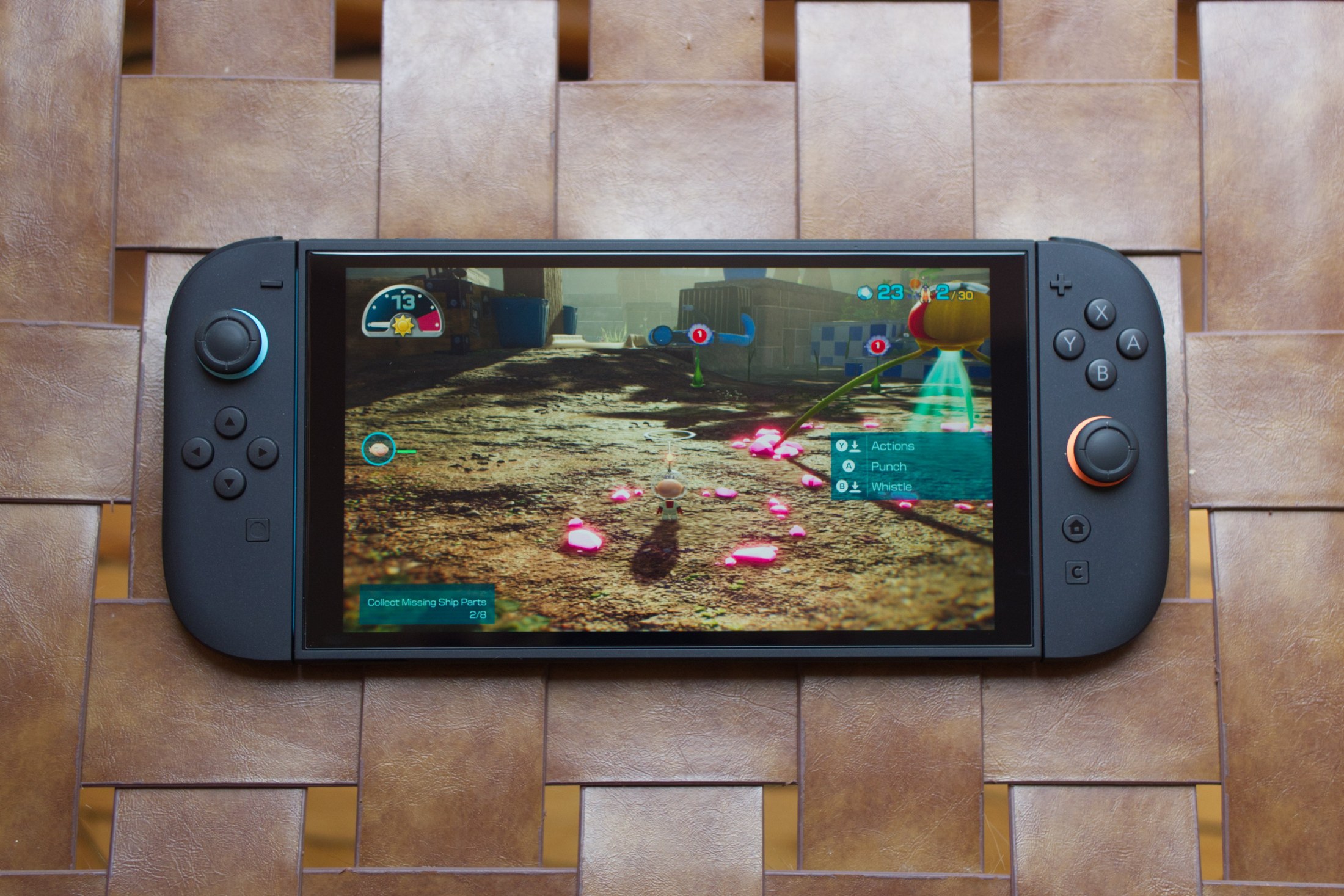
Nintendo is increasing the base 256GB Switch 2 price from $450 to $500 next week due to surging component and memory costs across the supply chain. The price hike pushes the handheld into direct financial competition with full-sized home consoles like the PS5 and Xbox Series X.

Microsoft partnered with Ikea to launch the nine-piece Yxstaby furniture collection for the 25th anniversary of the original Xbox console. The lineup features standard living-room storage alongside an oversized thumbstick stool molded directly from official controller 3D design files.
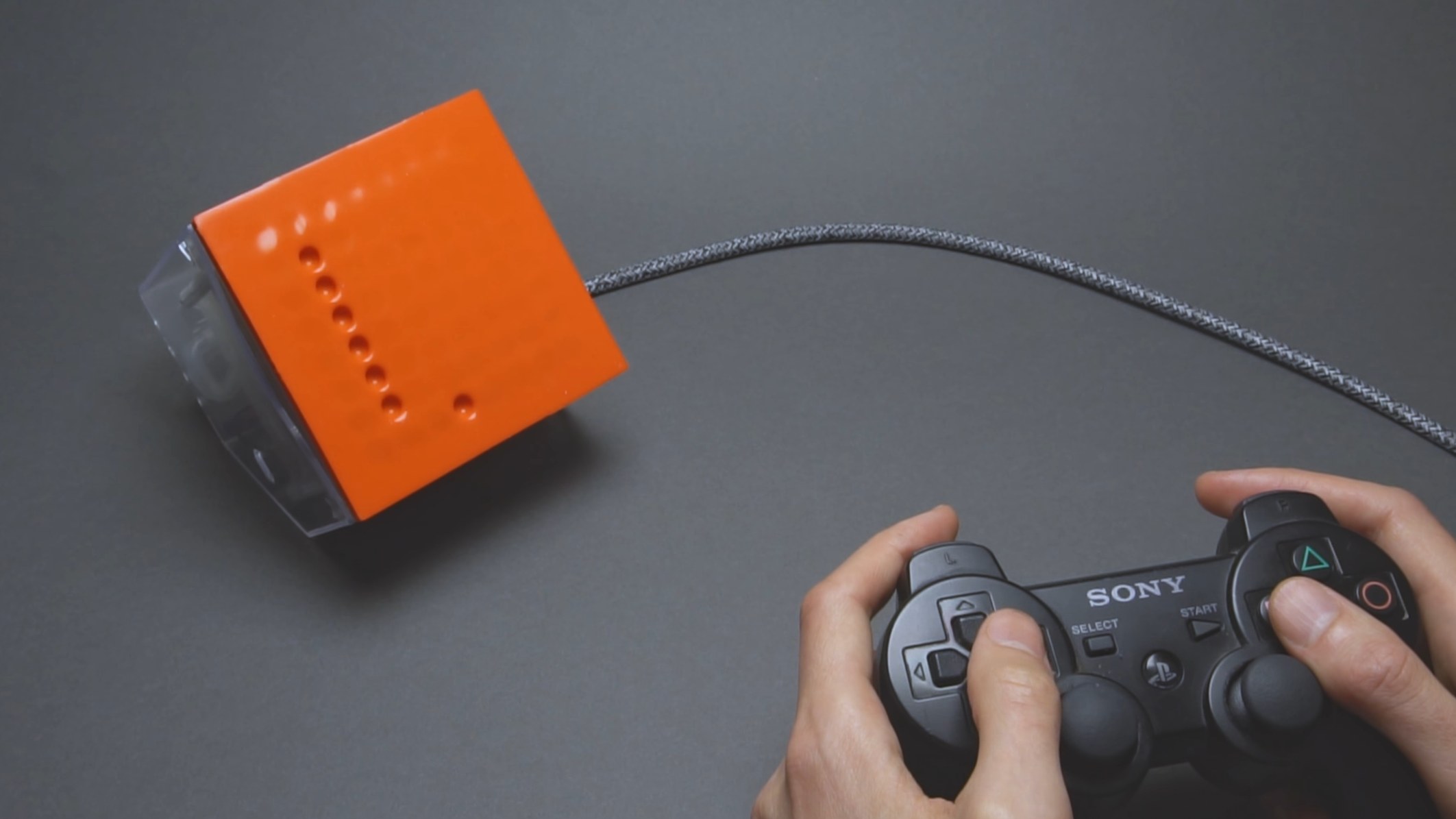
An independent engineer built a fully mechanical dot-matrix screen out of silicone membranes and vacuum logic channels that can run simple games like Snake. The dimpling rubber surface creates shadow pixels and registers physical touch without relying on electronic microchips.
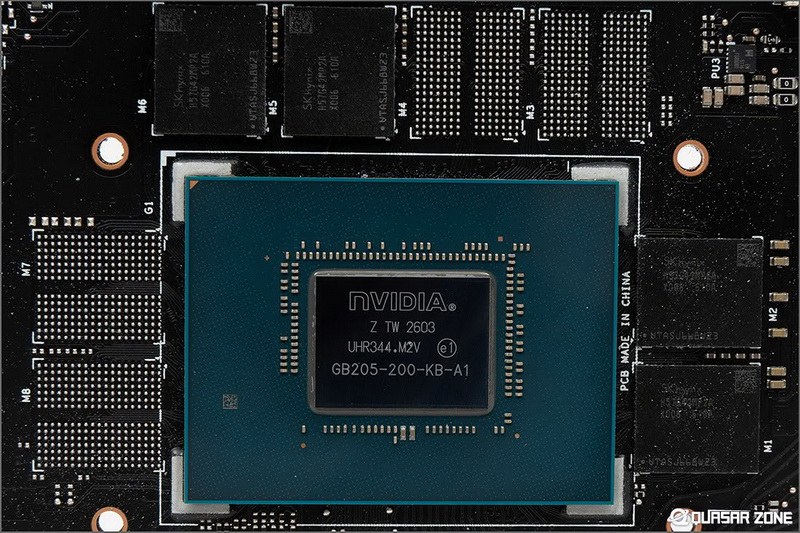
Certain RTX 5060 graphics cards are shipping with harvested silicon dies originally manufactured for the higher-tier RTX 5070. Independent testing confirms that hardware-level laser cuts result in identical gaming performance to standard models. Buyers gain no hidden frame rate boost and should avoid paying extra for specific batch numbers.
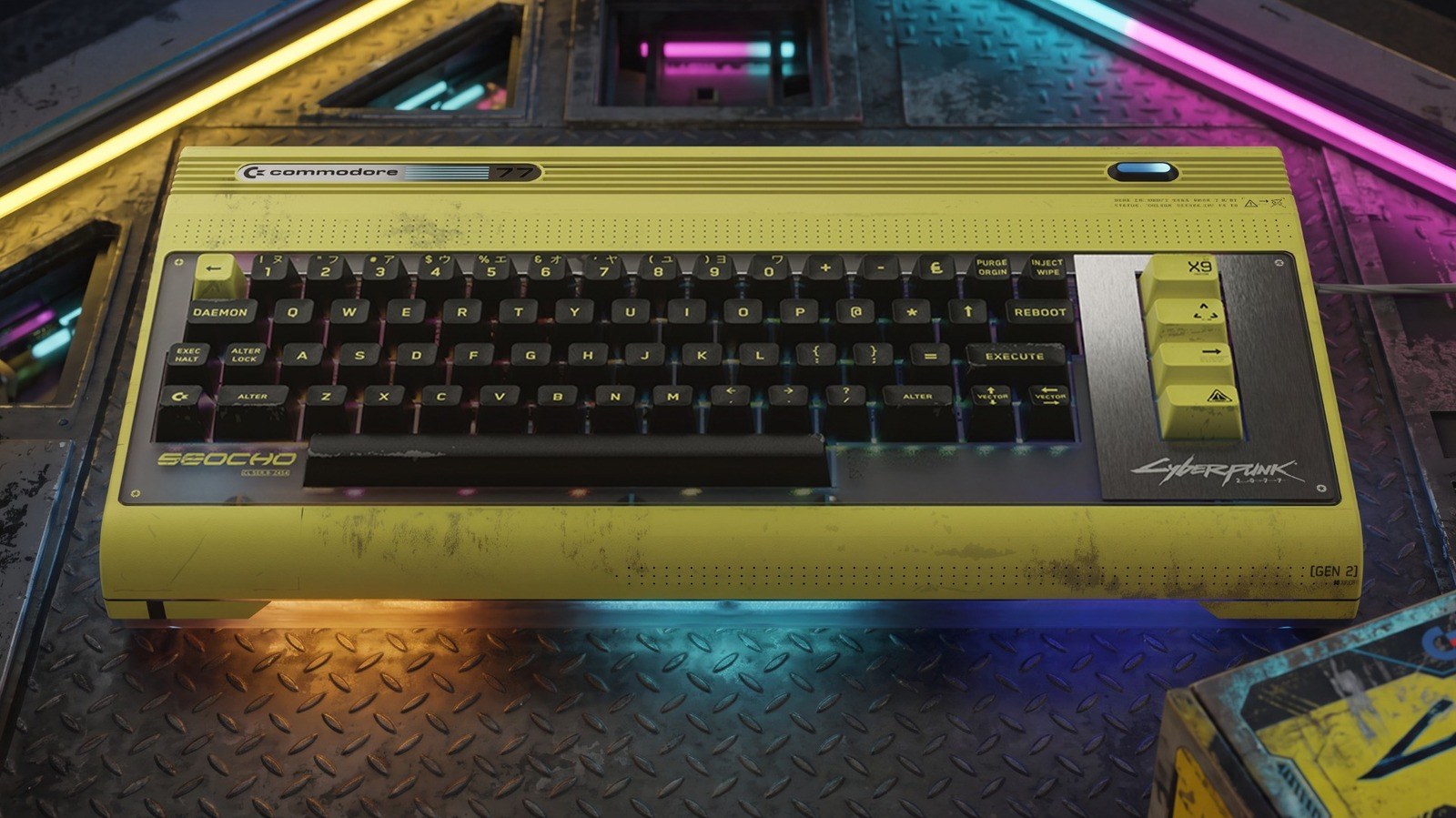
Commodore and CD Projekt Red teamed up to release the Commodore 77, a $377 distressed replica packed with modern HDMI and USB ports. The limited machine targets display shelves and chiptune enthusiasts rather than practical daily computing.
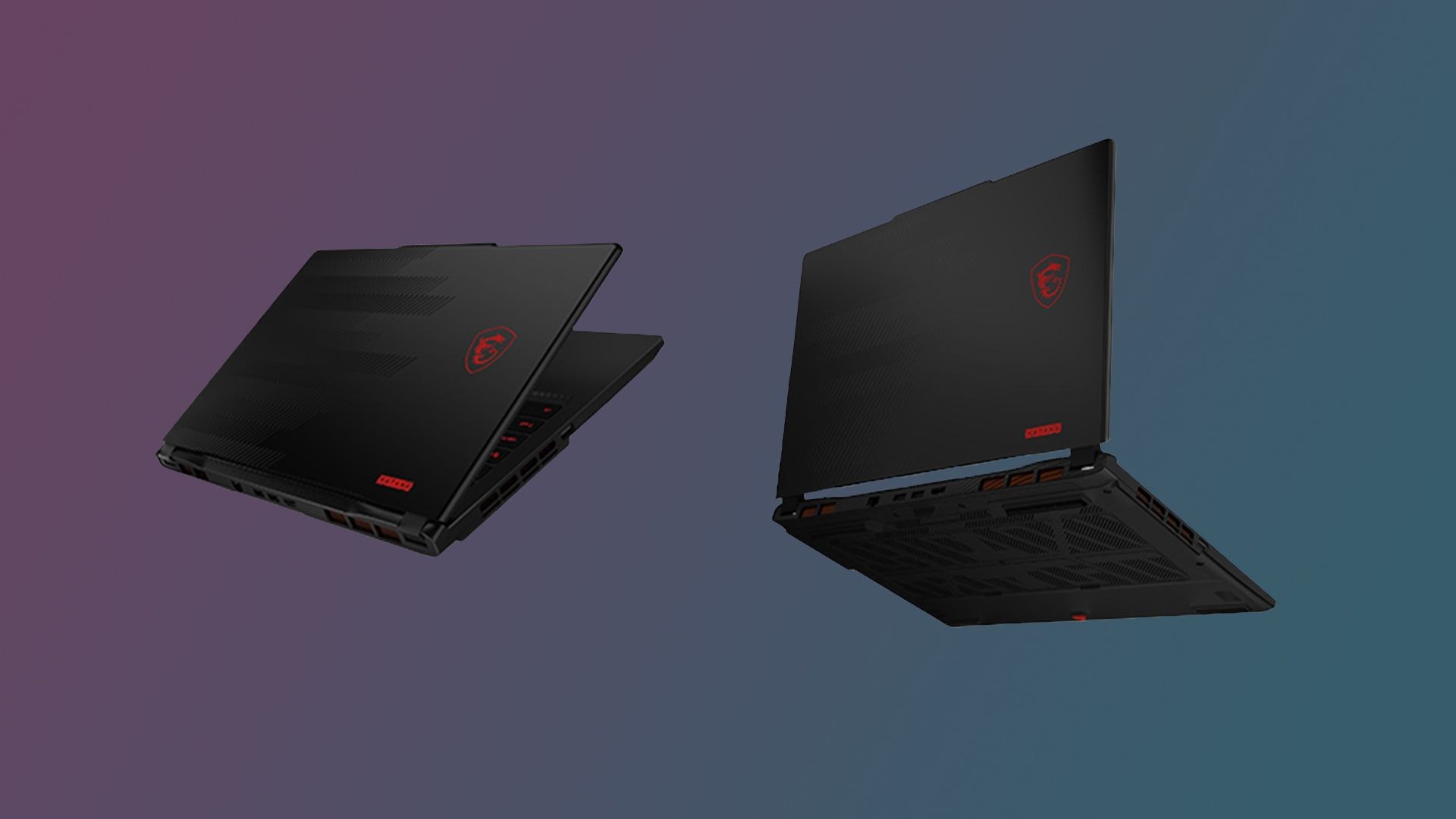
MSI unveiled the Katana 15 HX C14 laptop, pairing high-end Intel 14th-Gen processors and RTX 5070 graphics with older DDR4-3200 memory slots. The unconventional hardware mix bypasses skyrocketing $400 DDR5 kit prices to keep modern gaming rigs affordable for budget-conscious buyers.
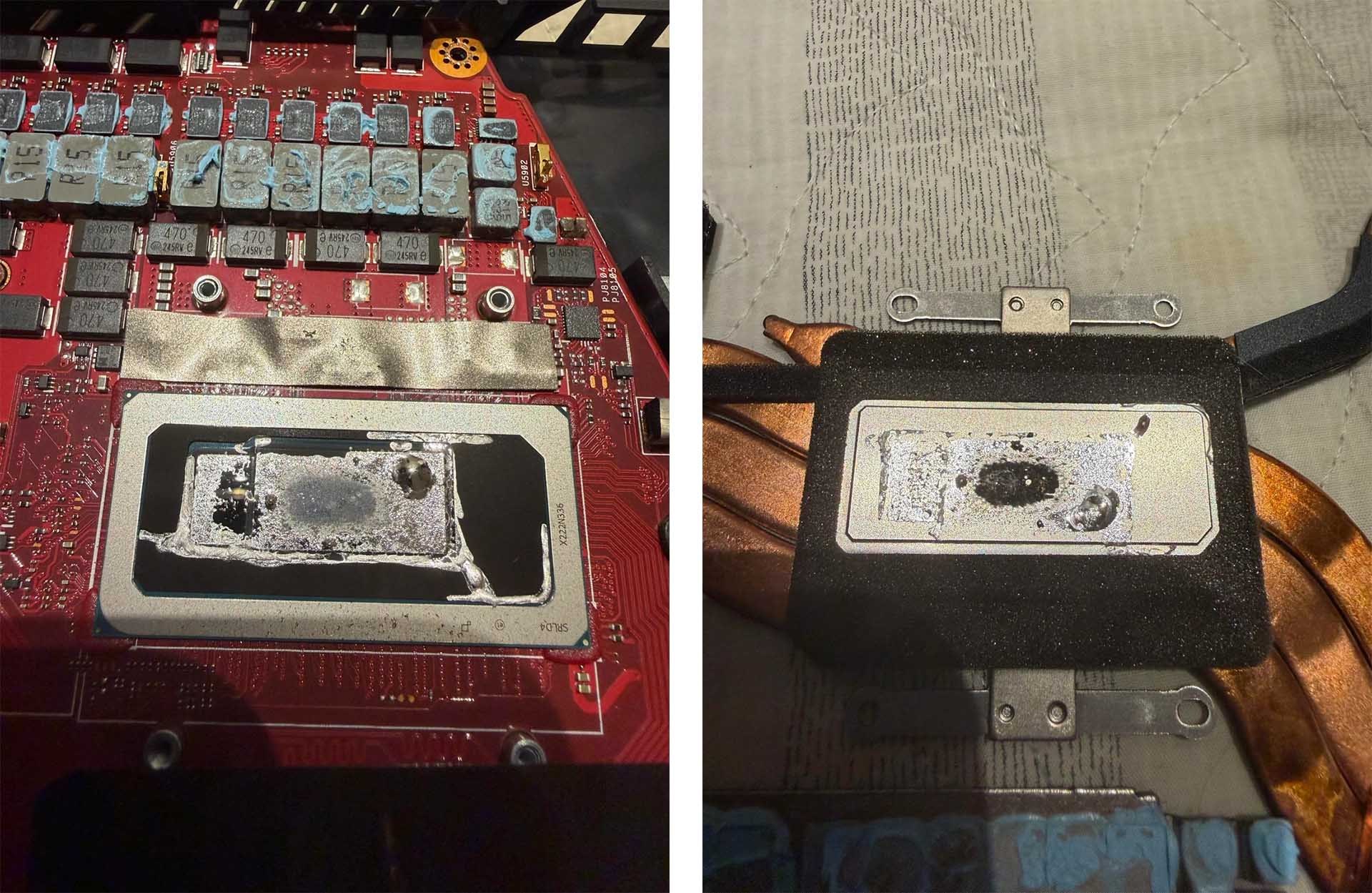
Factory liquid metal cooling helps laptops score high in review benchmarks, but gallium alloys risk corroding heatsinks and burning through motherboards during everyday use. Replacing degrading conductive compounds with non-conductive phase-change thermal pads eliminates short-circuit risks without sacrificing real-world frame rates.
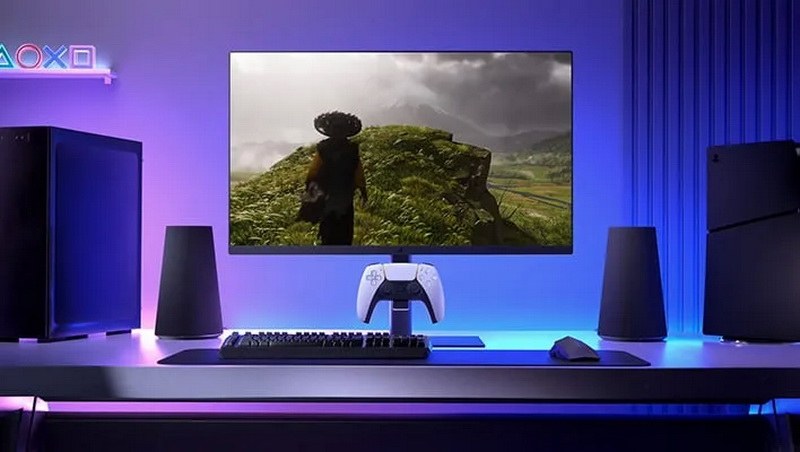
Sony has introduced a $350 27-inch gaming display equipped with a built-in DualSense charging cradle in the base. The design eliminates desktop cable clutter for console players, though standalone docks offer the same utility for a fraction of the cost.
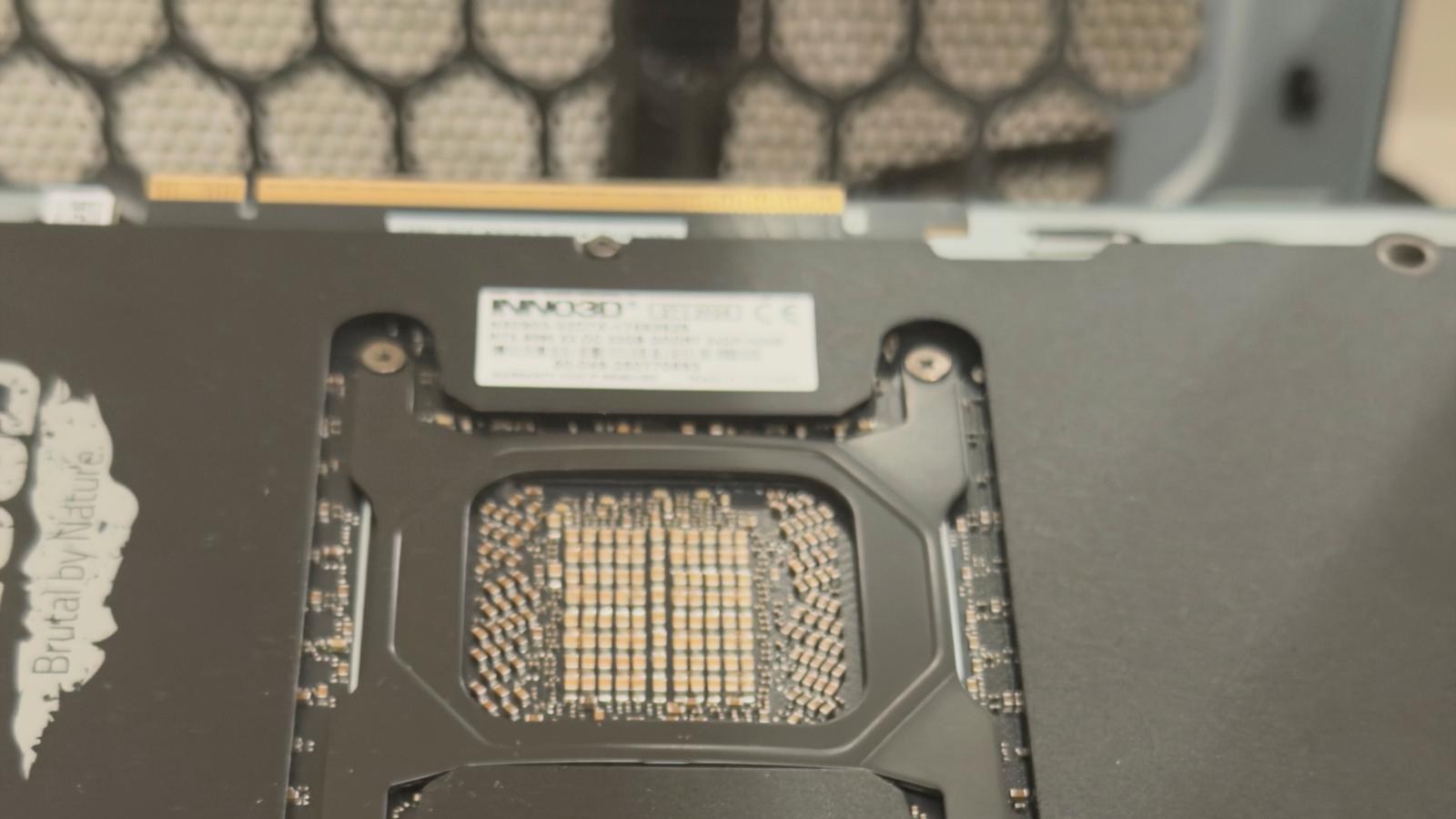
Reports of flagship RTX 50-series graphics cards catching fire reveal that internal GDDR7 memory VRM failures, rather than faulty power cables, are the root cause. This structural flaw exposes prebuilt and compact desktop builds to severe thermal risks under normal workloads.
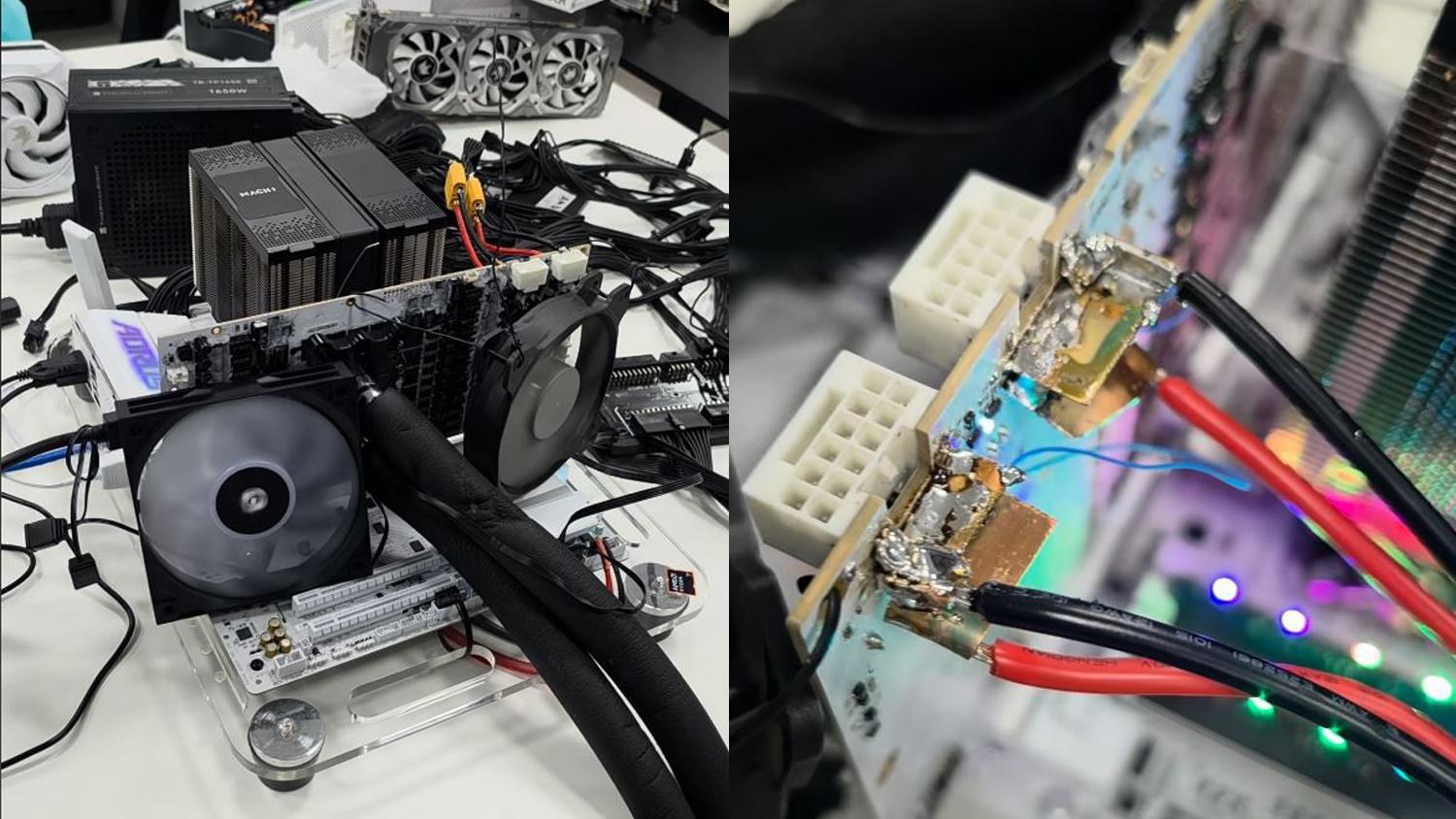
Brazilian modding crew TecLab removed the standard 16-pin power headers on a flagship Galax RTX 5090 and soldered power lines straight to the board. The extreme mod completely prevents connector melting during benchmark runs, but it instantly destroys warranty protection for standard users.

Vastarmor has launched the first low-profile Radeon RX 9060 XT graphics card capable of driving modern games at 1440p. Independent testing shows it maintains playable frame rates in a tiny 4.5-liter case while capping temperatures at a modest 60°C. For builders targeting console-sized PC setups, it provides a capable alternative to full-sized desktop hardware.
Nvidia is phasing out Game Ready graphics driver updates for Windows 10 starting in October. Existing games will still launch, but new releases will no longer receive day-one performance optimizations or bug fixes on the older operating system.
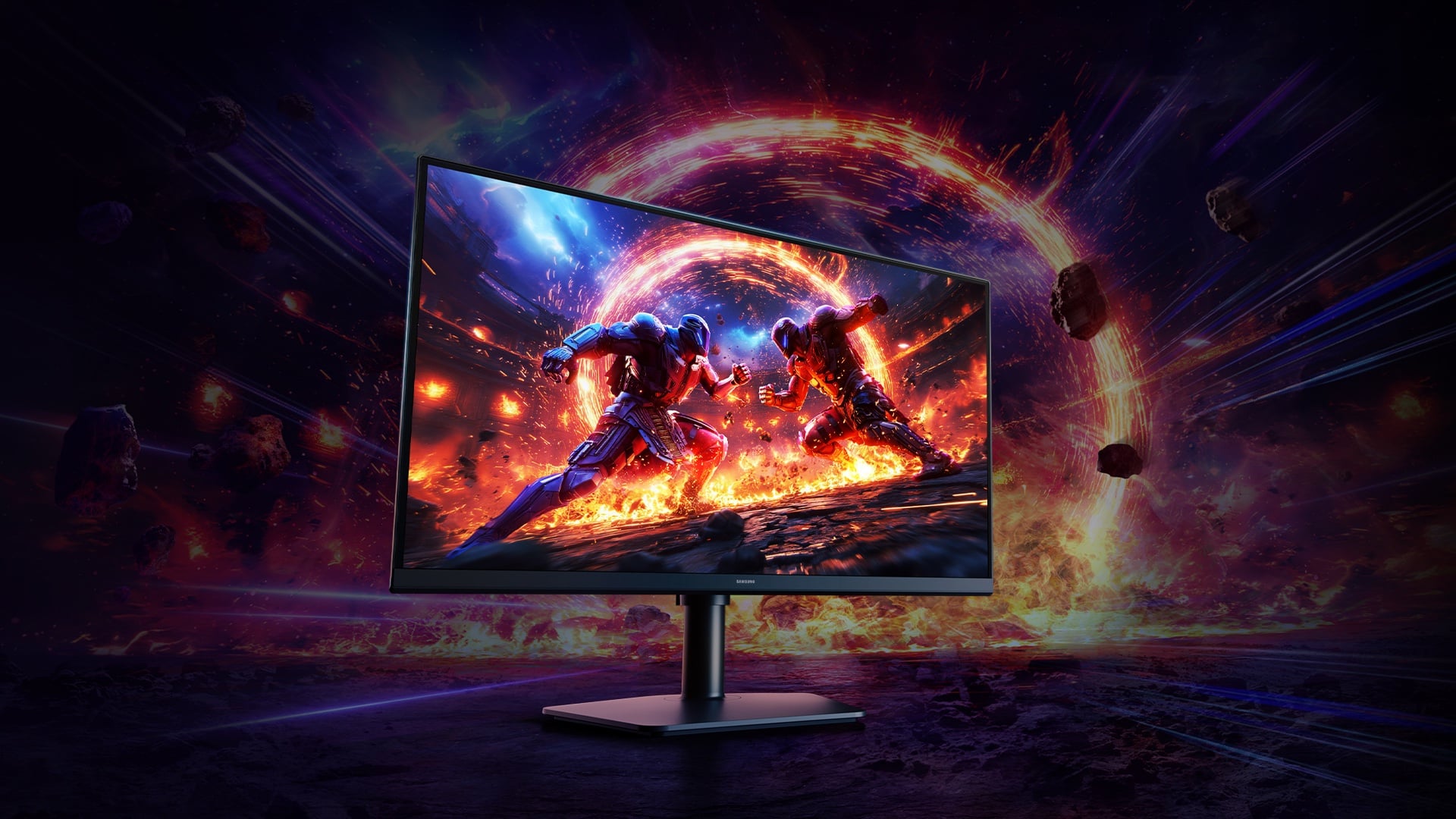
Samsung unveiled the 27-inch Odyssey G6 capable of reaching a record 1,100Hz refresh rate. However, unlocking maximum speed requires dropping the native 1440p resolution down to blurry 720p HD, turning high-end specs into a pixelated compromise.
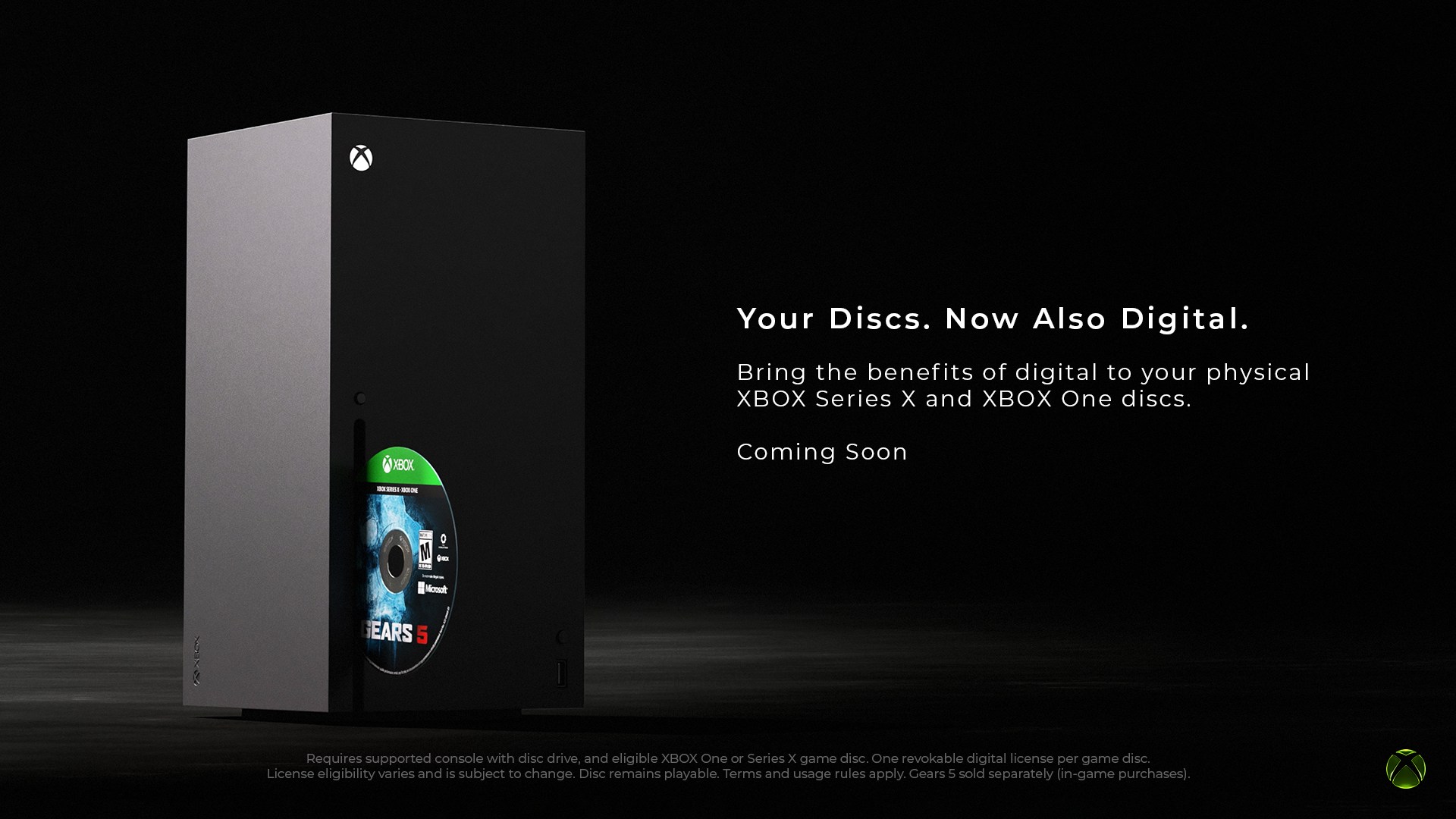
Microsoft is launching a disc-to-digital system that converts physical Xbox game discs into movable digital licenses across PC and cloud. The feature protects legacy game libraries on drive-less consoles, but it ultimately shifts players from permanent physical ownership to server-managed accounts.
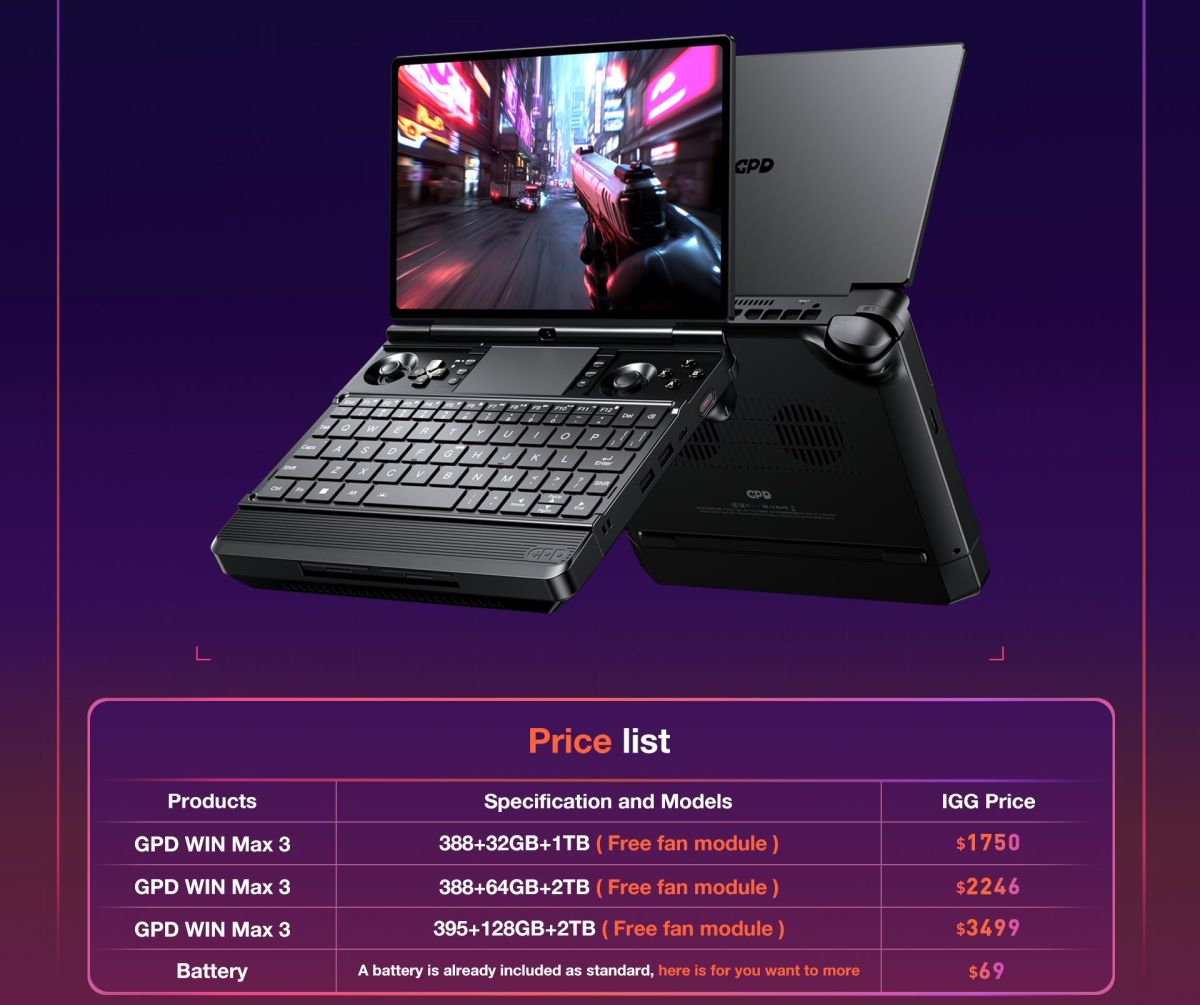
GPD revealed pricing for its Win Max 3 hybrid ahead of a September 2 crowdfunding debut, asking between $1,750 and $3,499. The device packs heavy AMD silicon and a 97 Wh removable battery into a 9-inch clamshell, but awkward trackpad placement and soldered RAM make it a tough sell over buying a separate laptop and handheld.

Microsoft opened preorders for a limited 25th Anniversary Xbox Series X wrapped in nostalgic translucent green plastic. Under the etched shell sits standard 1TB hardware with no performance upgrades, creating a steep $400 premium aimed strictly at collectors.
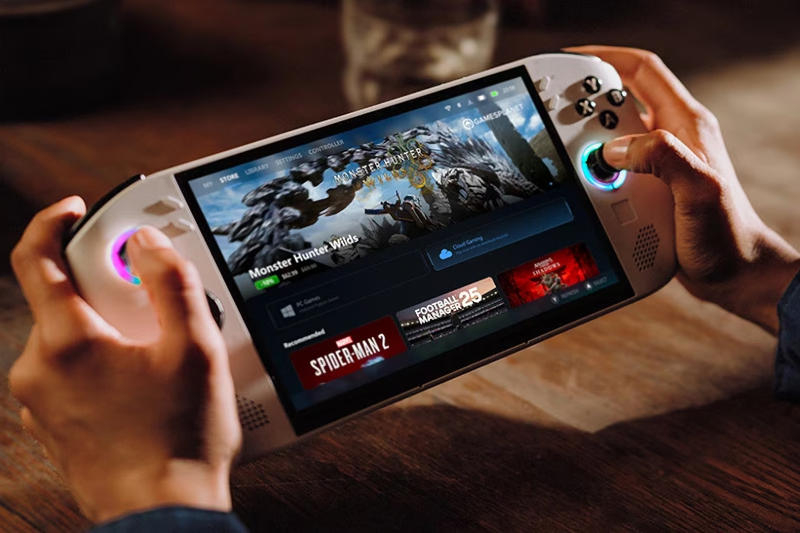
Lenovo released a system firmware update that completely disables Legion Go handheld consoles during standard installation. Without a software recovery tool available, affected owners must turn to hardware repairs. Users should immediately disable automatic updates in Legion Space to avoid bricking their devices.
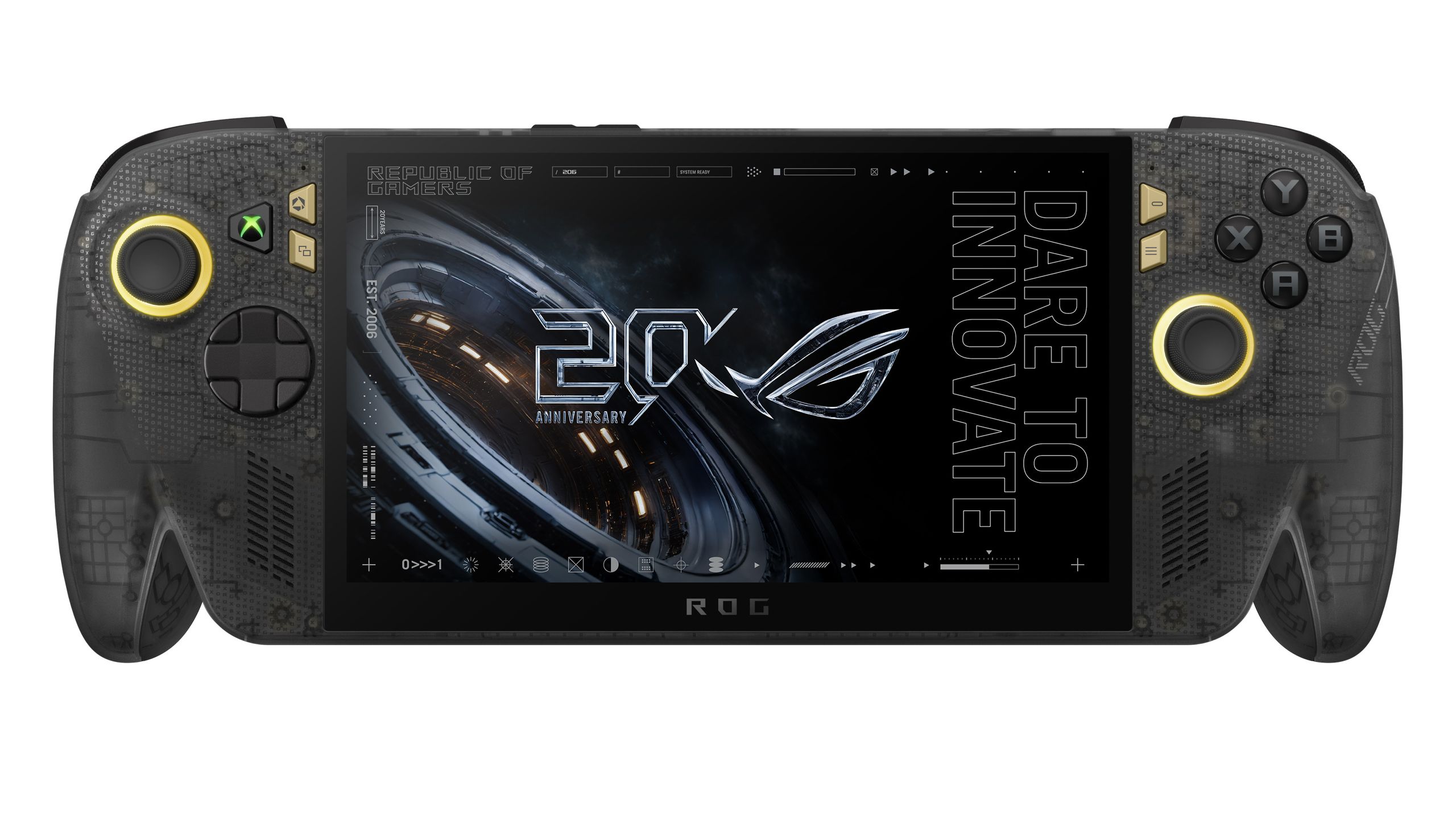
ASUS updated its flagship gaming handheld with a vivid 7.4-inch OLED panel and reworked thermals to keep palms cool during long sessions. However, the $1,299.99 starting price asks mainstream gamers to pay premium laptop money for what is fundamentally a screen upgrade.

Meta Superintelligence Labs has launched Muse Glimmer, an open-source 30-billion-parameter model built to run entirely offline on consumer PCs. The system trades recurring cloud subscriptions for high VRAM requirements, offering complete privacy for sensitive workloads.

A new Skyrim framework executes voice-driven NPC actions directly on local consumer PC hardware instead of routing through remote cloud APIs. The system cuts latency, eliminates recurring subscription fees, and allows game companions to perform complex tasks in real time.
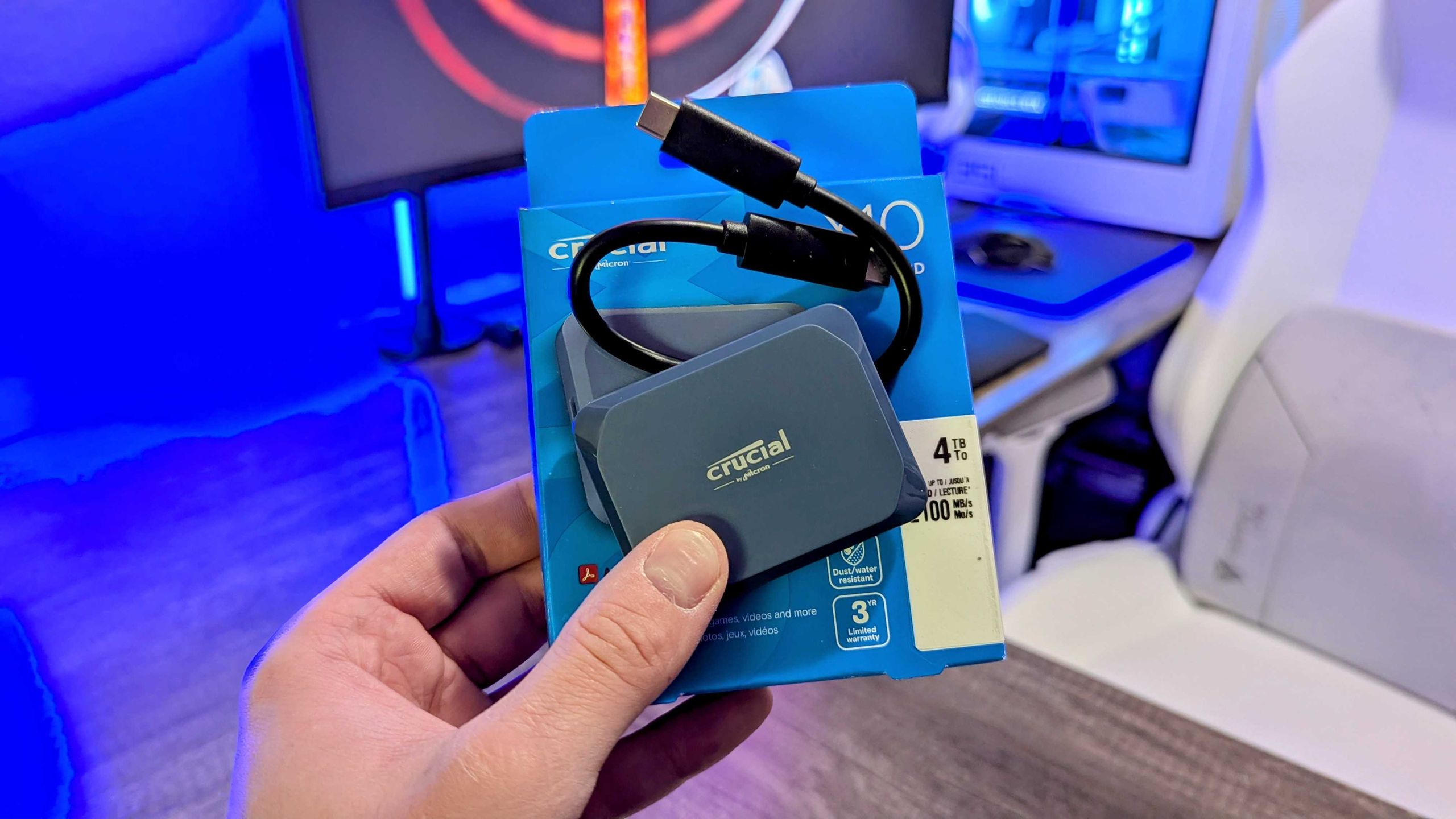
Tech giants like Micron, Crucial, and SK hynix are quietly ending direct hardware replacements for defective SSDs and RAM sticks. Buyers are receiving original purchase-price refunds instead of working parts, forcing them to pay double or triple on retail shelves to replace failed components.
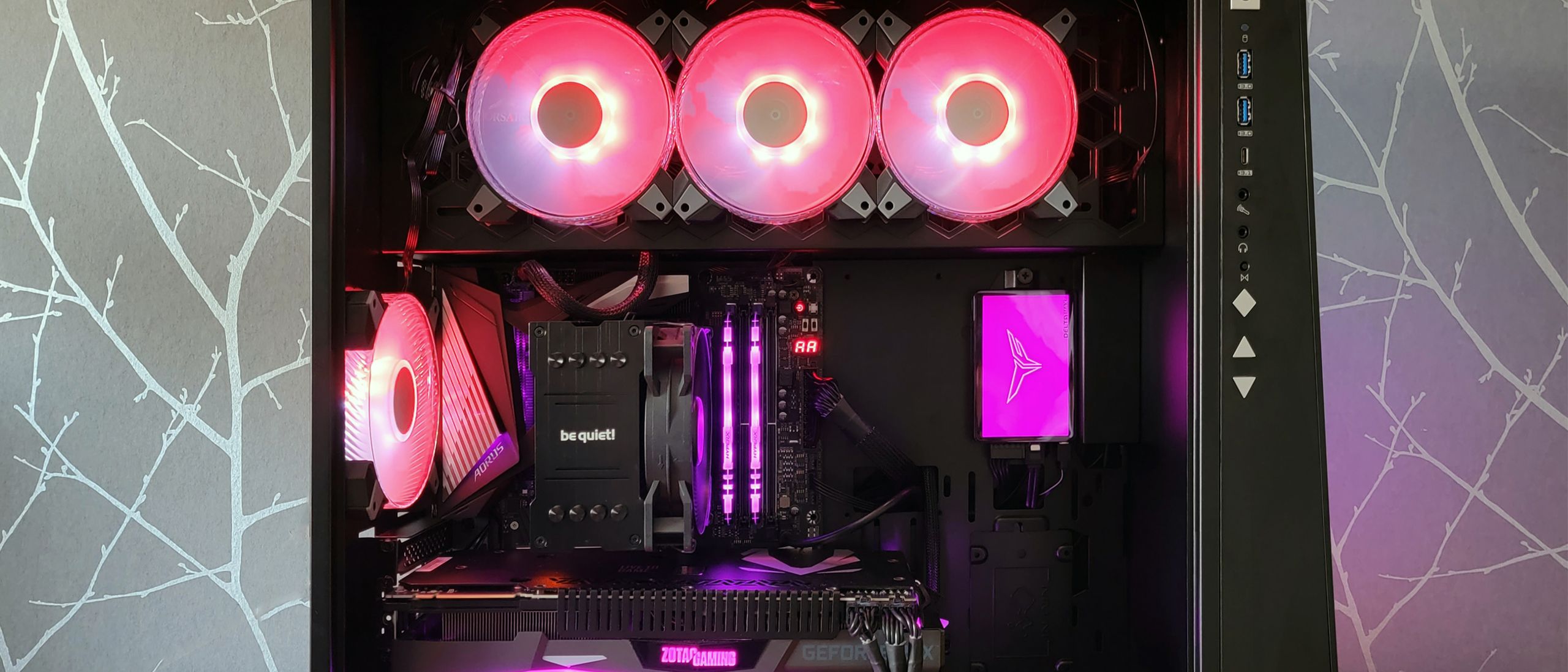
Microsoft confirmed that update KB5121003 triggers blue-screen crashes in games like The Finals due to third-party RGB accessory software running vulnerable kernel drivers. Game anti-cheat systems block these low-level utilities, causing fatal memory violations. Switching to built-in Windows Dynamic Lighting resolves the issue without sacrificing basic controls.
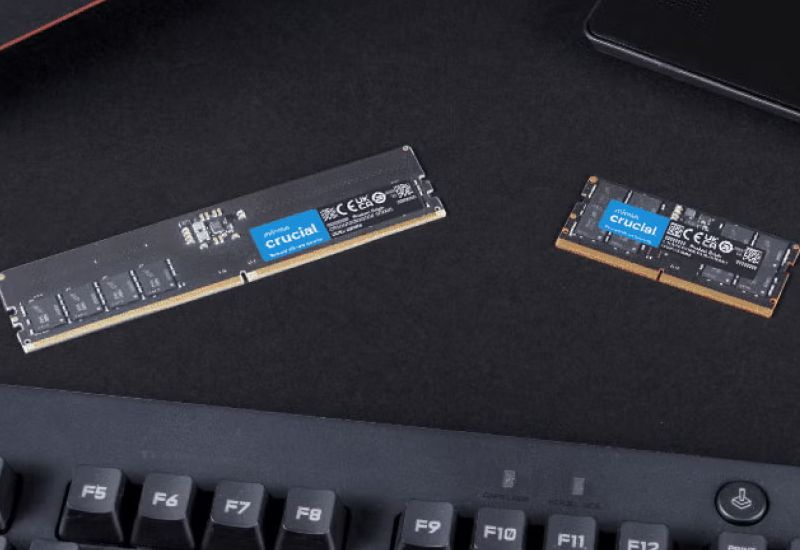
Automated scalping bots are sweeping online retailers clean of DDR5 memory modules, driving up prices across both individual components and pre-built laptops. The supply squeeze leaves everyday consumers facing inflated hardware costs, though systems running on DDR4 still deliver ample performance for most daily tasks.
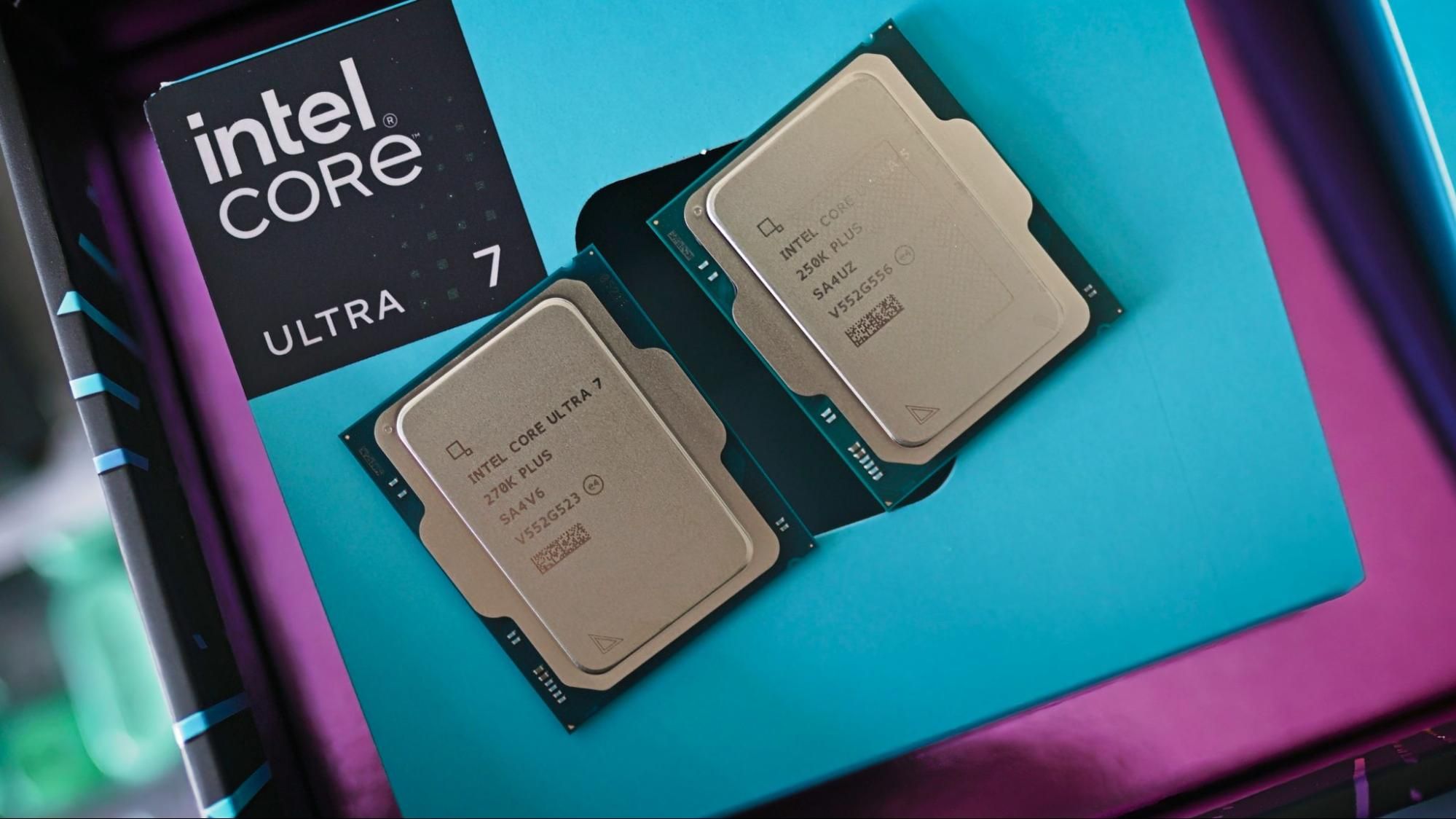
Intel returned to Amazon's top-ten processor sales chart after months of total AMD control. Aggressive price cuts on the $290 Core Ultra 7 270K Plus and cheap DDR4 motherboard compatibility for the $312 Core i7-14700K are winning over cost-conscious PC builders who need real-world productivity over pure gaming benchmarks.

The $250 Analogue 3D uses custom FPGA silicon to deliver lag-free 4K video directly from original N64 cartridges. It eliminates hardware blur and recreates CRT phosphor grids without altering original low-poly assets or texture resolutions.

Nintendo leveraged GitHub's automated fork-deletion rules to wipe out 401 Switch emulation repositories in a single DMCA sweep. The mass purge targets projects like Yuzu, Suyu, and the dormant Skyline to lock down software security ahead of the Switch 2 launch.
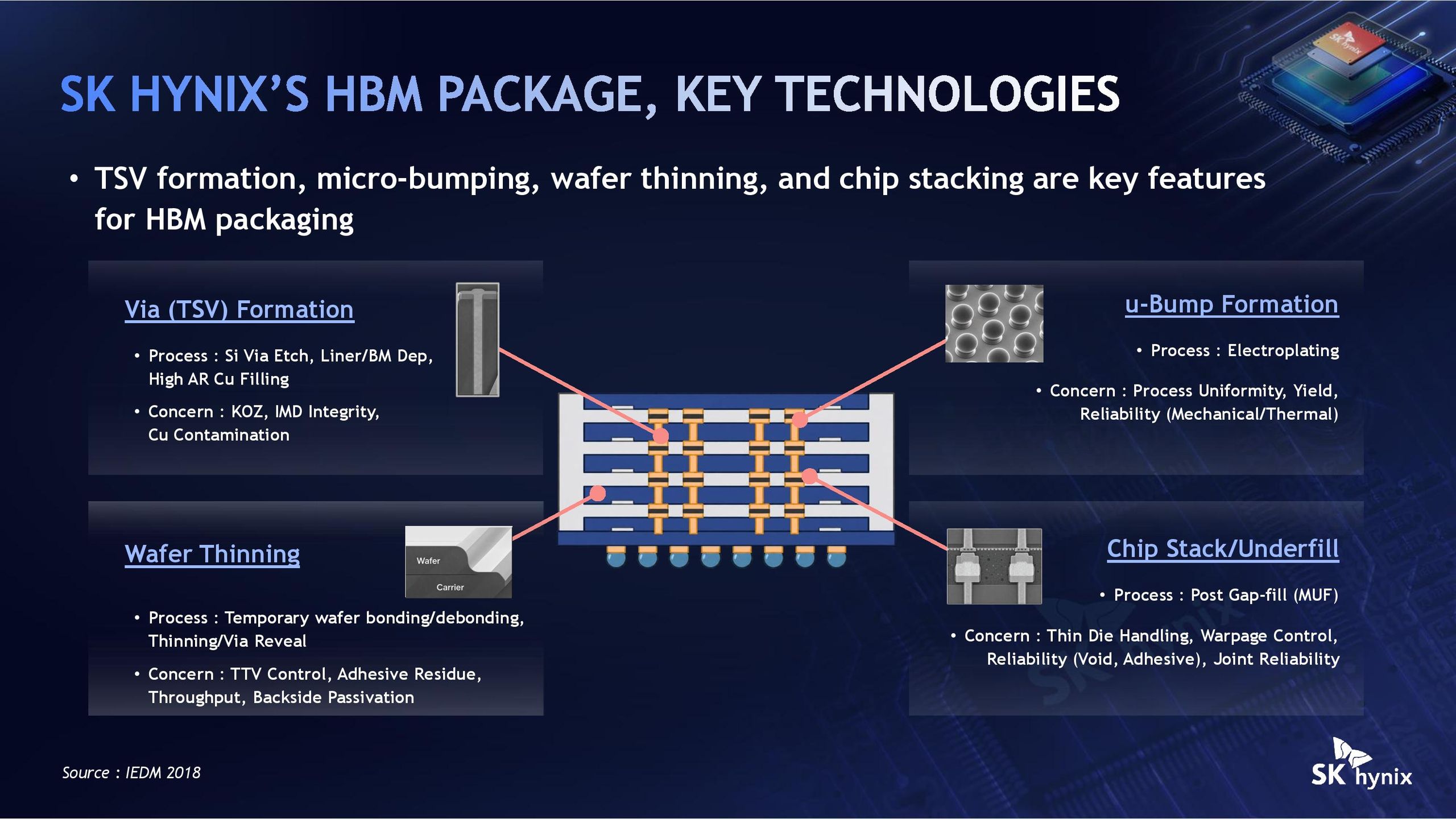
SK hynix has delayed its transition to next-gen hybrid bonding due to tight packaging tolerances for AI server memory. Because chipmakers are tying up valuable fab capacity on complex HBM stacks, retail DDR5 RAM prices will remain elevated through at least 2026.
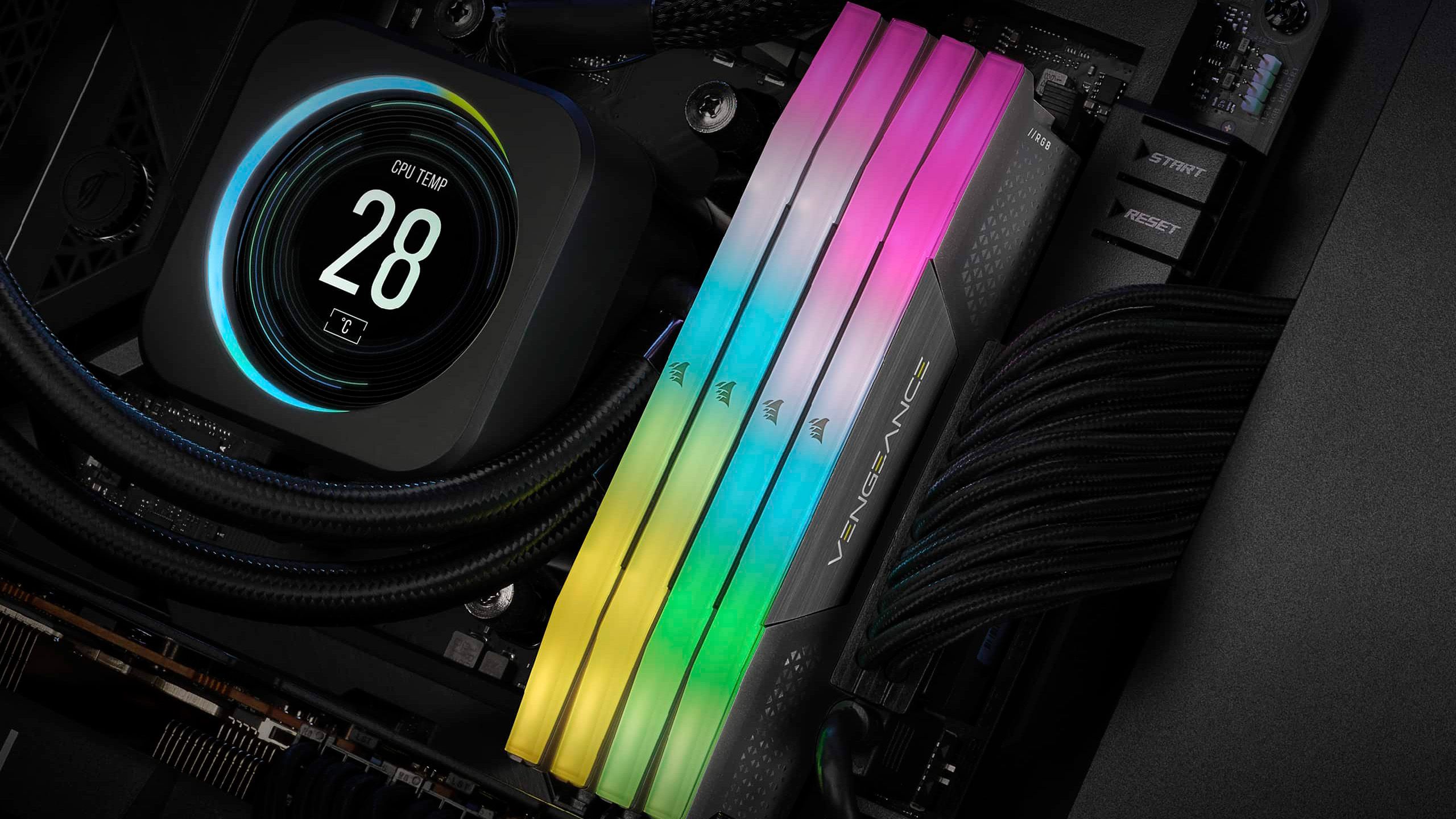
Enterprise AI infrastructure is swallowing global silicon capacity, pushing 32GB DDR5-6000 memory kits past the $400 mark. The 400% price spike destroys the economics of budget DIY builds, leaving pre-builts and bundled hardware as the only viable escape routes.