
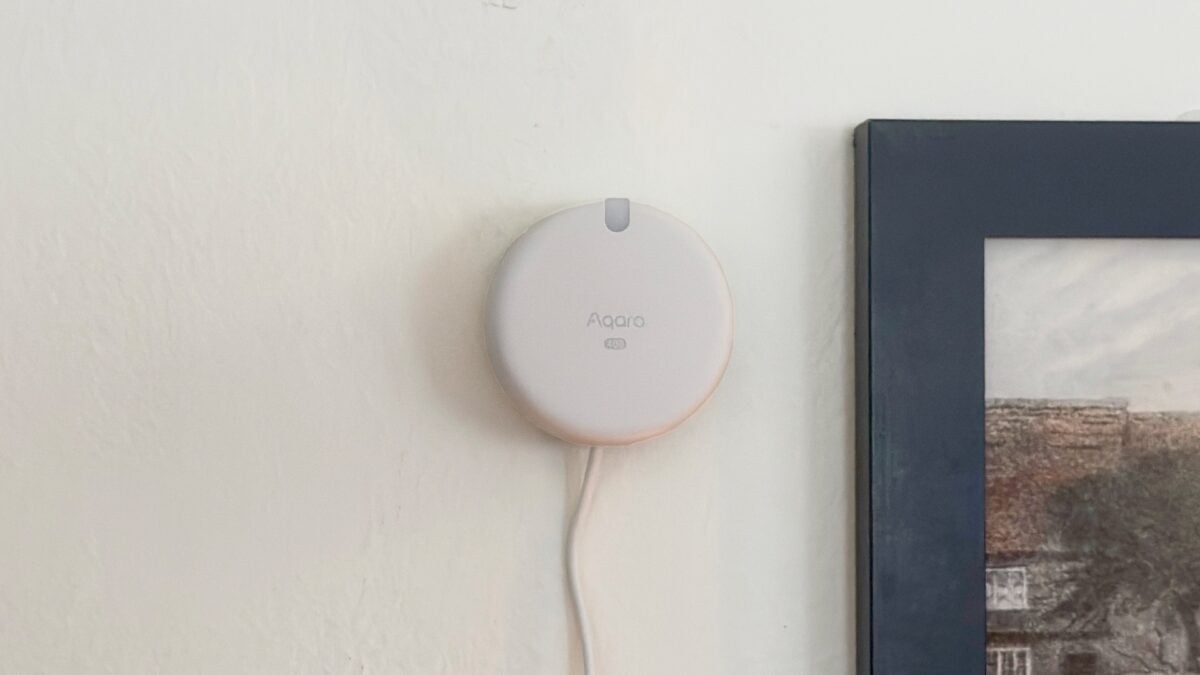
 hat on earth is this thing doing in your living room?
A smart home is supposed to cure those rage-inducing automation bugs where the lights switch off while you are sitting motionless with a book.
The fresh Aqara Spatial Multi-Sensor FP400 tries to fix this for $80. Unlike primitive motion sensors that only react to body heat through an infrared sensor (a standard peephole that reacts to infrared radiation), this gadget scans the room with high-frequency radio waves to figure out precisely if anyone is actually there.
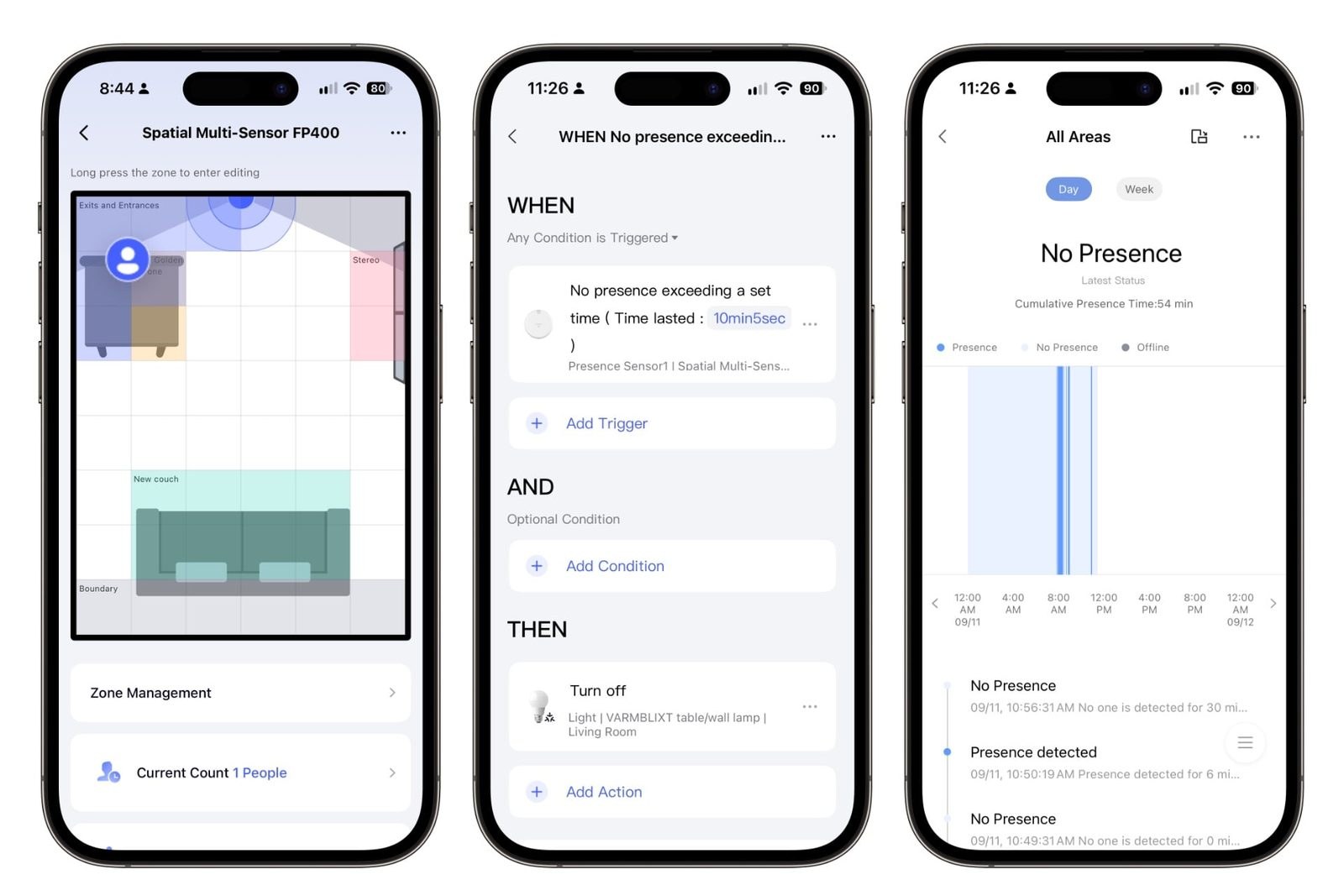
In tests run by Wes Davis, the device proved capable of tracking up to 10 people simultaneously across different zones of a room. Once you configure it, the sensor operates without internet — all automation magic happens right inside your house.
"You will never need an internet connection for daily operation again." Local command processing makes response times instant, which is critical when the lights need to snap on right away instead of waiting for distant cloud servers to wake up.
No battery and gutted features
The device comes with compromises you will notice the exact second you rip open the box.
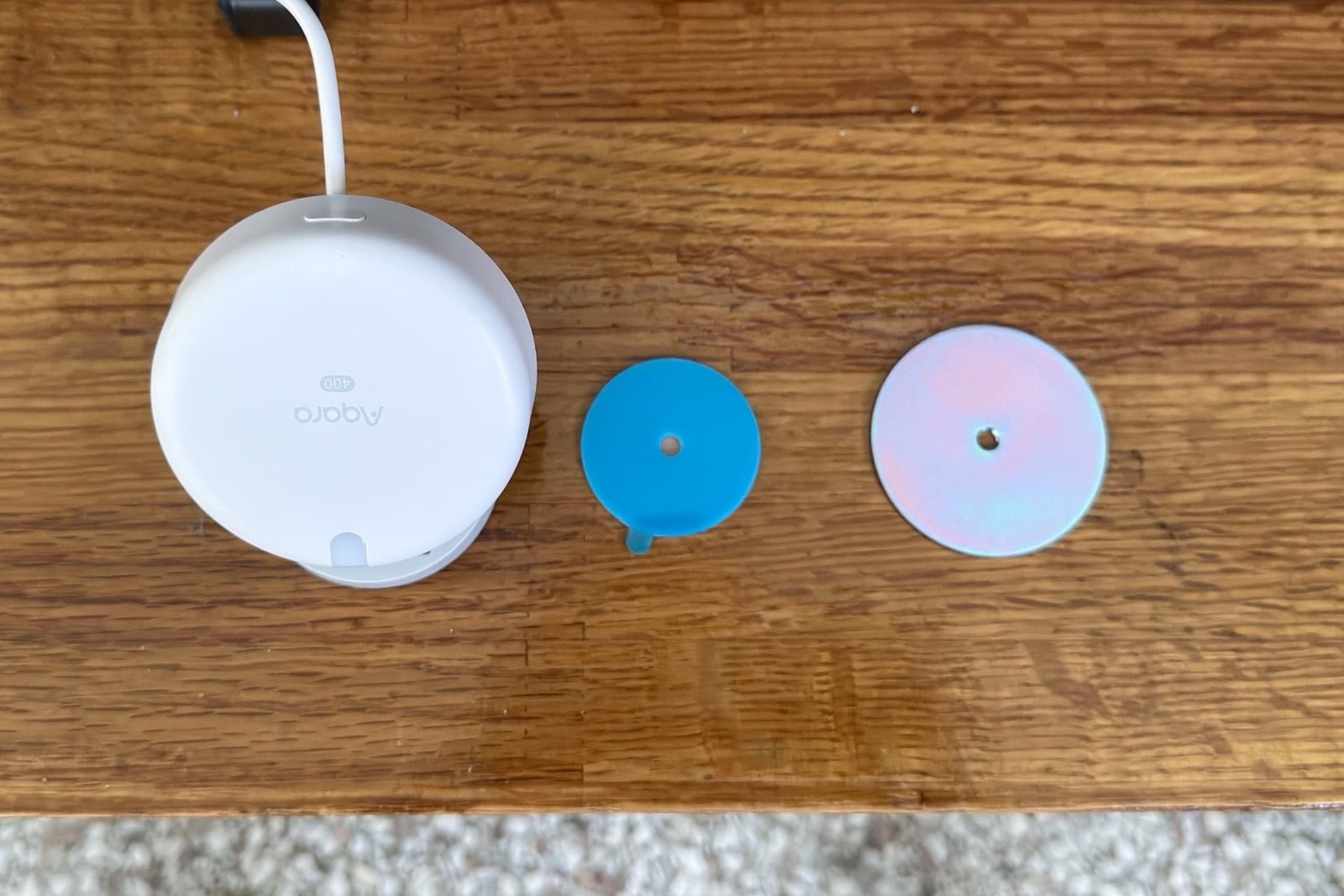
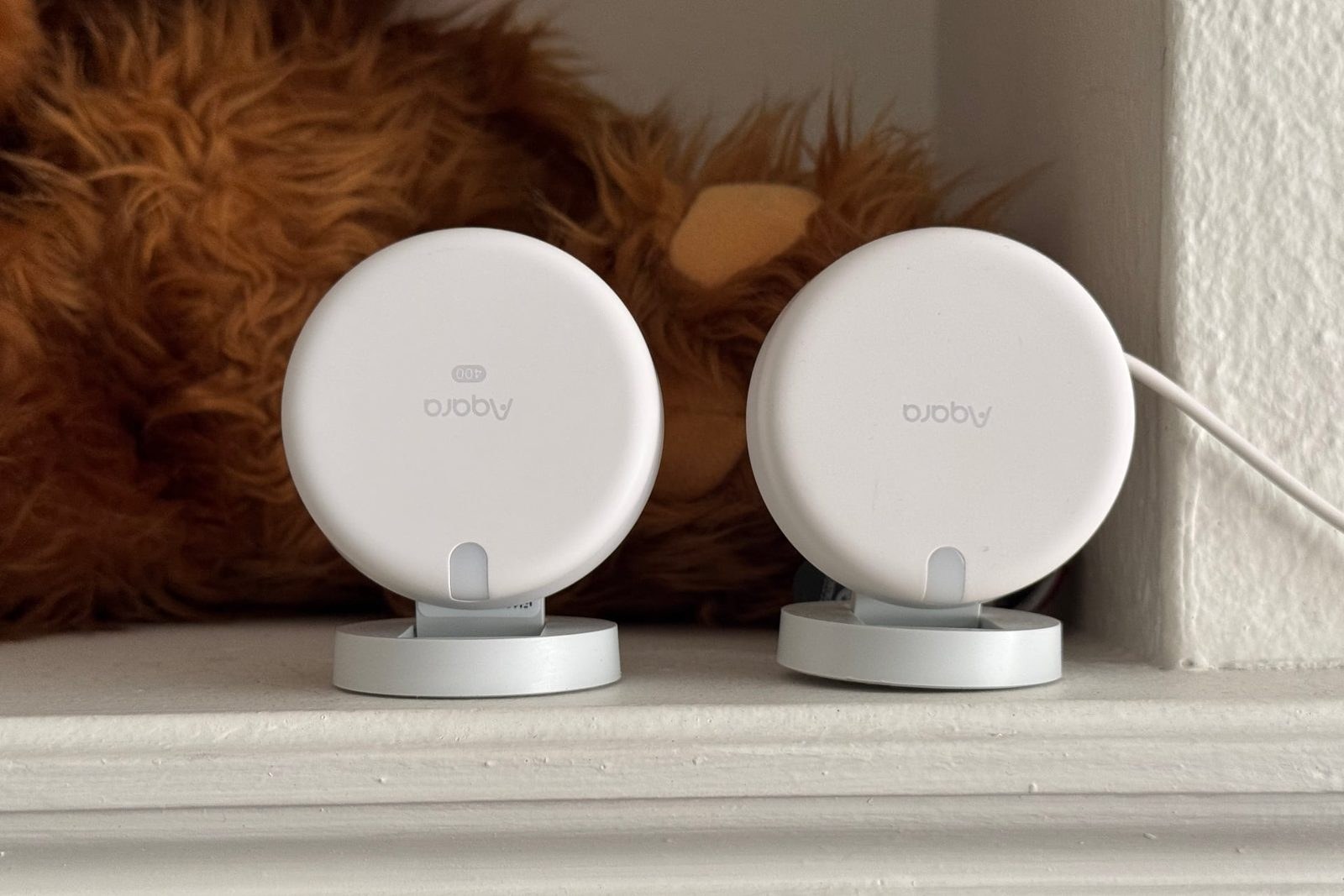
The FP400 has no built-in battery and runs exclusively on wired power via a USB-C cable (the universal plug used for charging and data transfer). That means hanging it in a narrow hallway or neatly screwing it to the ceiling without a dangling cord reaching down to the outlet is simply not happening. Meanwhile, the battery-operated Aqara FP300 runs on swappable coin cell batteries (just like a watch), letting you stick it anywhere without trashing your walls with hanging wires.
Key takeaways
- Release date: Not announced
- Price: $80 in the US
- Manufacturer website: https://www.aqara.com
- Power type: Wired via USB-C
- Battery: None
- Wireless connectivity: Matter-compatible (support for the Matter smart home standard)
- Autonomous operation: Works without internet connection
- Simultaneous tracking: Up to 10 people