
#Smart Home
111 stories on this topic, newest first.

OKA's Mori brings a 12-inch wool-blend mushroom robot to your living room that deliberately avoids voice assistants and notifications. For $649, it offers local facial recognition, ambient lighting, and gentle physical movements instead of smart-home chores.
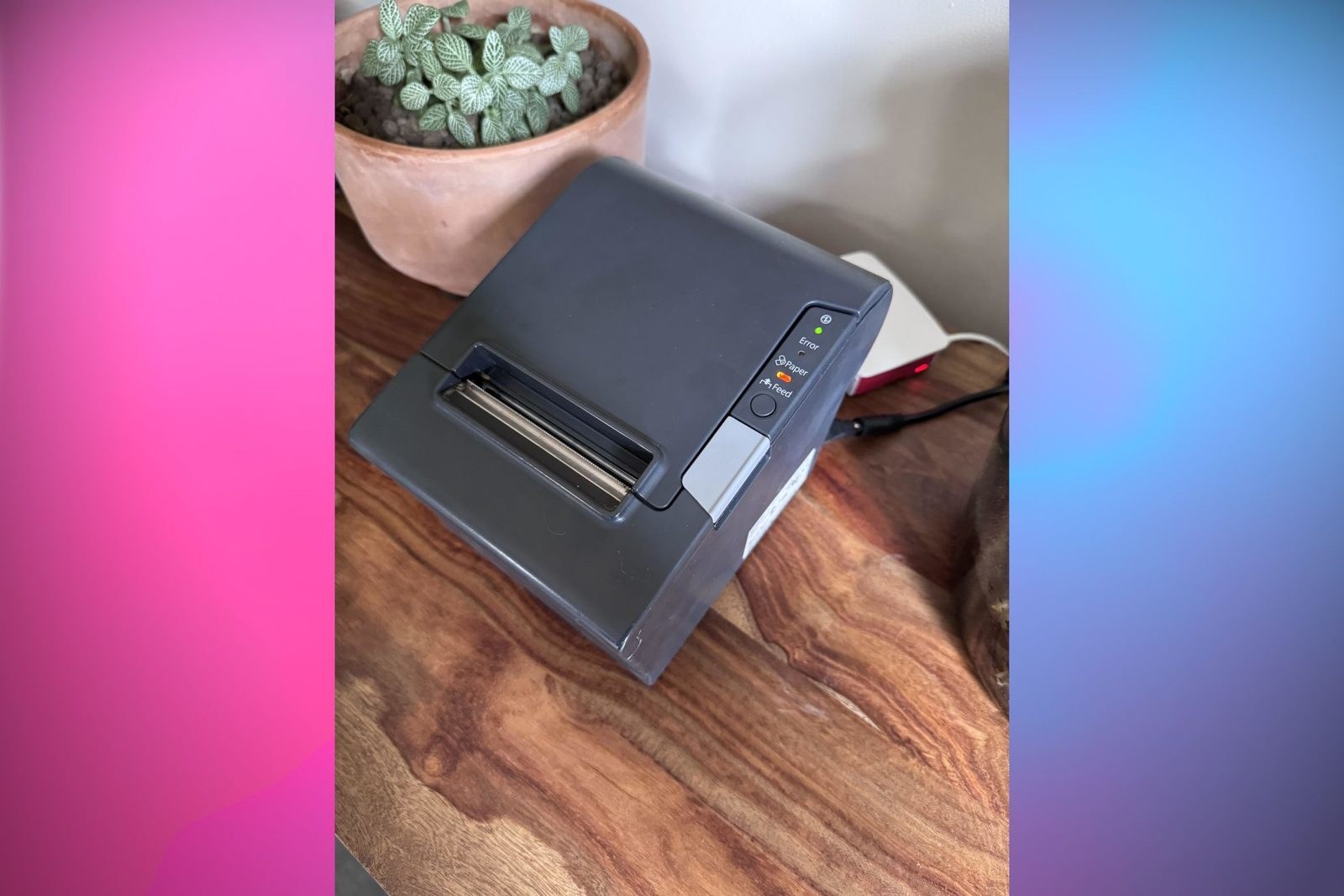
A Reddit hobbyist has turned a spare mini-computer and an old Epson receipt printer into a kitchen bulletin board that prints daily weather, chores, and puzzles.
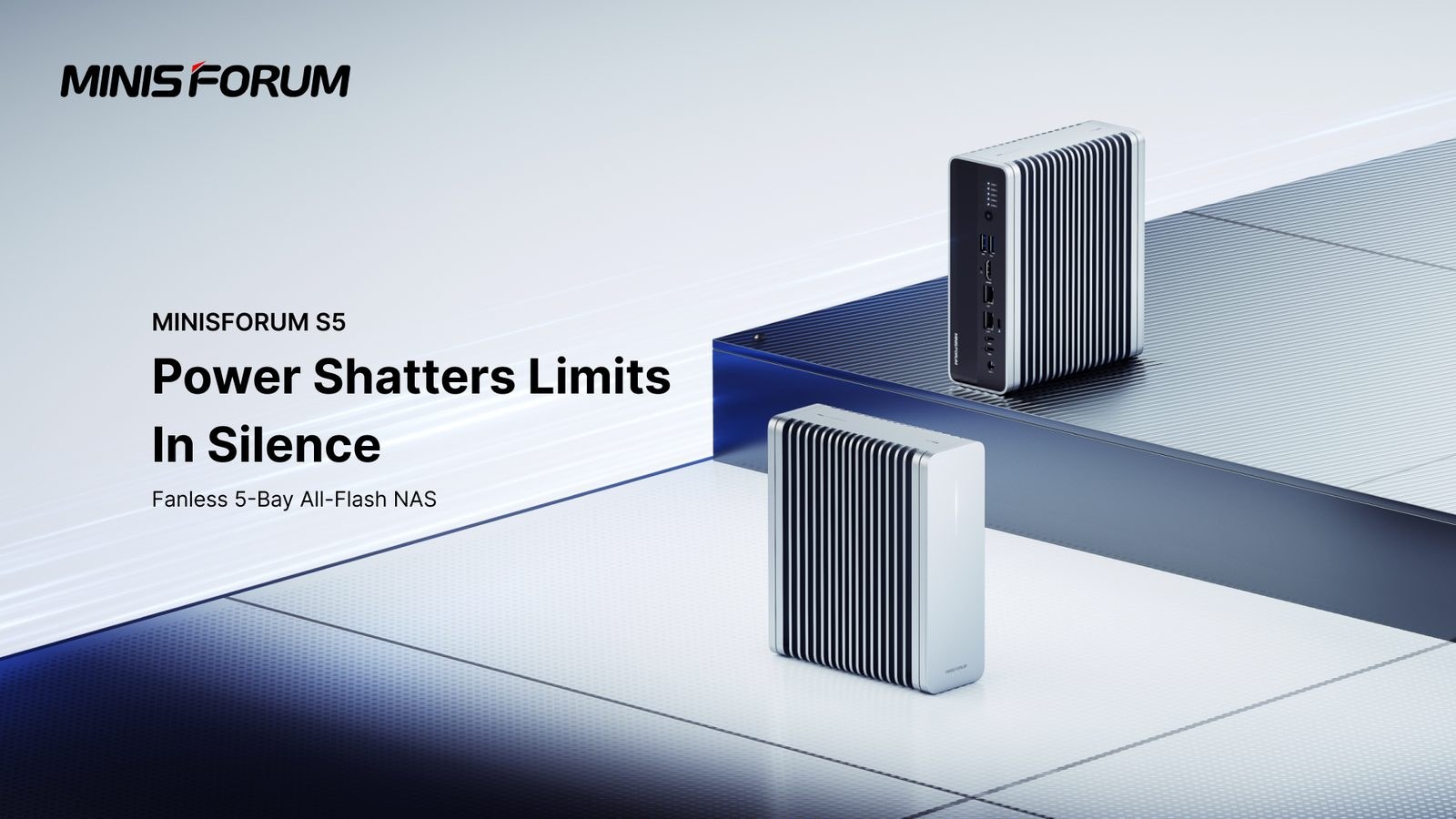
Minisforum's fanless S5 storage box trades noisy hard drives for up to 40TB of silent solid-state memory starting at $599. We break down whether buying the barebone chassis and adding your own drives actually beats the prebuilt pricing.
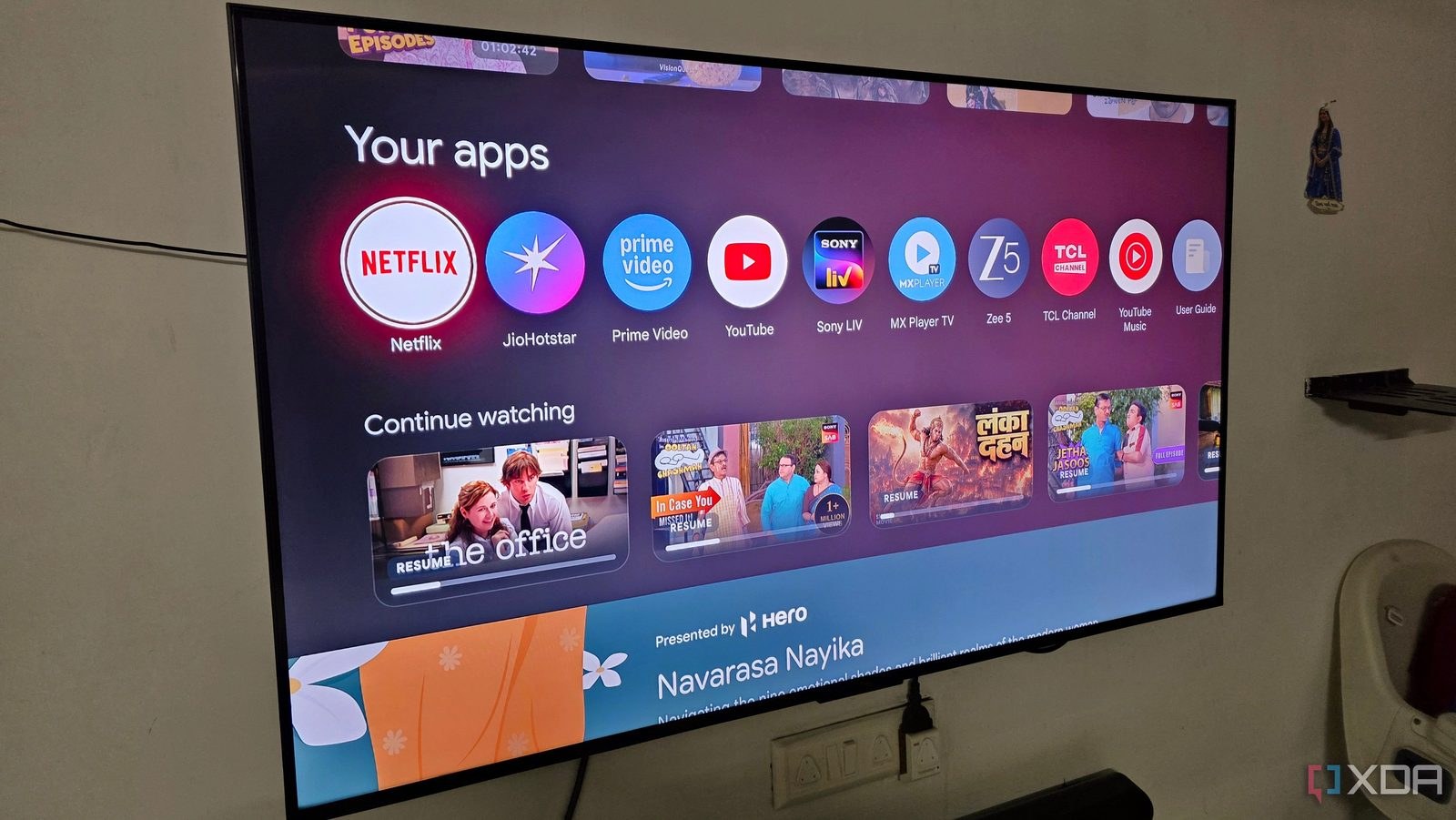
Fed-up owners are stripping sponsored tiles and tracking scripts from modern displays using free open-source utilities. These tools bypass interface bloat via Android debugging without requiring dangerous root access or permanent system changes.
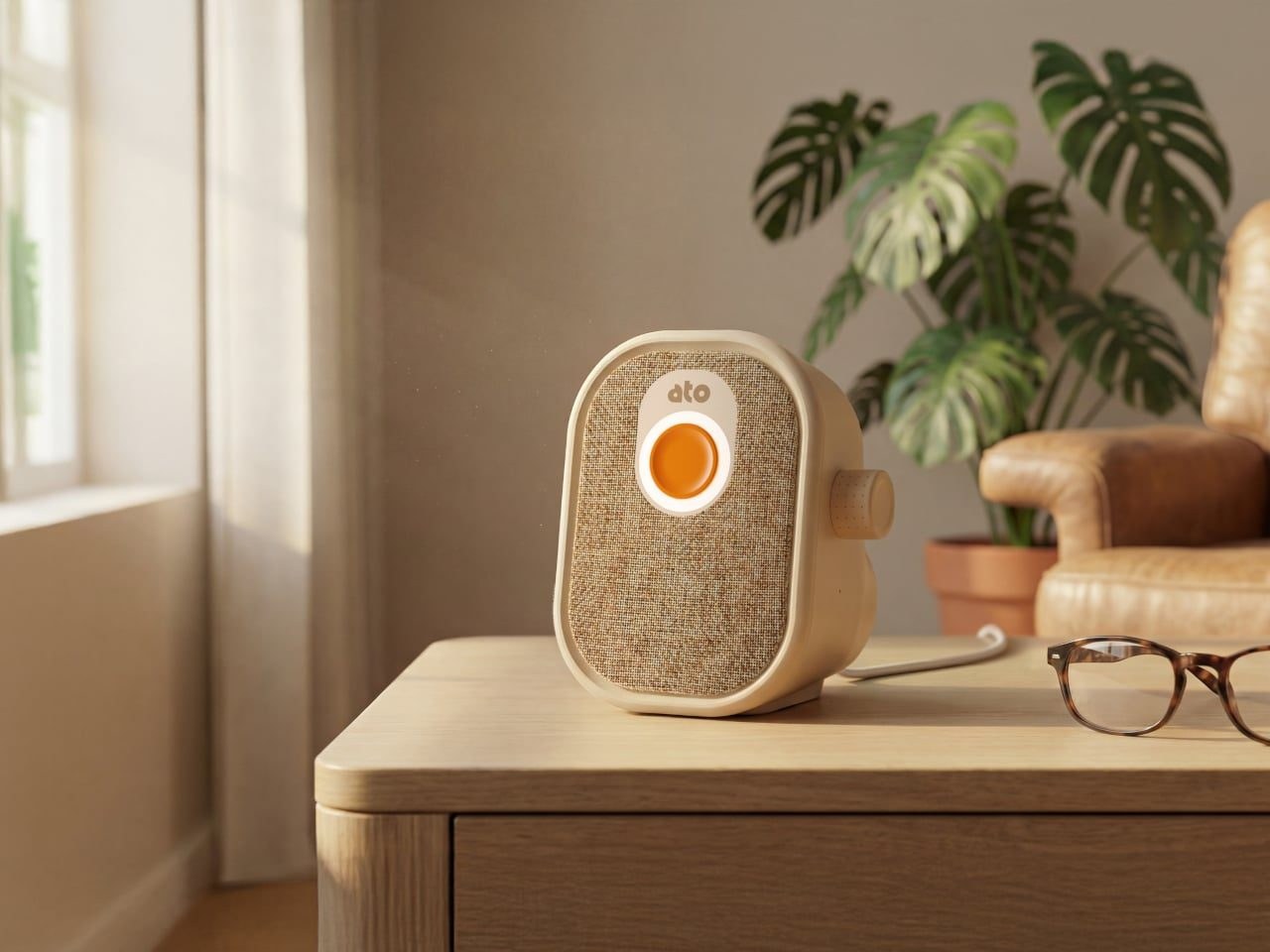
Boostep Ato solves the parent-tech dilemma by hiding an AI voice assistant inside a cream 5.5-inch retro radio housing. Relatives manage reminders via an app while older users press a chunky orange button to talk, though it still requires a wall outlet and

An independent modder got the rendering engine of Doom to run on a $5 Sonoff Basic R2 light switch. The stunt proves that cheap microcontrollers possess more raw computing muscle than overpriced smart home hubs demand.
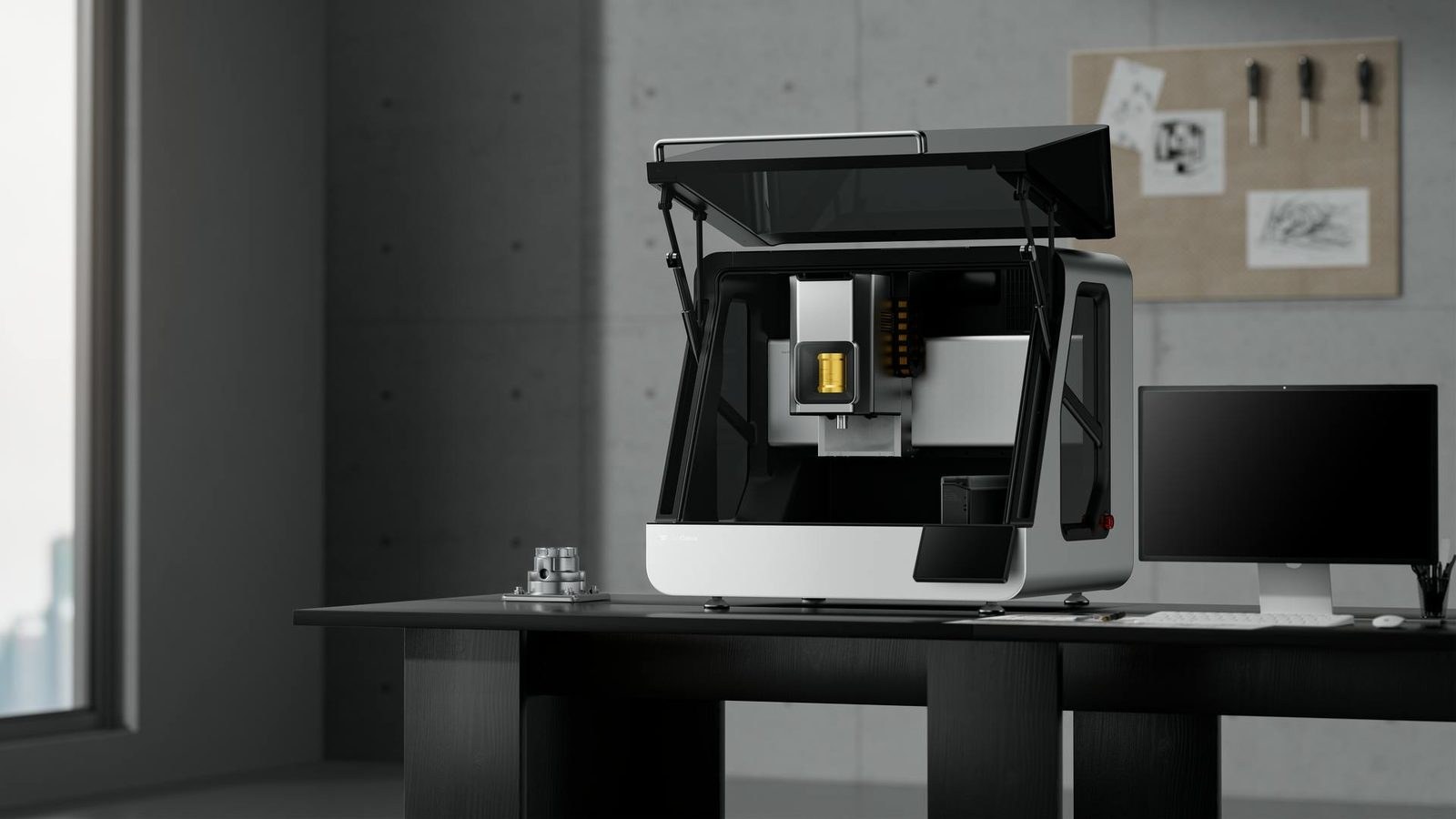
The Kickstarter-backed ToolDance X1 packs a 1.5 kW spindle and modular 5-axis cutting into a 110kg desktop frame. It promises industrial-grade precision for home workshops, but demands serious floor space and domestic compromise.

Apple is launching a 299-dollar smart home hub shaped like the classic iMac G4 with facial recognition for six people. Available in November, the device brings FaceTime and HomeKit controls to your kitchen wall but demands full ecosystem commitment.
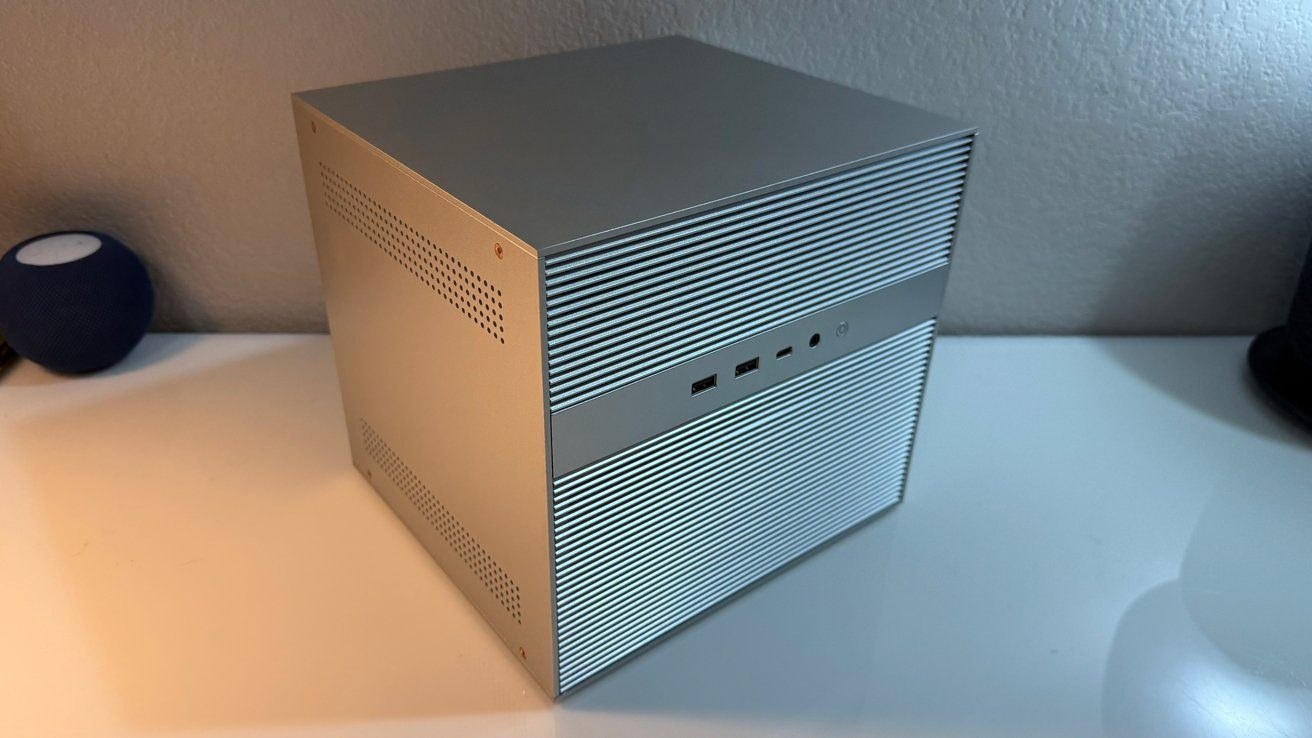
IceWhale's $799 six-bay NAS lets you ditch cloud subscriptions and install your own operating system, but its hyped Thunderbolt speeds require extra legwork.
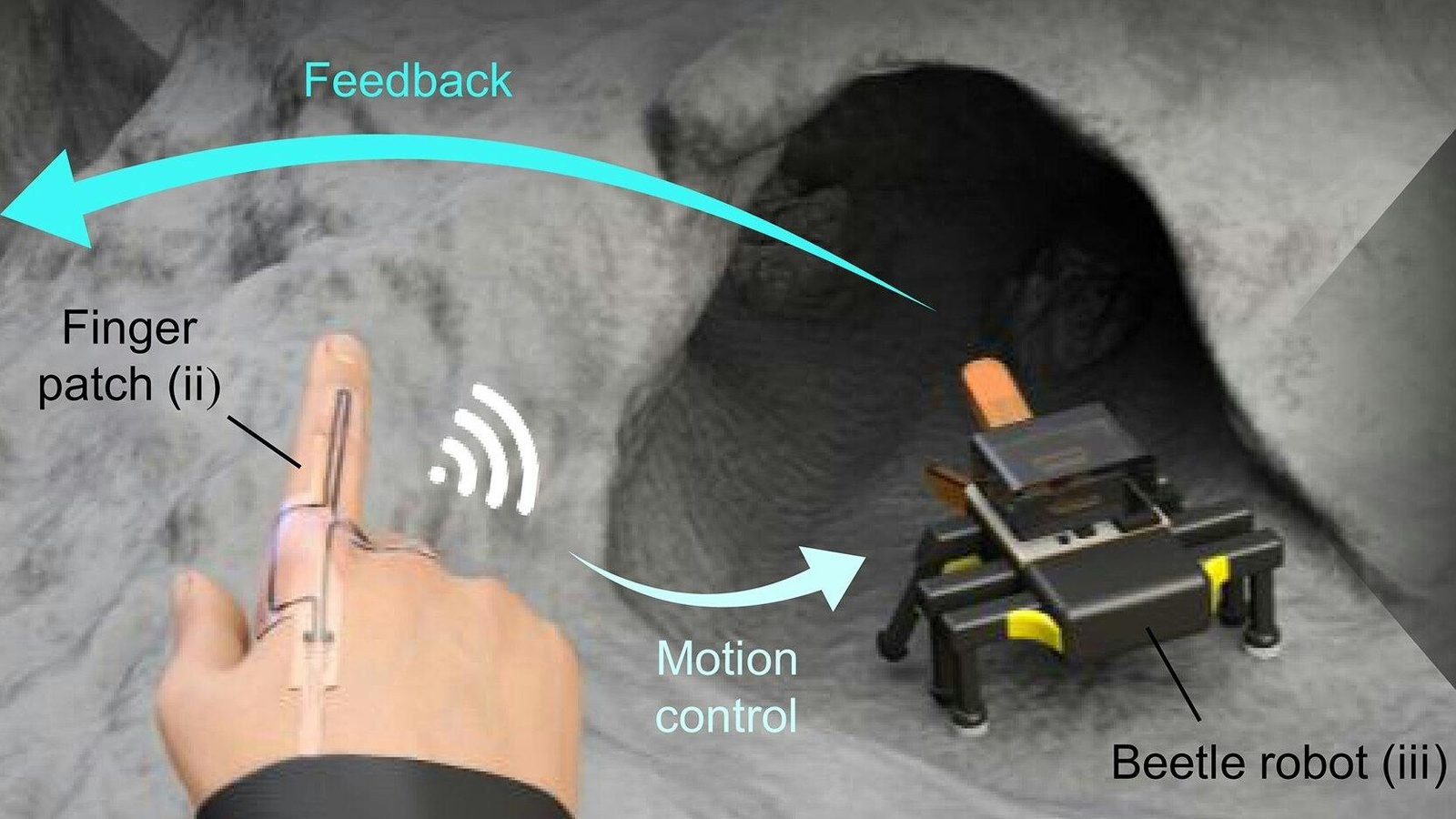
Researchers at KAIST developed a six-legged micro-robot driven by liquid crystal elastomer muscles that contract under a three-volt current. Despite grabbing objects and mimicking beetle jaws, the prototype suffers from sluggish cooling cycles and lacks practical consumer value.
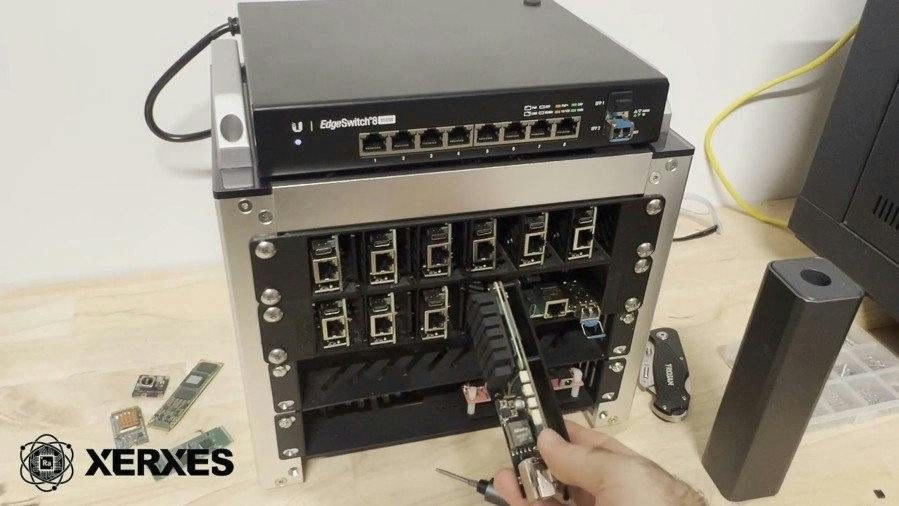
Engineer Rob Newport has launched a Kickstarter campaign for the Xerxes Home Lab, a modular blade-style setup that cleans up messy desk wires for self-hosting enthusiasts. The hardware supports Raspberry Pi and Nvidia Jetson modules, with DIY 3D-printable racks and bundles starting at AU$49.
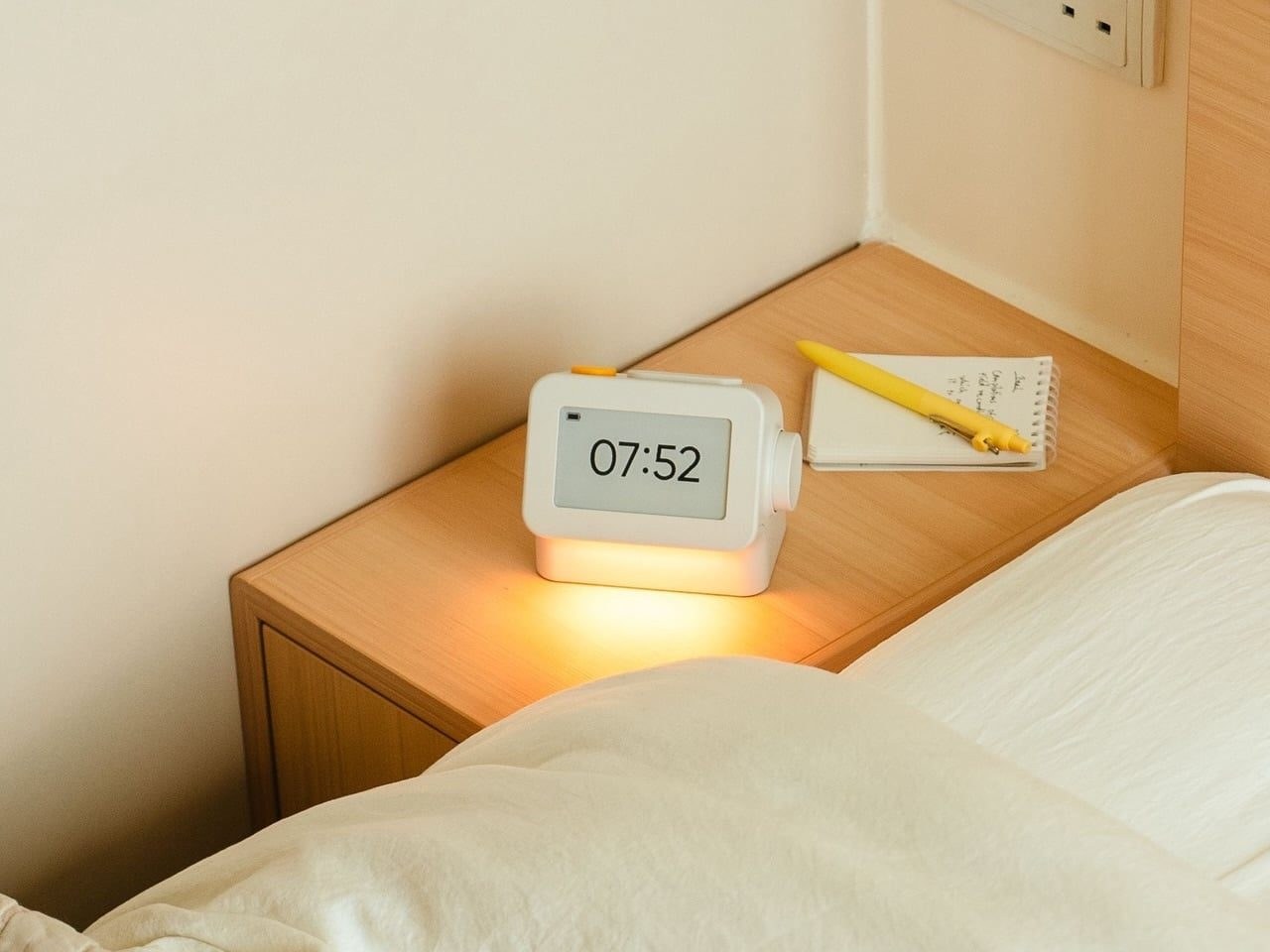
Designers Peter Arvad and Jesper Westendahl built a dedicated bedside clock to break the smartphone morning scroll habit. The 3.7-inch e-paper display uses ambient light, physical controls prevent half-asleep mistakes, and built-in sleep sounds require no apps or subscriptions.

Repurposing old tablets for smart home dashboards leads to bloated hardware, swollen batteries, and endless reboots. We test a dedicated 10.1-inch panel running on a lightweight chip to see if it fixes the problem.
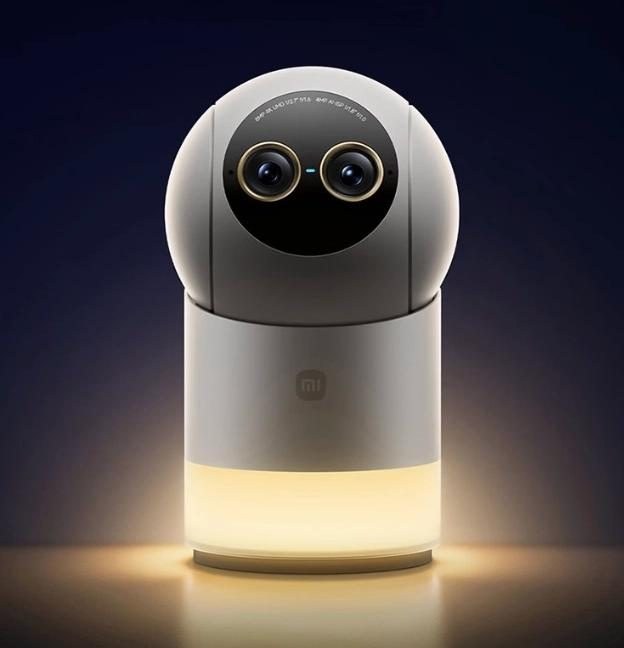
Xiaomi released the Smart Camera 5 Pro featuring dual 8MP and 4MP lenses, 4K recording, and local AI processing for around $75. The camera brings flagship-grade hardware to a budget price point, though it currently lacks an official international release.
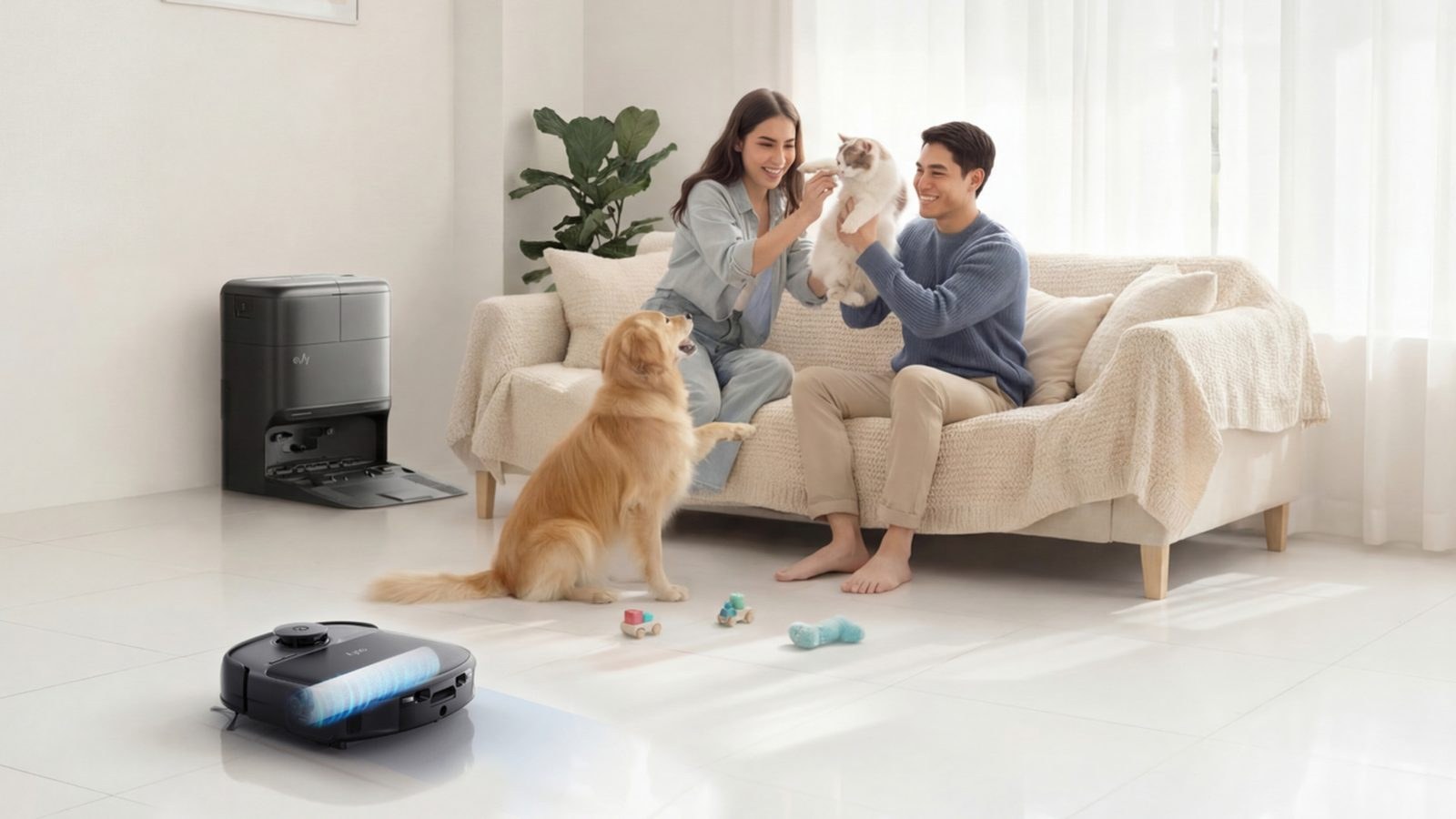
Anker EufyHome drops its active roller robot vacuum to $499.99 on Amazon, trading flat vibrating pads for a continuous water-flushing system. It targets sticky kitchen spills and heavy pet hair for buyers tired of manual pad scrubbing.
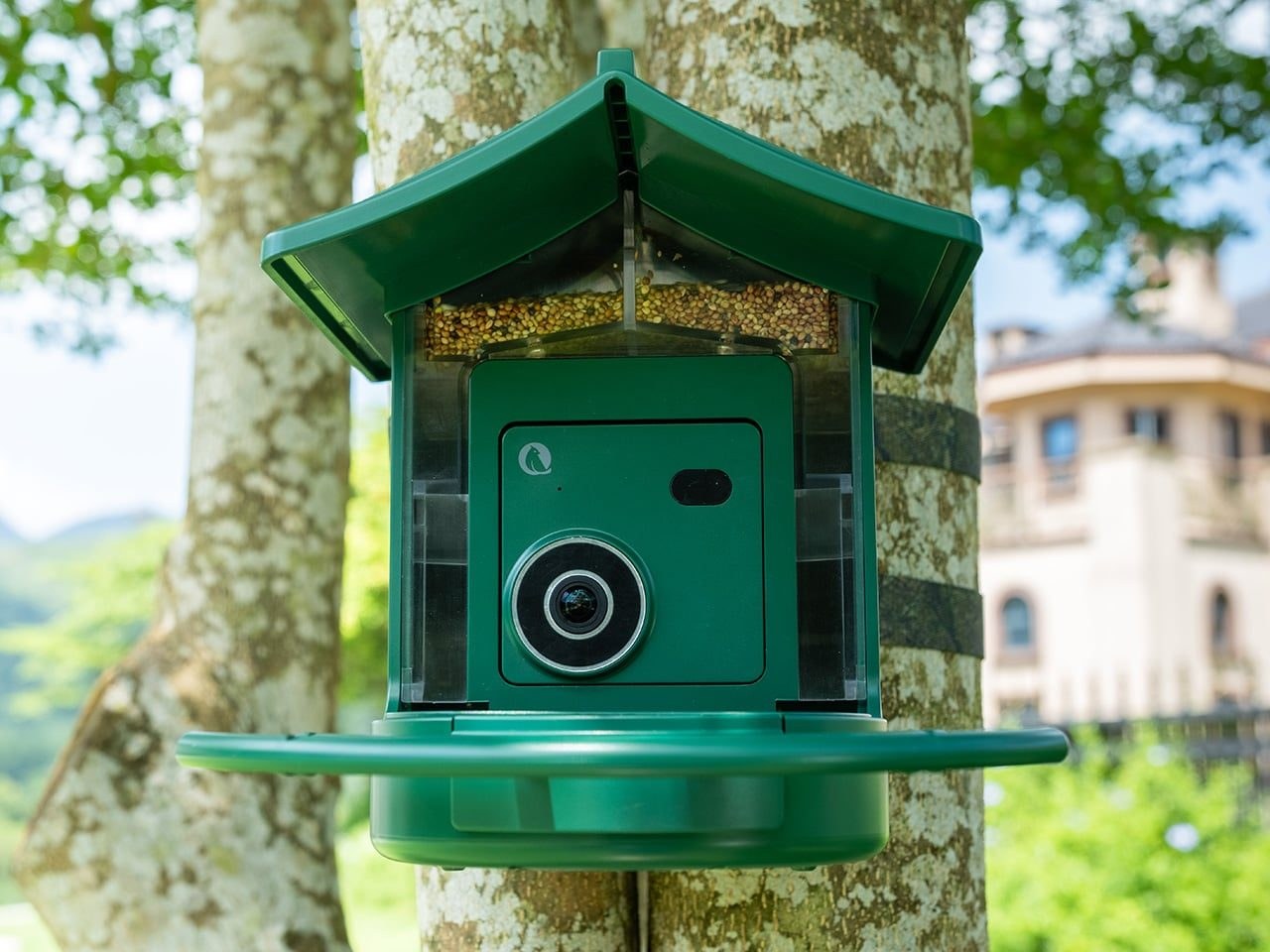
The BirdVue FEED 1 ditches home Wi-Fi limits by adding 4G LTE and an eSIM to a $179 smart bird feeder. It lets you track wildlife deep in your garden, though cellular data adds an ongoing cost.
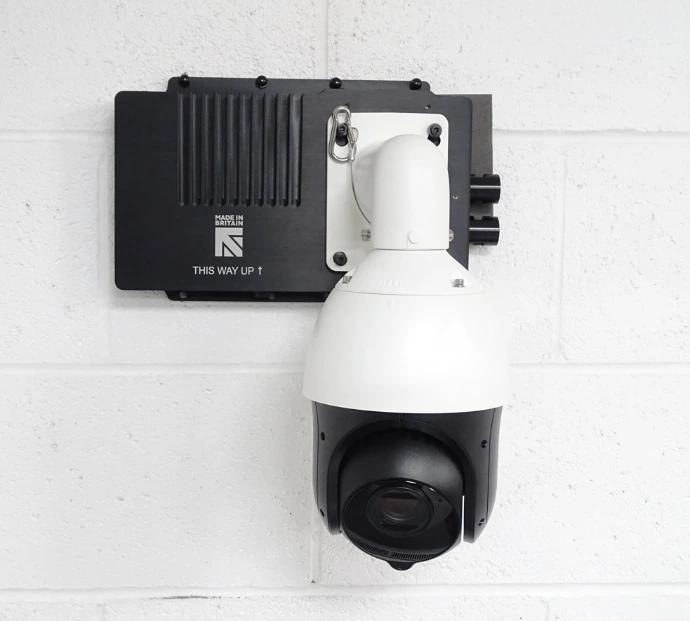
VisionGuard's new VG-15M6 surveillance unit runs on desktop-grade Intel silicon to process heavy video feeds locally. It eliminates cloud subscriptions for industrial sites, but brings overkill hardware to anyone else.
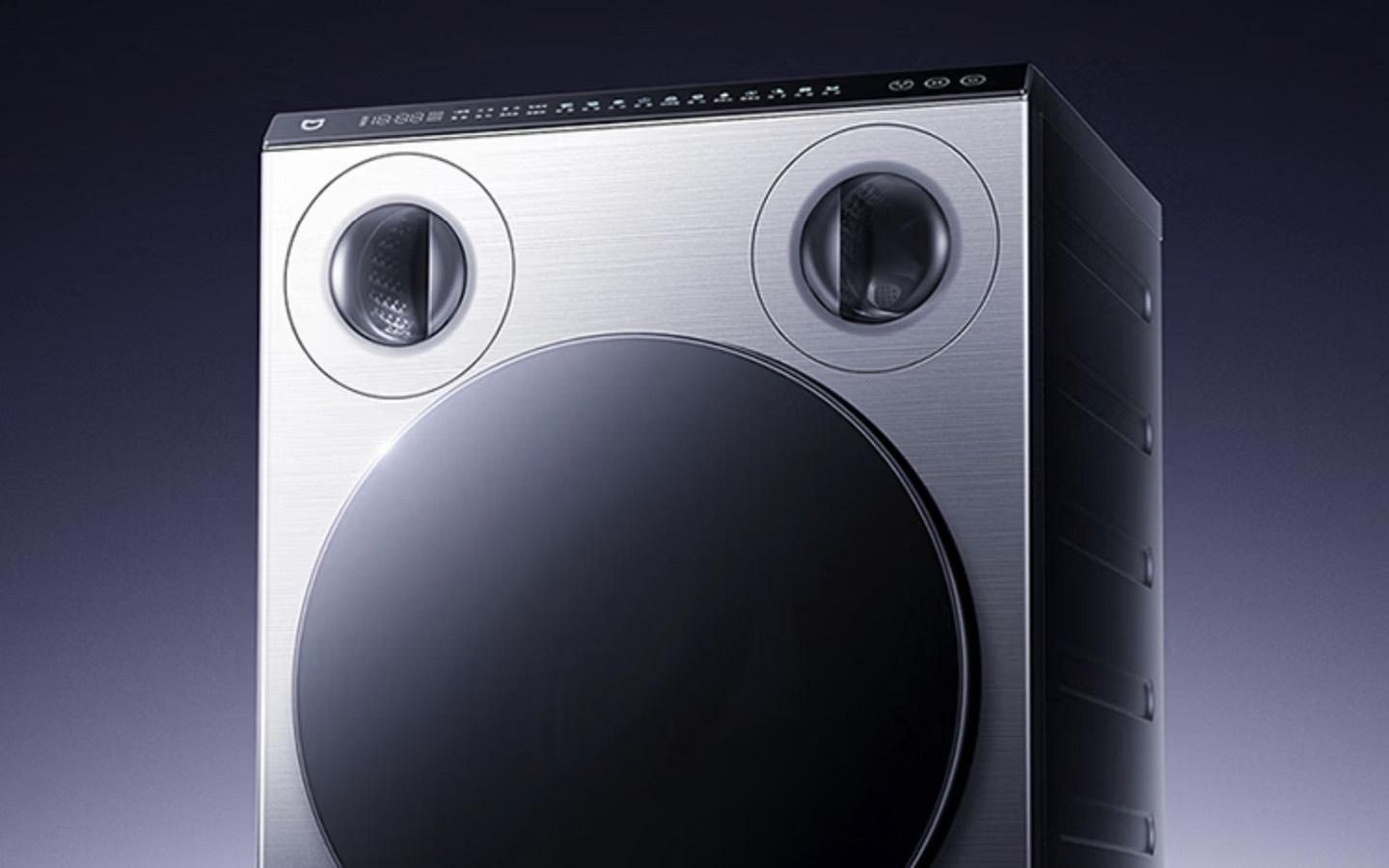
Xiaomi's new XQG110MJ101 packs three independent drums and water circuits into a standard-sized housing. It lets you wash socks and bedsheets at the same time, but tiny mini-compartment capacities make it an expensive novelty for most buyers.

Engineers built a walking robot that runs entirely on kinetic energy without a battery. However, real-world physics means your phone charger and daily gadgets are safe for the foreseeable future.
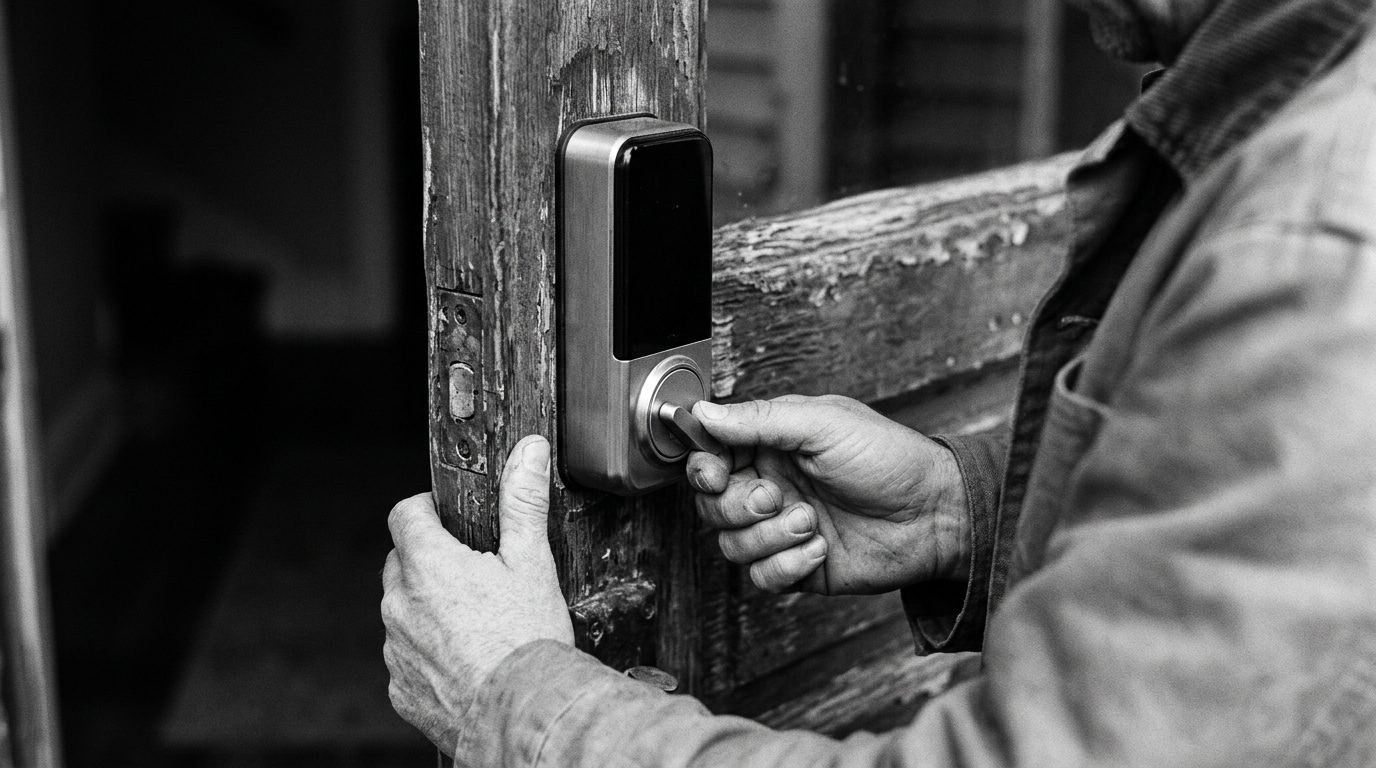
Amazon is tackling the ultimate smart home fear with the Ring Smart Lock, featuring a built-in manual hand-crank to revive dead batteries. Slated for a US release in early 2027, the device integrates directly with Alexa and Amazon Sidewalk.
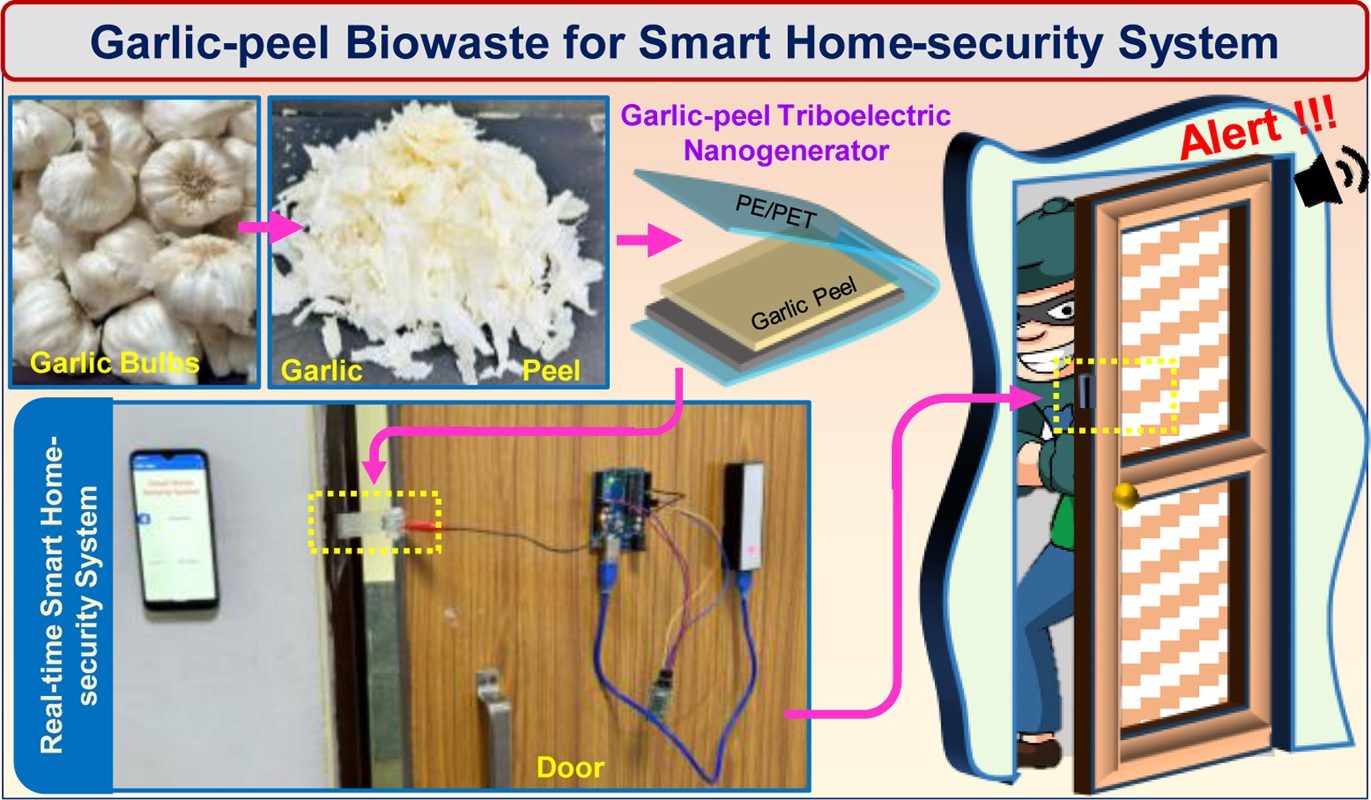
Engineers Manas Tiwari and Deepak Bharti replaced traditional coin batteries with a triboelectric generator made from ground garlic peels. The prototype produces up to 400 VAC from the physical motion of a swinging door, pointing to a weird future of organic waste-powered smart homes.
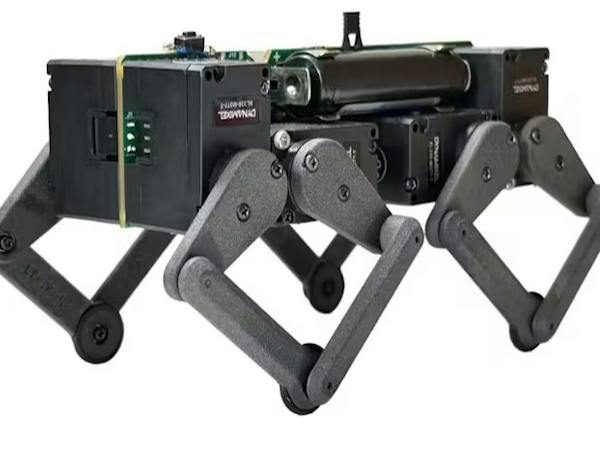
ZeroWire Robotics has introduced the Q8botOne on Crowd Supply, a pocket-sized 250-gram quadruped that ditches internal wiring for a single central circuit board. The open-source desktop robot packs eight smart actuators and PA12 nylon legs, offering developers a clean sandbox for movement algorithms without the traditional cable spaghetti.

The Kickstarter-backed CyboPal ONE mounts a 27-inch 4K screen onto a motorized six-axis arm that tracks your face and adjusts its position automatically. Packed with a built-in Linux computer, it promises seamless ergonomic shifts but introduces heavy mechanical and software complexity to your desk.
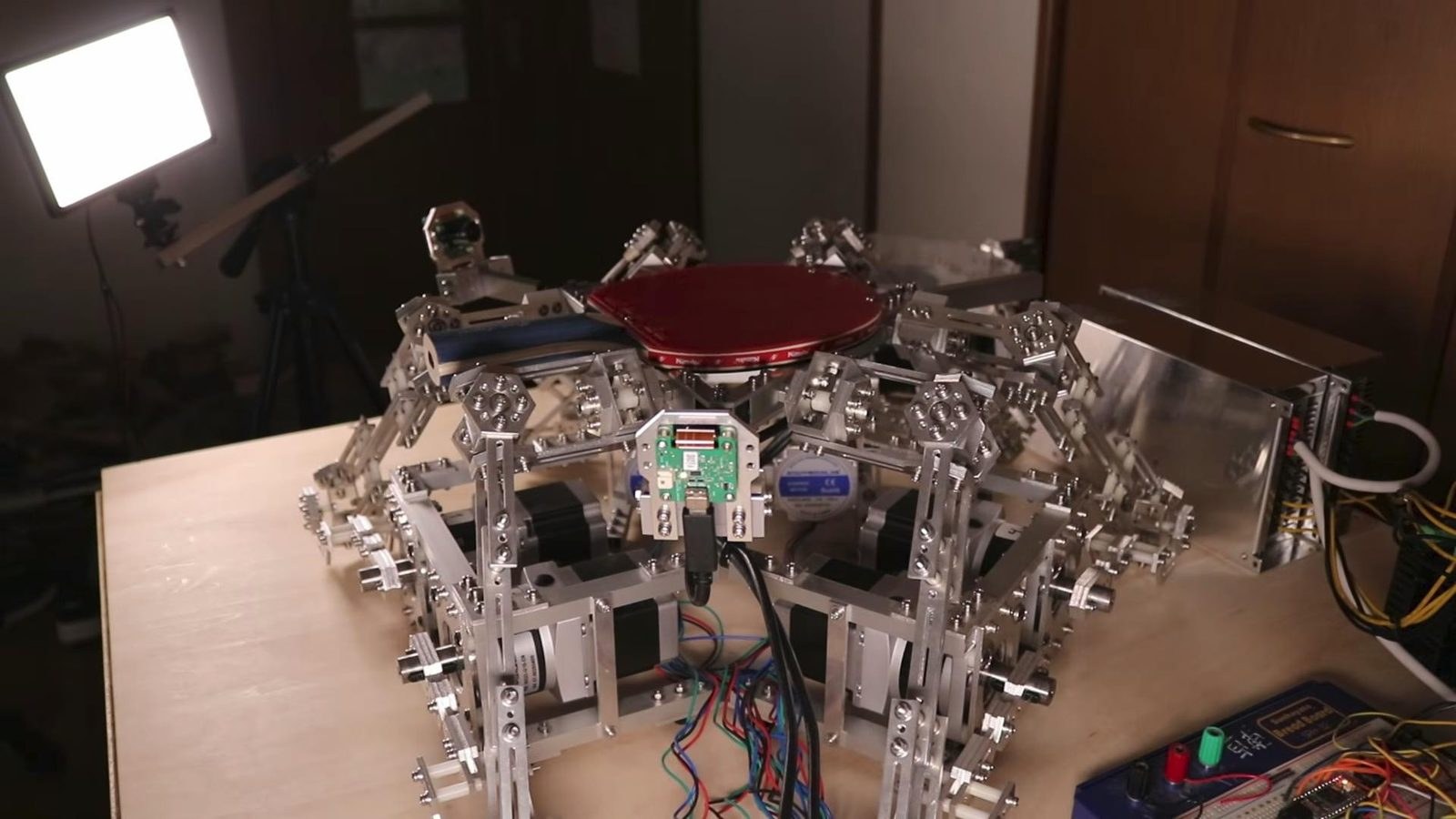
Electron Dust has engineered the Hexa-Bouncer, a mechanical table tennis platform driven by six stepper motors and high-speed stereo cameras. The garage project exposes the cloud dependency and sluggish response times plaguing modern smart home automation.
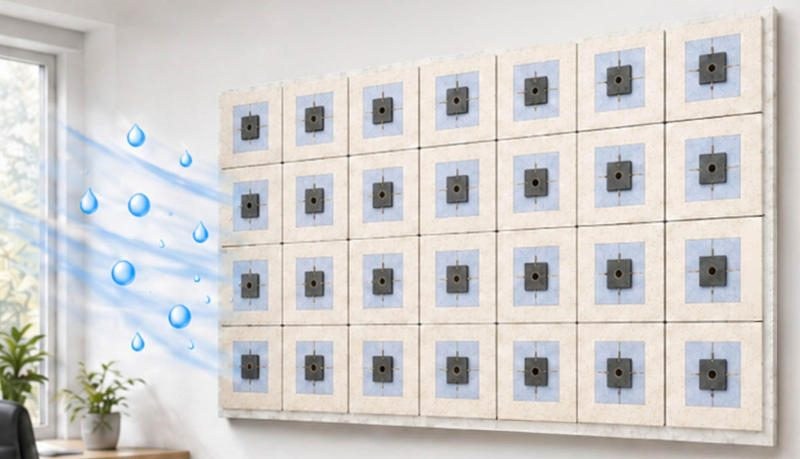
Labs claim new wall coatings harvest ambient energy to power peripherals, but micro-watt yields mean your wall outlets are safe for years. Don't expect to rewire your home with this overpriced prototype anytime soon.

Engineers claim to have developed wallpaper that turns ambient humidity into electrical current to power smart home sensors. However, the technology is stuck in the lab and cannot deliver stable power in real living conditions, leaving standard batteries as your only practical choice.
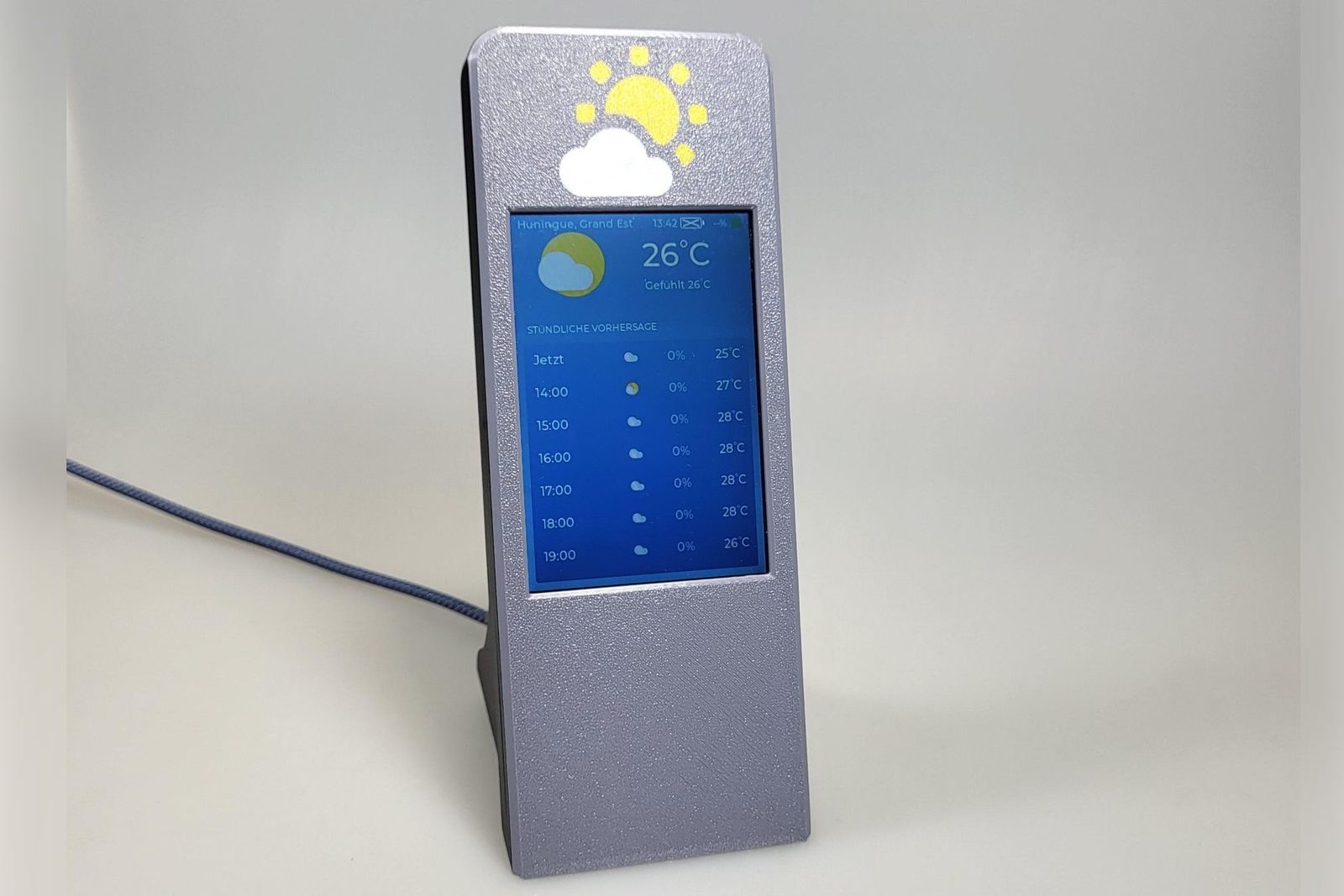
A new DIY weather display swaps blind motion sensors for a millimeter-wave radar chip that detects actual human presence. The device wakes up only when someone steps close enough to read the screen, solving the annoyance of glowing smart home hubs in the dark.
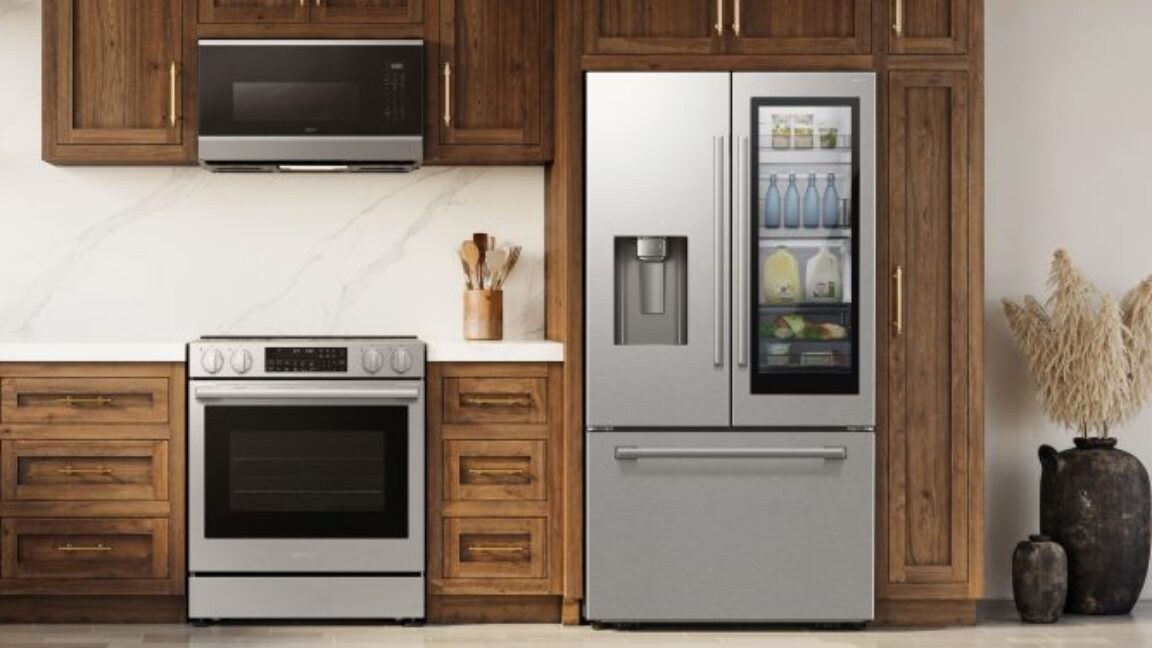
A routine firmware patch bricked Samsung's high-end Bespoke AI refrigerators right before the Chuseok holiday, leaving owners with spoiled groceries and sluggish support. The disaster highlights the hidden risks of cloud-tethered kitchen appliances that rely entirely on remote servers.

Researchers at ETH Zurich have taught a standard robotic hand to walk on its fingertips across various surfaces using AI reinforcement learning. This approach could let future robots crawl into tight spaces without needing bulky wheeled chassis.
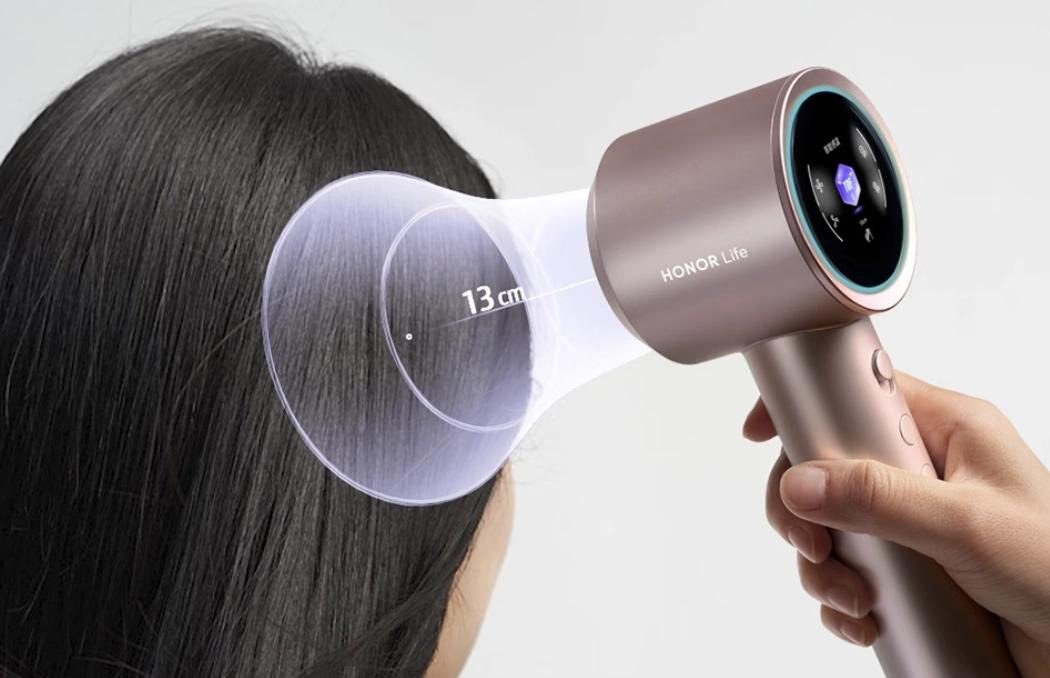
Honor's new $48 hair dryer introduces a reverse-airflow self-cleaning mode that blows out accumulated dust and hair with a single button press. This simple mechanical fix tackles the premature hardware failure that kills most high-speed beauty gadgets.

French robotics maker Wandercraft has received US approval to sell its Eve personal exoskeleton directly for home use. The 12-motor motorized frame lets adults with spinal cord injuries stand, cook, and move independently without crutches.

Designer Alex Dufetel solved the classic smart home annoyance where physical wall switches lose track of phone app adjustments. His solid walnut desktop console uses professional audio-style motorized faders that silently glide into place on their own whenever your home lighting changes.

Tapmora has introduced a $45 pocket-sized E Ink photo frame for your fridge that runs entirely without batteries, cables, or Wi-Fi. By harvesting energy directly from your smartphone's NFC chip during a quick tap, it delivers a glare-free paper-like display.
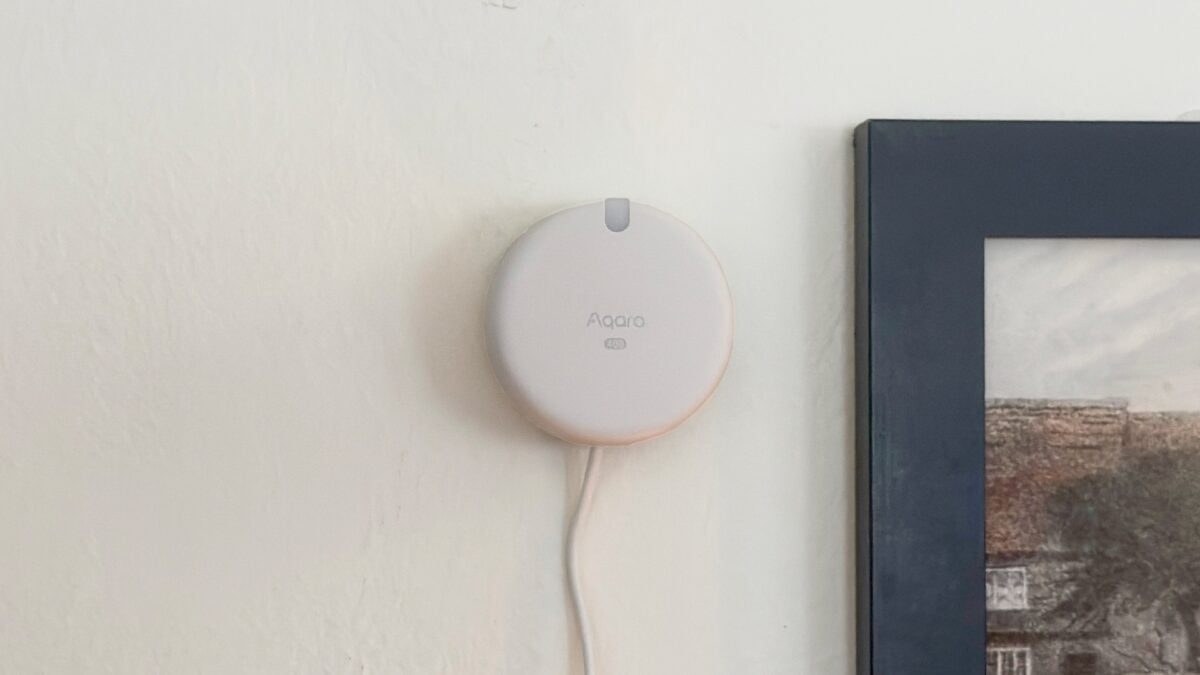
Aqara's new spatial sensor uses radio waves to map up to 10 people in a room locally without cloud lag. However, dropping battery support means you are tethered to a USB-C wall wire.
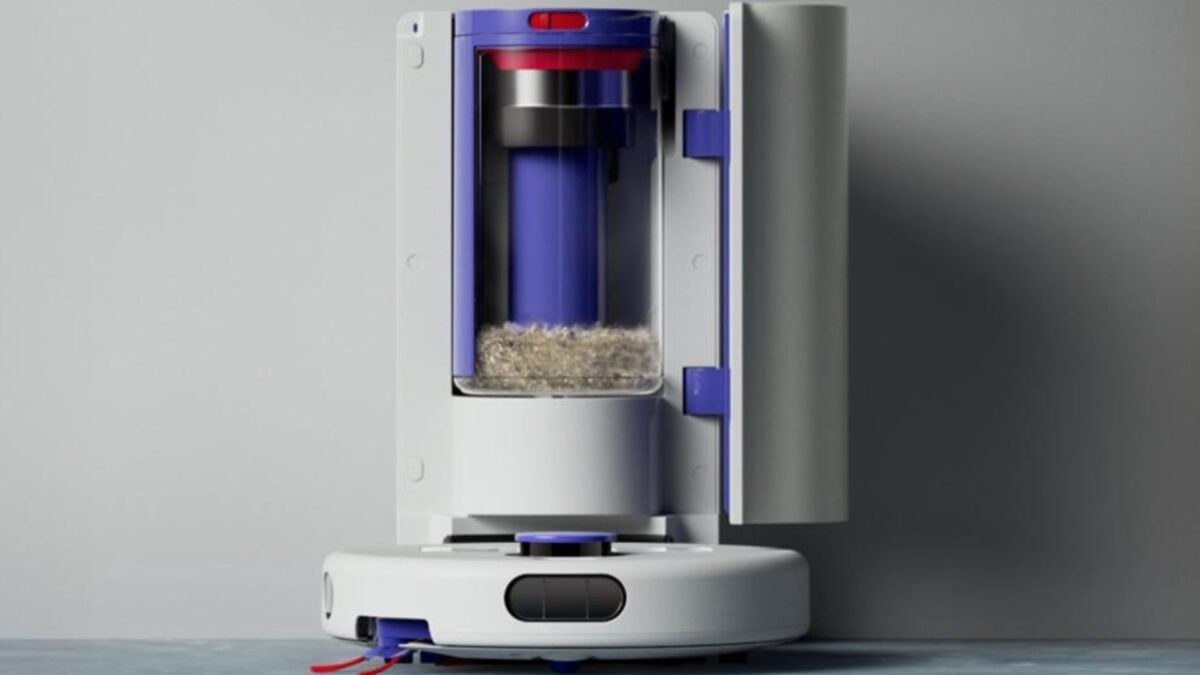
Dyson dropped its new R1 Nurovi Dry robot vacuum for $550, skipping the water tanks and motorized mop pads that usually inflate modern floor bots past $2,000. For anyone tired of maintaining damp cloths and paying for features they never switch on, the base model offers high suction power without the markup.

A new crowdfunded smart mattress brings independent zone adjustments and motorized posture correction to the bedroom for 1300 dollars. But paying for built-in climate control and moving parts makes little sense compared to a standard orthopedic base.
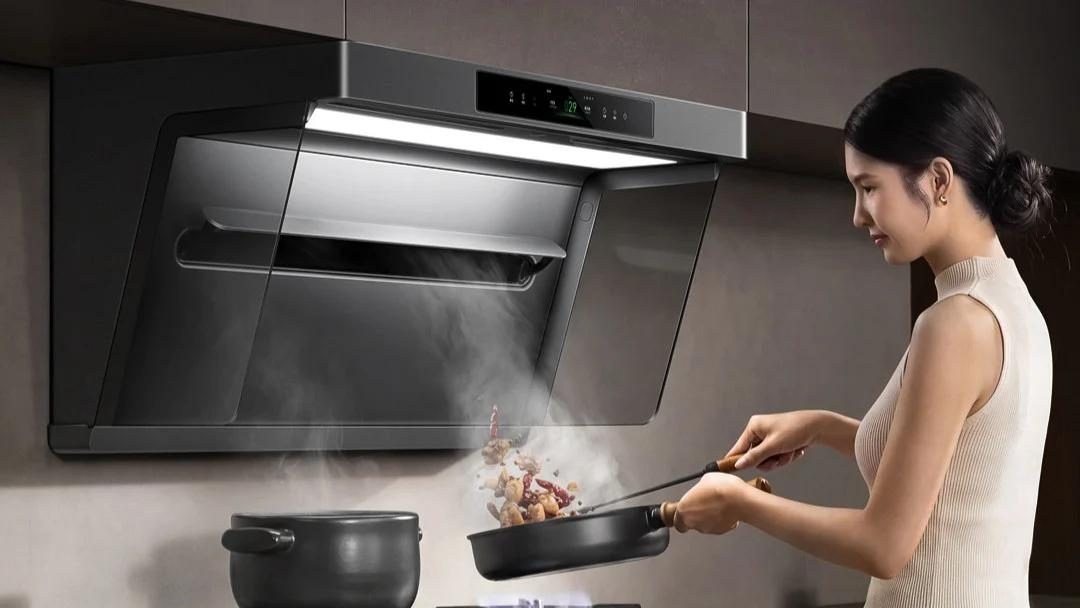
Xiaomi launched a $890 kitchen hood equipped with a 3-megapixel camera and computer vision to automatically adjust airflow. We break down whether this AI upgrade makes sense or is just an expensive marketing trick.
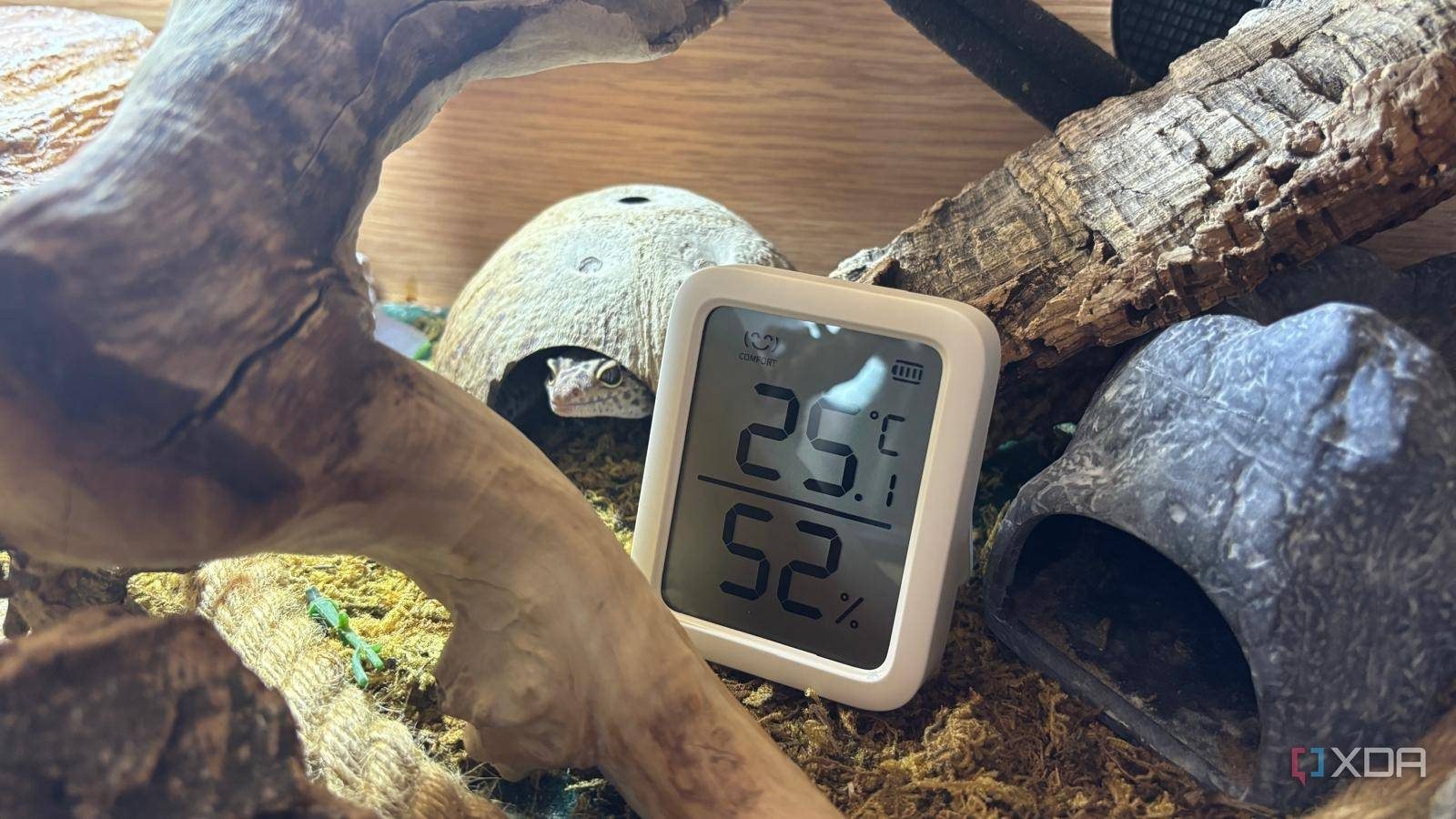
Commercial terrarium controllers lock reptile owners into expensive, ad-loaded apps with cloud lag. A $15 SwitchBot sensor paired with a cheap Bluetooth bridge delivers instant local tracking, zero subscriptions, and failsafe safety automation.
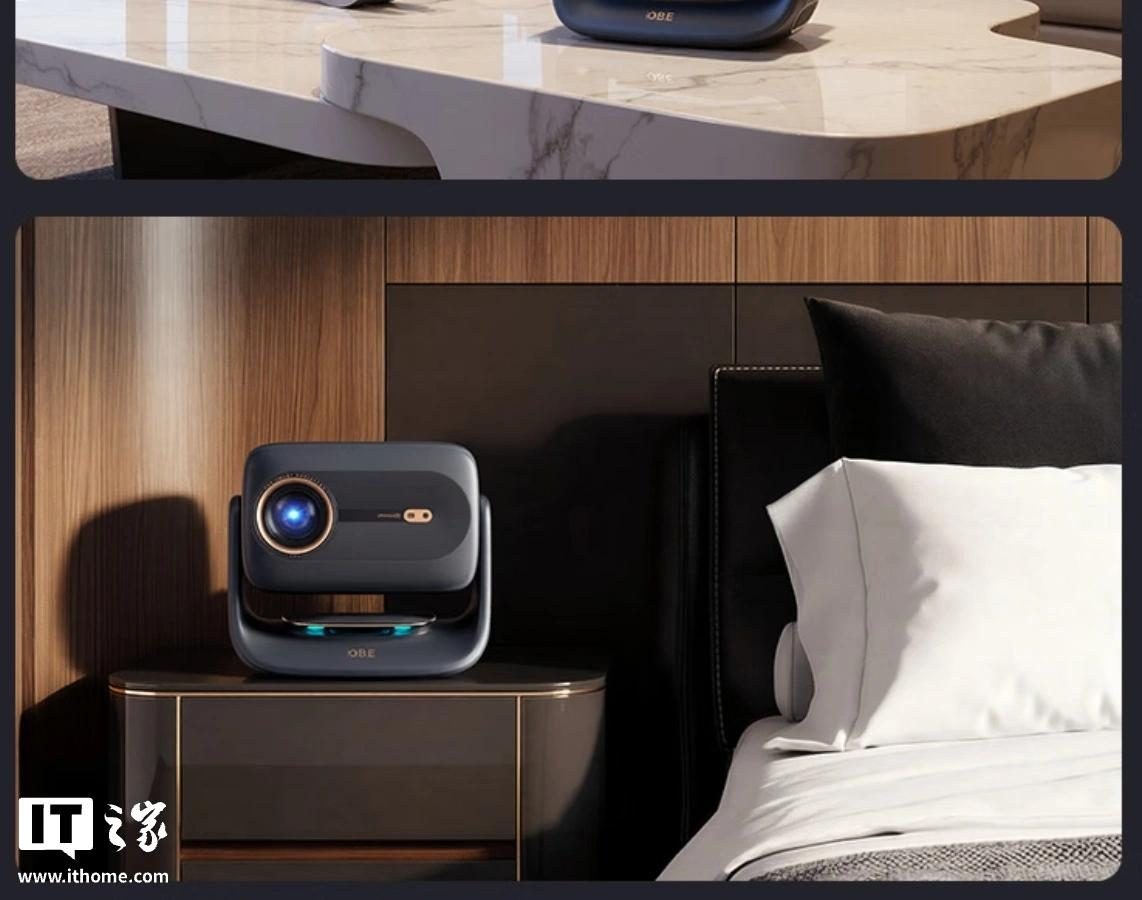
Dangbei has unveiled the R3 Ultra Max, an all-in-one home projector built on a flexible gimbal mount. Featuring an integrated 2.1 audio setup with a 25W subwoofer and automatic obstacle avoidance, it turns any tabletop into a home theater without extra gear.
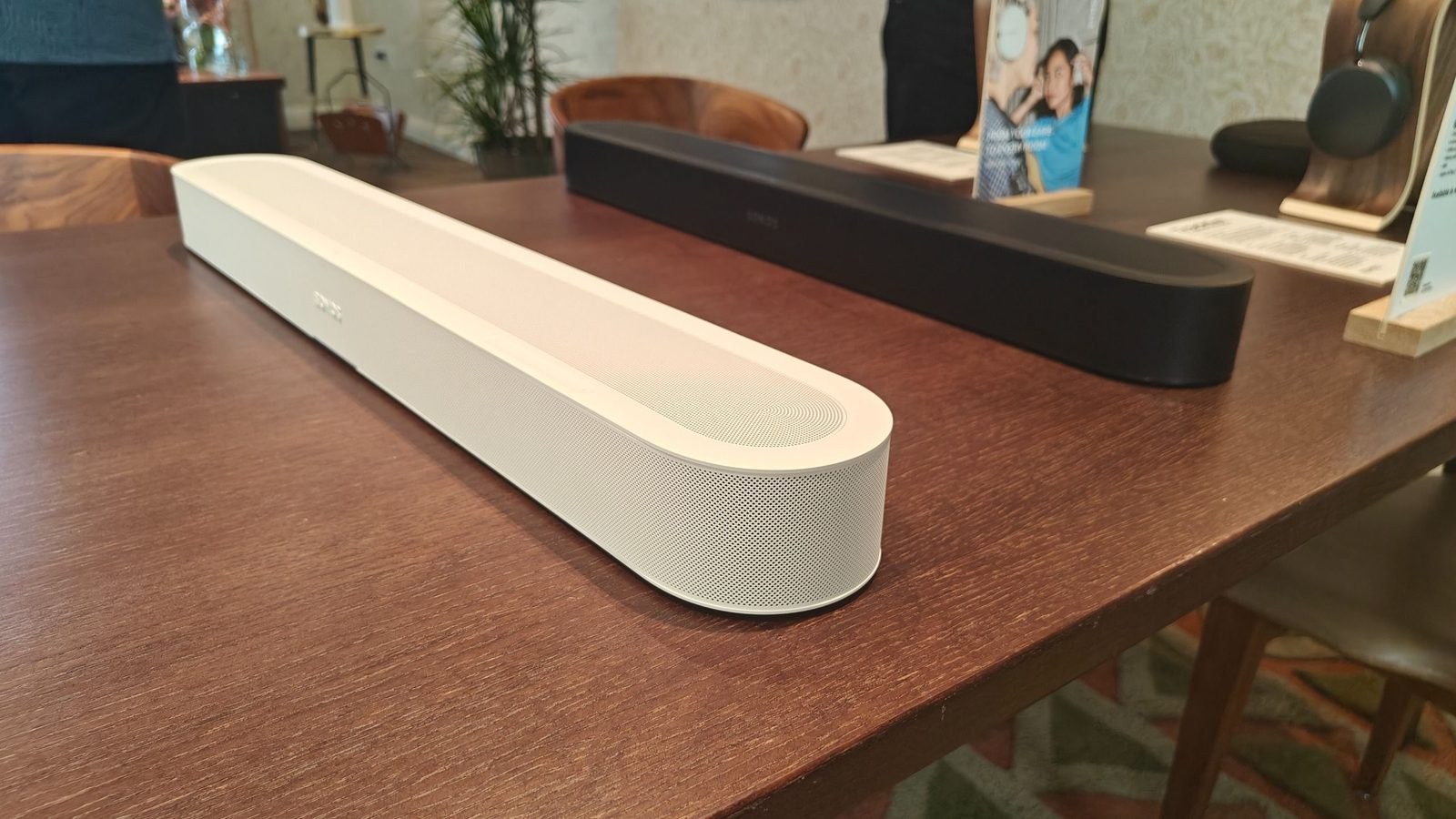
The new Sonos Beam Ultra packs nine drivers into a smaller body to deliver genuine overhead sound without taking up your entire living room. It fills the gap between basic budget soundbars and massive flagship setups for buyers who want spatial audio without the bulk.
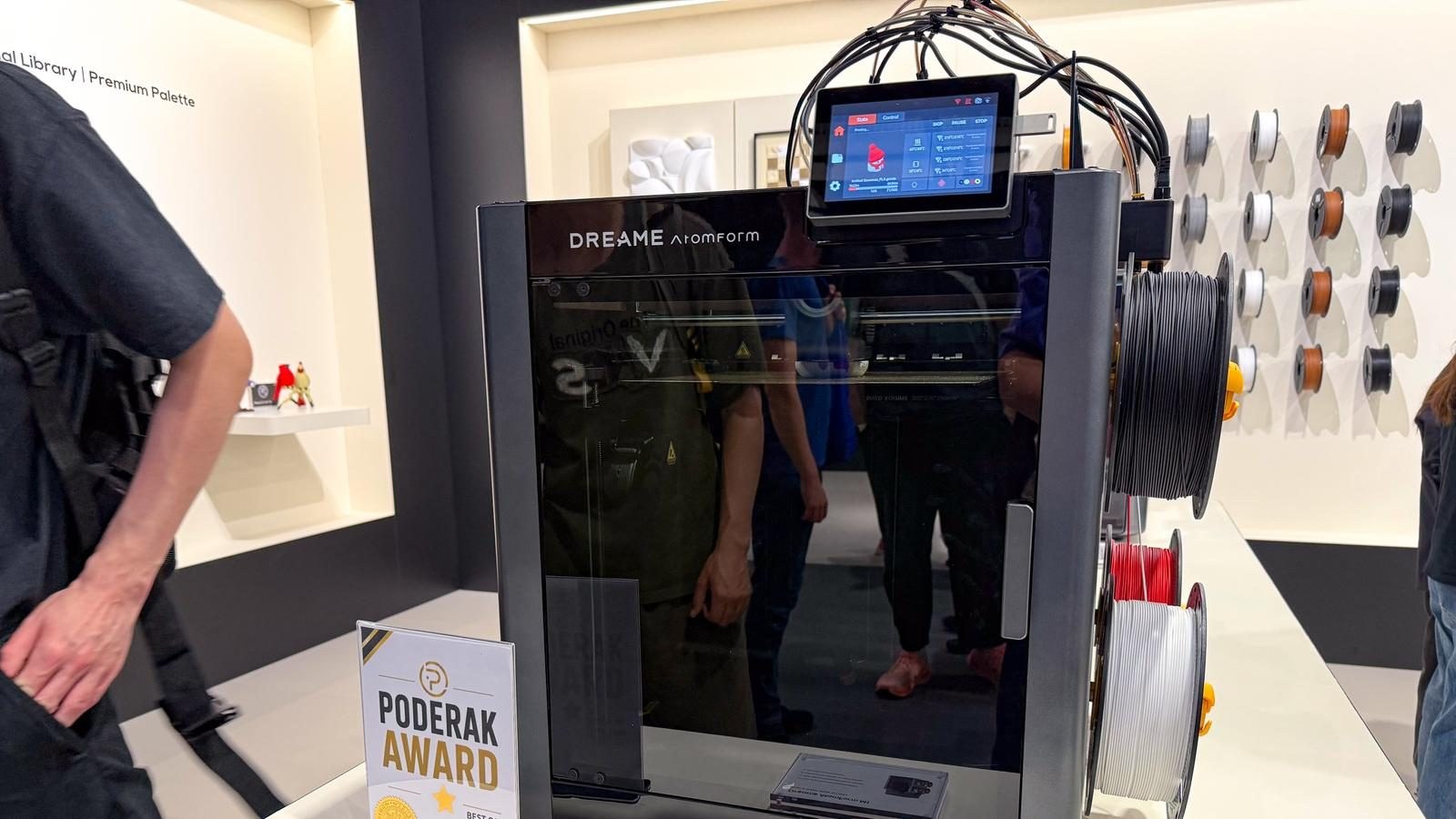
Dreame introduced the AtomForm M1, a 3D printer equipped with four independent toolheads that switch automatically. The design cuts filament waste and drastically speeds up multimaterial printing for everyday makers.
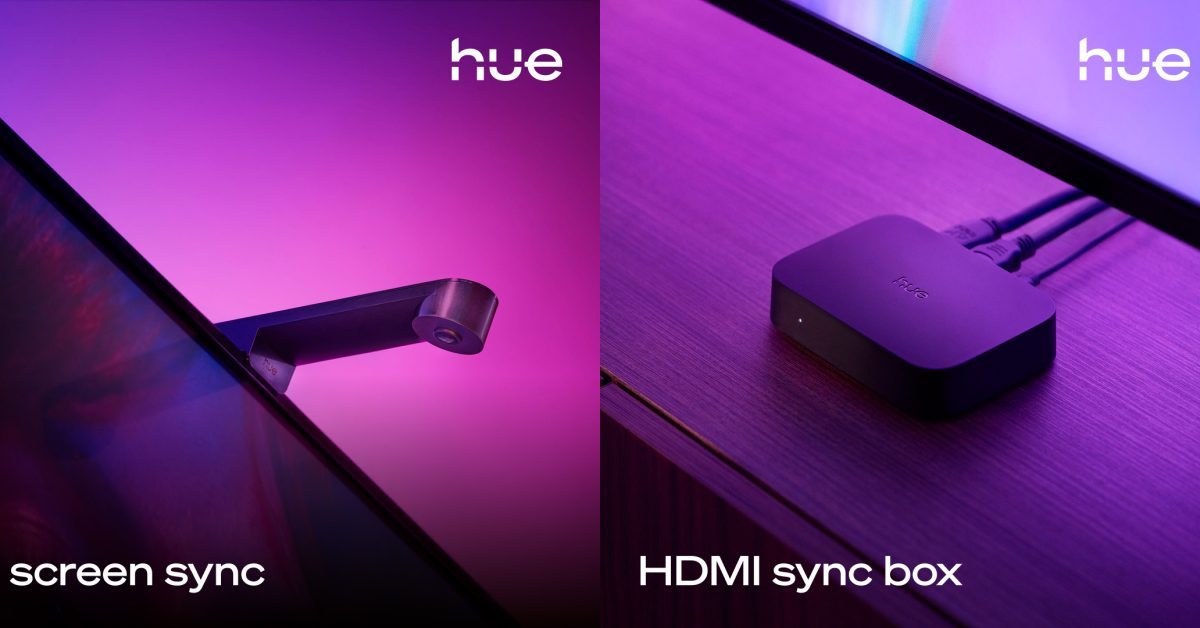
Philips Hue is finally cutting the high cost of syncing smart lights to your TV by introducing a cheaper 4K box and a camera that tracks on-screen colors directly. These new options let you run Netflix apps without an extra streaming stick and skip the mandatory bridge for basic setups.

South Korean designer Jung Hyun Kim has drafted Babel, a conceptual vertical tower that stacks an ambient lamp, a speaker, and a mini wine cooler into one footprint. The project targets micro-apartment dwellers, though current engineering hurdles leave it strictly in the render stage.

Dreame's sub-brand MOVA unveiled new robot vacuums with all-in-one self-cleaning docks and wire-free lawnmowers at IFA 2026. These releases bring advanced LiDAR mapping and automated maintenance to mainstream price points, eliminating the markup for premium badges.

Xiaomi has opened pre-orders for the Mijia Smart Bathroom Heater 2, an all-in-one ceiling panel packing a 3,000W graphene heater, radar sensors, and forced ventilation. The module dries damp rooms in 90 seconds and automates climate control, though older apartments will need a dedicated power line to run it safely.

Grocery chains are replacing paper labels with electronic screens linked to dynamic pricing software. The shift lets stores silently raise prices multiple times a day during peak hours while cutting thousands of floor jobs.
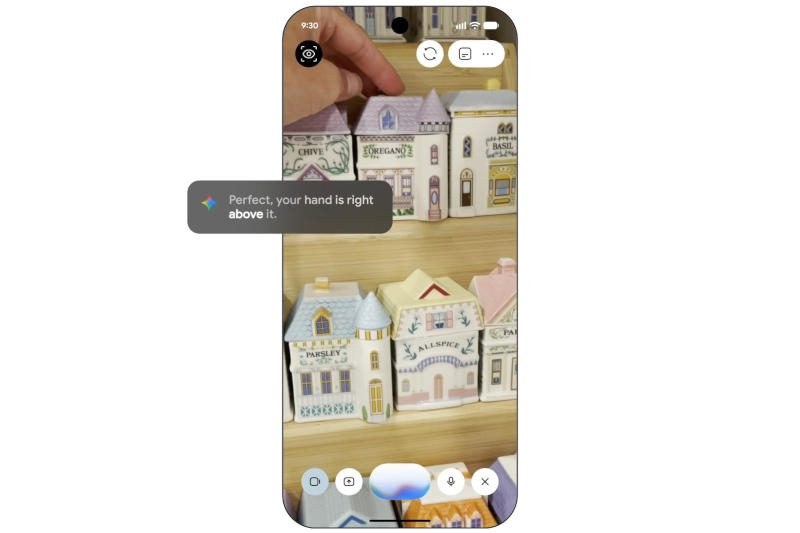
Google added Guided Vision to Gemini Live, letting users scan rooms via live video to locate lost everyday items. Real-world testing reveals heavy battery drain and subscription costs that make dedicated hardware trackers far more practical.

Xiaomi has launched the Mijia Sterilizing Foot Bath equipped with UV sanitation and motorized silicone rollers. The $60 device targets users seeking targeted arch relief without the bacterial buildup typical of cheap plastic basins.
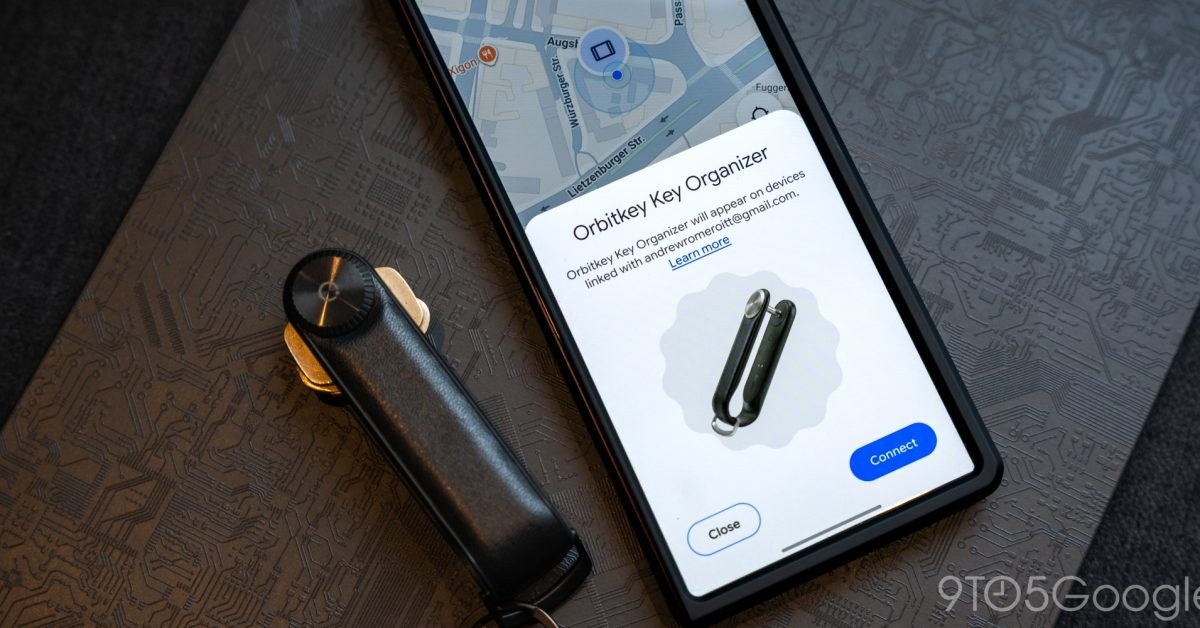
Orbitkey has solved pocket bulk by baking Google Find My Device and Apple tracking hardware straight into the leather side band of its key holder. Instead of dangling plastic fobs, users get a rechargeable module lasting up to five months that stops keys from rattling.

An international committee has introduced the first unified performance testing standard for legged service robots. The benchmark measures how well hardware handles real-world stairs, slippery slopes, and domestic obstacles instead of curated lab demos. This will give prospective buyers verifiable metrics before spending thousands on robotic pets.

Security researchers discovered that flagship LG OLED TVs scan local networks, profile your other gadgets, and record microphone audio even in standby mode. All collected telemetry feeds directly into the manufacturer's aggressive advertising wing, turning the display into a passive surveillance beacon.
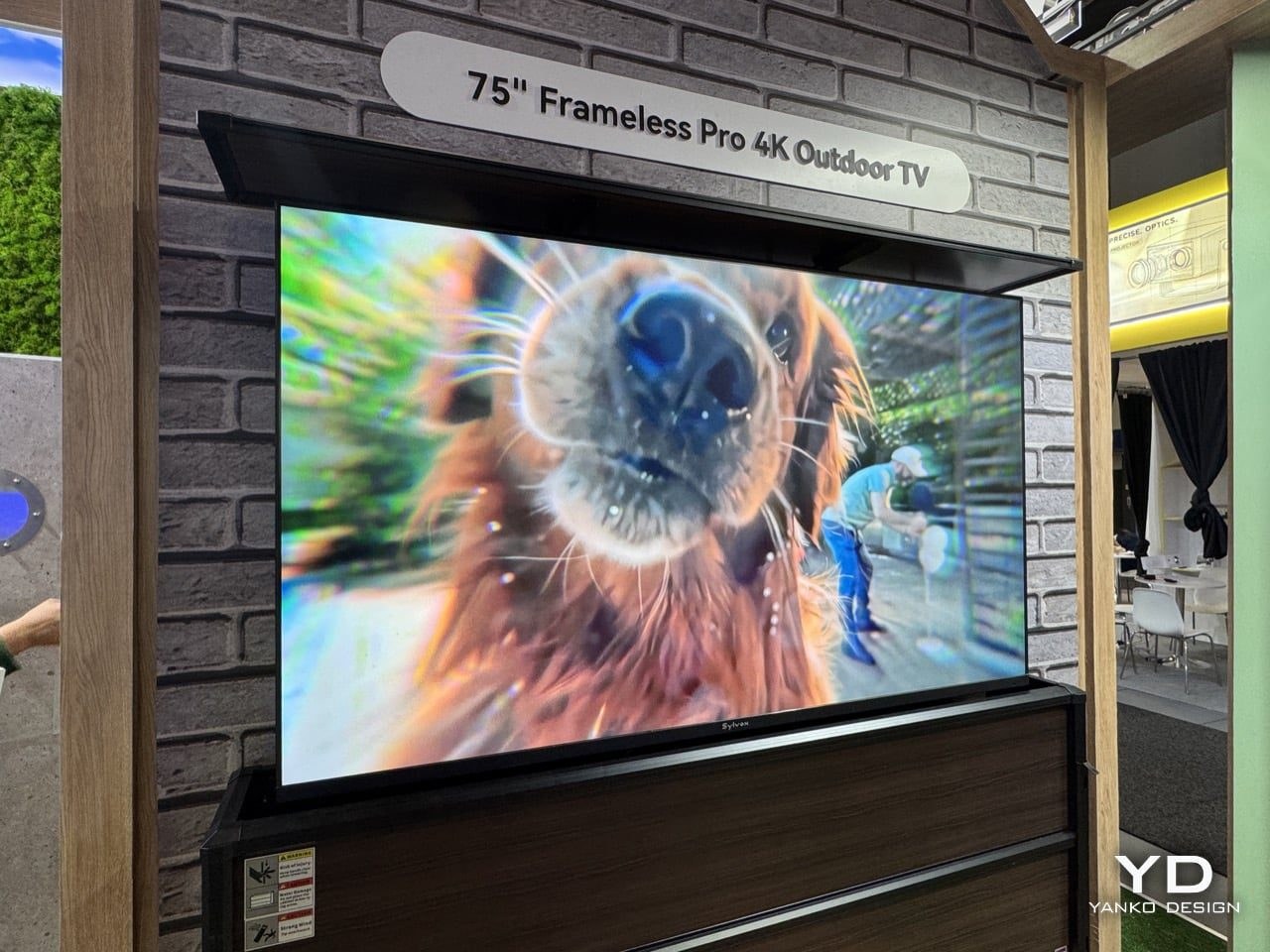
Sylvox has squeezed weather-proofing gaskets into the back of its 75-inch Frameless Pro to eliminate the bulky industrial frames on open-air screens. Operating between -22 and 122 degrees Fahrenheit with 2,000 nits of brightness, the 5,299-dollar panel trades boxy borders for a deeper chassis meant for luxury patios.
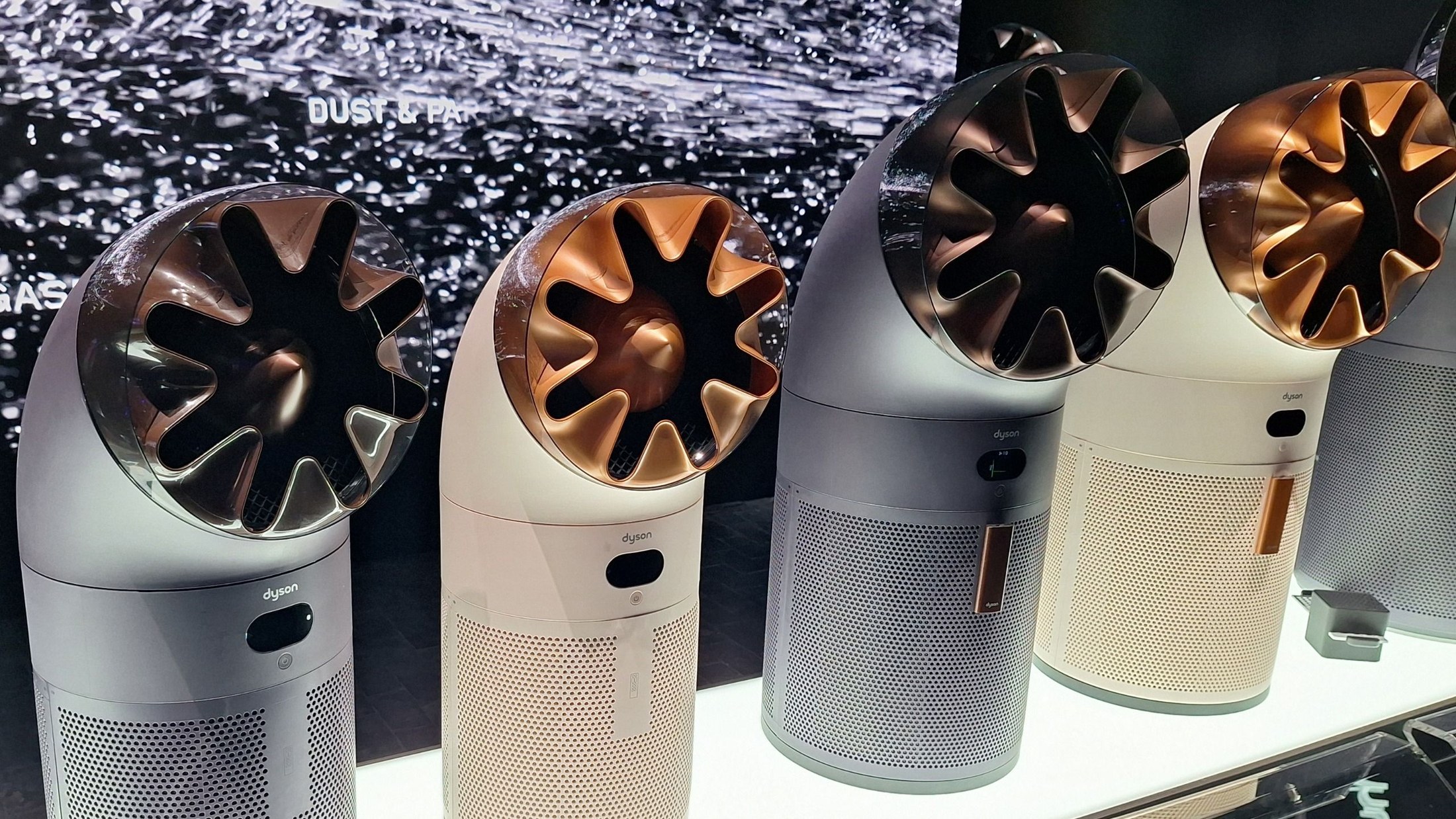
Dyson has scrapped its signature hollow loops across three full-sized air purifiers, replacing them with star-shaped nozzles borrowed from jet engines. The radical redesign trades sleek living room aesthetics for a dramatic drop in noise, delivering high-volume airflow built for uninterrupted sleep.

The Nuvell Plantein shrinks commercial bean curd processing into a countertop appliance resembling an espresso maker. It turns dry soybeans into warm tofu in forty minutes for $1,000 to $1,300, targeting dedicated plant-diet enthusiasts.

Security researchers identified vulnerabilities in LG smart TVs running webOS that permit remote device takeover and unauthorized audio recording. The issue leaves home networks exposed unless owners manually install the manufacturer's latest firmware patch.

Xiaomi took over IFA 2026 with concept cars and robotics, but its practical announcements center on tangible hardware. The company introduced its wide-format 18 Fold smartphone powered by in-house silicon alongside a broader lineup of smart home appliances for the European market.
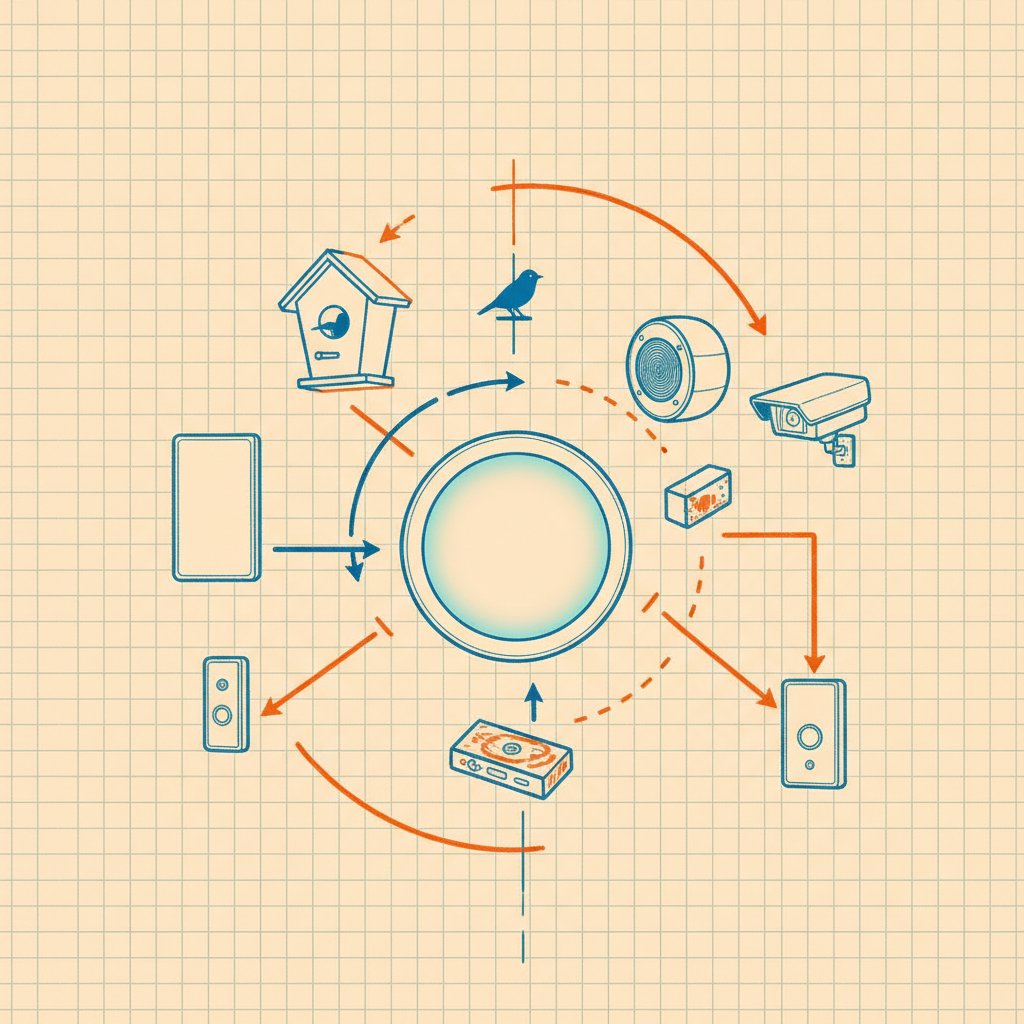
Maker arnegiacomo has built Fugleramme, an open-source gadget that identifies backyard birdsong locally and displays 19th-century botanical engravings on a large E-Ink screen. It cuts out monthly subscriptions, microphones feeding the cloud, and blinding screens in favor of calm, private hardware.
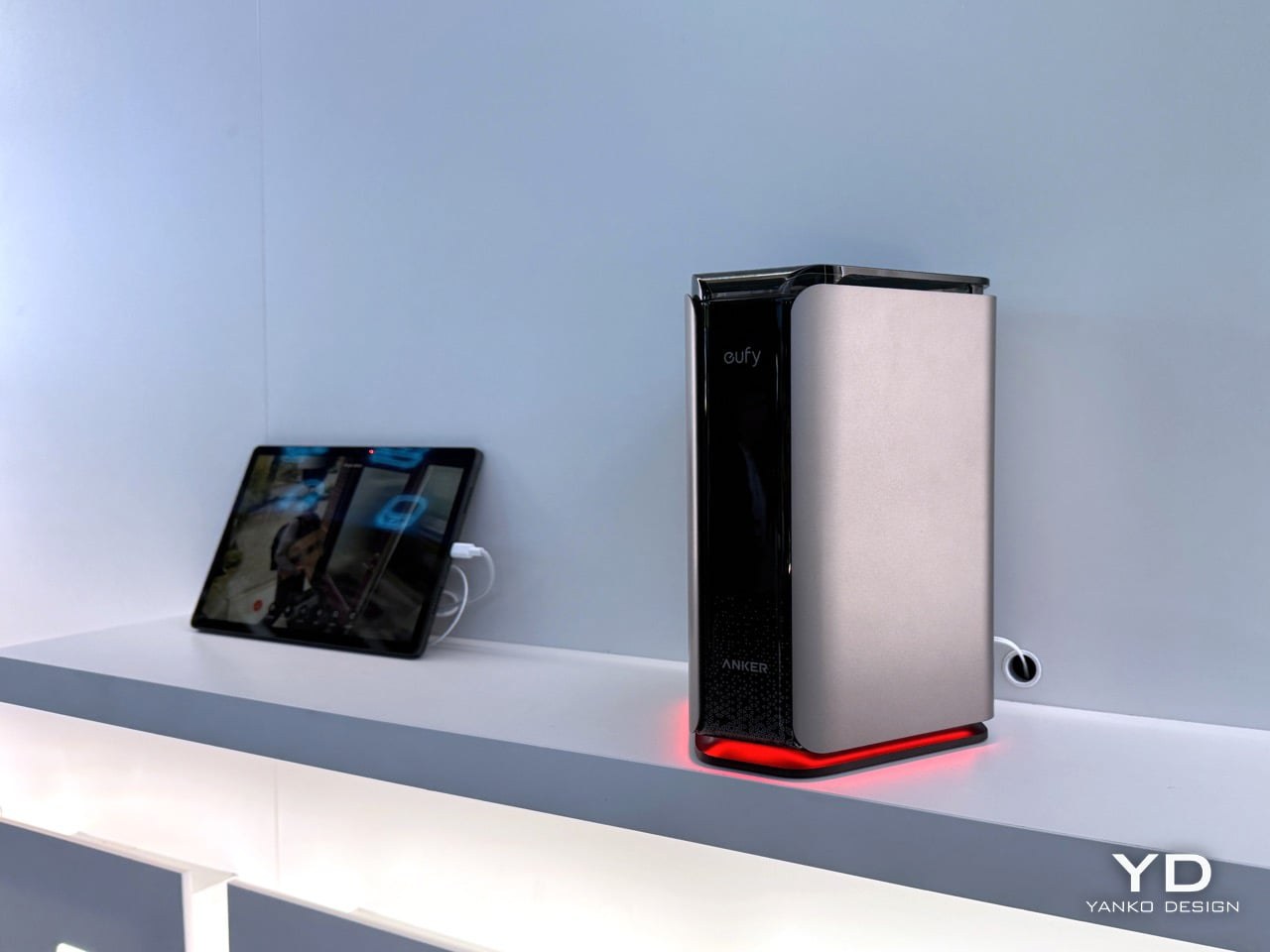
Anker's new MindBase hub rescues older eufy security cameras from the landfill by shifting all video processing and storage locally. Equipped with a 48TB drive bay and a built-in neural chip, it completely eliminates monthly cloud subscription fees.
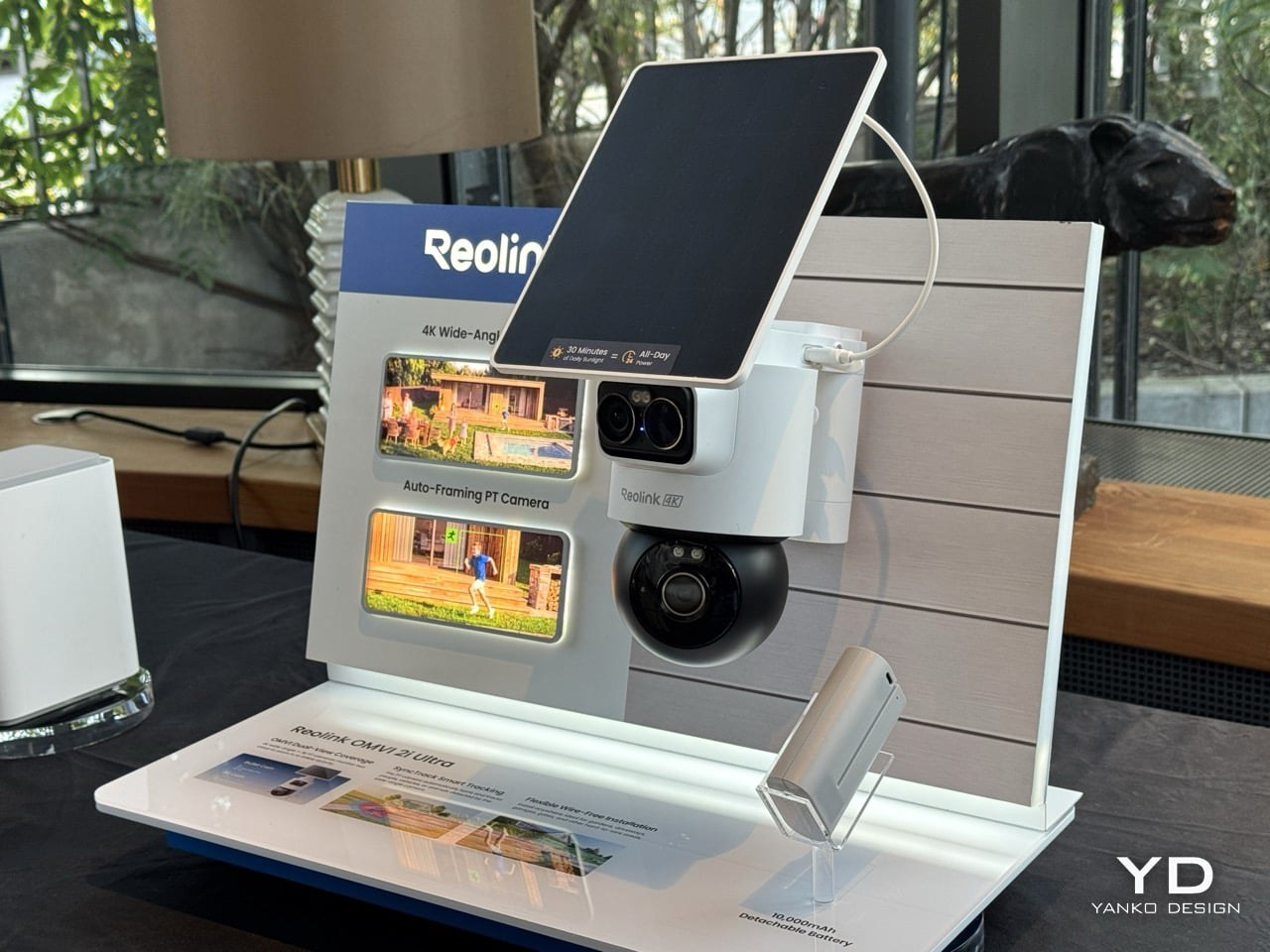
Traditional rotating security cameras look at an intruder and leave your yard wide open. Reolink's $200 to $250 OMVI 2i Ultra solves this with a fixed 4K wide lens stacked above a motorized tracking sphere, running entirely on a solar-powered battery.

Hardware startup Neufangled has introduced the Stringman, an aerial cable-driven manipulator designed to pick up dropped items from above. The $965 device avoids floor obstacles, but exposed wiring and heavy external PC requirements make it a better fit for robotics labs than ordinary homes.

Advanced robot mowers unveiled at IFA 2026 feature mechanical arms that finally eliminate manual edge trimming. However, sweeping U.S. security bans on foreign autonomous hardware mean American buyers cannot purchase these border-clearing models.
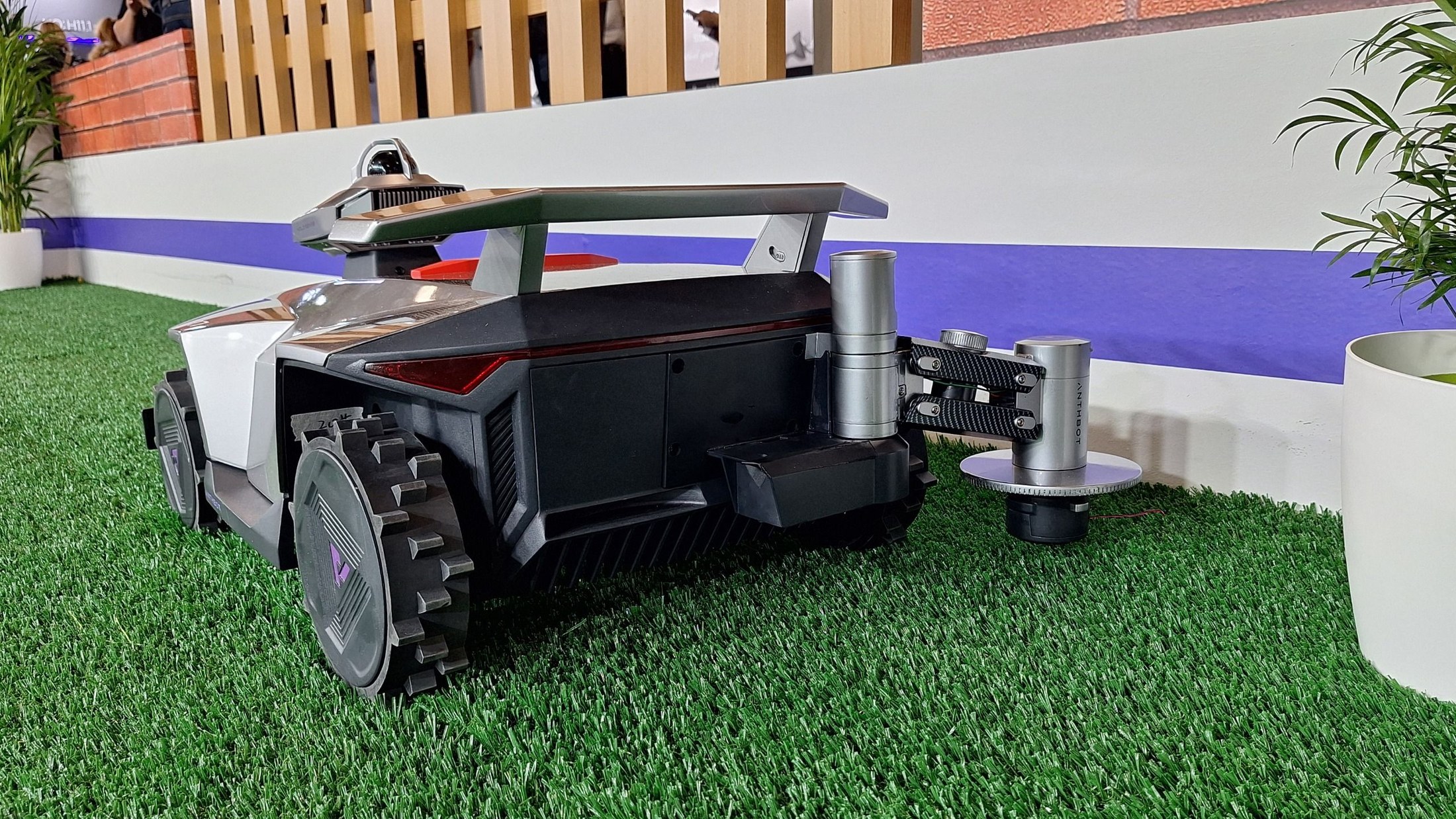
The Anthbot R7 series addresses the chronic blind spots of robot mowers by mounting a physical string trimmer on a side arm. Along with thermal sensors designed to spot hidden hedgehogs, the system aims to eliminate manual fence-line touch-ups, though its mechanical durability on rough soil remains untested.

Starting September 3, 2026, owners of Nanoleaf Shapes can integrate wall panels into the Philips Hue app using a $39.99 adapter. The dongle unlocks Hue features like entertainment sync, but forces users to unplug the original controller and lose physical touch buttons.
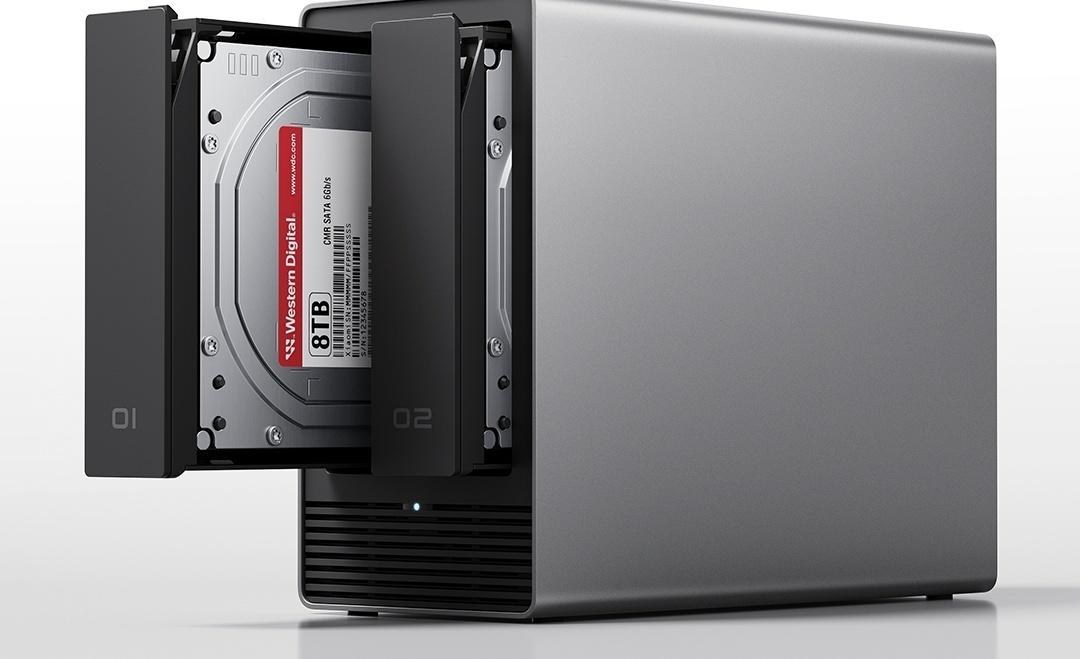
Xiaomi launched Smart Storage, a consumer-friendly home NAS with up to 60 TB capacity and AI media sorting. It turns local drives into an automated private cloud for up to 16 users, targeting families tired of paying recurring subscription fees to Apple and Google.

SwitchBot's featherweight AI lapel pod automatically turns spoken meetings into organized task lists and transcripts. But offloading audio to the cloud brings hidden subscription fees and social friction in public spaces.
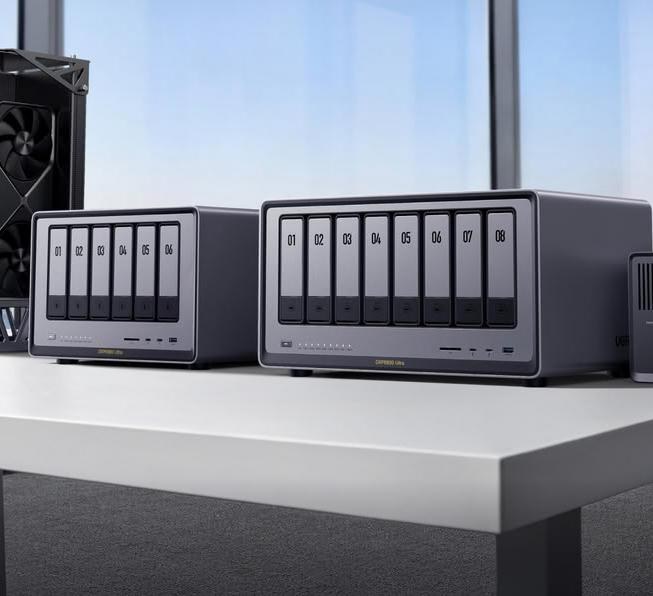
Ugreen unveiled the NASync DXP6800 Ultra and DXP8800 Ultra, packing laptop-grade Intel Core processors and direct display outputs into multi-bay network storage enclosures. The hybrid design serves as both a high-capacity local cloud and a standalone desktop PC. Units start at $1,450, offering a powerful alternative to recurring cloud subscriptions.
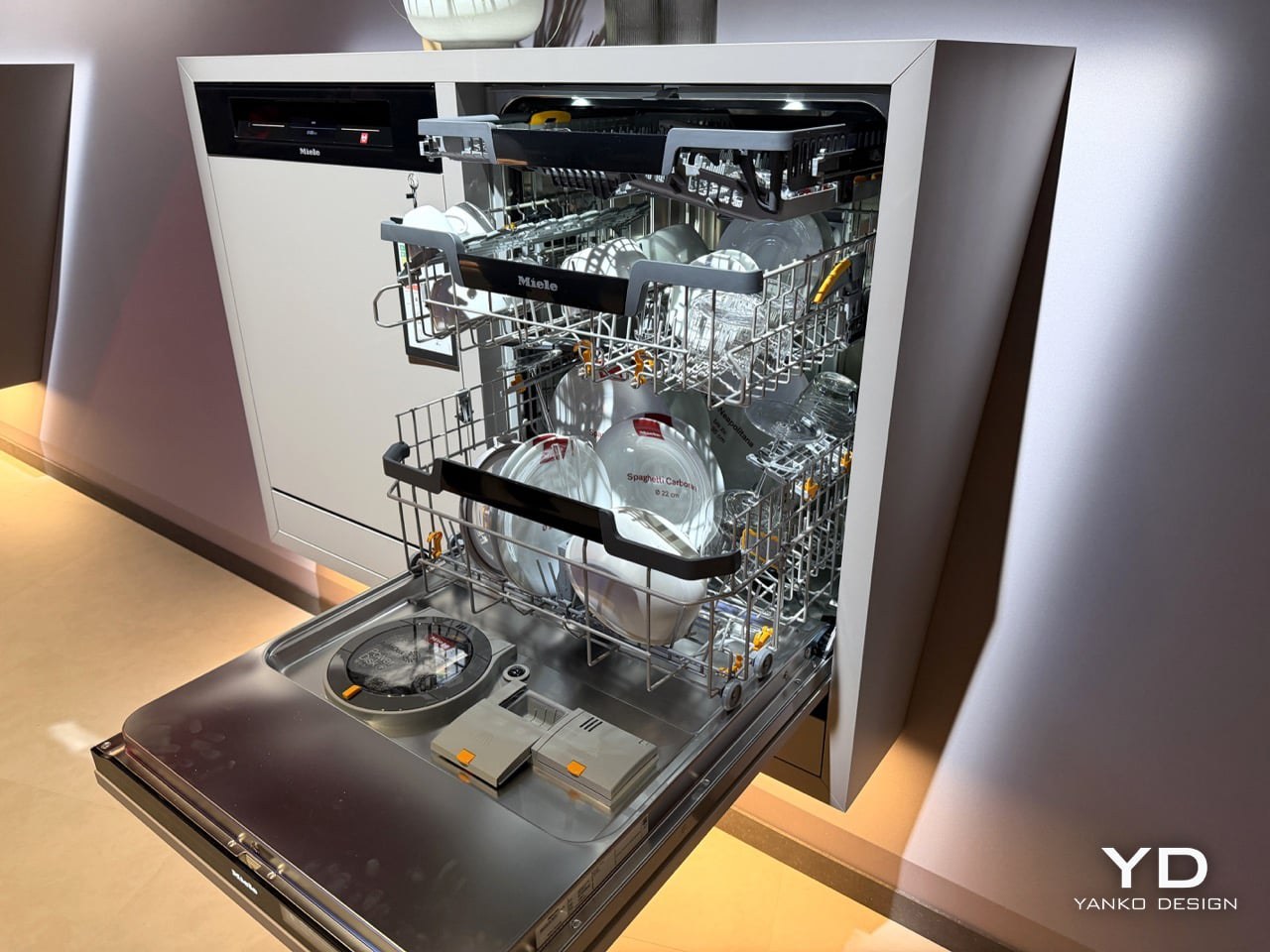
The Miele G8 Diamond snaps a single photo as you close the door to map your dishes and adjust water pressure automatically. Launching in Germany, Austria, and Switzerland in April 2027, this luxury appliance promises hands-off cleaning for a steep price, though physics still limits what spray arms can reach.

The 13.3-inch Ugreen Gallery uses paper-like color E-Ink technology to hold static images without pulling power from the wall. Backed by a massive 10,000 mAh battery, the frame hangs anywhere like a real painting and syncs directly with home storage to cycle through family photos.
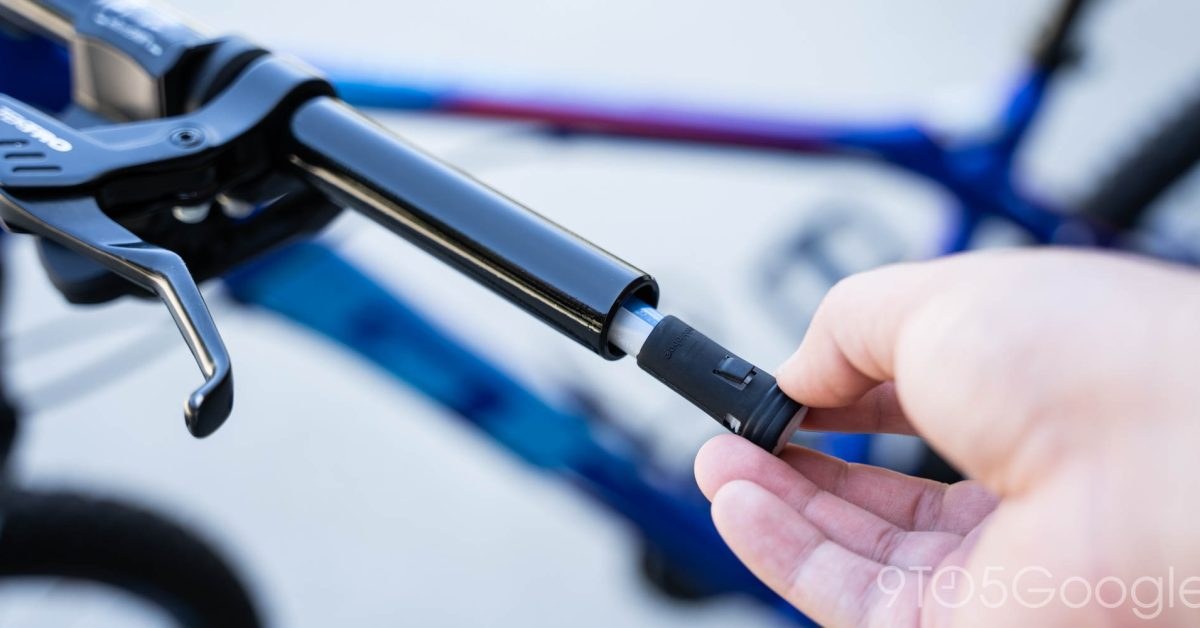
Pebblebee built the LÔC8 cylindrical tracker to slip directly inside hollow bike handlebars or golf club shafts instead of dangling as a tempting keychain. It connects to both Apple and Google tracking networks for a three-year lifespan, though finding its rare replacement battery later on will test your patience.
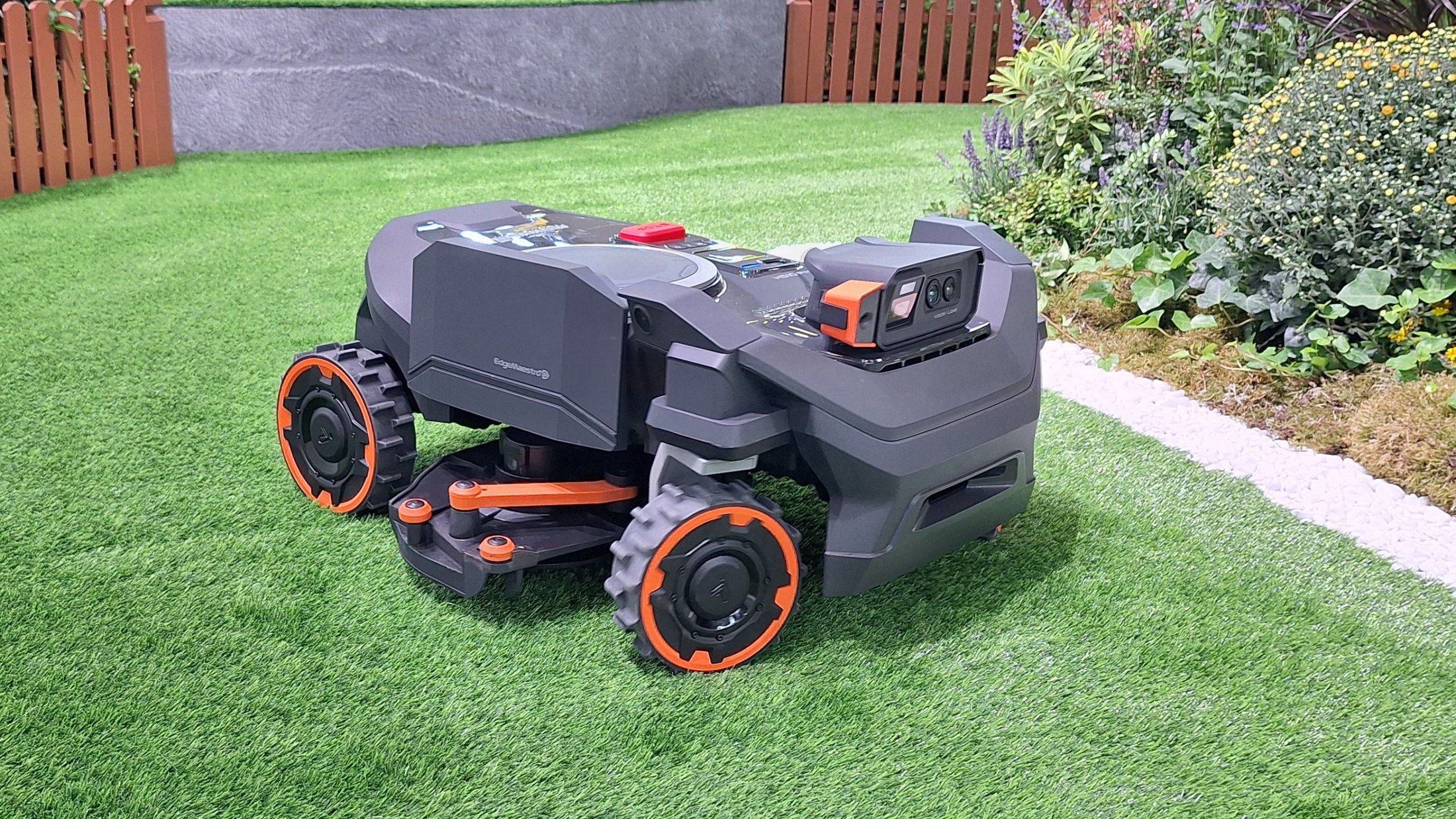
The Segway Navimow H510 Pro features a motorized cutting deck that extends by nearly three inches to cut grass flush against walls and fences. This mechanical reach finally solves the annoying need to follow up an expensive robot with a manual string trimmer.
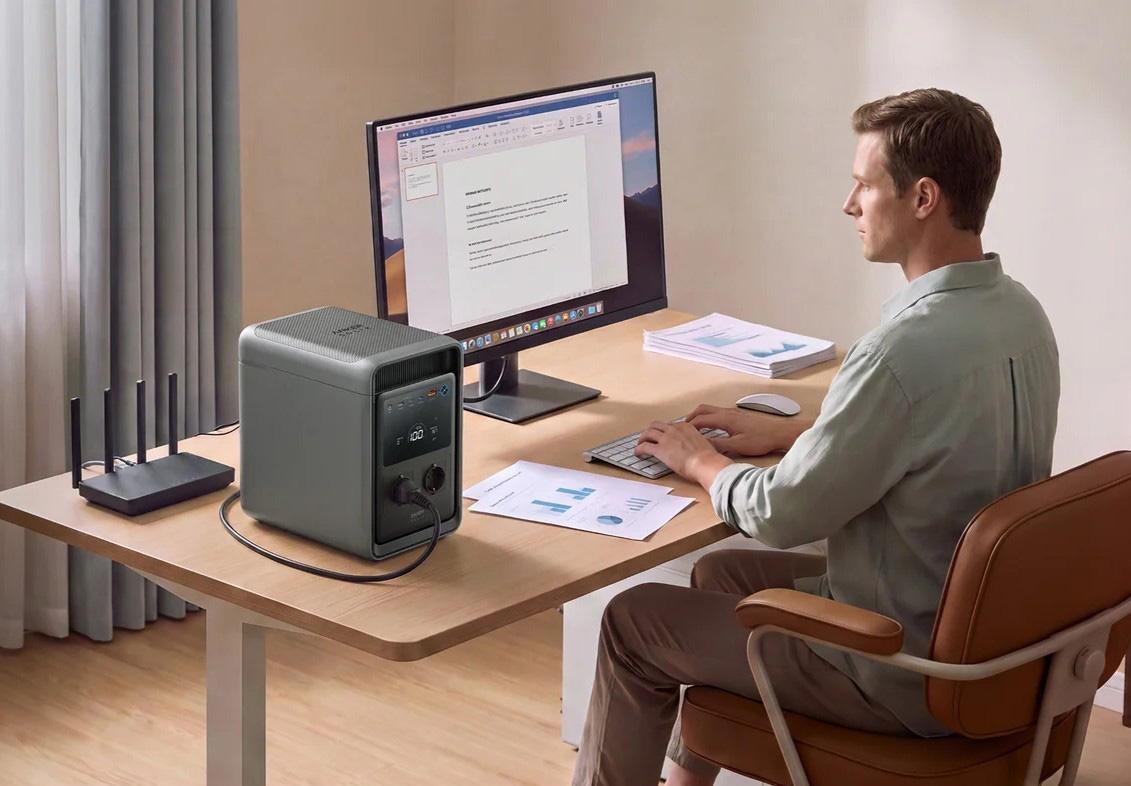
Anker introduced the Solix S2000 portable power station in Europe, cramming 2,010 Wh of LFP battery storage into a manageable 16.2 kg frame. The €700 unit delivers 1,500 W of continuous power and fast UPS failover, offering urban households a quiet alternative to fossil-fuel generators during power outages.
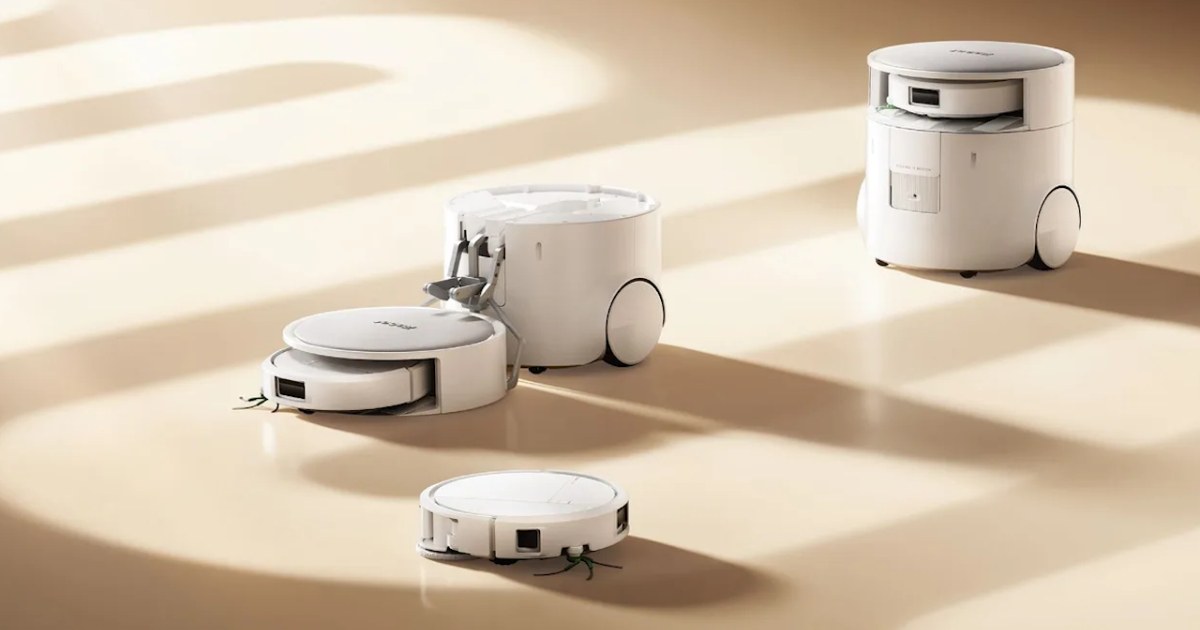
iRobot's new concept tackles hard-to-reach dust by packing a slim secondary vacuum inside a heavy-duty scrubbing unit. A built-in robotic arm deploys the smaller bot under low furniture before docking it back onto the mothership. While mechanically impressive, the setup introduces double the maintenance points and complex hardware.
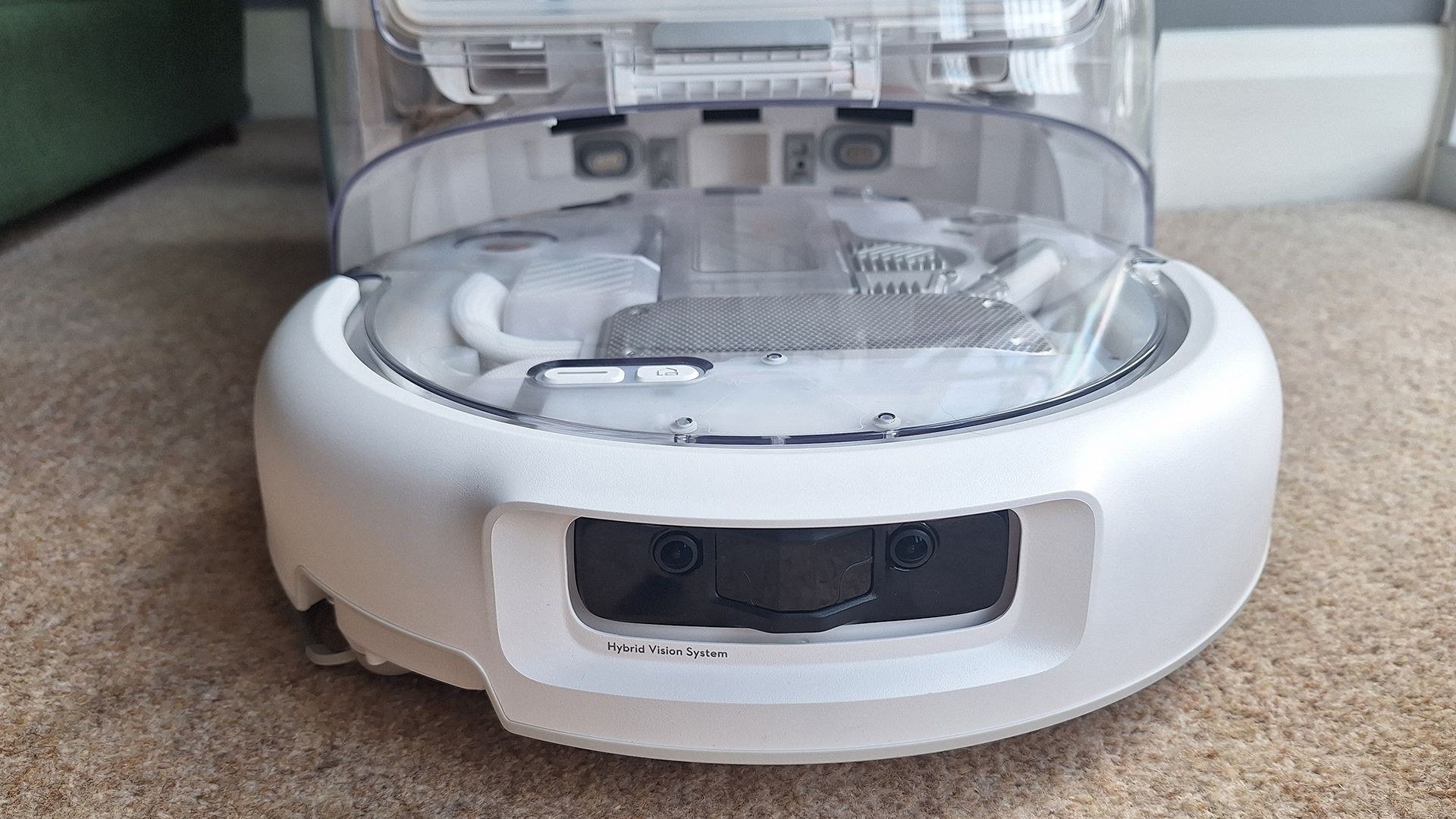
DJI has unveiled the Romo 2, a robot vacuum featuring a see-through chassis and drone-grade LiDAR navigation. To address past security flaws, it includes a strict local data mode that blocks internet access and keeps your home maps entirely offline.
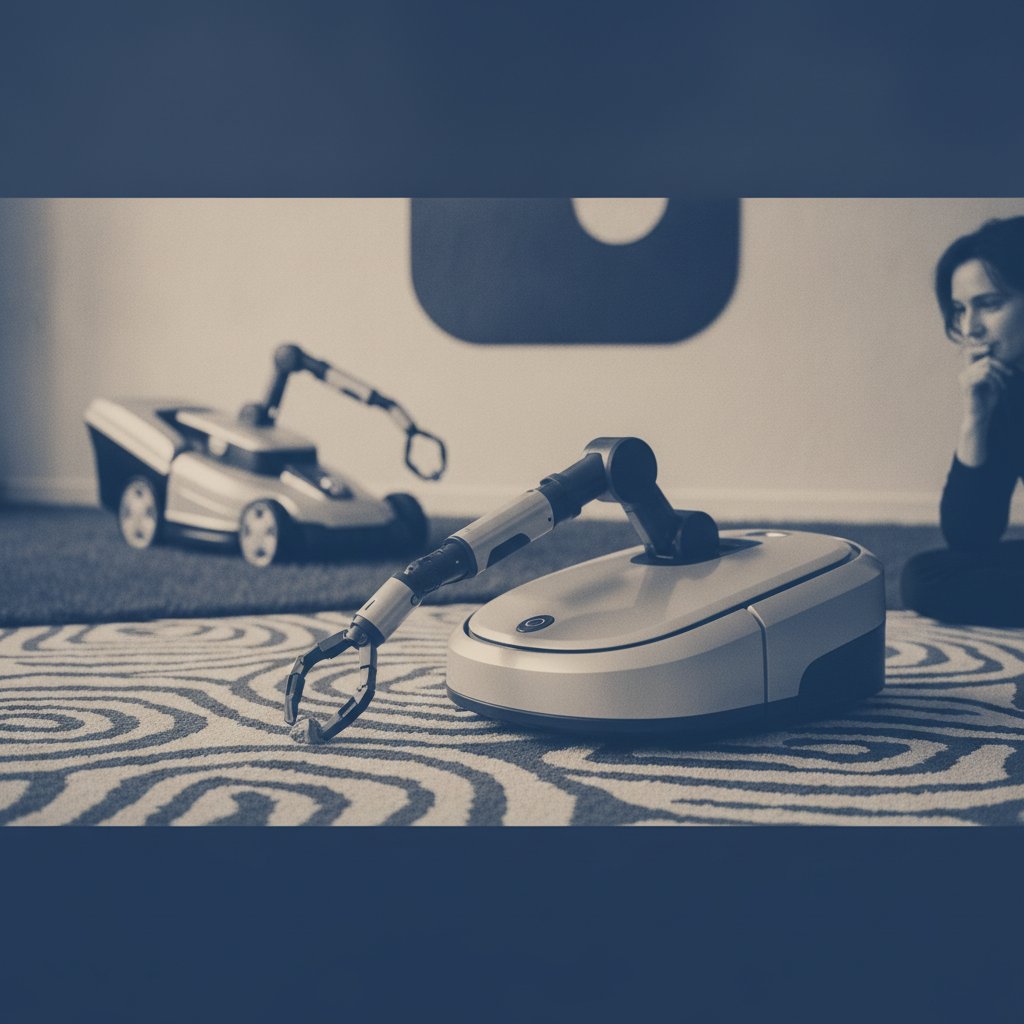
MOVA unveiled a robotic lawn mower featuring an articulated arm to clear yard debris and a vacuum with tactile touch sensors. While marketed as hands-free automation, the fragile moving parts are prone to rapid wear in real-world conditions.
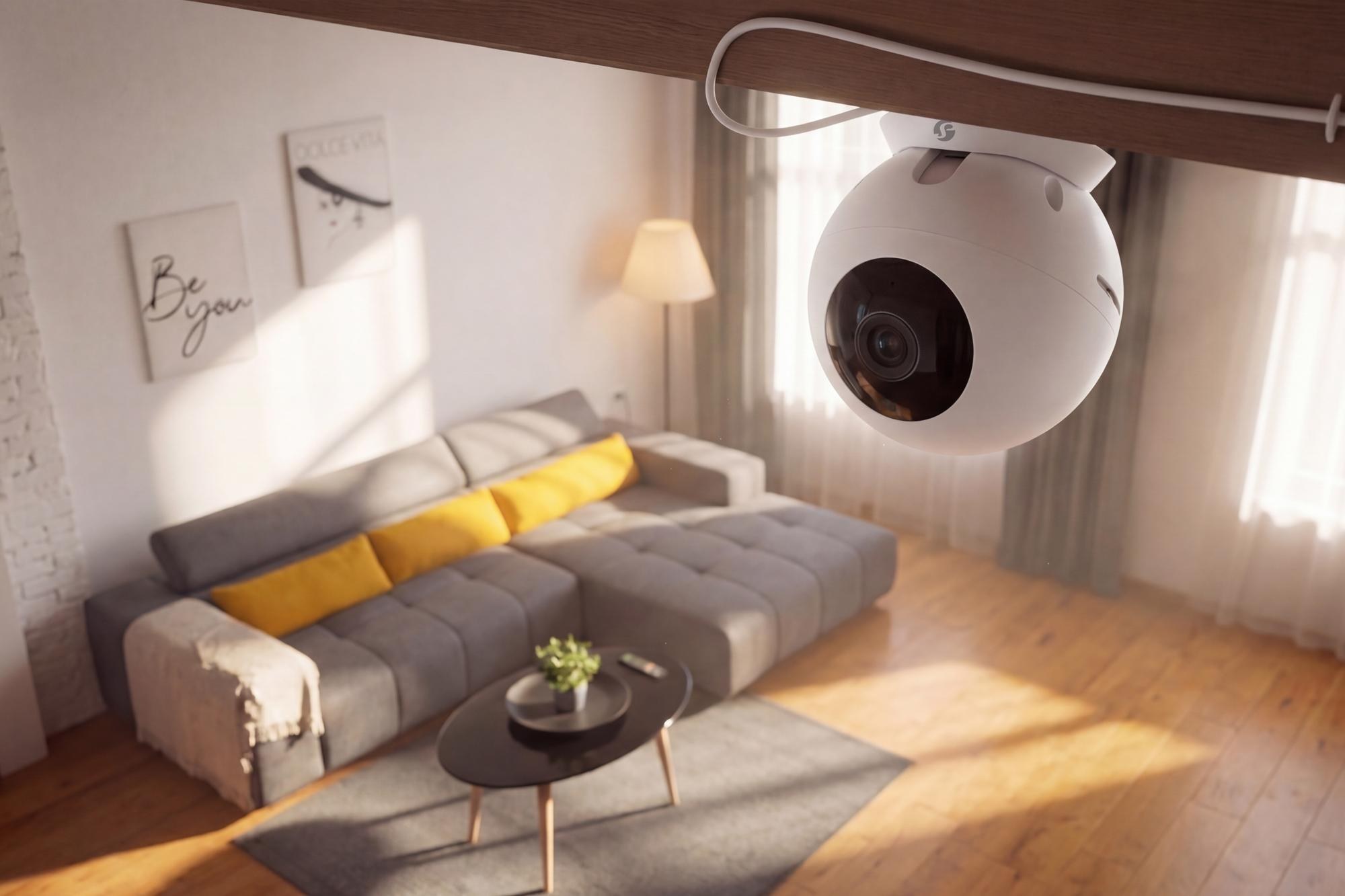
Shelly is releasing a $49.99 home security camera that records directly to a microSD card over local Wi-Fi. It lets buyers skip monthly cloud fees entirely while keeping video footage off third-party servers.
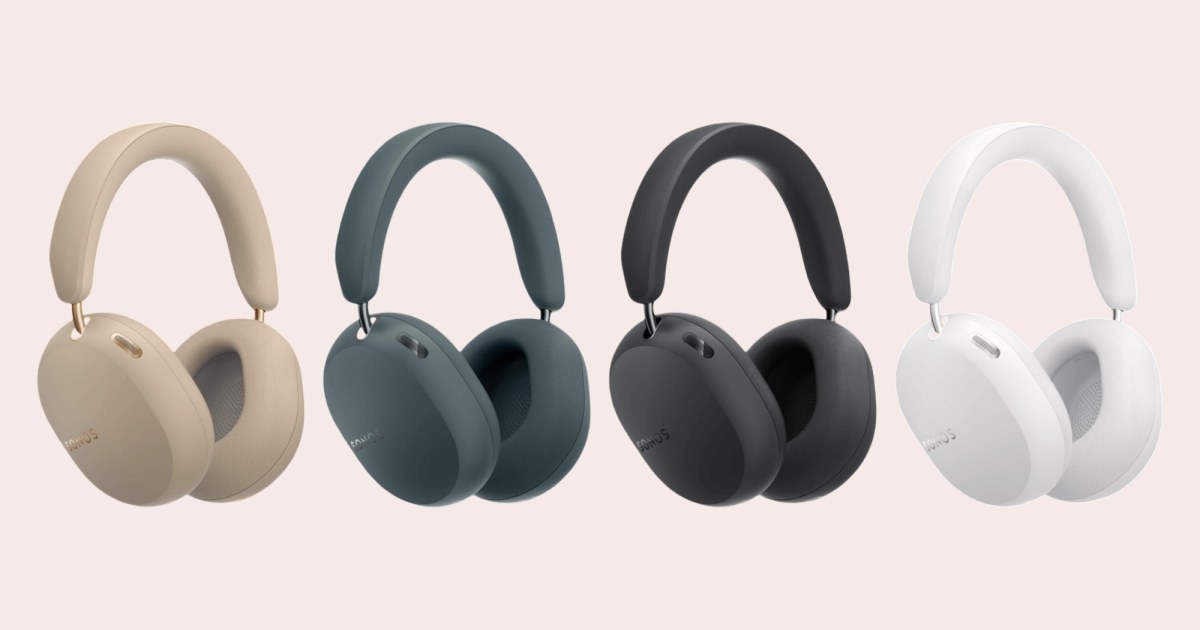
Sonos has officially launched the Ace Ultra flagship over-ear headphones to compete directly with Apple and Sony. The cans offer soundbar audio handoff and upgraded active noise cancellation, but beta features make them hard to recommend to non-Sonos owners.
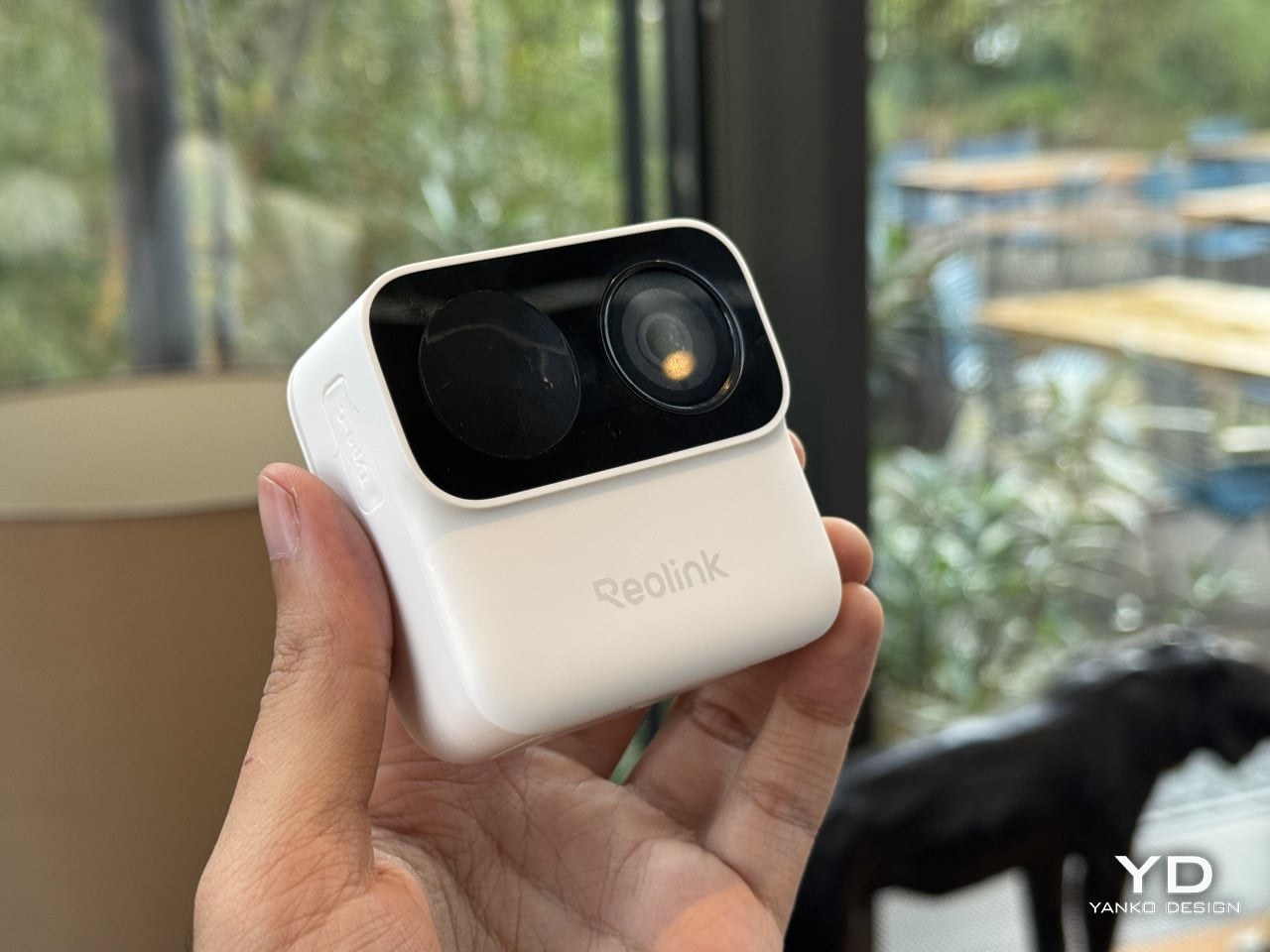
The Reolink Argus MagiCam snaps onto any metal surface without mounting brackets and runs on two standard AA lithium batteries for up to nine months. At $65 with local microSD storage, it targets renters and homeowners avoiding monthly subscription fees.
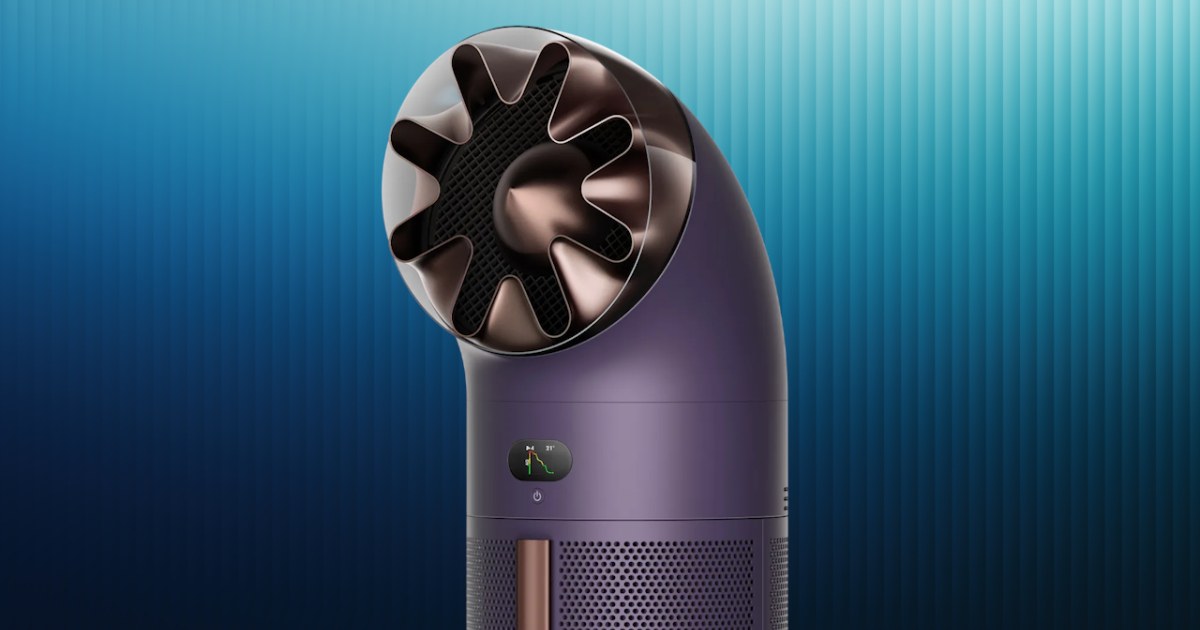
Dyson announced the HushJet series of air purifiers with advanced filtration and ultra-quiet operation, priced between $599 and $1,099. With the retail launch delayed until autumn 2026, buyers have plenty of time to weigh whether the premium is worth the wait.
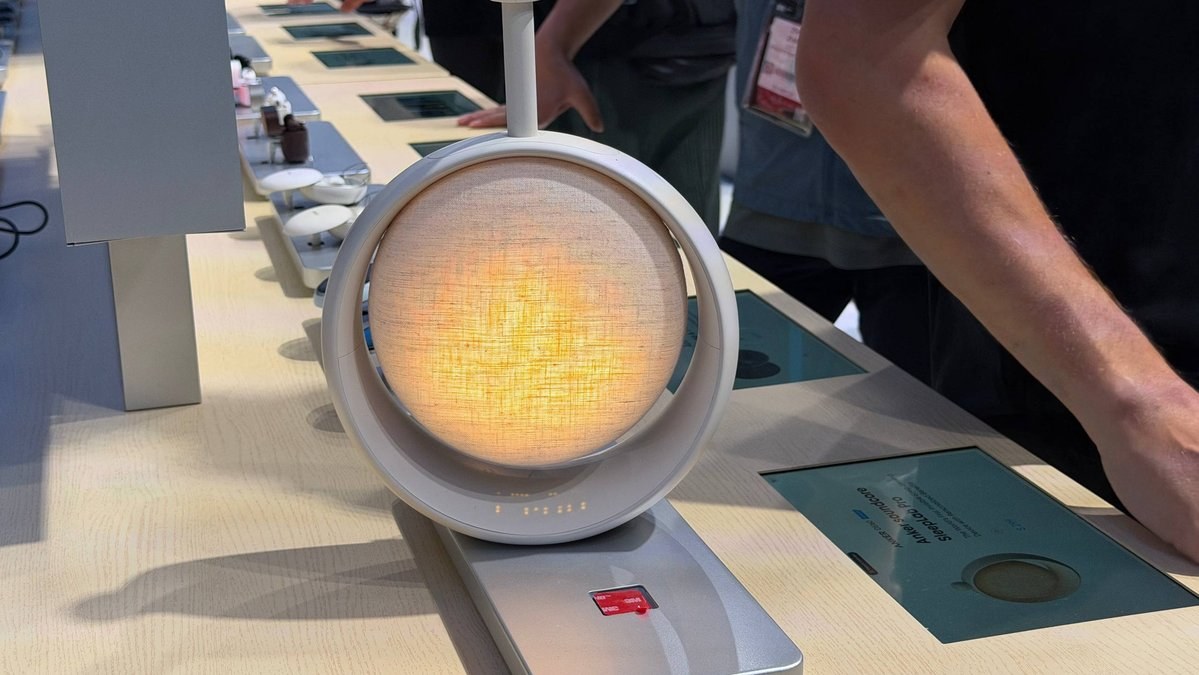
Anker unveiled the SleepLab Pro, a bedside Bluetooth speaker equipped with a 60GHz radar that tracks heart rate, respiration, and sleep cycles from the nightstand. The system eliminates the need for uncomfortable wearables and requires no paid subscription to view core health charts.
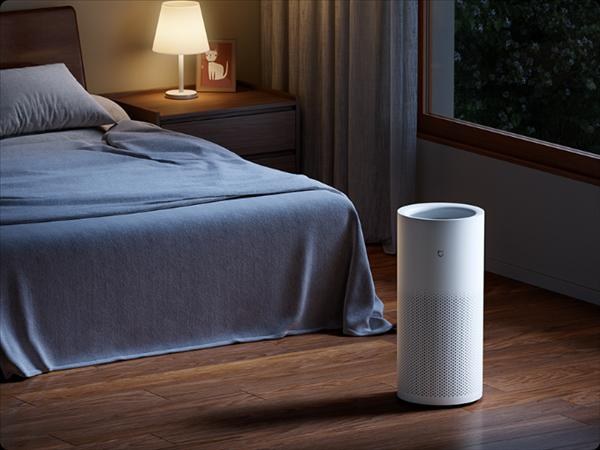
Xiaomi has introduced the Mijia No-Mist Humidifier 3, delivering high-output cold evaporation without the white dust typical of ultrasonic models. Its modular, fully washable components solve the chronic mold problem, though international buyers will face regional app hurdles.
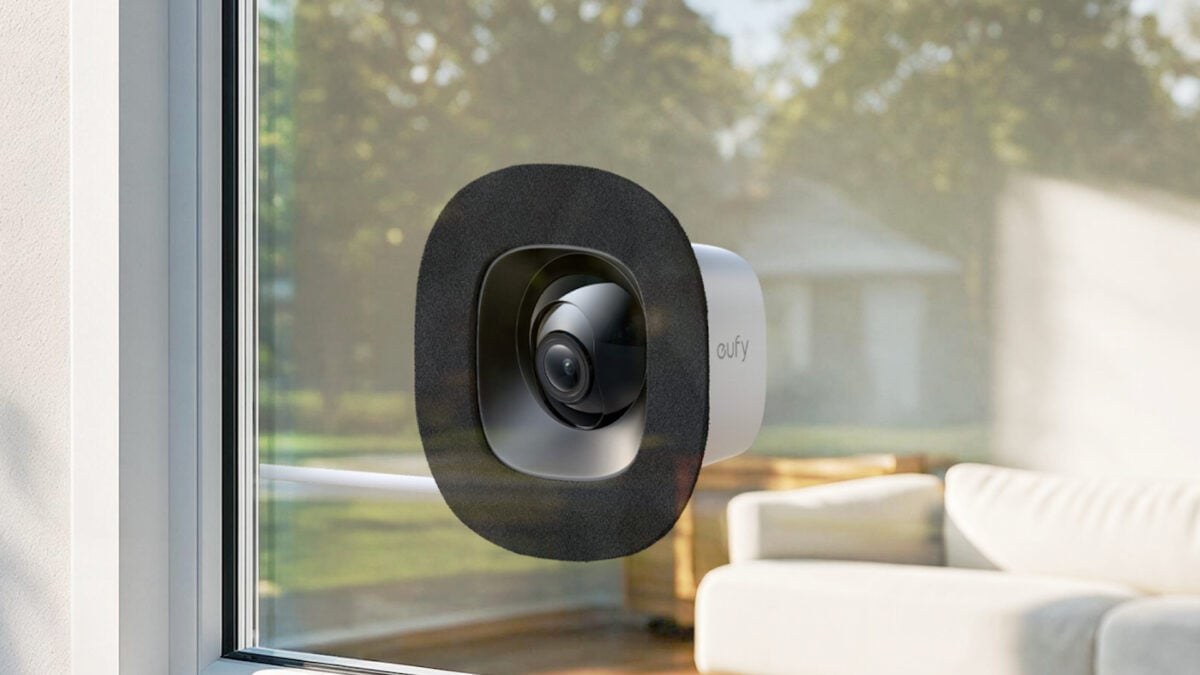
The Eufy Window Camera E10 sticks onto apartment glass to bypass landlord drilling restrictions without blinding night vision. For 70 dollars, tenants get 2.5K local recording, though living room aesthetics take a hit from the dangling USB-C power cable.
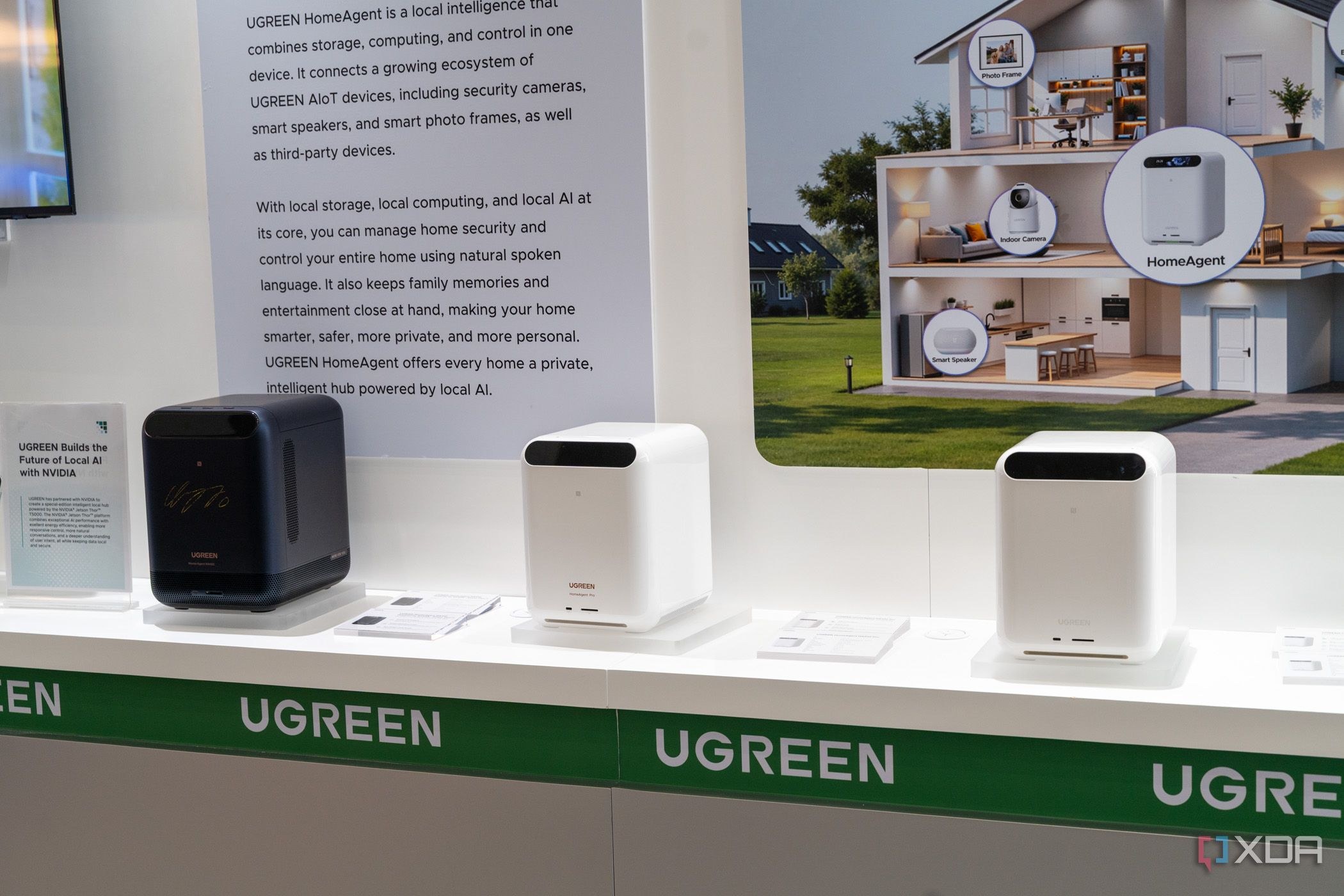
UGREEN unveiled the HomeAgent and MasterAgent hubs in Foxborough, replacing mandatory cloud storage and monthly fees with on-premise AI processing. The devices keep video feeds and home automations entirely local, shifting the smart home bill from endless rentals to a one-time hardware purchase.
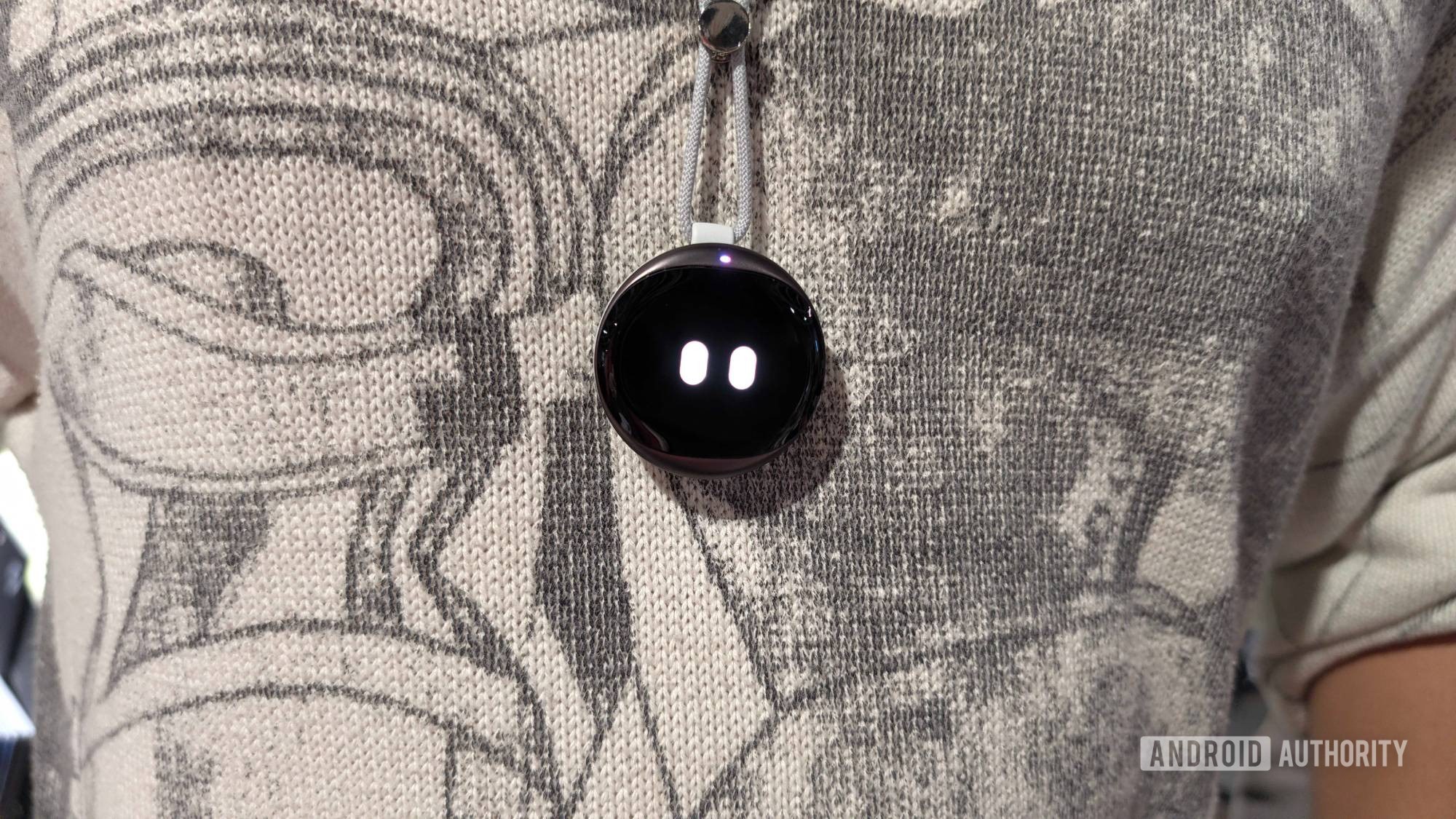
Singaporean startup Lingverse unveiled the iKairos at IFA 2026, a modular hybrid device that pops out of a desktop robot stand and hangs on a lanyard. While it attempts to track daily telemetry for proactive reminders, it lacks finalized pricing and launch dates.

DJI is launching the Romo A2 and P2 robot vacuums in Europe starting at €1,200, featuring retractable motorized legs that climb over obstacles up to 8.5 cm tall. The lineup packs 36,000 Pa suction and promises up to a full year of maintenance-free dock operation.
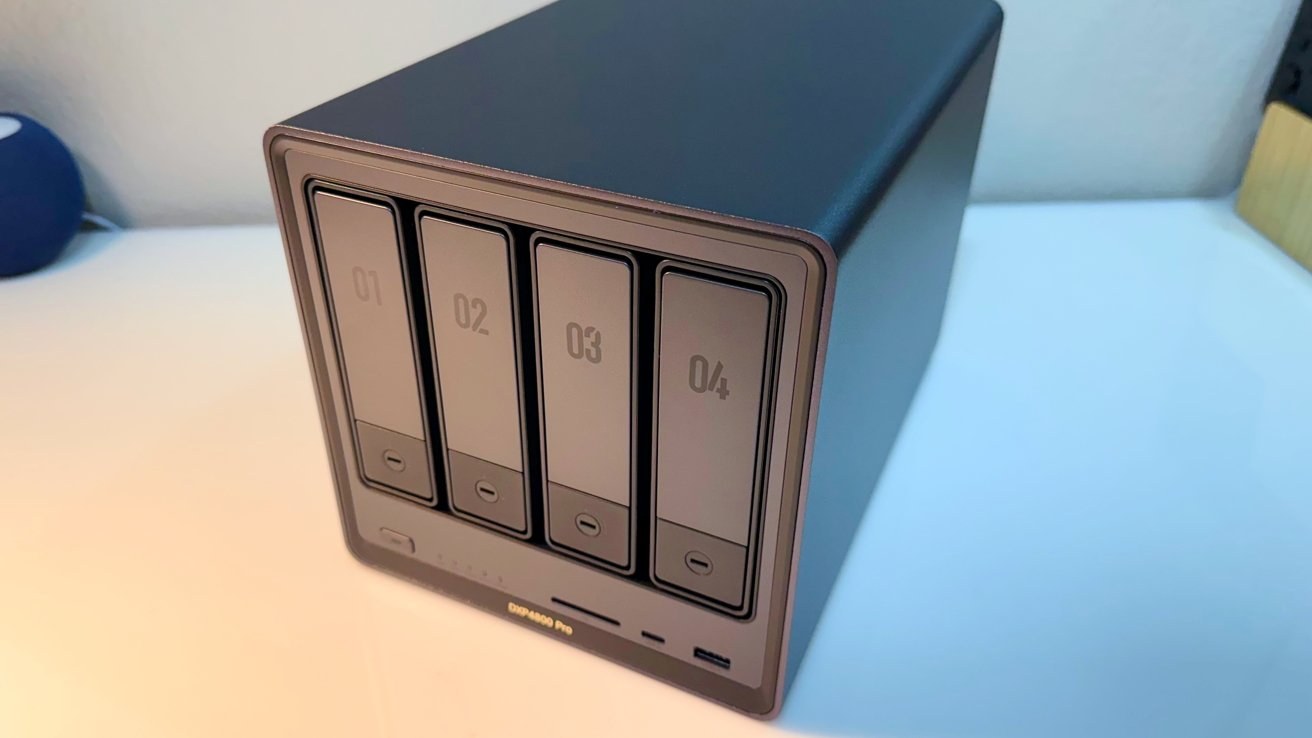
UGreen has released the NASync DXP4800 Pro, packing a six-core Intel processor and 10GbE networking into a $680 four-bay enclosure. It delivers an easy-to-manage private cloud alternative for creative pros and heavy data users, though drive costs can quickly multiply the final price tag.

Sonos introduced the Ace Ultra headphones and Beam Ultra soundbar alongside a rebranded software platform dubbed Sonos 27. The hardware boasts upgraded acoustic drivers and improved noise cancellation, but buyers should hold off until the new software proves stable.
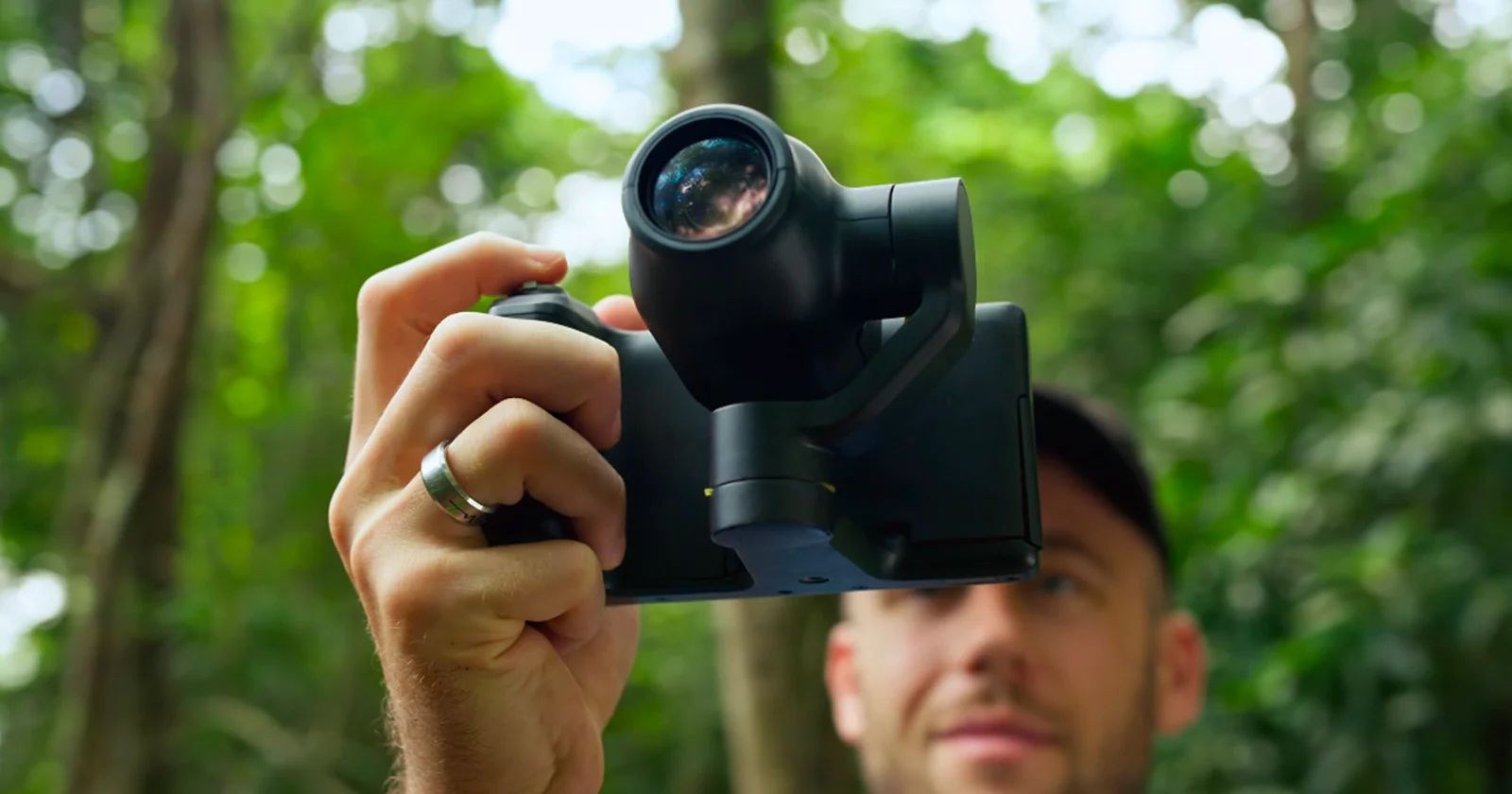
Former DJI engineers at FarseerTech designed the handheld RocXZoom to replace heavy telephoto setups with automated gimbal tracking and built-in bird recognition. The $499 Kickstarter gadget uses a 50x hybrid zoom to capture distant backyard nature without tripods or shaky footage.

Roku released its first OLED television lineup with 120Hz refresh rates and HDMI 2.1 starting at under $1,000. The aggressive pricing directly undercuts premium sets from LG and Samsung, though buyers accept an ad-heavy software platform in exchange.
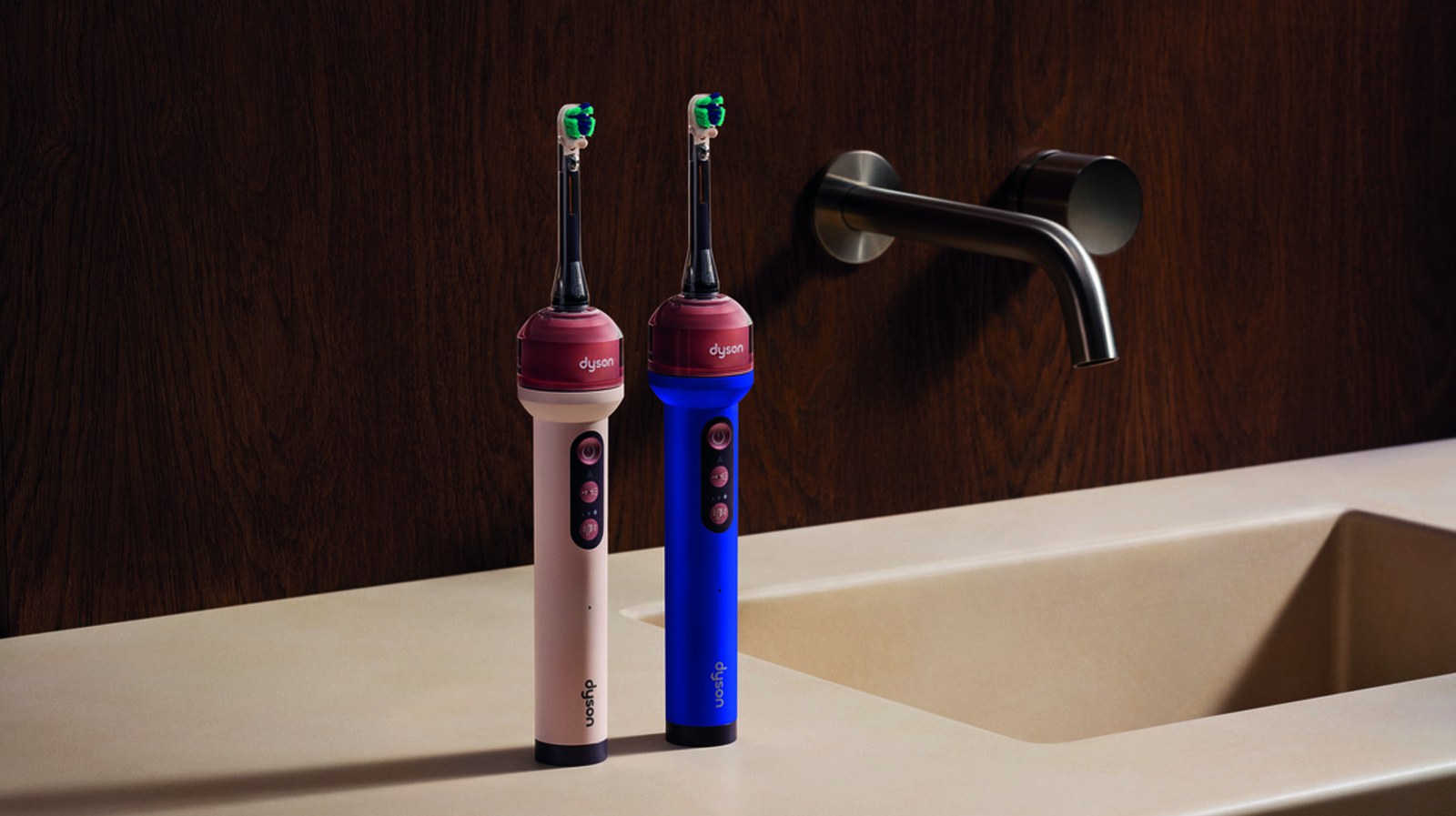
Dyson entered oral care with the CameraJet, packing an optical sensor and computer vision into an electric brush to blast tooth gaps automatically. The luxury wand streams live video to smartphones, but its tiny 12.5-milliliter water reservoir turns everyday flossing into a constant refill chore.
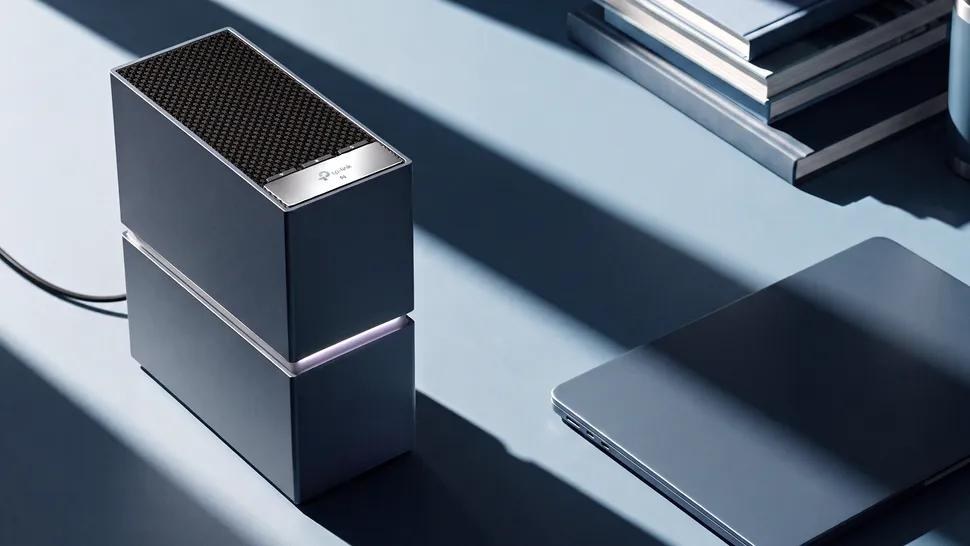
TP-Link has introduced its first Wi-Fi 8 mesh systems and routers boasting speeds up to 22 Gbps. However, the lack of compatible smartphones and laptops makes the expensive hardware entirely premature for regular consumers.

Researchers at POSTECH developed MiPAL, a single-transducer acoustic speaker that focuses private sound directly at an individual seat. The metamaterial design eliminates bulky hardware arrays and headphone fatigue, though current prototypes still face volume limits.

Maker Sachin Soni built a DIY smart door lock powered by an infrared palm vein scanner that cannot be fooled with lifted fingerprints. While the biometric sensor is virtually unpickable, unencrypted data wiring on the exterior leaves it vulnerable to basic tampering.
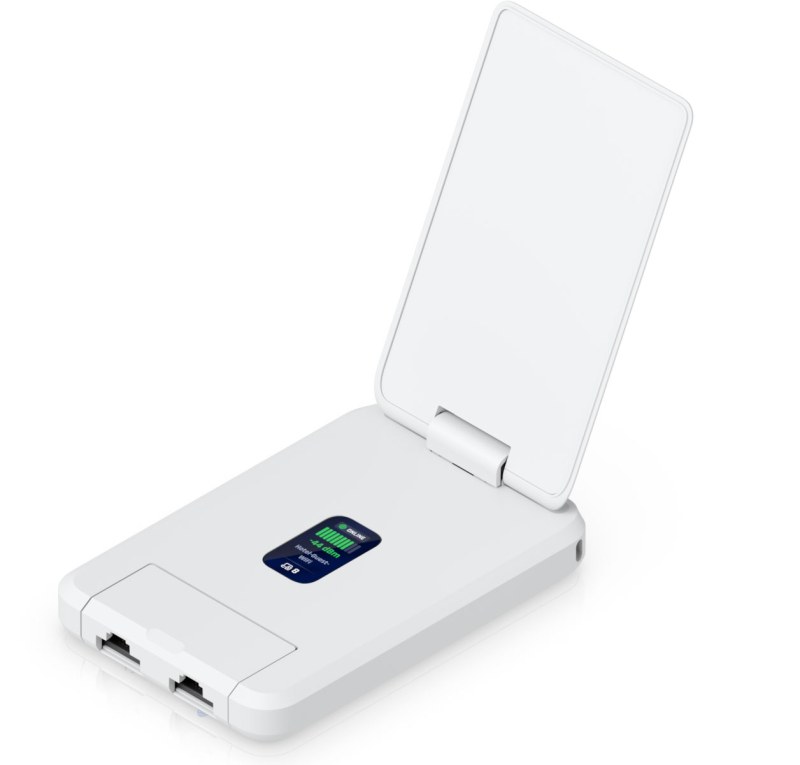
Ubiquiti has launched the UniFi Travel Router Long-Range, a pocketable €89 device with built-in hardware VPN encryption. It automates network isolation across multiple devices in hotel rooms, though it requires an external USB-C power source to stay online.

Independent creators are bringing back the 1990s transparent tech aesthetic with single-purpose desktop hardware. Major smartphone makers cannot easily follow suit, trapped by thermal heatsinks, radio shielding, and unsightly internal glue.
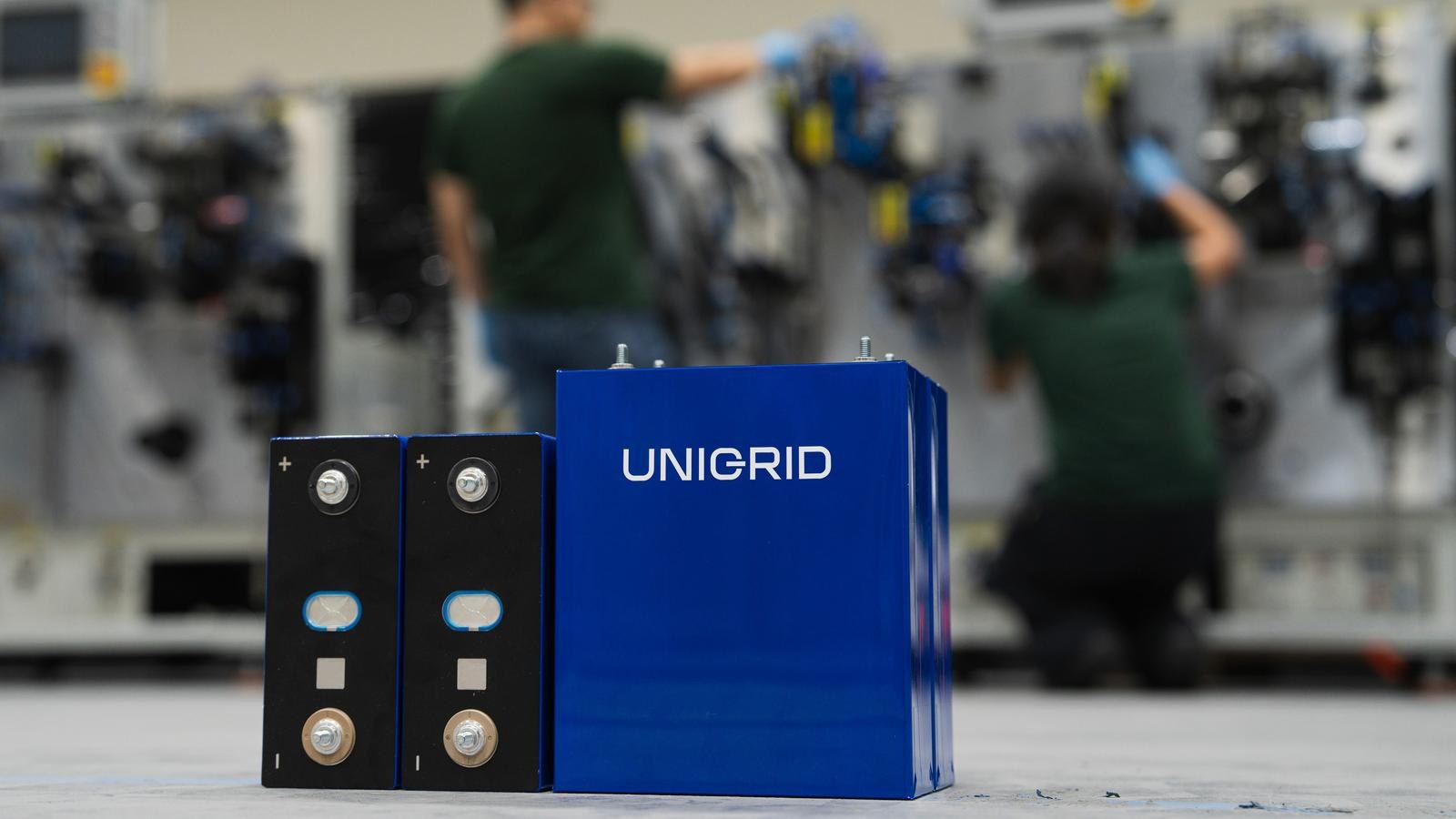
Hyundai has completed testing fireproof sodium-ion battery cells that promise up to 25 years of service life without thermal runaway risks. The chemistry avoids expensive metals like nickel and cobalt, making it ideal for stationary home and factory power storage rather than smartphones.

Budget smart padlocks with fingerprint scanners promise keyless security for under $30. Teardowns reveal that weak alloy casings and loose shackle tolerances can be bypassed with paperclips and screwdrivers in seconds.

Developers behind PhoneLLM Alpha 1 cut conversational AI response times by 1,300 milliseconds while reducing operational compute costs by 94 percent. The open-source architecture matches top closed models, paving the way for lag-free voice assistants in smart home gear without mandatory subscriptions.

Xiaomi launched the Mijia Mini Dual-Tube Washer Dryer, placing two independent drums side by side to handle separate wash loads simultaneously. While it speeds up delicate and infant garment care, a modest 5 kg total capacity makes it better suited as a secondary appliance than a full-size replacement.
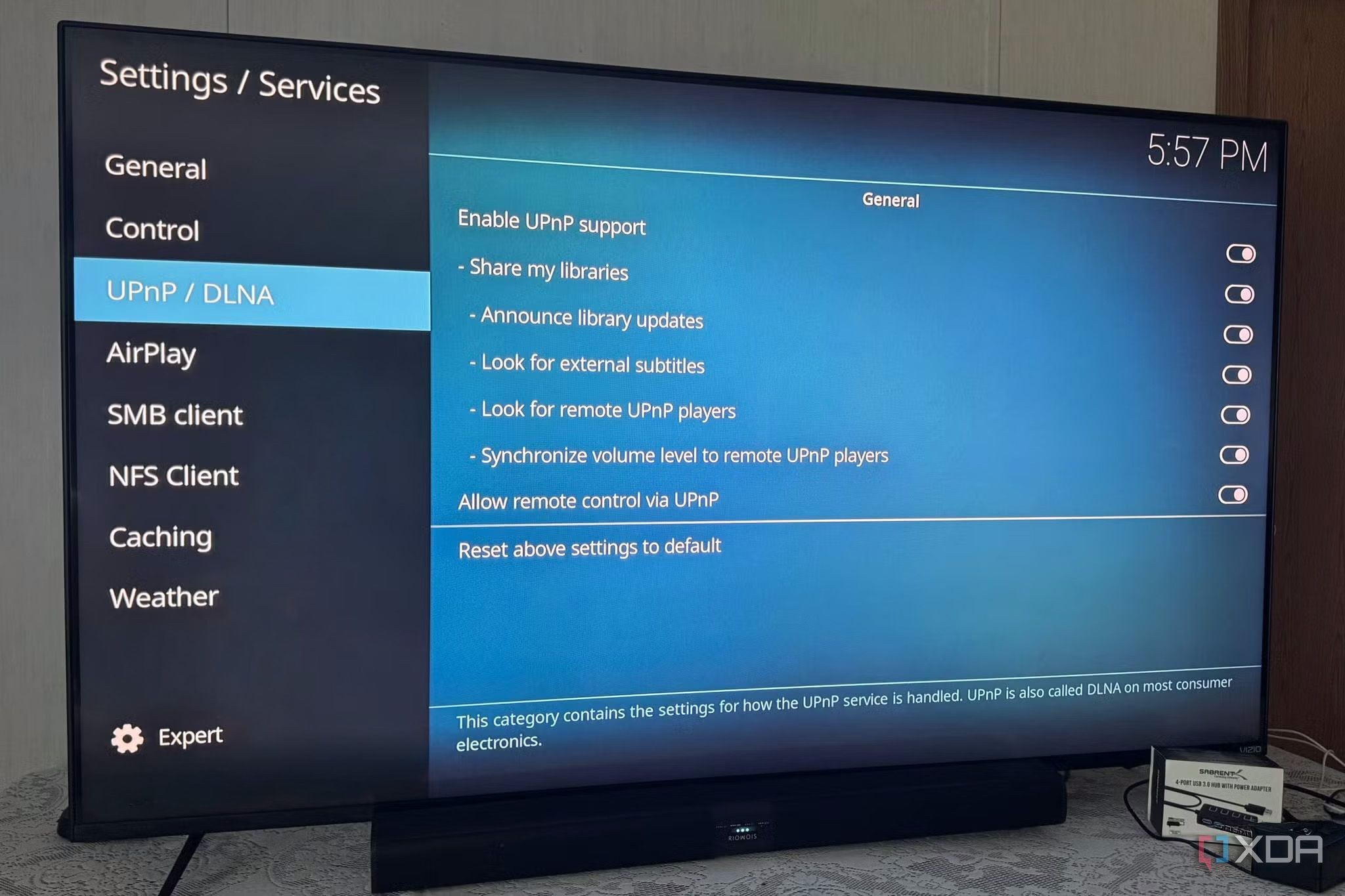
Repurposing the budget Onn 4K Pro into a self-hosted media server sounds like an affordable hack, but physical bottlenecks quickly derail the project. Underpowered USB ports, dropped 4K frames, and Android TV permission bugs make dedicated hardware the only practical choice.

Microsoft partnered with Ikea to launch the nine-piece Yxstaby furniture collection for the 25th anniversary of the original Xbox console. The lineup features standard living-room storage alongside an oversized thumbstick stool molded directly from official controller 3D design files.
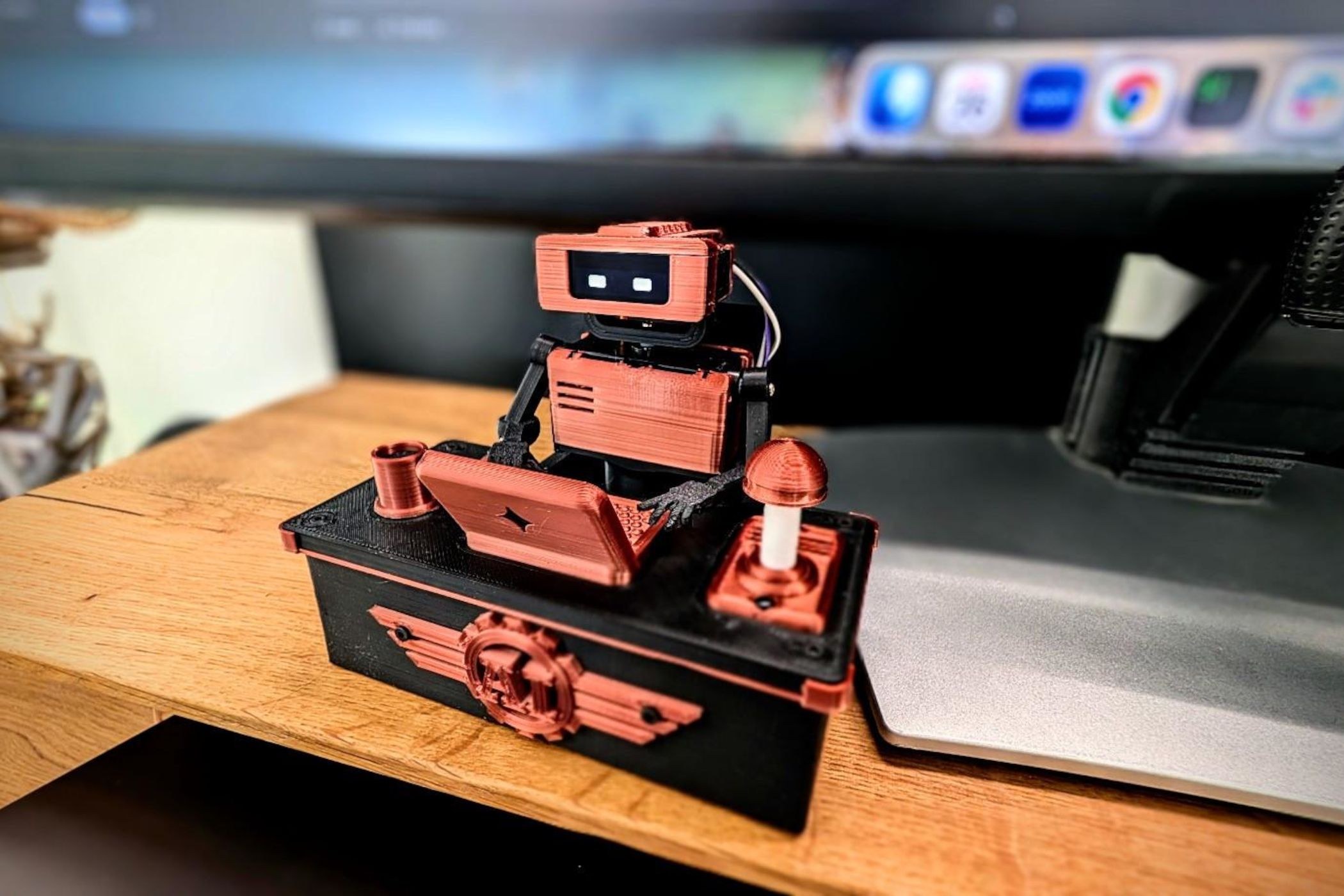
Maker jamropl built Tiny Engineer, an open-source desk companion powered by an ESP32 microcontroller and servo motors that types and rings a mini bell as software automations run. It turns abstract coding scripts into a tangible, physical desktop show, though building one requires a 3D printer and soldering skills.
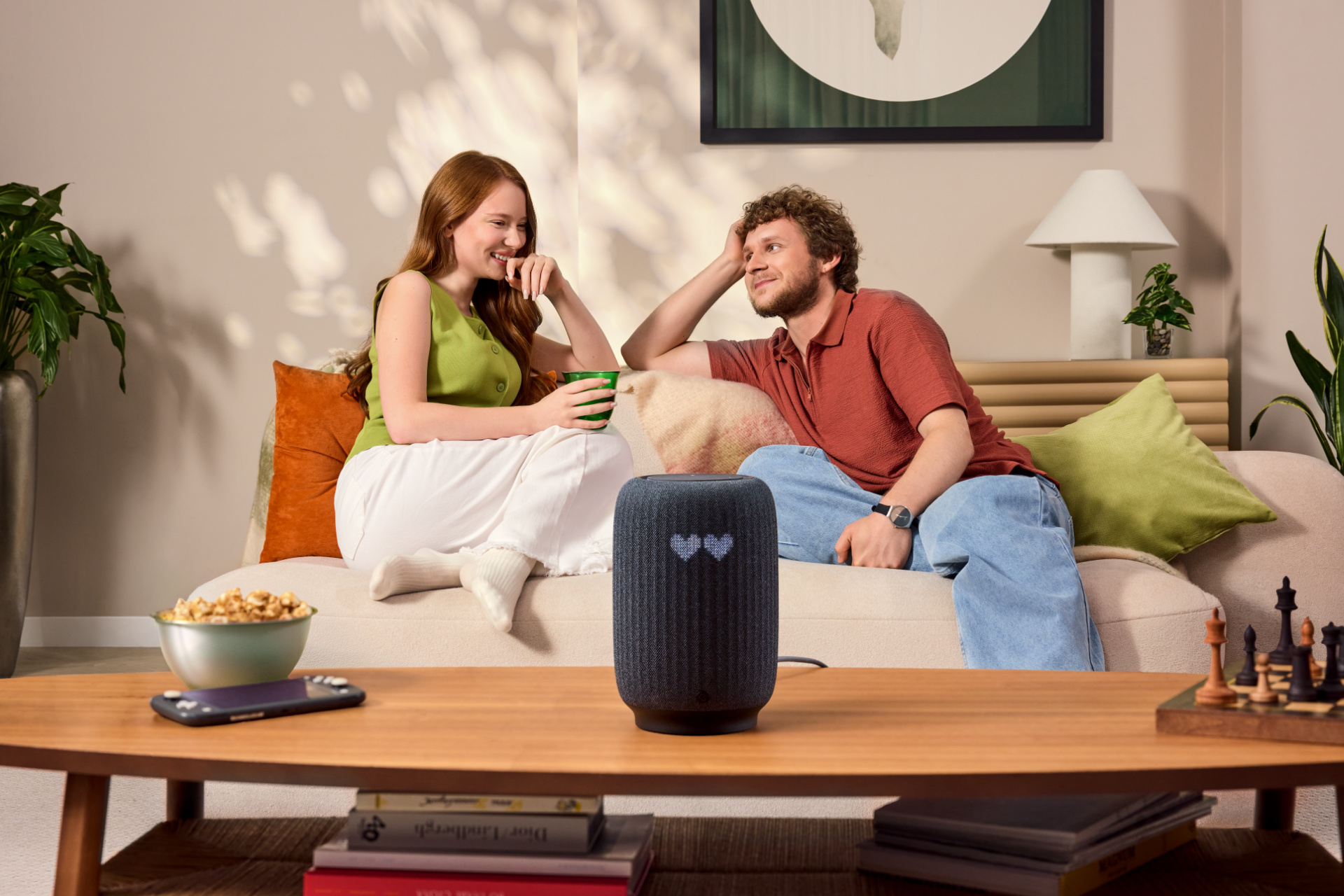
SberDevices has introduced the SberBoom 2.0, a smart speaker featuring local Zigbee and Matter processing that maintains full smart home automation during internet outages. Priced at 21,990 rubles, the hub processes basic voice commands and routines entirely on-device without remote servers.
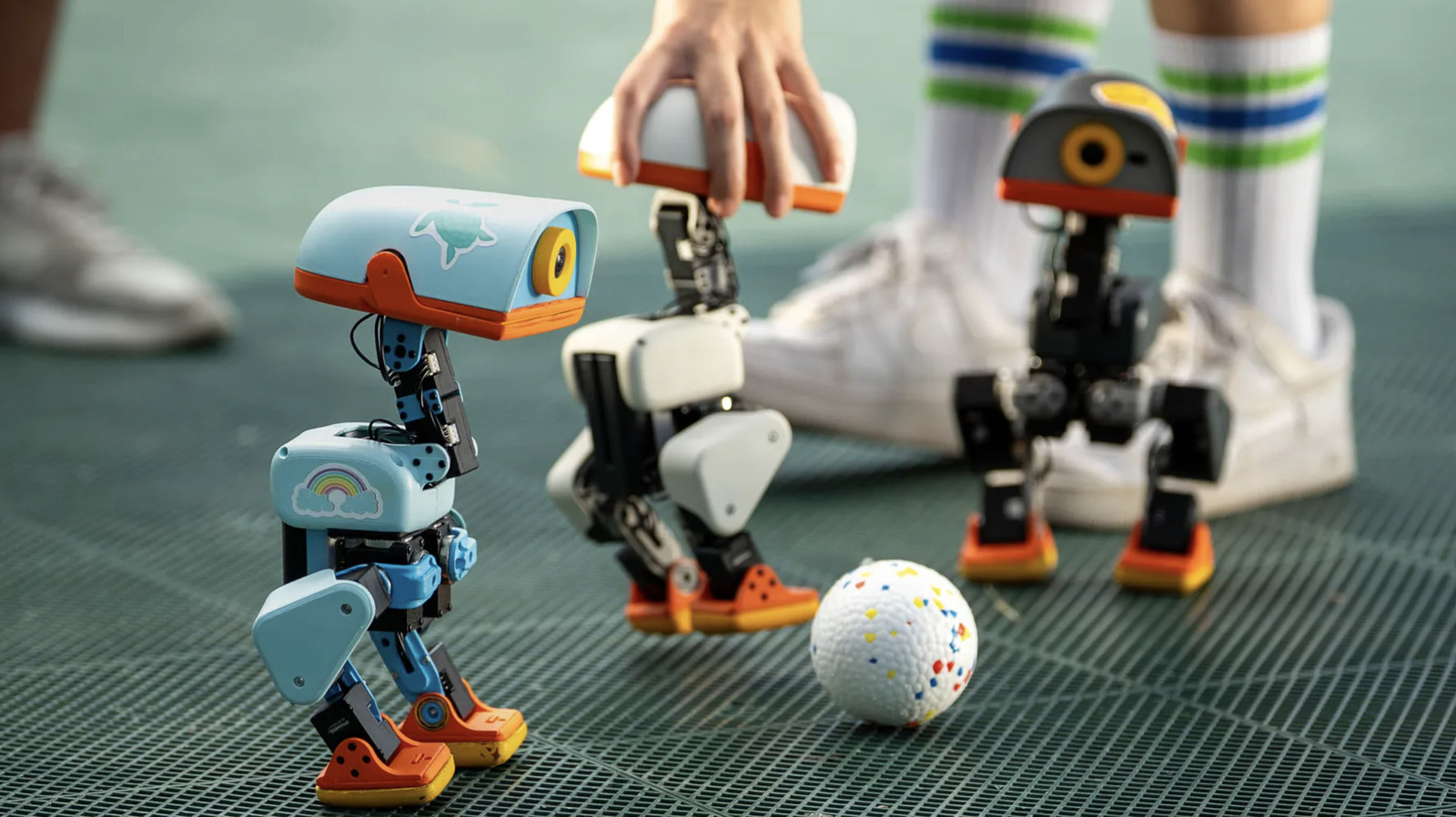
Hugging Face and Pollen Robotics released Microduck, an open-source 25cm bipedal bird packing LiDAR, a camera, and 15 servos for $399. The sub-800g device waddles, chases laser pointers, and recovers from falls without damaging floors. It serves as an accessible robotics testing kit rather than a practical automated cleaning assistant.
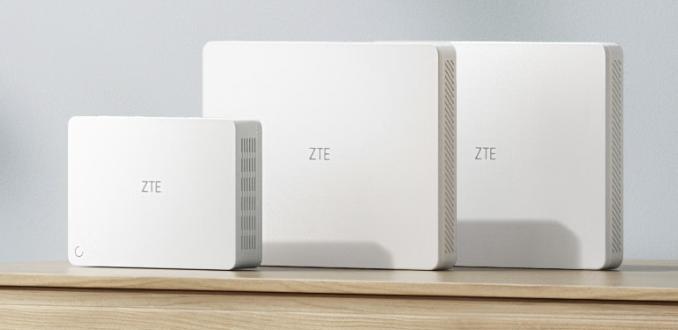
ZTE released a three-node Wi-Fi 7 networking kit in China priced at around $140. Designed with Power over Ethernet, the slim wall-mounted access points eliminate messy power cables while blanketing large apartments in high-speed connectivity.
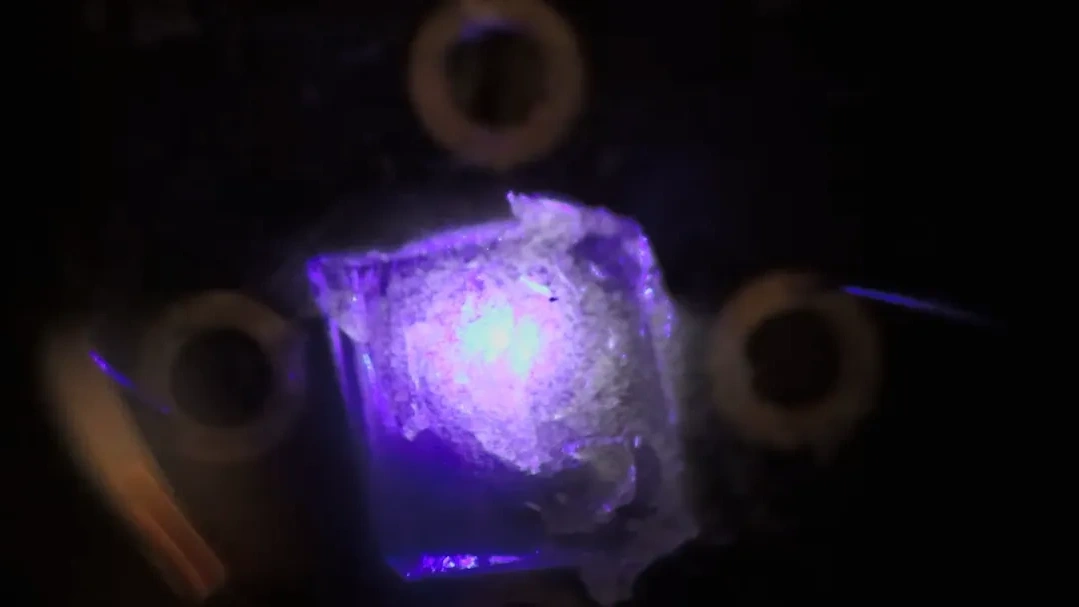
An independent engineer has converted a garden shed into a Class 100 cleanroom, fabricating functional RAM cells and white LEDs with an eBay laser. The experiment proves hardware startups can produce custom silicon prototypes without multimillion-dollar foundry budgets.
EPFL researchers discovered that breaking malicious tasks into mundane conversational steps lets attackers bypass AI assistant safety checks twice as often. Handing these agents control over connected home devices exposes personal data to simple social engineering.

Unitree stock surged over 600% following viral martial arts demonstrations, but real-world tests expose massive hardware bottlenecks. Navigating cluttered rooms and completing basic domestic chores remain years away from practical consumer readiness.

Amazon is rolling out its Alexa+ conversational assistant to all modern Fire TV devices at no extra cost, removing the previous $19.99 monthly fee and Prime requirement. The automatic update adds natural-language movie searches and smart home camera feeds directly to living room screens.

Tech companies are speeding up software development with automated AI agents, but the shortcuts bypass vital engineering discipline. The resulting unverified code reaches everyday phones and smart appliances as phantom battery drain and sudden system crashes. Buyers face less reliable hardware as developers lose the foundational skills needed to fix complex bugs.

An attempt to convert a cheap Amazon Fire HD 10 into an always-on smart home dashboard triggered automatic daily shutdowns enforced by locked system software. Bypassing the restricted bootrom required $266.15 spent across frontier AI models, turning a budget slate into a $380 lesson on vendor lock-in.

Xiaomi has showcased the AI Cube, a compact desktop station powered by custom XRing chiplets and 160 GB of unified memory. The device runs large open-source AI models entirely offline, offering a private, low-power alternative to cloud subscriptions.