
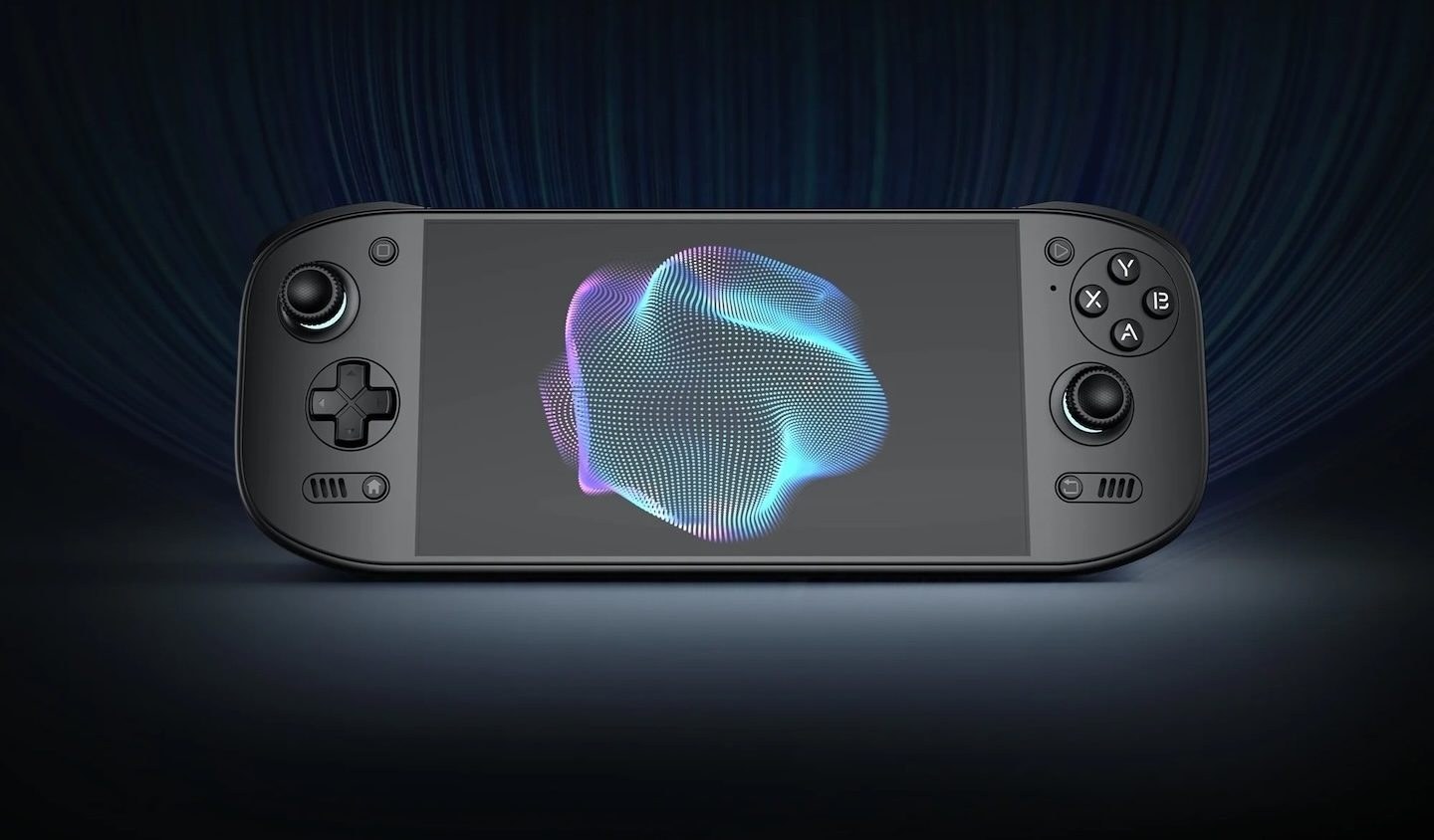
 inding room for the handheld in your bag is the other half of that decision when you are squinting at a game's inventory menu. A bigger screen is an easy sell, but lugging around extra plastic requires a clear set of compromises. The new AYN Odin 3 Portal pairs a 7-inch OLED display with Qualcomm’s Dragonwing Q8 processor and a 9,000mAh battery, starting at an introductory price of $399.
This machine sits as a larger alternative to the Odin 3, running Android 15 with support for native Android games, compatible emulators, and game streaming. If you want a bigger screen without switching to a Windows gaming handheld, its combination of high-end processing hardware and dedicated controls makes it an option worth looking at.
Big Screen, Real OLED Contrast
The Odin 3 Portal features a 7-inch AMOLED touchscreen with a 1920 x 1080 resolution and 120Hz refresh rate. That extra screen space gives small text and busy menus more room when you are streaming a game designed for a television or monitor.
OLED technology delivers deep blacks and strong contrast through individually illuminated pixels. The 120Hz refresh rate supports smoother motion in compatible games, although actual frame rates depend on software optimization, graphics settings, and processing demands. Not every Android game can take full advantage of the display's maximum refresh rate.
The Odin 3 Portal features a 7-inch AMOLED touchscreen with a 1920 x 1080 resolution and 120Hz refresh rate.
The screen also makes the Portal relevant to remote play and cloud gaming, where a larger viewing area and integrated physical controls offer an alternative to gaming on a smartphone. You get a portable window for remote play that does not require clamping bulky controllers onto your phone.
Power Under the Hood and Active Cooling
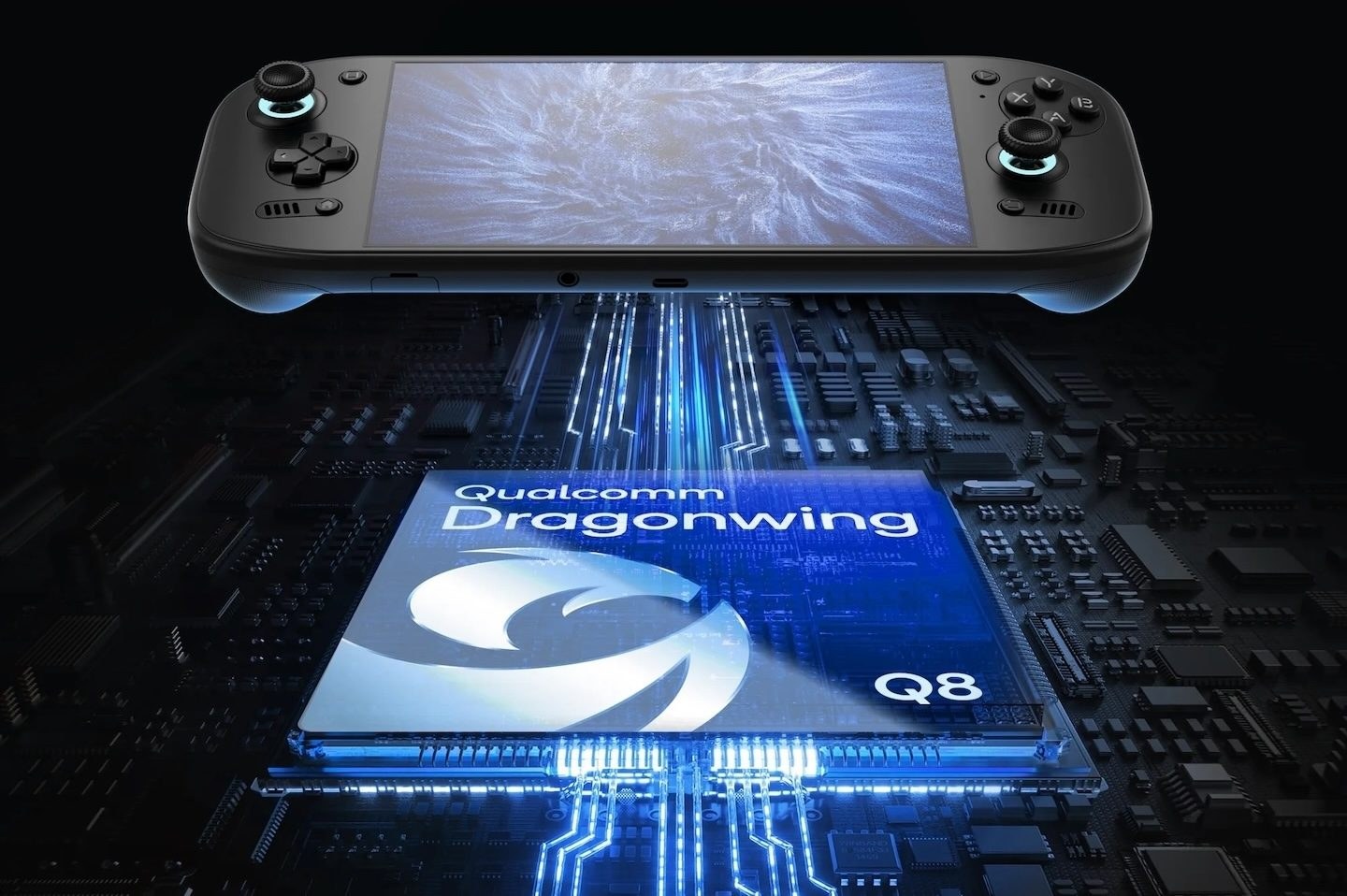
The Odin 3 Portal uses Qualcomm’s Dragonwing Q8, a processor derived from the Snapdragon 8 Elite platform. It features Adreno 830 graphics, providing substantial processing capability for demanding Android games and compatible emulation applications.
Unlike smartphones that primarily rely on passive cooling, the Portal includes a dedicated fan to help dissipate heat during extended workloads and manage processor temperatures. Sustained performance will depend on thermal conditions, game optimization, and graphics settings.
Wi-Fi 7 and Bluetooth 6.0 provide connectivity for compatible wireless networks, controllers, and audio accessories. Streaming quality and responsiveness will depend on network conditions and the equipment being used.
Ergonomics and Battery Reality
The Odin 3 Portal weighs approximately 450 grams and features ergonomic grips integrated into its larger body. Its control layout includes full-sized Hall-effect analog sticks with replaceable caps, textured shoulder buttons, a dome-style directional pad, and two rear buttons.
Hall-effect sticks use magnetic sensors to detect movement instead of conventional electrical contacts. This reduces one source of contact-related wear, although it does not eliminate every possible cause of stick drift or mechanical failure.
The replaceable stick caps provide flexibility, while the rear buttons offer additional inputs for compatible games and control-mapping applications. RGB lighting surrounds the analog sticks, and double-shot molded face buttons complete the layout.
At 450 grams, the Portal is heavier than many compact Android handhelds but lighter than numerous Windows gaming handhelds. Its larger body provides space for the 7-inch display and expanded battery, although it is less suited to pocket carry.
The Odin 3 Portal includes a 9,000mAh battery and supports up to 60W wired charging. Its capacity is 1,000mAh greater than the Odin 2 Portal’s battery, although that increase does not automatically translate into longer gaming sessions. Battery endurance will vary according to the game, display brightness, refresh rate, and wireless activity. Demanding titles can consume substantially more power than lightweight Android games or video streaming, making actual runtime dependent on usage.
The handheld also includes a USB-C port supporting USB 3.1 and DisplayPort output at up to 4K 60Hz. This allows connection to compatible external displays, although games will not necessarily render at that resolution. A 3.5mm headphone jack supports wired audio, while a microSD card slot provides expandable storage.
Configurations and Pricing
The Odin 3 Portal comes in four memory and storage configurations: Base with 12GB of RAM and 128GB of storage, Pro with 12GB and 256GB, and Max options with 16GB and either 512GB or 1TB. All share the same processor, display, battery, and UFS 3.1 storage technology.
The Base model is priced at $399 during the introductory promotion instead of its regular $419. The Pro increases storage to 256GB while retaining 12GB of RAM, costing $479 during the promotion instead of $499. The 512GB Max includes 16GB of RAM, with an introductory price of $549 compared with its regular $579. The Base model is available in Black, while the higher configurations offer additional color choices, including White and Cold Grey.
How many players will actually tolerate a 450-gram Android device in their daily commute bag when smaller alternatives exist?
Editorial analysis
Previous portable gaming and display hardware included the 16.1-inch Asus ZenScreen OLED MQ16FC priced well under $300 and the GPD Win Max 3 hybrid handheld with a 9.06-inch screen starting at $1,750. The newly introduced AYN Odin 3 Portal offers a 7-inch OLED screen powered by the Qualcomm Dragonwing Q8 processor. However, the presence of these components, the 9,000 mAh battery with 60W charging, and the $399 starting price currently rest solely on the company's claims without independent confirmation.
How the story developed
24.08.2026 — Asus takes aim at that exact compromise with the ZenScreen OLED MQ16FC, squeezing a 16.1-inch OLED screen with a 1920x1200 resolution into travel setups for well under $300.
26.08.2026 — GPD wants you to pay at least $1,750 for a machine that tries to be both your work laptop and your gaming handheld, leaving you squinting at a tiny 9.06-inch screen either way.
Compiled by AI from our stories, other outlets and the primary source; each line shows its source