
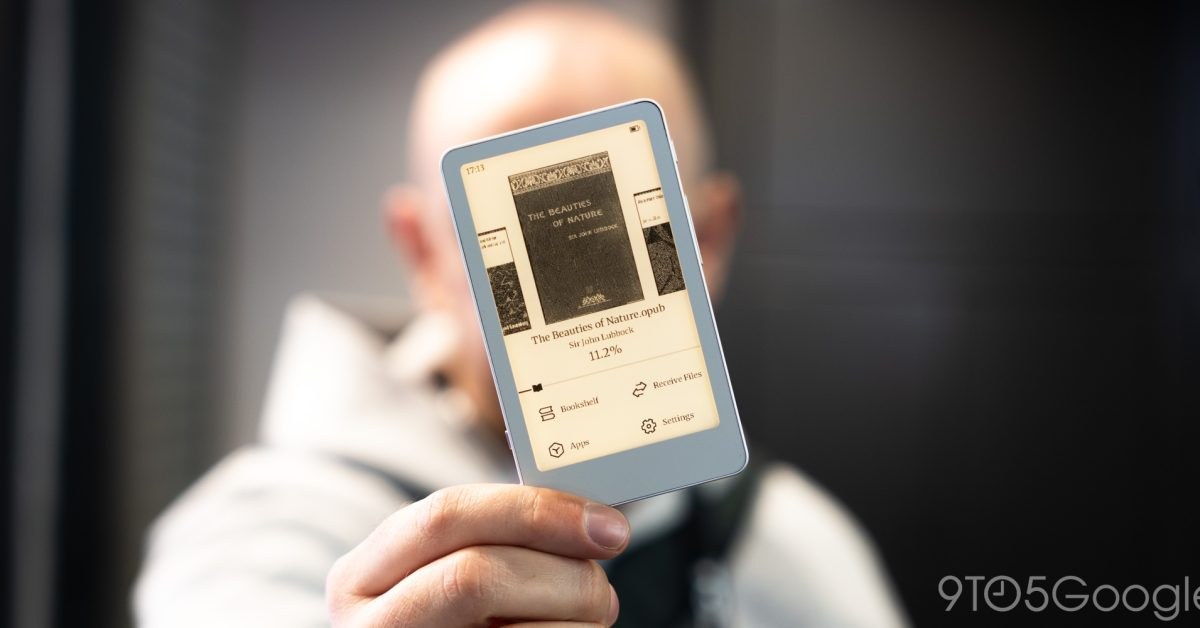
 f carrying a standard tablet feels like lugging around dead weight on your commute, Boox has an odd alternative in the works. At IFA 2026 in Messe Berlin, Boox previewed a tiny prototype e-reader called the Picco, scheduled for release in November 2026. The device sports a display measuring just under 4 inches, making it small enough to slip into a jeans pocket.
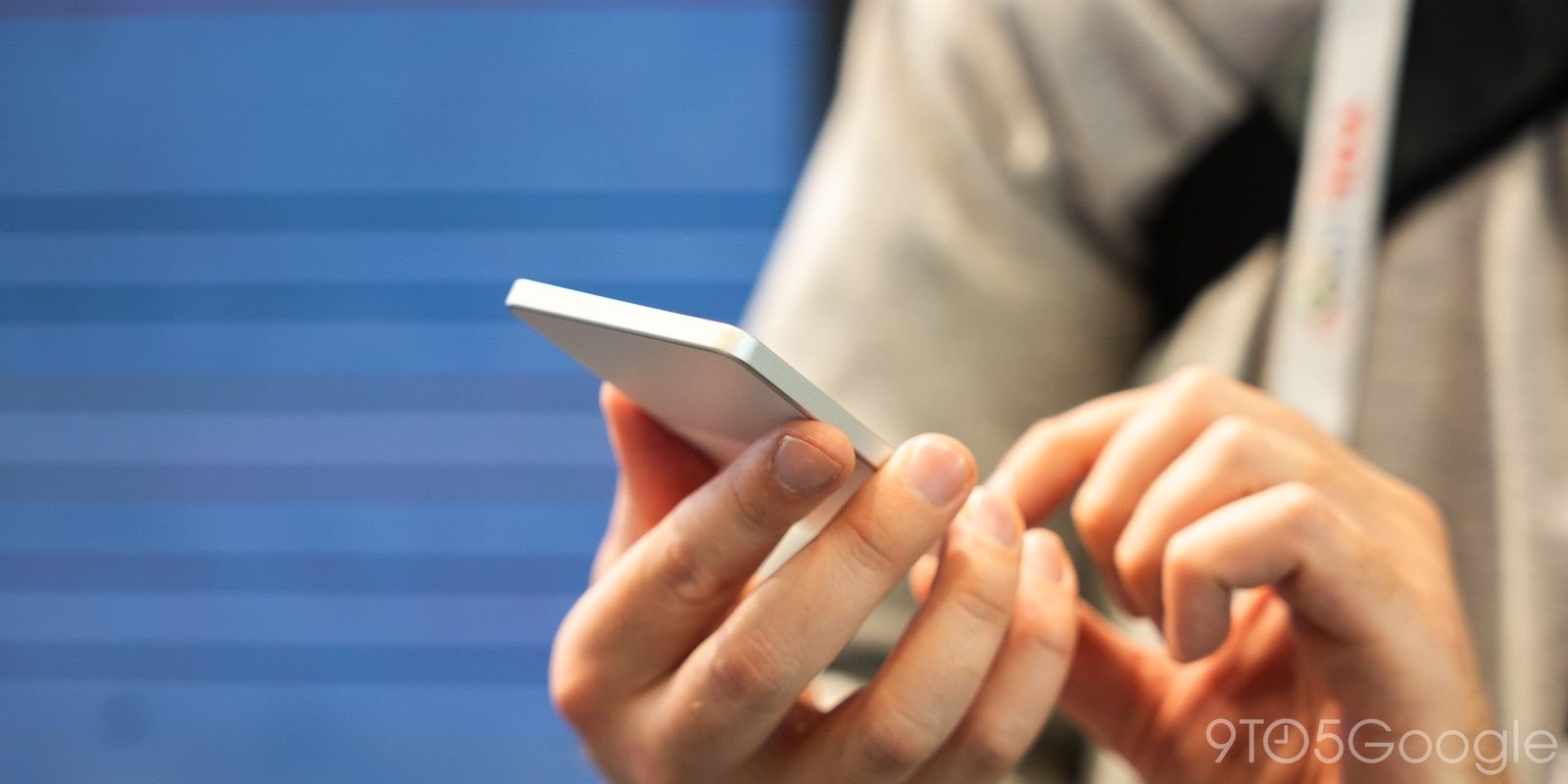
Despite the tiny footprint, the hardware includes practical everyday hardware. Boox packed in an adjustable front light alongside custom buttons and dedicated physical page rockers. You get a lightweight slate engineered specifically for single-handed reading on crowded transit.
Cutting Android to Hit a Budget Price
The real catch is software. Boox built its reputation on open Android readers, but the Picco explicitly ditches Android and Google Play in favor of a proprietary, closed operating system. That shift delivers battery efficiency, compactness, and a low price tag, but it cuts you off from third-party ecosystems entirely.
Without those apps, you’re left with the Boox store and epub files.
Instead of direct access to Kindle, Google Play Books, or subscription services, content options are restricted strictly to the Boox storefront and sideloaded EPUB files. To manage your library, the hardware will rely on a companion application to transfer files directly to the device. Furthermore, anyone hoping for magnetic phone attachments will be out of luck, as the Picco skips Qi2.2 and MagSafe compatibility entirely.
What This Compromise Means for Your Wallet
Ditching the heavier operating system gives Boox room to slash the sticker price. The company projects the Picco will sell for around $100, though final pricing remains unconfirmed. In practice, you trade app flexibility for extreme portability and tactile clicky controls.
If you already maintain an offline library of DRM-free books and want an ultra-portable secondary reader, this miniature slate makes financial sense. But if your reading habits rely on subscription apps and Kindle sync, an adorable hundred-dollar gadget that refuses to open them is little more than a pocket-sized paperweight.