
 e are all tired of pulling glass slabs out of our pockets every two minutes to check nothing at all. While tech giants pump billions into artificial intelligence features you did not ask for, a developer on the ESP32 subreddit known as Proud-Rent3785 built an open-source operating system called unidex designed to run on the very small 1.54-inch Waveshare ESP32-S3 e-paper display, according to the developer's shared post. This is not another bulky gadget demanding a monthly subscription fee; it is an open-source operating system built for a tiny, low-power screen that handles your schedule and notes without blasting notifications into your face.
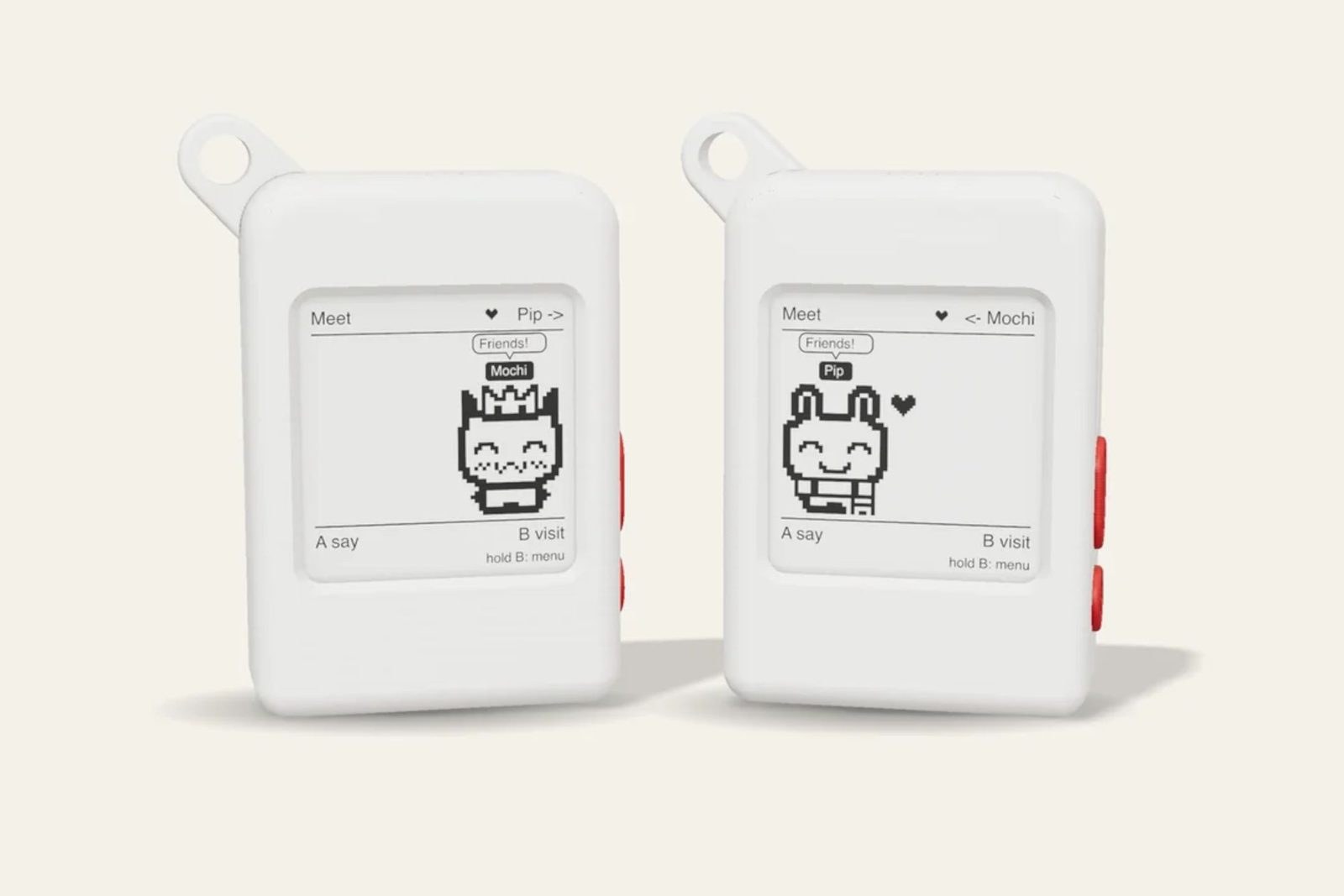
For anyone looking to cut down on screen time without throwing electronics into the trash, this project offers a refreshing detour from the attention economy. The unidex operating system shows your schedule with a live countdown and records notes, as detailed on the project's GitHub repository. It also keeps a digital pet you can dress up, which meets other users' pets on their unidex devices as they visit, chat, and swap badges, alongside running a Wi-Fi collection game and four one-button games, while conserving power whenever you are not interacting with it.
Getting it running without a computer science degree
The best part about this project is that you do not need to be an embedded systems engineer to use it.
The guide says you can install it from a browser
You order the hardware piece, plug it in, and flash the software right through your web browser in a matter of clicks.
The reality check: why this is not for everyone
Before you throw away your smartphone, remember what this device actually is. It is a tiny tinkering project, not a polished consumer product you buy off a retail shelf with a warranty and customer support. If you expect a seamless plug-and-play smartphone replacement that syncs instantly with every corporate app you use, you will be deeply disappointed. You have to be willing to assemble the hardware components and accept the limitations of electronic ink displays, which refresh slowly and are designed to do a few specific tasks rather than stream video or load heavy web pages.
This is a brilliant weekend antidote to smartphone addiction for anyone willing to step outside the walled gardens of major tech companies. It gives you basic tools, a digital pet, and zero algorithmic feeds demanding your attention for the price of a small hobby board and a little patience. Skip it if you need a reliable daily planner right out of the box, but grab one if you want a fun project that returns control over your time.