
#Smartphones
113 stories on this topic, newest first.
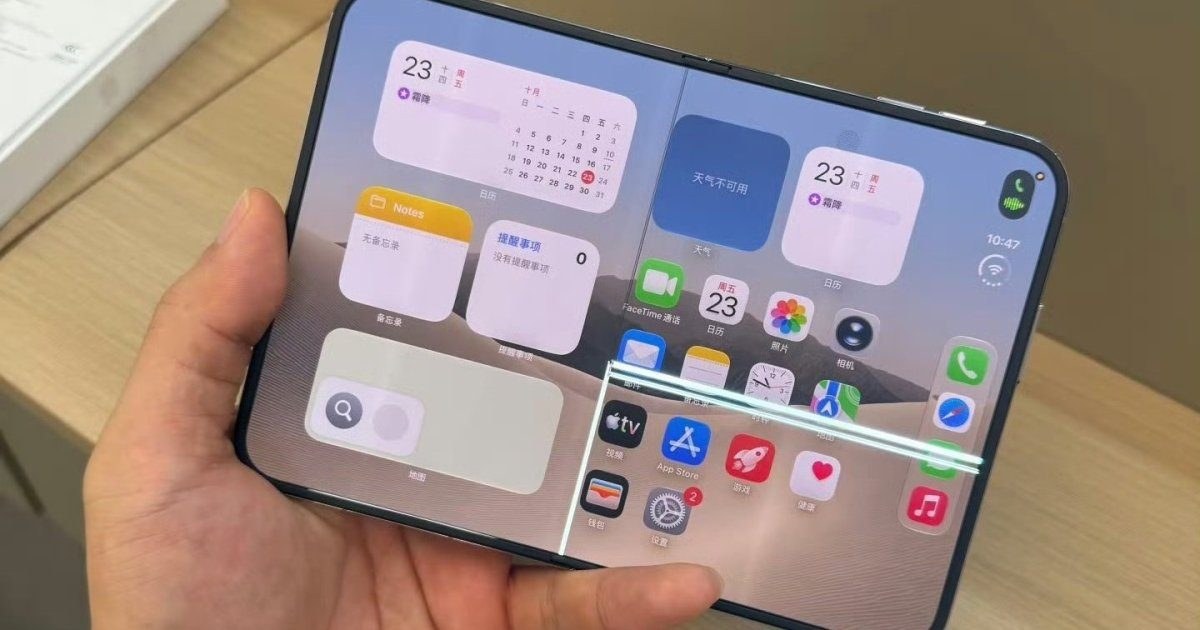
Early buyers of the iPhone Duo are reporting inner screen cracks near the hinge after fewer than 20 folds. While Apple is replacing defective units, first-generation hardware risks mean everyday buyers should wait for mature revisions.

Valve's Steam Deck now costs $789, but Hong Kong-based abxylute offers an alternative with its M5 and M6 magnetic sliding controllers. For under $90, the accessories snap onto modern phones to handle console ports and streaming without the heavy price tag.
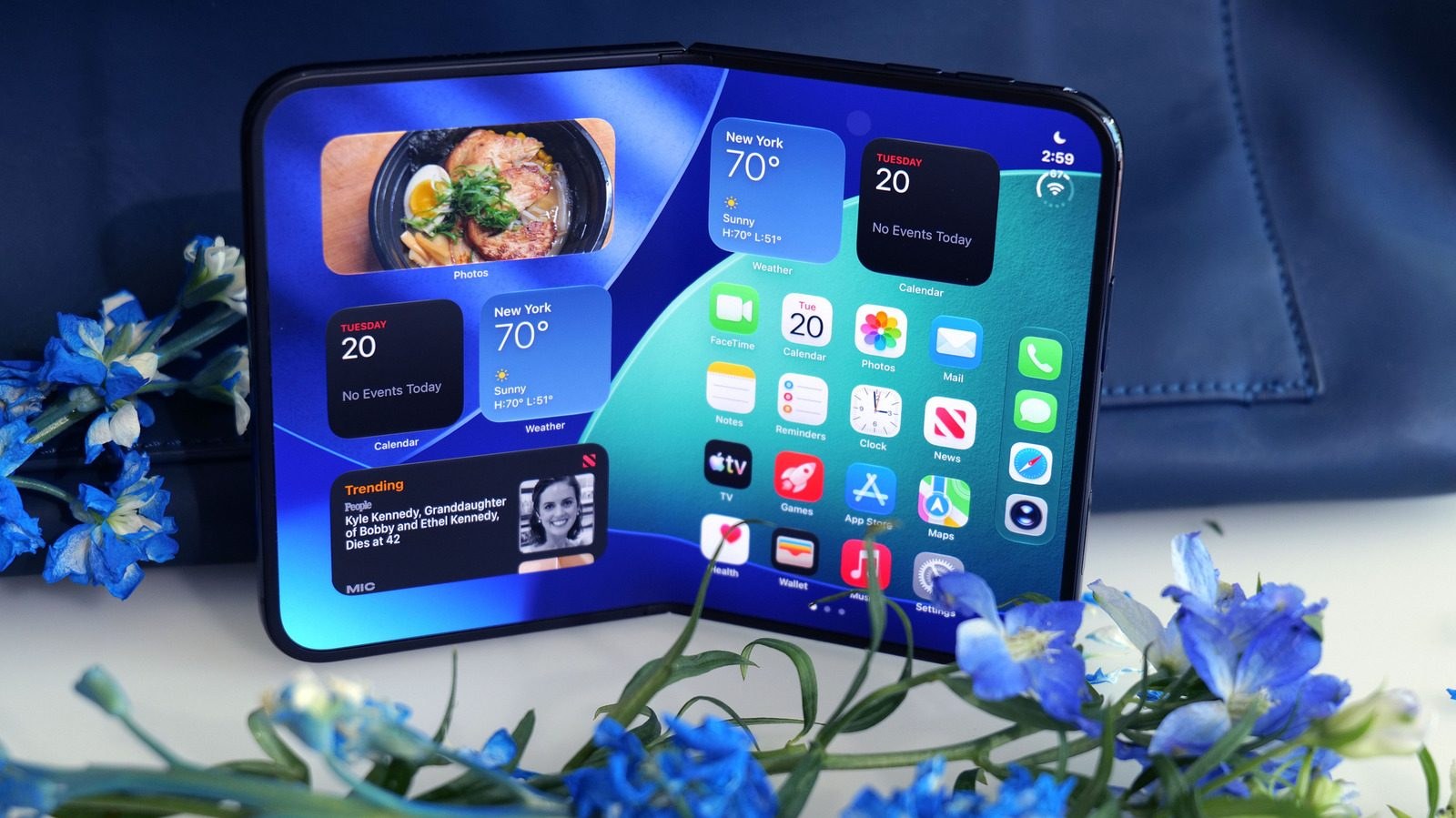
Apple finally drops its first folding phone with a $1,999 price tag, a heavy titanium frame, and a side-mounted fingerprint scanner. It brings serious specs and a nano-texture inner screen, but software optimization still lags behind the hardware.

Coolpad breaks the mold of tall, narrow displays with a wide, squat smartphone designed for documents and spreadsheets. Without a final price or software adaptation details, pre-ordering this unusual device remains a gamble.
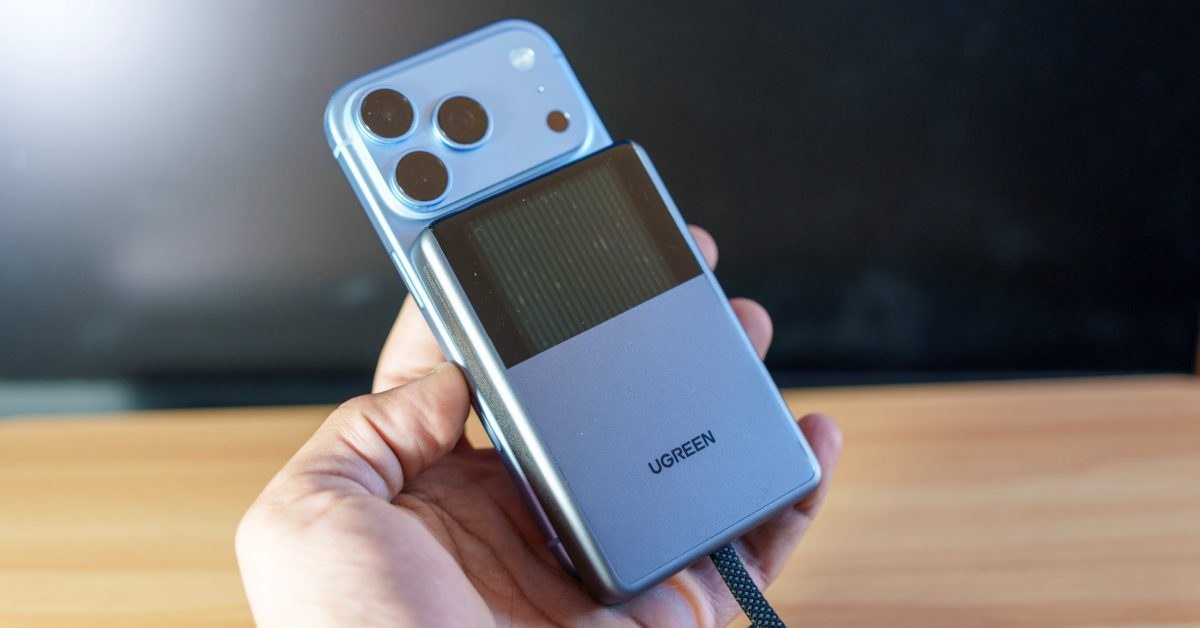
UGREEN added a swirling liquid cooling loop to a 10,000 mAh MagSafe power bank to tame 25W wireless charging heat. At $95 to $149, it looks like a sci-fi prop, but the chunky chassis lacks a kickstand and changes how your phone sits in your hand.
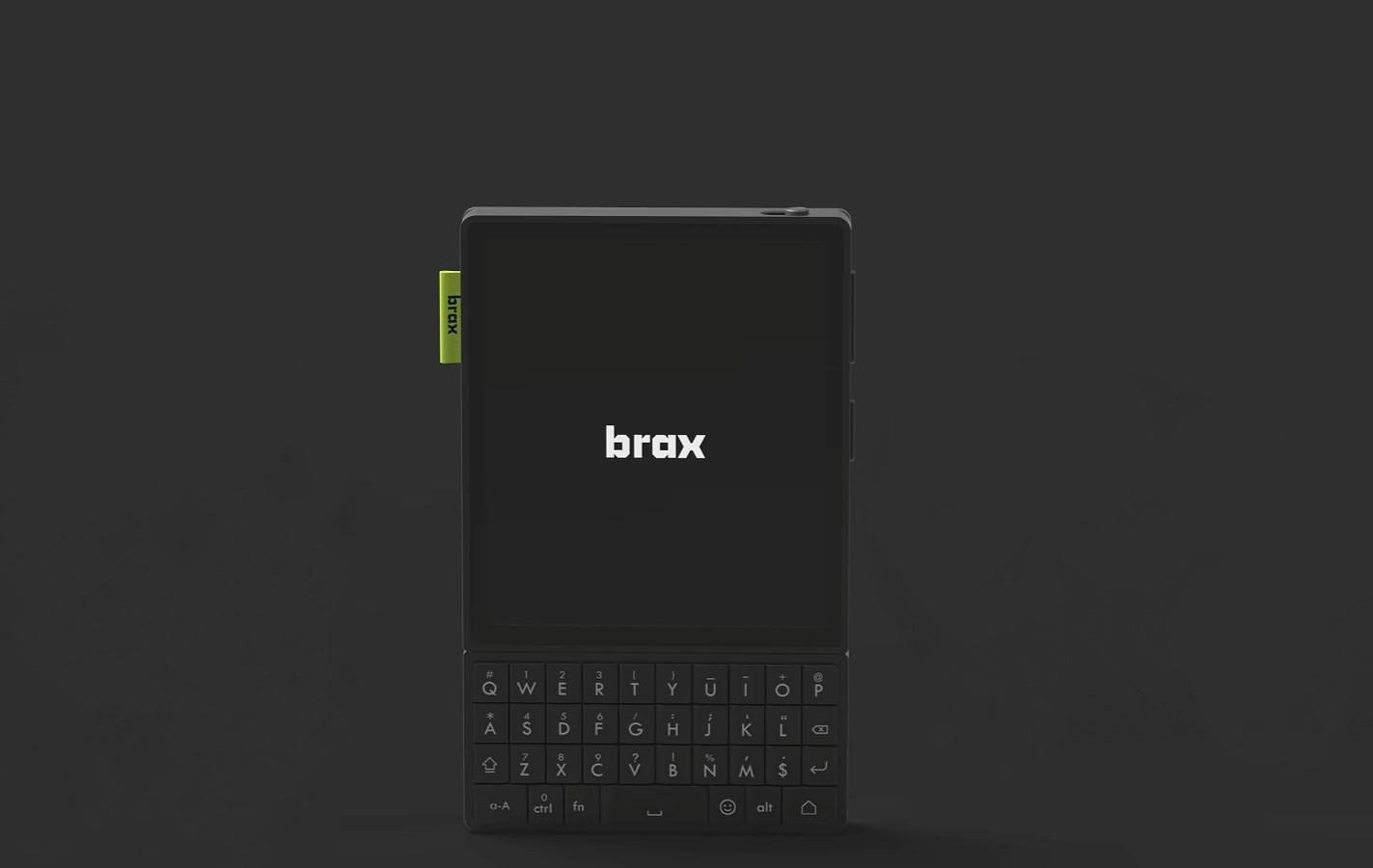
Brax Technologies launched the Brax Wink, a $450 privacy-focused smartphone with a QWERTY keyboard and no front camera. It targets digital minimalists willing to ditch standard apps and Google services for extreme security.
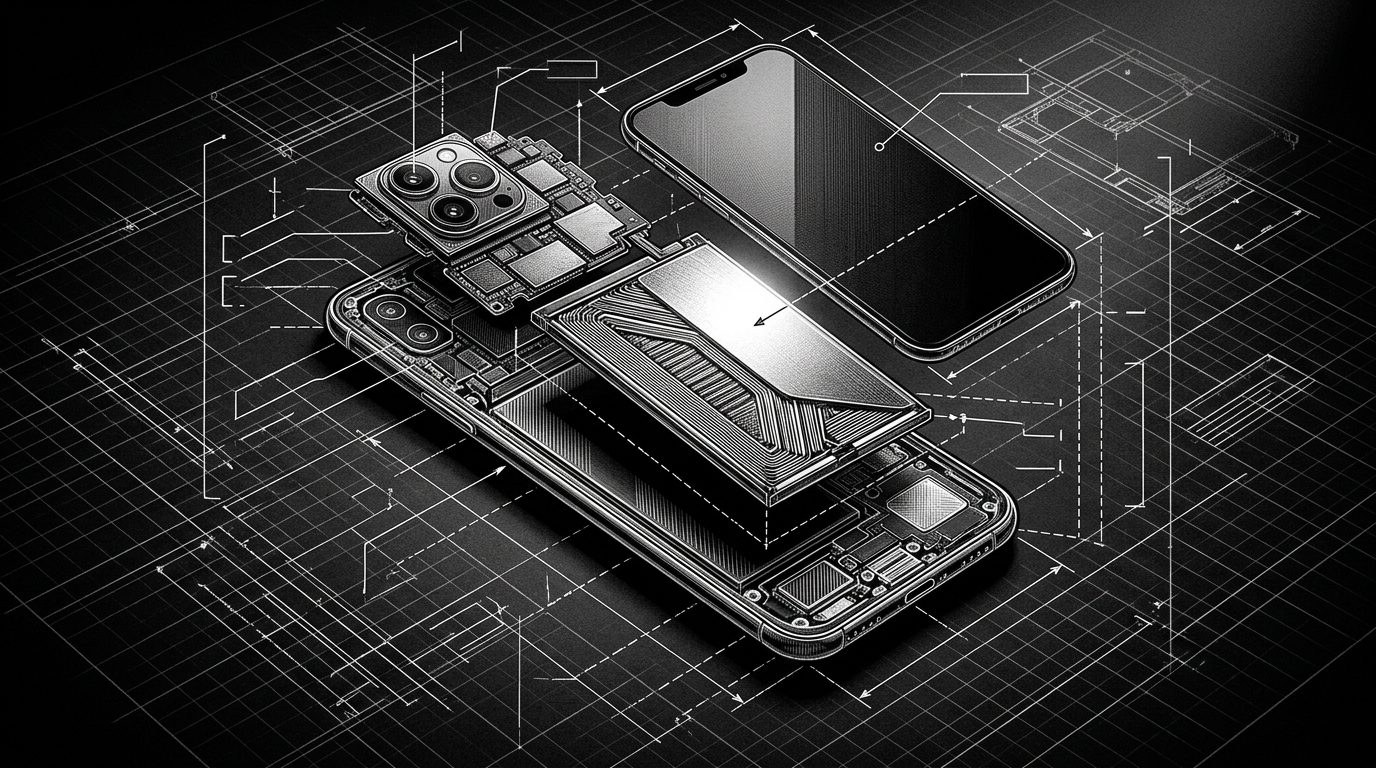
The new OnePlus 16 solves daytime battery anxiety with a colossal 9,000 mAh cell and top-tier Snapdragon chips. However, buying one outside China means dealing with missing local warranty support and frustrating software import workarounds.

A developer created unidex, an open-source operating system running on a tiny 1.54-inch Waveshare ESP32-S3 e-paper display. It tracks your schedule, stores notes, and features a digital pet without pulling you into algorithmic feeds.

UCLA researchers have built a 19-inch humanoid robot powered by a discarded Android phone running TensorFlow Lite. The project cuts entry-level bipedal robotics costs to roughly $400, letting old pocket hardware handle vision and navigation.
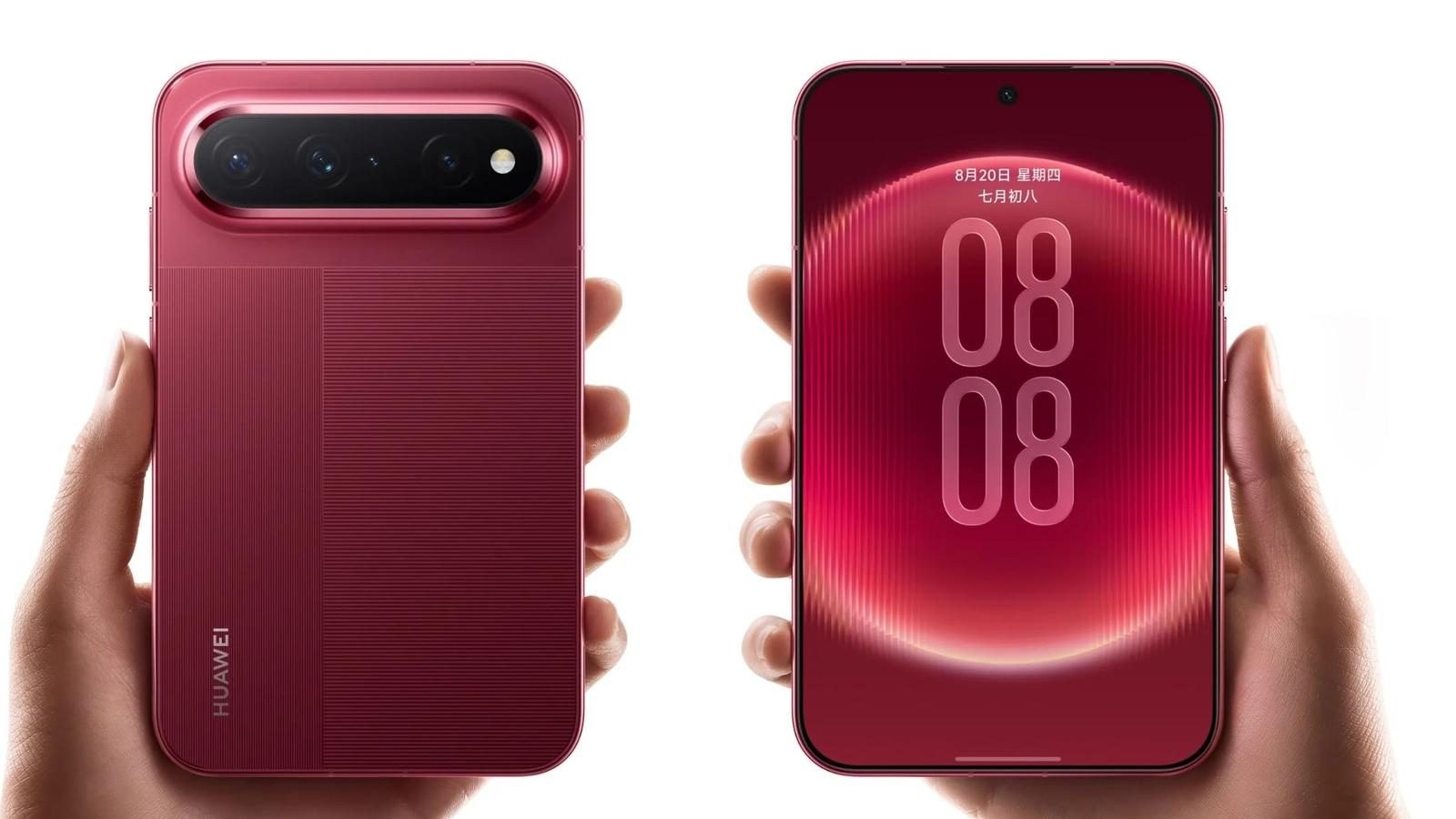
The unusually proportioned Huawei Pura X View has become a runaway hit, triggering severe retail shortages and heavy reseller markups. Buyers are ditching narrow screens for a wider format, defying manufacturer volume expectations.
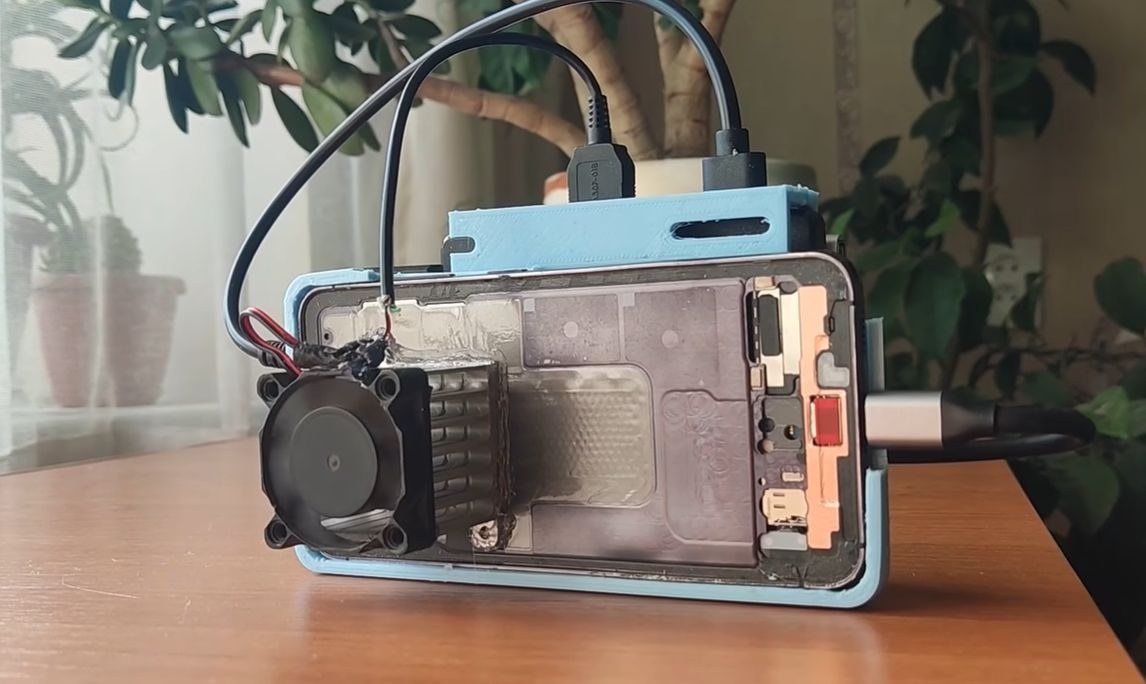
Enthusiasts resurrected a carrier-locked, pancake-flat Samsung Galaxy S23 for just $40 by hammering the frame straight and adding a 3D-printed cooling rig. Powered by Samsung DeX and a Snapdragon 8 Gen 2 chip, the frankengadget easily handles PS2 emulation and PC titles.
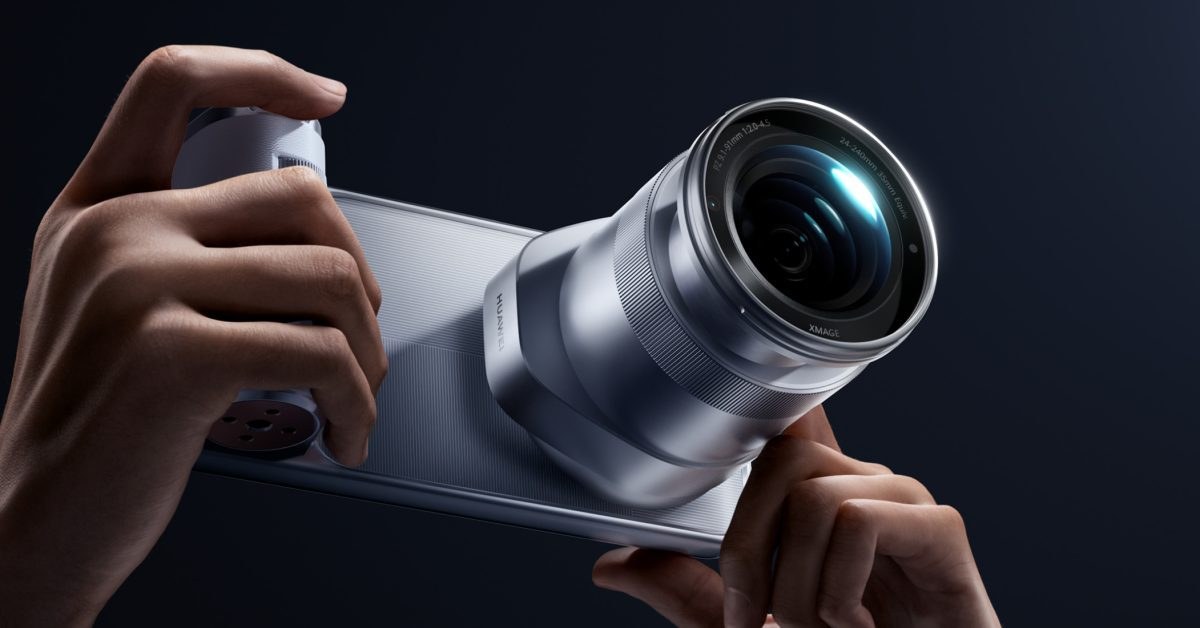
Huawei brings back modular camera attachments with the $900 Z10 lens for its new Mate 90 Pro Max. The setup delivers a 1-inch sensor and 10x optical zoom, but turns a pocket phone into an awkward, heavy hybrid.

Honor has added a tiny 2.01-inch rear display to the budget Honor X5d s alongside a 6,000 mAh battery. The secondary screen promises selfie framing and quick notifications, but mostly serves as a marketing gimmick on a low-end device.
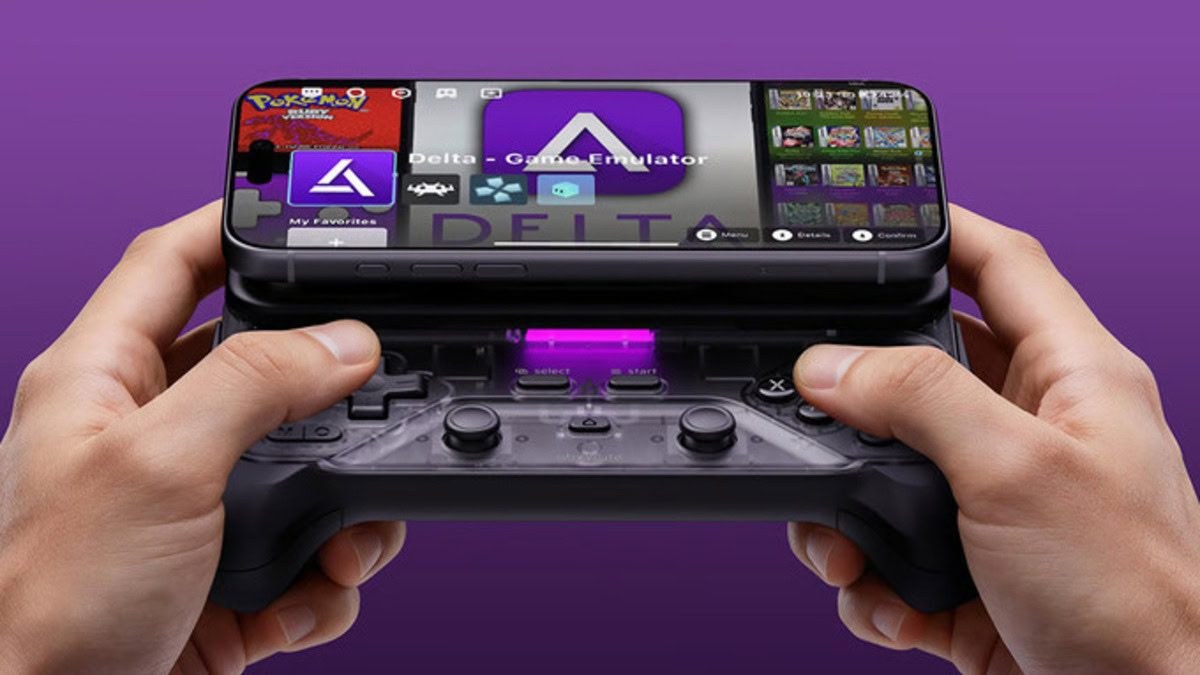
Abxylute launched a Kickstarter campaign for the M5 and M6 controllers, reviving the sliding Xperia Play form factor with magnetic mounts and Hall-effect sticks. The flagship M6 packs a 500mAh battery and a gyro, while the slim M5 relies on wired pass-through charging.
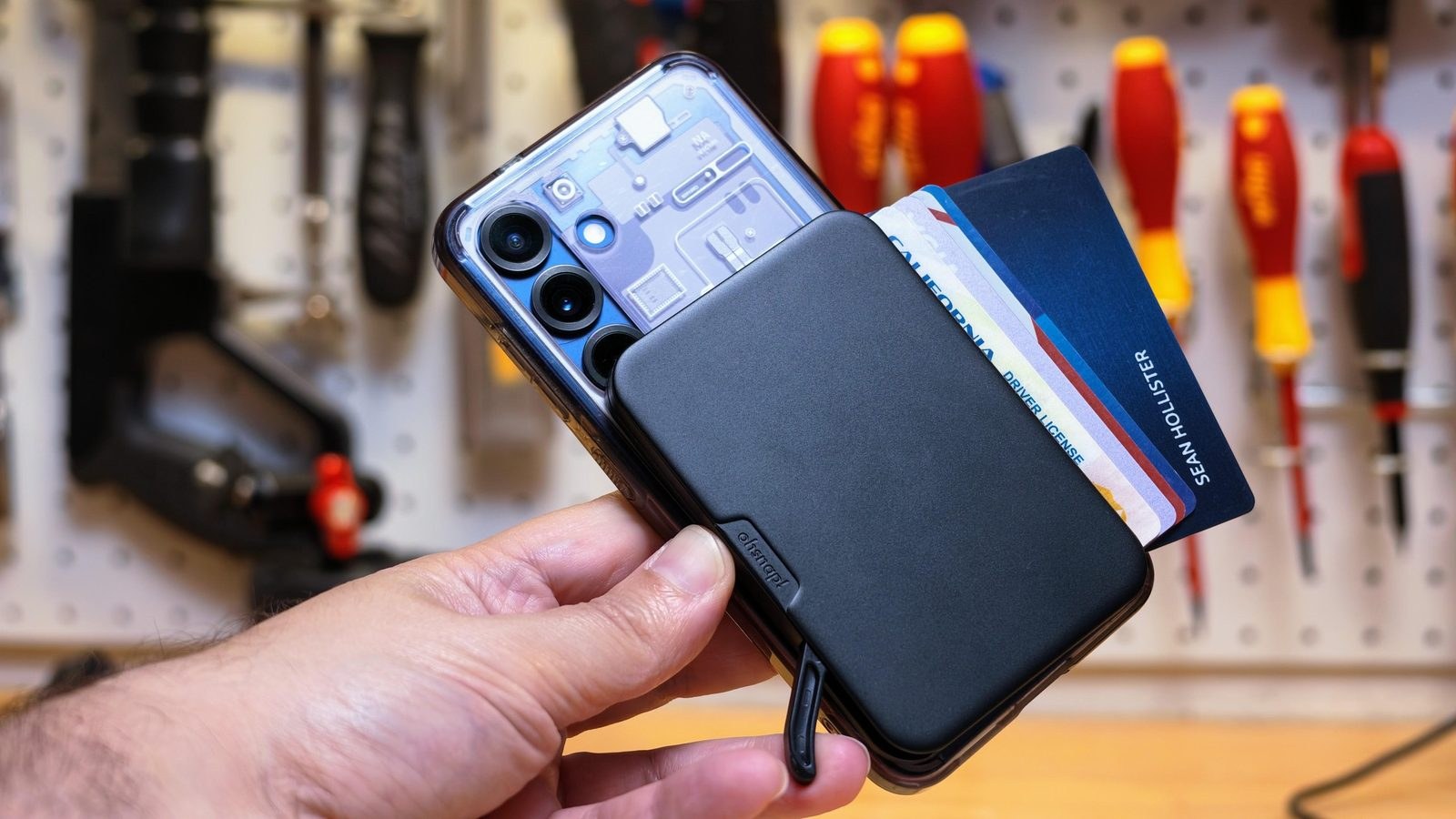
The OhSnap Wallet 2 trades boring leather sleeves for a spring-loaded mechanical lever that fans out your cards. But turning your wallet into a fidget toy adds noticeable weight and wrist fatigue to your daily phone use.

The 3.1-inch Freckle device gives children a way to make calls, pay for snacks, and use simplified maps without opening the door to endless algorithmic feeds. Designed for kids aged 7 to 13, it replaces standard smartphones with tactile buttons, a discovery camera, and parental location tracking.
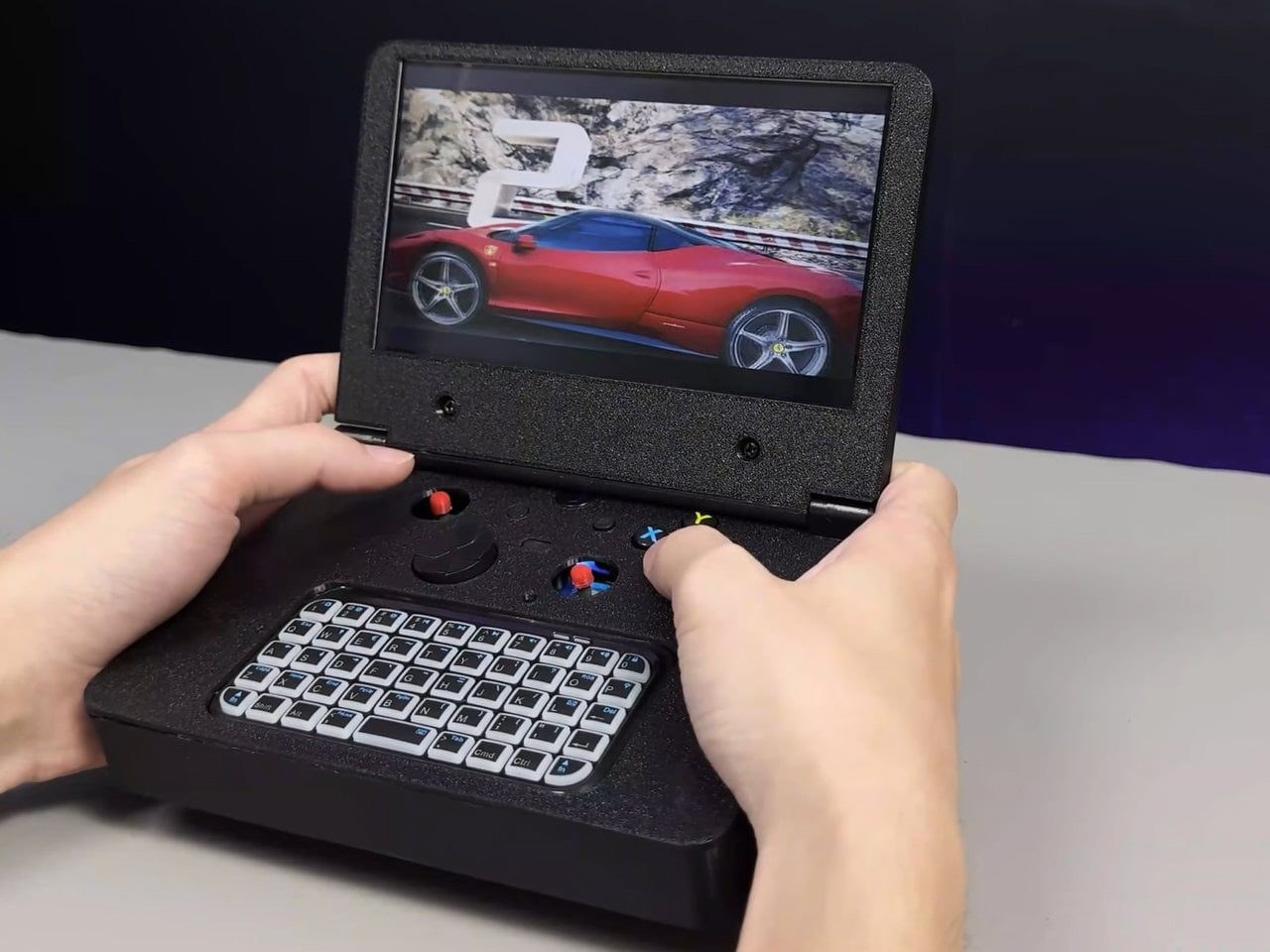
Tired of overpriced handheld consoles from major brands, an enthusiast turned a smashed $30 eBay phone into a working pocket gaming rig. The project strips down a flagship device and pairs it with custom 3D-printed parts to prove how much markup you actually pay for retail hardware.

Motorola is defying the giant-slab trend with the Razr Flex, a shrunken clamshell phone scheduled for a December launch. While it easily disappears into tight jeans, cramming high-end parts into a tiny body inevitably sacrifices battery life and everyday usability.
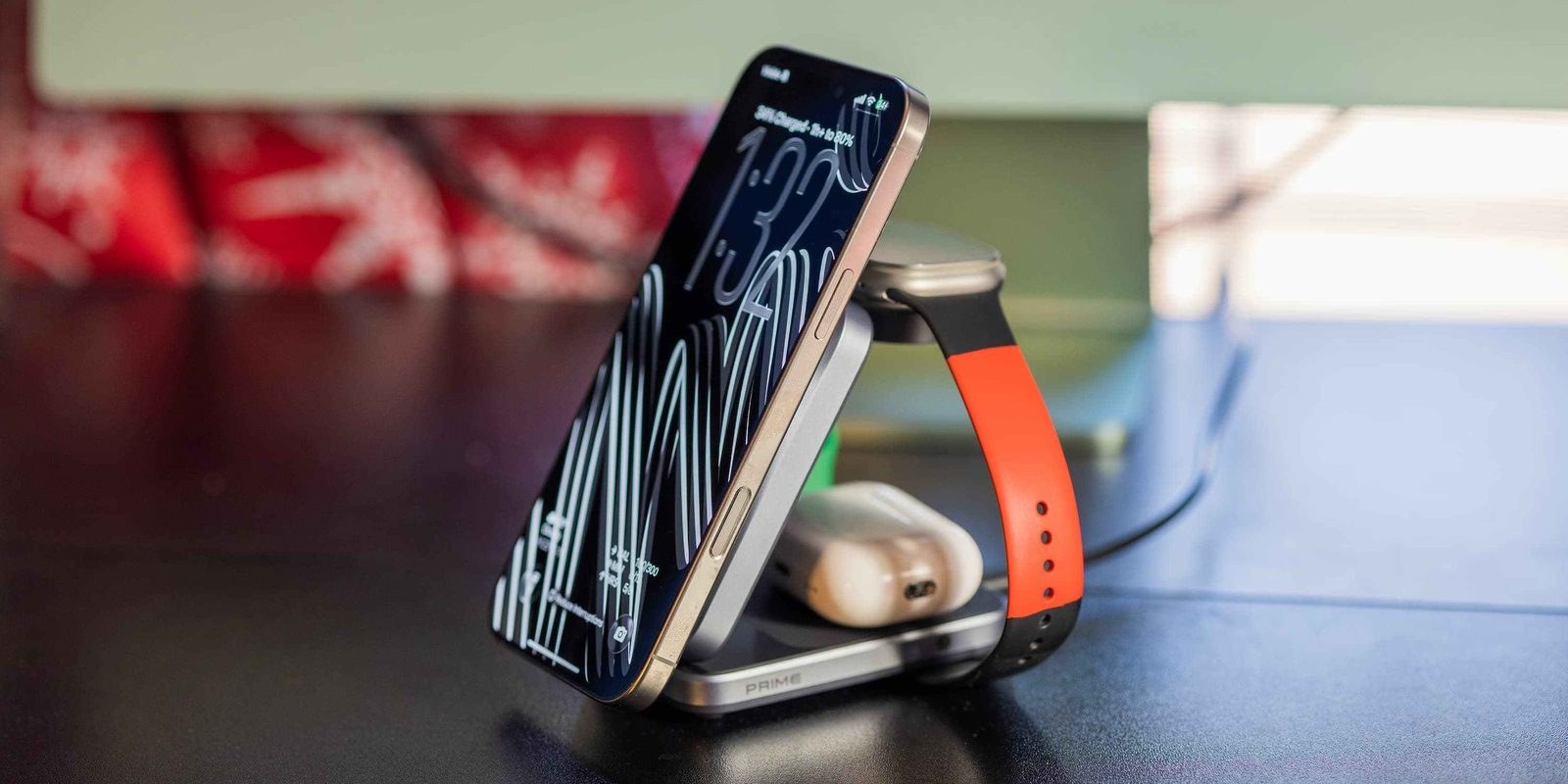
Anker's new $99 folding 3-in-1 dock includes a built-in fan to prevent fast 25W wireless charging from overheating your phone. The package bundles a wall brick and cable, powering an iPhone to 50% in 27 minutes.

Xiaomi's Pocket Guitar snaps onto the back of a flagship phone to act as a Bluetooth rhythm controller. We look at whether this 90-dollar plastic accessory is worth your cash.
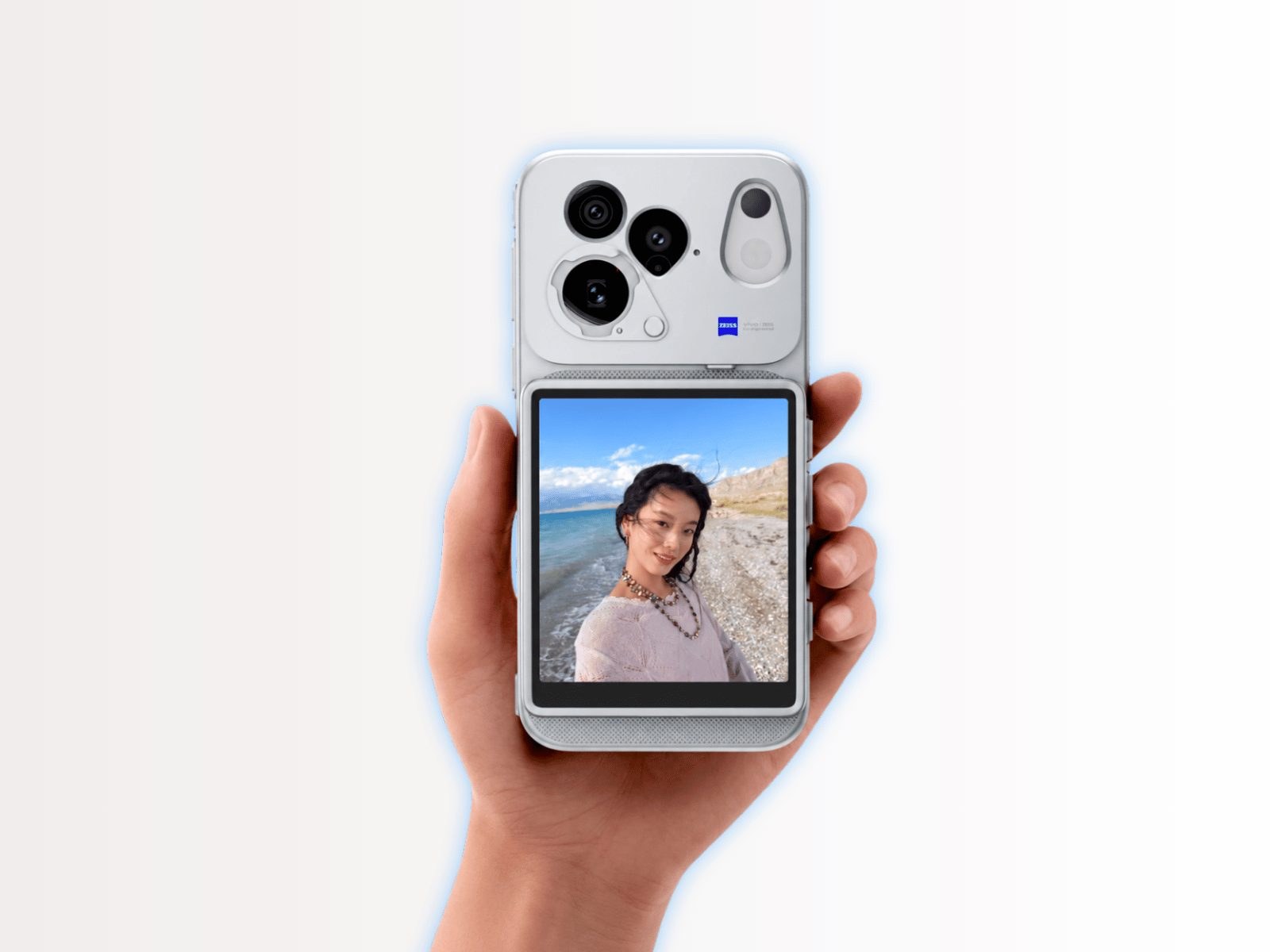
Vivo's new X500 pairs a giant 7,500mAh battery and a super-smooth 144Hz screen with a CNY 5,499 starting price. While the core hardware delivers solid daily stamina, adding the optional magnetic snap-on screen and zoom attachments quickly inflates the final bill into an impractical gadget collection.
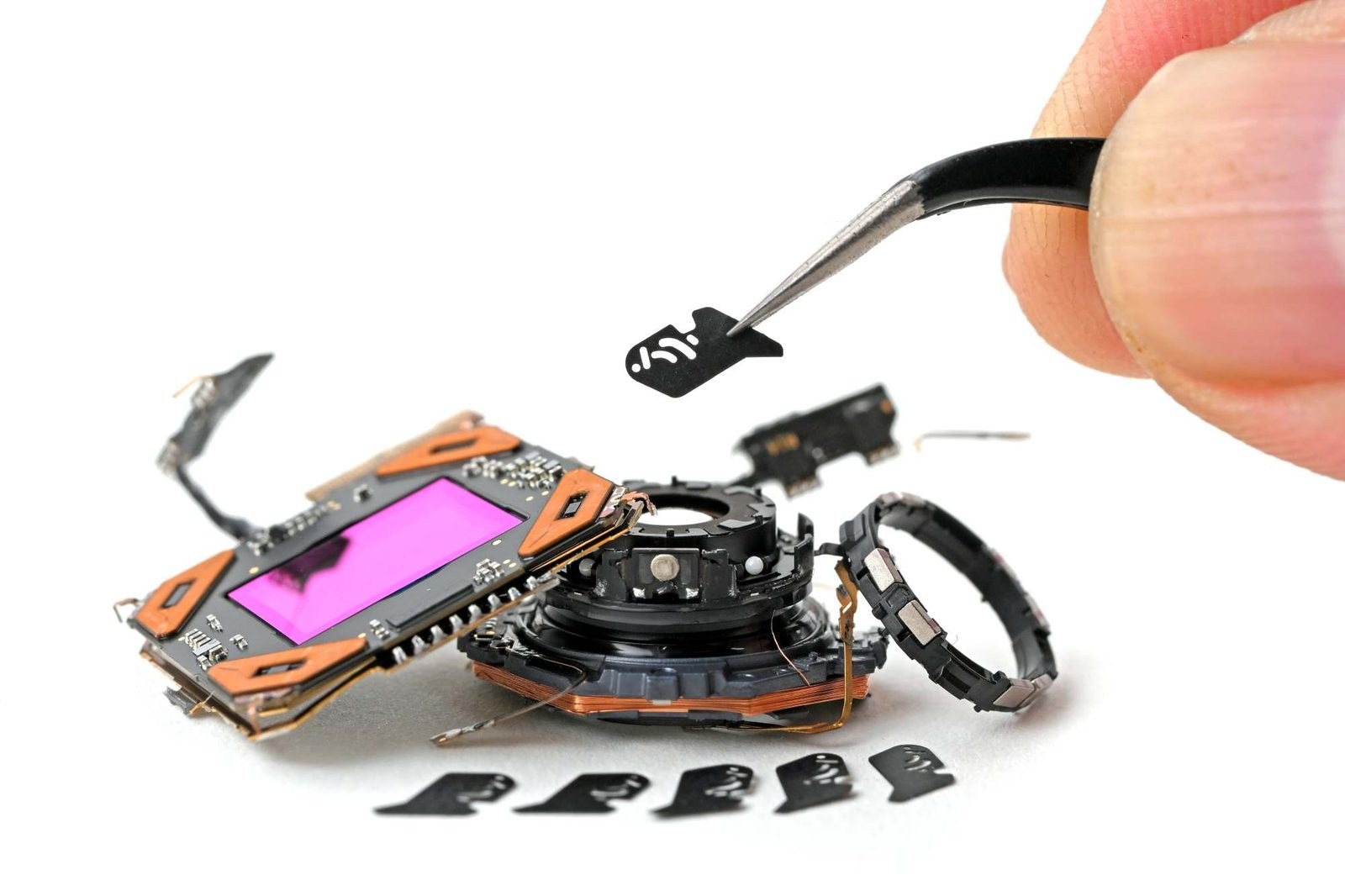
Repair specialists found that opening the new iPhone 18 Pro often breaks its plastic frame, while a complex mechanical camera ensures repairs will cost a fortune. Regular users dropping their phones face steep bills for microscopic moving parts that cannot be individually replaced.
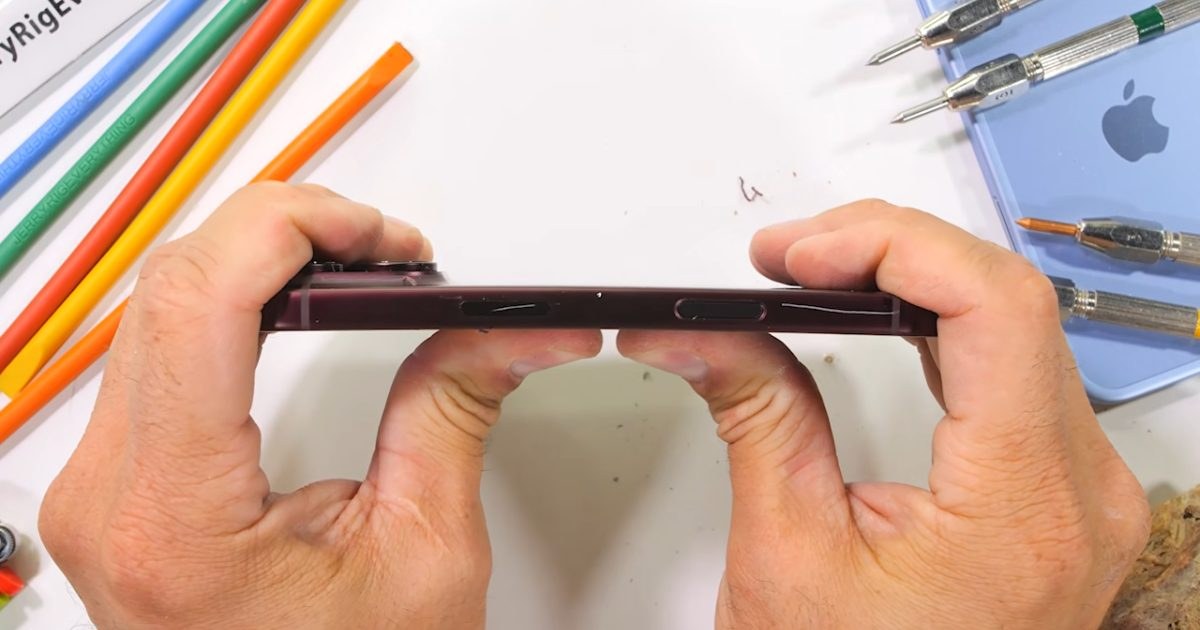
The latest iPhone flagship survived a brutal bend test, but its metal edges and plastic camera base remain vulnerable to everyday keys and coins. JerryRigEverything put Apple's new pro device through its traditional torture routine to see what changed in your hands.

Berlin trade show highlights include a toothbrush with a built-in macro lens, ultra-thin folding phones, and sleep tracking earbuds. We break down which of these gadgets are actually worth buying.
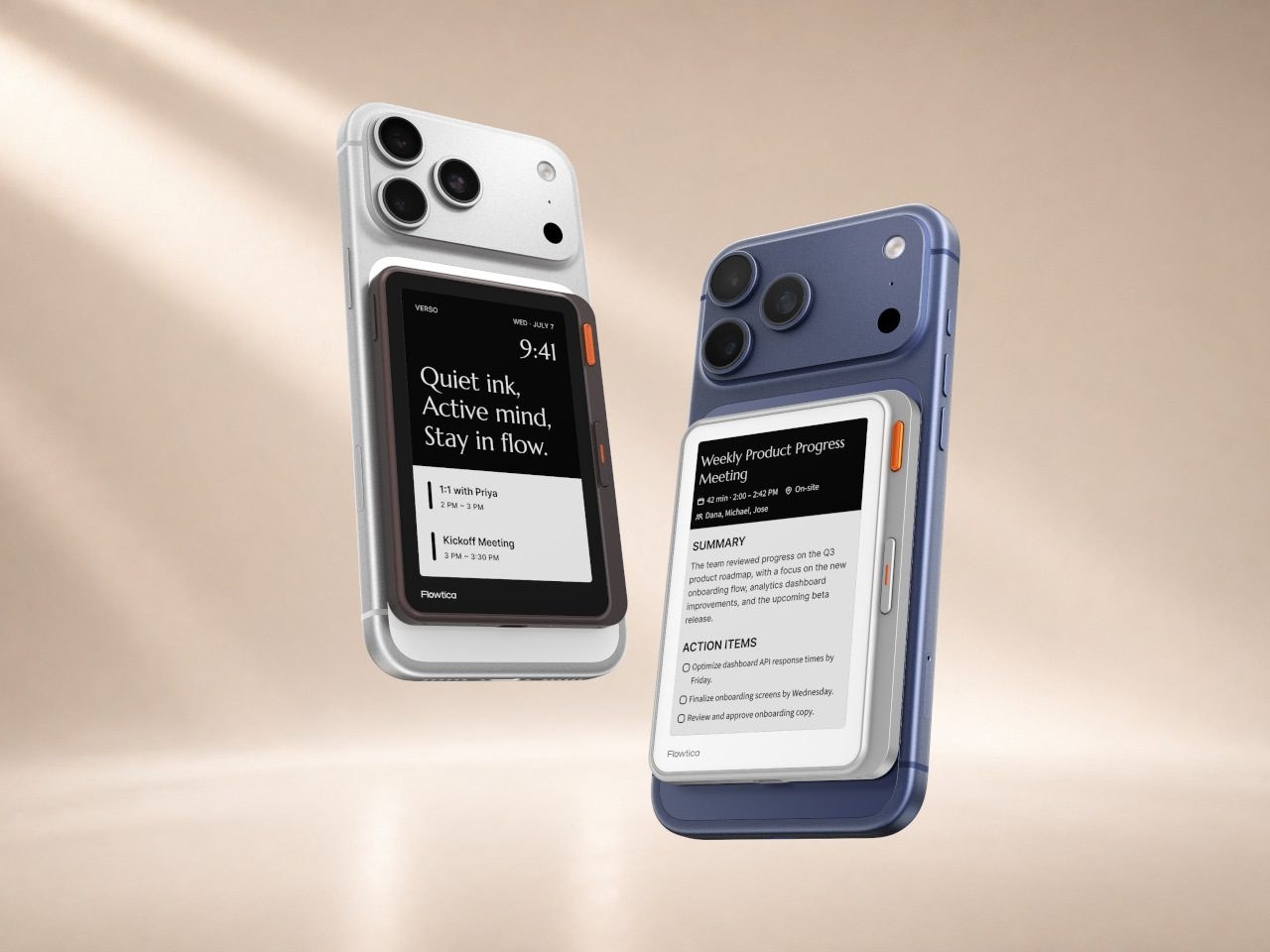
The Flowtica Verso attaches a magnetic e-paper screen and microphone array to the back of your smartphone to handle notes and summaries without unlocking the main display. At $299, it attempts to cure phone addiction by adding more hardware.

Apple asks $1,999 for the folding iPhone Duo with a matte screen and software hacks for awkward cases. Is it worth your money?
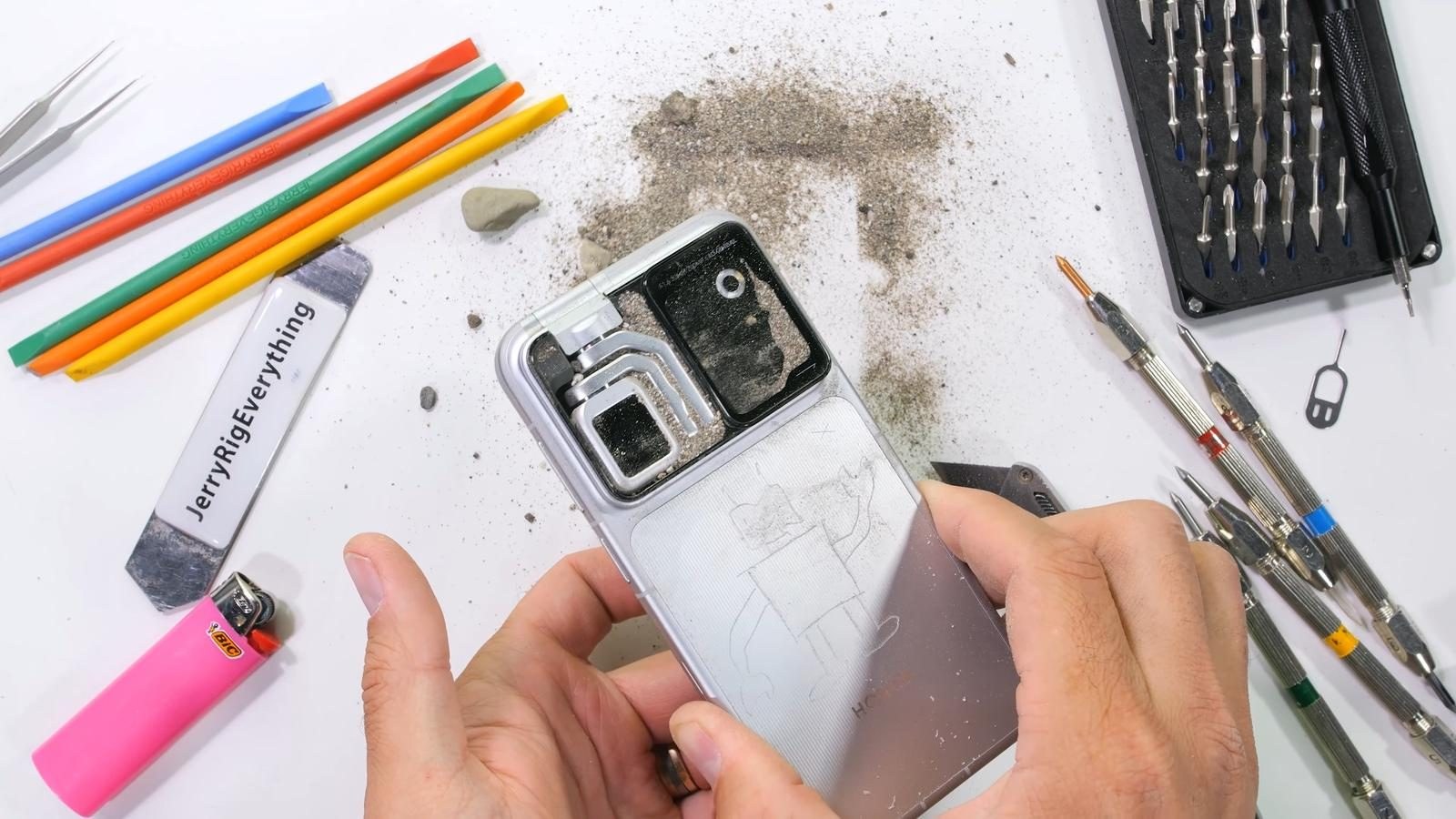
JerryRigEverything tested the Honor Robot motorized camera and discovered a fatal flaw with sand. A single trip to the beach can jam the moving lens permanently and force an expensive mechanical replacement.
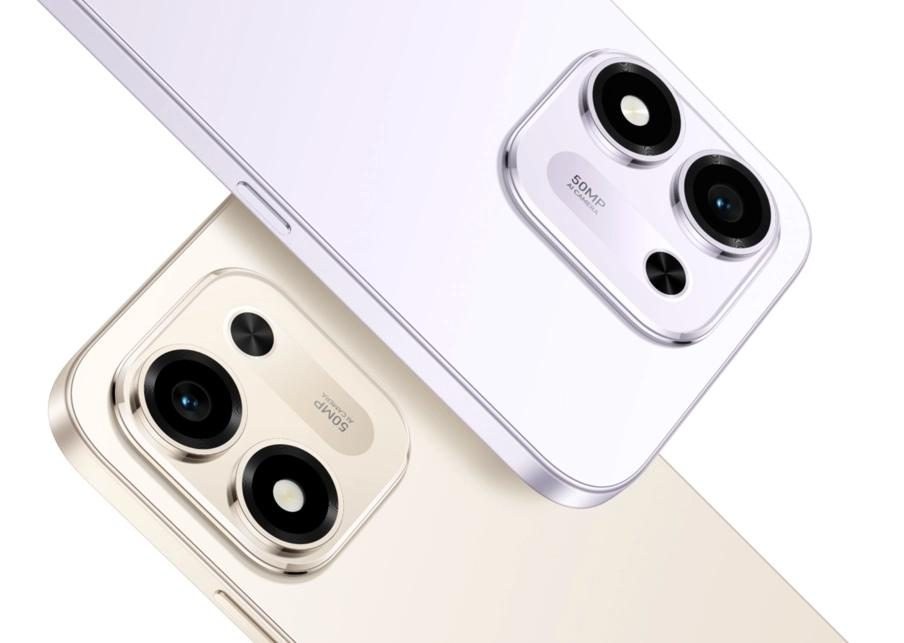
Honor launched the Play 11 with a massive 8300 mAh battery and industrial-grade water protection in a slim body. It costs from $210, but you will have to put up with a noticeably grainy low-resolution screen.
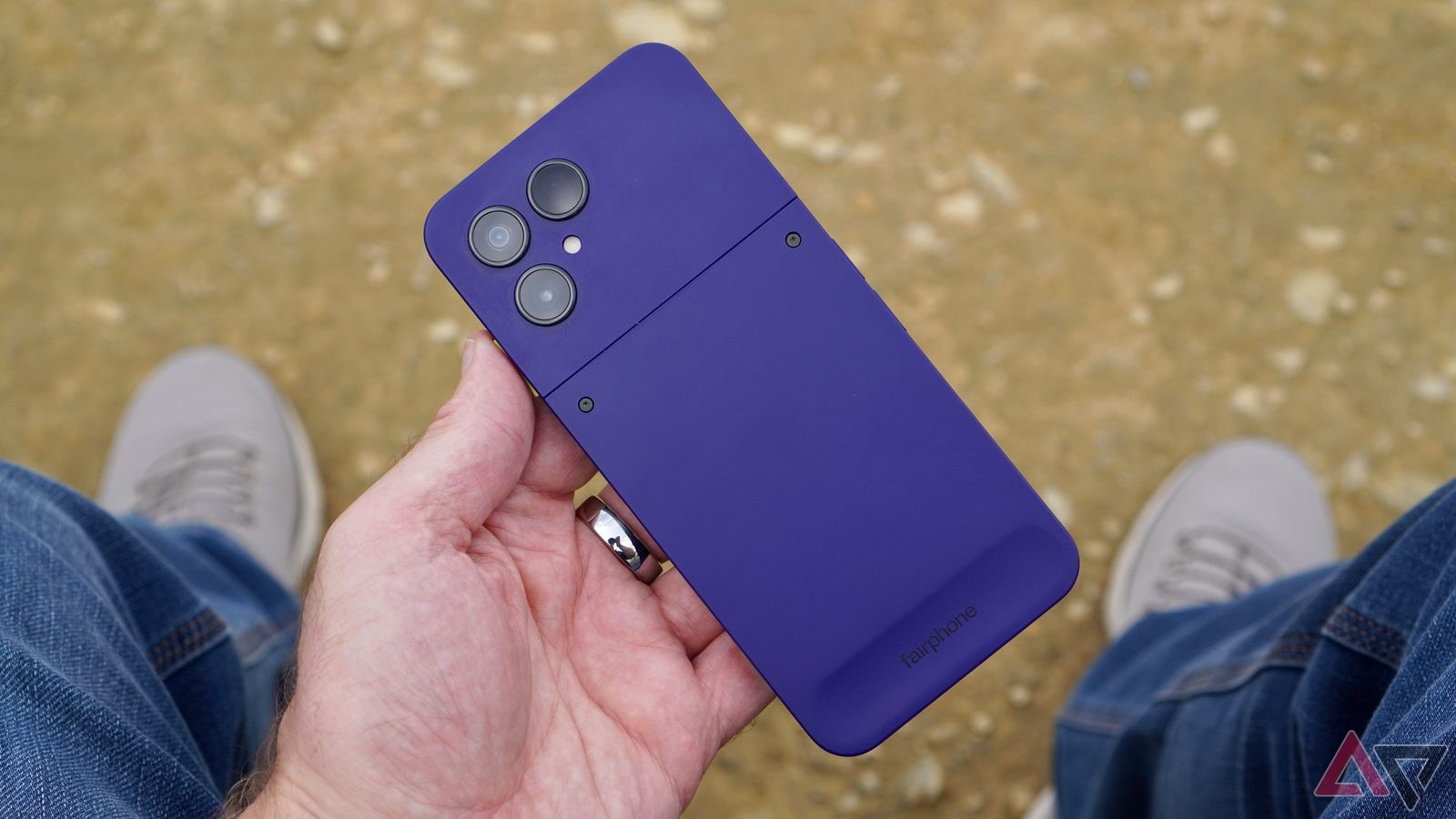
Fairphone's latest modular smartphone lets you swap parts with a screwdriver, but living with it means dealing with a thick plastic body, poor water resistance and a sluggish camera shutter. The $650 device promises seven years of life, yet demands immediate sacrifices in everyday handling.
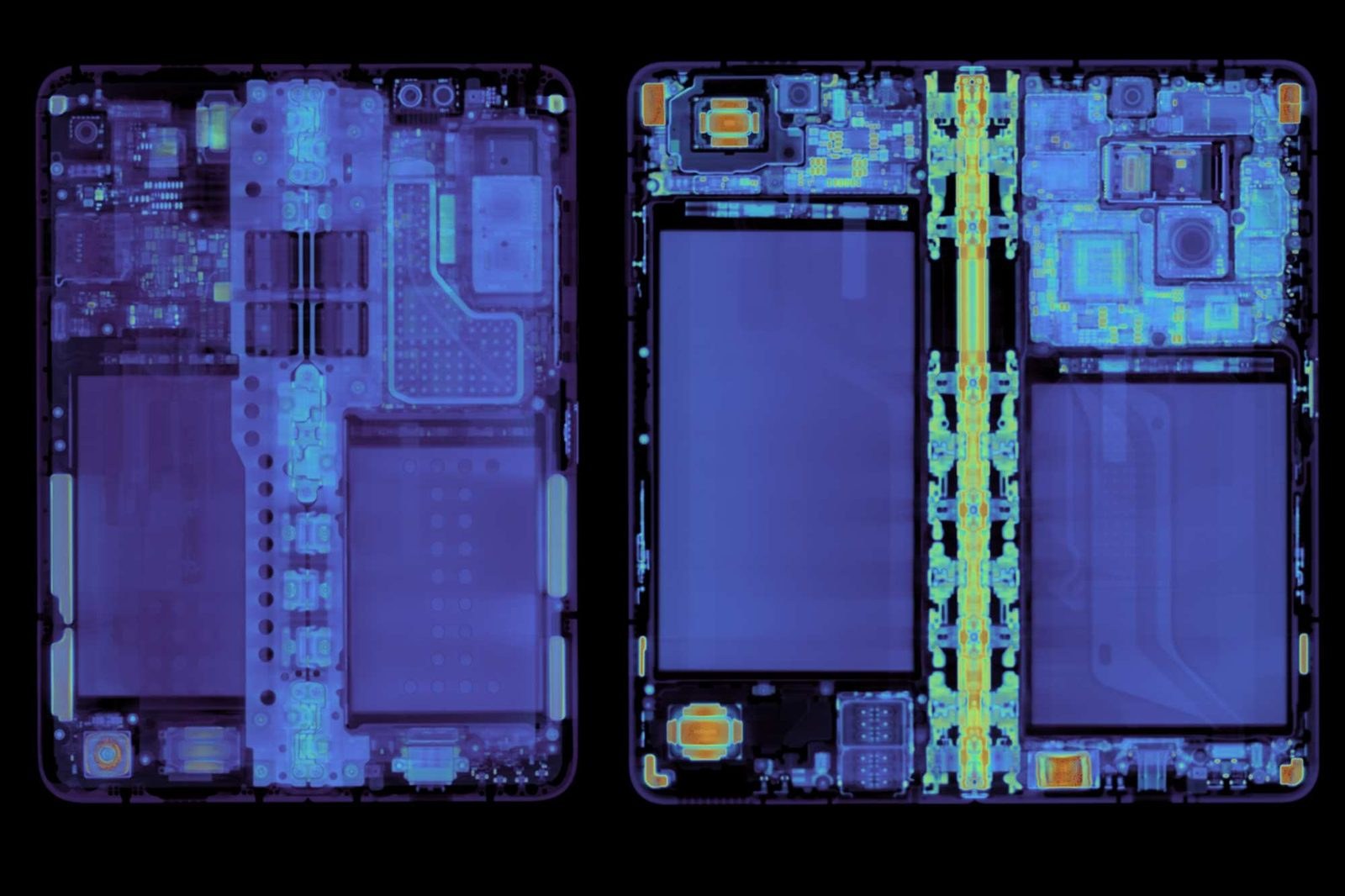
Today's folding smartphones pack multi-gear hinges and flexible glass into slim pockets, but accidental drops risk damage that rivals the price of a brand-new flagship device. Buyers trade everyday durability for cutting-edge hardware that still demands exceptionally careful handling.
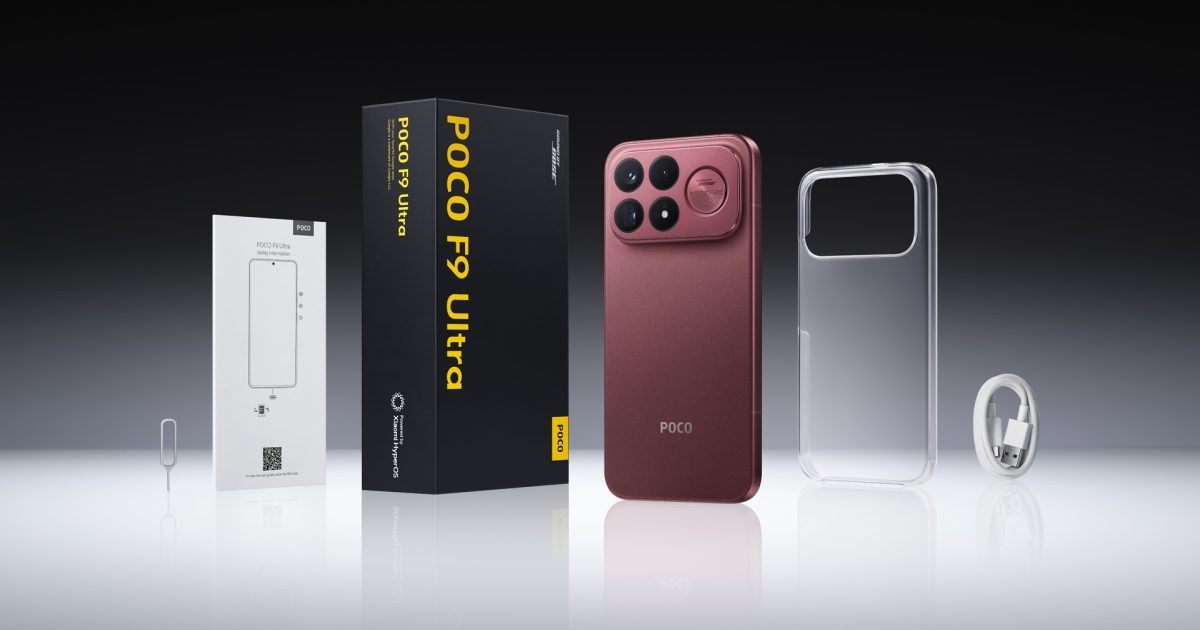
Poco has rolled out its new F9 flagship lineup, headlined by the specs-heavy Ultra model. The phone delivers an 8,050 mAh battery and a 185Hz display, but its bulky footprint makes it a tough sell for anyone outside the hardcore mobile gaming crowd.

Pilot 5G networks have gone live in 16 Russian cities, but iPhone users are entirely locked out due to carrier profile restrictions. Even for compatible Android owners, sparse coverage and heavy battery drain make upgrading an unnecessary expense for everyday tasks.
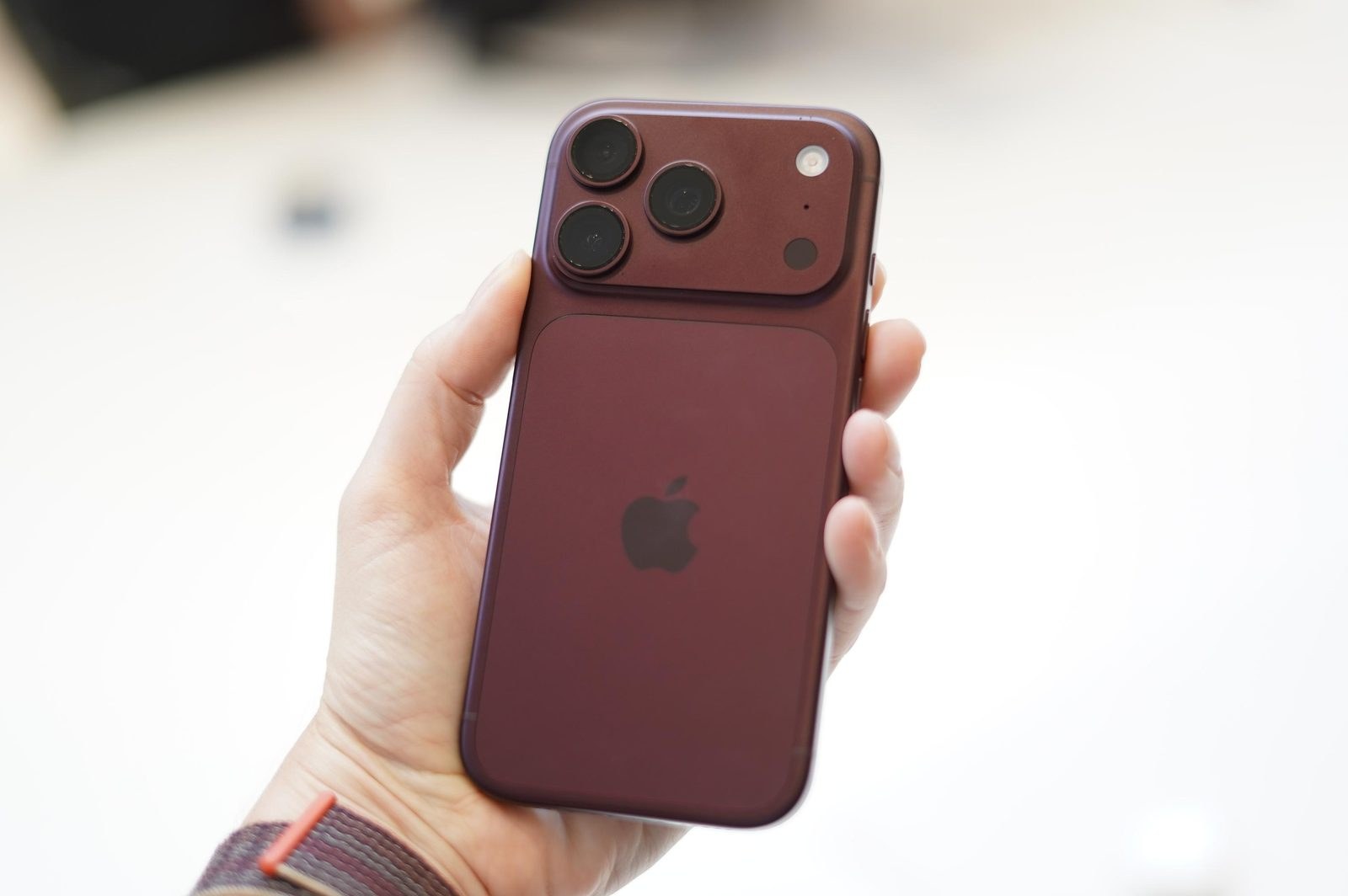
Apple's iPhone 18 Pro arrives on September 18 starting at $1,199 with manual aperture controls and a slightly smaller Dynamic Island. For anyone using a recent phone, the aluminum chassis and everyday experience remain completely unchanged.
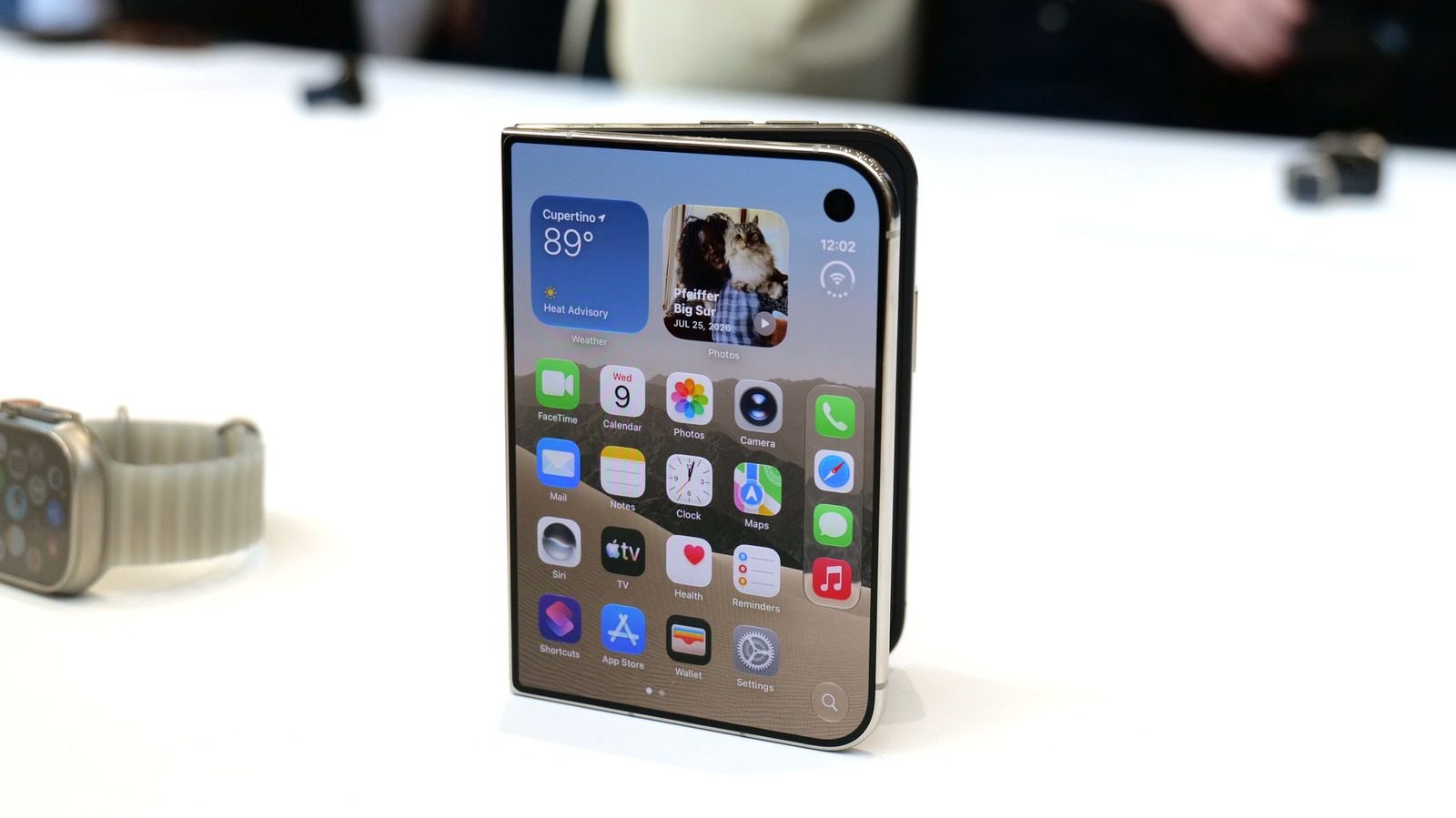
Apple's first folding phone packs a 7.6-inch flexible screen inside a titanium shell, but weighs 254 grams and completely skips the optical zoom lens. Daily testing reveals a heavy pocket brick that forces major camera compromises for early adopters.
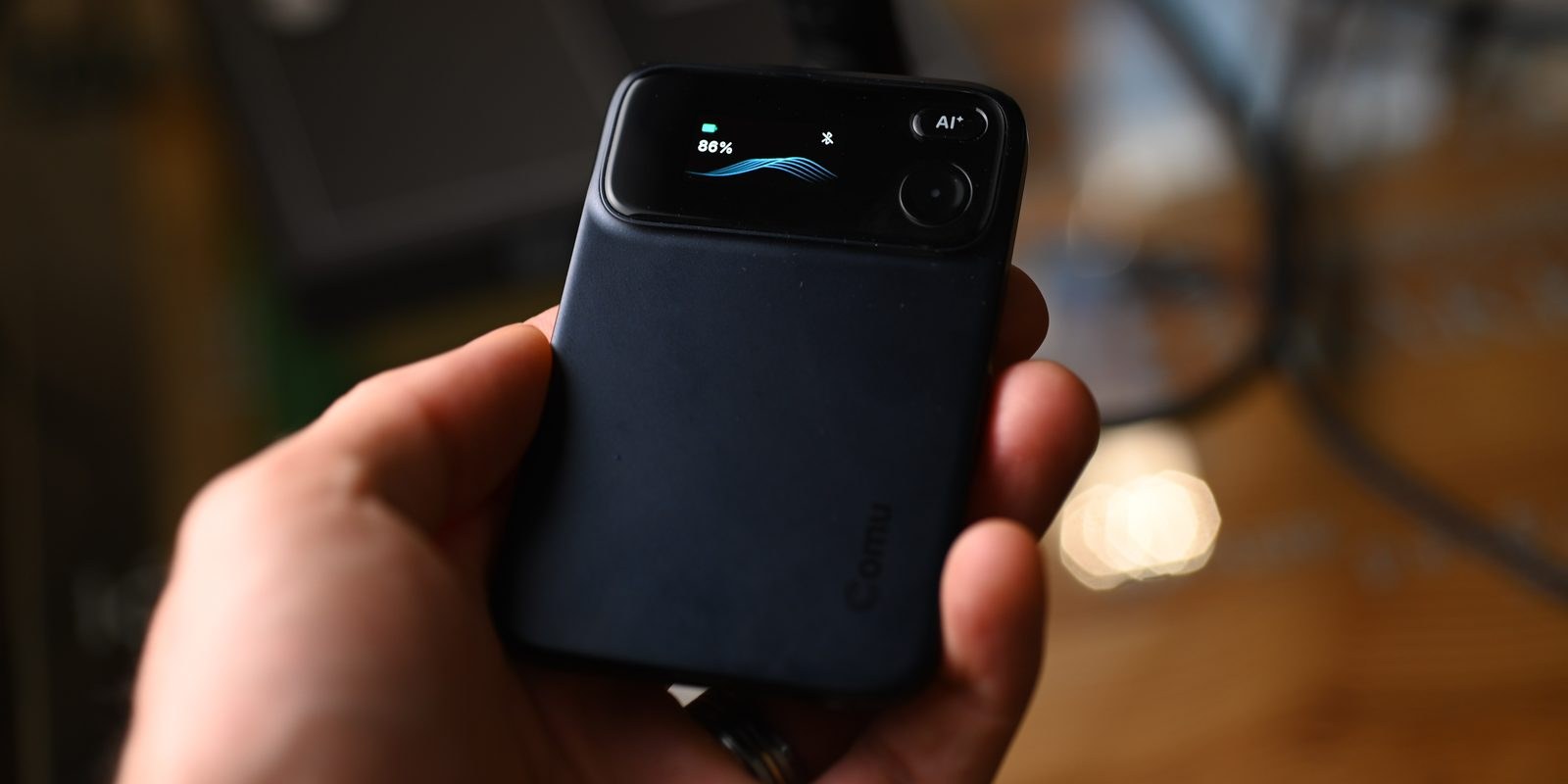
The $180 Comu Action Pro snaps neatly to the back of your phone and packs a 70-hour battery, but locked-down cloud transcription fees turn a handy pocket gadget into an expensive monthly subscription trap for everyday buyers.
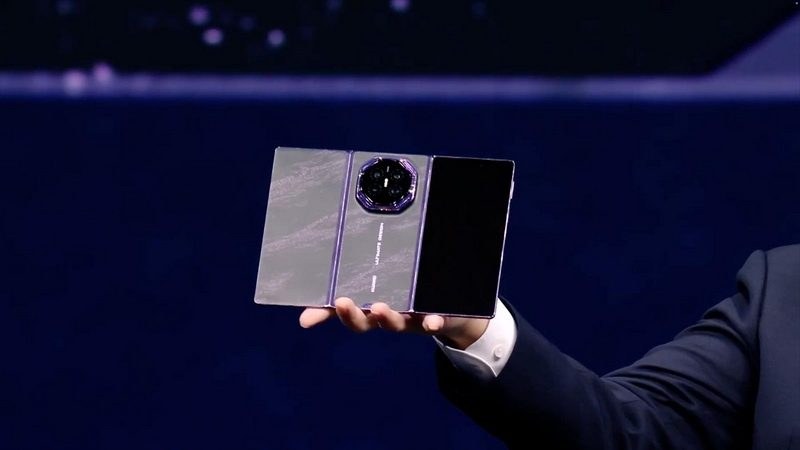
Tri-fold phones pack a 10.2-inch tablet into your pocket, but their mechanical complexity introduces real-world headaches. Dual hinges and fragile flexible displays demand two hands and carry astronomical repair costs. For mainstream buyers, paying a massive premium for a second crease yields very little practical utility.
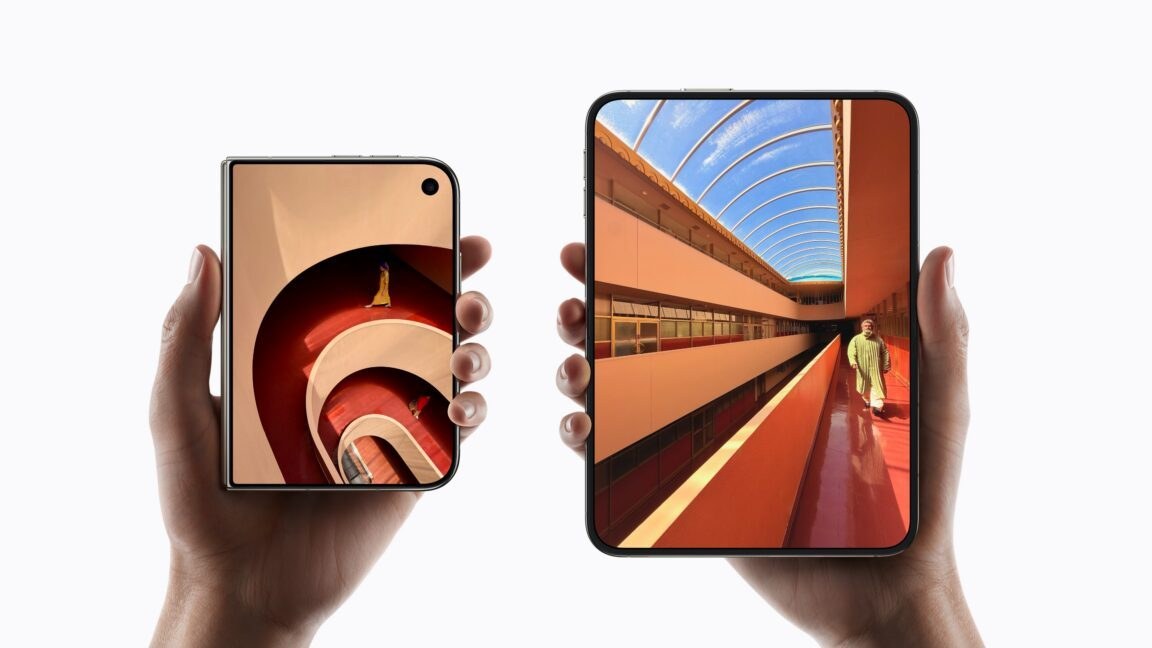
Apple enters the folding market with the $1,999 iPhone Duo, packing a 7.6-inch inner screen and the A20 Pro chip into a passport-shaped body. Everyday buyers get a noticeable center crease and downgraded cameras for double the price of a standard flagship.

OpenAI and former Apple designer Jony Ive are working on a dedicated, screenless AI hardware puck. However, standalone voice devices offer little that modern smartphones and everyday wireless earbuds cannot already handle locally.

Apple introduced the iPhone 18 Pro and Pro Max with a mechanical variable aperture camera and a $200 price increase across the lineup. The internal silicon upgrades and smaller Dynamic Island provide notable battery and photo enhancements. However, the identical chassis and steep entry price leave little incentive to upgrade from recent generations.
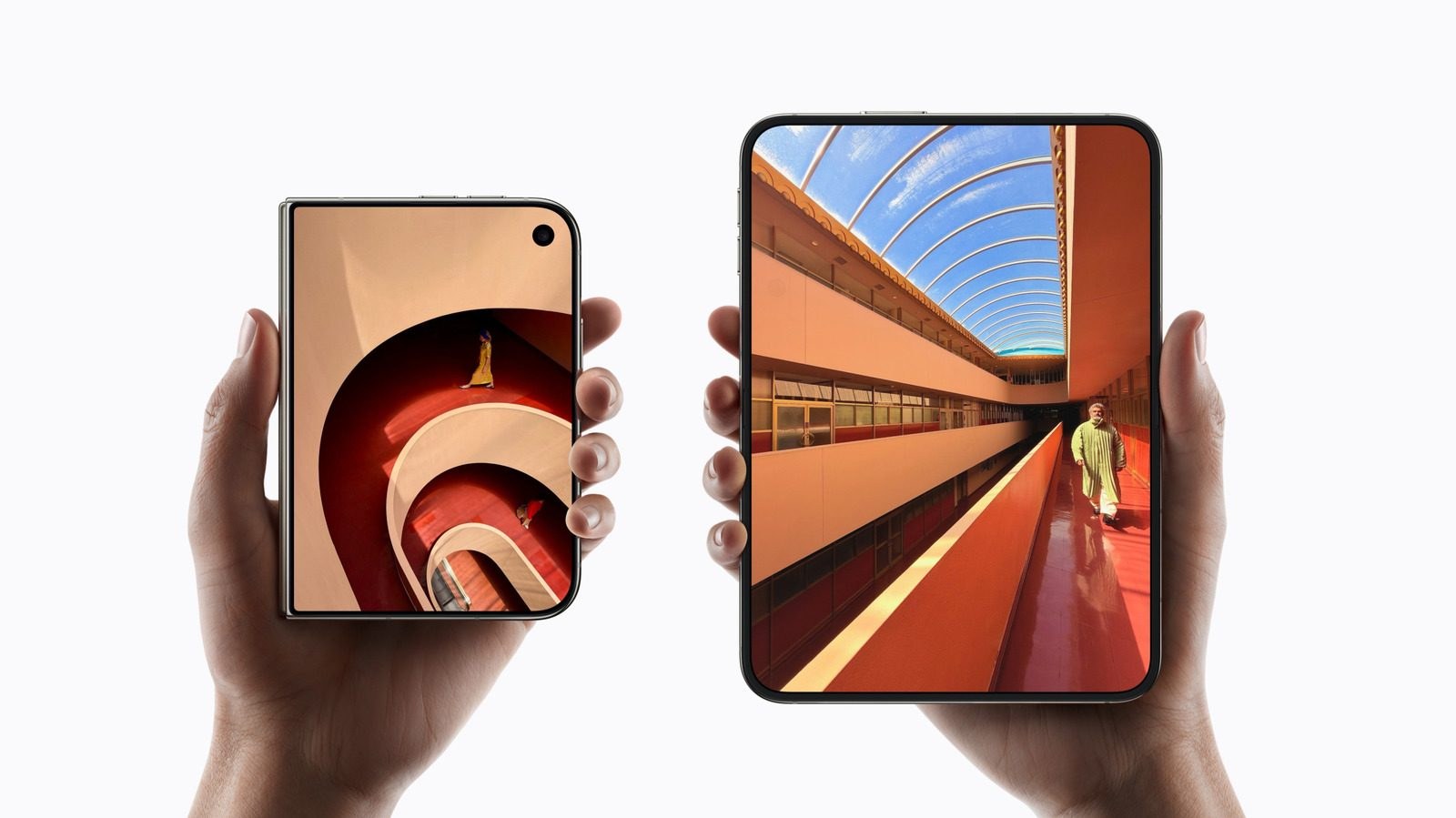
Samsung and Apple have shifted to a wider passport-style format for the Galaxy Z Fold 8 and iPhone Duo. These folding screens offer a usable phone when closed and a tablet workspace when opened, though high prices and delicate hinges remain.
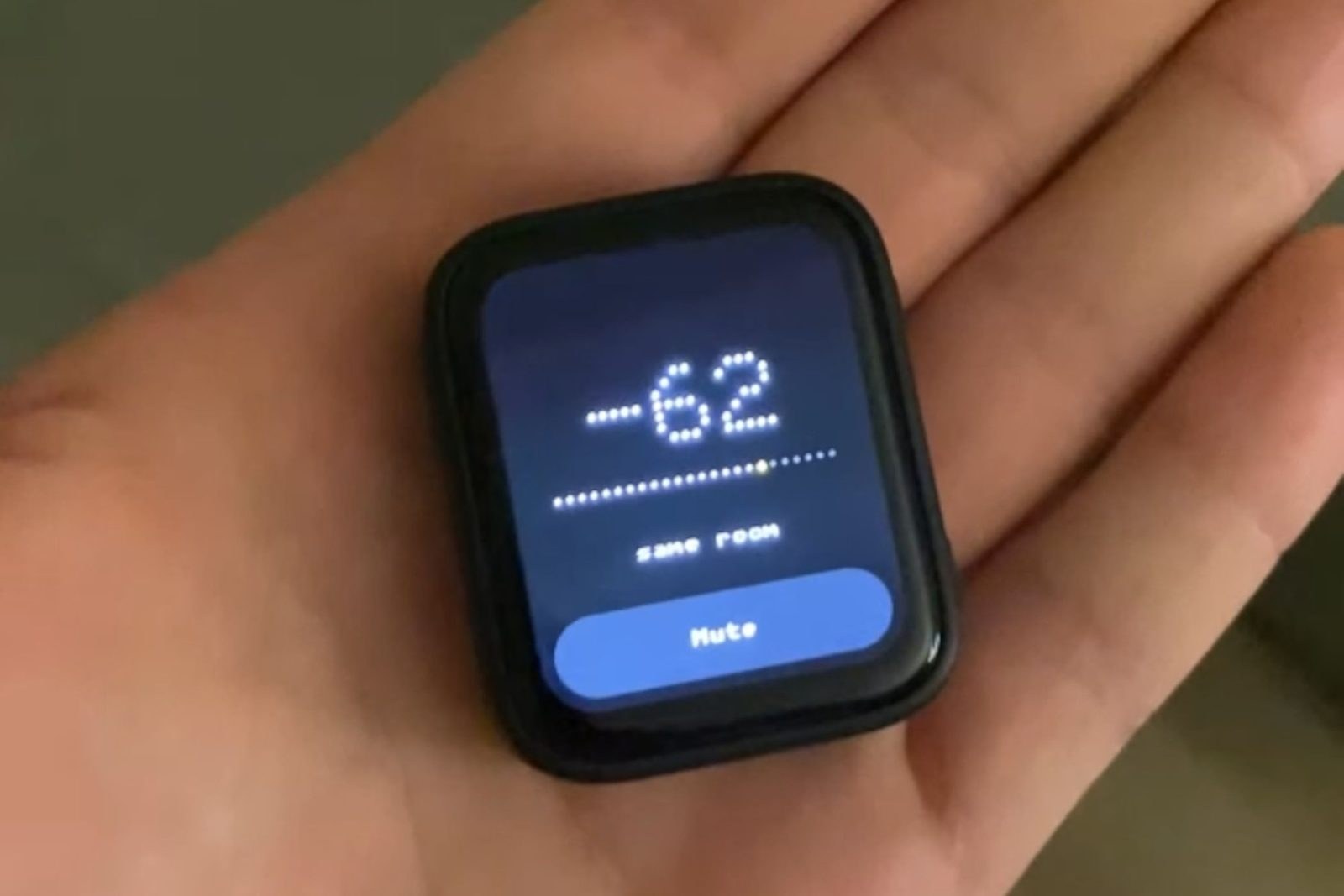
An open-source pocket device built on an ESP32 chip locates misplaced phones offline using Bluetooth signal strength. Instead of blasting a loud ringtone or draining battery through cloud services, it guides you by touch and sound like a radiation detector.
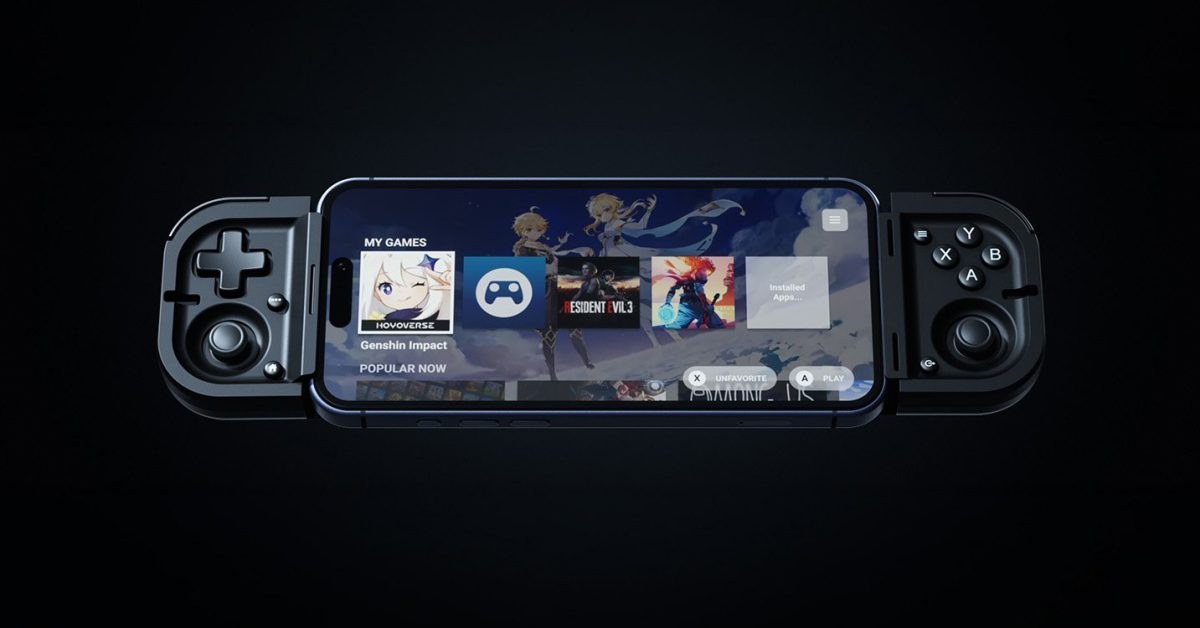
The $99 Razer Prio mobile gamepad collapses to credit-card size so you can slip it into a jeans pocket without carrying a bulky case. While its flat low-profile sticks sacrifice couch-gaming comfort, contactless magnetic sensors prevent stick drift for commuters on the go.
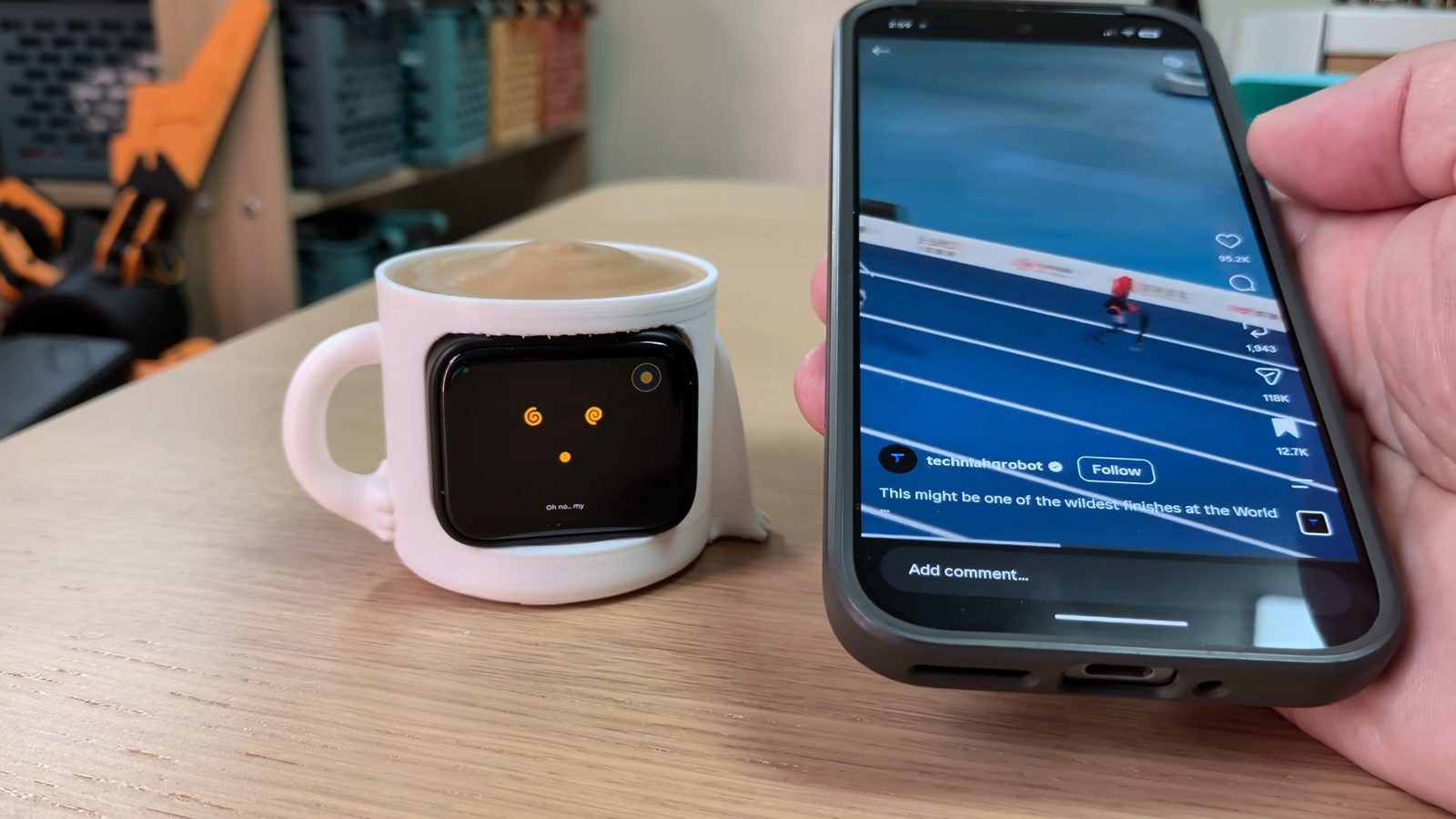
Maker brenpoly designed an open-source ESP32 gadget that links to your phone via Bluetooth and makes a virtual pet fall ill when you exceed screen time limits. The device uses local AI to read notifications aloud and verbally demands you put the handset down.

Apple enters the folding phone market this October with a device priced from $2,000 to $3,000. It brings side-by-side multitasking and stylus support to iOS, but asks everyday buyers to pay double the cost of a standard Pro model for unproven hinges.

Google Gemini will soon execute long AI reasoning tasks in the background with the screen locked. The upgrade frees up the display for other apps, but sustained on-device compute will strain mobile processors and rapidly drain batteries.
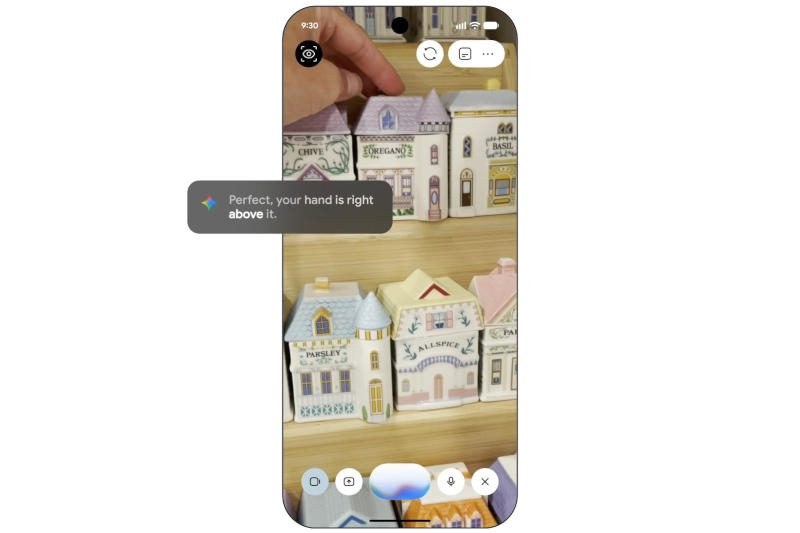
Google added Guided Vision to Gemini Live, letting users scan rooms via live video to locate lost everyday items. Real-world testing reveals heavy battery drain and subscription costs that make dedicated hardware trackers far more practical.
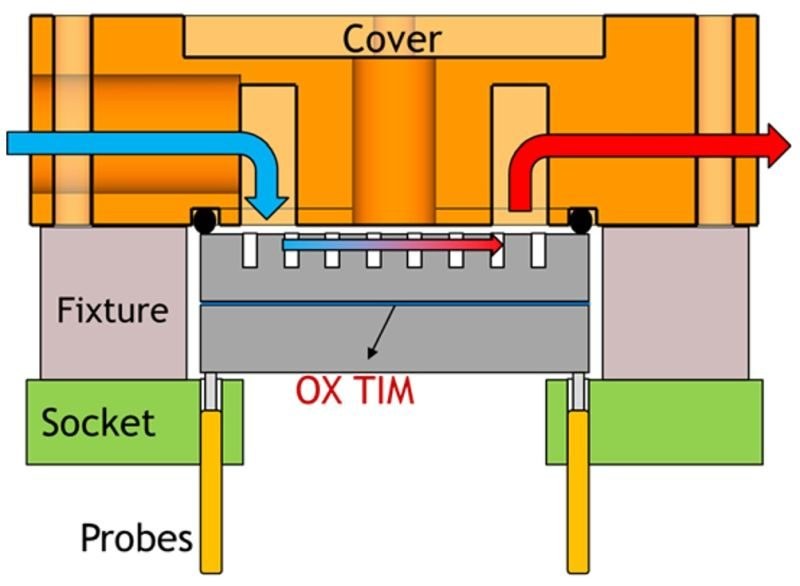
Chipmakers are preparing to integrate nanoscale liquid cooling channels directly into silicon packaging. The technology will initially roll out to AI server farms before migrating to mobile flagships to eliminate thermal throttling and overheating.

Oppo has launched the A7 Pro, combining an 8,000mAh silicon-carbon battery with IP69K industrial water resistance in an 8.8mm chassis. Starting at $330, the device eliminates the traditional bulk associated with multi-day rugged handsets.
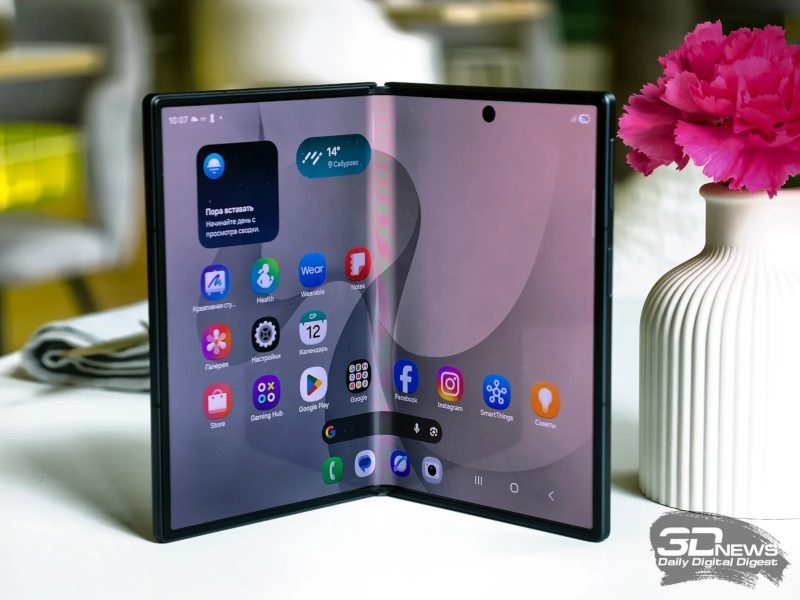
Galaxy Z Fold 8 owners are finding permanent physical dents across their folding panels, but Samsung refuses warranty repairs by calling the flaws an intended material trait. This shifts the financial burden of fragile flexible OLED displays entirely onto buyers who paid flagship prices.
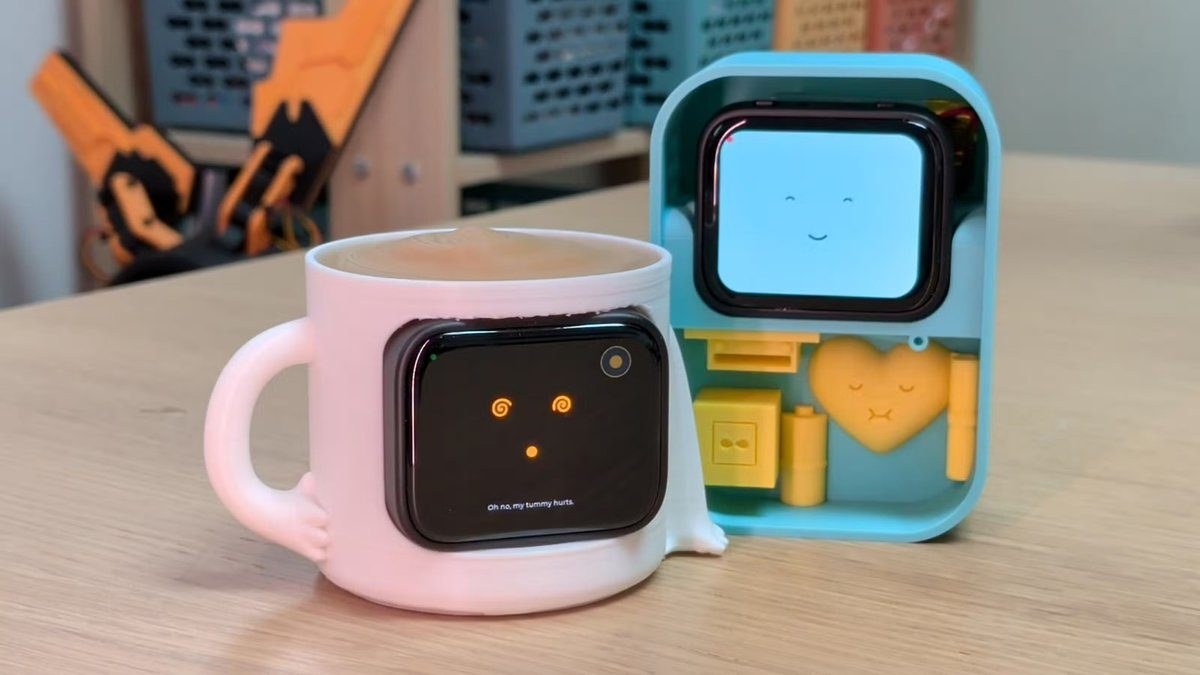
An open-source DIY keychain uses classic Tamagotchi mechanics to break doomscrolling habits by letting a virtual pet sicken whenever phone limits are exceeded. The offline gadget replaces easily ignored software prompts with emotional accountability at a fraction of the cost of commercial blockers.

A maker on Habr built the Kollektive Deck, a custom handheld gaming console powered by a salvaged POCO F5 motherboard and halved GameSir controllers. The project features active Peltier cooling, physical trackpads, and dual-boot Android/Linux for a fraction of mainstream hardware prices.
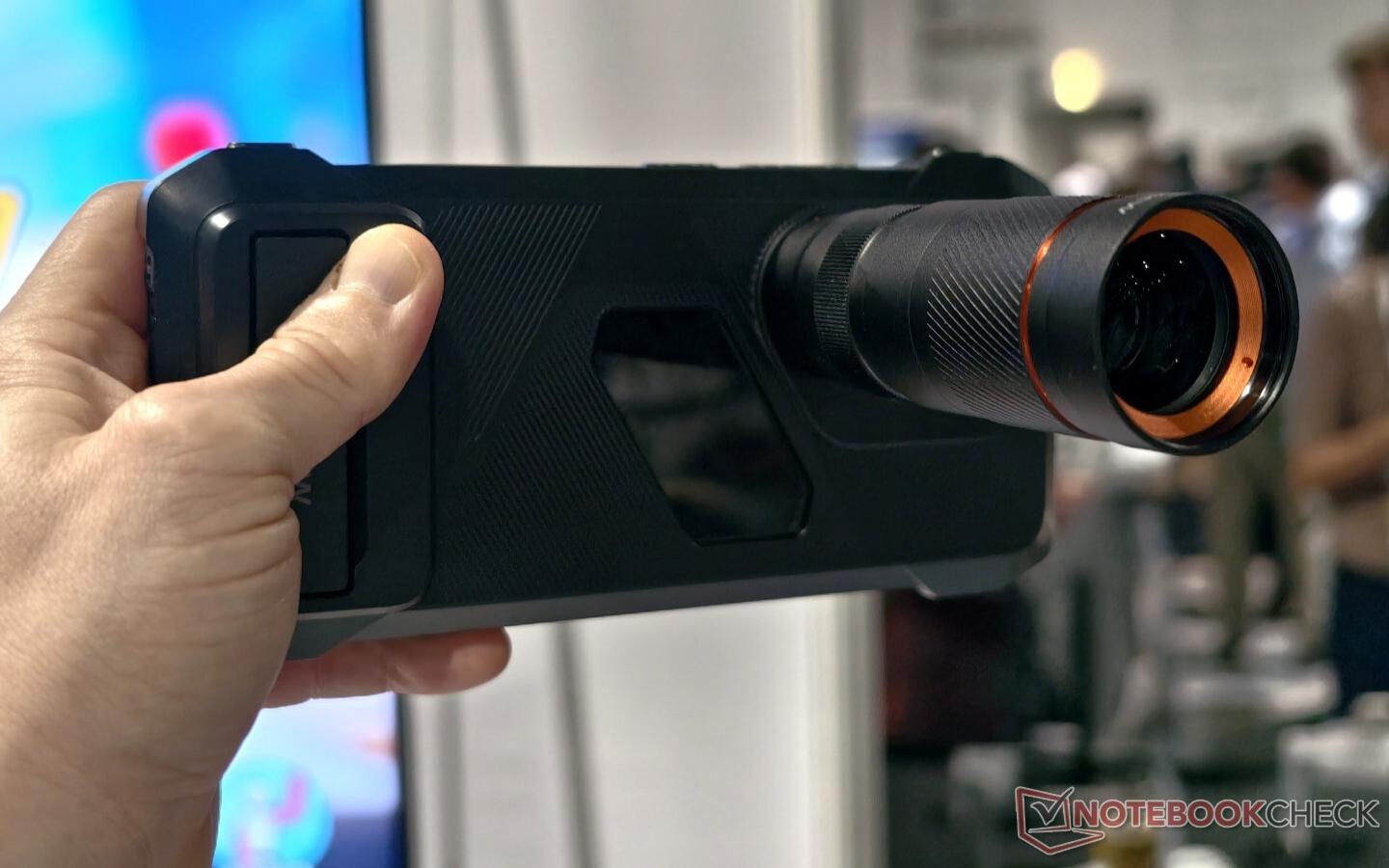
Blackview has introduced the Xplore 6, a rugged phone equipped with a 12,000mAh battery and a modular 10x optical telephoto lens. It combines flagship specs with extreme IP69K durability, though its massive 428-gram body limits its appeal strictly to field professionals.
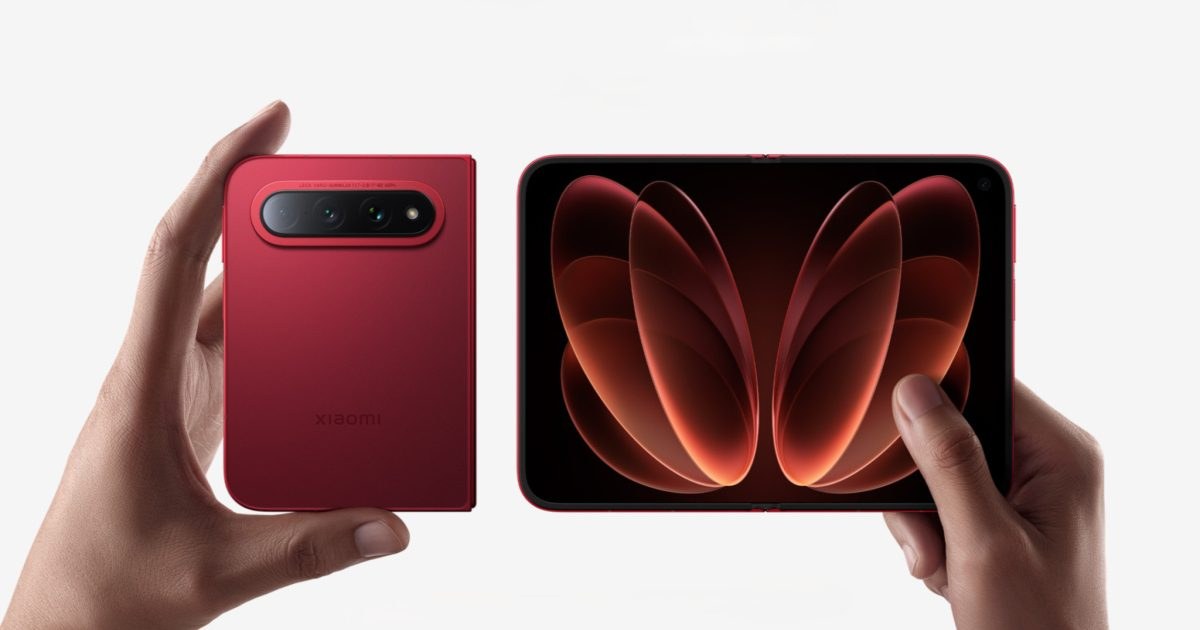
Xiaomi has redesigned the book-style foldable to match standard A4 paper proportions, fixing the cramped outer display problem. The phone packs a 6,000 mAh battery into a 5.02 mm slim chassis with a nearly invisible crease. It makes one-handed messaging on a foldable practical without opening the device.
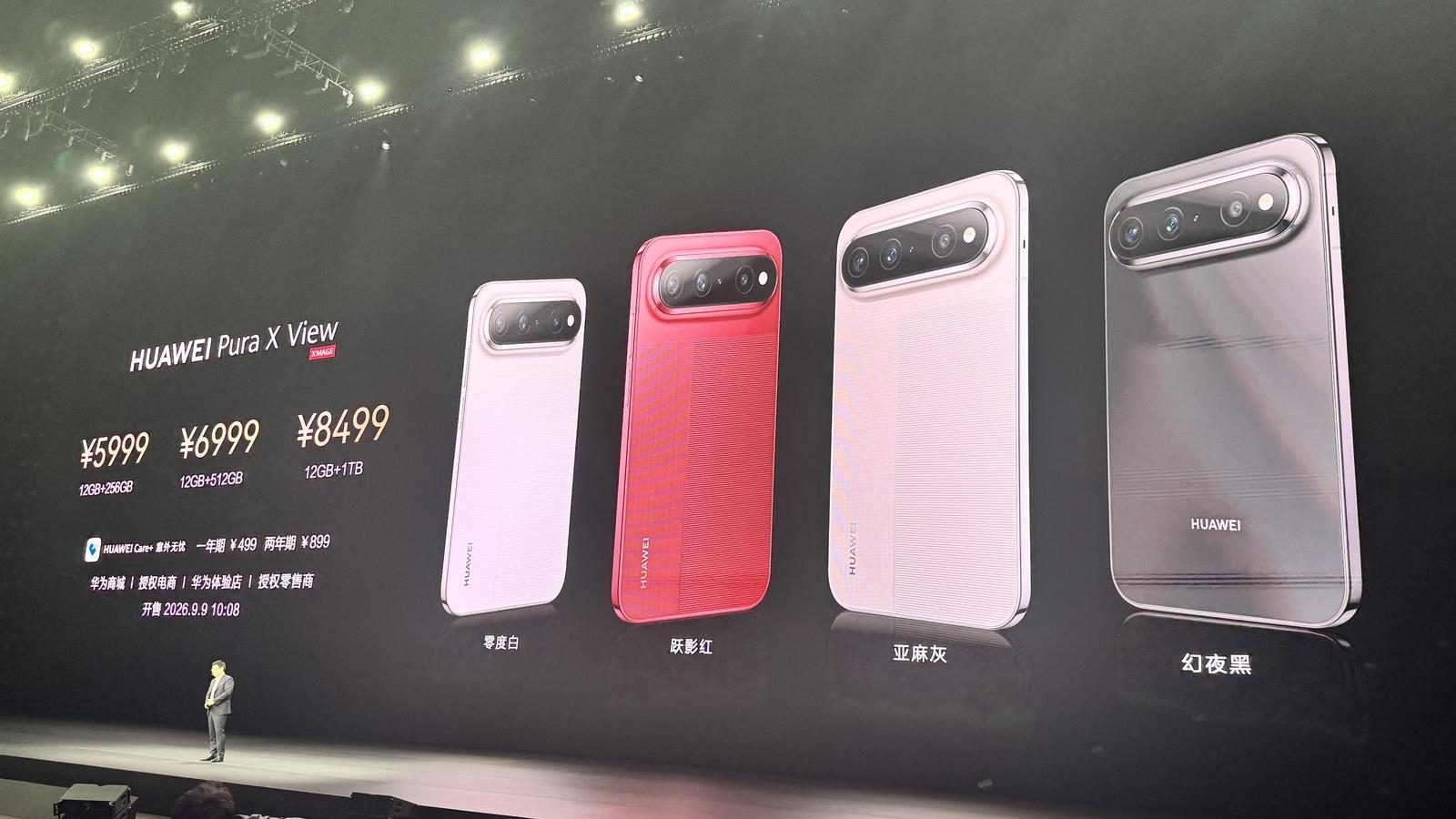
Huawei has unveiled the Pura X View, trading the narrow smartphone trend for an ultra-wide display and a massive 7,000 mAh battery inside a 6.68 mm chassis. Starting at $900, it prioritizes multi-day battery life and document reading at the expense of one-handed use.
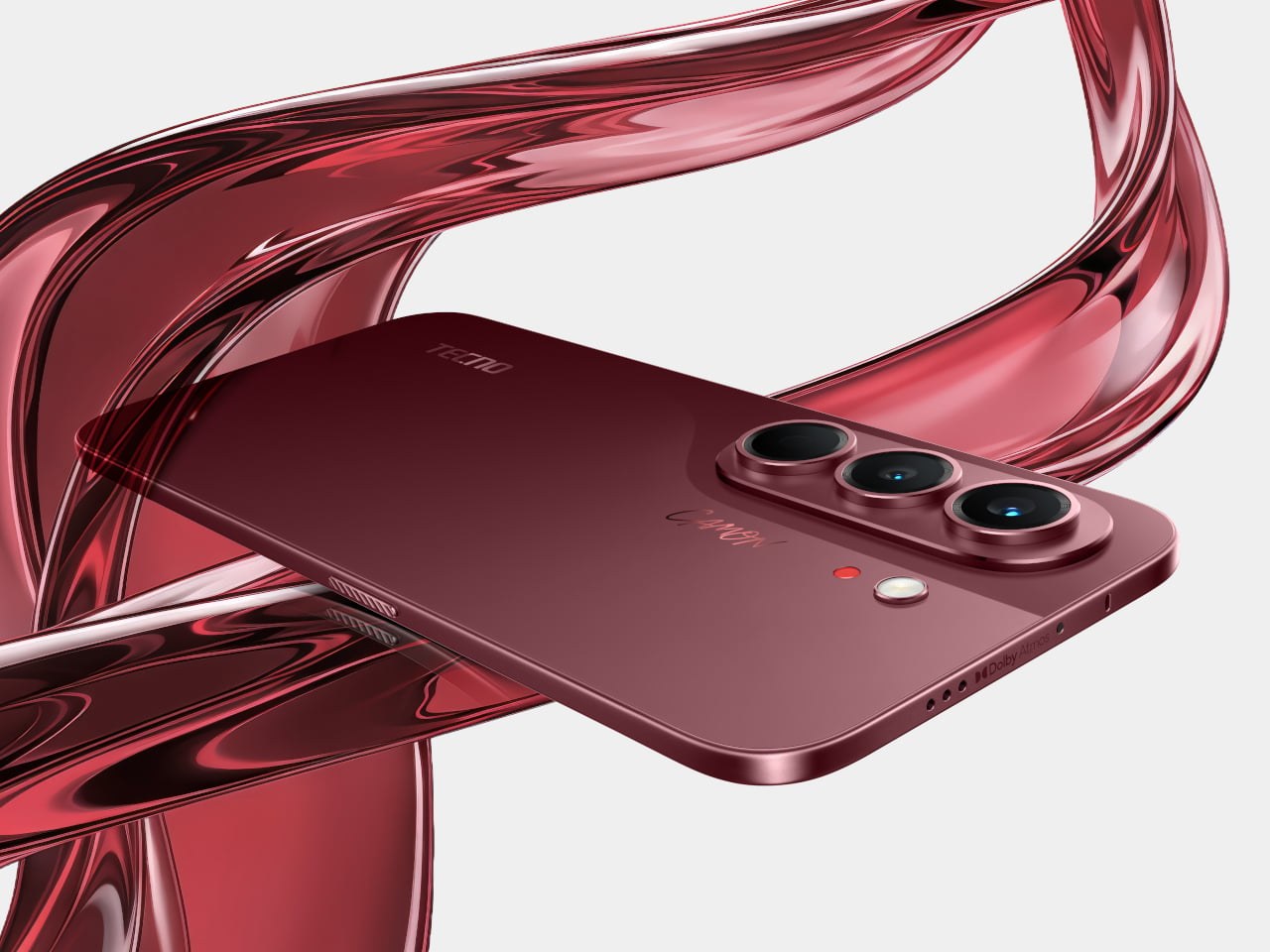
TECNO unveiled the CAMON Slim 5G at IFA 2026, pairing a razor-thin 6.39mm profile with a heavy-duty 6,000mAh battery. It swaps fragile rear glass for a rugged fiberglass composite to solve the eternal trade-off between ultra-thin design and multi-day endurance.

Chipmakers are turning to silicon photonics and 3D packaging to move AI data with light instead of copper wires. Optical processors will stay inside mega-scale data centers, but the resulting drop in server computing costs will protect consumers from price hikes on cloud-powered mobile features.
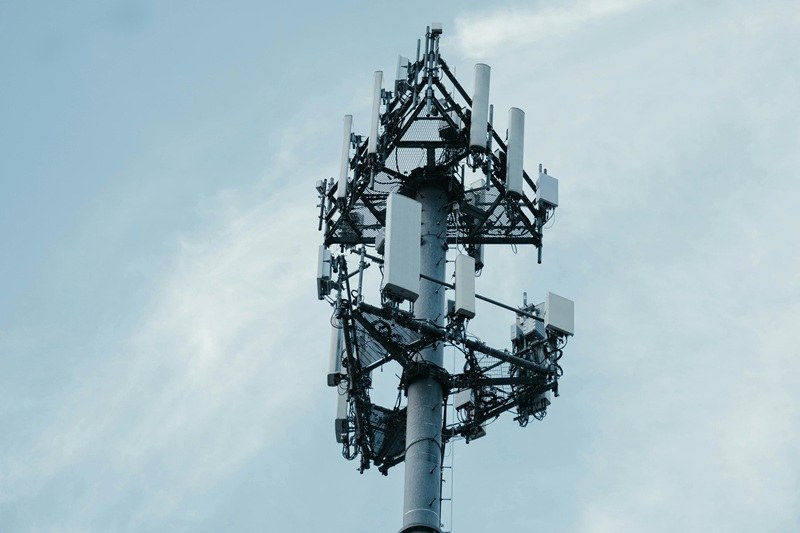
Carriers are adopting dynamic spectrum sharing to launch 5G over existing LTE infrastructure. The move prevents network congestion in crowded areas but fails to deliver true gigabit speeds. Smartphone owners have little reason to upgrade their hardware just for the status icon.

Xiaomi took over IFA 2026 with concept cars and robotics, but its practical announcements center on tangible hardware. The company introduced its wide-format 18 Fold smartphone powered by in-house silicon alongside a broader lineup of smart home appliances for the European market.
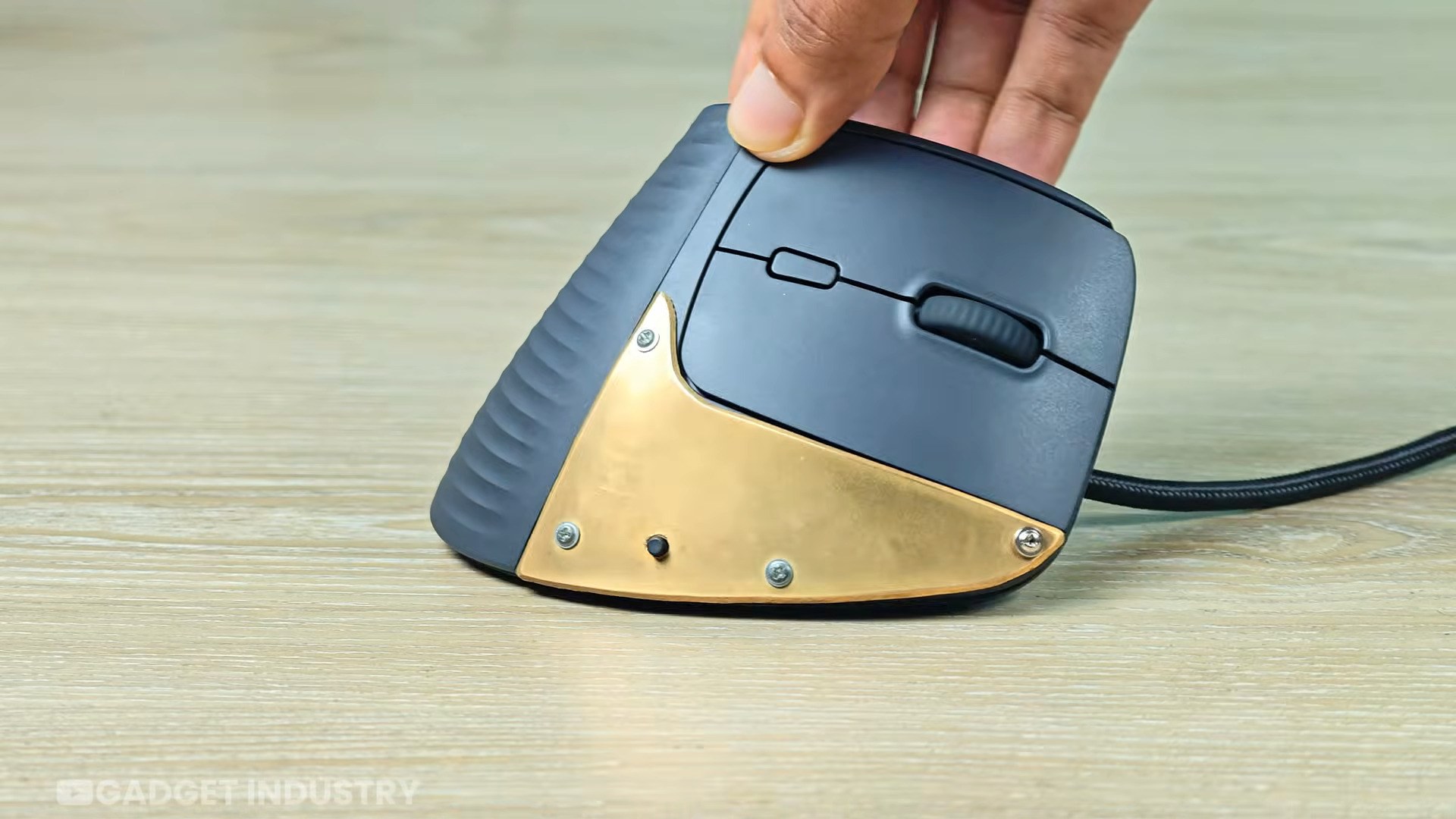
An independent maker gutted a broken Samsung Galaxy S21 and crammed its main board into a standard wireless mouse chassis. By plugging the peripheral into an external monitor via USB-C, users get a hidden desktop workstation powered by Samsung DeX without buying a separate mini-PC.
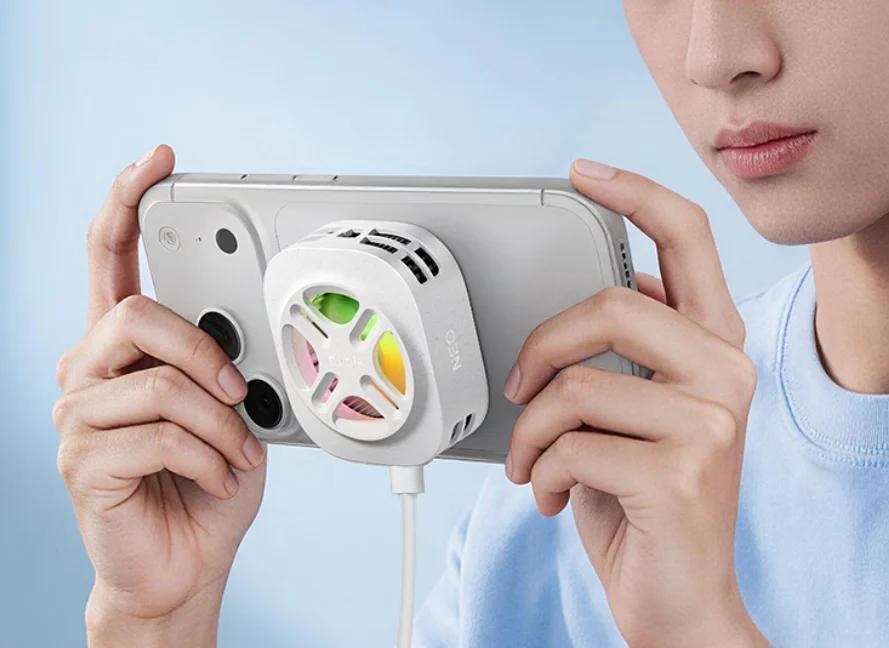
Nubia launched the Magnetic Phone Cooler Neo, promising sub-zero plate temps for $15. While the Peltier module delivers impressive cooling on paper, thick phone chassis and tethered cables limit its real-world benefits for gamers.
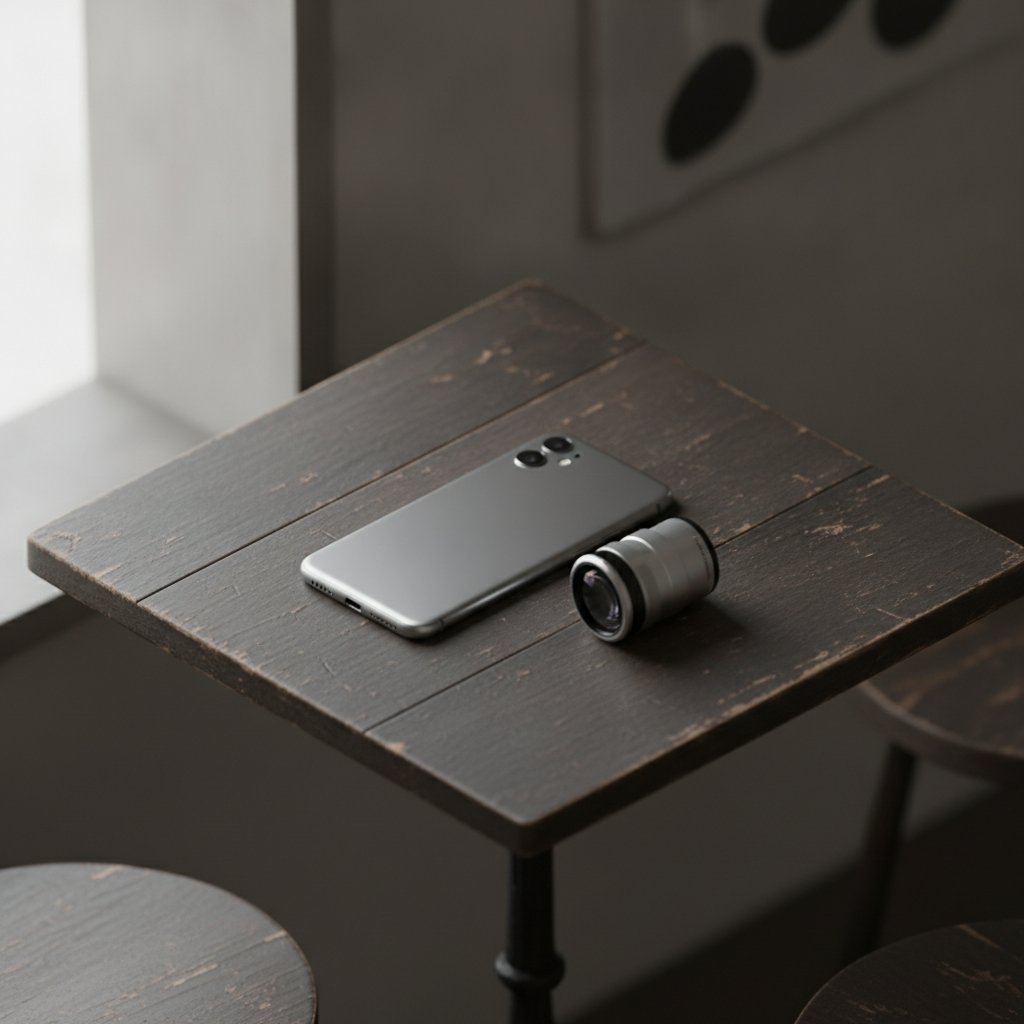
Oppo reportedly plans to test a clip-on telephoto camera module on the Reno 17 to keep the phone ultra-thin. While this removes the rear camera bump, history shows that modular mobile optics fail against built-in periscopes when it comes to daily convenience.

Hardware enthusiast fregacmols converted an authentic rotary telephone into a desktop cellular phone using an external interface module. The mod preserves the original shell completely while routing physical dial pulses and ringing real brass bells over a cellular connection.

Tecno showcased an IFA concept smartphone featuring dual-layer curved glass that hides black screen borders using an optical lens effect. While striking under showroom lights, the design makes fitting a case impossible and introduces major accidental touch problems. It remains a trade-show showcase rather than a practical daily driver.
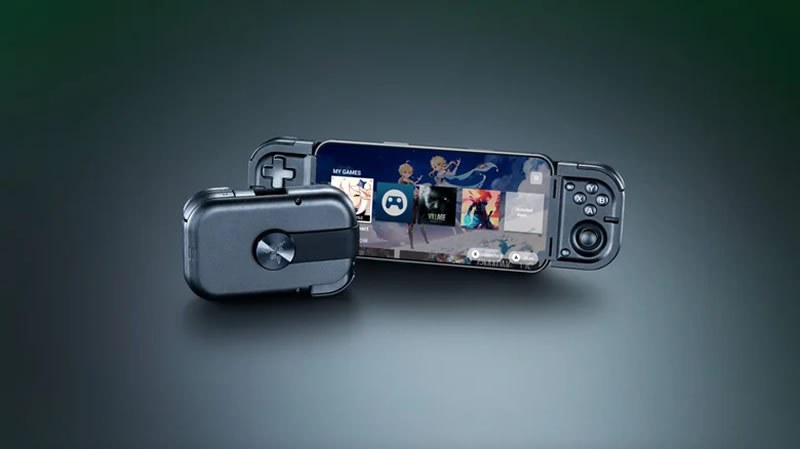
Ultra-compact folding controllers solve the problem of bulky mobile gaming gear by easily slipping into a pocket. However, shallow thumbstick travel, flat triggers, and fragile hinges create major hurdles for competitive shooter players.
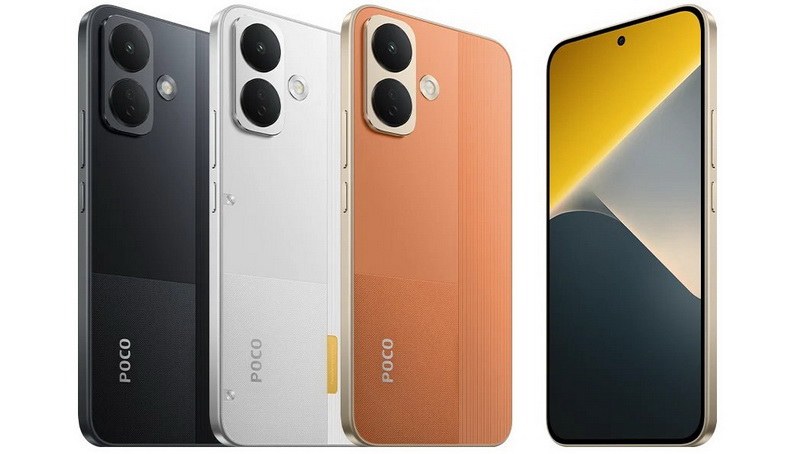
The POCO X8 brings high-density silicon-carbon battery technology to the budget segment with an 8,340mAh cell. It eliminates power bank anxiety for heavy mobile users without adding bulky rugged armor. The tradeoff comes down to noticeably longer charging times.
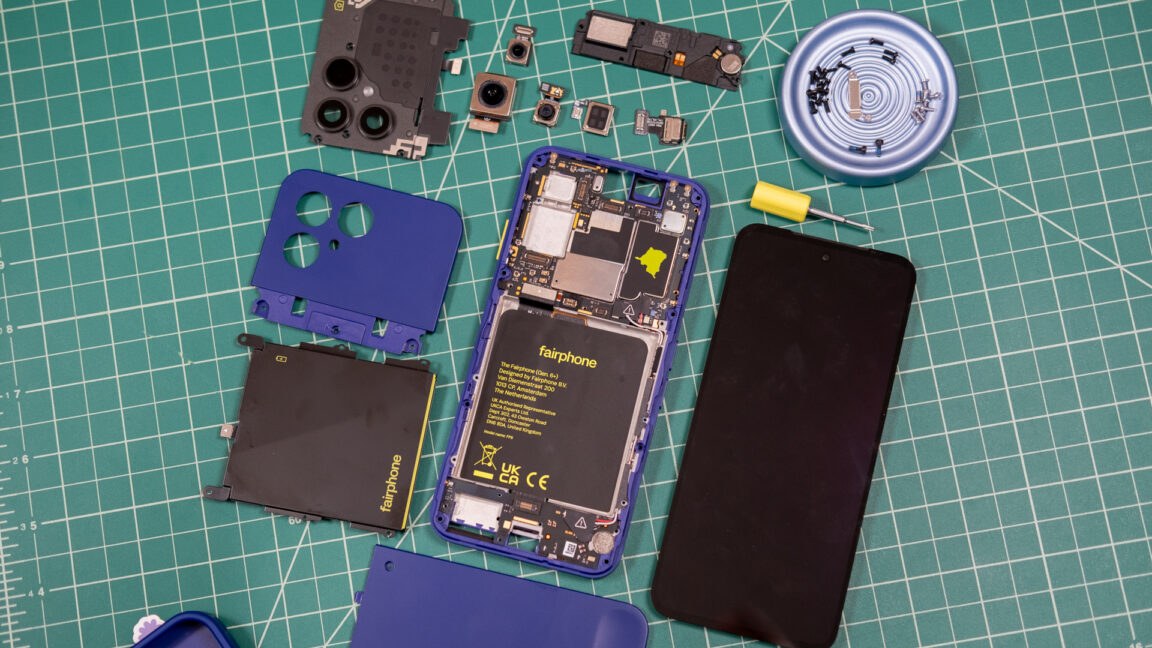
The $650 Fairphone Gen 6+ ditches industrial glue for standard screws, letting you swap broken screens and worn batteries in minutes. However, this repairability forces you to accept a bulky plastic frame and slower hardware than typical phones at this price.
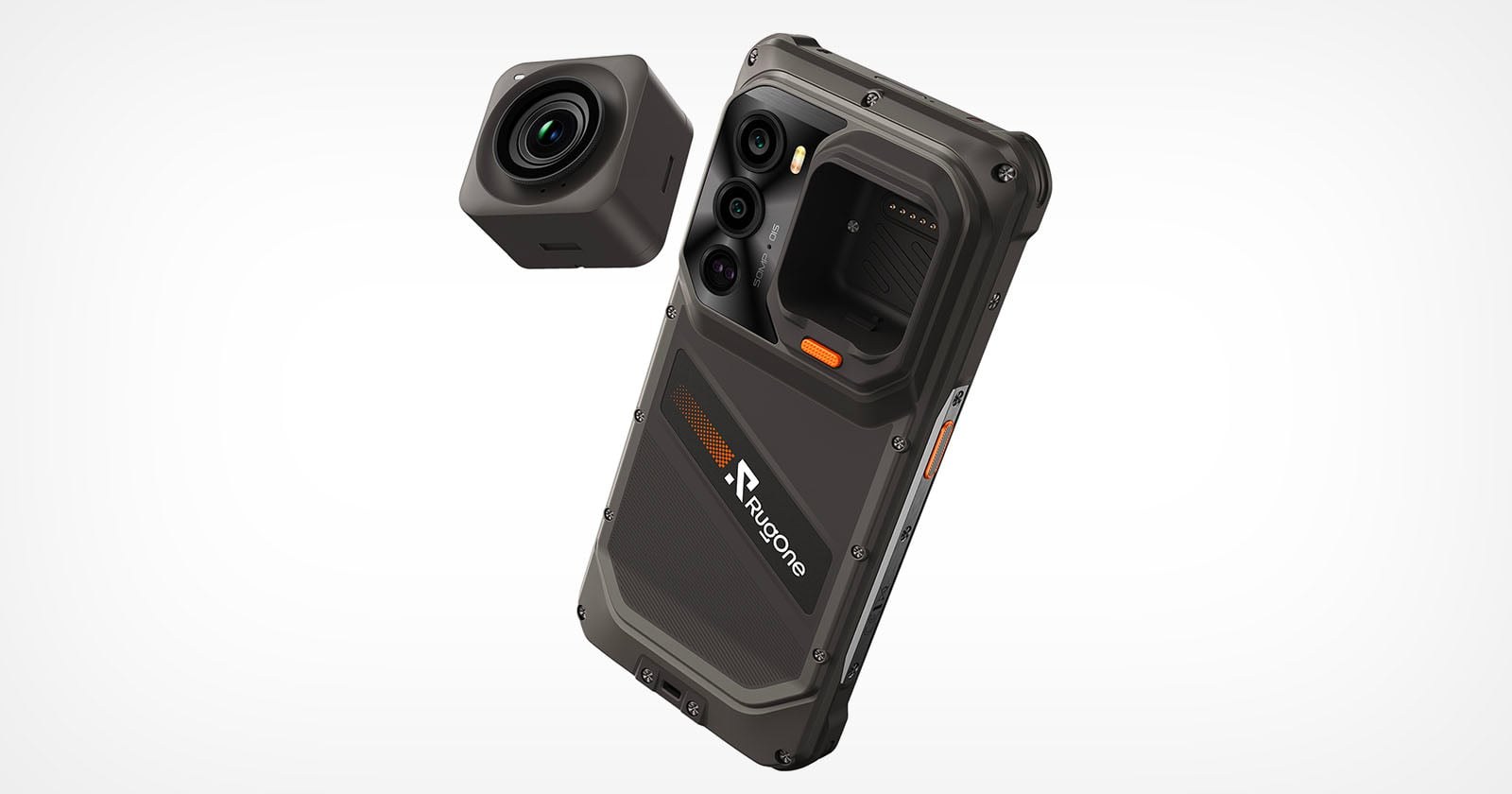
RugOne's new modular handset lets you pop off a 39-gram waterproof action camera right from the back of your phone to mount on a helmet or bike. It saves you an extra pocket on the trail, though the video maxes out at a modest 2.7K resolution for a steep €799 early-bird price.
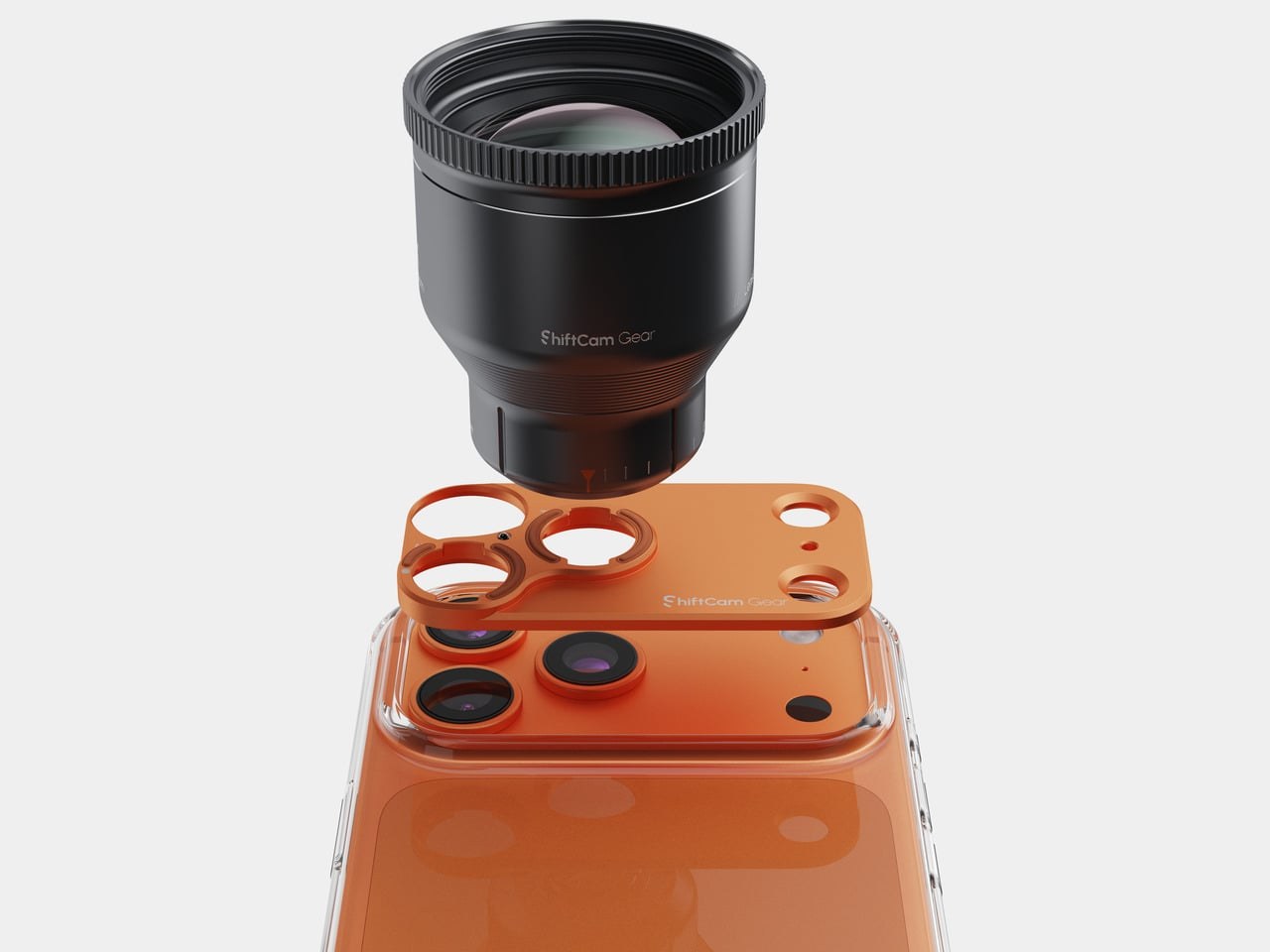
ShiftCam's new $25.99 adhesive plate lets mobile photographers attach extra lenses directly to their favorite protective cases. Instead of forcing you to buy a brand-specific plastic shell, the slim mount aligns heavy glass precisely over your phone's camera sensors.
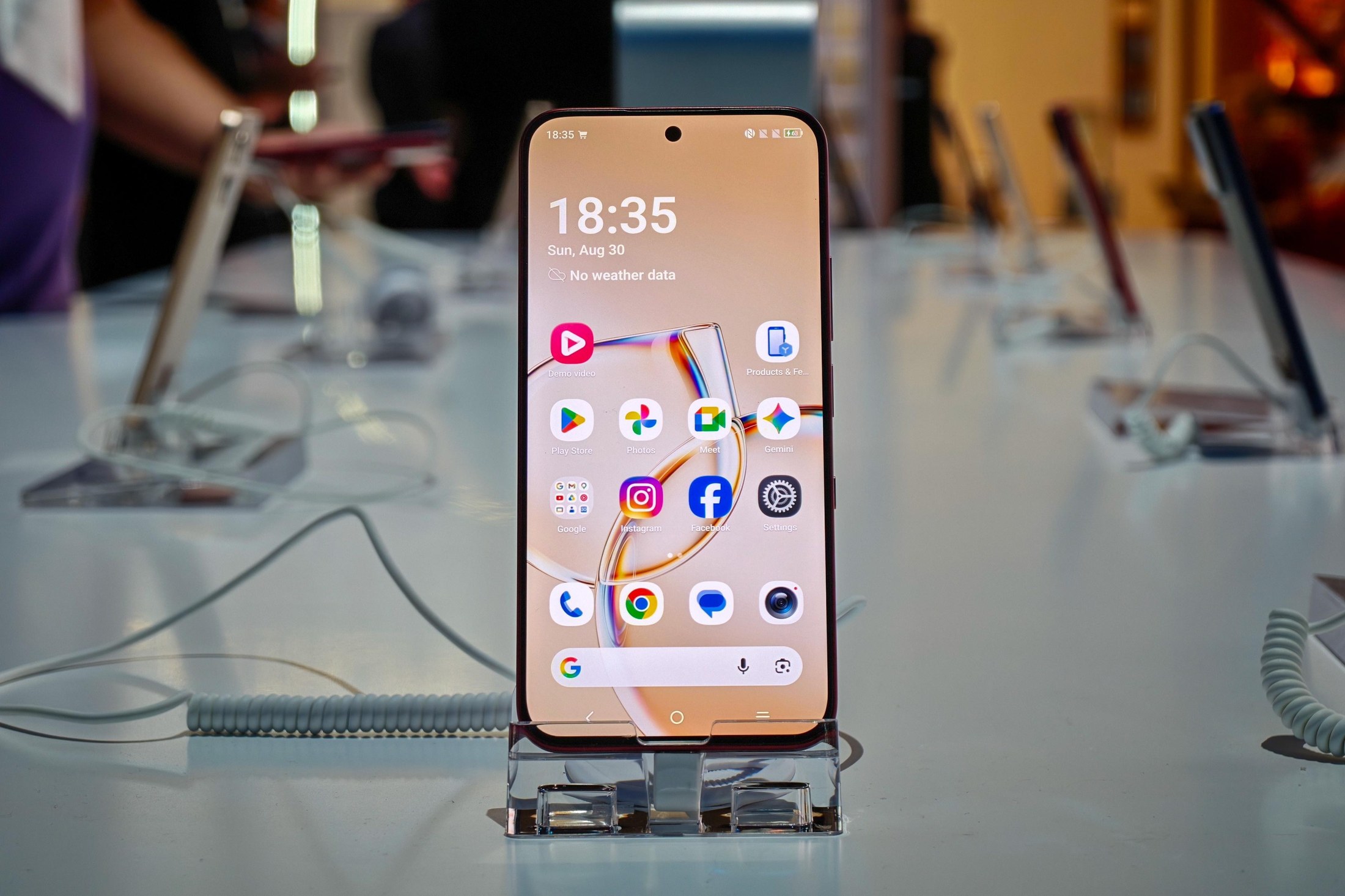
TCL's new P80 Ultra phone pairs a 6.83-inch matte OLED screen with a physical switch that turns Android into an e-reader. With a 5,800mAh battery lasting up to seven days of reading, it tackles screen glare without forcing you to carry a separate Kindle.
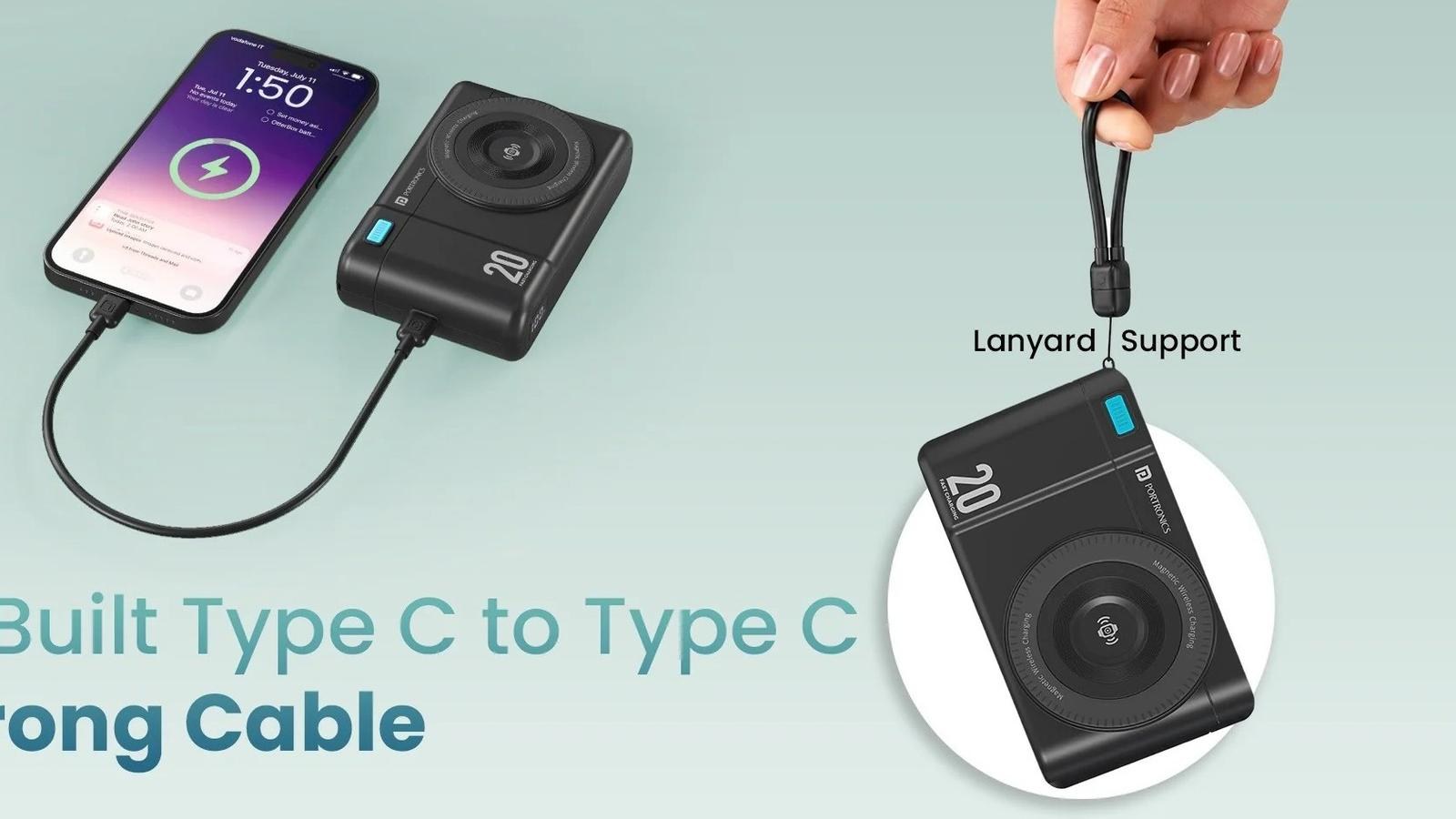
Portronics has launched the Power Shutter Air 20K, a high-capacity magnetic battery pack shaped like a retro camera. The ergonomic grip and Qi2 mount turn heavy emergency power into a practical tool for mobile photographers.
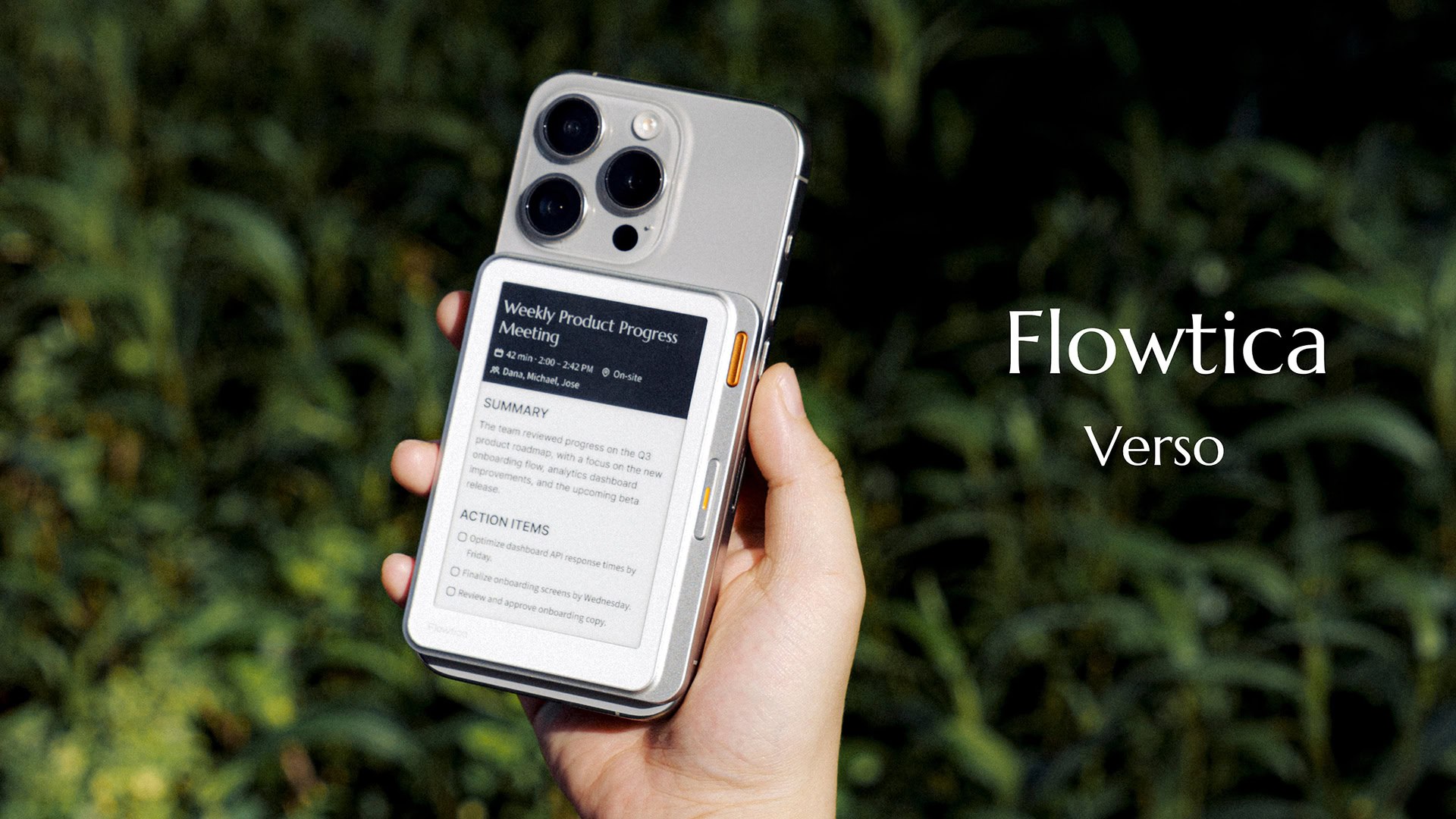
The Flowtica Verso attaches an E-Ink display and AI voice recorder to the back of your smartphone for $299. It keeps meeting notes visible without phone notifications, but straps a noticeable 98-gram metal block to your daily handset.

Oukitel brought wildly eccentric rugged phones to IFA, featuring a built-in electric firestarter, physical cooling fans, and thermal cameras. These heavy, multi-pound devices double as survival tools and power banks for extreme outdoor work, trading pocket comfort for niche utility.

Weighing as much as four regular phones, the 8849 Tank 5 Pro combines a 2K projector, FLIR thermal sensor, and massive 17,600mAh battery into a single industrial brick. It replaces a bagful of job-site gear for field technicians who do not mind carrying a 715-gram device.
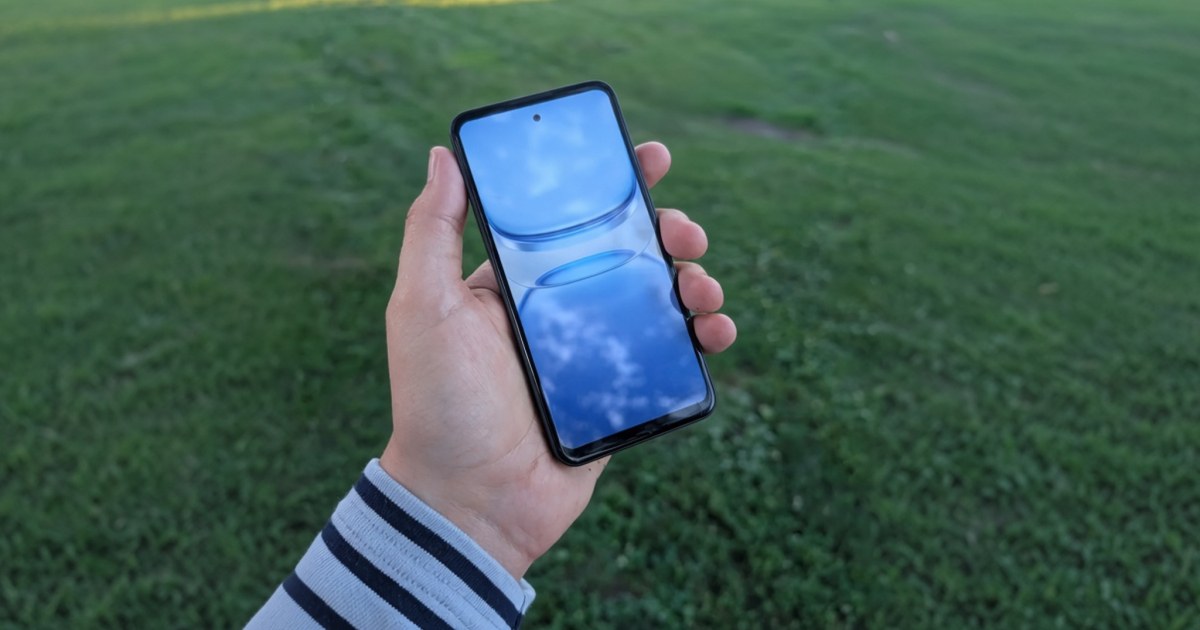
Startup Enough revealed a concept for a compact 5.3-inch smartphone featuring a flush rear camera and a replaceable battery. The project targets users tired of oversized flagships, though it currently exists only as renders ahead of a planned Kickstarter campaign.
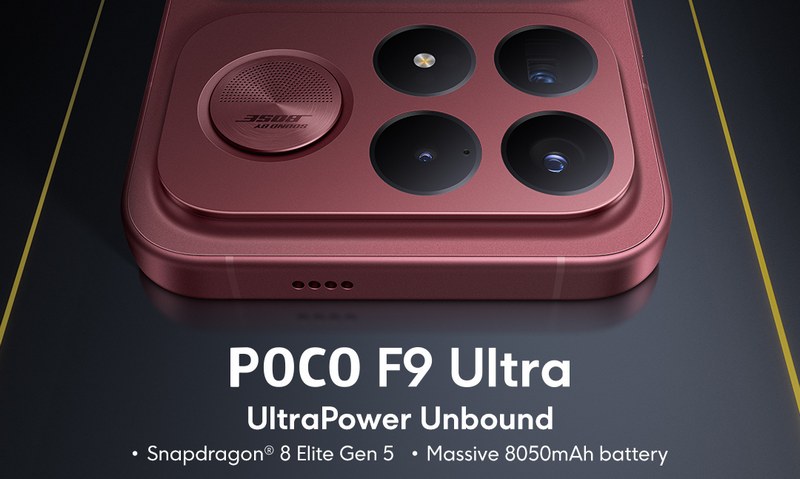
POCO has squeezed a tablet-grade 8,050mAh silicon-carbon battery into the new F9 Ultra alongside a niche 185Hz screen. The resulting hardware delivers multi-day endurance for power users at the expense of a heavier, thicker frame.
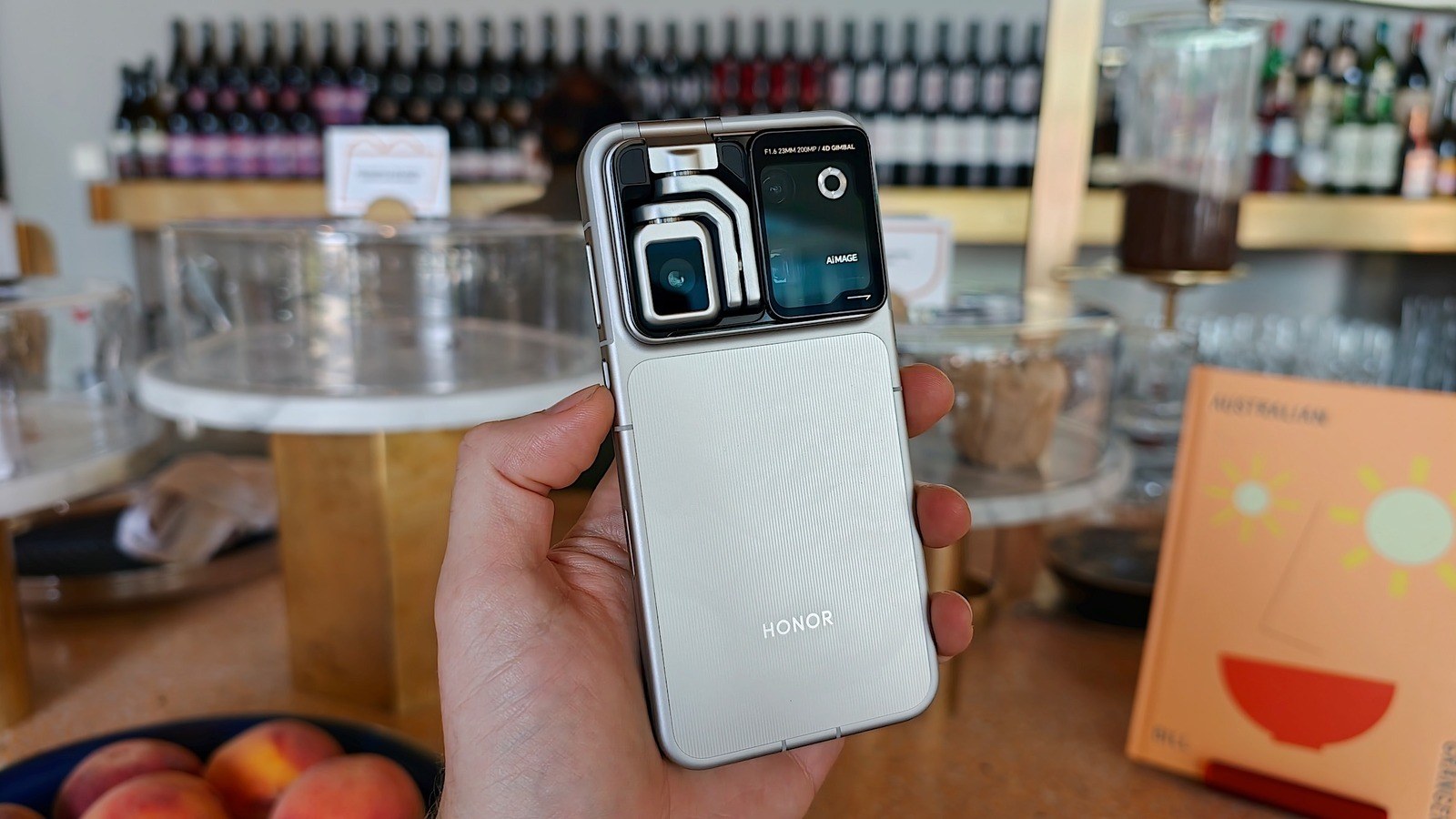
Honor engineered a functional three-axis motorized stabilizer directly into the rear chassis of its new experimental flagship. While mechanical horizon leveling delivers remarkably smooth footage, manual deployment and fragile moving parts limit its daily practicality.

Huawei redesigned its tri-folding phone ahead of a September 7 launch, turning the delicate 10-inch display inward to prevent pocket scratches. The hardware offers up to 2TB of storage, but it remains a heavy, ultra-expensive pocket brick meant strictly for luxury flexes.
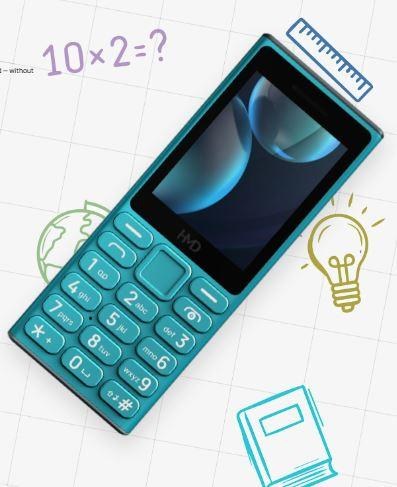
HMD has unveiled the 105 4G School Edition, a back-to-school feature phone stripped of all games, web browsing, and media tools. Built solely for basic calls and texts, it offers parents total hardware lockdown at the expense of student appeal.
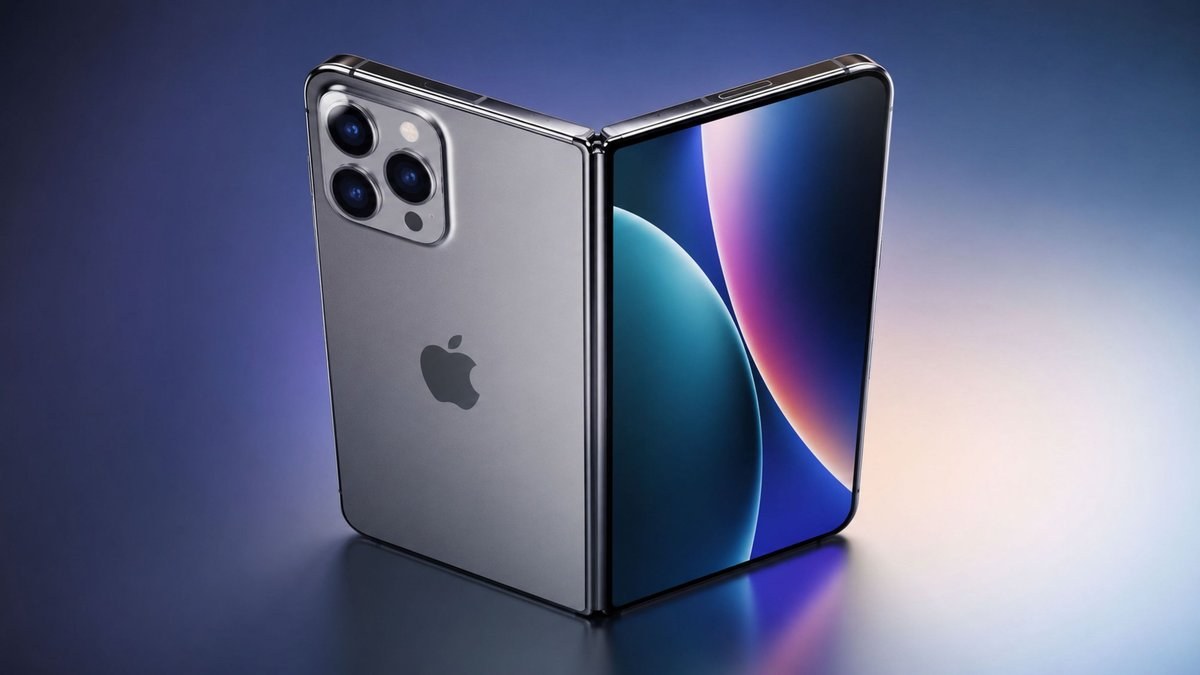
Early repair estimates show fixing a broken iPhone Fold internal display will cost at least $1,155, nearly double what Samsung charges for similar Galaxy Fold screens. The extreme complexity of Apple's custom hinge mechanism will force independent shops to invest in specialized tooling, driving up out-of-warranty costs for early adopters.
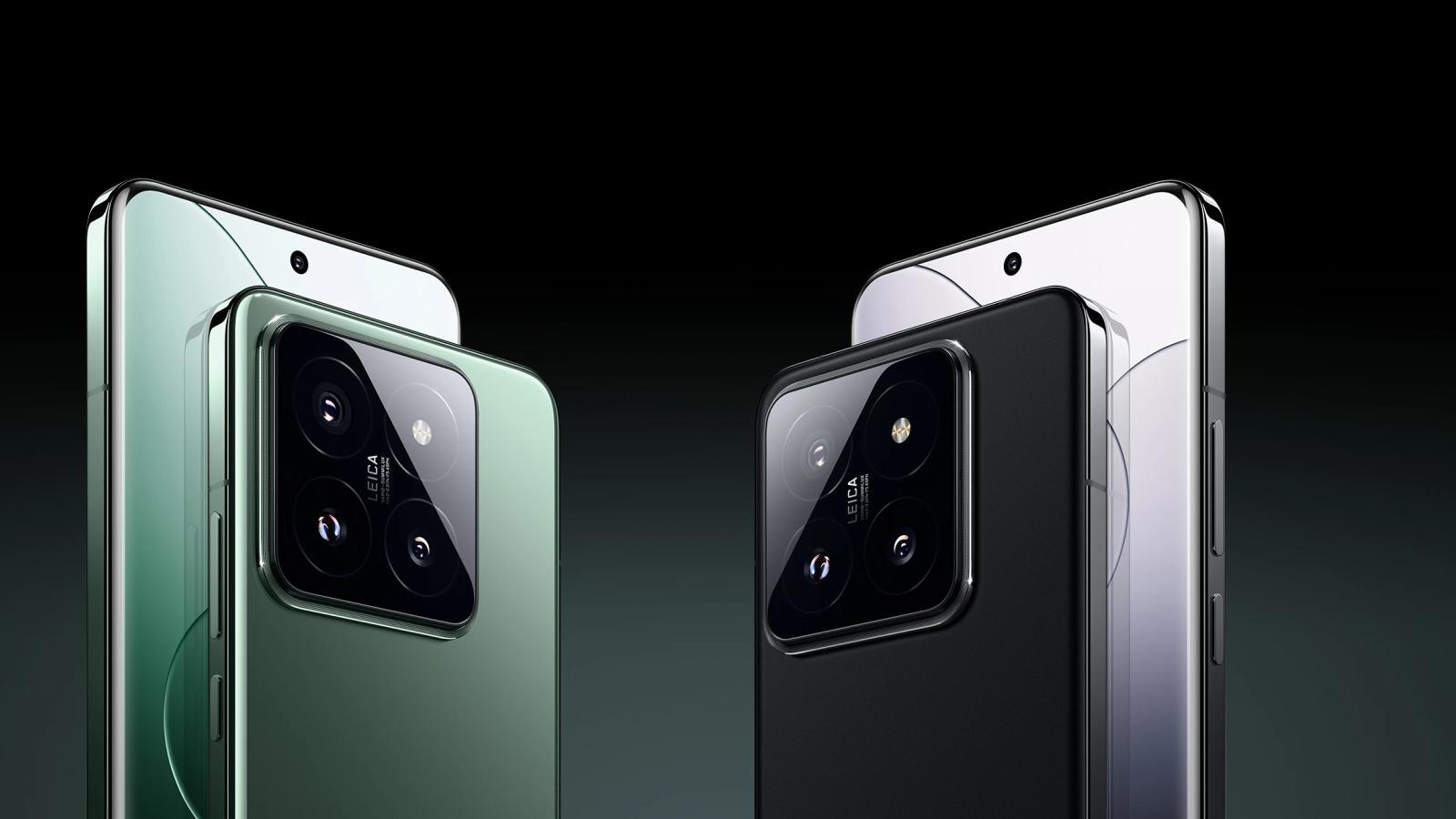
Xiaomi is rolling out official battery upgrades that fit higher-density cells into aging flagship smartphones instead of standard factory replacements. The initiative extends device lifespans and delivers higher capacity than original launch specifications without forcing users to buy new hardware.
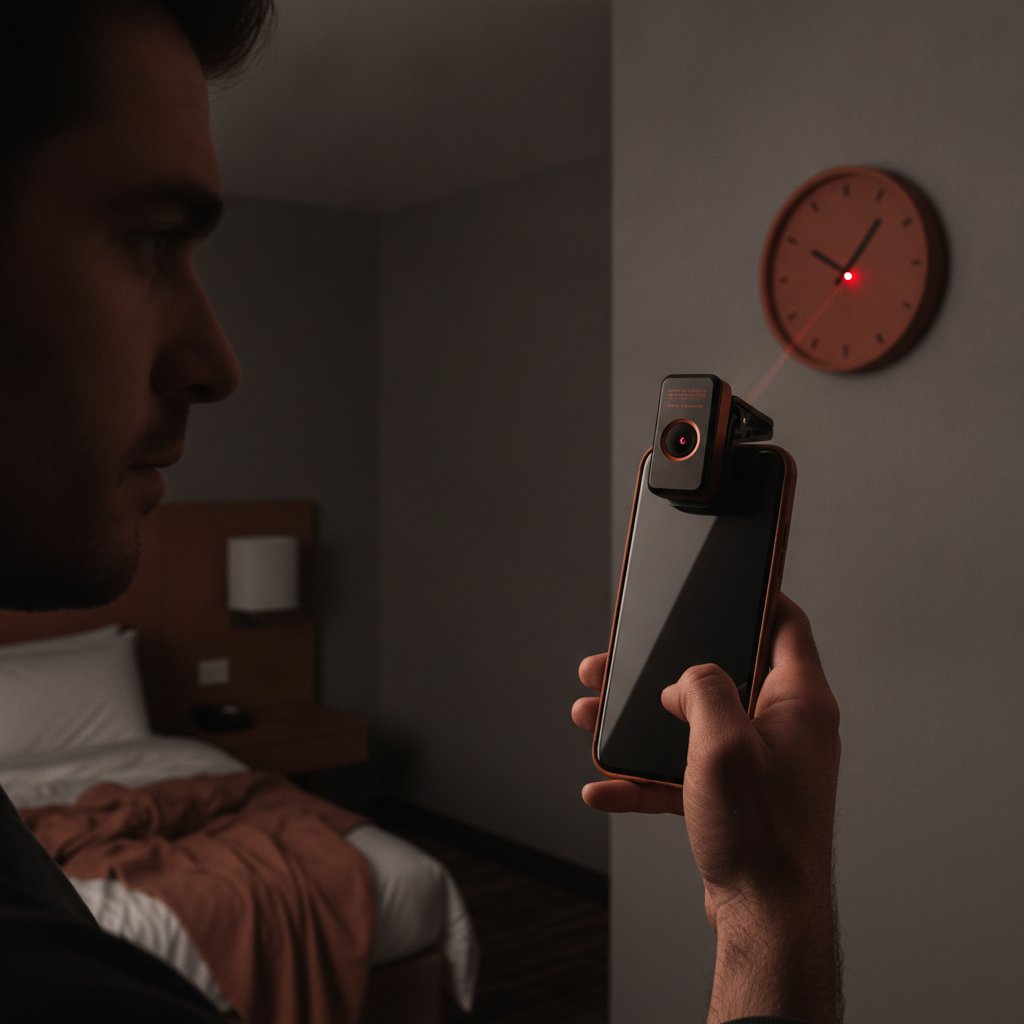
Commercial spy camera detectors miss nearly 60% of hidden lenses due to misleading glare from screws and plastic. Researchers from KAIST developed SweepLED, a $7 multi-angle phone attachment that automates reflection analysis to pinpoint hidden cameras in five seconds. The open design paves the way for cheap, highly accurate travel privacy tools.
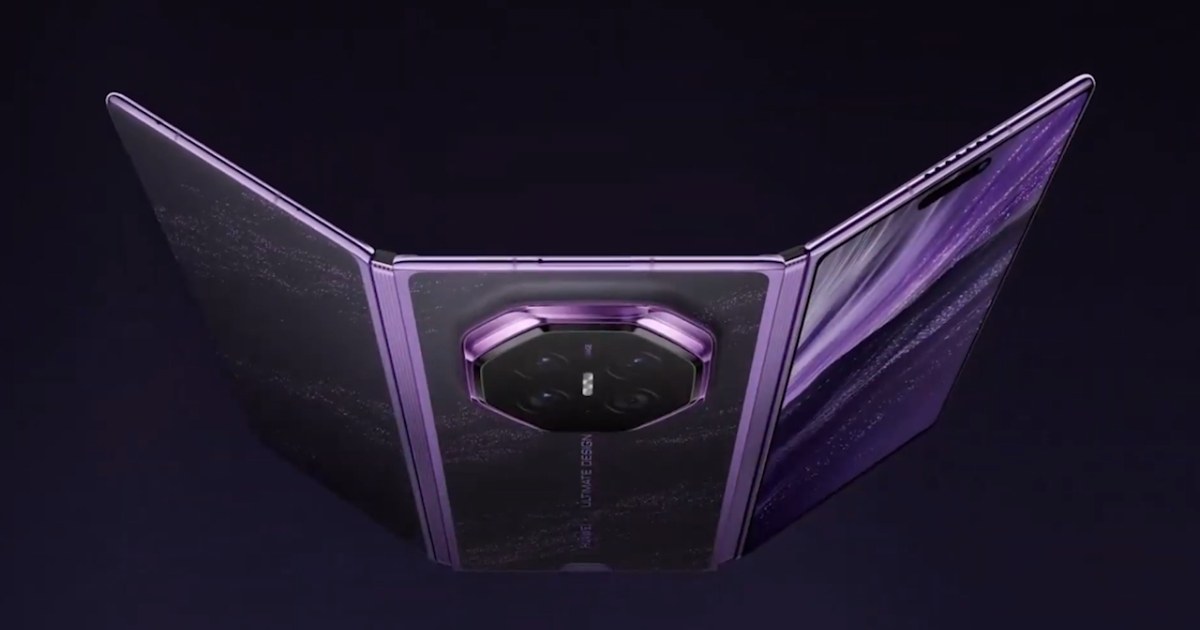
Huawei has redesigned the Mate XT 2 to fold inward, protecting its fragile flexible matrix from everyday wear and tear. While the new U-shaped hinge adds thickness and requires a separate cover screen, it eliminates the massive repair risks of the original outer-folding panel. Full pricing and launch details arrive alongside HarmonyOS 7 on September 7.
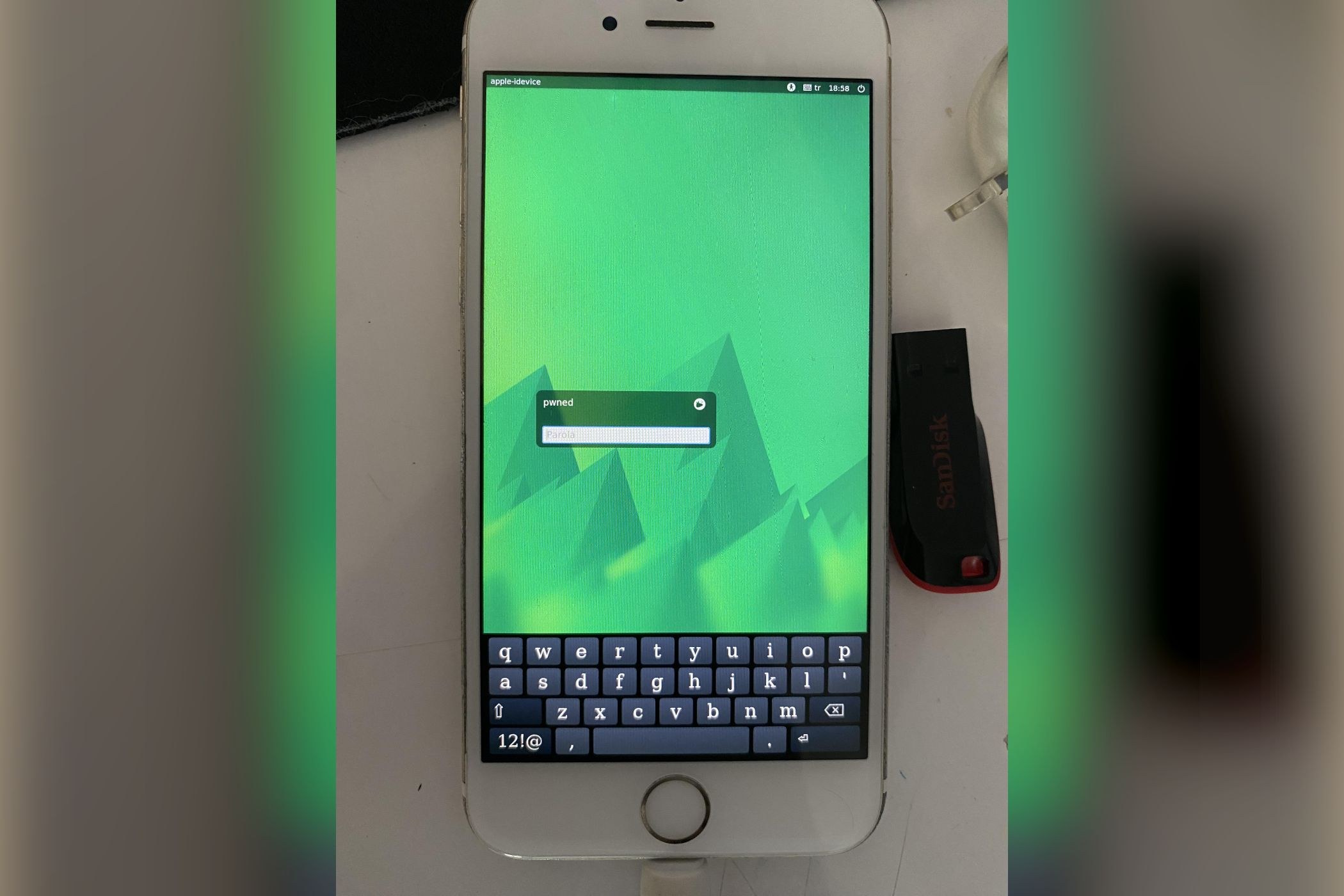
A tech enthusiast successfully booted postmarketOS Linux onto a decade-old iPhone 6S after a three-hour setup. The project proves obsolete Apple hardware can run alternative desktop systems, though broken mobile features make dedicated boards like a Raspberry Pi far more practical for everyday utility.
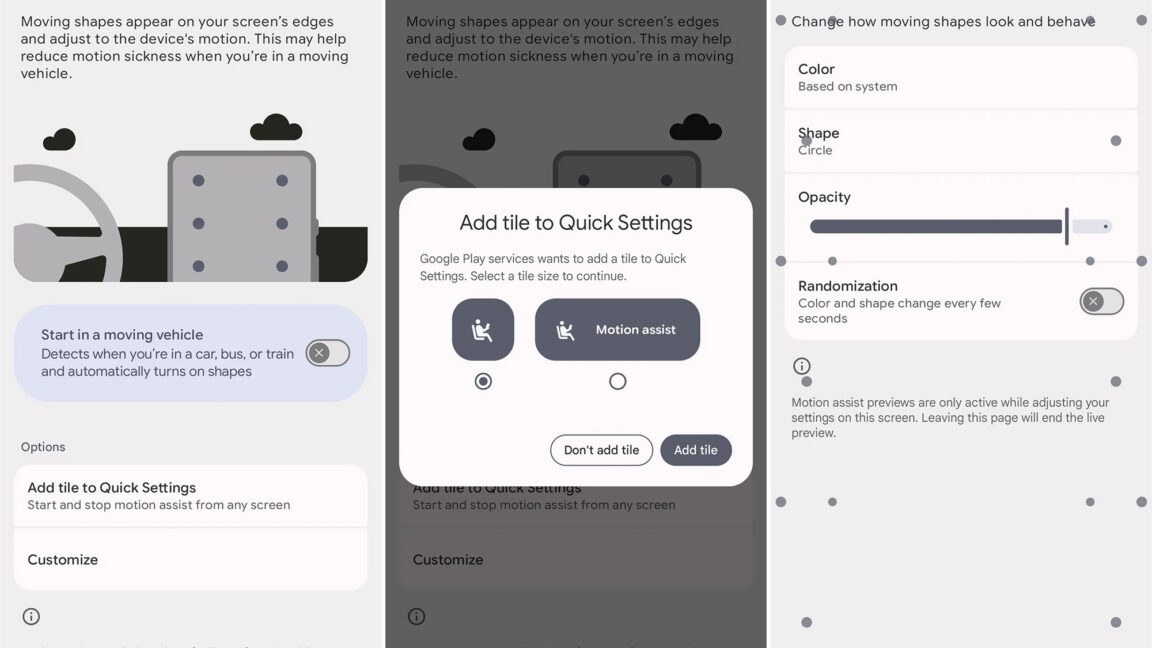
Google is rolling out Motion Assist, an Android feature that places animated markers along screen edges to counteract vehicle motion sickness. The tool uses internal sensors to match visual cues with inner-ear acceleration in real time.

Apple raised the standalone Apple TV fee to $15 per month and bumped Apple One bundle pricing across all tiers. The adjustment offsets streaming catalog deficits by extracting recurring revenue from existing device owners. iPhone and Mac users face higher ongoing costs unless they rotate subscriptions seasonally.
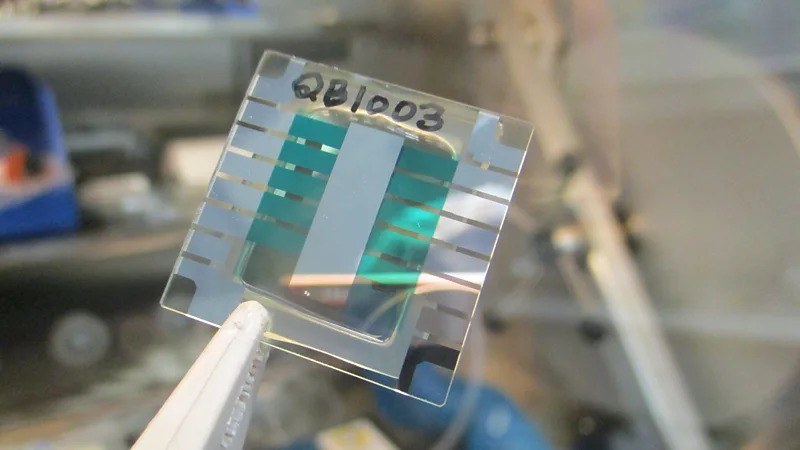
Physicists have demonstrated a working quantum battery prototype that charges faster as its capacity grows, using superradiance instead of chemical reactions. While the breakthrough eliminates charging heat and cell degradation, the bulky optical setup cannot yet store or steadily release power for mobile hardware. Mainstream smartphones will rely on standard lithium-ion packs for years to come.
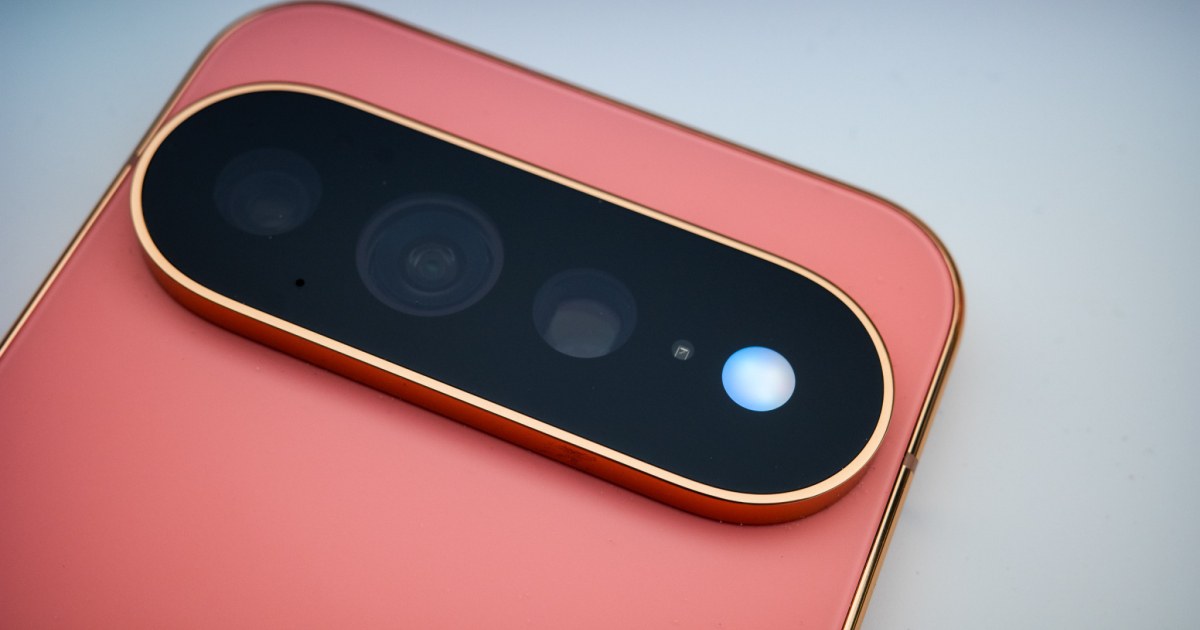
Google replaced the traditional flash in the Pixel 11 Pro with a diffused LED array designed for soft Gemini AI animations. Real-world tests show the phone delivers just 89 lux, falling more than five times behind the iPhone 16 Pro in basic flashlight utility.
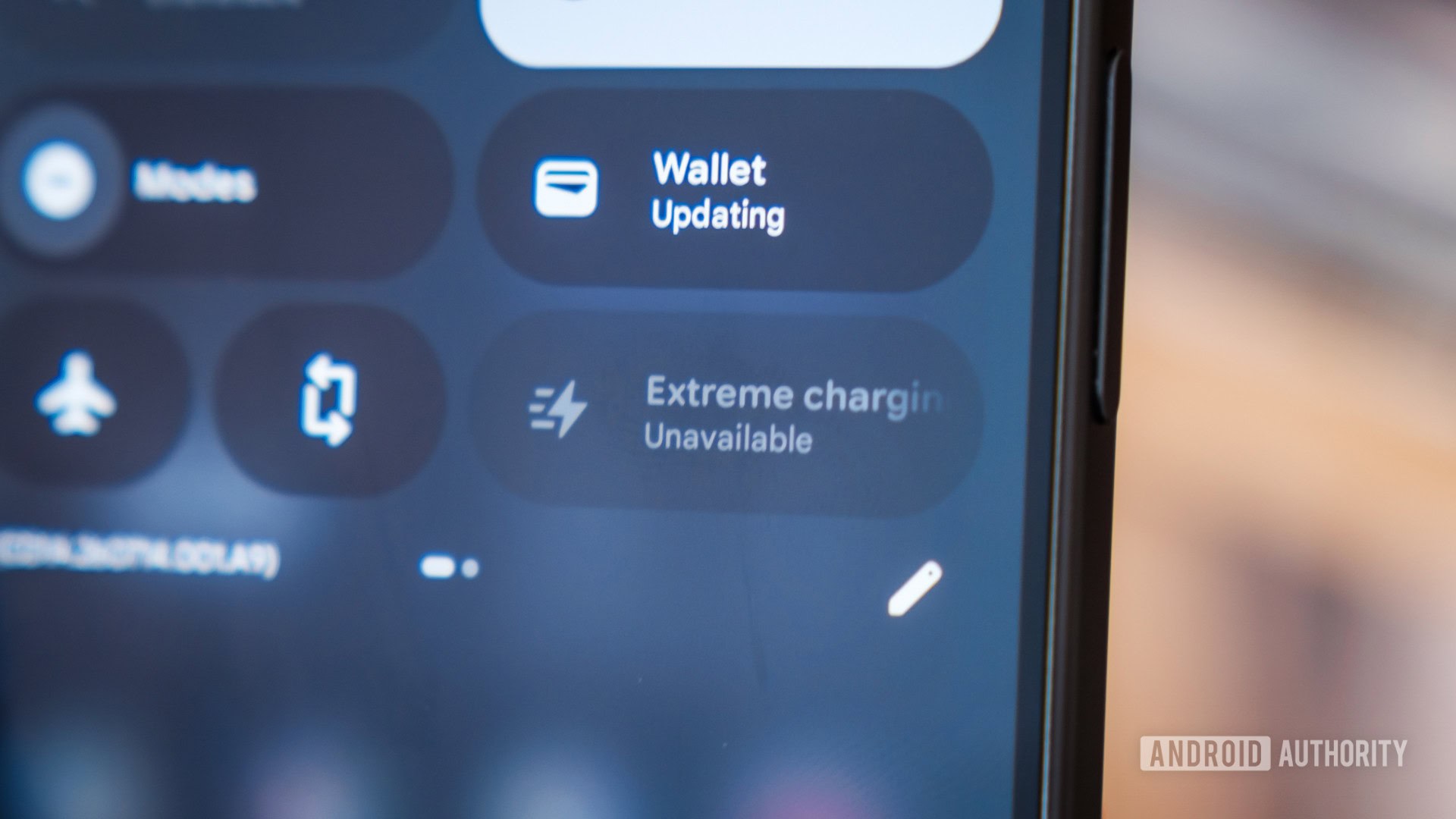
Bench tests show Google's flagship throttles quickly due to thermal limits, delivering real-world charging speeds nearly identical to previous generations. Getting even a brief 40.7W boost requires a niche 21V PPS charger that costs an extra $59.99.

Xiaomi is launching the Poco X8 Power 5G featuring a massive 10,000 mAh silicon-carbon cell with 100W fast charging and 27W reverse power output. The new battery chemistry enables multi-day endurance without turning the device into an unwieldy brick.
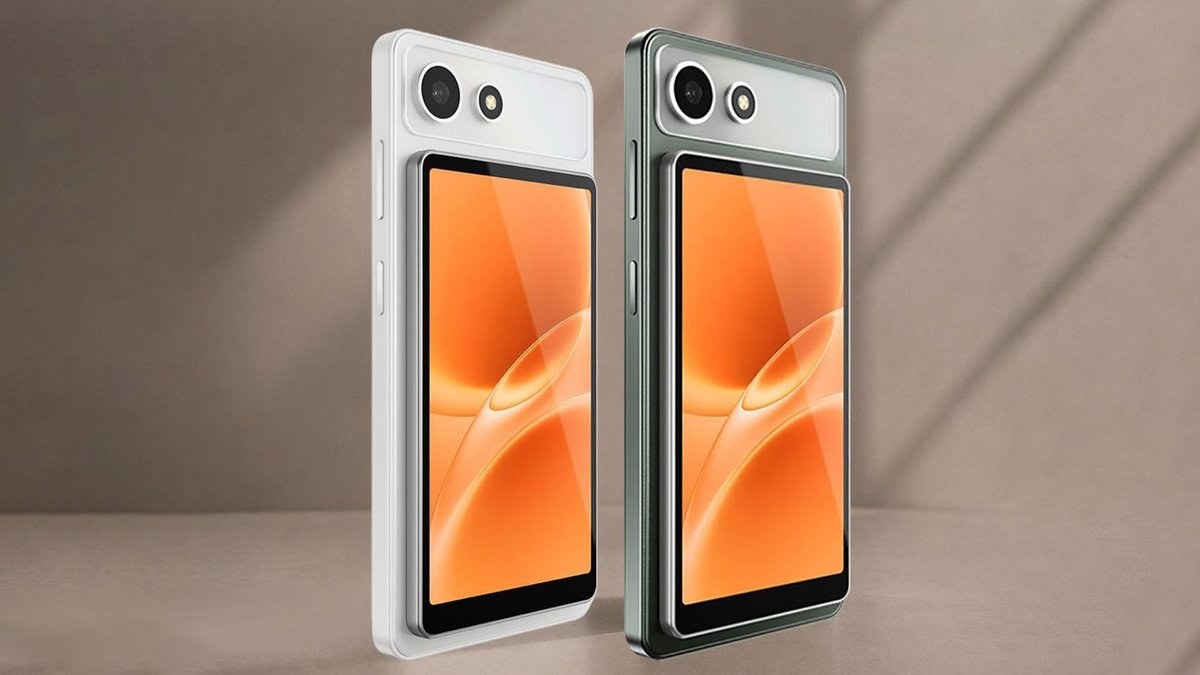
Hisense introduced the A10 Ultra, an E Ink smartphone featuring a detachable magnetic color display priced up to $550. The modular design tries to bridge the gap between paper-like reading and media consumption, but the result is a bulky compromise with a small battery. Buyers seeking reduced screen time are better served by a standard phone paired with a dedicated reader.
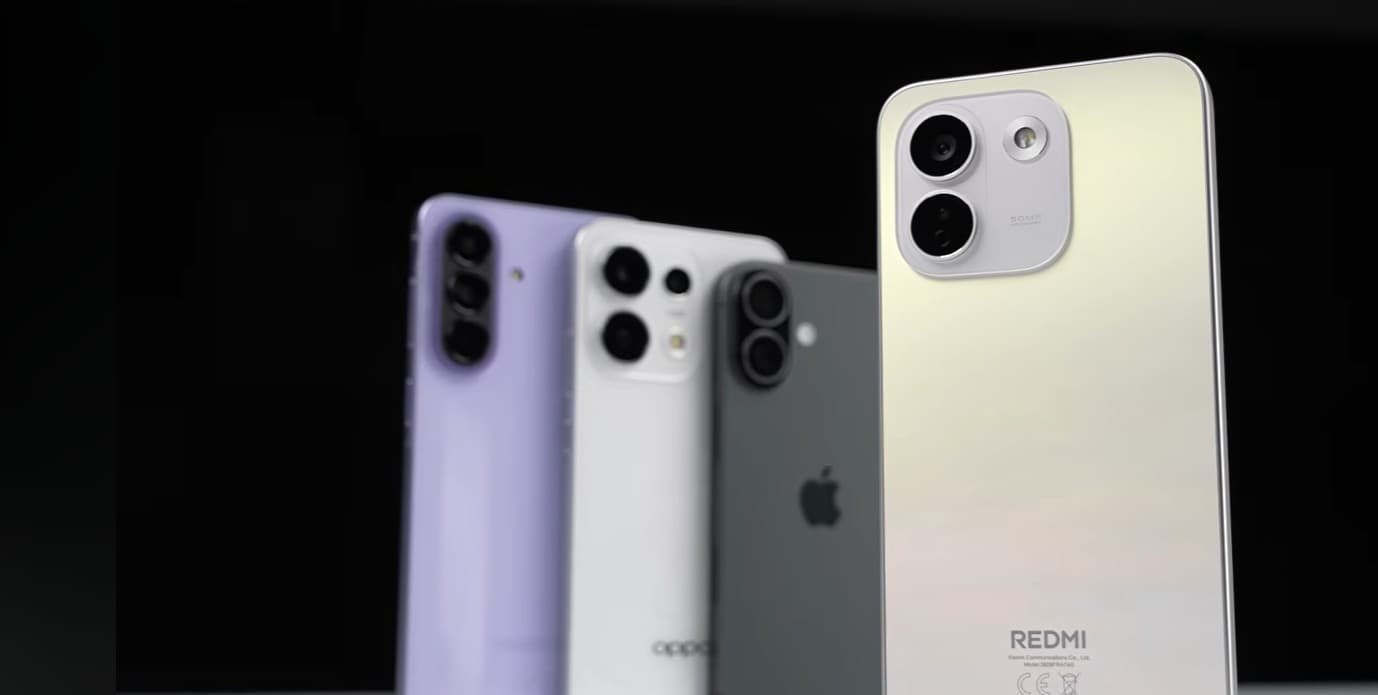
Xiaomi's Redmi Note 17 Pro Max ran for over 19 hours in PhoneBuff's robotic endurance benchmark, comfortably beating the OnePlus 15 and iPhone 17. The 10,000 mAh battery delivers multi-day life for field workers and travelers, though it turns the phone into an unwieldy brick for everyday users.
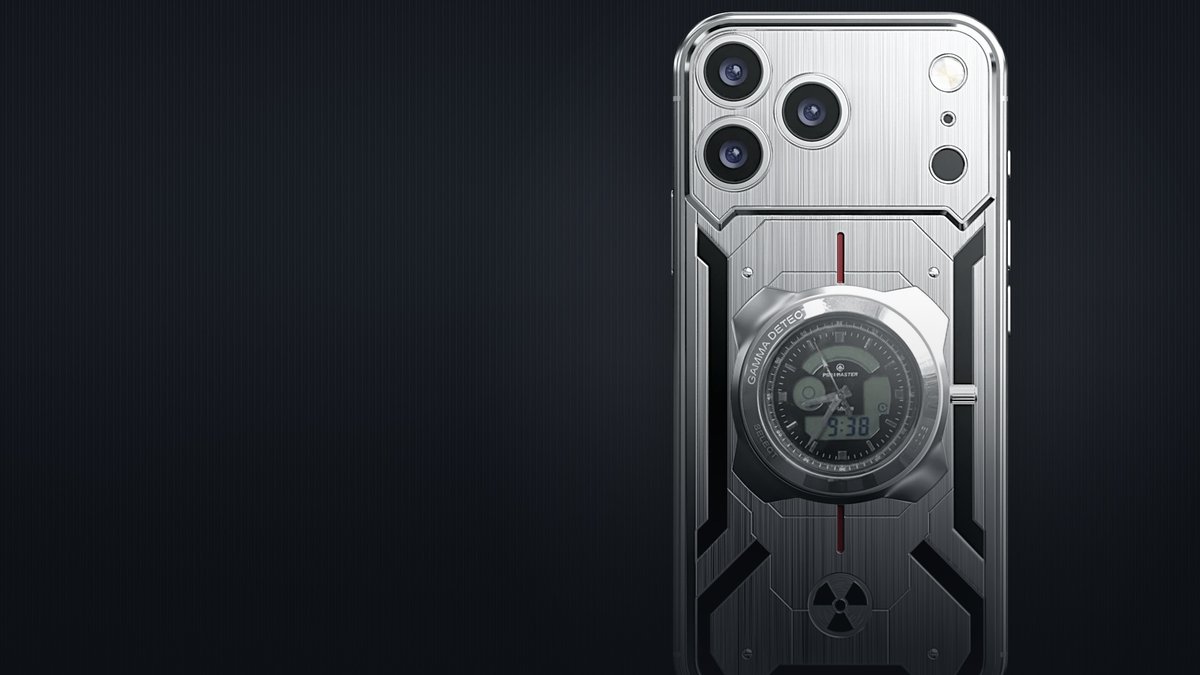
Caviar has launched a custom iPhone 17 Pro featuring an integrated hardware dosimeter and a Swiss quartz watch mechanism. Priced at roughly $9,000 and limited to seven units, the titanium-armored modification turns Apple's flagship into a bulky collector's piece.
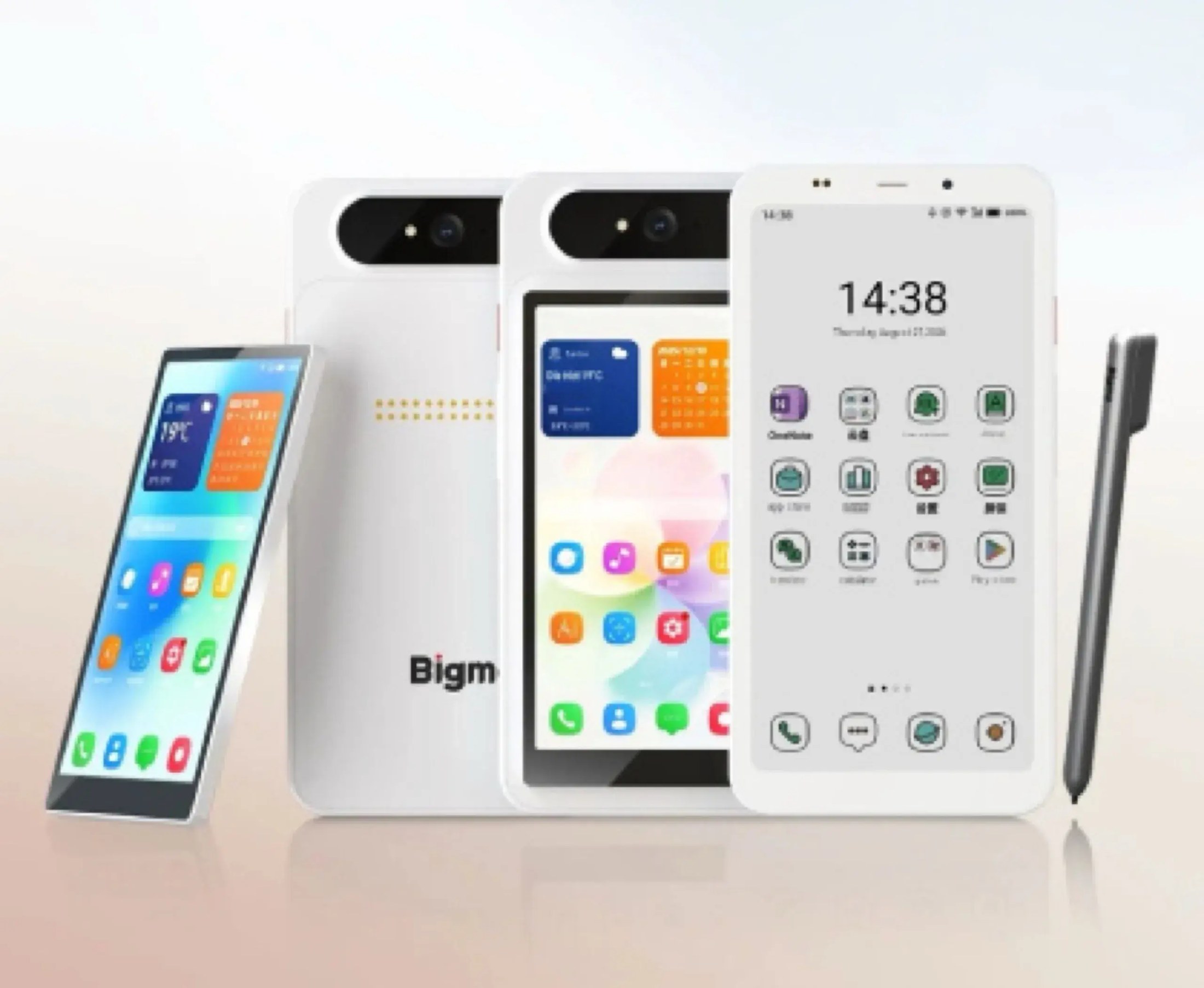
Bigme announced the HiBreak Dual 3, an Android smartphone featuring an 85 Hz color E Ink display and a detachable magnetic IPS screen. While the modular design aims to bridge reading and video playback, exposed connectors and added bulk make it an impractical daily driver for regular buyers.
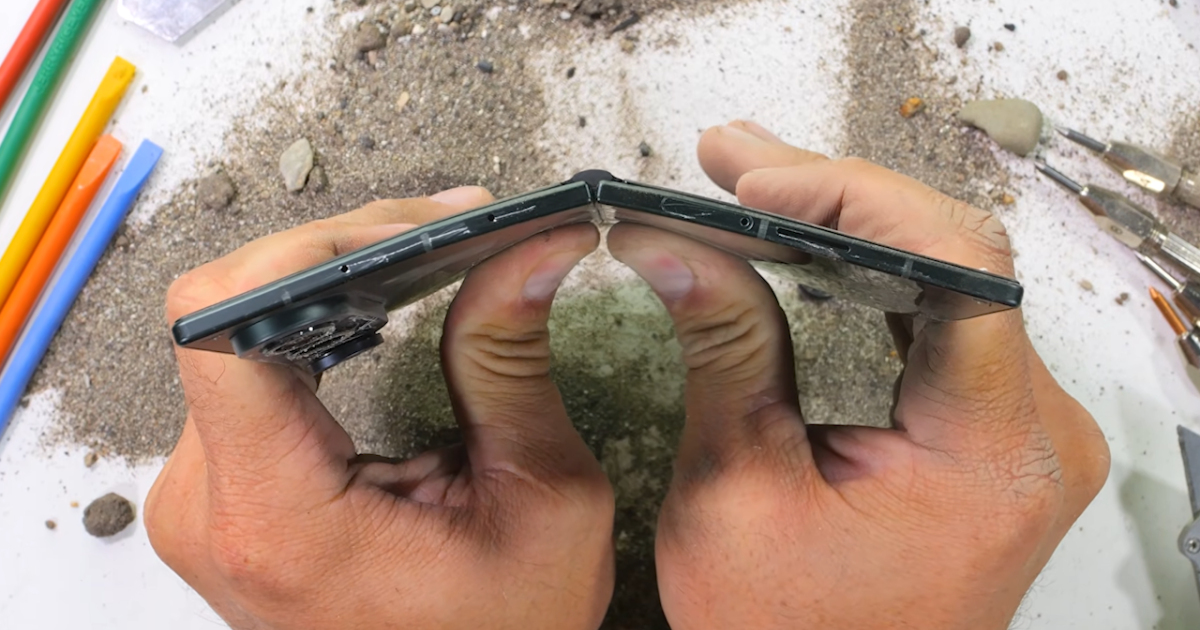
JerryRigEverything put Samsung's flagship foldable through extreme scratch and bend testing. The inner screen remains prone to fingernail dents, and aggressive reverse flexing snaps the chassis entirely.
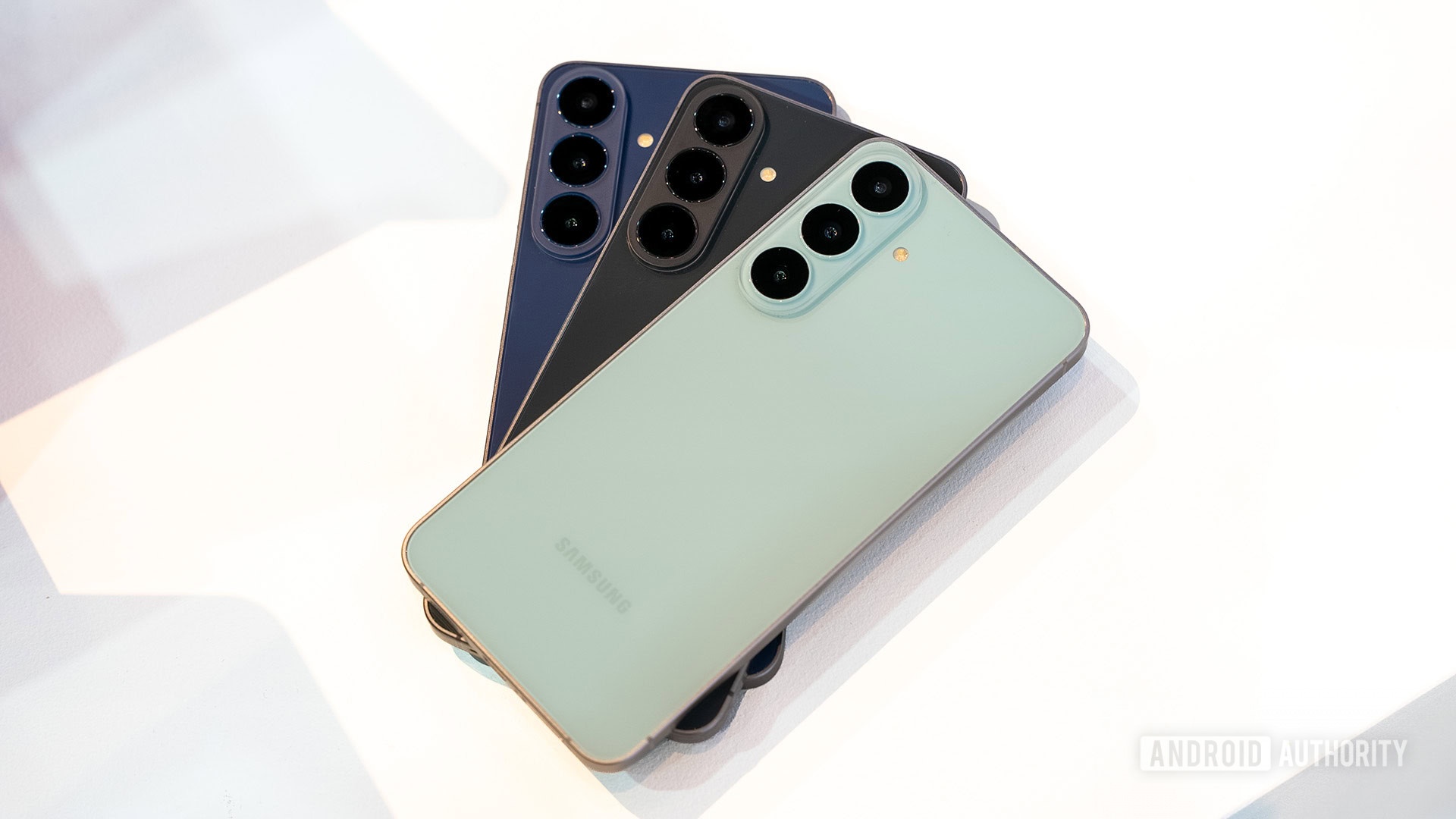
Samsung launched the Galaxy S26 FE with an Exynos 2500 processor and One UI 9 tricks, leaving the display and camera hardware identical to its predecessor. For everyday buyers, retail price overlaps mean discounted older flagships offer far better value than this incremental update.
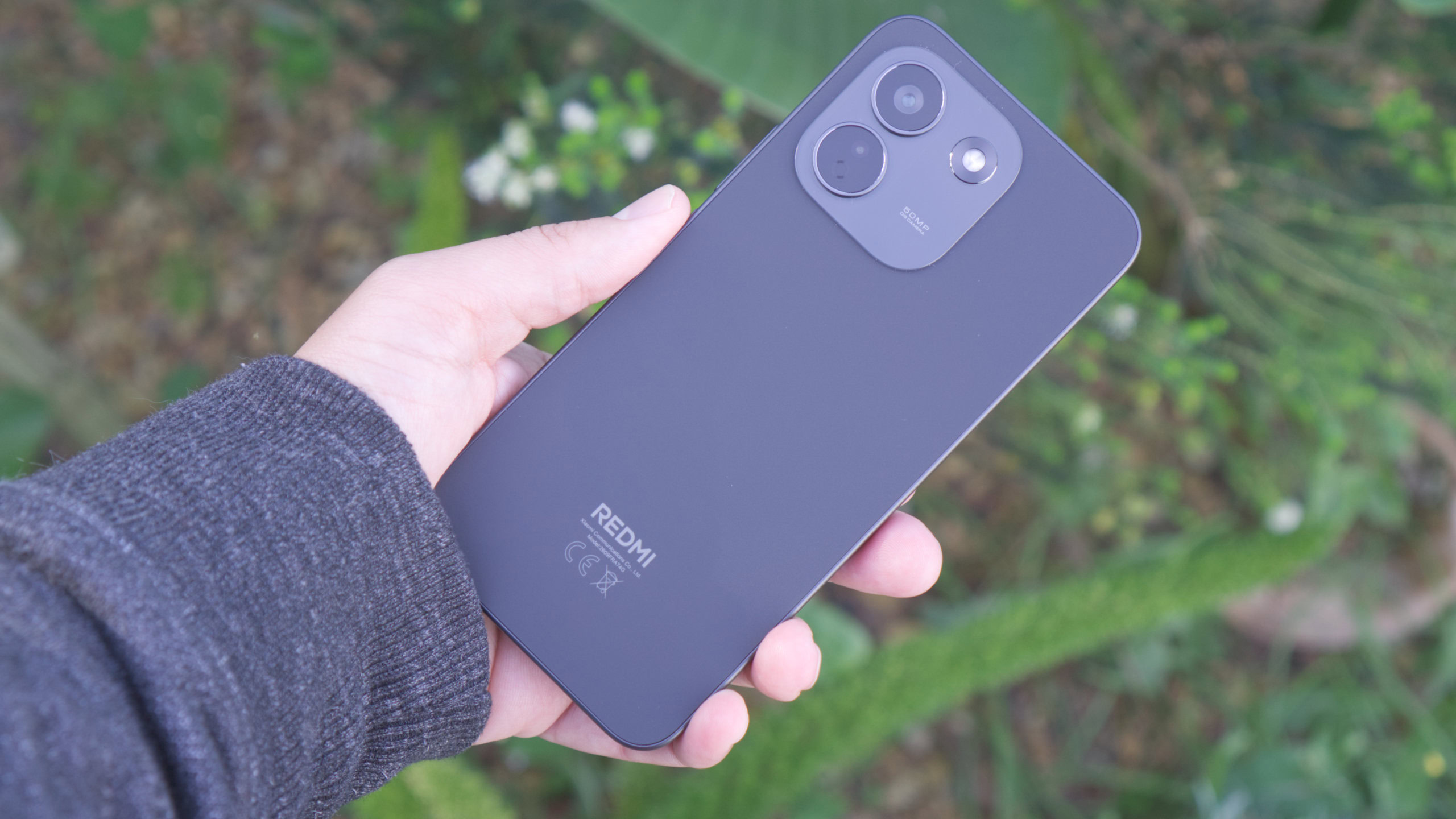
Xiaomi brings a giant 10,000mAh silicon-carbon battery to international buyers for $499. The phone delivers three-day runtimes and rugged armor, but cuts camera resolution and processing speed to keep costs down.
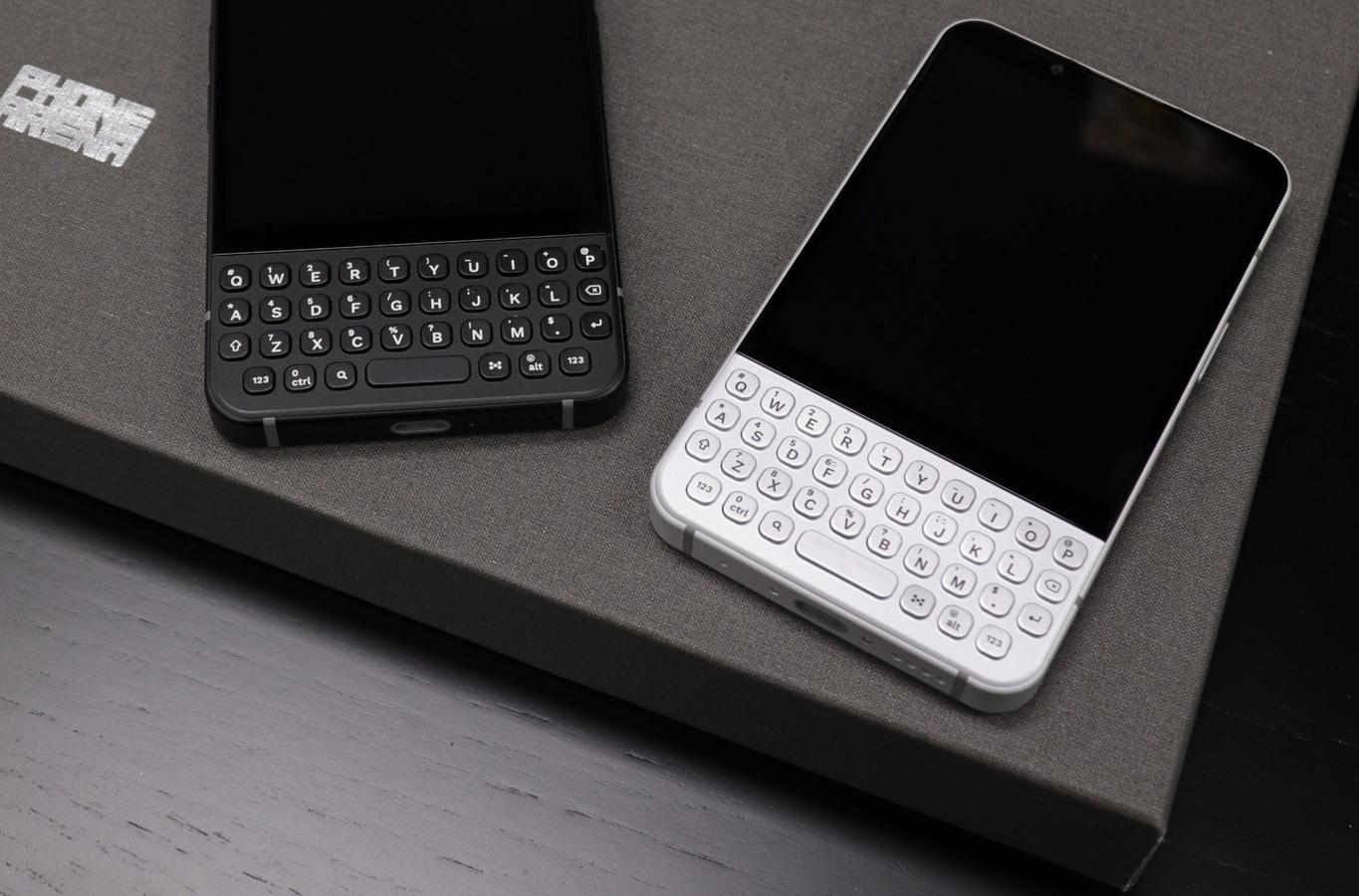
The Minimal Company raised over $1.6 million on Kickstarter after swapping its signature E-Ink display for a full-color OLED screen and 12GB of RAM. The shift effectively transforms a distraction-free keyboard device into an expensive Android handset with a long two-year wait for backers.
A historic US settlement forces Meta to hardcode strict two-hour usage caps and overnight feed lockouts for teenage users. The move breaks decade-long mobile engagement patterns by killing infinite scroll and silent school notifications on mobile devices.
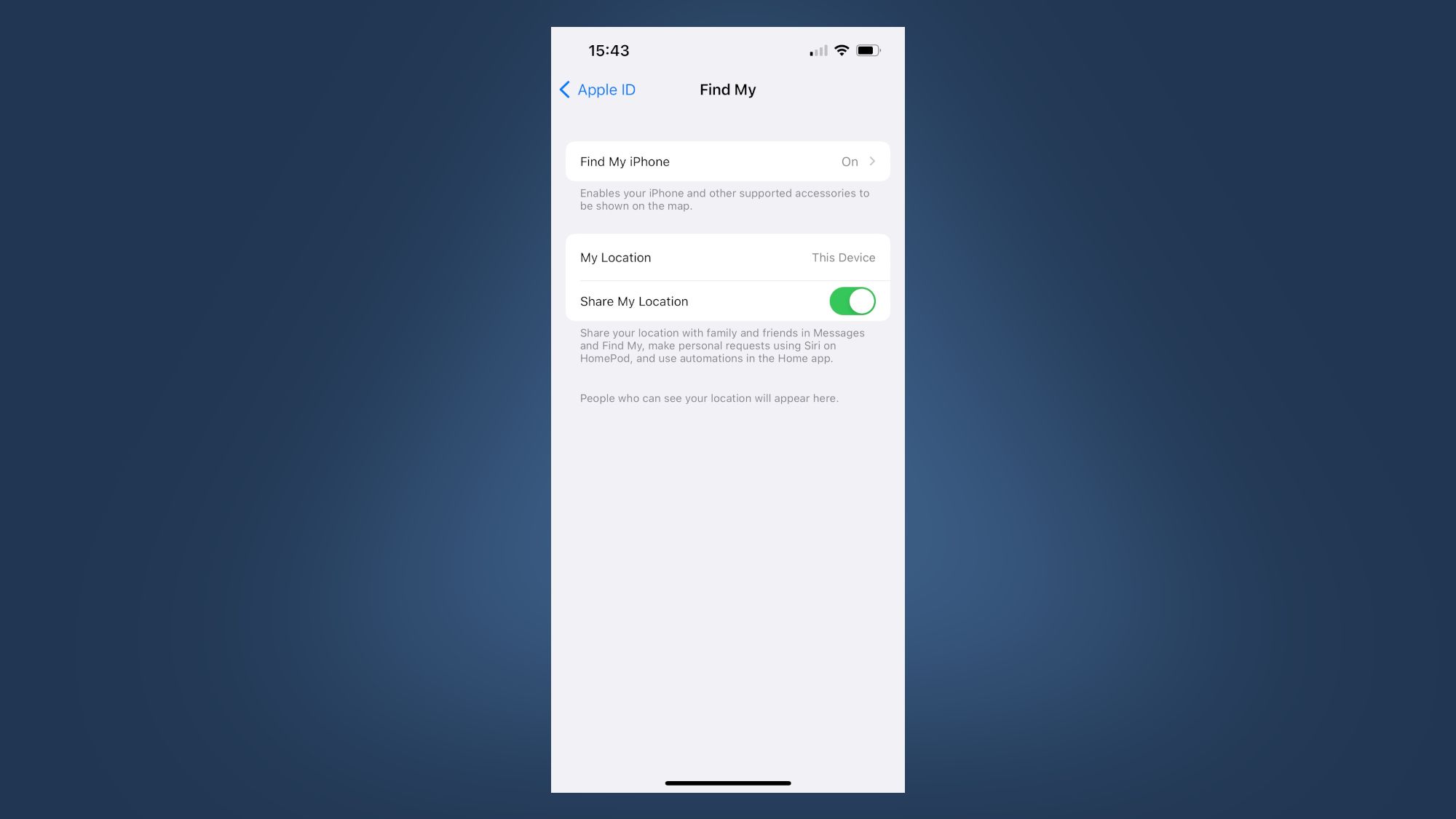
Security researcher Zerotistic reverse-engineered Apple's proprietary protocols in just seven days, allowing a standard Linux PC to act as a trusted node on the Find My network. The setup decrypts live location streams without requiring official Apple hardware or software, though it still requires prior contact authorization. The feat exposes structural flaws in Apple's reliance on security through obscurity.
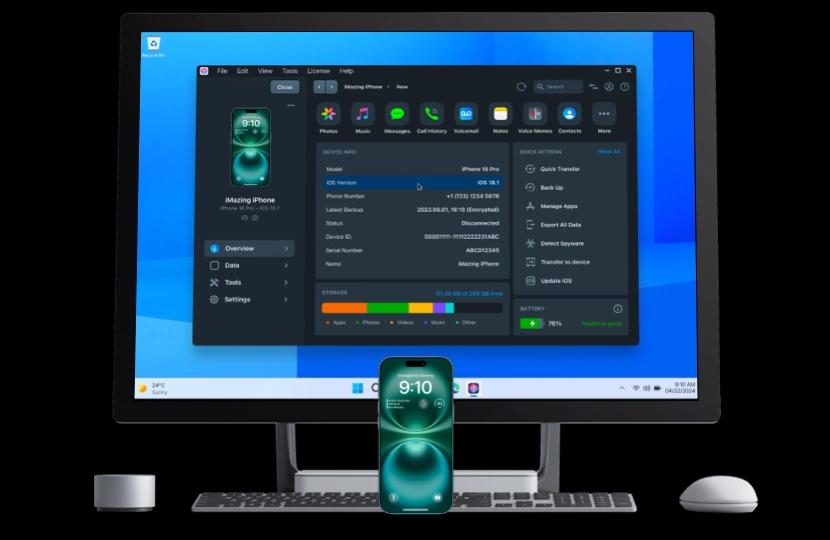
Apple invalidated legacy authorization tokens, effectively breaking third-party transfer tools like iMazing and 3uTools. Users moving to a new iPhone can no longer restore delisted banking apps from their computers and must turn to web apps or enterprise installations.
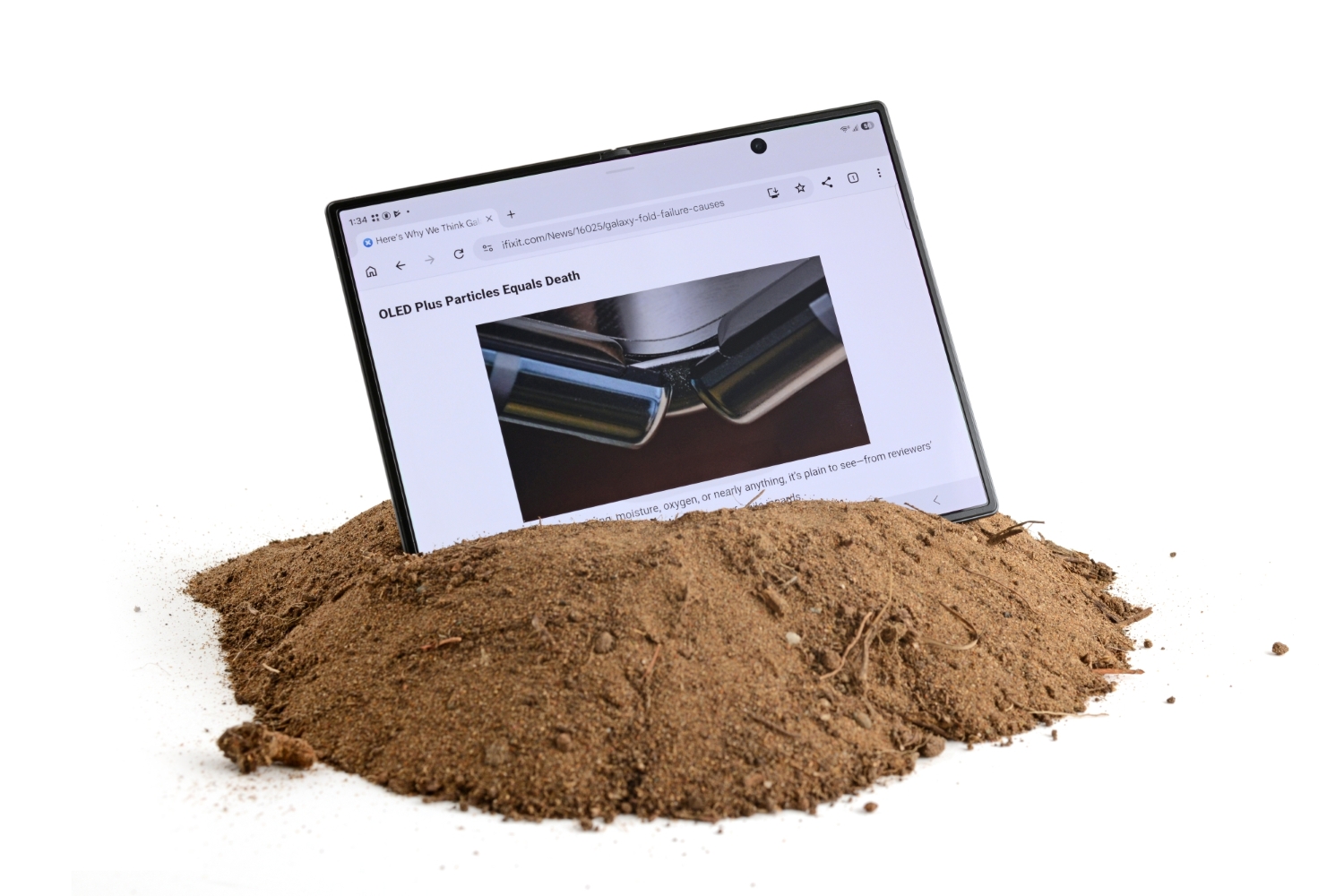
An iFixit teardown reveals that the redesigned titanium hinge on the Galaxy Z Fold8 still lacks protection against fine particles. The device's IP48 rating leaves the intricate folding gears vulnerable to jamming from ordinary beach sand and pocket lint.

Researchers launched two lightweight speech recognition models designed to run voice transcription entirely inside web browsers and on local silicon. The architecture strips out heavy server-side components to deliver instant speech-to-text without cloud subscriptions or Wi-Fi dependency.

Engineers have developed microscopic oxygen barriers that prevent vertical 3D memory from corroding and overheating under heavy loads. The breakthrough solves a major bottleneck for on-device AI, ensuring future smartphones can run intense local models without burning through battery life or degrading performance.

Researchers from the University of Waterloo and MIT revealed that built-in safety filters fail across every major open-weight AI model once weights are modified locally. Without effective software guardrails, hardware makers will likely lock neural processing chips inside closed sandboxes to prevent malicious use on consumer devices.

Meta upgraded WhatsApp account security with support for multiple hardware passkeys and complex alphanumeric passwords. Cross-platform users can now sign in using device biometrics on both iOS and Android while blocking SIM-swap fraud.

Xiaomi built its own 3nm processor, the Xring O3, to bypass third-party supplier markups and thermal compromises. The custom silicon debuts exclusively inside the company's next flagship foldable, testing bespoke battery and AI optimizations on a limited run of early buyers.

Startups are pitching autonomous digital butlers to automate everyday tasks across computers and phones. Operating these tools requires handing over unvetted access to screens, keystrokes, and accounts, creating severe security liabilities for regular hardware users.

Tech companies are speeding up software development with automated AI agents, but the shortcuts bypass vital engineering discipline. The resulting unverified code reaches everyday phones and smart appliances as phantom battery drain and sudden system crashes. Buyers face less reliable hardware as developers lose the foundational skills needed to fix complex bugs.
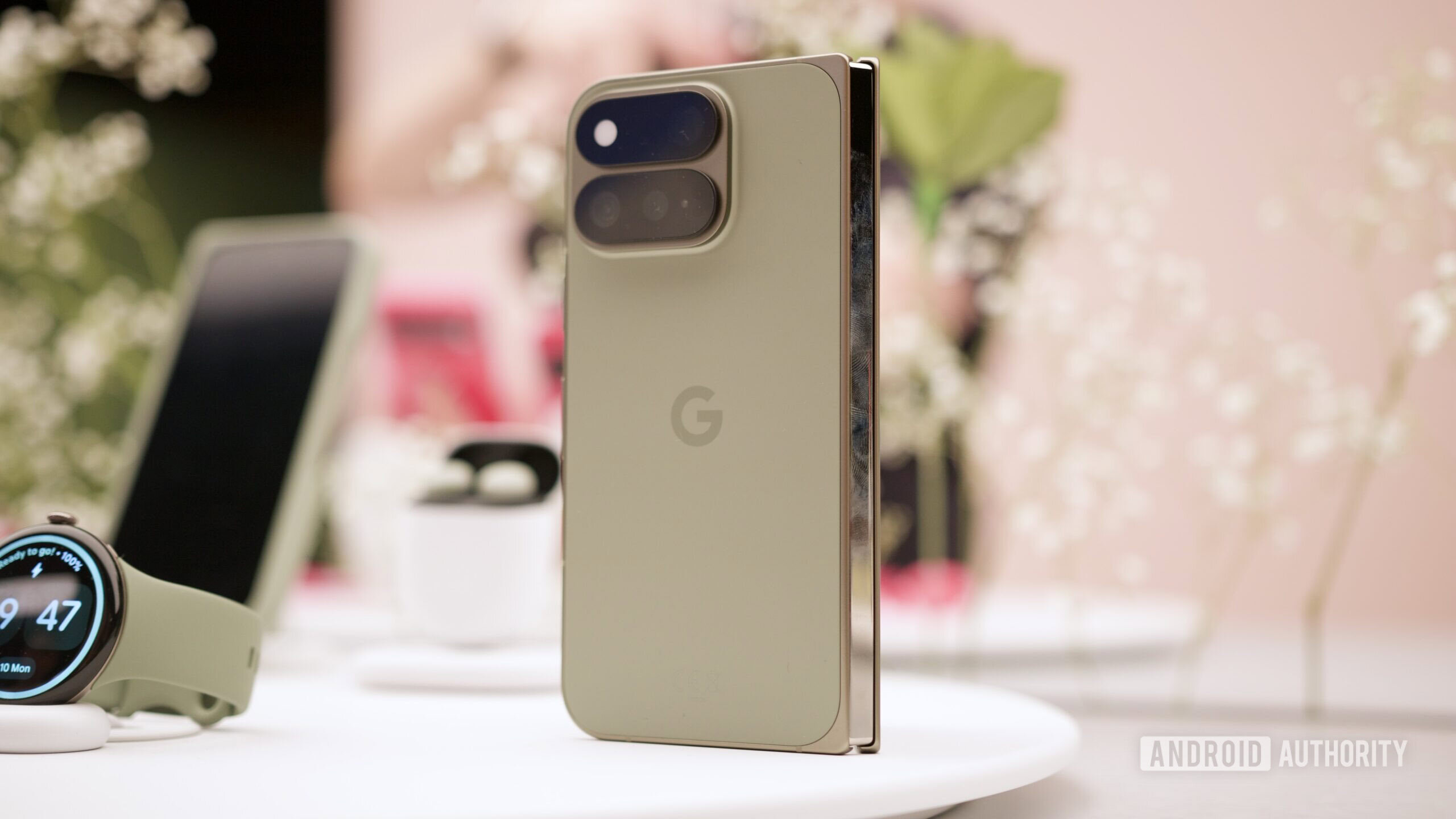
JerryRigEverything stress tests reveal that Google's latest foldable cracks along the hinge antenna lines under reverse pressure, repeating a hardware flaw seen across four generations. Despite marketed structural upgrades, everyday pocket strain risks unrepairable frame and screen damage for buyers.
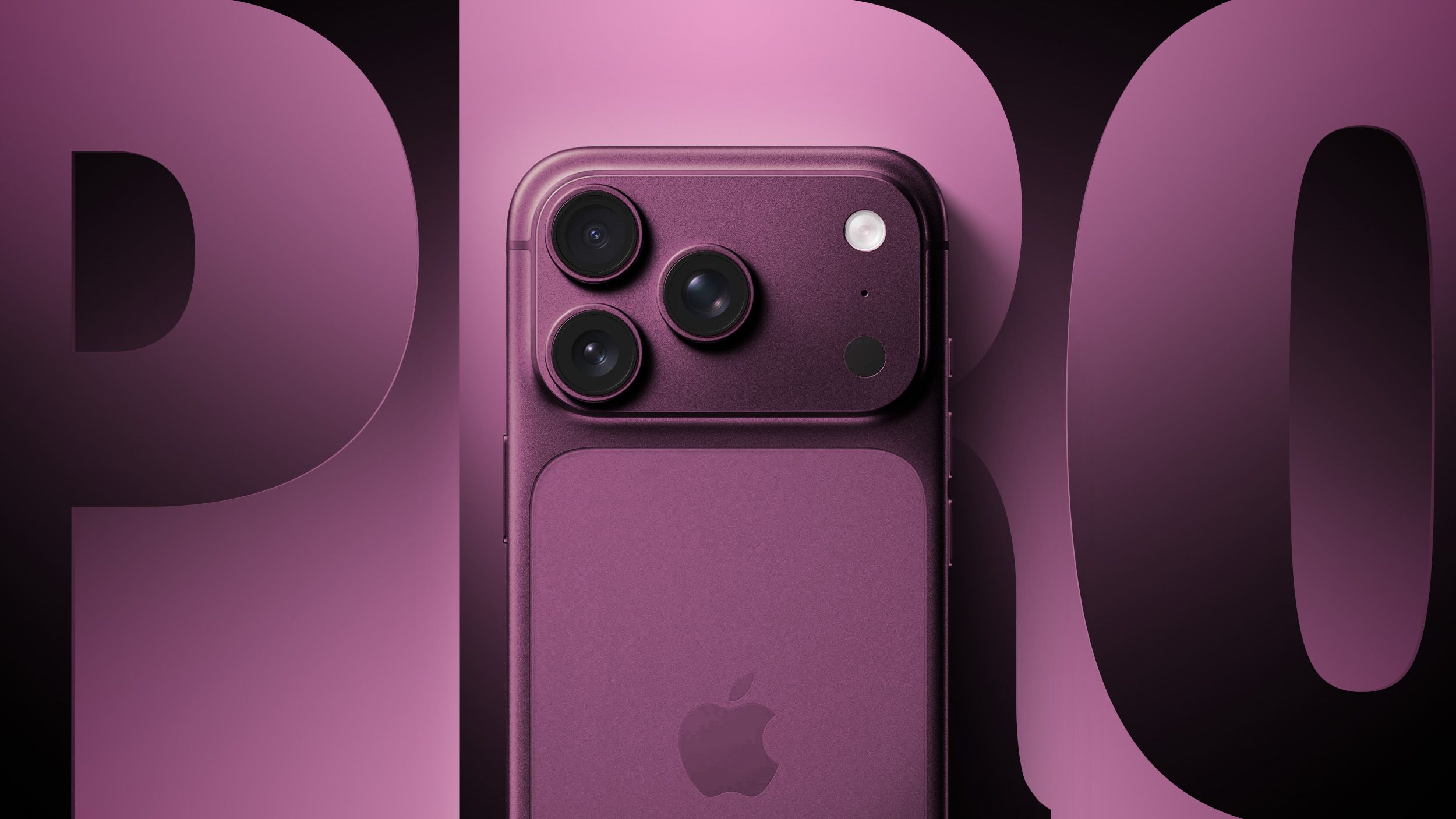
Apple is set to increase flagship iPhone prices by $100, pushing the entry-level Pro tier to $1,199 amid surging memory and silicon expenses. The move mirrors recent price hikes from Google and Samsung across top-tier devices. Buyers keeping older hardware face higher upfront retail prices or adjusted monthly installment plans.
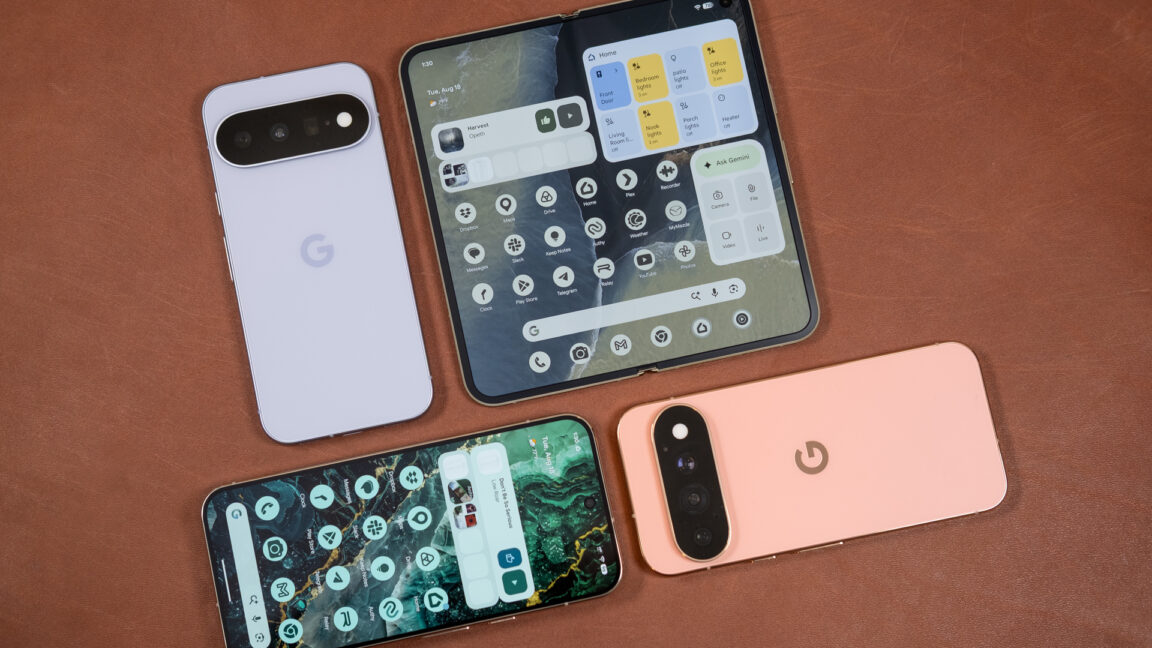
Google launched the Pixel 11 lineup starting at $899 with the Tensor G6 chip, but physical modifications remain microscopic across the roster. Owners of recent predecessors gain virtually no daily ergonomic advantage or performance leap to justify the upgrade cost.

Tim Cook is stepping down as Apple CEO on September 1, handing leadership to hardware engineering chief John Ternus. The executive shift pivots Cupertino toward ambitious device formats just as rising component costs force retail price hikes on Macs and iPads.

Researchers from Samsung and Amazon developed ToMoE, a framework that converts dense language models into sparse Mixture-of-Experts systems without costly retraining. The architecture cuts memory traffic and compute cycles on paper, though consumer mobile NPUs must still overcome memory bandwidth bottlenecks to deliver real battery savings.