
When Proven Plugs Fail
 C builders spent months mocking fragile new 16-pin power plugs, treating the traditional 8-pin standard as an indestructible safeguard. That comforting myth is officially over. A recent hardware failure shows that shoving hundreds of watts through classic connectors can still melt plastic and scorch pins when an intermediate gadget sits in the path.
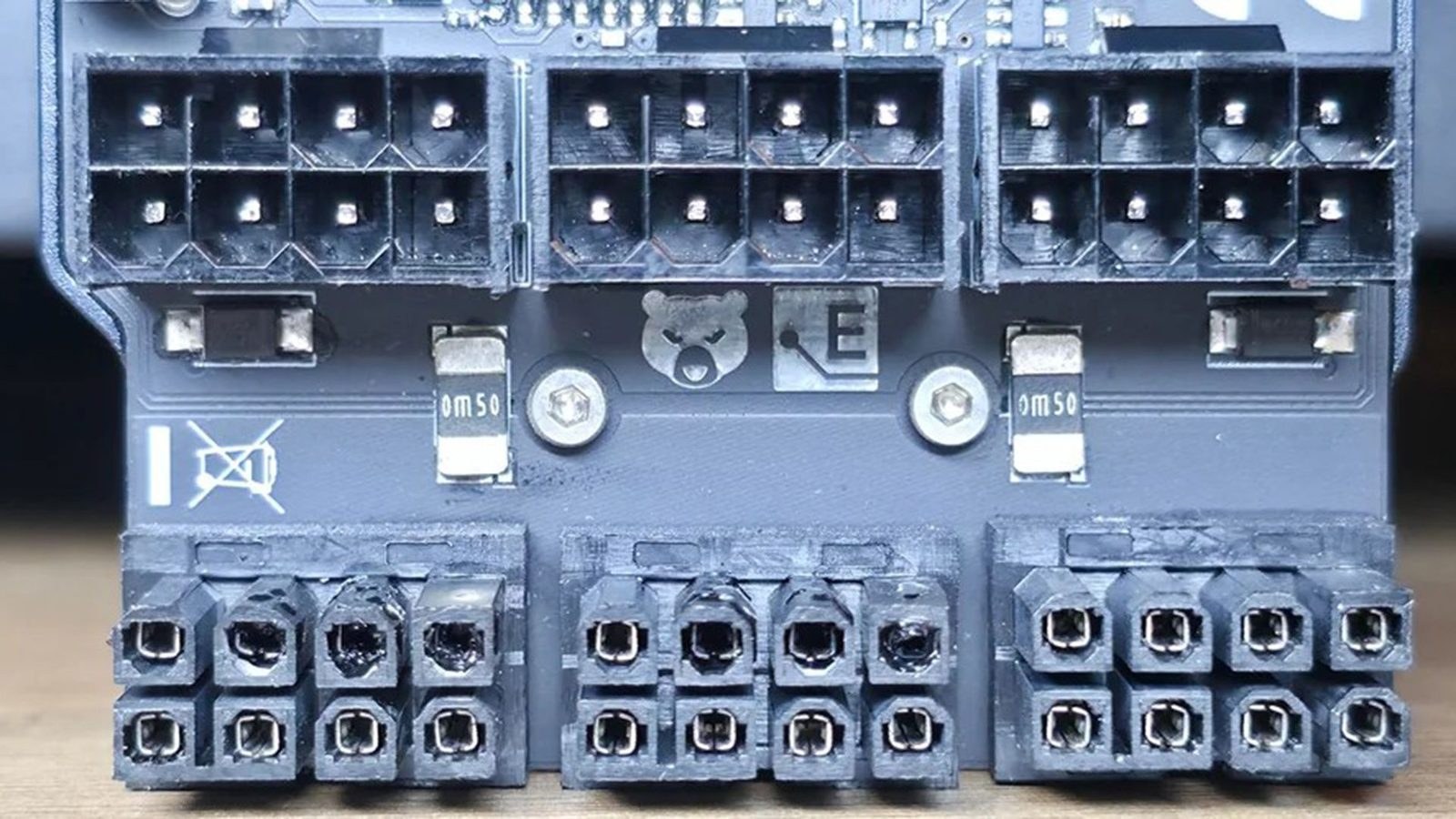
According to a user report on Reddit, the 8-pin connectors on a Thermal Grizzly WireView monitoring device suffered severe overheating damage while running on a Radeon RX 7900 XTX graphics card. Before pulling the side panel off the chassis, the owner dealt with repeated system freezes and sudden black screens. When they finally inspected the hardware, the GPU side of the monitoring device showed visible burning and warped, melted plastic.
The Cost of Extra Middlemen
To understand why this happens, look at how the gadget works. The Thermal Grizzly WireView sits directly between the power supply cables and the graphics card, reading live power consumption, voltage, and electrical current. Every extra board and socket you place between your power supply and your GPU introduces fresh points of physical and electrical contact.
"WireView is essentially an adapter that sits between a graphics card and the power cables, allowing users to monitor various values like power consumption, voltages, current in amperes, minimum and maximum power consumption, and more."
Even when connectors are fully seated—as the affected user explicitly confirmed—microscopic alignment errors, backplate interference, or contact resistance can cause localized heat to build up rapidly. Thermal Grizzly previously noted that improper seating, backplate contact, or misaligned soldered contacts can cause connector burnout, though the company is still investigating this specific failure and reached out to examine the damaged adapter.
How Much Current Is Too Much
Traditional 8-pin connectors can endure brutal stress under the right circumstances. In a separate extreme experiment, hardware modders replaced the original 16-pin connectors on a modified RTX 5090 with three 8-pin connectors soldered directly to the circuit board. That custom setup reportedly handled a massive 900W load at 3,400 MHz. Soldering thick wires directly to a circuit board eliminates loose socket tolerance, but everyday PC owners rely on mass-produced push-fit plugs.
Inserting third-party screen dongles and angle adapters into high-end graphics cards creates an unnecessary point of failure. If a flagship graphics card suddenly begins throwing black screens under load, inspect every power socket immediately instead of assuming classic connectors are indestructible.