
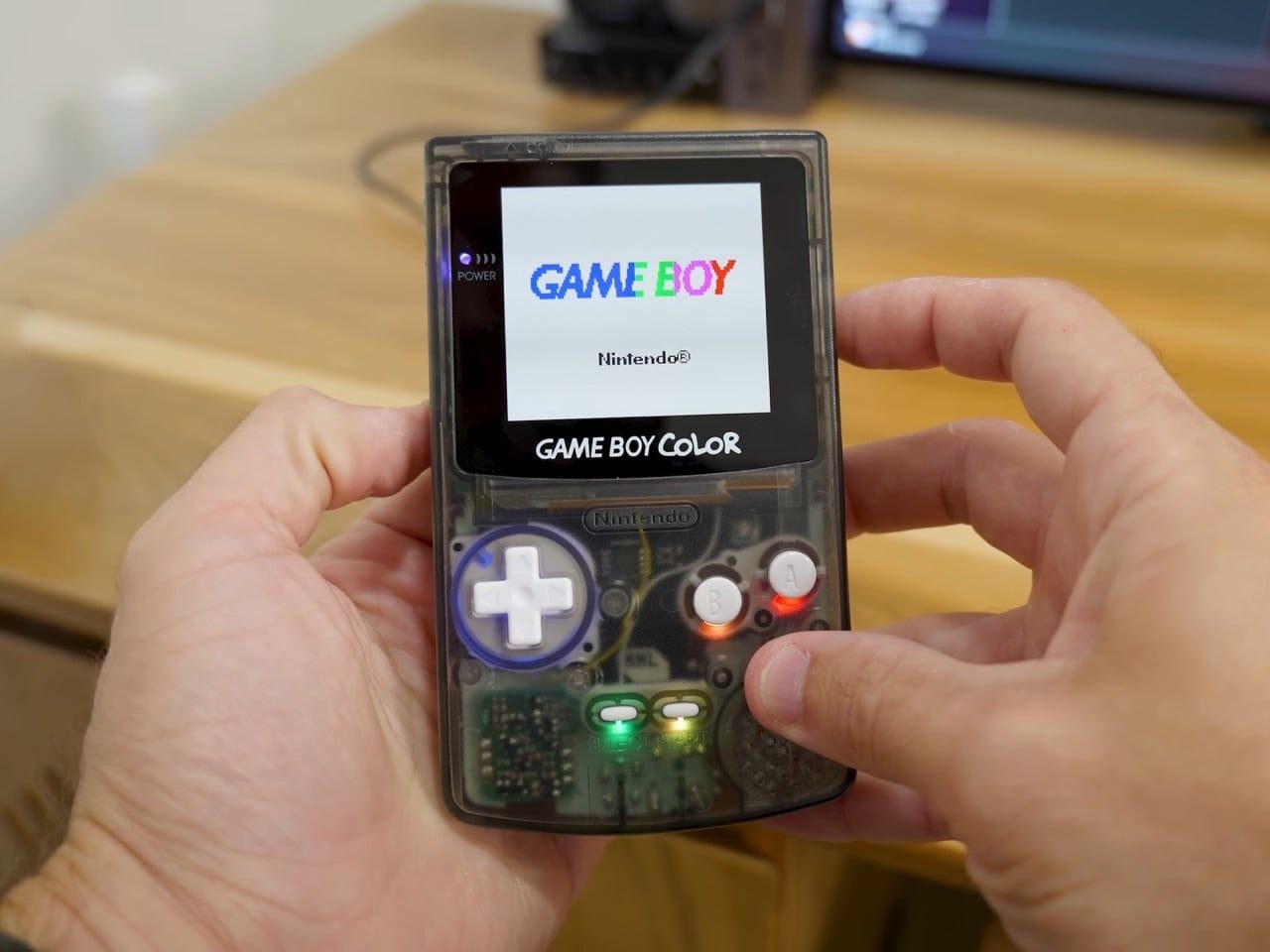
 hen standard handhelds stop surprising buyers, enthusiasts take matters into their own hands with screwdrivers and soldering irons. Canadian creator Zac Builds decided to drag a 1998 Nintendo handheld out of the previous century by grafting modern components onto the original motherboard while keeping the iconic plastic shell intact.
Zac keeps the original Nintendo motherboard and rebuilds everything around it, starting with a vivid OLED display
This garage-built creation packs a modern display, a USB-C port, and wireless charging into a classic case. Such custom hardware modifications have long since outgrown the bedrooms of solitary tinkerers, turning into an expensive niche where collectors willingly pay top dollar for boutique electronics that bridge the gap between nostalgia and modern usability.
Smartphone screens and power filtering
According to the creator, the centerpiece of the build is a custom OLED screen built using parts scavenged from older smartphones like the BlackBerry Q10. This modern panel replaces the notoriously dim and blurry original screen, letting players enjoy classic titles without hunching under a desk lamp. The display includes an on-screen touch menu for adjusting brightness, scanlines, and logo illumination.
A touch menu on the screen itself handles settings, letting Zac adjust brightness, add faux scan lines, and change the color of the glowing Game Boy Color logo
Power comes from an upgraded lithium-ion battery supporting wireless charging, which delivers roughly eight hours of gameplay based on the creator's testing. The USB-C charging port protrudes from the back of the case like a mechanical tail. To keep the power-hungry new screen from creating audio static, the builder installed a custom voltage regulator sourced from well-known community modder Helder, which cleans up electrical noise on the power line.
Does the hardware justify the cost
The builder skips individual game cartridges by loading a single EZ Flash Jr flashcart packed with a microSD card containing the entire software library.
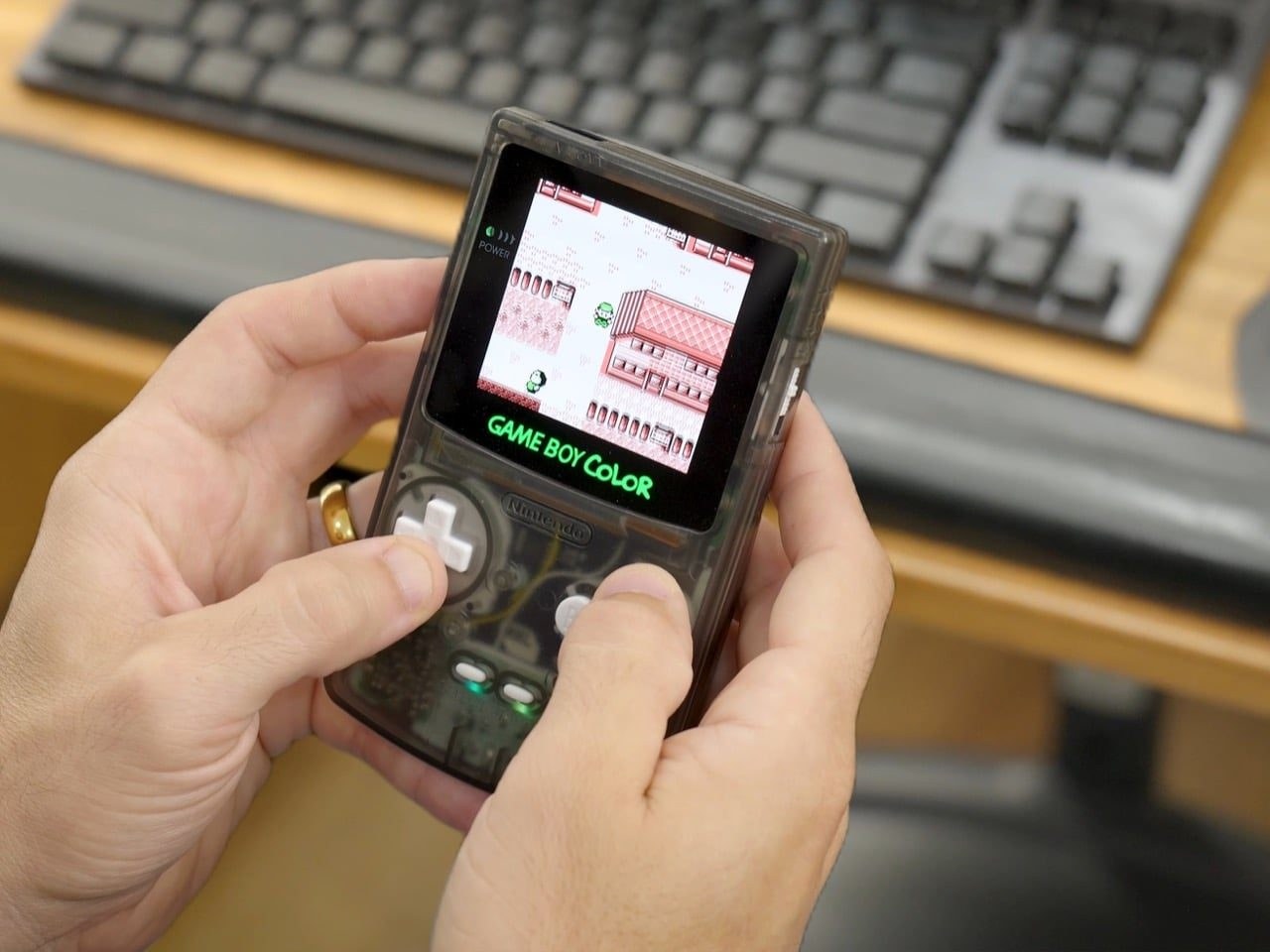
In the end, you get an expensive handcrafted toy that costs as much as a brand-new smartphone while offering strictly nineties-era gameplay. Buying such a device for practical gaming makes zero economic sense when a thirty-dollar emulator from online marketplaces handles the same software with ease. But if you care about tactile feedback, physical heft, and owning a piece of boutique hardware, this Canadian mod shows exactly how far garage engineering has advanced.
Editorial analysis
How the story developed
On 5 September 2026, a LEGO drum machine with 12 instrument columns and 16 beat subdivision rows was showcased, following the mention on 24 September of Sony's 2006 MZ-RH1 recorder sized at 83.8 by 84.4 mm with an edge-mounted OLED screen. Continuing the trend of custom hardware rebuilds, Canadian creator Zac Builds modified a 1998 Nintendo handheld by keeping its original motherboard and plastic shell while installing a modern OLED display.
Our stories: 05.09.2026, 24.09.2026
Compiled by AI from our stories, other outlets and the primary source; each line shows its source