
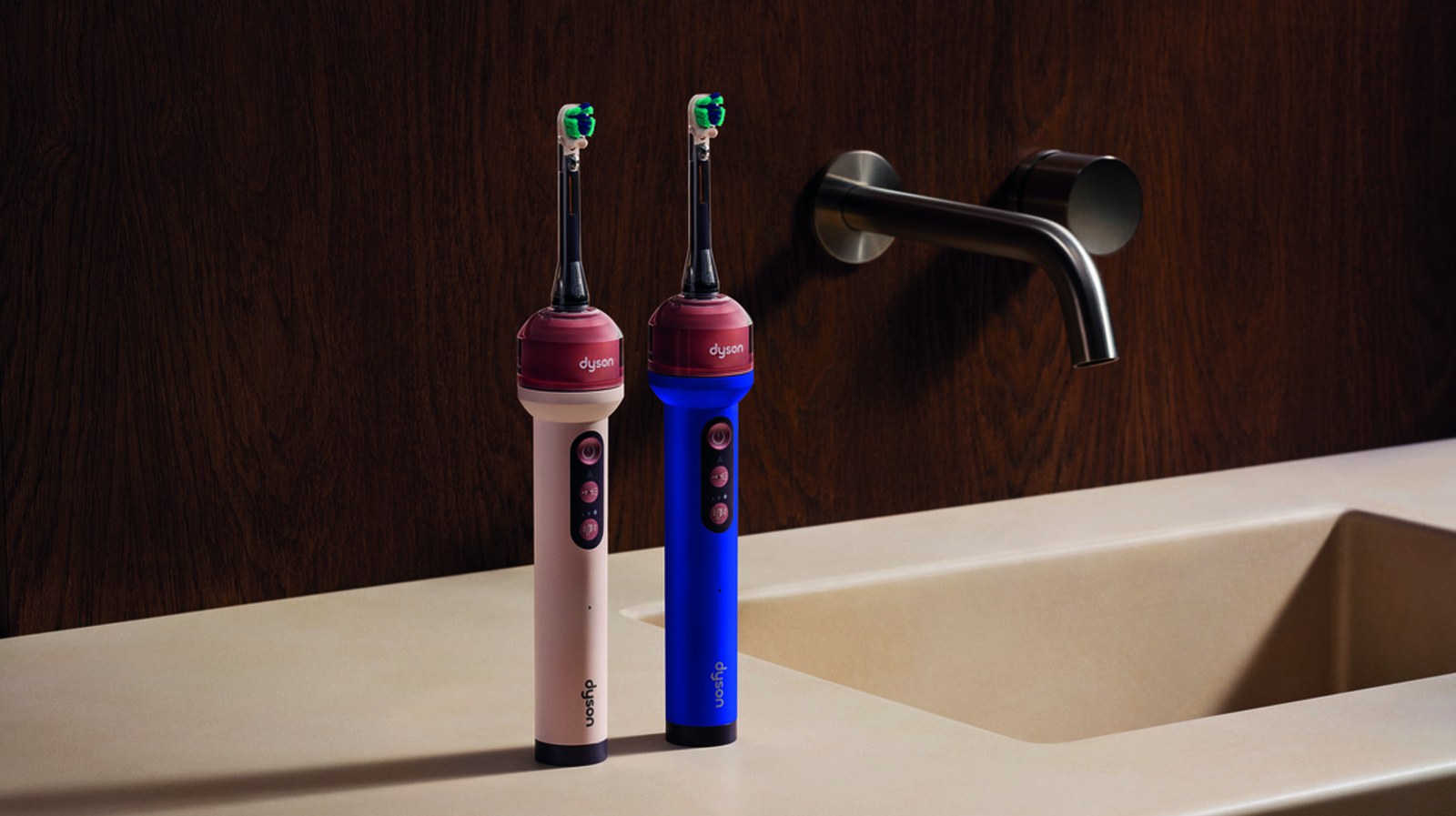
 pending $500 on a toothbrush sounds like self-parody until you spot the Dyson badge on the packaging. The brand that turned hair dryers and stick vacuums into luxury flexes is entering oral hygiene with the CameraJet—an all-in-one handle combining sonic oscillation, high-pressure water flossing, and an onboard optical camera. As founder James Dyson framed it, the hardware blends machine learning, micro-optics, fluid dynamics, and Wi-Fi into an entirely novel cleaning rig. Stripped of marketing speak, Dyson shoved a camera into your mouth to track tooth gaps and blast them with water in real time.
That targeting relies on a tiny 0.1-megapixel macro sensor tucked right beneath the brush head. While 100,000 pixels sounds minuscule, it streams directly into an onboard algorithm trained on 470,000 dental scans and powered by 16 million lines of code.
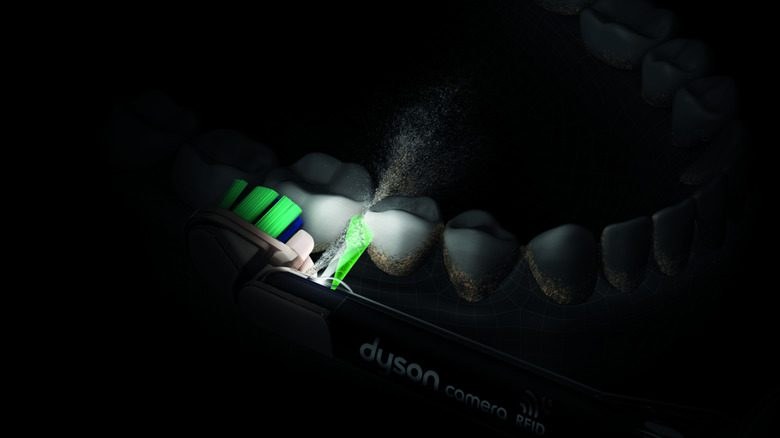
"Within 100ms of the camera seeing a gap, the device detects and jets the gap."
According to Dyson engineers, the Gap Optical Targeting system evaluates 28 frames per second to recognize interdental gaps and trigger a targeted burst of pressurized water. Packing a miniature pump, sensitive optics, and high-frequency motors into a single water-exposed wand is an engineering flex, but it also multiplies points of failure in a humid bathroom environment.
The Real Cost of Smart Hygiene
Turning routine brushing into a computer vision showcase introduces immediate ergonomic trade-offs. To keep the handle from ballooning into an unmanageable brick, the onboard water tank holds just 12.5 milliliters—barely two and a half teaspoons. That micro-reservoir means you will spend almost as much time refilling the shaft as actually flossing.
Users can beam live video straight to the MyDyson mobile app to inspect hard-to-reach molars, with Dyson assuring customers that no oral footage is stored. Yet for all its computational wizardry, the CameraJet raises the Supersonic question all over again: whether ordinary buyers genuinely need a $500 Wi-Fi connected optical sensor to accomplish what a standard electric brush and a spool of floss have solved for decades.