
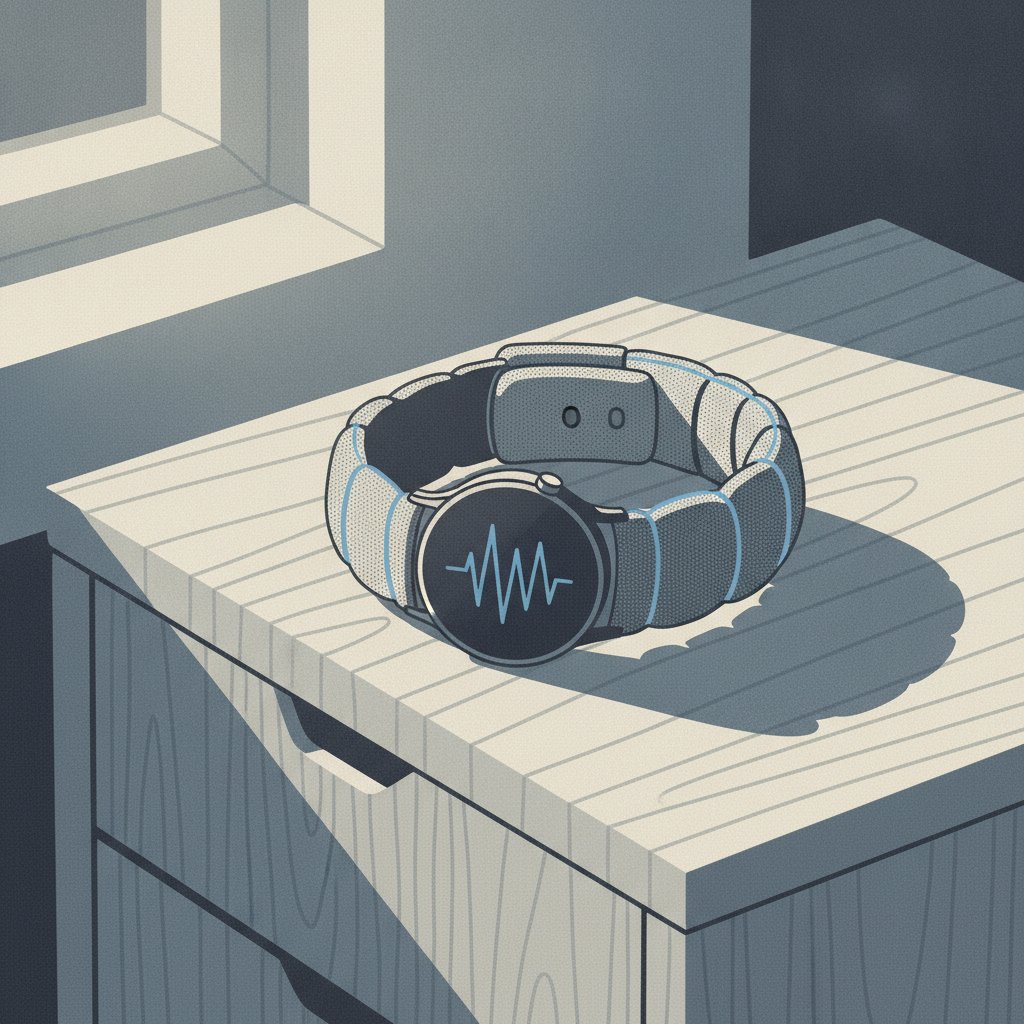
 ost modern smartwatches still gauge cardiovascular health roughly using optical sensors and software algorithms. The Huawei Watch D3 takes a different route, replacing guesswork with actual pneumatics on your wrist. As Digital Trends' Varun Mirchandani noted after several days of hands-on testing, this device is engineered first and foremost as a medical-grade cardiovascular monitor and only secondarily as a standard smartwatch.
Design and Daily Usability
Fitting a mechanical blood pressure monitor into smartwatch dimensions is a formidable engineering challenge. Huawei trimmed the Watch D3's profile down to 11.4 mm from the bulky 13.3 mm of its predecessor, making the chassis substantially more comfortable for daily wear. The dual-layer inflatable strap still feels noticeable on hot days, but the slimmer body lets you sleep through the night and collect recovery data without feeling tethered to hospital equipment.
"This smartwatch is designed primarily for cardiovascular health tracking, with standard smartwatch features playing second fiddle."
To balance its clinical focus, Huawei upgraded the display to 1.92 inches. The larger screen allows you to read systolic and diastolic metrics at a glance without squinting through convoluted submenus.
How the Inflatable Strap Works
Instead of estimating pressure via optical pulse sensors, the Watch D3 uses a built-in micropump and an inflatable cuff integrated into the strap. The measurement process demands strict discipline: you must sit still, raise your arm to heart level, and wait about 30 seconds while the cuff tightens around your wrist. Shifting posture or dropping your arm will throw off the reading. When held properly, however, the device delivers accurate oscillometric readings that rival standard upper-arm cuffs in reliability—a benchmark regular optical watches cannot match.
Trade-offs and Limitations
Running a physical air compressor drains the battery far faster than passive step tracking. Frequent daily measurements noticeably impact battery life, while companion software quirks outside Huawei's ecosystem create friction on third-party smartphones. Nevertheless, for individuals managing hypertension who need regular blood pressure monitoring without lugging around a bulky Velcro monitor, these compromises make practical sense—even if the gadget cannot replace a full clinical exam.
Quick facts
- Release date: TBA
- Price: TBA
- Manufacturer website: https://www.huawei.com
- Display: 1.92 inches
- Case thickness: 11.4 mm
- Measurement mechanism: Integrated cuff with micro-compressor