
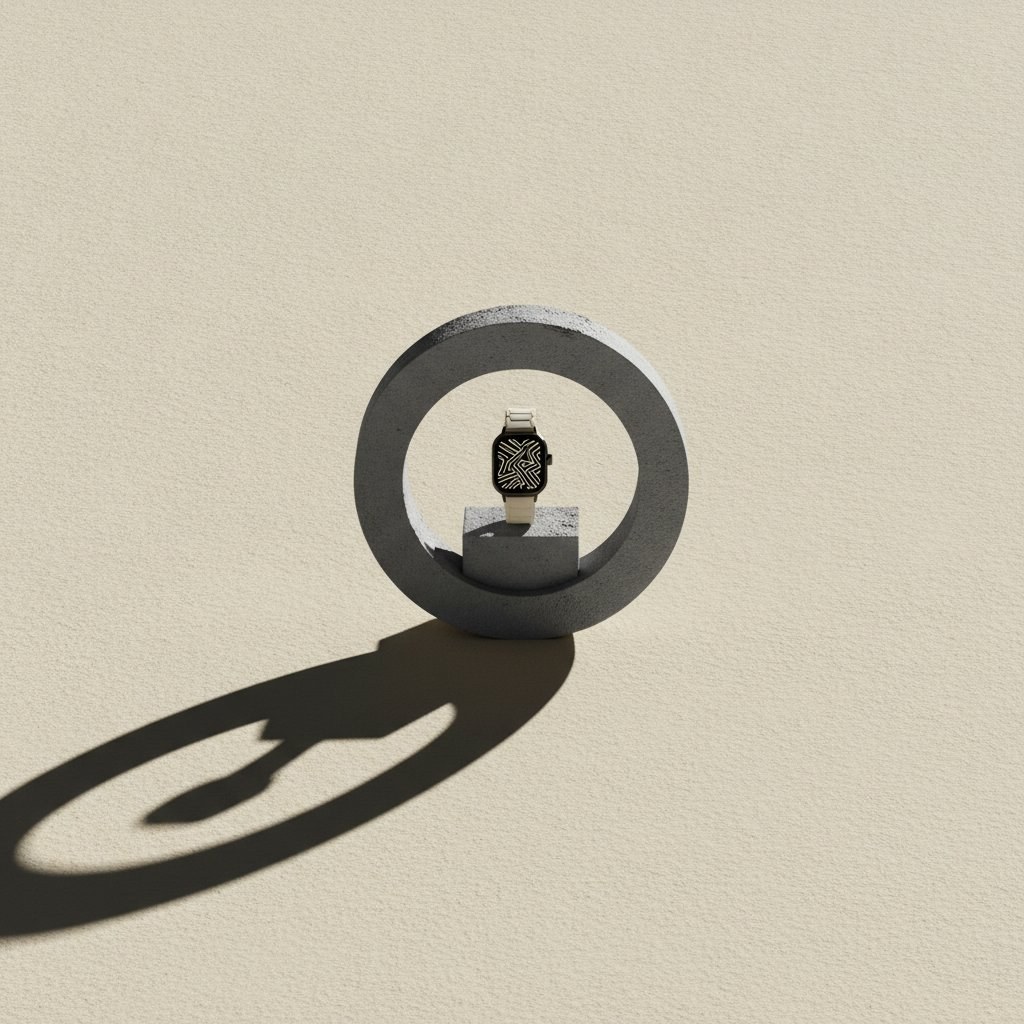
 urning a lifestyle smartwatch into a rugged extreme-sports tool always hits the same wall: marketing promises survival on a glacier, while your wrist ends up holding a fragile screen in shiny packaging. Tech outlet Ferra tested the Huawei Watch GT 7 Pro, awarding it 9 out of 10 and labeling it a premium gadget for skiers.
Let’s cut through the hype: what do these buzzwords actually mean in daily use, and should an everyday amateur pay extra for the Pro label just for two weeks on the slopes each year?
Armor vs. extra weight
The review highlights the pairing of nanoceramics and sapphire glass. In theory, sapphire completely prevents scratches, while the ceramic body absorbs impacts during inevitable falls on the slopes.
"We look at how nanoceramics, sapphire crystal, and offline ski trail maps justify the flagship price tag"
In reality, physics cannot be ignored: premium armor adds noticeable heft to the case. While dedicated sports navigators like Garmin deliberately use lightweight reinforced polymer to keep your arm comfortable, here you pay for weighty, dressy polish that will pull on your wrist with every pole plant.
Offline navigation on the slopes
The primary practical advantage noted by Ferra is offline ski trail maps directly on your wrist. Checking your route and trail forks without pulling out a smartphone in freezing wind is a genuinely huge convenience.
The real question is how long this display holds up in sub-zero temperatures, and whether that independence justifies the doubled price tag. Standard base GT models easily handle all city routines, while the Pro version attempts to muscle into the territory of specialized sports instruments.
For a recreational skier, the Watch GT 7 Pro remains a striking status accessory with a pleasant bonus in the form of trail maps. However, if you need a purely utilitarian tool for conquering peaks, this ceramic luxury cannot replace dedicated professional sports gear.