
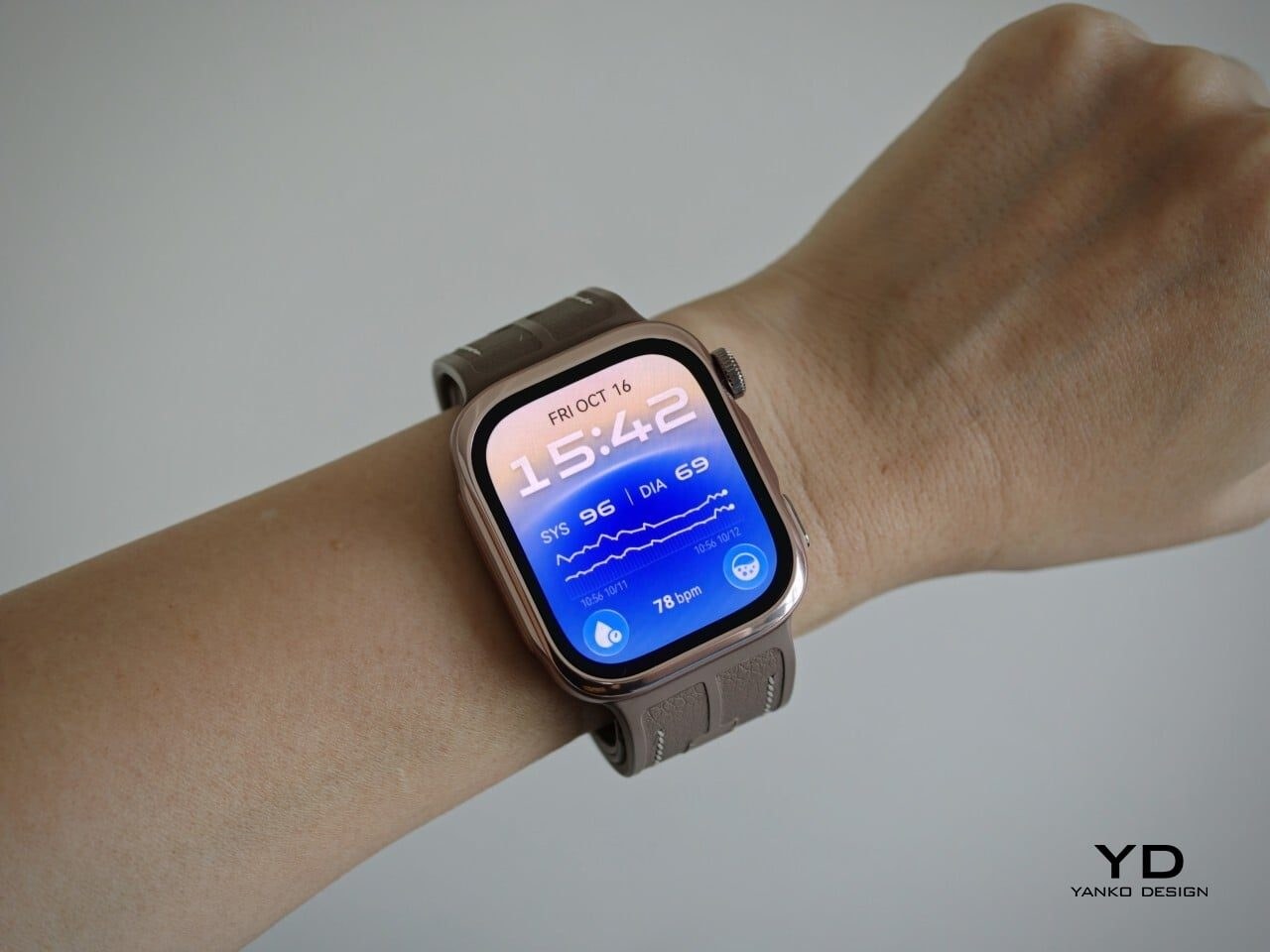
 early half of all adults in the US struggle with high blood pressure, according to data from the Centers for Disease Control and Prevention (CDC), yet standard fitness trackers with green LEDs on their backs keep selling us the illusion of health instead of a diagnosis. A green light on your wrist is convenient, but it cannot replace a real blood pressure monitor when you need actual measurements. Huawei tries to close this gap with the Watch D3, stuffing a fully functional inflatable cuff right into the strap.
What Lies Under the Hood and How It Fits on the Wrist
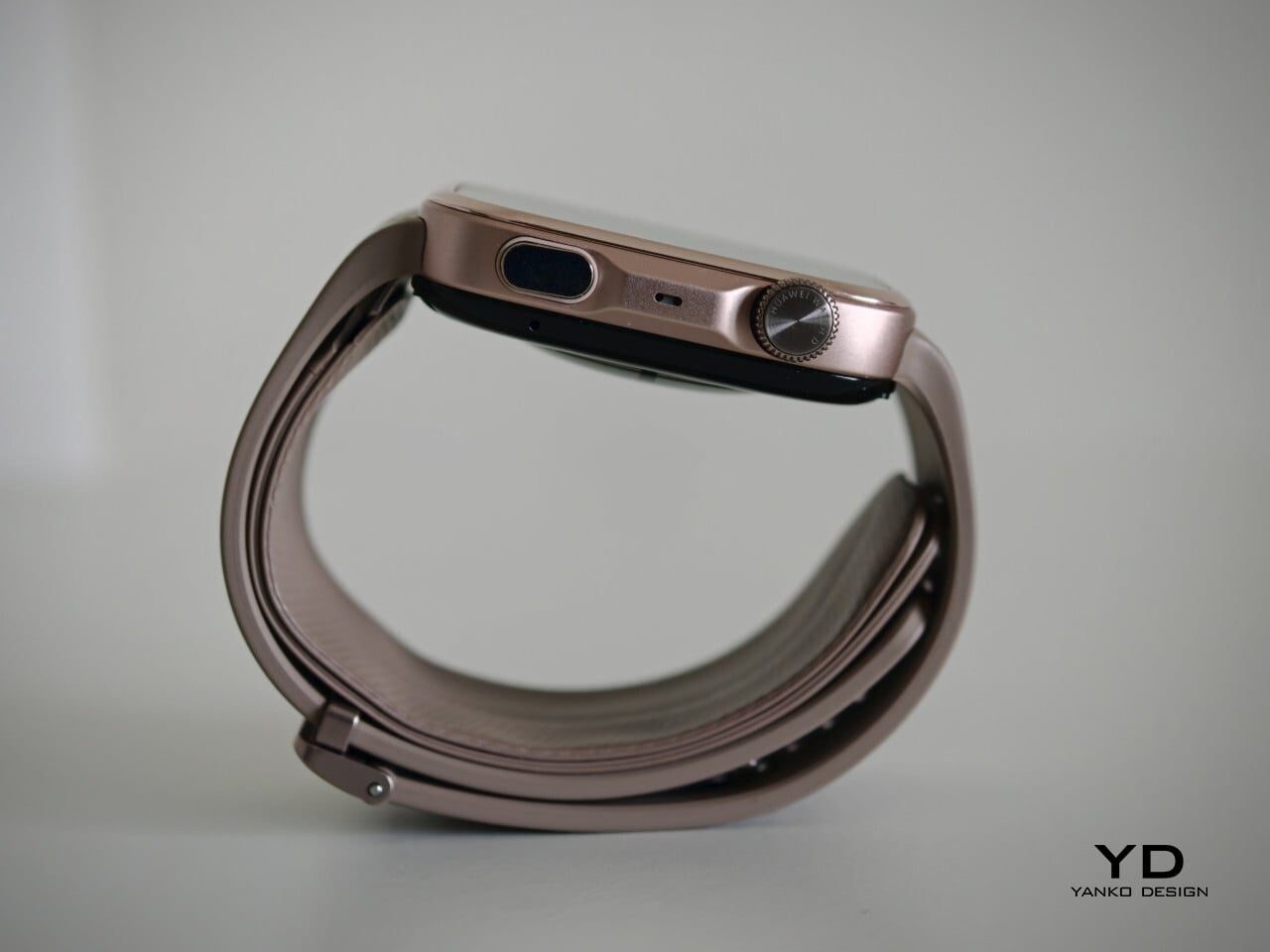
When looking at smartwatch specs that include a built-in airbag, you expect to strap a bulky medical device to your arm. In practice, the Huawei Watch D3 looks surprisingly restrained and neat. The device measures 1.83 x 1.61 x 0.44 inches, with a rectangular 1.92-inch display. Compared to the previous Watch D2, the manufacturer shaved the thickness down from 0.52 to 0.44 inches. The watch weighs around 1.41 ounces without the strap, giving you a solid gadget feel that does not exhaust your arm over a full day of wear.
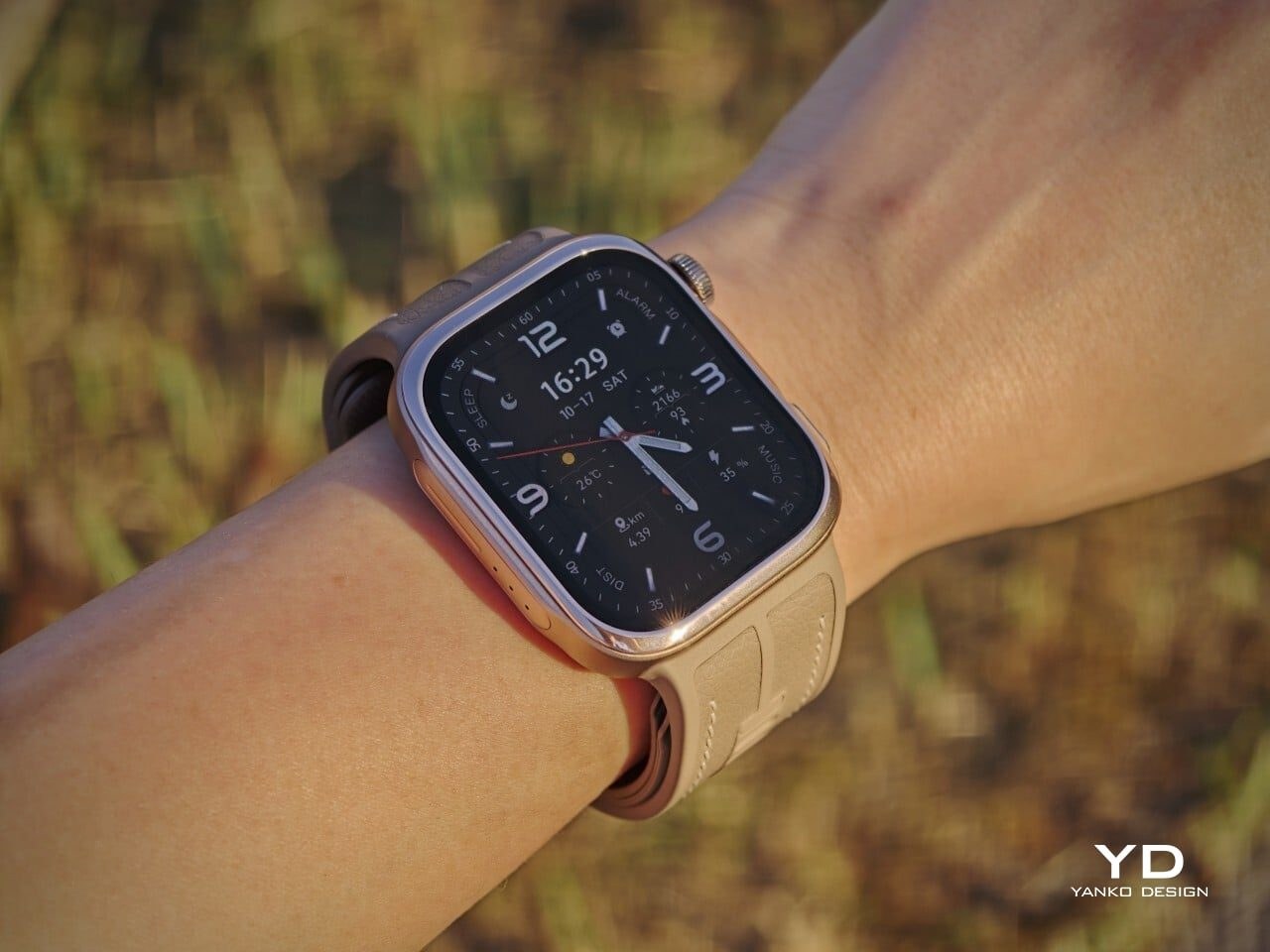
Externally, the gadget balances between the strict style of a standard smartwatch and the chunky build of a sports model like the Apple Watch Ultra. The lineup comes in three colors: white, black, and a warm Mocha Gold shade that gives the device a more expensive look. Putting the watch on without precise adjustment will not work: because the monitor relies on a tight fit from the strap-integrated airbag, the box includes a paper measuring tool and two strap sizes.
«Watch D3’s blood pressure measurement has obtained NMPA medical device registration in China and CE certification under the European Union’s Medical Device Regulation, commonly called CE-MDR.»
Because of this, the device has earned official medical status in key markets, backed by regulators in China and the European Union. This is an actual certified device rather than just a basic step-counting accessory.
How Blood Pressure Measurement Works and Why It Doesn't Irritate
Every owner’s primary fear with hybrids like this is that the compressor will buzz during every meeting and your arm will start turning blue every two hours. In practice, measurements happen surprisingly quietly, and the only obvious sign of work is the tightening grip of the cuff around your wrist. The device supports 24-hour ambulatory blood pressure monitoring (ABPM), automatically scheduling measurements throughout the day, including during night sleep.
Collected data flows into the Huawei Health app, building daily, night, and overall reports to show your attending physician. The companion app interface serves as the central hub for this medical data, organizing complex blood pressure trends, mean arterial pressure calculations, and pulse rates into clean graphs. Users can review historical logs, filter readings by specific daily events, and export comprehensive PDF summaries directly for doctor visits. A special workout mode also handles blood pressure checks before and after six different workout types. Daily battery life remains solid, pairing standard smart and fitness features with medical tools without slowing down the interface.
In daily usability, checking your pressure via the wrist strap requires discipline: you must sit still with your arm raised at heart level during the inflation cycle, much like a traditional upper-arm monitor. While older Omron wrist monitors also relied on physical inflation, they lacked any smartwatch capabilities and sat separately in your travel bag, whereas the Watch D3 integrates the diagnostic function directly into your everyday timepiece. At the same time, standard smartwatches offer vast app ecosystems and deep lifestyle tracking, but they completely miss the mechanical inflation required for actual medical-grade diagnostics.
What Drives You Crazy in Daily Use
Medical accuracy and a real cuff come with practical limits that show up quickly in everyday life. The main drawback is weak water resistance: you cannot swim or shower with the watch on, forcing you to take it off for any water-related routine. A second annoying detail is the heavily limited choice of third-party apps compared to conventional smartwatches, narrowing your daily scenarios down to basics.
Who Needs This and Is It Worth Buying
Buying the Huawei Watch D3 makes sense if you track your blood pressure for medical reasons and grew tired of useless green lights on standard trackers. The CE-MDR and NMPA certifications paired with round-the-clock monitoring justify the purchase if you need constant control. Swimmers and anyone expecting a rich third-party app ecosystem from a smartwatch should look elsewhere.
Specifications
Release date: not announced
Price: not announced
Manufacturer website: https://consumer.huawei.com
Specs:
- Display: 1.92-inch rectangular display
- Dimensions: 1.83 x 1.61 x 0.44 inches
- Weight: Around 1.41 ounces without the strap
- Thickness: 0.44 inches
- Color options: White, Black, and Mocha Gold
- Blood pressure measurement: Cuff-style with built-in airbag, NMPA and CE-MDR certified
- Monitoring modes: 24-hour ambulatory blood pressure monitoring (ABPM) and pre/post-workout tracking for six workout types