

 martphone makers have chased the dream of an edge-to-edge screen for years, but Tecno brought a working zero-bezel concept phone to IFA Berlin 2026. Side by side with an iPhone 17 Pro Max and its slim 1.36mm bezels, the device looks like a slab of pure image. Everything on screen expands right to the perimeter, making apps feel zoomed-in and striking. But before you get excited about this supposed leap in display design, look closer at the edges. In our view, Tecno did not banish the black borders. It just hid them under a clever, chunkier shell.
To pull off this illusion, Tecno created a dual-layer cover glass where the bottom glass curves around the midframe to mask the inactive screen borders. A custom hot-melt adhesive fastens the second layer from the front side.
Tecno is using a dual-layer cover glass with the bottom portion wrapping around the midframe and concealing the inactive area and the black bezels.
Because of that optical sandwich, the phone's metal frame feels noticeably wider than what you get on standard handsets. In essence, the borders never vanished; Tecno simply buried them under metal and curved glass. Even with that elaborate disguise, faint black bars remain visible along the bottom edge of the concept display.
Daily Gripes and Repair Traps
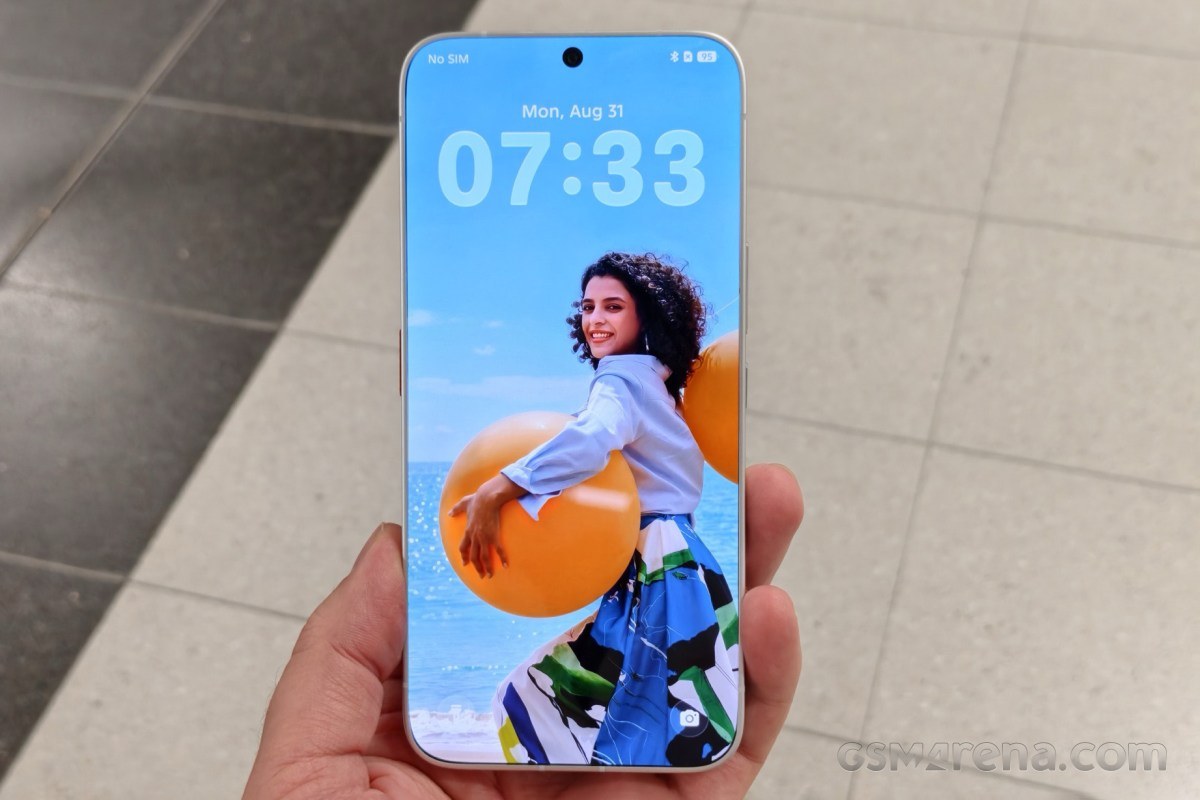
Turning a phone into a borderless glass bar creates immediate practical headaches the moment you pick it up. Because there is nowhere to rest your fingers without touching active pixels, Tecno had to overhaul its touch sensitivity routines and interface layout to prevent accidental palm inputs. The screen itself is a 6.78-inch AMOLED panel running at 1.5K resolution and a 144Hz refresh rate, wrapped in a lightweight body that shares its core hardware platform with the Tecno Camon Slim. While it looks sleek on an exhibition floor, living with zero bezels in the real world means constant ghost touches, zero room for protective cases, and exposed glass corners that take every single impact directly.
Then comes the service nightmare. Building this device forced Tecno to invert the entire screen assembly workflow, sliding the display module in from the back rather than the front. If you shatter a standard phone screen today, a repair technician can usually pop the front glass off and swap the panel in thirty minutes. An inverted assembly glued down with custom hot-melt adhesive means fixing a dropped zero-bezel phone will require gutting every component from the rear just to access the glass. Tecno says these design experiments pave the way for future commercial hardware, but paying extra for a thicker metal rim and an inflated repair bill is a terrible tradeoff for shedding a millimeter of black border.