
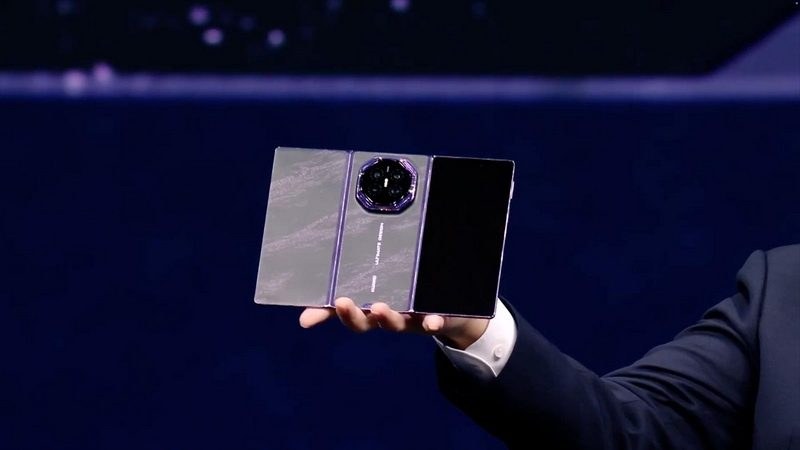
 he race for minimal thickness and extra hinges has reached a point where brands are packing a full-size 10.2-inch tablet directly into your pocket. For the average buyer, the pragmatic question is obvious: why carry a complex mechanical accordion if safe one-handed use is physically impossible? To reply to a quick message on the go, you must either tolerate a bulky brick in your hand or use both hands and pray you do not drop it.
Unfolded, the device offers a massive canvas, but everyday compromises quickly overshadow the initial novelty. Juggling dual hinges, an ultra-flexible display, and high-end silicon like the Kirin 9050 Pro pushes the limits of thermal physics. The chassis heats up rapidly under load, and the battery drains visibly trying to power such a massive panel. In regular apps, you will not see any noticeable speed bump over standard flagships.
The tri-fold form factor is primarily an engineering flex, not a practical daily driver.
Handling such an elaborate structure on a crowded commute is nerve-wracking. A single drop onto pavement or stray grit in the mechanical joints guarantees an astronomical repair bill for the display module.
A Race of Corporate Ambition
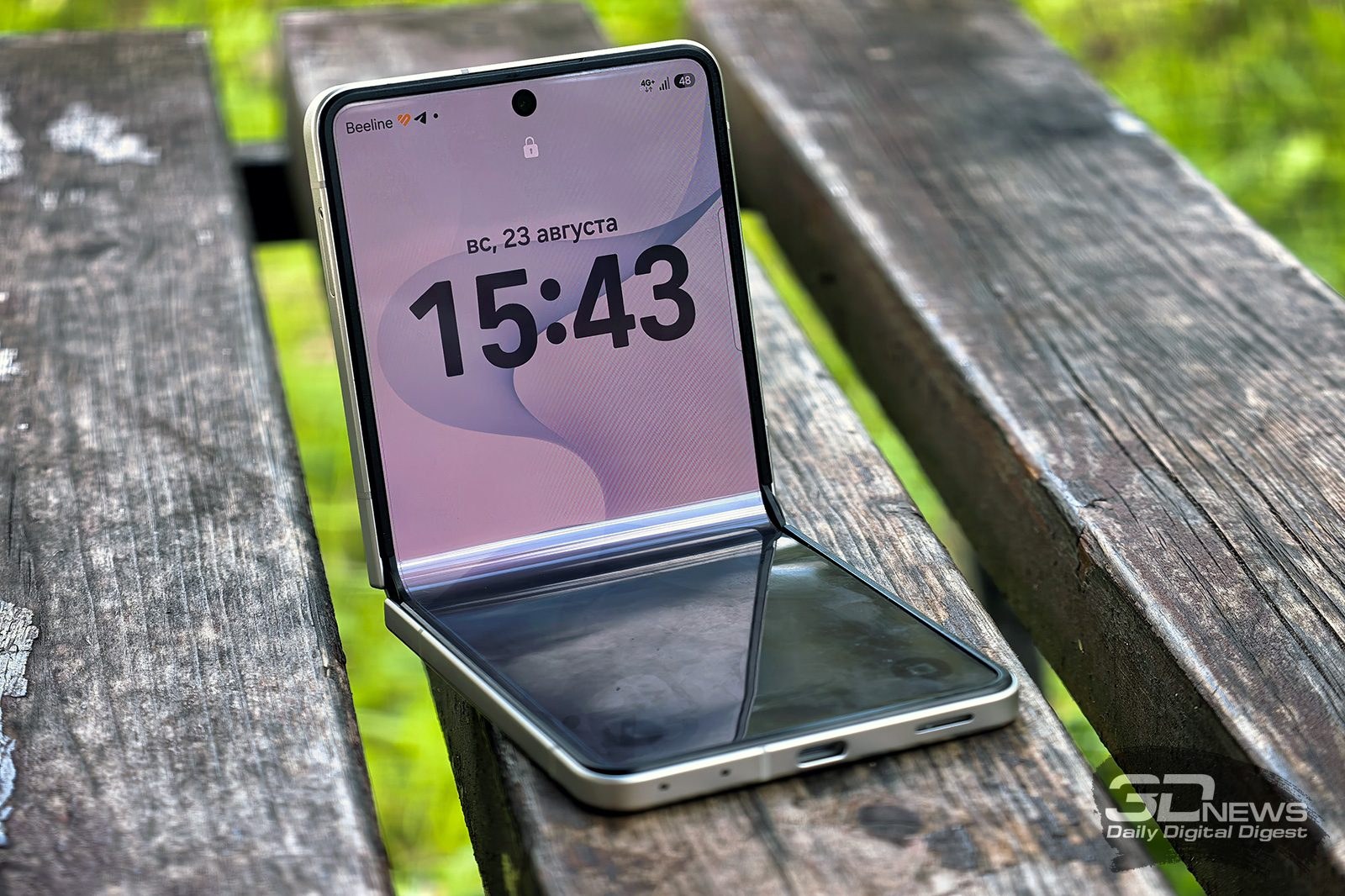
While Apple monitors the foldable segment and Samsung refines the dual-panel Fold design, tri-fold devices serve mainly as tech manifestos to claim market leadership. It makes a bold statement against global rivals, yet provides very little real utility for standard smartphone tasks.
For everyday routines—quick calls, car navigation, and messaging on the run—an intricate tri-fold chassis feels cumbersome and exorbitantly priced. If you need a reliable daily workhorse rather than a lavish status symbol, paying a massive premium for a second hinge makes no practical sense.