
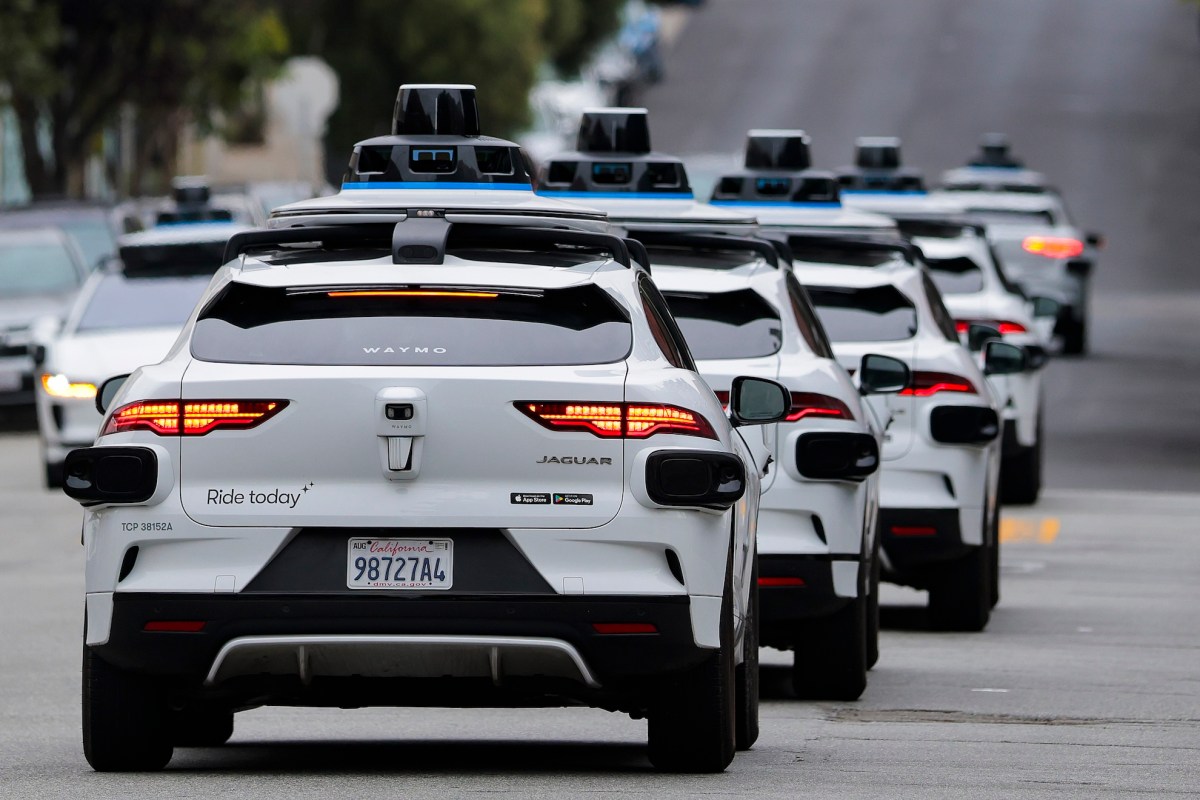
 aymo is finally taking its driverless cabs across the Atlantic, picking Munich as its German proving ground after establishing a local entity in the country. If you expected to step off a plane in Bavaria and immediately summon an empty vehicle with no human at the wheel, think again. The Alphabet-owned autonomous driving company is running the exact same tedious playbook it refined across 11 US commercial markets.
The process begins with brute-force manual mapping: human drivers cruising around Munich to chart every curb, cyclist lane, and cobblestone intersection. Only after that phase wraps up will Waymo deploy test fleets with human safety drivers behind the wheel, ready to wrest back control whenever the software gets baffled by Bavarian traffic.
The company will eventually open its robotaxis to limited service, and eventually to all riders once it receives the regulatory approval required to operate commercially.
Waymo typically restricts early driverless rides to employees, researchers, and vetted VIPs. According to Waymo's announcement, commercial ride-hailing for the paying public will not actually open until toward the end of 2027.
The Level 4 Bureaucracy
Germany passed legislation more than five years ago allowing driverless vehicles on public roads, becoming the first European Union member to build a formal legal framework for Level 4 autonomy. Under SAE standards, Level 4 software handles all driving tasks without expecting human intervention, provided the vehicle operates within designated geofenced boundaries. That legal open door turned the country into a testing magnet, but the regulatory paperwork remains notoriously steep.
According to records from Germany’s Federal Motor Transport Authority (KBA), Waymo does not hold any operational permits yet. The company confirmed it is currently coordinating with the KBA, Bavarian state authorities, and Munich officials to secure clearance. Local heavyweights Mobileye and Volkswagen already hold testing permits in Germany, while rivals like UK-based Wayve and Israel-based Autobrains hold Level 3 permits, which restrict automated driving to highway speeds and force human drivers to stay on standby.
The European Turf War
Germany is only one front in this European robotaxi race. London is shaping up as another battleground where Waymo plans to launch commercial service in 2026, putting it in direct competition with Wayve and its partner Uber. Chinese tech giant Baidu is also running tests in London alongside Lyft and Freenow.
Waymo is selling the vision of seamless urban mobility across Europe, but the reality is a multi-year slog through municipal red tape, manual street charting, and closed-door corporate test rides. Booking an autonomous ride across Munich will take another full year of waiting after Londoners get theirs—and that assumes the KBA actually hands over the operating permits on schedule.