
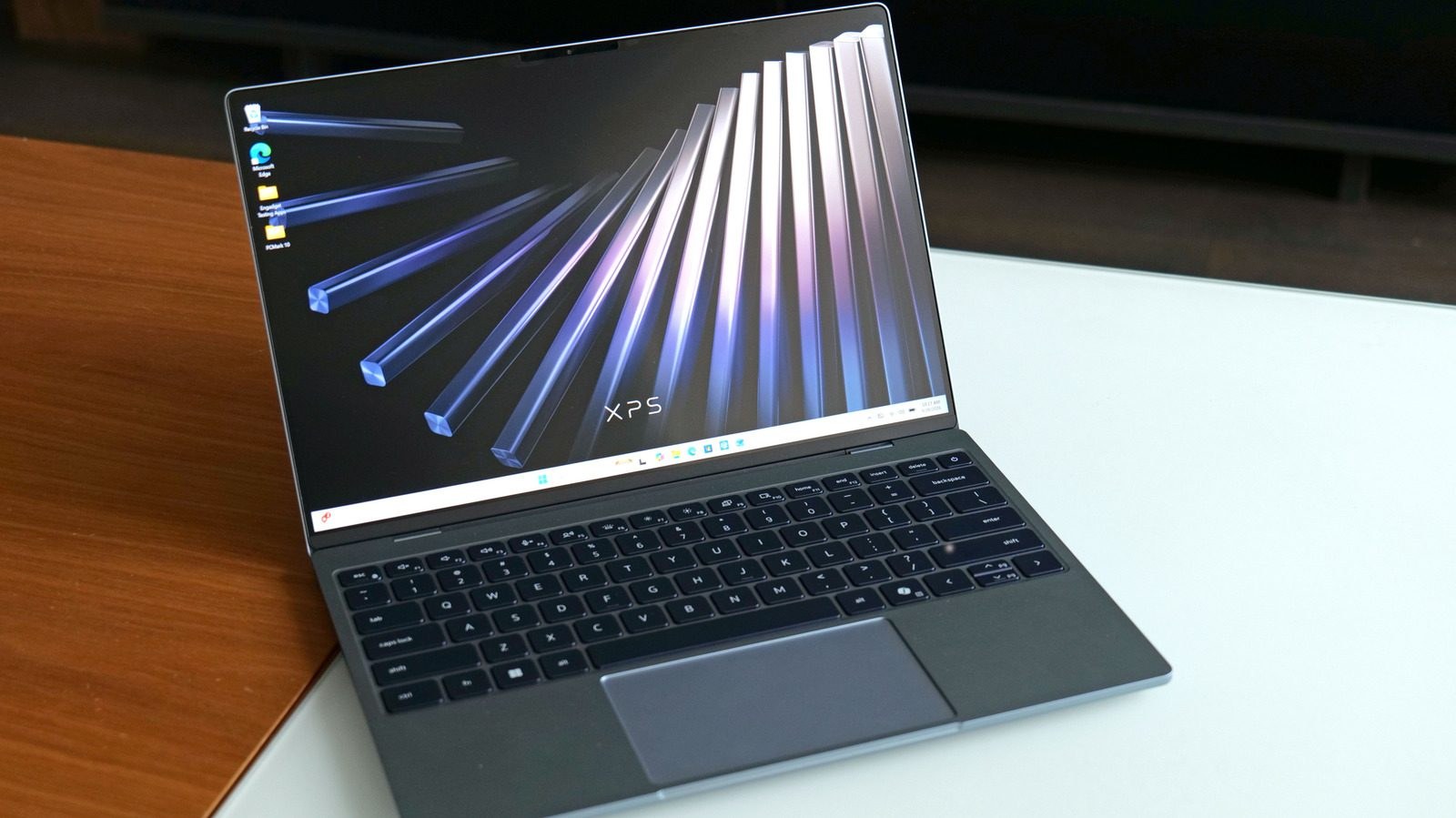
 ell dragged its iconic XPS 13 down to a $700 entry price, dangling a sleek ultraportable in front of shoppers looking for flagship build quality on a budget. It looks like an absolute steal on paper. But behind that bait price sits a glaring compromise that will sabotage your everyday workflow from minute one: the base model ships with a paltry 8GB of RAM.
The Memory Bottleneck
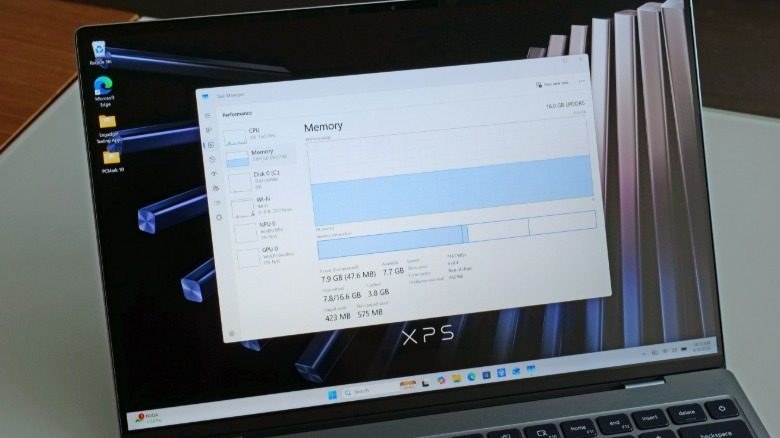
In 2026, Windows 11 simply chokes on 8GB of memory. Even with zero applications open, testing showed a 16GB RAM unit sitting at 56 percent memory utilization right out of the gate.
Even without literally any other apps open, my test unit with 16GB of RAM was sitting at 56 percent utilization.
When a machine eats that much overhead just sitting idle, an 8GB system runs out of breathing room before you even launch a browser tab. Once physical memory fills up, Windows desperately resorts to virtual memory, dumping active data onto your storage drive and turning a snappy ultraportable into a sluggish paperweight.
The Real Gap in Daily Speed and Battery Life
The performance penalty for pinching pennies on memory is brutal. On PCMark 10, the 16GB XPS 13 posted a score of 6,904 compared to a dismal 5,319 for the base model. That is a night-and-day difference in actual responsiveness, despite both machines packing the exact same Intel Core 5 320 chip and 512GB SSDs.
The tax extends straight to battery life and casual gaming as well. In the PCMark 10 Modern Office battery test, the 16GB configuration ran for 17 hours and 40 minutes, while the base model folded after 15 hours and 56 minutes. Average framerates across titles like Teamfight Tactics also ran 5 to 10 percent higher on the 16GB machine.
The True Price of a Usable Machine
Fixing this bottleneck requires buying Dell's memory upgrade upfront, because soldered RAM means you will never crack this case open to add a stick later. Buying the $700 base version is a textbook false economy that saves you cash at the register only to deliver a stuttering machine from day one. Do yourself a favor and skip the trap configuration entirely.