
#Laptops
48 stories on this topic, newest first.
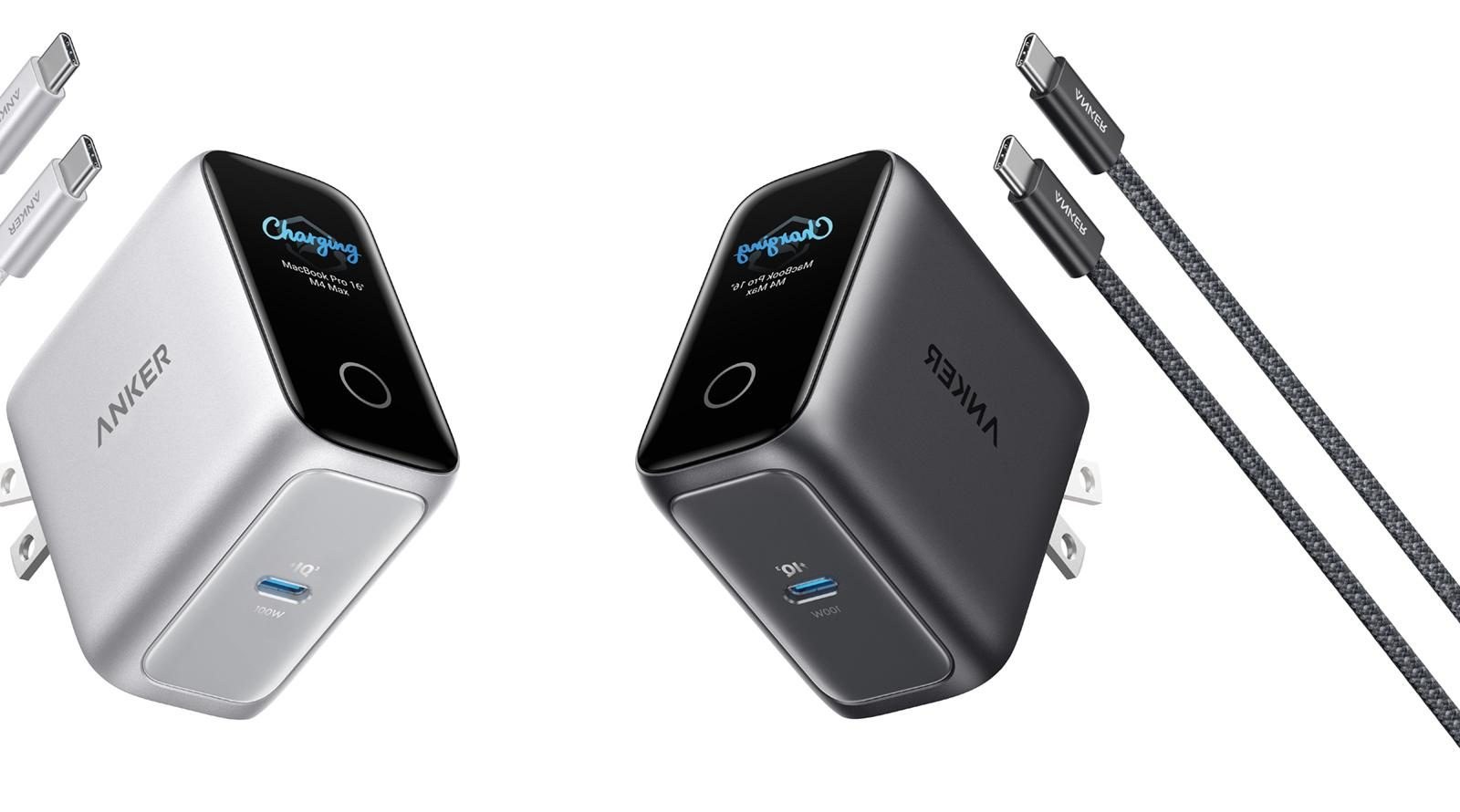
Anker's $60 Laptop Charger Pro packs 100 watts, a display, and battery-care modes into a tiny brick, but drops its design down to a single USB-C port. You trade everyday multi-device charging convenience for a tiny screen and dubious battery lifespan gains.
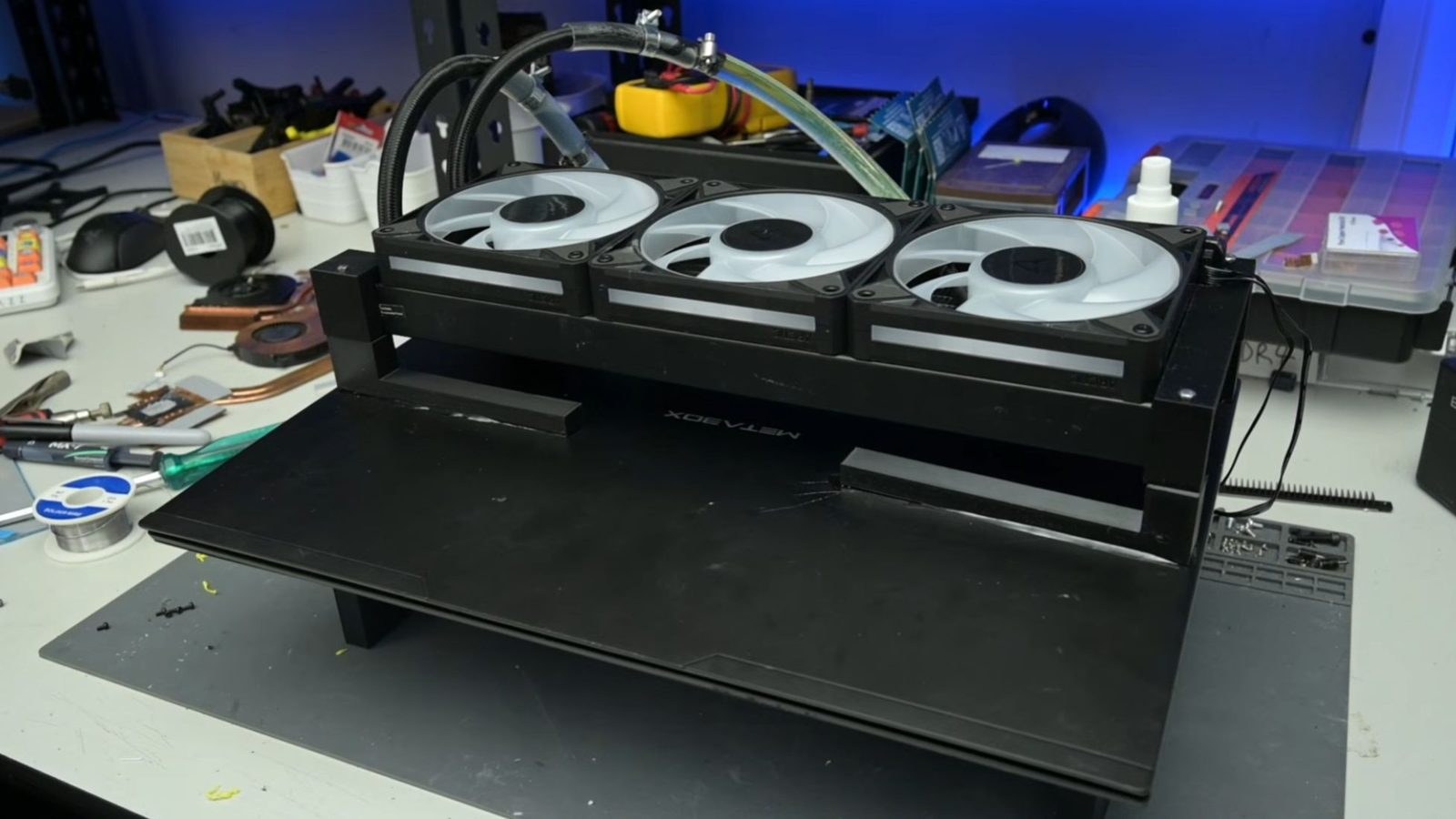
Modder TrashBench bolted a 360mm radiator and waterblocks to a Metabox laptop, slashing temperatures by 60℃ and boosting frame rates by 14%. But the drastic surgery permanently destroyed its portability, turning a mobile machine into a tethered desktop
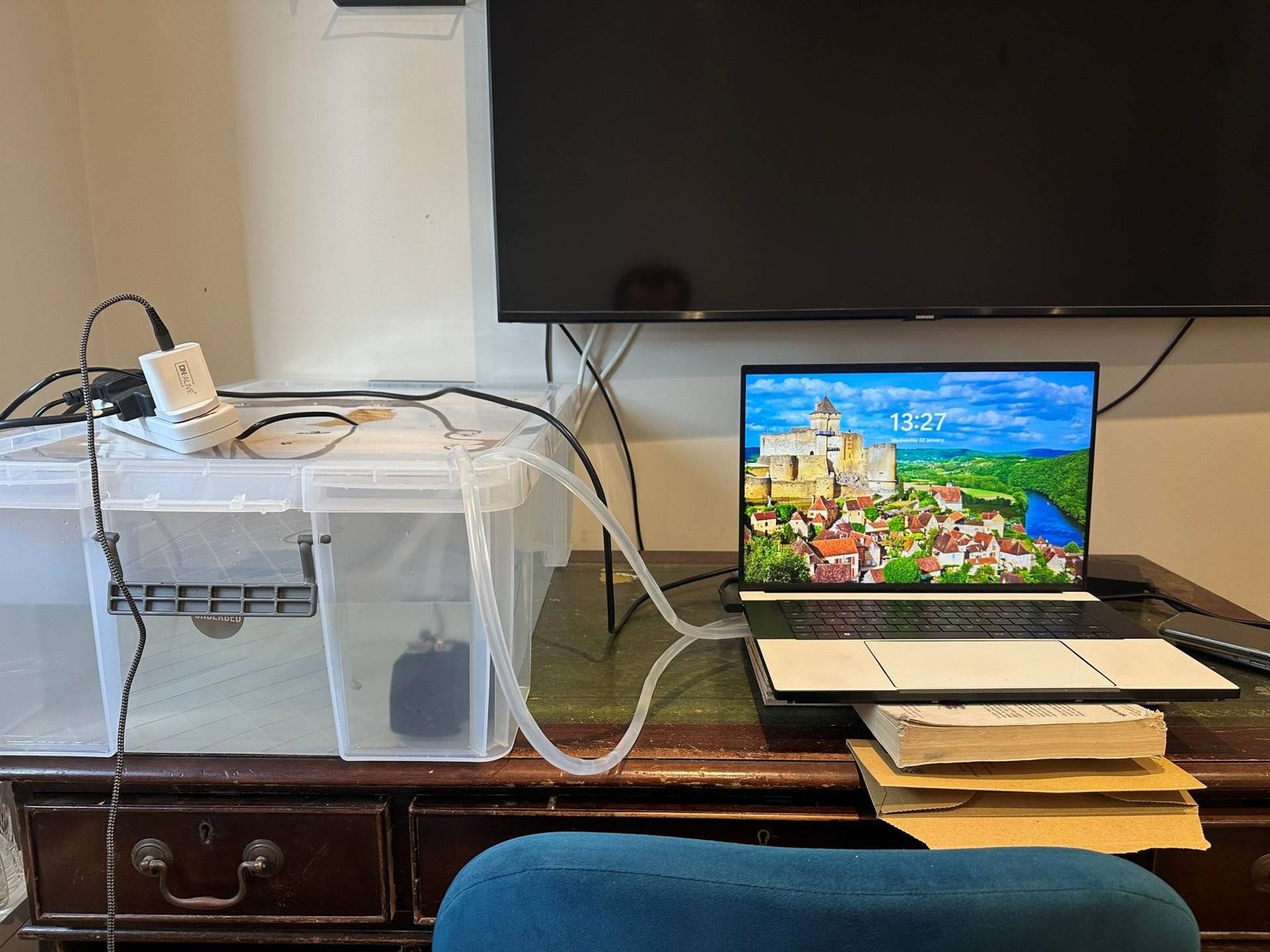
When a £2,500 manufacturer repair quote for a dead heatsink crossed the line into ransom, a Razer Blade 16 owner spent £100 on copper blocks and an external liquid-cooling loop.
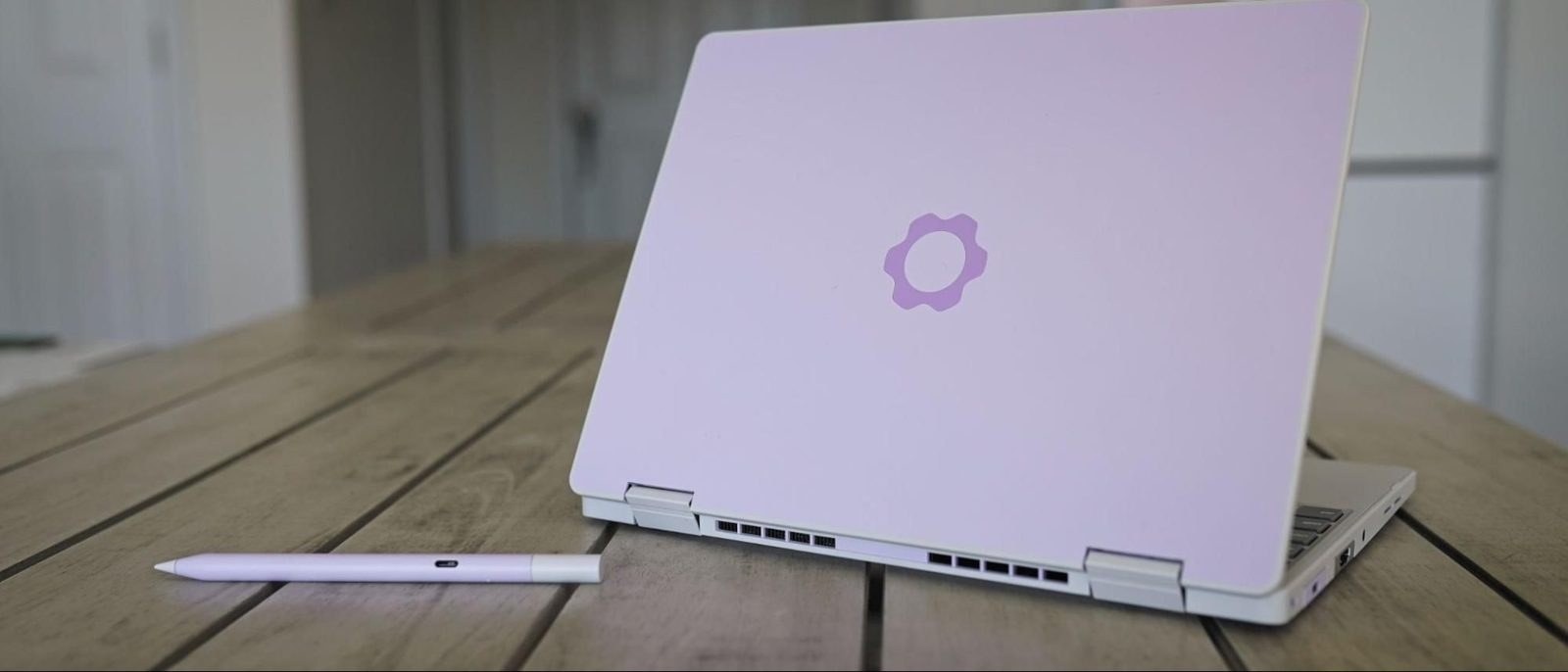
The modular Framework Laptop 12 starts at $549 for a bare-bones kit, promising easy self-repair and custom assembly. However, fully pre-built versions climb to $1,000, trading premium aluminum for a plastic chassis and higher costs unless you supply your own RAM and SSD.
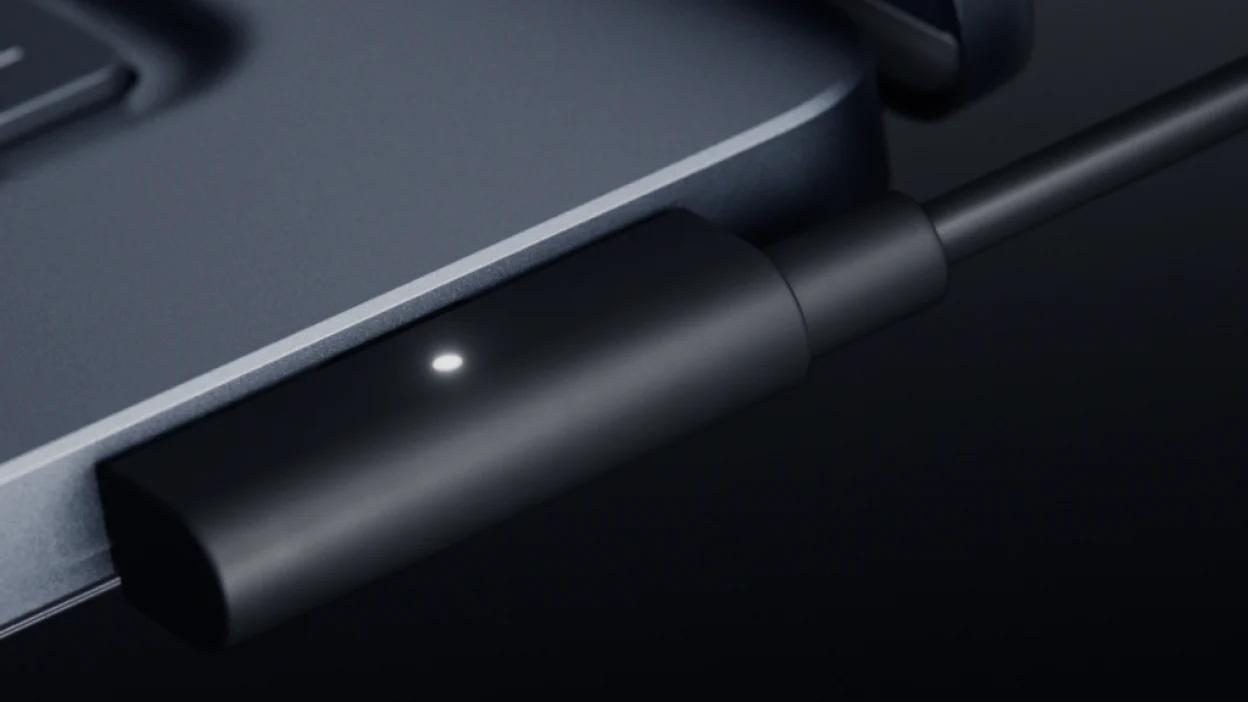
Microsoft has introduced the Surface Laptop Ultra featuring the industry's first built-in magnetic USB-C port. Priced at $2,599, the high-end machine combines magnetic convenience with full standard cable compatibility.
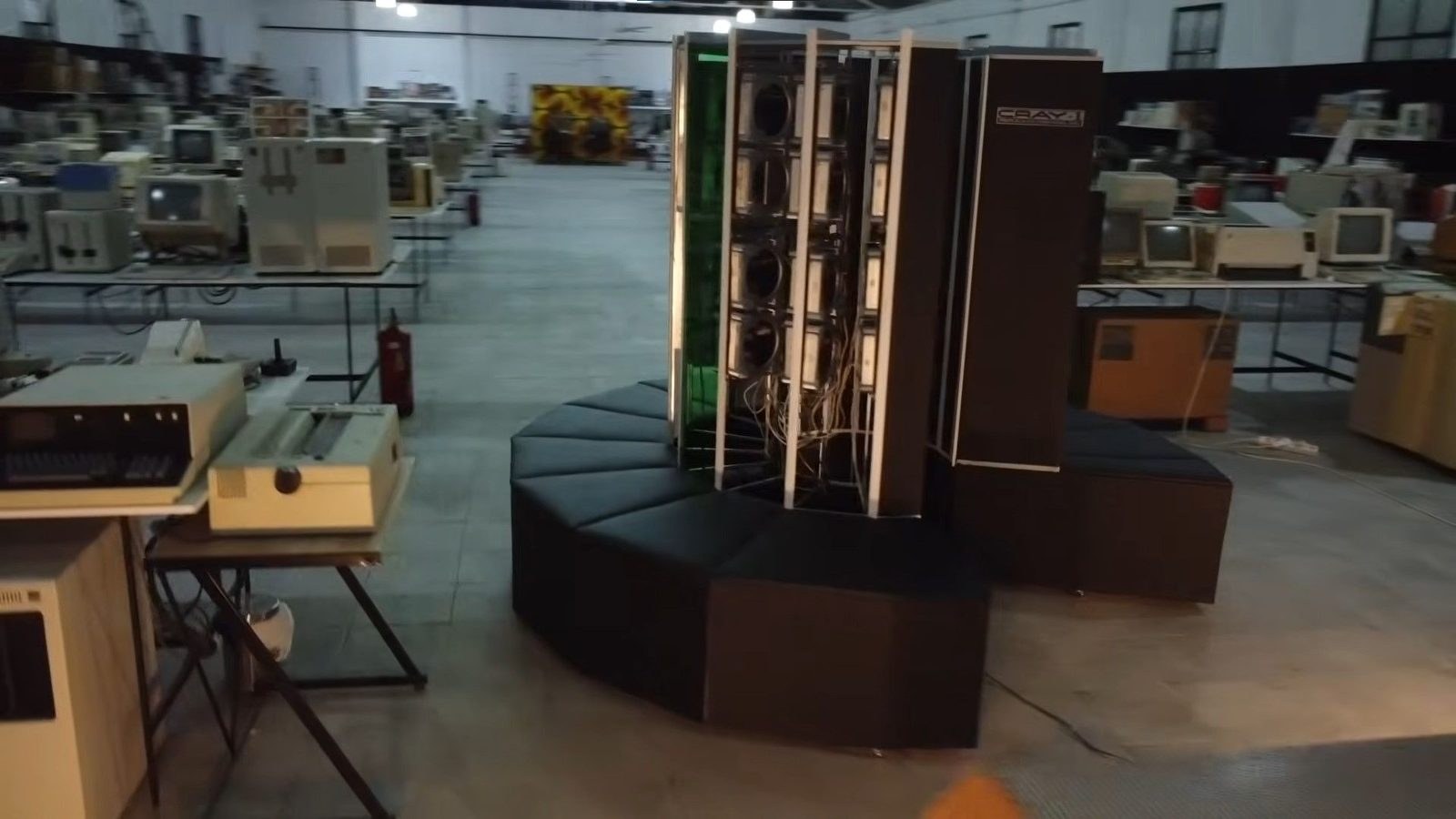
Spain's Museo de Historia de la Computación turned 30 obsolete Mac Minis into a working replica of the legendary Cray-1 supercomputer. Delivering 1.3 TeraFLOPS of power without industrial cooling, the project proves that decade-old hardware still has plenty of life left.
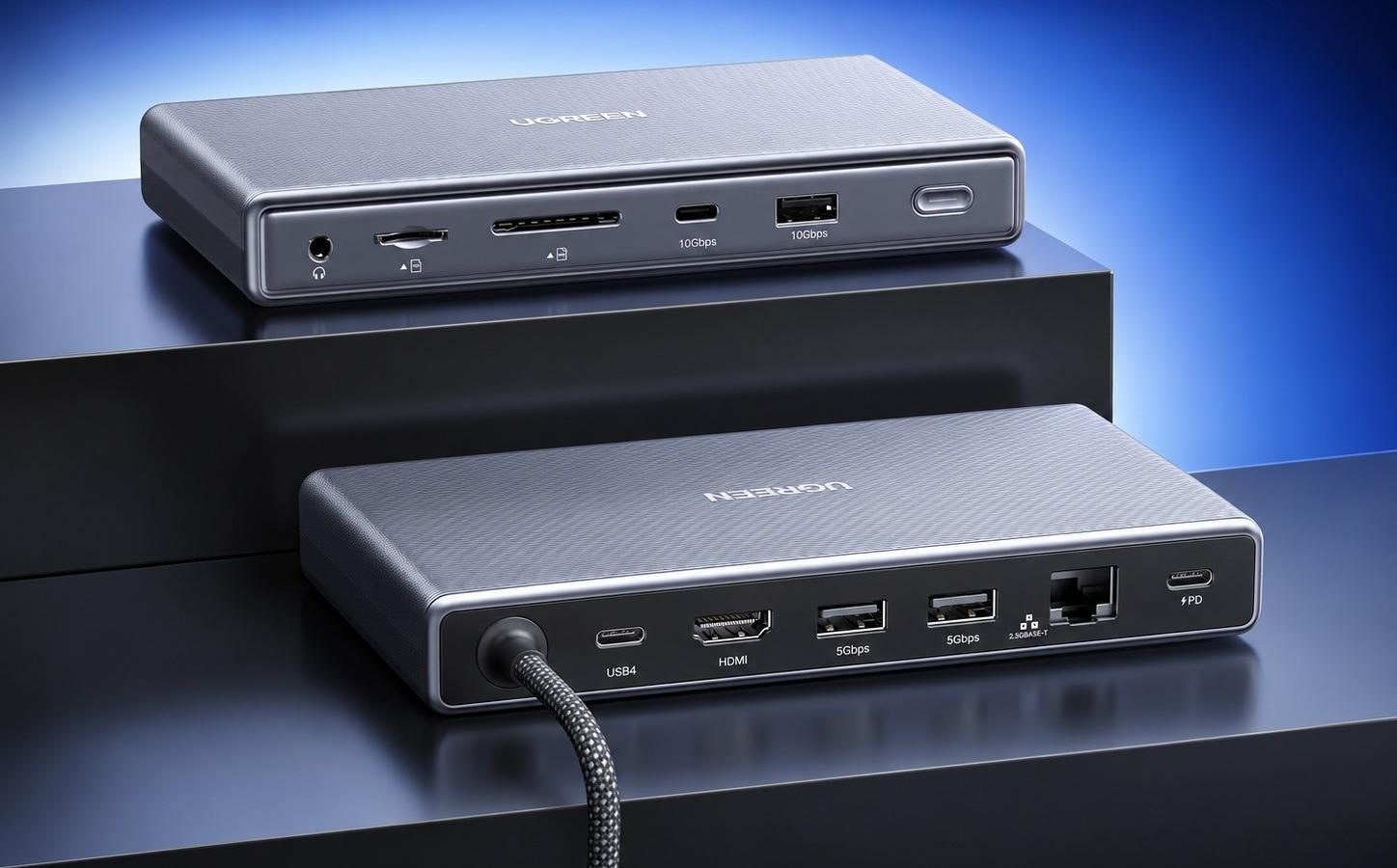
Ugreen launched a $150 dock packing USB4, 115W power delivery, and dual 4K displays. It undercuts pricey brand-name hubs while matching their performance.
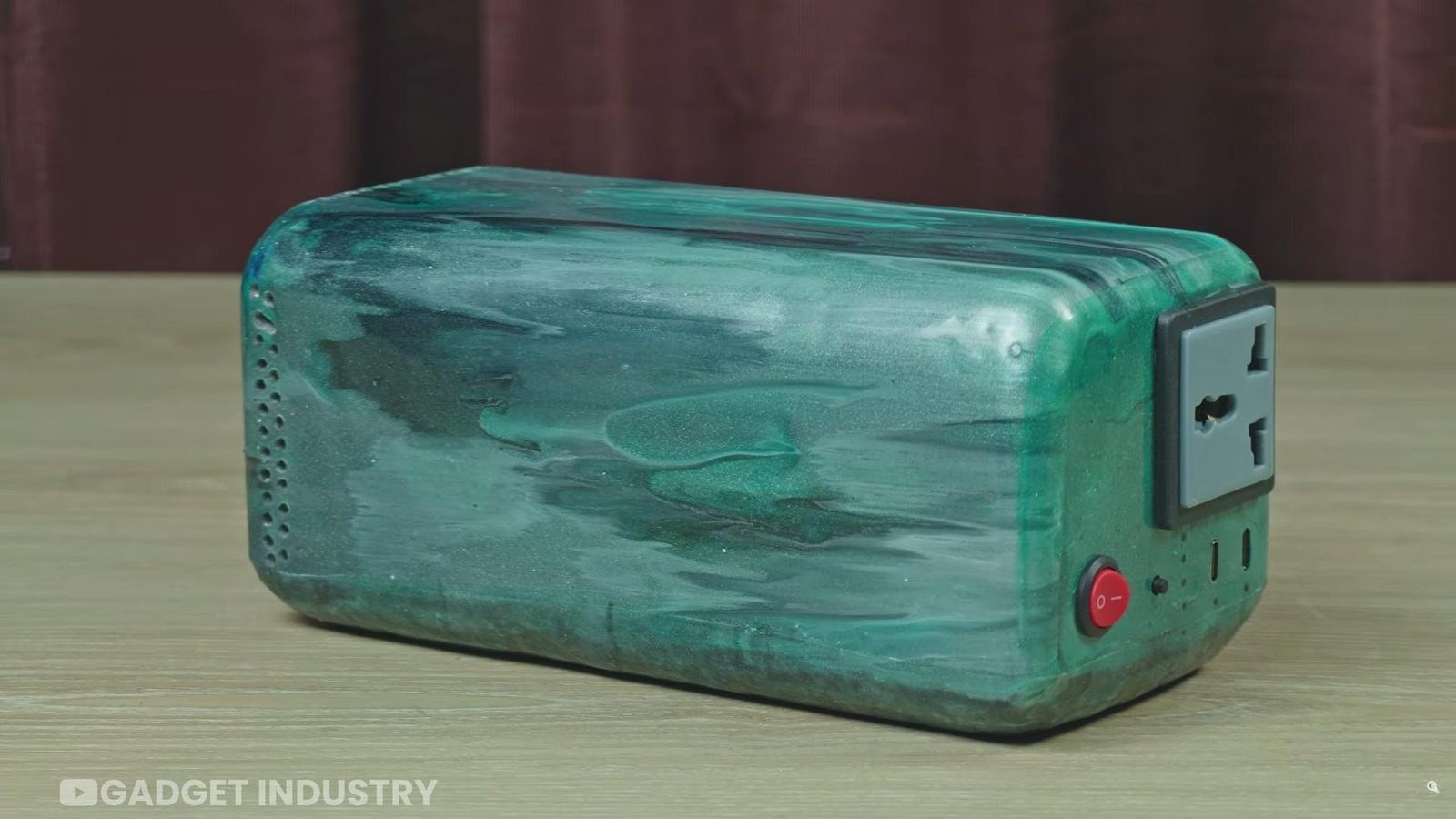
Independent creator Gadget Industry built a palm-sized power station packing a 300W AC inverter and 140W USB-C ports into a custom epoxy resin case. The garage-built device punches far above traditional bulky power banks without the wasted empty space of commercial brick designs.
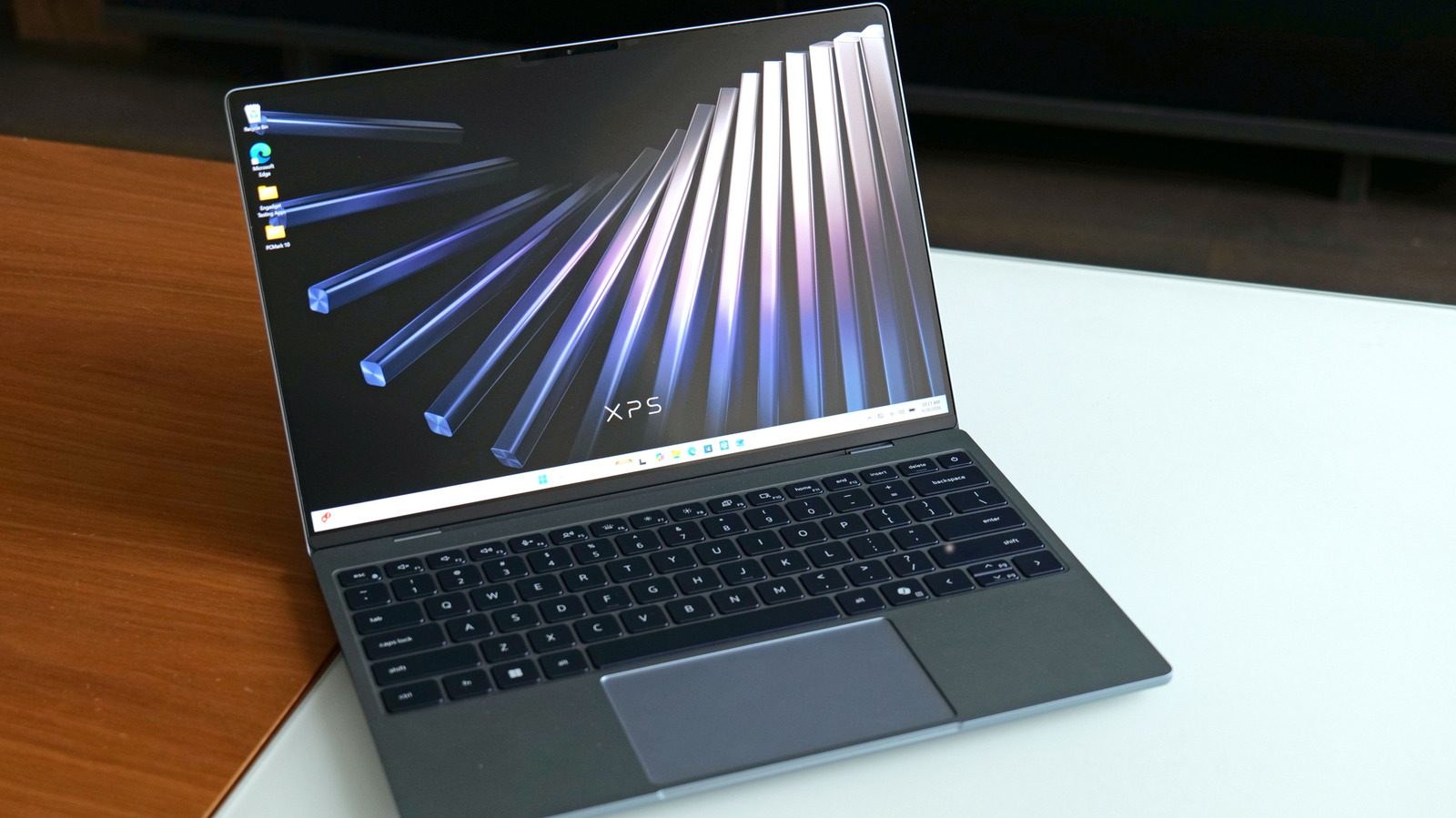
Dell dropped its flagship ultraportable to a $700 entry price, but the base configuration pairs modern hardware with just 8GB of soldered RAM. Testing proves this memory bottleneck severely cripples daily speed, multitasking, and battery life.
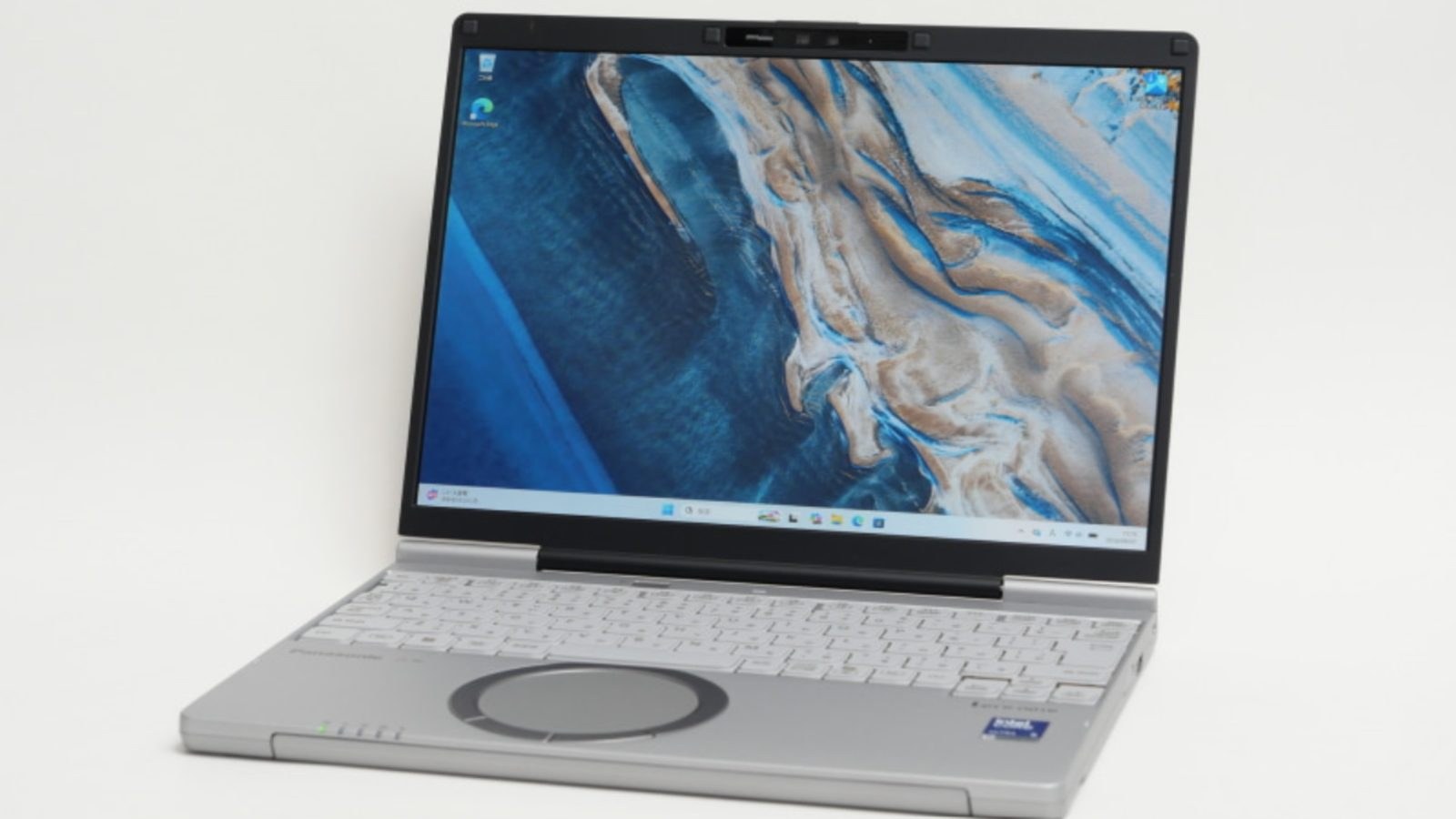
The Panasonic Lets Note SC7 packs a 12.4-inch screen, military-grade durability, and a removable power pack into a 919-gram chassis. While restricted to Japan and carrying a steep price, it offers mobile workers a rare mix of repairability and all-day endurance.

Durabook designed an armored workstation featuring three built-in 14-inch touchscreens that fold together for field operations. Weighing nearly 10 kilograms, the machine targets industrial command posts and enterprise users who need multi-monitor setups in extreme environments.

The upcoming ASUS Googlebook drops the endless adapter tax by building two standard USB ports, two USB-C slots, and a headphone jack directly into the chassis. Set for preorder on September 21, the machine lets users plug in flash drives and wired headphones without carrying extra hubs.
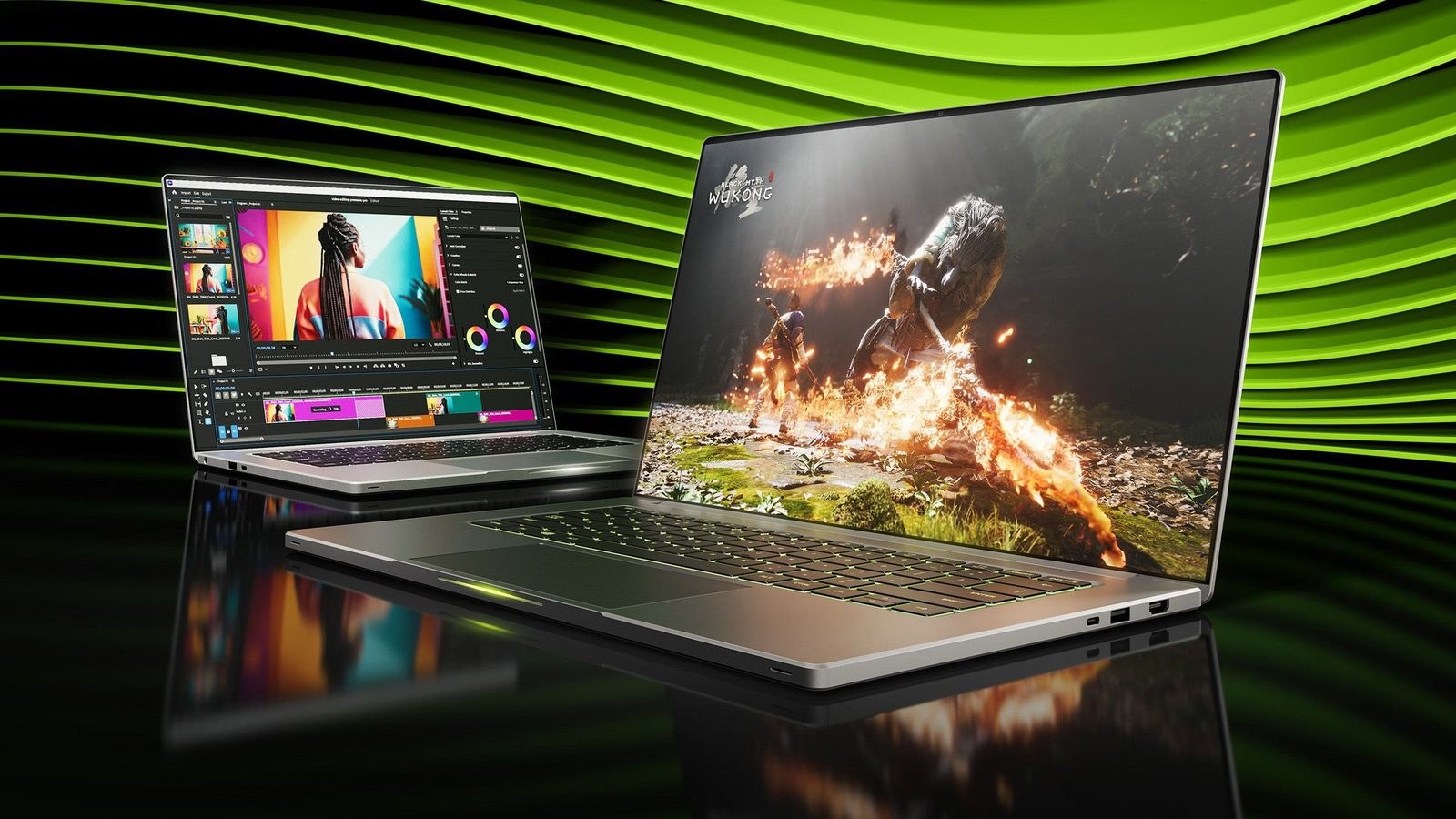
An experimental developer tool named NvpwrControl allows owners of Nvidia-powered gaming laptops to push an extra 40 watts of power into their graphics cards. While early tests show performance gains in benchmarks, running the utility requires disabling basic Windows security and risks destroying expensive hardware.

Maker Natasha Dzurny ditched standard plastic laptop cases to build a fully functional portable workstation inside a furry theatrical puppet. Powered by an Arduino board with a 5-inch screen and built-in webcam, the absurd build turns a Linux machine into a portable stage prop.

Perplexity's new Hybrid Compute feature processes confidential files directly on Apple Silicon Macs using local chips. While it keeps sensitive financial sheets off remote servers, it shifts computing workloads and battery drain straight to your MacBook.
Apple has told developers they can completely stop supporting older Intel-based Macs on the App Store. For anyone still using an older machine, this means new app updates and features will soon stop arriving entirely.
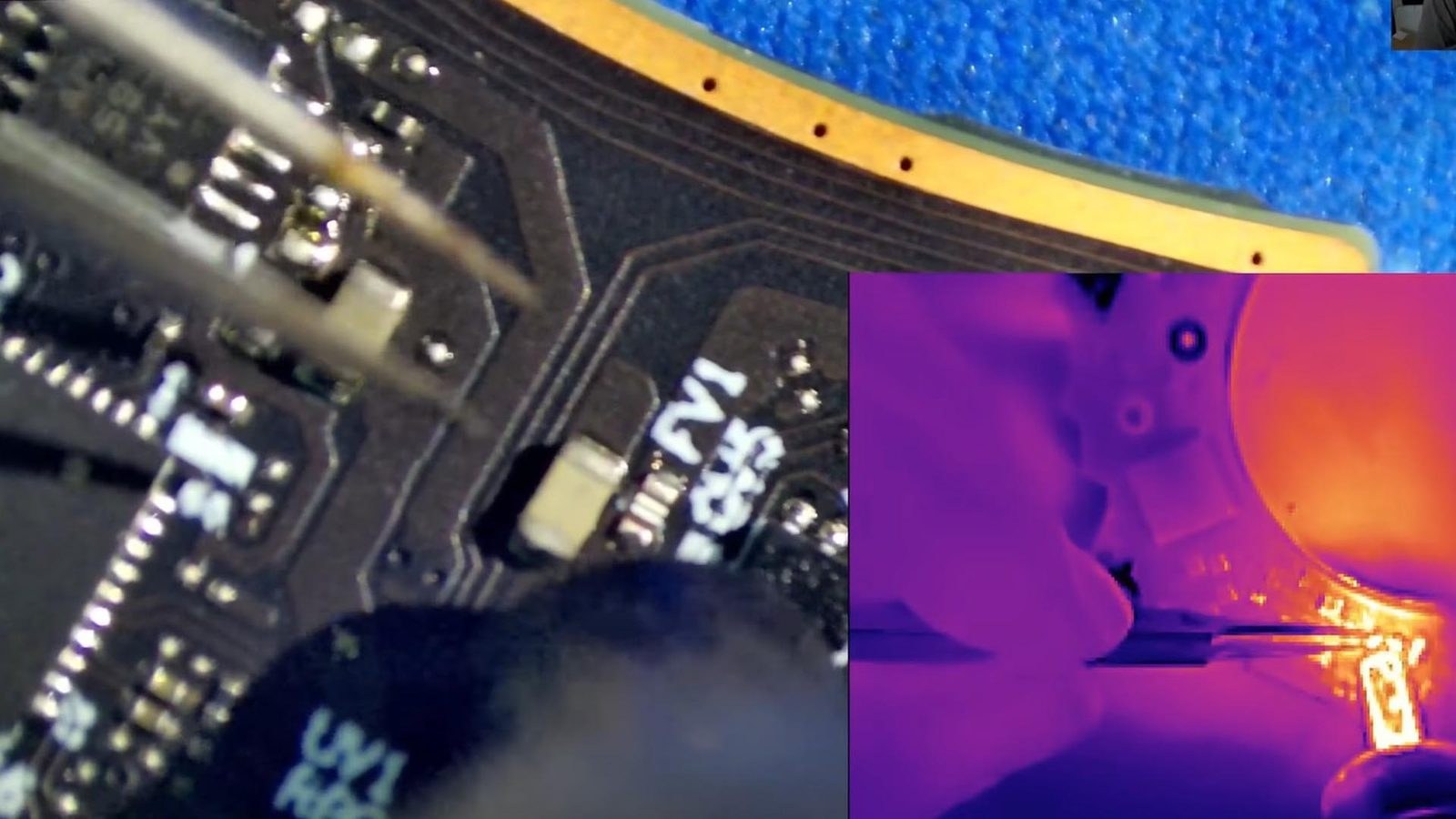
When a Lenovo laptop screen died, official support demanded over $800 to swap the motherboard. An independent technician brought the display back to life using just a tiny scrap of copper wire and basic soldering skills.
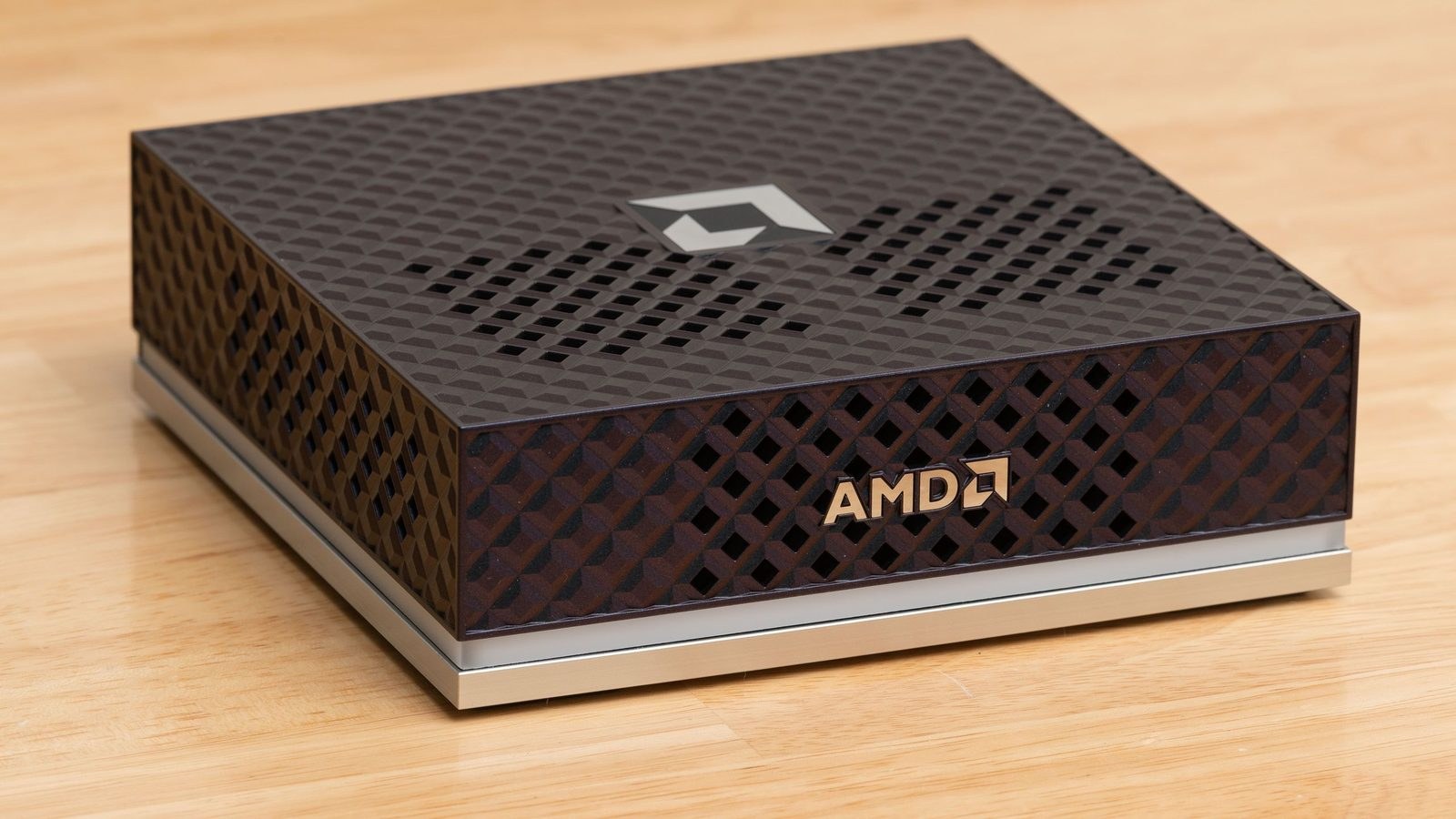
Microsoft finally built a clean, bloat-free version of Windows 11 called Project Zenith for running local AI models. However, it requires a specialized AMD processor and at least 64GB of memory, putting the operating system out of reach for regular PC owners until they buy a $3,999 workstation.
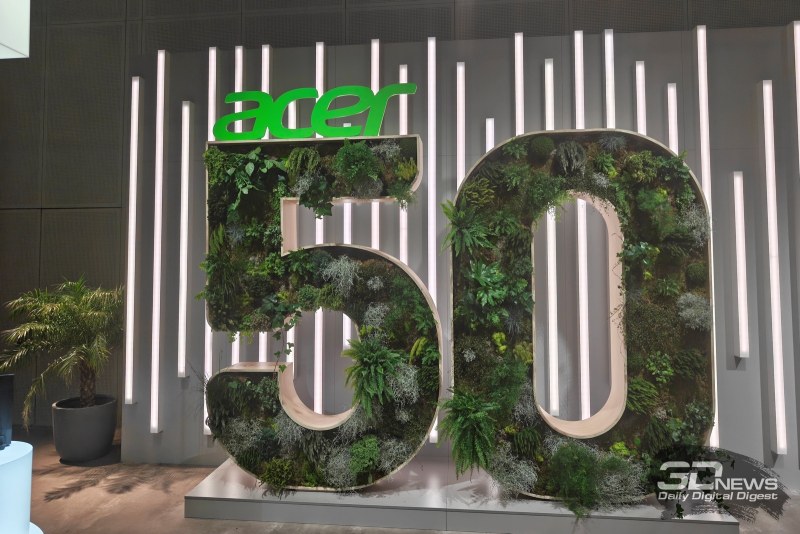
Acer revealed the DualPlay Mini concept at IFA, transforming the laptop trackpad into a detachable wireless gamepad. While the engineering looks clever on stage, moving parts under your palm rest compromise chassis durability and everyday ergonomics. A standard controller in a backpack remains the smarter, cheaper choice.

Chinese maker Sugon has unveiled the N50 Pro, shoehorning server-grade multi-threading and an 8TB storage capacity into a slim aluminum chassis. For everyday buyers, however, the brutal heat, screaming fans, and dismal battery life mean zero benefit over standard machines.
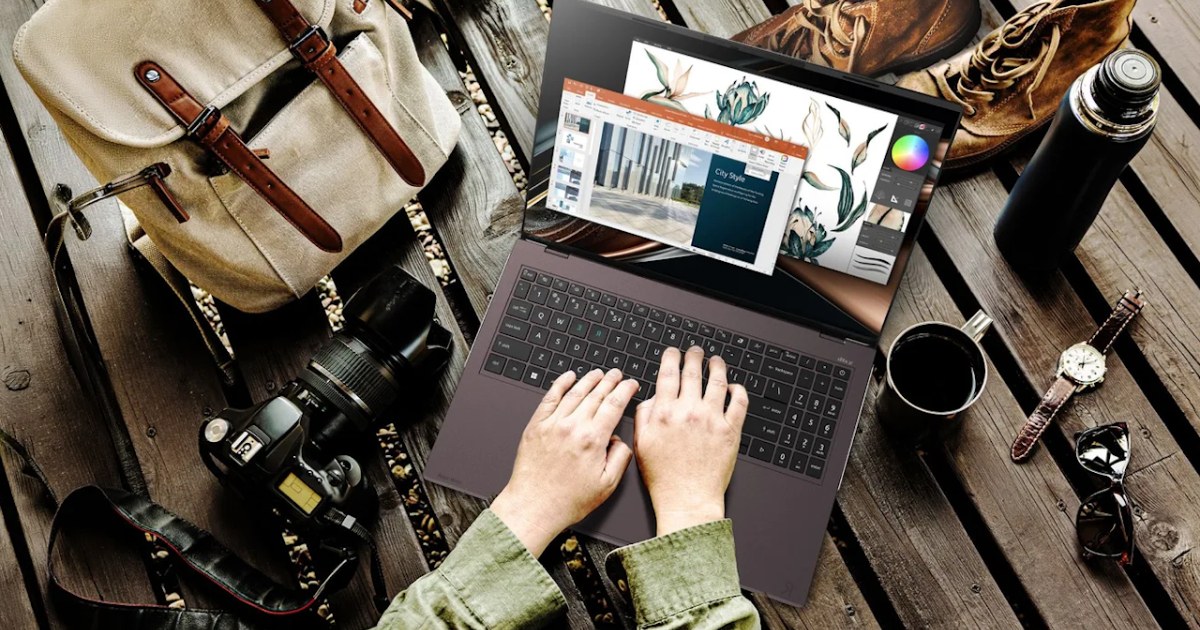
Acer revealed the refreshed Vero 16, allowing users to pop off the bottom cover with a simple latch to replace batteries and SSDs at home. While basic maintenance requires zero tools, promised multi-generation CPU upgrades will still be locked behind authorized service centers.

Skyrocketing enterprise demand for AI memory is diverting foundry capacity away from consumer hardware. Standard laptops, RAM kits, and SSDs face elevated prices through 2031, making generous spec upgrades significantly more expensive.
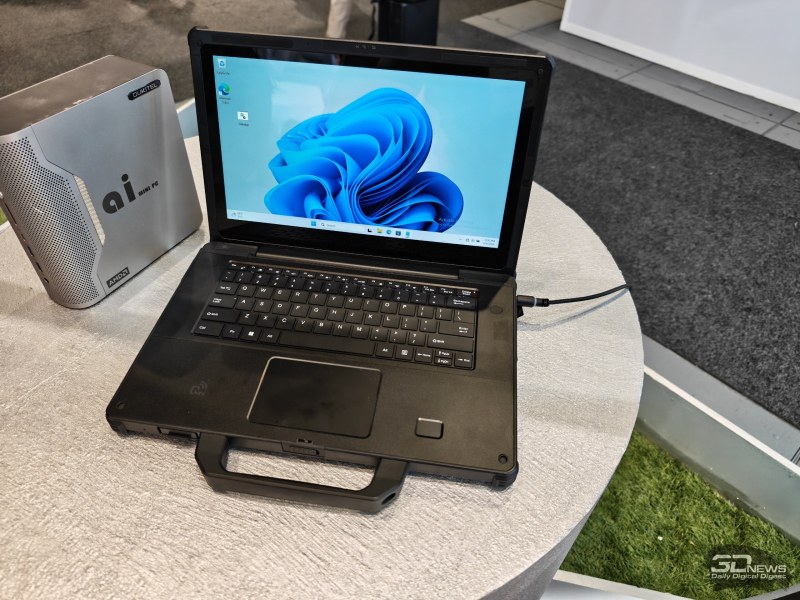
Oukitel has unveiled the RG14-P, a rugged laptop featuring an integrated solar panel on its outer lid. While built to survive drops and harsh weather, the tiny photovoltaic surface adds noticeable bulk without generating enough power for real-time field work.
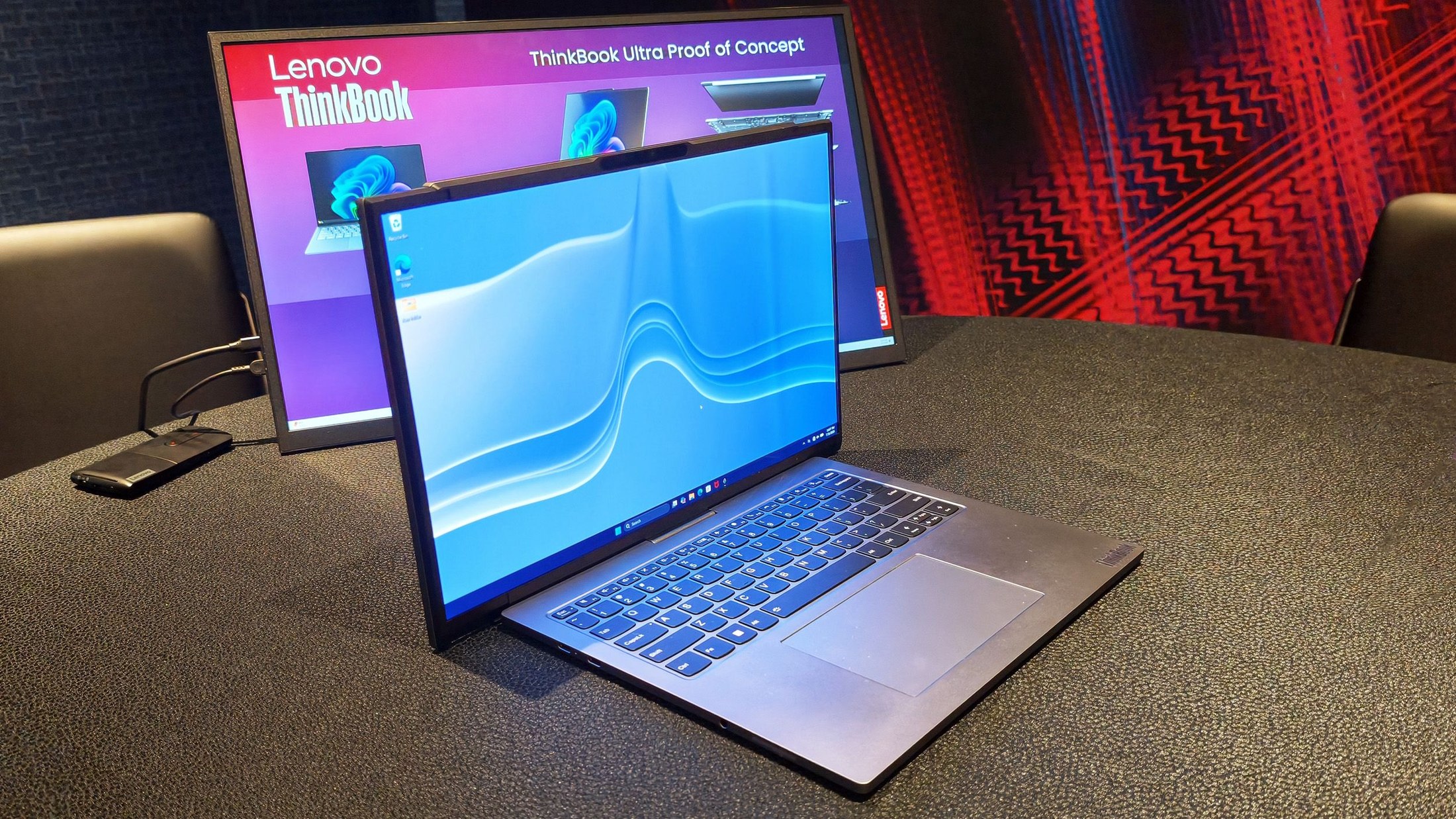
Project Swan hides a 17-inch horizontal display inside a standard 1.6 kg laptop chassis that expands at the push of a button. While it avoids the annoying middle crease of foldable devices, the moving parts invite dust and extreme price tags for frequent travelers.
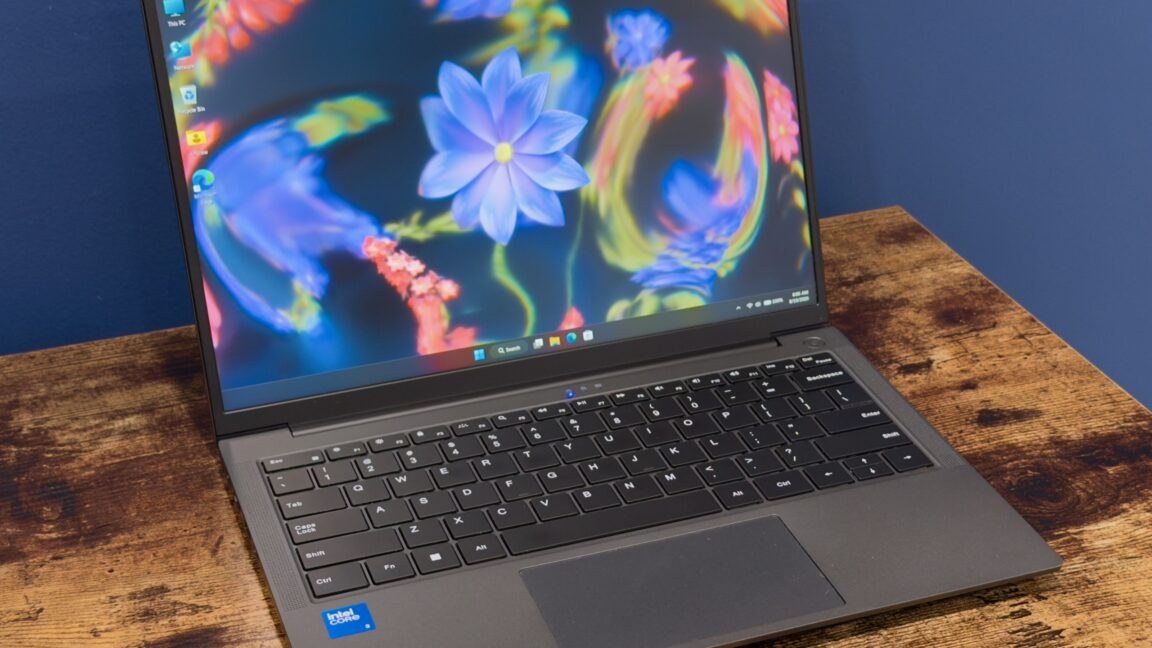
The $449 Chuwi Unibook undercuts mainstream budget laptops with modern Intel chips and built-in HDMI ports, but compromises on a flimsy aluminum chassis and a frustrating trackpad. Buyers get daily usability for light tasks at the cost of hardware refinement.
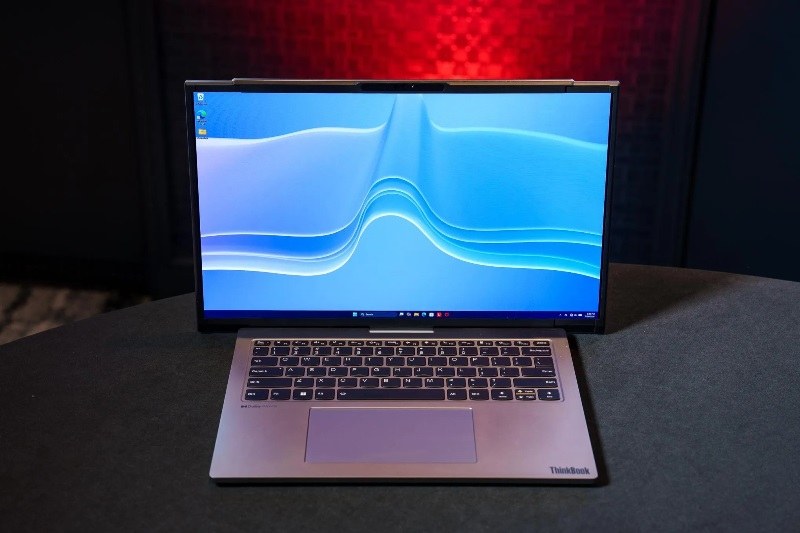
Lenovo unveiled a concept laptop that rolls out vertically from 14 to 17 inches at the push of a button. The motorized OLED panel eliminates secondary portable monitors but introduces delicate moving parts and heavy battery drain. Mainstream buyers are better off waiting for second-generation hardware.
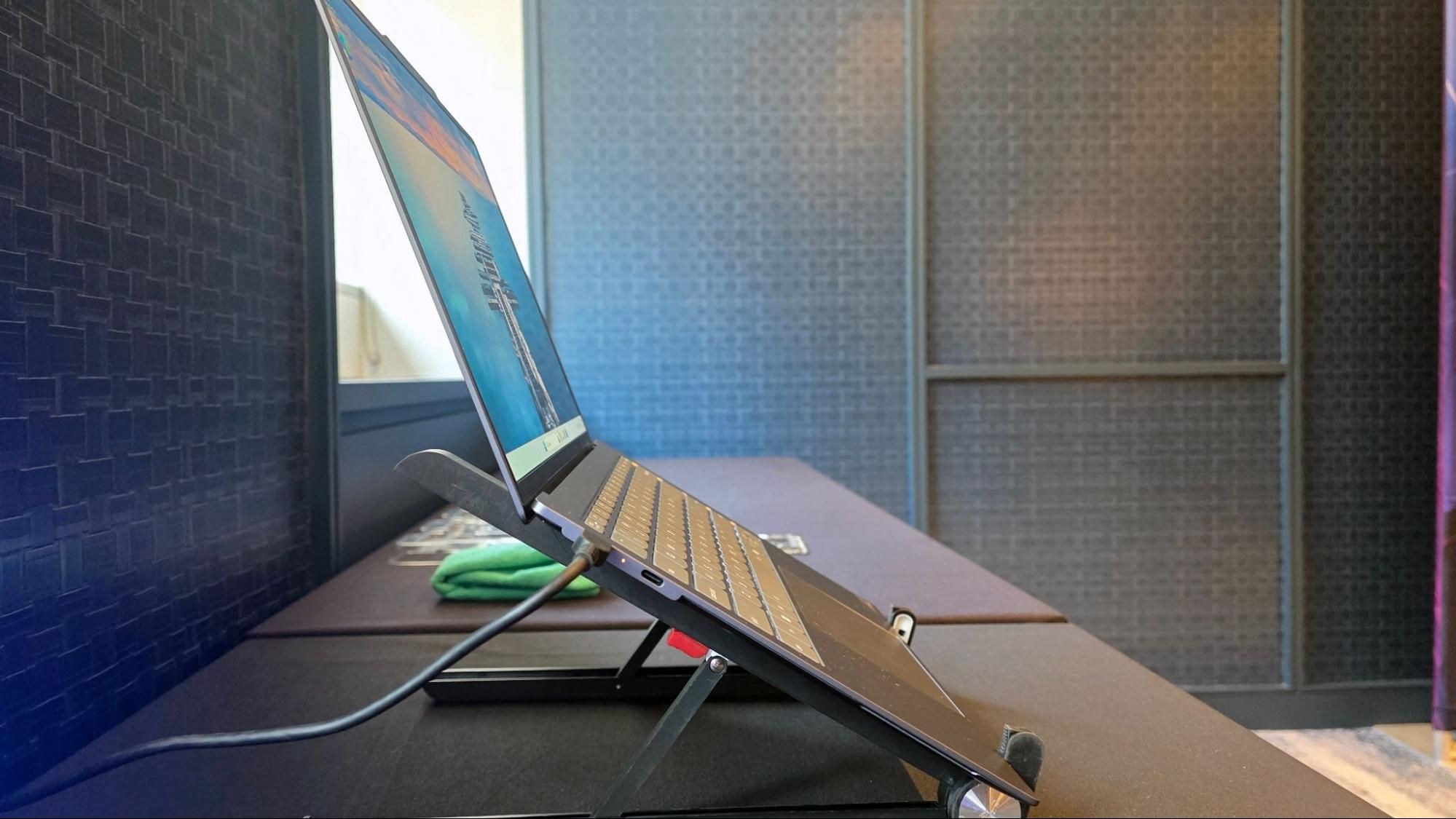
Lenovo's Project AeroBlade replaces traditional cooling fans with Frore Systems' solid-state AirJet chips, shrinking a full-performance laptop down to 830 grams. The fanless design eliminates noise and thermal throttling without adding bulk to your daily bag.

A new utility called slotstream lets you run a massive 125-billion-parameter AI model on a mid-tier MacBook Pro with 48GB of RAM. By pulling data straight from the internal solid-state drive as you type, it completely bypasses Apple's expensive memory upgrade fees without needing an enterprise workstation.
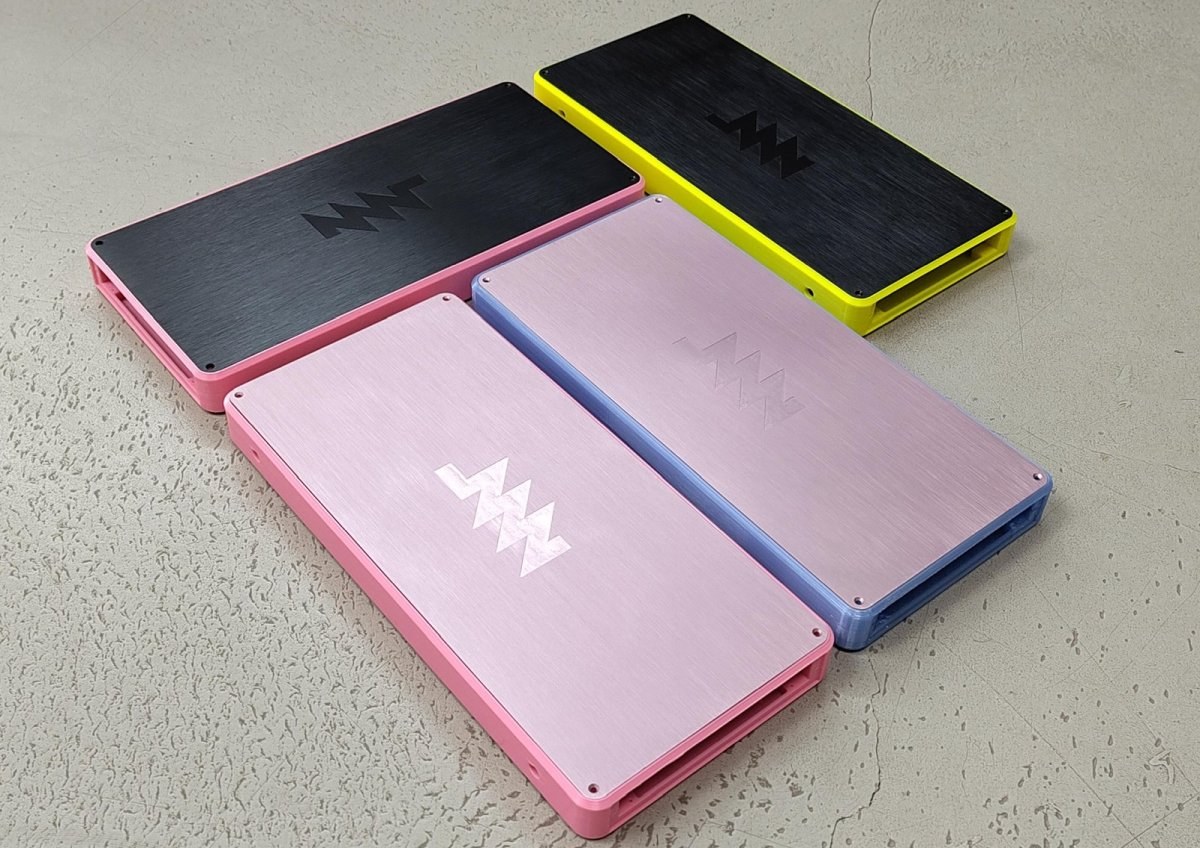
Boutique workshop MNT Research unveiled the MNT Station, an aluminum hub designed to convert retired Reform laptop motherboards into functional desktop mini-PCs. While it offers a sustainable second life for existing modular hardware owners, building a standalone setup from scratch climbs past $1,800.
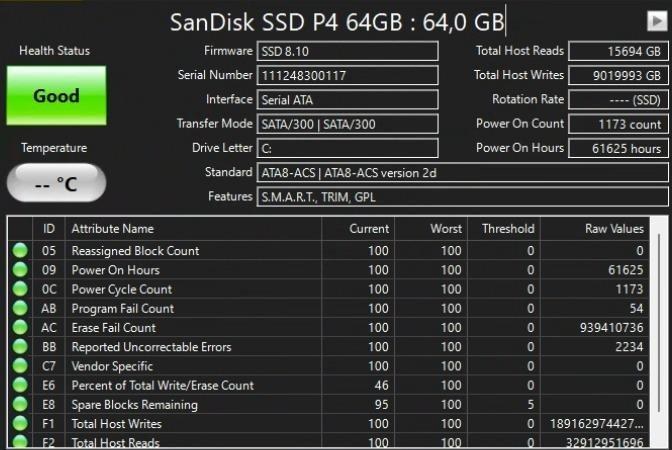
A 16-year-old 64 GB SSD survived over 140,000 full overwrite cycles before showing sector errors. The real-world torture test confirms that factory endurance ratings are legal safeguards rather than hard operational limits for everyday computer users.
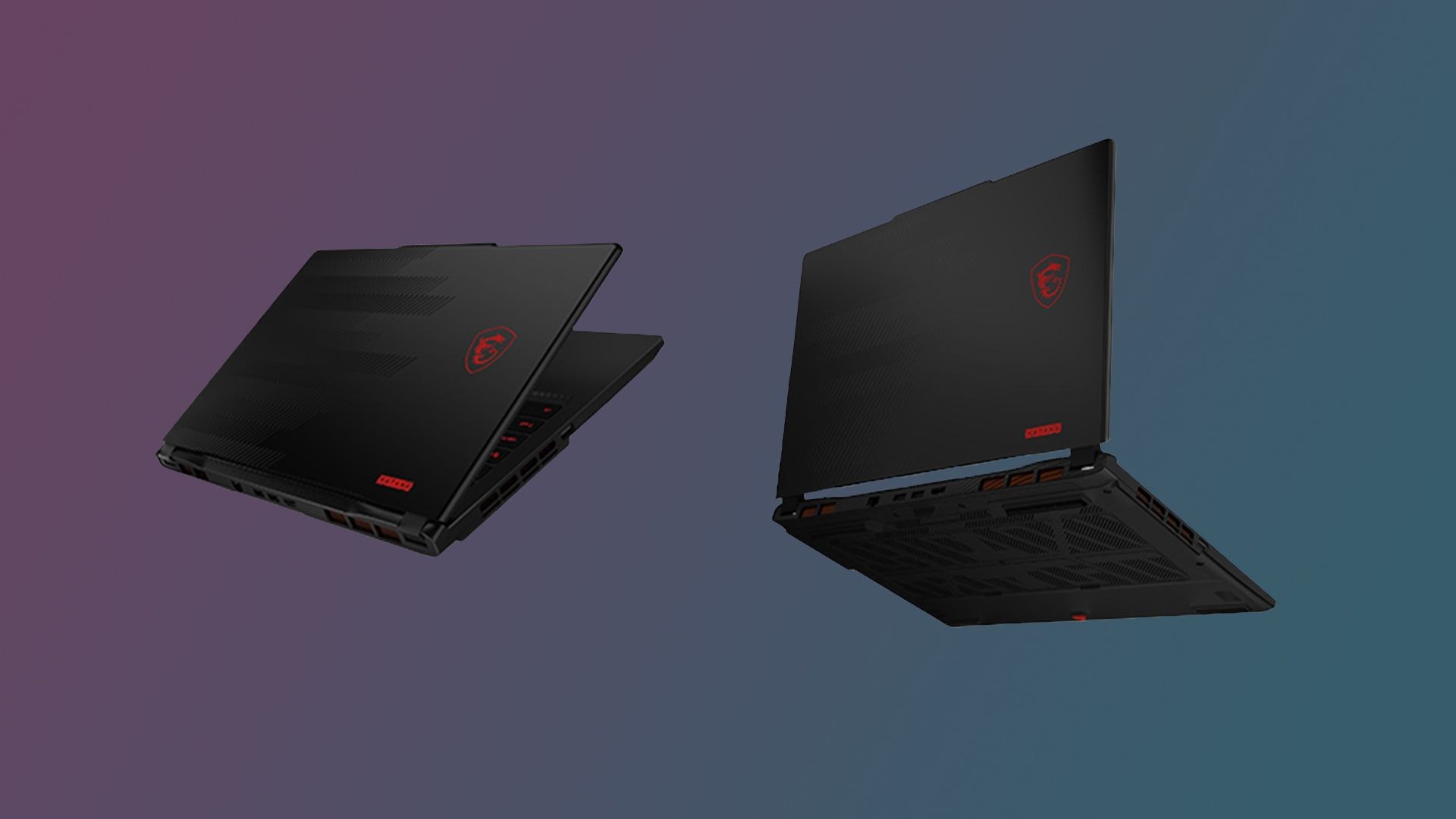
MSI unveiled the Katana 15 HX C14 laptop, pairing high-end Intel 14th-Gen processors and RTX 5070 graphics with older DDR4-3200 memory slots. The unconventional hardware mix bypasses skyrocketing $400 DDR5 kit prices to keep modern gaming rigs affordable for budget-conscious buyers.
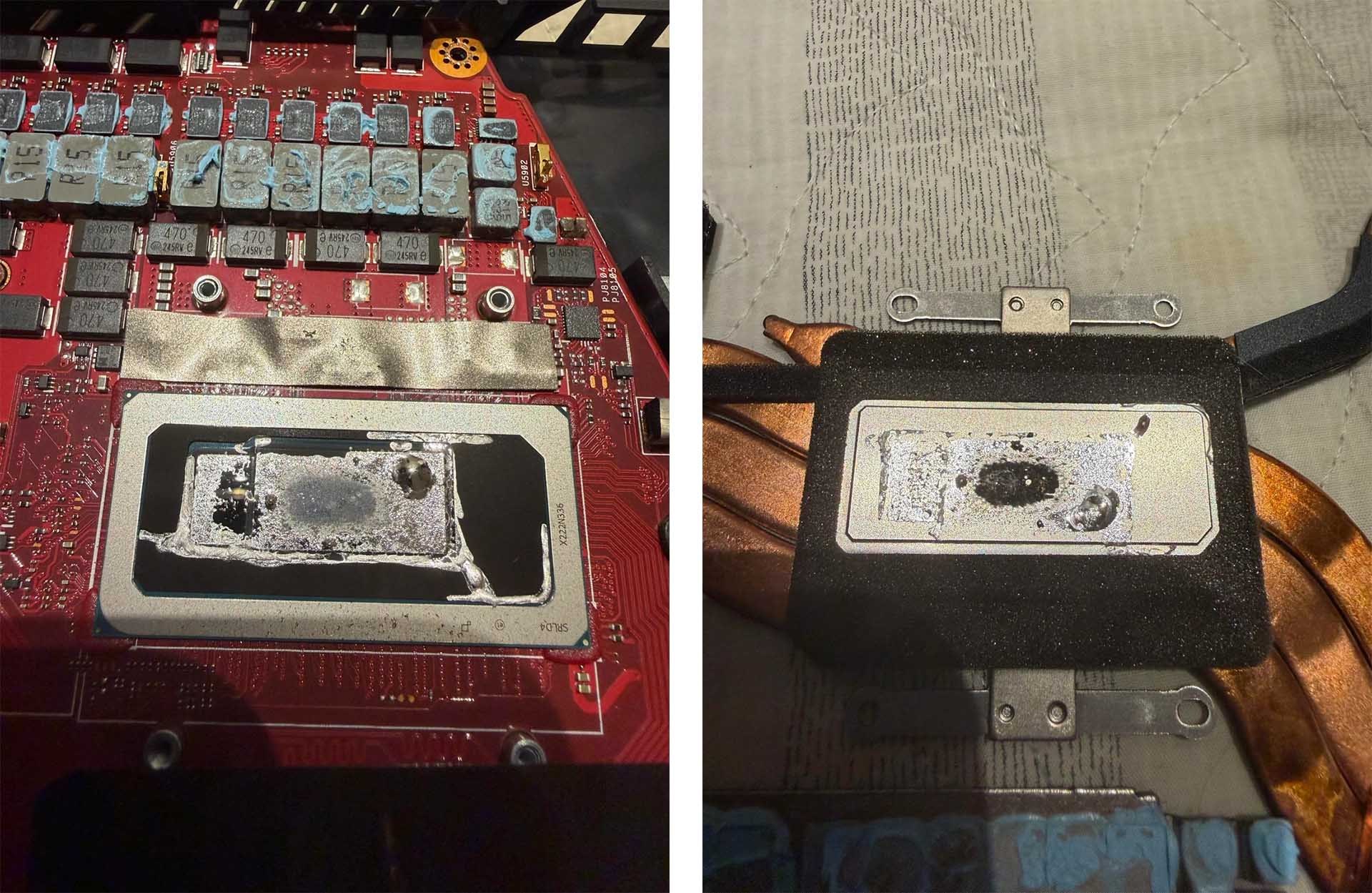
Factory liquid metal cooling helps laptops score high in review benchmarks, but gallium alloys risk corroding heatsinks and burning through motherboards during everyday use. Replacing degrading conductive compounds with non-conductive phase-change thermal pads eliminates short-circuit risks without sacrificing real-world frame rates.
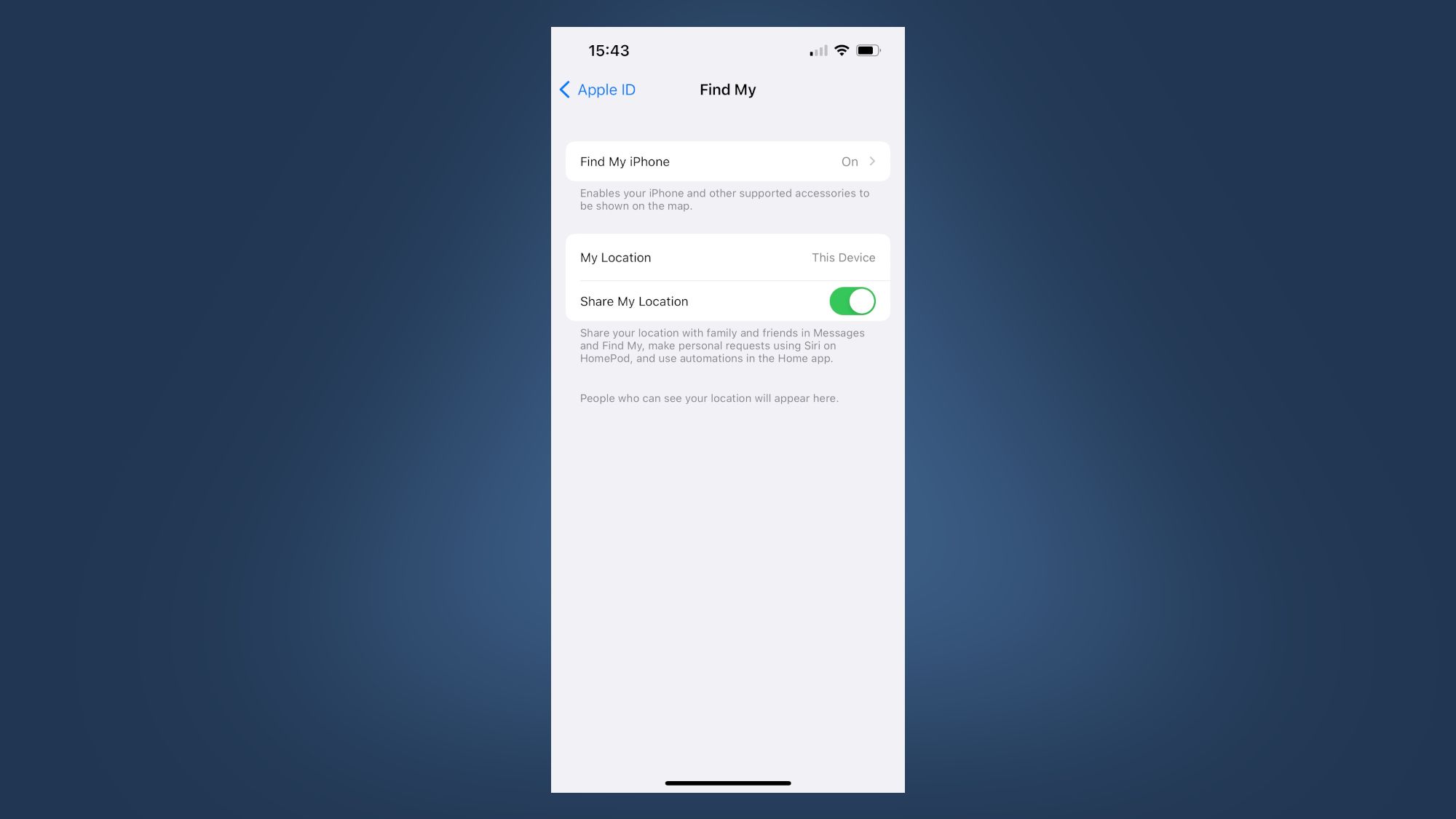
Security researcher Zerotistic reverse-engineered Apple's proprietary protocols in just seven days, allowing a standard Linux PC to act as a trusted node on the Find My network. The setup decrypts live location streams without requiring official Apple hardware or software, though it still requires prior contact authorization. The feat exposes structural flaws in Apple's reliance on security through obscurity.
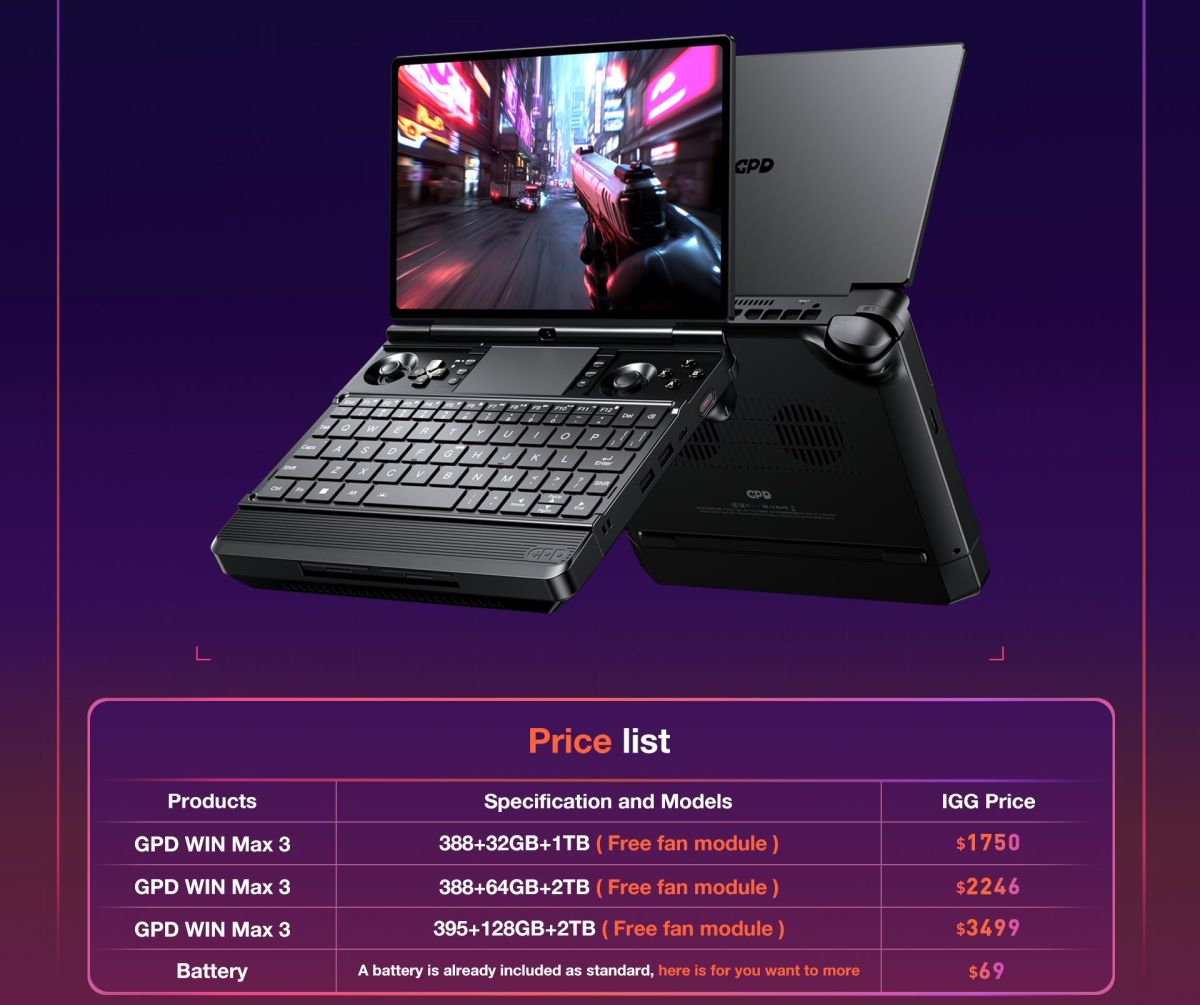
GPD revealed pricing for its Win Max 3 hybrid ahead of a September 2 crowdfunding debut, asking between $1,750 and $3,499. The device packs heavy AMD silicon and a 97 Wh removable battery into a 9-inch clamshell, but awkward trackpad placement and soldered RAM make it a tough sell over buying a separate laptop and handheld.
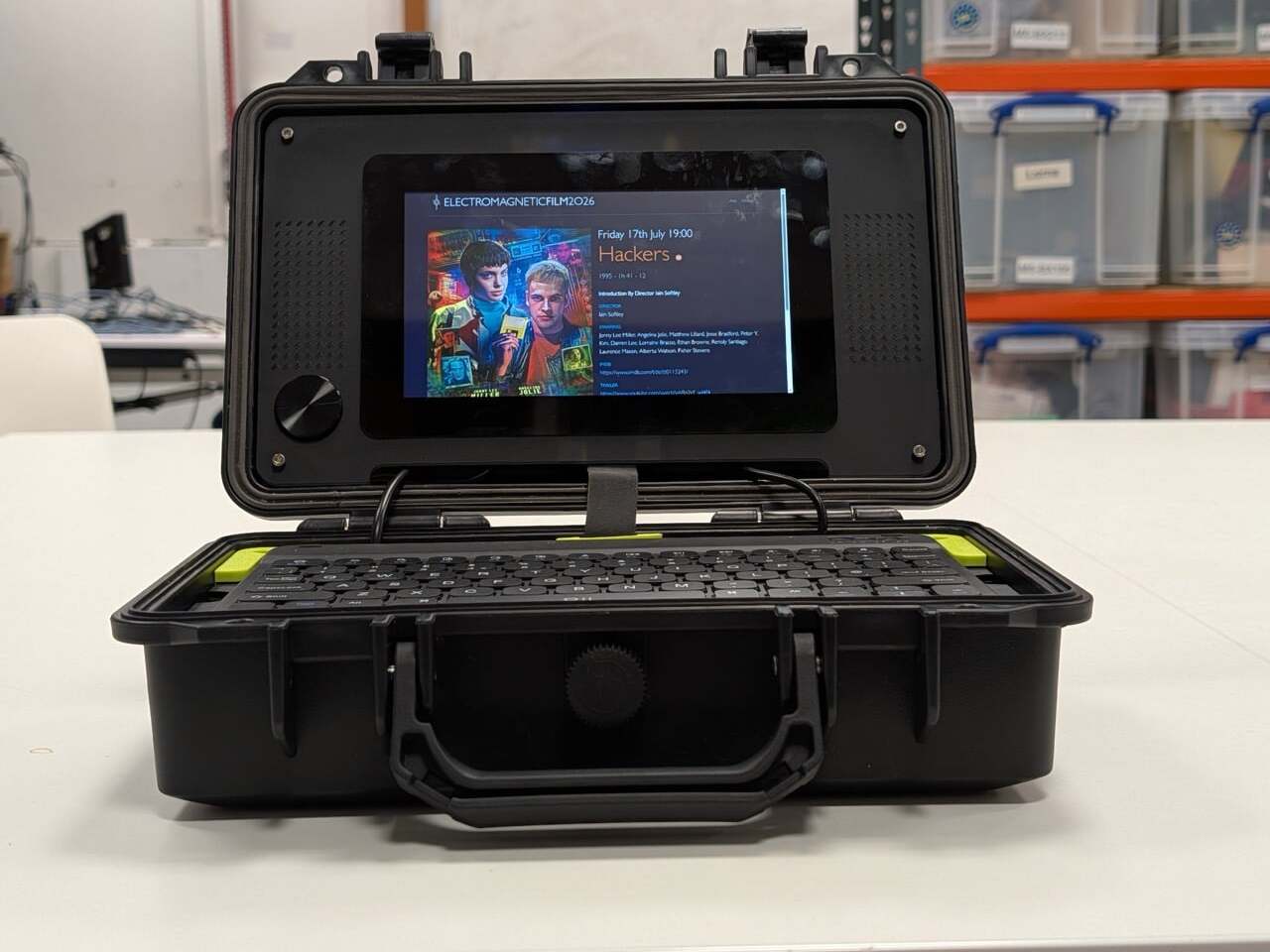
Raspberry Pi released an official build guide for an indestructible, Pelican-style field computer made entirely from off-the-shelf parts. The $250 setup eliminates fragile laptop frames and allows quick, cheap component swaps directly in the wild.

High token generation speeds on laptops do not guarantee quick answers. Benchmark tests show compact local models finish tasks faster and outscore massive cloud systems simply by eliminating unnecessary internal reasoning.

Researchers launched two lightweight speech recognition models designed to run voice transcription entirely inside web browsers and on local silicon. The architecture strips out heavy server-side components to deliver instant speech-to-text without cloud subscriptions or Wi-Fi dependency.

Engineers have developed microscopic oxygen barriers that prevent vertical 3D memory from corroding and overheating under heavy loads. The breakthrough solves a major bottleneck for on-device AI, ensuring future smartphones can run intense local models without burning through battery life or degrading performance.

Researchers from the University of Waterloo and MIT revealed that built-in safety filters fail across every major open-weight AI model once weights are modified locally. Without effective software guardrails, hardware makers will likely lock neural processing chips inside closed sandboxes to prevent malicious use on consumer devices.

Startups are pitching autonomous digital butlers to automate everyday tasks across computers and phones. Operating these tools requires handing over unvetted access to screens, keystrokes, and accounts, creating severe security liabilities for regular hardware users.

JetBrains launched Junie Local to run autonomous coding tasks entirely on-device without cloud subscriptions. The tool relies on a 20 GB Qwen model that demands at least an Apple M5 processor and 64 GB of unified memory to work smoothly.

Baseus has launched the PicoGo AR11, a 20,000 mAh power bank with an integrated retractable USB-C cord and 100W output for roughly $45 in China. It eliminates the need for separate charging cables for laptop travelers, though the moving parts could pose long-term durability issues.
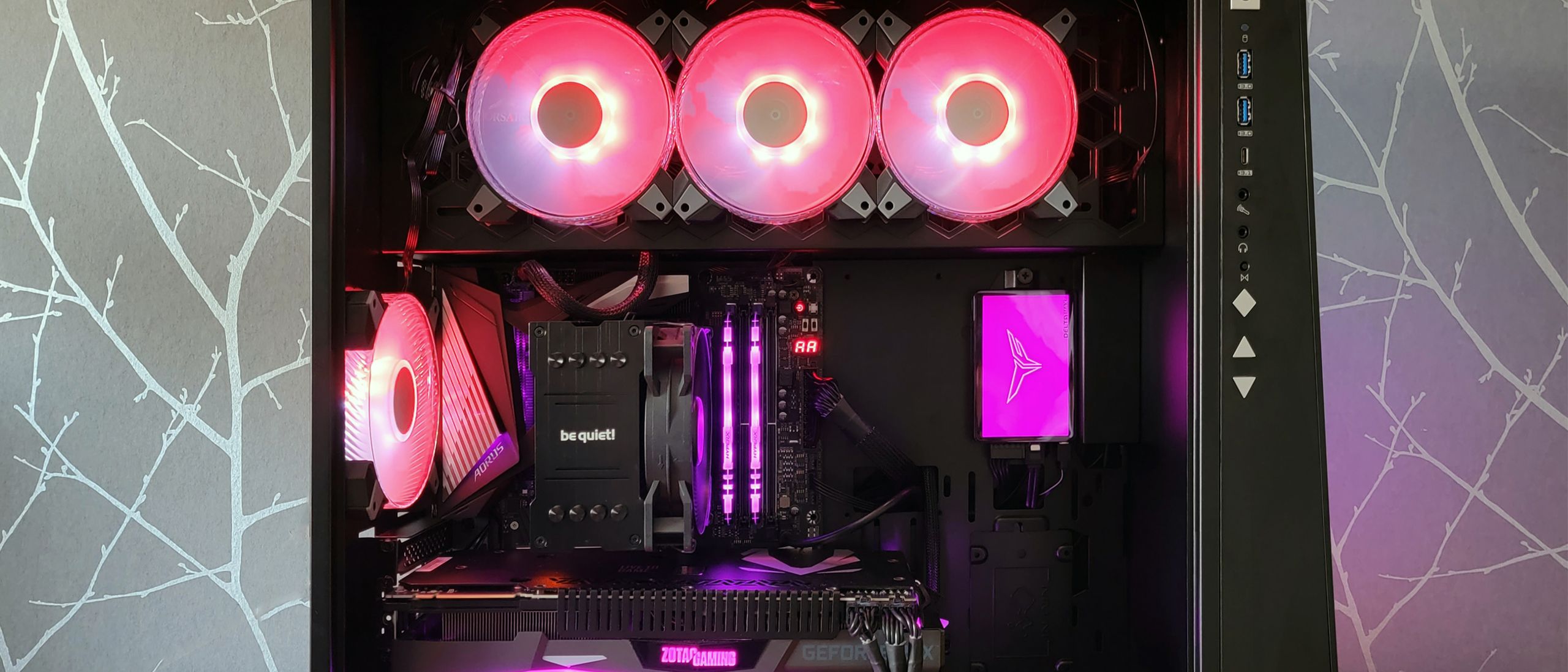
Microsoft confirmed that update KB5121003 triggers blue-screen crashes in games like The Finals due to third-party RGB accessory software running vulnerable kernel drivers. Game anti-cheat systems block these low-level utilities, causing fatal memory violations. Switching to built-in Windows Dynamic Lighting resolves the issue without sacrificing basic controls.
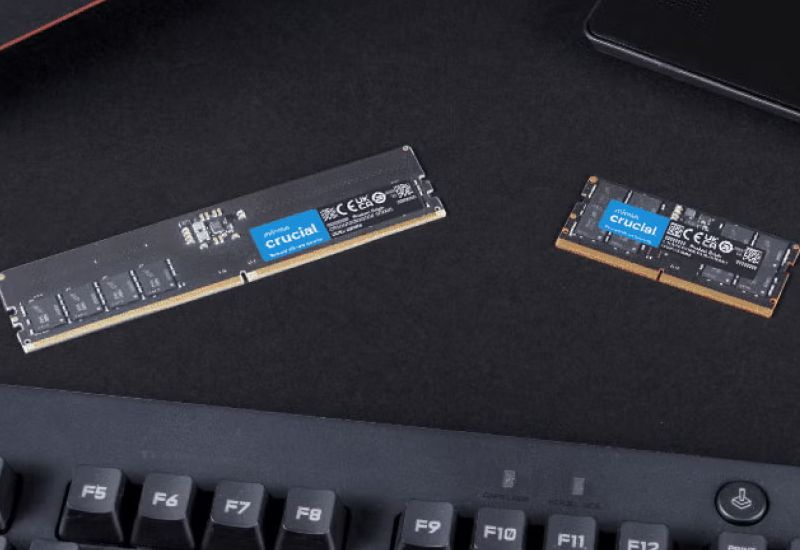
Automated scalping bots are sweeping online retailers clean of DDR5 memory modules, driving up prices across both individual components and pre-built laptops. The supply squeeze leaves everyday consumers facing inflated hardware costs, though systems running on DDR4 still deliver ample performance for most daily tasks.
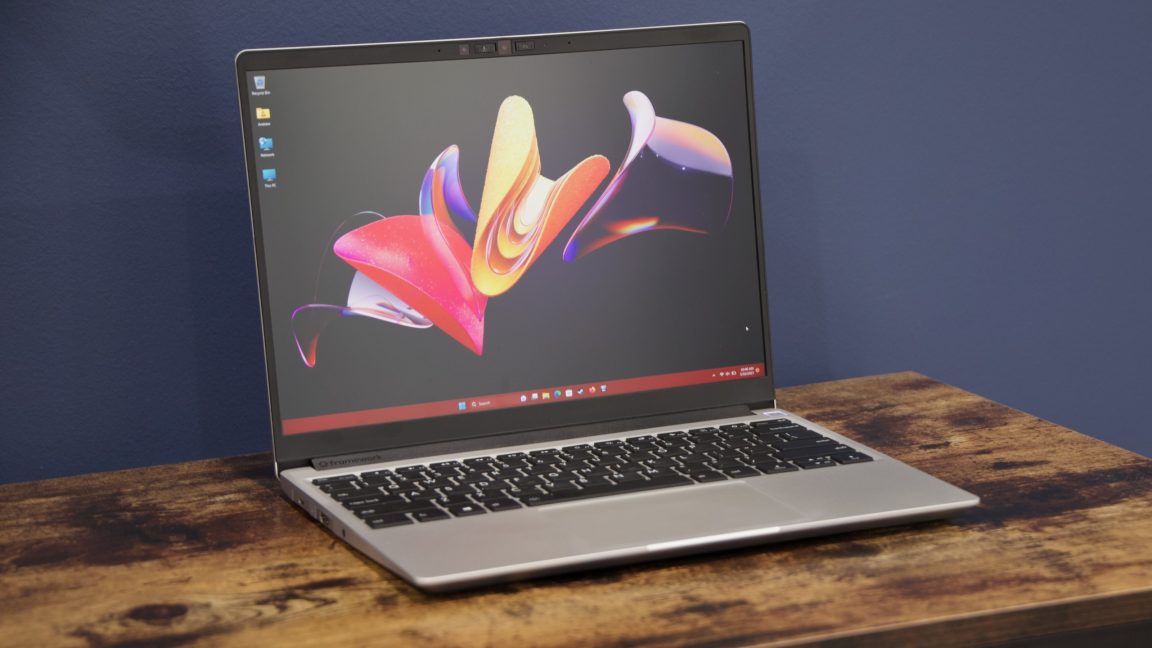
Framework Laptop 13 models powered by AMD Ryzen 7040 silicon are failing mid-update during BIOS 3.20 installations, rendering mainboards completely unresponsive. The hardware maker has paused recommendations for the patch, expanded warranty replacements to out-of-warranty devices killed by the update, and started developing a dedicated crisis recovery mode.
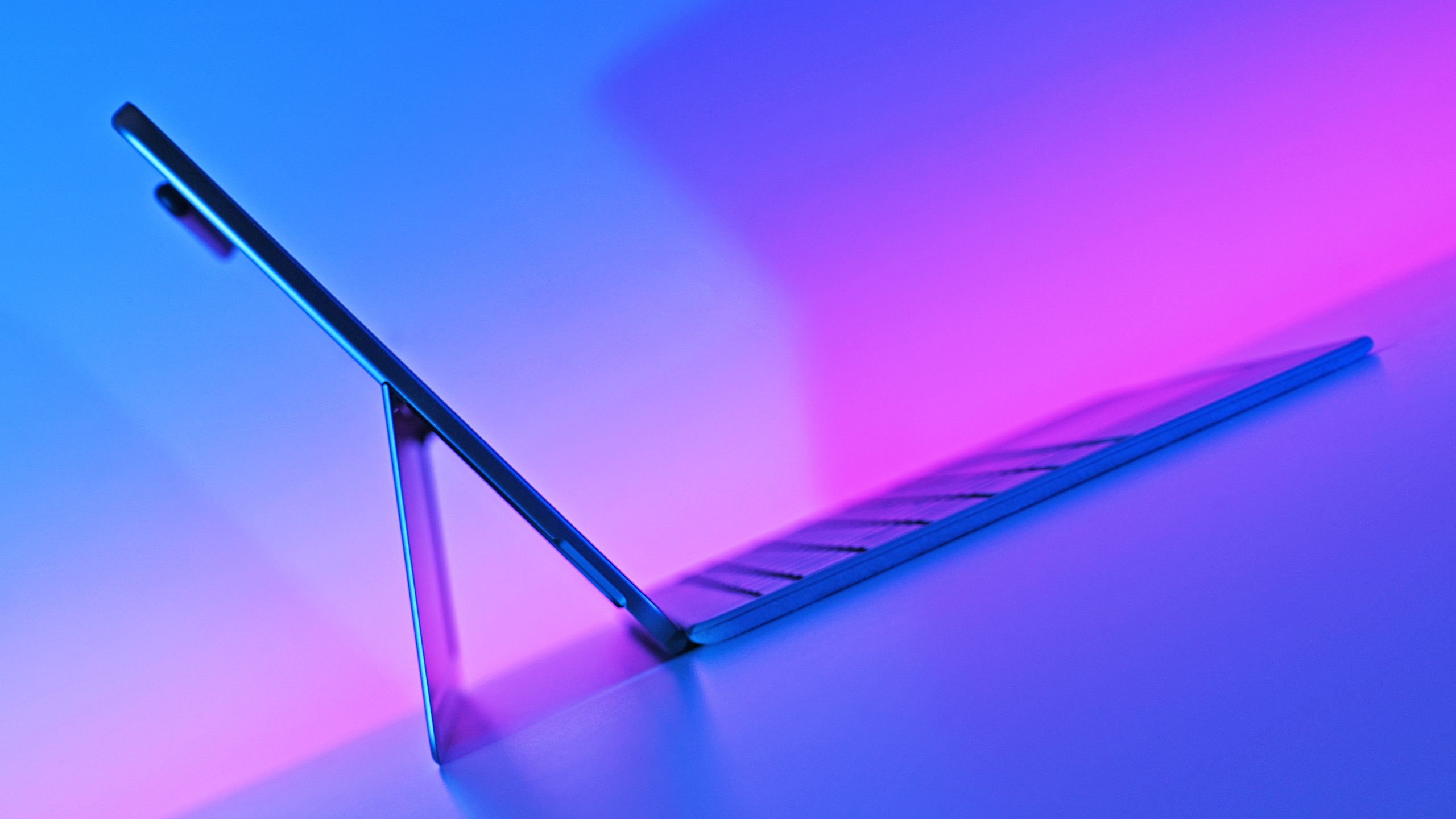
Microsoft's KB5121003 update breaks both Teams and the new Outlook across Snapdragon X laptops, including the Surface Laptop 7. Rollbacks and factory resets fail once the OS updates again, exposing severe stability risks for corporate deployments.

Simulated bit-flips on an FP16 Qwen2.5-Coder model proved that corrupting a single high-order weight bit drops coding benchmark accuracy from 85% to complete failure. Unshielded edge hardware and orbital data centers risk catastrophic errors without dedicated ECC memory architectures.

Modern small language models from 1B to 13B parameters now run efficiently on standard consumer laptops using 4-bit quantization. Shifting high-volume document search and code assistance to local VRAM eliminates recurring API token costs and data privacy risks.