
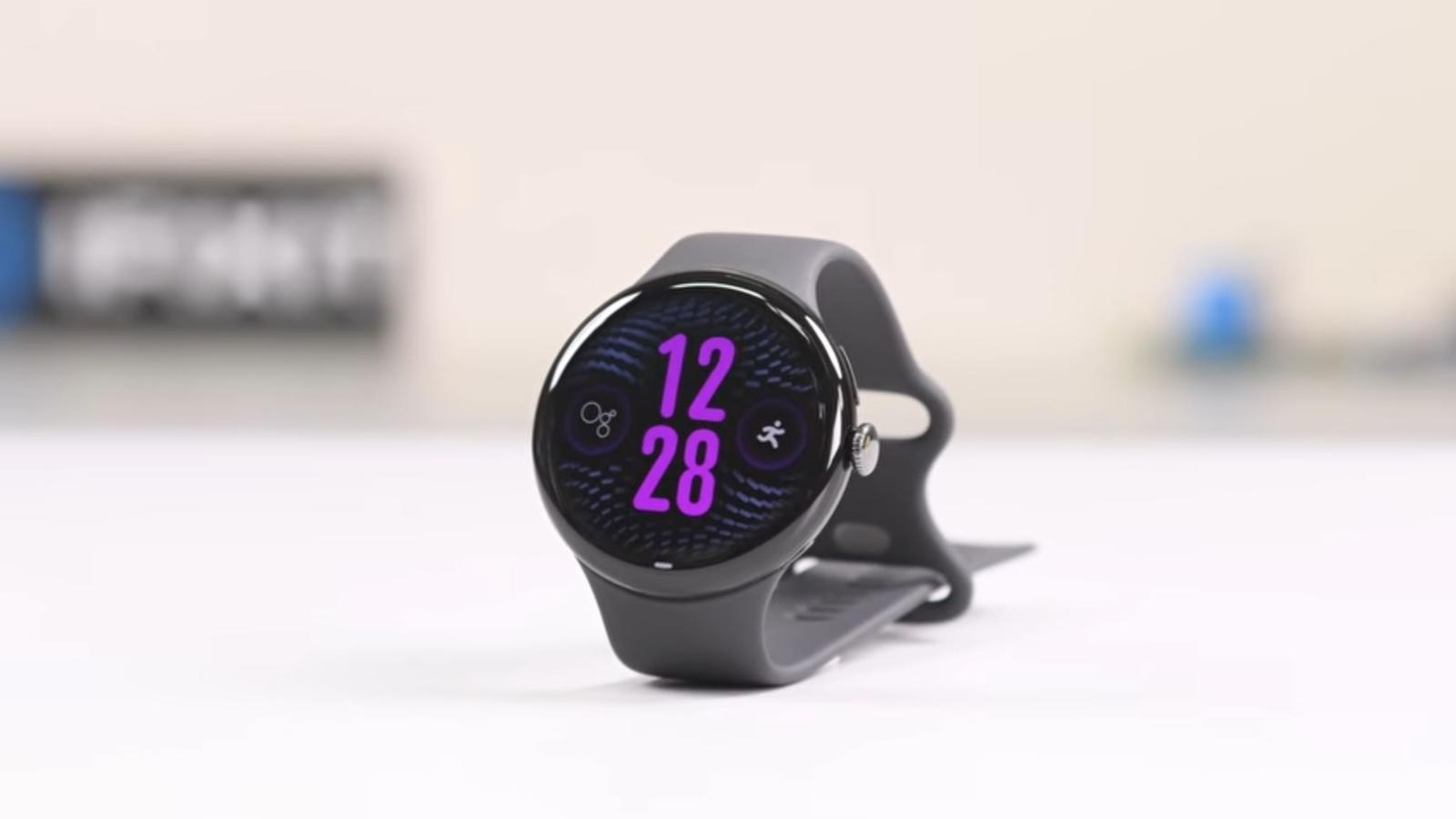
 nine out of ten on the iFixit repairability scale is almost unheard of in the smartwatch market. For years, Apple and Samsung conditioned consumers to accept that wearable tech is an impenetrable sandwich of glass and glue. Once a battery degrades after two years or a screen hits the pavement, official repair centers typically offer a full-price replacement under the pretext of maintaining water resistance. Google is now breaking that playbook for the second year in a row.
No Heat Guns or Glue
Instead of messy adhesive, Google engineers opted for mechanical latches and a traditional rubber O-ring gasket—a proven solution borrowed from traditional watchmaking. To reach the internal components, a local repair technician no longer needs a heat gun that risks damaging the display and sensors. Removing the back cover takes just two screws.
Inside, technicians get direct access to the battery, haptic motor, and motherboard, while color-coded screws prevent assembly mistakes.
Google publishes official repair manuals and supplies OEM spare parts, making the hardware genuinely serviceable.
This fundamentally alters the total cost of ownership: replacing a dead battery now costs a modest labor fee rather than the price of a brand-new device.
Internal Specs and Remaining Hurdles
The 45mm model runs on a Qualcomm Snapdragon W5 Gen 2 Accelerated chip, paired with 3 GB of RAM and 64 GB of storage. Battery capacity increased to 465 mAh—a modest 2.2% bump over the prior generation—with the critical difference being that this battery is easily swappable. The only remaining pain point is replacing a cracked screen, which still requires navigating a delicate bracket and press-fit connector.
Even so, Google has set a precedent. While competitors keep sealing electronics into disposable pods, this design proves that water resistance can coexist with modularity and affordable repairs.