
#Batteries and Charging
73 stories on this topic, newest first.
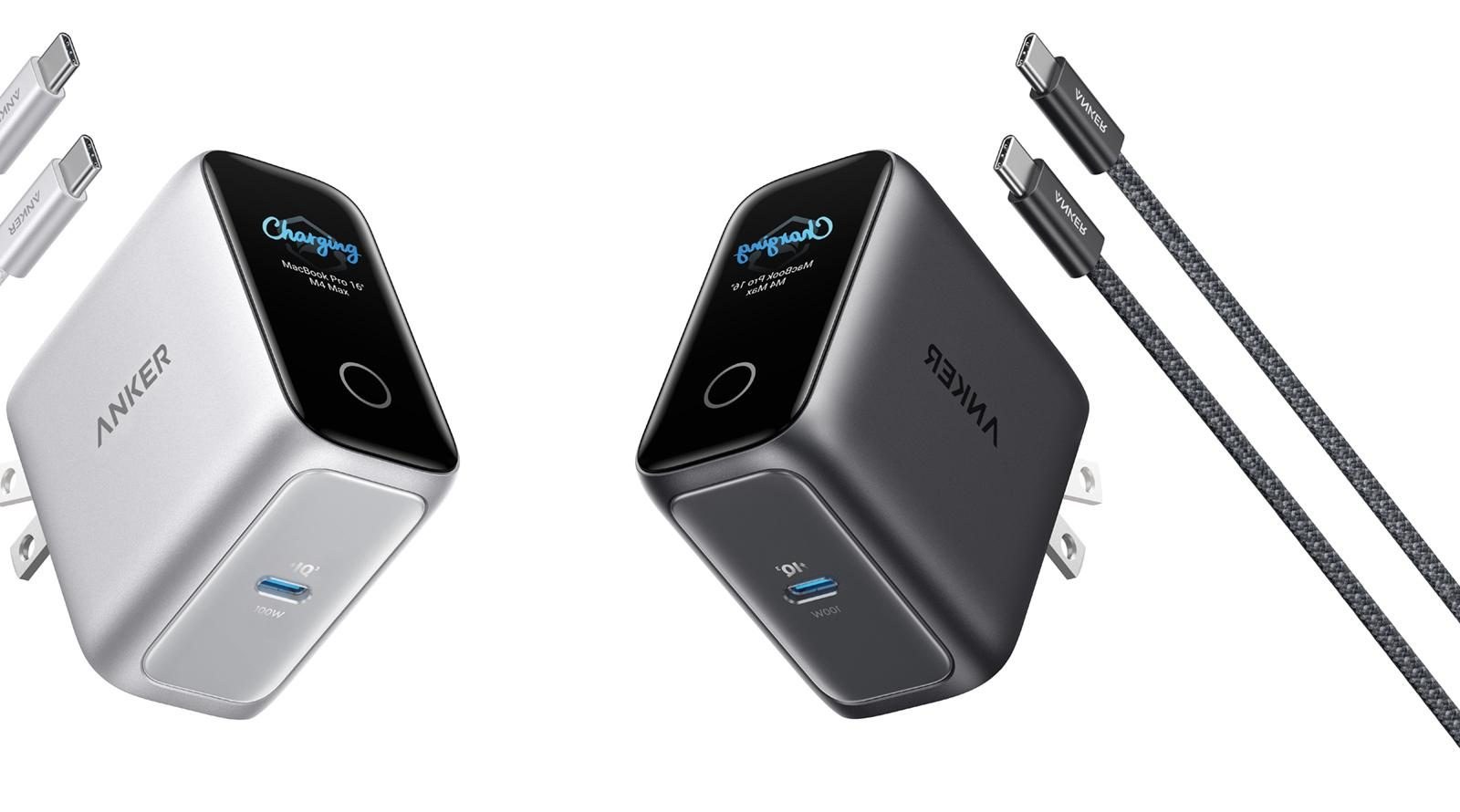
Anker's $60 Laptop Charger Pro packs 100 watts, a display, and battery-care modes into a tiny brick, but drops its design down to a single USB-C port. You trade everyday multi-device charging convenience for a tiny screen and dubious battery lifespan gains.
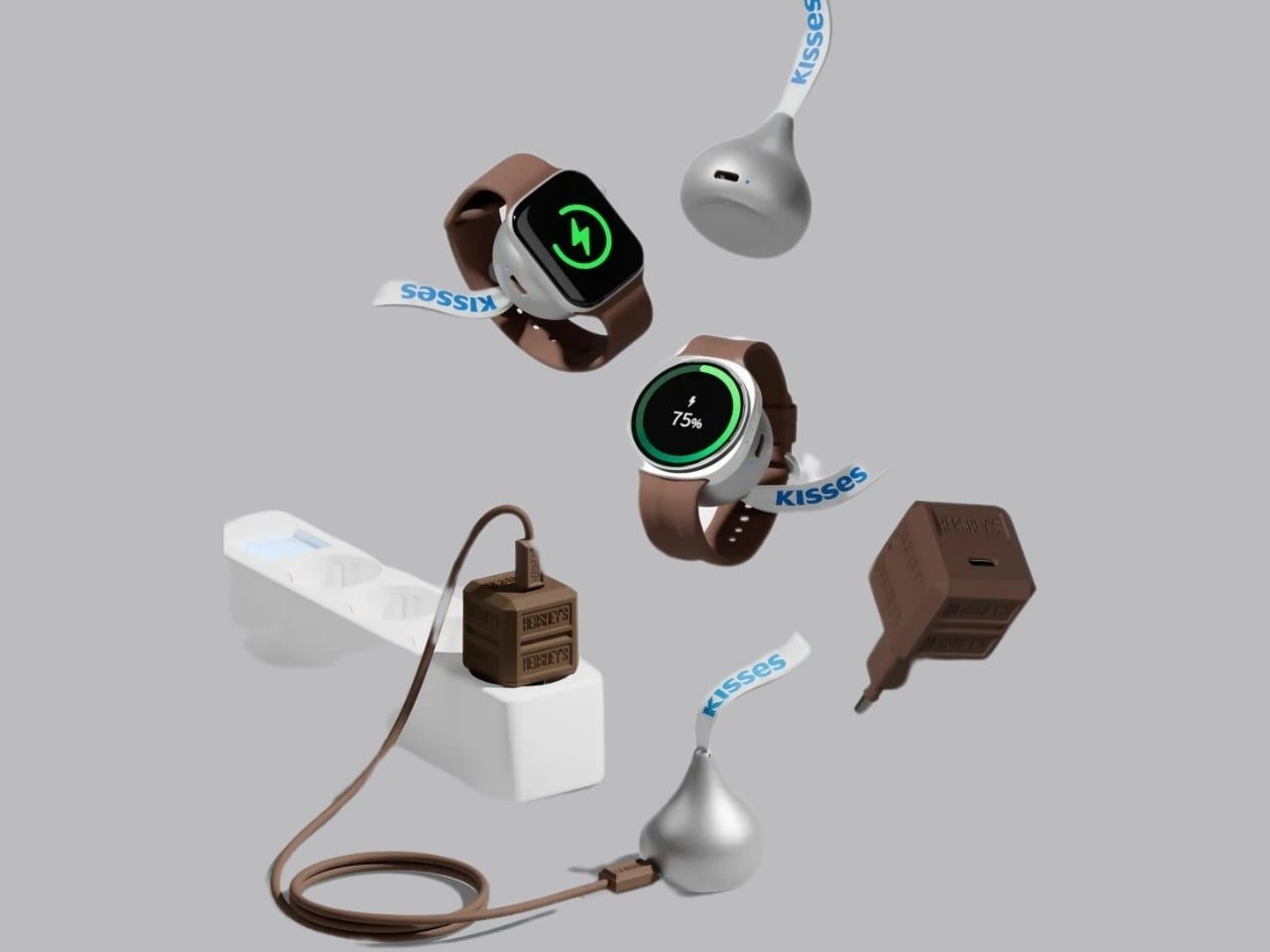
miniduct has turned a 40-gram emergency battery for Apple and Galaxy watches into a replica of a Hershey’s Kiss. Equipped with a 700mAh capacity and an auto-aligning magnetic mount, it serves as a desktop stand and a pocket-sized backup for dying wearables.
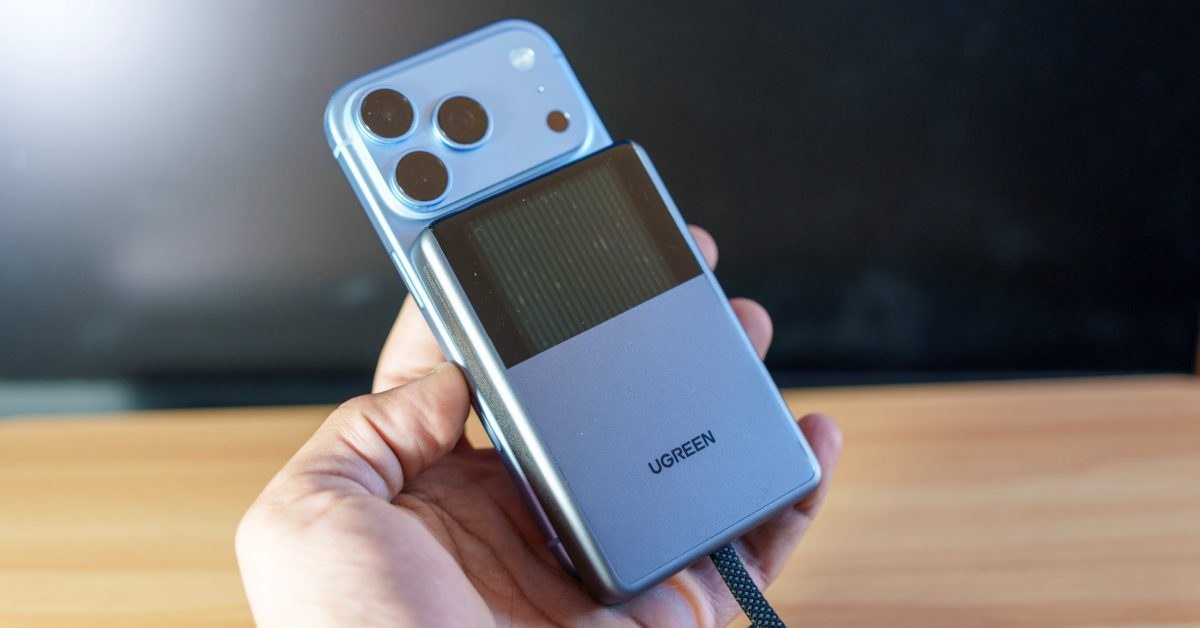
UGREEN added a swirling liquid cooling loop to a 10,000 mAh MagSafe power bank to tame 25W wireless charging heat. At $95 to $149, it looks like a sci-fi prop, but the chunky chassis lacks a kickstand and changes how your phone sits in your hand.

The latest Amazon Kindle lineup ditches glued enclosures for removable back panels and built-in battery health diagnostics. European Union regulations forced the shift, turning disposable e-readers into devices you can actually fix yourself.
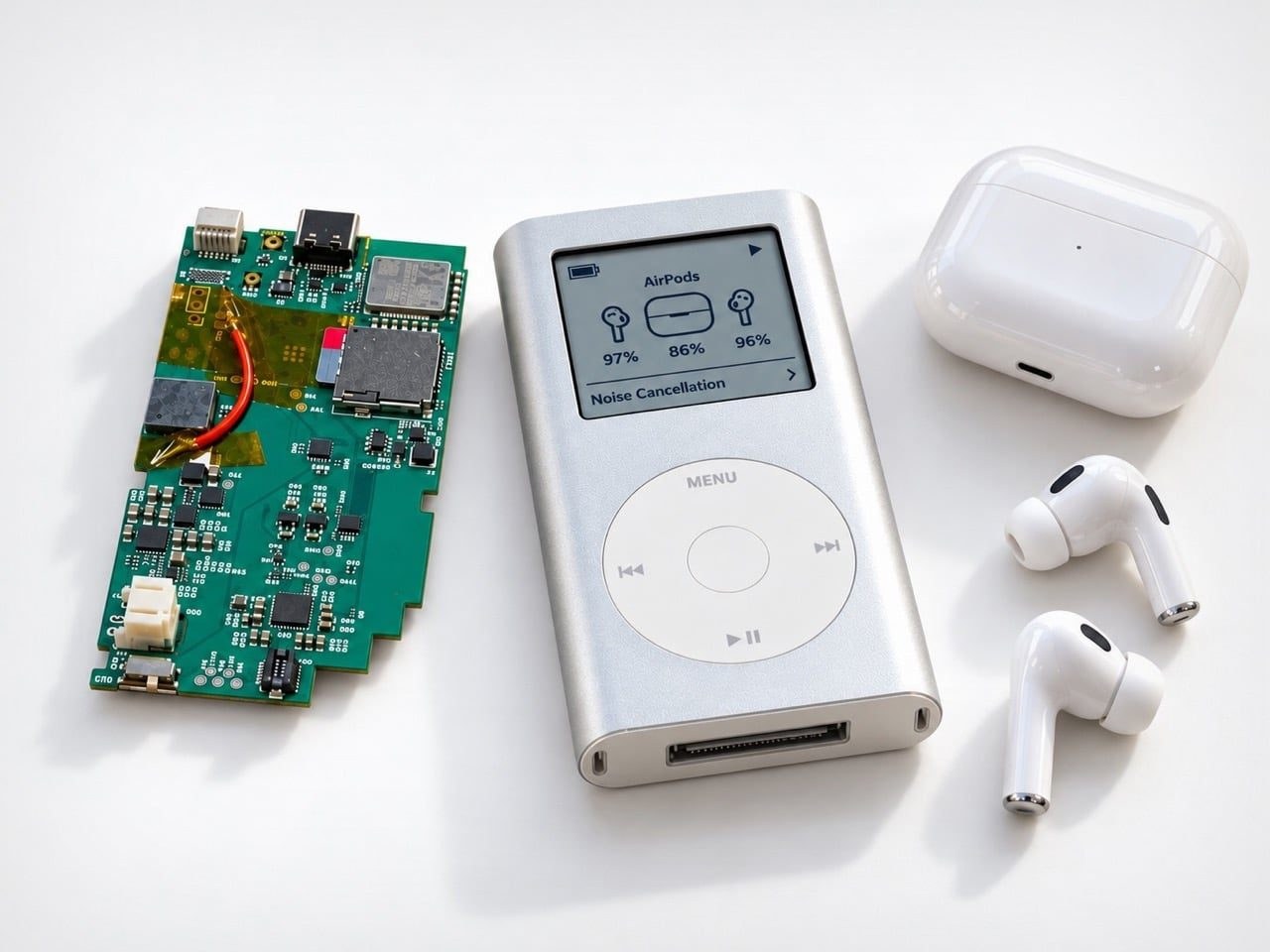
London-based Certain Things has designed a drop-in replacement motherboard that upgrades classic 2004 iPods with modern wireless pairing, USB-C, and up to 2TB of storage.

DJI's automated mechanical dock swaps dead drone batteries in under 25 seconds to eliminate hours of charging downtime. At $25,100 bundled with the Matrice 5TD, it transforms security surveillance into a heavy capital investment.
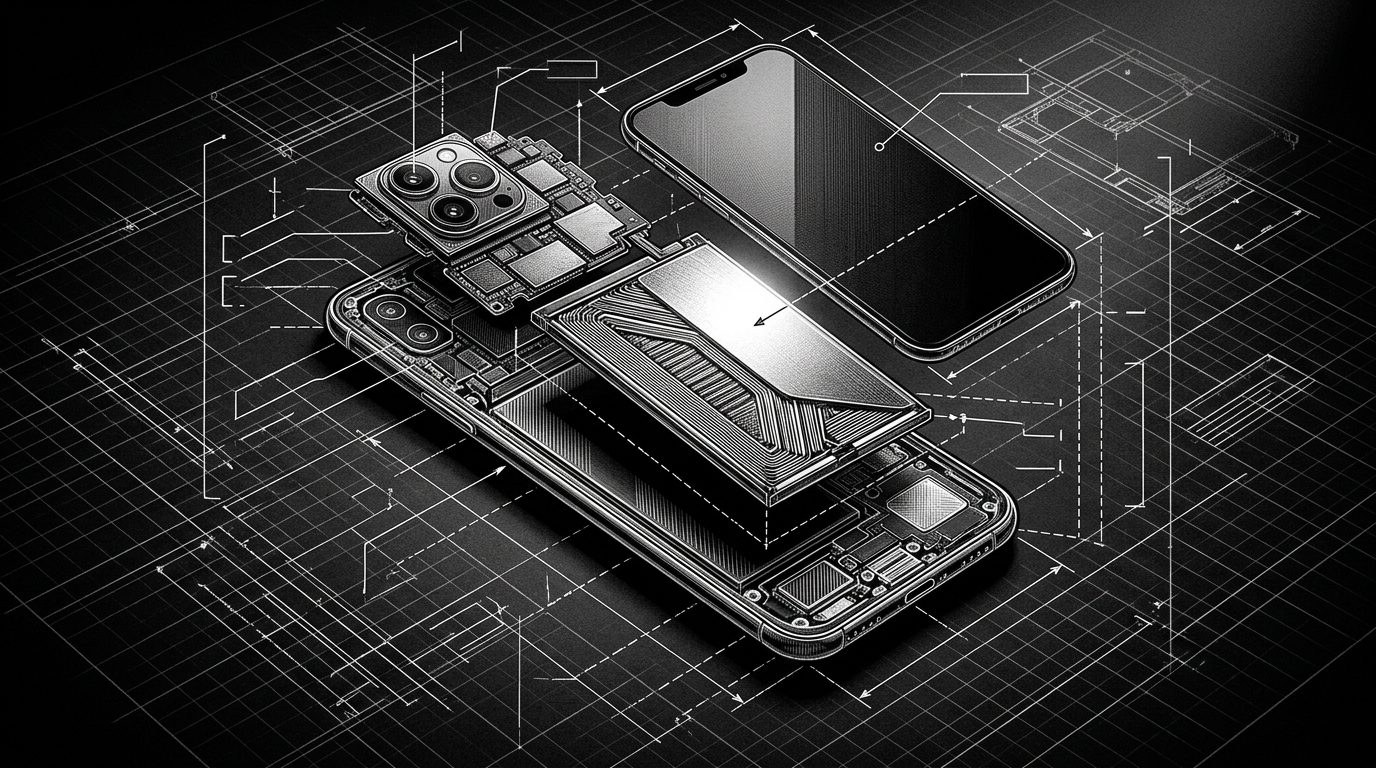
The new OnePlus 16 solves daytime battery anxiety with a colossal 9,000 mAh cell and top-tier Snapdragon chips. However, buying one outside China means dealing with missing local warranty support and frustrating software import workarounds.
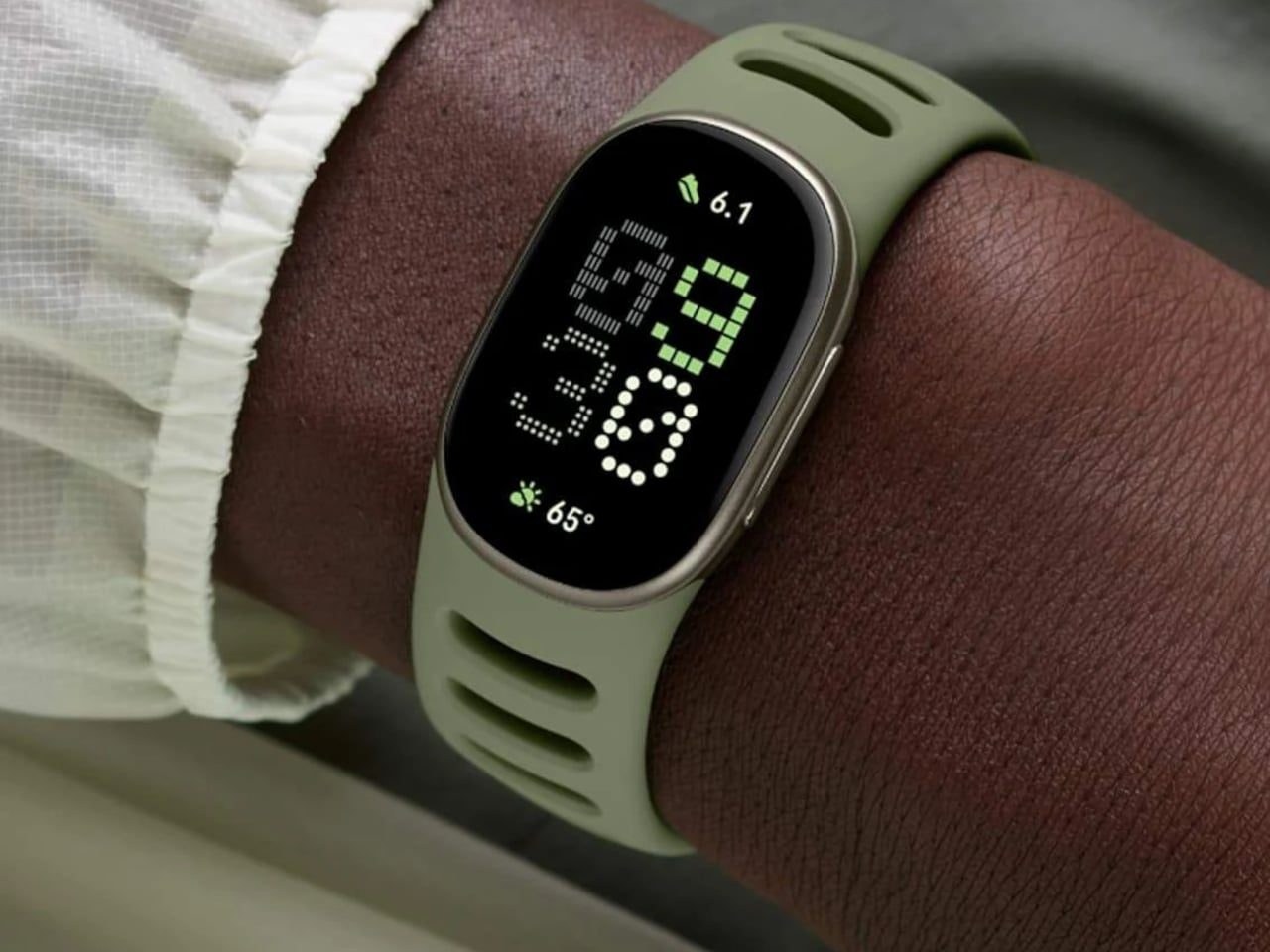
The new Google Fitbit Edge features a modular design built to let you replace a dead battery instead of tossing the entire device into the trash. However, swapping the power cell requires specific tools and regional repair support rather than a quick pop-open fix at home.
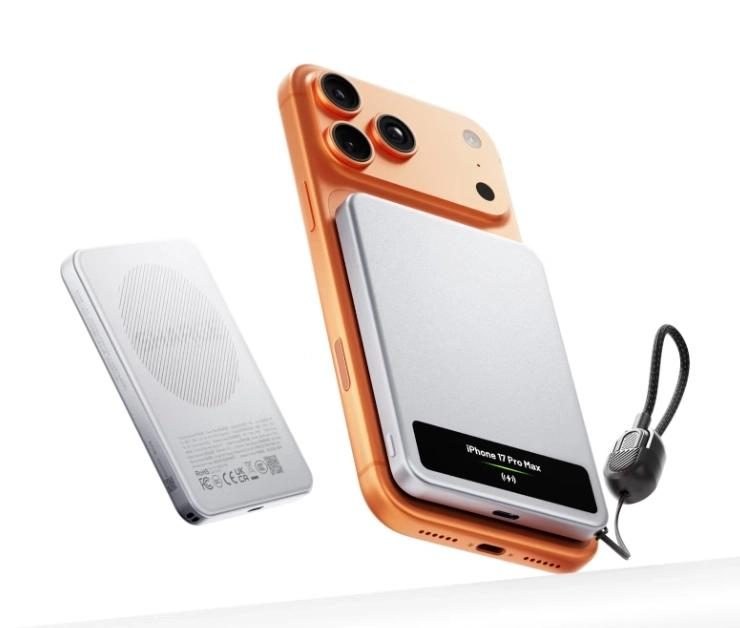
Sharge released the Vision Mag magnetic power bank featuring a real-time power display and a $30 price tag. It delivers fast-charging protocol support in an 11.7 mm metal body for everyday carry.
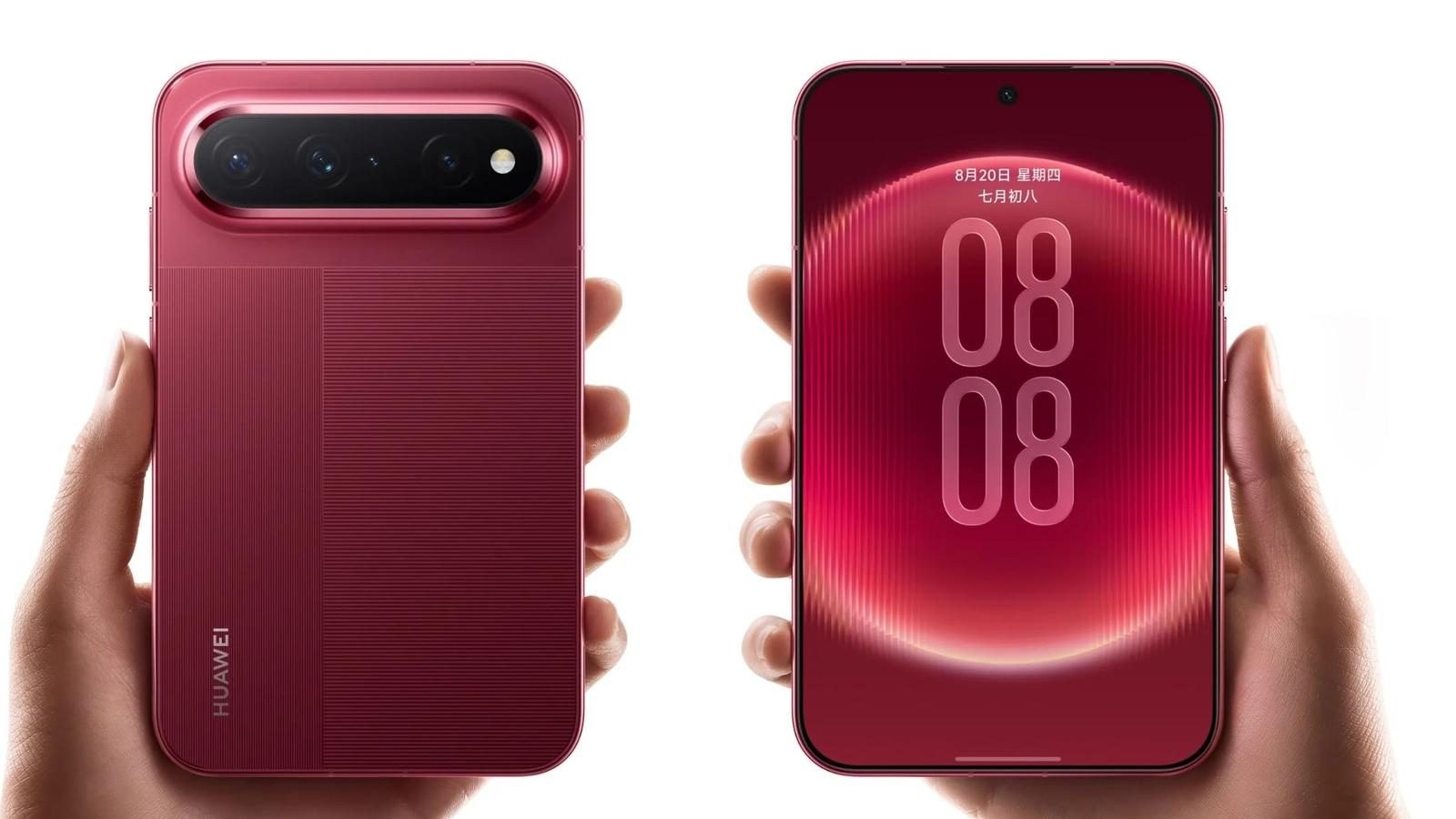
The unusually proportioned Huawei Pura X View has become a runaway hit, triggering severe retail shortages and heavy reseller markups. Buyers are ditching narrow screens for a wider format, defying manufacturer volume expectations.

Engineers built a walking robot that runs entirely on kinetic energy without a battery. However, real-world physics means your phone charger and daily gadgets are safe for the foreseeable future.

Amazon is tackling the ultimate smart home fear with the Ring Smart Lock, featuring a built-in manual hand-crank to revive dead batteries. Slated for a US release in early 2027, the device integrates directly with Alexa and Amazon Sidewalk.
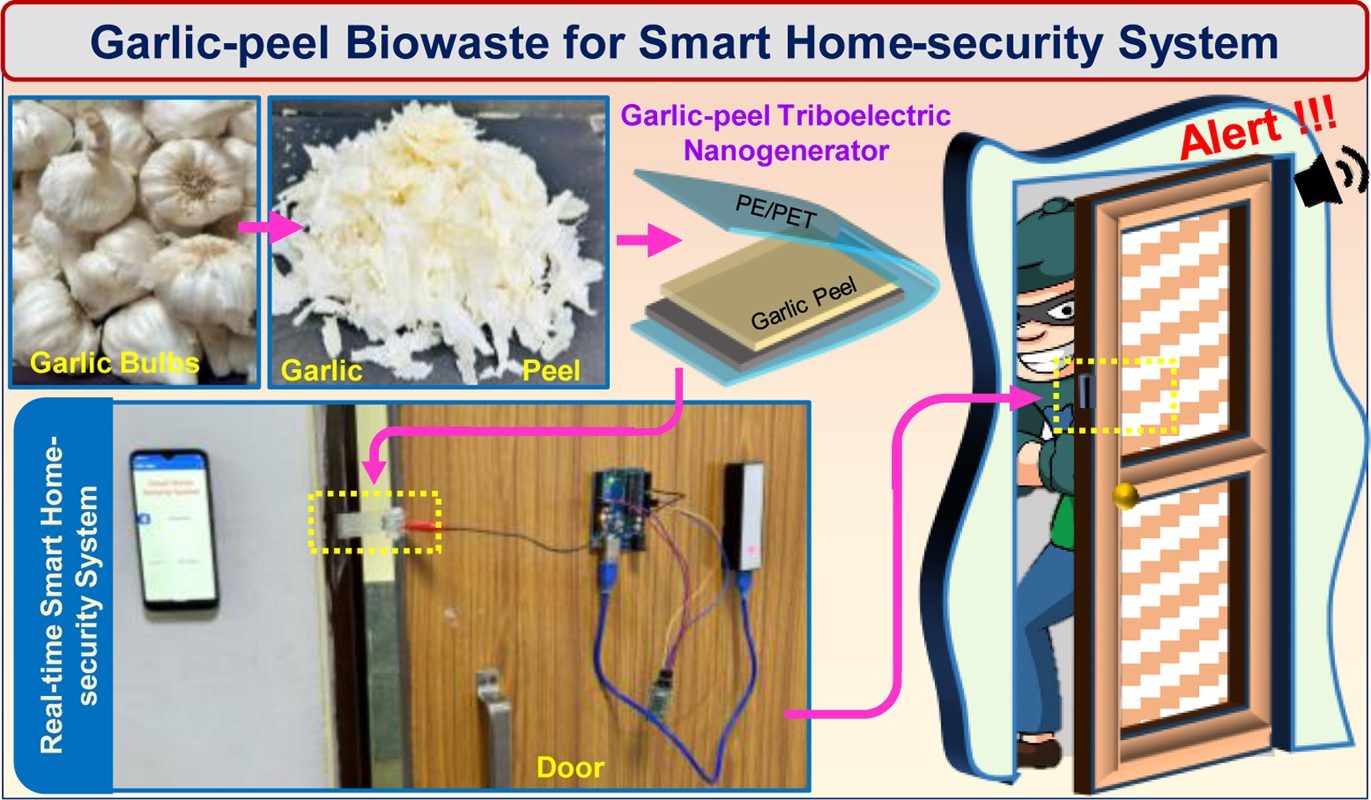
Engineers Manas Tiwari and Deepak Bharti replaced traditional coin batteries with a triboelectric generator made from ground garlic peels. The prototype produces up to 400 VAC from the physical motion of a swinging door, pointing to a weird future of organic waste-powered smart homes.

Independent creator Gadget Industry built a palm-sized power station packing a 300W AC inverter and 140W USB-C ports into a custom epoxy resin case. The garage-built device punches far above traditional bulky power banks without the wasted empty space of commercial brick designs.

Honor has added a tiny 2.01-inch rear display to the budget Honor X5d s alongside a 6,000 mAh battery. The secondary screen promises selfie framing and quick notifications, but mostly serves as a marketing gimmick on a low-end device.

Labs claim new wall coatings harvest ambient energy to power peripherals, but micro-watt yields mean your wall outlets are safe for years. Don't expect to rewire your home with this overpriced prototype anytime soon.

Engineers claim to have developed wallpaper that turns ambient humidity into electrical current to power smart home sensors. However, the technology is stuck in the lab and cannot deliver stable power in real living conditions, leaving standard batteries as your only practical choice.
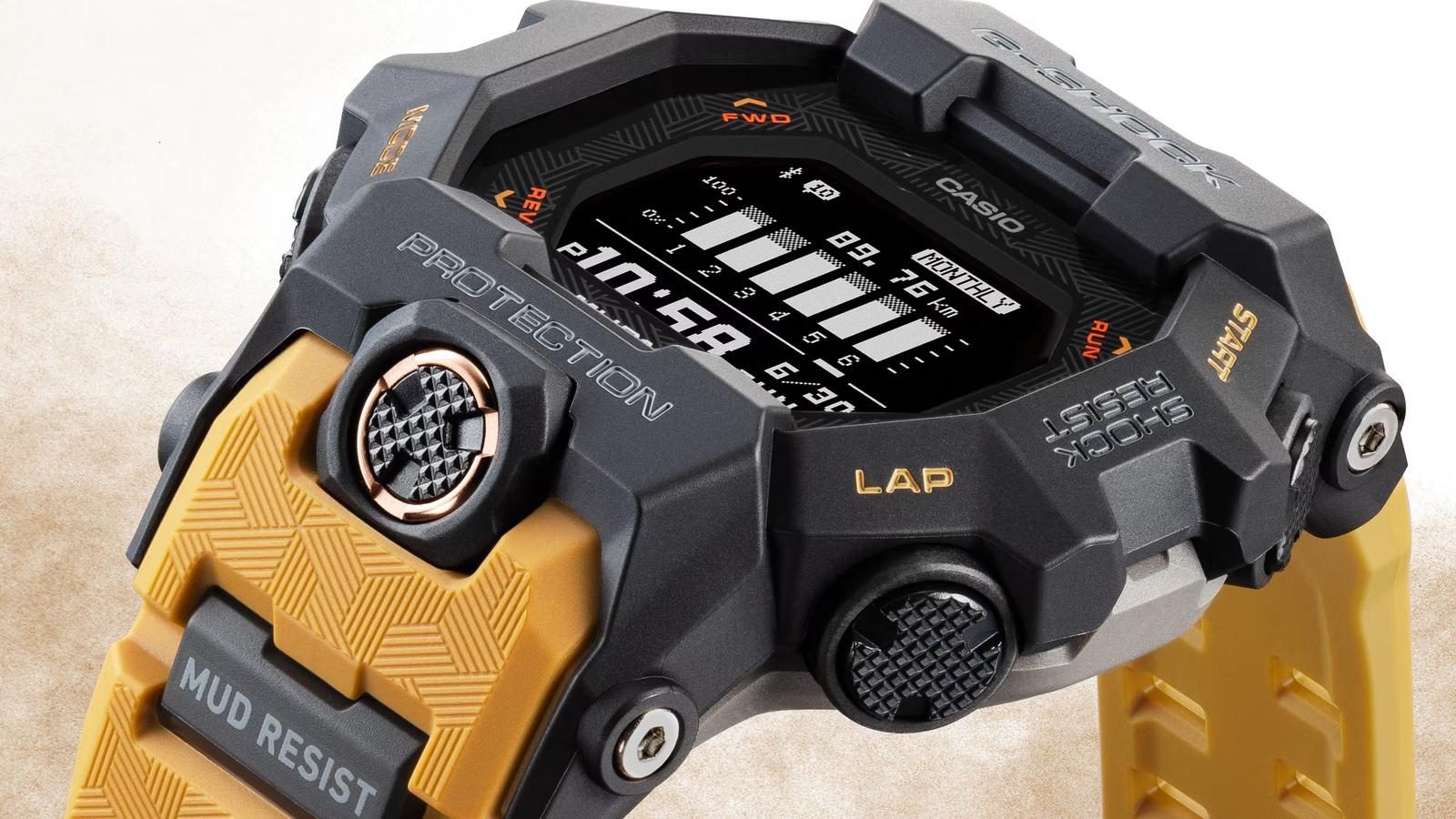
Casio released the new G-Shock Mudman GDG-B100 series in Japan for $245, with sales starting in October. This rugged watch prioritizes durability and battery life over complex smart features, lasting two years on a single CR2032 battery.
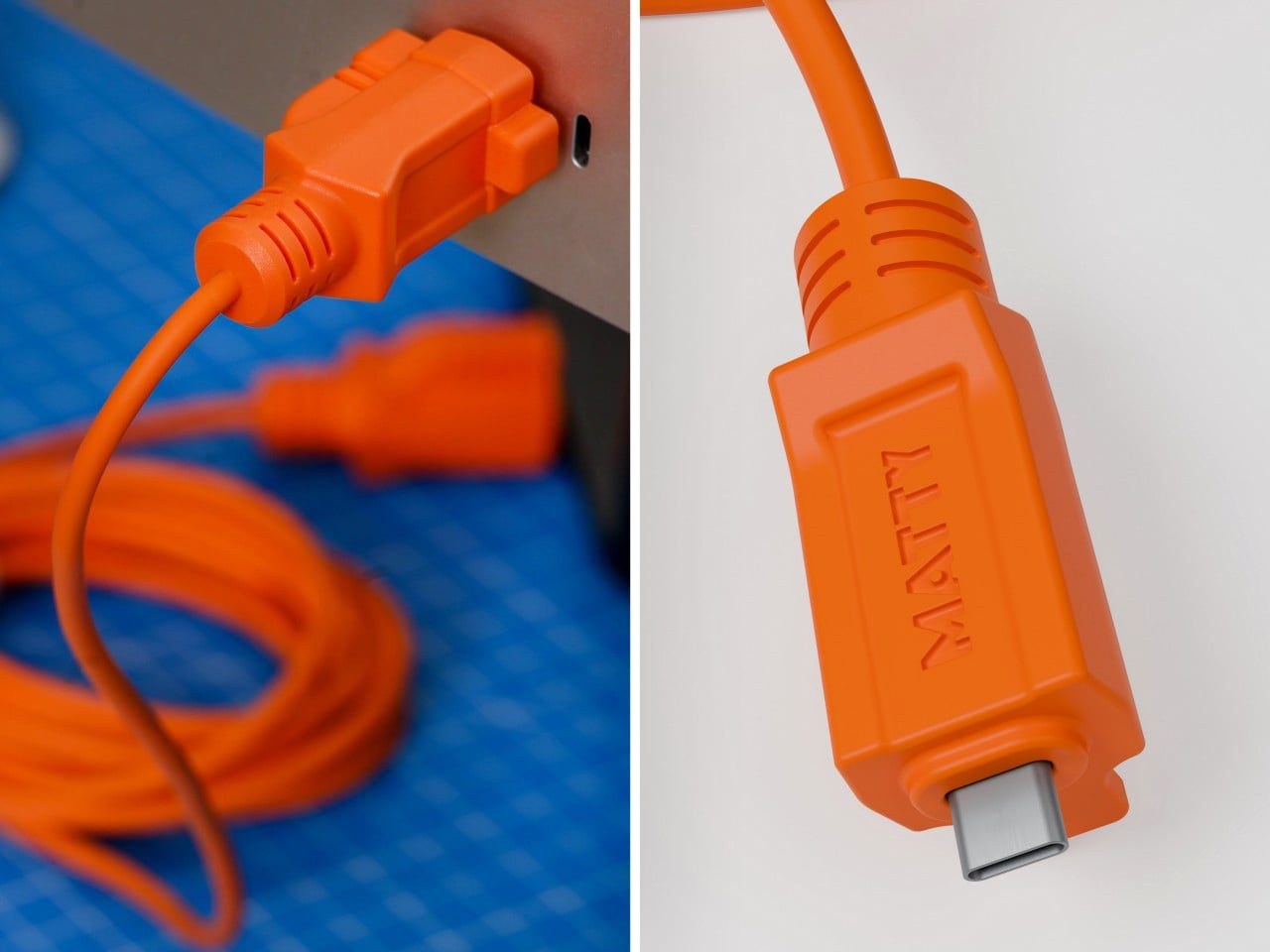
Designer Matty Benedetto has turned his viral Unnecessary Inventions gag into a real 60W USB-C cable styled like a heavy-duty construction extension cord. Available in three colors for $25, it brings industrial humor to everyday desk charging without sacrificing actual utility.
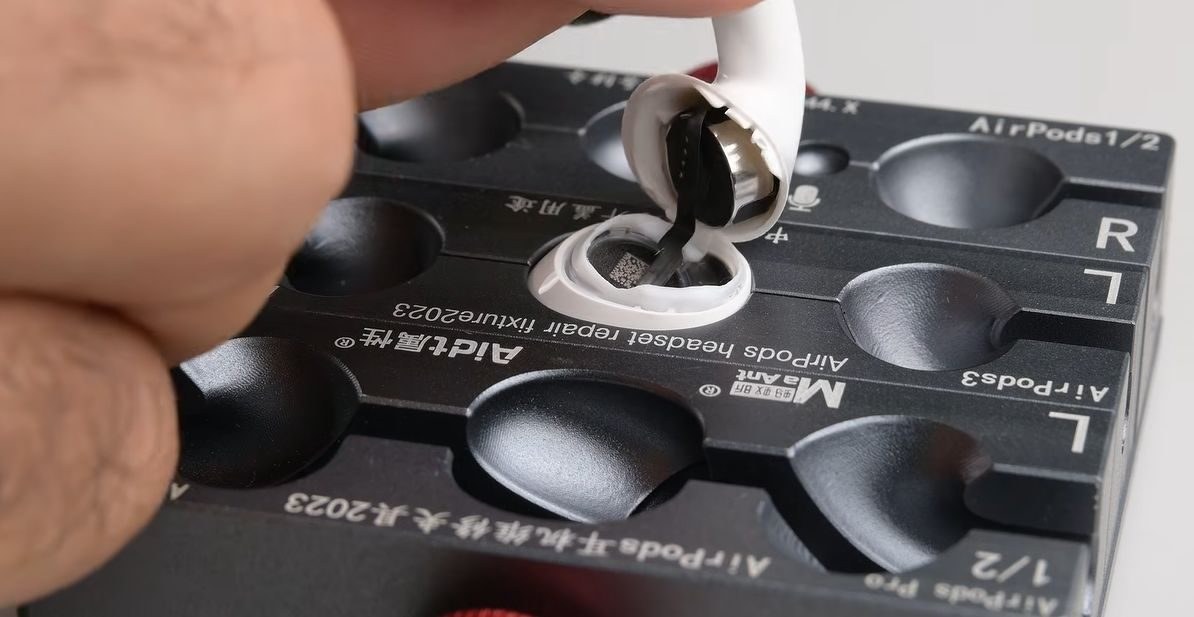
Apple's latest earbuds finally use a snap-open design instead of permanent glue, letting repair techs swap internal coin batteries without destroying the housing. However, the accompanying charging case remains completely disposable and requires physical plastic destruction to open.
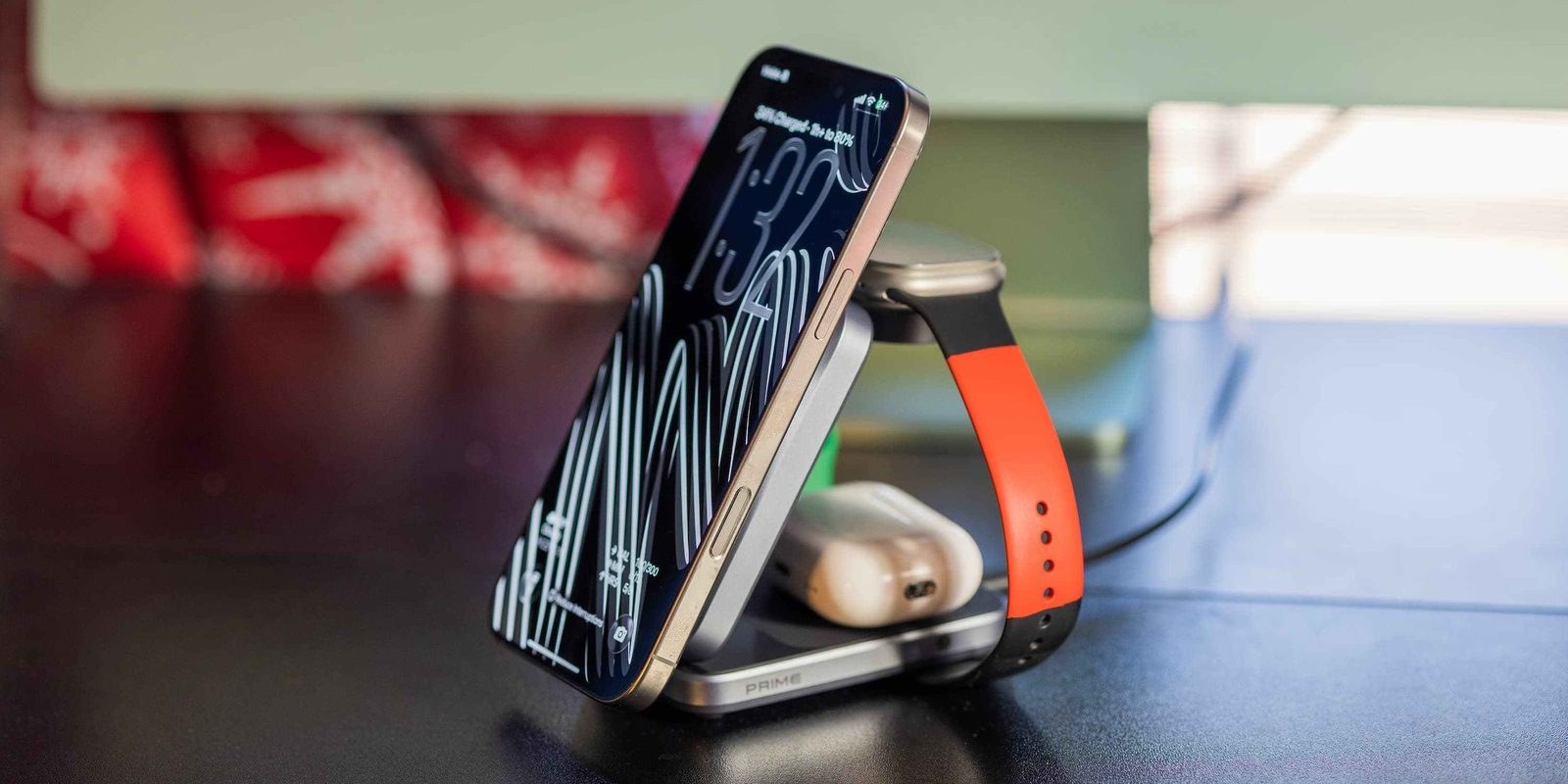
Anker's new $99 folding 3-in-1 dock includes a built-in fan to prevent fast 25W wireless charging from overheating your phone. The package bundles a wall brick and cable, powering an iPhone to 50% in 27 minutes.

The Panasonic Lets Note SC7 packs a 12.4-inch screen, military-grade durability, and a removable power pack into a 919-gram chassis. While restricted to Japan and carrying a steep price, it offers mobile workers a rare mix of repairability and all-day endurance.
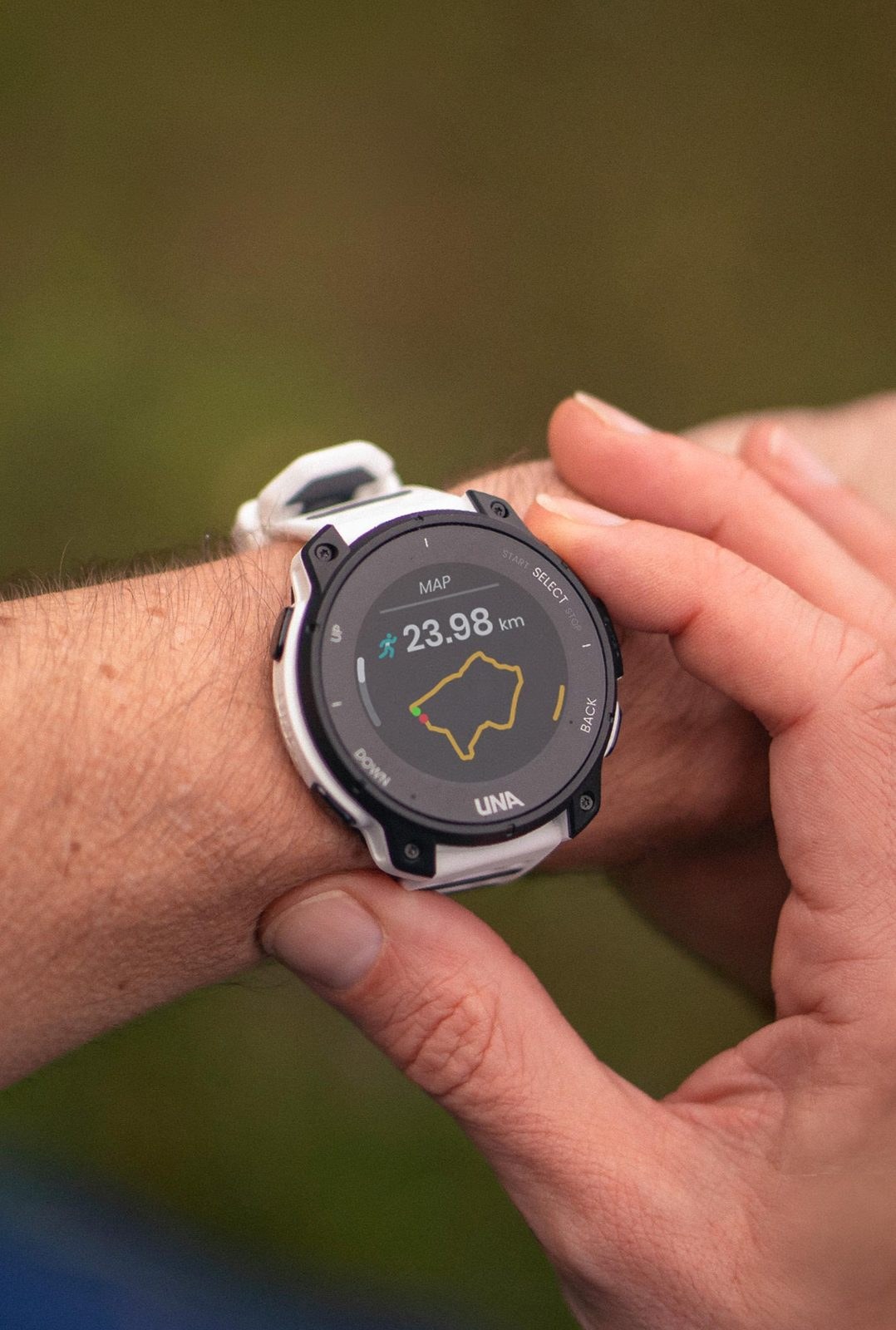
The Una Watch has dropped from its initial $350 Kickstarter price down to $199, offering a fully modular design that you can open and repair with standard tools. It packs a user-swappable 280mAh battery, dual-frequency GPS, and up to 10 days of battery life, though its modest IPX5 splash resistance rules out swimming.

Vivo's new X500 pairs a giant 7,500mAh battery and a super-smooth 144Hz screen with a CNY 5,499 starting price. While the core hardware delivers solid daily stamina, adding the optional magnetic snap-on screen and zoom attachments quickly inflates the final bill into an impractical gadget collection.
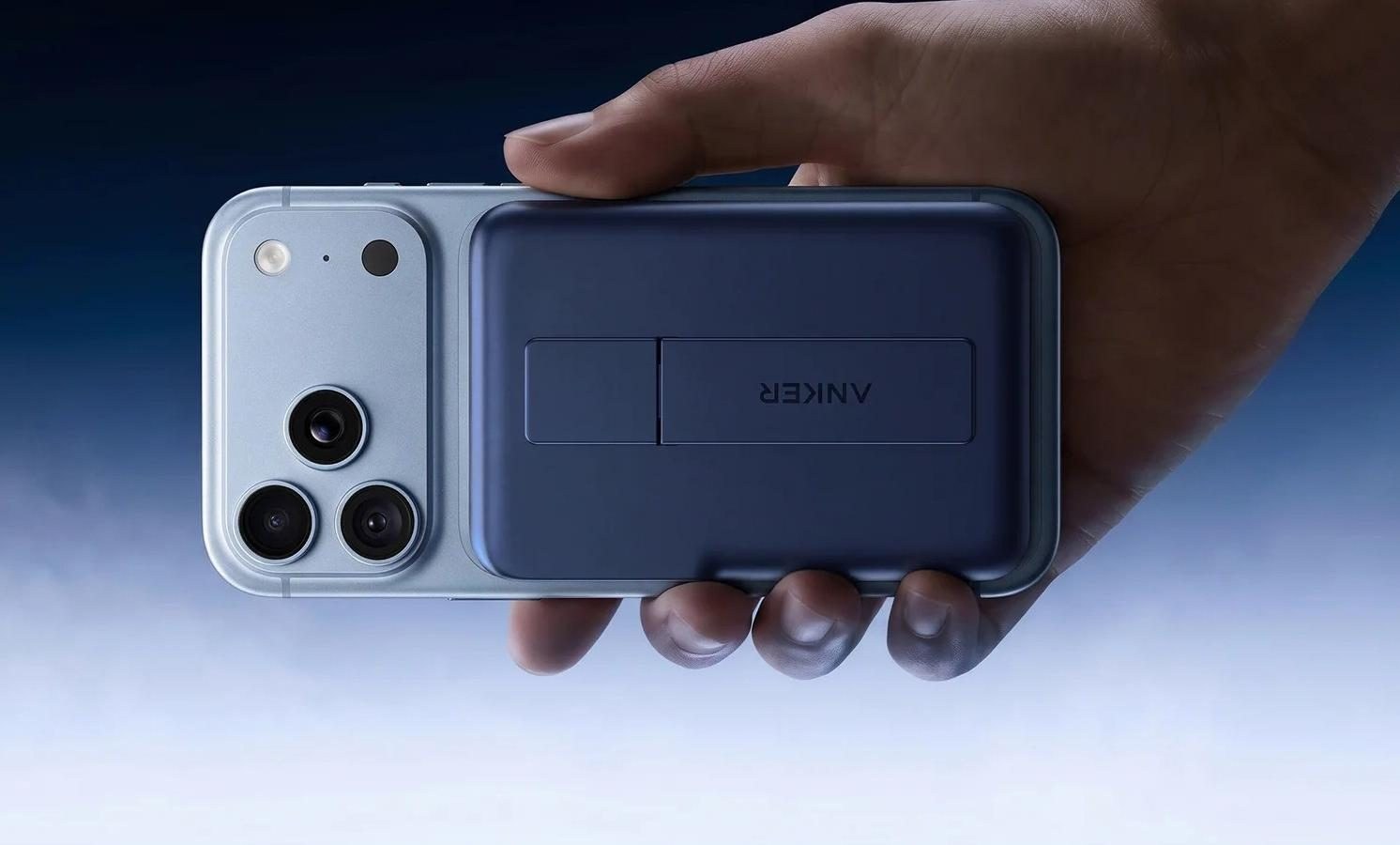
Anker added an active cooling fan to its $110 MagGo 2 Pro wireless power bank to fix overheating and speed throttling. It tackles the heat problem of Qi2 charging, but adds noticeable weight and a steep price tag to your pocket.
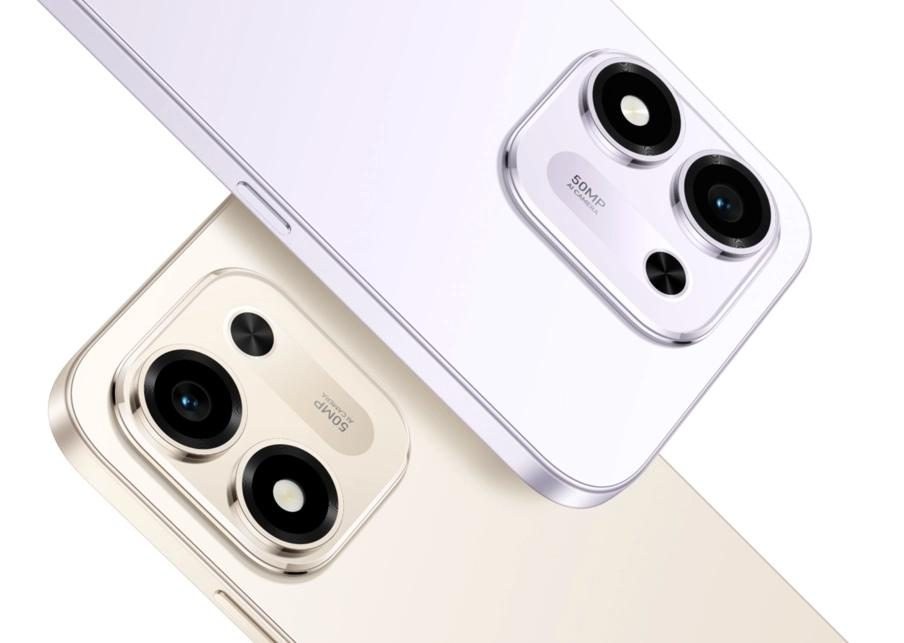
Honor launched the Play 11 with a massive 8300 mAh battery and industrial-grade water protection in a slim body. It costs from $210, but you will have to put up with a noticeably grainy low-resolution screen.
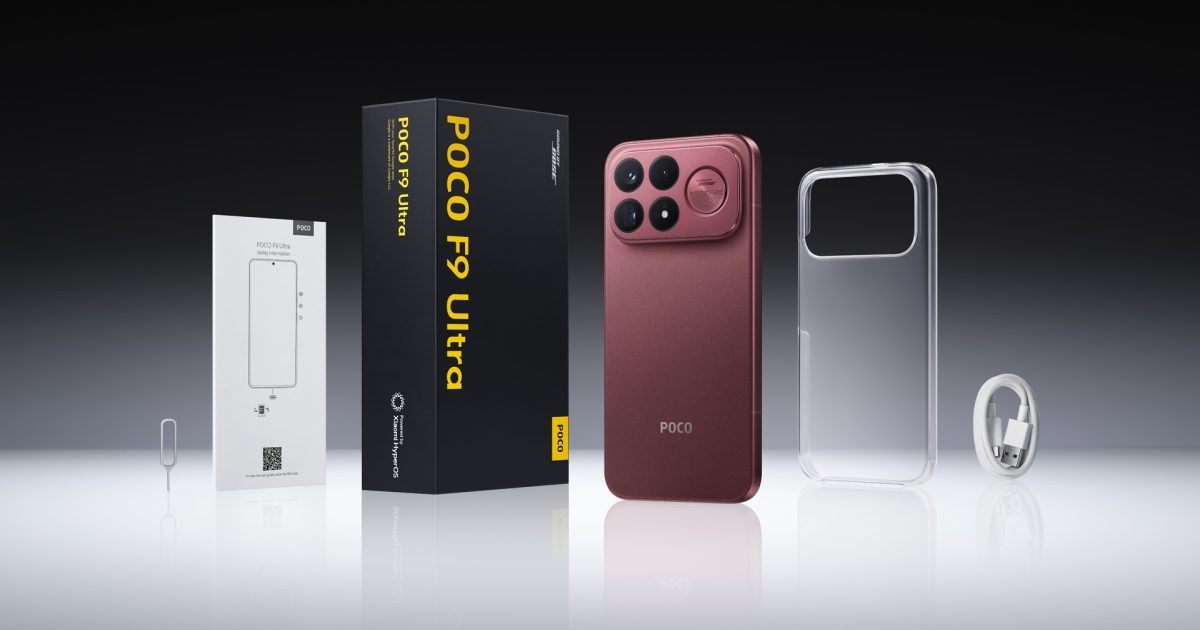
Poco has rolled out its new F9 flagship lineup, headlined by the specs-heavy Ultra model. The phone delivers an 8,050 mAh battery and a 185Hz display, but its bulky footprint makes it a tough sell for anyone outside the hardcore mobile gaming crowd.

Three weeks of real-world testing reveal that Google's new smartwatch offers snappier daily apps and precise tracking. However, heavy GPS workouts still drain the battery before bedtime, making it a skippable upgrade for current owners.
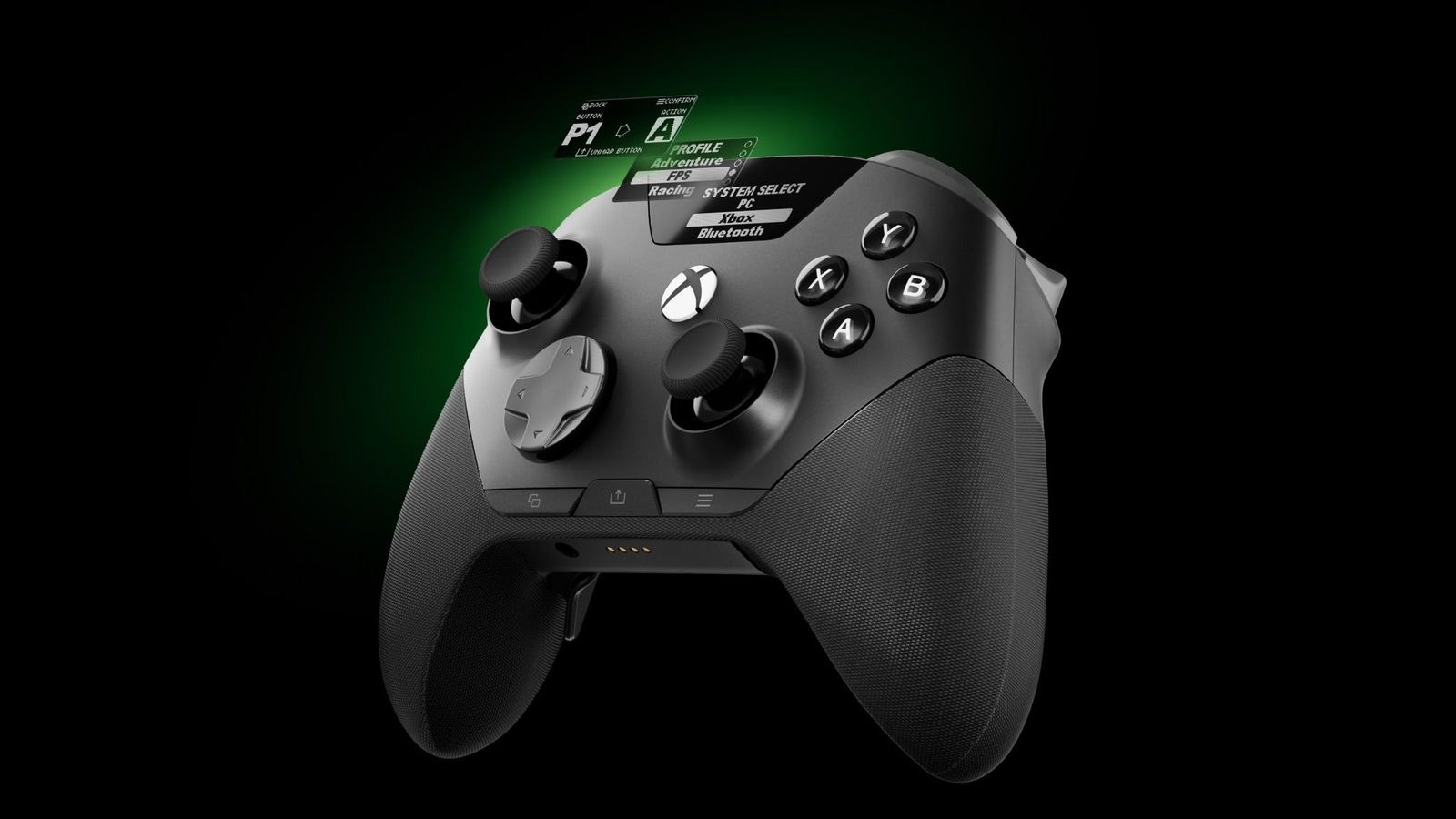
The $260 SteelSeries Aeon Pro controller eliminates constant re-pairing between your PC and console using a quick-switch dock and hot-swappable batteries. It solves messy multi-device setups for players who regularly jump screens, but the high cost limits its appeal.

Google Gemini will soon execute long AI reasoning tasks in the background with the screen locked. The upgrade frees up the display for other apps, but sustained on-device compute will strain mobile processors and rapidly drain batteries.

Oppo has launched the A7 Pro, combining an 8,000mAh silicon-carbon battery with IP69K industrial water resistance in an 8.8mm chassis. Starting at $330, the device eliminates the traditional bulk associated with multi-day rugged handsets.
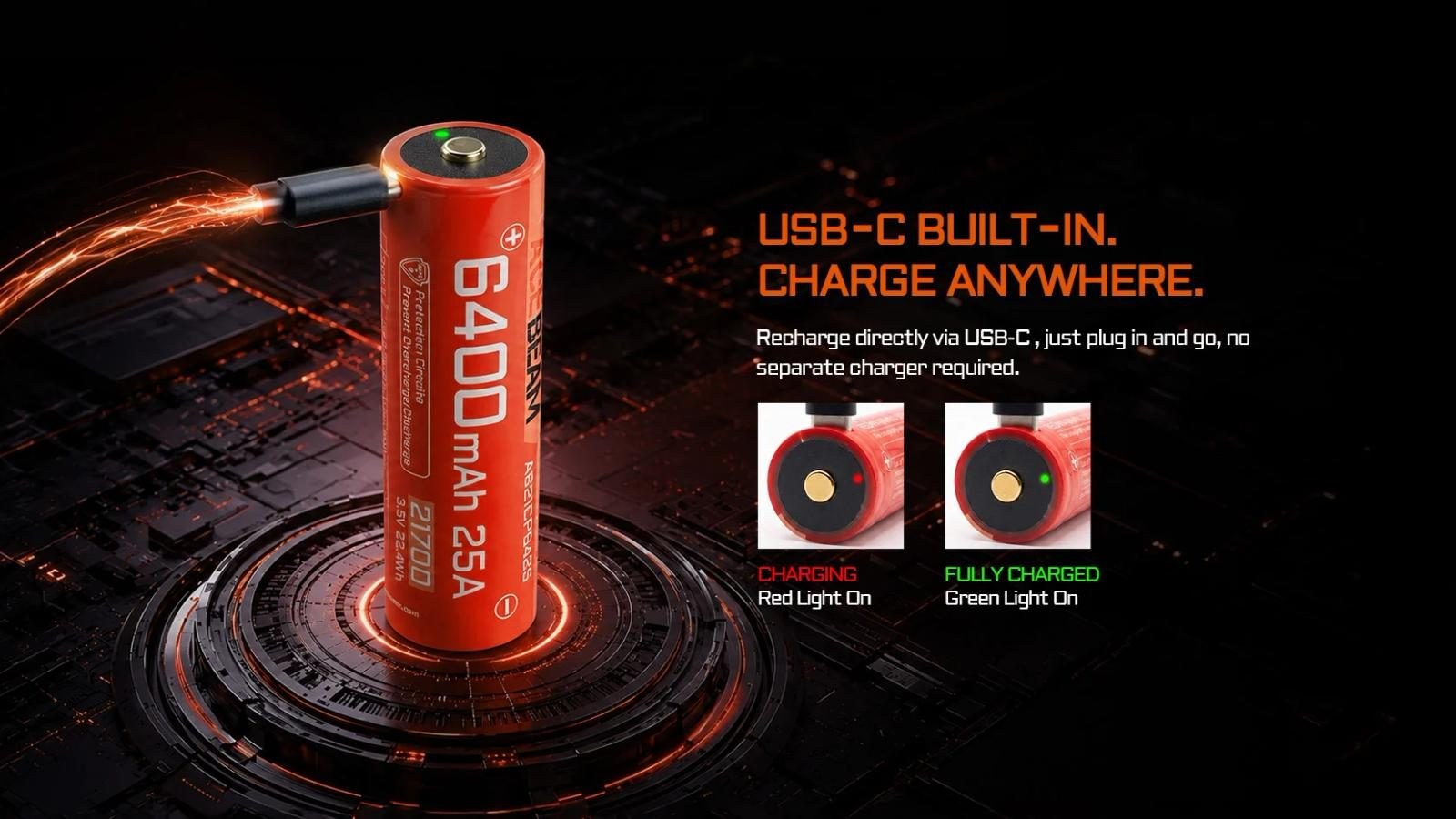
Acebeam has made its high-capacity 21700 battery available for standalone purchase at $25. Built-in USB-C charging eliminates the need for bulky cradle chargers while delivering 25A continuous discharge for high-drain gear.
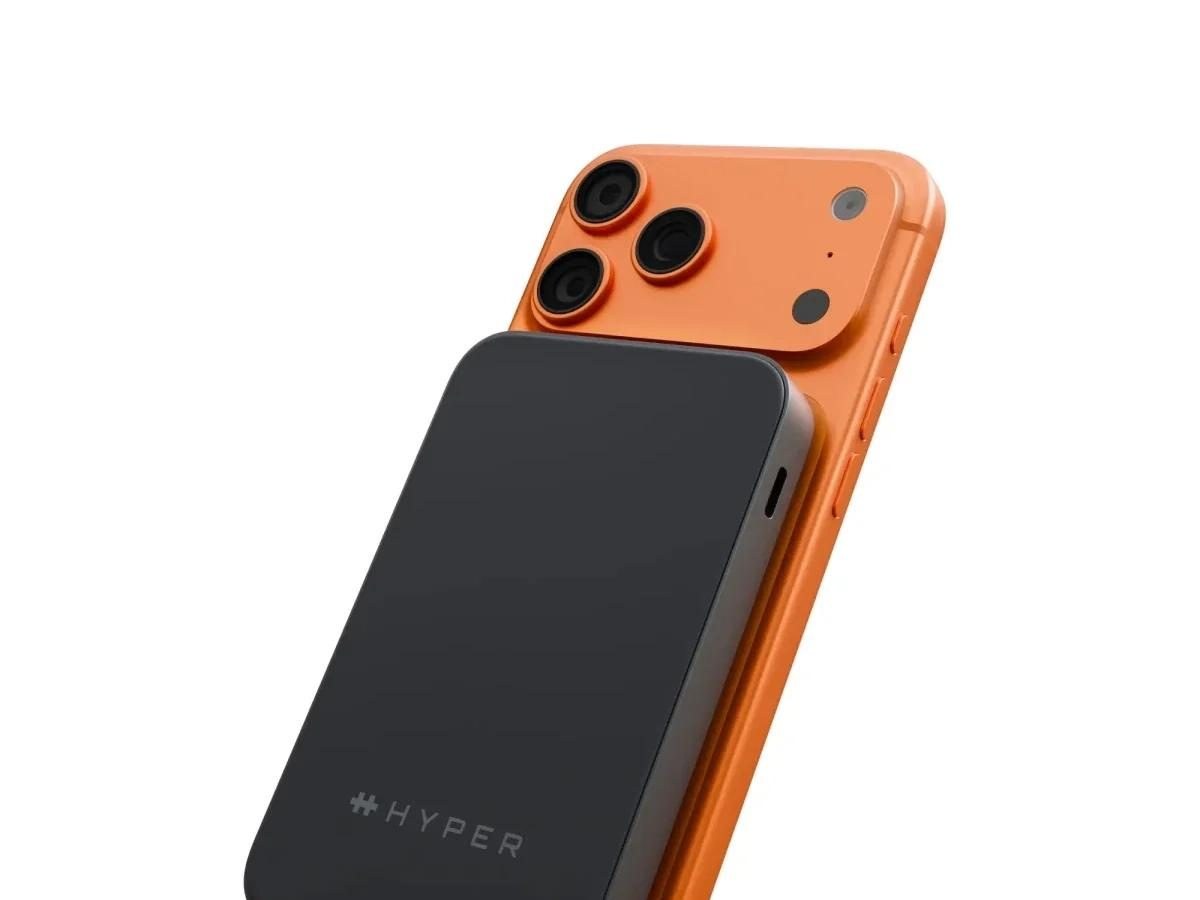
Hyper has launched a 5,000 mAh magnetic power bank built with a semi-solid-state battery instead of standard liquid chemistry. The new design prevents dangerous cell swelling in extreme heat and maintains stable output in freezing temperatures.
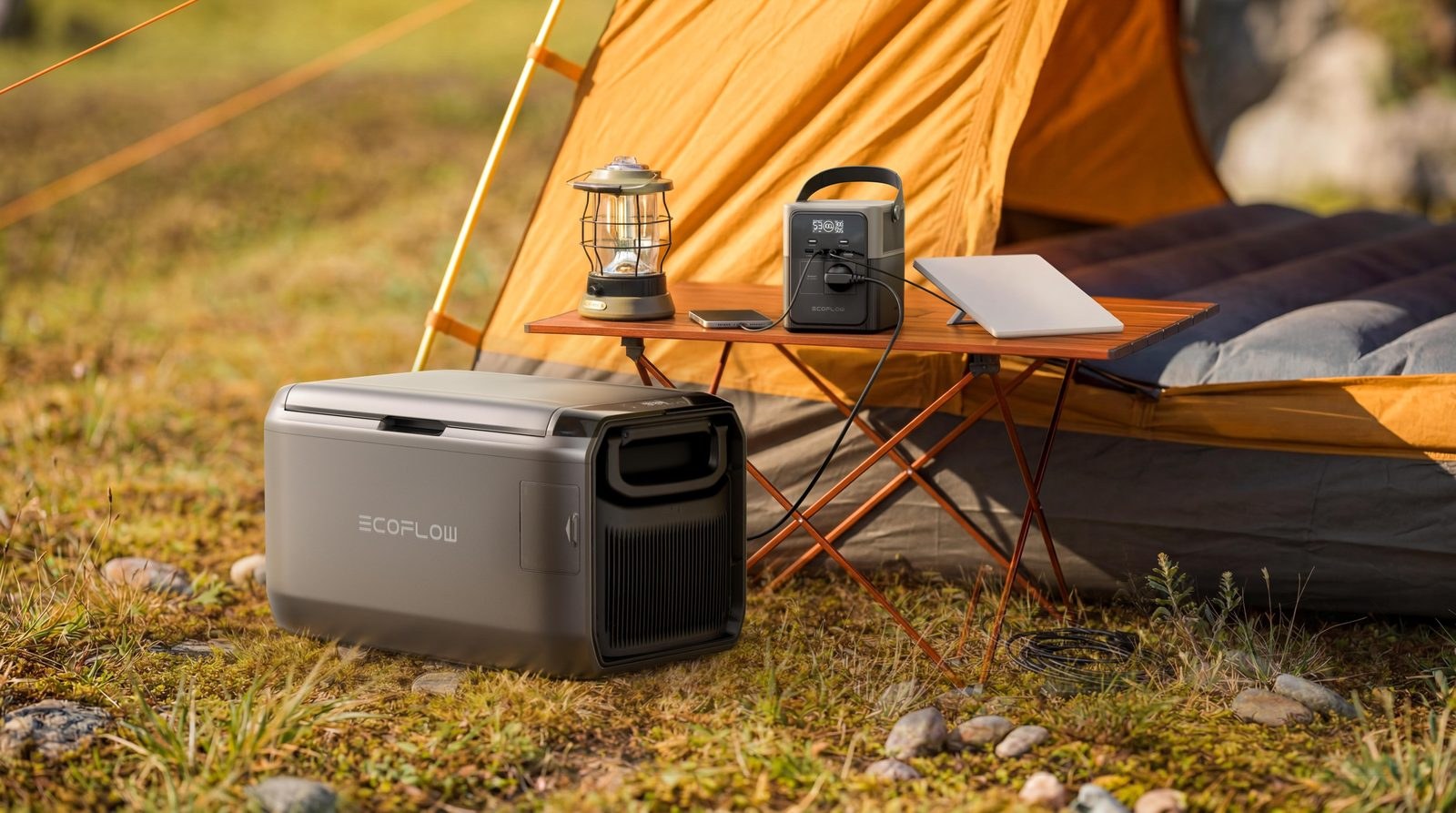
EcoFlow redesigned its River power station lineup to trade heavy plastic for high-density LFP batteries. The new 5.63-liter model weighs 4.6 kg while maintaining enough continuous output to run a fridge or a satellite terminal off-grid.
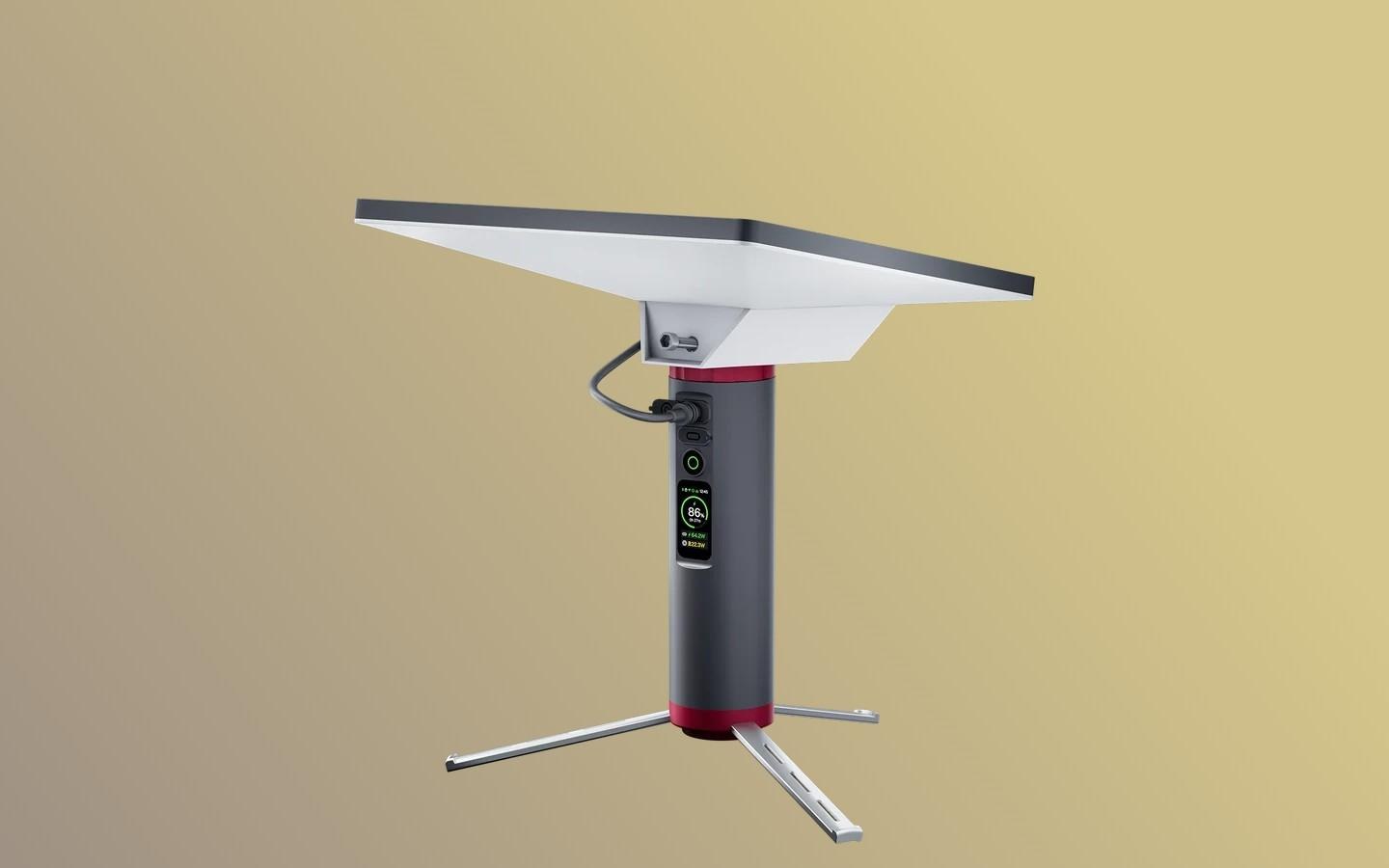
PeakDo has introduced the LinkPower Pod 1, a cylindrical 99 Wh power bank with integrated tripod legs built for the Starlink Mini. The stackable modules deliver 4.5 hours of runtime each and comply with airline carry-on limits, cutting pack weight for off-grid travelers.
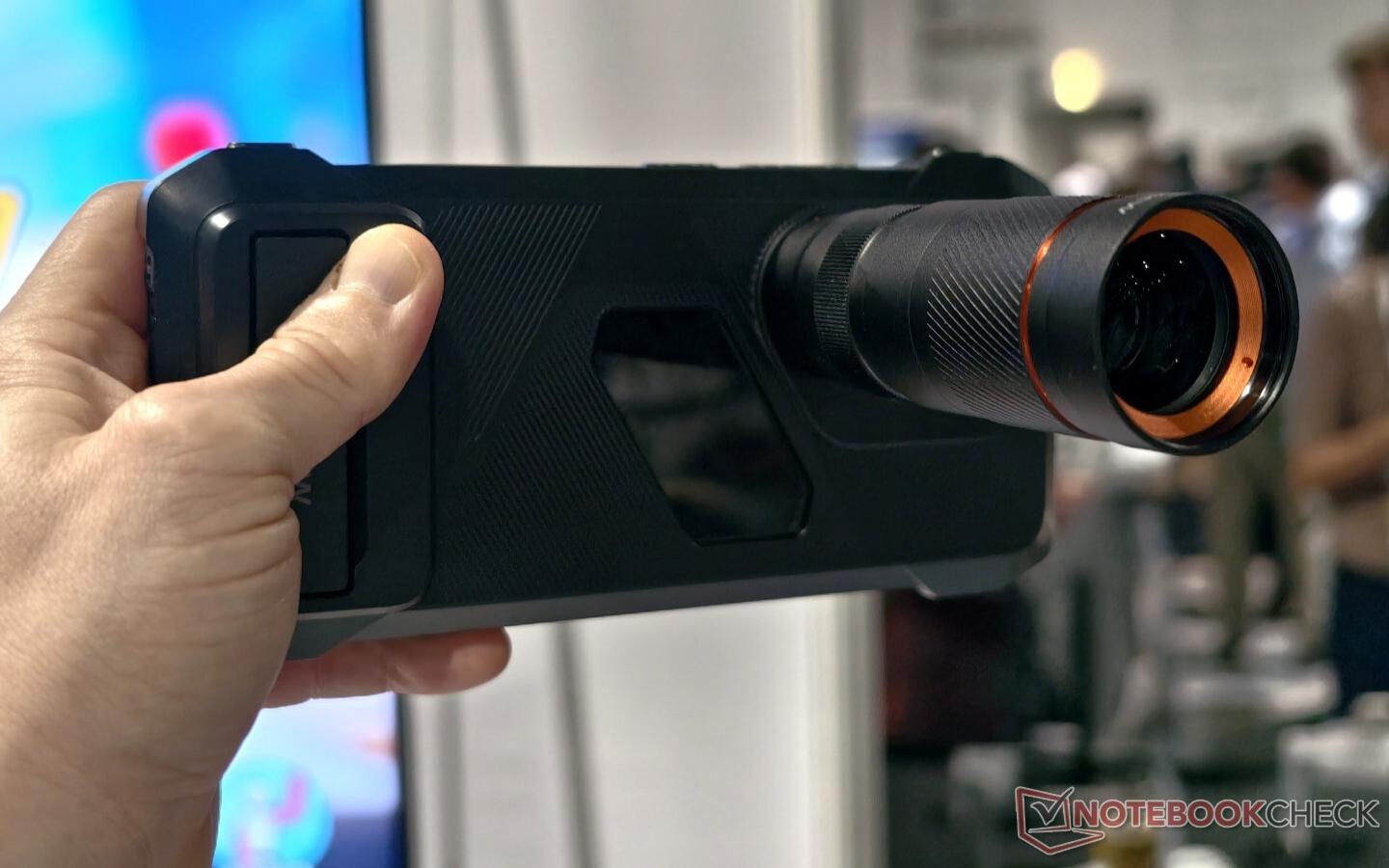
Blackview has introduced the Xplore 6, a rugged phone equipped with a 12,000mAh battery and a modular 10x optical telephoto lens. It combines flagship specs with extreme IP69K durability, though its massive 428-gram body limits its appeal strictly to field professionals.
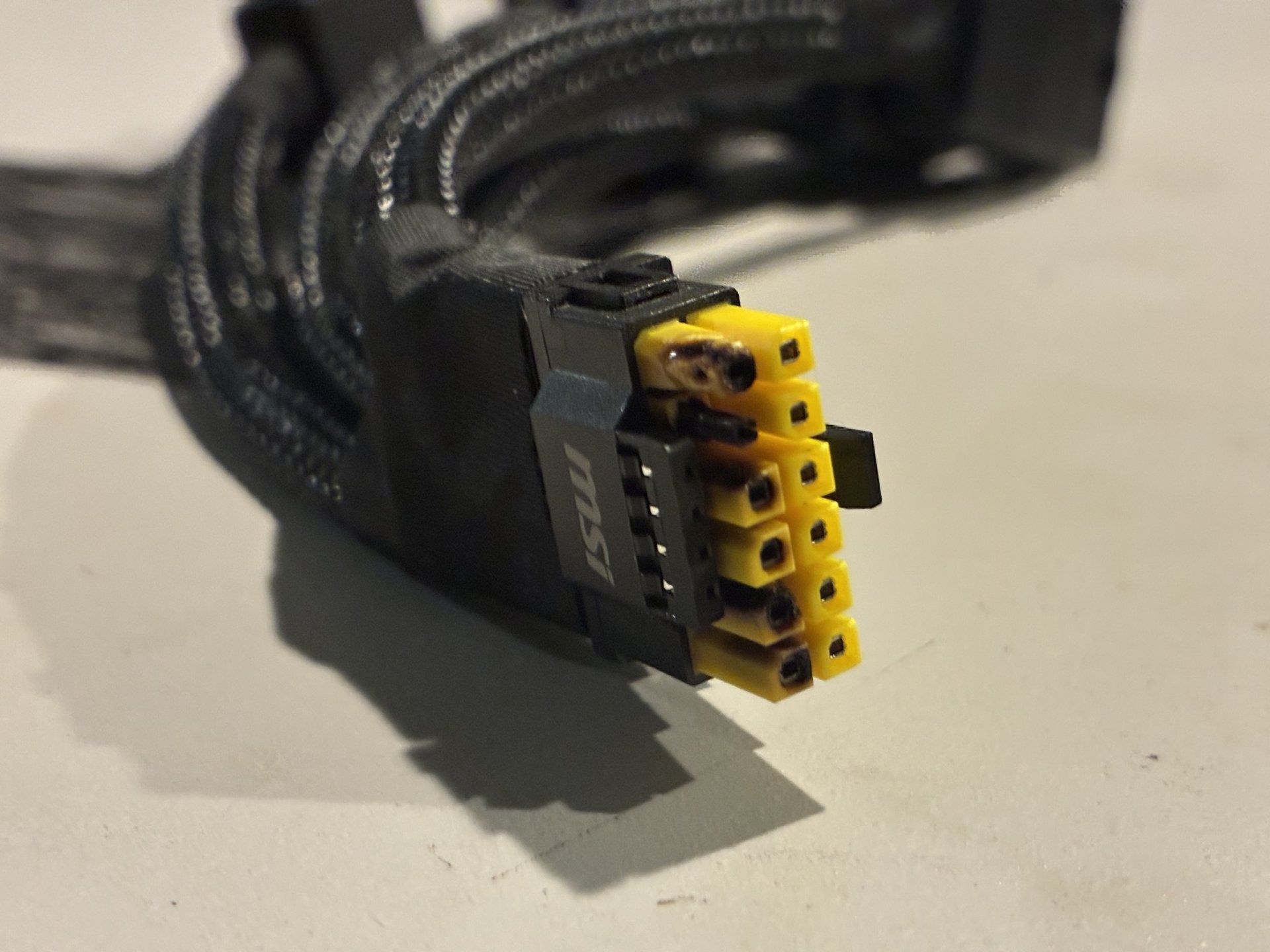
An enthusiast's MSI RTX 5090 melted its 16-pin power connector after DLSS 5 pushed power consumption past 610W during extended gaming. Lab tests confirm that aggressive neural upscaling causes power surges of up to 50% across flagship graphics cards, forcing owners to reconsider cooling and cable safety.
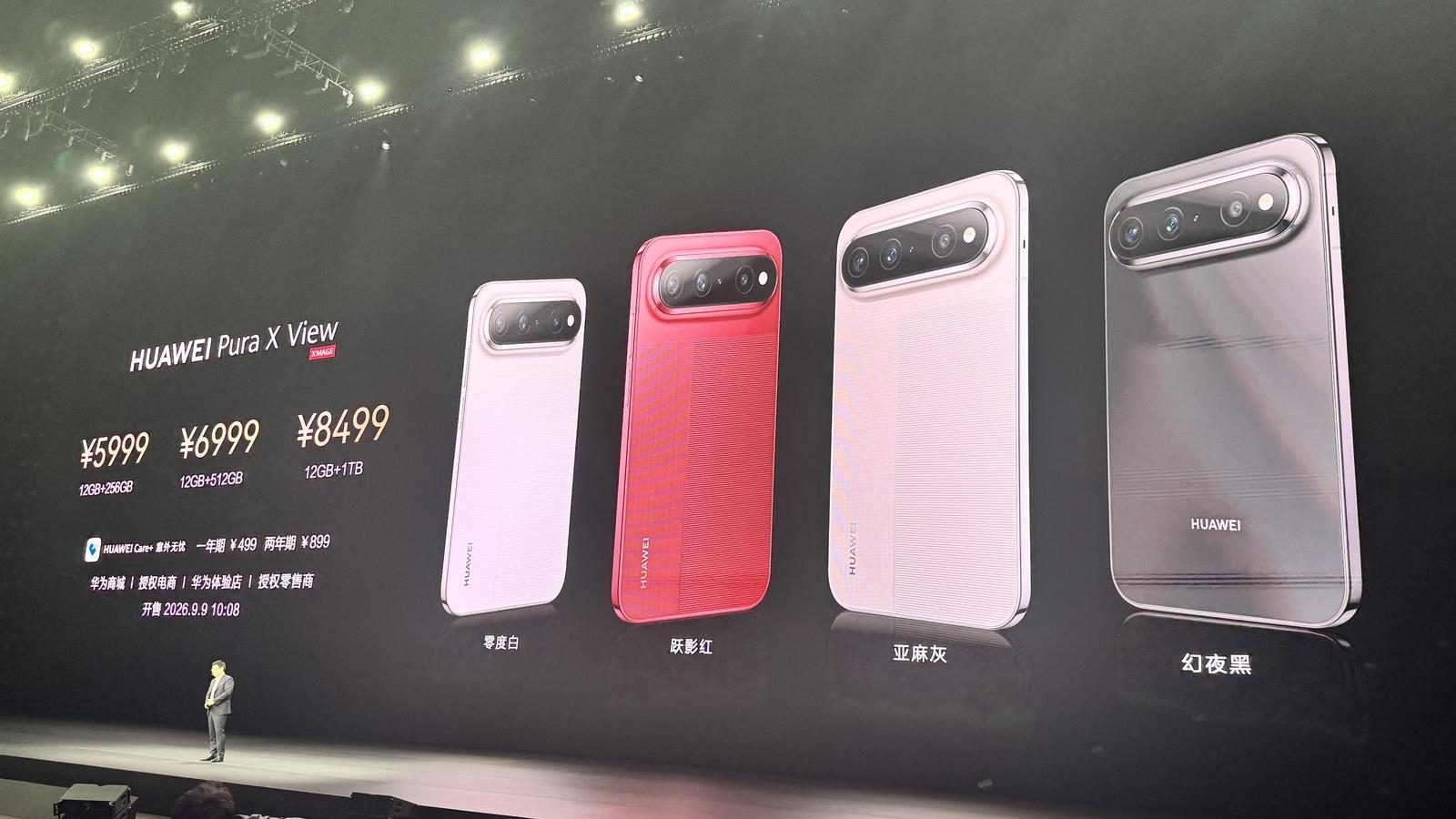
Huawei has unveiled the Pura X View, trading the narrow smartphone trend for an ultra-wide display and a massive 7,000 mAh battery inside a 6.68 mm chassis. Starting at $900, it prioritizes multi-day battery life and document reading at the expense of one-handed use.
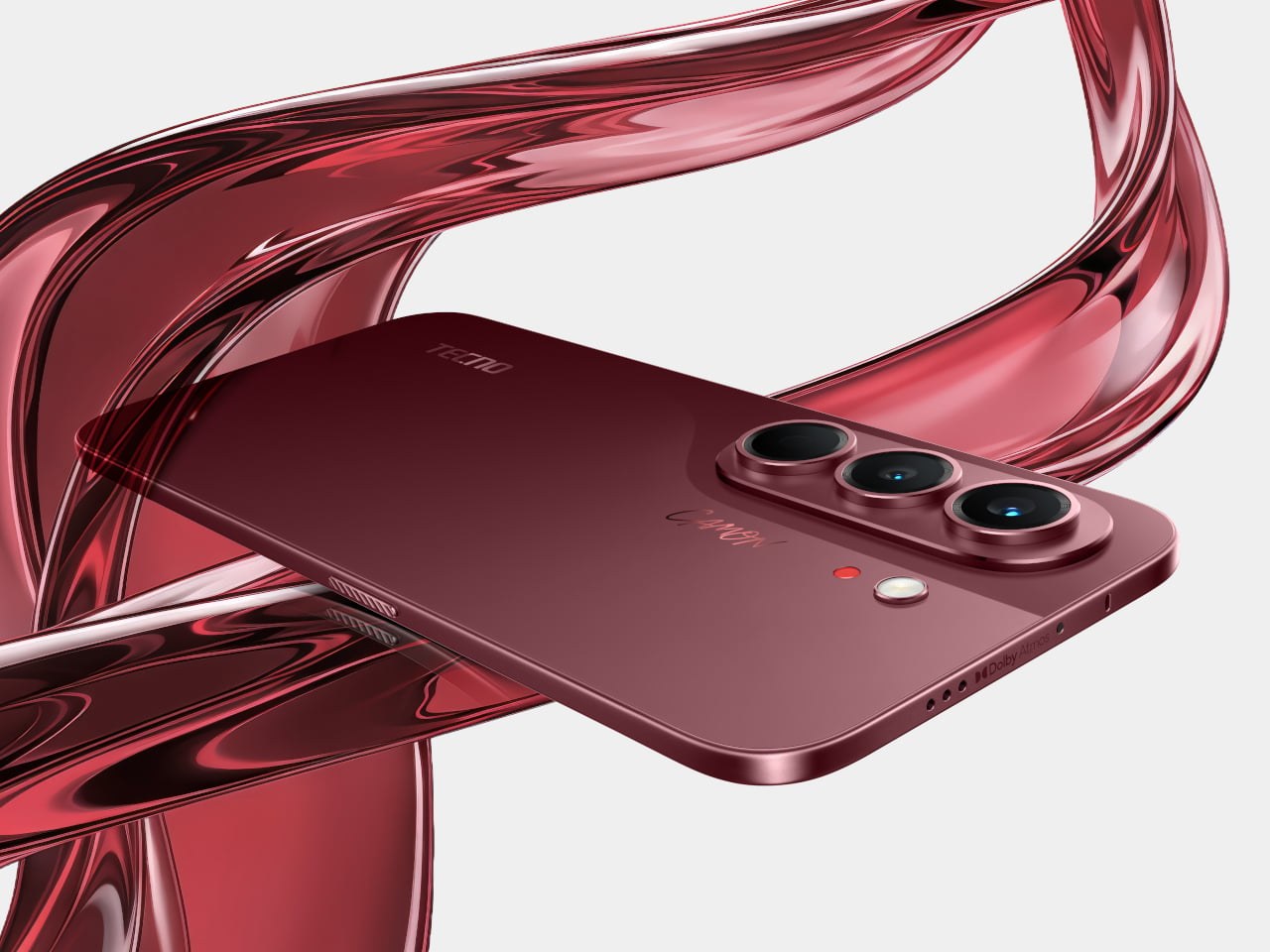
TECNO unveiled the CAMON Slim 5G at IFA 2026, pairing a razor-thin 6.39mm profile with a heavy-duty 6,000mAh battery. It swaps fragile rear glass for a rugged fiberglass composite to solve the eternal trade-off between ultra-thin design and multi-day endurance.

Nintendo quietly rolled out a revised Switch 2 hardware revision ditching glued-down batteries for a modular design to comply with upcoming EU mandates. The change allows owners to swap degraded battery packs at home using standard screws in just a few minutes.

ORNL researchers doubled the peak power of saltwater batteries simply by adding 5% household bleach to the electrolyte. The bulkier, fireproof cells cannot fit into smartphones, but startup Coulomb Technology is already preparing them for data centers and power grids.
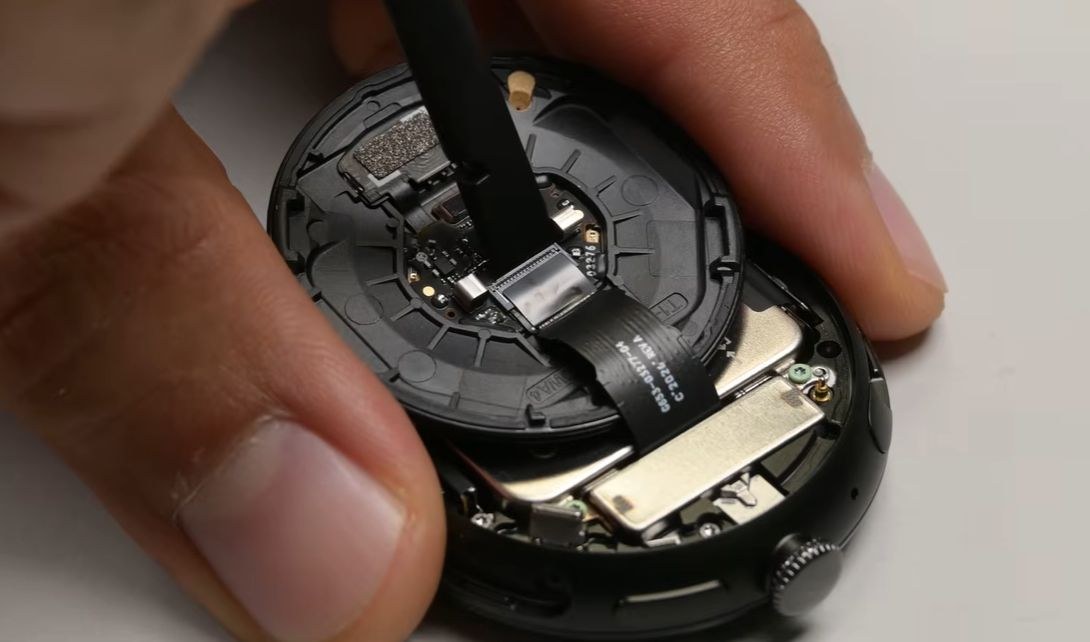
Google's newest wearable ditches industrial glue in favor of standard screws and a reusable rubber seal, earning a 9/10 repair score from teardown experts at iFixit. For buyers, this means a dead battery or cracked screen no longer automatically turns an expensive gadget into disposable trash.
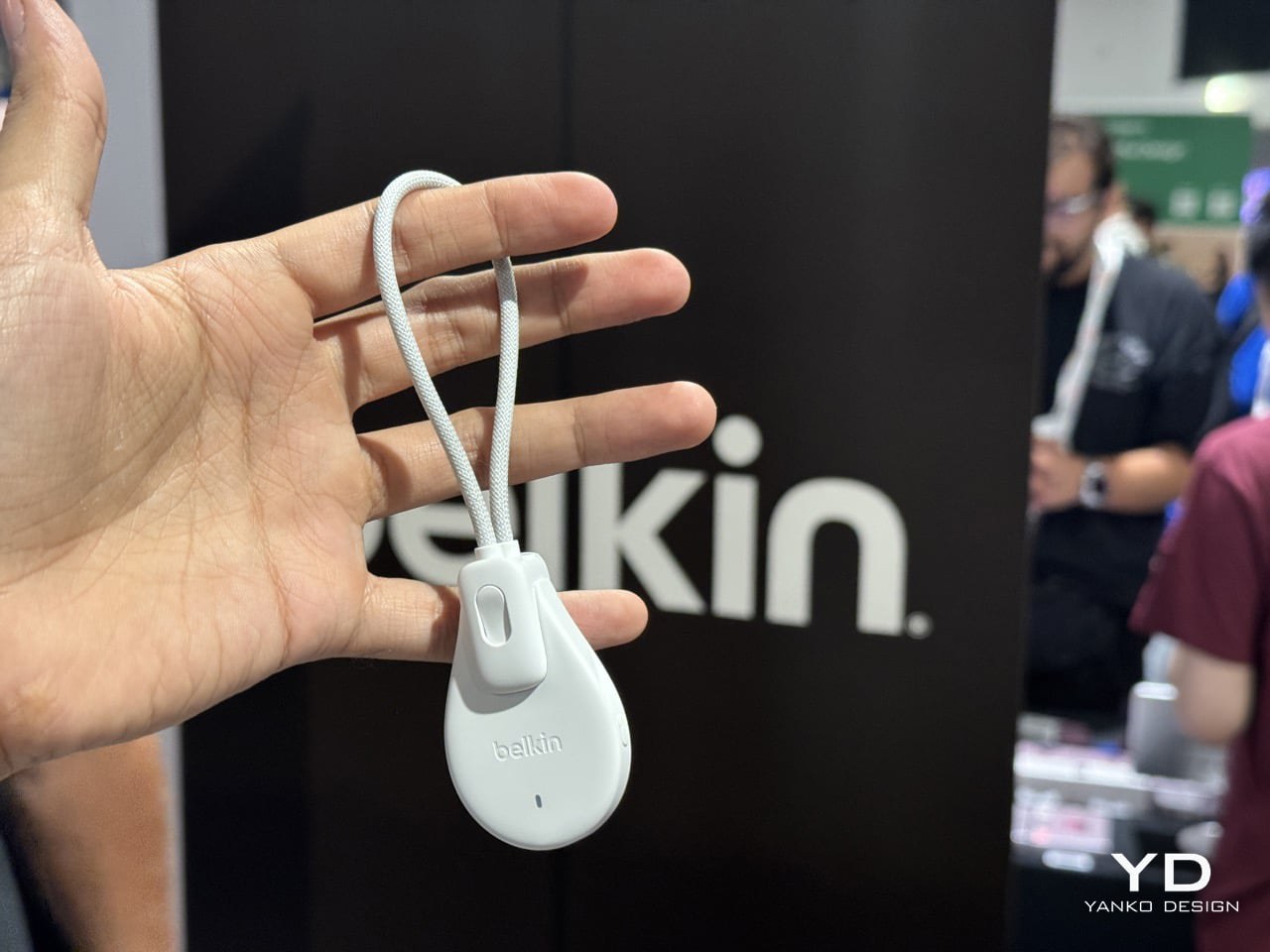
Belkin's new SureFind Loop replaces disposable batteries with a built-in USB-C cable that can charge your phone in a pinch. The $24.99 tracker works with Apple Find My and Google Find Hub, arriving this September across major regions.
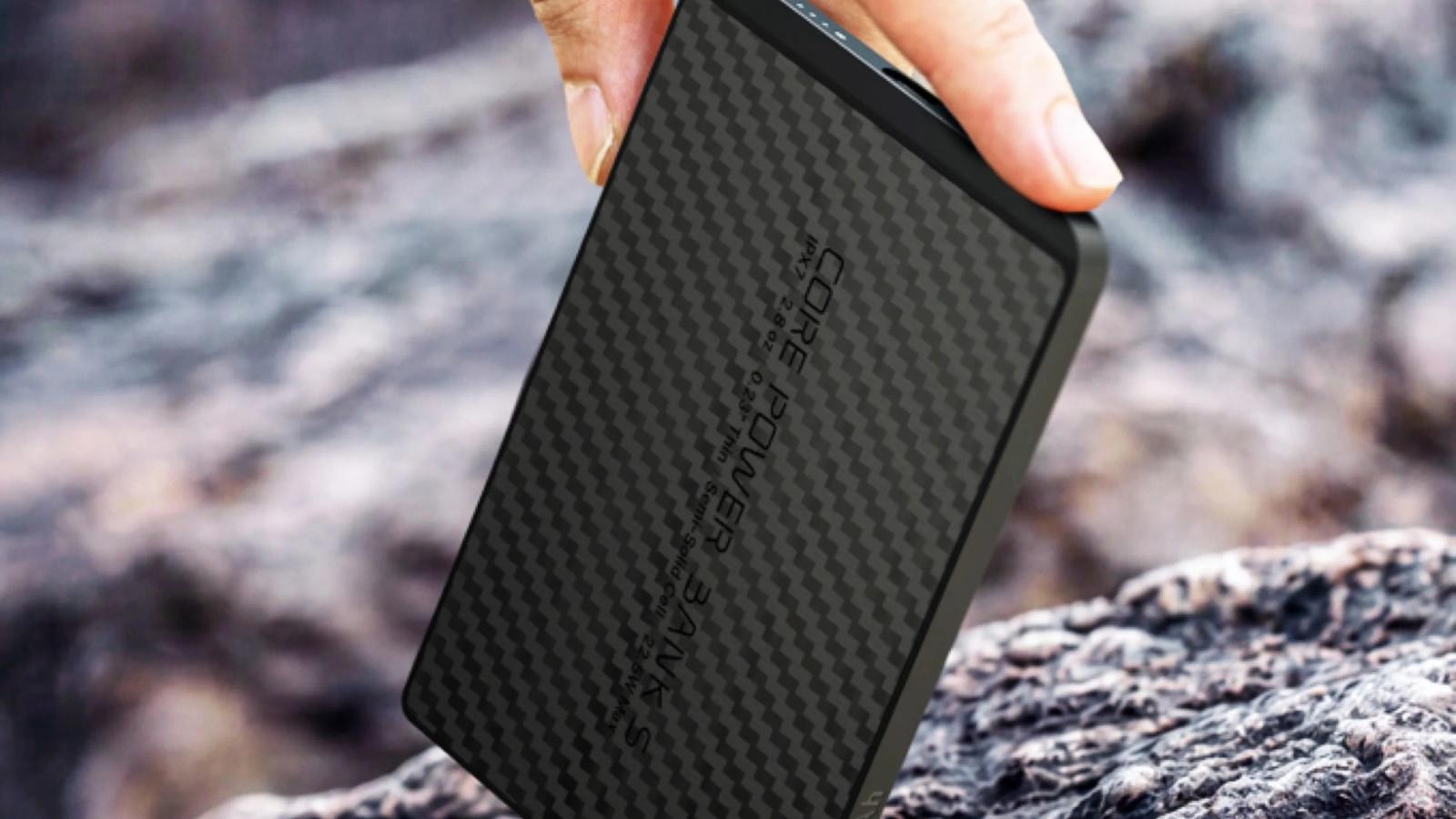
Oztech Lab has crowdfunded the Core Power Bank S, an ultra-thin 78-gram battery pack built into a carbon-fiber, water-resistant chassis. It delivers 22.5W fast charging for $32, though backers will face an unusually long wait for shipping.

Acer revealed the refreshed Vero 16, allowing users to pop off the bottom cover with a simple latch to replace batteries and SSDs at home. While basic maintenance requires zero tools, promised multi-generation CPU upgrades will still be locked behind authorized service centers.
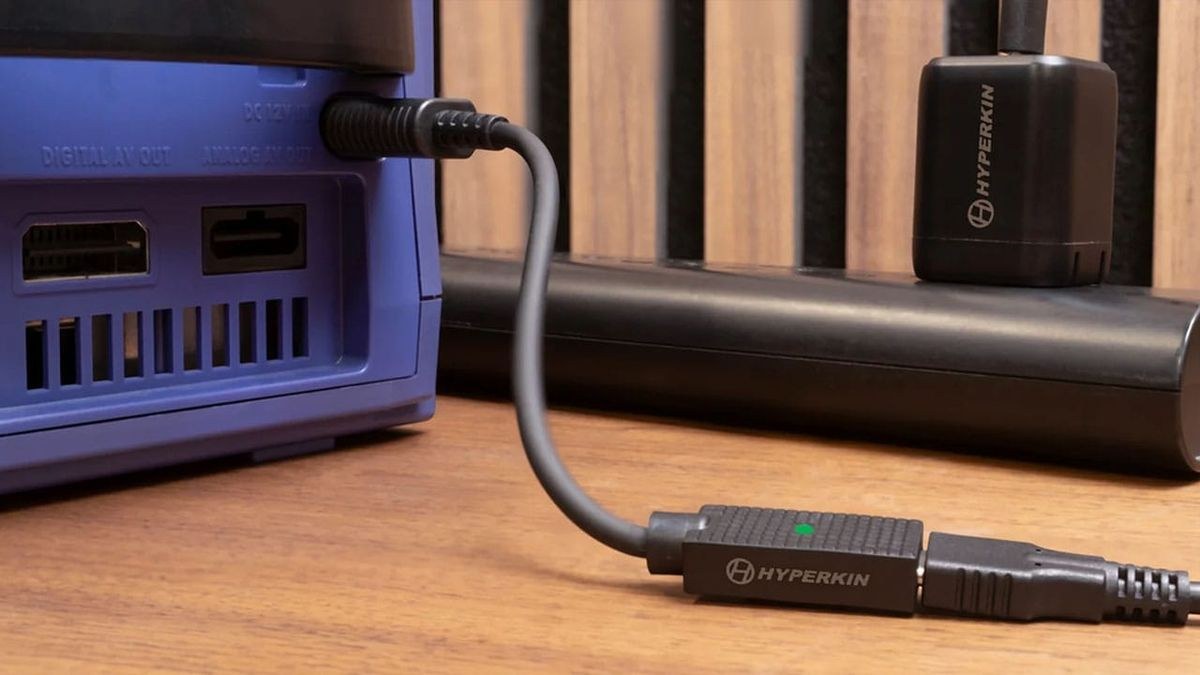
Hyperkin's new ShockLine lineup swaps giant proprietary AC transformers for standardized USB-C power delivery. For $19.99, retro gamers can power classic consoles and handhelds using modern multi-port GaN chargers without risking power surges.

Sennheiser has unveiled the Momentum True Wireless 5, tackling disposable electronics with user-replaceable batteries in both the earbuds and the case. The $300 flagship offers up to 12 hours of ANC runtime and bundles a specialized opening tool for DIY repairs.
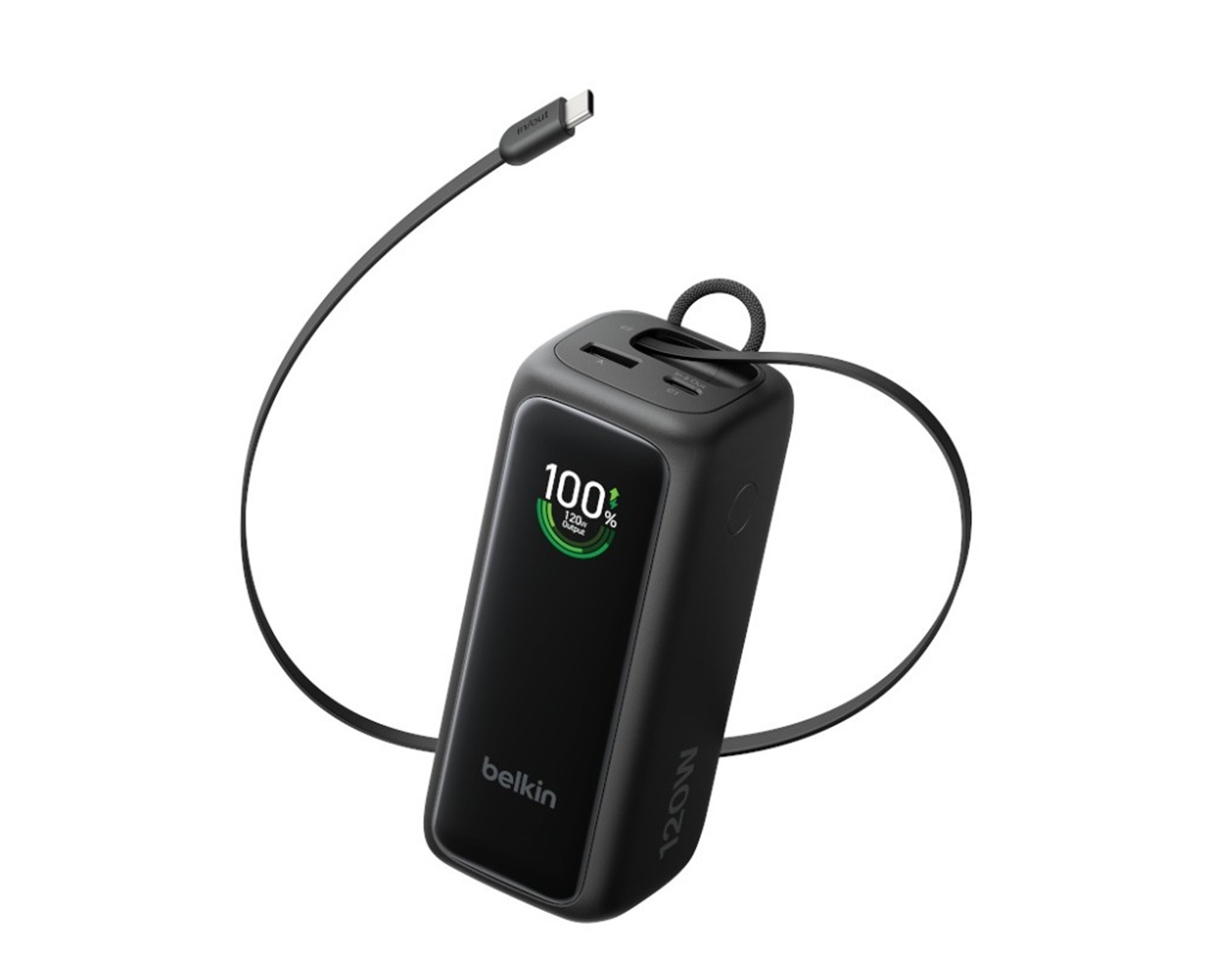
Belkin introduced the $100 UltraCharge 22K featuring a gel-like cell structure designed to stop internal swelling and lower temperatures during high-wattage charging. The new lineup hits stores in early September alongside compact options and tracking tags.

Anker introduced the Solix S2000 portable power station in Europe, cramming 2,010 Wh of LFP battery storage into a manageable 16.2 kg frame. The €700 unit delivers 1,500 W of continuous power and fast UPS failover, offering urban households a quiet alternative to fossil-fuel generators during power outages.
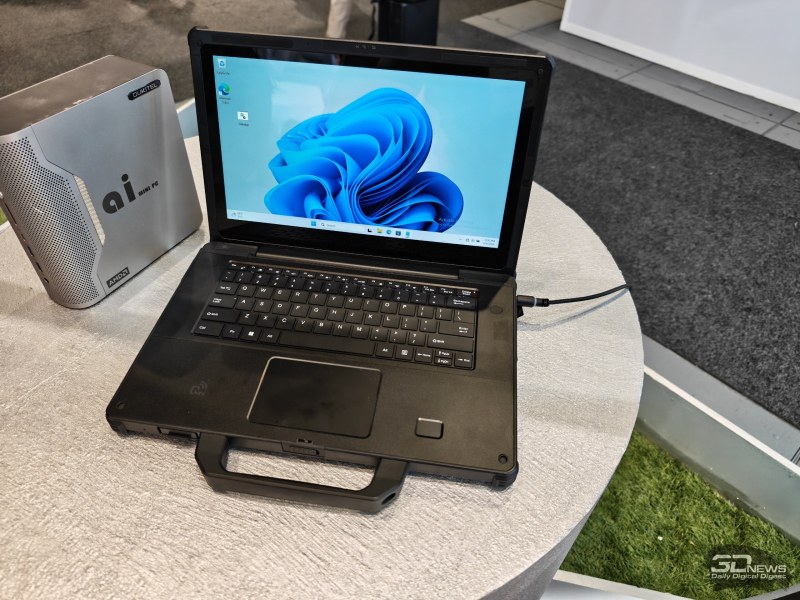
Oukitel has unveiled the RG14-P, a rugged laptop featuring an integrated solar panel on its outer lid. While built to survive drops and harsh weather, the tiny photovoltaic surface adds noticeable bulk without generating enough power for real-time field work.

The POCO X8 brings high-density silicon-carbon battery technology to the budget segment with an 8,340mAh cell. It eliminates power bank anxiety for heavy mobile users without adding bulky rugged armor. The tradeoff comes down to noticeably longer charging times.

A hardware hobbyist built a pocket-sized 20-watt laser lighter using off-the-shelf industrial diodes and basic hand tools. While it effortlessly sets paper ablaze, the complete absence of safety interlocks makes it far more hazardous than practical.
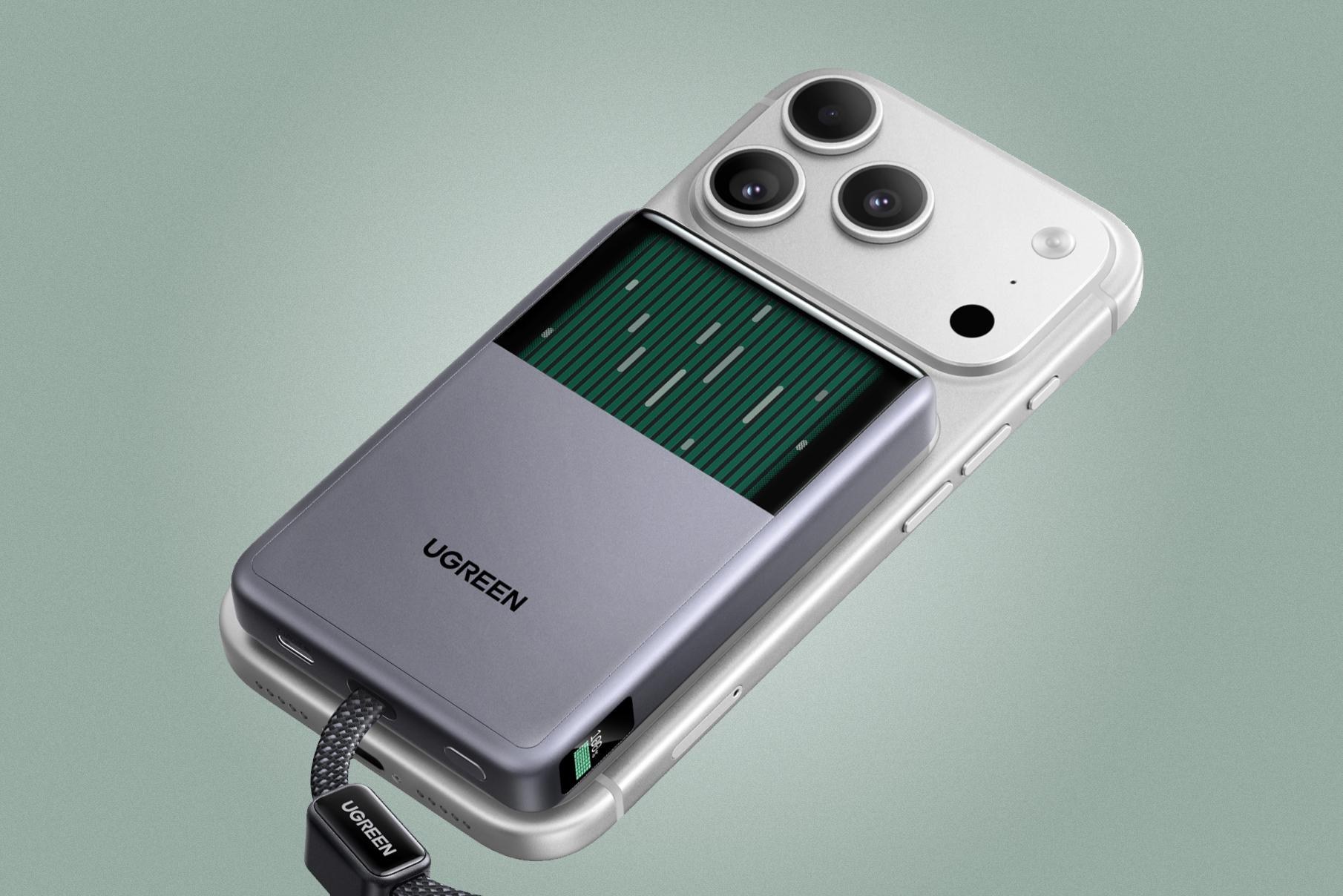
Ugreen equips its new 10,000mAh MagFlow Pro power bank with a miniature liquid-cooling pump to sustain 25W wireless charging. At $149.99, it costs triple the price of conventional chargers while introducing mechanical parts to your pocket.
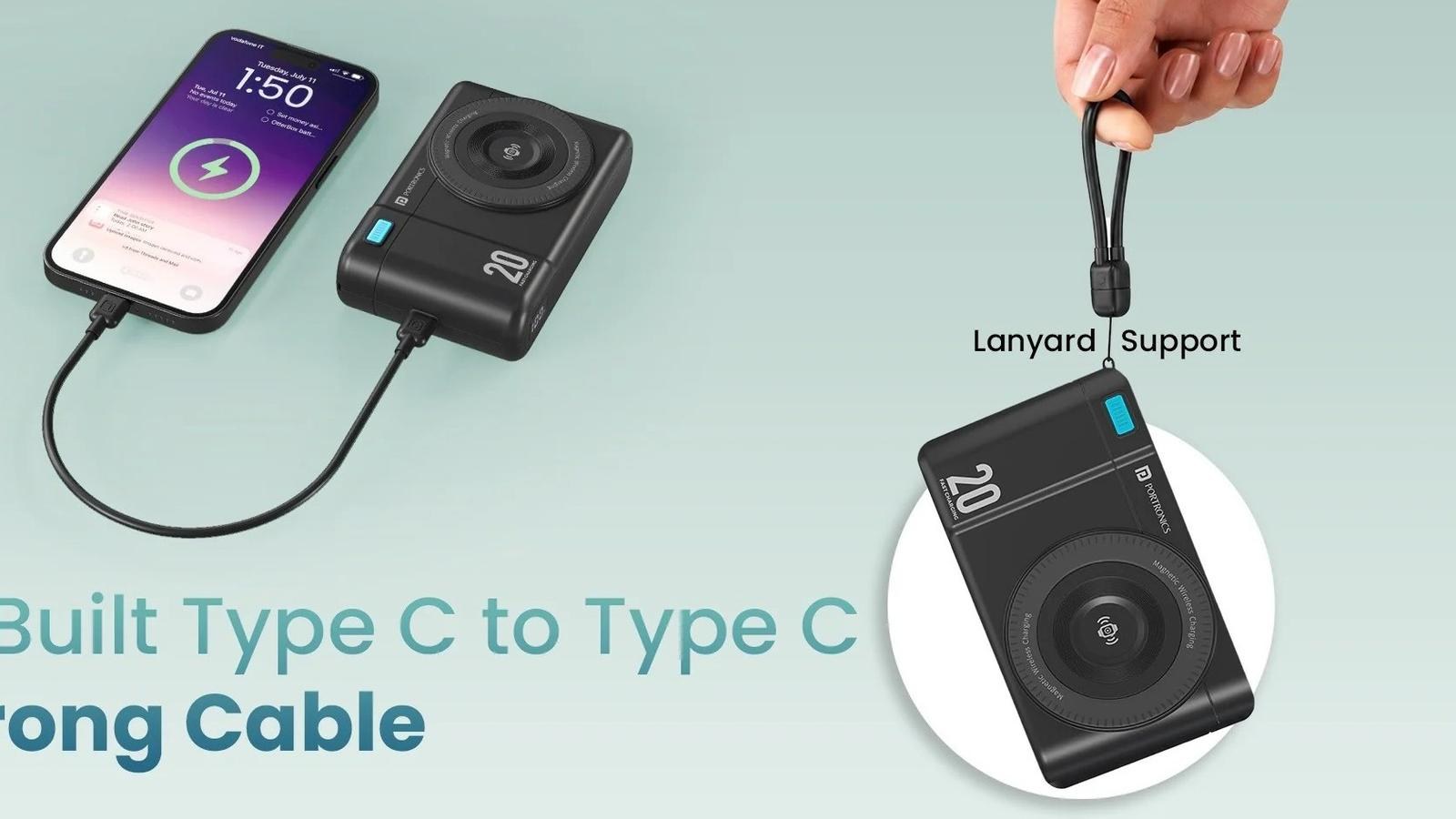
Portronics has launched the Power Shutter Air 20K, a high-capacity magnetic battery pack shaped like a retro camera. The ergonomic grip and Qi2 mount turn heavy emergency power into a practical tool for mobile photographers.

Oukitel brought wildly eccentric rugged phones to IFA, featuring a built-in electric firestarter, physical cooling fans, and thermal cameras. These heavy, multi-pound devices double as survival tools and power banks for extreme outdoor work, trading pocket comfort for niche utility.

Weighing as much as four regular phones, the 8849 Tank 5 Pro combines a 2K projector, FLIR thermal sensor, and massive 17,600mAh battery into a single industrial brick. It replaces a bagful of job-site gear for field technicians who do not mind carrying a 715-gram device.

Engineers have fitted drones with biomimetic claws that anchor directly into vertical ice cliffs. By latching on and killing their motors, the aircraft switch from energy-draining hovering to low-power surveillance that lasts for days.

POCO has squeezed a tablet-grade 8,050mAh silicon-carbon battery into the new F9 Ultra alongside a niche 185Hz screen. The resulting hardware delivers multi-day endurance for power users at the expense of a heavier, thicker frame.
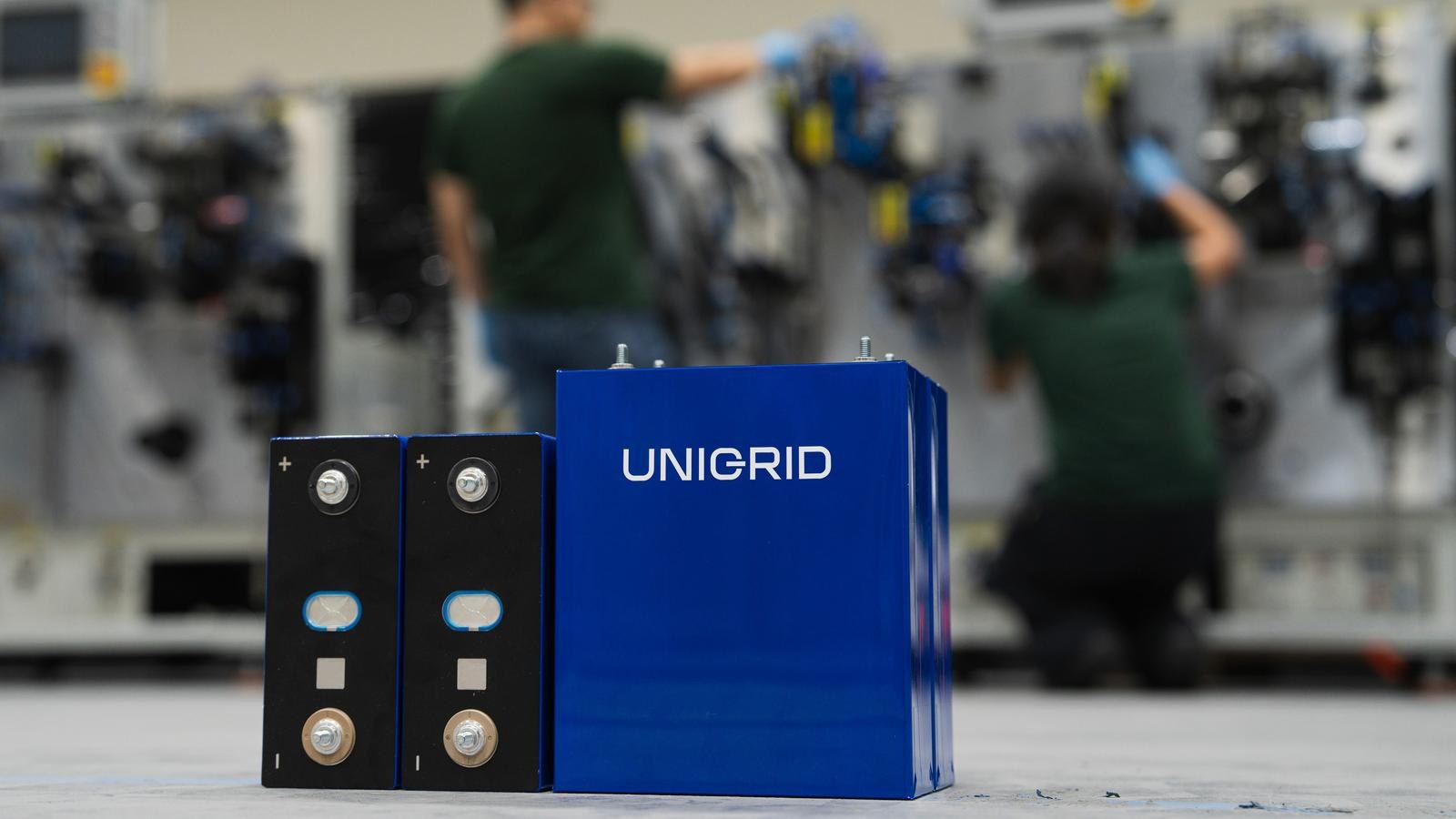
Hyundai has completed testing fireproof sodium-ion battery cells that promise up to 25 years of service life without thermal runaway risks. The chemistry avoids expensive metals like nickel and cobalt, making it ideal for stationary home and factory power storage rather than smartphones.
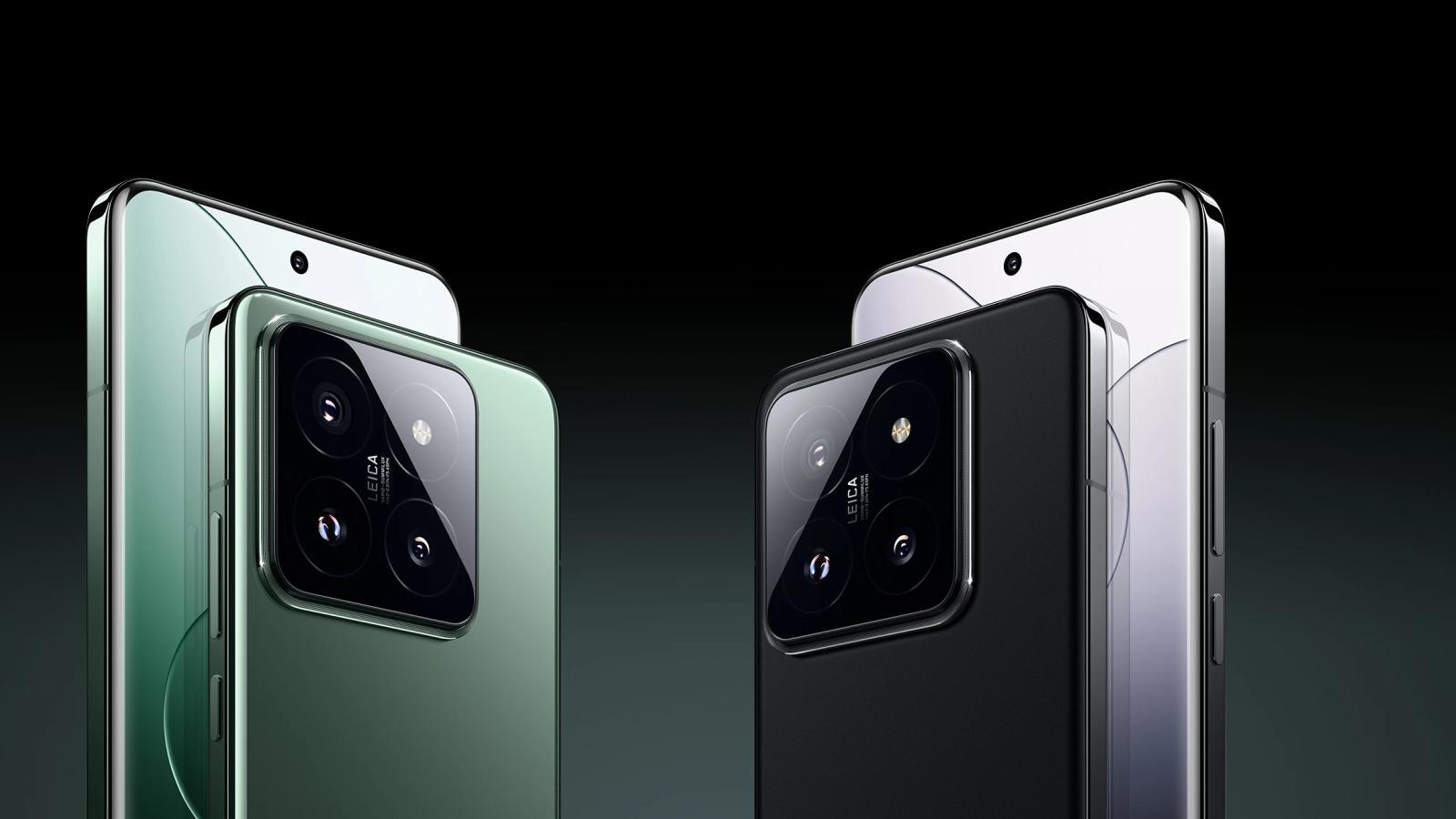
Xiaomi is rolling out official battery upgrades that fit higher-density cells into aging flagship smartphones instead of standard factory replacements. The initiative extends device lifespans and delivers higher capacity than original launch specifications without forcing users to buy new hardware.
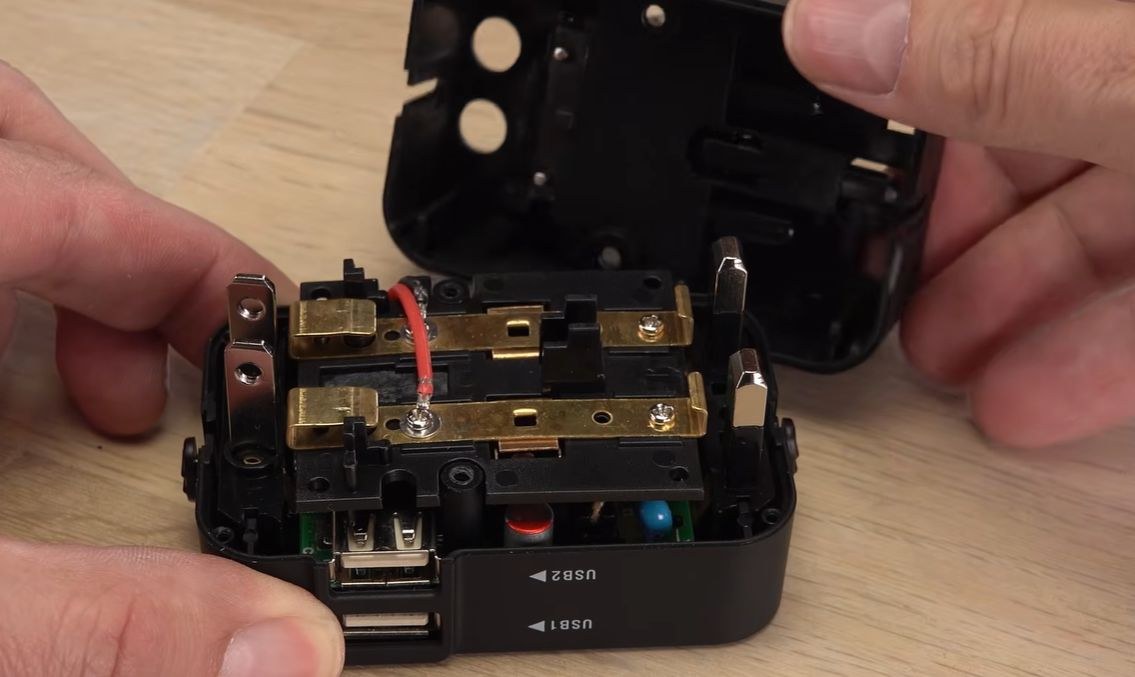
A hardware dissection of a generic $9 travel plug revealed that all sliding prongs share unisolated parallel wiring. Plugging the unit into mains voltage leaves unused pins fully energized, turning cheap all-in-one chargers into severe shock hazards.

Engineers at UC San Diego built a smart ring prototype that reads glucose, lactate, and electrolytes directly from fingertip sweat pores without needles. The biochemical micro-sensors replace standard optical trackers with real metabolic data, though packaging the tech into retail jewelry remains years away.
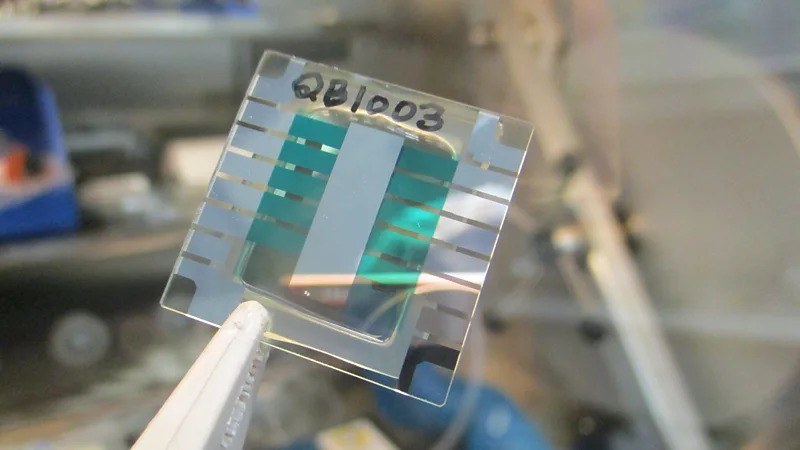
Physicists have demonstrated a working quantum battery prototype that charges faster as its capacity grows, using superradiance instead of chemical reactions. While the breakthrough eliminates charging heat and cell degradation, the bulky optical setup cannot yet store or steadily release power for mobile hardware. Mainstream smartphones will rely on standard lithium-ion packs for years to come.

Sony has introduced a $350 27-inch gaming display equipped with a built-in DualSense charging cradle in the base. The design eliminates desktop cable clutter for console players, though standalone docks offer the same utility for a fraction of the cost.
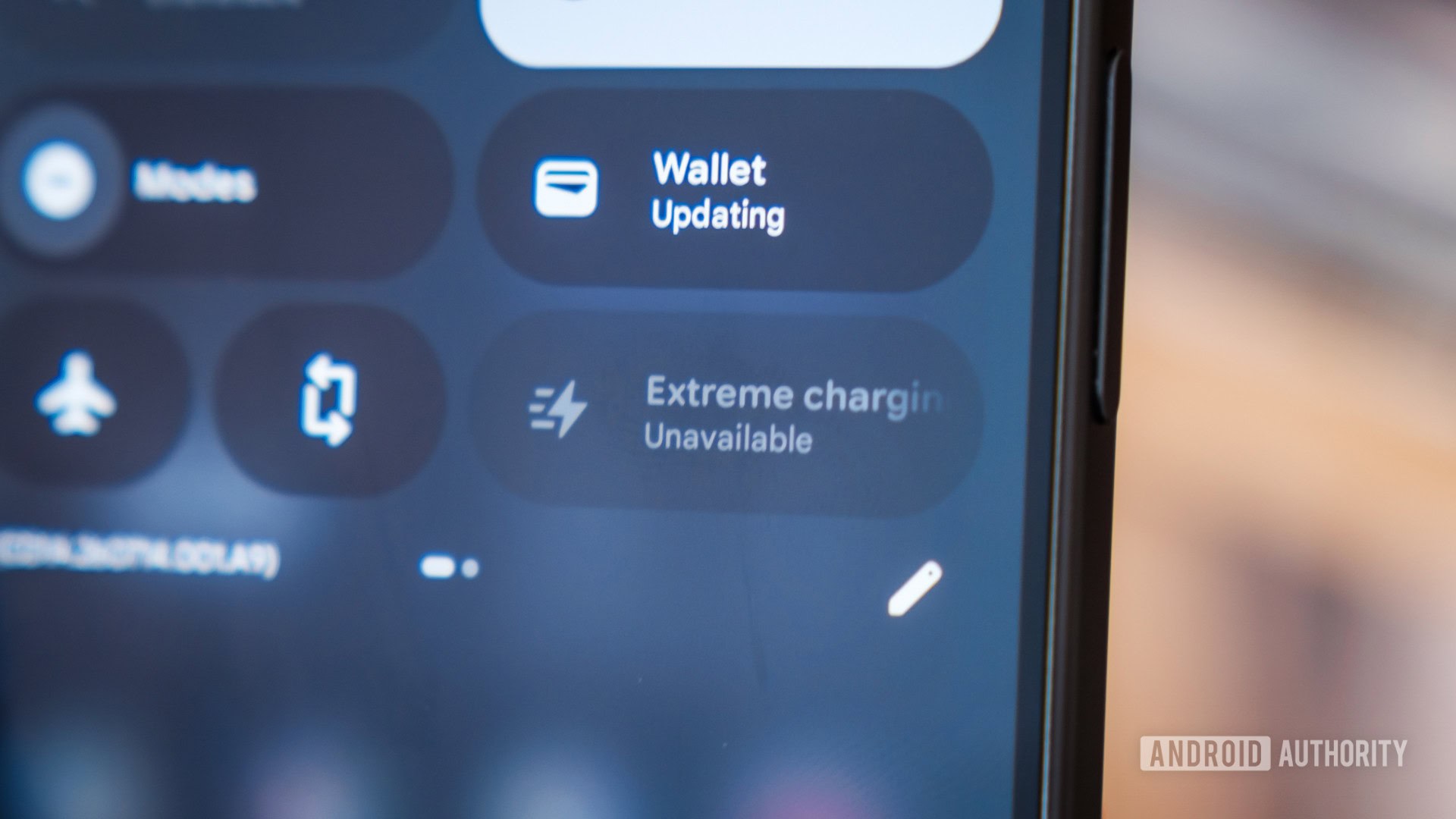
Bench tests show Google's flagship throttles quickly due to thermal limits, delivering real-world charging speeds nearly identical to previous generations. Getting even a brief 40.7W boost requires a niche 21V PPS charger that costs an extra $59.99.

Xiaomi is launching the Poco X8 Power 5G featuring a massive 10,000 mAh silicon-carbon cell with 100W fast charging and 27W reverse power output. The new battery chemistry enables multi-day endurance without turning the device into an unwieldy brick.

Xiaomi's Redmi Note 17 Pro Max ran for over 19 hours in PhoneBuff's robotic endurance benchmark, comfortably beating the OnePlus 15 and iPhone 17. The 10,000 mAh battery delivers multi-day life for field workers and travelers, though it turns the phone into an unwieldy brick for everyday users.

Creator PickentCode built a functional Victorian-style microcomputer powered by a miniature Stirling engine and a burner. By stripping the software stack to bare machine code, the rig keeps a terminal alive entirely on thermal energy.
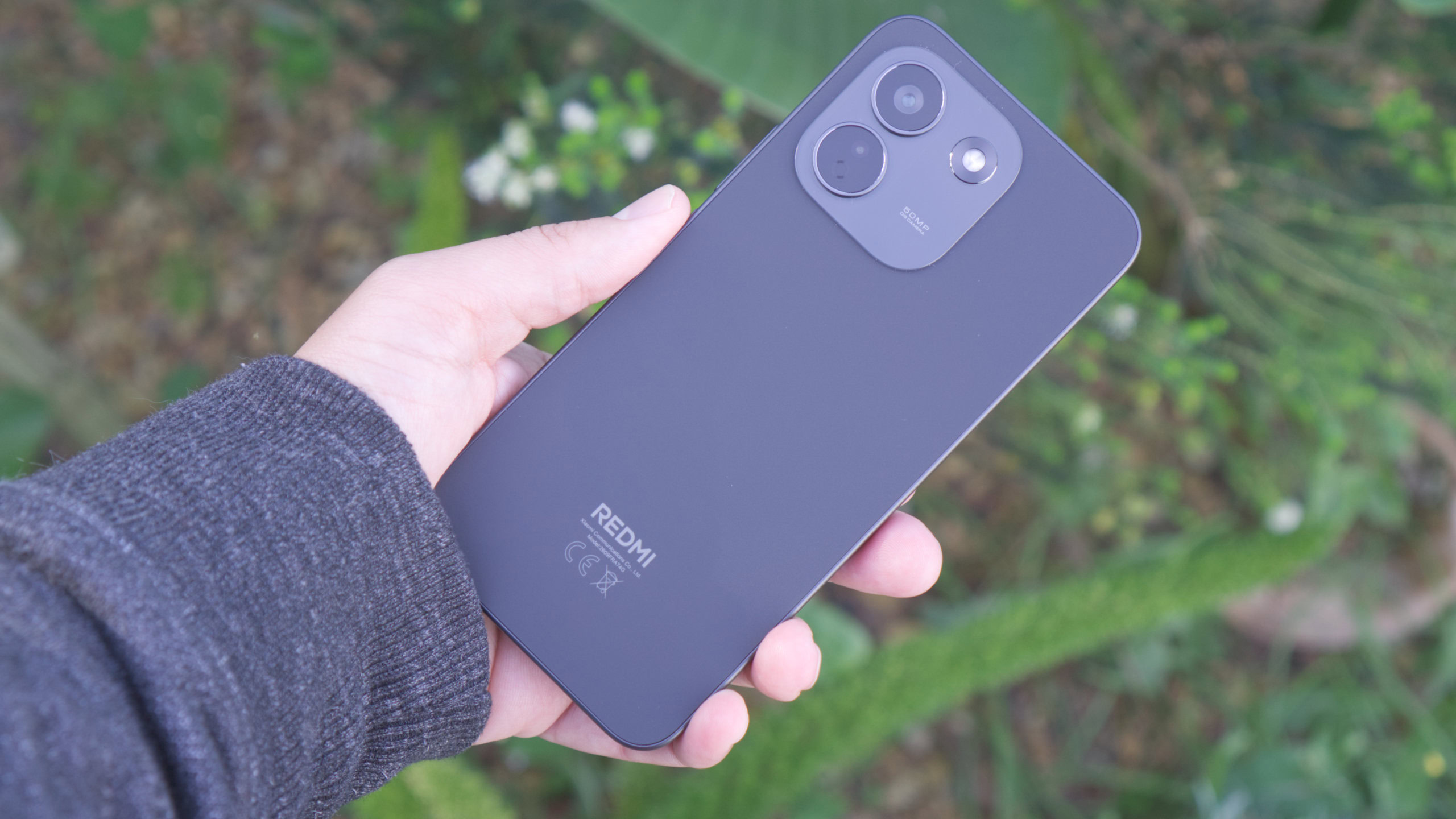
Xiaomi brings a giant 10,000mAh silicon-carbon battery to international buyers for $499. The phone delivers three-day runtimes and rugged armor, but cuts camera resolution and processing speed to keep costs down.

Heart Aerospace proved that regional battery flight works by keeping an 11-ton demonstrator aloft for 30 minutes on $5 of electricity. The test de-risks the startup's 30-seat hybrid airliner, designed to bring back discontinued short-haul routes for major airlines.

Disposable batteries cut out early because solid-state LEDs require strict voltage thresholds, leaving usable energy trapped inside. Squeezing out those remaining millivolts with custom circuits is impractical when modern chips and rechargeable NiMH batteries solve the problem for pennies.

Baseus has launched the PicoGo AR11, a 20,000 mAh power bank with an integrated retractable USB-C cord and 100W output for roughly $45 in China. It eliminates the need for separate charging cables for laptop travelers, though the moving parts could pose long-term durability issues.
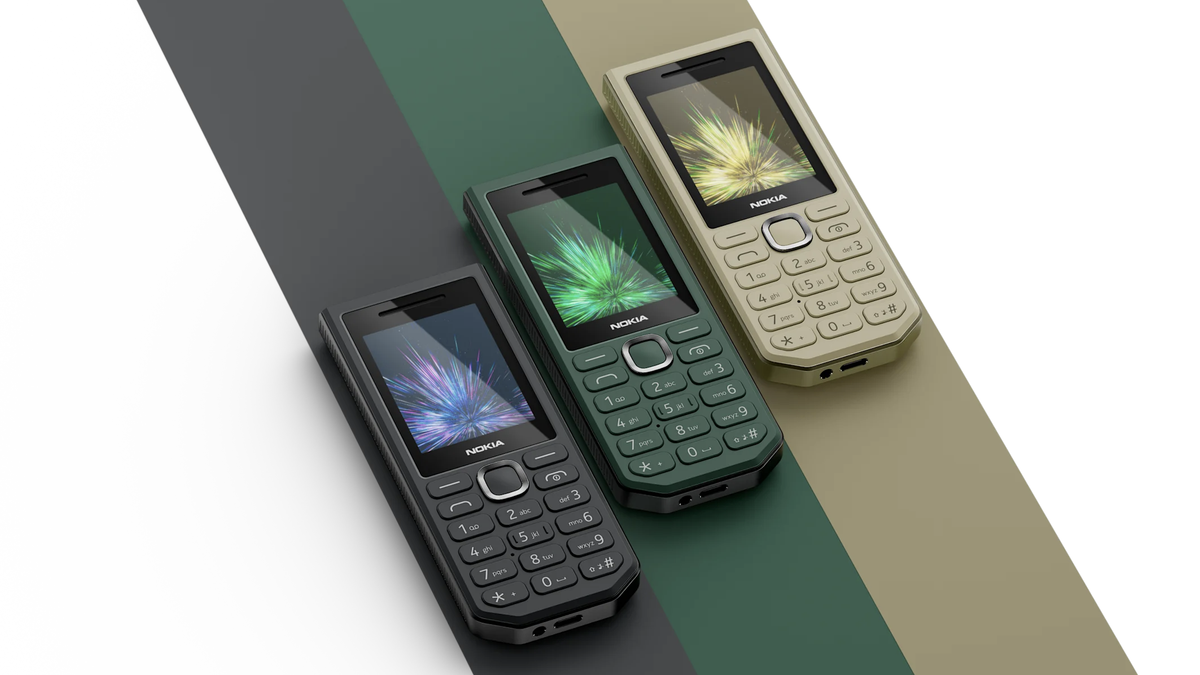
HMD has launched the Nokia 300 Charge, a rugged-looking feature phone with an unusually large 3,700 mAh battery. Thanks to a dedicated button and USB-C port, the device can charge other gadgets at 10W, serving as an ultra-durable backup power bank and basic dialer.