
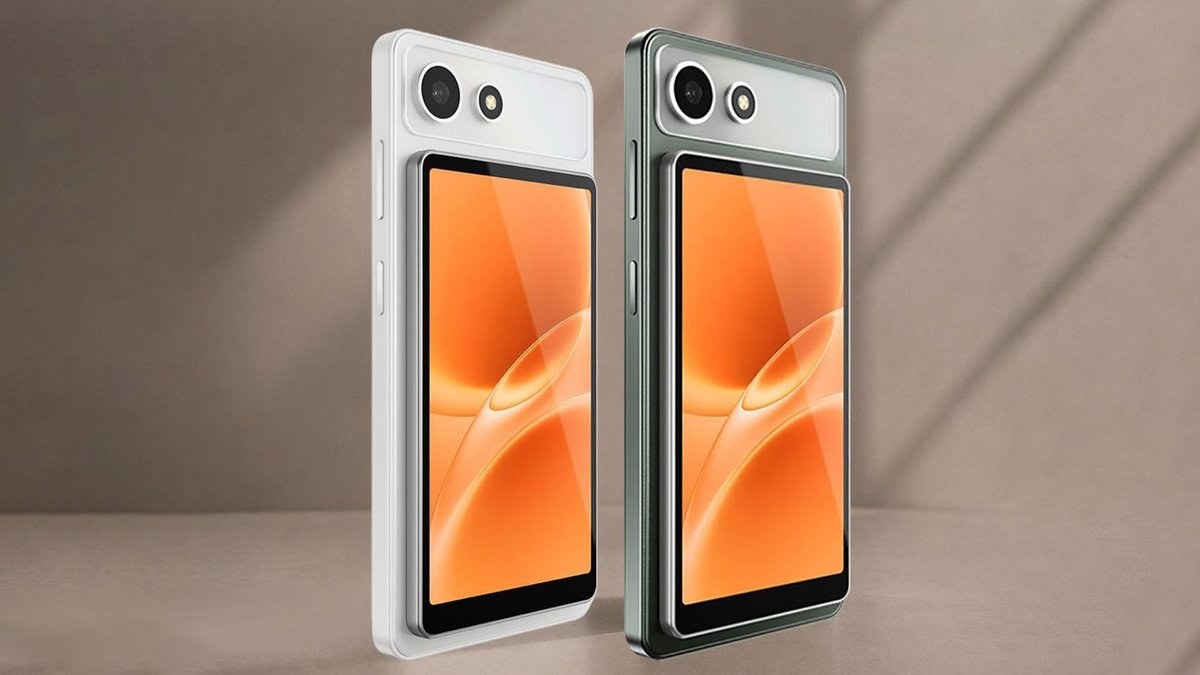
 ttempting to have it both ways in consumer tech usually produces the same result: an overpriced Frankenstein device. Hisense launched the A10 Ultra, an E Ink smartphone paired with a separate magnetic snap-on color display. Pricing starts at roughly $400 for the base configuration and reaches up to $550 for the bundle with the secondary module included. Strip away the marketing spin, and you get a textbook example of turning a simple digital detox concept into an overengineered sandwich.
Ink vs video
At the device's core sits a 6.13-inch E Ink Carta 1300 panel with a crisp 300 PPI density and dual-tone front lighting. It delivers everything you expect from a premium e-reader: zero glare, ambient light reflection, 256 grayscale levels, and complete eye comfort during marathon reading sessions. Hisense even integrated a dedicated T2000 display controller to offload the main octa-core Qualcomm QCM6690 processor and minimize ghosting artifacts. For reading books and scrolling through documents, it is genuinely pleasant.
The friction begins the moment you need to open a maps app, watch a video clip, or check a color photo in a chat. A slow monochrome panel simply cannot handle dynamic content. Trying to render high-framerate visuals on electronic paper is a jarring experience, and Hisense clearly knew it.
A magnetic crutch in your pocket
Engineers engineered a radical workaround: the A10 Ultra features a detachable 4.96-inch color IPS screen. It snaps onto the back via magnets and pogo pins, transforming the e-reader into an Android 16 smartphone.
The detachable color display connects via magnetic alignment and physical pogo pins, enabling video playback and full-color app support.
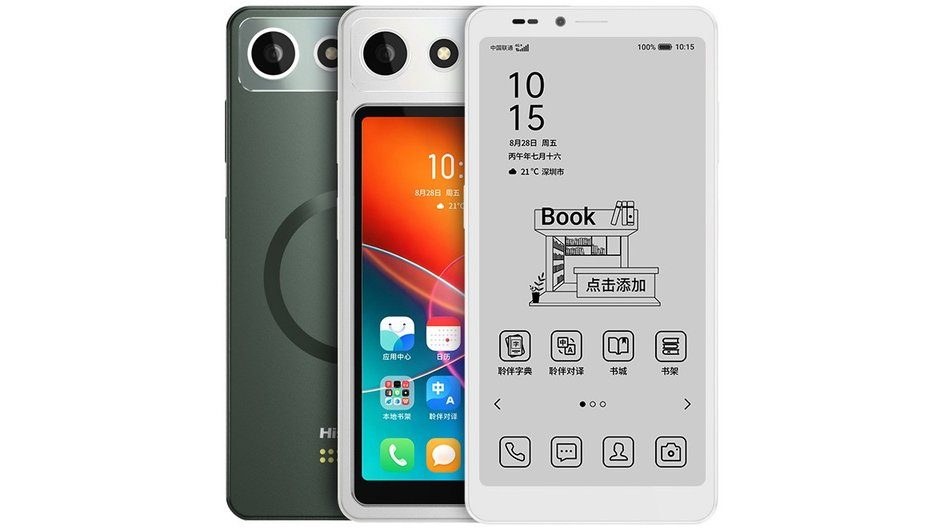
Picture using this setup in daily life. You are walking down a rainy street, need to check navigation quickly, and have to pull a loose slab of glass from your pocket to slap it onto the phone. This two-layer assembly adds noticeable bulk, creates constant anxiety about drops, and collects dirt on the exposed contact pins. On the A10 Pro model, the attachment is sold separately for about $55, while the Ultra includes it in the box.
On paper, the rest of the spec sheet is solid: 5G connectivity, up to 512 GB of storage, 48 MP and 8 MP cameras, NFC, and wireless charging. The phone itself weighs 190 grams. However, the modest 4,000 mAh battery will drain rapidly once the power-hungry color panel is active, leaving very little endurance for demanding tasks.
Key takeaways
Hisense is pitching an awkward compromise at the price of a capable upper-midrange smartphone. You either get a solid but heavy e-reader or a clunky modular phone with an extra piece of glass waiting to get lost. For true relief from social media feeds and a comfortable reading experience, buying a standard smartphone alongside a lightweight dedicated e-reader remains a far more practical choice.