
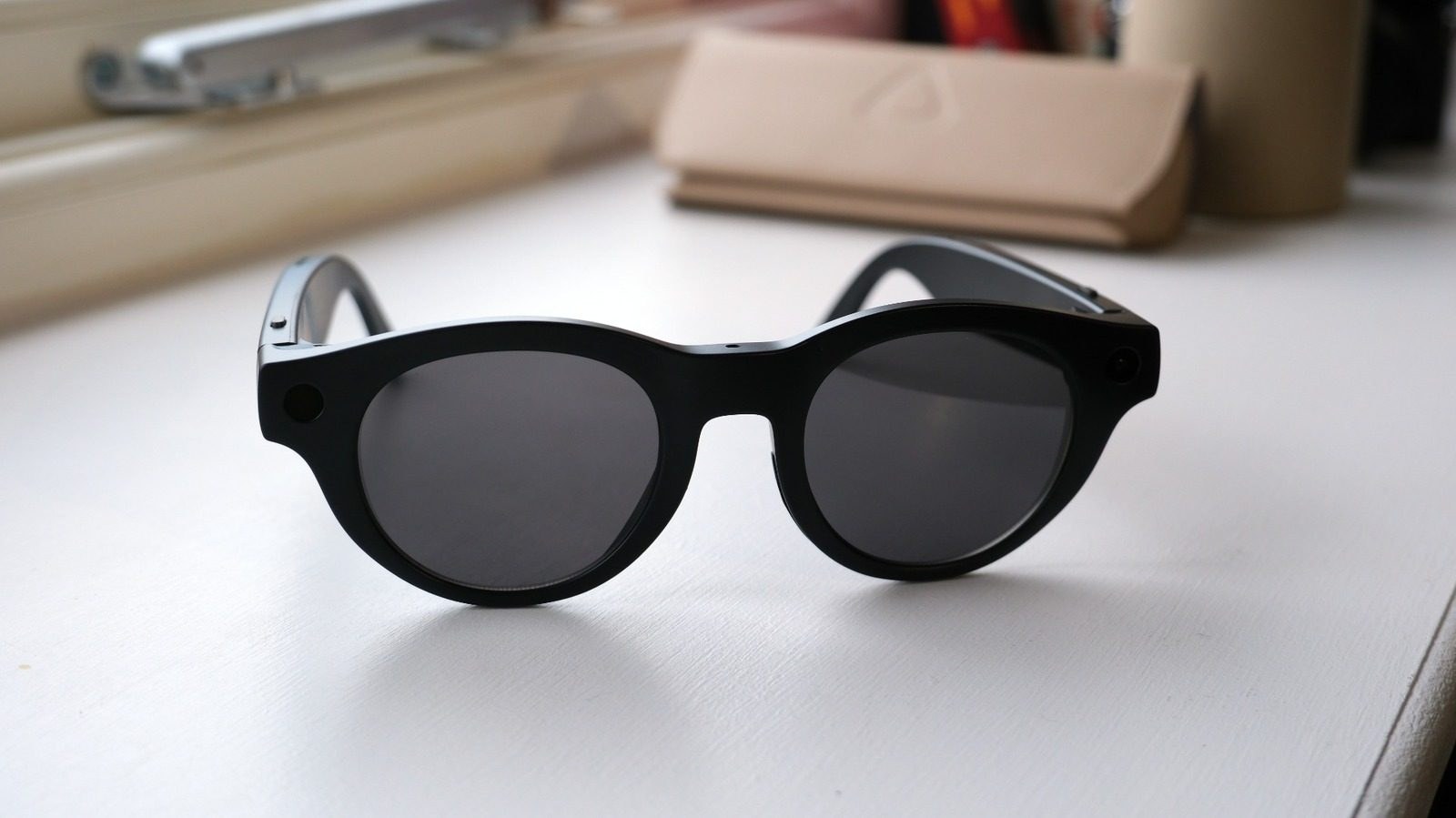
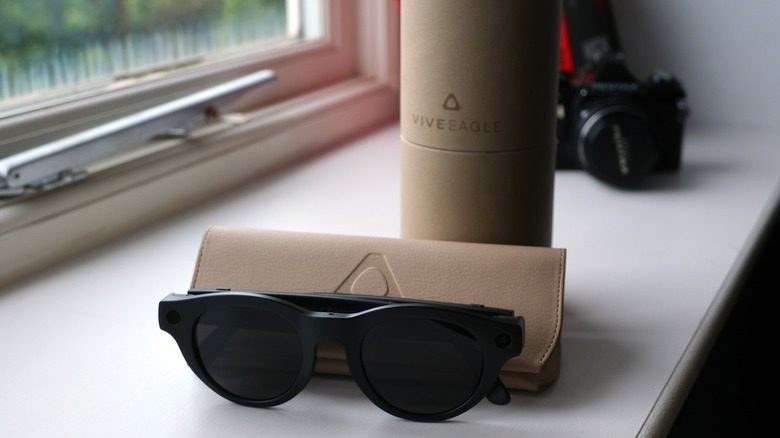
 TC launched the Vive Eagle a year ago in Taiwan and has finally dragged the device over to Western markets. If you are wondering whether you need to drop $499 on the basic Panto model with non-prescription sunglass lenses, our verdict is simple: save your money. In our view, smart glasses remain a category desperately searching for a justification, and HTC has neither the cultural clout nor the billions that Meta burns to force-feed camera eyewear into the mainstream.
Smart glasses must prove why they deserve space on your face over a phone that handles every single photo, call, and AI prompt significantly better. Weighing around 49 grams, the Vive Eagle attempts to mimic classic eyewear silhouettes while packing miniature mobile components. Under the hood sits a Snapdragon AR1 Gen 1 processor paired with 4GB of RAM and 32GB of onboard storage.
There's almost nothing camera glasses can do you can't do faster and better with a phone.
That reality hits hard when you look at the physical compromises required to make these frames functional. The basic Panto variant ships with non-prescription sunglass lenses, but the bulky frame styling and lightweight feel make it tough to trust during everyday wear and tear.
Compromised Audio
Audio hardware consists of open-ear stereo speakers and a four-microphone array, combining one directional microphone in the nose bridge with three omnidirectional microphones around the frame. Physical controls are at least generous: the Vive Eagle features two buttons—one on each arm—alongside a touchpad running down the right side for taps and media scrolling. Yet the open audio drivers struggle mightily with music playback, delivering tinny highs and crunchy bass that fail to replace even a basic pair of wireless earbuds.
The Battery Reality
Battery life cements the practical hurdle. The integrated 235mAh battery provides 4.5 hours of music playback, three hours of phone calls, or up to 36 hours in standby mode. Spending $499 leaves you with a 49-gram pair of frames that runs out of juice after barely three hours of voice calls.
Ultimately, shelling out half a grand for a standalone headset without an ecosystem backing it up is an exercise in throwing money away. You get an expensive novelty that drains its battery before lunch while your smartphone does the heavy lifting effortlessly in your pocket.