
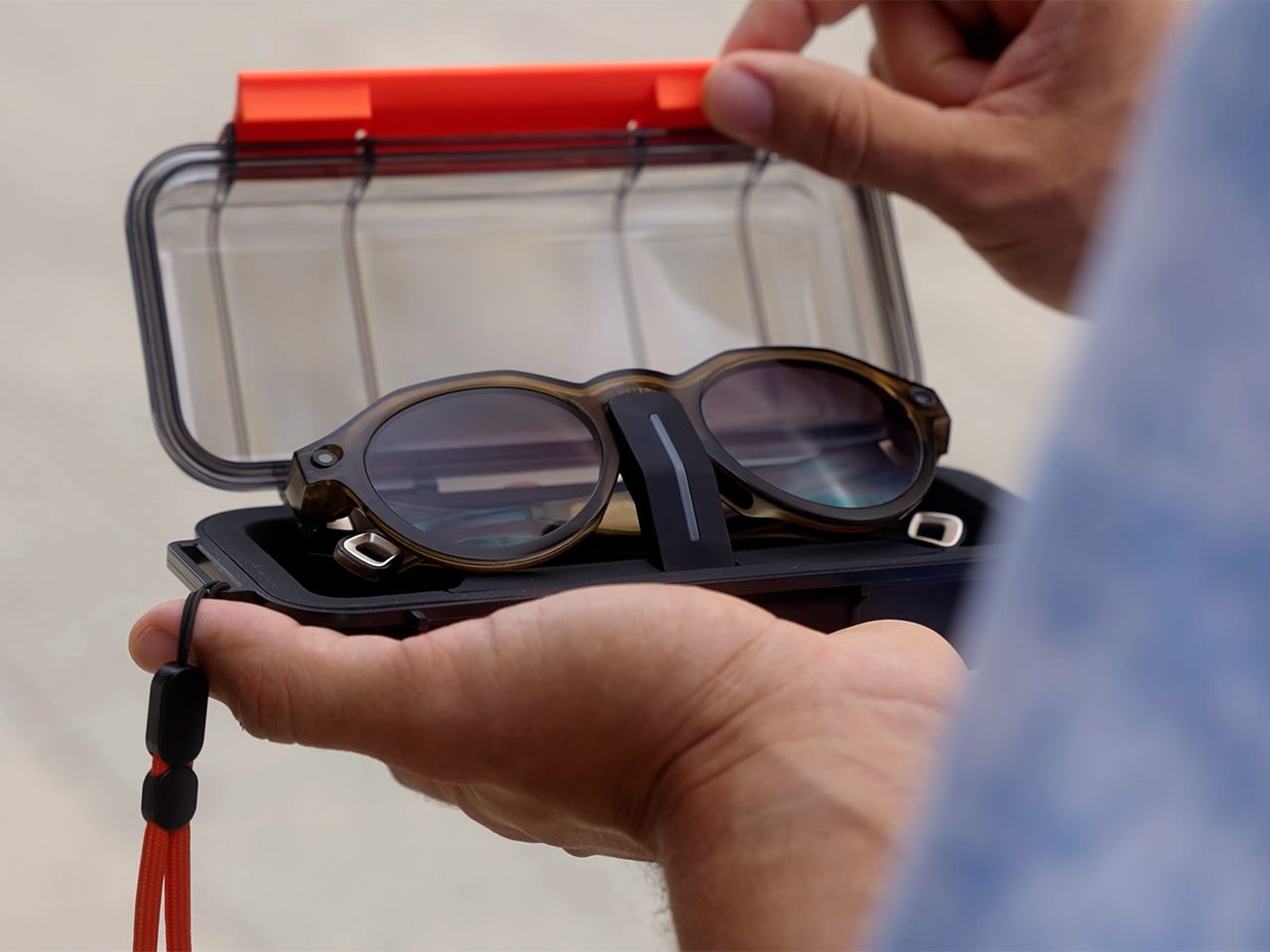
 obody actually wants to walk around looking like a tech demo with a computer strapped to their forehead. For years, hardware giants promised that augmented reality glasses with glowing heads-up displays would replace our smartphones, but what they mostly delivered were heavy, awkward face-goggles that nobody outside a research lab would wear in public. Berlin-based eyewear brand L’Atitude 52°N is taking the opposite route with its new Milan frames. Instead of cramming an intrusive display in front of your eyes, the company packed a 12MP camera, microphones, open-ear speakers, and live translation inside a traditional round panto silhouette that weighs only about 50 grams.
Hiding the Hardware in Plain Sight
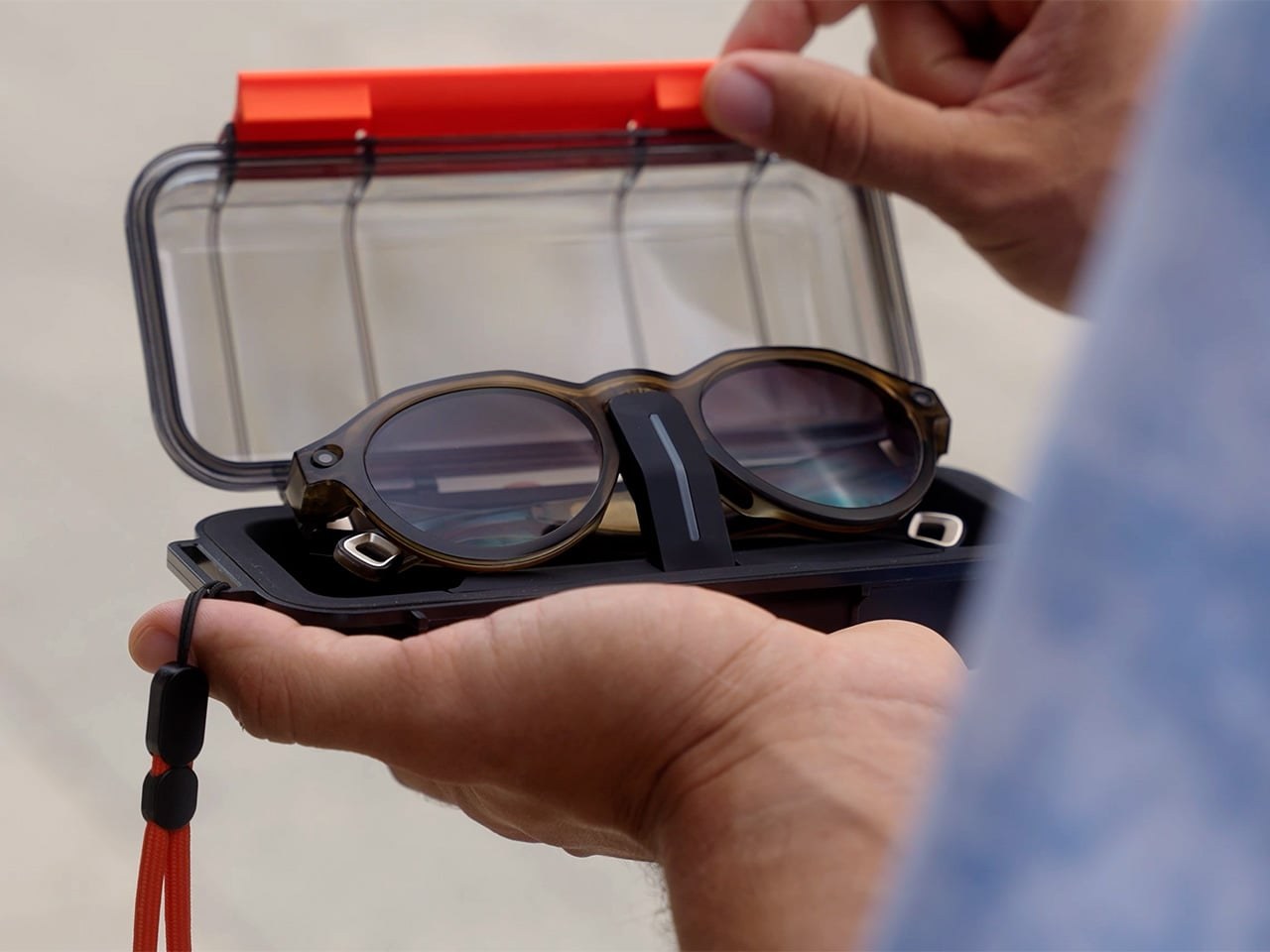
The entire pitch behind Milan is disguise: it looks like normal vintage eyewear rather than an electronic gadget. L’Atitude 52°N built the frame out of EMS TR90 material with self-adjusting temples and stainless steel spring hinges coated with a nano-technology layer that survived over 20,000 test cycles. It carries an IP65 rating against dust and water, making it sturdy enough for everyday wear.
Milan’s matte finish and rounded panto silhouette exist in deliberate contrast to the BERLIN frame’s angular, navigator-coded geometry: BERLIN for a classic utility vibe, MILAN for culture.
Underneath that classic look sits real silicon. At the bridge, L’Atitude 52°N embedded a 12MP Sony IMX681 sensor with a 107-degree ultra-wide field of view to mimic human peripheral sight. A 6nm AI processor handles noise reduction, exposure adjustments, and color processing on the fly, saving photos and video to 32GB of built-in storage. You trigger photos or video capture with a simple tap on the frame or by saying "Hey Goya" to wake the built-in AI assistant. Both portrait and landscape modes are supported for social posts, though video tops out at 1080p HD, which falls noticeably short of rival smart frames that already offer sharper video capture.
Practical AI on Your Nose
Skipping a display screen keeps the glasses lightweight and shifts the interface entirely to audio and vision. An array of five microphones and open-ear stereo speakers handles two-way sound, letting the Goya assistant deliver step-by-step navigation, manage phone calls, play music, and check battery levels without you ever reaching for your phone. The camera also powers an AI Tour Guide that identifies landmarks and artworks, feeding a 30-second audio summary directly into your ears, while live translation handles two-way voice conversations across five languages.
The Price of Hipster Disguise
Launching August 25th in the US and Europe, Milan starts at $399 in Olive and Obsidian colorways, climbing to $449 if you want photochromic lenses that tint automatically in sunlight. That places it squarely in the premium bracket of smart eyewear, well above several well-funded rivals that pack better video specs for fewer dollars.
L’Atitude 52°N proves that audio smart glasses disguised as classic frames are infinitely more wearable than bulky AR headsets, but charging $399 for a 1080p video limit asks buyers to pay heavily for style over raw specs. As smart eyewear shifts away from visible gadgetry toward mainstream fashion, design and ergonomic comfort will define the winners, and Milan sets an elegant benchmark even if the hardware inside demands an undeniable premium.