
 ommercial smart terrarium controllers for pets like geckos easily run between $80 and $150. Most of these off-the-shelf units come weighed down with proprietary apps full of ads, unstable Wi-Fi connections, and clunky on-off cycles that wear out equipment fast.
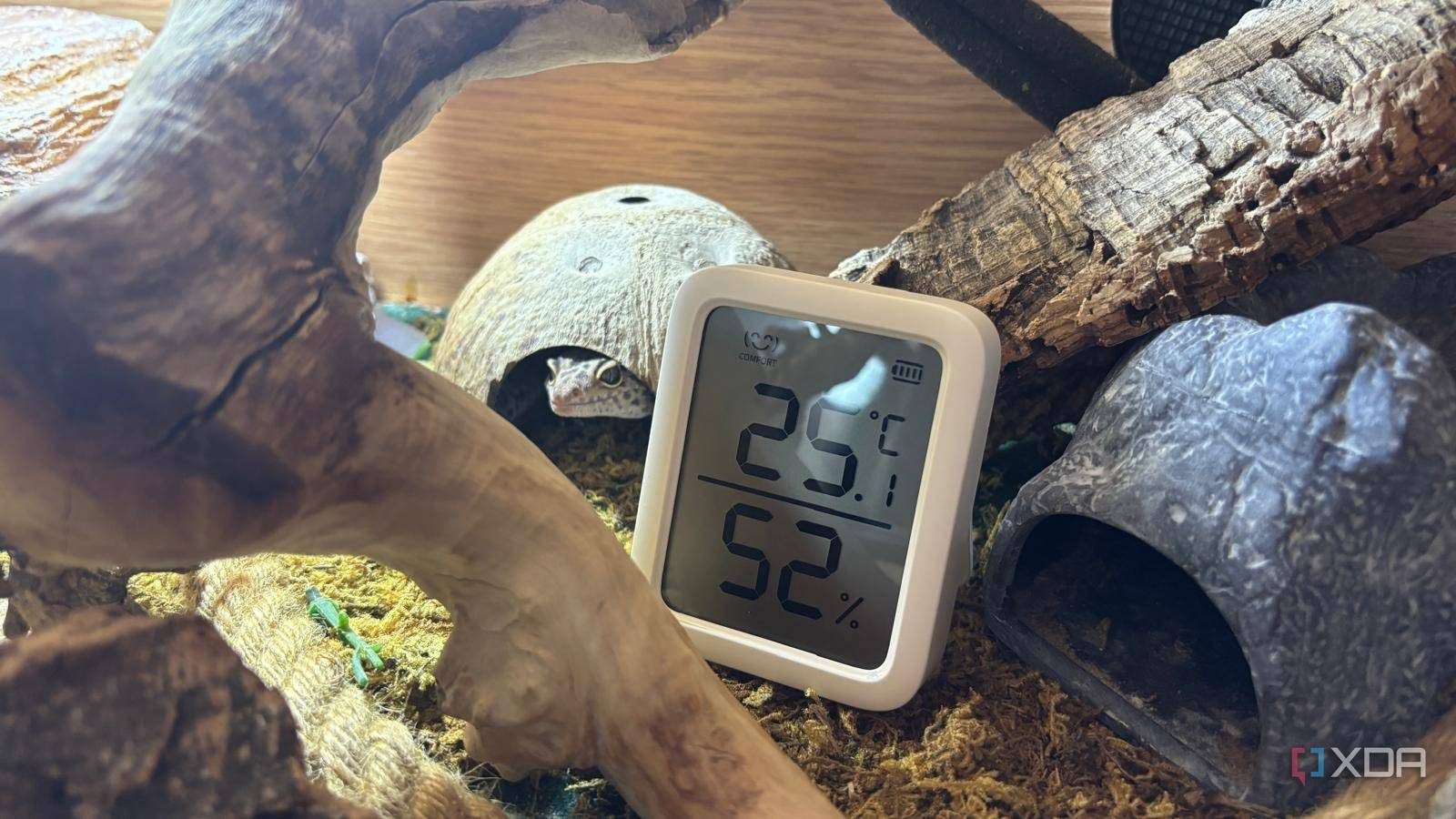
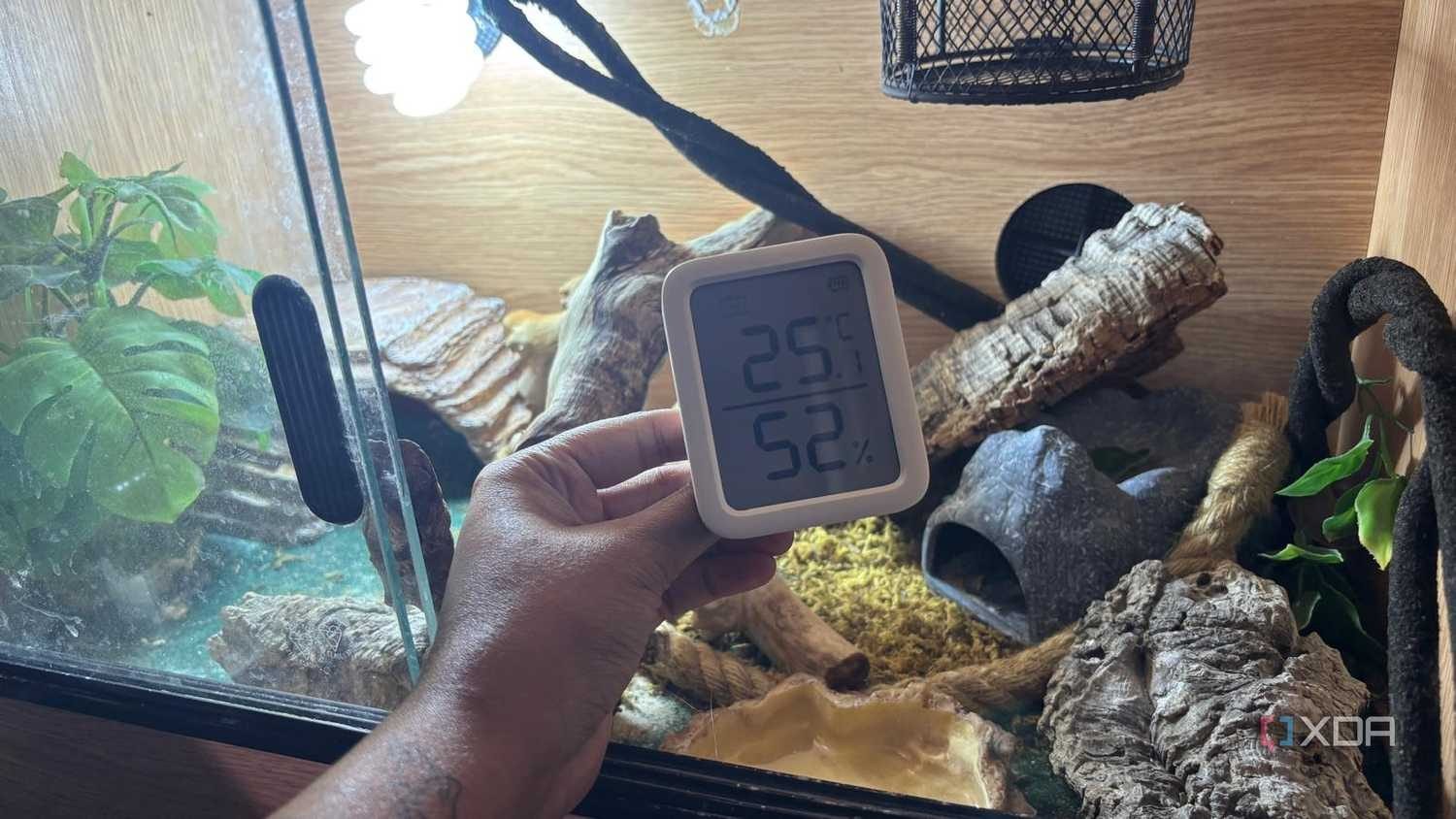
According to an analysis by XDA Developers, you do not need to pay that premium. Instead of an expensive proprietary hub, you can stick an unassuming $15 SwitchBot sensor on the inside of the enclosure and connect it to a local Home Assistant setup to get enterprise-grade climate management.
Sniffing Data Without the Cloud
The SwitchBot protocol works without requiring an active, battery-draining two-way connection. Instead, the sensor continuously broadcasts open Bluetooth signals containing raw payloads with temperature, relative humidity, and battery voltage data.
"The payoff means you get sub-second response latency, zero internet dependency, zero cloud subscription fees, and a 2-year sensor battery life."
Because thick terrarium glass, water misting, and room walls can degrade Bluetooth signals to a central server, adding a cheap $4 ESP32 board running a Bluetooth proxy near the tank solves the range problem. This setup creates a local radio bridge that relays the telemetry straight into Home Assistant, delivering sub-second response latency and a 2-year sensor battery life without cloud fees.
Smarter Automations and Fail-Safes
Basic pet automations often ruin equipment by cycling switches too quickly whenever readings flicker around a single threshold. Implementing Home Assistant's native humidistat and thermostat integrations fixes this by using target tolerances: setting a target of 72% humidity with a tolerance of three keeps the mister off until levels drop below 69%, running it until humidity reaches 75%.
Safety in a live animal habitat requires a hardware fail-safe. The SwitchBot sensor acts as an independent watchdog in an outer hardware breaker layer. If the enclosure temperature exceeds a safety limit like 31°C, an emergency automation instantly hard-cuts power to the entire circuit through an upstream smart breaker plug, blaring phone alerts and workstation audio warnings.
Proprietary pet hardware charges a tenfold premium for cloud dependencies and primitive controls. A simple $15 broadcast sensor tied to local automation delivers far higher precision, total offline independence, and genuine hardware safety without subscriptions.