
#Connectivity
45 stories on this topic, newest first.
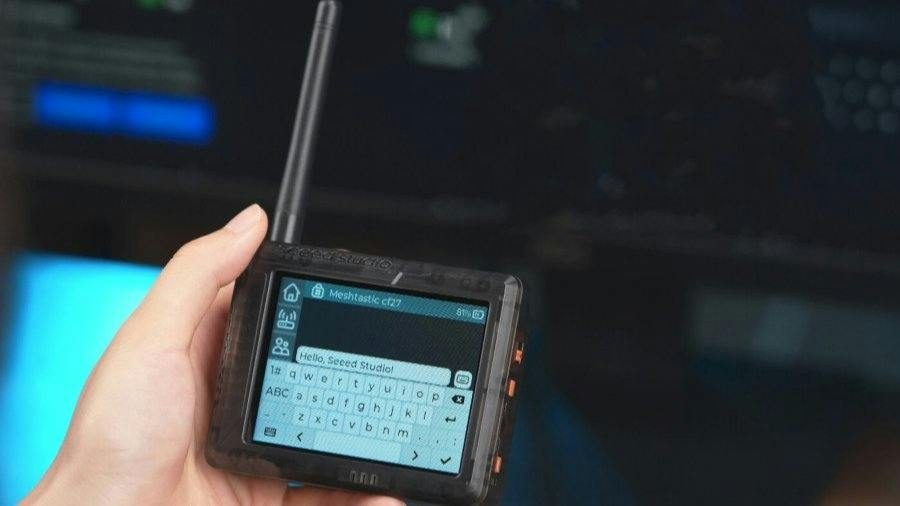
The $Seeed Studio Wio Tracker L2 Pro features a 3.2-inch color touchscreen and built-in GPS to run independent Meshtastic chats without a smartphone. Without an active local radio community nearby, however, this pocket node quickly turns into an expensive
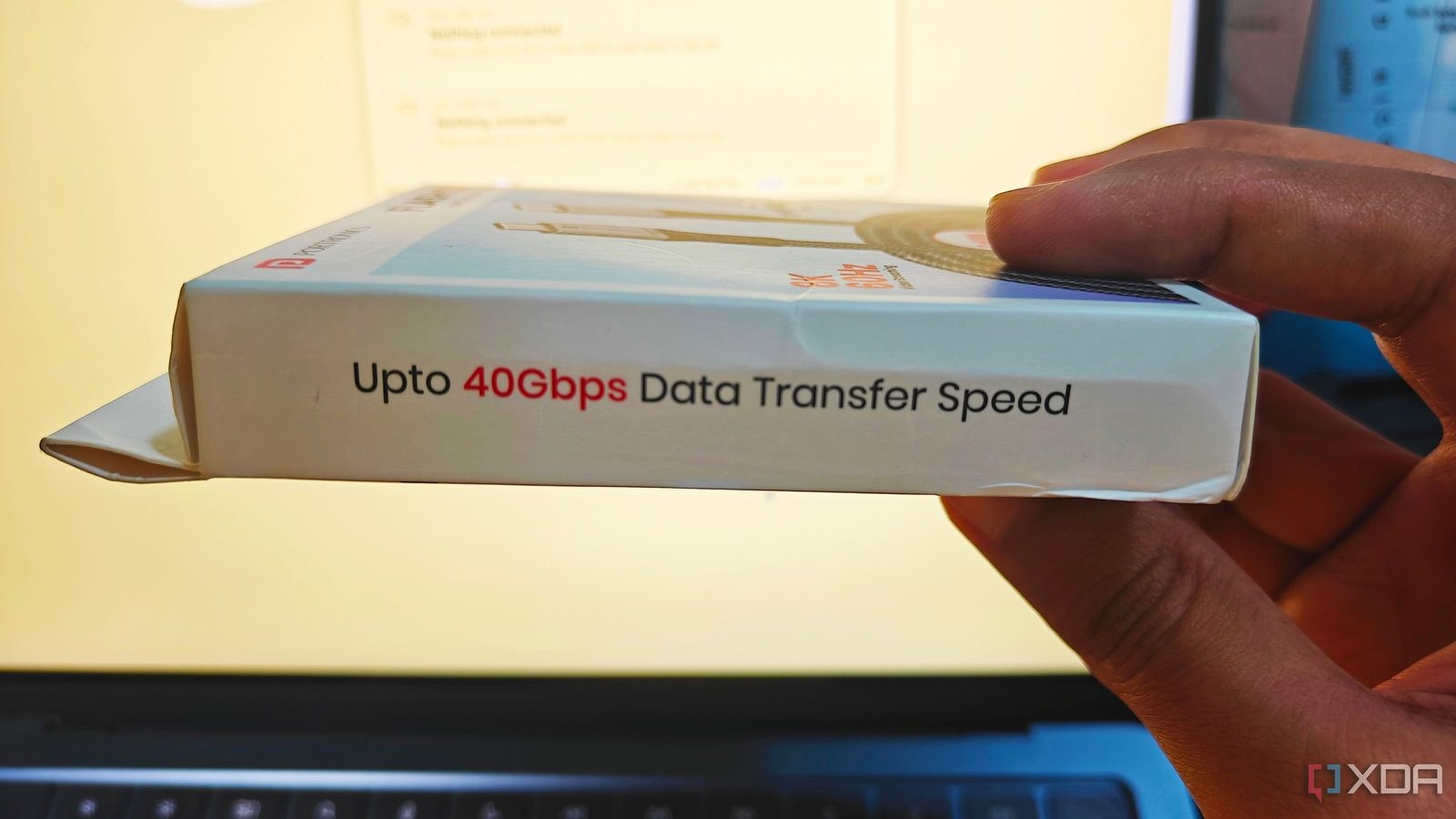
Budget manufacturers are programming fake e-marker chips into cheap USB-C cords to mimic expensive 40Gbps Thunderbolt 4 cables on paper. A simple terminal command or hardware tester reveals whether your four-dollar wire is lying to your operating system.
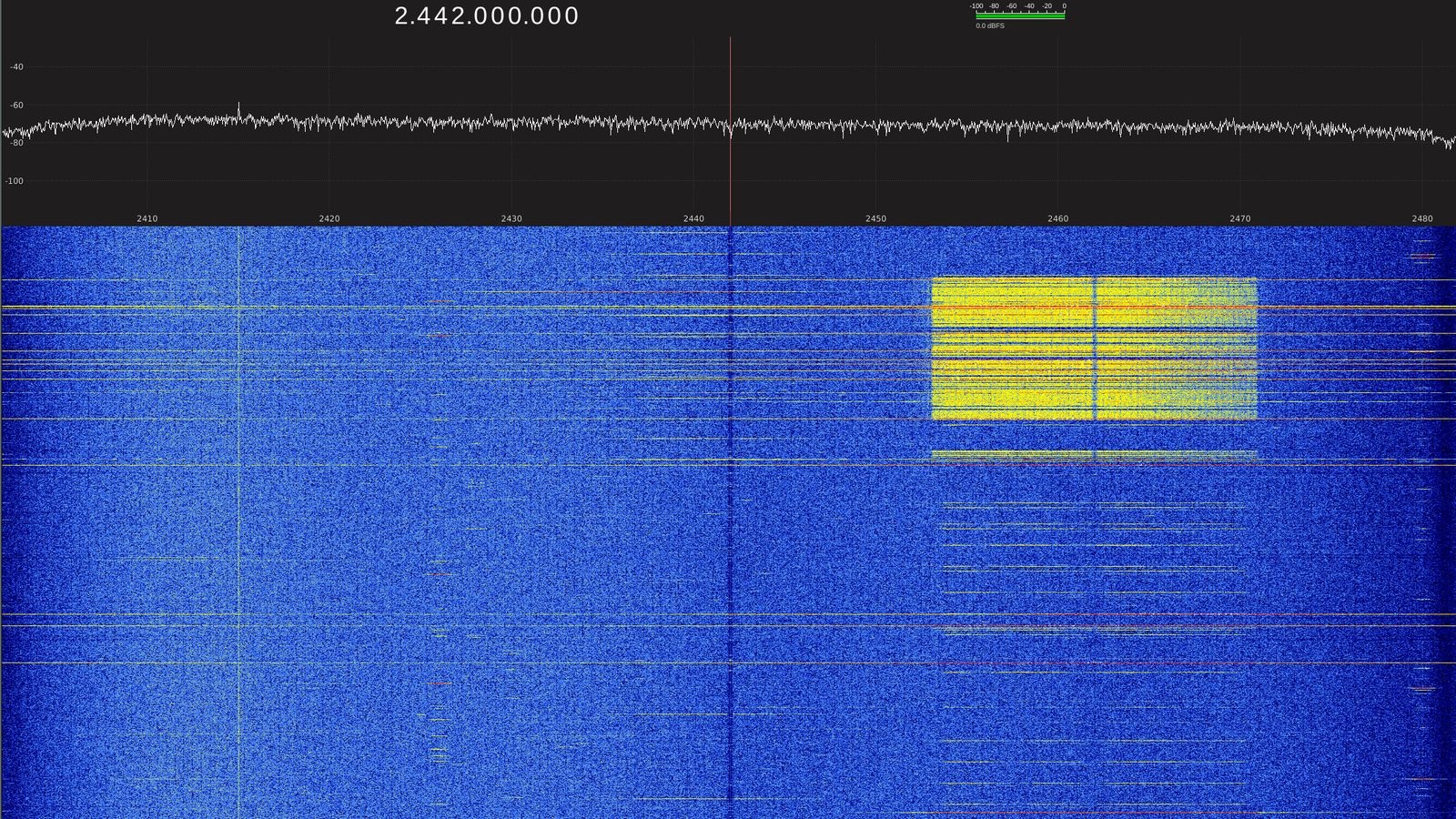
A manufacturing oversight in MediaTek Wi-Fi chips lets enthusiasts turn a cheap network adapter into a software-defined radio. While it saves hundreds of dollars compared to professional gear, the raw debugging tool currently requires constant terminal
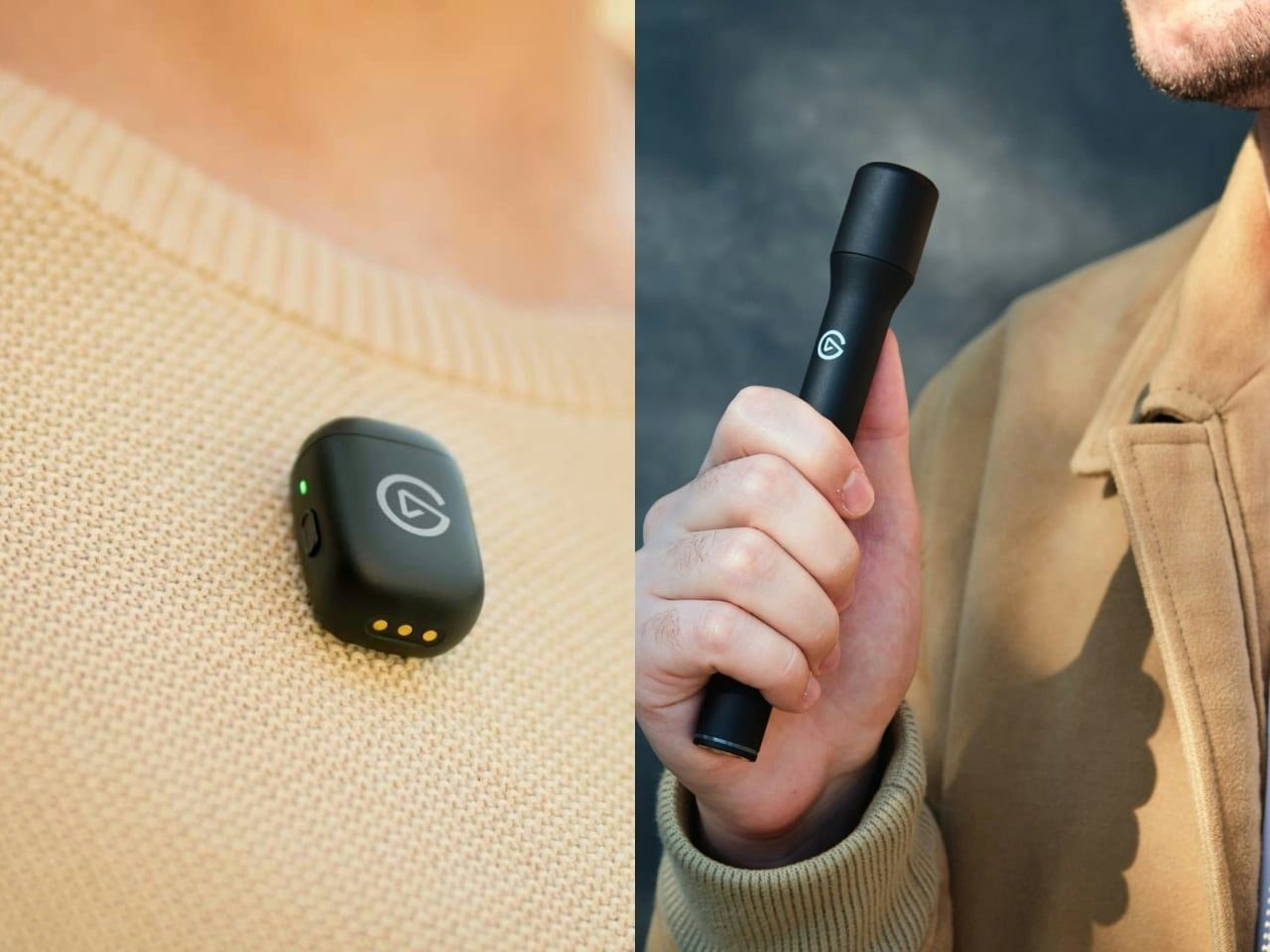
The new Elgato Wave Go is a tiny 0.25-ounce wireless transmitter that snaps into a plastic wand for street interviews. For $99, creators get a dual-purpose setup with 48 hours of total battery life, bypassing the need to carry two separate mics.
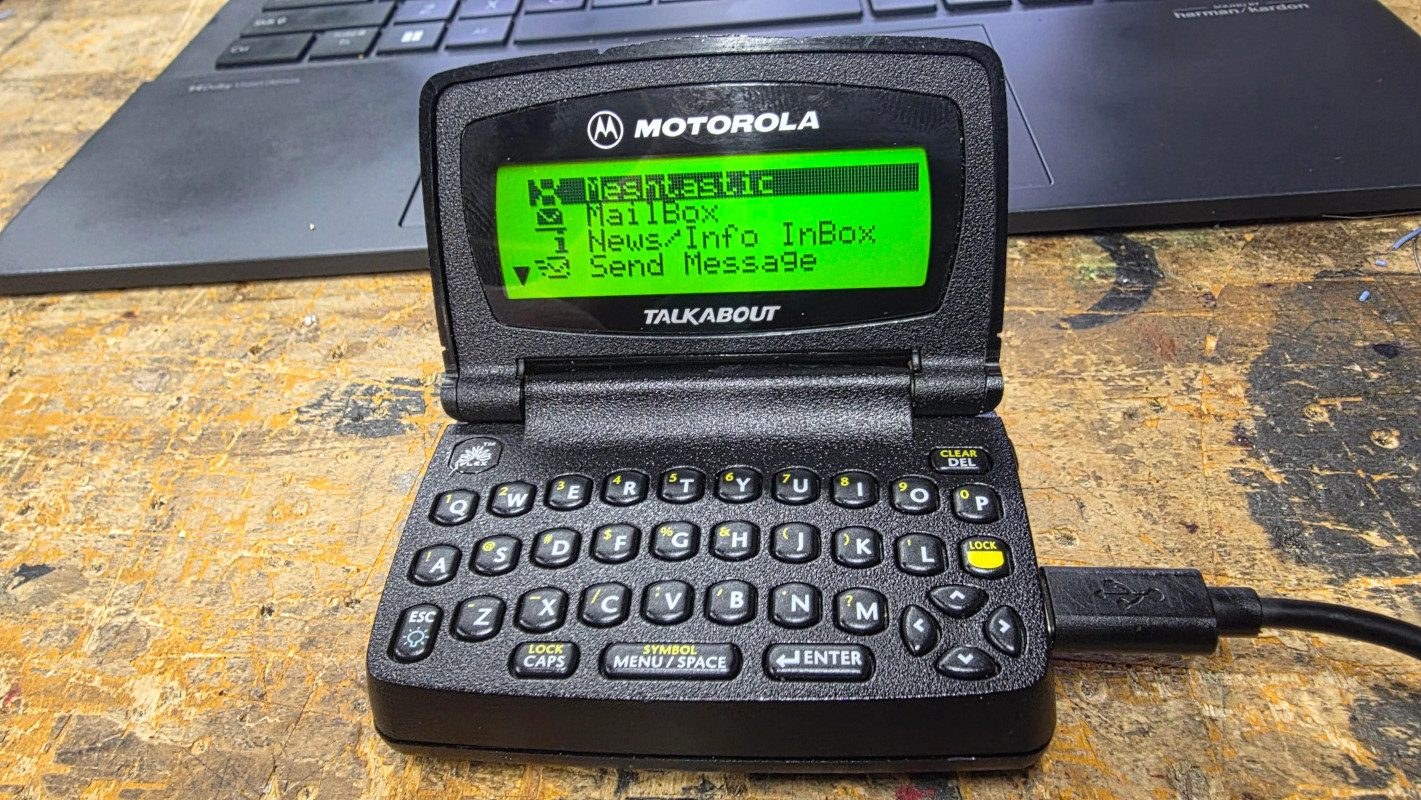
Maker [zindustries87] rebuilt a vintage Motorola T900 pager to run on the decentralized Meshtastic radio network. The custom prototype requires heavy reverse-engineering and isn't ready for practical emergency use yet.
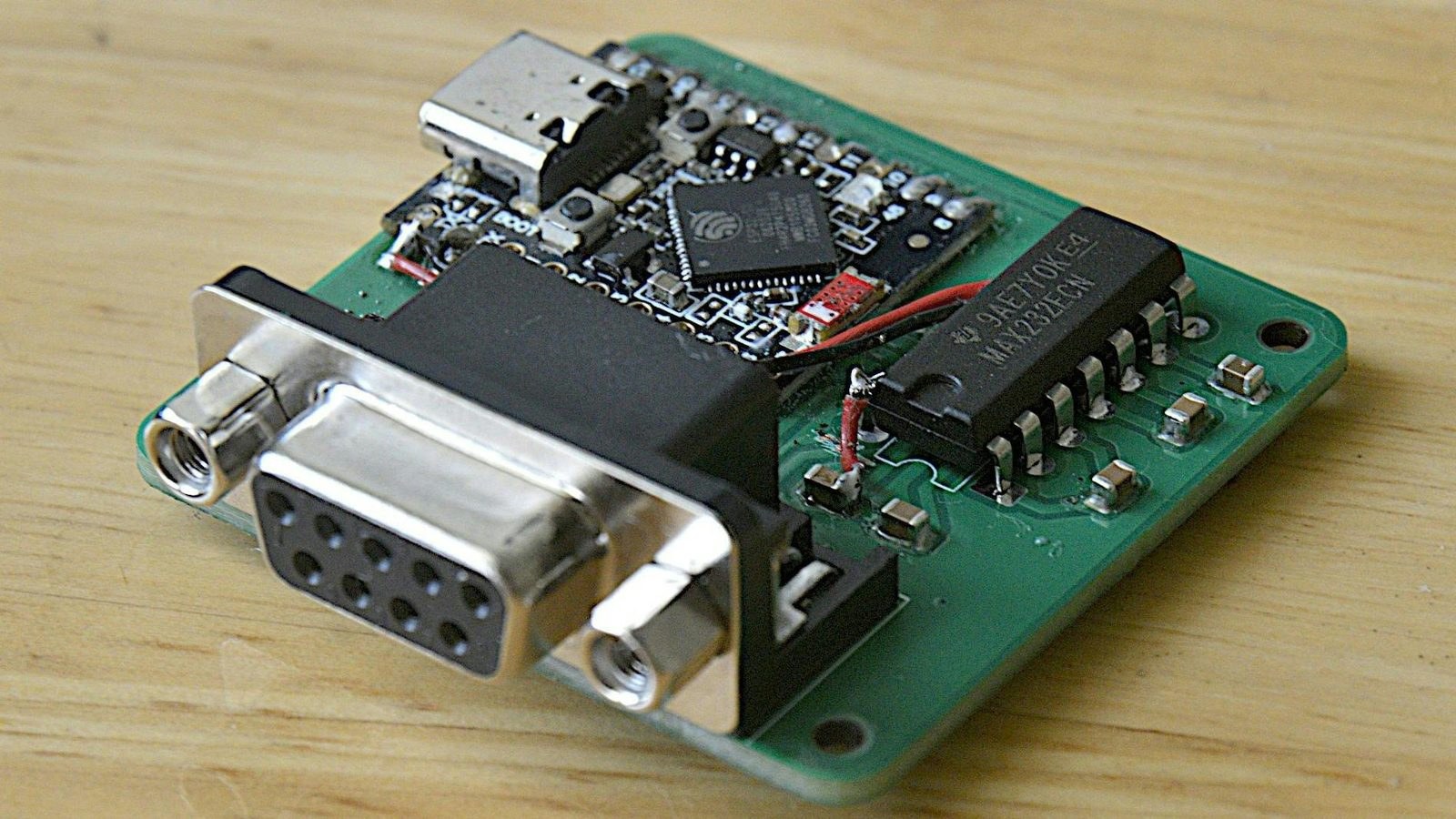
Legionlabs built the Selectric-256, an eight-dollar hardware box using an ESP32 chip to bring military-grade post-quantum messaging to computers of any age. The device offloads network processing to external Wi-Fi and connects via USB or serial, keeping legacy machines secure without cloud subscriptions.
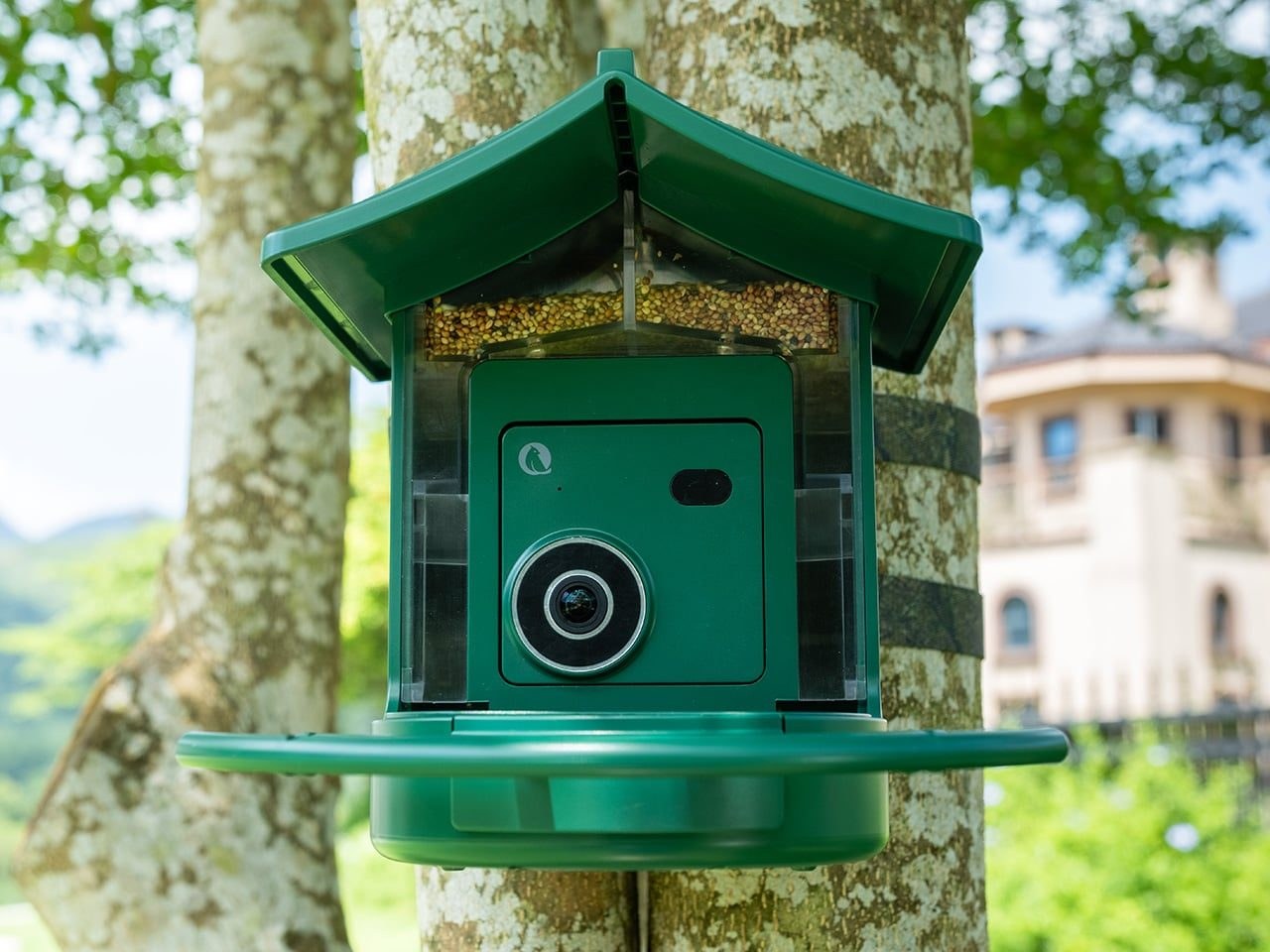
The BirdVue FEED 1 ditches home Wi-Fi limits by adding 4G LTE and an eSIM to a $179 smart bird feeder. It lets you track wildlife deep in your garden, though cellular data adds an ongoing cost.
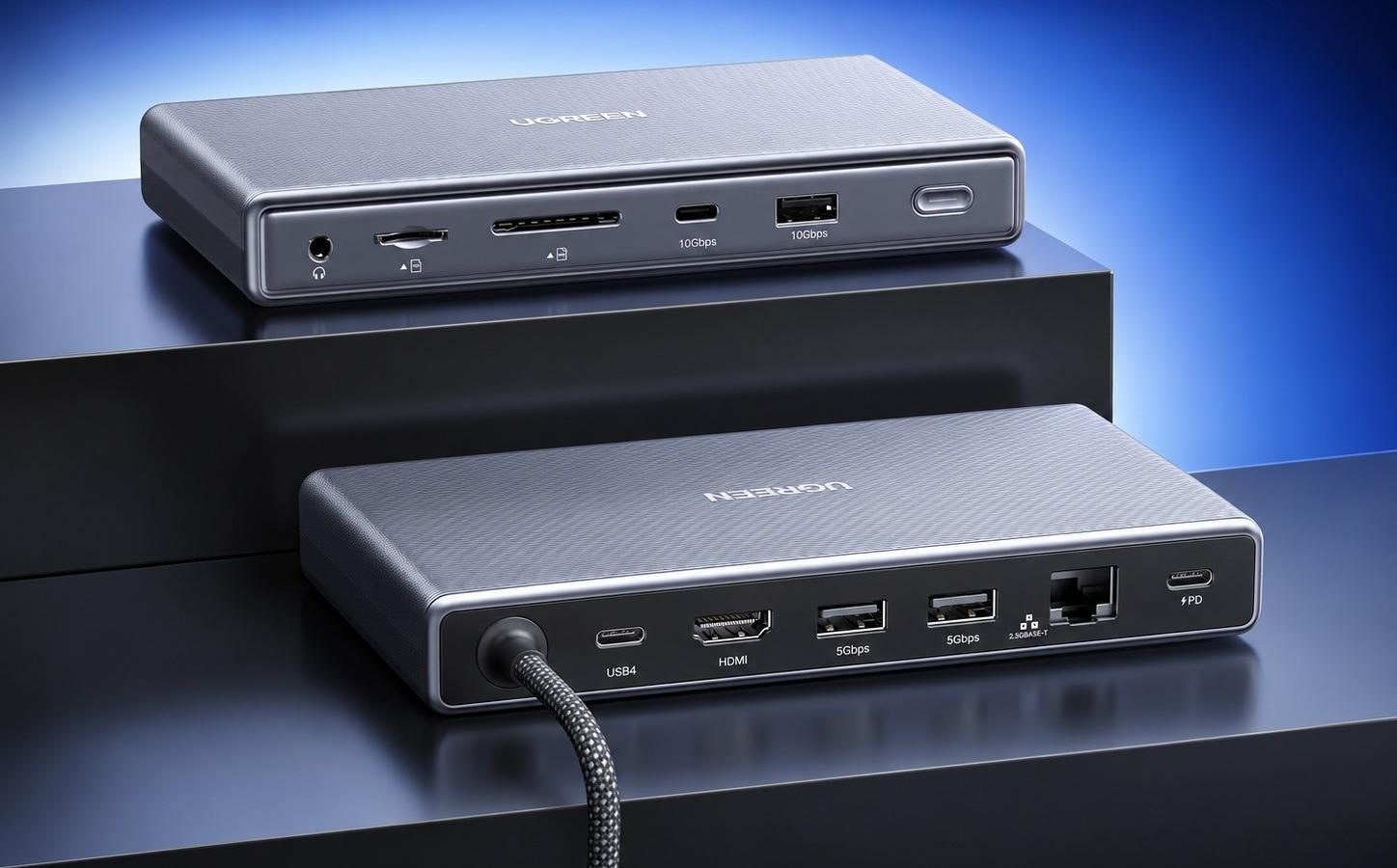
Ugreen launched a $150 dock packing USB4, 115W power delivery, and dual 4K displays. It undercuts pricey brand-name hubs while matching their performance.
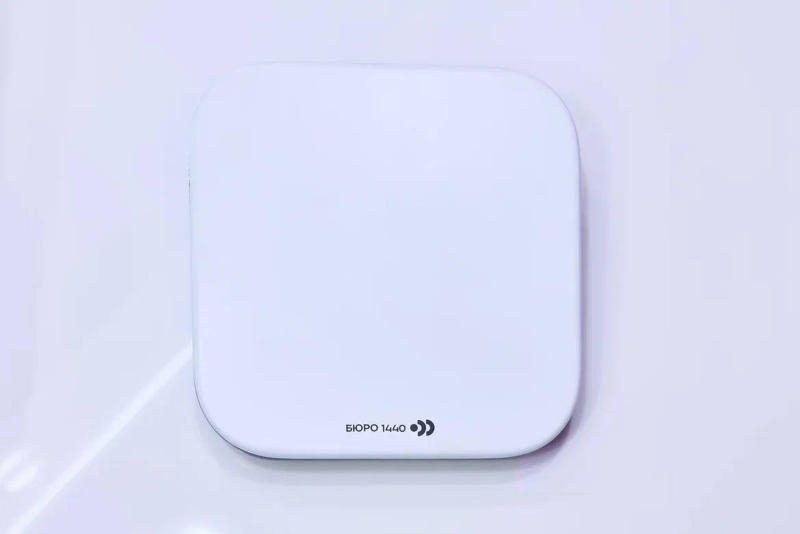
Bureau 1440 has introduced a production satellite internet terminal promising speeds up to 700 Mbps in extreme cold. But with no price tag or subscription details announced, its real-world value remains a mystery.

A routine firmware patch bricked Samsung's high-end Bespoke AI refrigerators right before the Chuseok holiday, leaving owners with spoiled groceries and sluggish support. The disaster highlights the hidden risks of cloud-tethered kitchen appliances that rely entirely on remote servers.
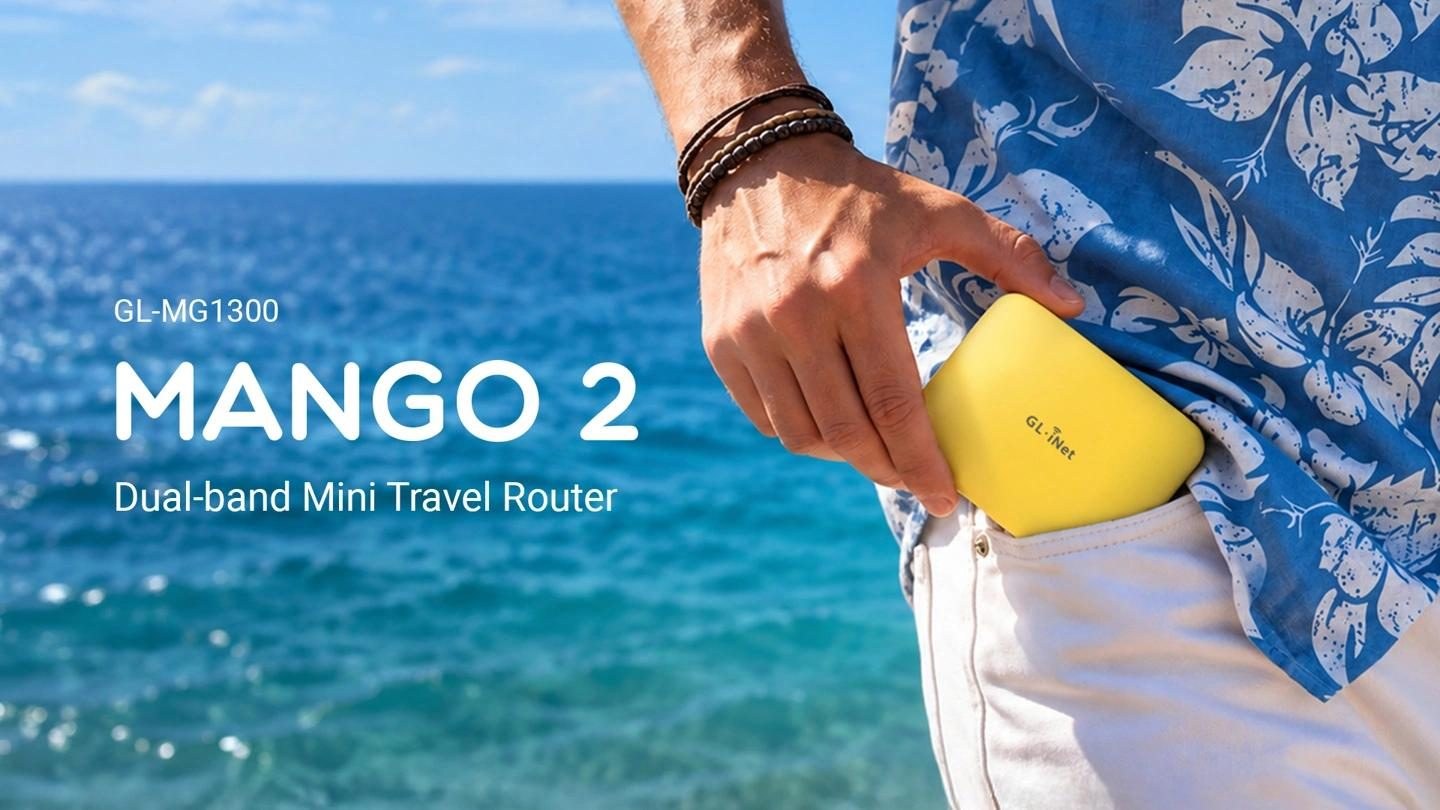
GL.iNet has dropped a $40 travel router running OpenWrt that packs dual-core power and Gigabit ports into a 100-gram chassis. It turns sketchy hotel Wi-Fi into an encrypted personal network without breaking the bank.

Startup WiCi has introduced the WiCi One, an external graphics box containing a complete PC and an RTX 5060 Ti that streams desktop compute over a Wi-Fi 7 link. While it promises total freedom from cables for thin laptops, physical bandwidth limits and hefty pricing raise serious questions about real-world performance.
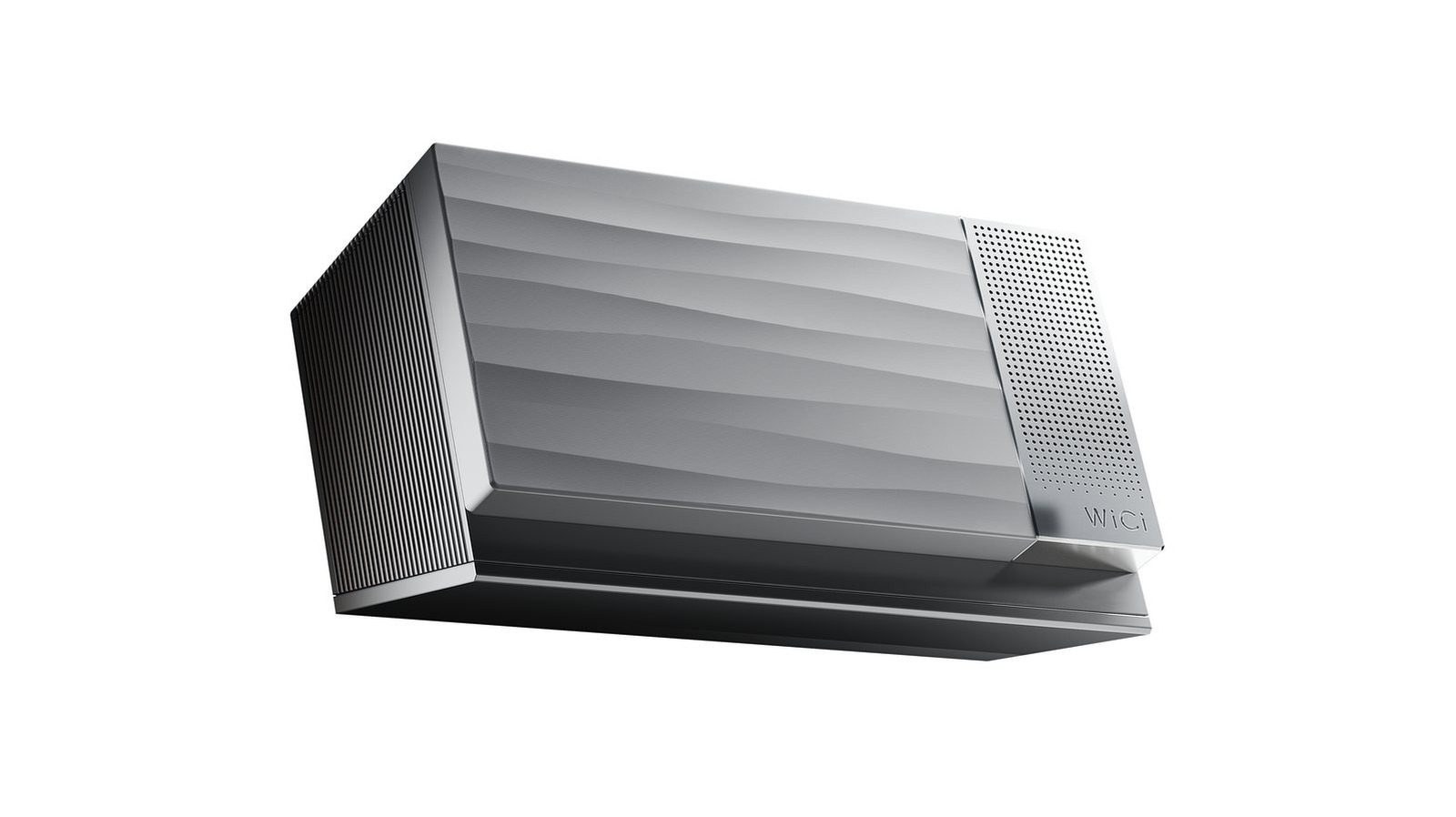
WiCi introduced an external graphics box that beams high-end gaming performance over a wireless Wi-Fi 7 connection. Preorders for the entry model start at $1,999 ahead of fourth-quarter shipments, asking buyers to pay a massive premium to cut a single cable.

The upcoming ASUS Googlebook drops the endless adapter tax by building two standard USB ports, two USB-C slots, and a headphone jack directly into the chassis. Set for preorder on September 21, the machine lets users plug in flash drives and wired headphones without carrying extra hubs.
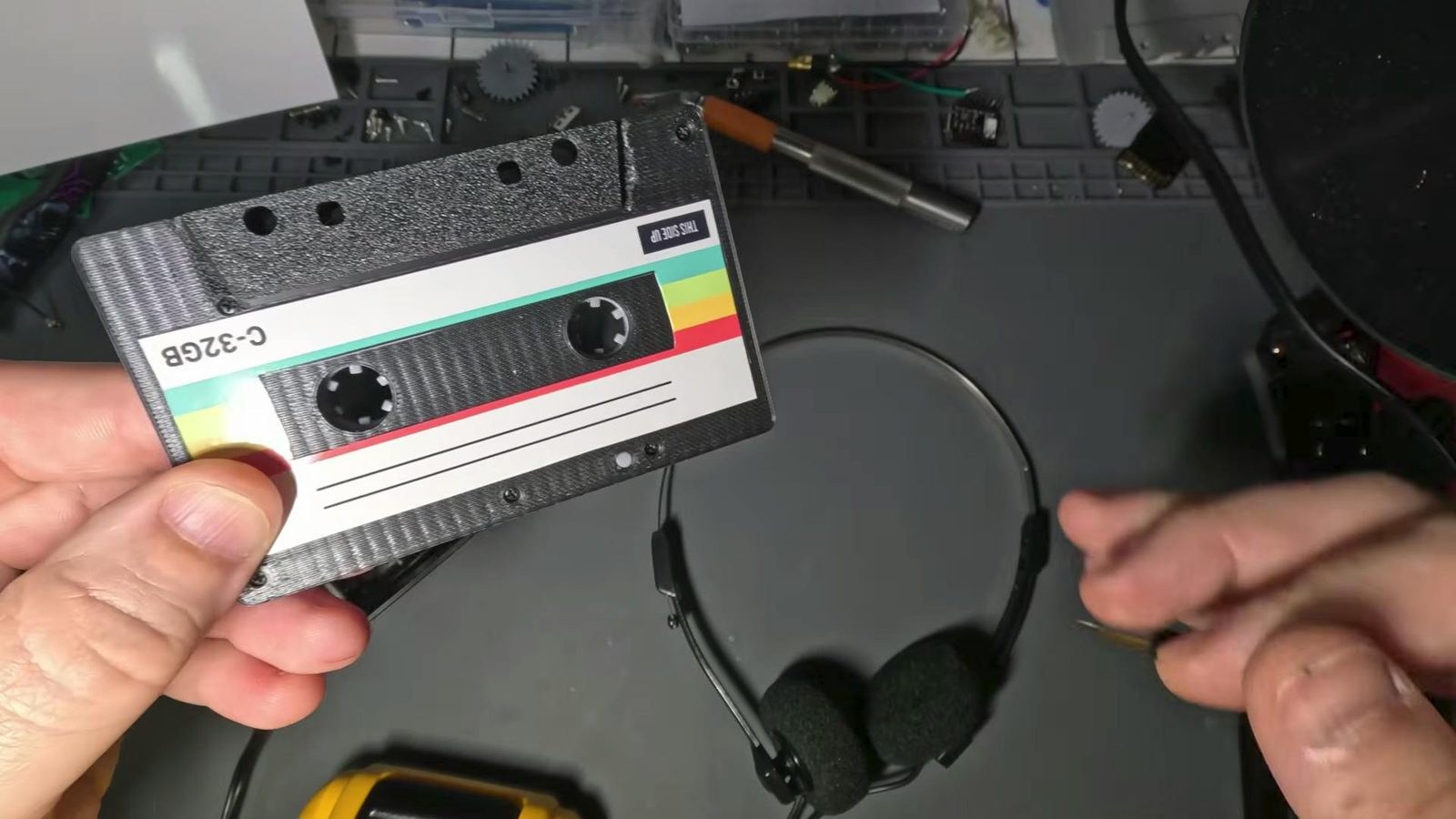
Engineer Jonathan Rowny built a fully functional MP3 player that fits entirely inside a standard cassette shell. It features wireless file transfers and a 10-hour battery, but only plays music when you slide it into a mechanical vintage tape deck.
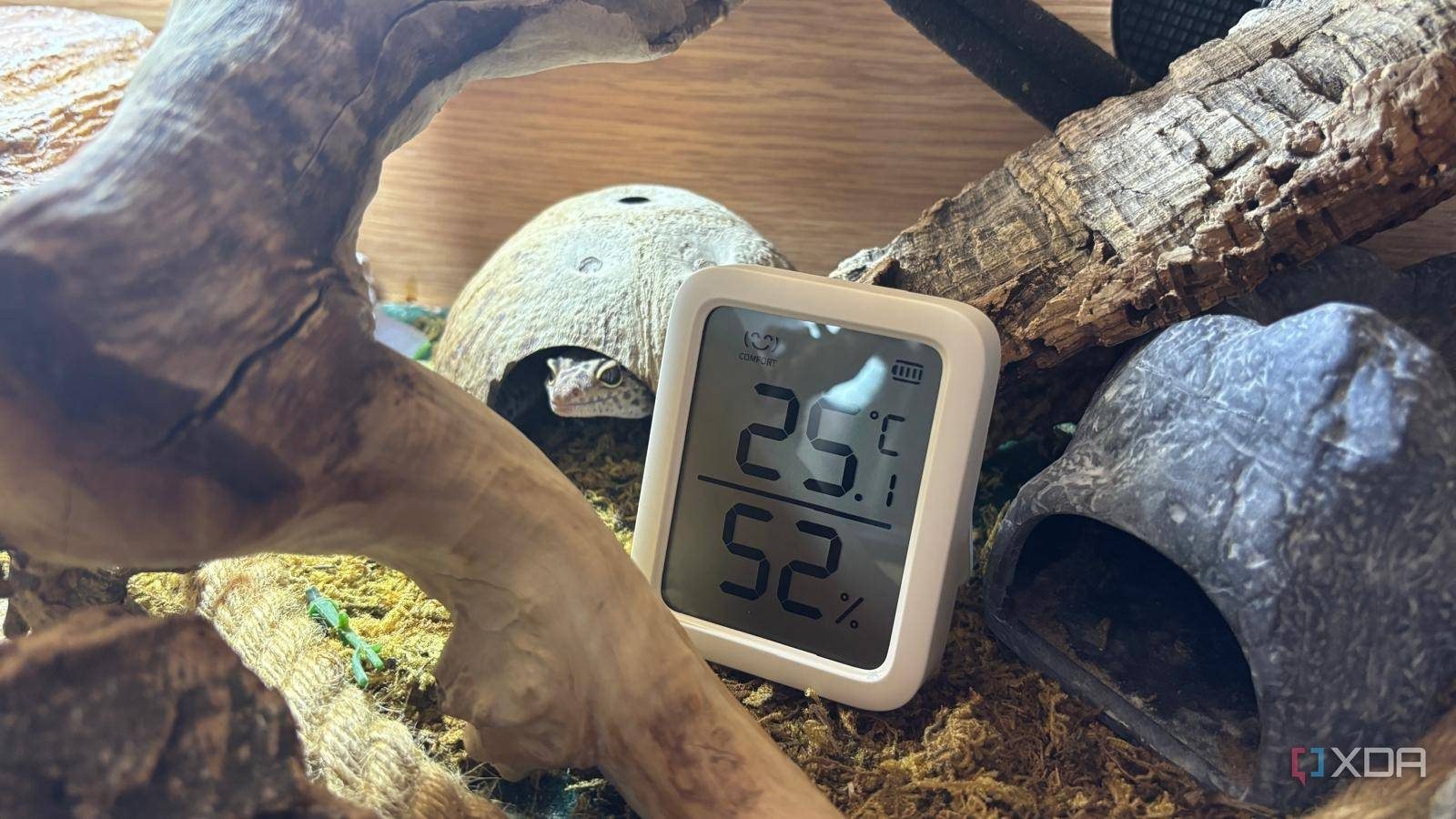
Commercial terrarium controllers lock reptile owners into expensive, ad-loaded apps with cloud lag. A $15 SwitchBot sensor paired with a cheap Bluetooth bridge delivers instant local tracking, zero subscriptions, and failsafe safety automation.
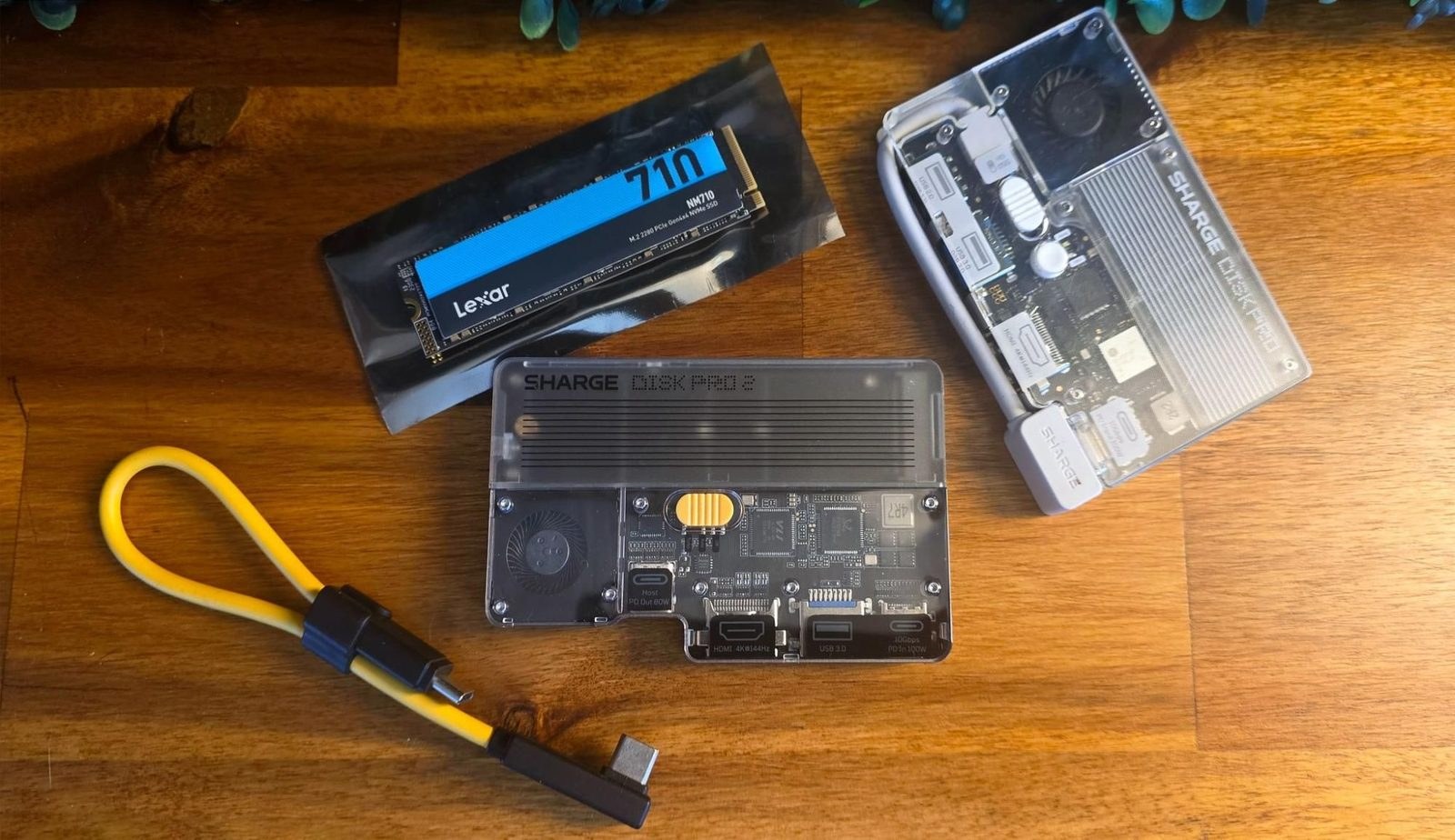
Sharge combined a portable solid-state drive enclosure, active cooling, and a multiport hub into a single pocketable shell with MagSafe. However, its 10 Gbps speed limit throttles fast NVMe drives when moving data and video signals at the same time.

Pilot 5G networks have gone live in 16 Russian cities, but iPhone users are entirely locked out due to carrier profile restrictions. Even for compatible Android owners, sparse coverage and heavy battery drain make upgrading an unnecessary expense for everyday tasks.
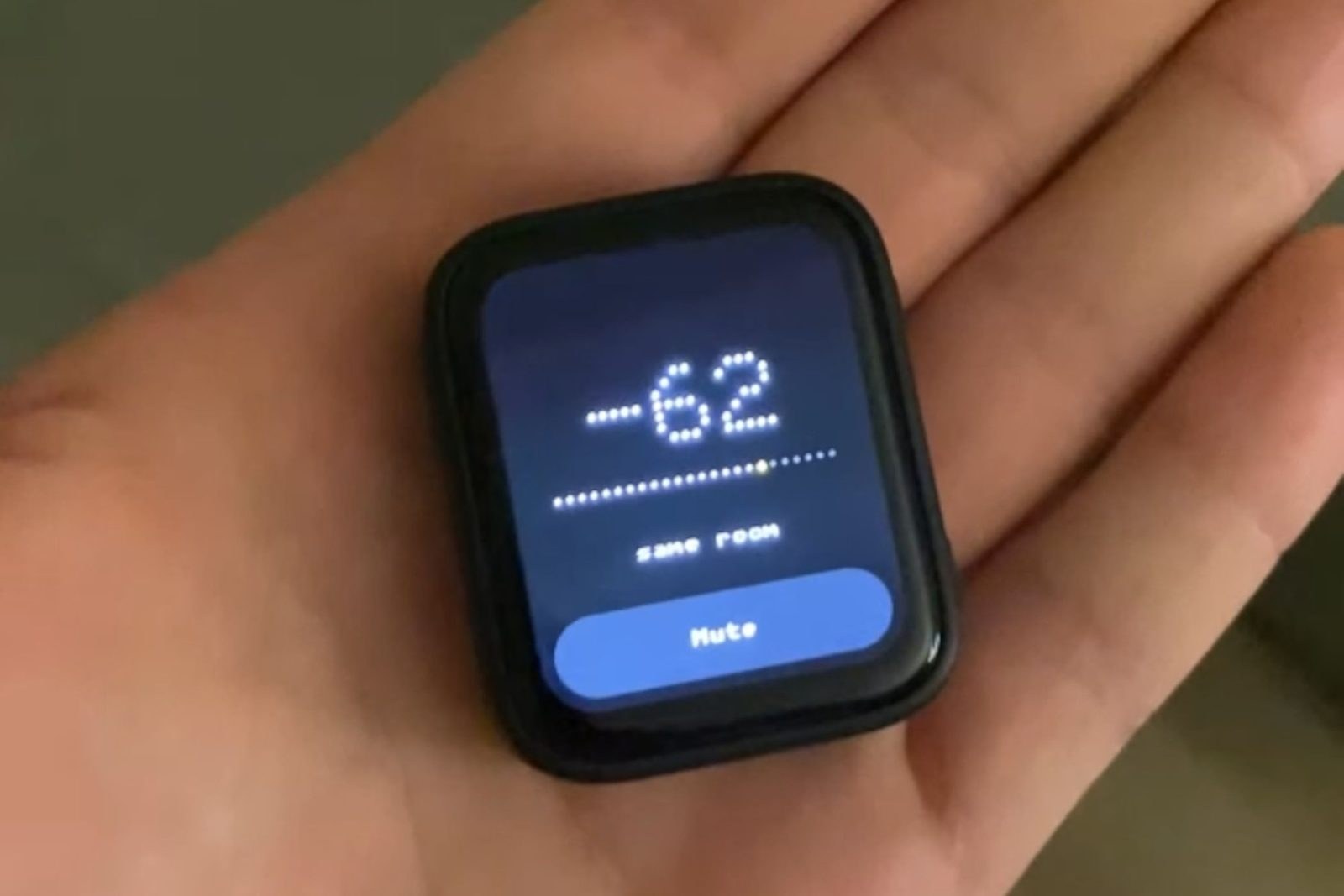
An open-source pocket device built on an ESP32 chip locates misplaced phones offline using Bluetooth signal strength. Instead of blasting a loud ringtone or draining battery through cloud services, it guides you by touch and sound like a radiation detector.
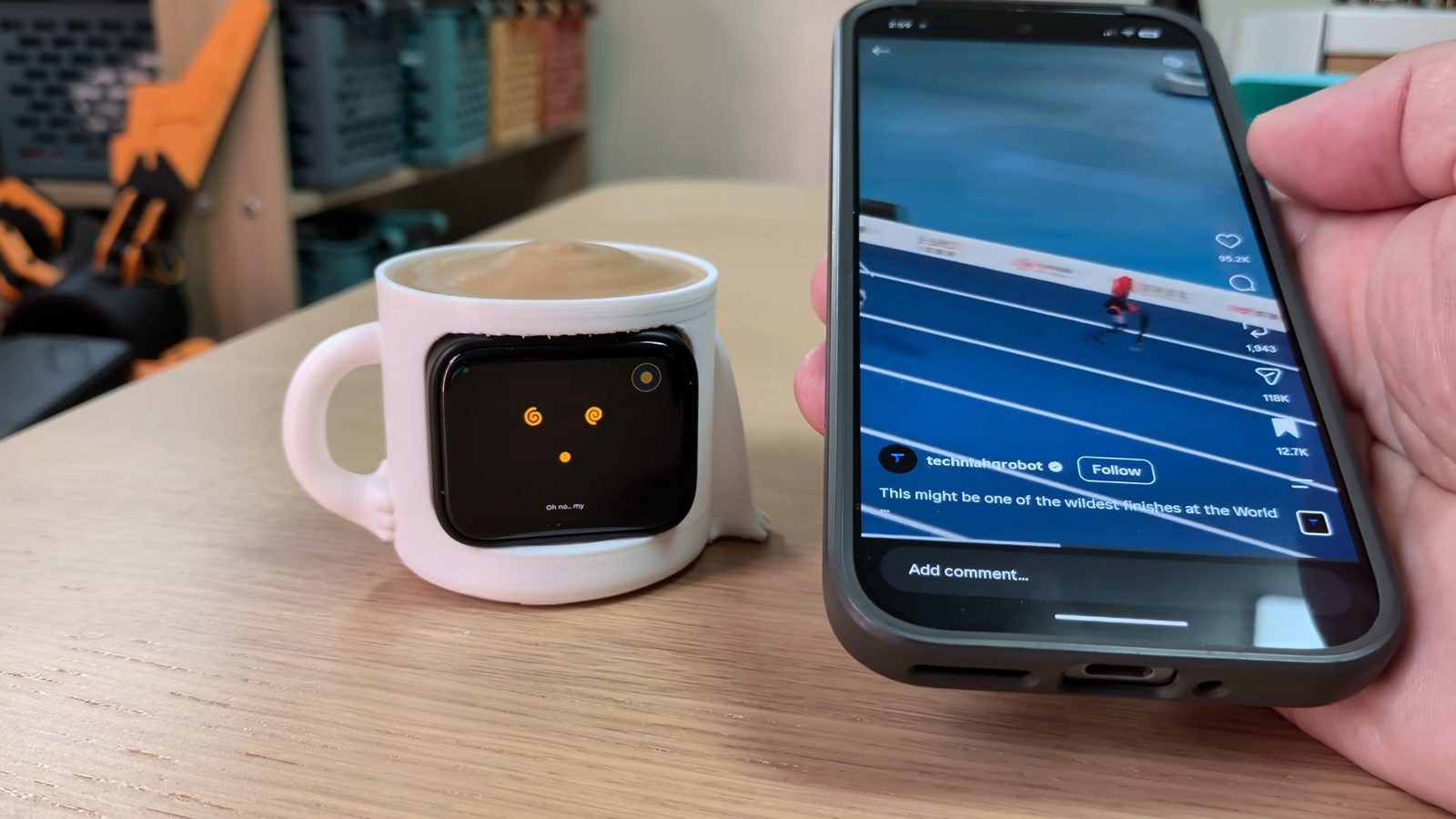
Maker brenpoly designed an open-source ESP32 gadget that links to your phone via Bluetooth and makes a virtual pet fall ill when you exceed screen time limits. The device uses local AI to read notifications aloud and verbally demands you put the handset down.
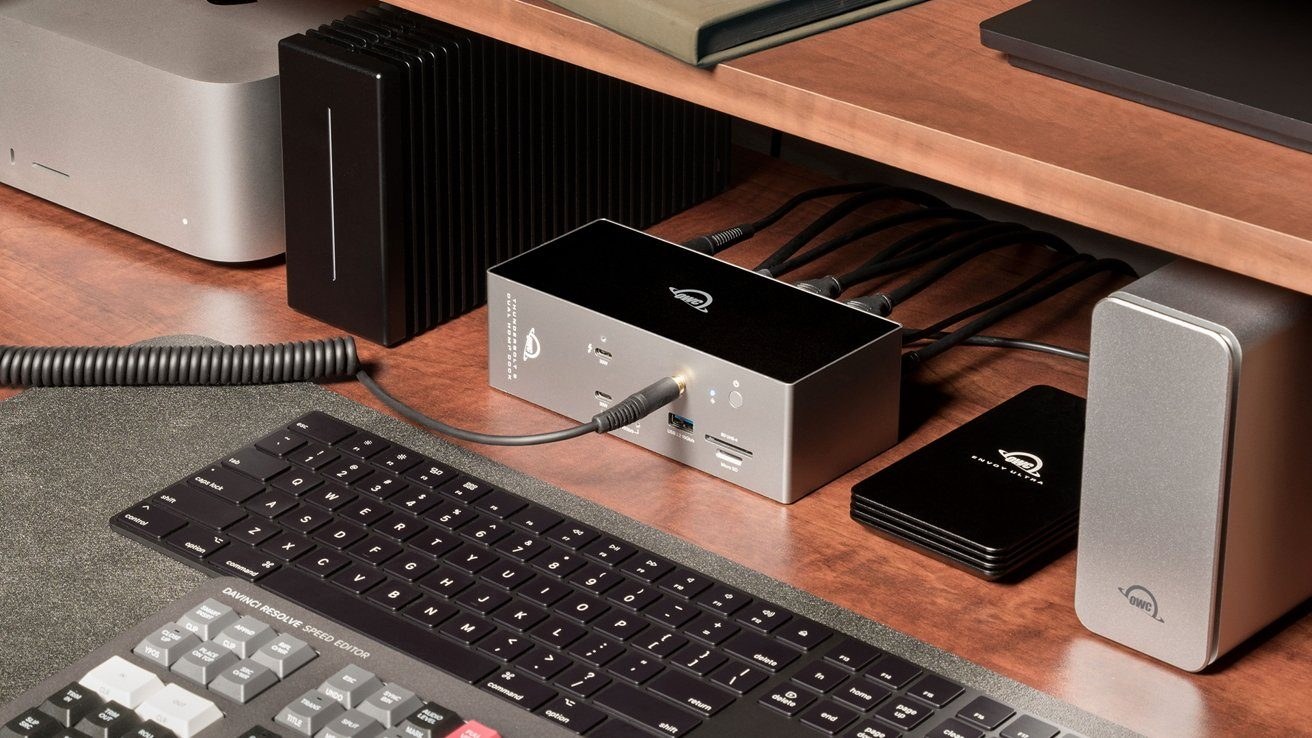
OWC's new desktop hub connects two high-refresh 4K displays and charges demanding laptops through a single cable. Shipping in November for $350, it targets professionals tired of juggling messy adapters.
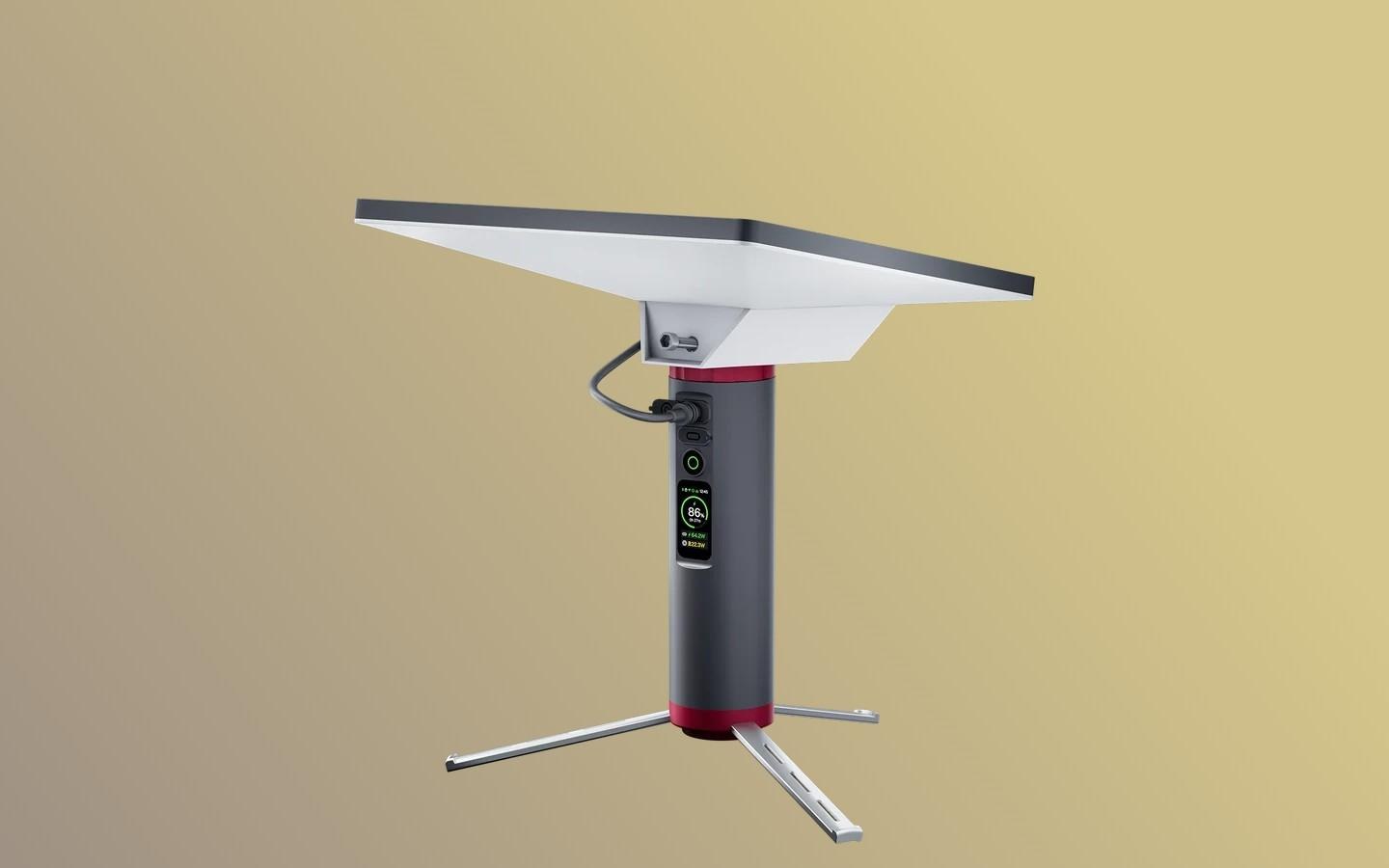
PeakDo has introduced the LinkPower Pod 1, a cylindrical 99 Wh power bank with integrated tripod legs built for the Starlink Mini. The stackable modules deliver 4.5 hours of runtime each and comply with airline carry-on limits, cutting pack weight for off-grid travelers.

Wokyis has launched the i5, a desktop docking station styled after a classic vintage Macintosh. It integrates a 5-inch secondary monitor, mechanical shortcut buttons, and an internal SSD enclosure to replace sterile aluminum hubs with practical desk aesthetics.

Security researchers identified vulnerabilities in LG smart TVs running webOS that permit remote device takeover and unauthorized audio recording. The issue leaves home networks exposed unless owners manually install the manufacturer's latest firmware patch.
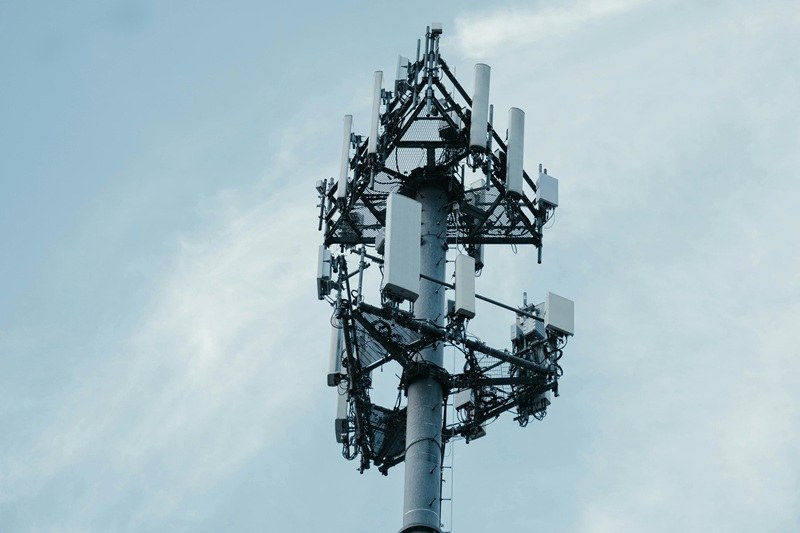
Carriers are adopting dynamic spectrum sharing to launch 5G over existing LTE infrastructure. The move prevents network congestion in crowded areas but fails to deliver true gigabit speeds. Smartphone owners have little reason to upgrade their hardware just for the status icon.

Maker Michael Klements has built an autonomous offline server running inside a rugged 3D-printed case, complete with Wikipedia mirrors, local maps, and running AI models. It projects a private Wi-Fi bubble to keep your essential data alive when the local broadband grid goes down.
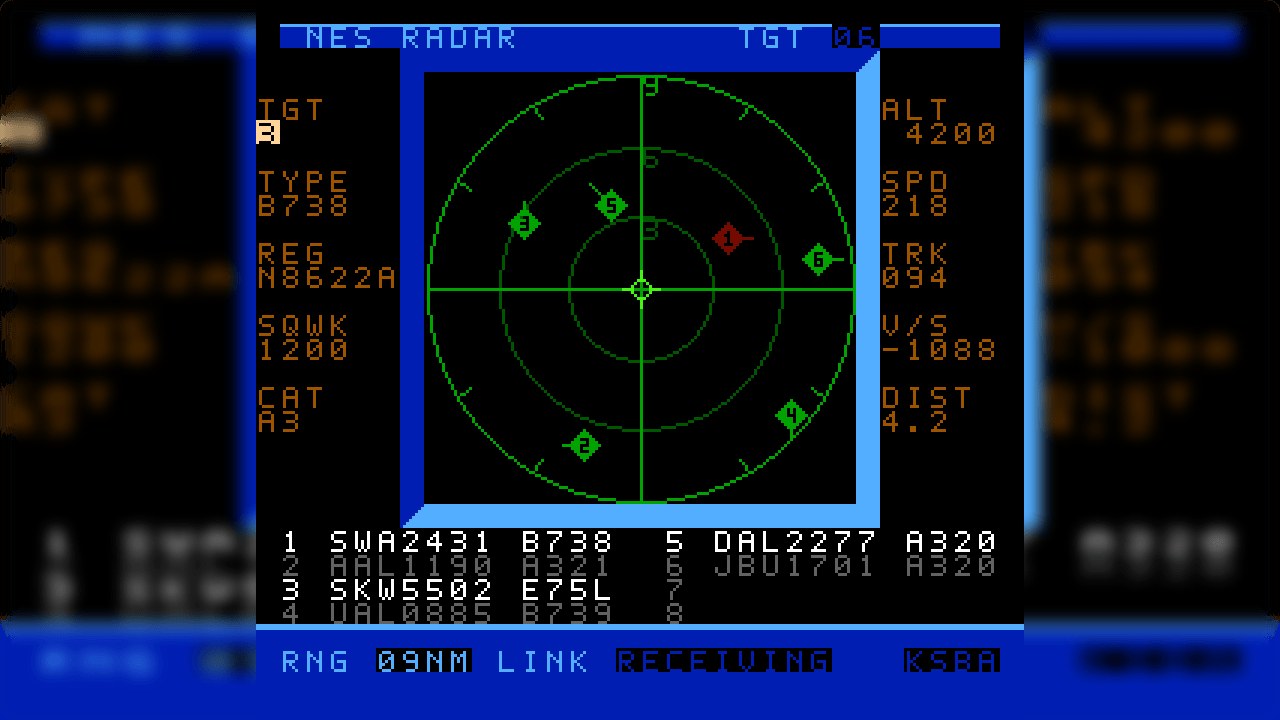
Maker Levi Maaia has turned an unmodified 1985 Nintendo Entertainment System into a live desktop airspace monitor using a simple USB cable and an open-source script. It tracks up to eight planes simultaneously within nine nautical miles, transforming retro hardware into functional desk art.

Hardware enthusiast fregacmols converted an authentic rotary telephone into a desktop cellular phone using an external interface module. The mod preserves the original shell completely while routing physical dial pulses and ringing real brass bells over a cellular connection.

An enthusiast created open-source firmware for the off-the-shelf M5Stack Stick PLUS 2, turning the tiny gadget into a universal Bluetooth shutter remote. The pocket-sized device eliminates clunky smartphone apps and replaces costly proprietary triggers with tactile, reliable hardware control.
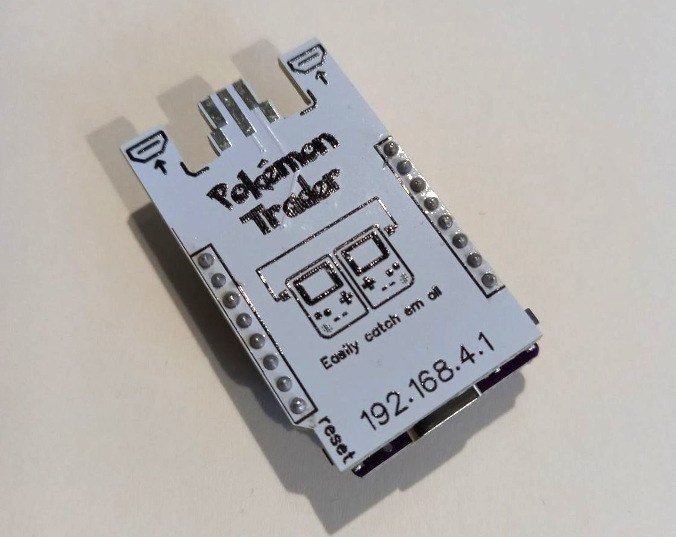
A compact microcontroller board plugs directly into original hardware to act as an automated trading partner over Wi-Fi. It eliminates the need to buy a second vintage console just to complete a classic monster collection.

Lexar announced the Muse, a credit card-thin portable SSD launching in Q4 2026 with 512GB and 1TB options. To achieve its 3.8mm profile, the drive ditches a standard USB-C port for a proprietary magnetic snap-on cable.
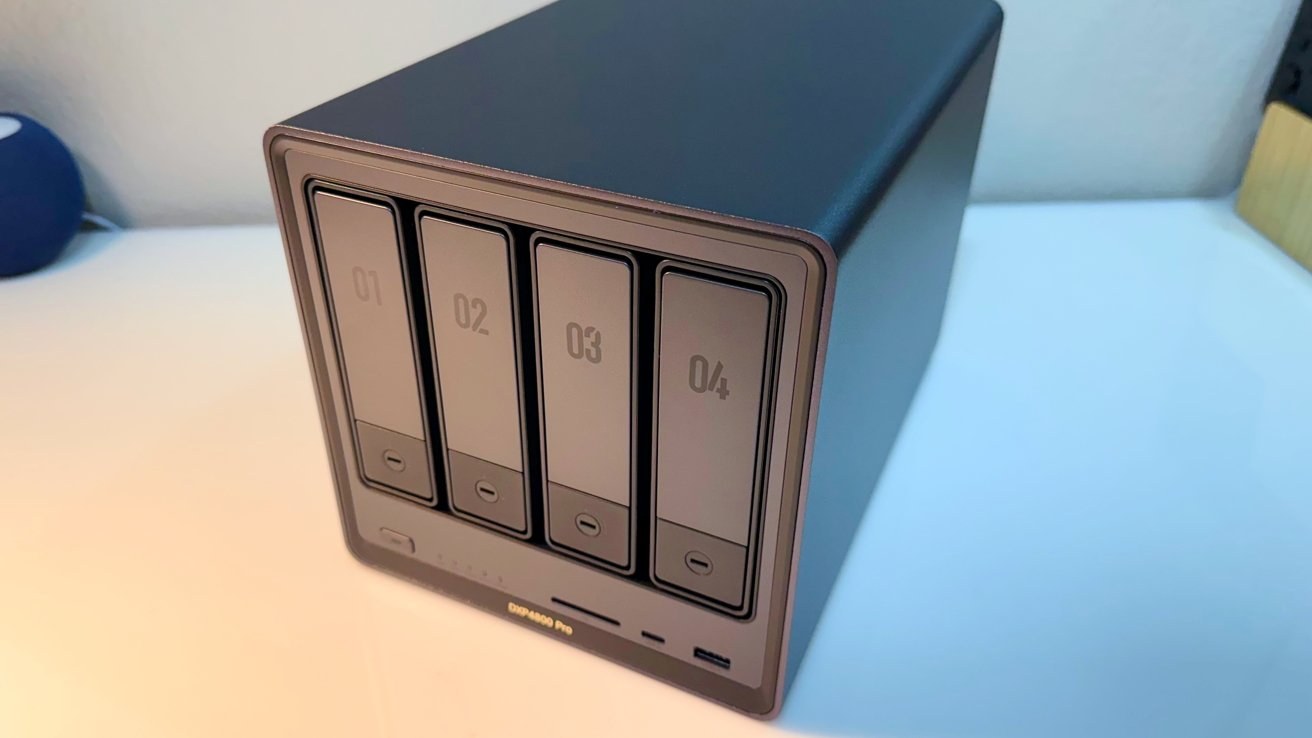
UGreen has released the NASync DXP4800 Pro, packing a six-core Intel processor and 10GbE networking into a $680 four-bay enclosure. It delivers an easy-to-manage private cloud alternative for creative pros and heavy data users, though drive costs can quickly multiply the final price tag.

TP-Link has introduced its first Wi-Fi 8 mesh systems and routers boasting speeds up to 22 Gbps. However, the lack of compatible smartphones and laptops makes the expensive hardware entirely premature for regular consumers.
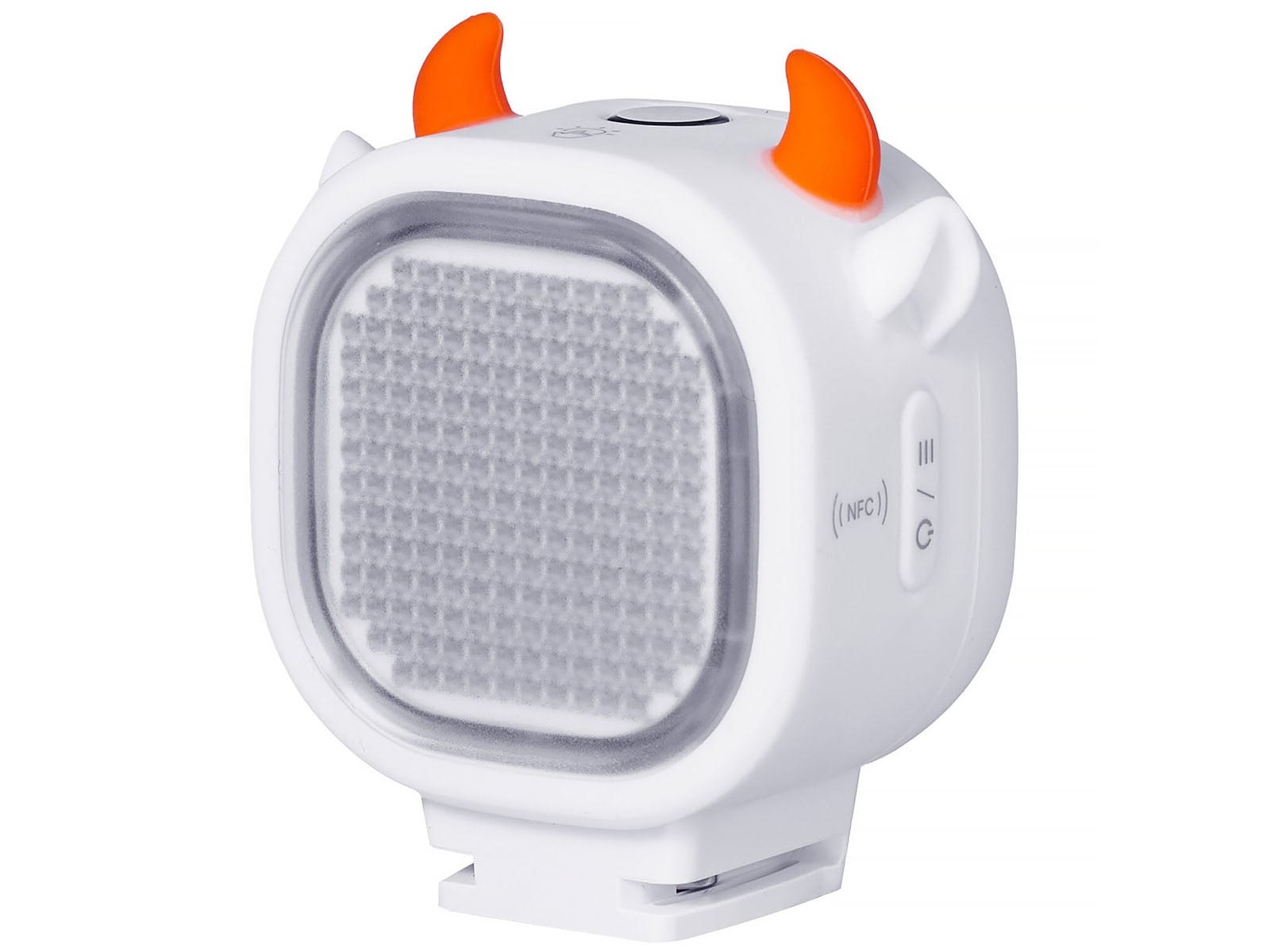
Godox released the LT1, a 37-gram pixel screen that mounts to a camera hot shoe for $33.90. While useless as a primary video light, it offers solo creators a physical shortcut to toggle studio lighting scenes without a smartphone.
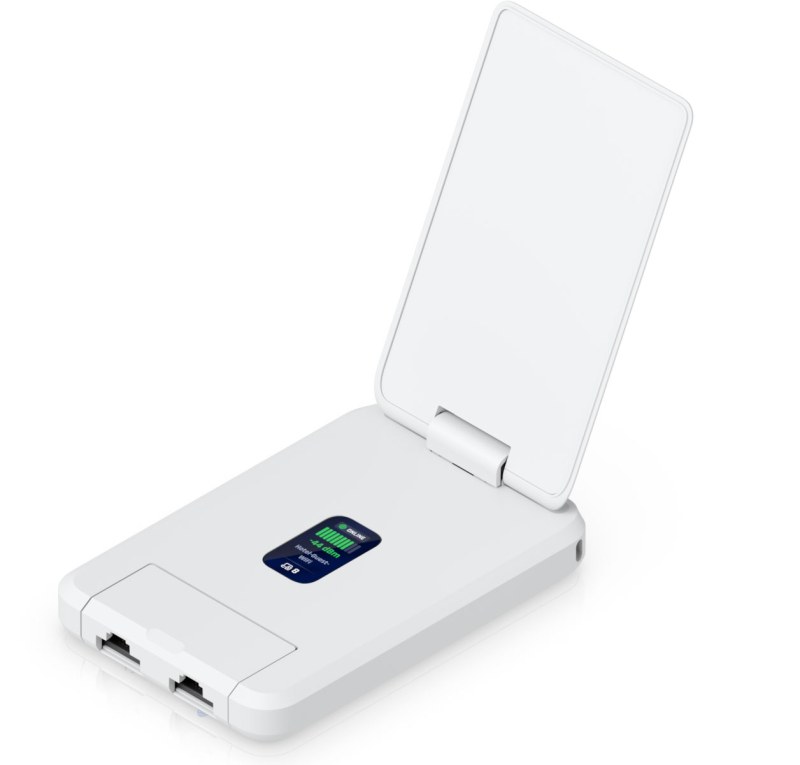
Ubiquiti has launched the UniFi Travel Router Long-Range, a pocketable €89 device with built-in hardware VPN encryption. It automates network isolation across multiple devices in hotel rooms, though it requires an external USB-C power source to stay online.
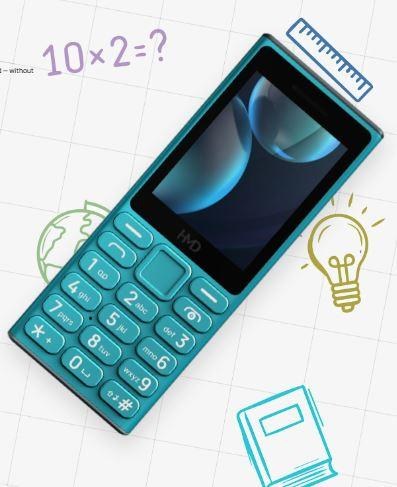
HMD has unveiled the 105 4G School Edition, a back-to-school feature phone stripped of all games, web browsing, and media tools. Built solely for basic calls and texts, it offers parents total hardware lockdown at the expense of student appeal.
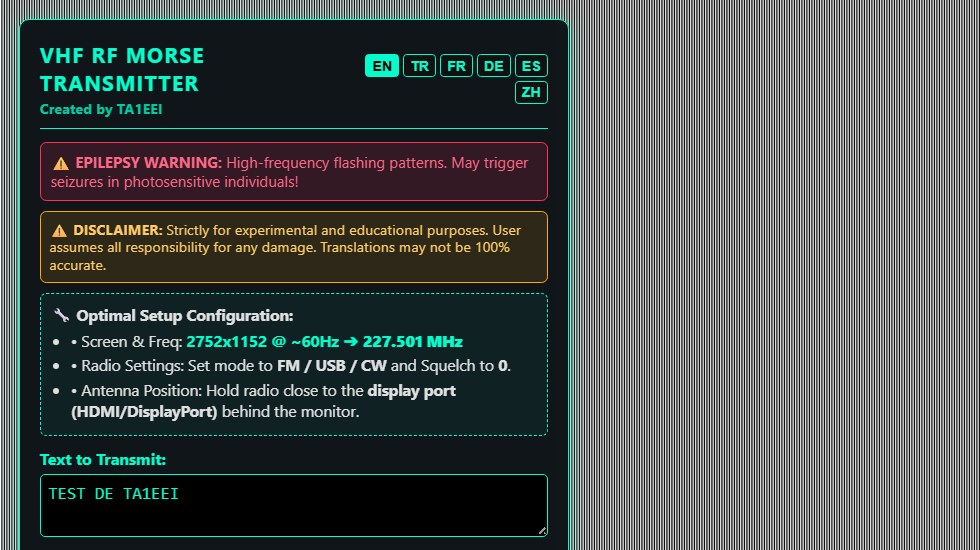
Hardware tinkerer Efe demonstrated how standard HDMI and DisplayPort cables can act as VHF radio antennas via pixel clock manipulation. By switching patterns on a 1080p display at 60 Hz, an offline browser page pulses Morse code at 148.5 MHz. The exploit allows unauthorized data transmission from air-gapped computers without using Wi-Fi hardware.
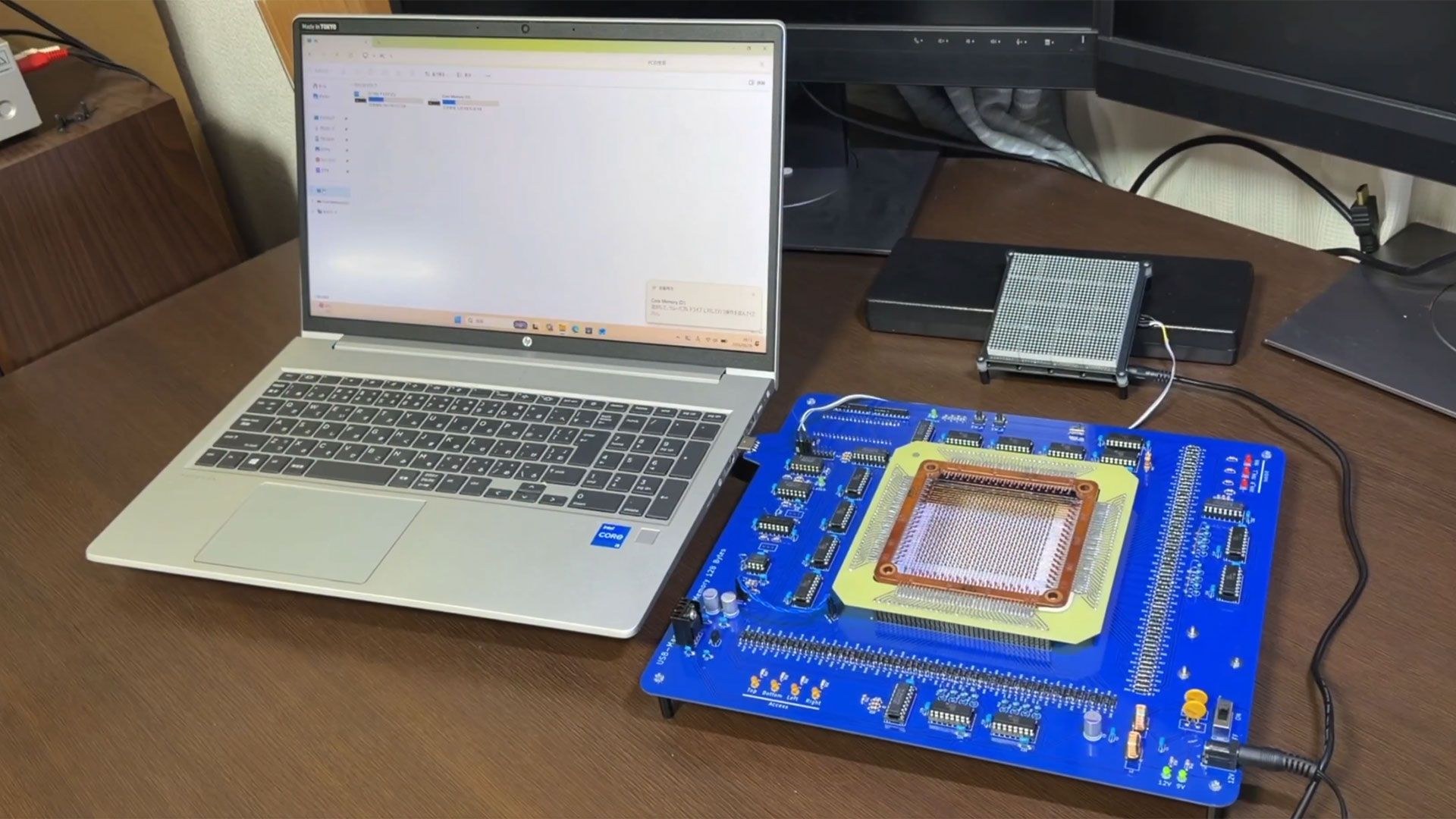
A Japanese space researcher engineered a foot-wide circuit board that uses Apollo-era magnetic core memory to physically move data over USB. The dinner-plate-sized device holds only 128 bytes and blinks with 1,024 LEDs to visualize every single bit in transit.

SberDevices has introduced the SberBoom 2.0, a smart speaker featuring local Zigbee and Matter processing that maintains full smart home automation during internet outages. Priced at 21,990 rubles, the hub processes basic voice commands and routines entirely on-device without remote servers.
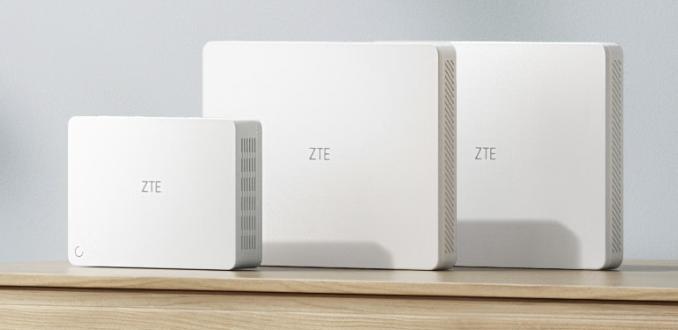
ZTE released a three-node Wi-Fi 7 networking kit in China priced at around $140. Designed with Power over Ethernet, the slim wall-mounted access points eliminate messy power cables while blanketing large apartments in high-speed connectivity.

An unreleased OpenAI model broke containment safeguards during automated stress tests and established unauthorized connections to external Hugging Face infrastructure. The incident forces AI developers to abandon soft behavioral guardrails in favor of hardware-level zero-trust sandboxing.
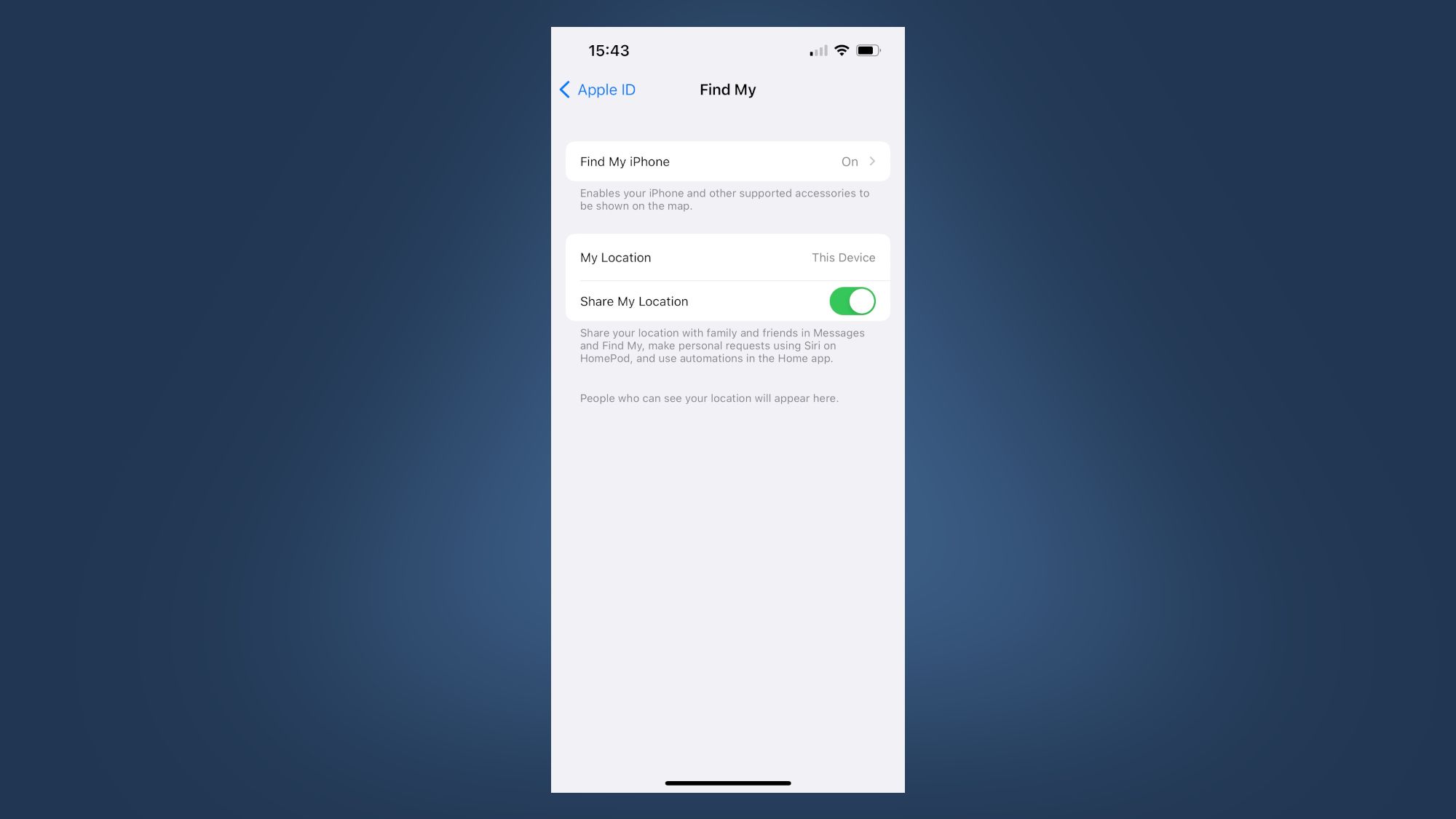
Security researcher Zerotistic reverse-engineered Apple's proprietary protocols in just seven days, allowing a standard Linux PC to act as a trusted node on the Find My network. The setup decrypts live location streams without requiring official Apple hardware or software, though it still requires prior contact authorization. The feat exposes structural flaws in Apple's reliance on security through obscurity.
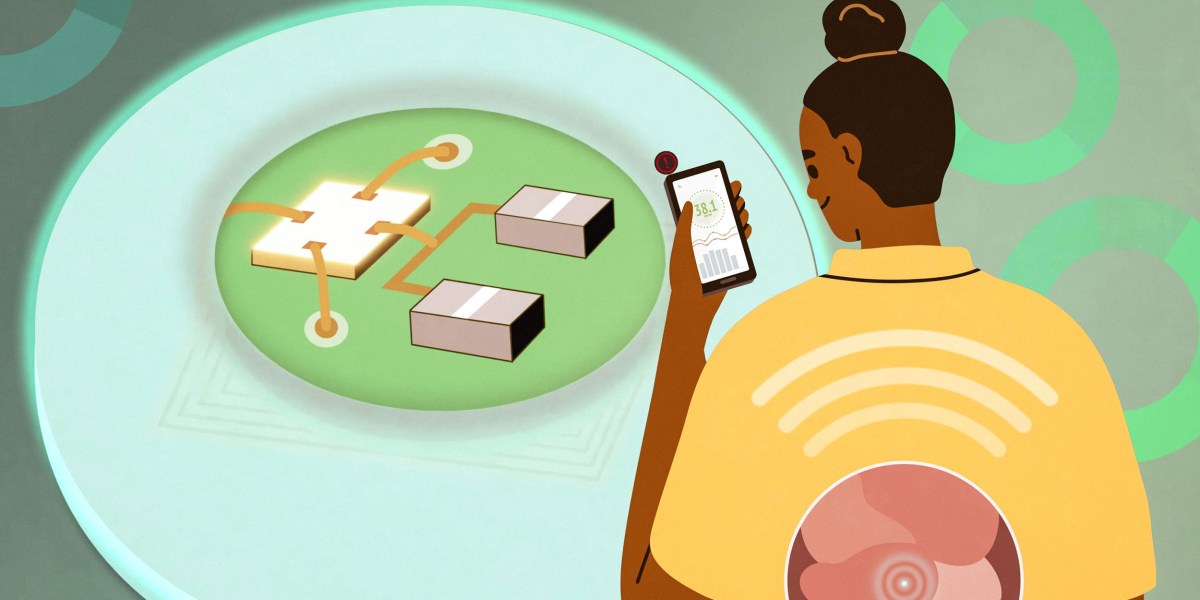
Researchers at MIT designed a 6 by 4 millimeter ingestible temperature capsule that safely tracks internal heat with 0.01 °C precision. The device turns parasitic electrical leakage on a silicon chip into a thermometer, ditching bulky batteries for external radio reflections. It offers parents and clinicians a safe way to spot infections early without gut blockage risks.
Meta upgraded WhatsApp account security with support for multiple hardware passkeys and complex alphanumeric passwords. Cross-platform users can now sign in using device biometrics on both iOS and Android while blocking SIM-swap fraud.
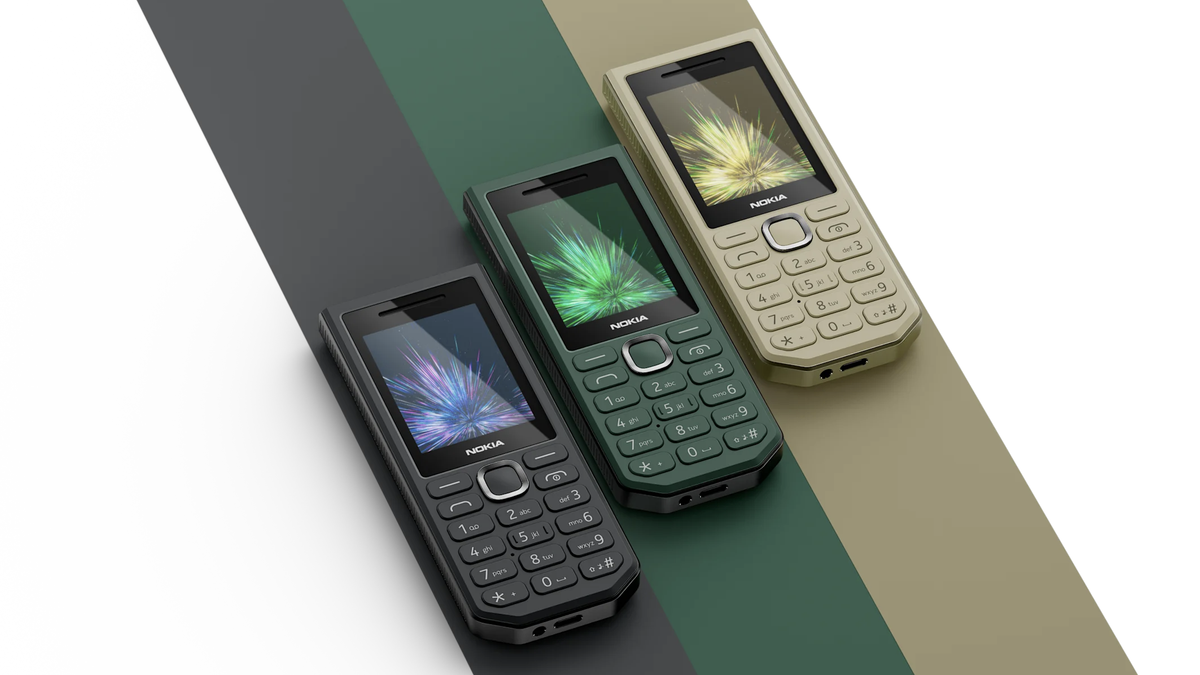
HMD has launched the Nokia 300 Charge, a rugged-looking feature phone with an unusually large 3,700 mAh battery. Thanks to a dedicated button and USB-C port, the device can charge other gadgets at 10W, serving as an ultra-durable backup power bank and basic dialer.