
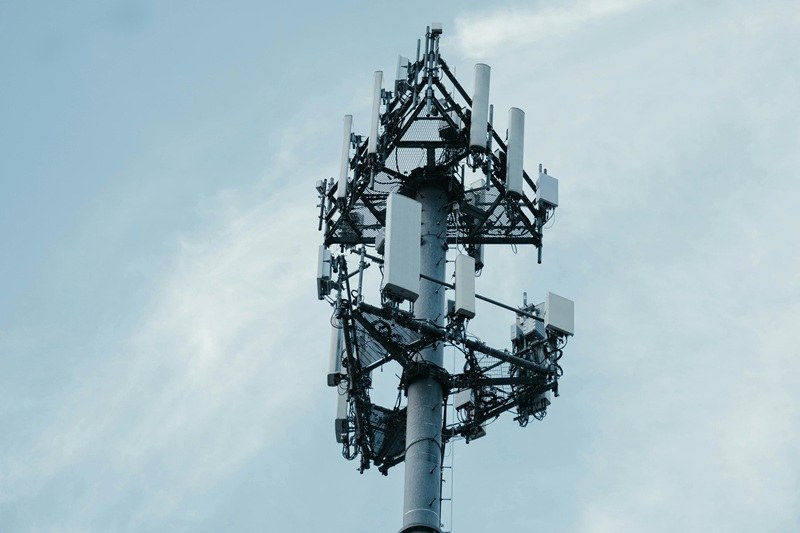
 he 5G icon in the corner of a screen was long a novelty reserved for trips abroad. Now carriers are rolling out next-generation networks directly over existing 4G (LTE) frequencies. While that sounds impressive, rushing out to buy a new flagship phone for blazing-fast download speeds makes little sense: in everyday use, you will hardly notice any difference.
Making One Cell Tower Serve Two Masters
The underlying mechanism relies on Dynamic Spectrum Sharing (DSS). This software feature allows a single base station to transmit simultaneously to both standard LTE smartphones and newer 5G handsets by splitting the radio channel on the fly. Carriers can skip deploying scarce imported hardware or fighting for unavailable premium mid-band spectrum—everything runs on existing infrastructure.
The coveted icon will pop up on your screen, but your phone will not suddenly download 4K movies in seconds.
You will not see a massive speed boost because the total channel bandwidth remains unchanged. If you pump water through the same pipe under a different brand name, the flow rate will not magically skyrocket. The carrier simply redistributes capacity to keep data flowing during peak hours in packed transit hubs or shopping malls.
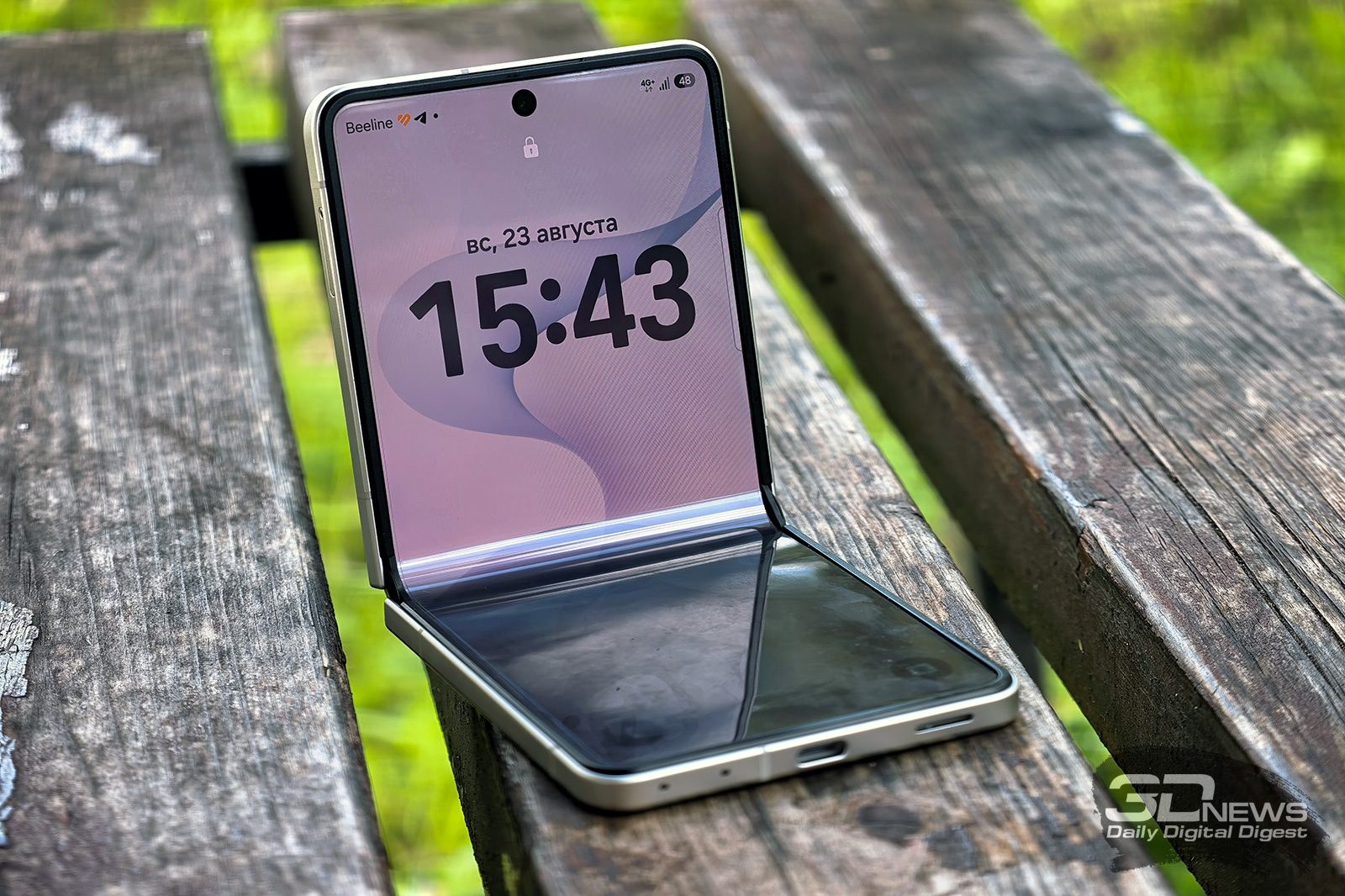
Is It Time to Upgrade Your Handset?
If your current phone only supports LTE, it will remain fully functional for years to come. Carriers have no plans to phase out previous-generation networks anytime soon: existing towers will continue serving 4G devices as usual, while spectrum sharing simply prevents network congestion in crowded metro areas.
Ultimately, carriers found an affordable way to roll out a nominal 5G network using legacy infrastructure. For end users, this translates to slightly more reliable connectivity in crowds rather than record-breaking gigabit speeds. Upgrading a perfectly capable phone just to see a new status bar icon offers zero practical benefit.