

 ifth-generation networks have officially hit Russian streets, but smartphone owners have little reason to celebrate. While 5G has launched in select pilot zones across 16 cities, Apple users will not see the coveted icon on their screens anytime soon.
No love for Apple
The reality for Cupertino fans is straightforward: iPhones simply refuse to connect to Russian 5G networks. This comes down to Apple's software restrictions blocking the necessary carrier profiles, combined with Russia's specific frequency allocations that US-designed smartphones are not configured to use.
"5G has launched in 16 Russian cities — but not for iPhone users"
For now, Apple owners are better off sticking with reliable LTE. The actual loss is minimal, while battery life and peace of mind stay intact.
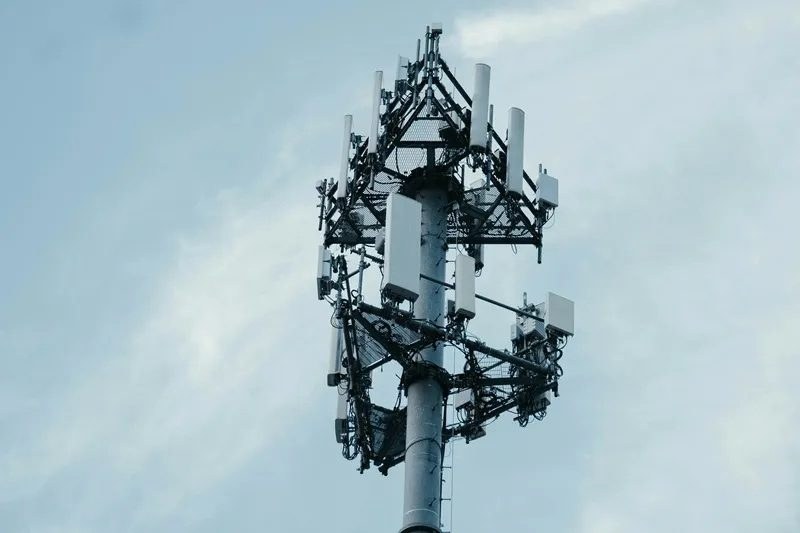
What it actually changes in daily use
If you own a compatible Android device, the network delivers impressive speeds for large downloads and 4K streaming within coverage pockets. Step outside those pilot zones, however, and you are back on standard cell towers — with a modem that drains your battery significantly faster. For messaging, music streaming, and social feeds, the real-world difference compared to solid 4G is practically zero.
There is no practical reason to rush out for a new Android flagship just to catch rare pockets of ultra-fast data. Good old LTE handles every daily task without extra costs or hunting for the nearest base station.