
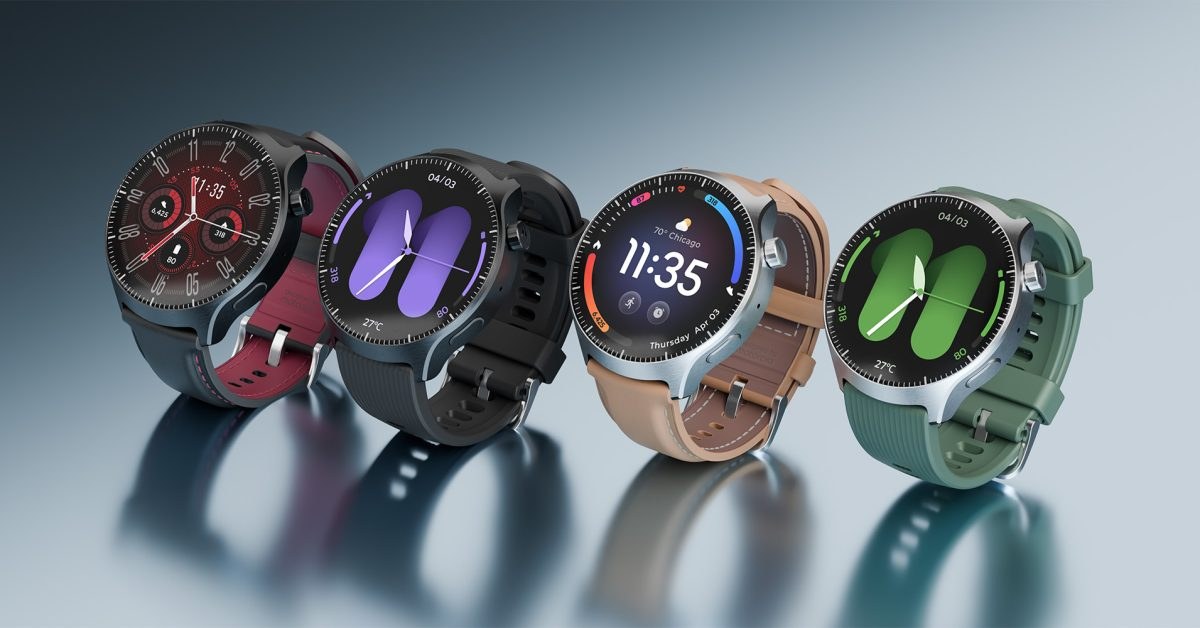
 otorola has finally stopped pretending that stripped-down fitness trackers can satisfy Android users hunting for a genuine smartwatch. As reported by 9to5Google, Motorola is introducing the Moto Watch Ultra, executing a hard pivot away from basic real-time operating systems and steering straight back into the flagship Wear OS arena. For anyone carrying an Android phone, this shift delivers immediate utility on the wrist: instead of clunky companion apps and barebones notification mirrors, you get full app support, proper notification controls, and direct access to Google Wallet. At $349, Motorola is stepping directly into the territory dominated by Google's Pixel Watch and Samsung's Galaxy lineup, retiring its licensed low-end experiments to build a genuine flagship competitor.
The Hardware You Actually Get on Your Wrist
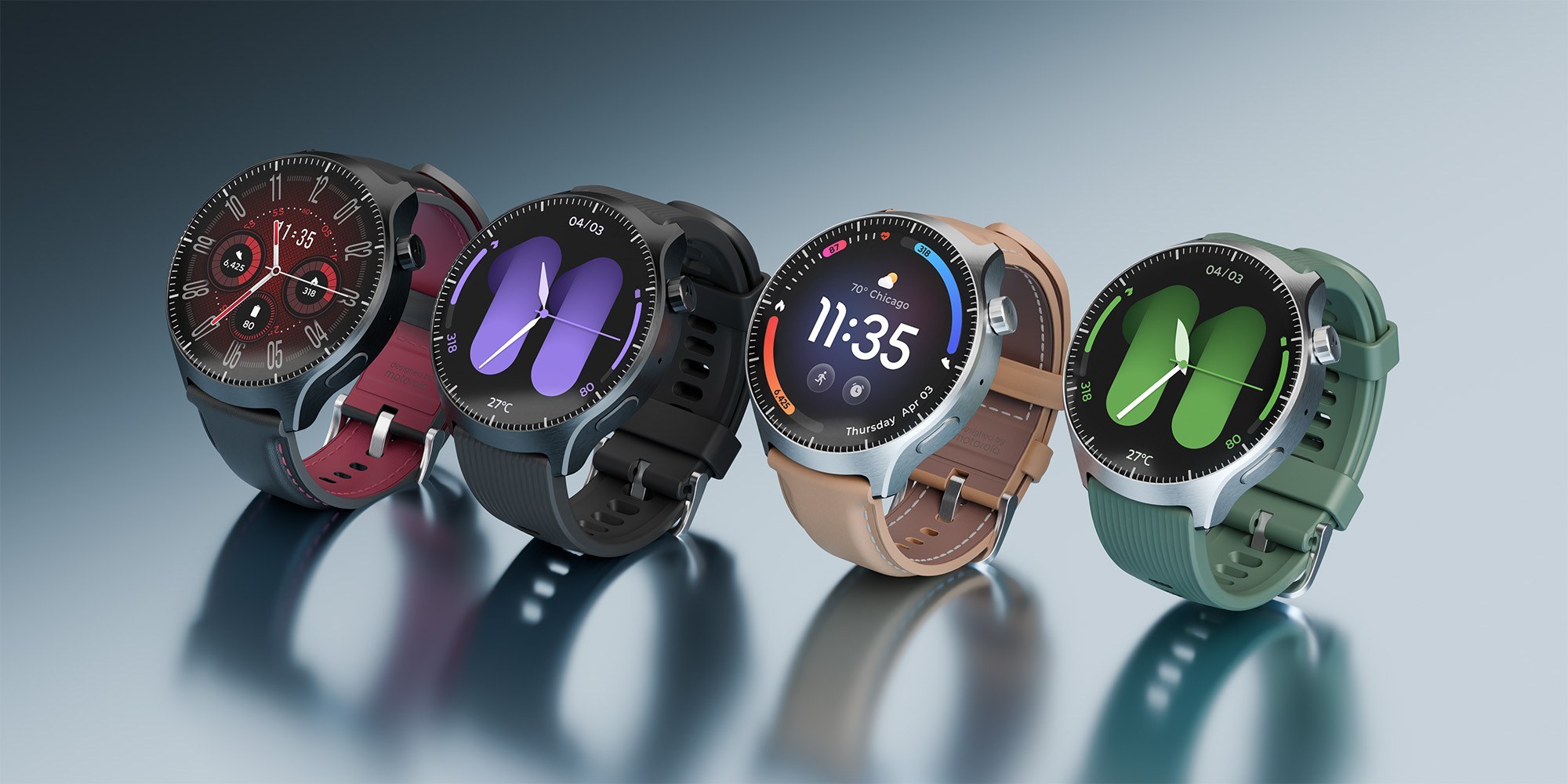
Under the hood, the Moto Watch Ultra packs a Snapdragon W5+ Gen 1 processor alongside 2GB of RAM and 32GB of onboard storage to run Wear OS 6. On the outside, you get a 1.5-inch pOLED screen protected by Gorilla Glass 3, housed in a 46mm stainless steel case measuring 12.1mm thick with brushed silver or gunmetal finishes.
The $349 smartwatch offers up a Snapdragon W5+ Gen 1 chipset, 2GB of RAM, and 32GB of storage, all used to power Wear OS 6.
That hardware combination puts practical smartwatch features front and center, including standalone LTE connectivity, contactless payments via NFC, and IP68 plus 5ATM dust and water protection. Motorola has also integrated its own Qira assistant and partnered with Polar to handle health tracking, recovery metrics, and sleep monitoring rather than trying to build sports algorithms from scratch.
The Real Trade-Off: Daily Charging Returns
Full-featured smartwatches always demand a brutal compromise in battery life, and Motorola cannot bend the laws of physics. The company rates the 550 mAh cell for up to two days between recharges via a magnetic USB-C dock. By comparison, the 45mm Pixel Watch 5 carries a smaller 465 mAh battery. If you are upgrading from a basic fitness band that cruises for two weeks on a charge, tethering yourself to a nightstand dock every other evening will take adjustment. Standard 22mm watch band support with traditional spring pins makes strap swapping effortless, but mechanical convenience does not eliminate battery anxiety. The unlocked version lands on September 10 for $349, followed by a carrier launch at Verizon on September 24—accompanied by an opulent $899 Swarovski edition of the base Razr (2026). Motorola spent years peddling cut-rate trackers with multi-week stamina, only to discover that buyers would rather charge every other night than endure an OS without Google Play.