
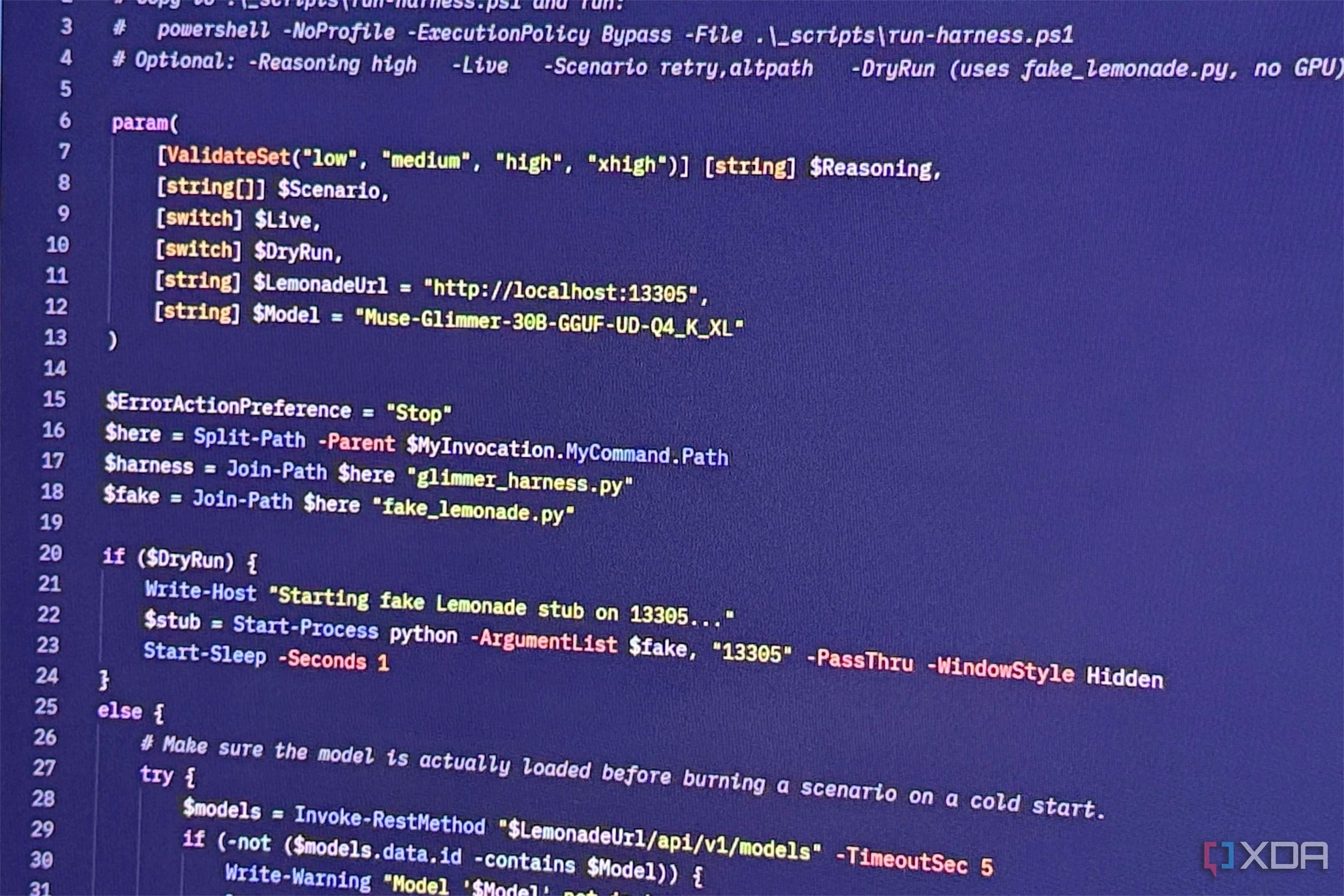
 unning an autonomous AI agent on local silicon has long forced an unappealing compromise. Sub-14B models constantly bungle tool calling, medium options freeze the moment a script outputs an unexpected error, and frontier models require multi-card enterprise rigs that no sensible desktop can house. Meta's open Apache 2.0 release of Muse Glimmer 30B targets precisely this bottleneck. Rather than treating tool use as an afterthought, the model is tuned directly on multi-step workflows to diagnose syntax blowups and recover without human intervention.
Fitting Inside a Single Card
Squeezing real operational autonomy into a standard desktop chassis comes down to memory arithmetic. Muse Glimmer pairs 32 query heads with two KV heads across a 3:1 ratio of sliding-window to global attention layers. In plain terms, it prevents your video memory from drowning as chat logs expand.
The KV cache costs about 52 KiB per token, versus 64 KiB for Qwen 3.6 27B and a frankly silly 840 KiB for Gemma 4 31B.
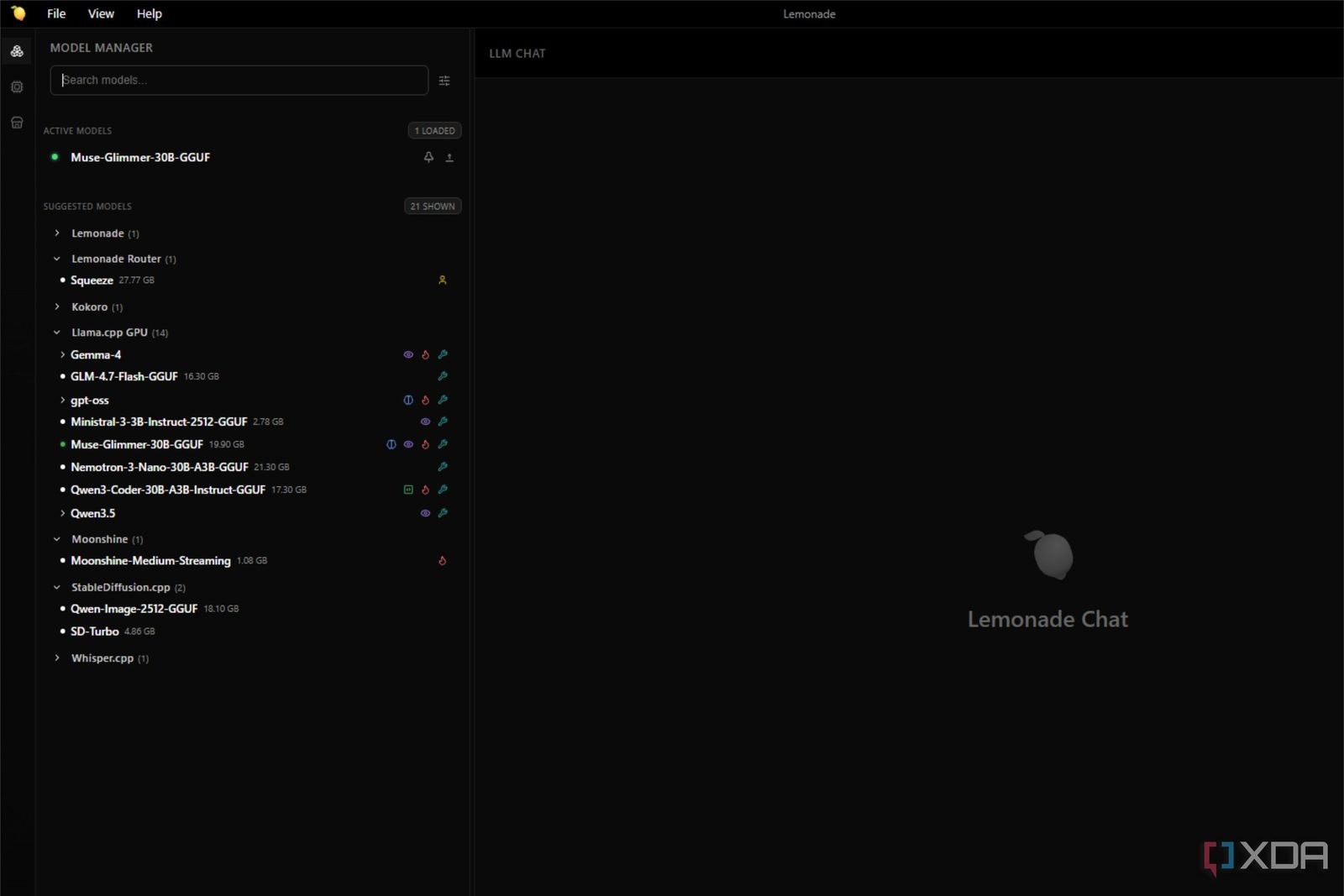
Because of that conservative footprint, quantized builds like Unsloth's UD-Q4_K_XL take up roughly 20GB of VRAM. That leaves comfortable headroom on a single 32GB card to retain long scratchpads and operational logs without triggering dreaded out-of-memory crashes.
Benchmark Performance and Everyday Control
On raw throughput, Meta clocks baseline generation on an RTX 5090 at 74.9 tokens per second, climbing to 233.4 tokens per second under DFlash speculative decoding. The software ecosystem is catching up just as fast: AMD's Lemonade stack baked in draft decoding, vision, and native tool execution for the architecture as of version 11.6.
Dropping serious cash on a 32GB workstation card no longer feels like a speculative hobbyist tax. You cut monthly API subscriptions, retain sensitive data behind a local firewall, and finally get an autopilot that can fix its own broken scripts instead of hanging indefinitely on your desk.