
#Chips
110 stories on this topic, newest first.
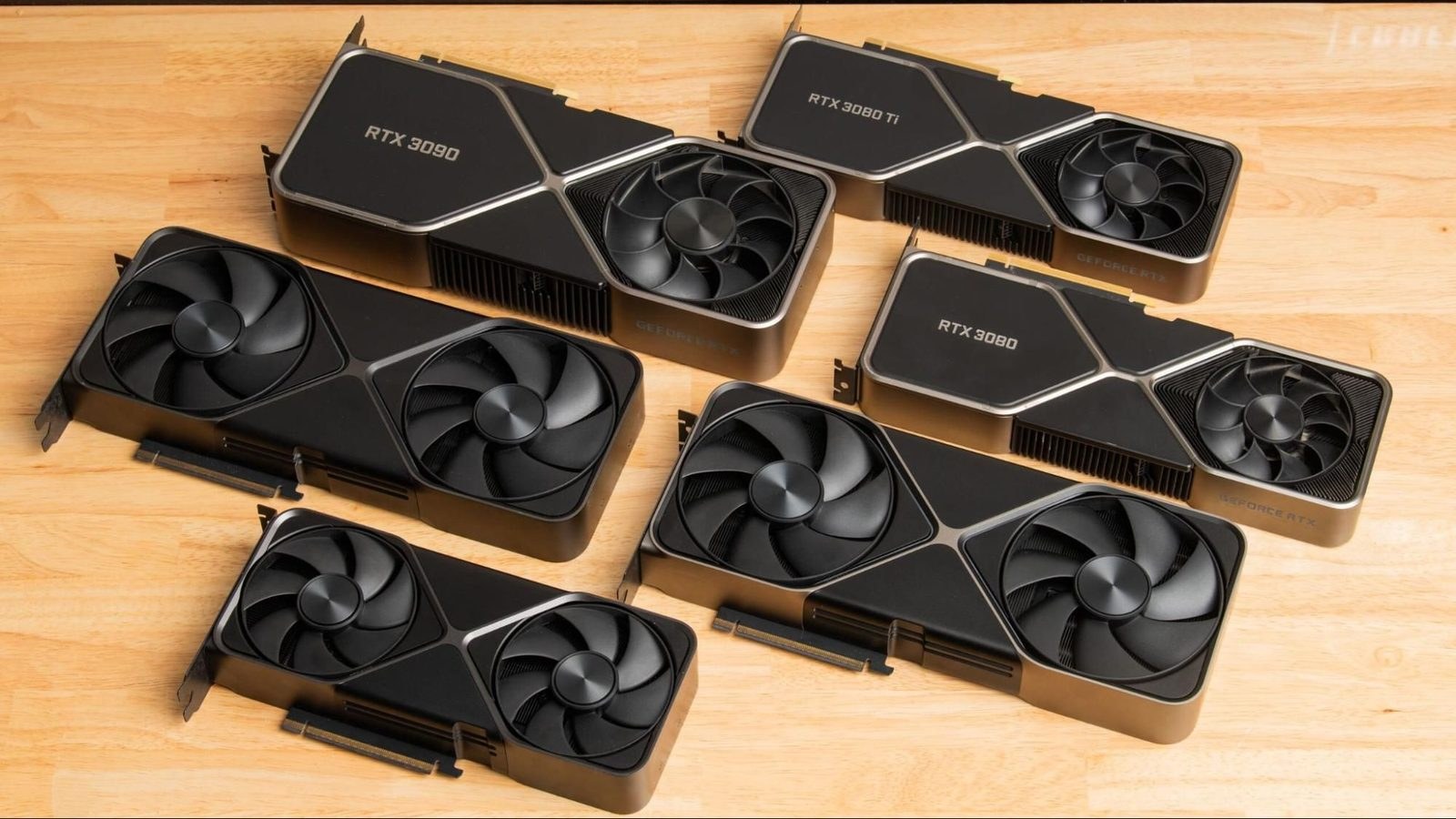
Developer Panchovix has released a GitHub utility for RTX 30, 40, and 50 series GPUs that stores modified firmware in registry keys. It lets you adjust voltage and power limits without risking a permanent brick, though it still requires caution with hardware
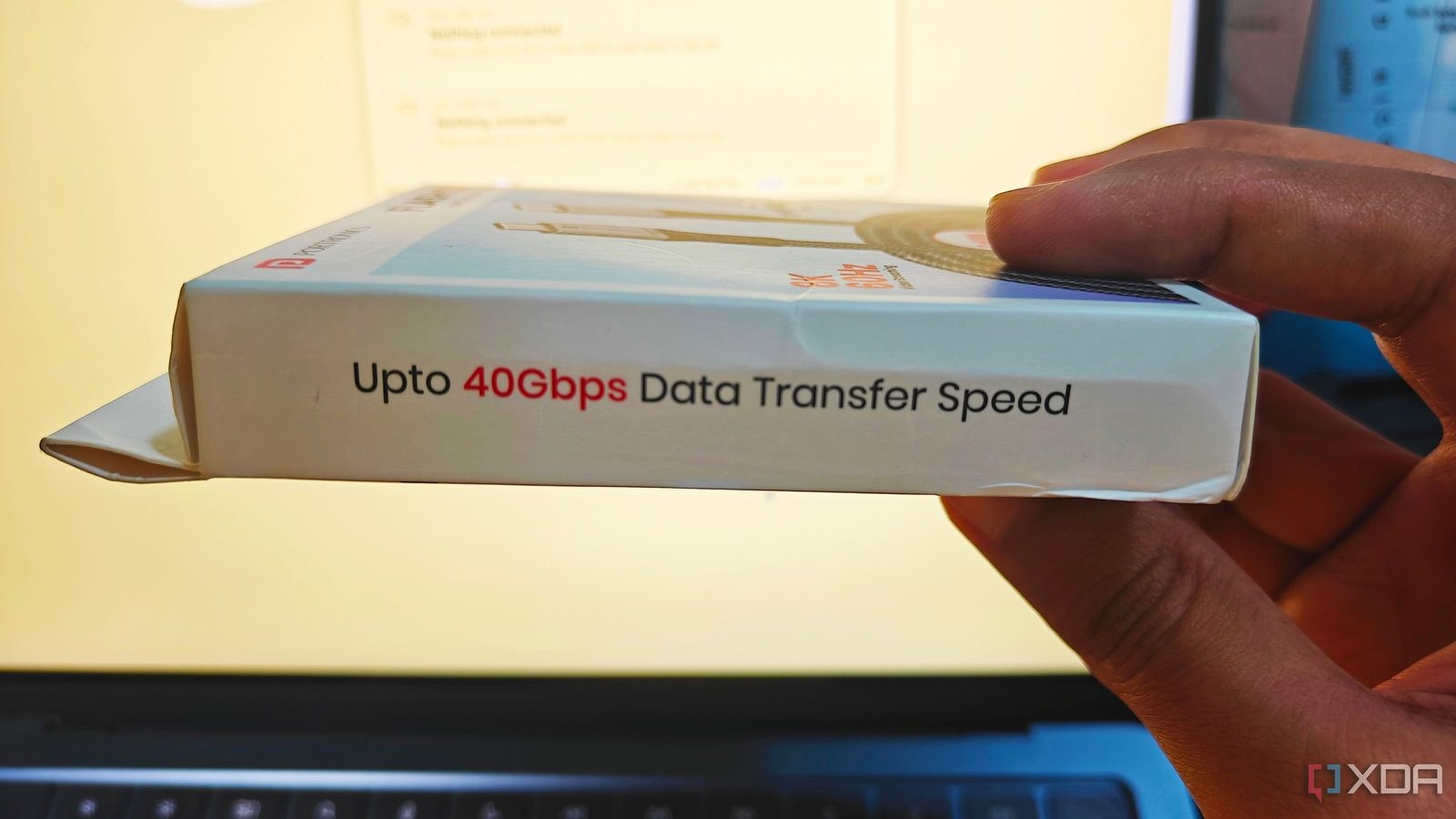
Budget manufacturers are programming fake e-marker chips into cheap USB-C cords to mimic expensive 40Gbps Thunderbolt 4 cables on paper. A simple terminal command or hardware tester reveals whether your four-dollar wire is lying to your operating system.
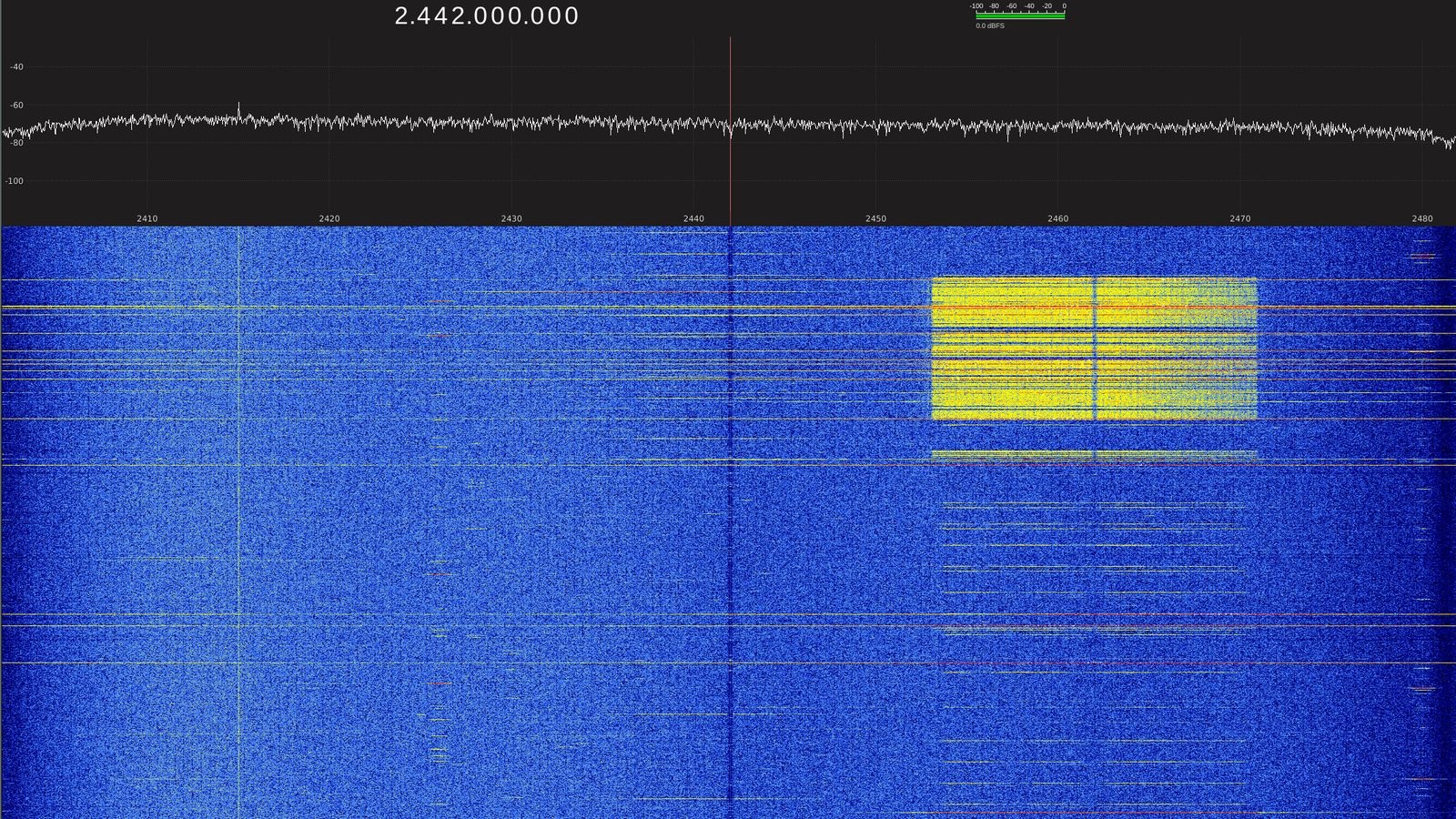
A manufacturing oversight in MediaTek Wi-Fi chips lets enthusiasts turn a cheap network adapter into a software-defined radio. While it saves hundreds of dollars compared to professional gear, the raw debugging tool currently requires constant terminal
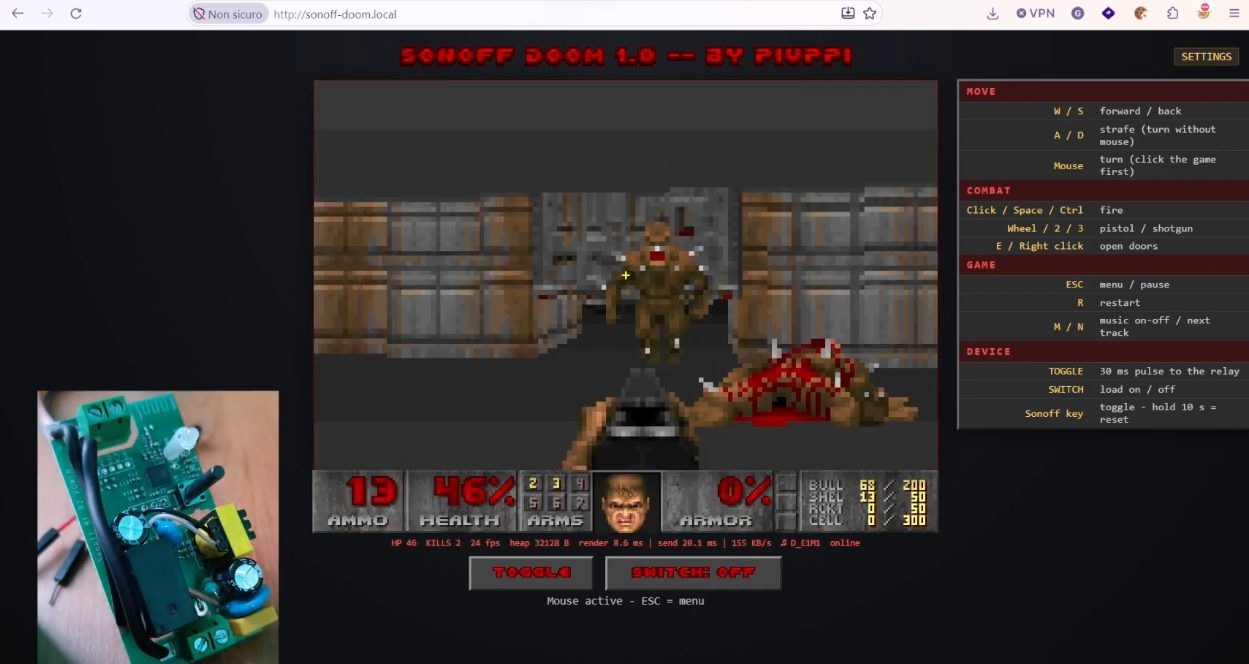
An independent modder got the rendering engine of Doom to run on a $5 Sonoff Basic R2 light switch. The stunt proves that cheap microcontrollers possess more raw computing muscle than overpriced smart home hubs demand.
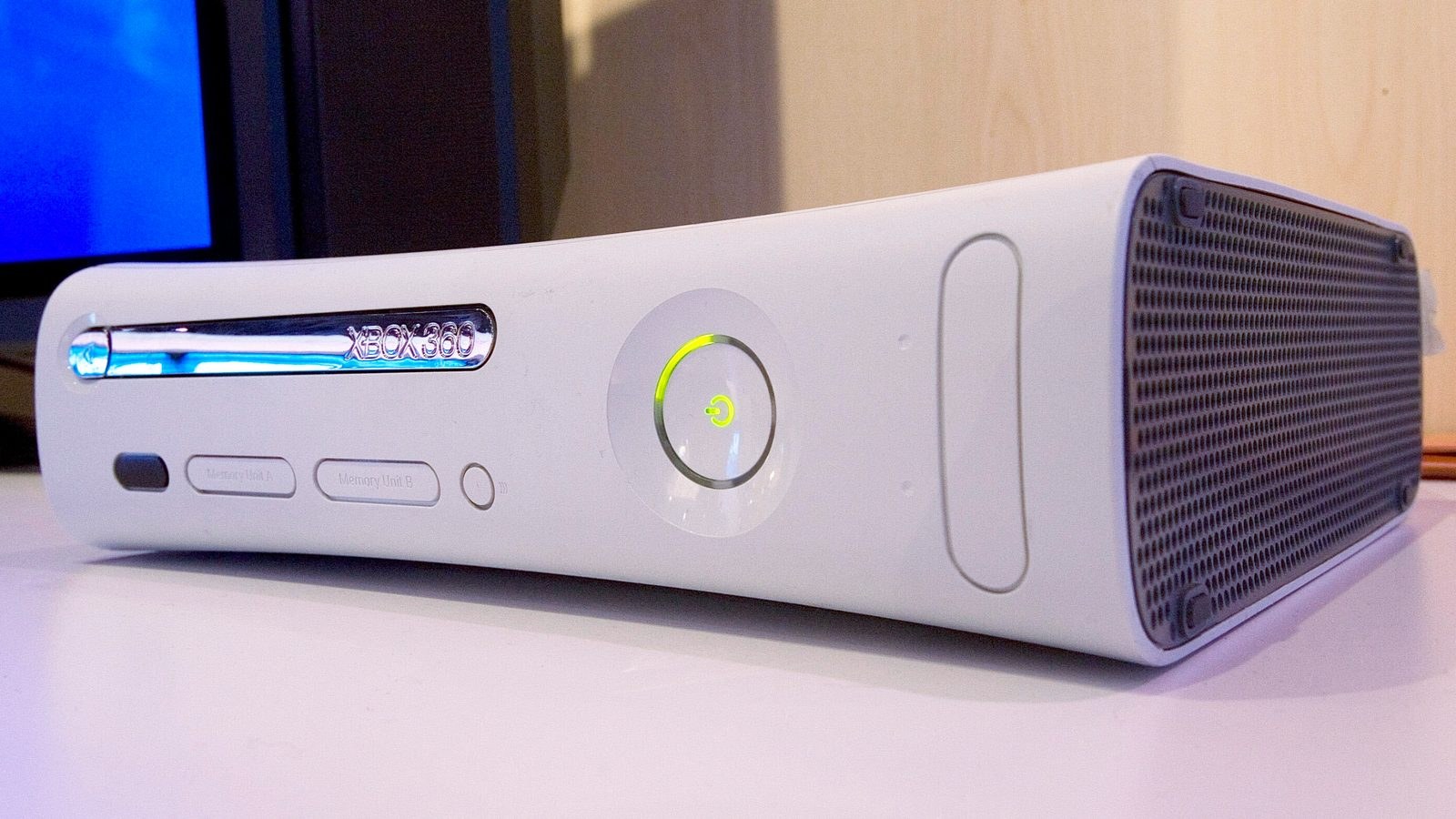
Hacker Joshua Kennedy finished a nine-year effort to crack Microsoft's aging console using a $4 Raspberry Pi Pico. The breakthrough bypasses hardware cryptography, though it still demands steady hands and basic soldering skills.
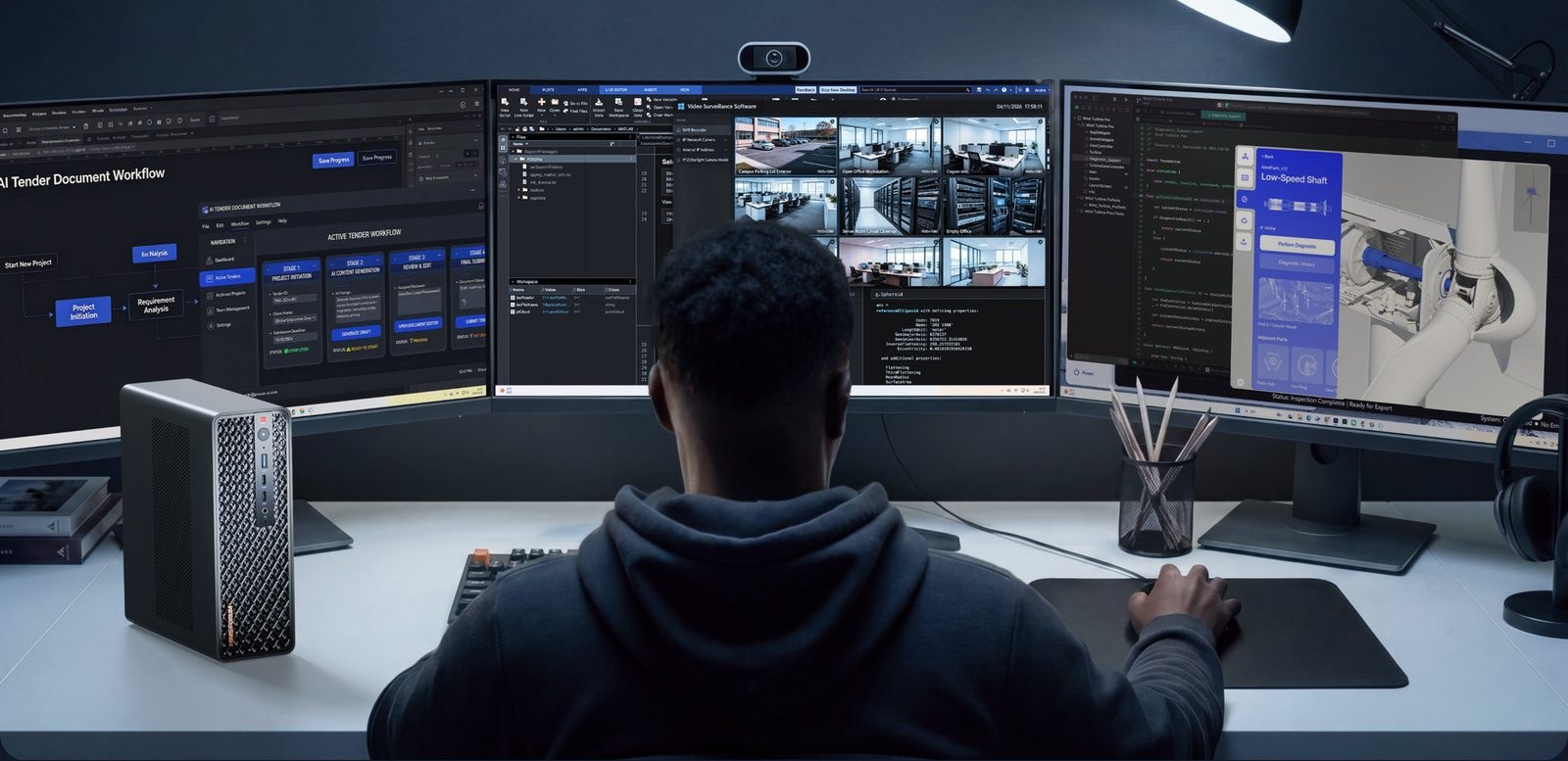
Minisforum priced its new MS-S1 MAX-P495 compact desktop at $7,399, targeting users who need massive local memory to run large artificial intelligence models at home.
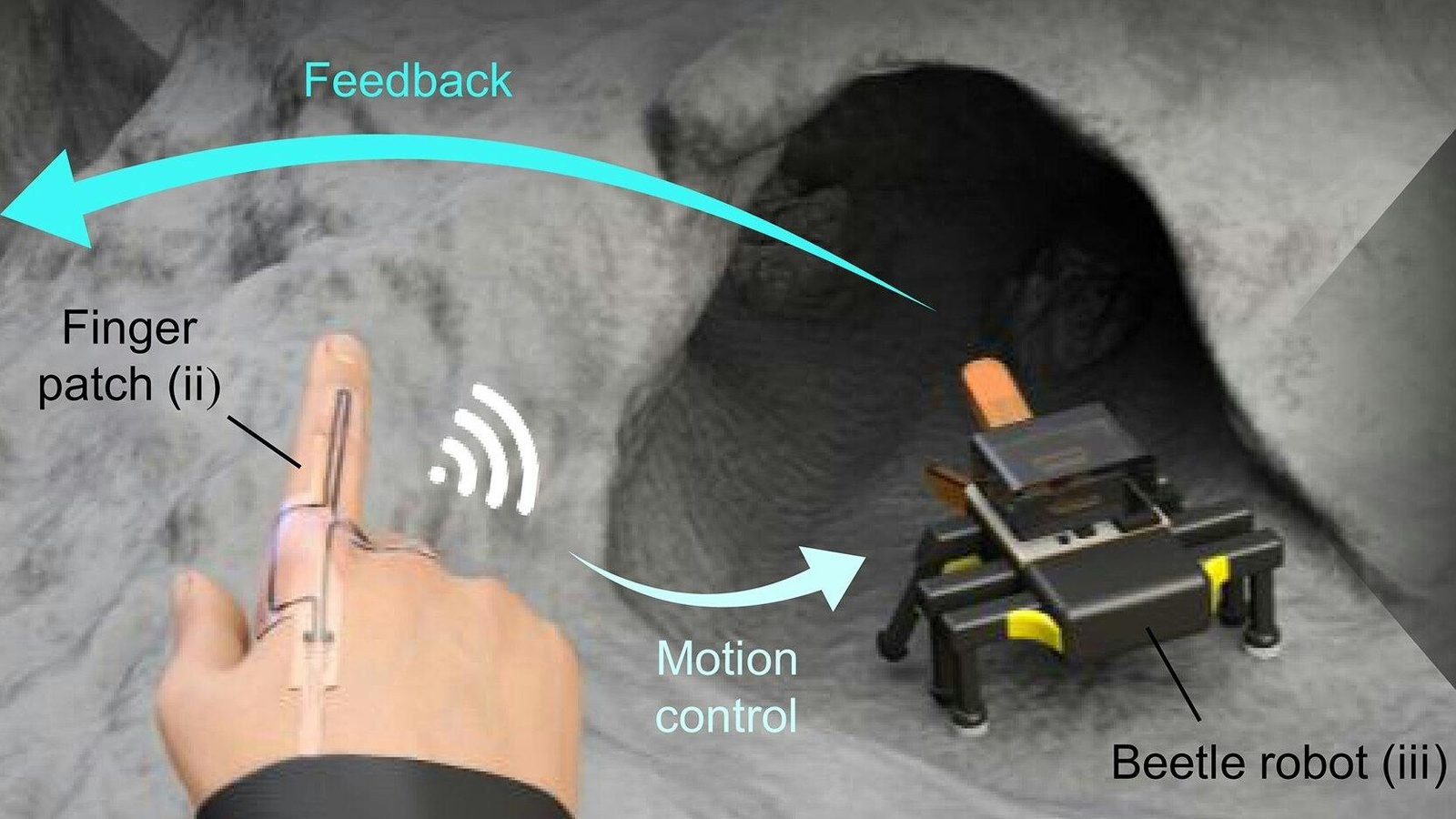
Researchers at KAIST developed a six-legged micro-robot driven by liquid crystal elastomer muscles that contract under a three-volt current. Despite grabbing objects and mimicking beetle jaws, the prototype suffers from sluggish cooling cycles and lacks practical consumer value.
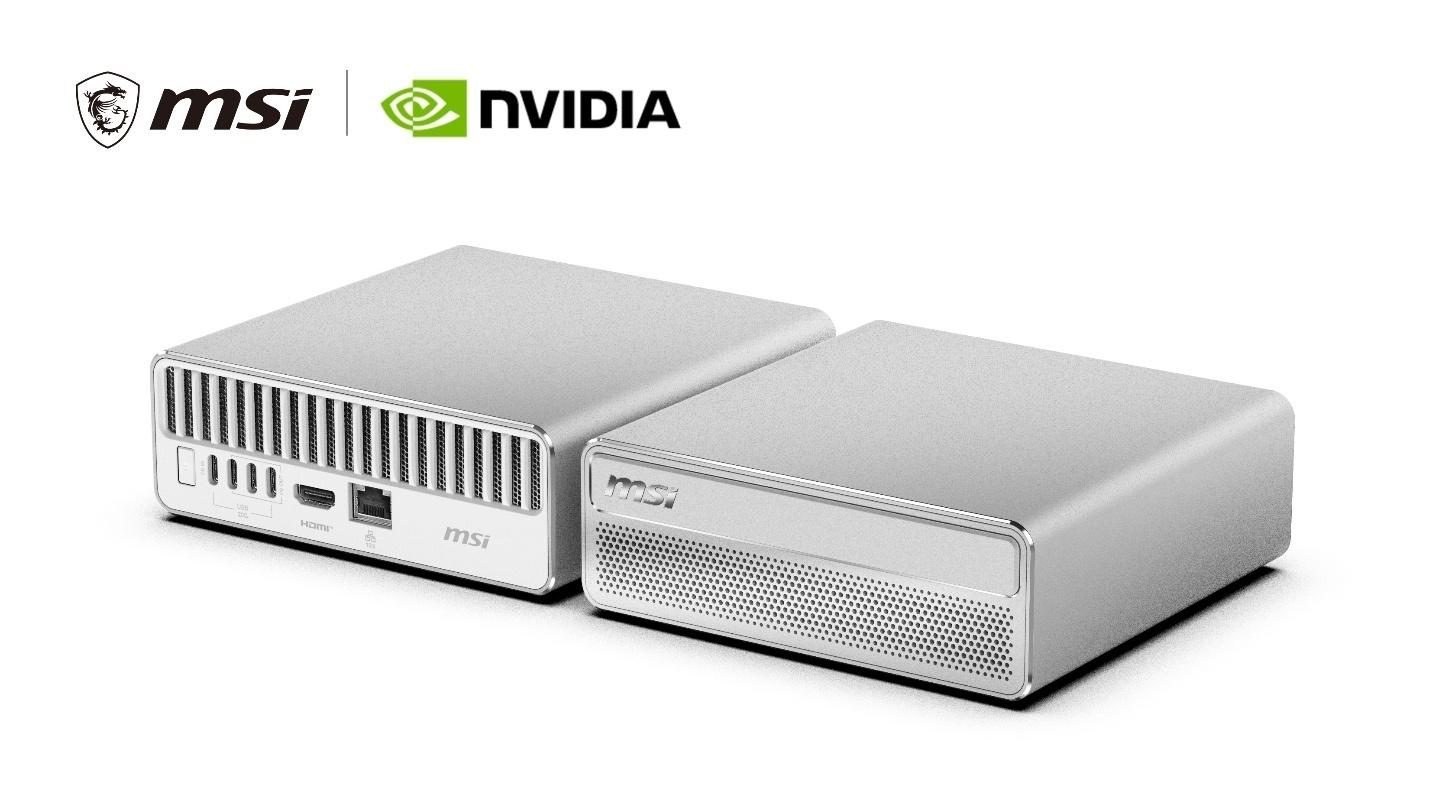
MSI squeezed a 1-petaflop AI server into a 1.3-liter desktop box with 128 GB of memory. We check if a home neural network workstation is worth its massive price tag.
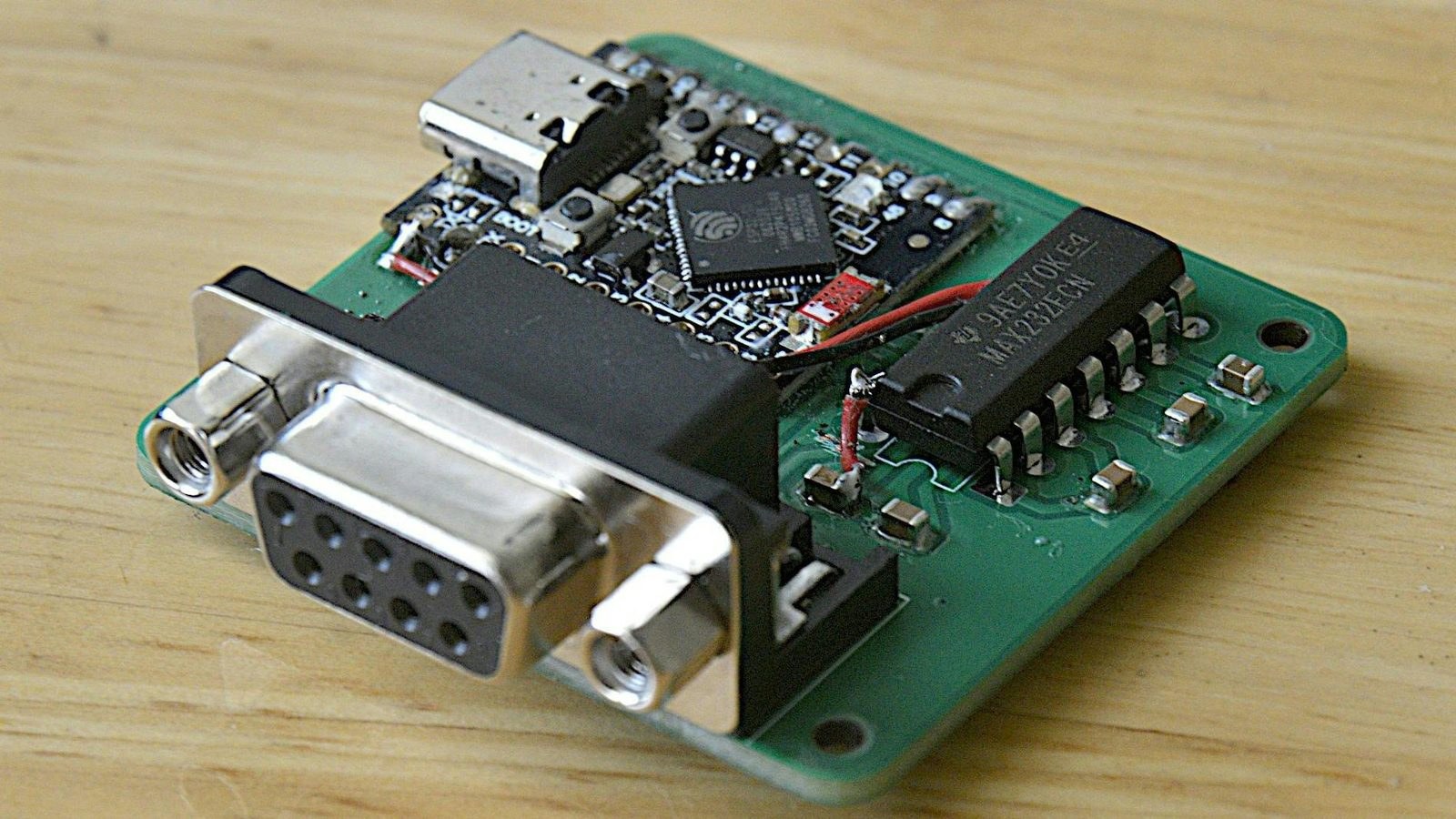
Legionlabs built the Selectric-256, an eight-dollar hardware box using an ESP32 chip to bring military-grade post-quantum messaging to computers of any age. The device offloads network processing to external Wi-Fi and connects via USB or serial, keeping legacy machines secure without cloud subscriptions.
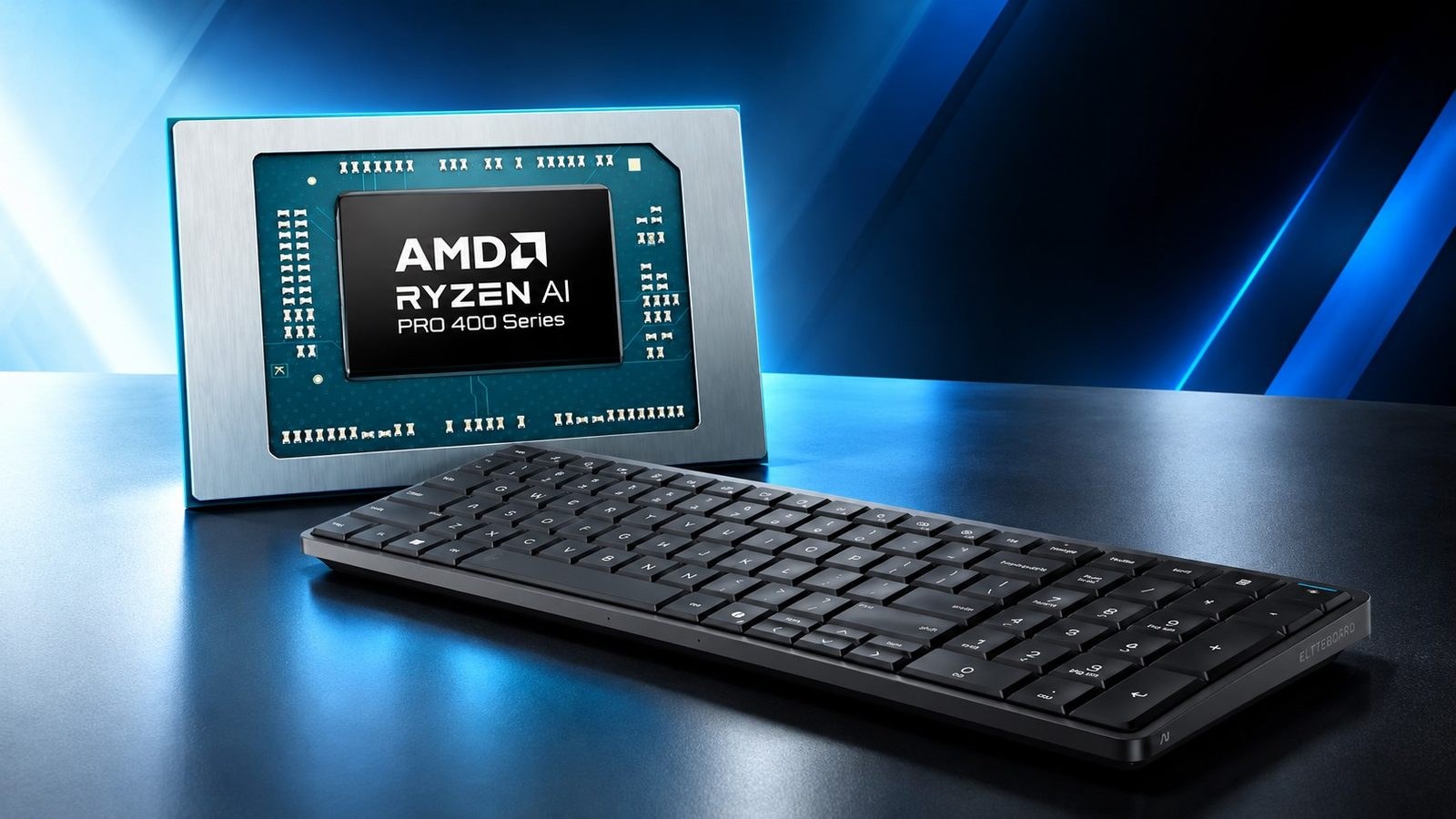
HP has revived the 1980s computer-in-a-keyboard design with the new EliteBoard G2a, starting at $3,053. It crams Ryzen AI Pro processors and up to 64GB of RAM into a 1.49-pound chassis, asking users to pay a massive luxury tax for ultimate desktop minimalism.
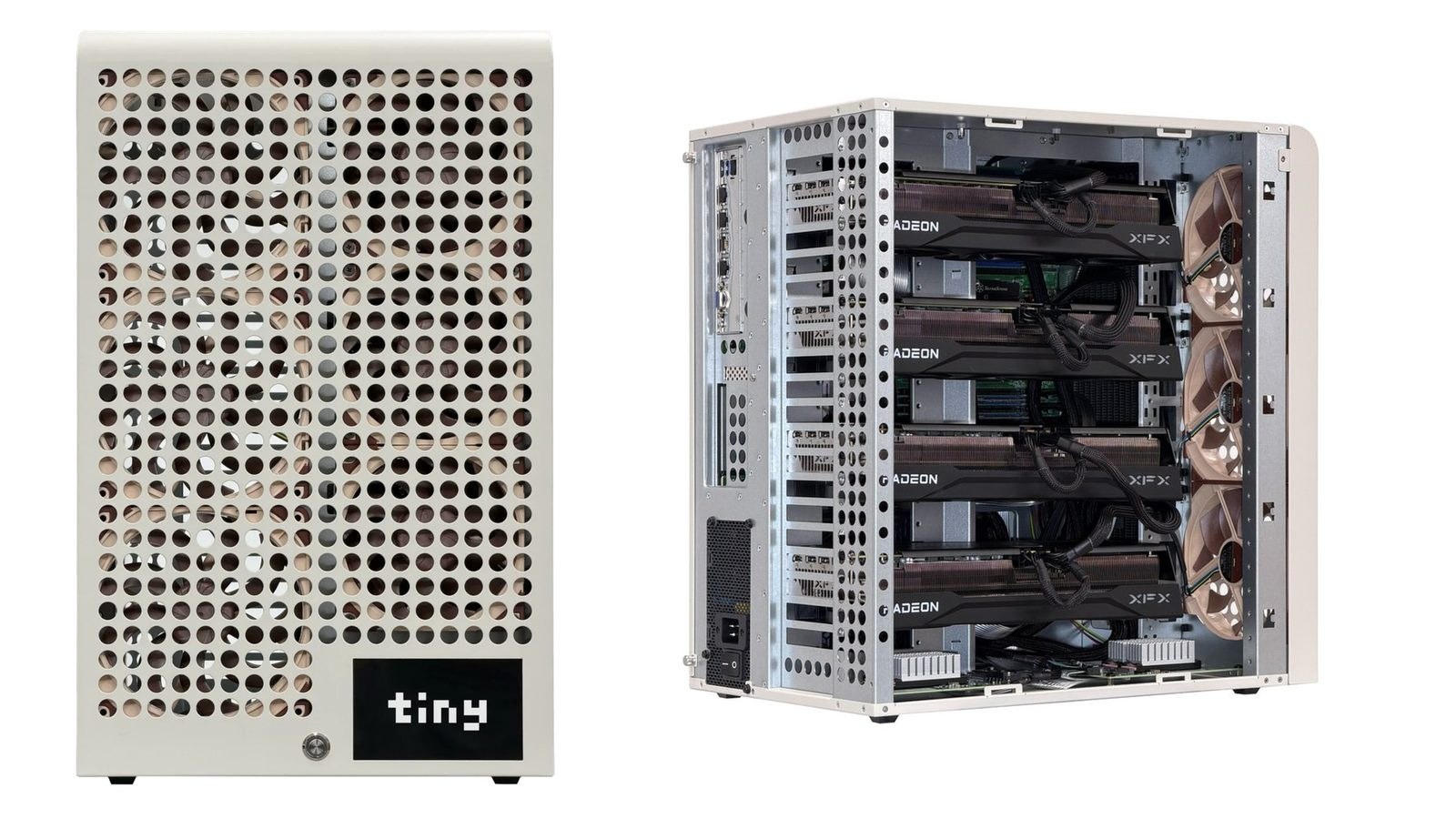
Tinygrad updated its desktop deep-learning workstation to support four AMD Radeon graphics cards starting at $11,000. For independent developers dodging cloud bills, the 42-pound machine offers local power built on older server parts.
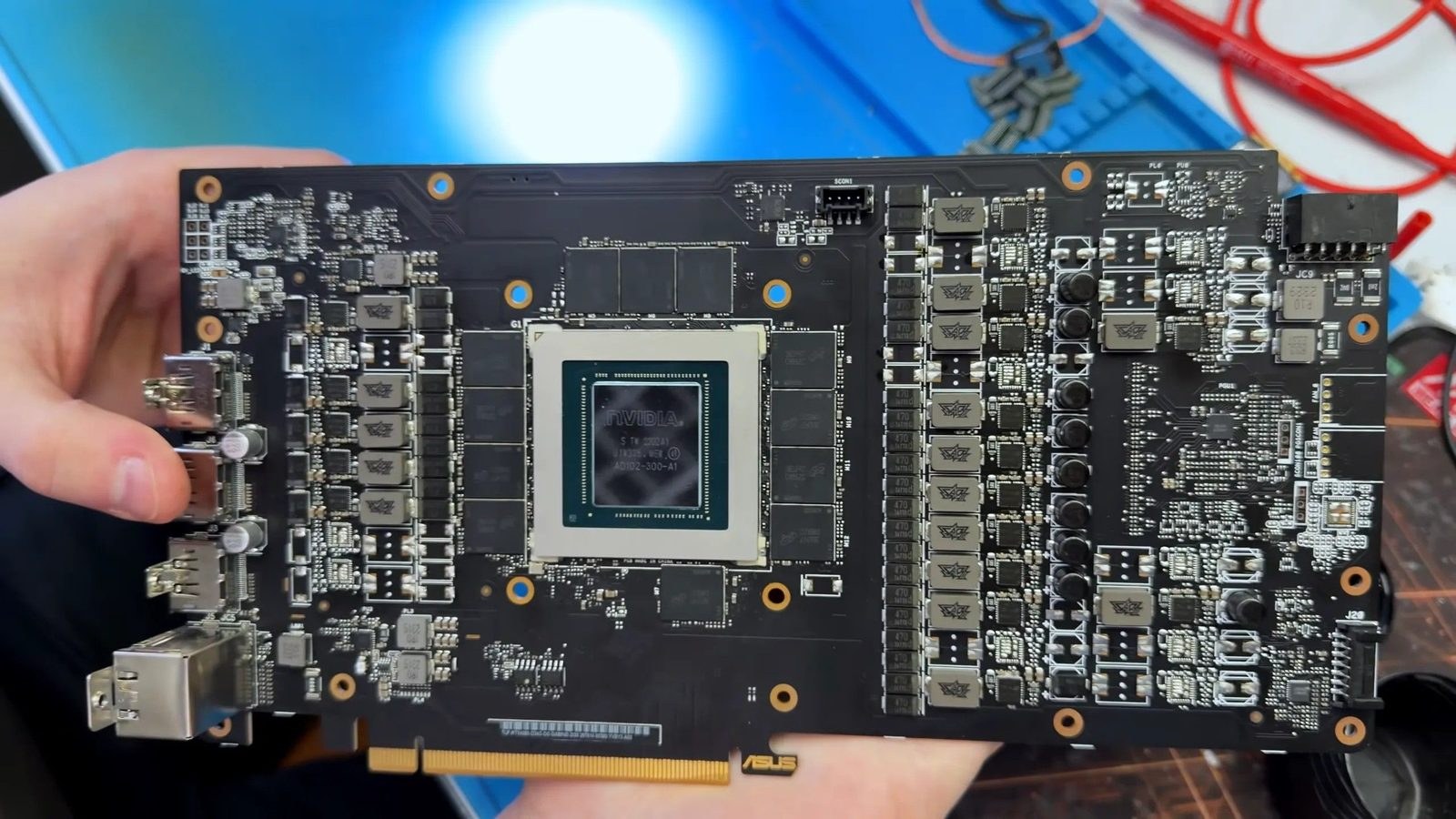
A tech enthusiast bought a broken flagship graphics card for $350 only to discover a counterfeit processor made from plastic dummy parts. The intricate scam tricks even experienced technicians during visual inspections.

OneXPlayer has built the Super X Pro, a 2-in-1 tablet housing an AMD Ryzen AI MAX+ 495 processor and up to 192GB of unified memory. While it matches workstation performance, reaching its 120W peak requires an external liquid-cooling dock that is sold separately.

Chinese manufacturer JGINYUE has built a $58 PCIe expansion card carrying an AMD B650 chipset to squeeze four M.2 NVMe drives and extra ports into older PCs. While it spares you a costly platform upgrade, it demands manual BIOS tuning and comes with a notoriously loud cooling fan.

A Reddit user scored twelve RTX 3070 cards from old mining rigs, proving that clean storage keeps hardware alive. We break down the hidden maintenance costs and whether buying ex-mining gear actually saves you money.

Anbernic announced the RG DDS clamshell handheld featuring dual IPS displays and a Qualcomm Snapdragon G2 Gen 2 chip. The device mimics the classic 3DS layout for retro gaming enthusiasts, though pricing and release dates remain unconfirmed.
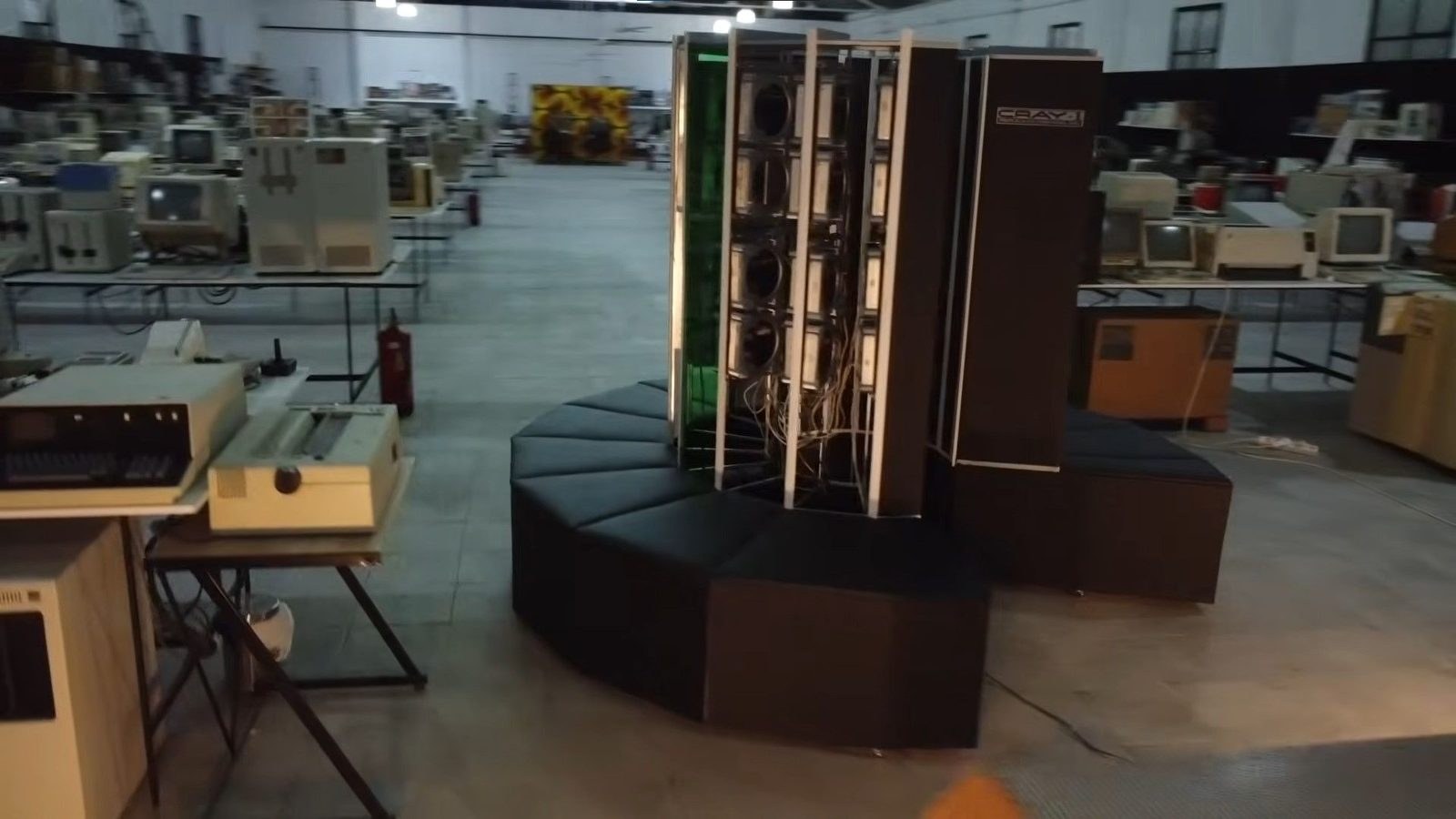
Spain's Museo de Historia de la Computación turned 30 obsolete Mac Minis into a working replica of the legendary Cray-1 supercomputer. Delivering 1.3 TeraFLOPS of power without industrial cooling, the project proves that decade-old hardware still has plenty of life left.
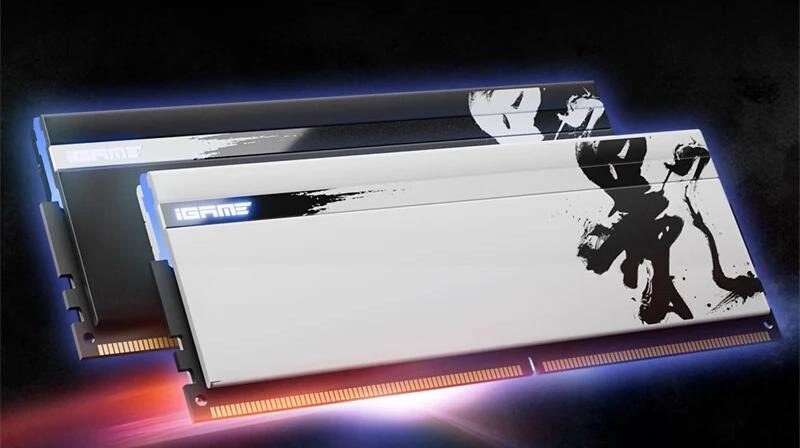
Colorful has launched the iGame Shadow II DDR5-6000 memory kit priced at $595 for 32 GB. Built entirely on local Chinese chips, it trades basic performance for technological independence and calligraphy.
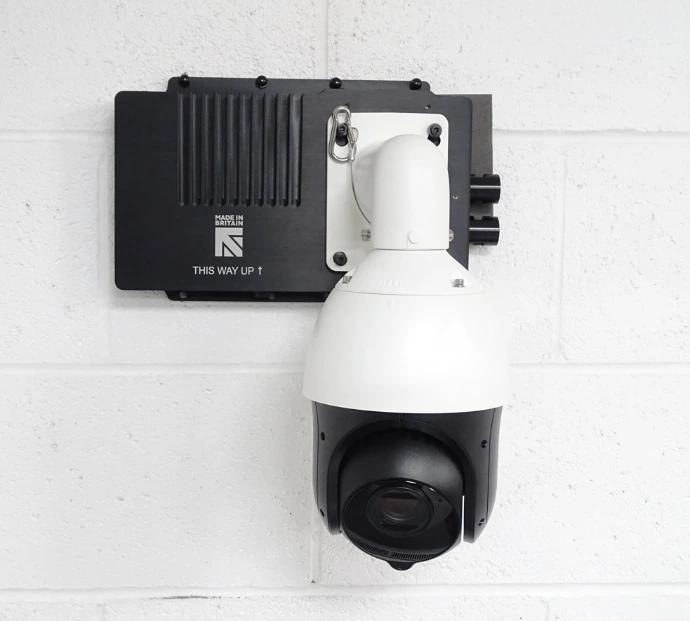
VisionGuard's new VG-15M6 surveillance unit runs on desktop-grade Intel silicon to process heavy video feeds locally. It eliminates cloud subscriptions for industrial sites, but brings overkill hardware to anyone else.
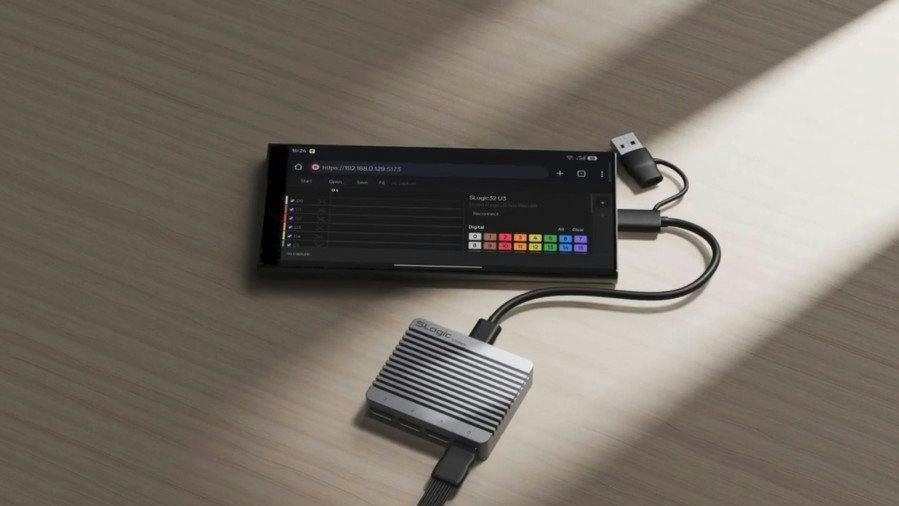
Shenzhen-based Sipeed has launched a crowdfunding campaign for the SLogic32U3, a pocket-sized logic analyzer delivering 10Gb/s USB 3.2 speeds and 32 channels starting at $149. While the specifications rival expensive bench equipment, backing hardware on Kickstarter still carries the usual financial risks.
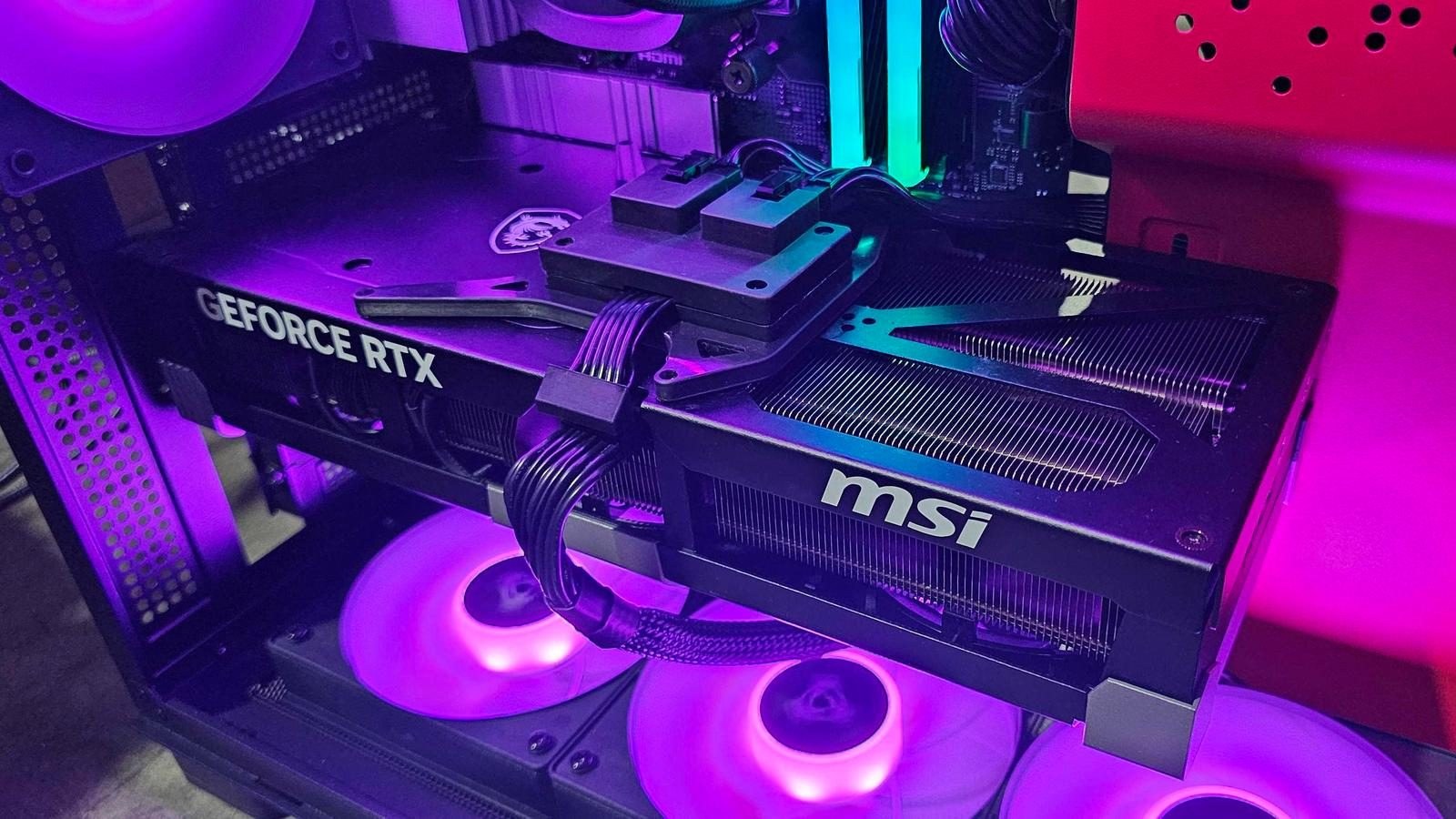
A Reddit user modded a GeForce RTX 5090 with two extra 8-pin power connectors to prevent melting cables under a 550-watt load. The DIY fix spreads out the electrical current but offers zero performance gains and voids your warranty instantly.
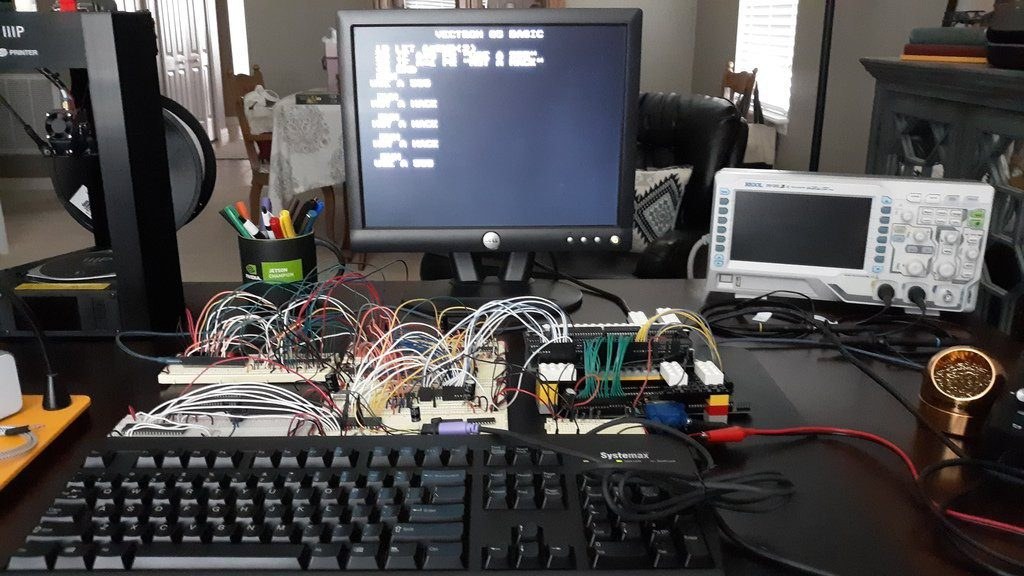
The Vectron65 Plus has evolved from a breadboard experiment into a modular printed circuit board with extra RAM and independent graphics coprocessors. Built by engineer Nick Bild around the classic 6502 chip, it offers a fully repairable alternative to modern disposable hardware.

Maker Jim Bruges built an instant camera using a webcam and a thermal receipt printer, swapping expensive chemical cartridges for pennies-per-roll paper. It even packs an onboard processor to turn your photos into AI-generated rubber ducks without touching a cloud server.

Neuralink trial participants have logged over 50,000 hours of implant use, hitting a cursor control speed record of 11.32 bits per second. The breakthrough points toward predictive algorithms that could eventually transform mainstream consumer device control.
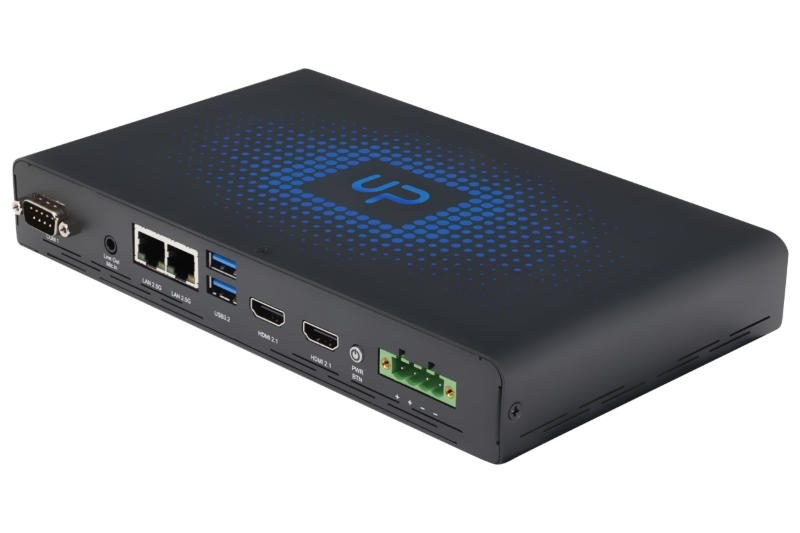
Frore Systems brings solid-state cooling to Intel Panther Lake mini-PCs, replacing fans with ultrasonic vibrations. But you are paying top dollar to beta-test unproven thermal tech.

Samsung unveils the 5.1mm-thin Galaxy Tab S12 Ultra and S12+, replacing familiar Qualcomm chips with MediaTek processors. These premium Android slates pack massive screens, up to 16GB of RAM, and hefty price tags.
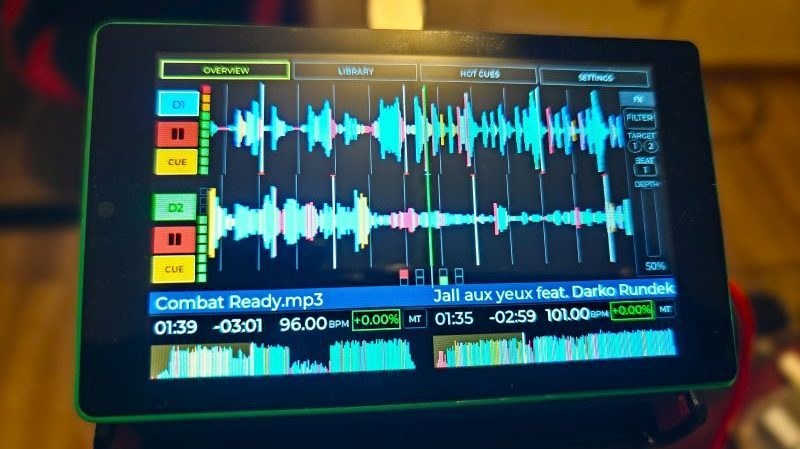
Independent maker Daniel Vučinović has engineered a standalone DJ controller running on a $50 ESP32 chip. It reads USB drives, renders live waveforms on a touchscreen, and eliminates laptop crashes for mobile DJs.
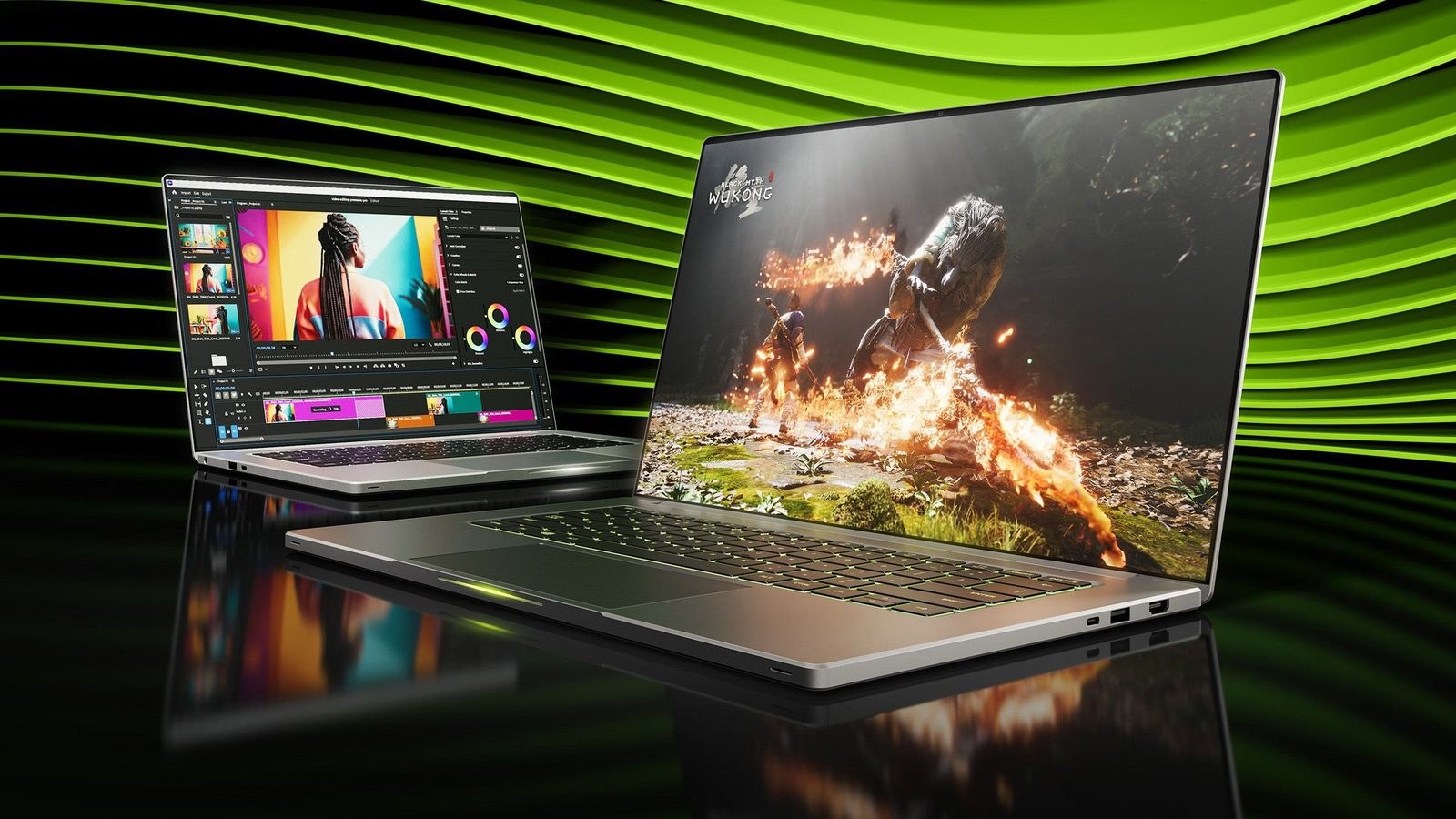
An experimental developer tool named NvpwrControl allows owners of Nvidia-powered gaming laptops to push an extra 40 watts of power into their graphics cards. While early tests show performance gains in benchmarks, running the utility requires disabling basic Windows security and risks destroying expensive hardware.
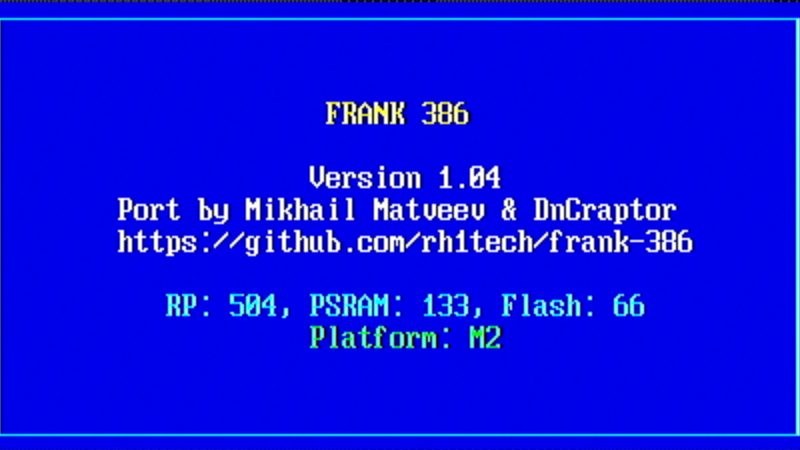
A tiny five-dollar microcontroller can now run a stripped-down Linux kernel and recreate a classic 386 PC. This inventive setup lets you ditch overpriced vintage hardware on eBay to run old-school DOS, Windows 3.1, or lightweight Linux right in your palm.

A hobbyist has run the open-source Tomb Raider engine natively on a $5 Espressif ESP32-P4 chip. The setup calculates 3D polygons in real time at 320x240 resolution, proving pocket-change silicon can handle mid-90s gaming.
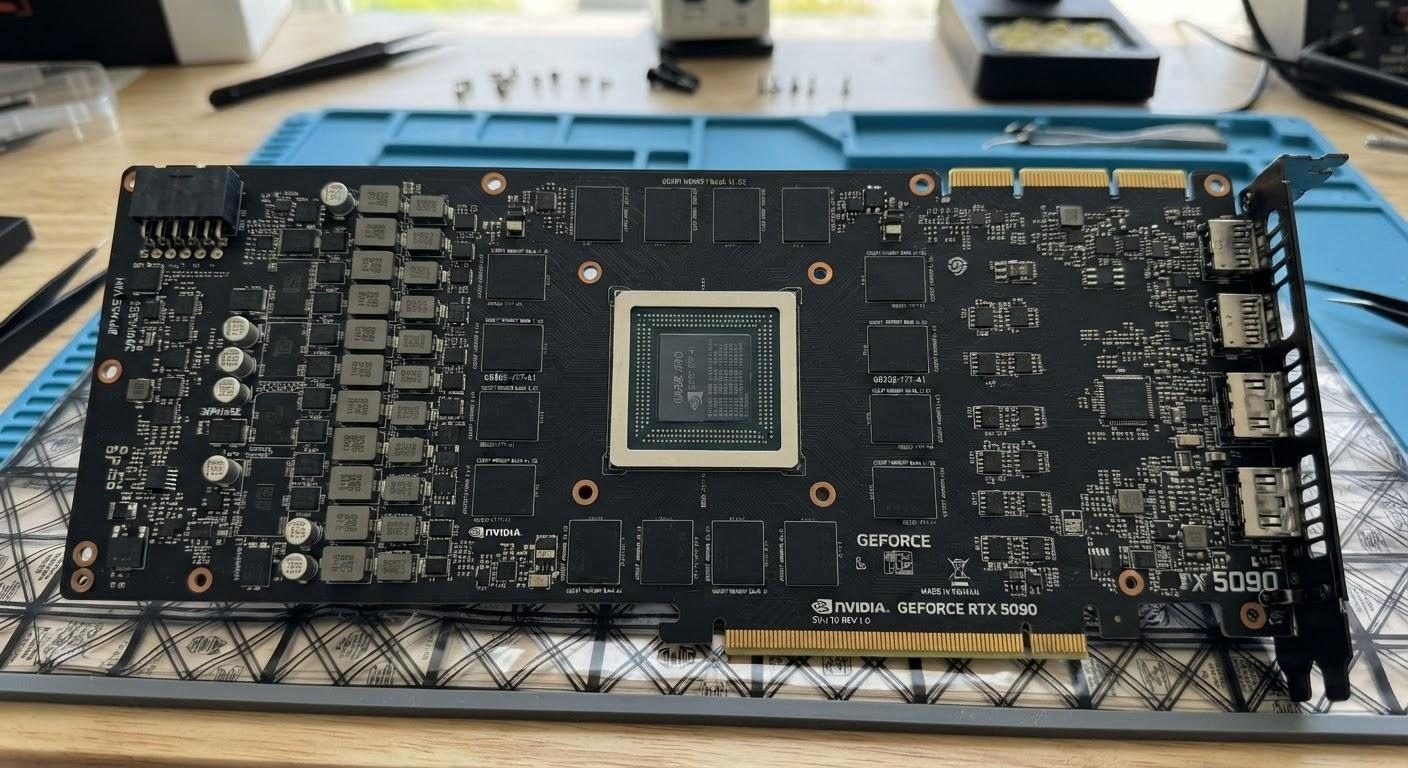
Scammers are selling hollowed-out GeForce RTX 5090 graphics cards on the secondhand market with the GPU dies and GDDR7 memory modules desoldered. The coolers, serial stickers, and factory seals remain intact, making the fraud invisible without a live test bench.

Apple launched the Watch Ultra 4 powered by the new S11 silicon. Real-world testing shows battery life and workout accuracy remain essentially identical to prior models, offering existing Ultra owners few reasons to upgrade.

Hardware enthusiasts are testing secondary graphics cards to offload AI frame generation and boost game smoothness on older hardware. While the setup relieves the primary GPU, severe driver limitations and massive power requirements wipe out the cost benefits for regular users.
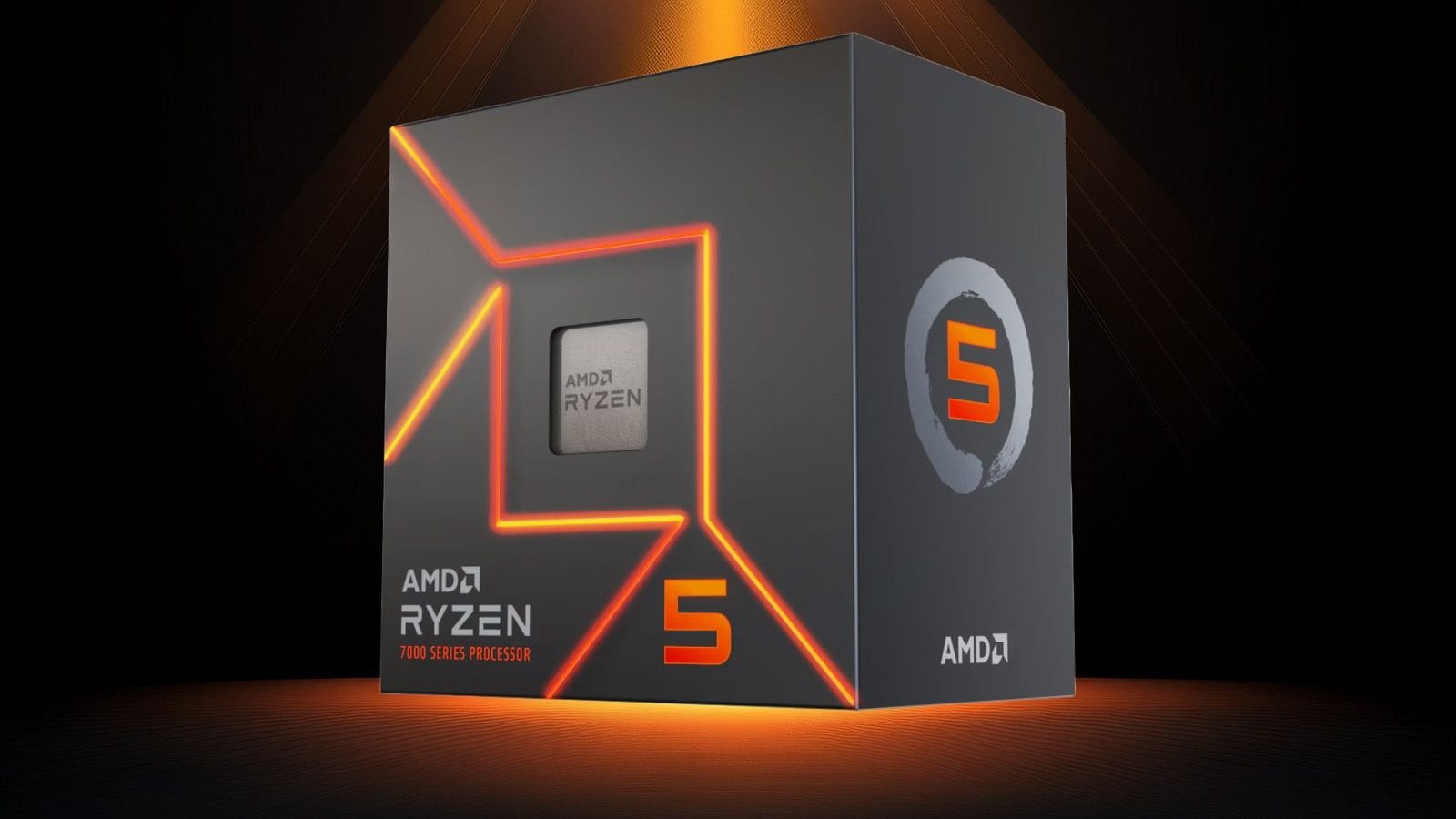
AMD launched two budget processors priced at $99 and $189 to help PC builders avoid steep memory costs. The chips offer practical escape routes for assembling a capable gaming system without overspending on modern platforms.
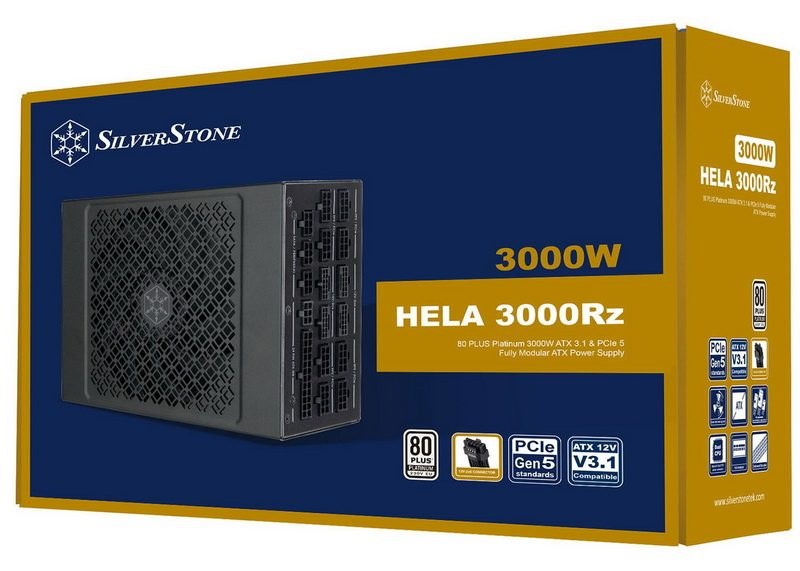
SilverStone has introduced the HELA 3000Rz, a 3000-watt power supply engineered to handle up to four top-tier graphics cards at once. It turns desktop computers into industrial-grade rigs, but standard gaming setups will never need this level of extreme wattage.
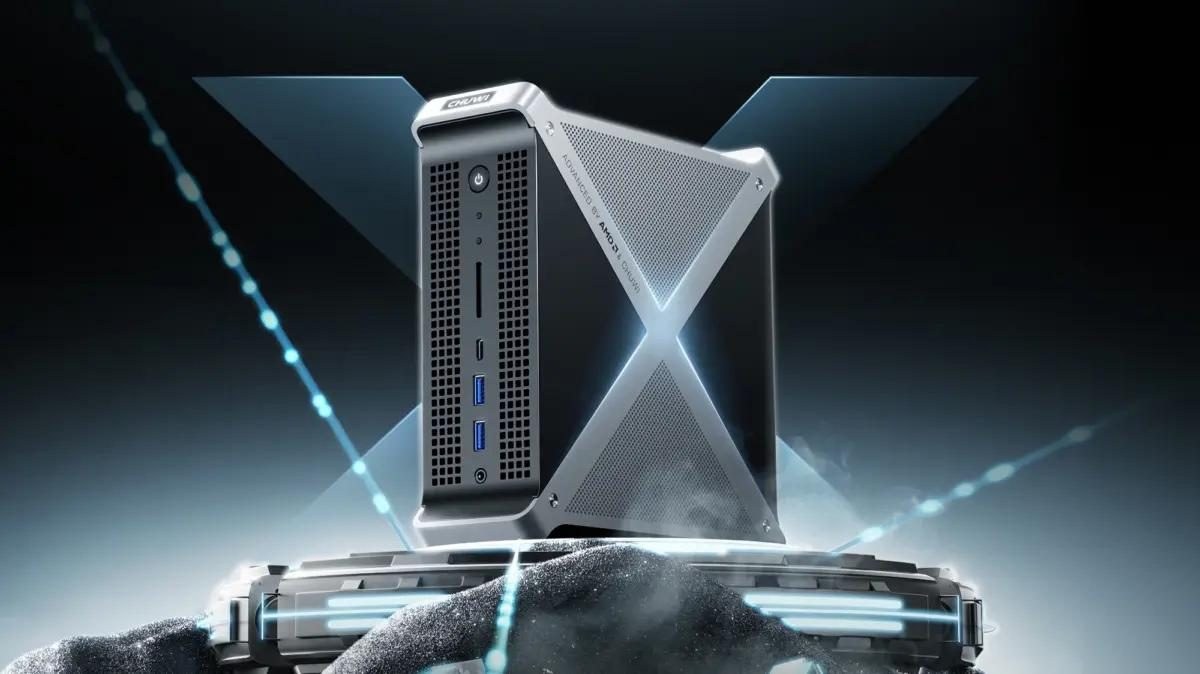
Chuwi has unveiled a three-liter mini PC powered by AMD's Ryzen AI MAX+ Pro chip and up to 192 GB of unified memory. The compact desktop can allocate 160 GB of VRAM to run heavy local AI models, replacing noisy full-tower rigs.
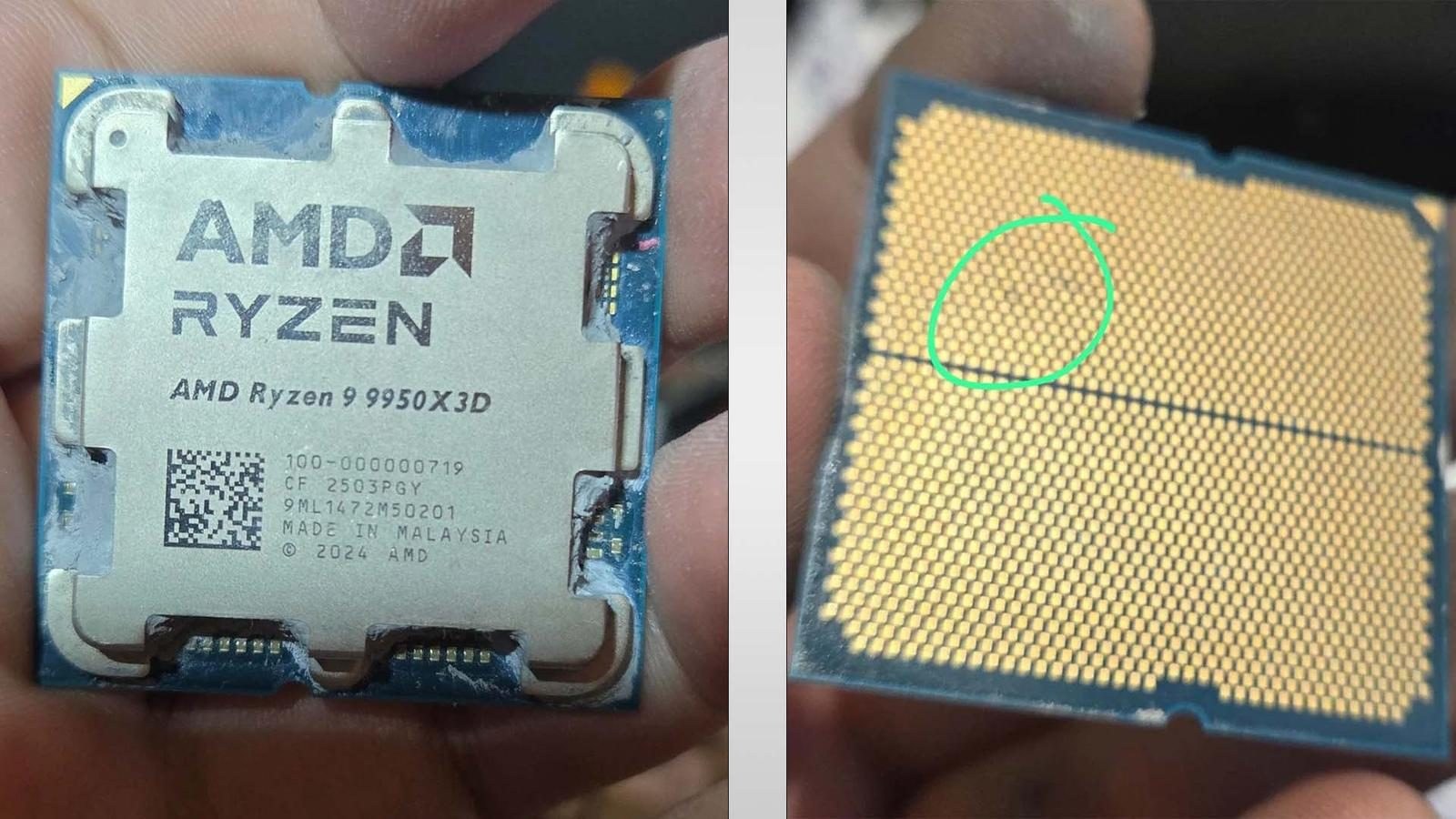
An AMD Ryzen 9 9950X3D flagship processor suffered fatal burn marks after applying a standard Asus DDR5 profile without any manual overclocking. The incident highlights ongoing voltage stability issues on high-end AM5 motherboards. PC builders should double-check automated voltage delivery to avoid costly hardware failures.
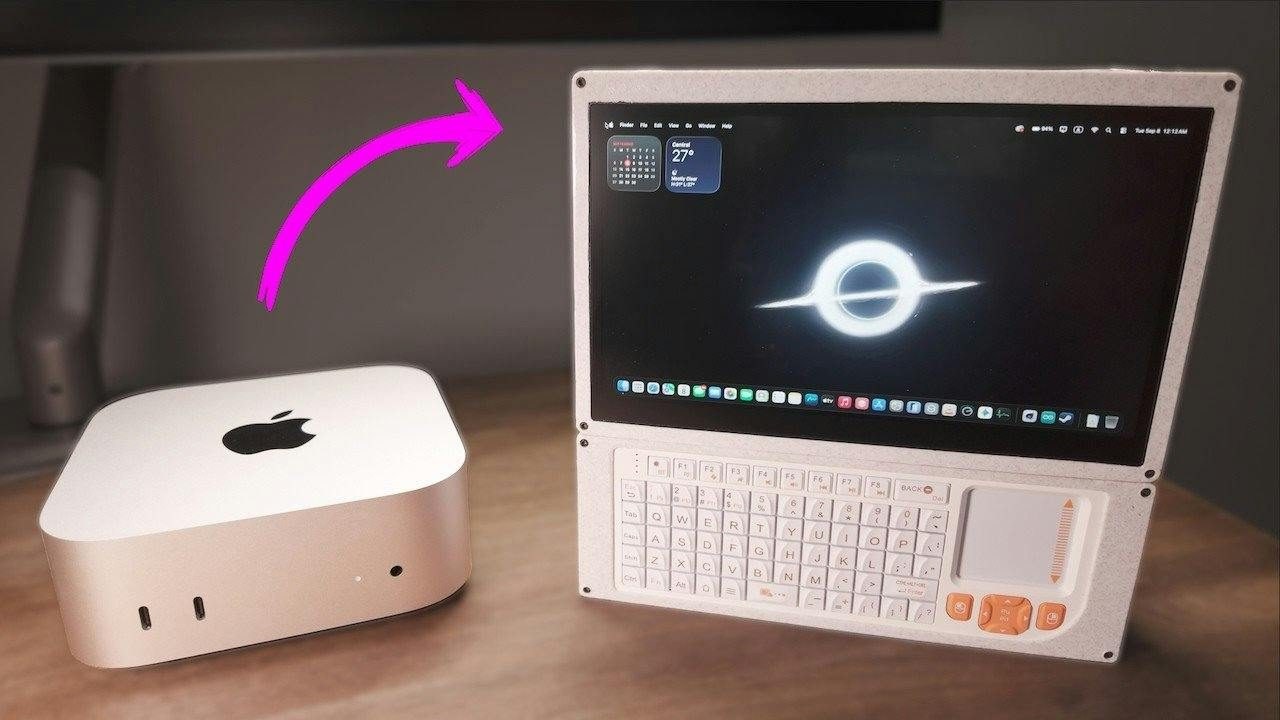
Hardware modder Shing Solutions stripped an Apple M4 Mac mini down to its core circuit board and built a 7-inch portable cyberdeck. The machine runs on four high-drain batteries for six hours, proving desktop silicon can fit entirely in your palms.
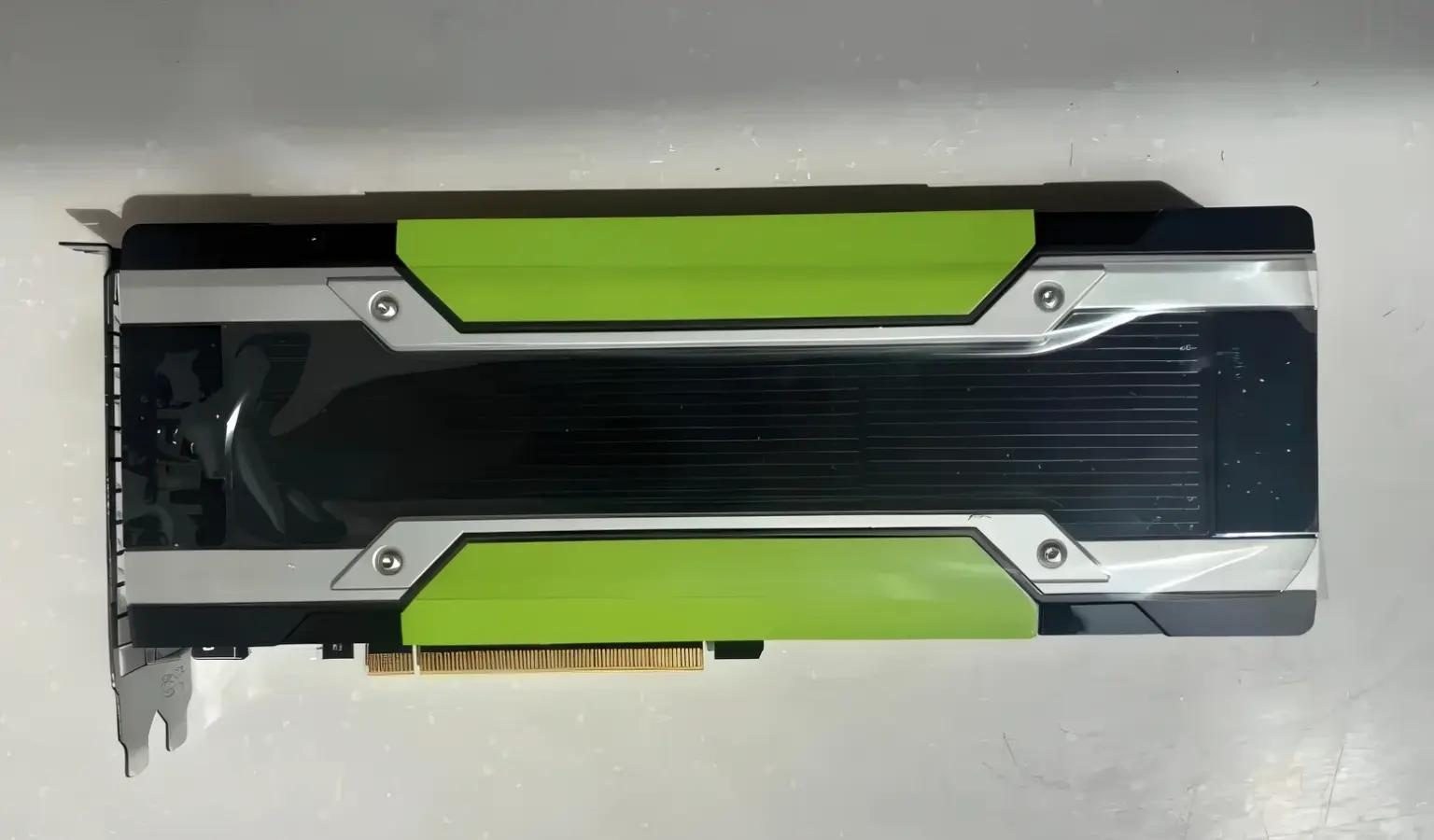
Chinese marketplaces are liquidating decommissioned Nvidia Tesla M60 dual-GPU server boards for $60 with makeshift desktop coolers. Lack of display ports, driver roadblocks, and zero dual-GPU support in modern games make the hardware a poor choice for budget gaming.

Google Gemini will soon execute long AI reasoning tasks in the background with the screen locked. The upgrade frees up the display for other apps, but sustained on-device compute will strain mobile processors and rapidly drain batteries.

Perplexity's new Hybrid Compute feature processes confidential files directly on Apple Silicon Macs using local chips. While it keeps sensitive financial sheets off remote servers, it shifts computing workloads and battery drain straight to your MacBook.

Apple has told developers they can completely stop supporting older Intel-based Macs on the App Store. For anyone still using an older machine, this means new app updates and features will soon stop arriving entirely.
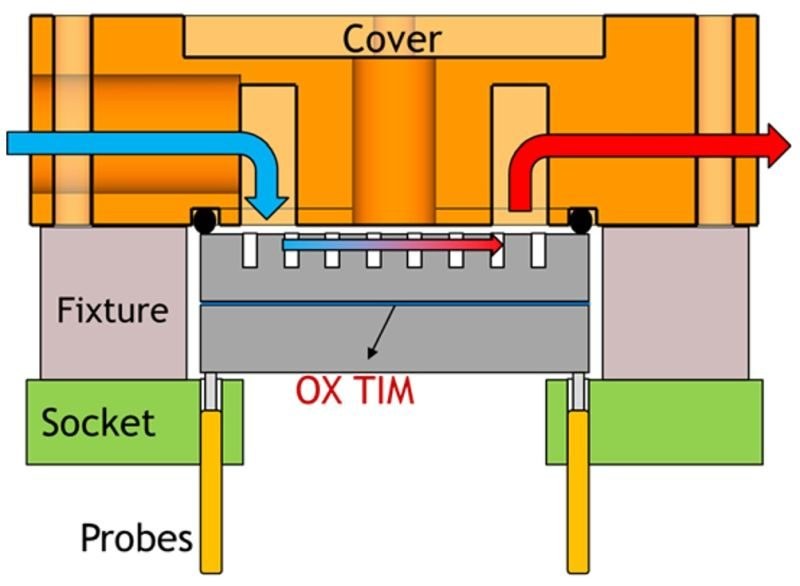
Chipmakers are preparing to integrate nanoscale liquid cooling channels directly into silicon packaging. The technology will initially roll out to AI server farms before migrating to mobile flagships to eliminate thermal throttling and overheating.
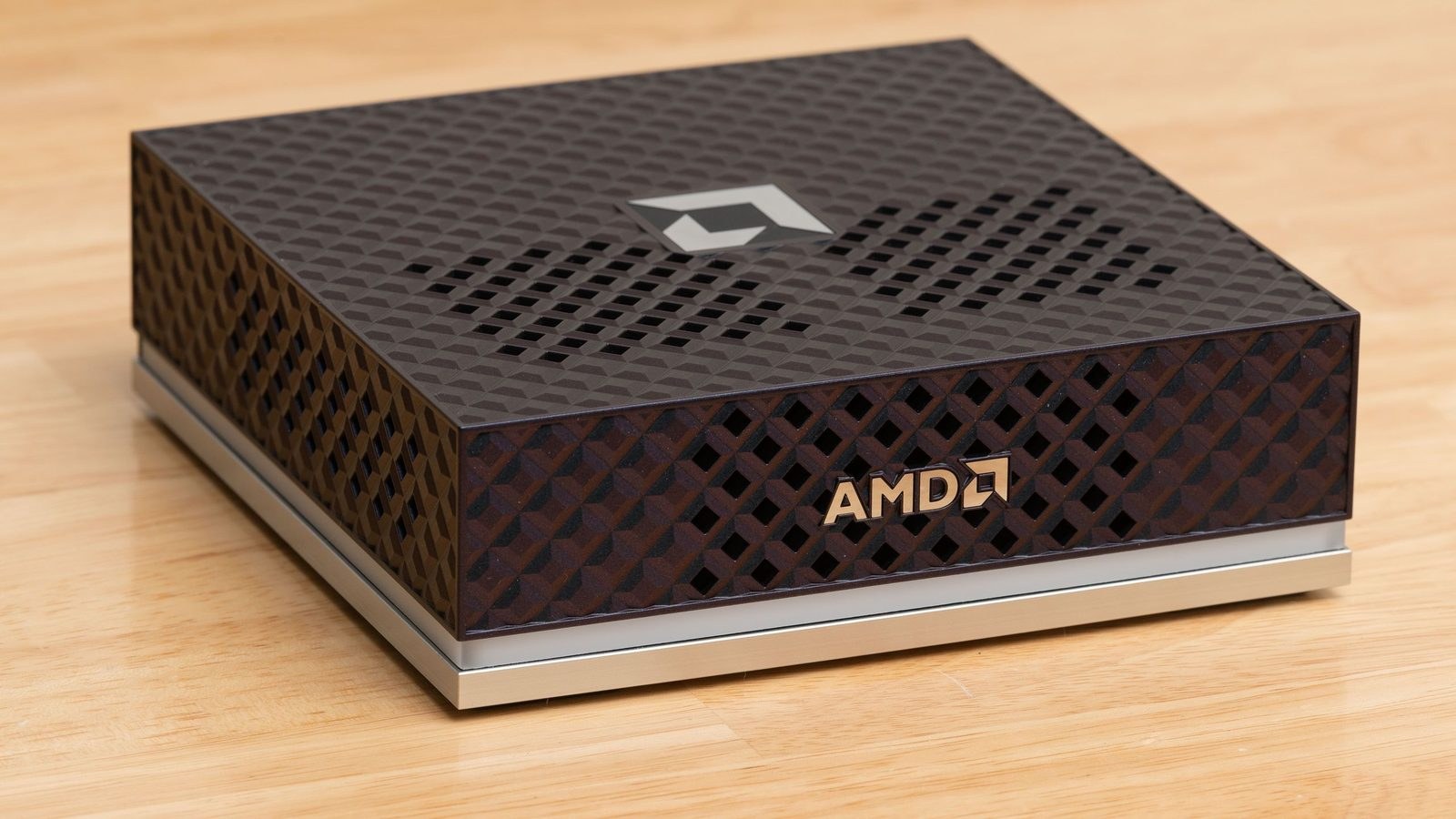
Microsoft finally built a clean, bloat-free version of Windows 11 called Project Zenith for running local AI models. However, it requires a specialized AMD processor and at least 64GB of memory, putting the operating system out of reach for regular PC owners until they buy a $3,999 workstation.

A maker on Habr built the Kollektive Deck, a custom handheld gaming console powered by a salvaged POCO F5 motherboard and halved GameSir controllers. The project features active Peltier cooling, physical trackpads, and dual-boot Android/Linux for a fraction of mainstream hardware prices.
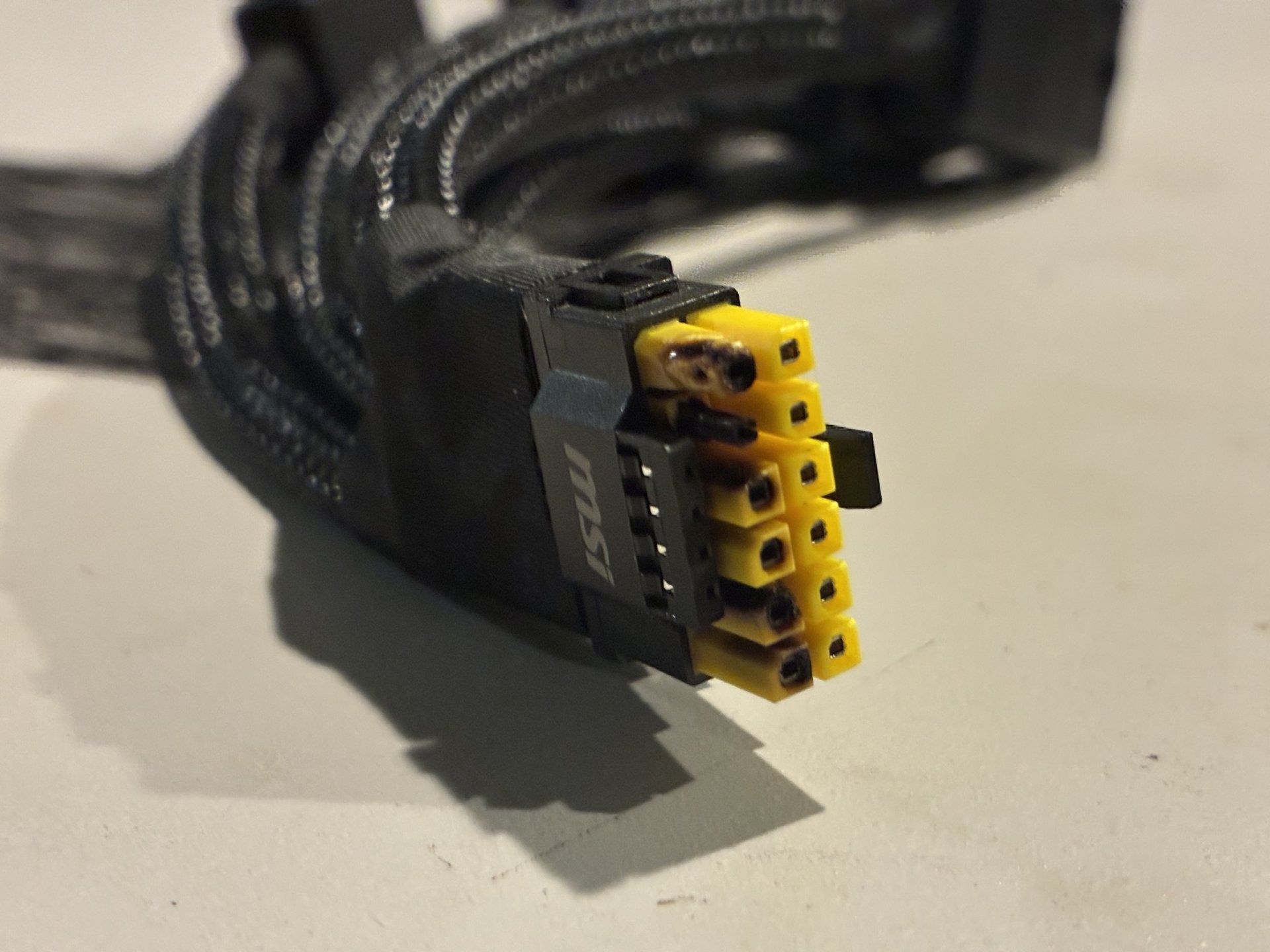
An enthusiast's MSI RTX 5090 melted its 16-pin power connector after DLSS 5 pushed power consumption past 610W during extended gaming. Lab tests confirm that aggressive neural upscaling causes power surges of up to 50% across flagship graphics cards, forcing owners to reconsider cooling and cable safety.
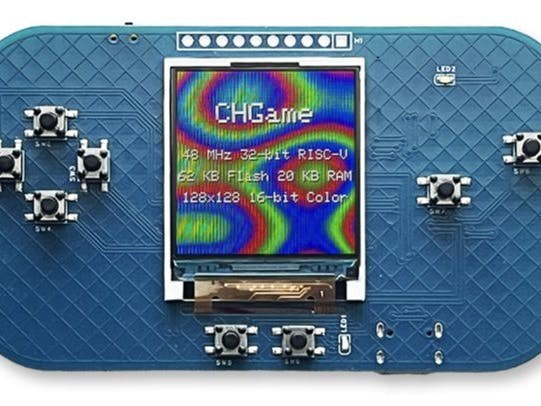
Arduboy released the CHGame Rev0, a $39 open-source developer kit featuring a 1.44-inch color screen and physical buttons. It delivers an affordable sandbox for learning hardware-level programming without forcing beginners to buy expensive gear.
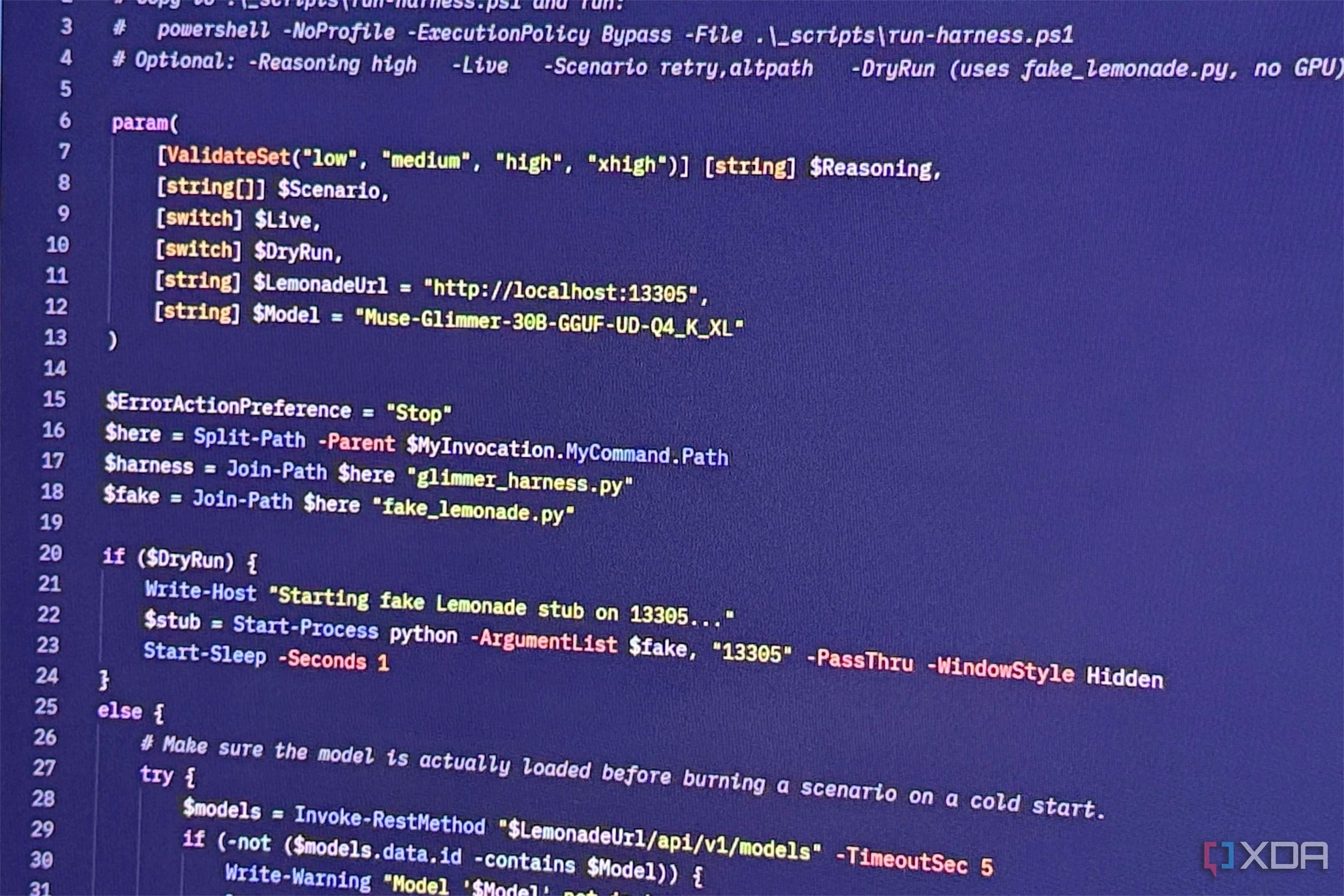
Meta's open-source 30B model runs locally on a standard 32GB desktop card, handling multi-step code fixes and tool execution without sending data to the cloud. Quantized builds fit comfortably inside 20GB of VRAM to eliminate monthly API fees and keep private logs secure.

Chipmakers are turning to silicon photonics and 3D packaging to move AI data with light instead of copper wires. Optical processors will stay inside mega-scale data centers, but the resulting drop in server computing costs will protect consumers from price hikes on cloud-powered mobile features.
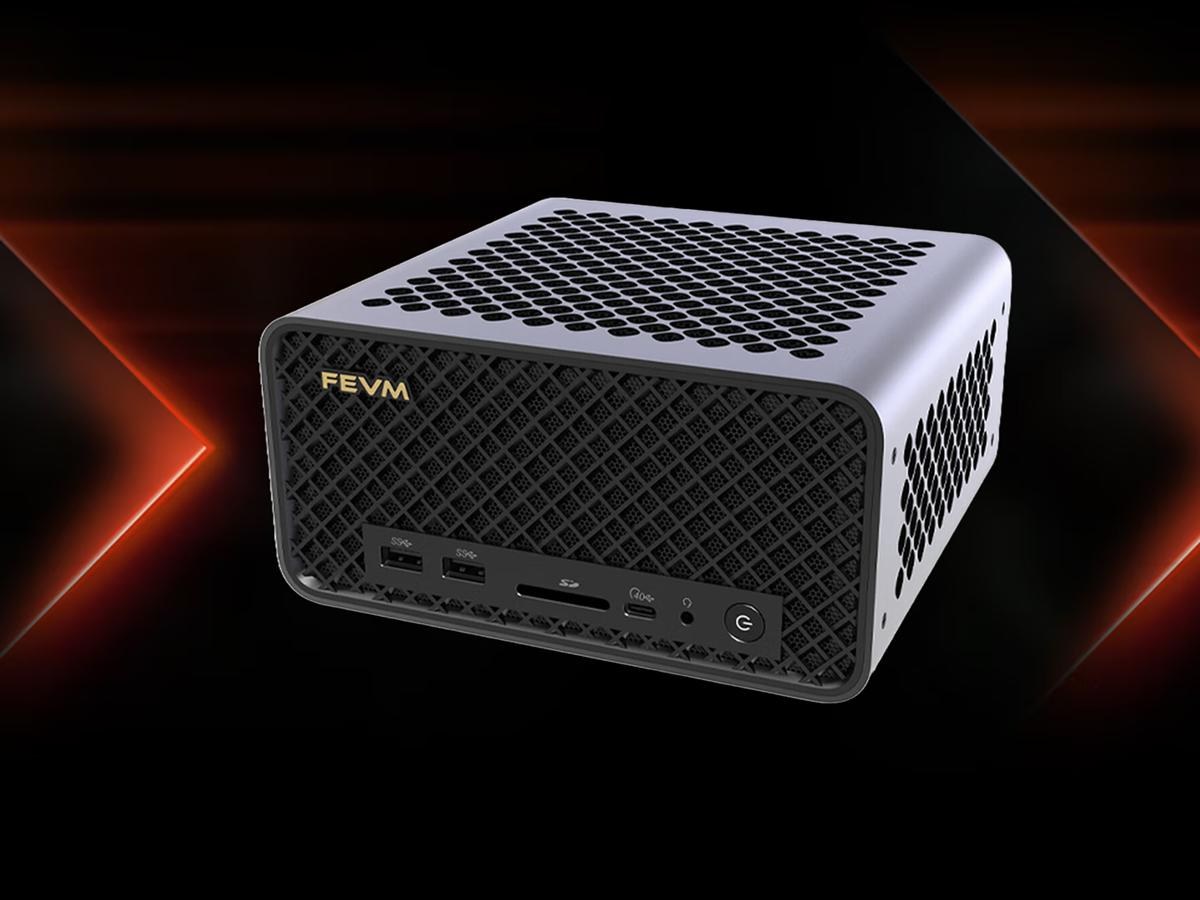
Chinese brand FEVM has revealed the FA80G, combining an AMD Ryzen 9 desktop chip and a mobile RTX 5090 in a 2.6-liter case. The ultra-compact system eliminates bulky desk towers for gamers and creators, though soldered graphics rule out future hardware upgrades.

Chinese maker Sugon has unveiled the N50 Pro, shoehorning server-grade multi-threading and an 8TB storage capacity into a slim aluminum chassis. For everyday buyers, however, the brutal heat, screaming fans, and dismal battery life mean zero benefit over standard machines.
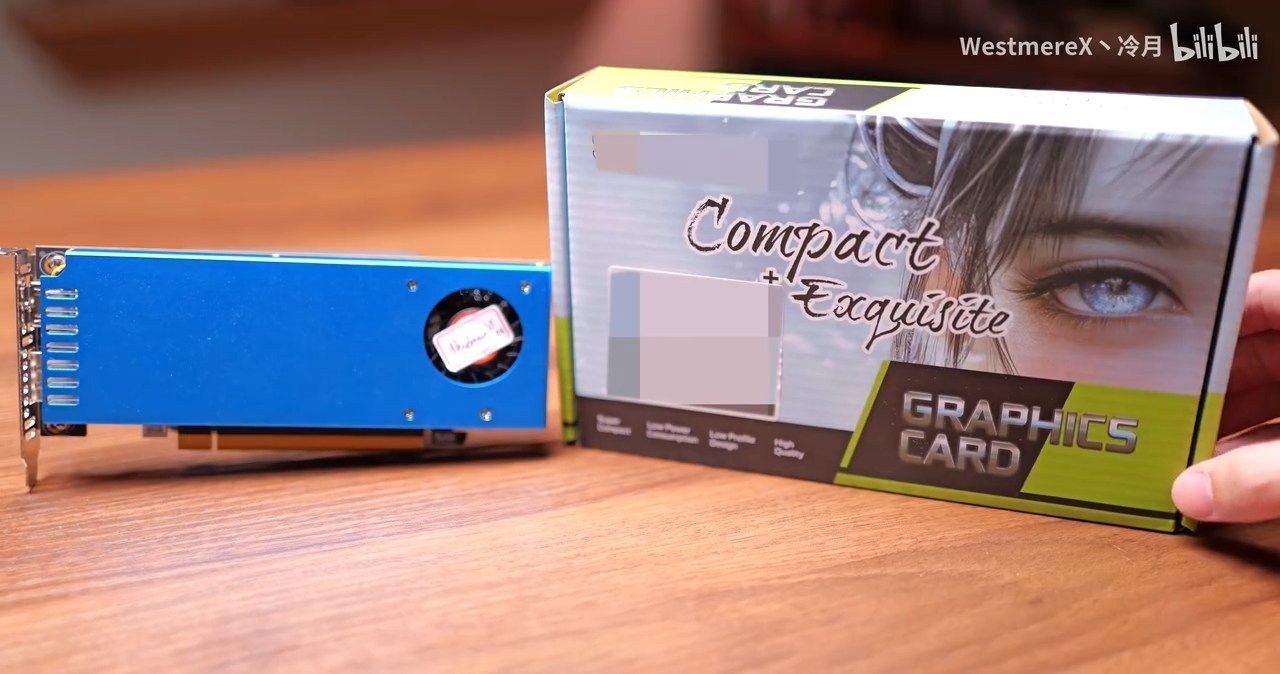
A Chinese modder turned an Nvidia RTX 3060 into a phone-sized, single-slot card pulling just 75W without external power cables. Tests reveal that severe thermal throttling and missing VRAM cooling pads drop its performance below older budget cards like the GTX 1060.

Developer Tim compressed image generation models to run entirely on a $1 RP2350 microcontroller. The project yields 128×128 RGB portraits in seconds without massive server farms, proving edge devices can handle offline AI.
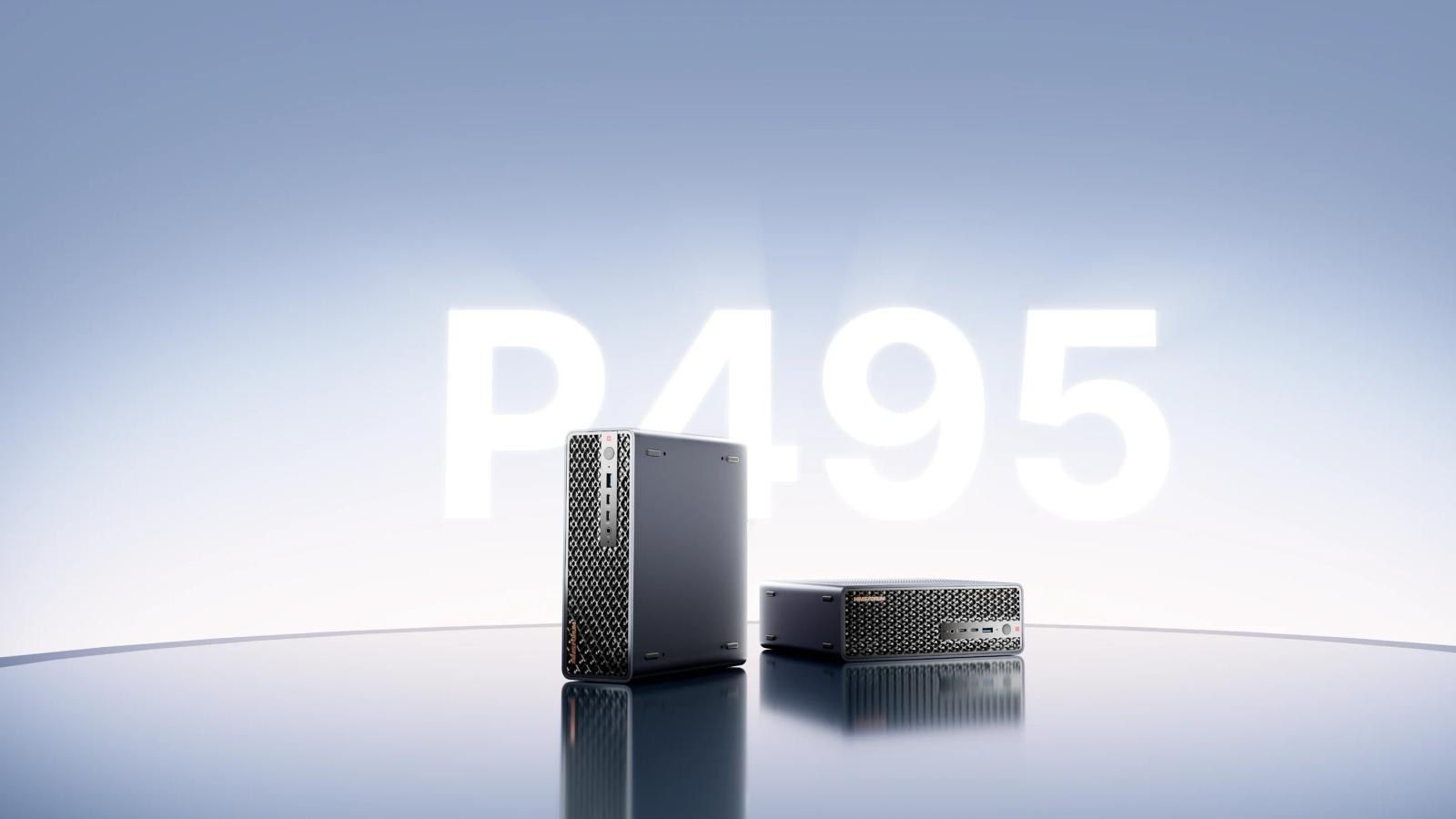
Minisforum has introduced the MS-S1 MAX-P495 workstation, cramming an AMD Ryzen AI Max+ chip and 192 GB of unified memory into a palm-sized chassis. Priced near €7,000, it is built exclusively for enterprise engineers looking to host massive AI models locally.

Skyrocketing enterprise demand for AI memory is diverting foundry capacity away from consumer hardware. Standard laptops, RAM kits, and SSDs face elevated prices through 2031, making generous spec upgrades significantly more expensive.

An enthusiast created open-source firmware for the off-the-shelf M5Stack Stick PLUS 2, turning the tiny gadget into a universal Bluetooth shutter remote. The pocket-sized device eliminates clunky smartphone apps and replaces costly proprietary triggers with tactile, reliable hardware control.
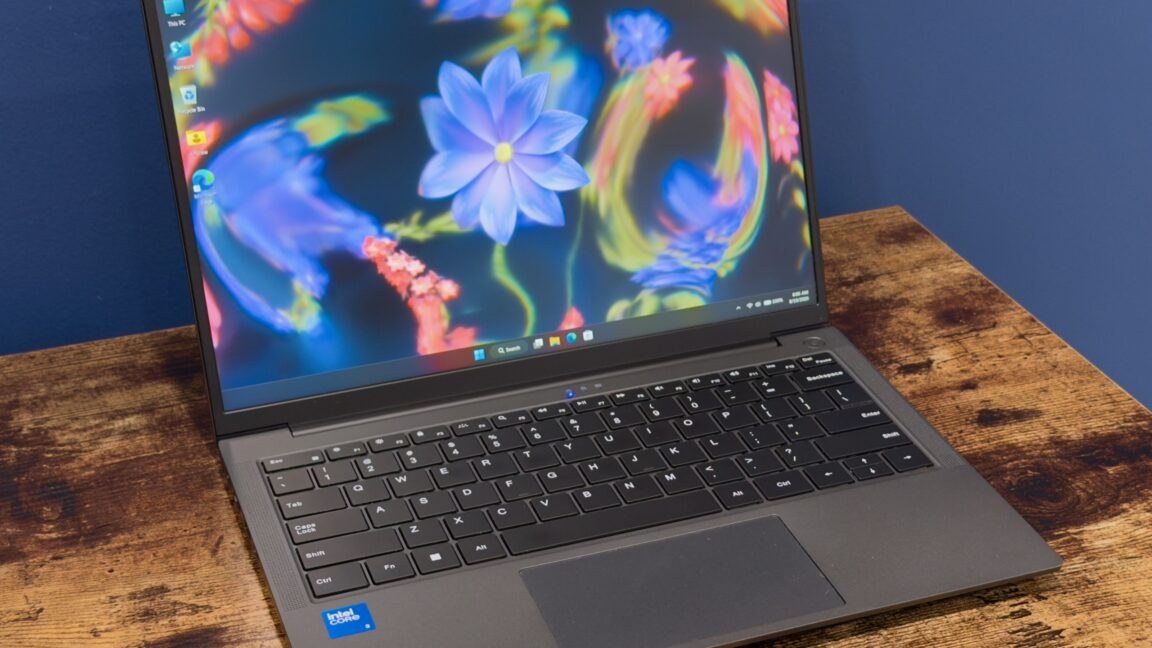
The $449 Chuwi Unibook undercuts mainstream budget laptops with modern Intel chips and built-in HDMI ports, but compromises on a flimsy aluminum chassis and a frustrating trackpad. Buyers get daily usability for light tasks at the cost of hardware refinement.

UGREEN unveiled the HomeAgent and MasterAgent hubs in Foxborough, replacing mandatory cloud storage and monthly fees with on-premise AI processing. The devices keep video feeds and home automations entirely local, shifting the smart home bill from endless rentals to a one-time hardware purchase.
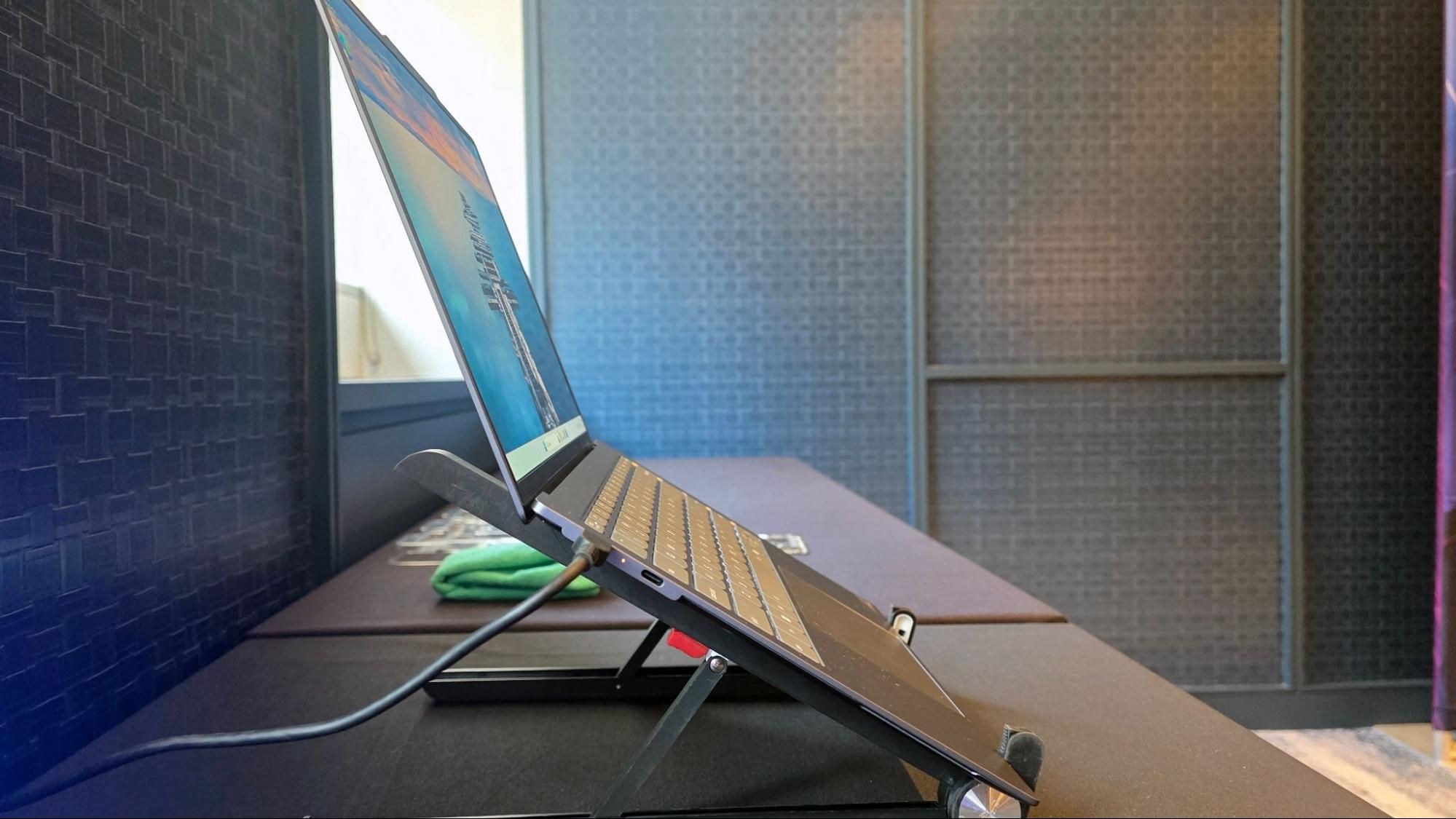
Lenovo's Project AeroBlade replaces traditional cooling fans with Frore Systems' solid-state AirJet chips, shrinking a full-performance laptop down to 830 grams. The fanless design eliminates noise and thermal throttling without adding bulk to your daily bag.

A new utility called slotstream lets you run a massive 125-billion-parameter AI model on a mid-tier MacBook Pro with 48GB of RAM. By pulling data straight from the internal solid-state drive as you type, it completely bypasses Apple's expensive memory upgrade fees without needing an enterprise workstation.

Bangalore engineer Mithil Vakde built a reasoning AI from scratch in 90 minutes on an RTX 5090 for pocket change. The open-source experiment proves independent developers can bypass costly server clusters right from their desks.
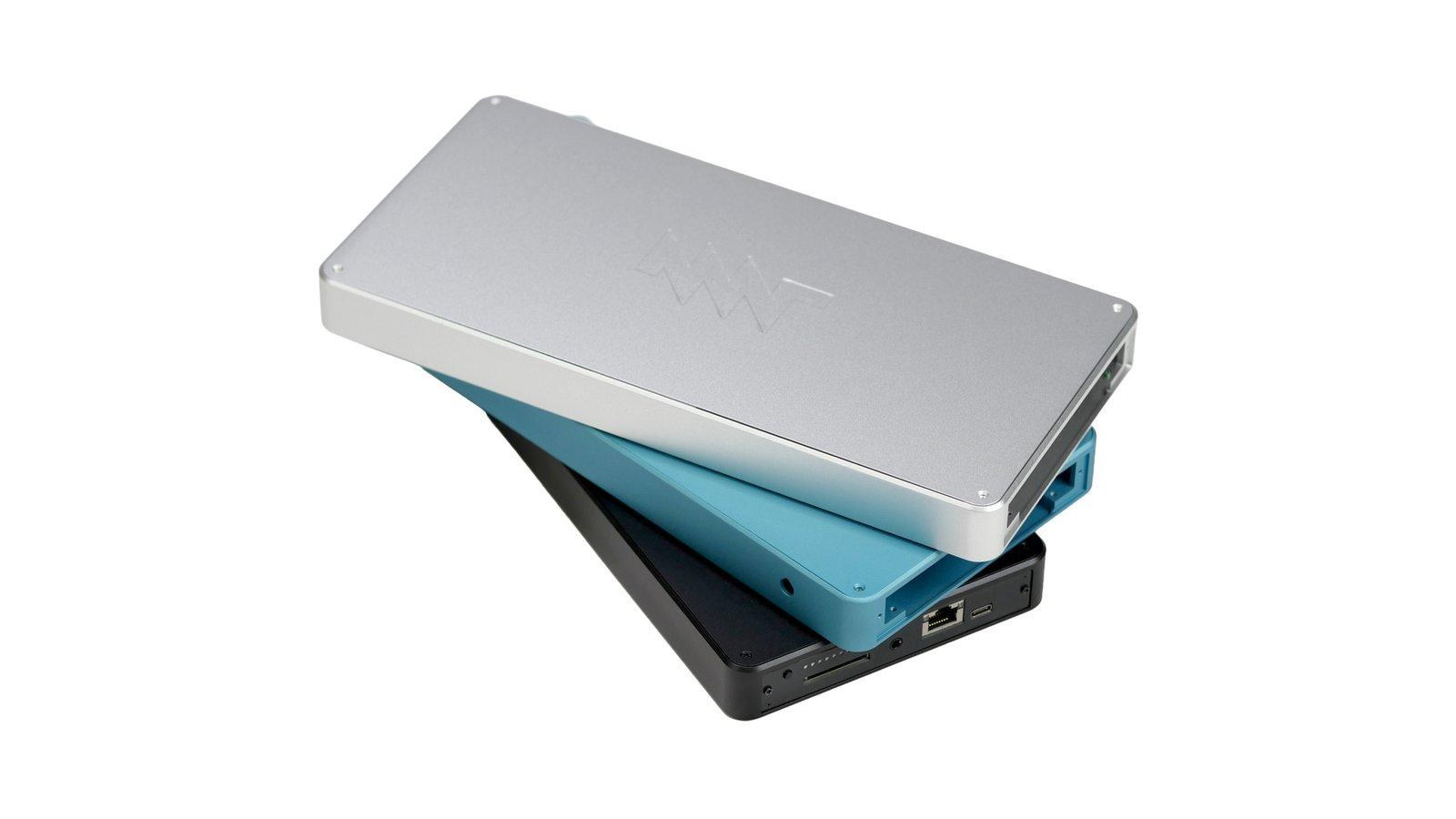
German boutique maker MNT Research launched a modular fanless mini PC in a solid aluminum chassis on Crowd Supply. Swappable ARM processor modules allow users to upgrade computing power without discarding ports or casing. It offers a sustainable, quiet alternative for home server and media hub setups.

Maker Sachin Soni built a DIY smart door lock powered by an infrared palm vein scanner that cannot be fooled with lifted fingerprints. While the biometric sensor is virtually unpickable, unencrypted data wiring on the exterior leaves it vulnerable to basic tampering.
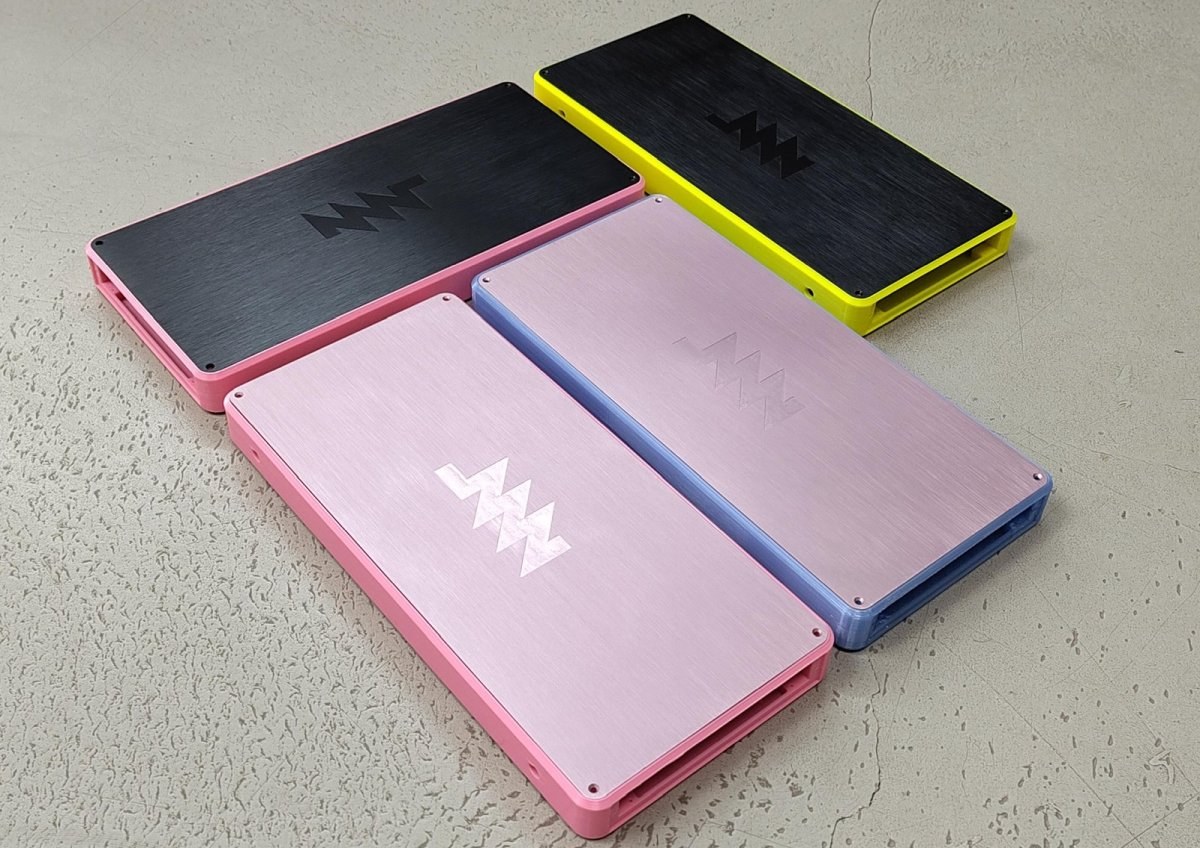
Boutique workshop MNT Research unveiled the MNT Station, an aluminum hub designed to convert retired Reform laptop motherboards into functional desktop mini-PCs. While it offers a sustainable second life for existing modular hardware owners, building a standalone setup from scratch climbs past $1,800.

Independent creators are bringing back the 1990s transparent tech aesthetic with single-purpose desktop hardware. Major smartphone makers cannot easily follow suit, trapped by thermal heatsinks, radio shielding, and unsightly internal glue.

Developers behind PhoneLLM Alpha 1 cut conversational AI response times by 1,300 milliseconds while reducing operational compute costs by 94 percent. The open-source architecture matches top closed models, paving the way for lag-free voice assistants in smart home gear without mandatory subscriptions.
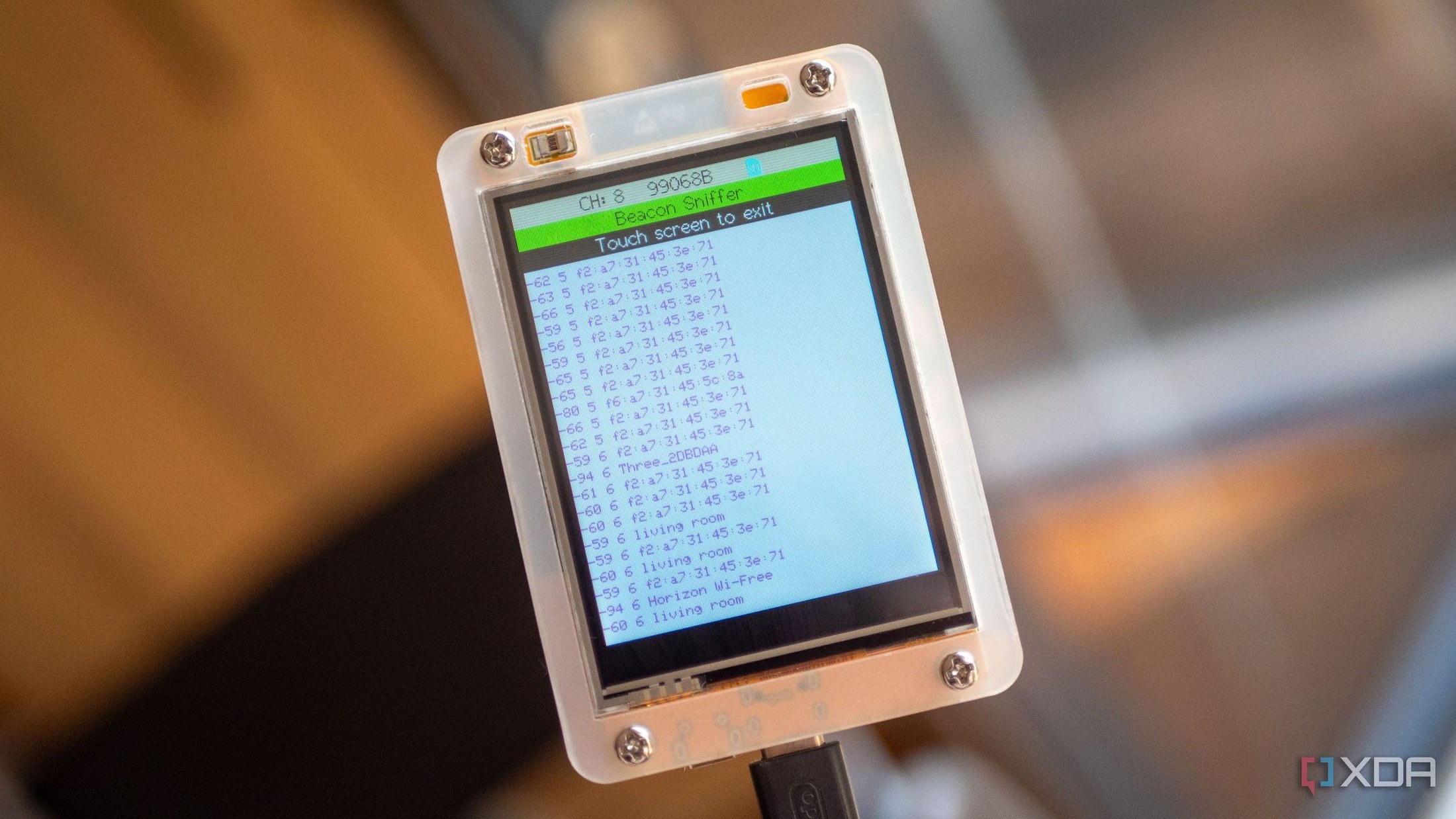
Developer alunmorris turned the cheap ESP32 'Cheap Yellow Display' board into a standalone pocket encyclopedia holding 285,000 articles. The no-solder build runs off a microSD card and a basic power bank, delivering instant reference access without an internet connection.
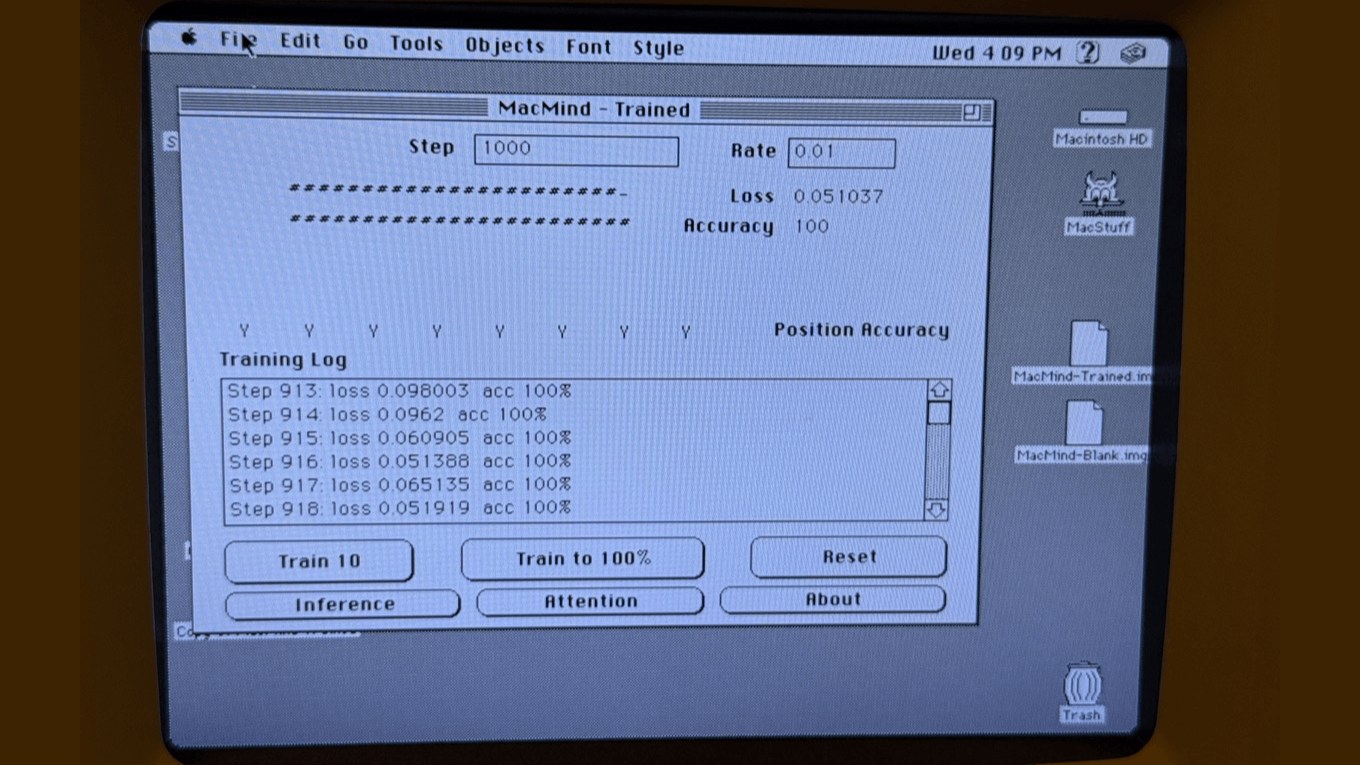
Developer Sean Lavigne built a functioning transformer neural network on a 1989 Macintosh SE/30 using HyperTalk scripting. The 1,216-parameter project proves that modern AI is grounded in straightforward math rather than exclusive mega-datacenter hardware.
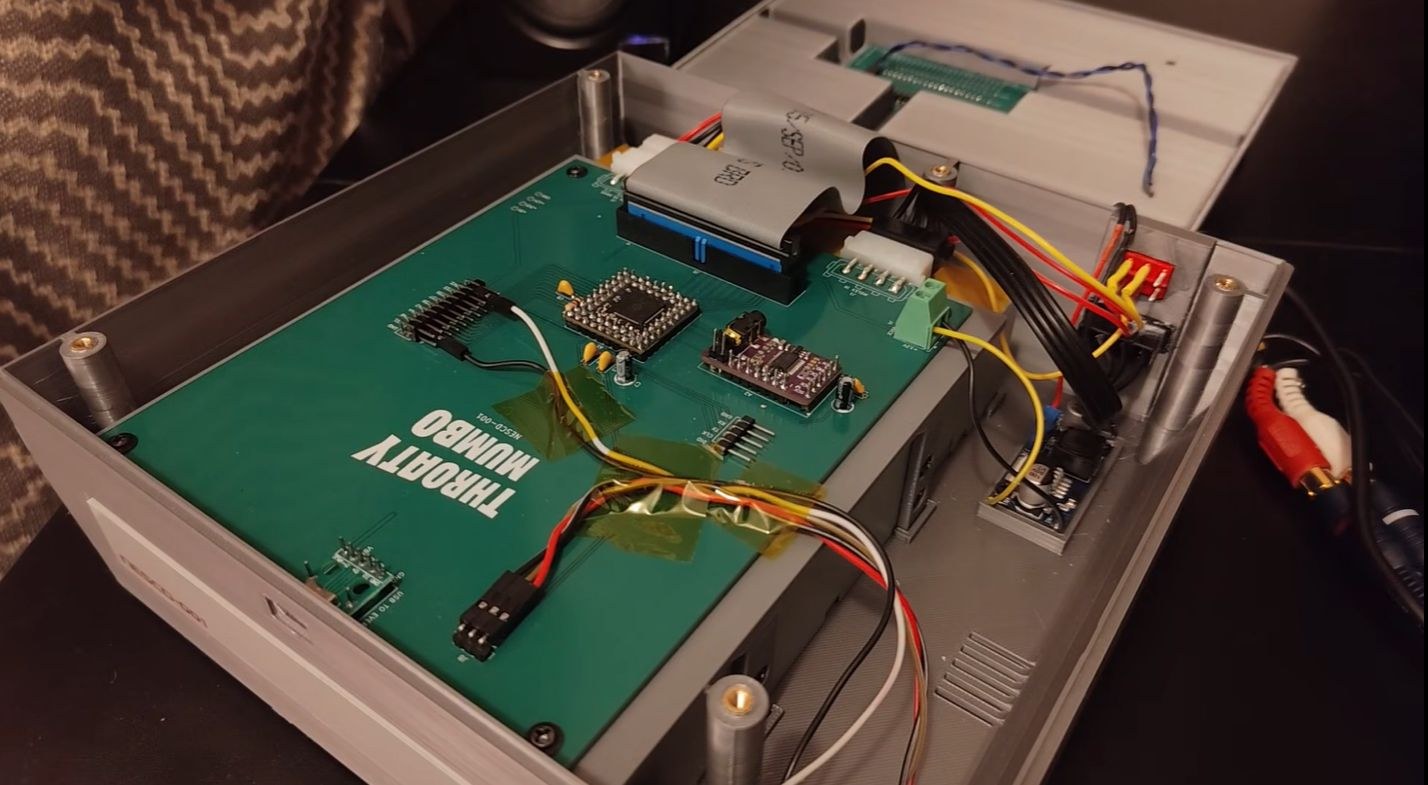
Hardware hacker Throaty Mumbo created a custom expansion board that connects a full-size optical CD drive to an unmodified 1985 Nintendo Entertainment System. The setup streams CD-quality audio and loads massive games directly through vintage hardware ports without soldering the console board. It showcases how 8-bit retro consoles can break past cartridge storage limits while preserving original silicon.

Open-source tool StemDeck isolates six audio stems directly on local consumer hardware instead of charging monthly cloud fees. The software eliminates upload queues and keeps unreleased music strictly on personal drives with a full multitrack mixer interface.

Aoostar has released the NEX395 mini PC featuring AMD's flagship Ryzen AI Max+ 395 chip and 64 GB of RAM for $1,785. To hit that price point, the manufacturer omitted internal storage entirely, forcing buyers to install their own SSD before booting up.
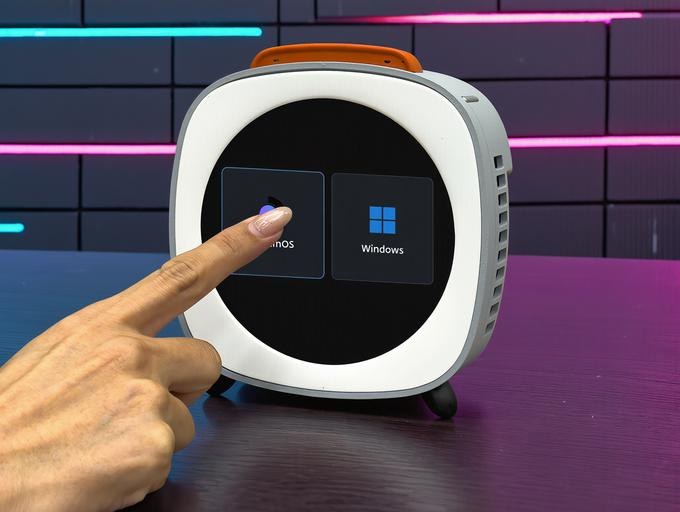
The Piston V mini-PC has raised hundreds of thousands on Kickstarter by wrapping modern AMD silicon in a vintage CRT television chassis. Equipped with an integrated touchscreen for dual-booting and an OCuLink port for external GPUs, it trades raw price-to-performance for bold desktop aesthetics.
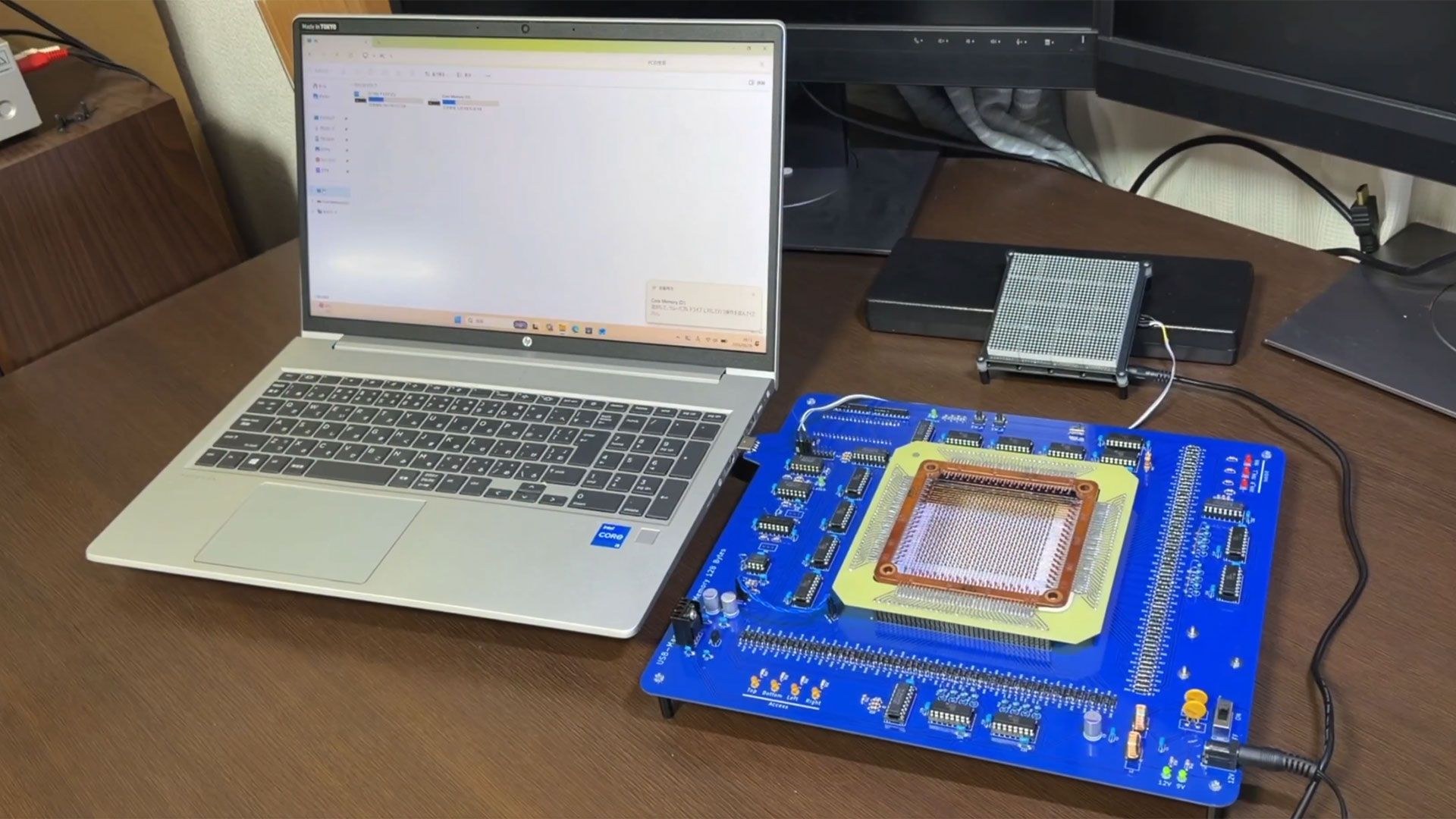
A Japanese space researcher engineered a foot-wide circuit board that uses Apollo-era magnetic core memory to physically move data over USB. The dinner-plate-sized device holds only 128 bytes and blinks with 1,024 LEDs to visualize every single bit in transit.
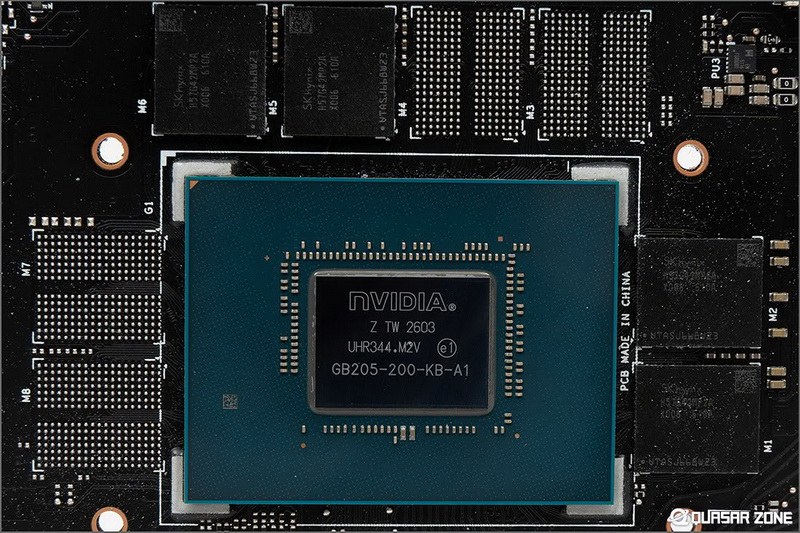
Certain RTX 5060 graphics cards are shipping with harvested silicon dies originally manufactured for the higher-tier RTX 5070. Independent testing confirms that hardware-level laser cuts result in identical gaming performance to standard models. Buyers gain no hidden frame rate boost and should avoid paying extra for specific batch numbers.
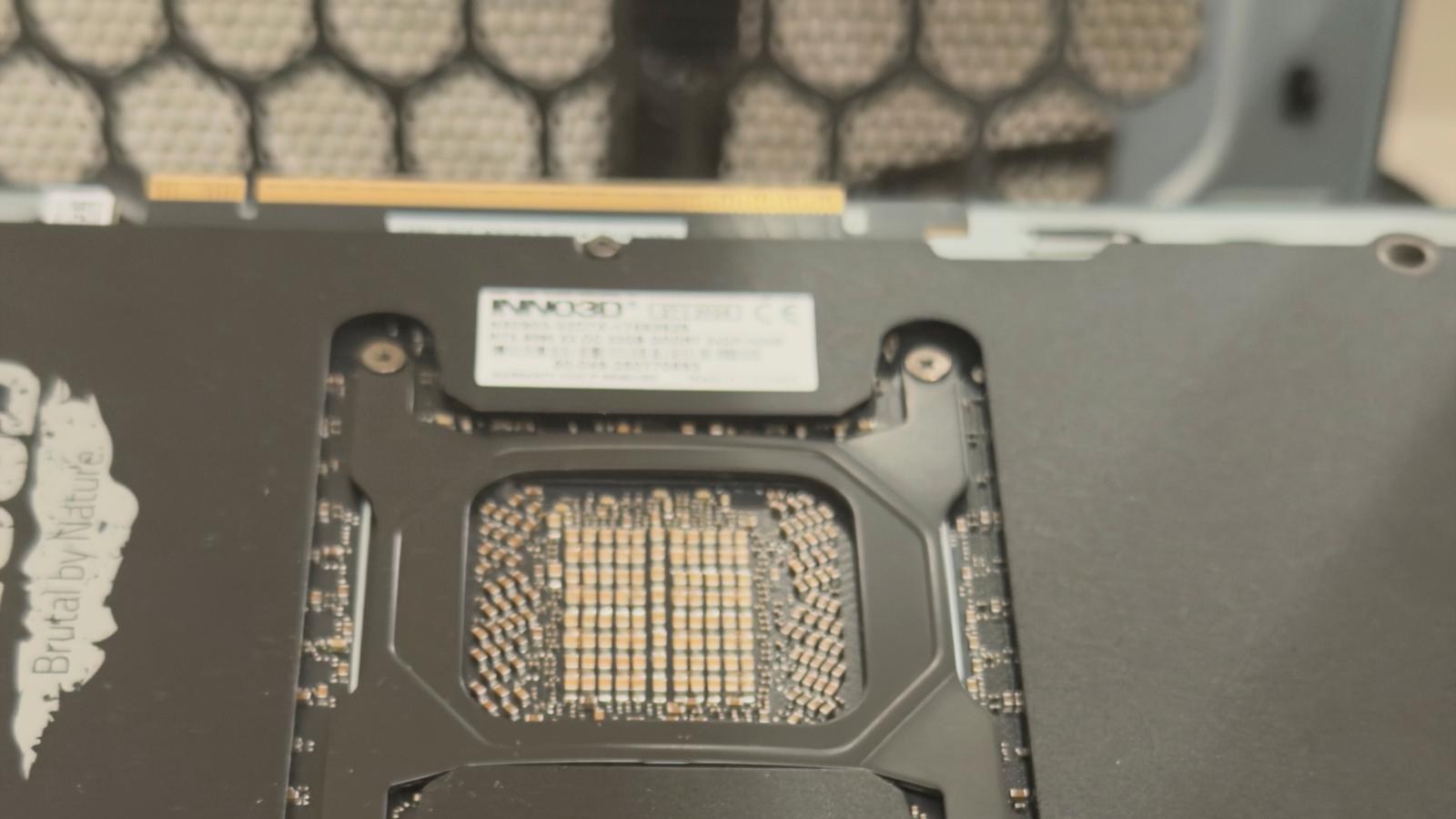
Reports of flagship RTX 50-series graphics cards catching fire reveal that internal GDDR7 memory VRM failures, rather than faulty power cables, are the root cause. This structural flaw exposes prebuilt and compact desktop builds to severe thermal risks under normal workloads.
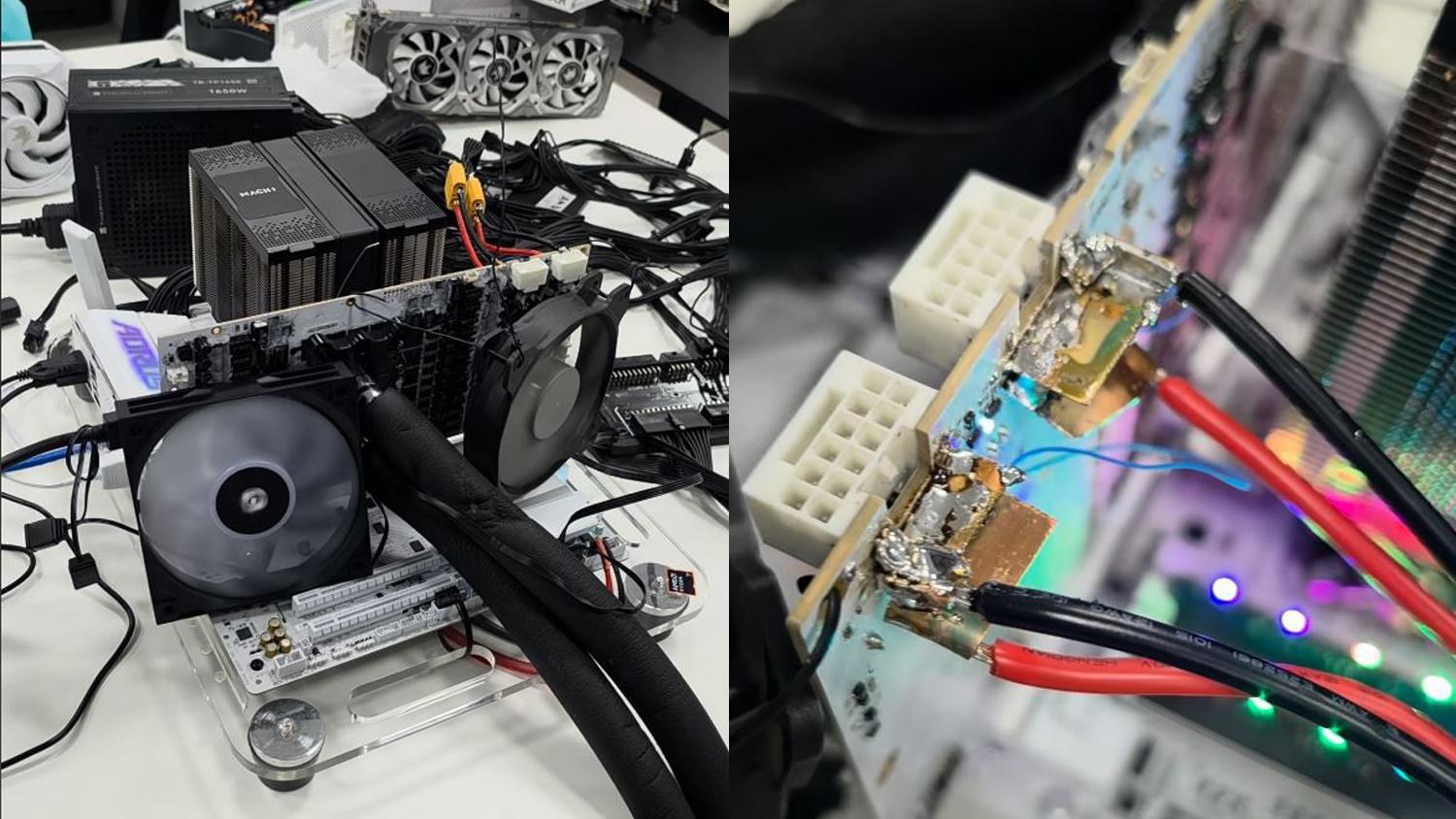
Brazilian modding crew TecLab removed the standard 16-pin power headers on a flagship Galax RTX 5090 and soldered power lines straight to the board. The extreme mod completely prevents connector melting during benchmark runs, but it instantly destroys warranty protection for standard users.
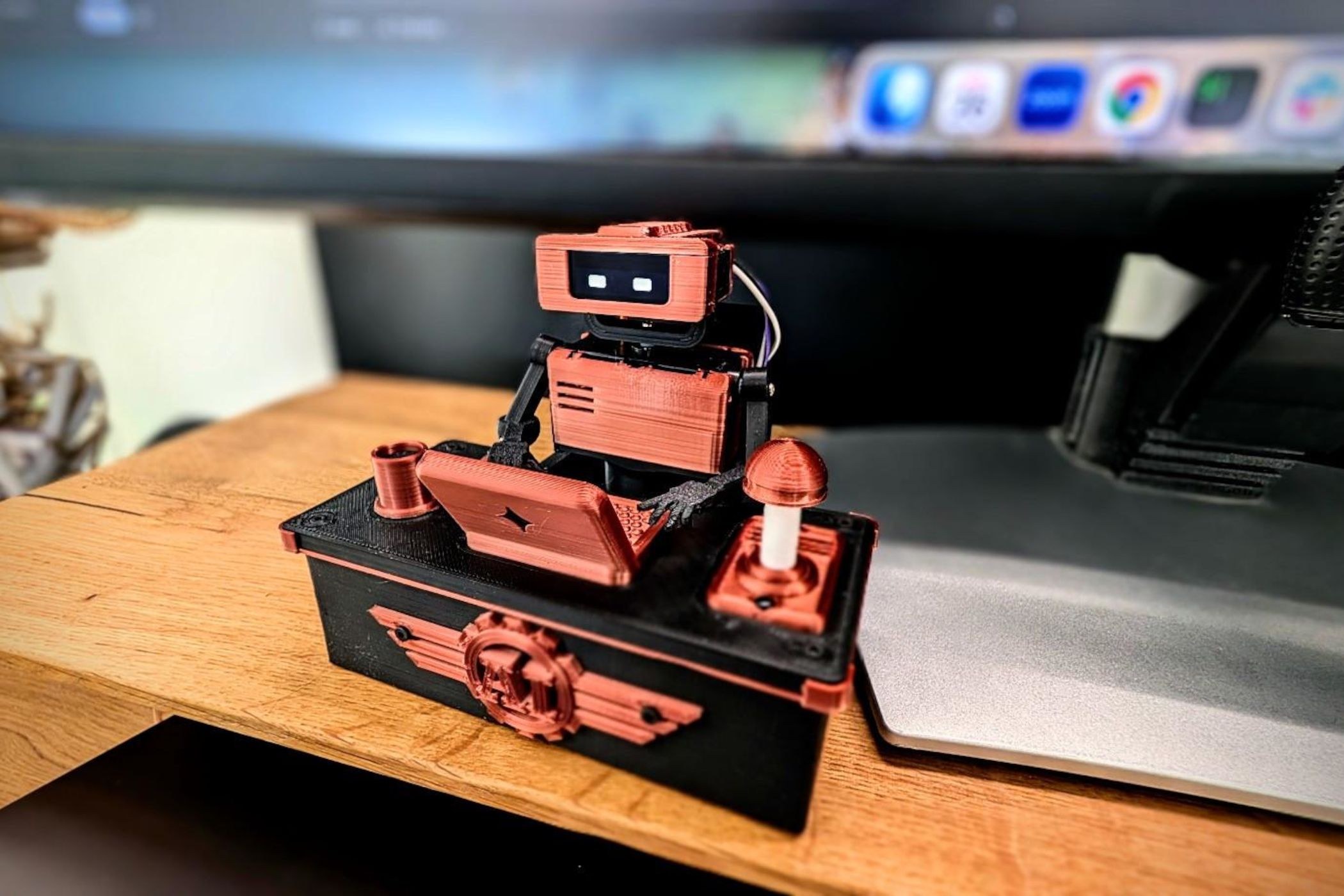
Maker jamropl built Tiny Engineer, an open-source desk companion powered by an ESP32 microcontroller and servo motors that types and rings a mini bell as software automations run. It turns abstract coding scripts into a tangible, physical desktop show, though building one requires a 3D printer and soldering skills.

Creator PickentCode built a functional Victorian-style microcomputer powered by a miniature Stirling engine and a burner. By stripping the software stack to bare machine code, the rig keeps a terminal alive entirely on thermal energy.

Vastarmor has launched the first low-profile Radeon RX 9060 XT graphics card capable of driving modern games at 1440p. Independent testing shows it maintains playable frame rates in a tiny 4.5-liter case while capping temperatures at a modest 60°C. For builders targeting console-sized PC setups, it provides a capable alternative to full-sized desktop hardware.
Nvidia is phasing out Game Ready graphics driver updates for Windows 10 starting in October. Existing games will still launch, but new releases will no longer receive day-one performance optimizations or bug fixes on the older operating system.

An independent engineer has converted a garden shed into a Class 100 cleanroom, fabricating functional RAM cells and white LEDs with an eBay laser. The experiment proves hardware startups can produce custom silicon prototypes without multimillion-dollar foundry budgets.

Meta Superintelligence Labs has launched Muse Glimmer, an open-source 30-billion-parameter model built to run entirely offline on consumer PCs. The system trades recurring cloud subscriptions for high VRAM requirements, offering complete privacy for sensitive workloads.

OpenAI and Broadcom have developed a dedicated inference processor called Jalapeño that beats Nvidia's flagship Blackwell hardware in tokens per megawatt. The custom silicon aims to slash data-center power costs and reduce generation latency across AI services.

High token generation speeds on laptops do not guarantee quick answers. Benchmark tests show compact local models finish tasks faster and outscore massive cloud systems simply by eliminating unnecessary internal reasoning.

Researchers at MIT designed a 6 by 4 millimeter ingestible temperature capsule that safely tracks internal heat with 0.01 °C precision. The device turns parasitic electrical leakage on a silicon chip into a thermometer, ditching bulky batteries for external radio reflections. It offers parents and clinicians a safe way to spot infections early without gut blockage risks.

Researchers launched two lightweight speech recognition models designed to run voice transcription entirely inside web browsers and on local silicon. The architecture strips out heavy server-side components to deliver instant speech-to-text without cloud subscriptions or Wi-Fi dependency.

Engineers have developed microscopic oxygen barriers that prevent vertical 3D memory from corroding and overheating under heavy loads. The breakthrough solves a major bottleneck for on-device AI, ensuring future smartphones can run intense local models without burning through battery life or degrading performance.

Researchers from the University of Waterloo and MIT revealed that built-in safety filters fail across every major open-weight AI model once weights are modified locally. Without effective software guardrails, hardware makers will likely lock neural processing chips inside closed sandboxes to prevent malicious use on consumer devices.

Xiaomi built its own 3nm processor, the Xring O3, to bypass third-party supplier markups and thermal compromises. The custom silicon debuts exclusively inside the company's next flagship foldable, testing bespoke battery and AI optimizations on a limited run of early buyers.
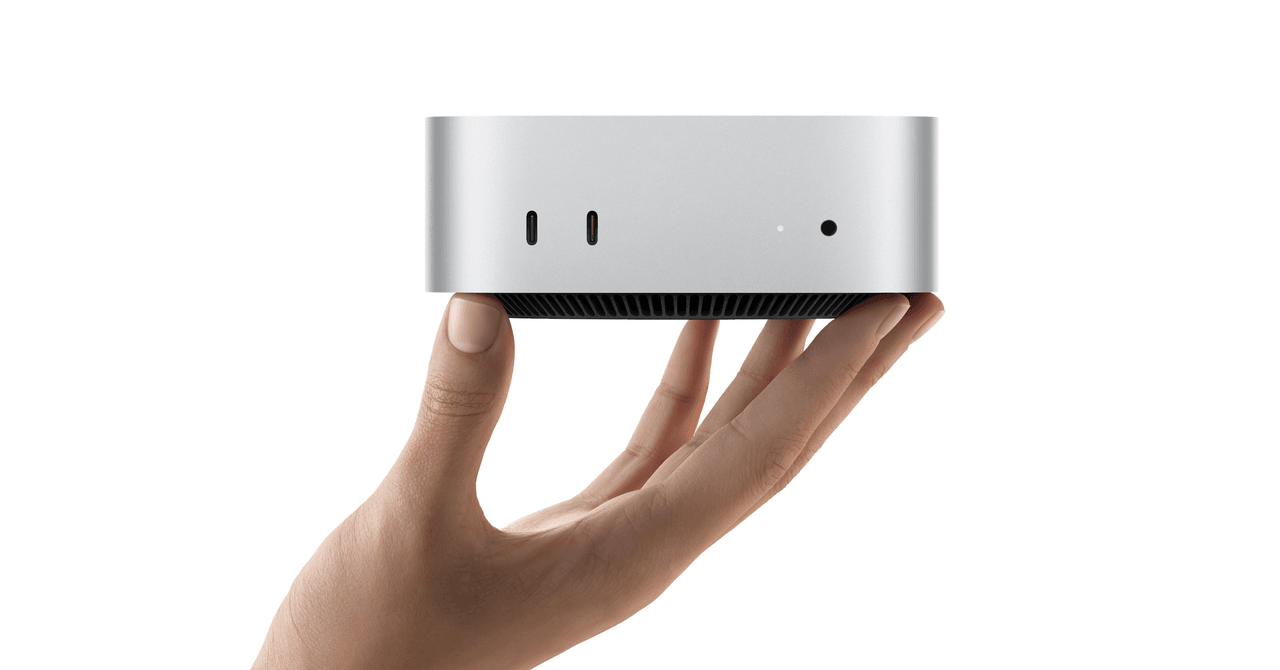
Apple refreshed the Mac Mini with its first 2-nanometer M6 processor and raised the starting price by $200 to $899. The hardware delivers a 40 percent speed bump over the M4, yet everyday tasks will barely notice the difference. The jump only makes practical sense for buyers moving up from aging Intel or M1 machines.

JetBrains launched Junie Local to run autonomous coding tasks entirely on-device without cloud subscriptions. The tool relies on a 20 GB Qwen model that demands at least an Apple M5 processor and 64 GB of unified memory to work smoothly.

A new Skyrim framework executes voice-driven NPC actions directly on local consumer PC hardware instead of routing through remote cloud APIs. The system cuts latency, eliminates recurring subscription fees, and allows game companions to perform complex tasks in real time.
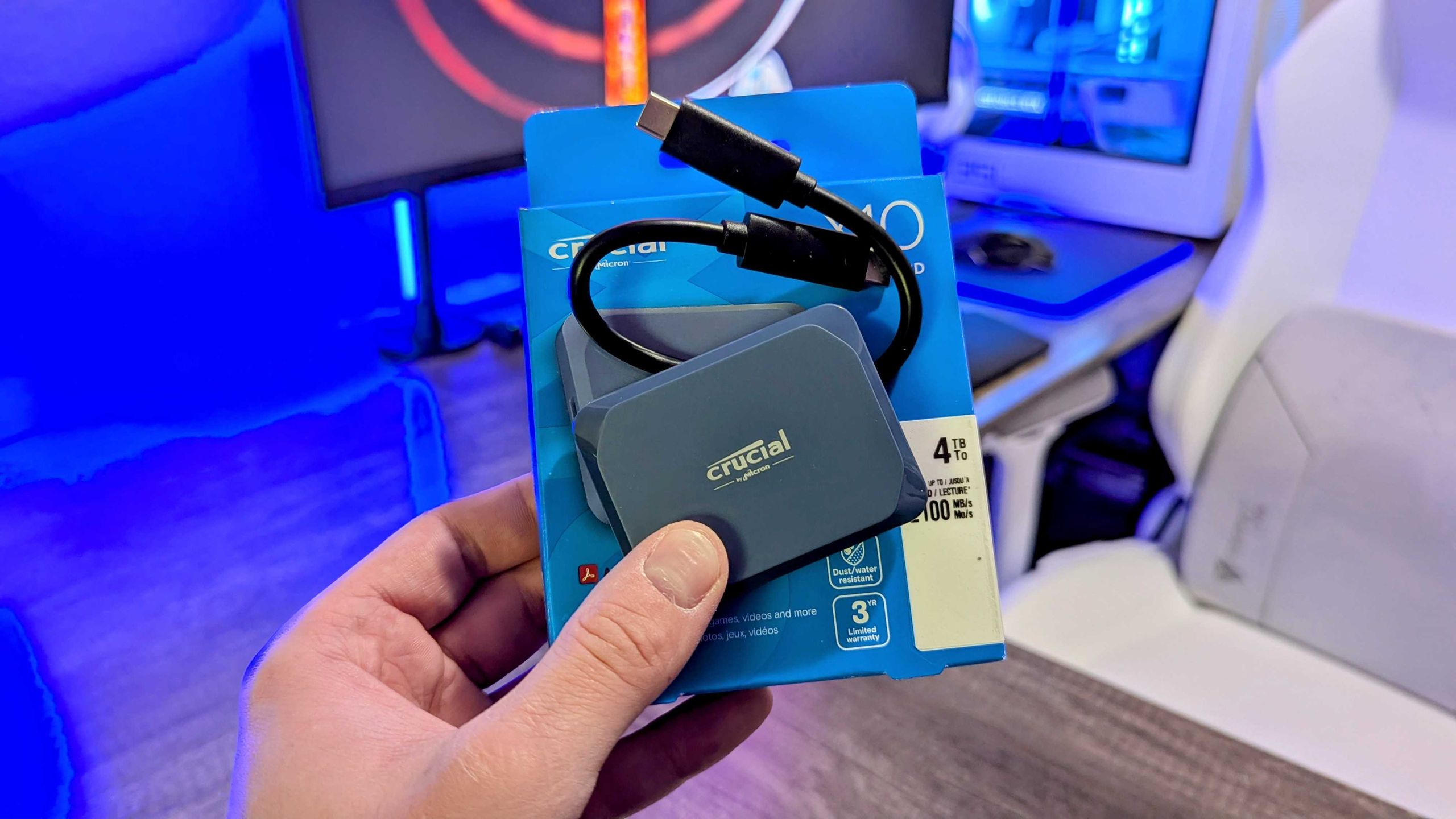
Tech giants like Micron, Crucial, and SK hynix are quietly ending direct hardware replacements for defective SSDs and RAM sticks. Buyers are receiving original purchase-price refunds instead of working parts, forcing them to pay double or triple on retail shelves to replace failed components.

Xiaomi has showcased the AI Cube, a compact desktop station powered by custom XRing chiplets and 160 GB of unified memory. The device runs large open-source AI models entirely offline, offering a private, low-power alternative to cloud subscriptions.
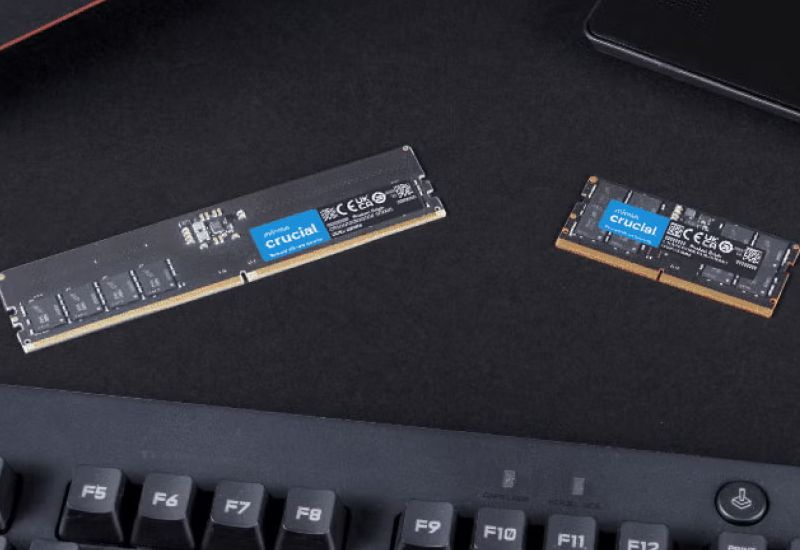
Automated scalping bots are sweeping online retailers clean of DDR5 memory modules, driving up prices across both individual components and pre-built laptops. The supply squeeze leaves everyday consumers facing inflated hardware costs, though systems running on DDR4 still deliver ample performance for most daily tasks.
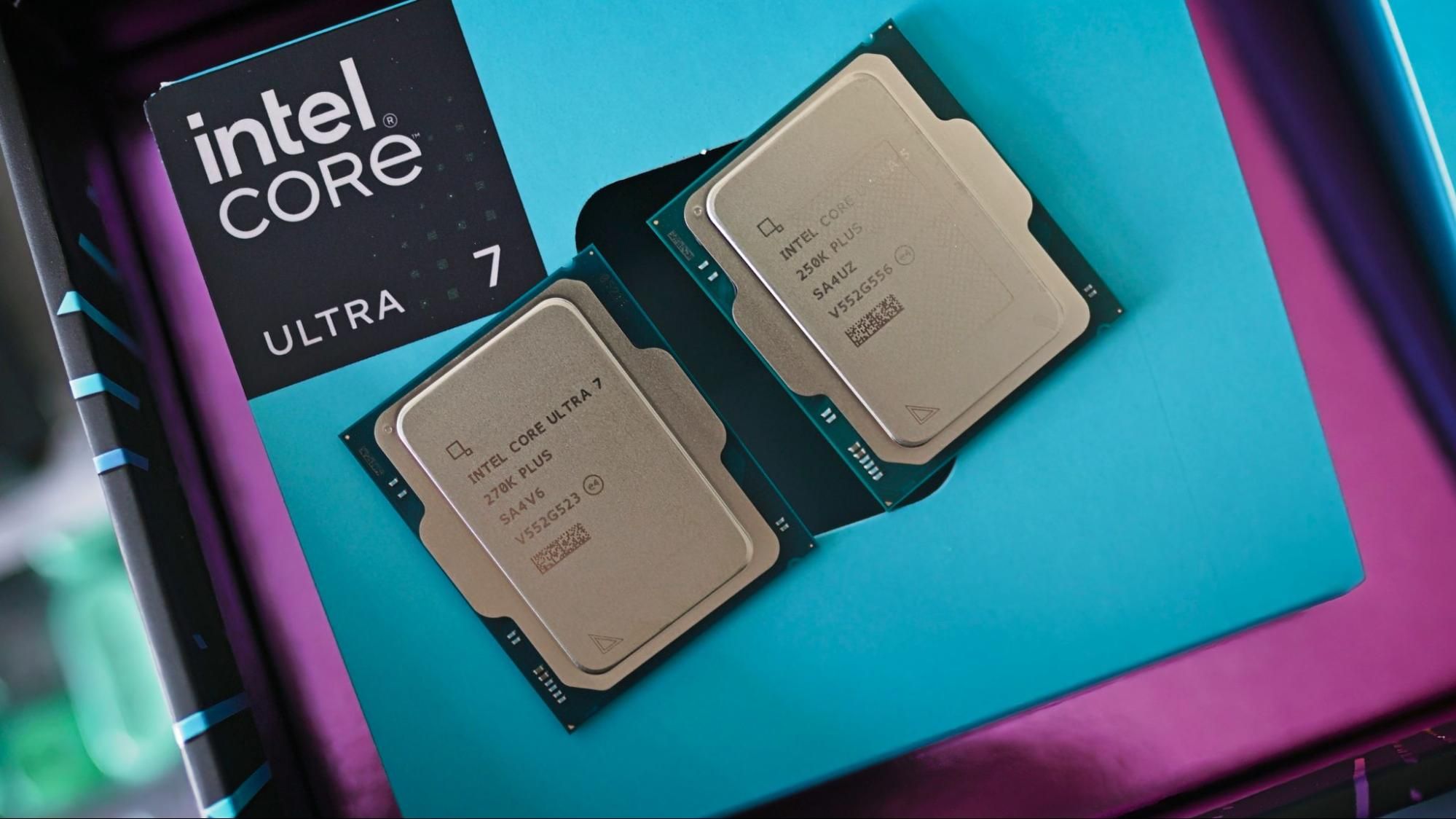
Intel returned to Amazon's top-ten processor sales chart after months of total AMD control. Aggressive price cuts on the $290 Core Ultra 7 270K Plus and cheap DDR4 motherboard compatibility for the $312 Core i7-14700K are winning over cost-conscious PC builders who need real-world productivity over pure gaming benchmarks.

Apple is set to increase flagship iPhone prices by $100, pushing the entry-level Pro tier to $1,199 amid surging memory and silicon expenses. The move mirrors recent price hikes from Google and Samsung across top-tier devices. Buyers keeping older hardware face higher upfront retail prices or adjusted monthly installment plans.

The $250 Analogue 3D uses custom FPGA silicon to deliver lag-free 4K video directly from original N64 cartridges. It eliminates hardware blur and recreates CRT phosphor grids without altering original low-poly assets or texture resolutions.
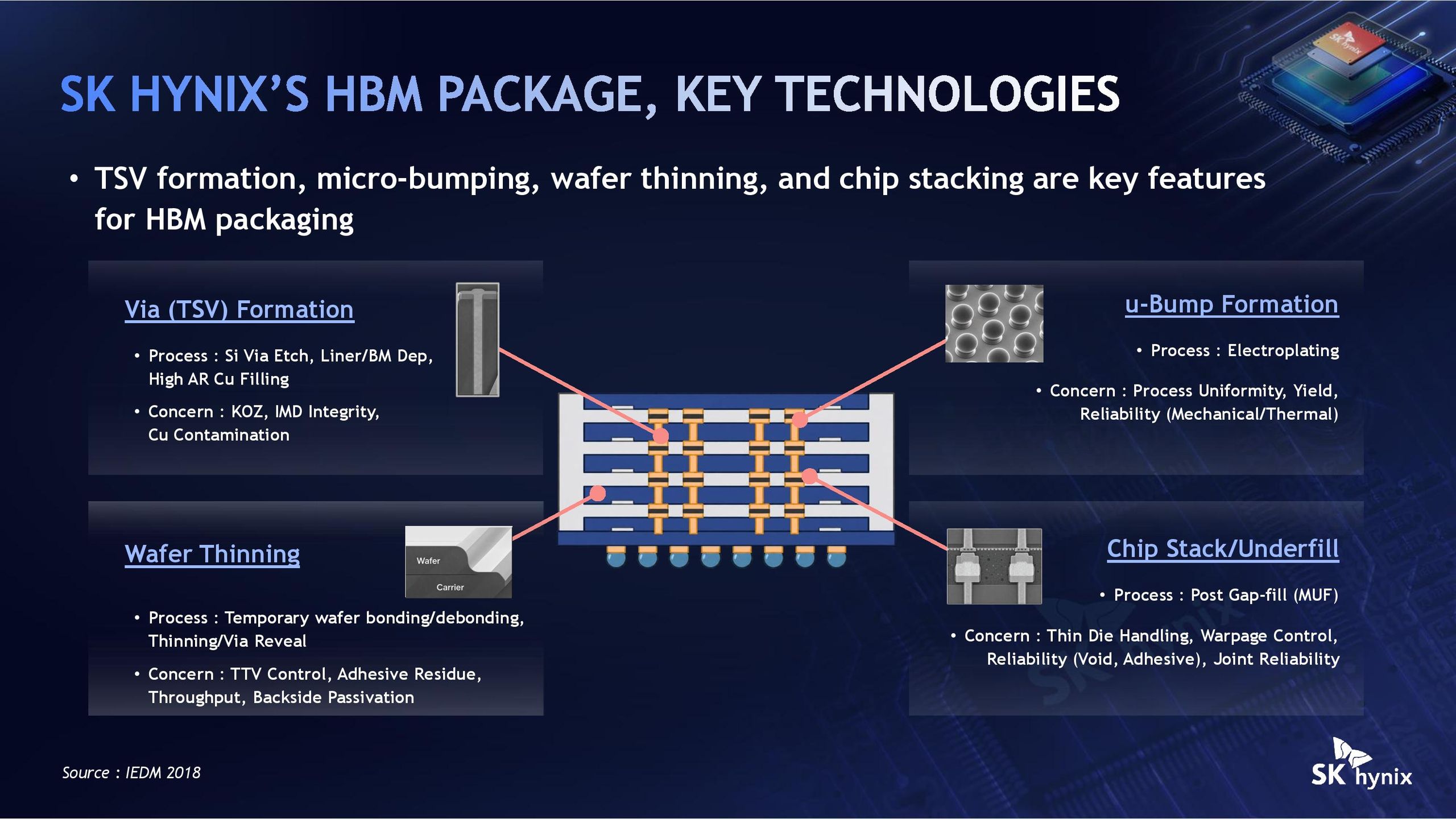
SK hynix has delayed its transition to next-gen hybrid bonding due to tight packaging tolerances for AI server memory. Because chipmakers are tying up valuable fab capacity on complex HBM stacks, retail DDR5 RAM prices will remain elevated through at least 2026.
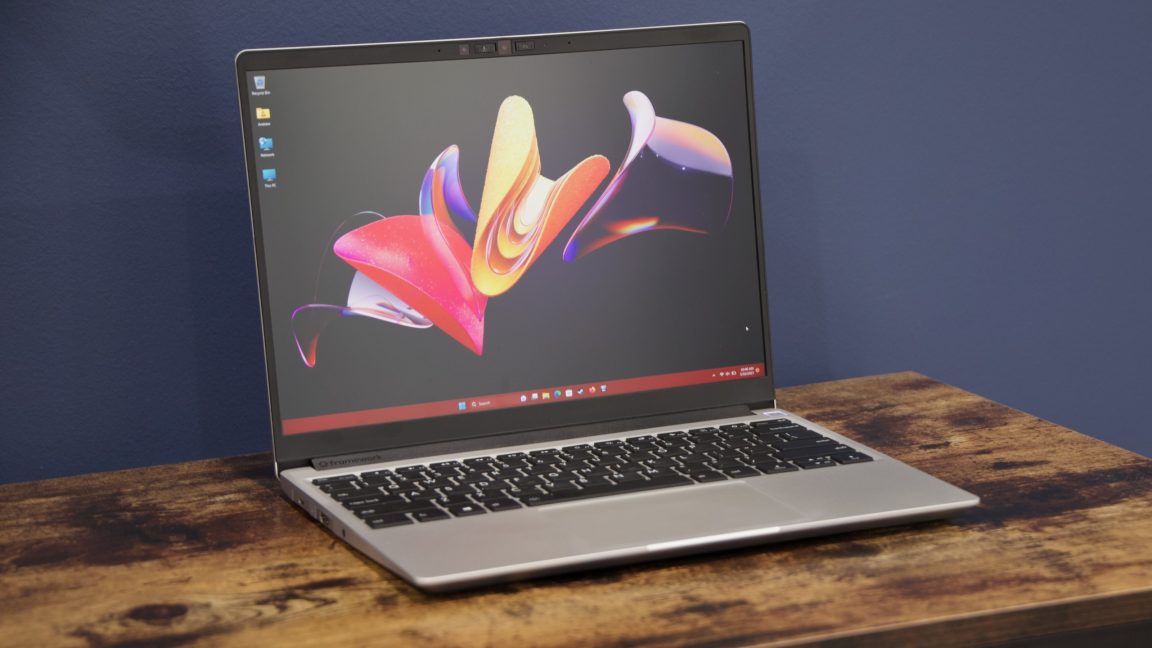
Framework Laptop 13 models powered by AMD Ryzen 7040 silicon are failing mid-update during BIOS 3.20 installations, rendering mainboards completely unresponsive. The hardware maker has paused recommendations for the patch, expanded warranty replacements to out-of-warranty devices killed by the update, and started developing a dedicated crisis recovery mode.
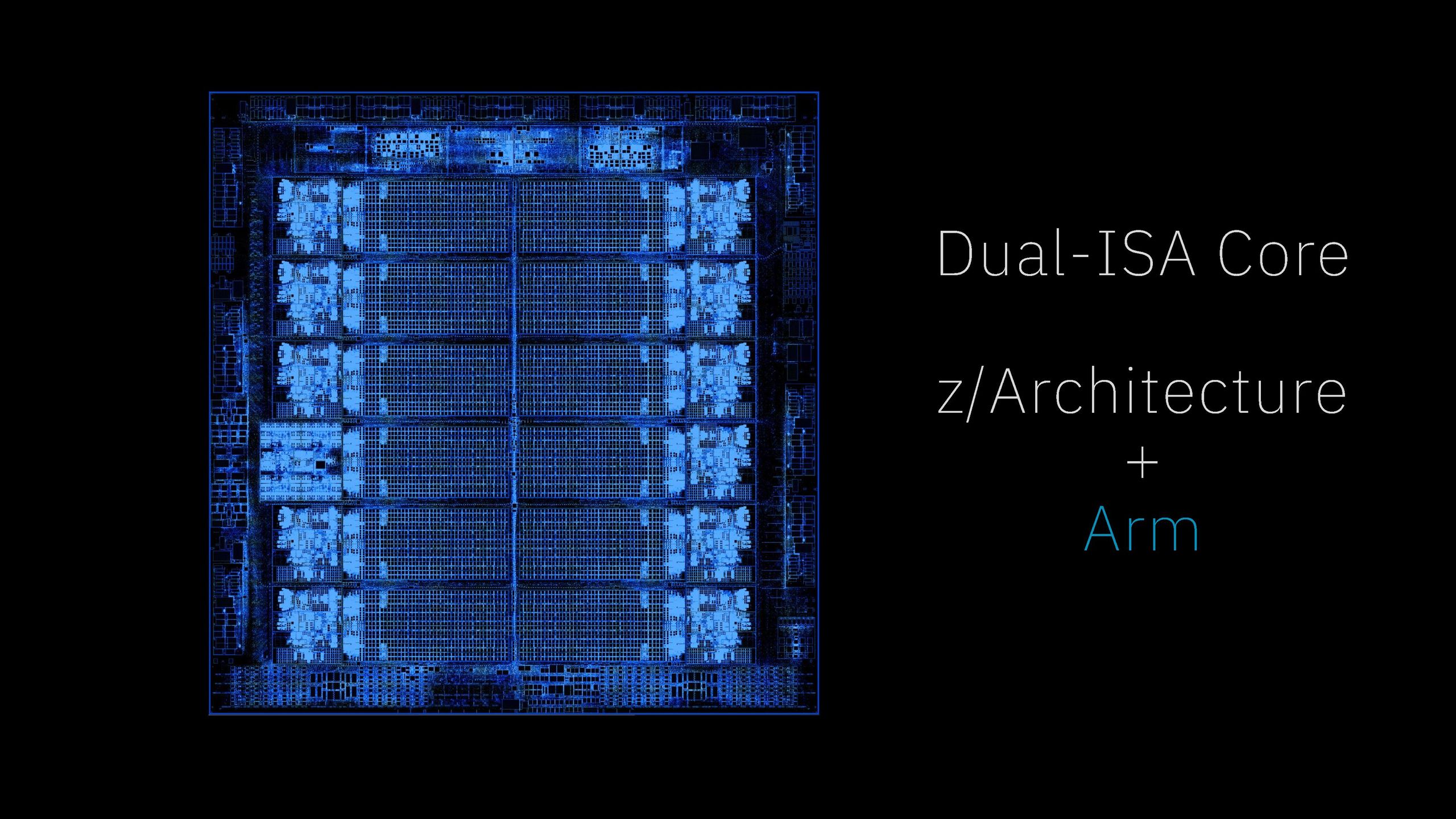
IBM unveiled a 2nm processor that natively switches between AArch64 and mainframe z/Architecture instruction sets within nanoseconds. The 11-core, 5.7 GHz chip lets enterprise teams run standard Arm workloads directly alongside mission-critical legacy systems. This eliminates separate hardware clusters while retaining mainframe-grade uptime.
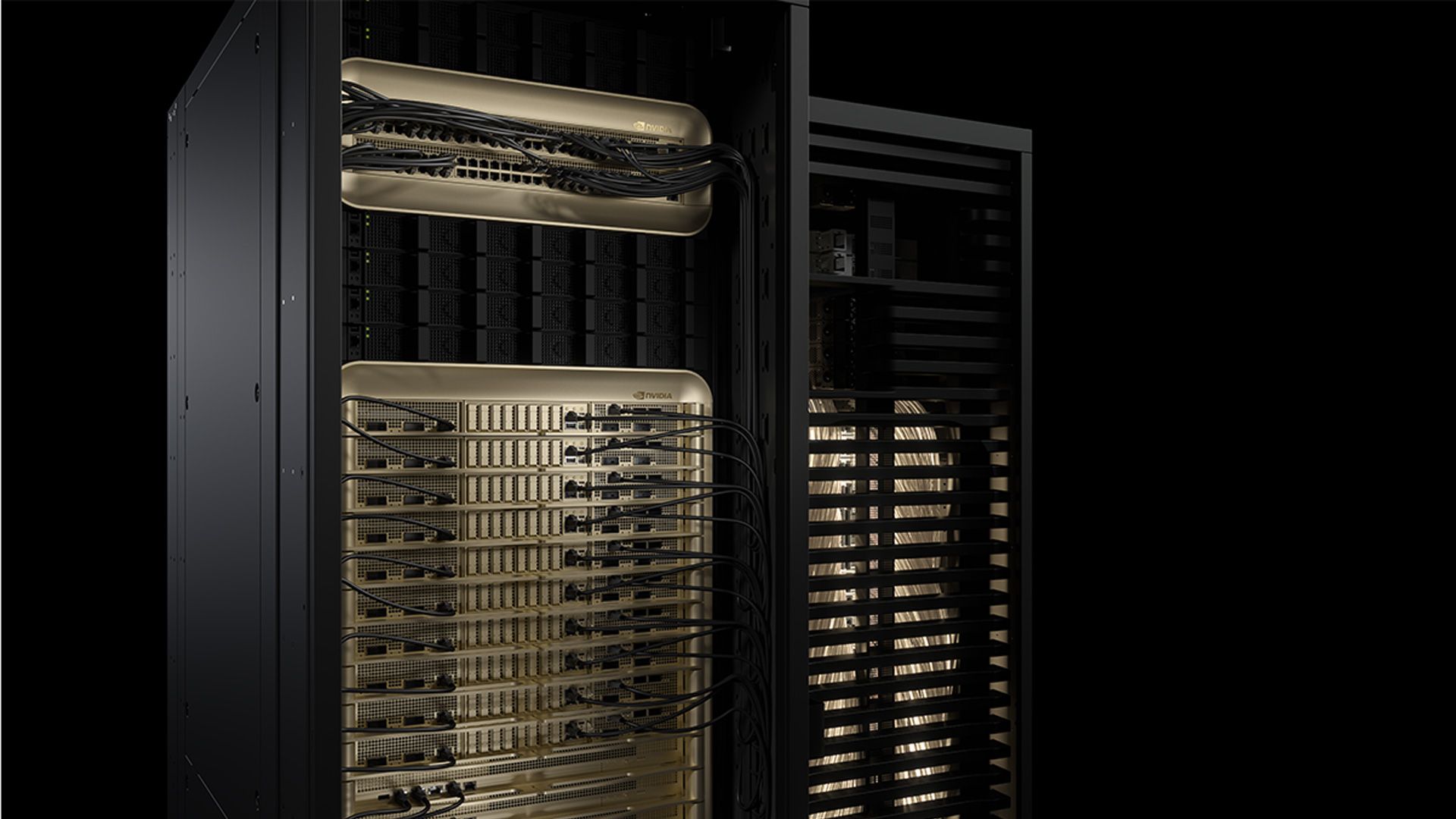
Nvidia notified hyperscalers of a mandatory 15% markup on Grace Blackwell and Vera Rubin server racks due to surging HBM and DRAM production costs. With memory suppliers sold out through 2026, the hardware surcharge will directly inflate enterprise cloud AI compute rates.

Microsoft's KB5121003 update breaks both Teams and the new Outlook across Snapdragon X laptops, including the Surface Laptop 7. Rollbacks and factory resets fail once the OS updates again, exposing severe stability risks for corporate deployments.

Google launched the Pixel 11 lineup starting at $899 with the Tensor G6 chip, but physical modifications remain microscopic across the roster. Owners of recent predecessors gain virtually no daily ergonomic advantage or performance leap to justify the upgrade cost.
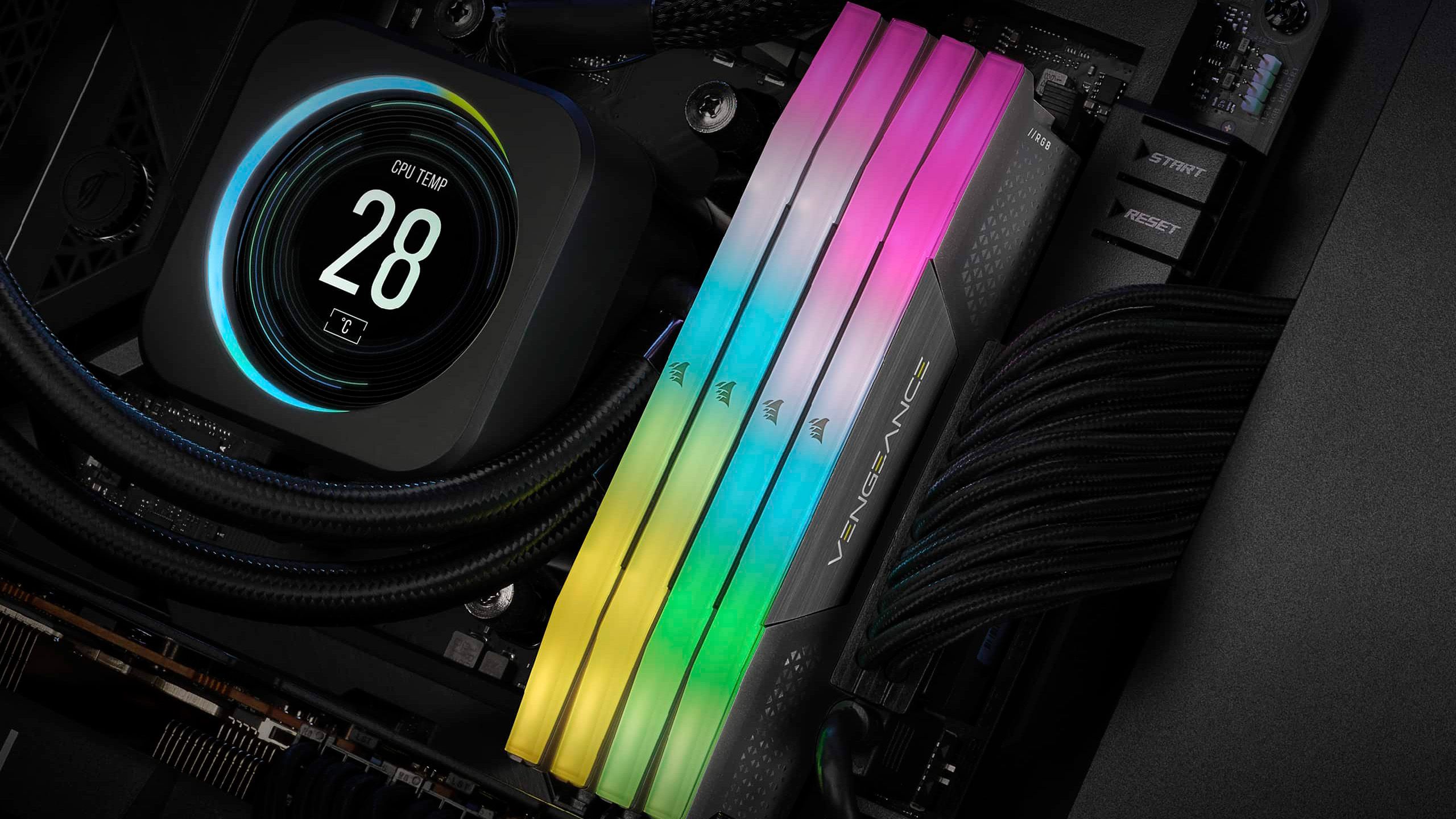
Enterprise AI infrastructure is swallowing global silicon capacity, pushing 32GB DDR5-6000 memory kits past the $400 mark. The 400% price spike destroys the economics of budget DIY builds, leaving pre-builts and bundled hardware as the only viable escape routes.

Researchers from Samsung and Amazon developed ToMoE, a framework that converts dense language models into sparse Mixture-of-Experts systems without costly retraining. The architecture cuts memory traffic and compute cycles on paper, though consumer mobile NPUs must still overcome memory bandwidth bottlenecks to deliver real battery savings.

Duke University introduced the Why2Speak framework to test why conversational AI agents choose not to intervene. Tests on Qwen3-8B show that forcing models to explain their inaction degrades accuracy without delivering trustworthy safety trails.

Hugging Face has brought in bankers to test a potential $13 billion sale as hosting three million open models collides with unsustainable compute bills. A hyperscaler buyout risks breaking platform neutrality and locking developers into proprietary cloud ecosystems.

Simulated bit-flips on an FP16 Qwen2.5-Coder model proved that corrupting a single high-order weight bit drops coding benchmark accuracy from 85% to complete failure. Unshielded edge hardware and orbital data centers risk catastrophic errors without dedicated ECC memory architectures.
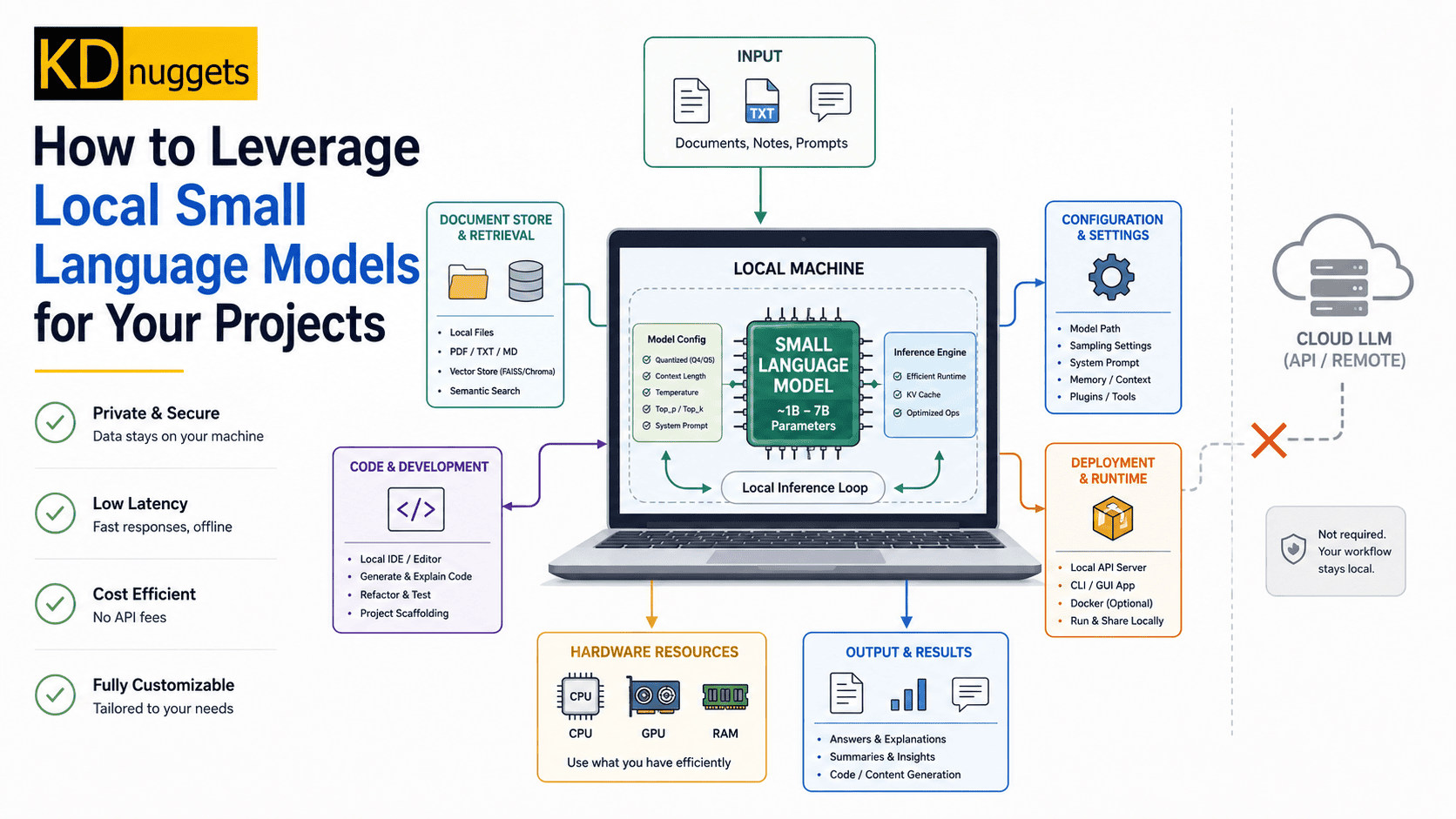
Modern small language models from 1B to 13B parameters now run efficiently on standard consumer laptops using 4-bit quantization. Shifting high-volume document search and code assistance to local VRAM eliminates recurring API token costs and data privacy risks.