
 hen you drop the price of a used car on a graphics card, the last thing you want to think about is a soldering iron and the risk of turning your expensive hardware into a smoking brick. But the flagship hardware market has hit a dead end where standard cables physically cannot deliver enough power to the silicon without melting connectors.
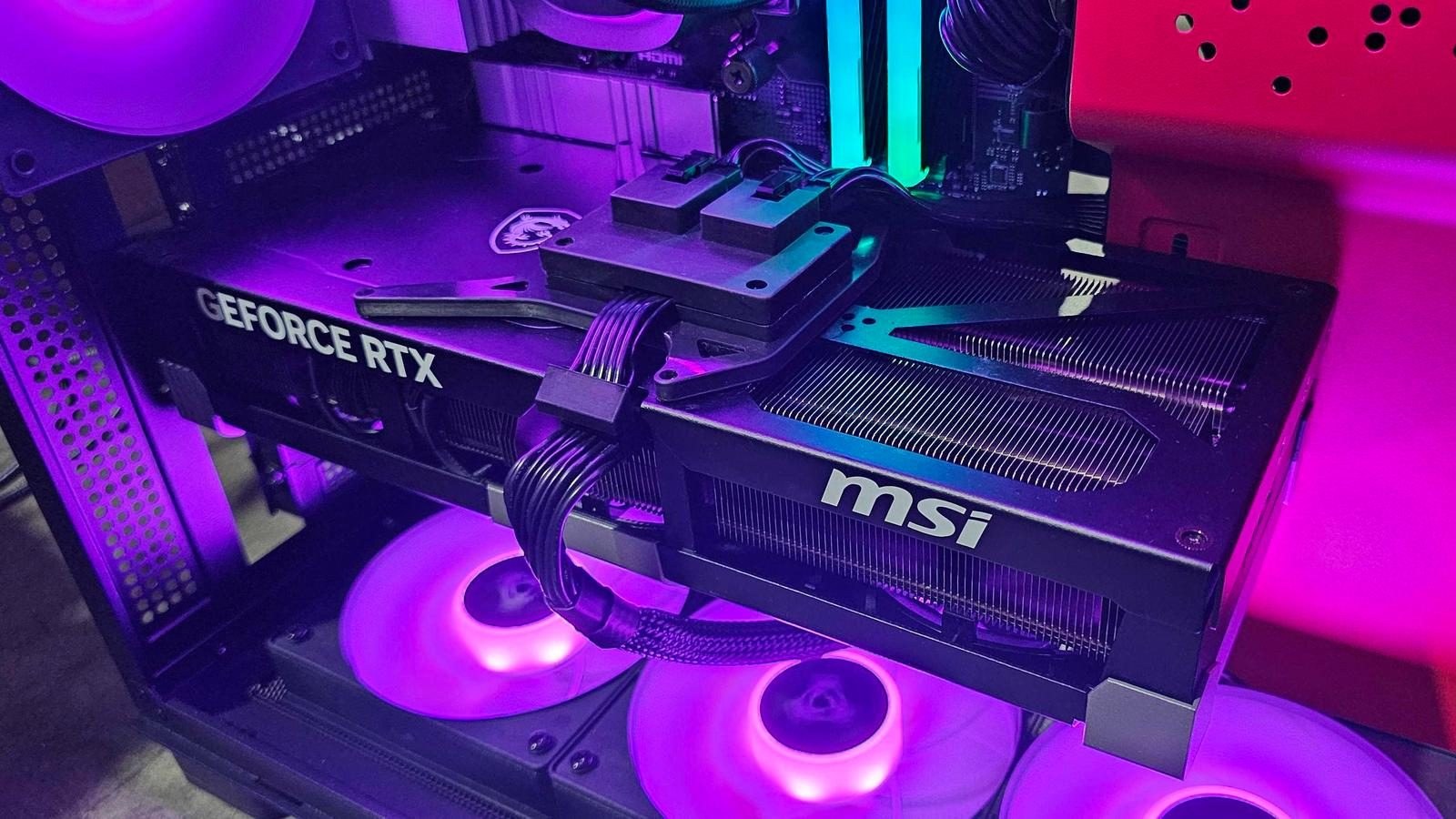
Let's translate that into plain English: top-tier graphics accelerators consume so much electricity that standard plugs are operating at the absolute limit of their physical capabilities. A Reddit user going by DallasGrave decided not to wait for another fire inside their PC case and modified a GeForce RTX 5090 graphics card, soldering additional power wires to the circuit board connected to two classic 8-pin PCIe connectors.
A soldering iron vs. physics
The mechanics are straightforward: modern hardware devours monstrous amounts of energy, and manufacturers keep trying to cram all that power into compact plastic blocks. The GeForce RTX 5090 can pull more than 500 watts of electrical power, forcing colossal currents through a single plug.
According to the modder, the two extra 8-pin connectors are wired directly to the power contacts of the original plug right on the circuit board.
As a result, the card receives power from three directions at once: the standard 16-pin connector and two additional 8-pin lines. The stock 12VHPWR connector remains fully functional and stays in use after the mod. The author claims they managed this without altering firmware or messing with complex power controller logic—they simply distributed the load across extra wires.
Just how crazy is this?
The enthusiast tested the modified card under a load of about 550 watts and even took measurements. According to the mod's creator, current through individual conductors dropped to roughly 3 amperes after the mod, and cable temperatures stayed below 40 degrees Celsius even after hours of heavy load.
The extra connectors are not designed to raise the maximum power limit of the GeForce RTX 5090.
Here lies a crucial catch for anyone already hunting for a soldering iron: this procedure doesn't turn your card into a rocket ship or boost performance. The extra wires exist solely to relieve strain on the stock conductors and cut down on local hotspots.
The cost to your wallet
And now let's be honest: trying this kind of DIY tuning at home is a fantastic way to trash an expensive toy and void your warranty in one fell swoop. A mistake while messing with a graphics card's power circuits will wreck it, and modifying the circuit board will void your warranty. A repair will cost you the price of an entire new PC, while manufacturers keep pumping out cards with the exact same connectors and pretending the problem doesn't exist.