
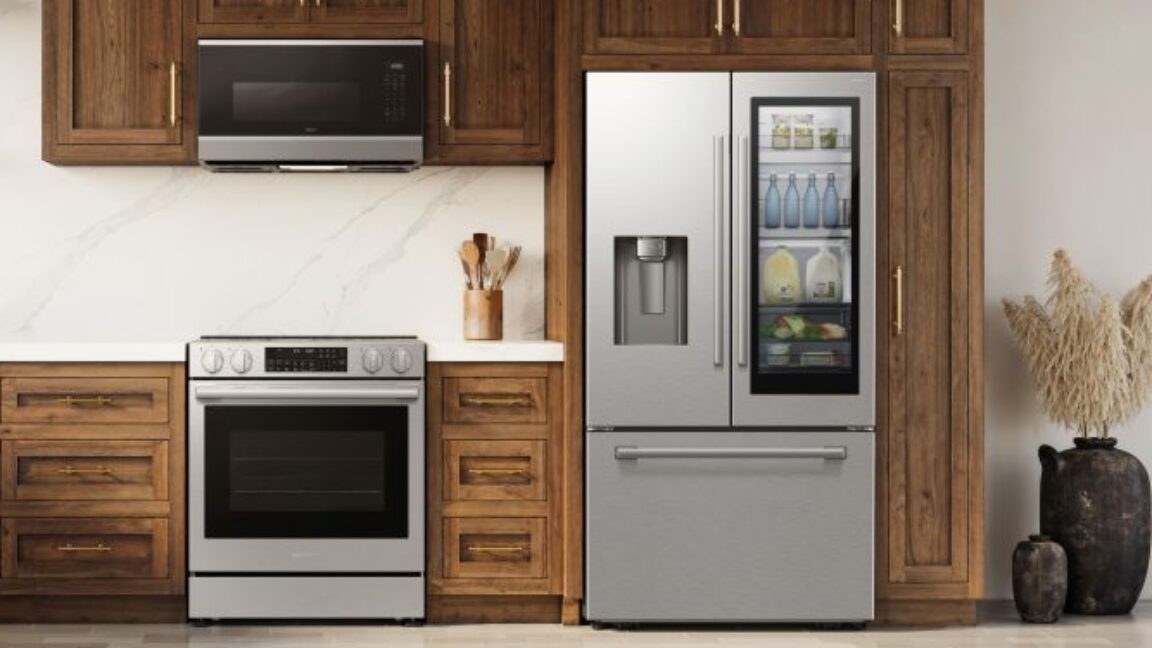
 e would never bring home an appliance that can turn into a brick simply because a distant server botched a routine firmware update. Yet that is precisely what happened when a batch of Samsung's smart refrigerators suddenly stopped working entirely due to a software crash. The glitch hit the Bespoke AI lineup, as noted by South Korean outlets, with four-door models from 2024 and newer taking the brunt of the damage, according to Star News Korea.
Affected fridges “suddenly lost power and stopped functioning immediately after” trying to issue a firmware update through SmartThings, Samsung’s smart home platform, per Star News Korea.
Devices lost power and froze dead mid-installation while pulling down the update through the proprietary SmartThings ecosystem. The internal displays flashed prompts to check the mobile app before the hardware gave up the ghost completely, leaving owners stranded with warm interiors and spoiled groceries.
Ruined Holidays and Waiting on Repairs
This disaster struck at the absolute worst possible moment, colliding squarely with Chuseok, the major South Korean autumn harvest holiday. According to SBS Korea, users flooded customer service with hundreds of complaints over dead machinery that instead of keeping food fresh delivered an impromptu marathon of throwing away expensive groceries.
Customers only trusted Samsung Electronics and made an official update, but it is so absurd and embarrassing that they can’t even use refrigeration and refrigeration functions before the Chuseok
Some buyers discovered their expensive hardware was less than a year old, only to find support lines shrugging shoulders, pleading a shortage of technicians, and offering repair slots stretching well into October. Samsung quickly pulled the botched update, triggered emergency service protocols, and promised field teams would fix the units as fast as possible, with ZDNET Korea reporting plans to resurrect some fridges by September 24.
What This Means for Your Wallet
This Bespoke AI fiasco lays bare the dark side of forced connectivity, where physical hardware depends entirely on a remote cloud connection. When a manufacturer ties basic appliance mechanics to constant server check-ins and automatic patches without local backups or a reliable rollback mechanism, the buyer of an expensive gadget ends up completely defenseless despite paying top dollar. Turning a refrigerator into an oversized paperweight over a botched office test is a glaring reminder to think twice before paying extra for AI badges on machines whose only real job is to keep your milk cold, not download fresh patches.
Hundreds of frantic customer complaints about rotting food right before a major holiday, all triggered by a single bad line of code on a remote server, prove that our obsession with cloud-tethered kitchen gear has gone too far. If a refrigerator cannot survive a failed software patch without turning into toxic waste, you are not buying convenience — you are buying a remote-controlled liability.