
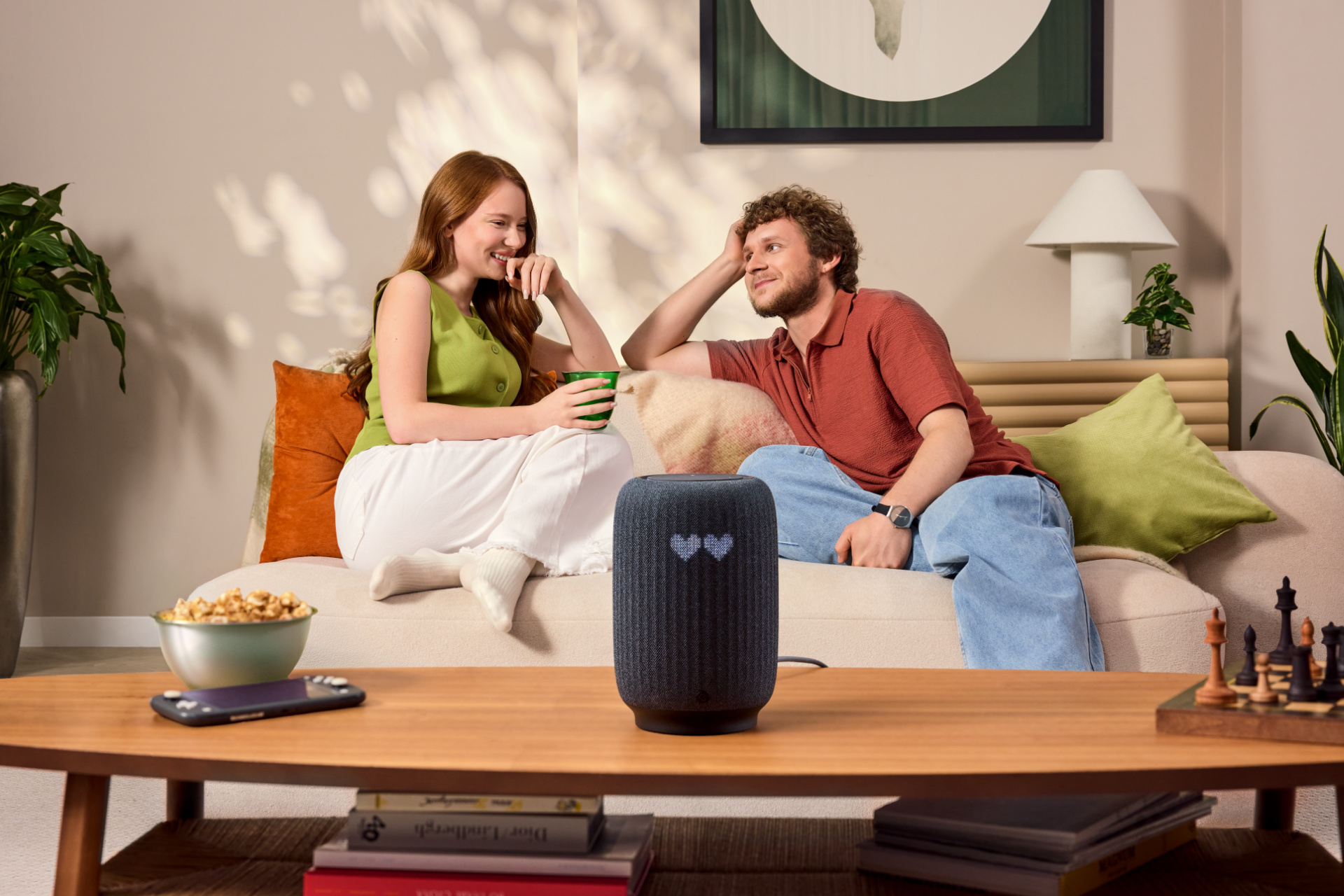
 he fundamental flaw of any smart speaker becomes obvious the moment a backhoe cuts an ISP cable: lights stop responding, smart plugs freeze, and an expensive gadget announces it has lost connection. For 21,990 rubles, SberDevices is tackling this problem directly by running your home automation entirely without cloud servers.
The second-generation SberBoom arrives at retail on September 15, with pre-orders already open on the company's website. The practical question for everyday buyers is clear: does offline independence justify a substantial price tag, or is this just repackaged hardware?
How local smart homes work without cloud servers
There is no trickery here, just a straightforward shift of computing tasks from remote data centers directly into the speaker's chassis. The unit integrates Zigbee and Matter over Wi-Fi radios that communicate directly with bulbs, sensors, and relays over the air.
All automated routines and smart home scenarios run locally inside the apartment. An onboard language model processes basic voice commands without routing audio through the broader internet.
SberBoom 2.0 supports Zigbee and Matter over Wi-Fi, letting compatible smart home hardware run local automation routines.
The speaker recognizes speech offline and triggers relays even with the Wi-Fi router down. For entertainment, onboard storage holds over 200 tracks from your personal library, playable via voice commands without an active internet connection.
Hardware, sound, and presence sensors
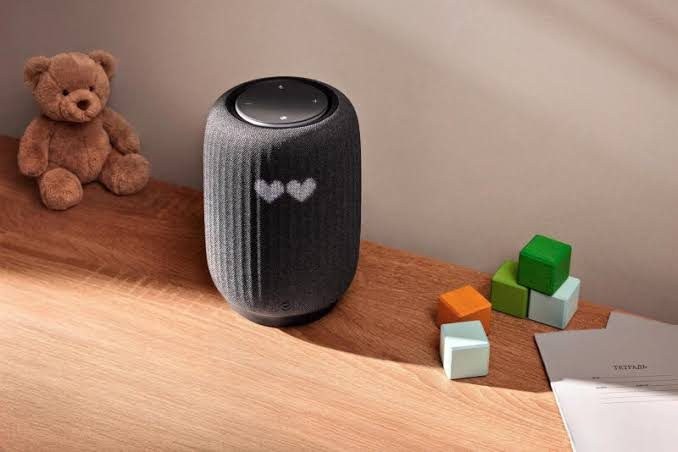
Under the hood, the speaker features a 50W woofer paired with two angled tweeters for stereo sound. The chassis includes a monochrome LED display, ambient lighting, four microphones, and a standard C7 power port with an integrated power supply, eliminating awkward external power bricks.
A built-in presence sensor detects when someone enters the room, allowing it to turn on hallway lights automatically or announce missed notifications without voice prompts. The GigaChat-powered voice assistant offers three voices, three conversational styles, custom wake-word triggers, and a formal address mode.
Is the upgrade worth it?
If home internet never drops and your smart home setup consists of a single kitchen bulb, spending 21,990 rubles makes little financial sense. However, if frequent ISP outages routinely paralyze your smart appliances, a local hub built on Zigbee and Matter eliminates daily frustration.
To appreciate server independence, an internet outage has to happen first—a rare case where hardware earns its keep precisely when the rest of the network fails.