
The Trimmer Problem Finally Solved
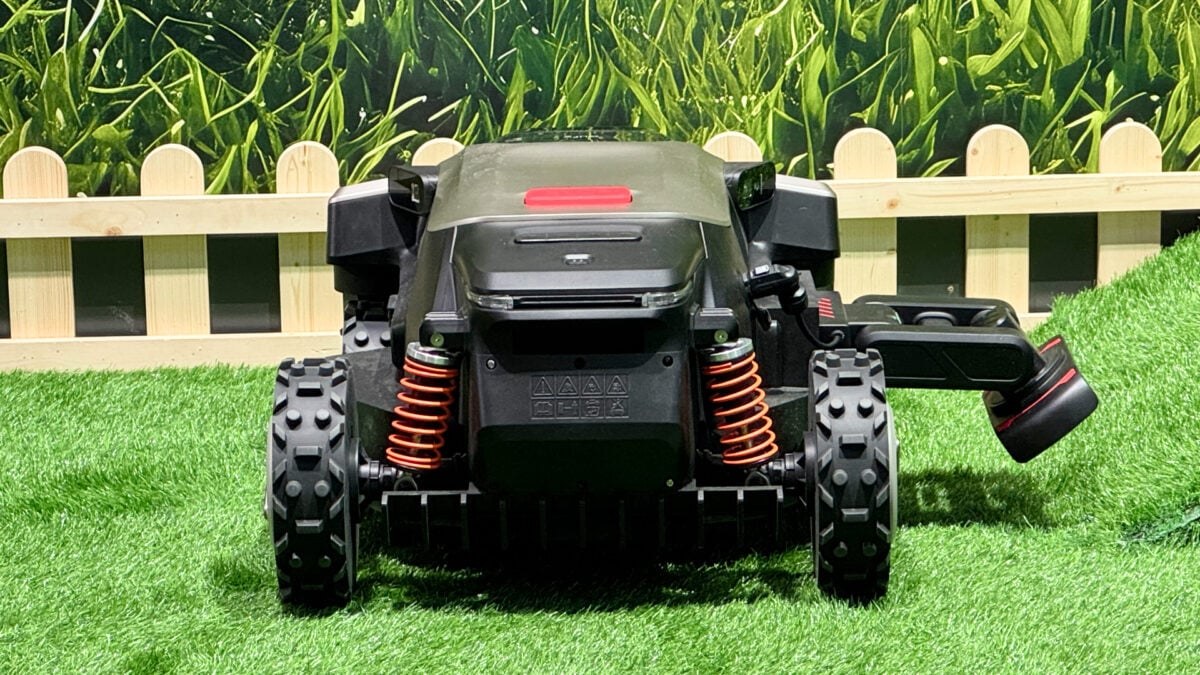
 obot lawn mowers finally figured out how to eliminate the single most irritating chore in suburban yard care, but American homeowners will not be buying them anytime soon. For years, autonomous mowers forced owners to grab a manual string trimmer anyway because standard round chassis simply cannot cut flush against house foundations or concrete curbs. As demonstrated at IFA 2026, hardware makers moved past the wire-burying era by pairing LiDAR, optical cameras, and satellite NRTK positioning with mechanical articulating arms that physically reach outward to slice borders clean.
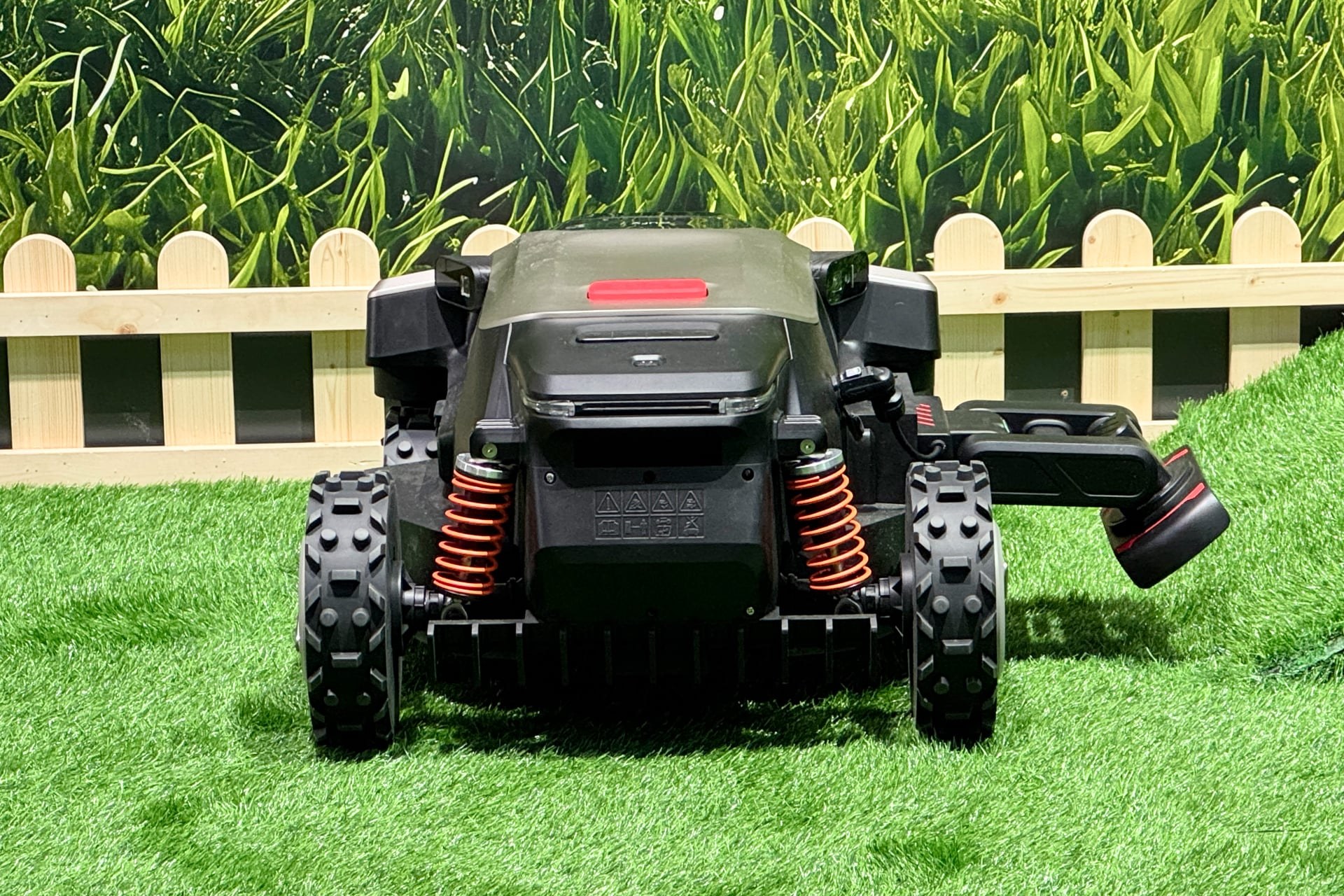
The hardware implementations shown at IFA 2026 take several mechanical approaches to eliminate leftover fringes without requiring hand tools. In the Segway Navimow H5 Pro, a side hatch opens to extend an articulated cutting blade directly toward hard borders.
In general, the new robot mowers I saw at IFA 2026 are handling this the same way: they each have an art
Taking mechanical versatility further, the Eufy Lawn Mower S2 Max deploys a swinging arm designed to finish vertical edging. Meanwhile, the Mammotion Yuba 4 AWD offers a dedicated modular trimming arm attachment to handle uneven perimeters.
The Trade Barrier Wall
These automated edgers will not reach American backyards anytime soon due to sweeping regulatory restrictions on foreign hardware. A United States ban on foreign-made consumer robotics targets machines capable of autonomous locomotion, navigation, and terrain mapping under the banner of national security risks. While valid safety vulnerabilities exist—such as a security demonstration where an ethical hacker took control of a Yarbo automower and steered it over The Verge reporter Sean Hollister—the resulting trade wall creates a bizarre market distortion. Any legacy robot already cleared for sale in the United States remains grandfathered in, but newly engineered foreign hardware faces an outright regulatory embargo, diverting initial retail shipments strictly to European and Asian markets.
Representatives from mower manufacturers at IFA 2026 acknowledged they are still deciphering Washington's import rules rather than scheduling U.S. launch dates. If you currently own a functioning wire-free mower, upgrading right now makes little sense when the only models available domestically lack perimeter-clearing arms. Unless gray-market import channels or regulatory exemptions emerge, American buyers are stuck choosing between old-generation chassis and keeping their manual string trimmers charged.