
#Apple
14 stories on this topic, newest first.
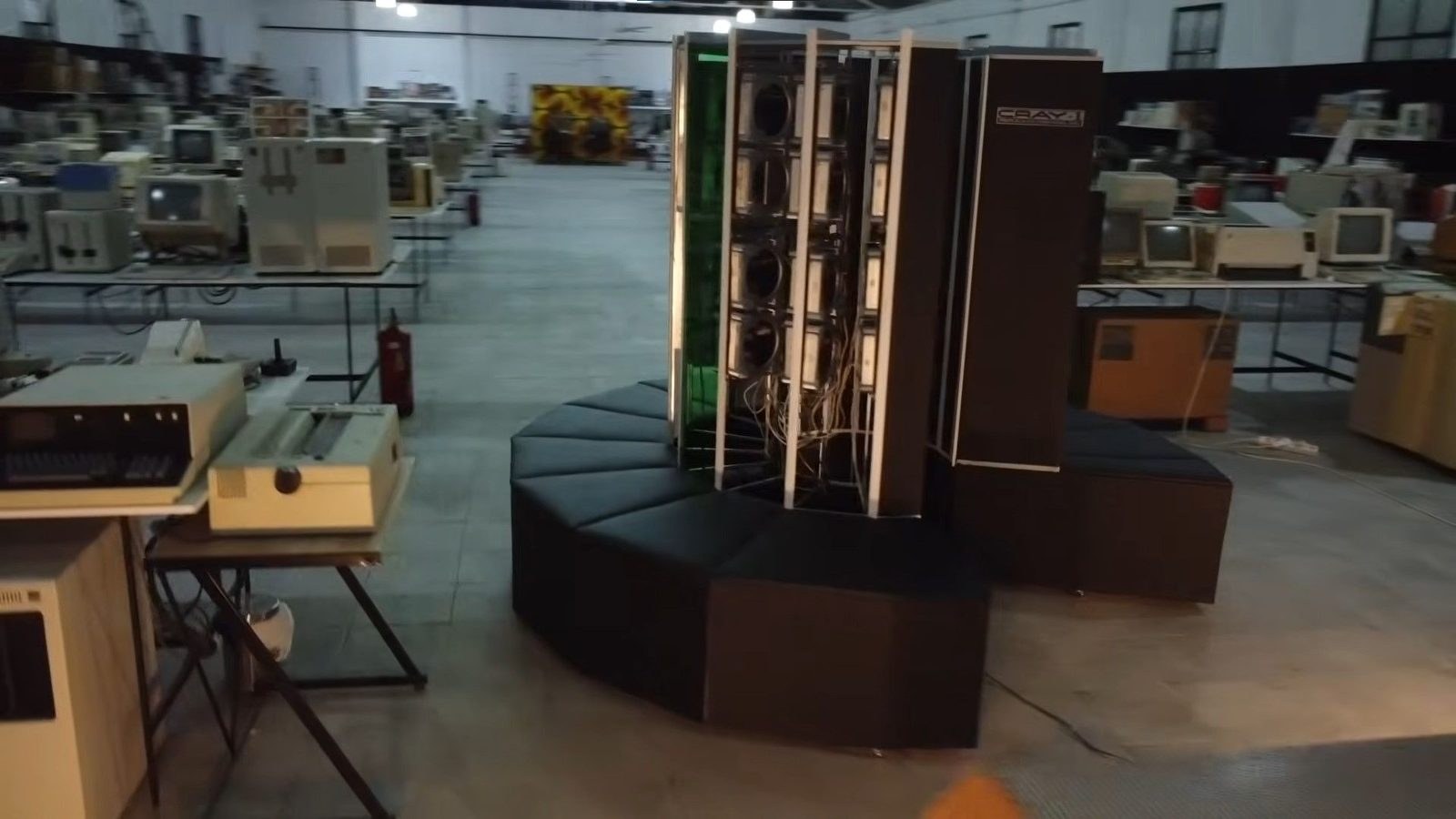
Spain's Museo de Historia de la Computación turned 30 obsolete Mac Minis into a working replica of the legendary Cray-1 supercomputer. Delivering 1.3 TeraFLOPS of power without industrial cooling, the project proves that decade-old hardware still has plenty of life left.
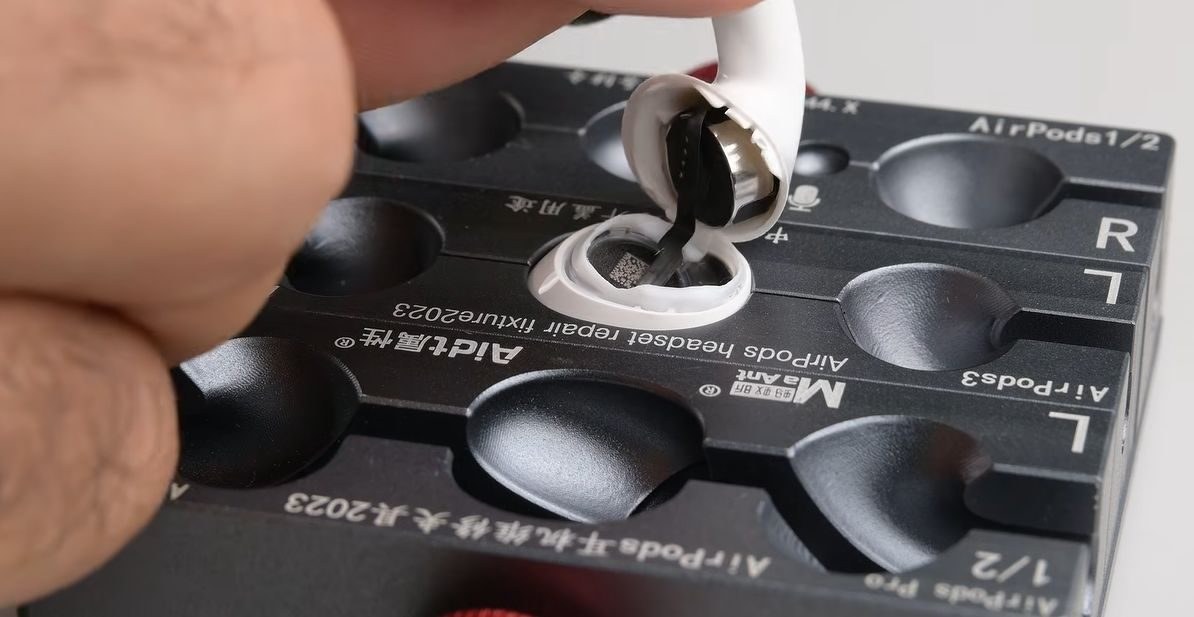
Apple's latest earbuds finally use a snap-open design instead of permanent glue, letting repair techs swap internal coin batteries without destroying the housing. However, the accompanying charging case remains completely disposable and requires physical plastic destruction to open.
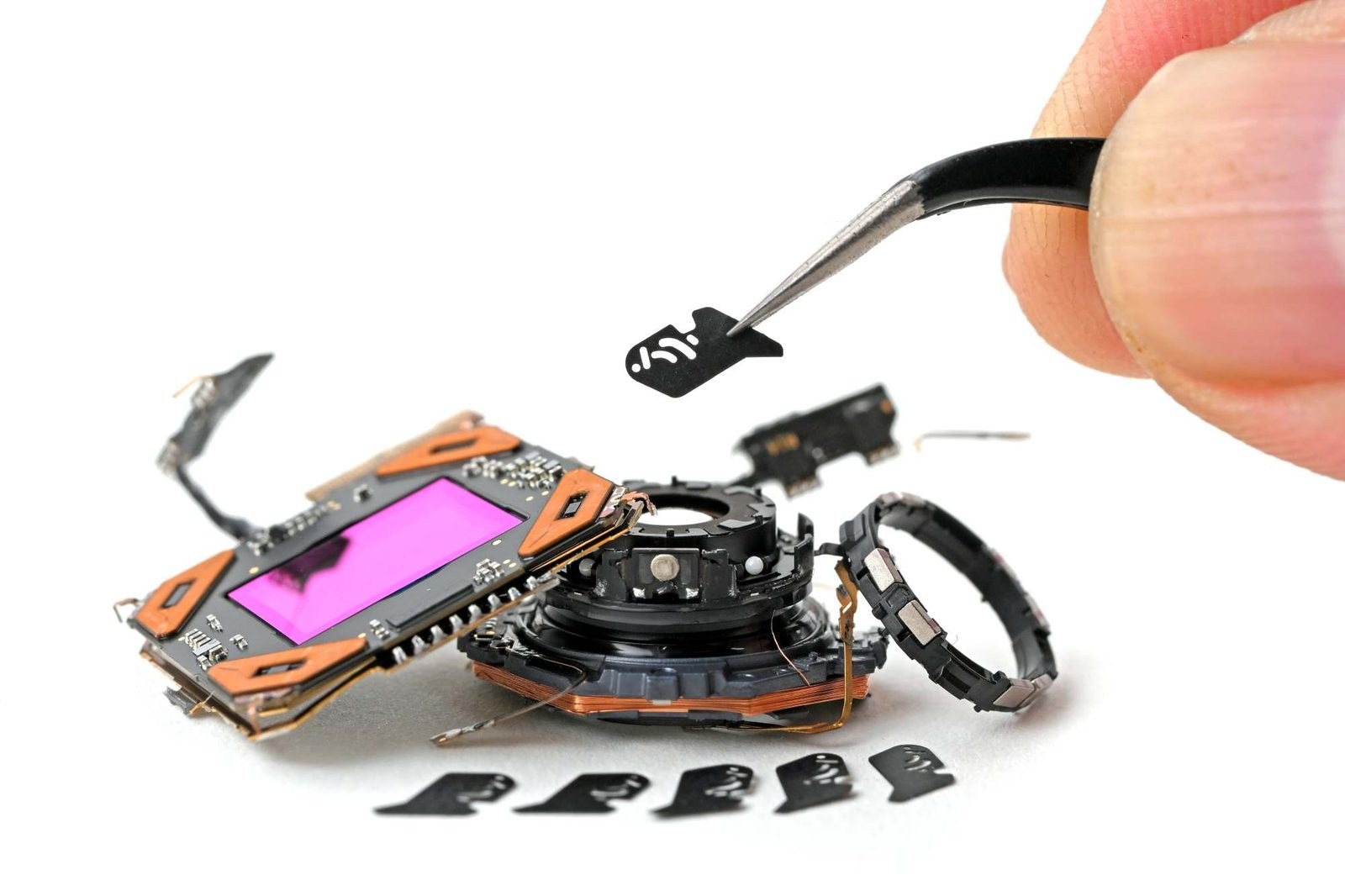
Repair specialists found that opening the new iPhone 18 Pro often breaks its plastic frame, while a complex mechanical camera ensures repairs will cost a fortune. Regular users dropping their phones face steep bills for microscopic moving parts that cannot be individually replaced.
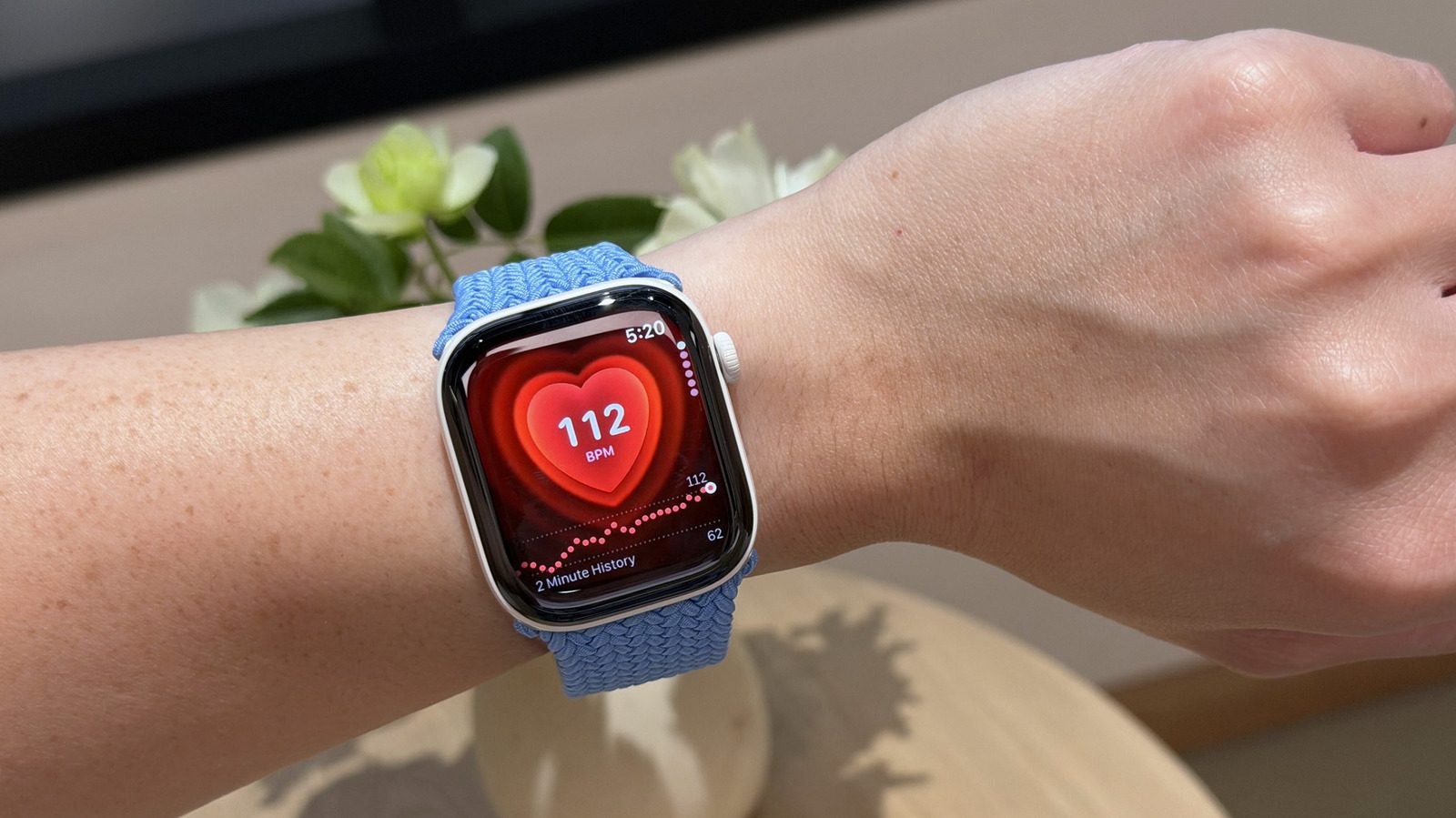
The Apple Watch Series 12 swaps out older LEDs for a 12-light sensor ring that checks your pulse every five minutes. While it adds a daily 0-to-10 recovery score and smart audio transcription, the battery life is still stuck at a single day.
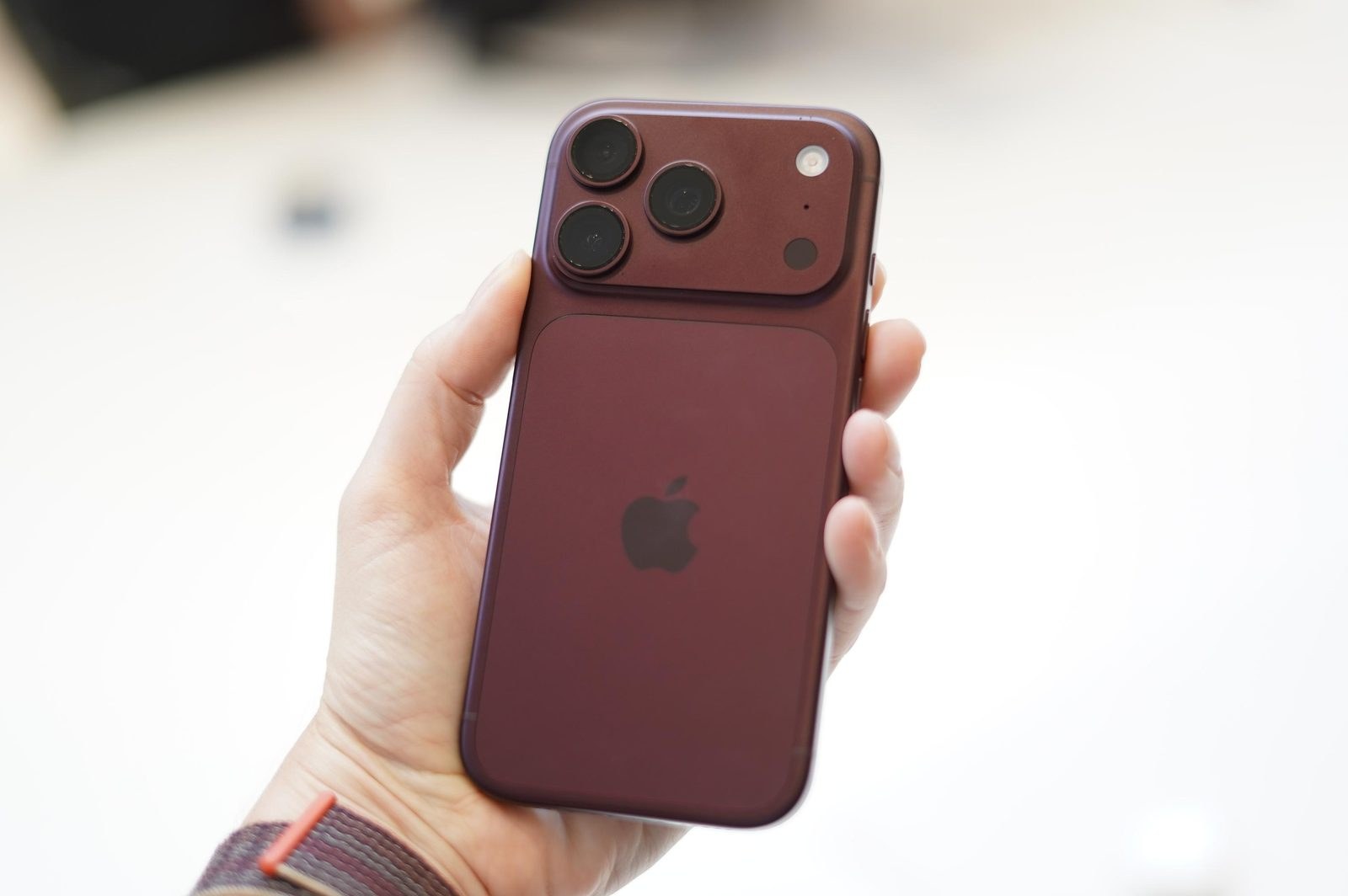
Apple's iPhone 18 Pro arrives on September 18 starting at $1,199 with manual aperture controls and a slightly smaller Dynamic Island. For anyone using a recent phone, the aluminum chassis and everyday experience remain completely unchanged.
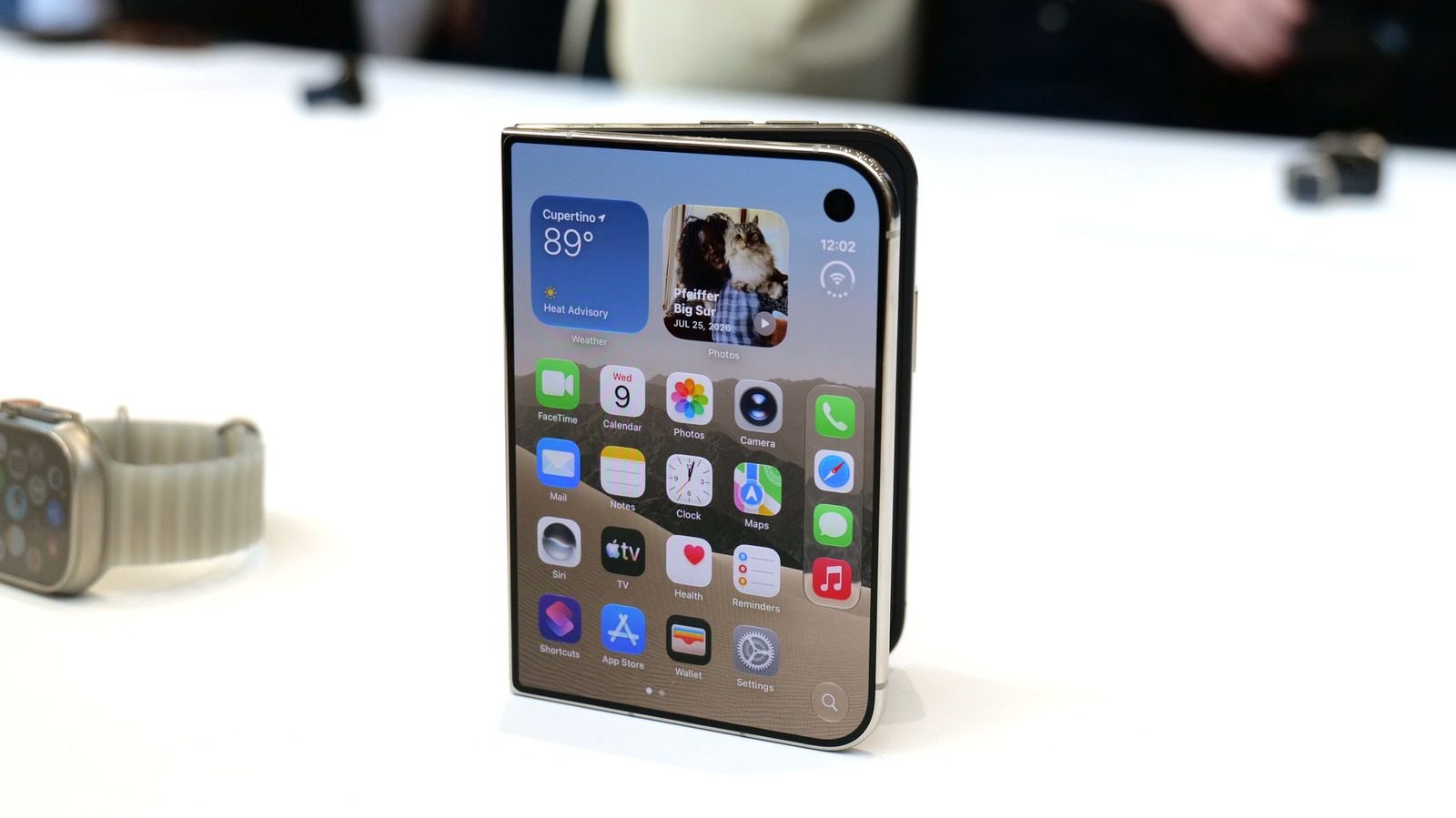
Apple's first folding phone packs a 7.6-inch flexible screen inside a titanium shell, but weighs 254 grams and completely skips the optical zoom lens. Daily testing reveals a heavy pocket brick that forces major camera compromises for early adopters.
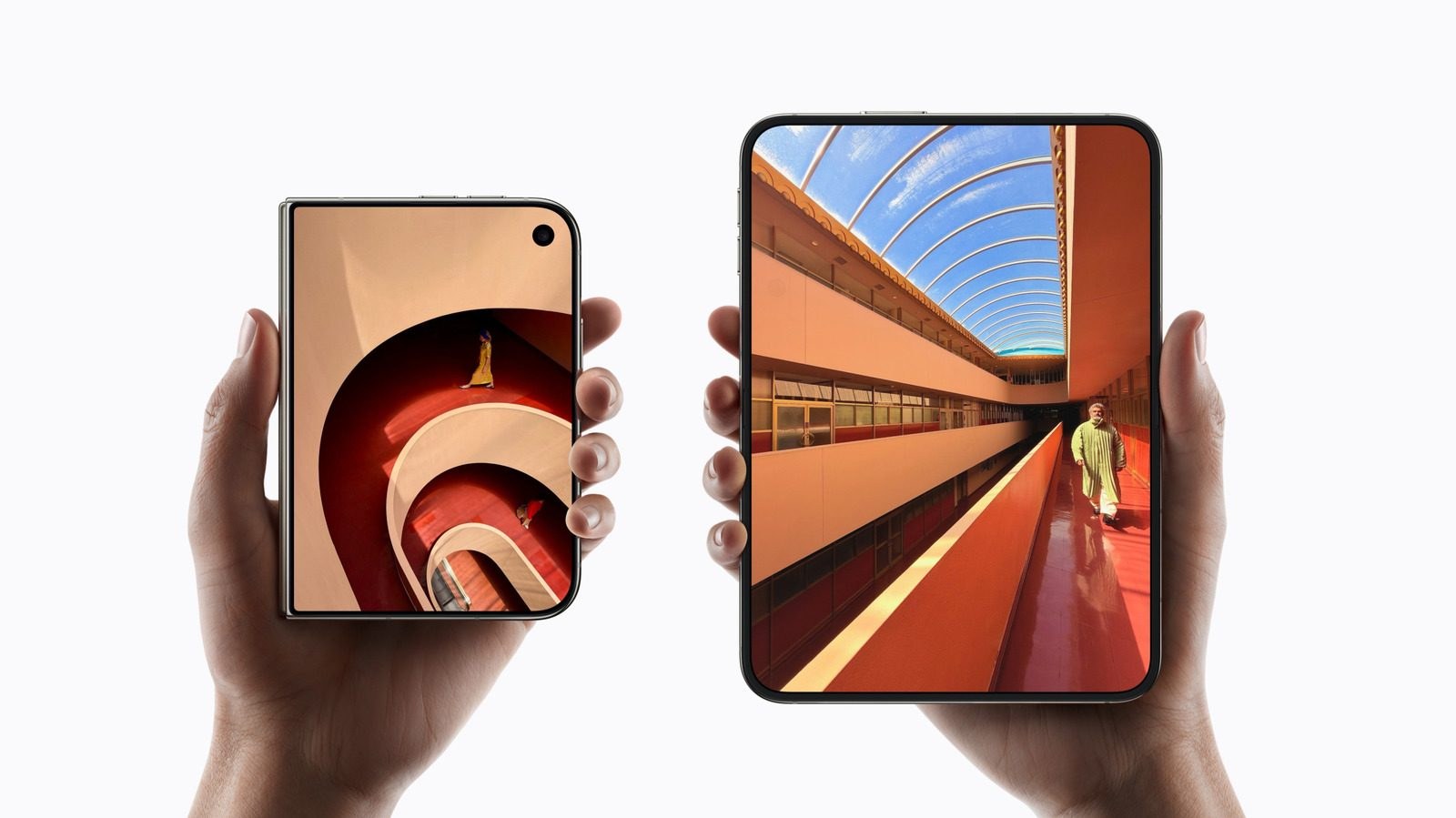
Samsung and Apple have shifted to a wider passport-style format for the Galaxy Z Fold 8 and iPhone Duo. These folding screens offer a usable phone when closed and a tablet workspace when opened, though high prices and delicate hinges remain.
Apple enters the folding phone market this October with a device priced from $2,000 to $3,000. It brings side-by-side multitasking and stylus support to iOS, but asks everyday buyers to pay double the cost of a standard Pro model for unproven hinges.
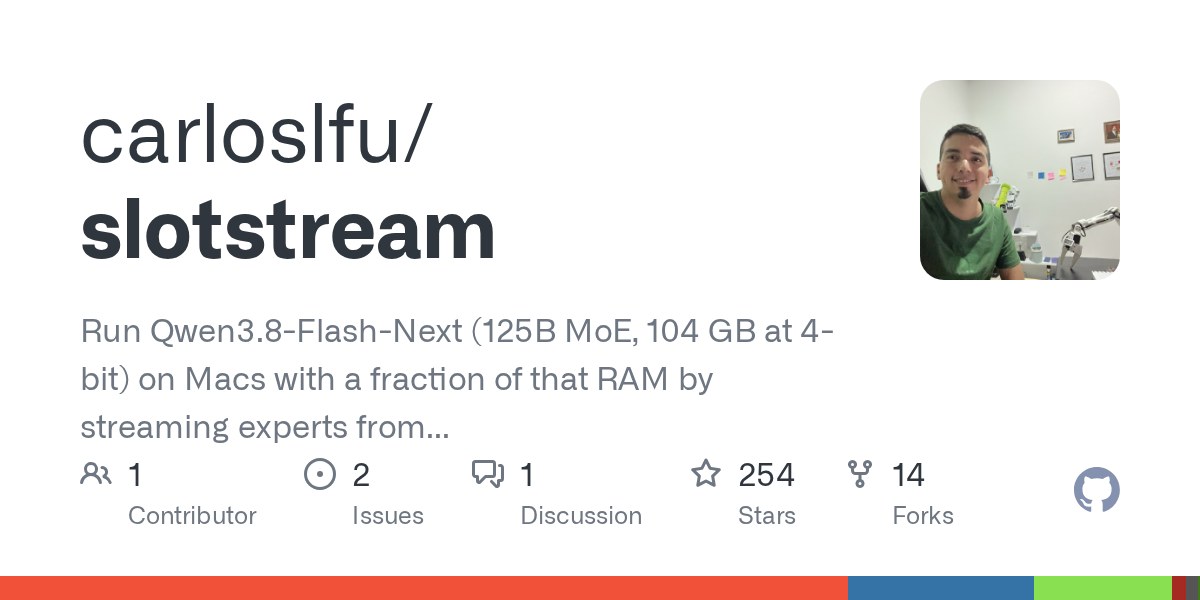
A new utility called slotstream lets you run a massive 125-billion-parameter AI model on a mid-tier MacBook Pro with 48GB of RAM. By pulling data straight from the internal solid-state drive as you type, it completely bypasses Apple's expensive memory upgrade fees without needing an enterprise workstation.
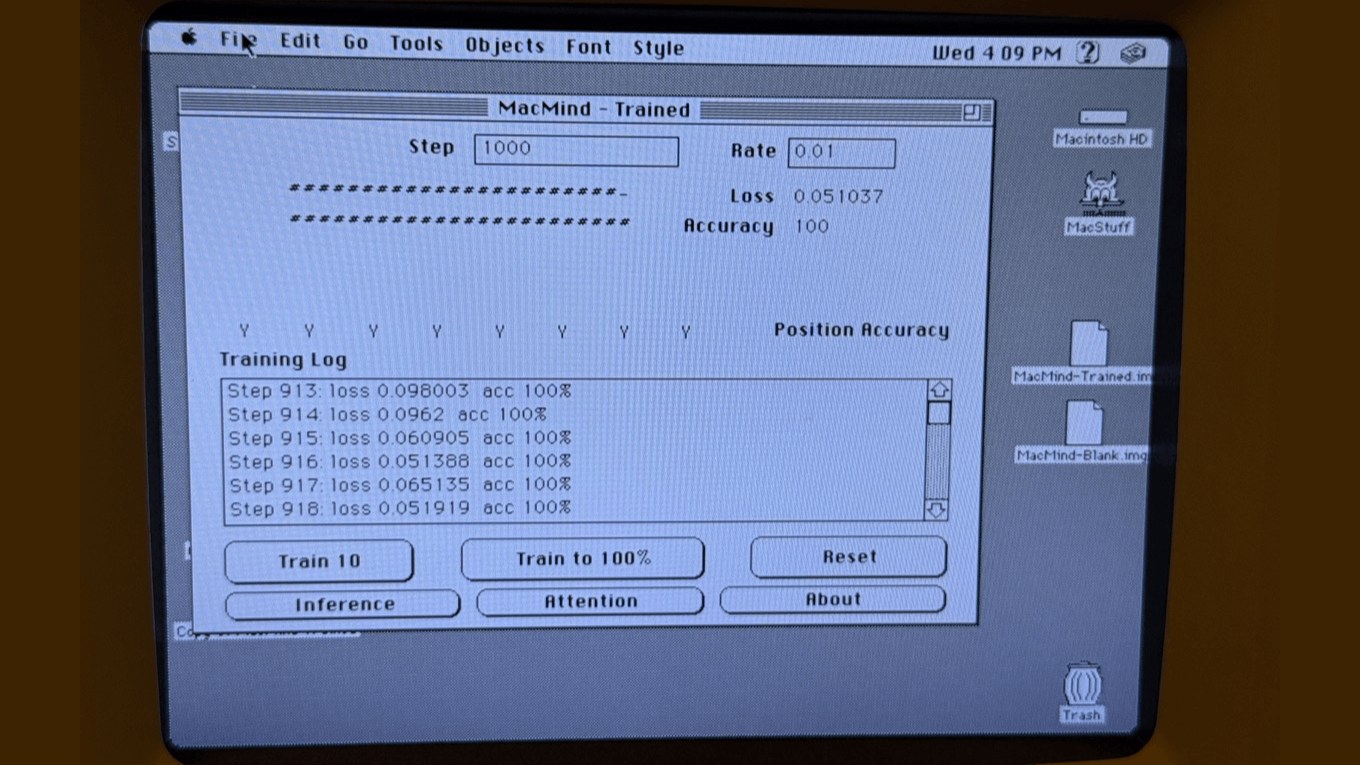
Developer Sean Lavigne built a functioning transformer neural network on a 1989 Macintosh SE/30 using HyperTalk scripting. The 1,216-parameter project proves that modern AI is grounded in straightforward math rather than exclusive mega-datacenter hardware.

Apple raised the standalone Apple TV fee to $15 per month and bumped Apple One bundle pricing across all tiers. The adjustment offsets streaming catalog deficits by extracting recurring revenue from existing device owners. iPhone and Mac users face higher ongoing costs unless they rotate subscriptions seasonally.
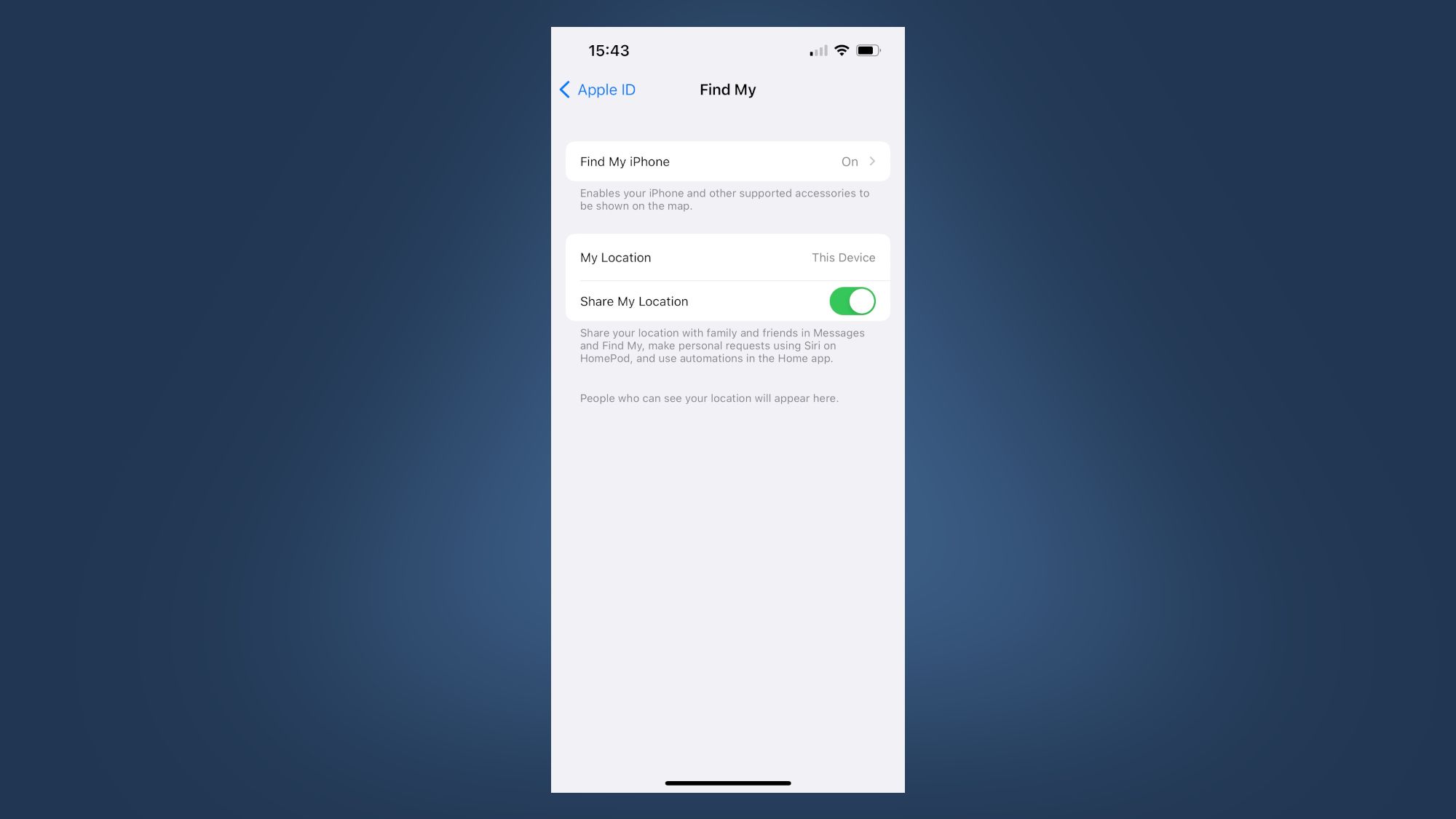
Security researcher Zerotistic reverse-engineered Apple's proprietary protocols in just seven days, allowing a standard Linux PC to act as a trusted node on the Find My network. The setup decrypts live location streams without requiring official Apple hardware or software, though it still requires prior contact authorization. The feat exposes structural flaws in Apple's reliance on security through obscurity.
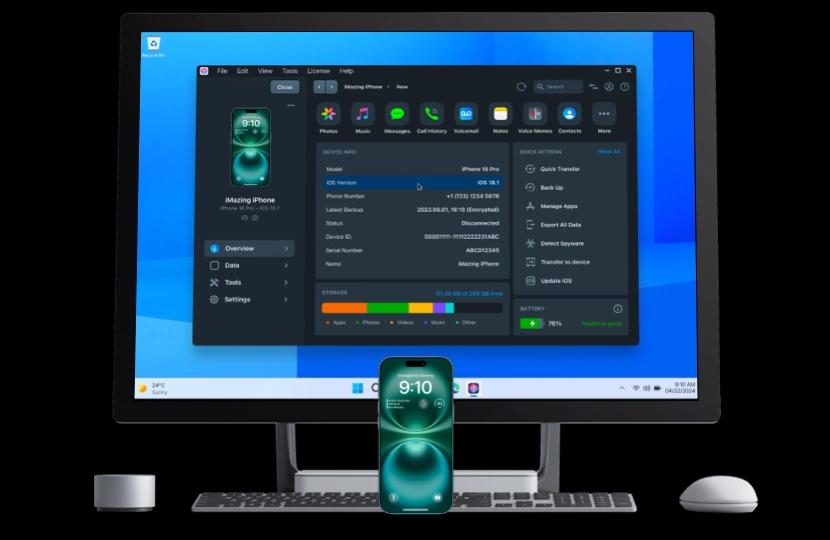
Apple invalidated legacy authorization tokens, effectively breaking third-party transfer tools like iMazing and 3uTools. Users moving to a new iPhone can no longer restore delisted banking apps from their computers and must turn to web apps or enterprise installations.
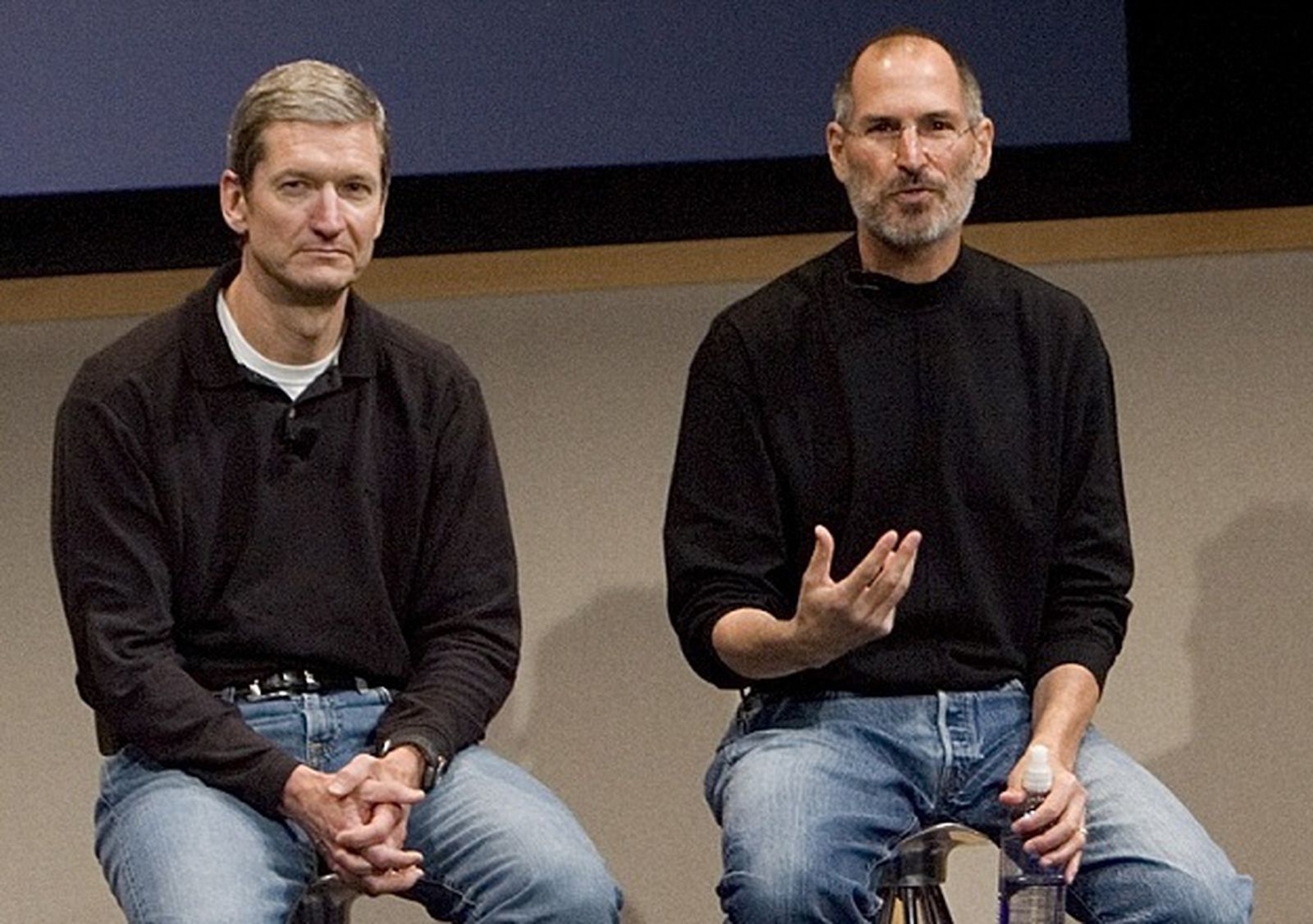
Tim Cook is stepping down as Apple CEO on September 1, handing leadership to hardware engineering chief John Ternus. The executive shift pivots Cupertino toward ambitious device formats just as rising component costs force retail price hikes on Macs and iPads.