
 f your SSD fails or your RAM stick burns out today, do not count on getting a replacement. Memory makers are chasing windfall margins from the enterprise artificial intelligence boom, leaving regular consumers holding the bag with gutted warranties and barren spare part shelves. As Windows Central recently reported, Micron and its consumer-facing subsidiary Crucial have been systematically denying hardware swaps for failed storage drives and memory kits. The reason given is depleted consumer inventory—a direct consequence of Micron pivoting production lines to corporate AI accelerators and data center memory while quietly phasing out Crucial's retail presence.
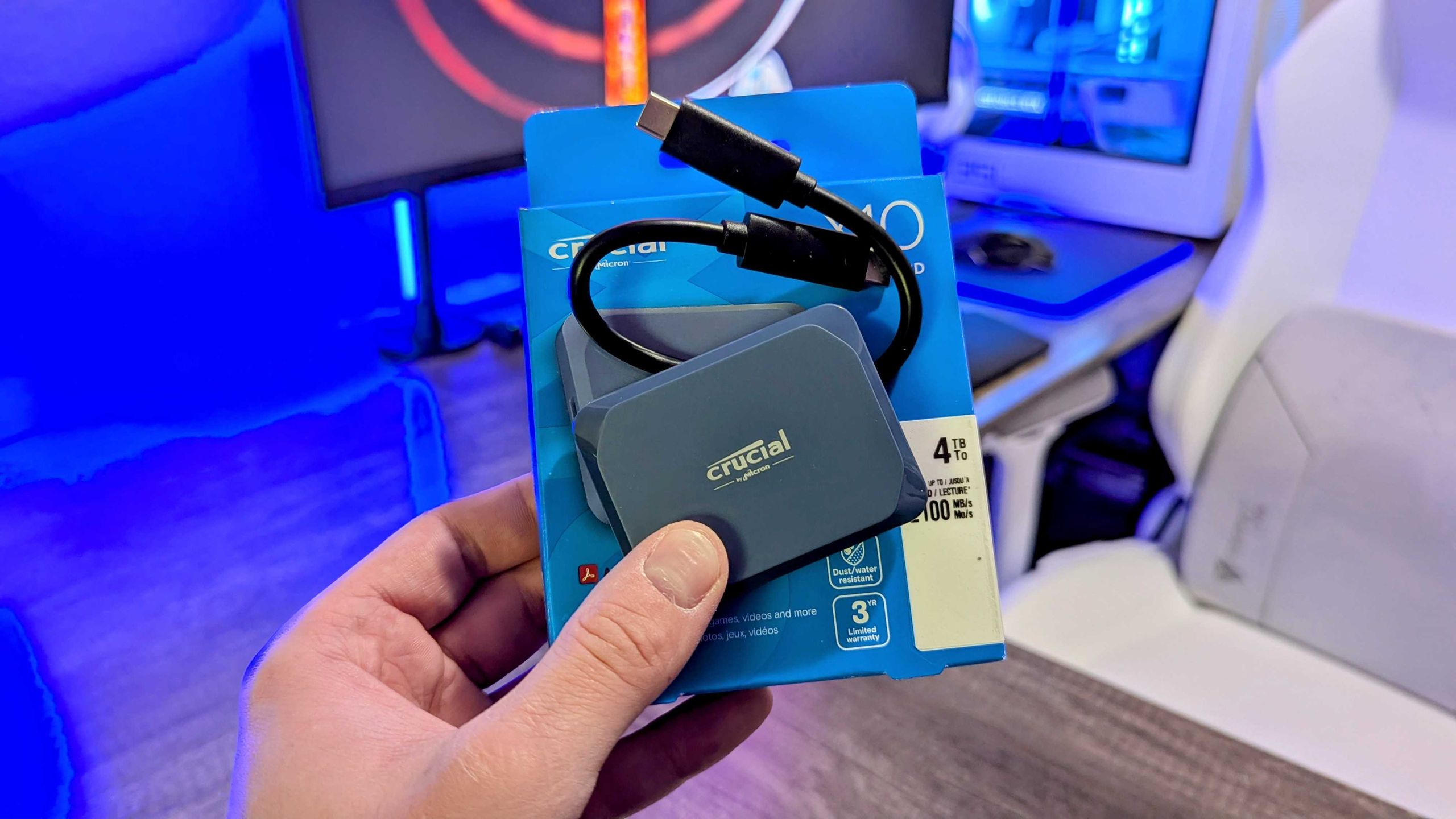
For anyone holding a "lifetime warranty," the practical reality is a severe financial haircut. In one documented case, a customer returned a defective 4TB Crucial X10 Pro external SSD that died after consuming barely 1% of its rated write endurance. Rather than receiving a working replacement, the buyer was handed a flat refund of the original €230 purchase price—leaving them to absorb the cost of buying an identical replacement on Amazon.de, where prices have soared past €500. According to Tom's Hardware, another user trying to replace a dead 48GB DDR5 kit was offered a mere $241.86 against an original receipt, even though the same kit now trades at nearly $1,400 due to supply shortages. Parallel reports indicate SK hynix is employing identical refund strategies.
While hardware vendors remain legally insulated by fine print that allows cash-back refunds at original purchase value, skyrocketing component costs turn that loophole into an outright penalty for the customer. Buying a premium component with an ironclad warranty was supposed to safeguard your setup against unexpected failure; right now, it simply guarantees you will foot the difference when replacement stock is redirected to the highest corporate bidder.