

 erplexity has launched Hybrid Compute, an architectural split designed to offload data-heavy and sensitive workloads from its remote clusters directly onto user hardware. The system scans incoming tasks, detects personal or confidential files, and keeps their execution on your local chip instead of streaming everything to distant server farms. Following earlier rollouts like Personal Computer in April and Portable Computer late last month, the company announced the shift in an update on X, framing it primarily as a major win for user privacy.
In practice, whenever you attach documents to a prompt, the client flags private information and gives you a choice: parse those specific files locally using your Mac's Neural Engine while delegating broader contextual searches to the cloud, or dump the entire workflow onto remote servers as usual. For users dealing with sensitive financial sheets or internal memos, this eliminates the network latency of heavy uploads and keeps raw local data off third-party servers.
Hardware Demands and Model Architecture
Under the hood, local execution relies on compact on-device architectures, specifically Gemma 4 E4B, Qwen 3.6, and a proprietary Perplexity fine-tune of Qwen 3.6. Demanding analytical queries routed to the cloud still tap heavyweight frontier systems like Claude Opus 5 or GPT 5.6 Sol.
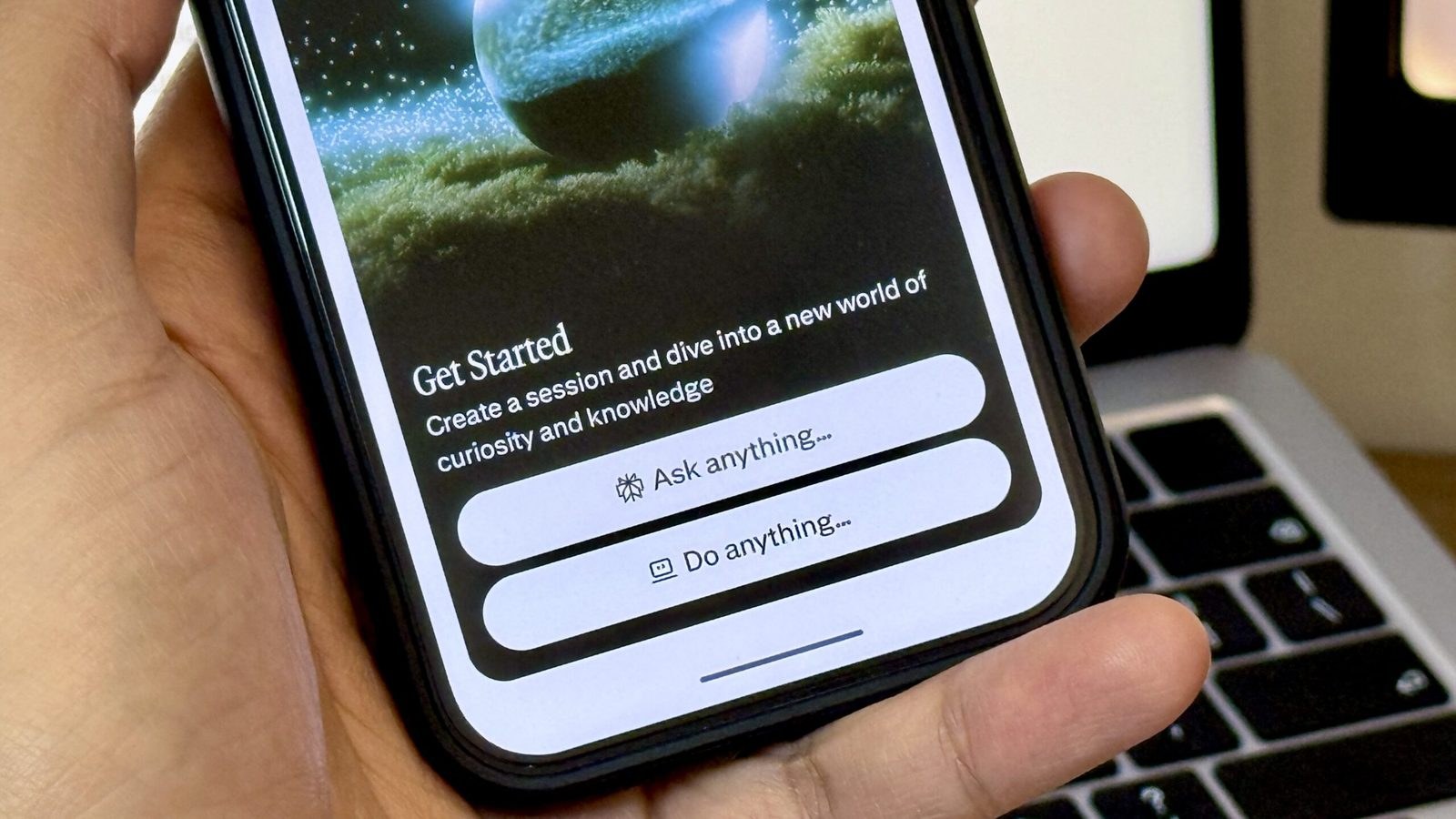
Perplexity Hybrid Compute supports Gemma 4 E4B, Qwen 3.6, and a Perplexity post-trained version of the Qwen 3.6 model locally.
Because your Mac crunches the local chunks, you bypass token metering on those sub-tasks, trimming effective operating overhead per prompt. However, Perplexity is gating this efficiency strictly behind its premium tiers: Hybrid Compute is currently restricted to Apple Silicon Macs running the native client under Perplexity Pro or Max subscriptions. It is a neat technical compromise on paper, but it effectively asks paying subscribers to trade their own MacBook battery life and thermal headroom so the provider can trim cloud compute bills.