
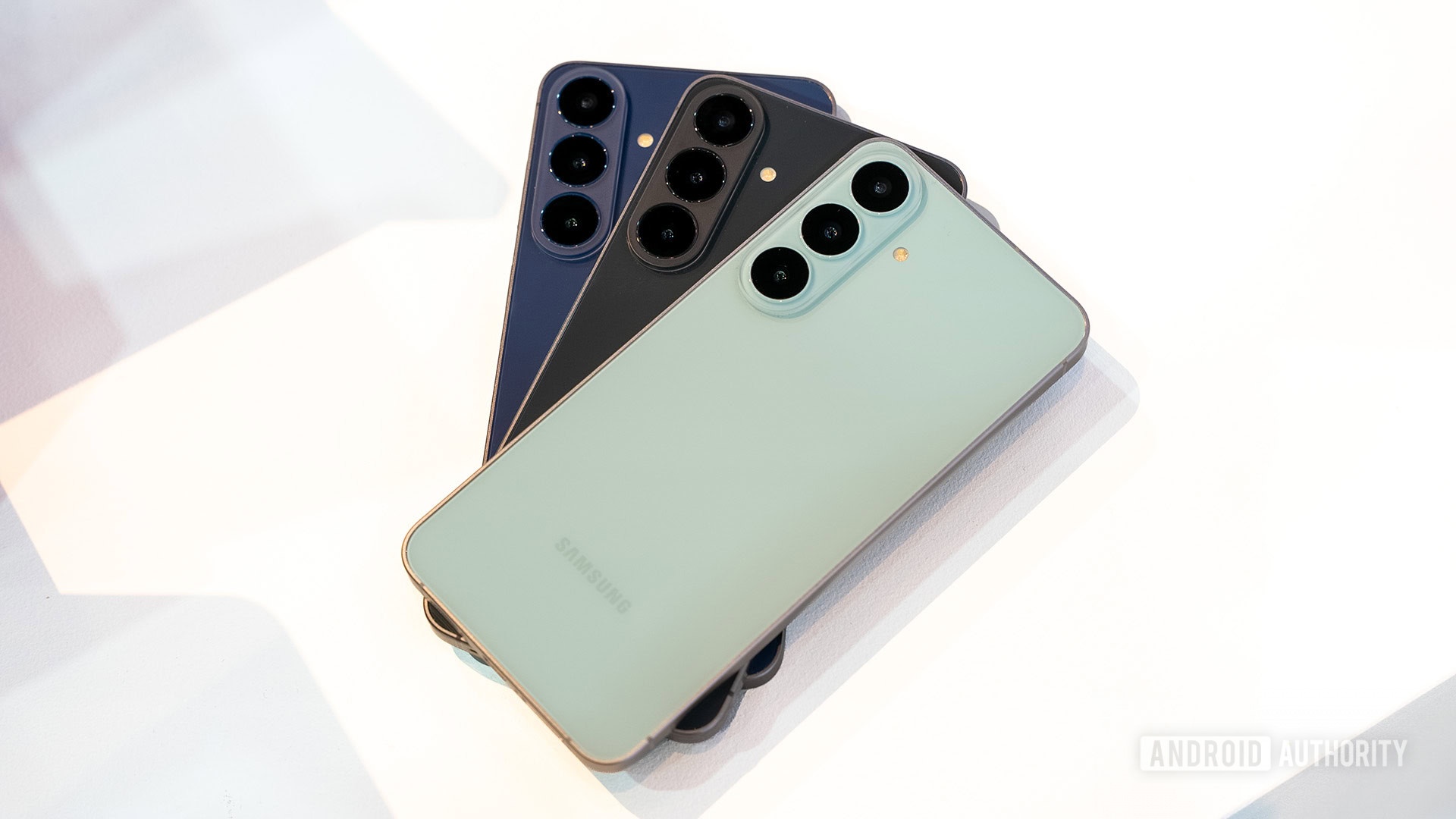
 amsung has rolled out the Galaxy S26 FE, pitching it as a rational bridge between the mid-tier Galaxy A57 and the base Galaxy S26. In daily use, though, you are holding essentially identical hardware to the outgoing Galaxy S25 FE: the same 6.7-inch AMOLED panel and the exact same camera module arrangement.
The real change sits under the hood. Samsung swapped the older Exynos 2400 for the Exynos 2500, a 3nm chip first seen in the Galaxy Z Flip 7. It offers slight clock-speed bumps across its 10 CPU cores, AMD-powered Xclipse 950 graphics, and an updated neural engine for local AI tasks. However, this silicon omits the Heat Pass Block cooling tech that Samsung reserved for the flagship Exynos 2600. The rear camera trim gets a cosmetic refresh in Blueberry, Pistachio, and Graphite, but there is zero structural thinning in the chassis.
The Galaxy S26 FE pairs last year's chassis with a modest Exynos bump and software tricks borrowed from pricier flagships.
Samsung leans heavily on One UI 9 to justify the retail price. You get software-driven camera perks like Horizon Lock to steady off-axis video and My FanCam to track subjects automatically, all backed by a pledge of seven years of OS upgrades.
The Memory Bottleneck and the Pricing Trap
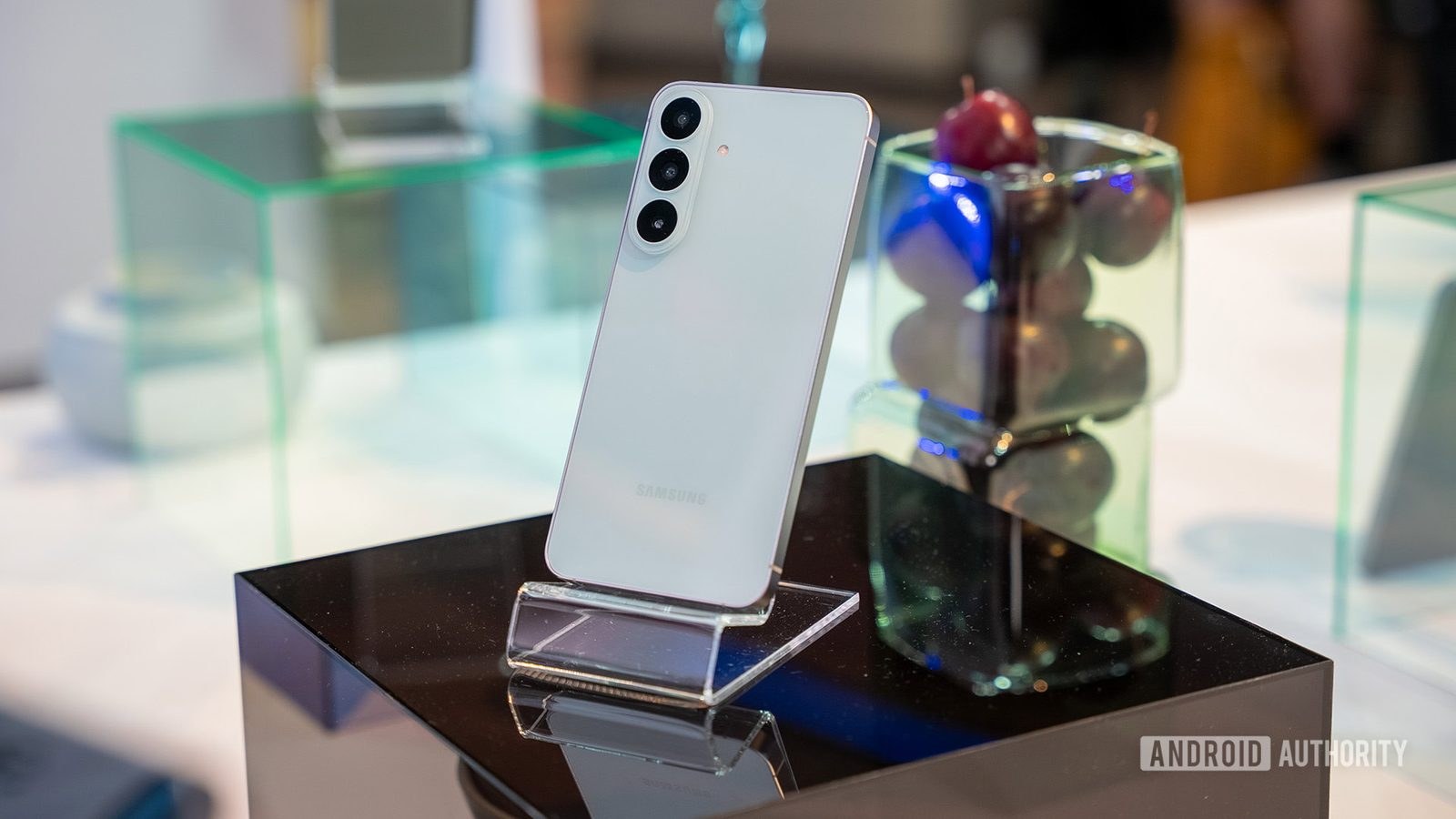
Those camera tools hit an immediate physical ceiling. The optics remain unchanged: a 50MP primary shooter, an 8MP telephoto, and a 12MP ultrawide sensor. Samsung insists the Exynos 2500 squeezes extra sharpness out of 1-2X digital crops via algorithmic processing, but computation cannot fully compensate for aging glass.
More critically, the Fan Edition once again falls into a familiar retail no-man's-land. By the time the S26 FE lands, discounted base Galaxy S25 and S26 units often hover around the same price bracket while offering superior build quality and camera hardware, while the Galaxy A-series covers the essential daily tasks for far less cash. Seven years of operating system updates sound generous on a spec sheet, but paired with baseline RAM and an unexceptional sensor array, paying full launch price makes little sense. Unless carriers heavily subsidize it or retailers slash the price tag, holding off for discounts or snapping up last year's discounted flagship remains the far smarter purchase.