
#Comparison
15 stories on this topic, newest first.
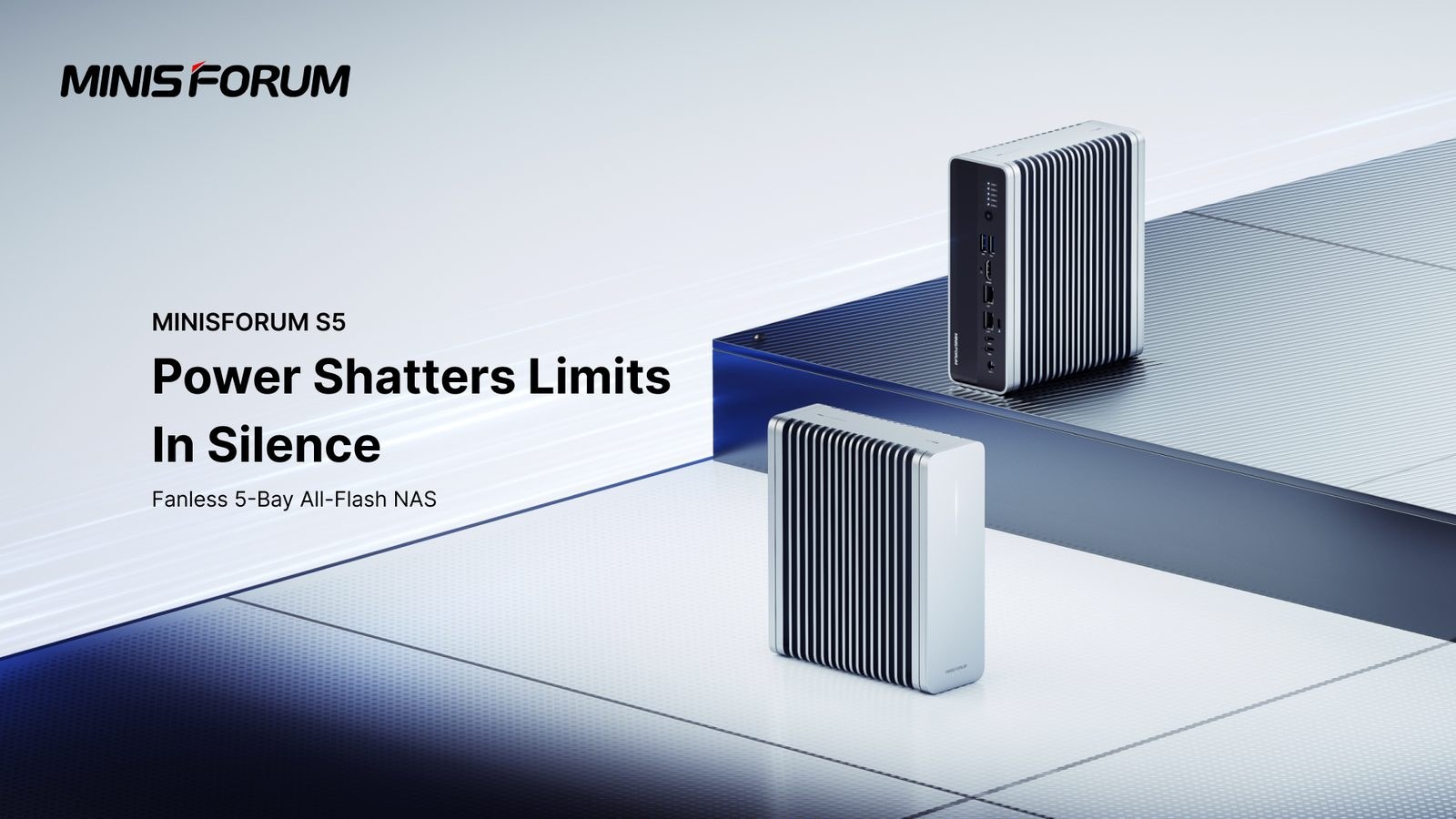
Minisforum's fanless S5 storage box trades noisy hard drives for up to 40TB of silent solid-state memory starting at $599. We break down whether buying the barebone chassis and adding your own drives actually beats the prebuilt pricing.

Google's experimental AI search interface surfaces listings that cost 21.6% more on average than traditional search results. A new investigation reveals the feature consistently favors high-margin items and major retailers instead of cheapest offers.

Samsung and Apple have shifted to a wider passport-style format for the Galaxy Z Fold 8 and iPhone Duo. These folding screens offer a usable phone when closed and a tablet workspace when opened, though high prices and delicate hinges remain.

Budget smart padlocks with fingerprint scanners promise keyless security for under $30. Teardowns reveal that weak alloy casings and loose shackle tolerances can be bypassed with paperclips and screwdrivers in seconds.
Open-source tool StemDeck isolates six audio stems directly on local consumer hardware instead of charging monthly cloud fees. The software eliminates upload queues and keeps unreleased music strictly on personal drives with a full multitrack mixer interface.
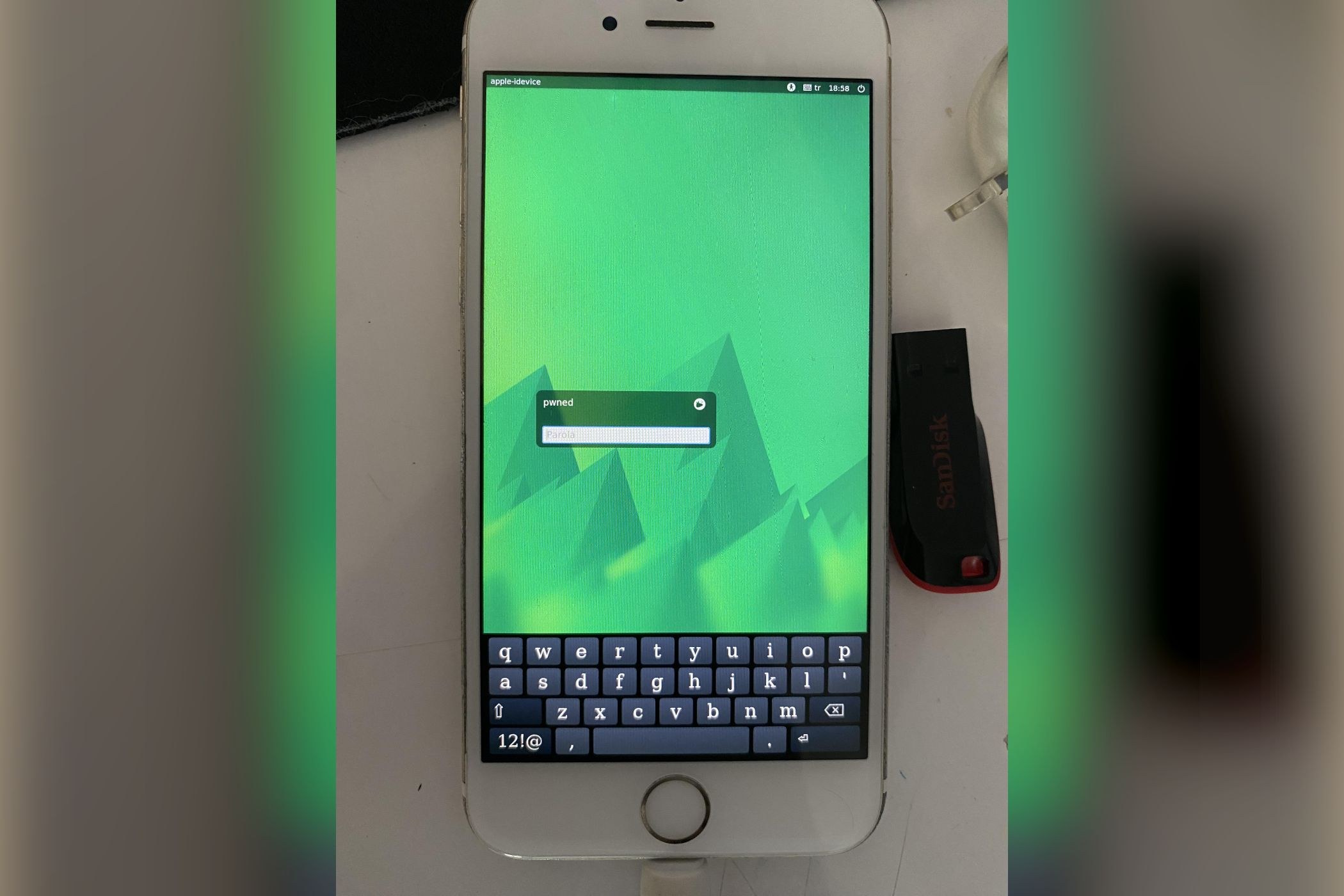
A tech enthusiast successfully booted postmarketOS Linux onto a decade-old iPhone 6S after a three-hour setup. The project proves obsolete Apple hardware can run alternative desktop systems, though broken mobile features make dedicated boards like a Raspberry Pi far more practical for everyday utility.
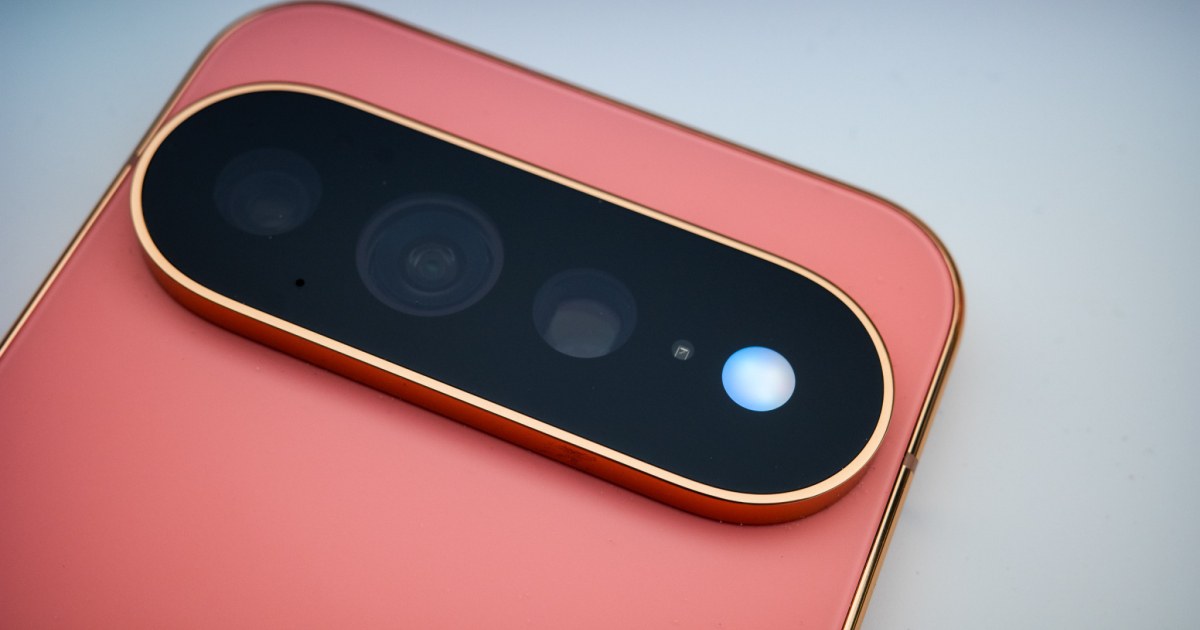
Google replaced the traditional flash in the Pixel 11 Pro with a diffused LED array designed for soft Gemini AI animations. Real-world tests show the phone delivers just 89 lux, falling more than five times behind the iPhone 16 Pro in basic flashlight utility.
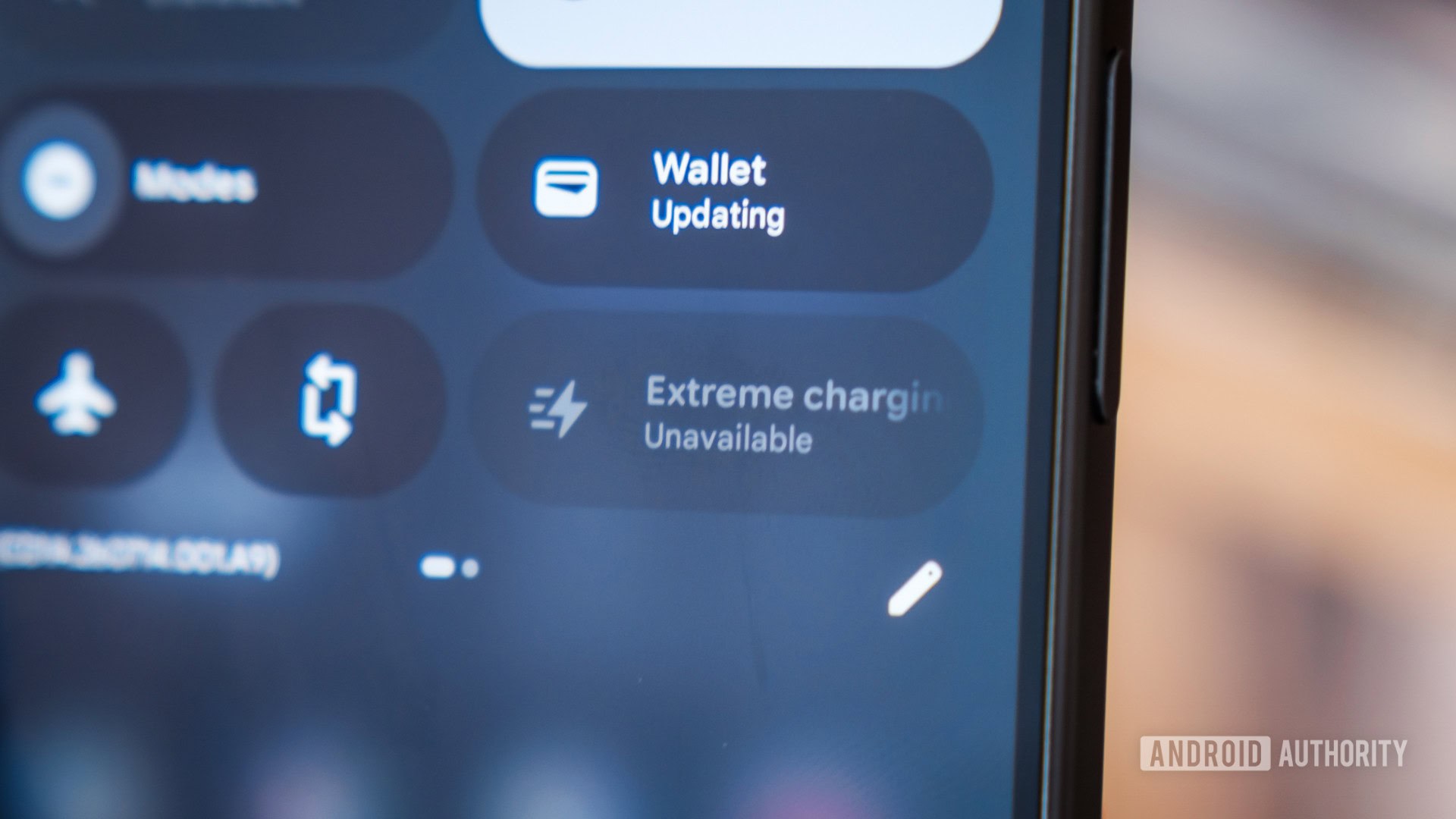
Bench tests show Google's flagship throttles quickly due to thermal limits, delivering real-world charging speeds nearly identical to previous generations. Getting even a brief 40.7W boost requires a niche 21V PPS charger that costs an extra $59.99.
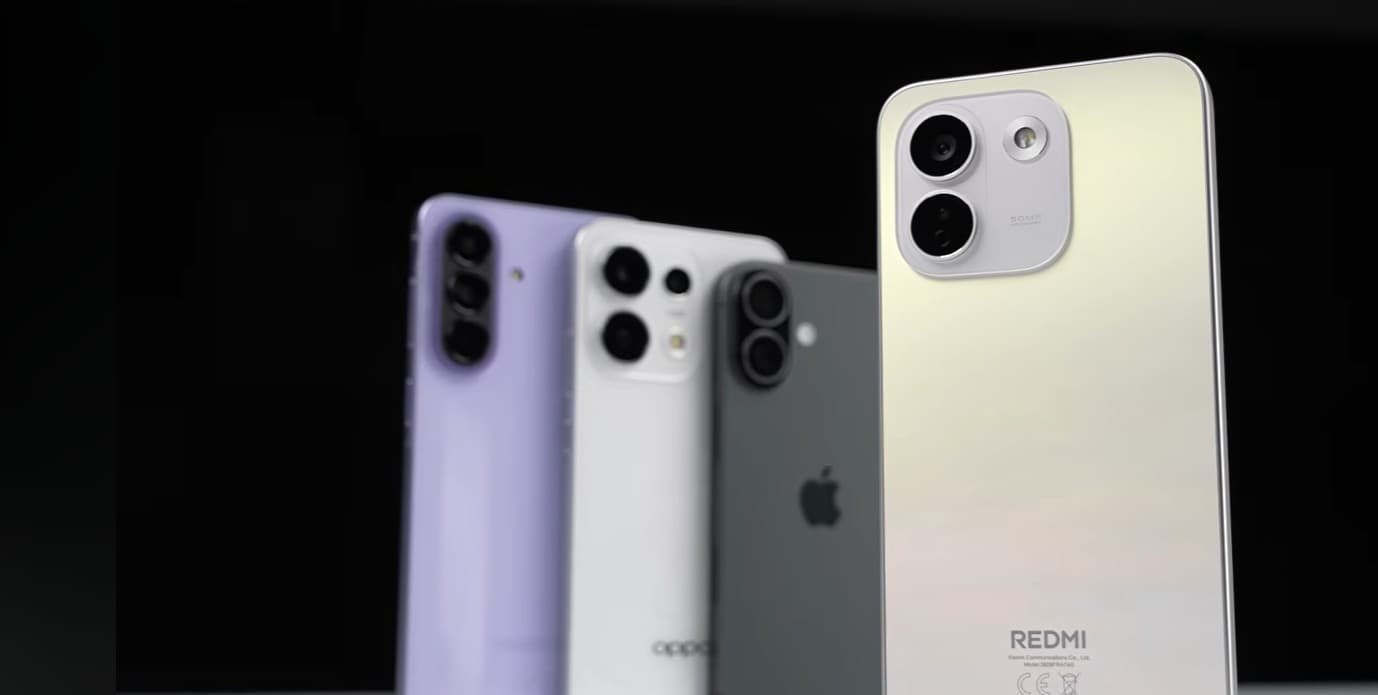
Xiaomi's Redmi Note 17 Pro Max ran for over 19 hours in PhoneBuff's robotic endurance benchmark, comfortably beating the OnePlus 15 and iPhone 17. The 10,000 mAh battery delivers multi-day life for field workers and travelers, though it turns the phone into an unwieldy brick for everyday users.
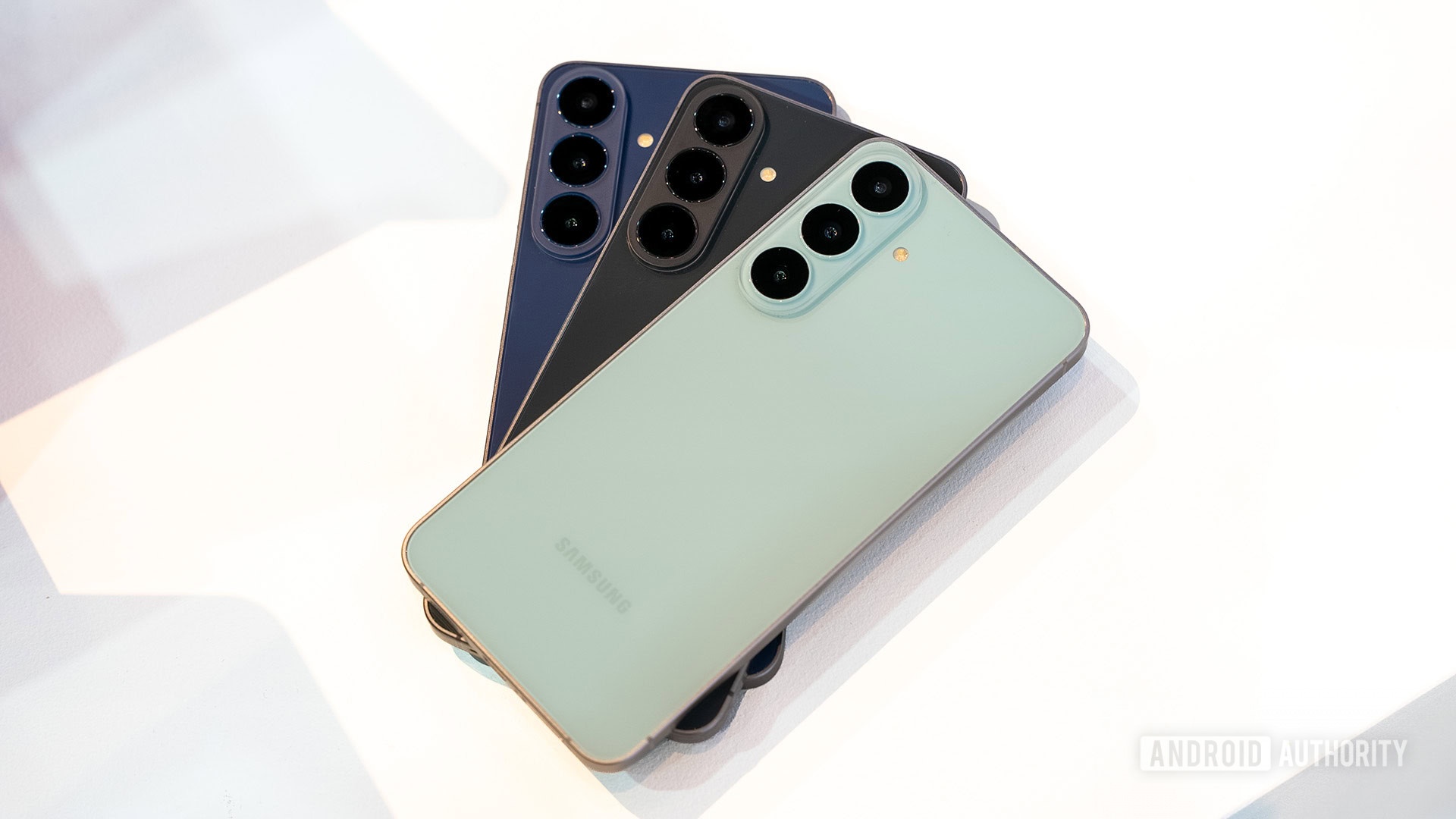
Samsung launched the Galaxy S26 FE with an Exynos 2500 processor and One UI 9 tricks, leaving the display and camera hardware identical to its predecessor. For everyday buyers, retail price overlaps mean discounted older flagships offer far better value than this incremental update.

OpenAI and Broadcom have developed a dedicated inference processor called Jalapeño that beats Nvidia's flagship Blackwell hardware in tokens per megawatt. The custom silicon aims to slash data-center power costs and reduce generation latency across AI services.

High token generation speeds on laptops do not guarantee quick answers. Benchmark tests show compact local models finish tasks faster and outscore massive cloud systems simply by eliminating unnecessary internal reasoning.
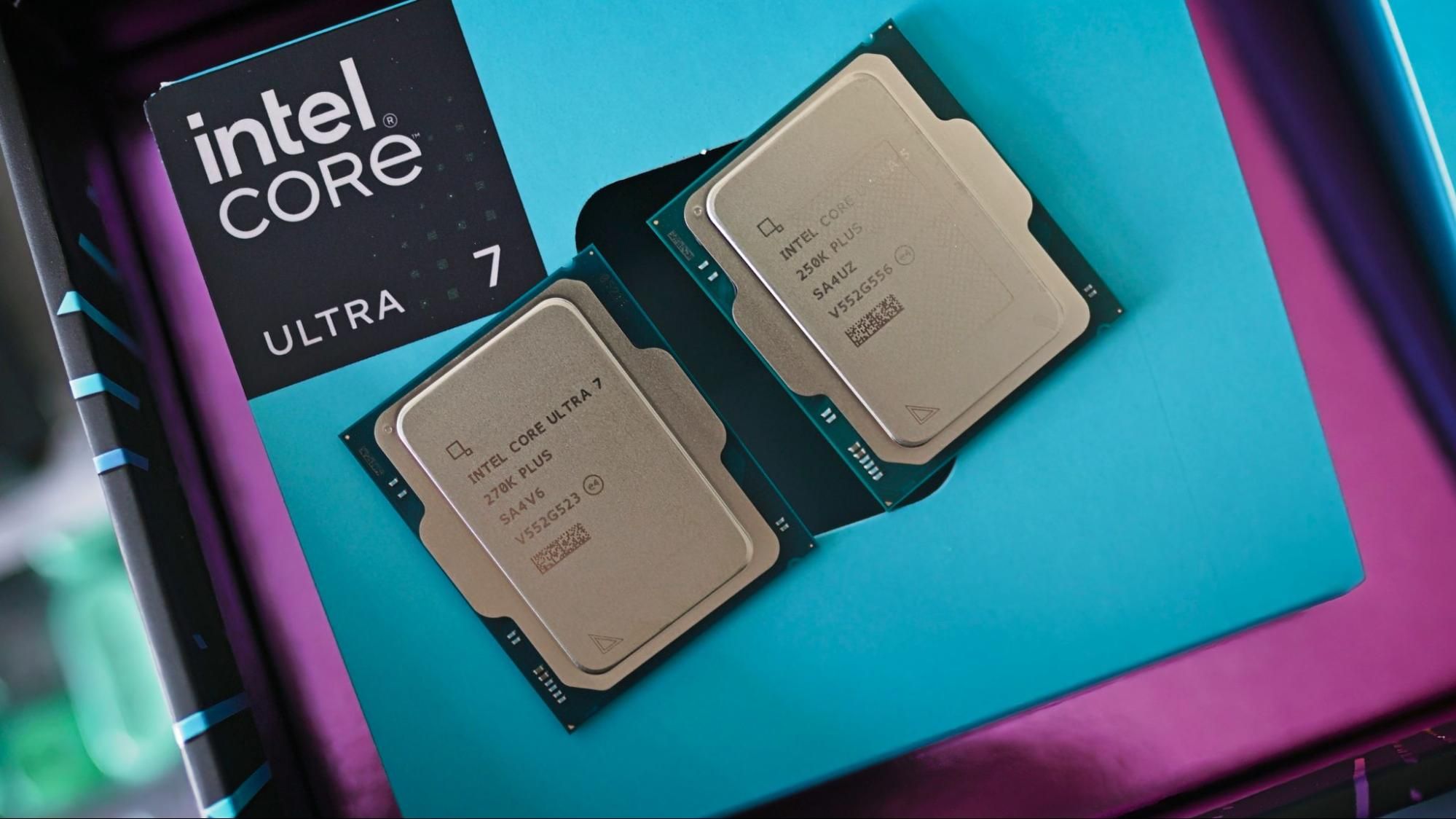
Intel returned to Amazon's top-ten processor sales chart after months of total AMD control. Aggressive price cuts on the $290 Core Ultra 7 270K Plus and cheap DDR4 motherboard compatibility for the $312 Core i7-14700K are winning over cost-conscious PC builders who need real-world productivity over pure gaming benchmarks.

Duke University introduced the Why2Speak framework to test why conversational AI agents choose not to intervene. Tests on Qwen3-8B show that forcing models to explain their inaction degrades accuracy without delivering trustworthy safety trails.
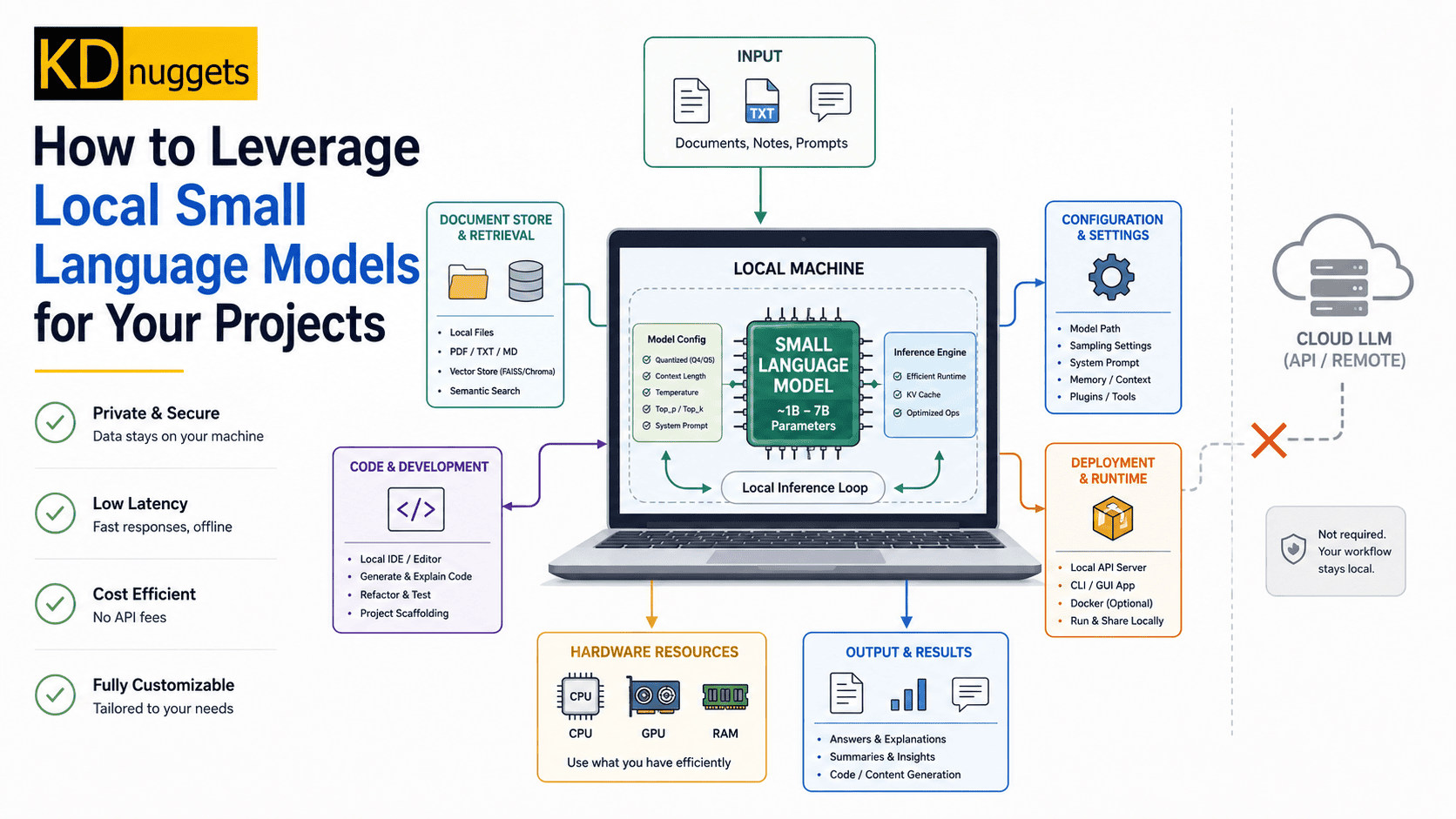
Modern small language models from 1B to 13B parameters now run efficiently on standard consumer laptops using 4-bit quantization. Shifting high-volume document search and code assistance to local VRAM eliminates recurring API token costs and data privacy risks.